Pine is a softwood material, and its texture characteristics vary depending on the species and growth environment. Generally speaking, the texture of pine is more obvious, the color is lighter, and the texture is softer, and it will not appear hard and sharp like some hardwoods.
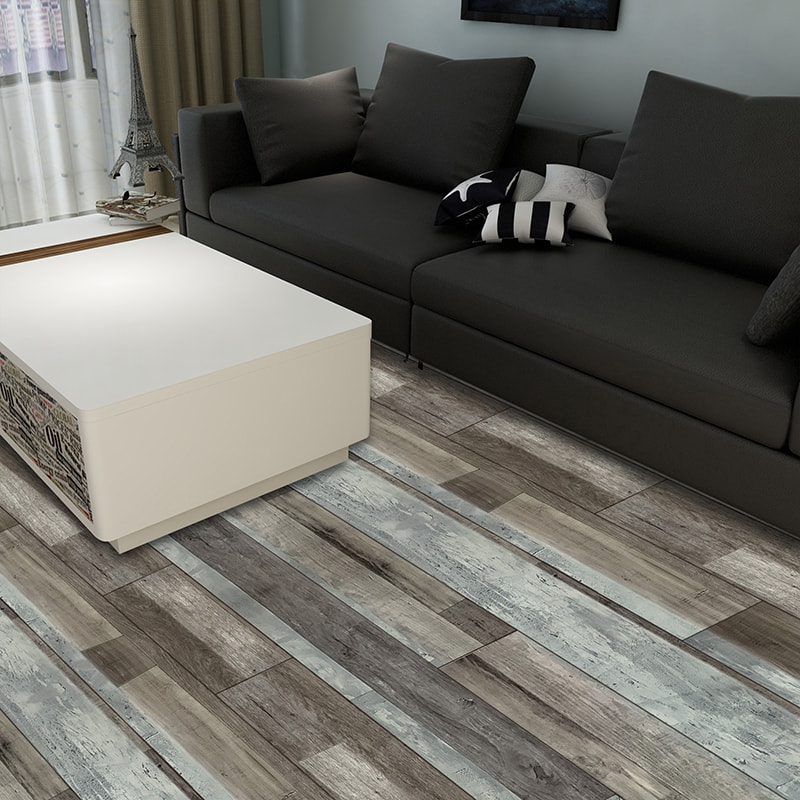
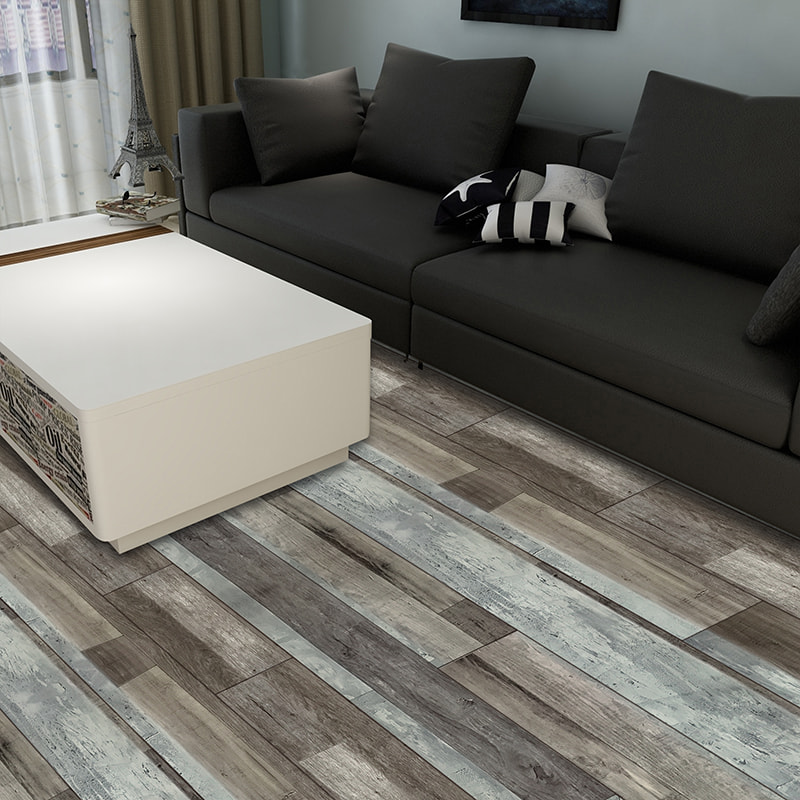
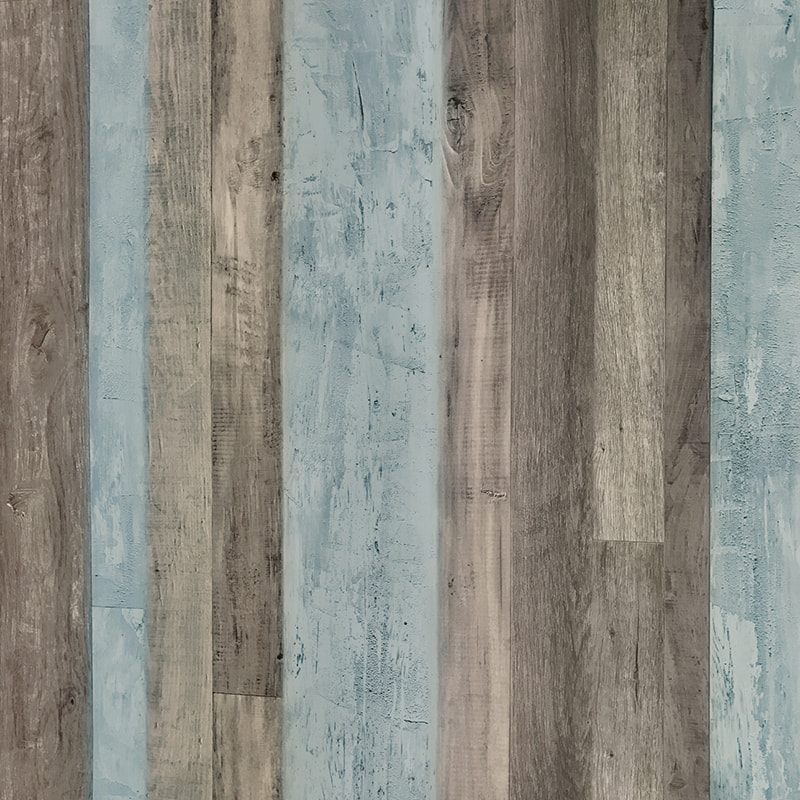
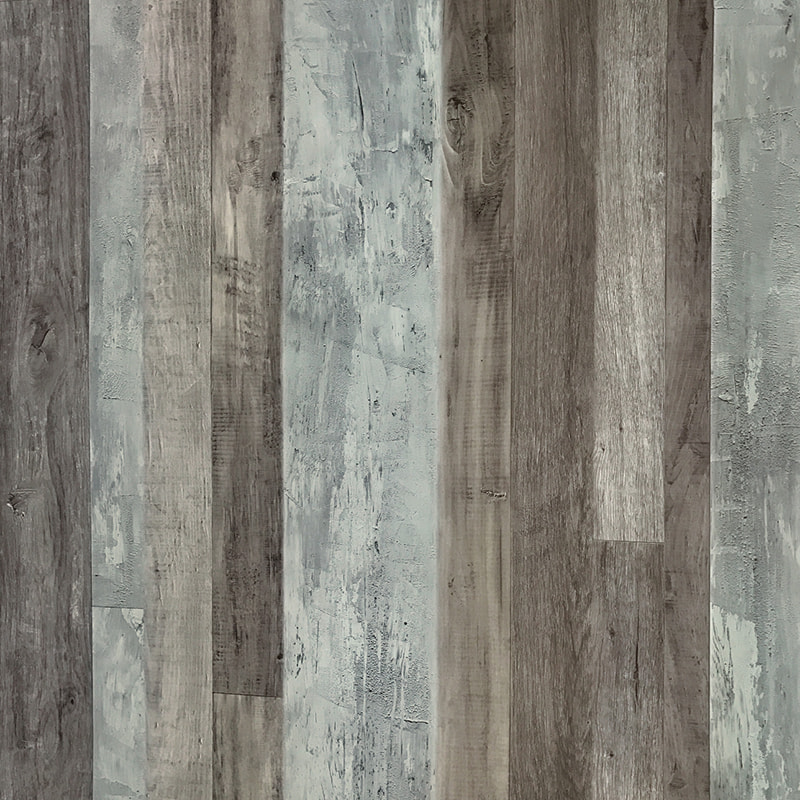
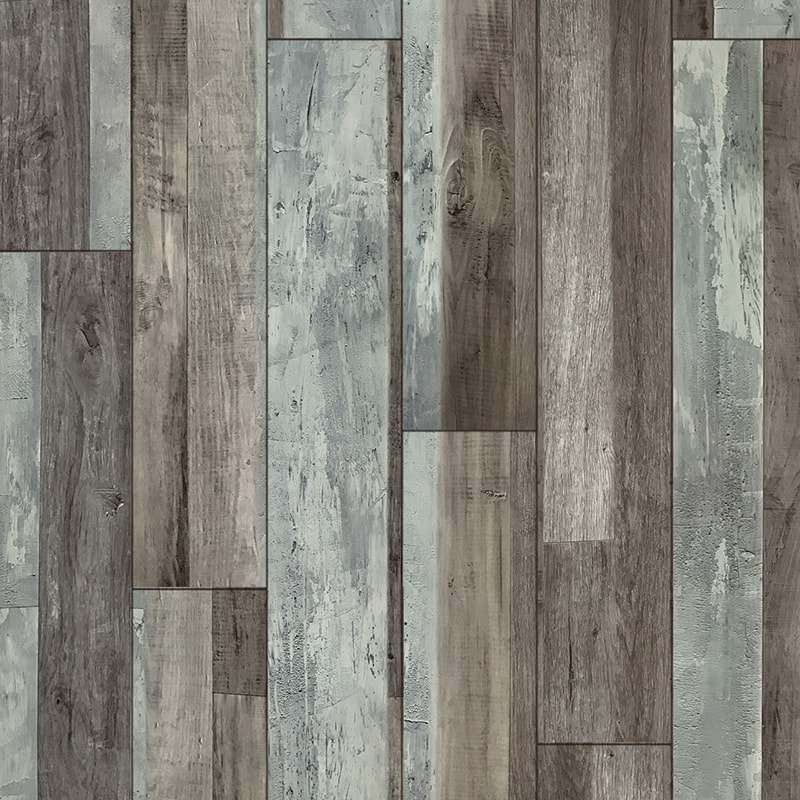
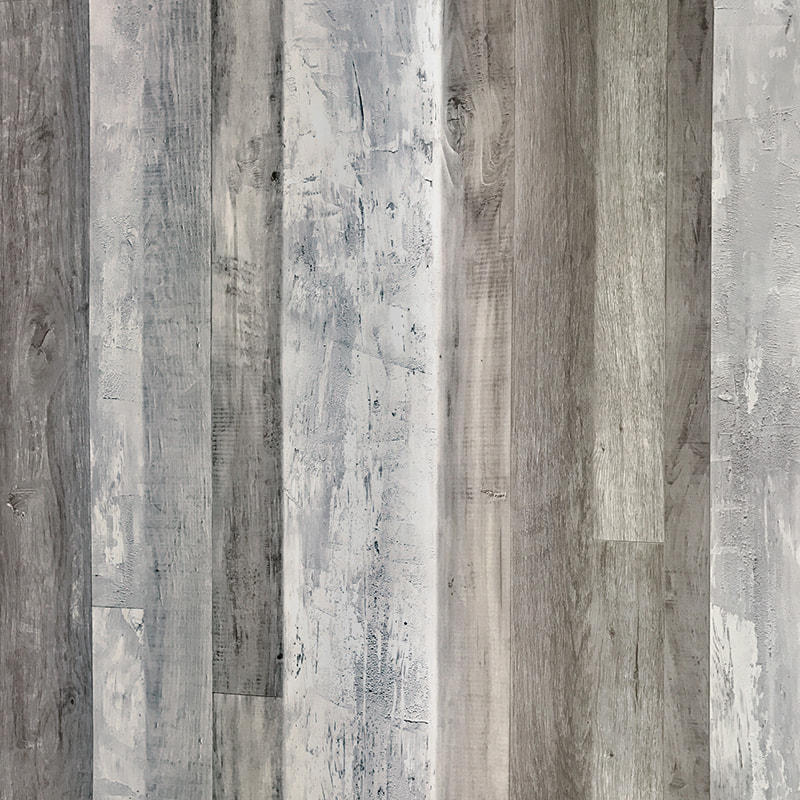
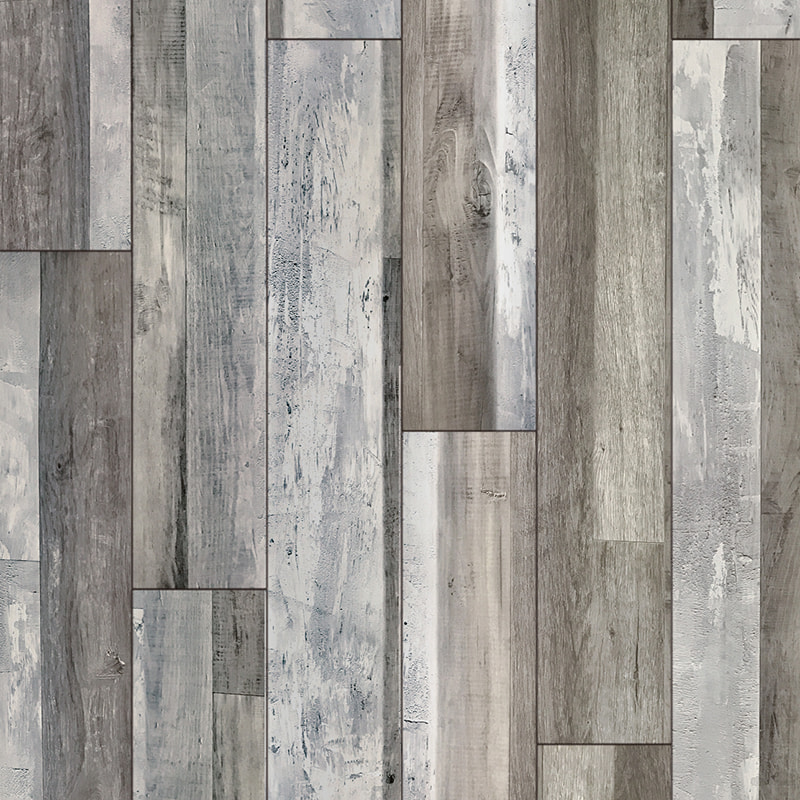
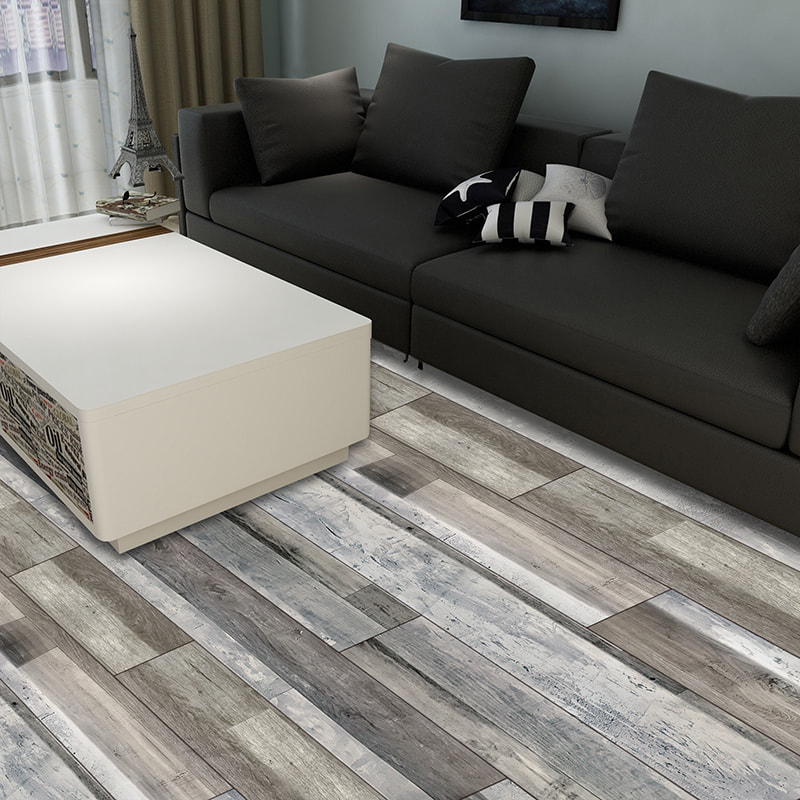
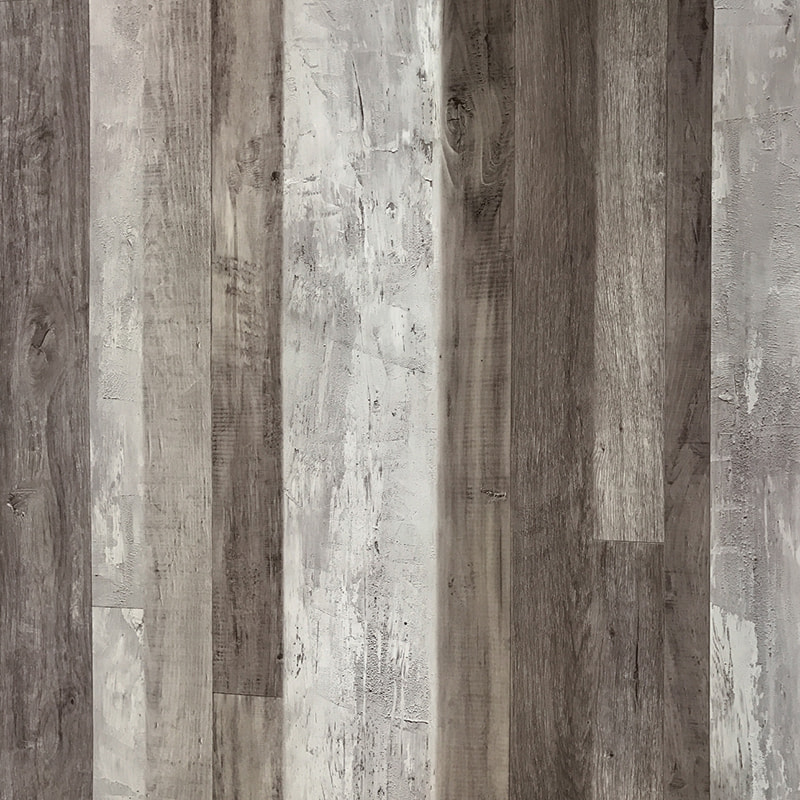
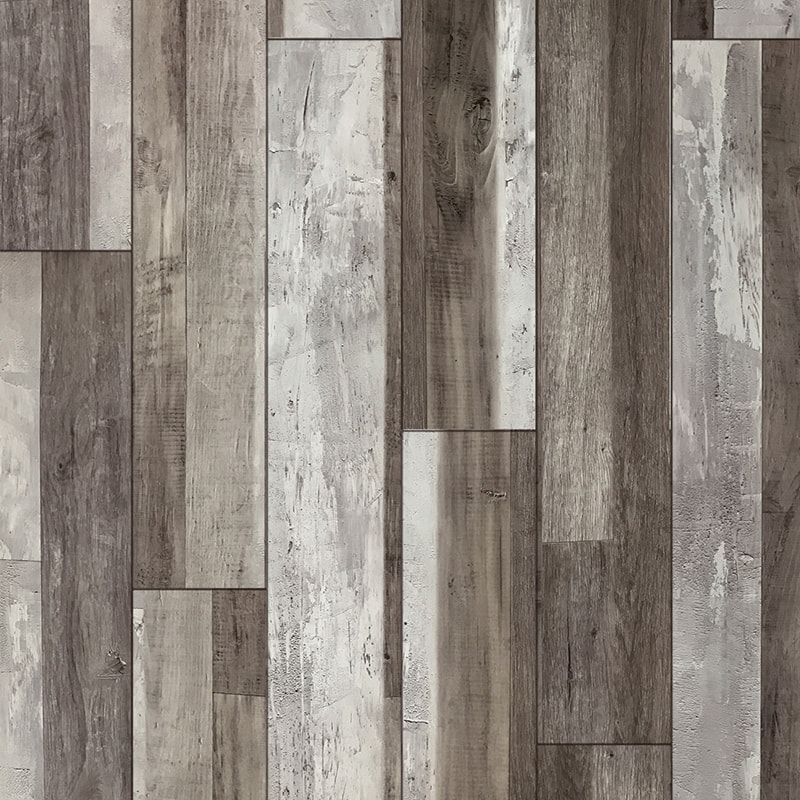
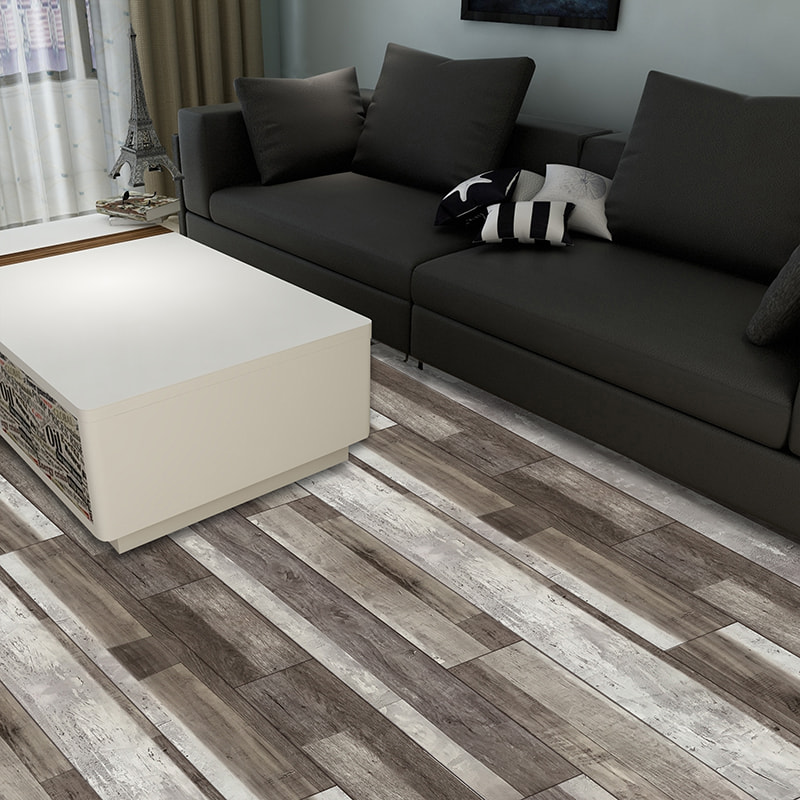
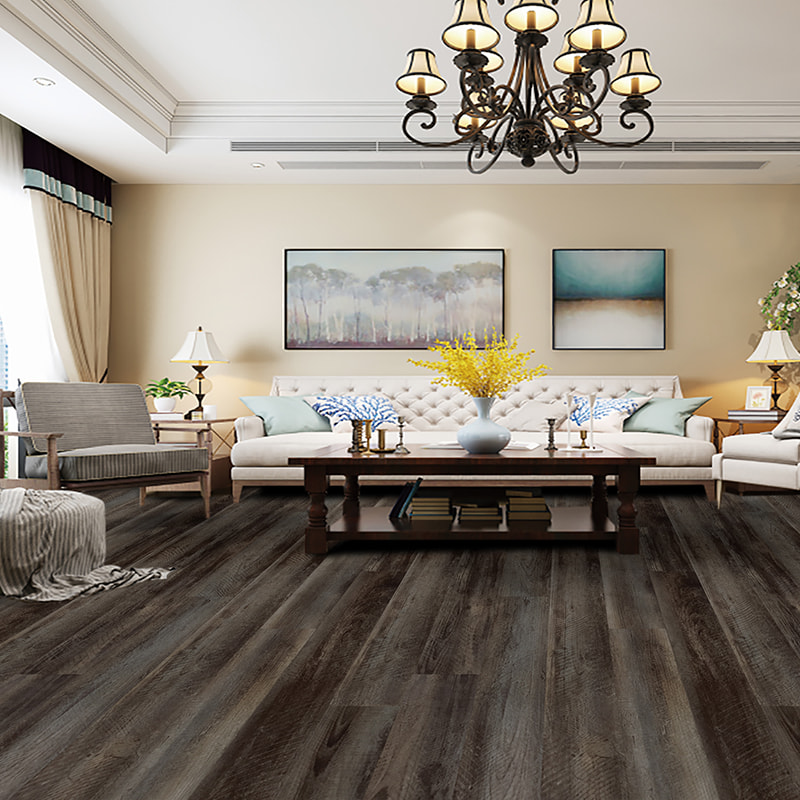
Model: YC2004
Wood: Pine
Spec: 1000*1270mm
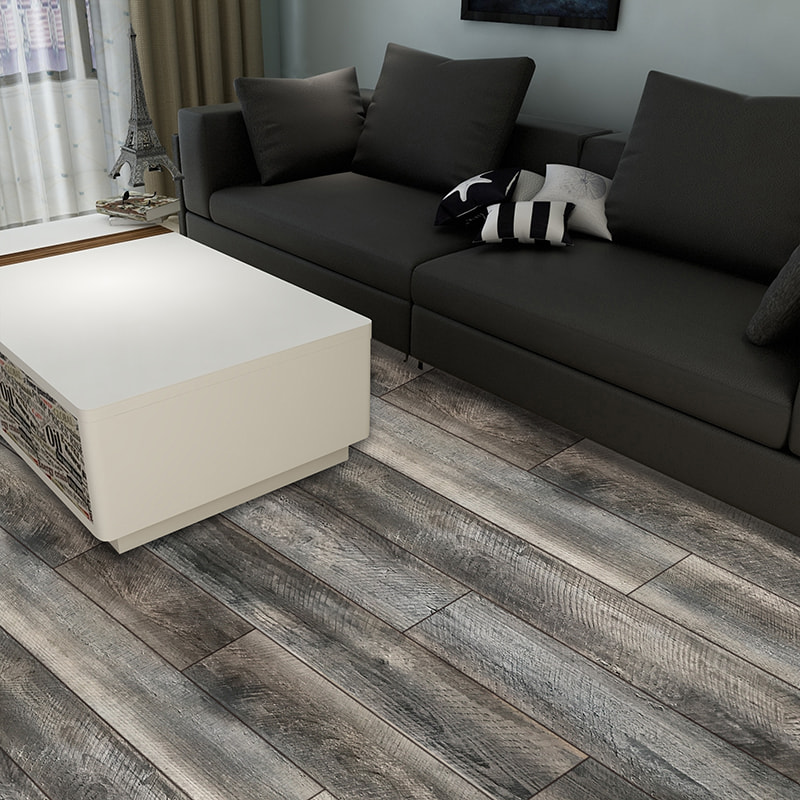
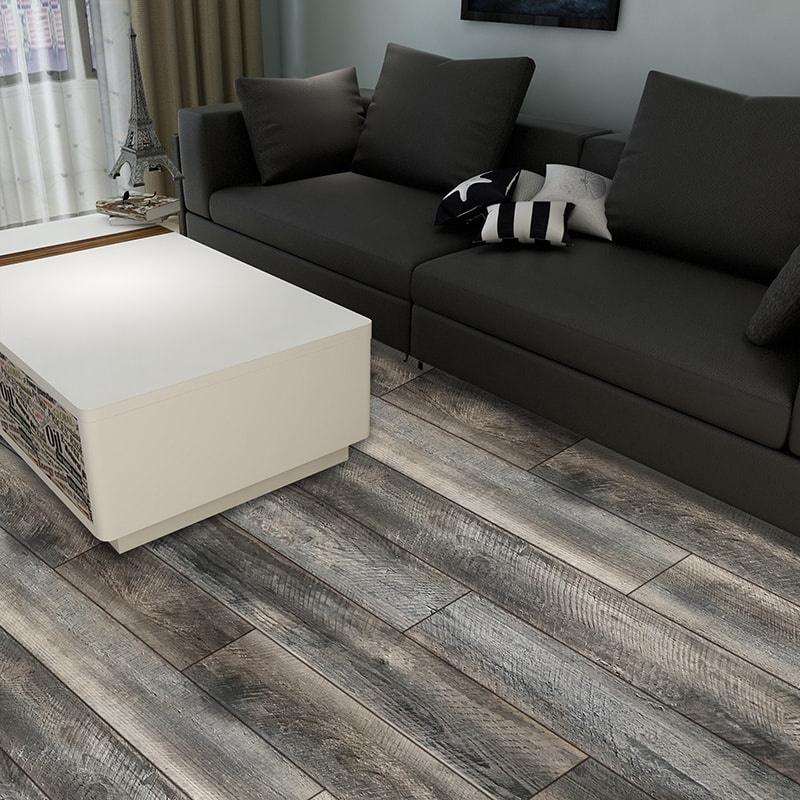
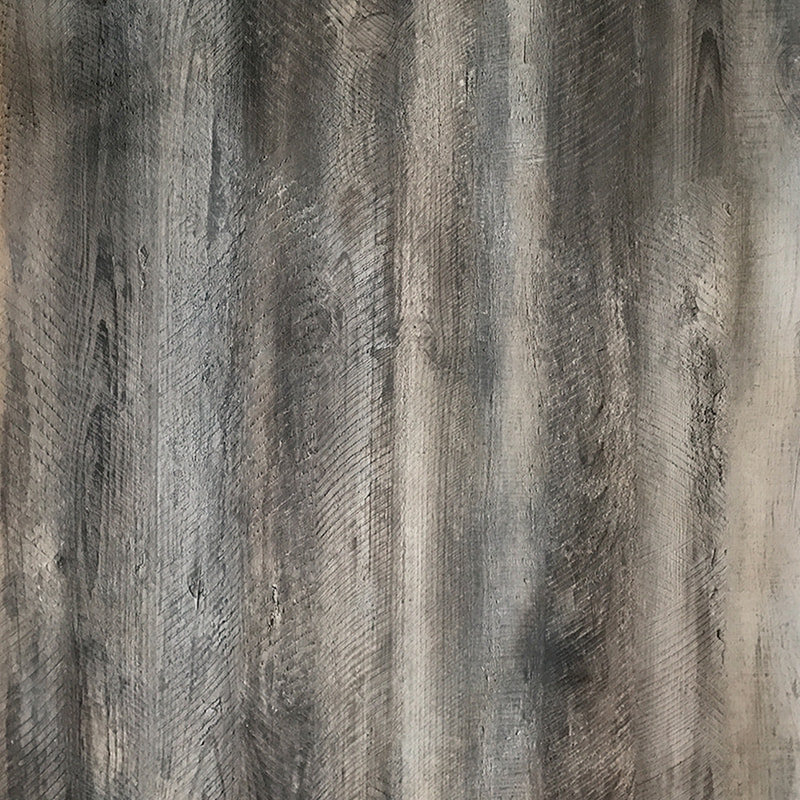
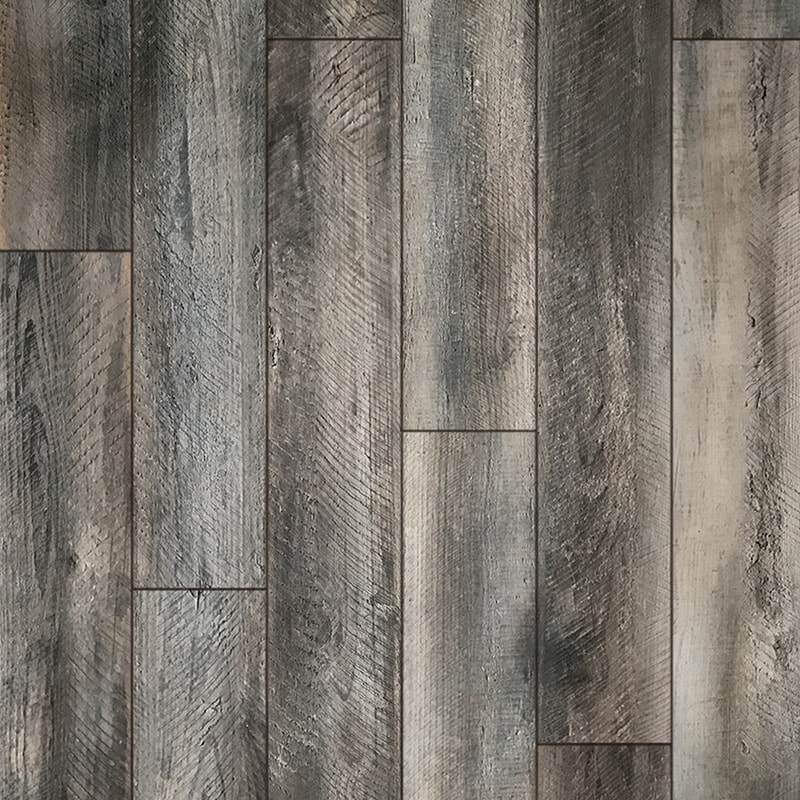
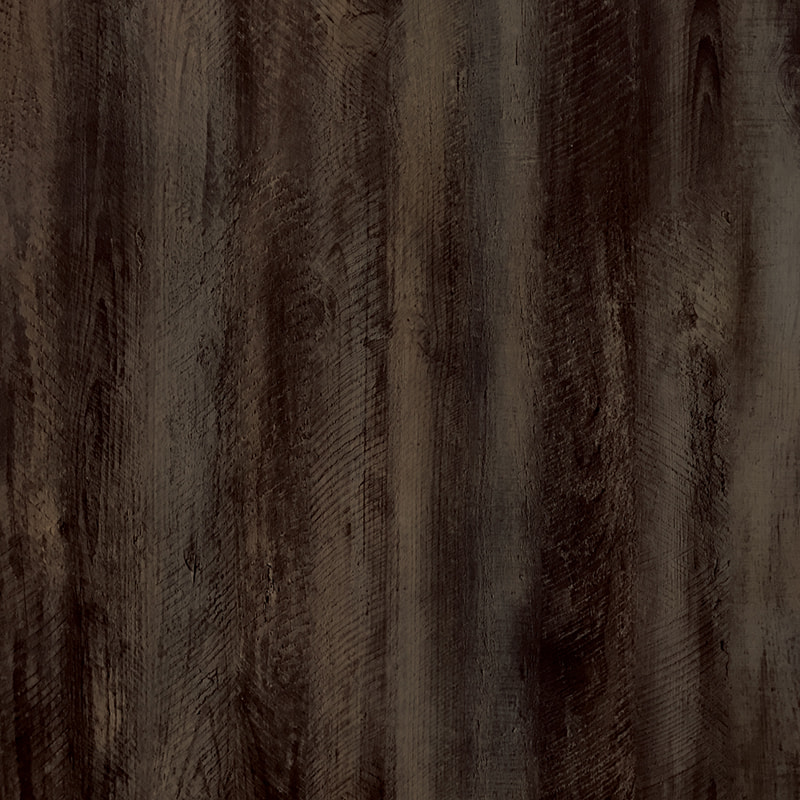
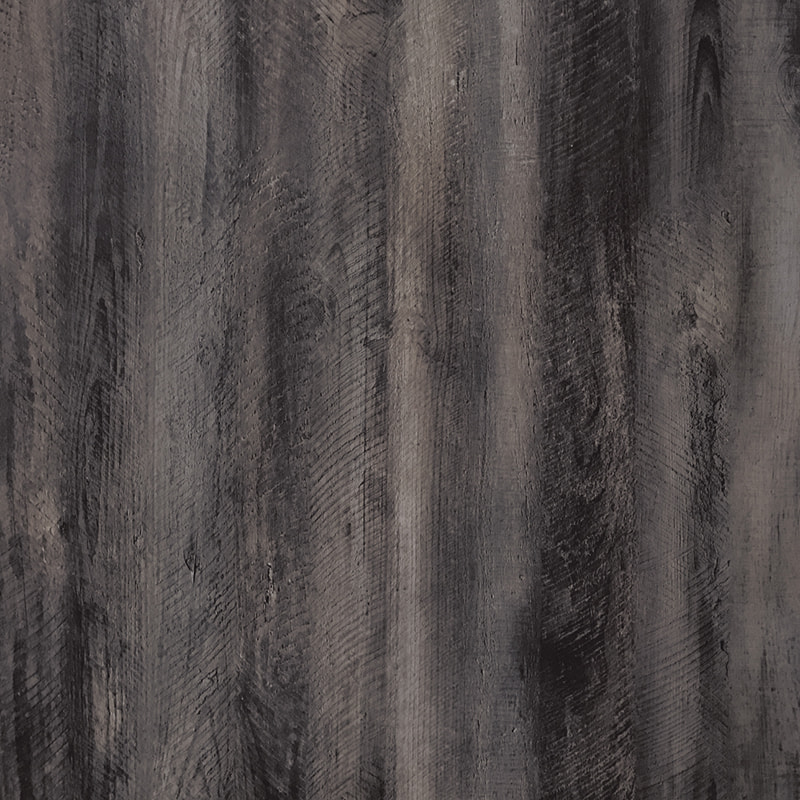
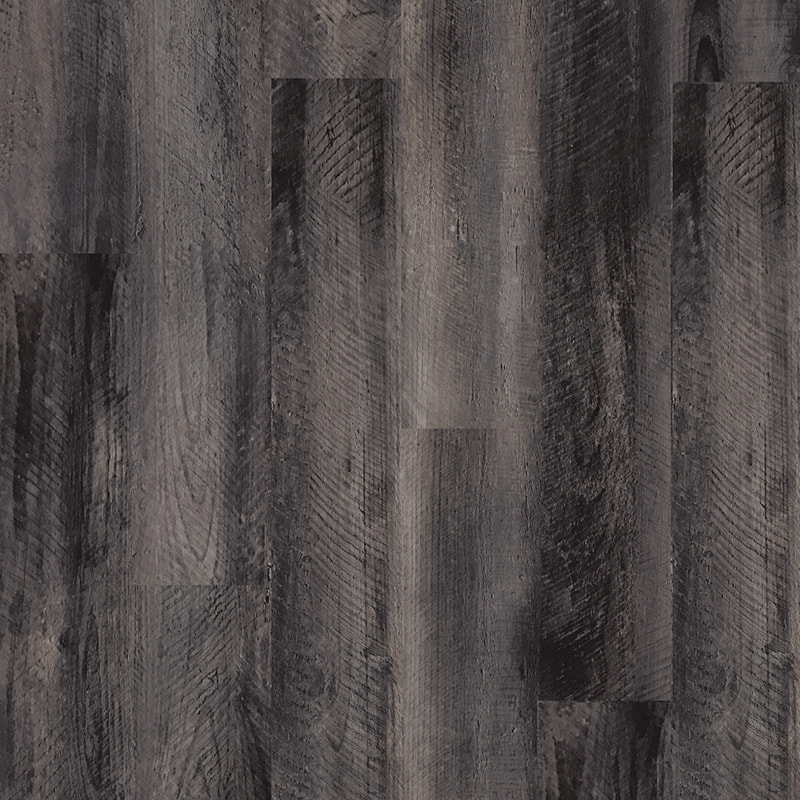
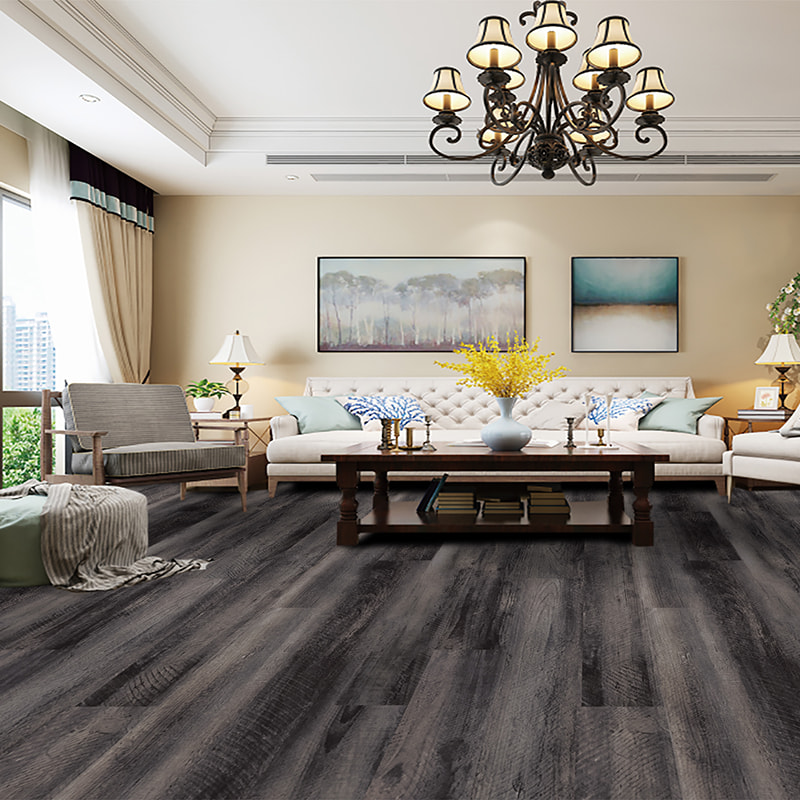
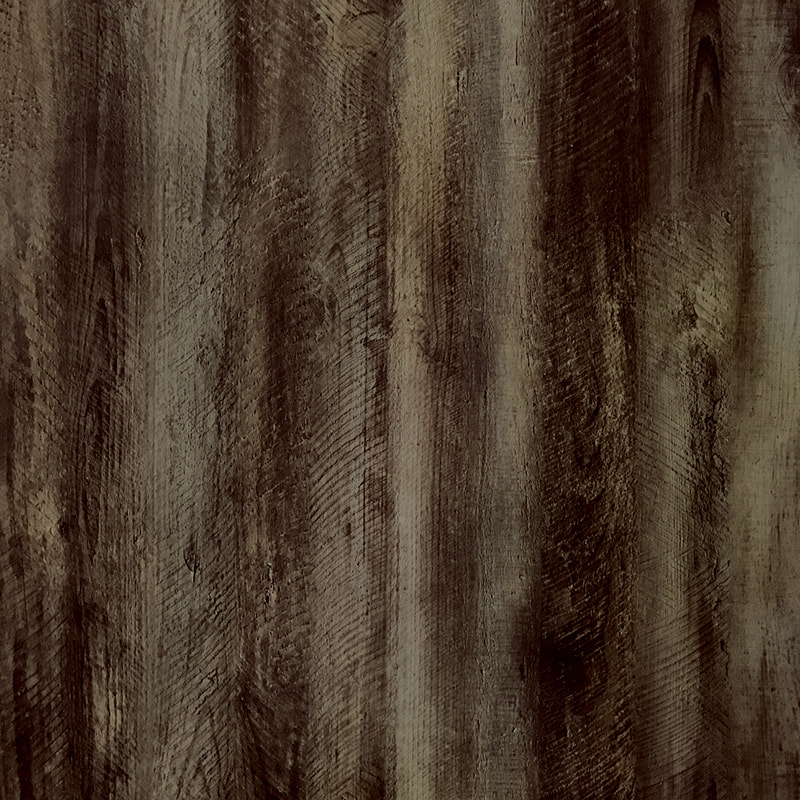
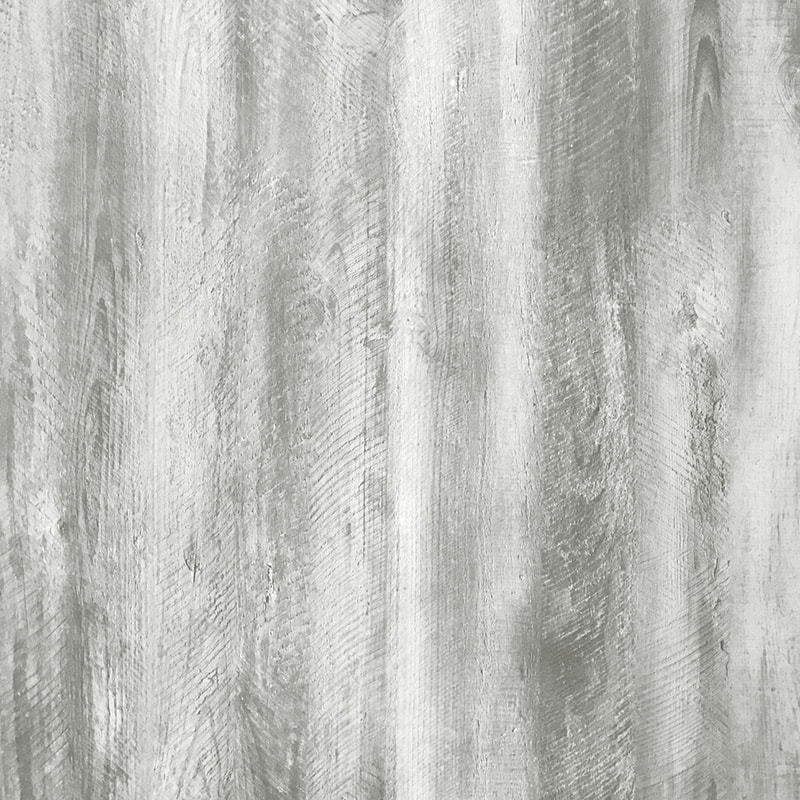
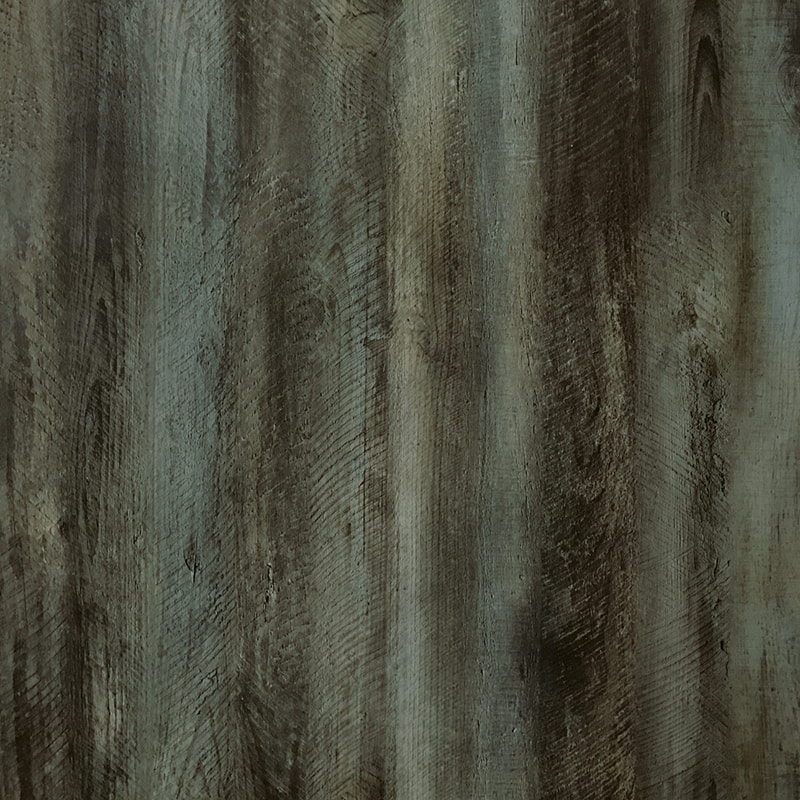
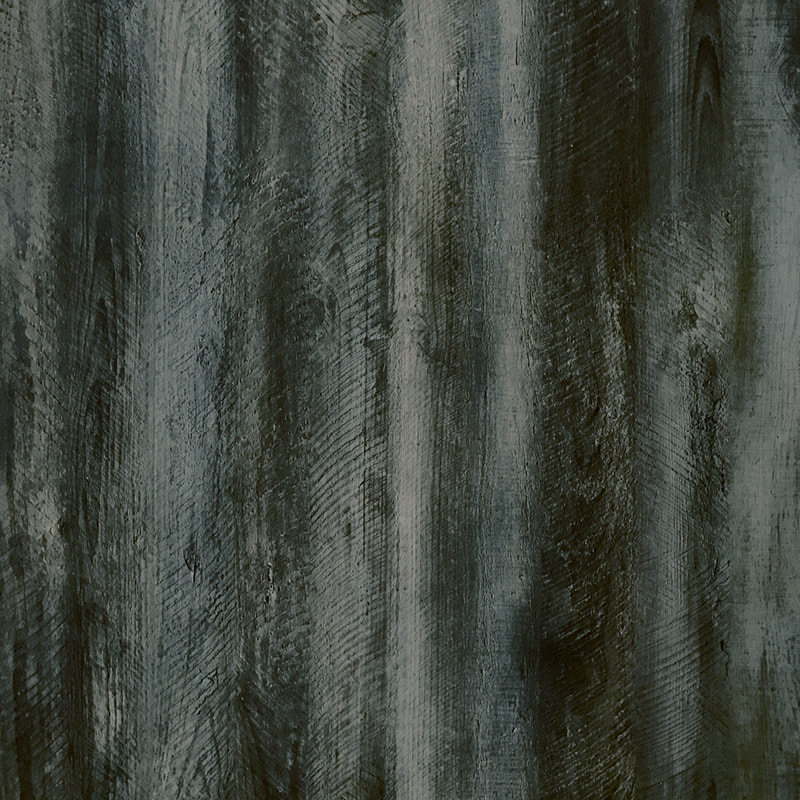


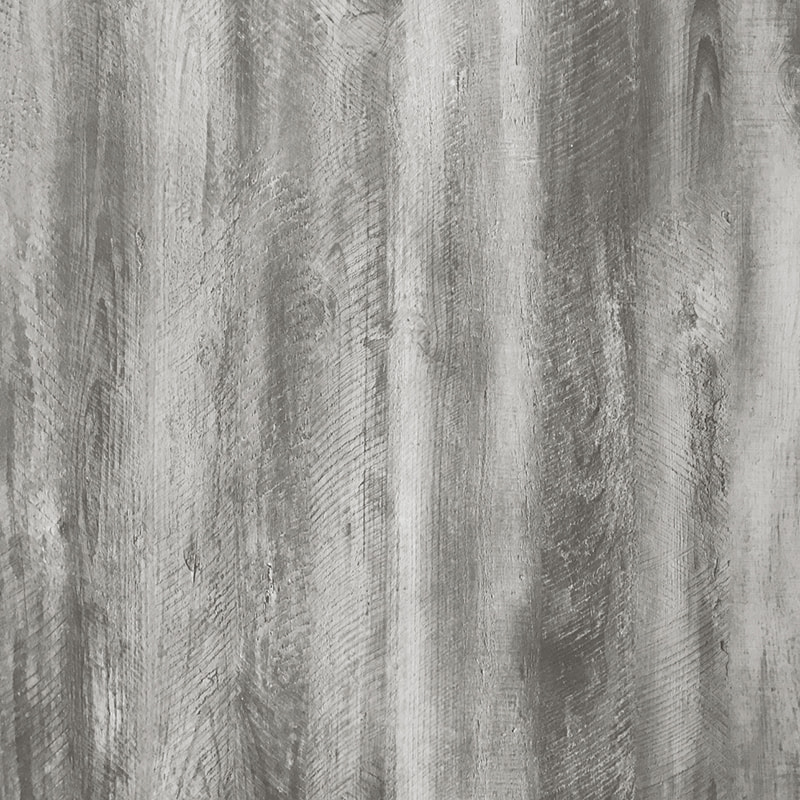
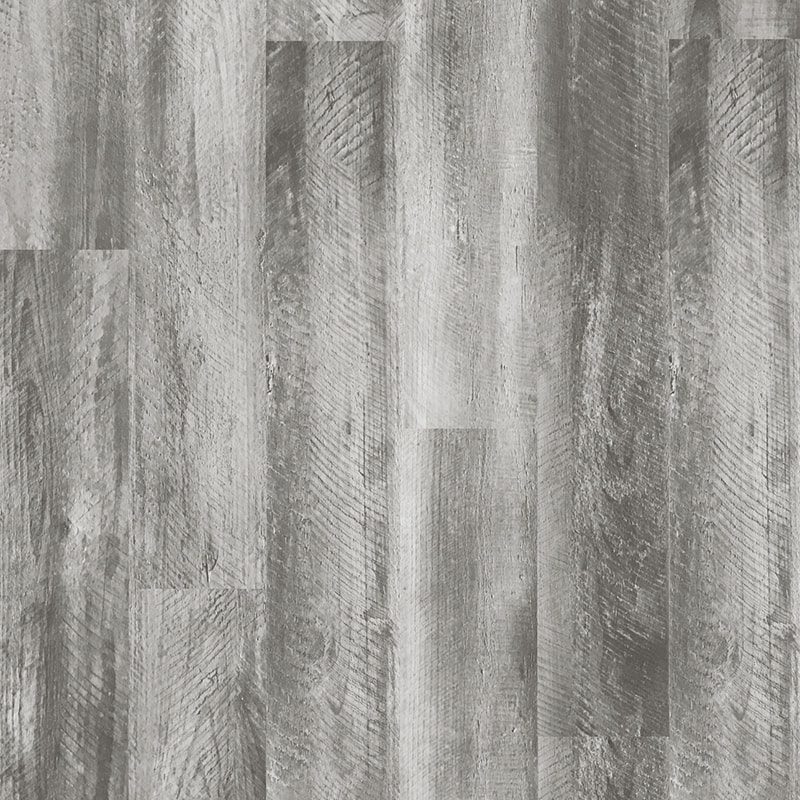
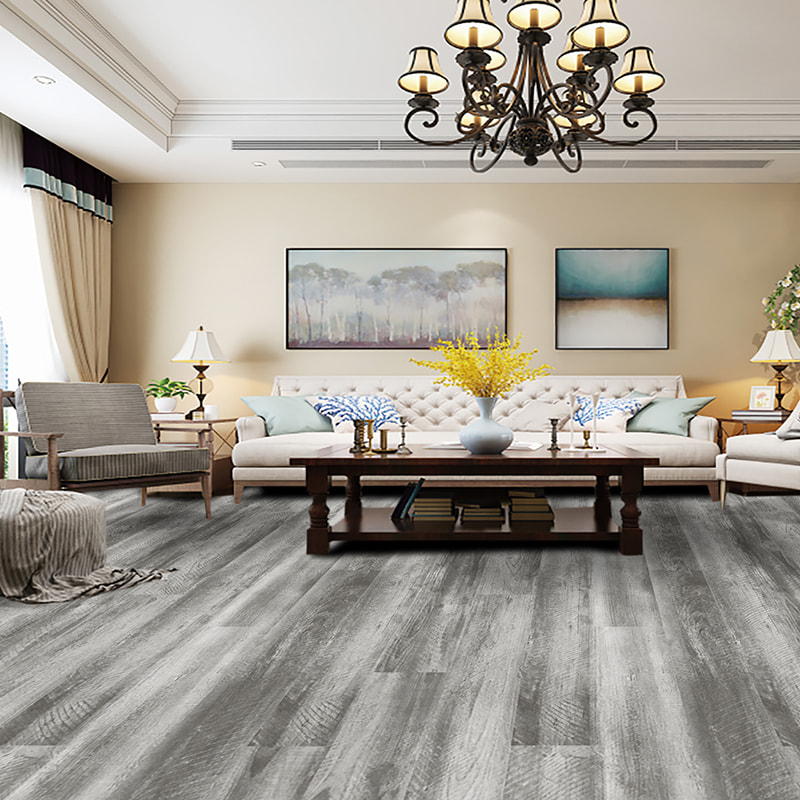
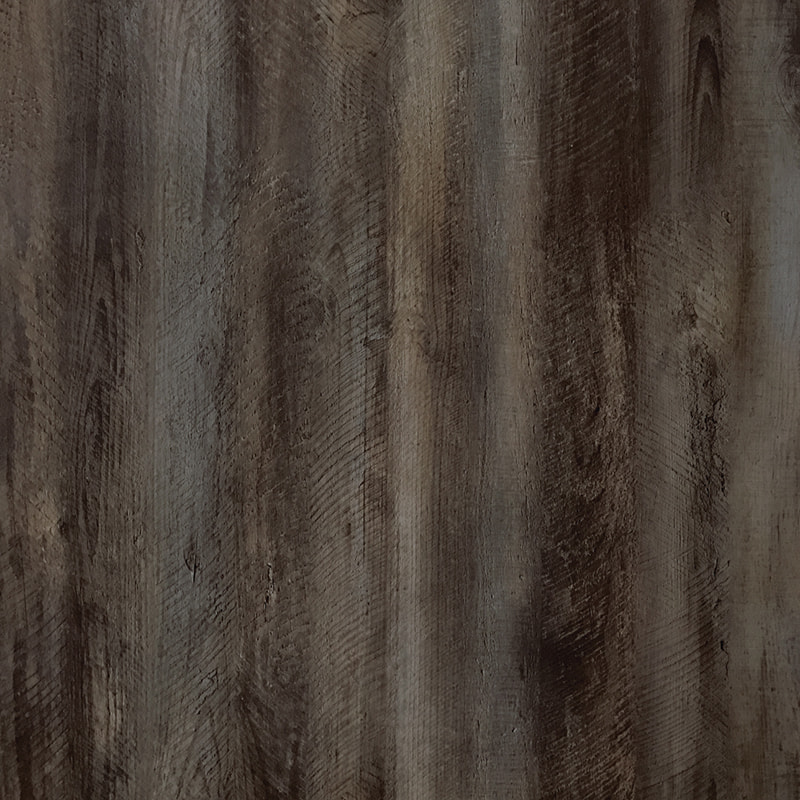
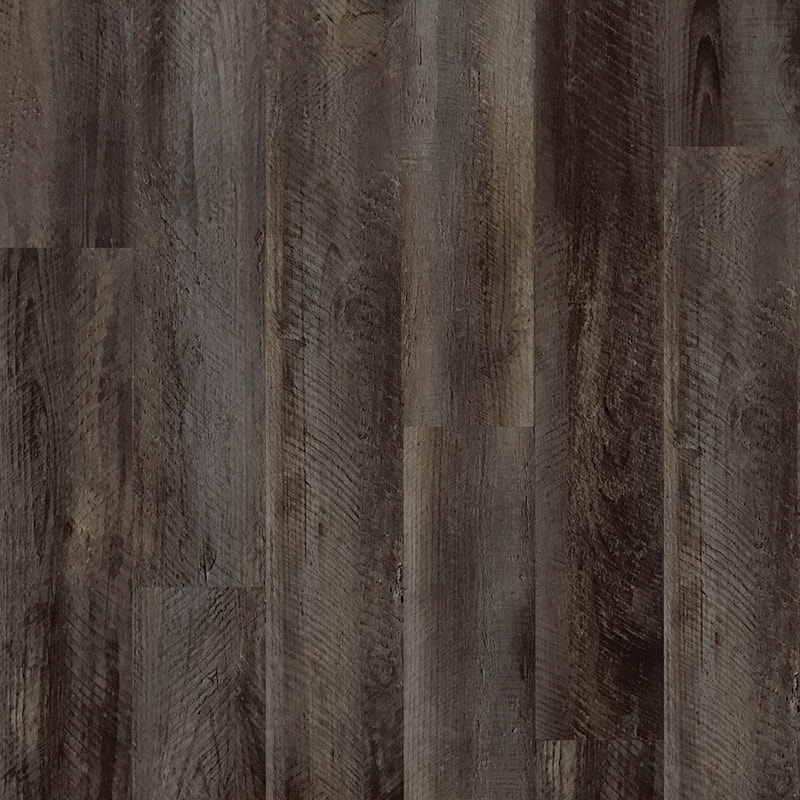
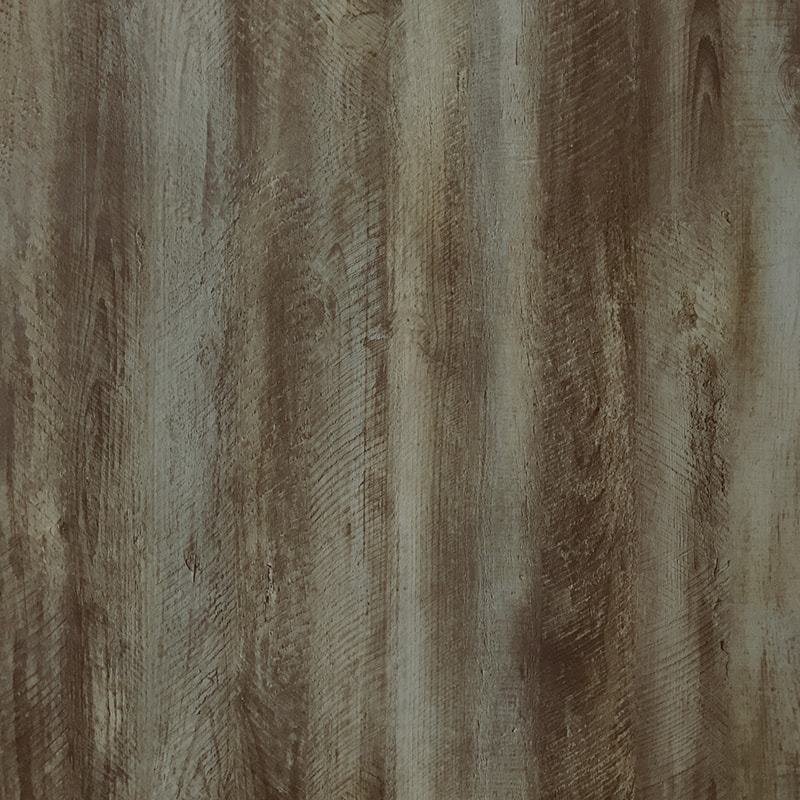
Model: YC2005
Wood: Pine
Spec: 1000*1270mm
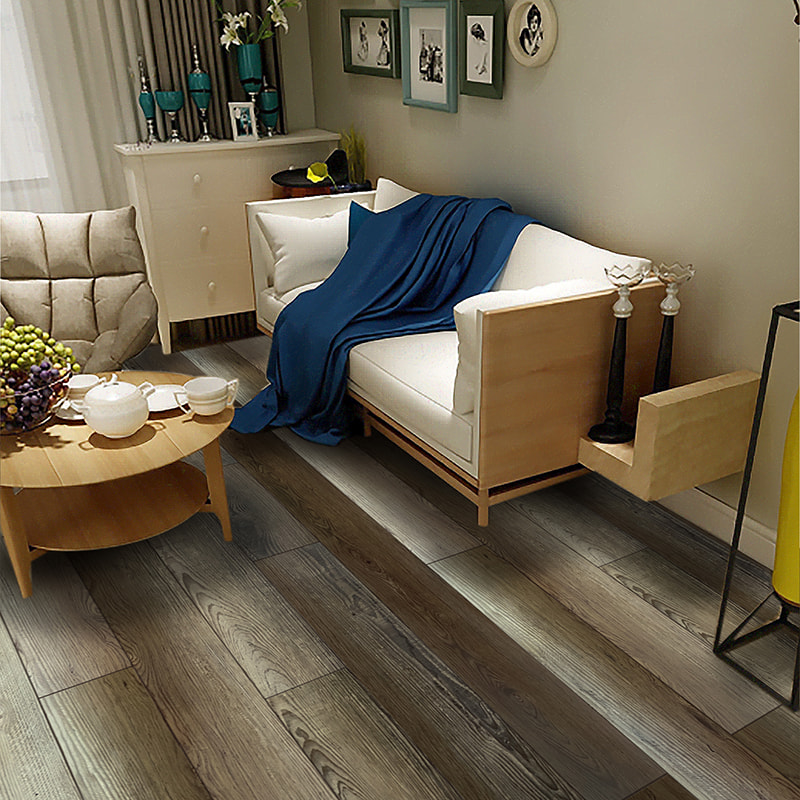
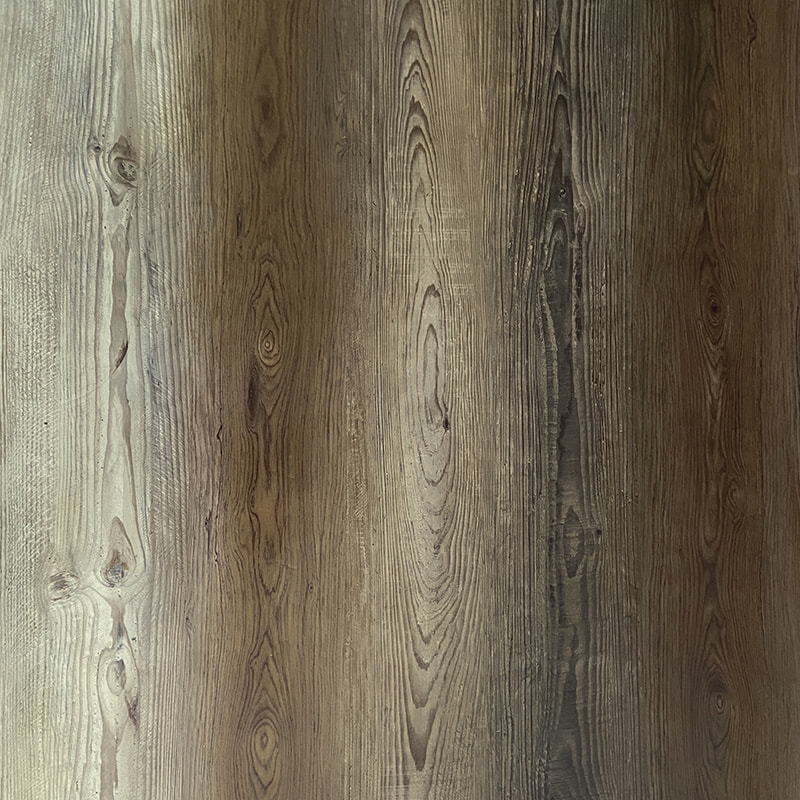
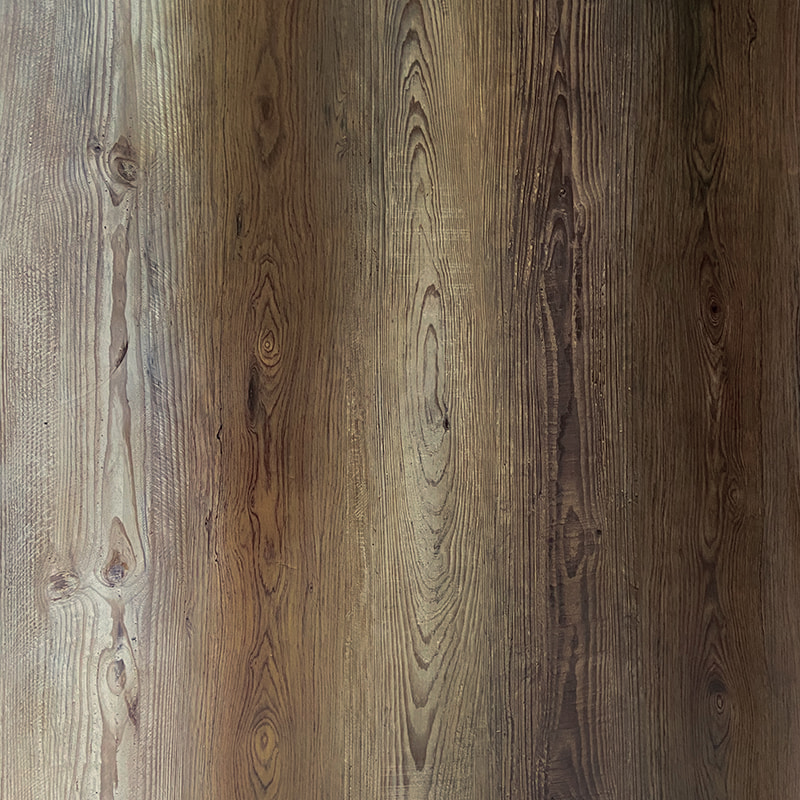
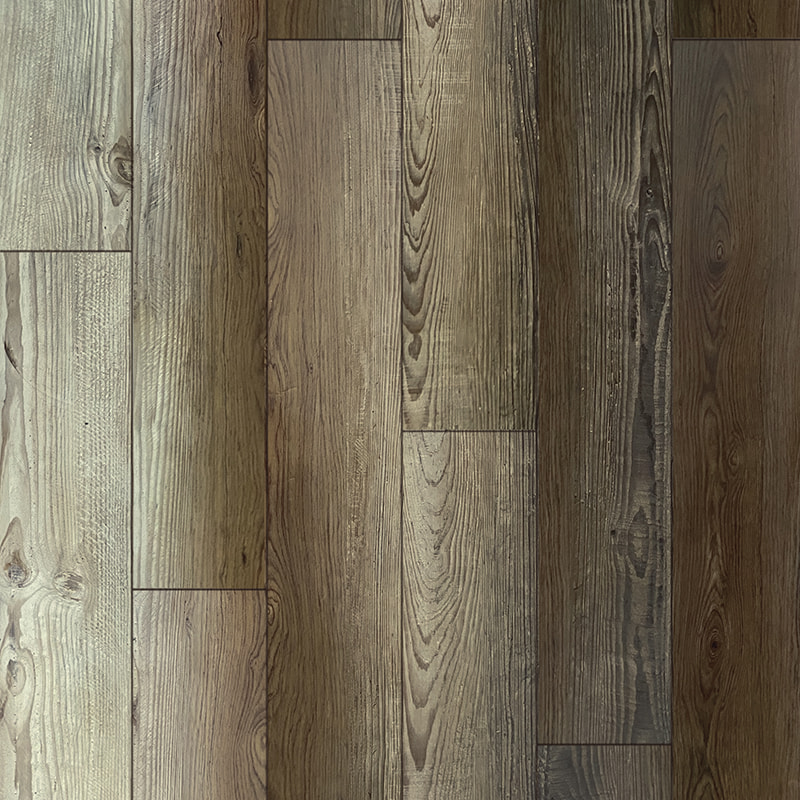
Model: YC2006
Wood: Pine
Spec: 1000*1270mm
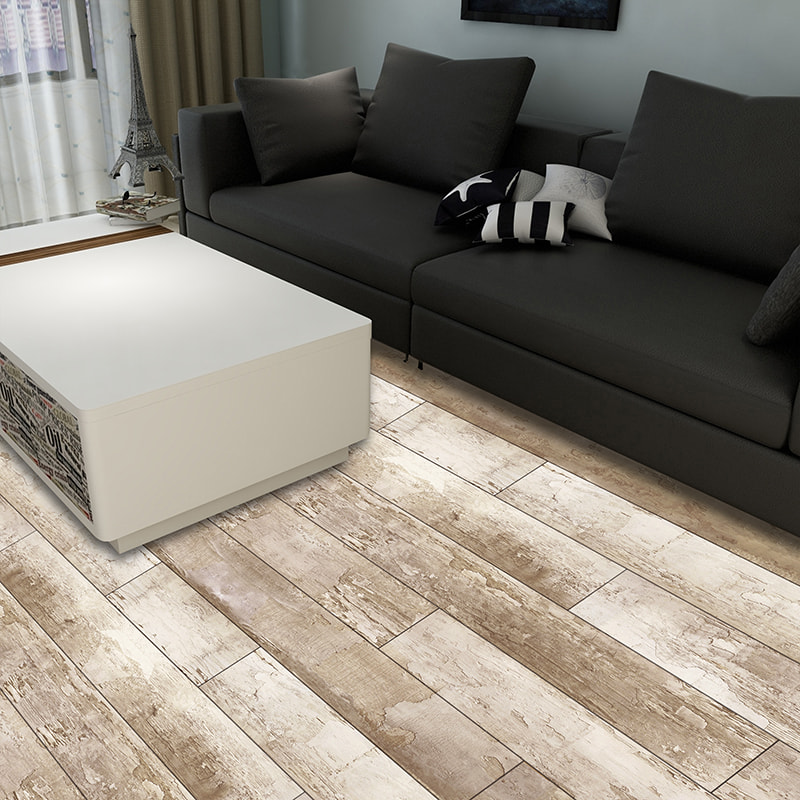
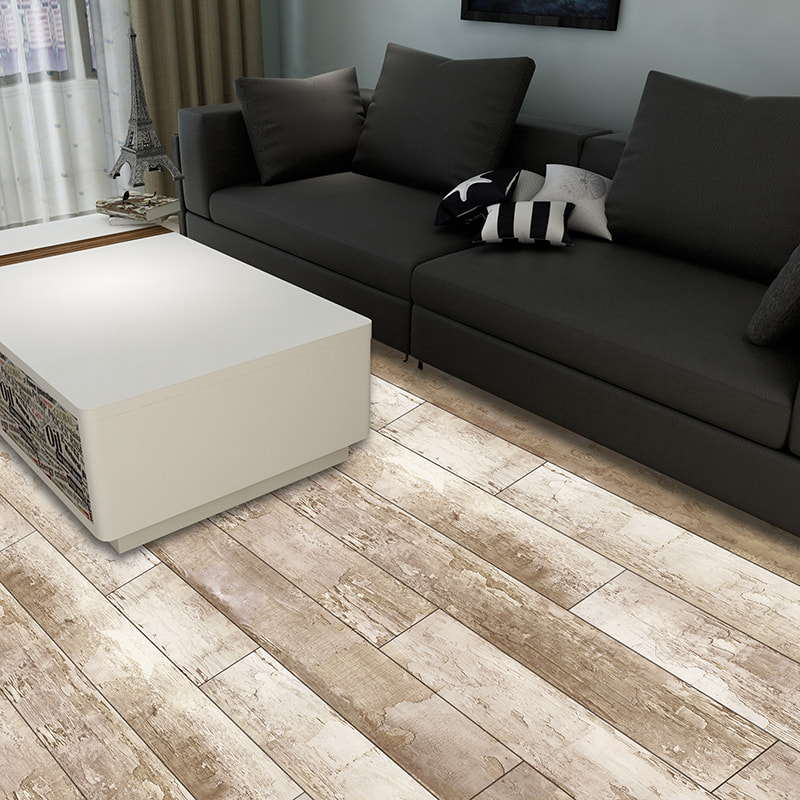
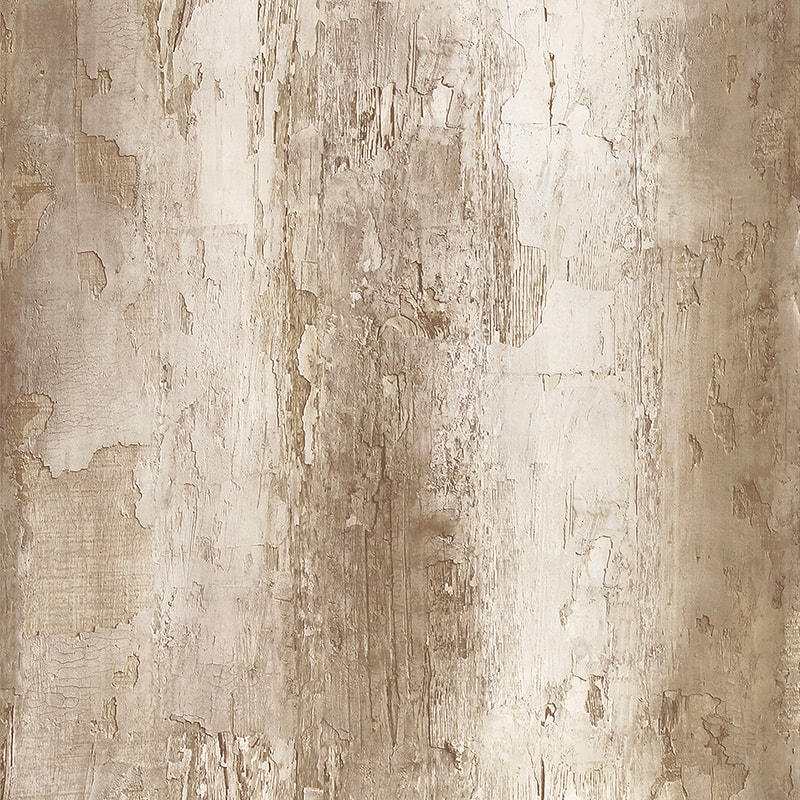
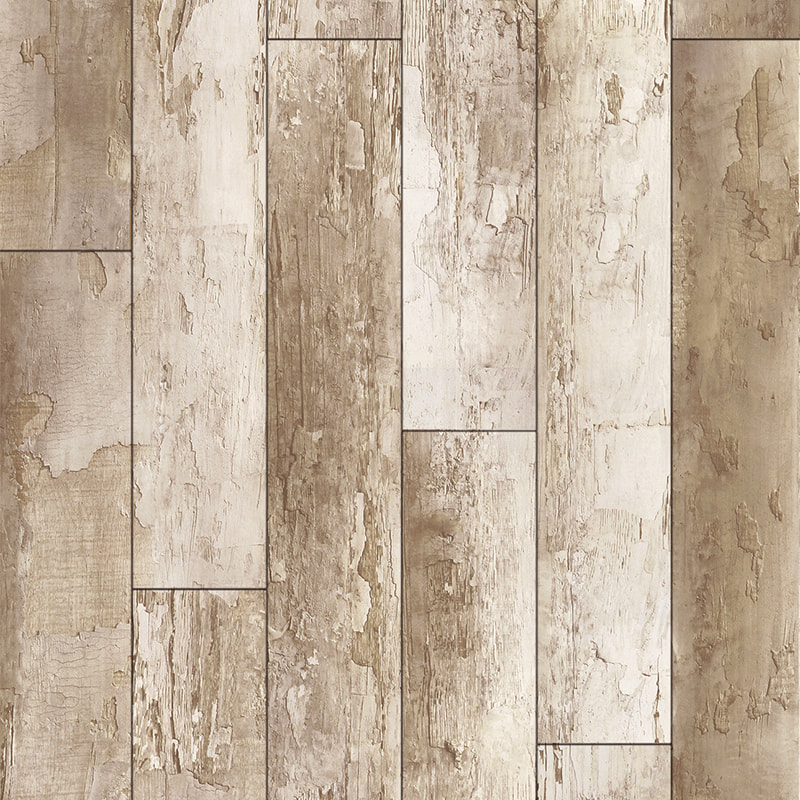
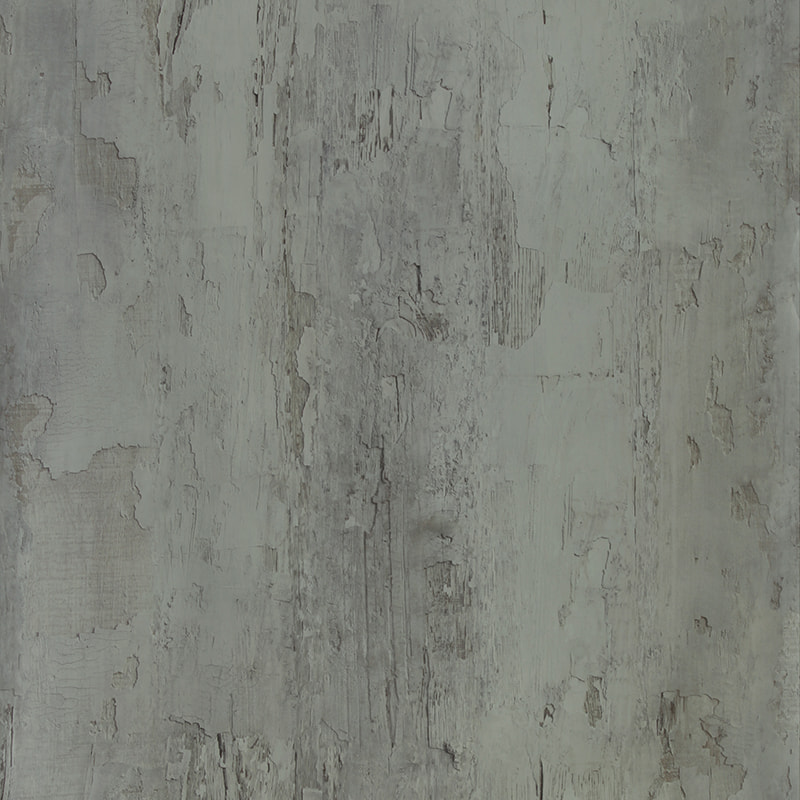
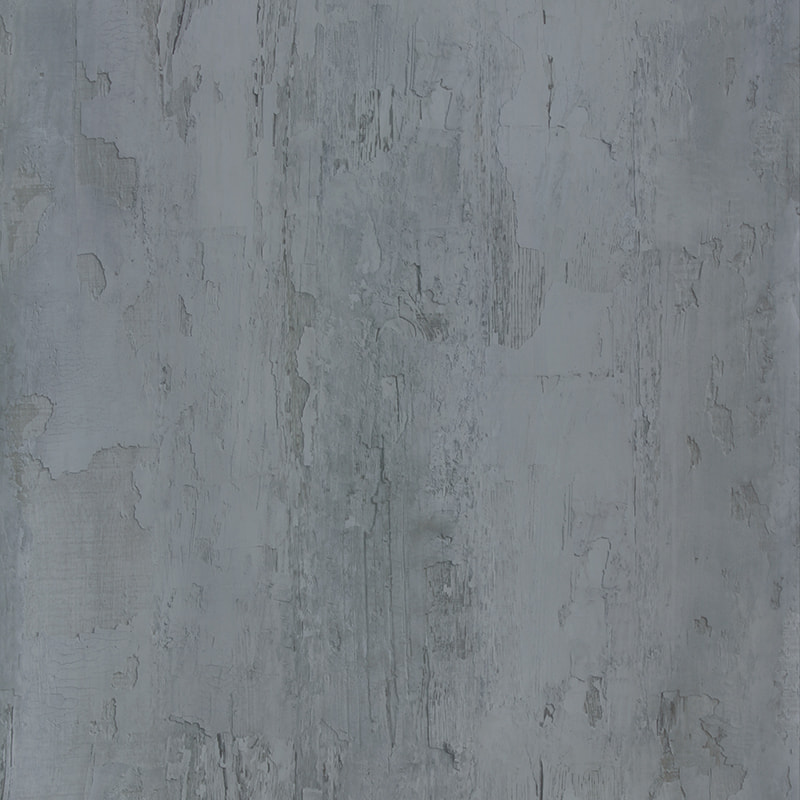
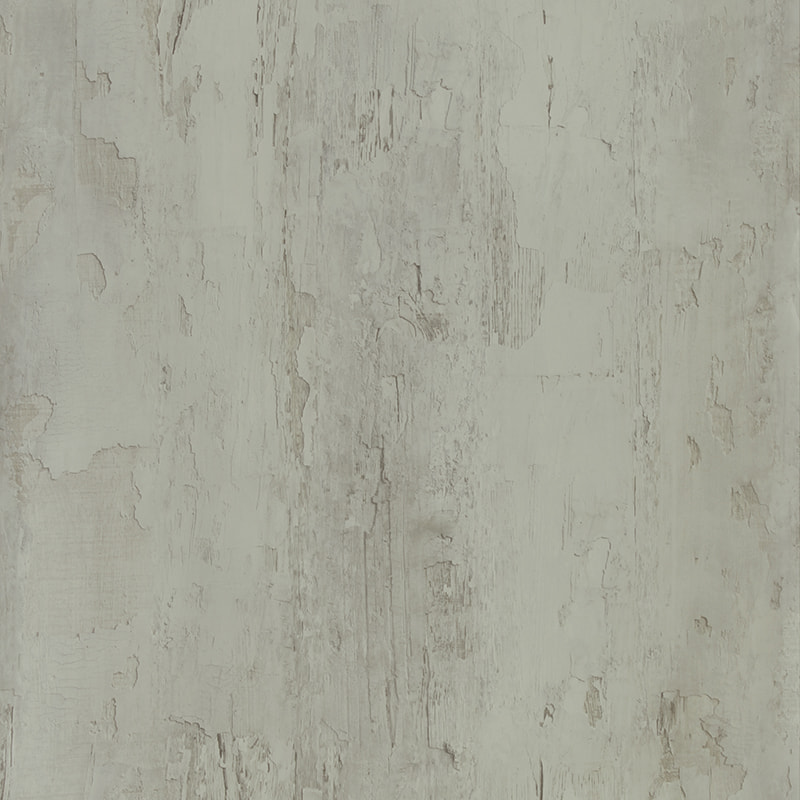
Model: YC2007
Wood: Pine
Spec: 1000*1270mm
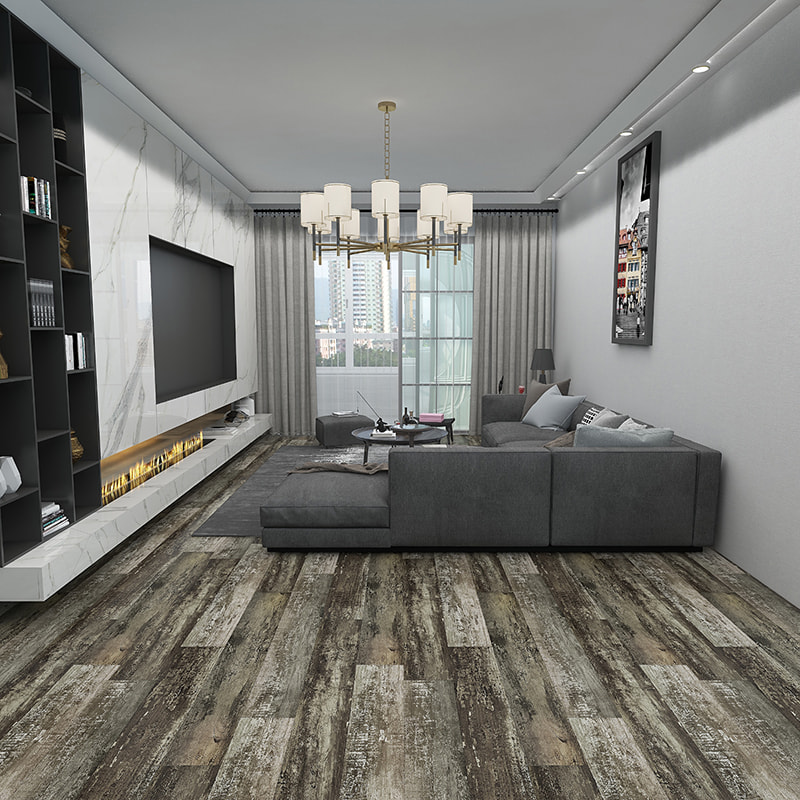
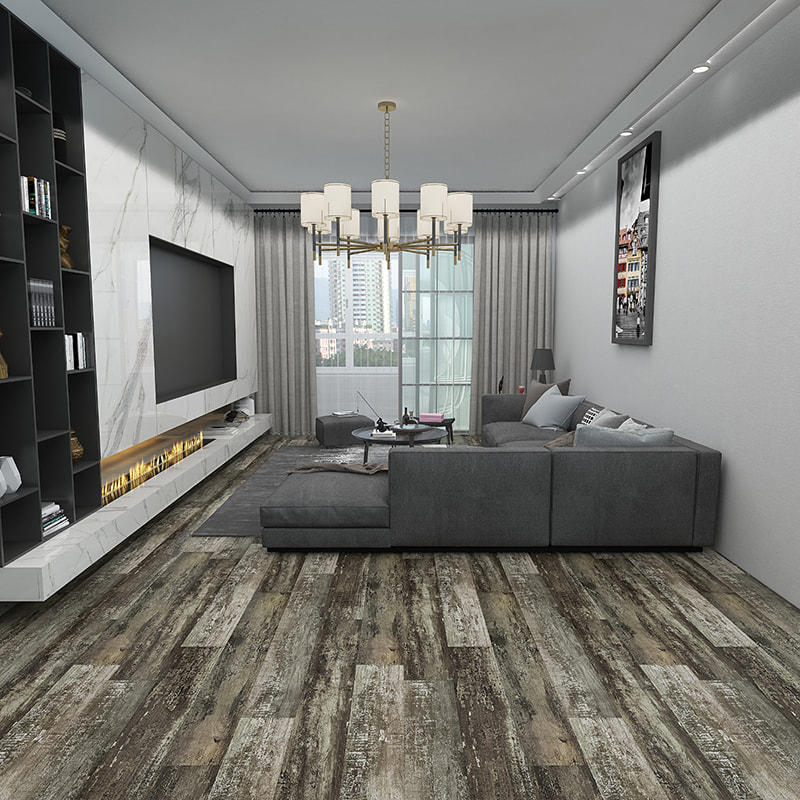
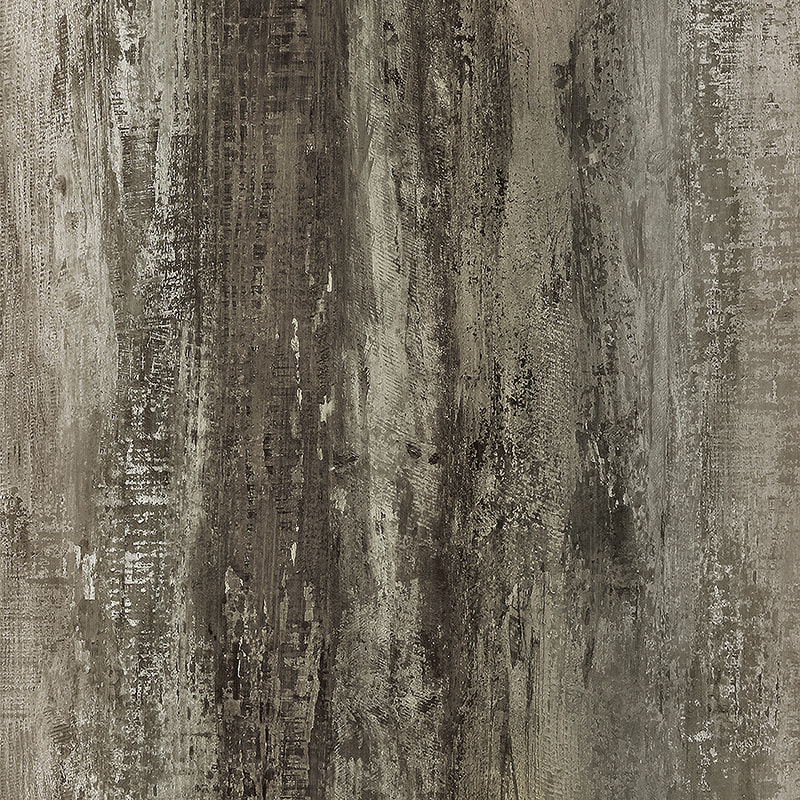
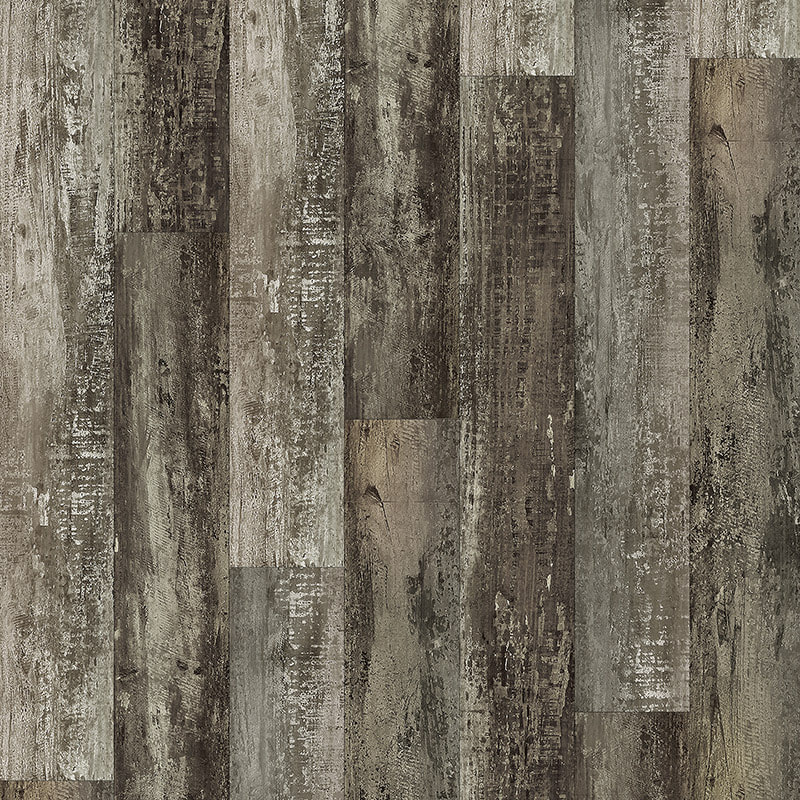

Model: YC2008
Wood: Pine
Spec: 1000*1270mm
Single chip size: 7.25*48"
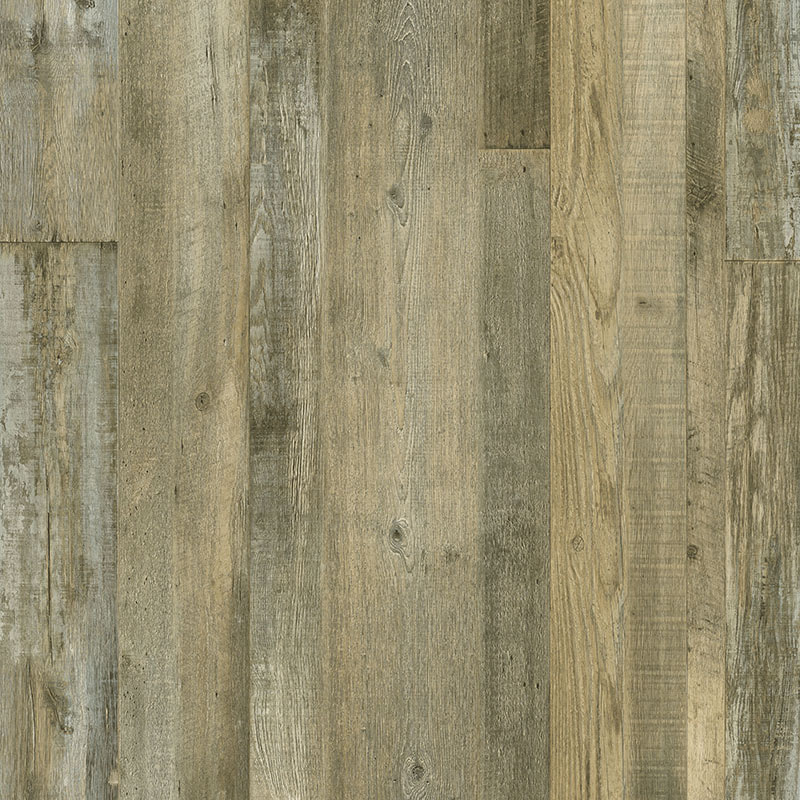
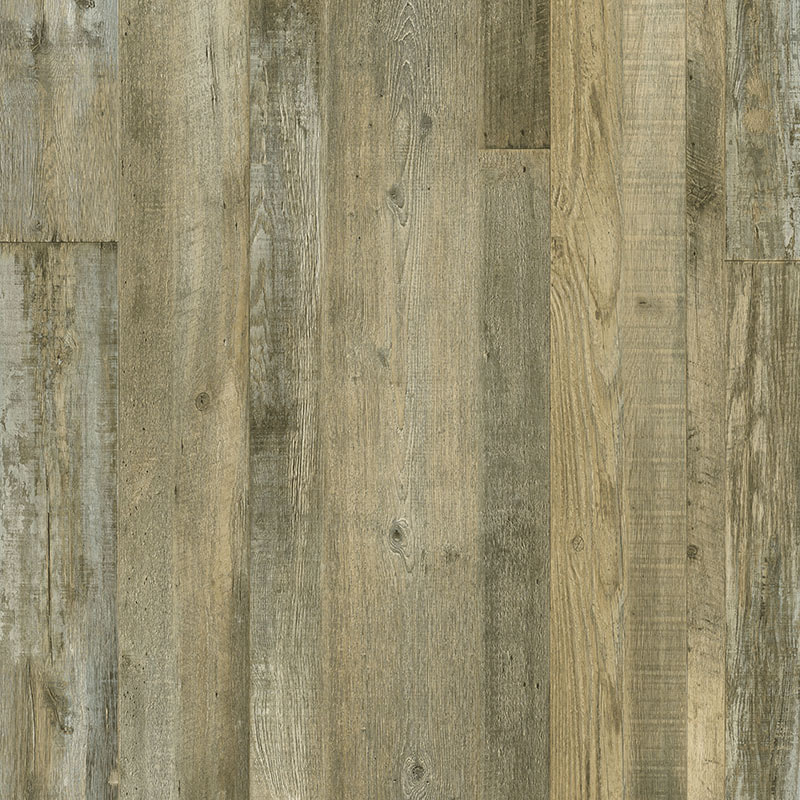
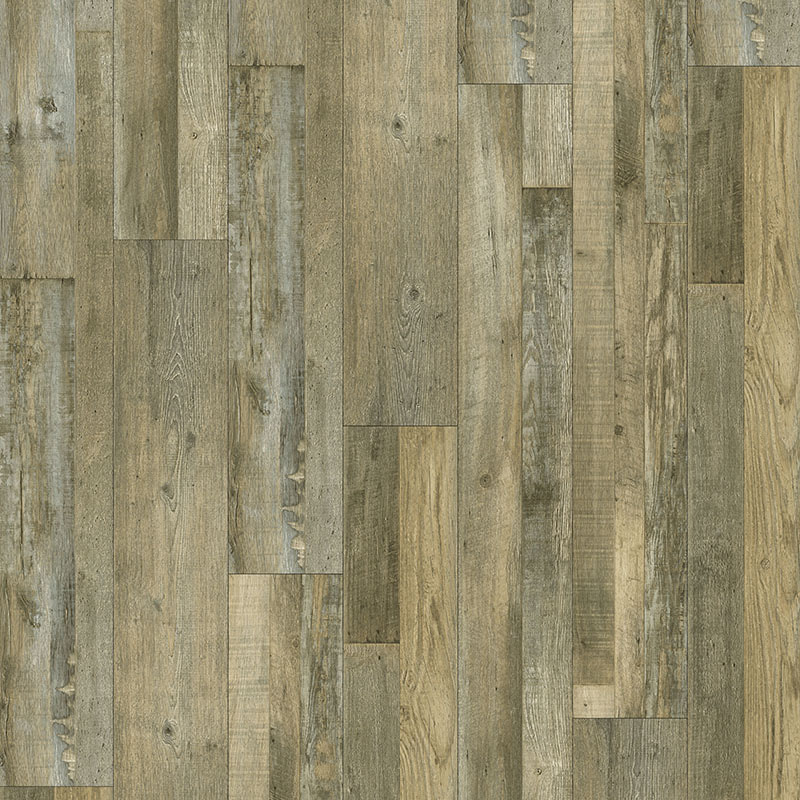
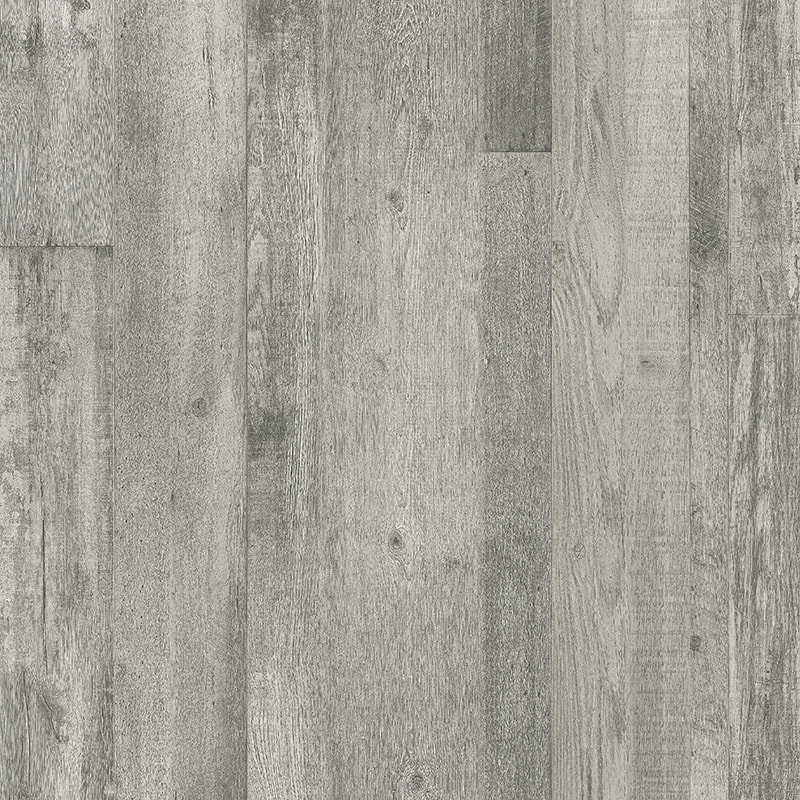
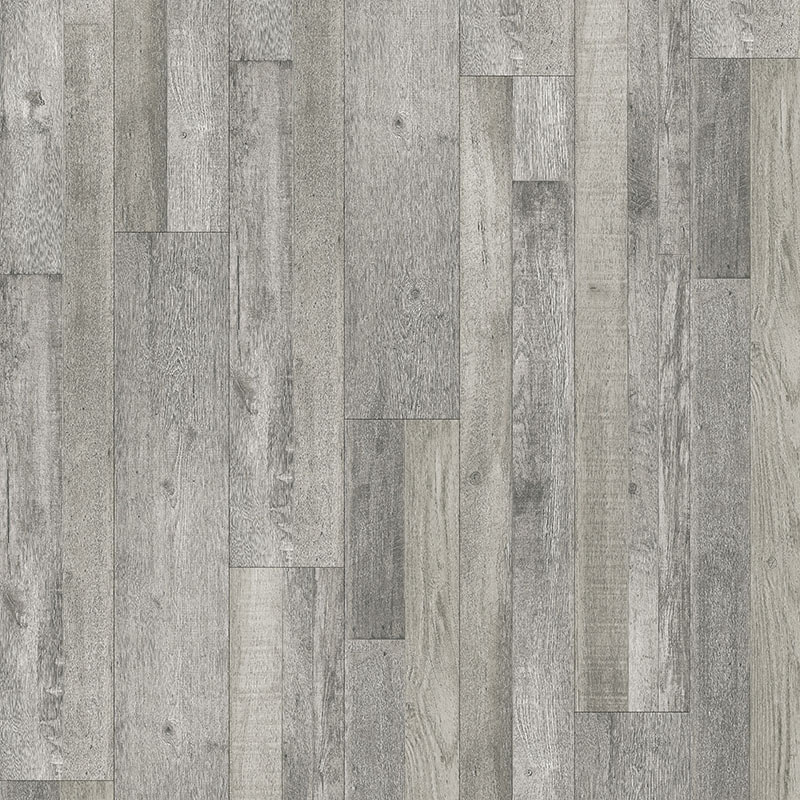
Model: YC6110
Wood: Pine
Spec: 1000*1270mm
Single chip size: 7.25*48"
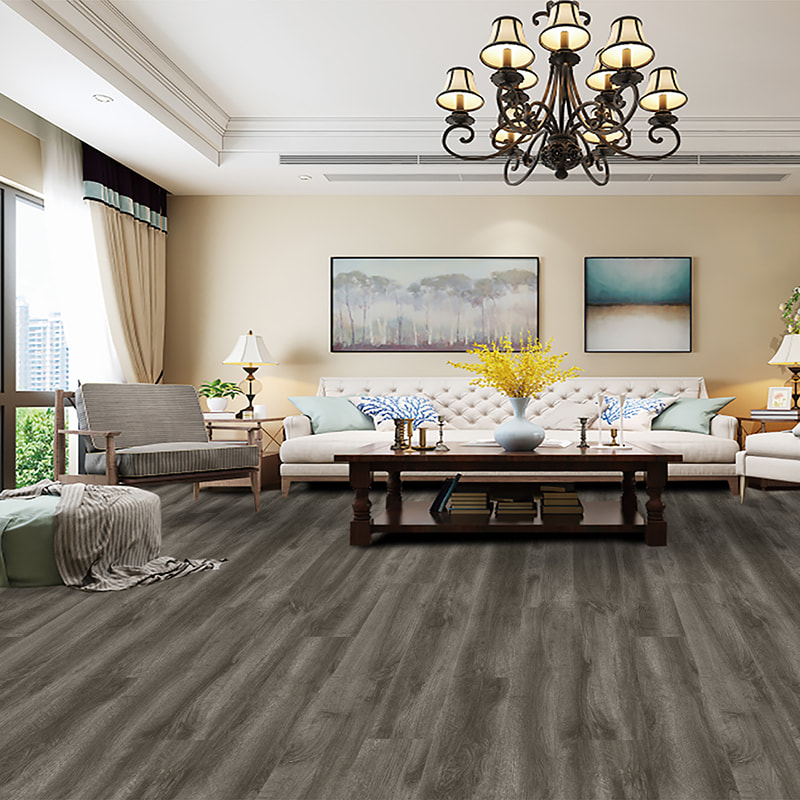
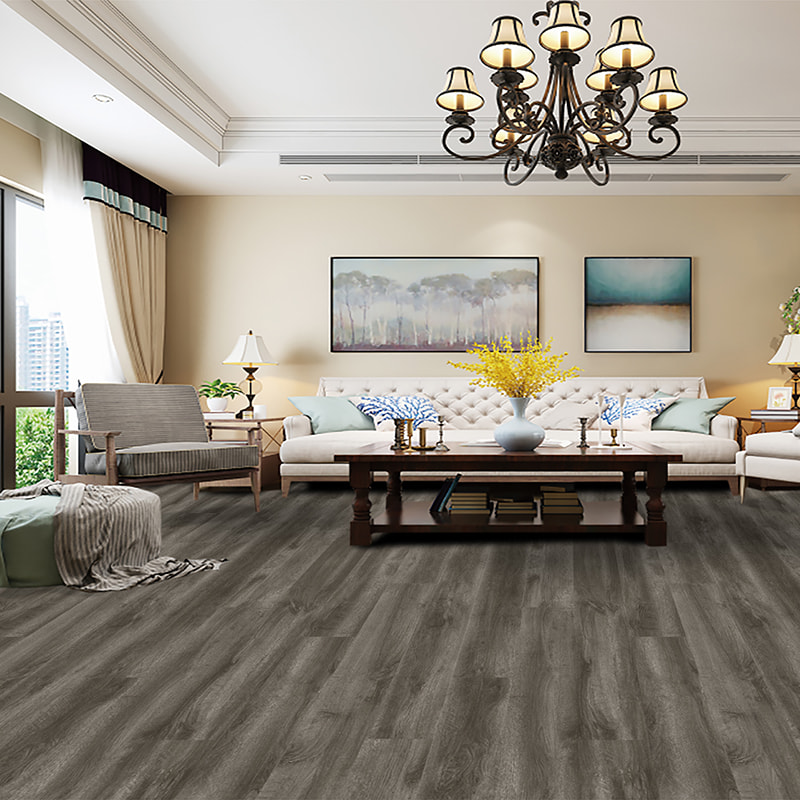
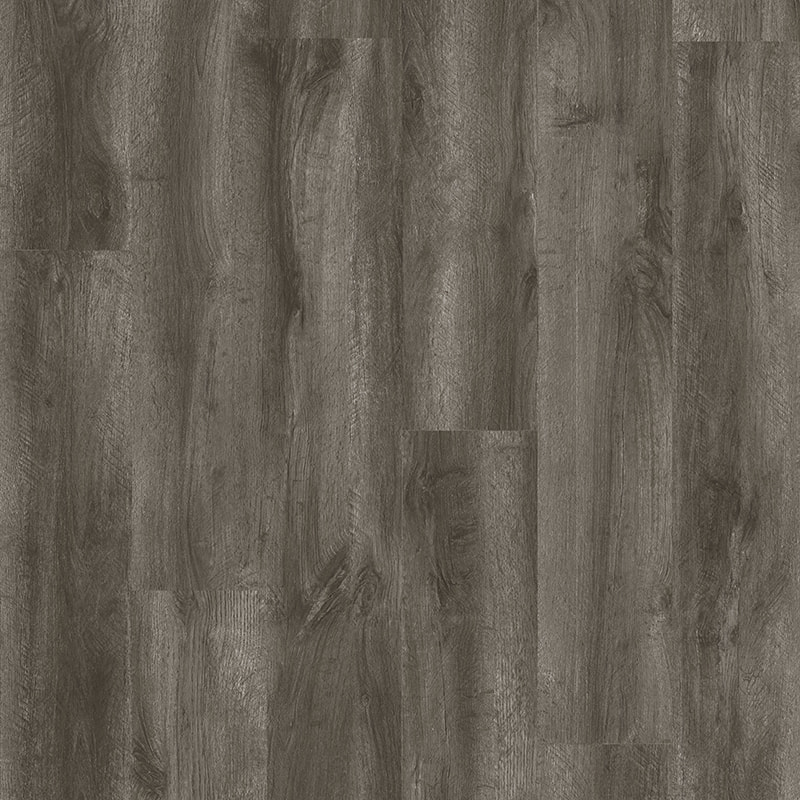
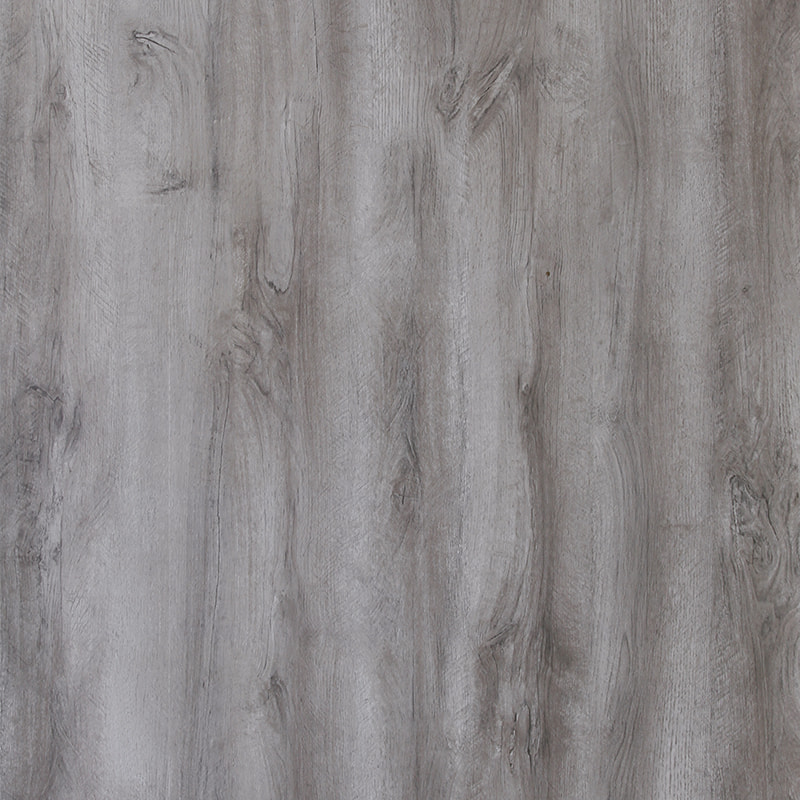
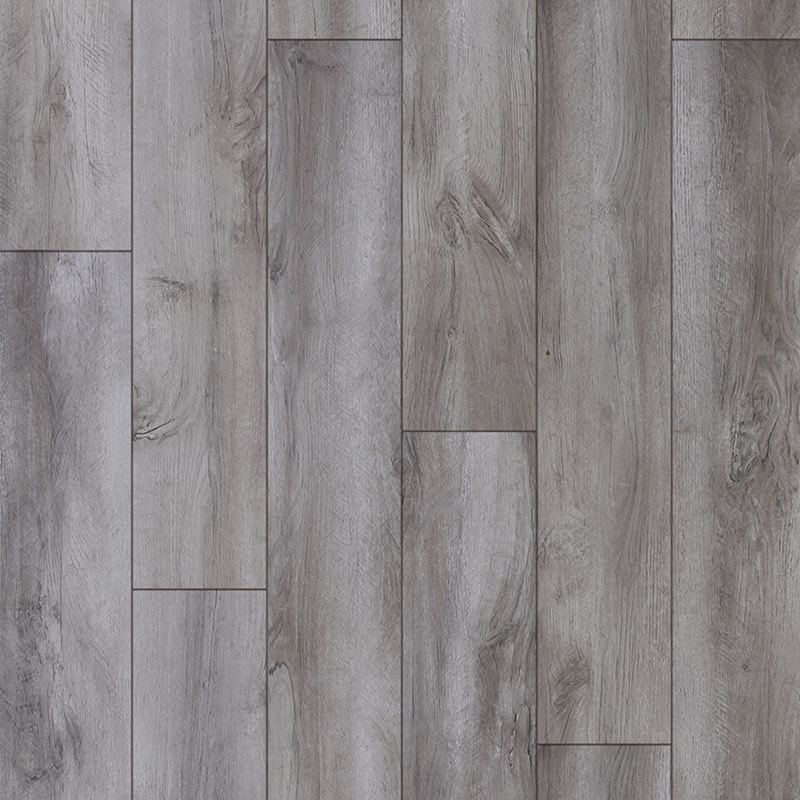
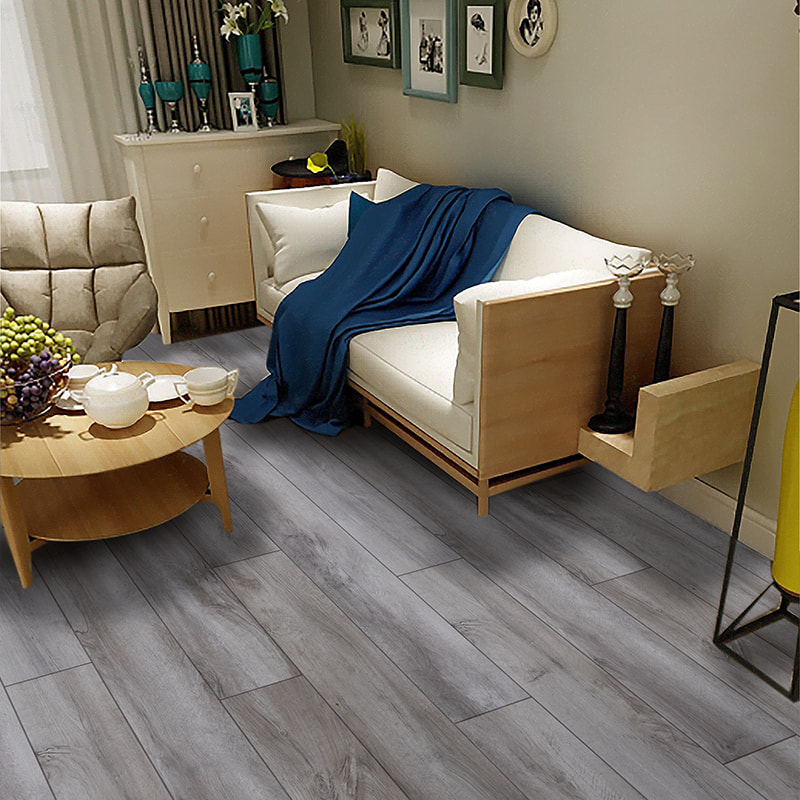
Model: YC8050
Wood: Pine
Spec: 1000*1270mm
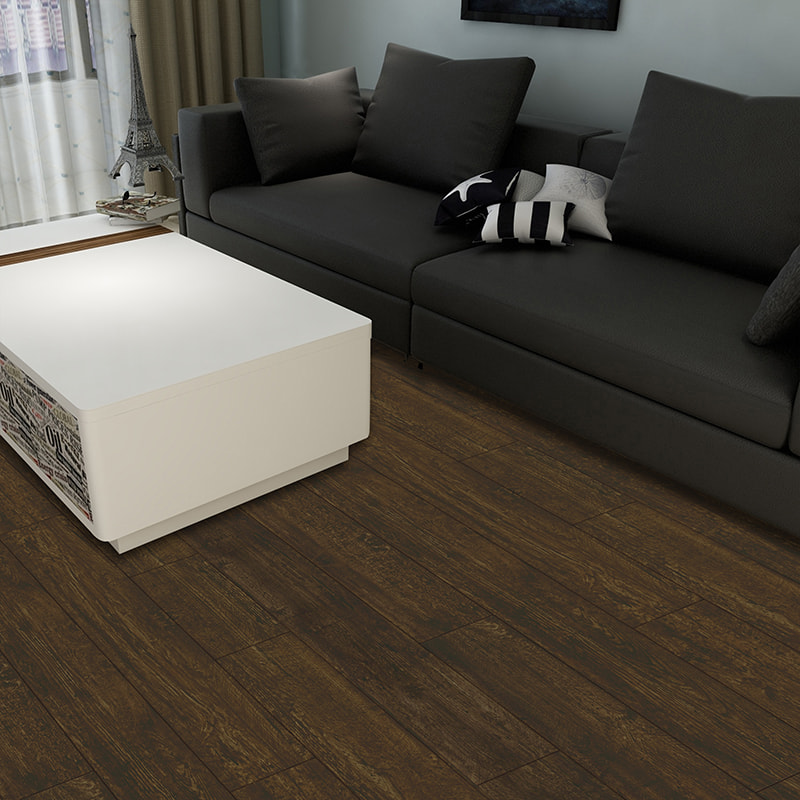
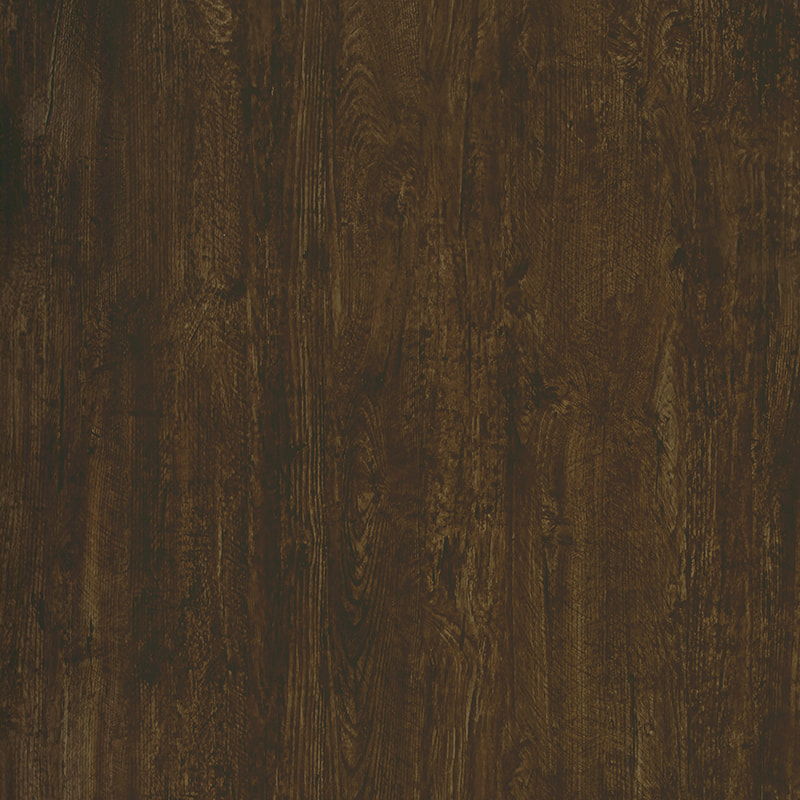
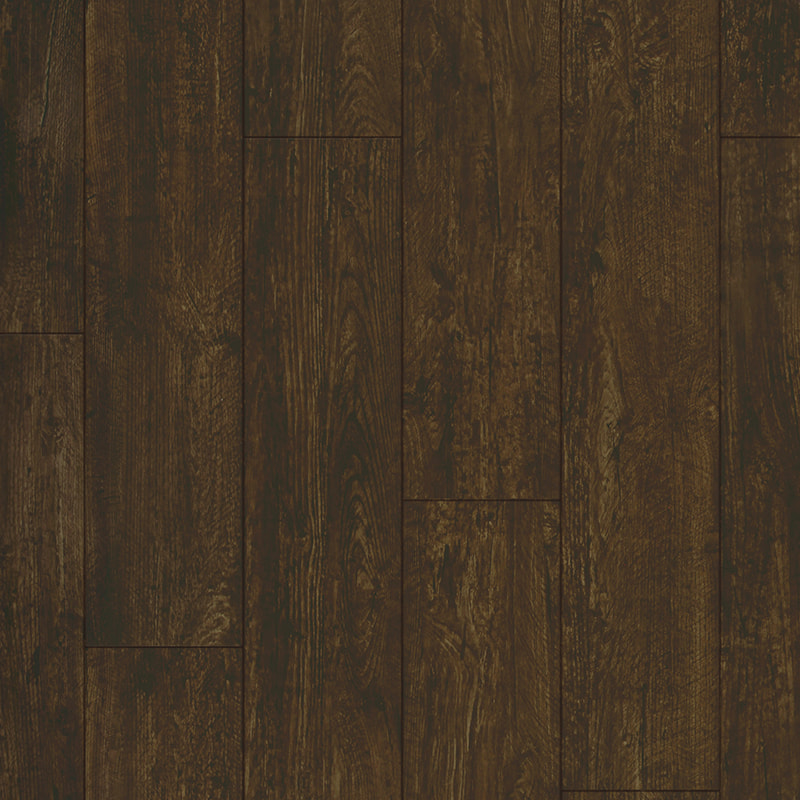
Model: YC8063
Wood: Pine
Spec: 1000*1000mm
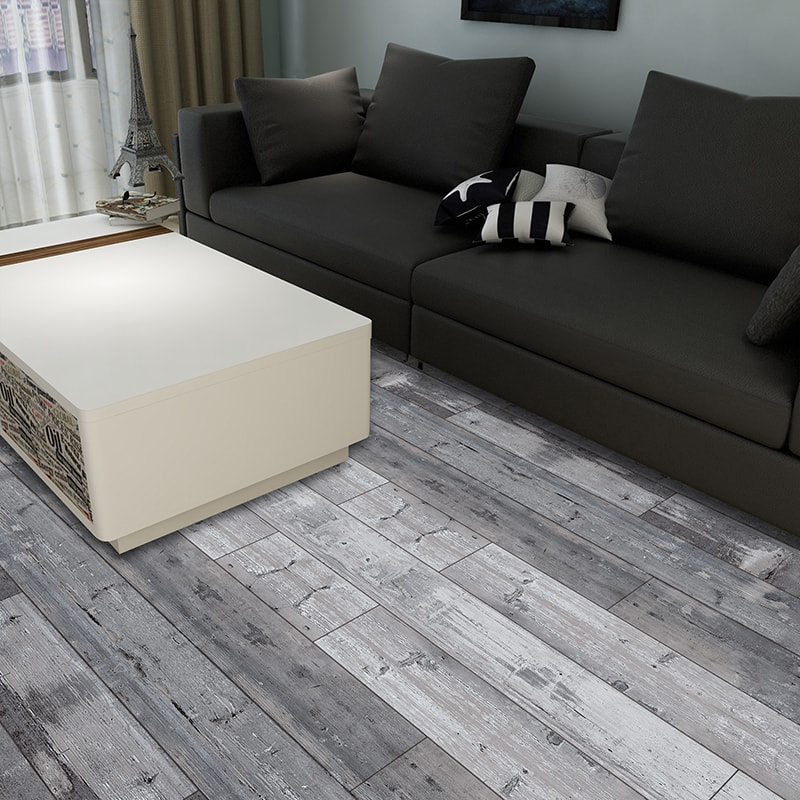
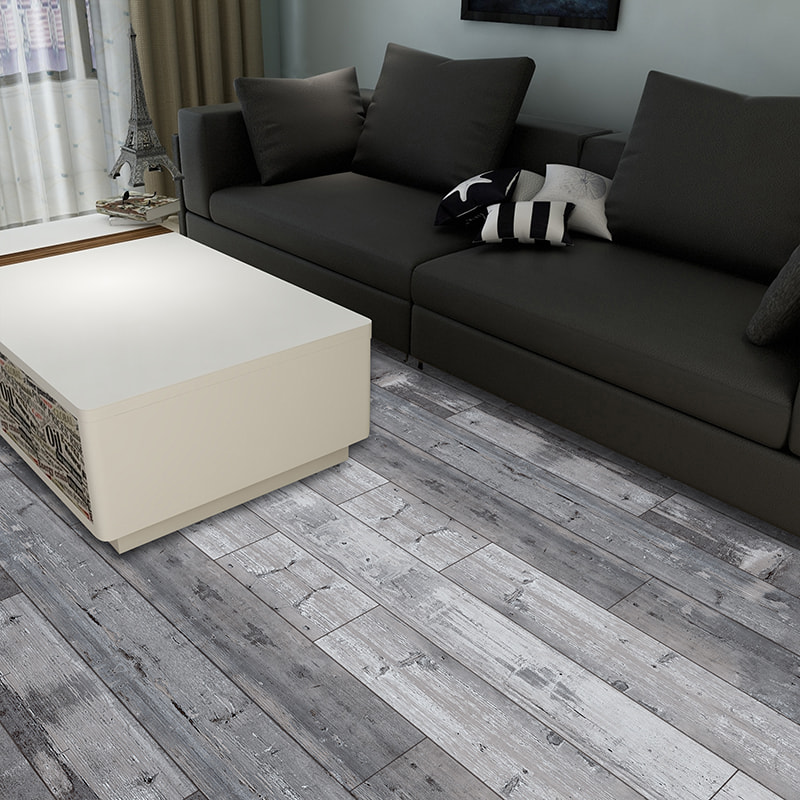
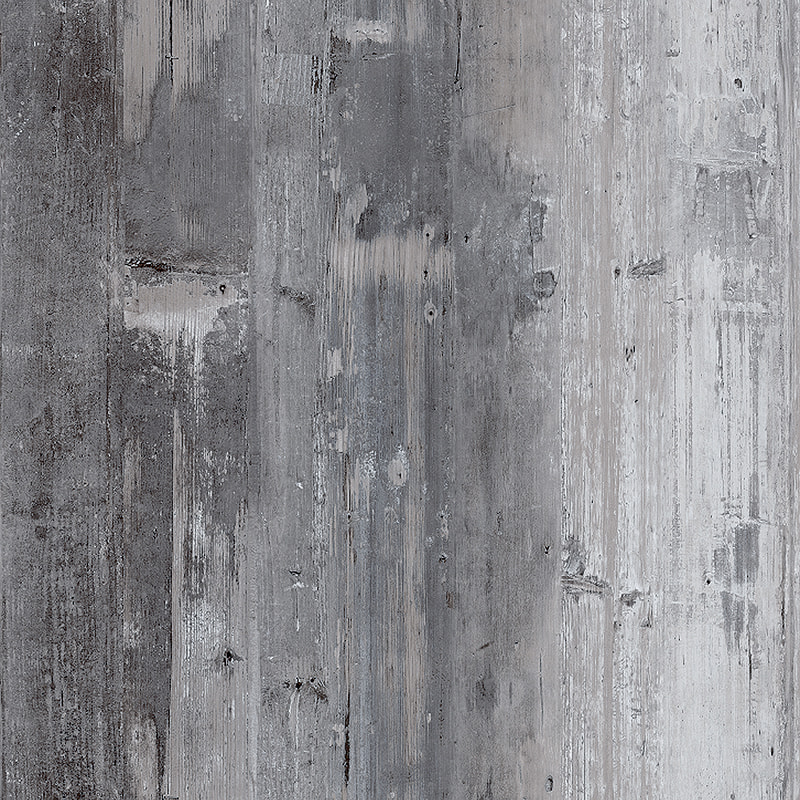
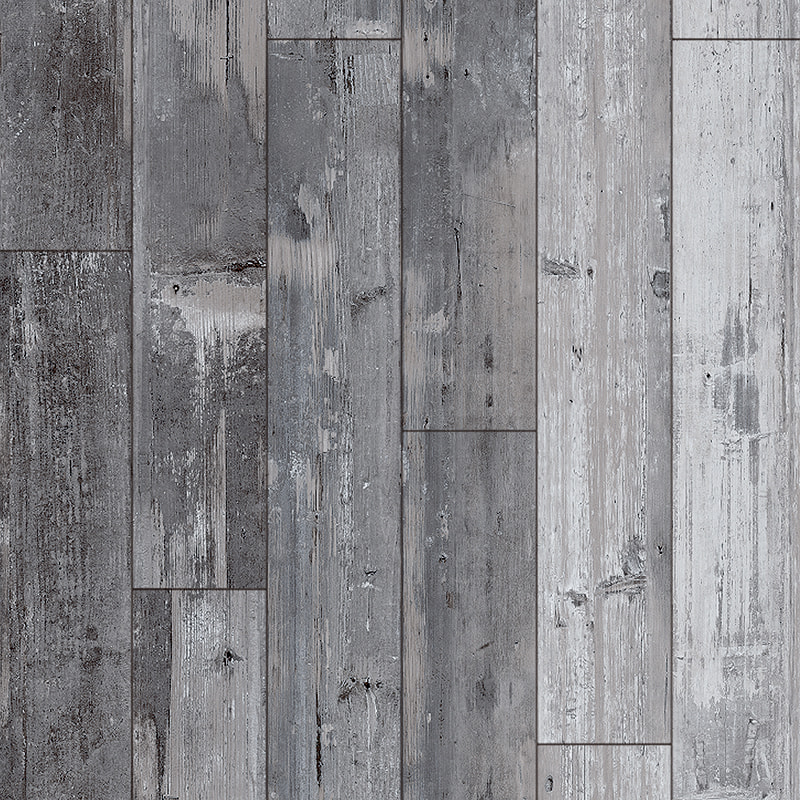
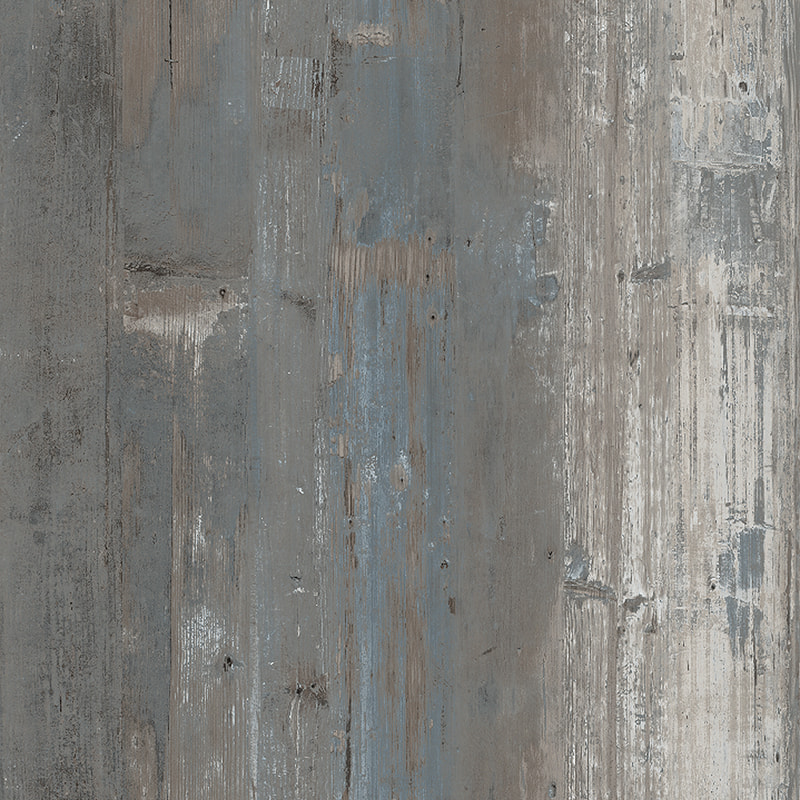
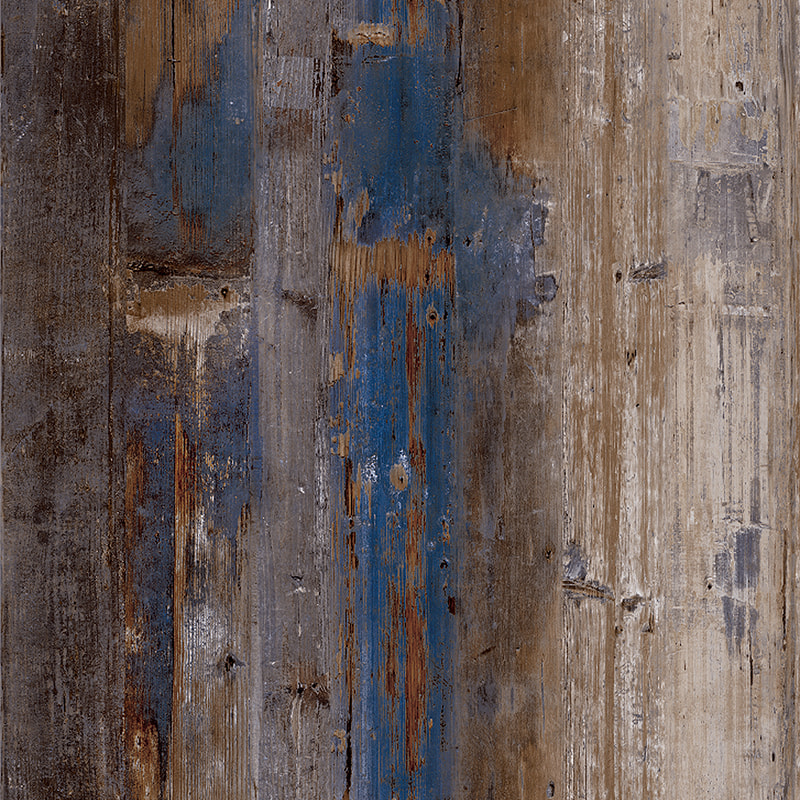
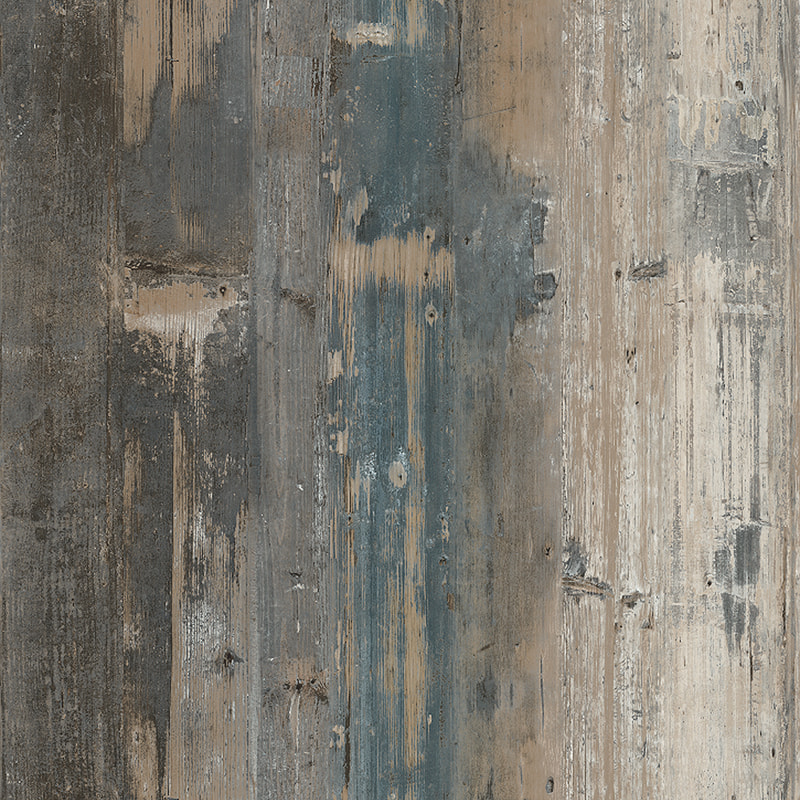
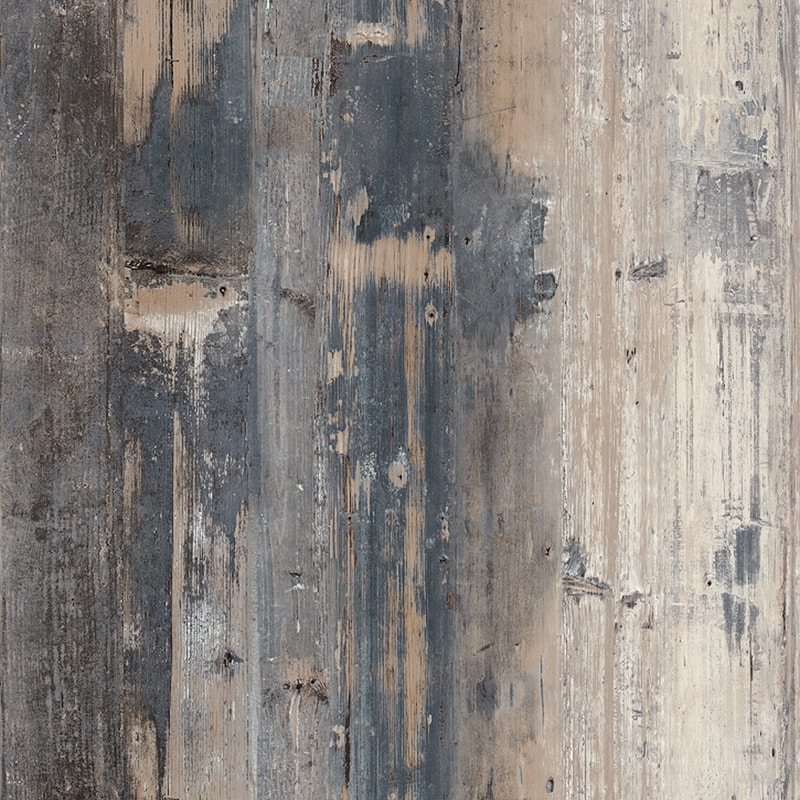
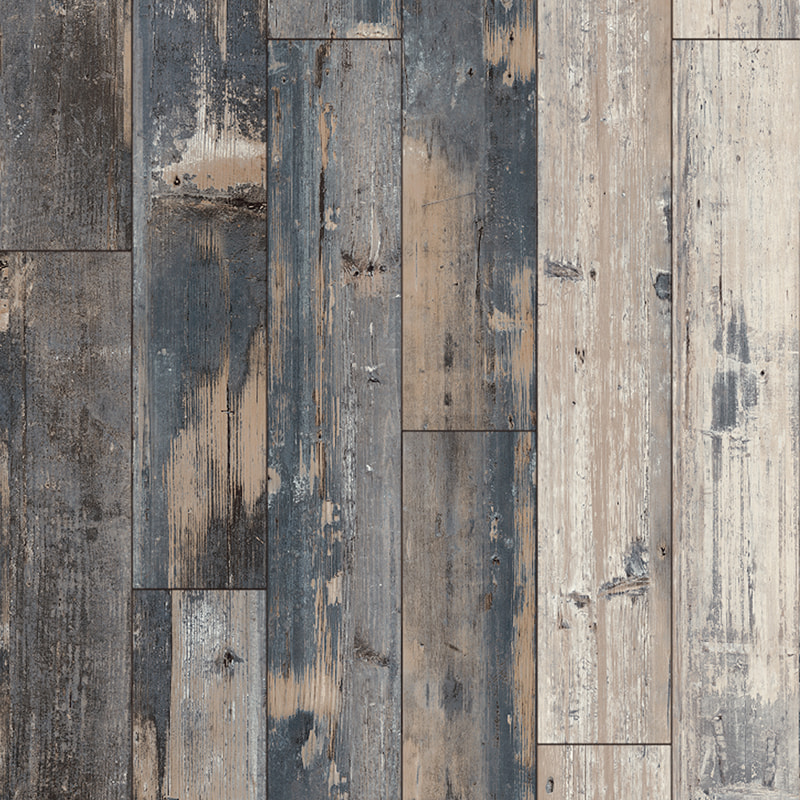
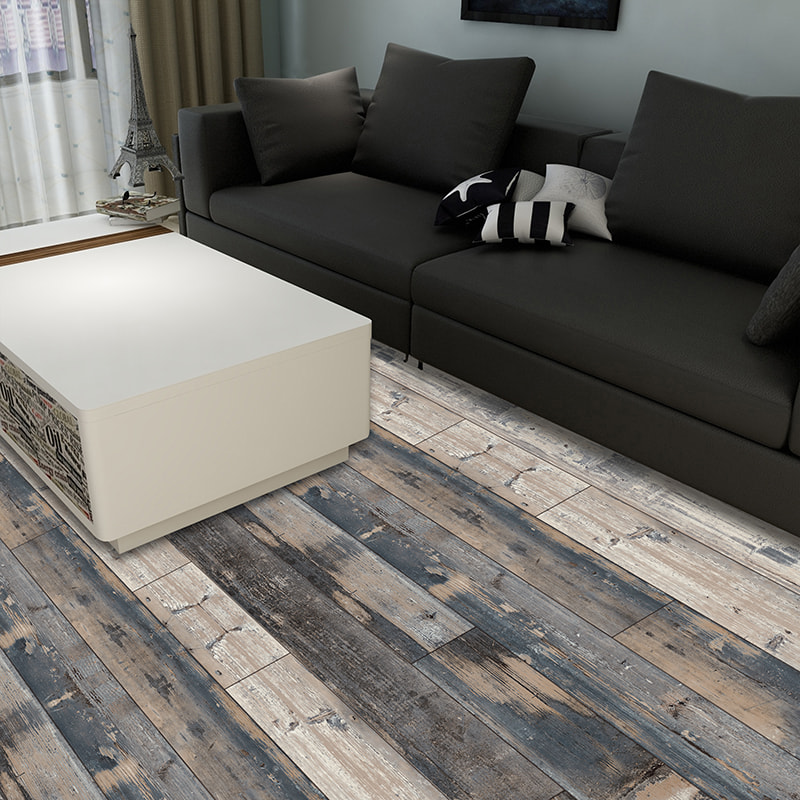
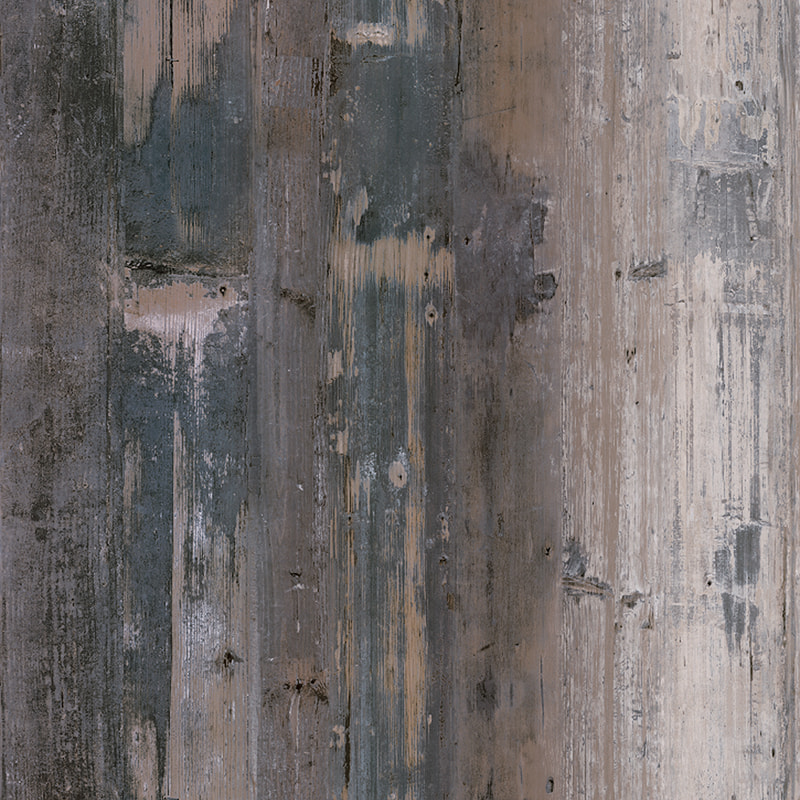
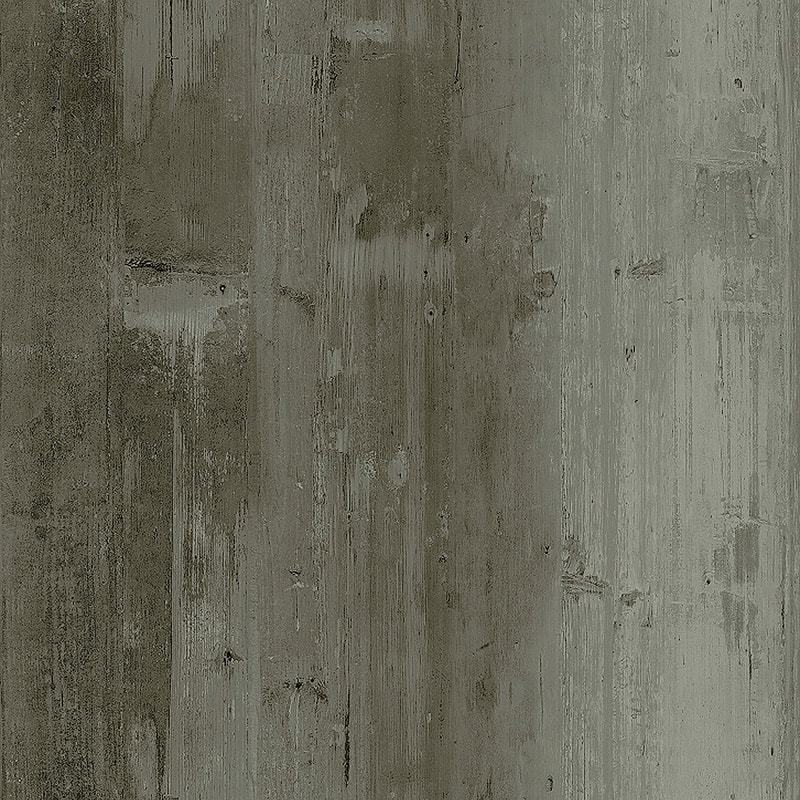
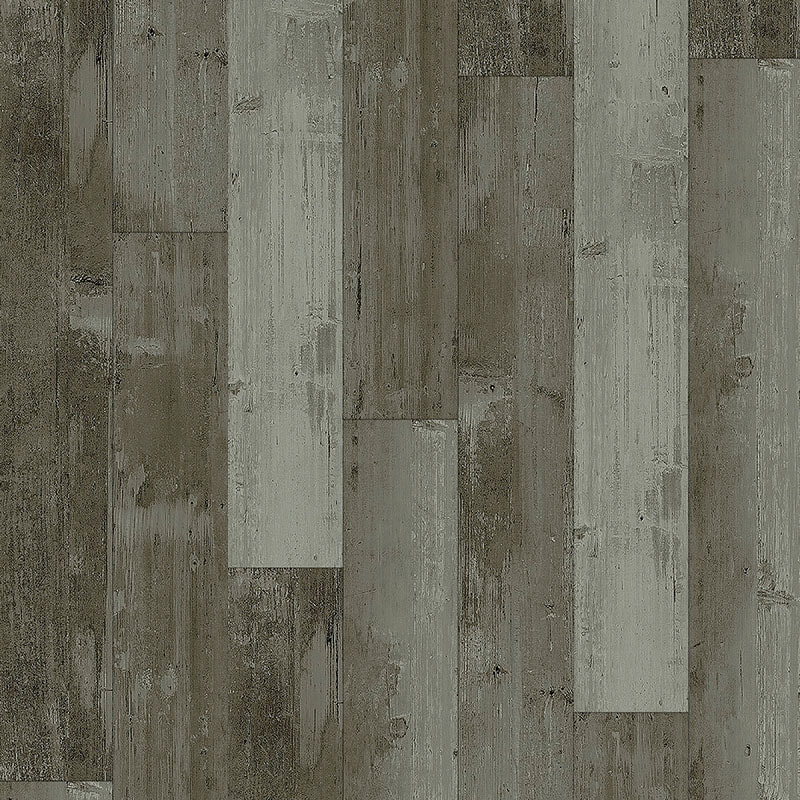
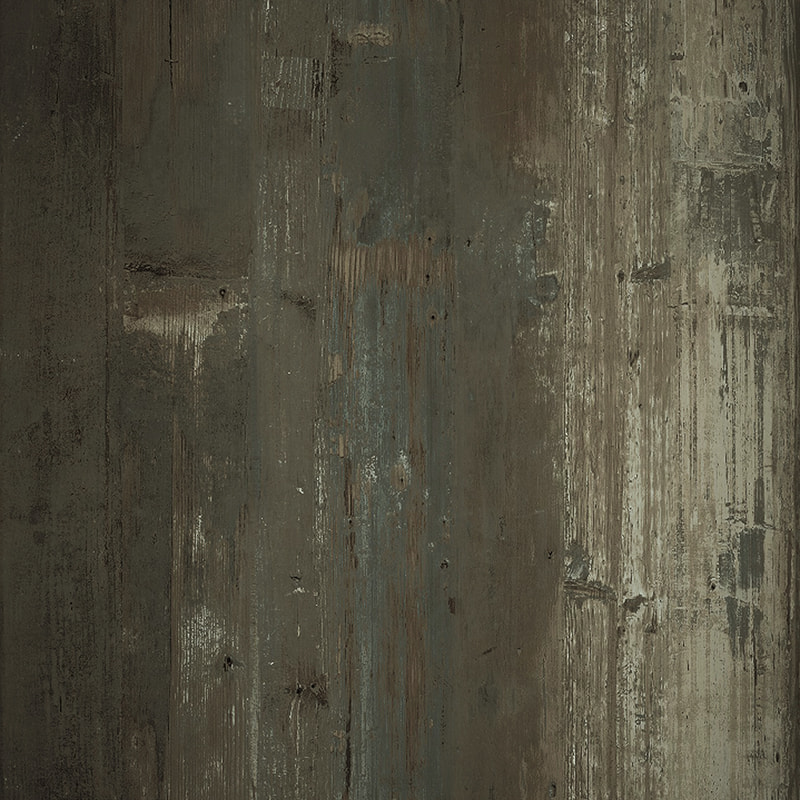
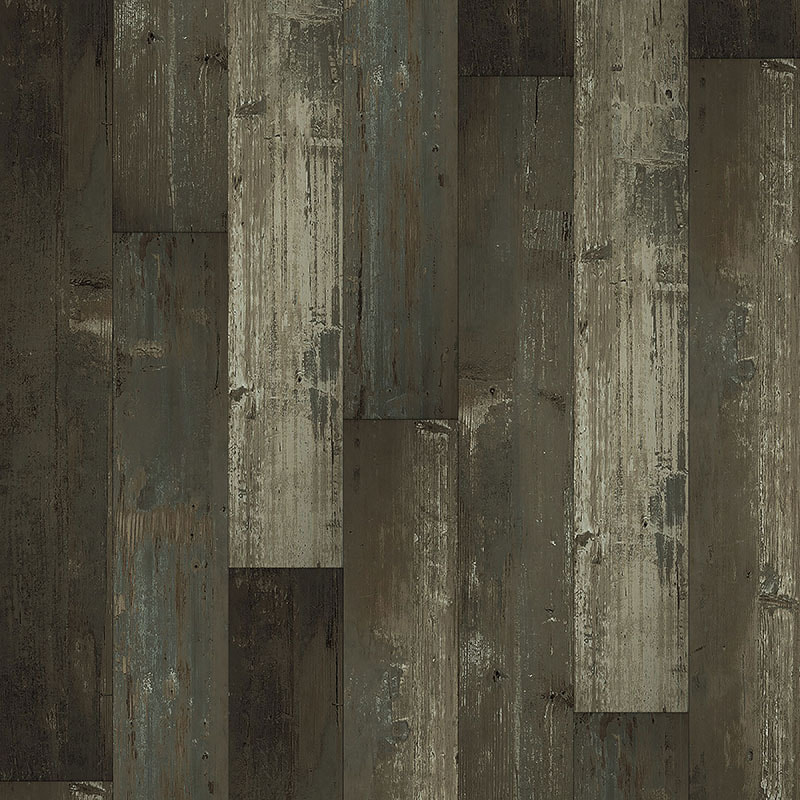
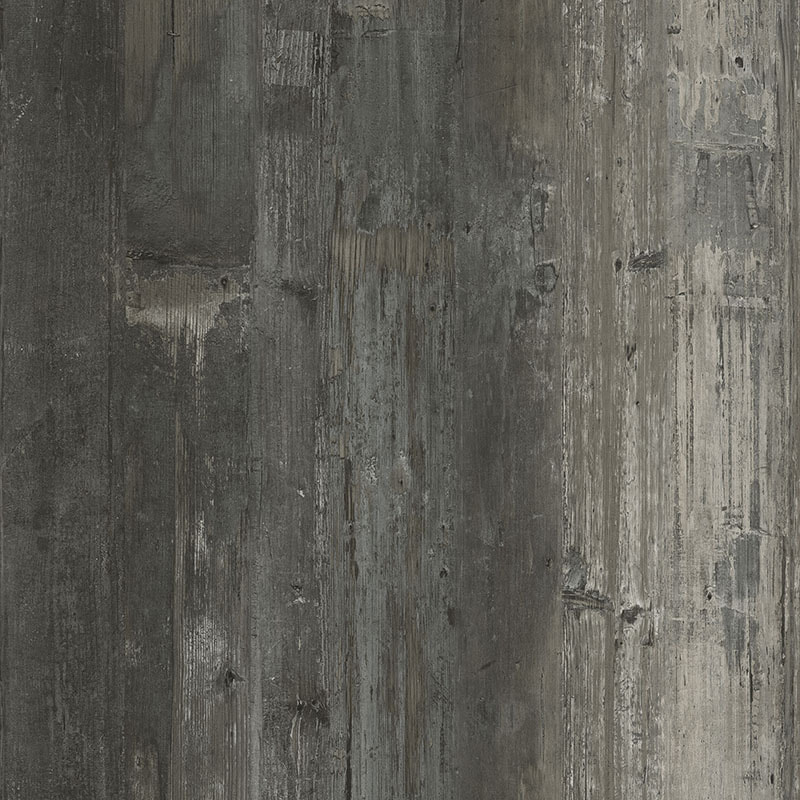
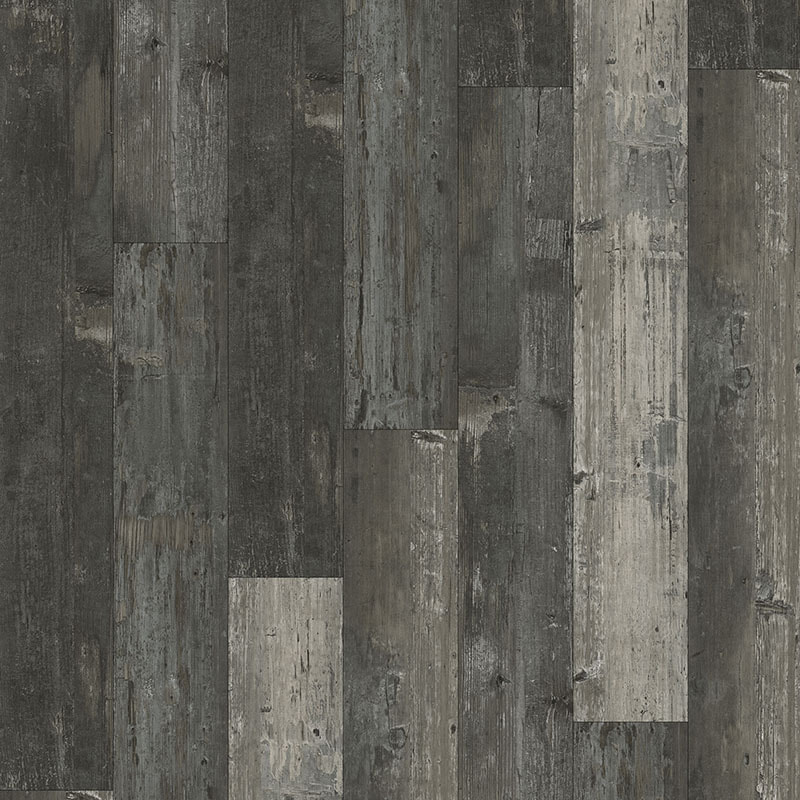
Model: YC8073
Wood: Pine
Spec: 1000*1270mm
Single chip size: 7.25*48"
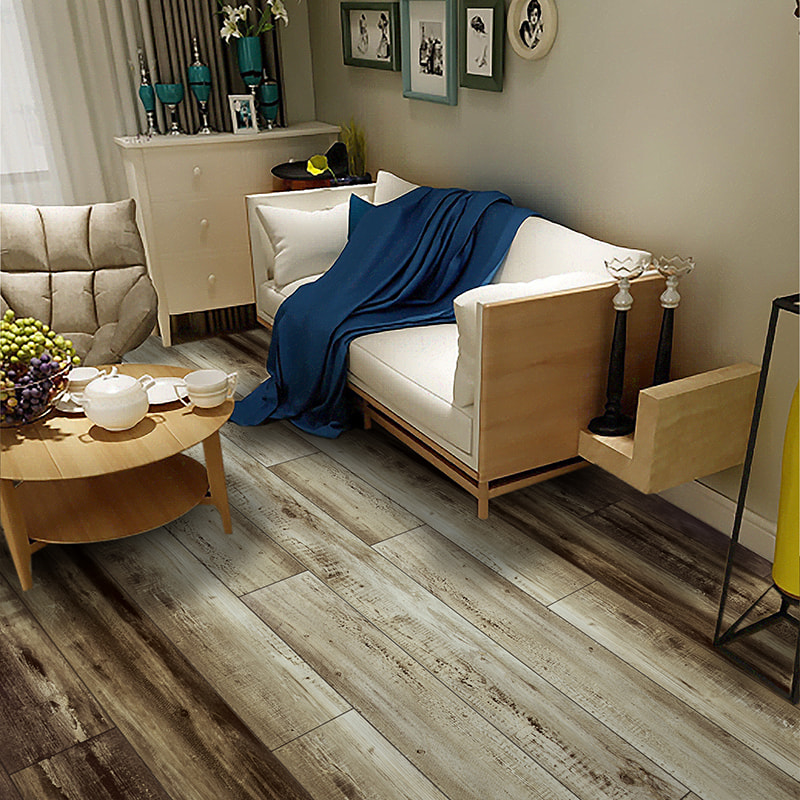
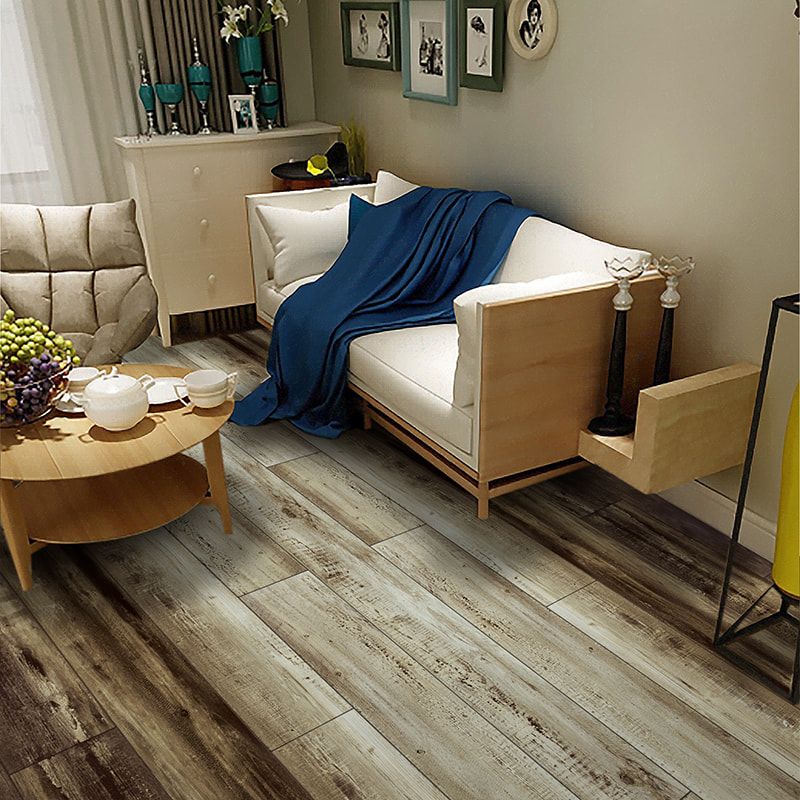
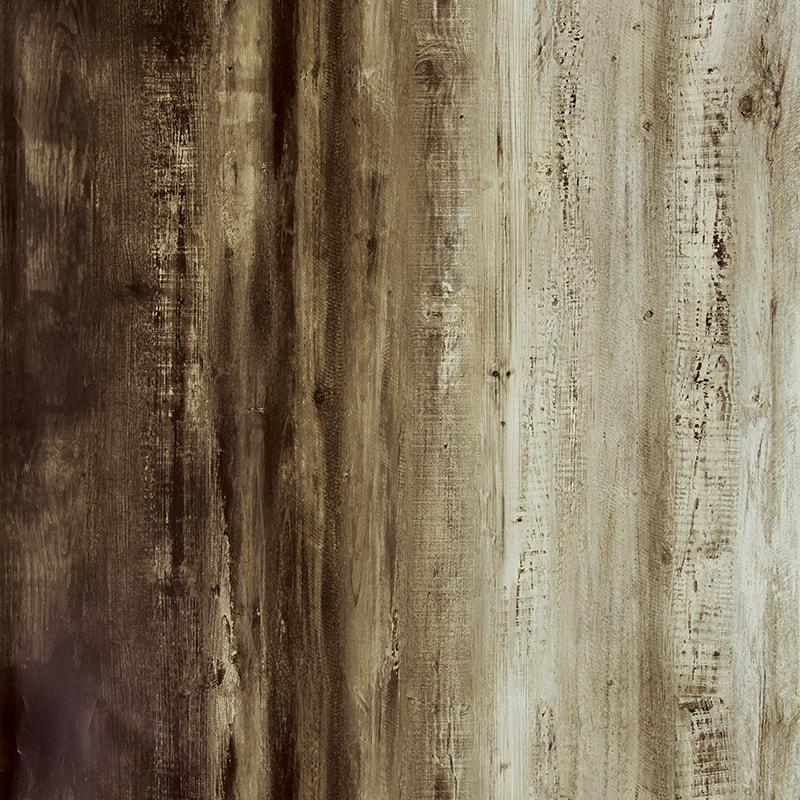
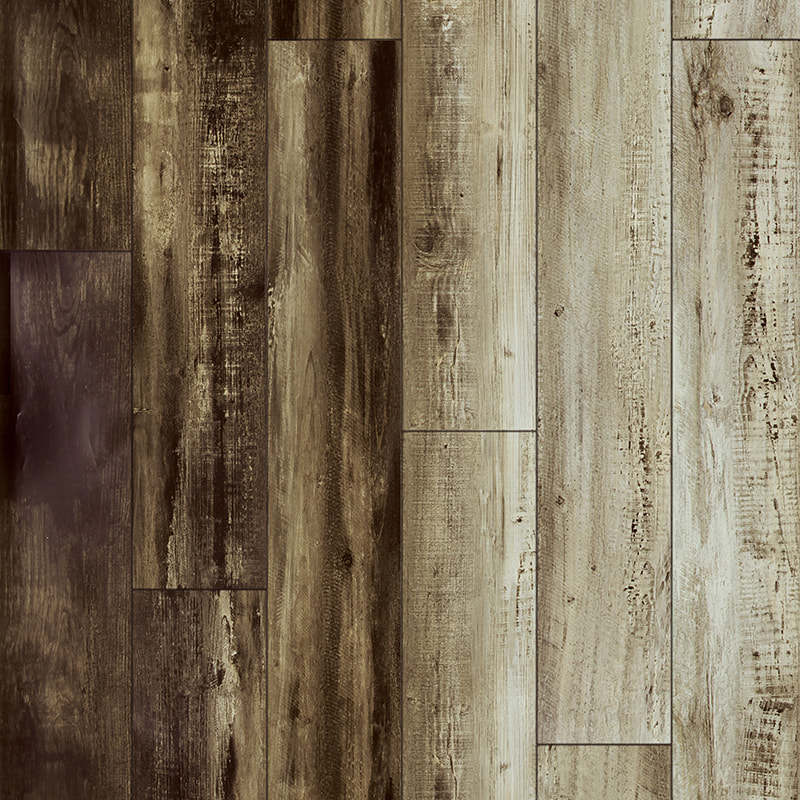
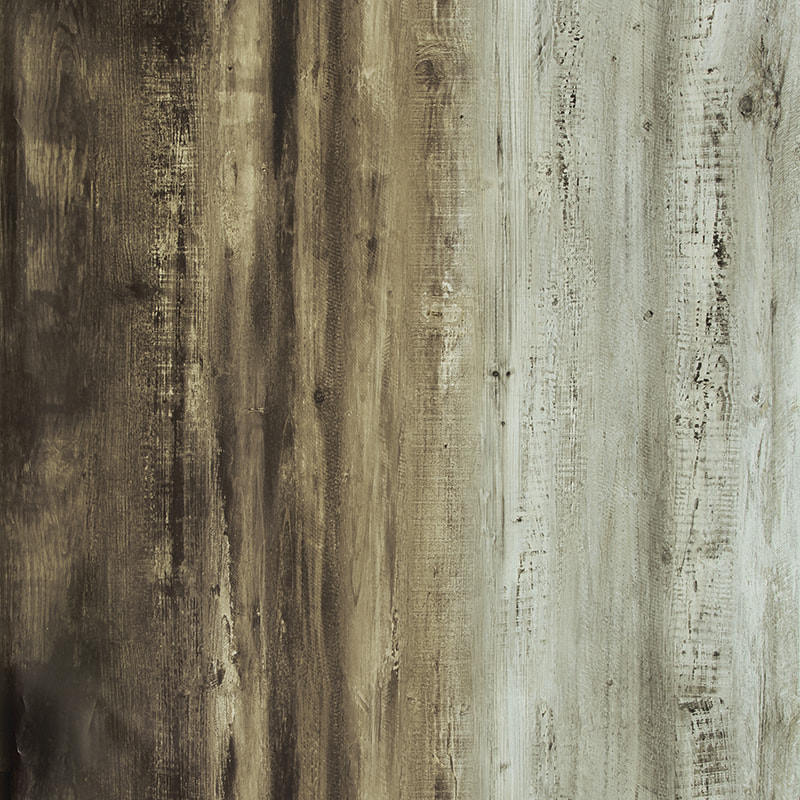
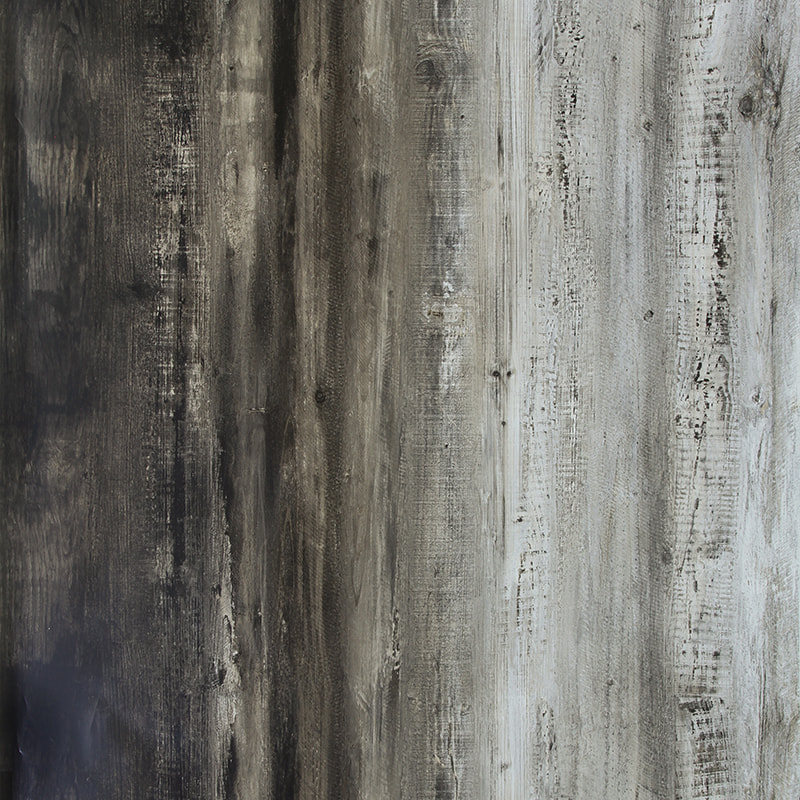
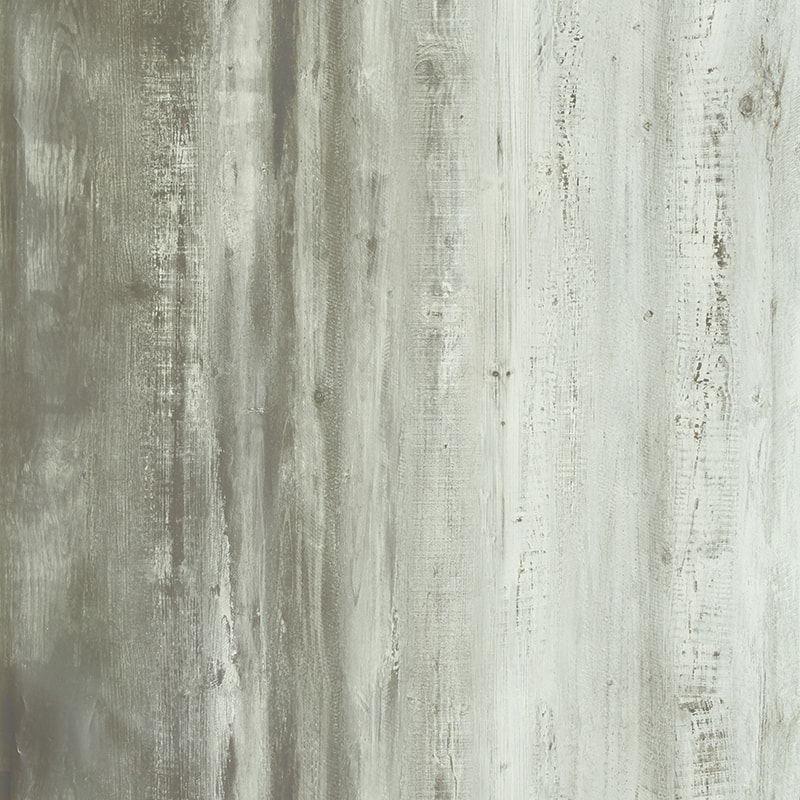
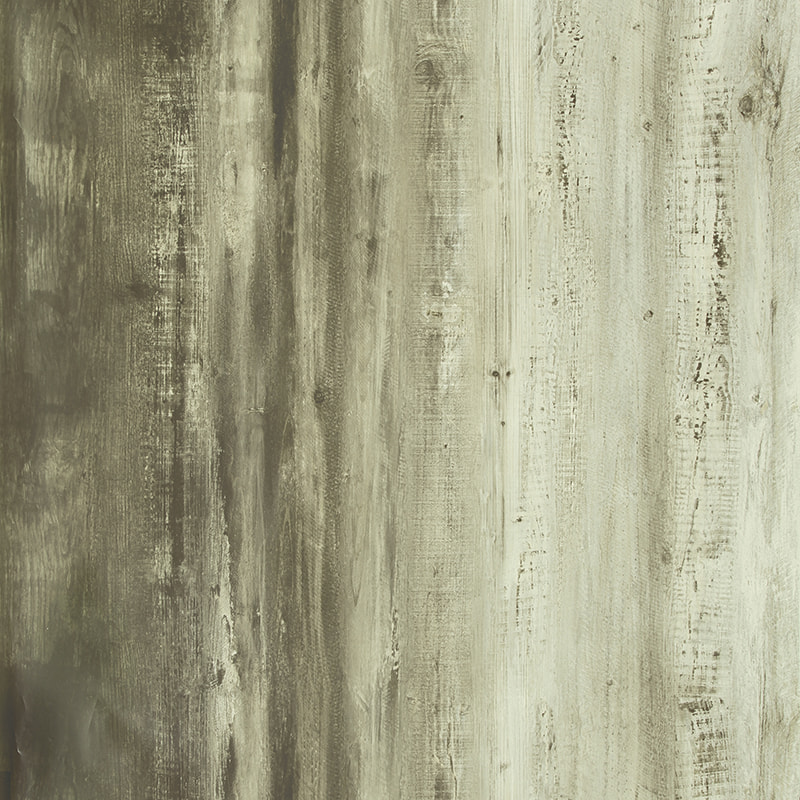
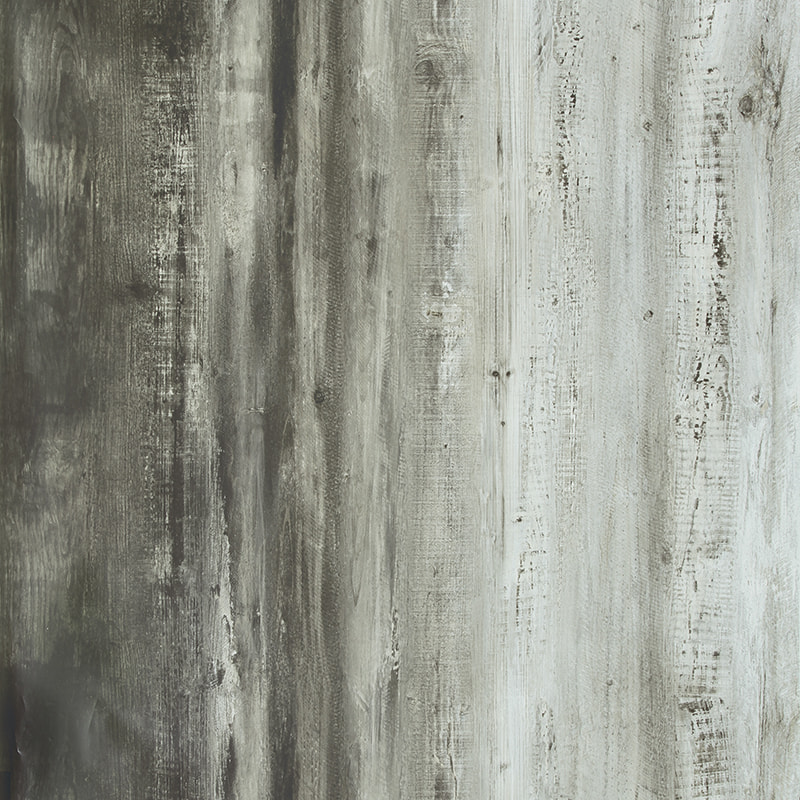
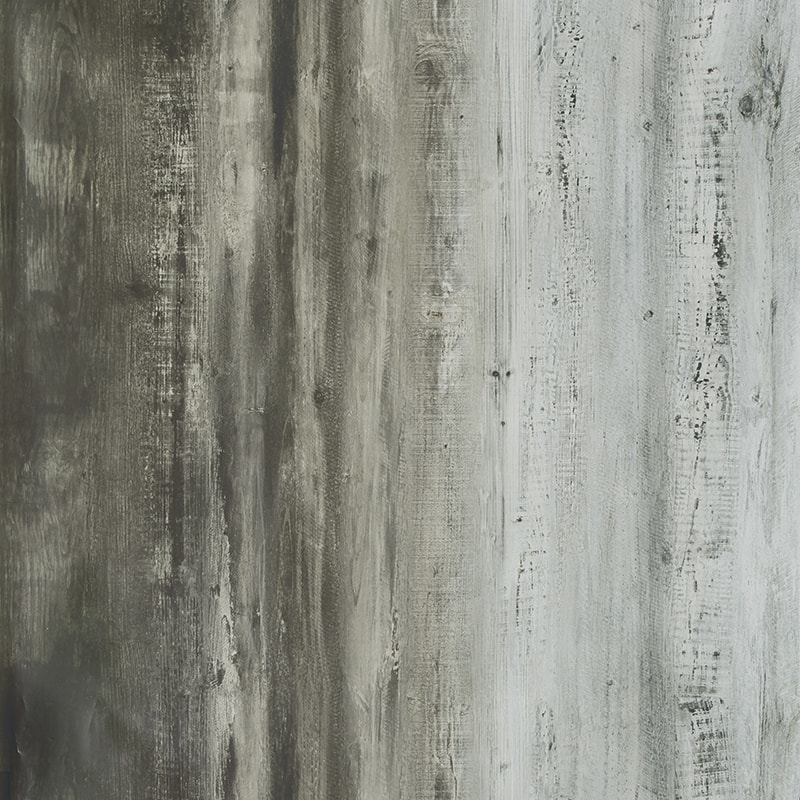
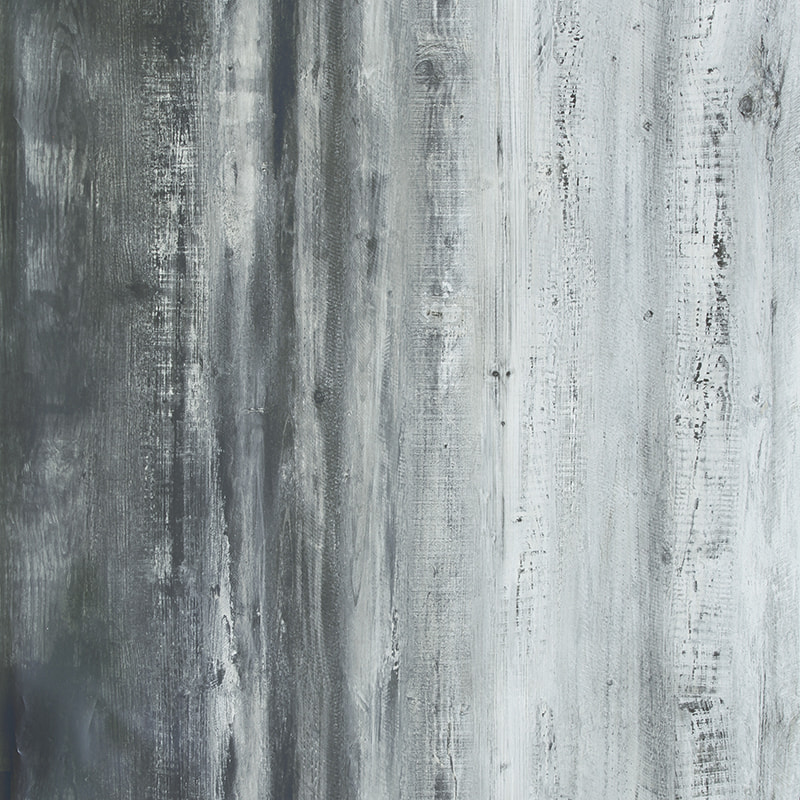
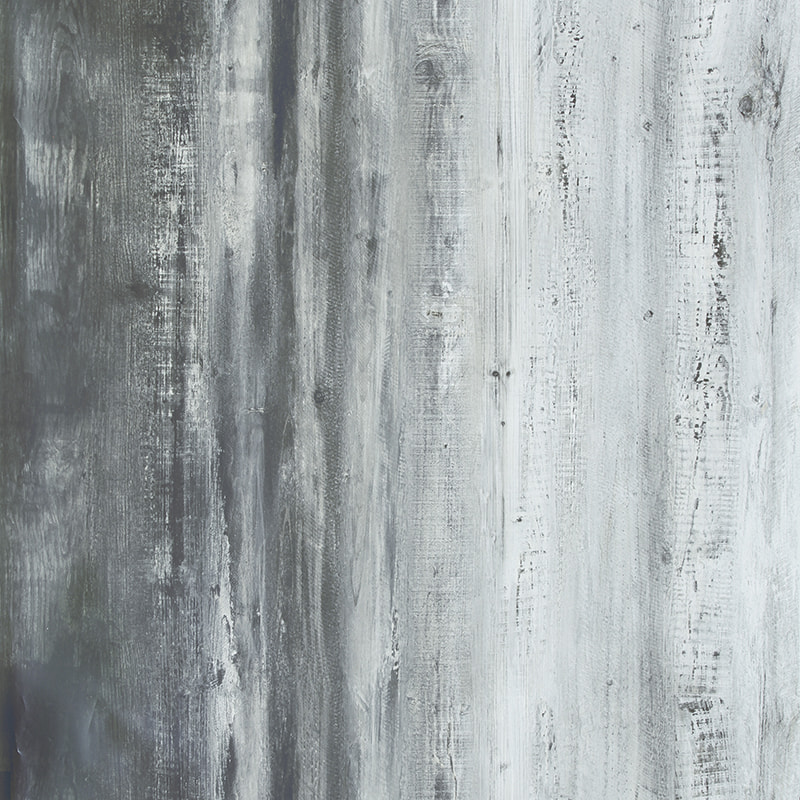
Model: YC8092
Wood: Pine
Spec: 1300*1270mm
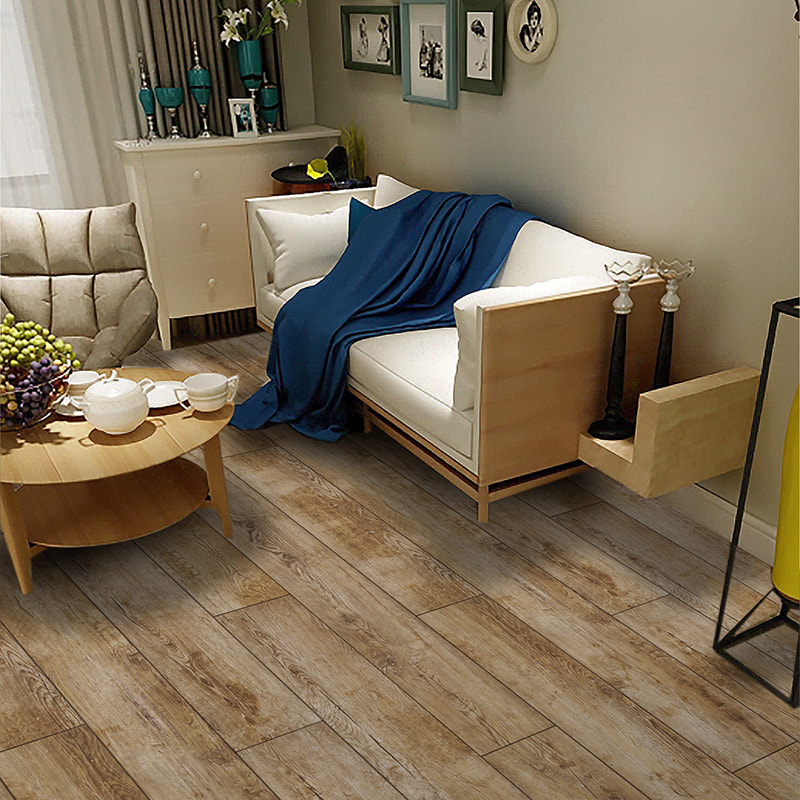
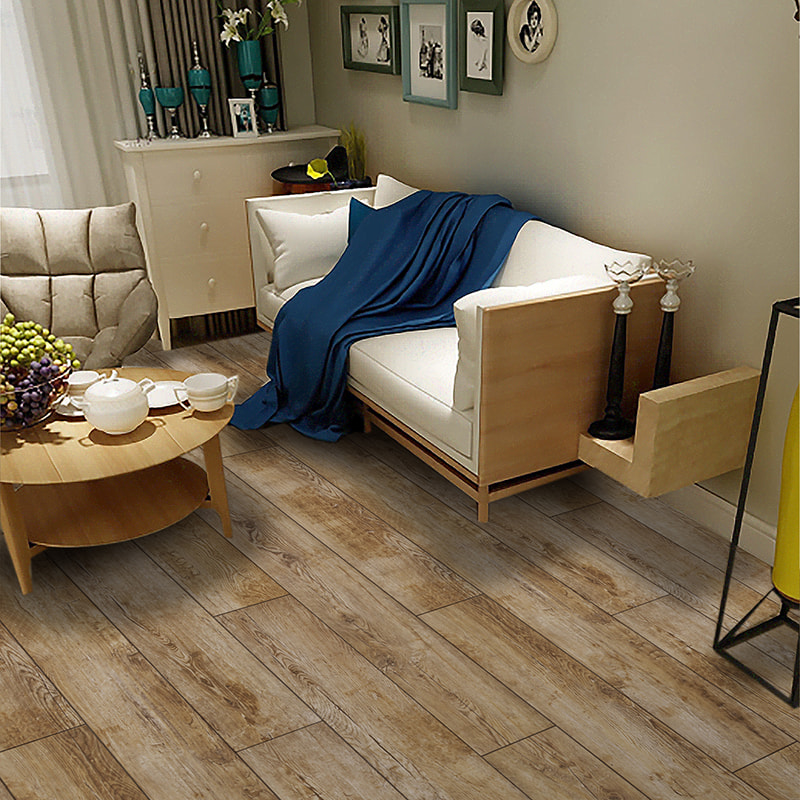
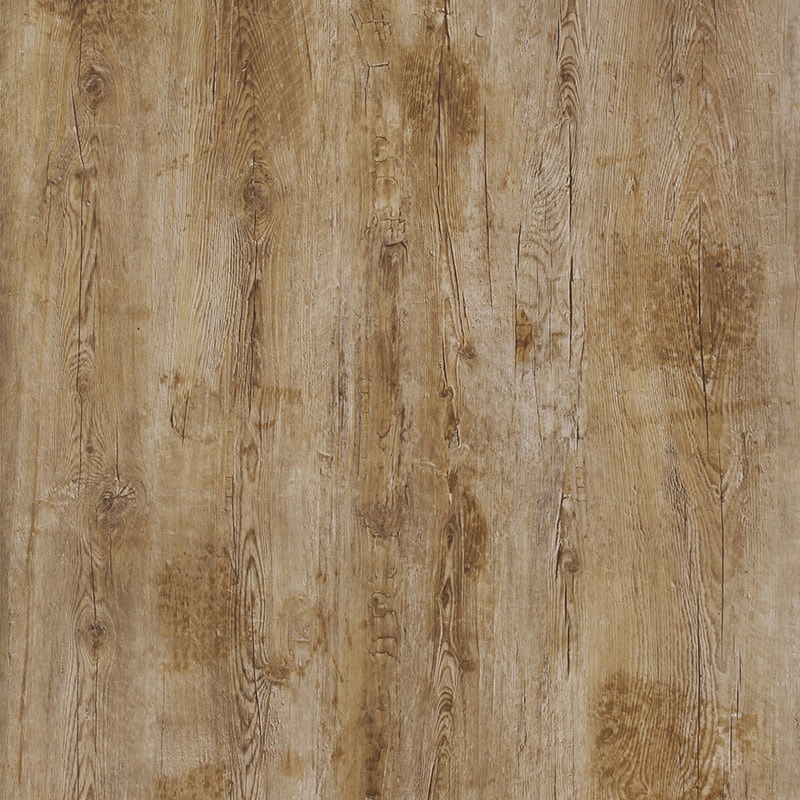
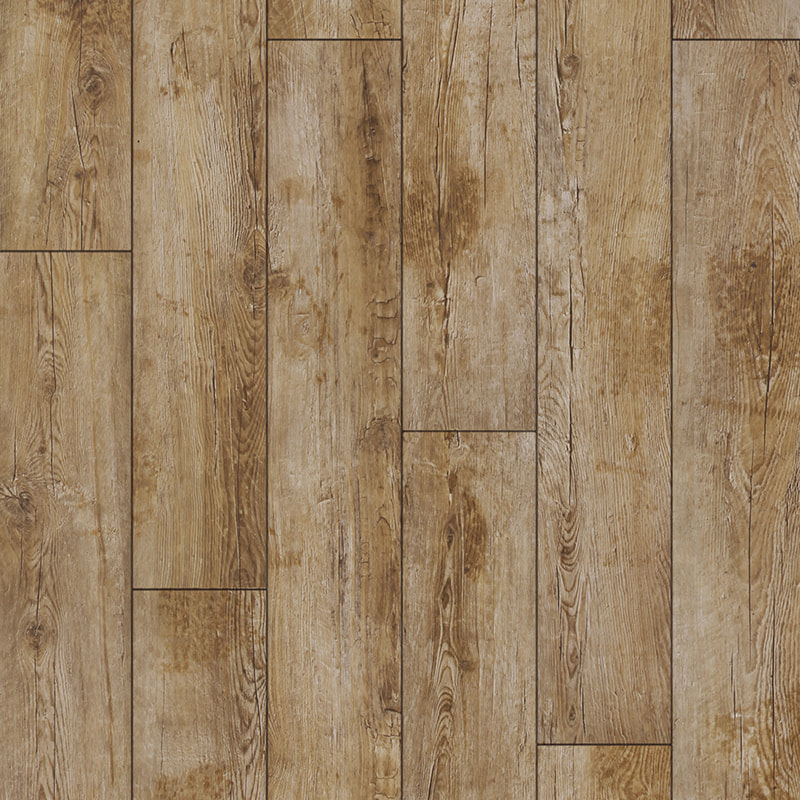
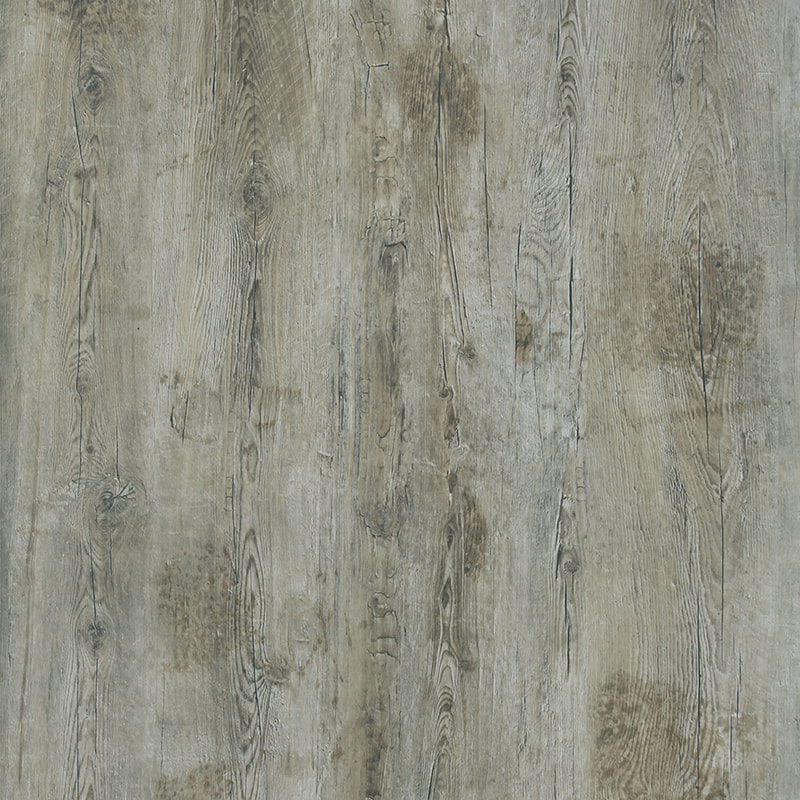
Model: YC8097
Wood: Pine
Spec: 1000*1260mm
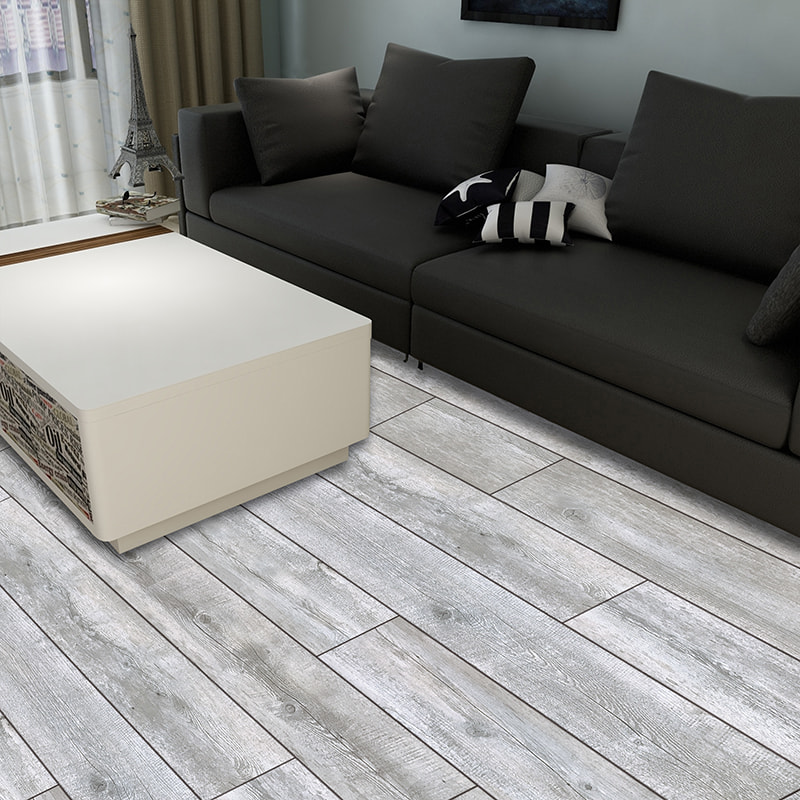

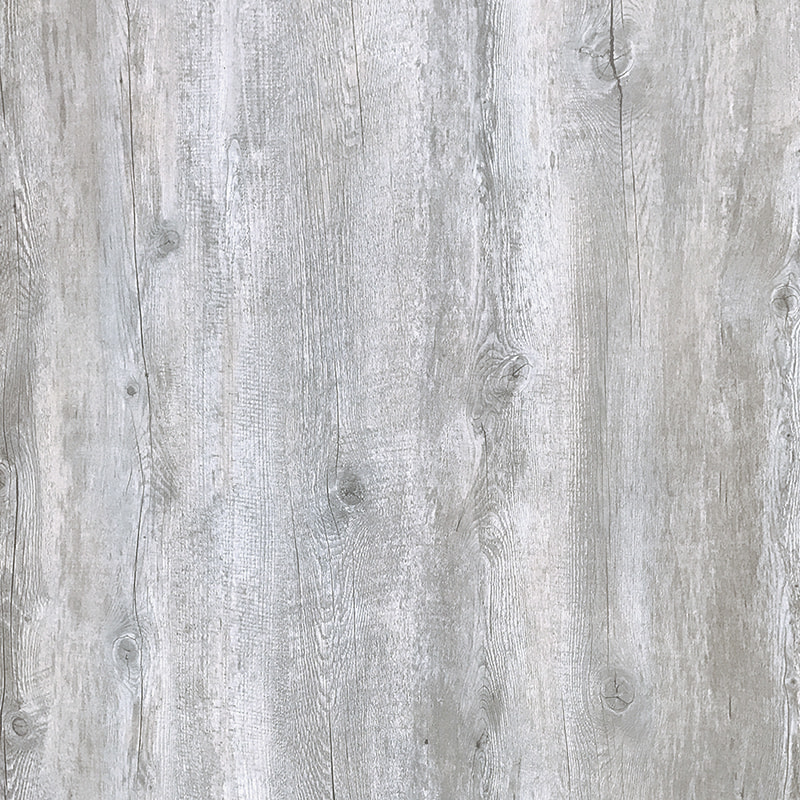
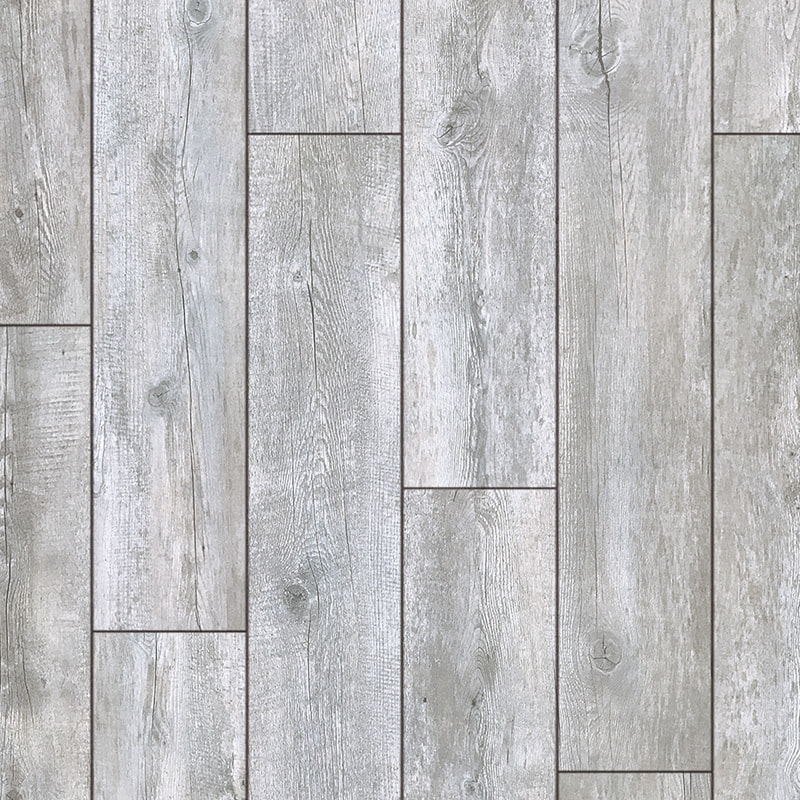
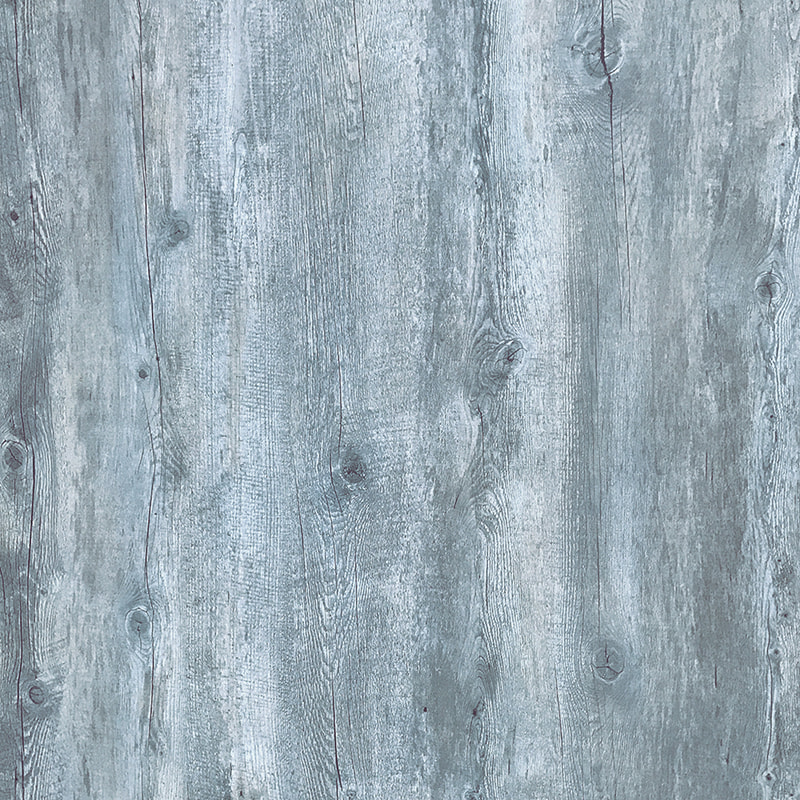
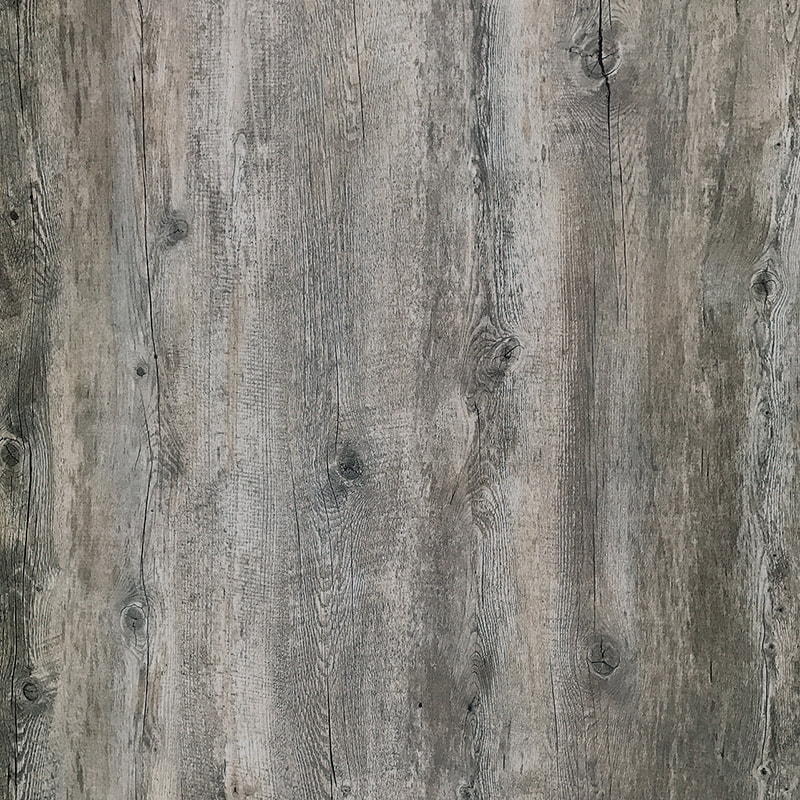
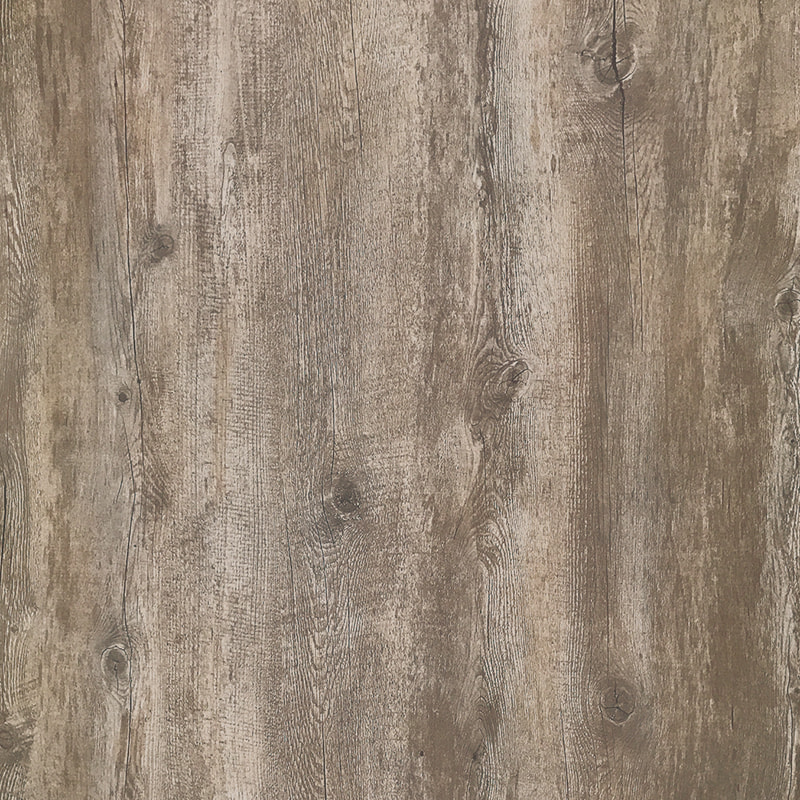
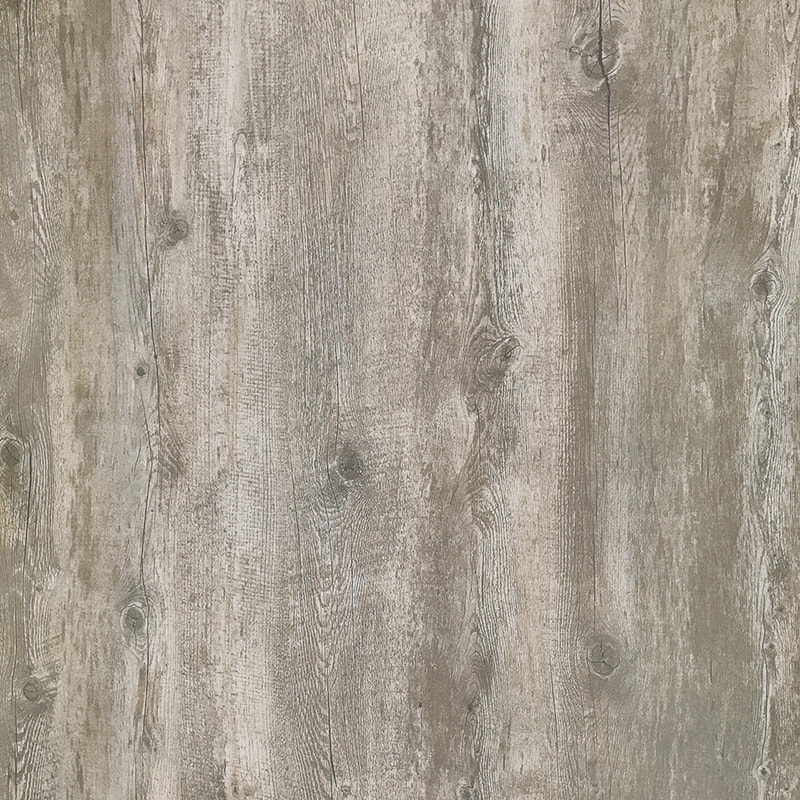
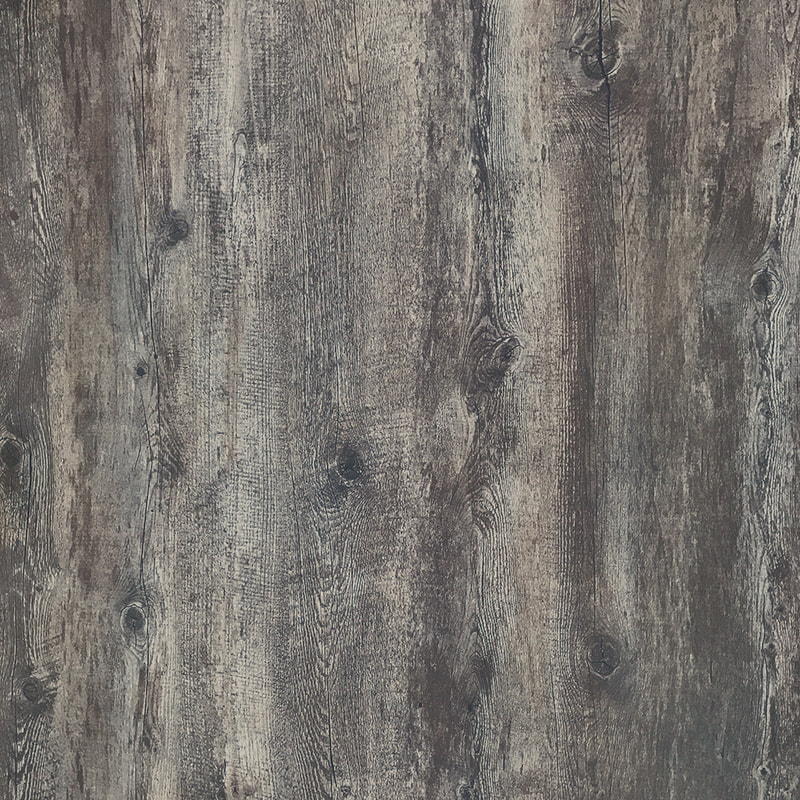
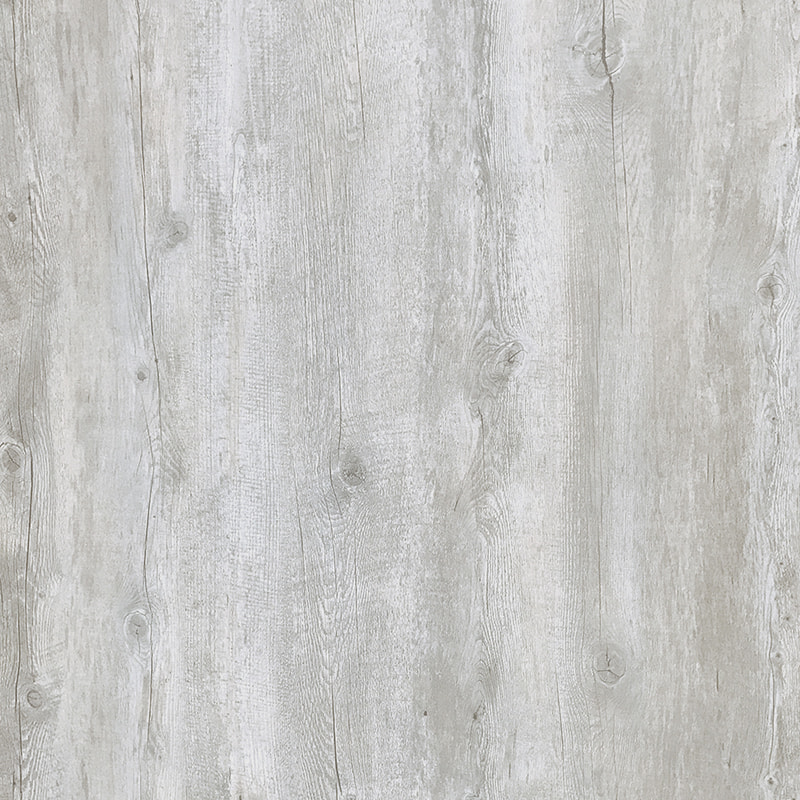
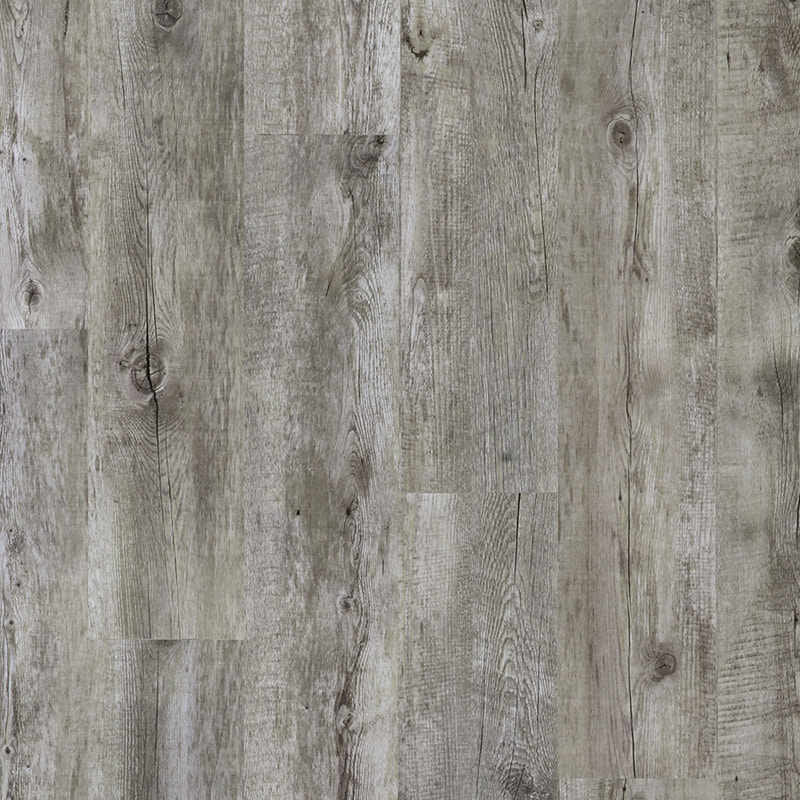
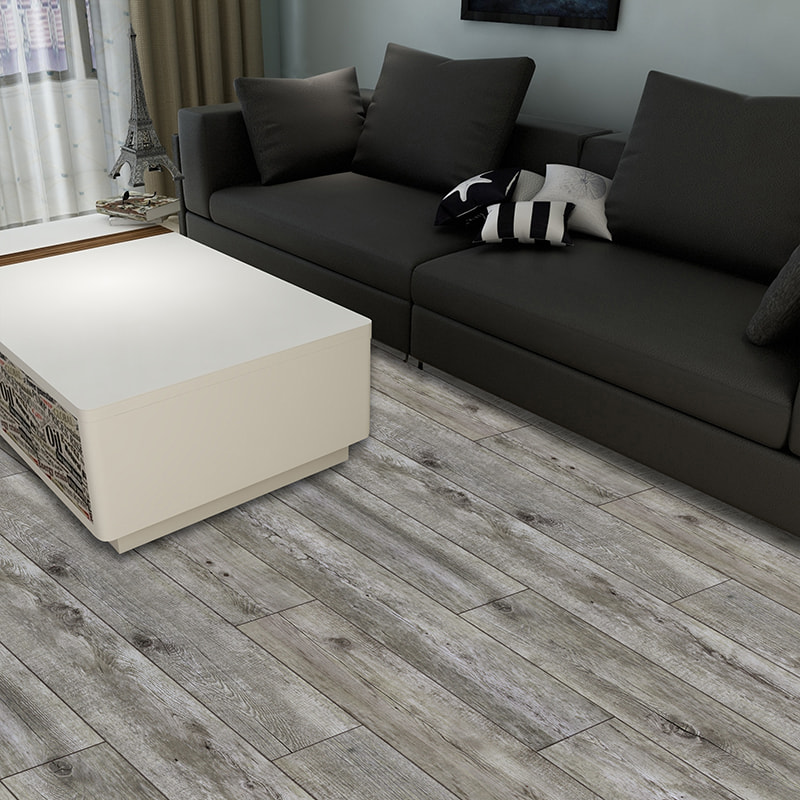
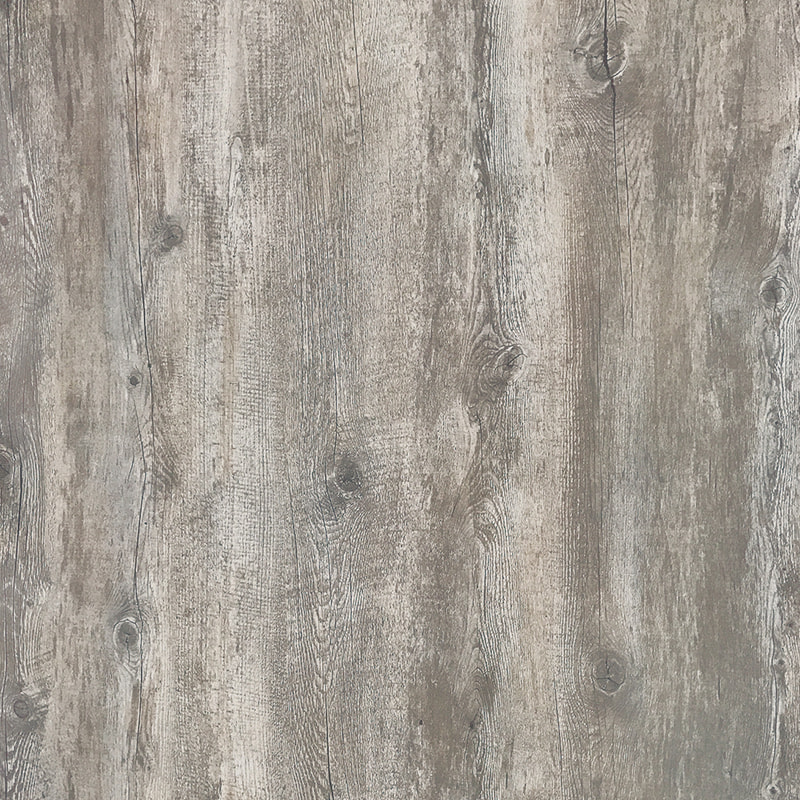
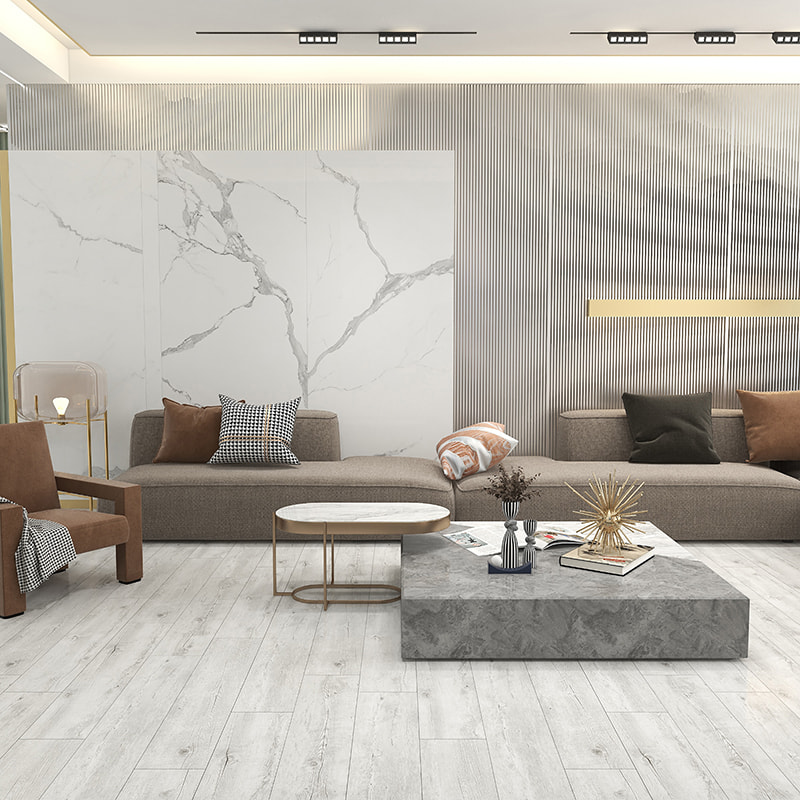
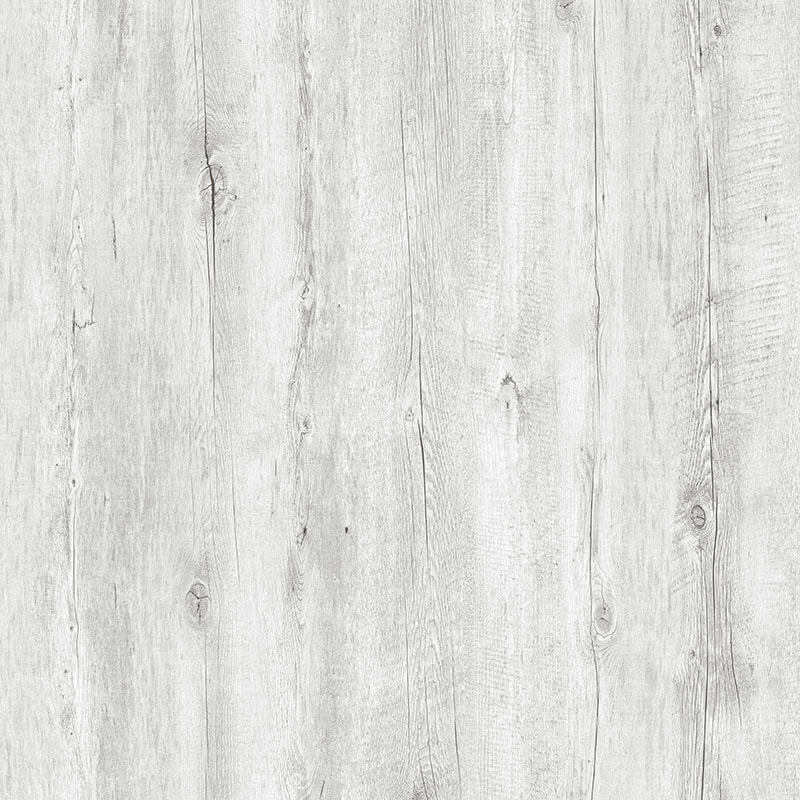
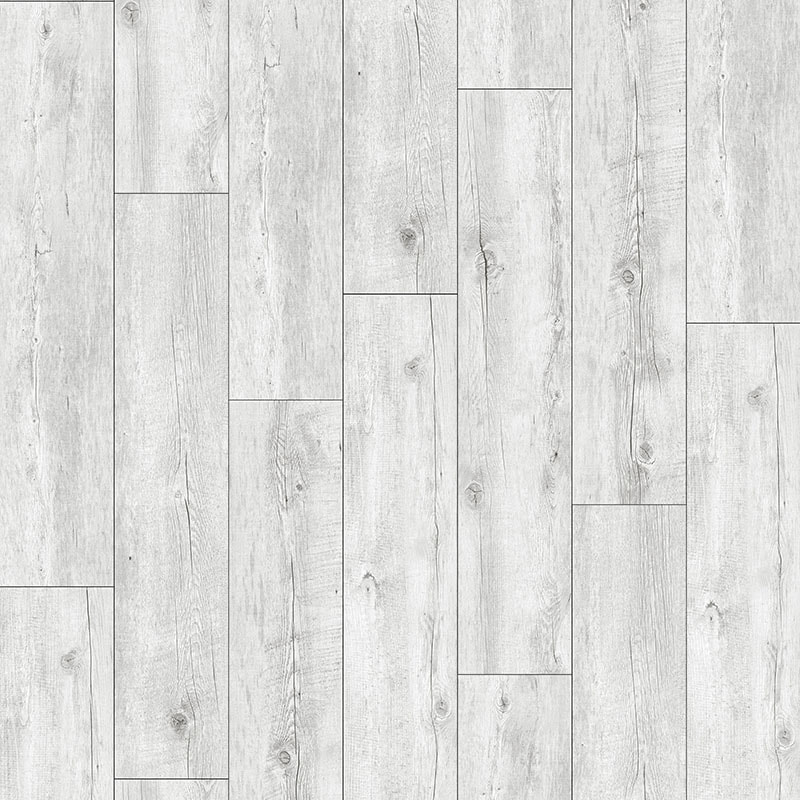
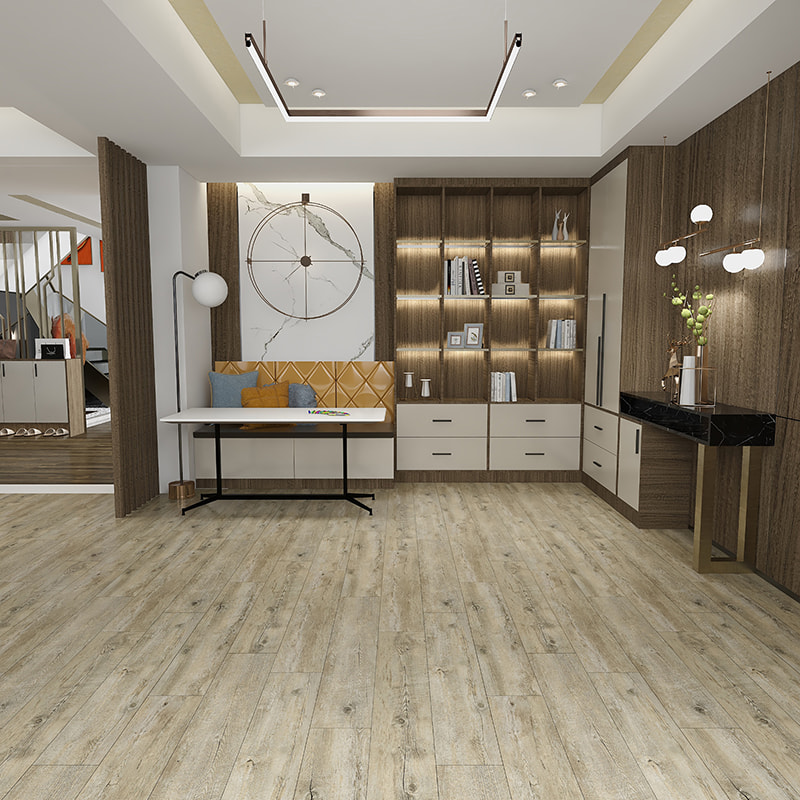
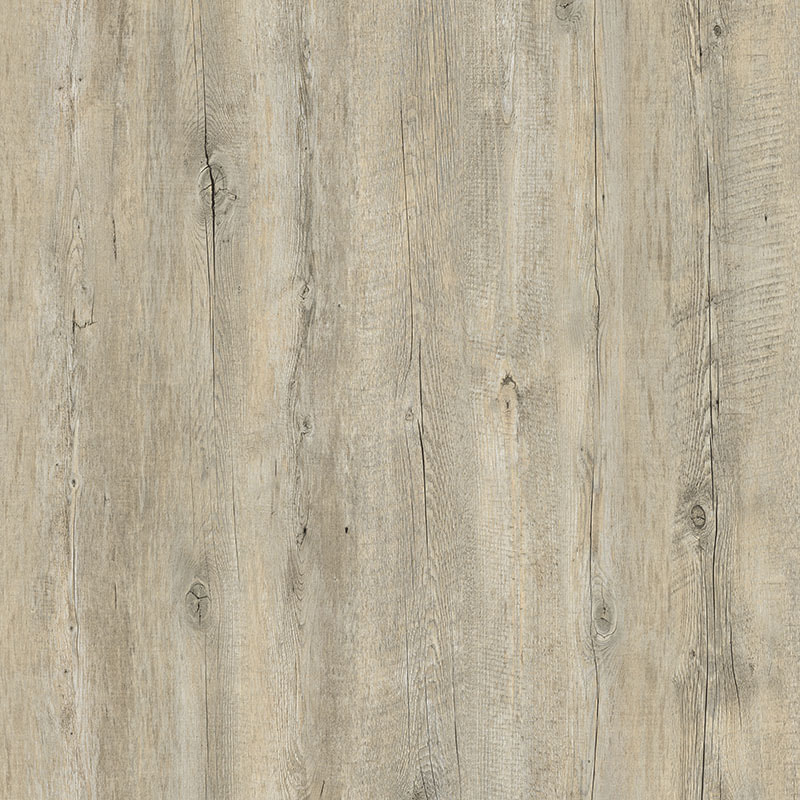
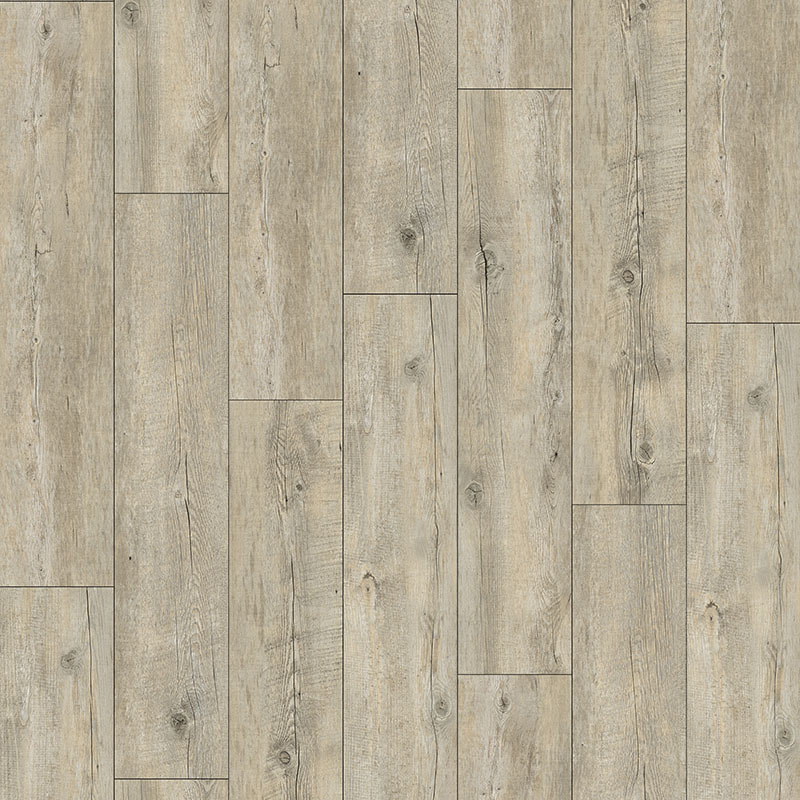
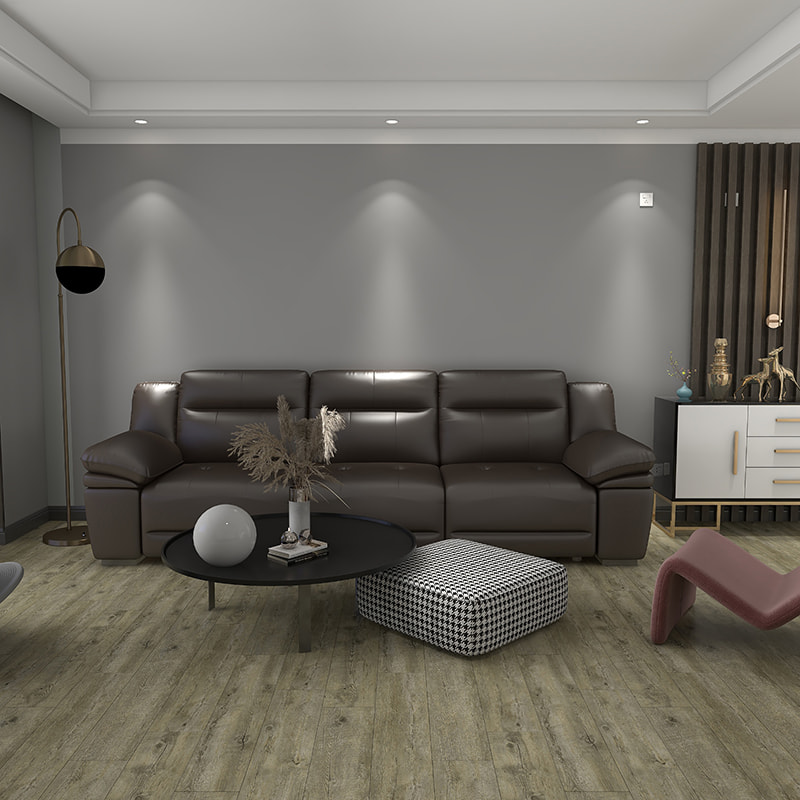
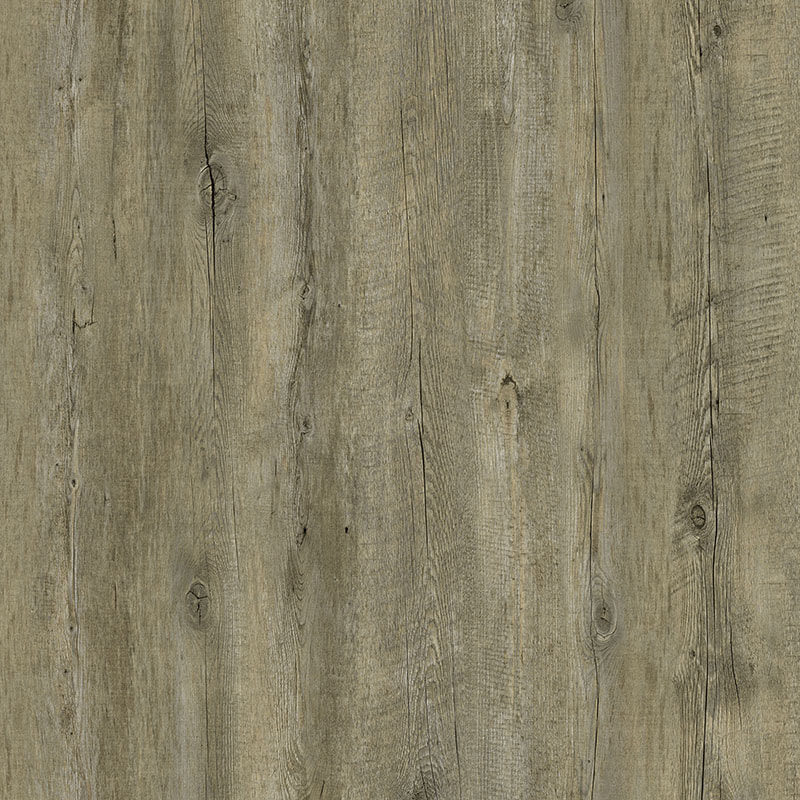
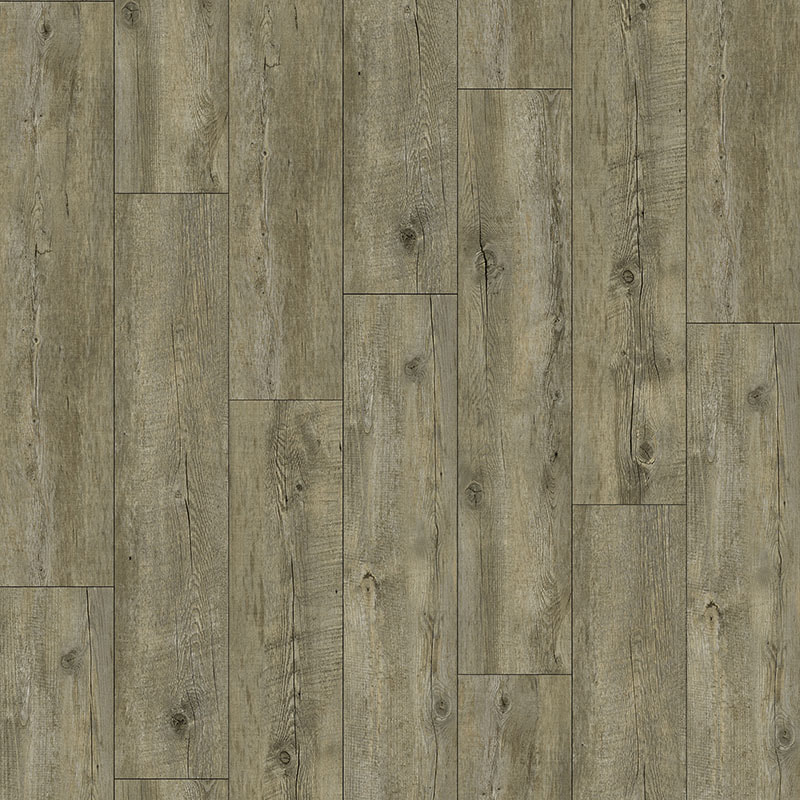
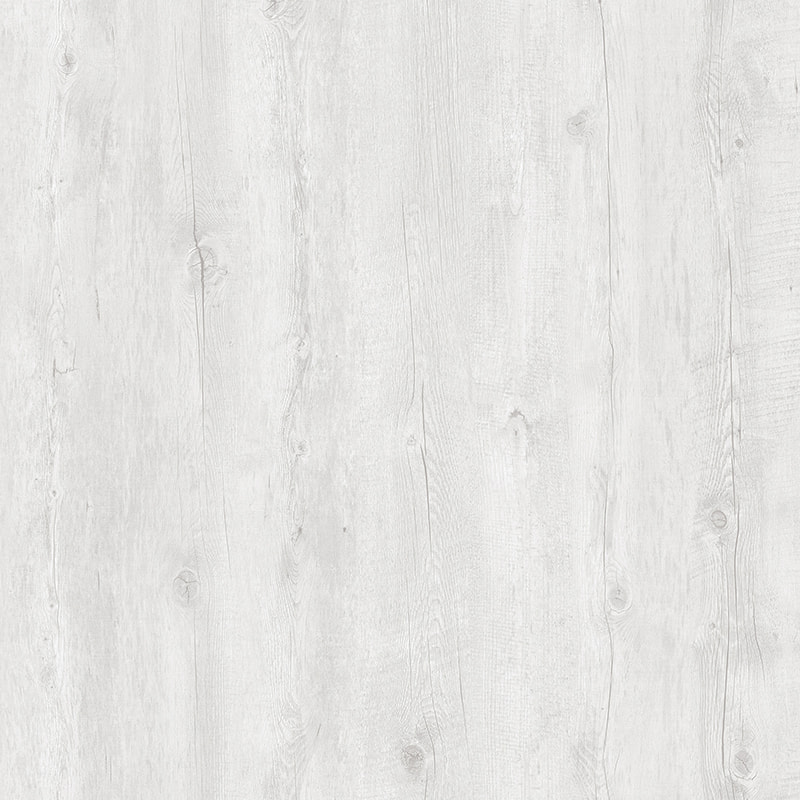
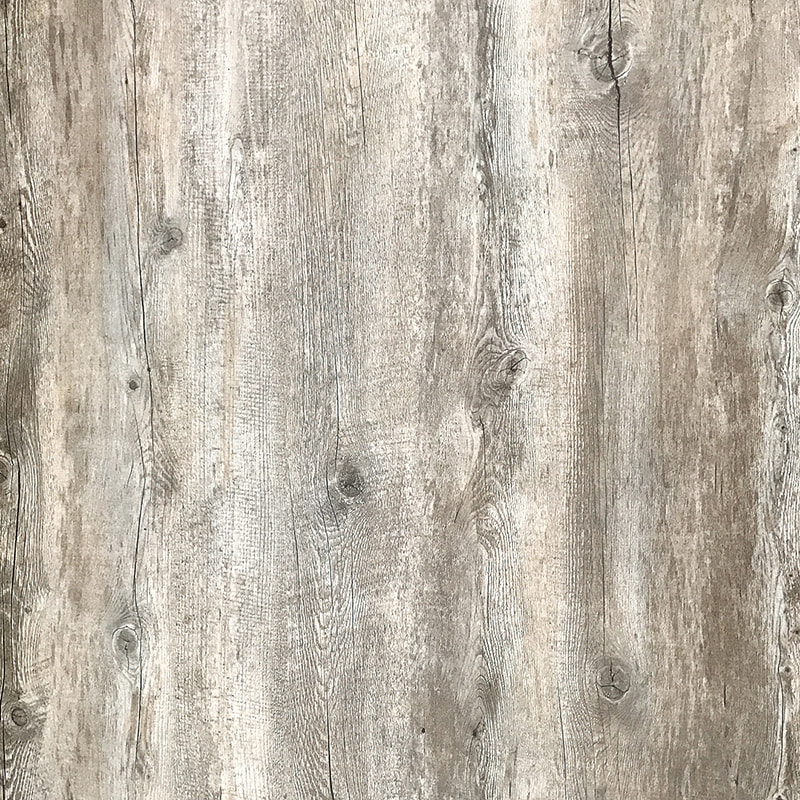
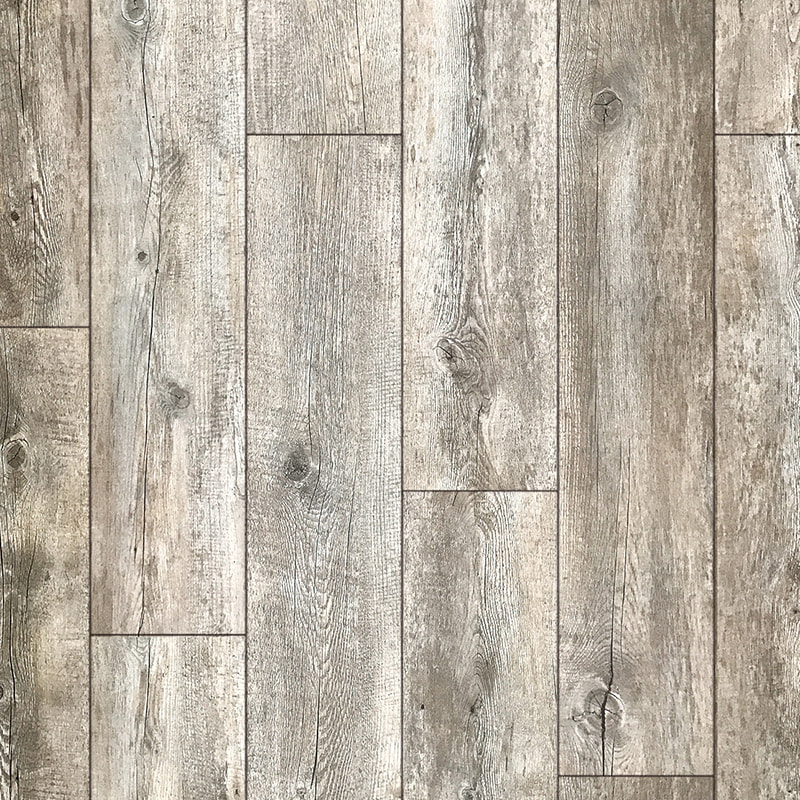
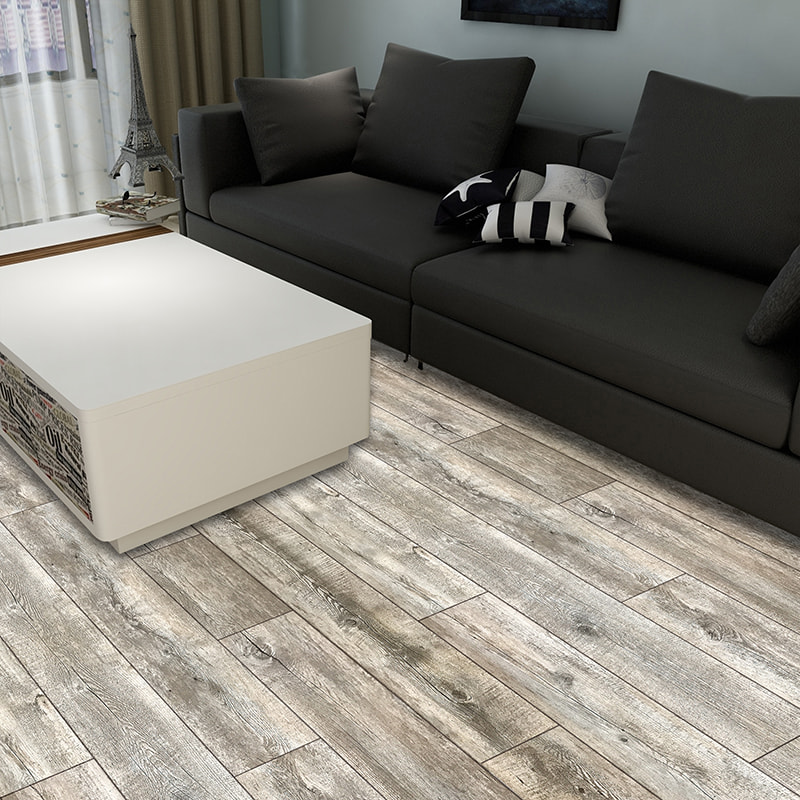
Model: YC8105
Wood: Pine
Spec: 1000*1000mm
Single chip size: 7.25*32"
Walk through almost any furniture showroom and you will meet the same surface again and again: a warm, straight-grained...
View MoreHickory has quietly become one of the most requested wood looks in decorative film, and it is easy to see why. It carri...
View MoreYou can usually spot hickory from across a room. The cathedral arches are wide and confident, the colour drifts from pa...
View MoreWhen designers and manufacturers look for a wood grain surface that feels warm, natural, and timeless, hickory often co...
View MoreA workshop receives a bundle of pine veneer for twelve wardrobe doors and finds that the color shifts noticeably betwee...
View MorePine belongs to the gymnosperm family — a softwood with tracheid-based anatomy rather than the vessel-and-fiber structure of hardwoods. This distinction produces the visual characteristics that define pine as a decorative species: pronounced alternation between pale, wide early wood bands and narrow, dense, darker late wood bands, the absence of visible pores, and the presence of resin canals — small, round or elongated features that appear as fine dark dots or short streaks scattered through the wood, particularly in the late wood zones. These resin canals are anatomically unique to conifers and are one of the detail elements that, when accurately reproduced in a pine PVC decorative film, strongly reinforce the species identity of the pattern.
The printing challenge posed by pine's anatomy is primarily one of contrast management. The tonal jump between early wood (which can be as light as 10% ink density) and late wood (which may require 55–70% density in the dark bands) must occur over a very short lateral distance — sometimes less than 2 mm — and must repeat consistently across dozens of growth ring cycles within a single pattern repeat. If the printing press experiences any ink viscosity drift or temperature-related dimensional change in the web during a run, the early-to-late wood boundary softens or shifts, and the growth rings lose the crispness that is characteristic of real pine. Maintaining this sharpness requires press speeds calibrated to ink drying time and doctor blade conditions tuned for the specific density transition profile of the pine cylinder — parameters that need to be locked and documented for each SKU rather than adjusted run by run.
In actual pine lumber, resin — produced by the tree as a defense mechanism against insects and fungal infection — accumulates in specialized resin canals and, under stress or injury, can pool into larger resin pockets that appear as oval to elongated dark inclusions running parallel to the grain. Where resin has migrated along the grain over a distance before hardening, it leaves a pitch streak: a translucent amber-to-dark-brown smear that can extend 50–200 mm along the board face, often crossing growth ring boundaries.
These features are botanically normal in pine and are fully present in commercial pine lumber used for flooring and paneling, yet the majority of pine PVC decorative film patterns on the market omit them entirely or reduce them to a barely visible hint. The omission is partly historical — early film manufacturing prioritized "clean" patterns that minimized complexity — and partly commercial, as some buyers in certain markets associate resin features with lower-grade material. The consequence is that most commercial pine film looks like an abstraction of pine rather than a reproduction of it, lacking the organic irregularity that makes natural pine warm and distinctive.
For film manufacturers targeting premium residential or hospitality applications where authenticity is valued, including well-designed resin pocket and pitch streak elements is a meaningful differentiator. The design challenge is placing them at appropriately irregular intervals — not so frequent that the pattern looks diseased, not so rare that they seem like an afterthought — and giving them the correct internal structure: a lighter halo of resin-impregnated wood surrounding a darker resin core, rather than a flat dark shape. We approach pine cylinder development with exactly this level of botanical reference, scanning actual pine boards across multiple grades before committing a design to engraving.
Knots are more frequent, more varied in size, and more visually dominant in pine than in most hardwood species used for decorative film. In real pine lumber, knot frequency and size are the primary factors that determine grade — clear pine (no knots) commands a significant premium over knotty pine, which itself is graded by knot diameter and soundness. When designing a pine PVC film pattern, the implied grade of the pattern is entirely determined by how knots are handled in the cylinder design.
Pine knots have a more complex internal structure than oak or walnut knots. A sound, tight pine knot — where the branch was living when enclosed by the trunk — shows concentric rings of its own grain running perpendicular to the surrounding board grain, surrounded by a compression wood zone where the surrounding grain is deflected and darkened. A loose or dead knot — from a branch that died before enclosure — is darker overall, often with a partial separation crack at its perimeter, and may be surrounded by a resin ring. Reproducing this anatomical distinction between tight and loose knots adds significant credibility to a pine film design and requires careful cell depth gradation at the knot-to-surrounding-wood boundary.
The appropriate knot density in a pine decorative film depends heavily on the intended end application and target market. The following table summarizes the typical design conventions used across major application segments:
| Application | Implied Pine Grade | Knot Frequency | Preferred Color Direction |
| Rustic residential flooring | Knotty / character grade | High (4–8 per repeat) | Warm honey, amber, natural tan |
| Scandinavian / Nordic interior | Select / low-knot | Low (0–2 per repeat) | Pale blonde, whitewashed, grey-tinted |
| Cabin / lodge furniture | Knotty / live-edge character | Very high (6–10+ per repeat) | Deep amber, aged yellow-brown |
| Contemporary paneling / wall cladding | Clear to select | Minimal (0–1 per repeat) | Greige, cool beige, lightly smoked |
| Budget residential / rental property | Standard knotty | Moderate (2–4 per repeat) | Medium golden brown |
Matching the pattern's implied grade to the project aesthetic is as important as color accuracy. A premium hospitality project that uses a high-knot rustic pine film will read as mismatched regardless of print quality, just as a lodge interior fitted with a clear-grade minimal-knot film will feel sterile and unconvincing.
Pine is one of the species most susceptible to perceived color shift between light sources — a phenomenon called metamerism — because its natural color palette sits in the yellow-to-warm-orange range where the spectral sensitivity difference between daylight (D65), incandescent (Illuminant A), and LED sources is most pronounced. A pine PVC film that appears as a warm, balanced honey tone under D65 daylight can shift noticeably toward orange under incandescent and toward greenish-yellow under certain phosphor-converted LED lamps with narrow spectral distributions.
This is not a defect in the film itself but a consequence of the colorant mix required to hit the pine color target combined with the illuminant's spectral power distribution. The practical consequence is that specification decisions made under one lighting condition can produce unexpected results in the installed environment. The most reliable mitigation is to evaluate pine film samples under the actual light sources planned for the installed space before finalizing the pattern selection. For retail or hospitality projects where the lighting design is specified in advance, requesting a metamerism assessment — measuring ΔE between D65 and the specified lamp SPD — from the film supplier provides quantitative evidence of the risk before materials are ordered.
Additionally, pine films with warm amber-to-yellow colorants are more susceptible to perceived yellowing under UV-rich natural light over time, even when the pigments themselves have high light fastness ratings. The reason is that the surrounding interior materials — walls, textiles, furniture finishes — may bleach slightly under UV while the film maintains its original warm tone, causing the floor or panel to appear more yellow by contrast rather than because it has actually changed. Specifying a pine film color that sits slightly cooler than the ideal target at the sample stage can compensate for this relative shift over a multi-year service life.
Weathered, aged, and patinated pine finishes have been a consistent design trend in residential and hospitality interiors for the past several years, driven by the broader appetite for materials that carry a sense of history and imperfection. In real pine, aging produces a complex set of visual changes: the resin darkens and oxidizes from amber to deep brown, the pale early wood greying from blonde toward silver-grey, and the contrast between early and late wood compresses as both zones shift toward a more neutral tone. Surface checking — fine hairline cracks along the grain — and tool marks from hand-planing or distressing add tactile and visual complexity.
Reproducing a convincing aged pine effect in a decorative film requires addressing all of these elements simultaneously, which makes aged pine one of the more technically complex pattern categories to develop. The early wood graying effect is achieved by shifting the base tone from yellow-warm to a neutral or slightly cool grey-beige while preserving the translucent quality that distinguishes grey-aged wood from grey paint. The resin darkening is reproduced by deepening the resin canal and pitch streak elements to near-black rather than the amber used in fresh pine patterns. The contrast compression is engineered by raising the minimum density of the early wood zones from near-white toward a mid-light tone while keeping the late wood at its original relative density — a subtler tonal range overall, but one that reads immediately as aged rather than fresh.
Surface checking — the fine linear cracks — is the element most often handled poorly in aged pine film designs. When checking is reproduced as a printed line without a corresponding emboss, it reads as a surface print artifact rather than a structural material feature. A convincing checking effect requires either a registered emboss that places a fine hairline depression over the printed crack line, or a gloss differential — applying a slightly higher-gloss topcoat in the crack channel against a lower-gloss surrounding surface — so the checking reflects light differently from the face grain. The gloss-differential approach is achievable in a UV-coated film without the tooling cost of a registered emboss and is worth specifying when aged pine patterns are developed for furniture or wall panel applications.
Pine decorative film has strong demand in wall paneling and ceiling applications, particularly in residential, hospitality, and retail environments where the species' warmth and familiarity are design assets. However, the performance requirements for film used in vertical and overhead applications differ from flooring in ways that are not always reflected in standard product specifications, and sourcing flooring-grade film for wall use — or vice versa — can produce unexpected failures.
Pine film is frequently used on wide-format panels — wall cladding boards 200–400 mm wide, ceiling planks, or furniture carcass panels wider than 600 mm — where the relationship between the film pattern width and the panel width becomes a significant aesthetic variable. Unlike narrow flooring planks where a single grain pass covers the full plank width, wide panels may show two or three "virtual board widths" within a single panel face if the cylinder design has been built around a narrow grain sweep. This can make a wide panel look like multiple narrow boards laminated together rather than a single wide plank, which is visually inconsistent with the intended design.
Well-designed pine film patterns for wide-format applications use cylinder artwork that sweeps grain across the full usable web width — typically 1,260 to 1,380 mm on standard gravure presses — without repeating the grain sweep laterally within that width. This requires the cylinder to be engraved with cross-web grain transitions that mimic the natural variation of a wide board, including subtle density shifts from one edge to the other that reflect realistic variation in ring spacing and resin content across the board face. The added cylinder complexity increases engraving cost by roughly 15–25% compared to a narrow-board pattern on the same press, but for premium wide-panel applications the visual result justifies the investment. Buyers specifying pine film for wide-format use should verify the cylinder's effective grain width from the supplier — not the press web width — before approving a pattern for production.



Contact
 China Company Address: No.5 Zhaojia Road,
Vietnam Factory Address: GNP Yen Binh
1 - lndustrial Center (Lot CN13,CN18,Yen
Binh Industrial Park, Ward, Dng Tien, Ph8 Yen,
Thai Nguyen 24000)
Thailand Factory Address: 289/12 Moo 7, Klong Kiu Sub-District, Ban Bueng District, Chonburi 20220 THAILAND
China Company Address: No.5 Zhaojia Road,
Vietnam Factory Address: GNP Yen Binh
1 - lndustrial Center (Lot CN13,CN18,Yen
Binh Industrial Park, Ward, Dng Tien, Ph8 Yen,
Thai Nguyen 24000)
Thailand Factory Address: 289/12 Moo 7, Klong Kiu Sub-District, Ban Bueng District, Chonburi 20220 THAILAND
 Tel: +86-13685281168
+86-13813687178
Tel: +86-13685281168
+86-13813687178
 E-mail: [email protected]




 English
 русский