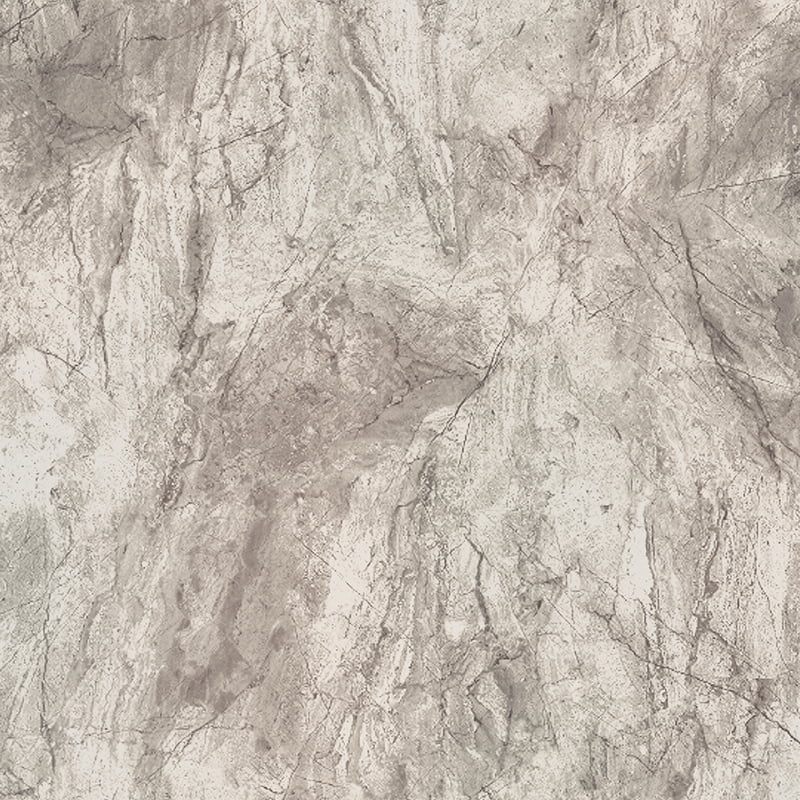
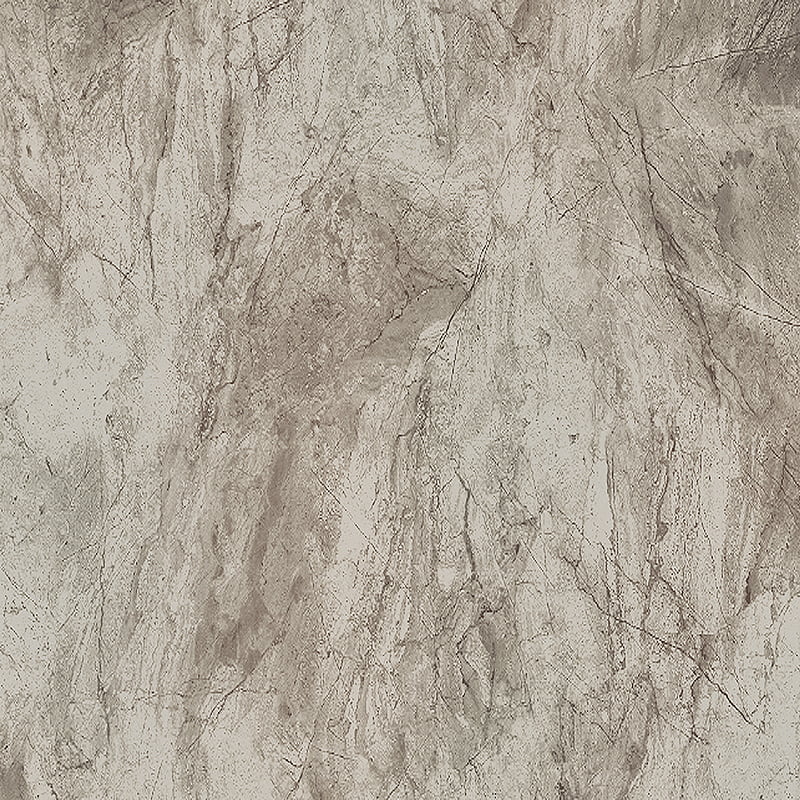
We often say that marble is a high-quality building material with great tolerance and plasticity. There are many types of marble, with a variety of patterns, and it has extremely artistic patterns and is noble and elegant. However, marble is easily damaged during transportation. Marble-patterned floors can solve this problem and reduce costs at the same time.


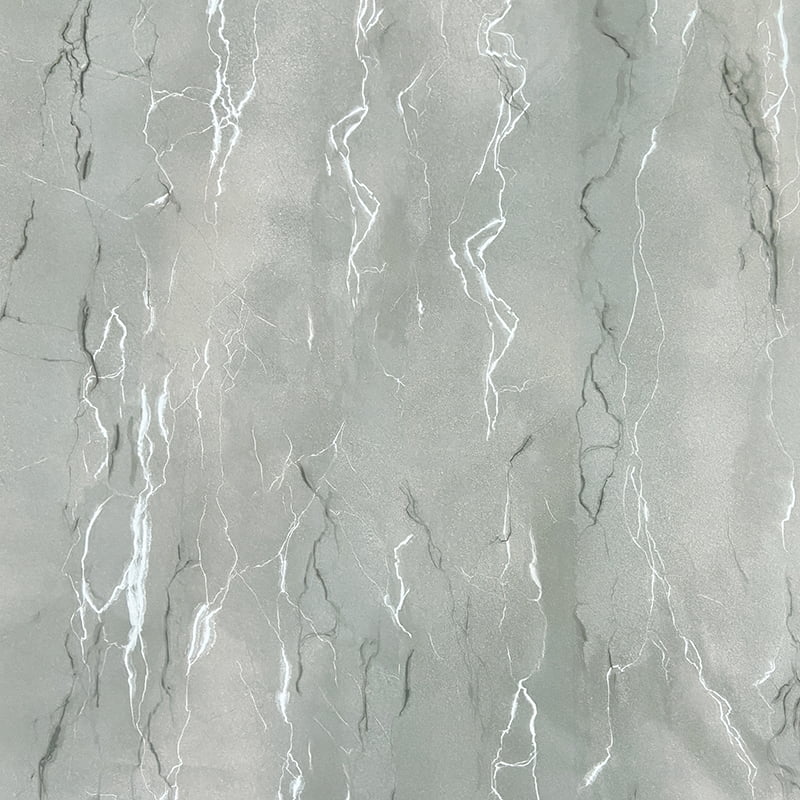
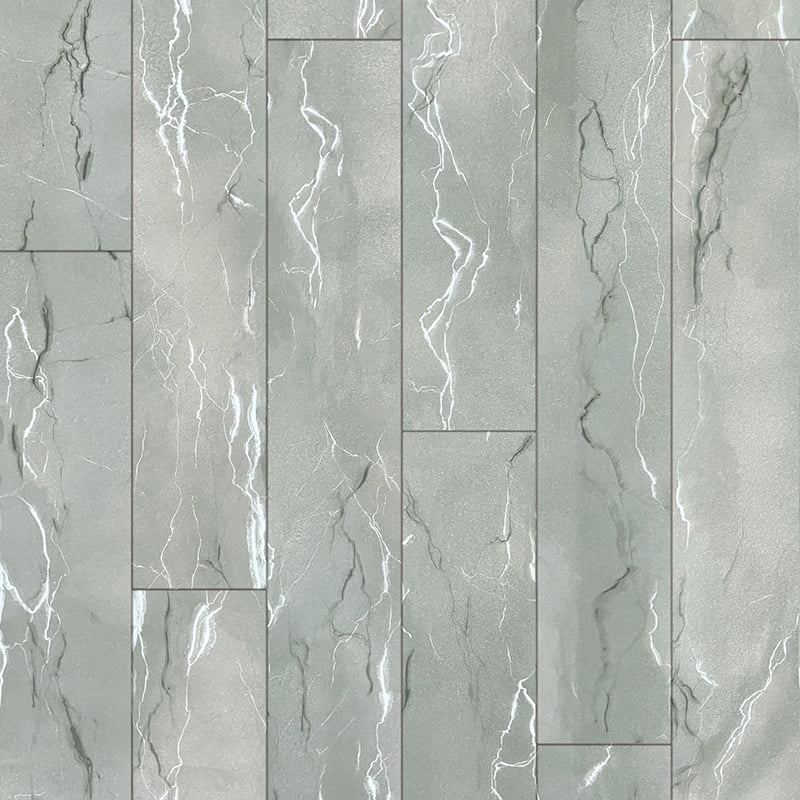
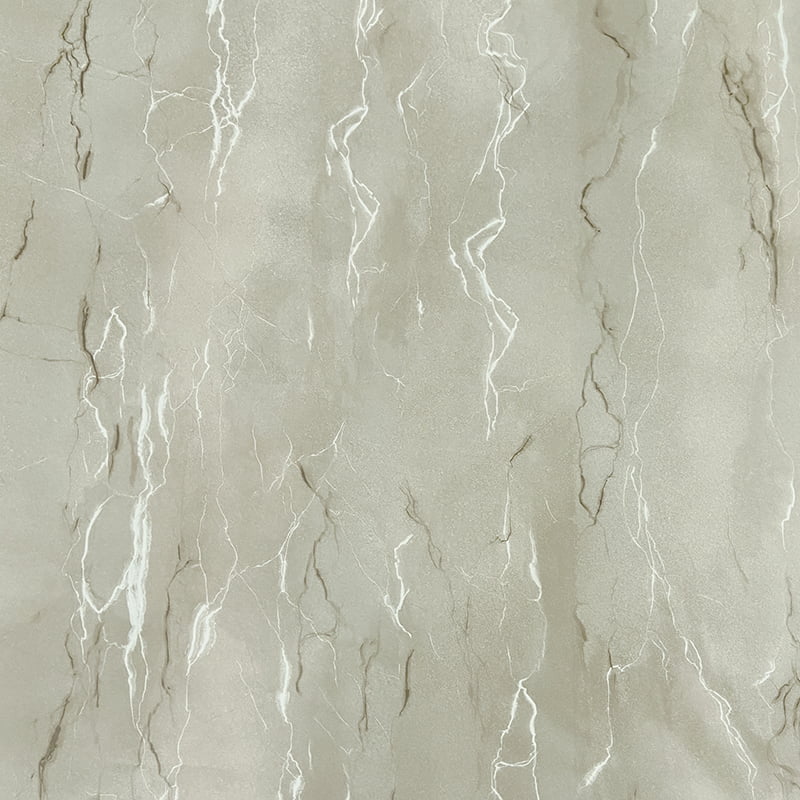
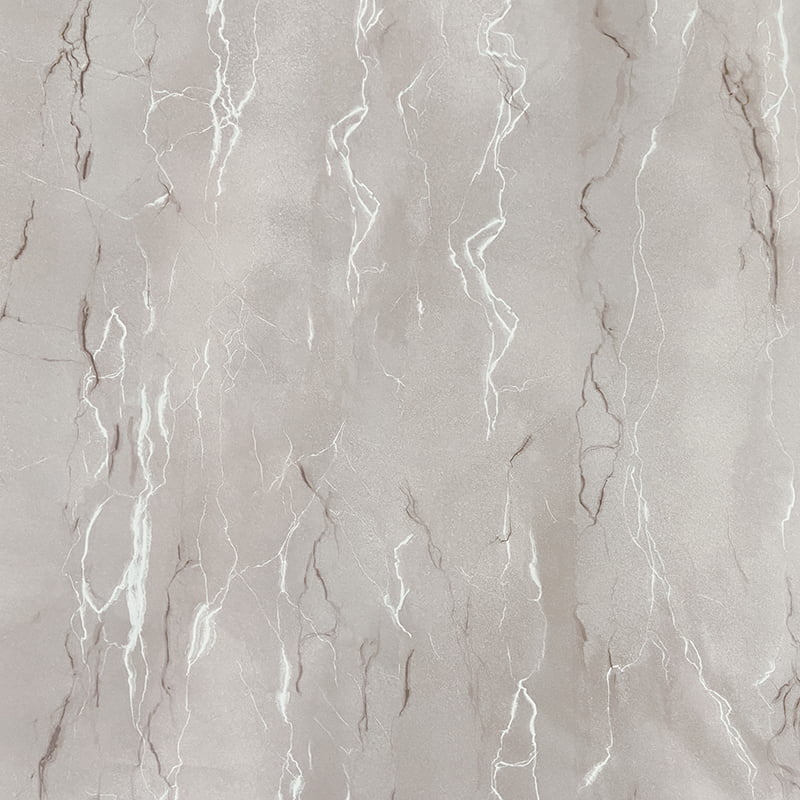
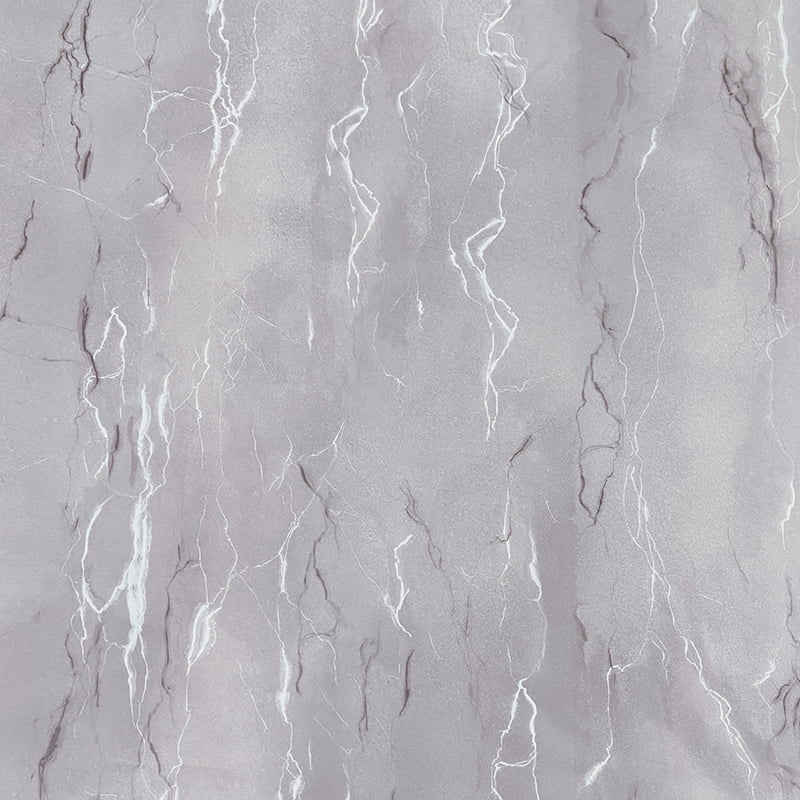
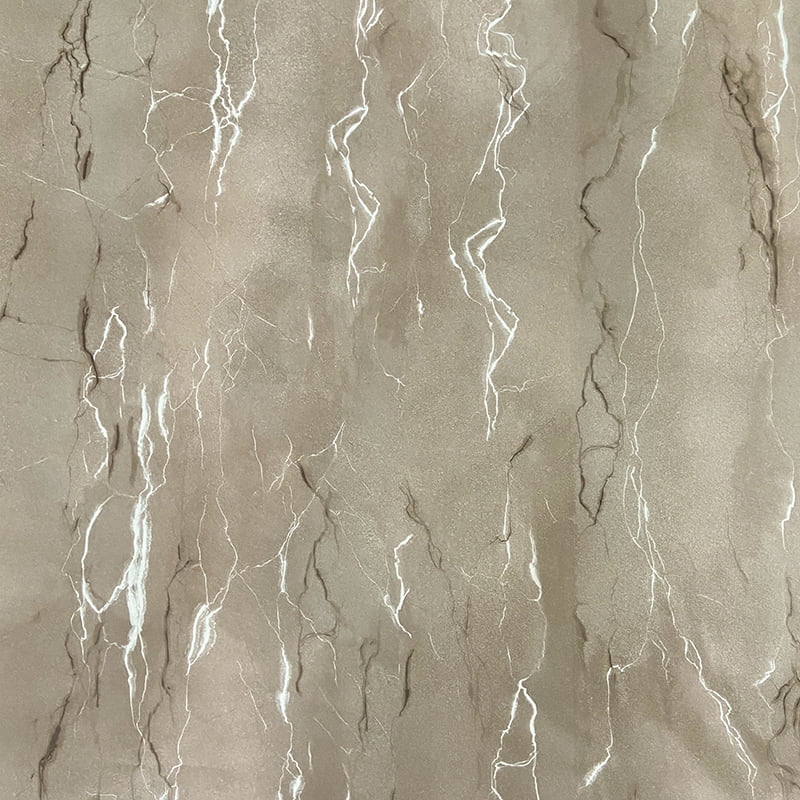
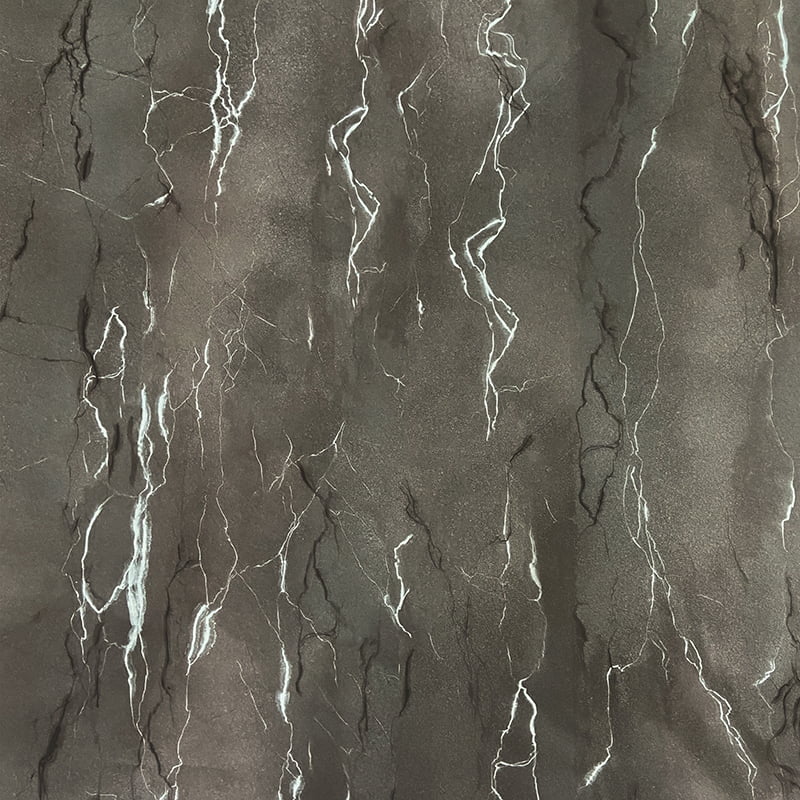

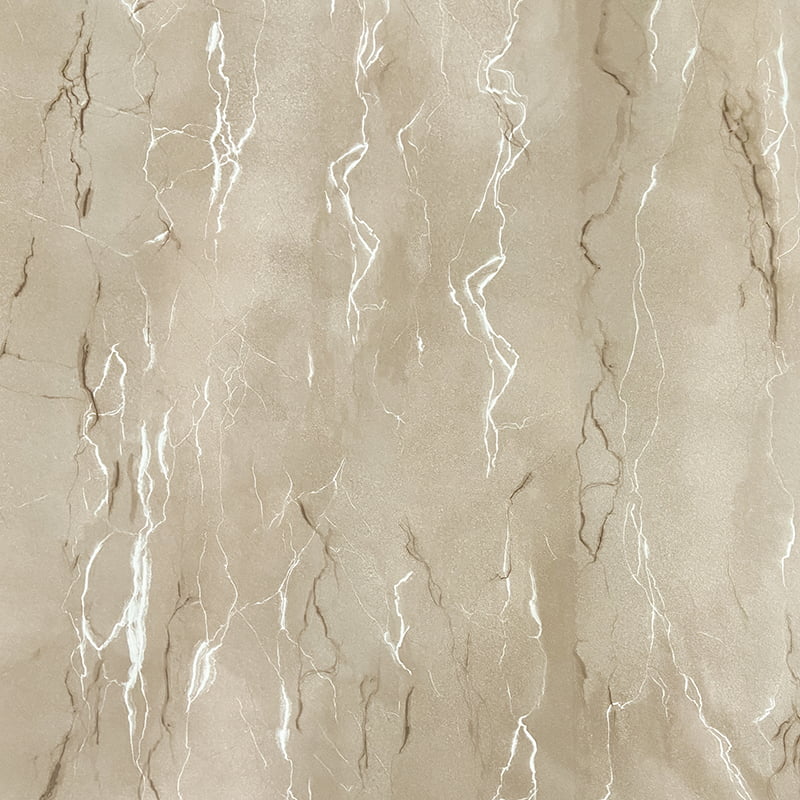
Model: YC856
Wood: Marble
Spec: 1000*1270mm


Model: YC867
Wood: Marble
Spec: 1000*1270mm

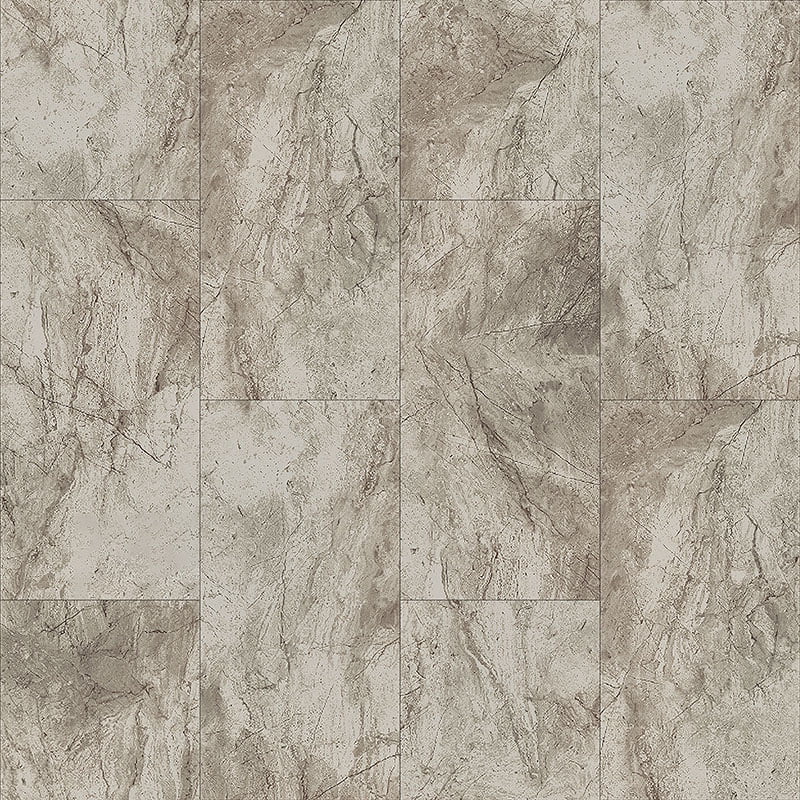
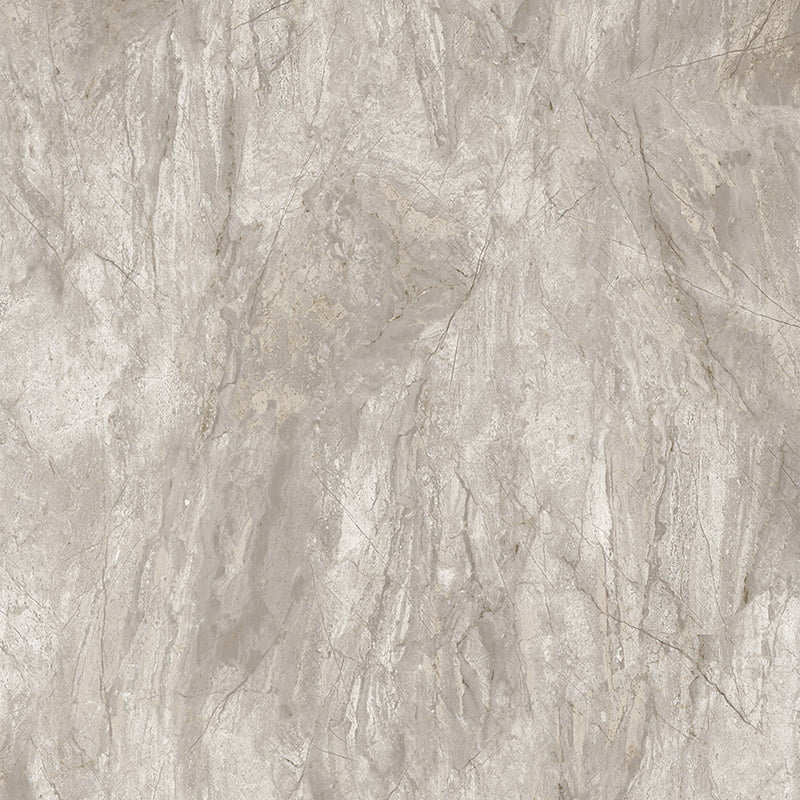
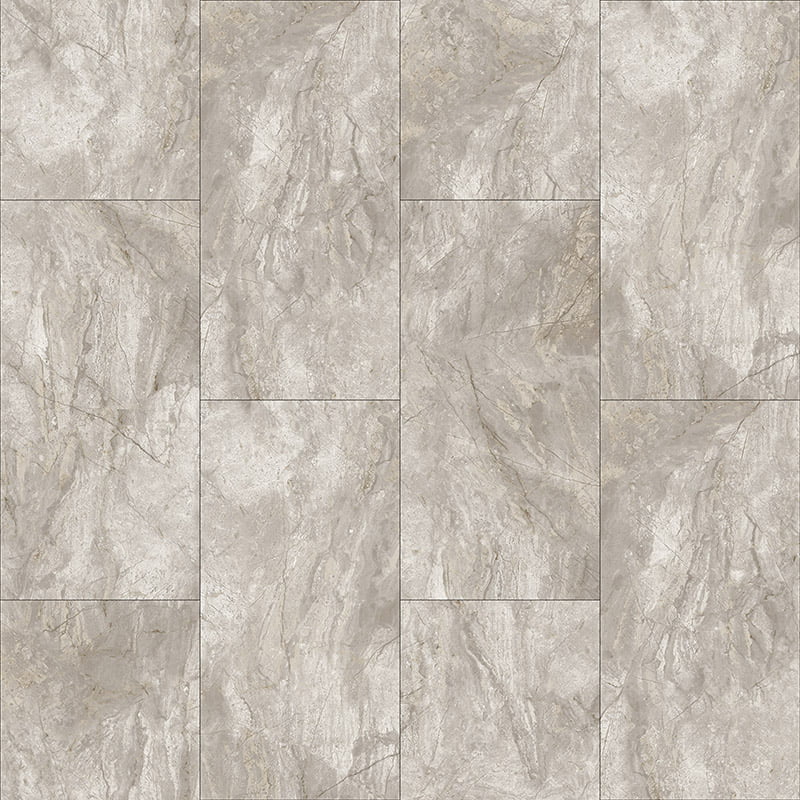
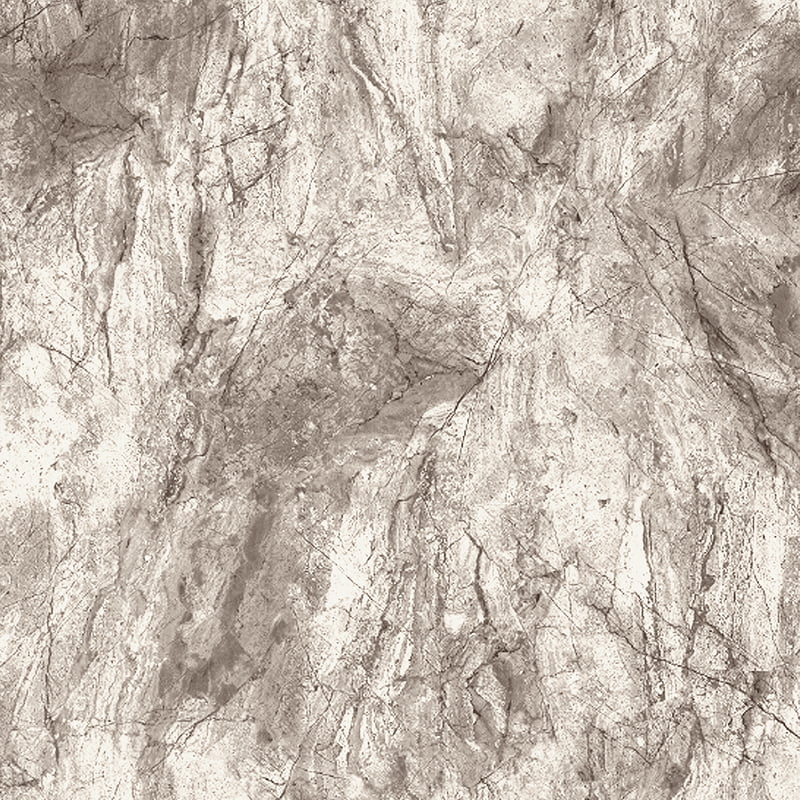
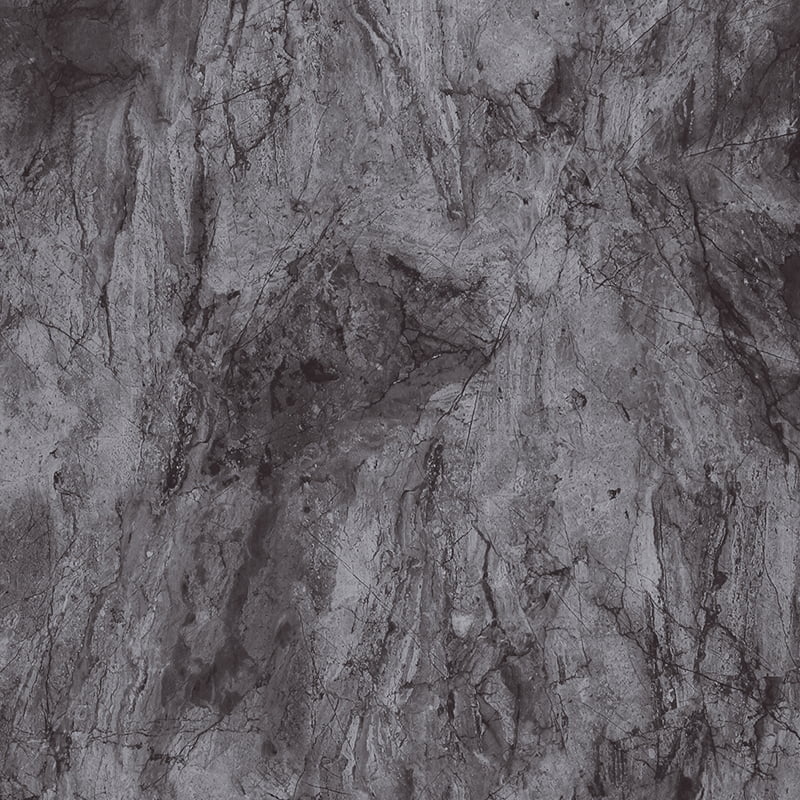
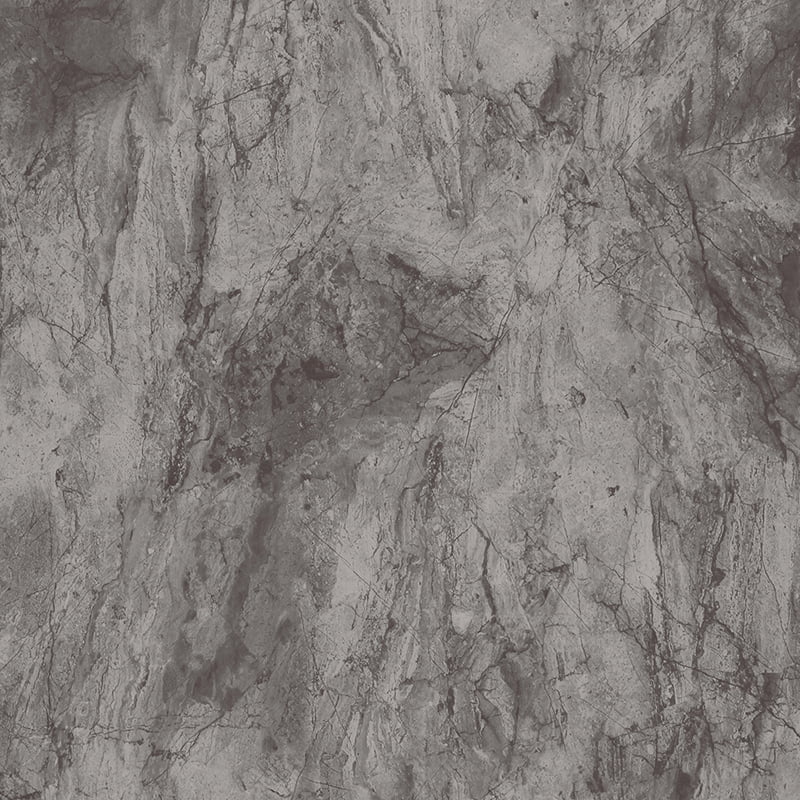
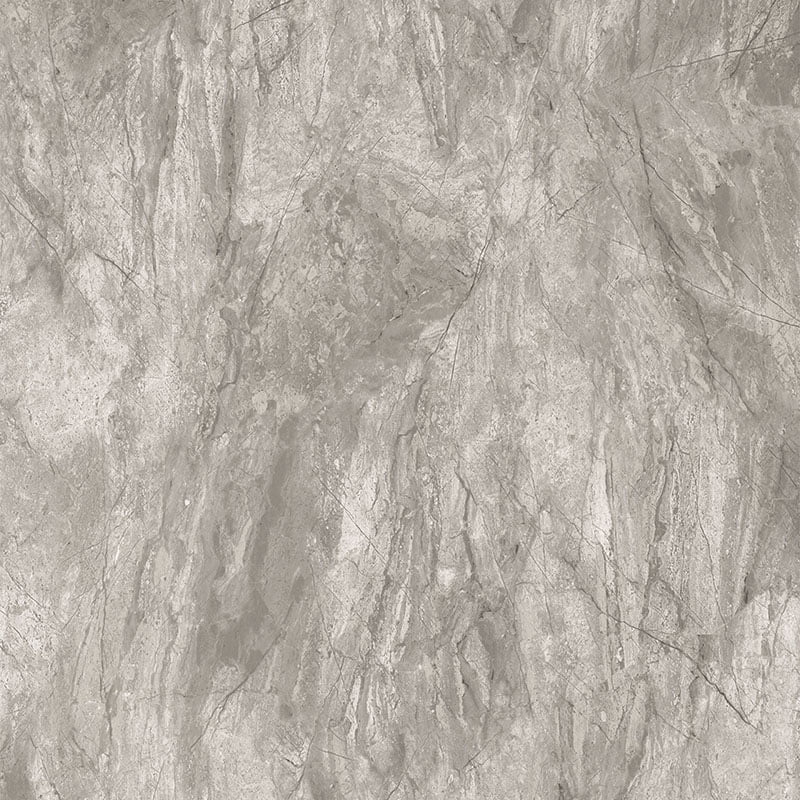
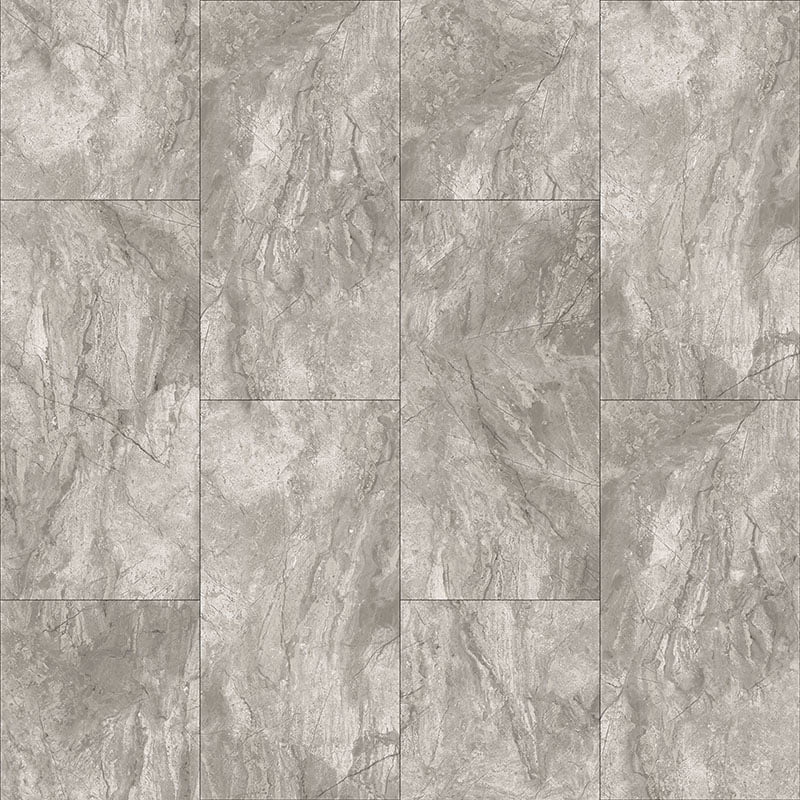
Model: YC7085
Wood: Stone
Spec: 1000*985mm
Single chip size: 12*24"
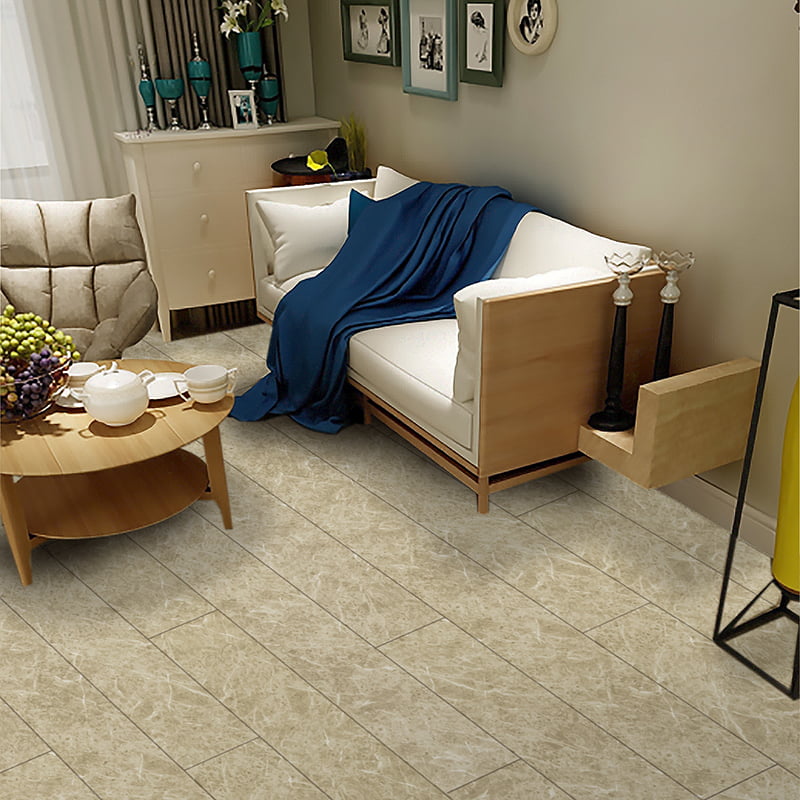
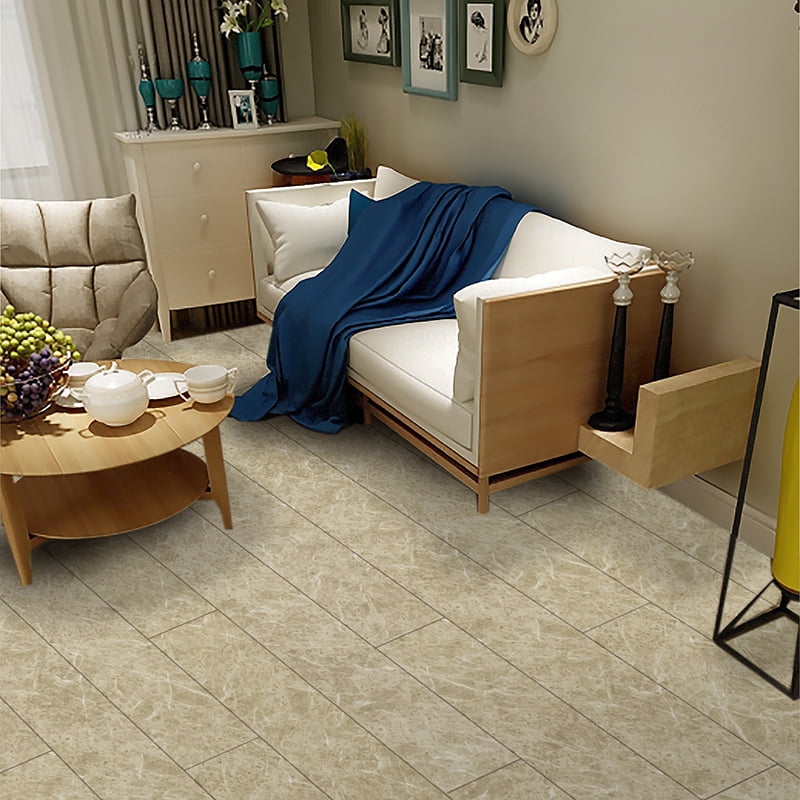
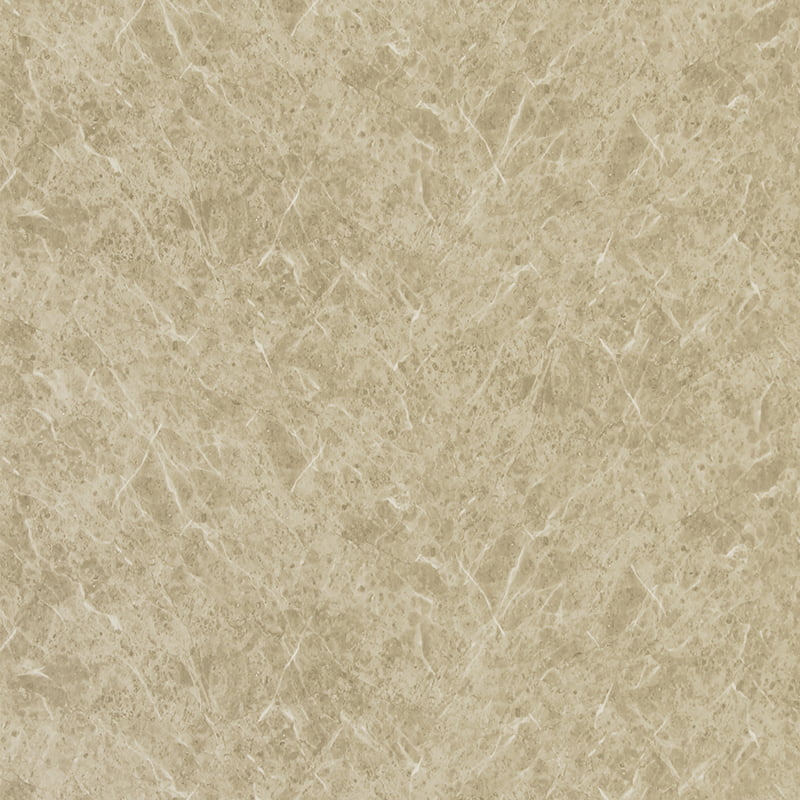
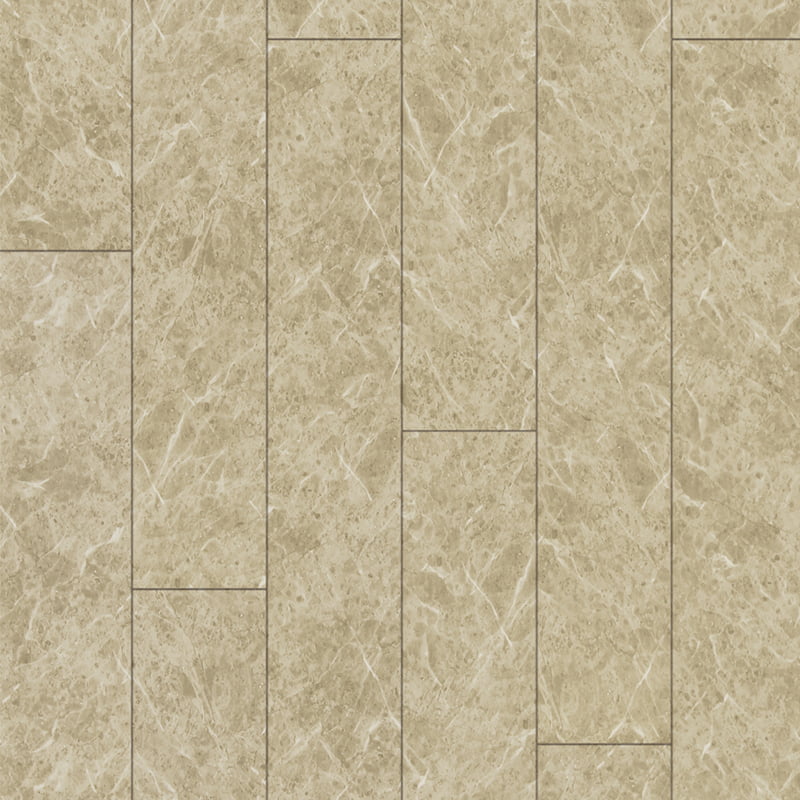
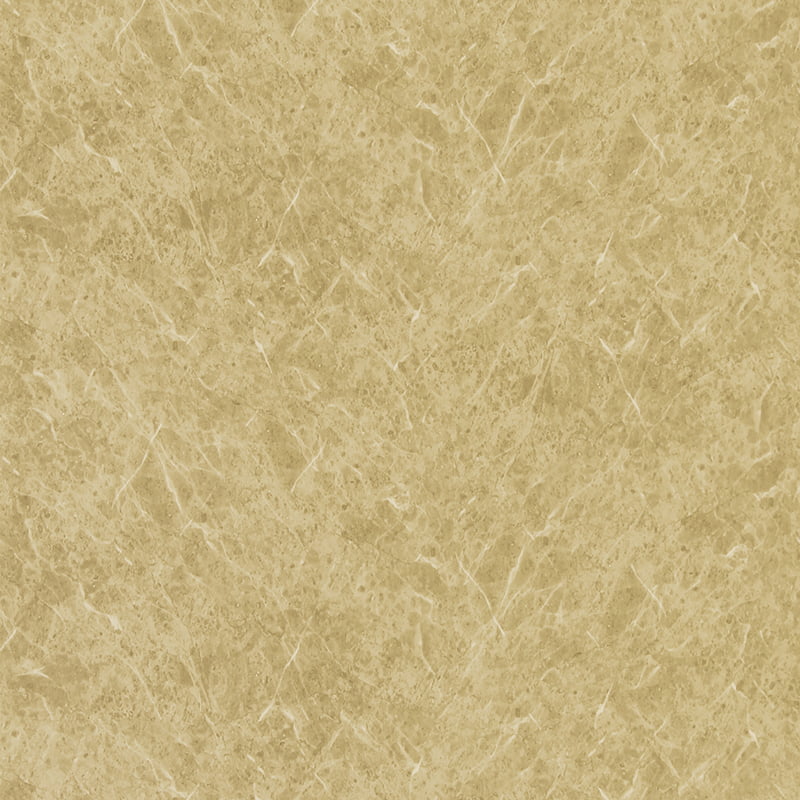
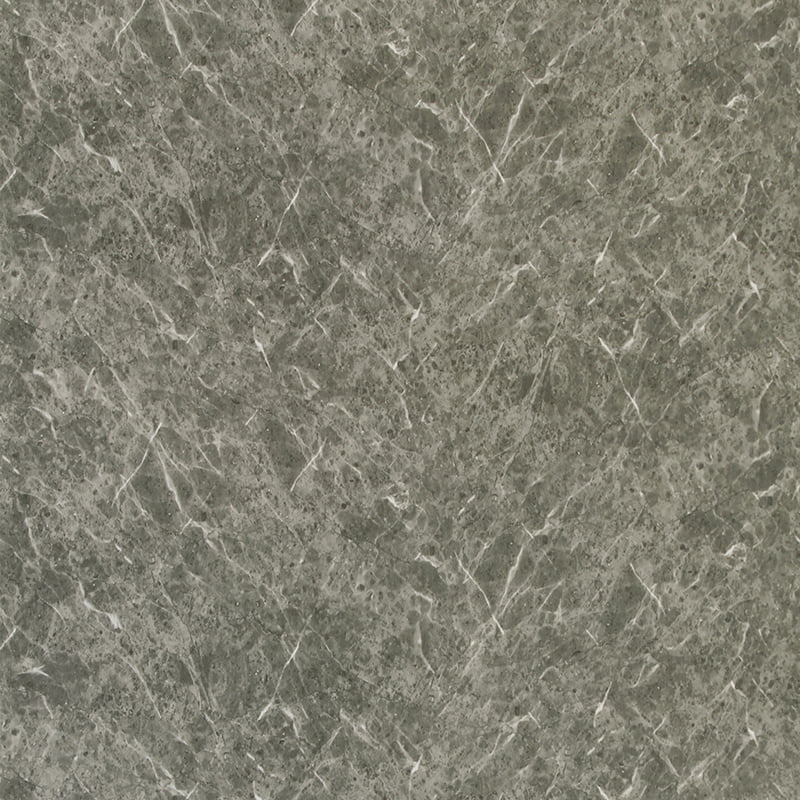
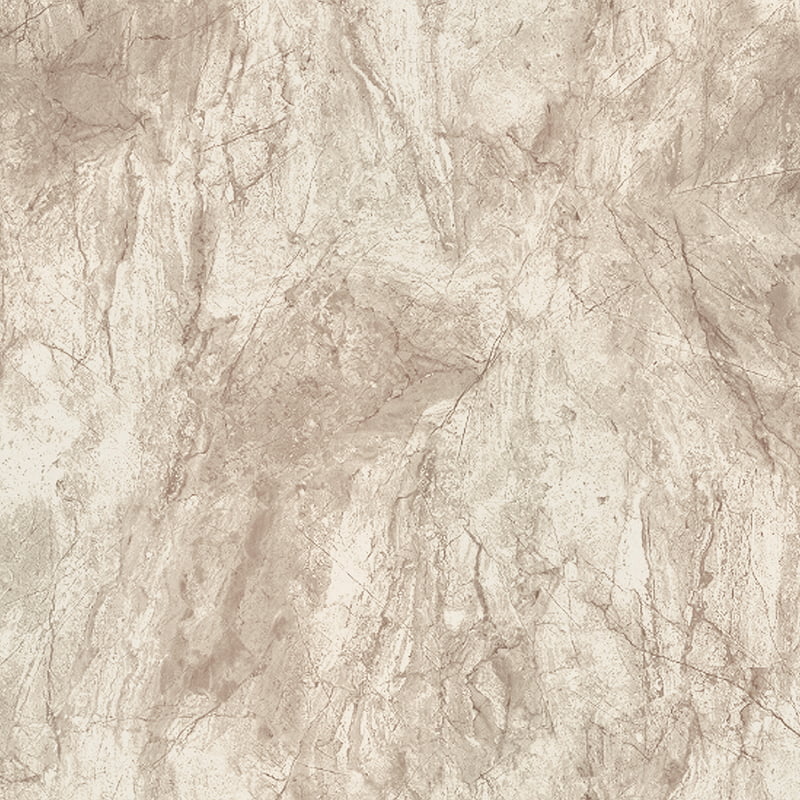
Model: YC81953
Wood: Marble
Spec: 1300*1000mm
Walk through almost any furniture showroom and you will meet the same surface again and again: a warm, straight-grained...
View MoreHickory has quietly become one of the most requested wood looks in decorative film, and it is easy to see why. It carri...
View MoreYou can usually spot hickory from across a room. The cathedral arches are wide and confident, the colour drifts from pa...
View MoreWhen designers and manufacturers look for a wood grain surface that feels warm, natural, and timeless, hickory often co...
View MoreA workshop receives a bundle of pine veneer for twelve wardrobe doors and finds that the color shifts noticeably betwee...
View MoreMarble veining forms through a precise geological process: mineral-rich hydrothermal fluids infiltrate fracture networks in the parent limestone or dolostone under heat and pressure, depositing calcite, iron oxides, clay minerals, or silica along the crack path. The resulting vein network is not random in the artistic sense — it follows the deterministic logic of fracture propagation under a specific stress field. Primary veins propagate in the direction of minimum principal stress, branch at acute angles of 20°–45° when they encounter secondary fractures, taper progressively as mineral supply diminishes along the fluid pathway, and occasionally develop short, blunt terminations surrounded by a diffuse mineralization halo where fluid pressure dropped abruptly.
This geological logic is what separates a credible marble PVC decorative film from one that merely resembles stone at a glance. Vein networks that branch at 90°, run perfectly parallel for extended distances, or terminate with clean flat ends violate the fracture mechanics that created the natural material. Viewers who spend time around real marble — architects, interior designers, hospitality buyers, premium residential clients — detect these violations subconsciously even when they cannot name the specific flaw. The practical implication for film cylinder development is that vein artwork should be derived from actual geological reference — scanned slab photography rather than hand-drawn artwork — and reviewed against fracture logic before engraving. Every primary vein should have a plausible origin point, a consistent propagation direction, and a geologically coherent terminus. Secondary veins should branch from primaries rather than appearing to originate independently, and their width should taper in proportion to their distance from the primary vein junction.
The number and function of ink channels used to print a marble PVC decorative film is one of the clearest indicators of a manufacturer's technical investment in the category. Commodity marble films are commonly printed with three to four channels — typically a background tone, one or two vein colors, and a shadow or accent layer. Premium marble films require six to eight channels to reproduce the full tonal complexity of the natural material, and understanding what each channel contributes helps buyers evaluate whether a given product has the depth to perform in luxury applications.
The commercial marble category encompasses dozens of distinct quarry varieties with meaningfully different visual characters, and the most frequently specified varieties in decorative film each have specific anatomical features that must be reproduced accurately to satisfy buyers who are familiar with the natural stone. Grouping these into a generic "white marble" category and producing a single pattern that approximates all of them produces a film that satisfies none of them convincingly.
Quarried exclusively in the Apuan Alps near Carrara, Italy, Calacatta is distinguished by a bright white background — whiter and cleaner than Carrara — with bold, widely spaced veins in warm gold, grey-gold, or grey tones. The veins are architecturally prominent: primary veins in Calacatta are typically 5–20 mm wide, boldly directional, and widely separated by large zones of near-pure white matrix. The film background for Calacatta requires a base film with a CIE whiteness index above 90 and a background field that trends toward bright neutral white rather than warm ivory. The vein color for gold Calacatta variants involves a complex ochre-to-warm-grey gradient that is one of the most challenging tonal targets in marble film printing.
The most widely referenced white marble globally, Carrara has a slightly warmer, grey-white to blue-white background with finer, more densely networked grey veining than Calacatta. The veins are narrower (typically 1–8 mm for primary veins), more numerous, and more intricately branched, creating a delicate linear network across the stone face. The background carries a subtle blue-grey undertone — a result of graphite and clay minerals in the calcite matrix — that must be captured in the base channel to avoid the finished film reading as generic white rather than specifically Carrara. Carrara is also the marble most commonly specified for bathroom wall and floor combinations, where the fine vein network creates visual coherence across a tiled surface without overwhelming smaller-format tile sizes.
Rarer and more expensive than either Calacatta or Carrara, Statuario has an extremely bright, pure white background with dramatic, high-contrast grey to dark charcoal veining. The contrast between the near-white field and the dark veins is the highest of the three major Apuan marbles, and the vein character is distinctive: Statuario veins tend to be bold, flowing, and relatively few in number, with a graphic quality that reads well at distance. Reproducing Statuario in film requires the widest background-to-vein density differential of any white marble variety and a vein design that leans toward graphic clarity rather than intricate detail.
Book-matching — the practice of slicing two consecutive stone slabs and opening them like the pages of a book to create a mirrored vein pattern — is one of the most visually distinctive techniques in natural stone specification. It is used on feature walls, elevator lobbies, and luxury bathroom surrounds to create a symmetrical, architectural vein composition that reads as a designed pattern rather than a random surface. Marble PVC decorative film that will be used in applications where book-matching is expected or specified must have cylinder designs that support this technique.
For a film to be book-matchable, the pattern must be designed so that when two strips are placed with their edges together and one is mirror-flipped, the veining at the seam aligns in a visually plausible way — the primary veins should continue across the seam without creating geometrically impossible intersections. This is not possible with all marble film designs: a vein pattern that runs at a steep diagonal across the web will create a V-shaped chevron at the seam, which may or may not be the intended aesthetic. Vein patterns that run roughly parallel to the machine direction are the most accommodating of book-matching because the seam symmetry reads as natural stone composition.
Practically, book-matching film on site requires the installer to cut two lengths from the same roll, flip one along the long axis, and align the cut edge so the vein patterns mirror. The success of this alignment depends on the print's cross-web consistency — if the color or vein density shifts across the web width, the two mirrored halves will carry different visual weights and the book-match will read as uneven rather than composed. We factor cross-web consistency as a primary quality parameter in our marble film production, specifically because book-matching capability is a specification requirement in the hospitality and luxury residential projects that represent the premium end of our marble category.
The gloss level of a marble PVC decorative film does not operate independently from the color and tonal design of the pattern beneath it — the two variables interact in ways that can either enhance or compromise the perception of depth, and selecting them separately without considering their interaction is a common source of disappointing results in marble film specification.
In natural polished marble, the high-gloss surface (typically 80–90 GU on the stone itself) contributes to perceived depth because the specular reflection from the polished calcite crystals adds a luminous quality to the background field while the veins — being compositionally different minerals — reflect at slightly different angles, creating a subtle visual differentiation between field and vein even at matching color densities. In film, a high-gloss topcoat applied uniformly over the entire print cannot replicate this differential reflection because the topcoat surface is geometrically flat, not crystographically varied. At high gloss levels, the vein pattern can actually lose contrast rather than gain it, because the strong surface reflection partially masks the ink density differences that create vein visibility.
The practical consequence is that polished-effect Marble PVC Film performs best when the vein ink density difference from the background is high — a ΔE of 15 or more between the vein core and the background field. For marble patterns with subtler veining (ΔE 8–12), a satin finish (25–40 GU) typically produces better perceived contrast and depth than a full-gloss topcoat, even though it does not simulate the polished stone finish. Specifying a light-diffusing micro-texture in the satin topcoat — an Ra of 1.0–2.0 µm — scatters light in a way that reduces the masking effect of the surface reflection and allows the printed vein density to be perceived fully. This is a counterintuitive result that is worth testing with physical samples before finalizing a gloss specification for any marble film application.
Marble is the most historically prevalent material in bathrooms, spas, and pool surrounds, and marble PVC decorative film is increasingly specified in these environments as a cost-effective, lower-maintenance alternative to real stone. However, continuous or intermittent water contact introduces performance demands that distinguish bathroom-grade marble film from standard furniture or flooring-grade product, and specifying standard film in wet environments is one of the most common causes of premature failure in this application category.
| Performance Requirement | Test Standard | Minimum for Wet Area Use | Failure Mode if Not Met |
| Water resistance (immersion) | ISO 2812-2 | No blistering or whitening after 24h immersion | Film whitening, delamination from substrate at seams |
| Steam resistance | EN 12721 | Grade 4 at 70°C, 10 min exposure | Topcoat hazing, surface softening near shower heads |
| Adhesion after humidity cycling | ISO 6270-1 | No delamination after 240h at 95% RH | Edge lifting, film separation from board substrate |
| Mold and mildew resistance | ISO 846 Method C | Rating 0–1 (no or trace growth) | Mold colonization at film seams and edges |
| Chemical resistance (cleaning agents) | EN 12720 | Grade 4 for bathroom cleaners and mild bleach | Surface etching, gloss reduction from routine cleaning |
Beyond the film's own performance, the substrate selection and seam treatment in wet area marble film installations are as critical as the film specification itself. MDF — the most common substrate for furniture and general wall panel applications — is not suitable for wet area use without full edge sealing and a waterproof adhesive layer, because MDF swells irreversibly when its edges absorb moisture, creating pressure that lifts the film at panel joints. Moisture-resistant MDF (MR-MDF) or WBP (weather and boil proof) plywood are the appropriate substrate choices for marble film in wet environments. All panel edges should be sealed with a compatible edge band or waterproof sealant before the film panel is installed, and any penetrations through the film surface — fixings, plumbing outlets — require a flexible waterproof sealant collar to prevent moisture ingress at the point of penetration.
The marble decorative film category has historically concentrated on a narrow palette of classic white and grey varieties — Calacatta, Carrara, Nero Marquina, and a small number of beige and green variants. Over the past three to four years the specification landscape has shifted considerably, driven by both interior design trends and the expansion of premium residential and hospitality construction in markets where white marble is no longer sufficiently differentiated at the luxury tier.
Colored marble varieties — Rosso Levanto (deep red with white veining), Verde Guatemala (dark green with irregular white vein networks), Azul Bahia (blue granite with silver veining, though technically a granitic rock), and Giallo Siena (golden yellow with complex grey-brown veining) — have moved from specialist accent applications into broader specification as primary surface materials. Reproducing these varieties in PVC decorative film introduces pigment chemistry challenges not present in white and grey marble printing: deep reds require high-saturation cadmium-free red pigments with adequate light fastness, dark greens require chromium oxide or phthalo green packages that maintain chroma stability under UV exposure, and the metallic shimmer of some blue and grey varieties requires interference pigment additions to the ink formulation that are not part of standard gravure ink practice.
Maximalist veining — patterns based on the most dramatically figured slabs from quarries like Paonazzo, Breccia Capraia, or Fantasy Brown — represents another growth direction. These stones feature dense, chaotic vein networks in multiple colors that overlap and intersect across the entire stone face, with no large quiet zones of background matrix. Film patterns in this style require cylinders with the highest ink channel count and the densest artwork complexity in the marble category, and their production economics favor manufacturers with flexible press configurations that can handle extended makeready times. Where standard catalog coverage ends, we offer co-development for customers targeting these premium, differentiated stone aesthetics — including exclusive pattern agreements for customers with volume commitments that justify dedicated cylinder investment.



Contact
 China Company Address: No.5 Zhaojia Road,
Vietnam Factory Address: GNP Yen Binh
1 - lndustrial Center (Lot CN13,CN18,Yen
Binh Industrial Park, Ward, Dng Tien, Ph8 Yen,
Thai Nguyen 24000)
Thailand Factory Address: 289/12 Moo 7, Klong Kiu Sub-District, Ban Bueng District, Chonburi 20220 THAILAND
China Company Address: No.5 Zhaojia Road,
Vietnam Factory Address: GNP Yen Binh
1 - lndustrial Center (Lot CN13,CN18,Yen
Binh Industrial Park, Ward, Dng Tien, Ph8 Yen,
Thai Nguyen 24000)
Thailand Factory Address: 289/12 Moo 7, Klong Kiu Sub-District, Ban Bueng District, Chonburi 20220 THAILAND
 Tel: +86-13685281168
+86-13813687178
Tel: +86-13685281168
+86-13813687178
 E-mail: [email protected]




 English
 русский