Content
Decor film is a self-adhesive or heat-applied material used to change the appearance of furniture, cabinets, walls, and other surfaces without the cost or labor of full replacement. Made from PVC, polypropylene, or specialty vinyl substrates, decor film can replicate wood grain, stone texture, solid colors, or metallic finishes with impressive realism, making it a practical alternative for renovation projects where budget or time constraints rule out replacing entire surfaces.
Widely used in both residential and commercial settings, decor film has become especially popular for kitchen cabinet refacing, furniture restoration, and interior wall accents. Because the film adheres directly to existing surfaces, it allows homeowners and designers to update outdated finishes, cover minor surface imperfections, or completely change a room's aesthetic in a fraction of the time required for traditional remodeling work.
Different decor film categories are engineered for specific surfaces and durability requirements, so understanding the distinctions helps ensure the right product is chosen for each application.
Designed to replicate the texture and pattern of natural wood, this film is commonly applied to cabinets, furniture, and doors, offering a realistic wood appearance at a fraction of the cost of genuine wood veneer.
Available in a wide range of colors and sheens, from high-gloss to matte, this film type is popular for modern furniture updates and minimalist interior design projects.
Used frequently on countertops, backsplashes, and accent walls, this decor film replicates the veining and texture of natural stone, giving budget-conscious renovations a premium look.
Featuring brushed metal, embossed patterns, or three-dimensional textures, this film type is often chosen for accent pieces, appliance fronts, or commercial interior branding elements.
Decor film has grown in popularity largely because it solves several common pain points associated with traditional renovation methods.
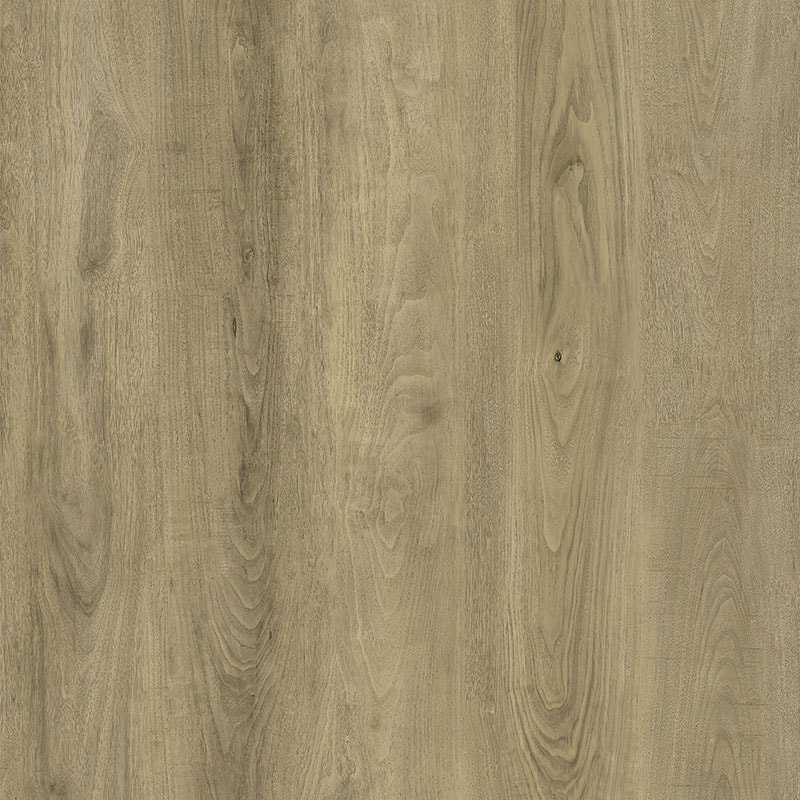
Comparing decor film against paint and veneer refinishing helps clarify which method fits a given project's timeline, budget, and durability needs.
| Method | Installation Time | Relative Cost |
| Decor Film | Hours to 1 day | Low |
| Painting | 1 to 3 days | Moderate |
| Wood Veneer | Several days | High |
| Full Replacement | Weeks | Very High |
Achieving a smooth, bubble-free result with decor film requires careful surface preparation and a methodical application process.
Remove all dust, grease, and residue from the surface, since any debris trapped beneath the film will create visible bumps or prevent proper adhesion.
Cut the decor film slightly larger than the surface dimensions, allowing extra material for trimming edges precisely after application rather than risking a piece that's too small.
Starting from one edge, slowly peel back the backing while pressing the film down with a squeegee, working outward to push air bubbles toward the edges rather than trapping them underneath.
Use a sharp utility knife to trim excess film along edges and corners, then apply light heat with a heat gun on textured or curved surfaces to help the film conform tightly without lifting.
Selecting the correct film involves matching the product's durability rating and finish type to the surface's intended use and exposure conditions.
Proper care extends the lifespan and appearance of decor film significantly. Cleaning should be done with a soft cloth and mild soap solution, avoiding abrasive scrubbing pads that can scratch the film's surface texture or dull a glossy finish over time. Harsh chemical cleaners, particularly those containing acetone or strong solvents, should be avoided since they can break down the adhesive layer or cause discoloration. For kitchen applications, wiping up spills promptly prevents moisture from seeping beneath film edges, which is one of the most common causes of premature peeling in high-humidity areas.



Contact
 China Company Address: No.5 Zhaojia Road,
Vietnam Factory Address: GNP Yen Binh
1 - lndustrial Center (Lot CN13,CN18,Yen
Binh Industrial Park, Ward, Dng Tien, Ph8 Yen,
Thai Nguyen 24000)
Thailand Factory Address: 289/12 Moo 7, Klong Kiu Sub-District, Ban Bueng District, Chonburi 20220 THAILAND
China Company Address: No.5 Zhaojia Road,
Vietnam Factory Address: GNP Yen Binh
1 - lndustrial Center (Lot CN13,CN18,Yen
Binh Industrial Park, Ward, Dng Tien, Ph8 Yen,
Thai Nguyen 24000)
Thailand Factory Address: 289/12 Moo 7, Klong Kiu Sub-District, Ban Bueng District, Chonburi 20220 THAILAND
 Tel: +86-13685281168
+86-13813687178
Tel: +86-13685281168
+86-13813687178
 E-mail: [email protected]




 English
 русский