Hickory wood is known for its beautiful texture and color diversity. Its color is usually light tan to dark brown, sometimes with purple or black stripes, and this color diversity has a unique beauty. The texture of walnut is usually straight, sometimes with wavy or curved lines, which makes walnut furniture highly recognizable and decorative. The texture of mountain walnut is unique, with mountain-shaped patterns on the surface of the wood. The mountain lines visible to the naked eye are clear and the grain is natural.
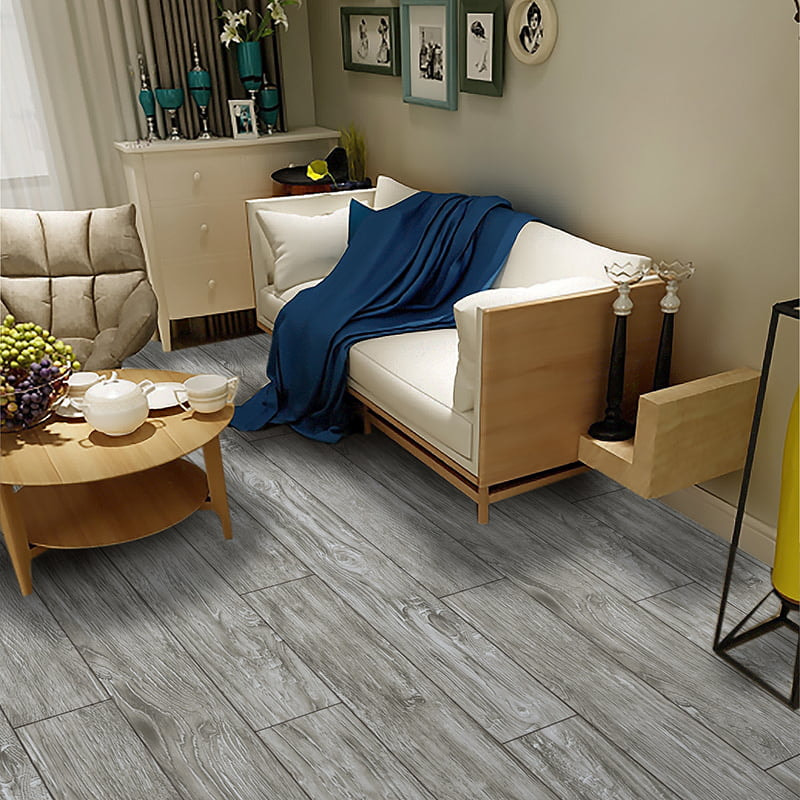
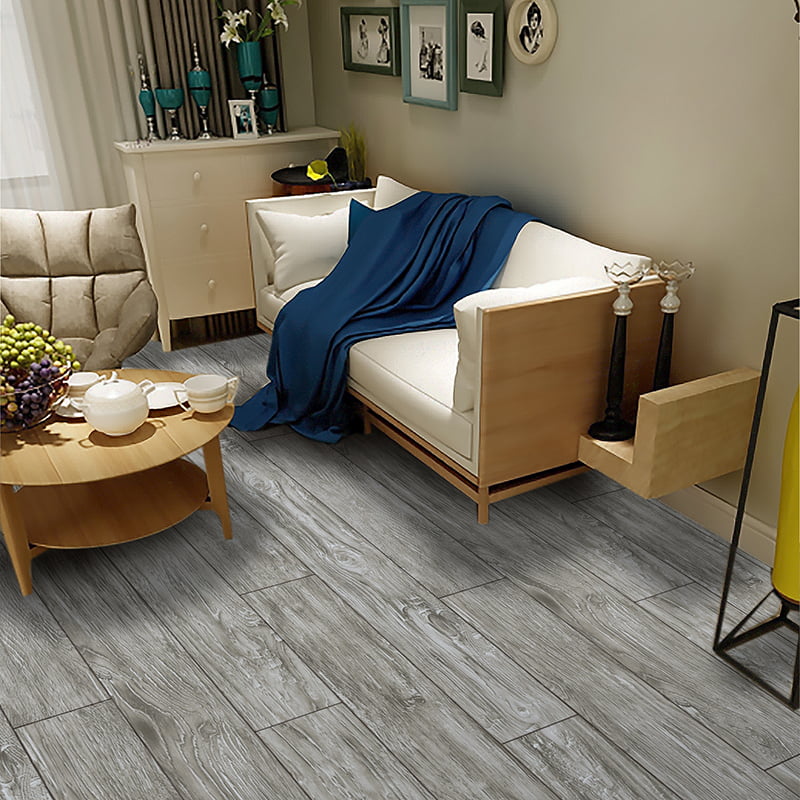
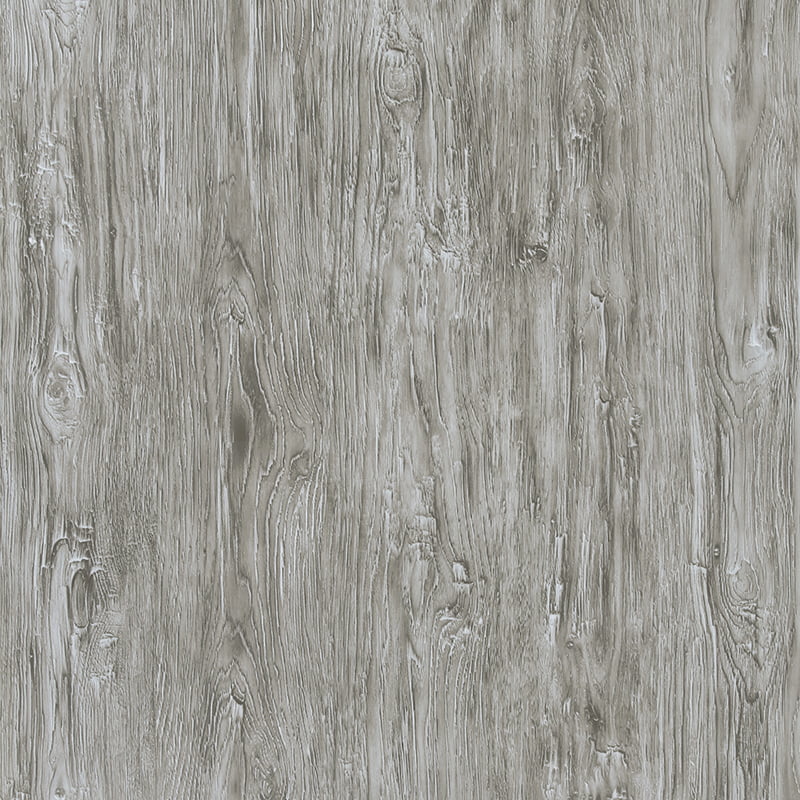
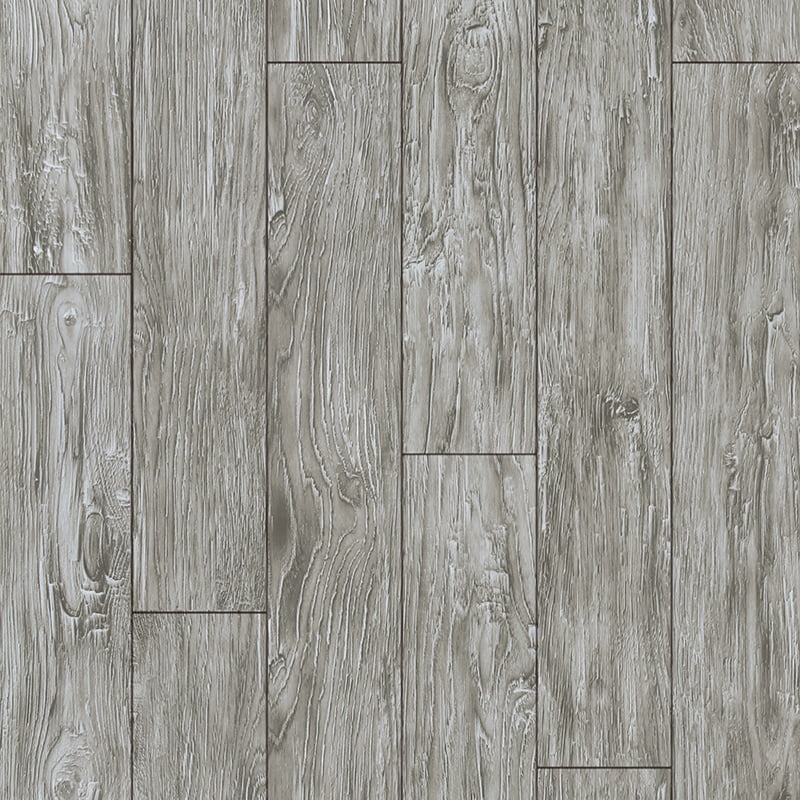
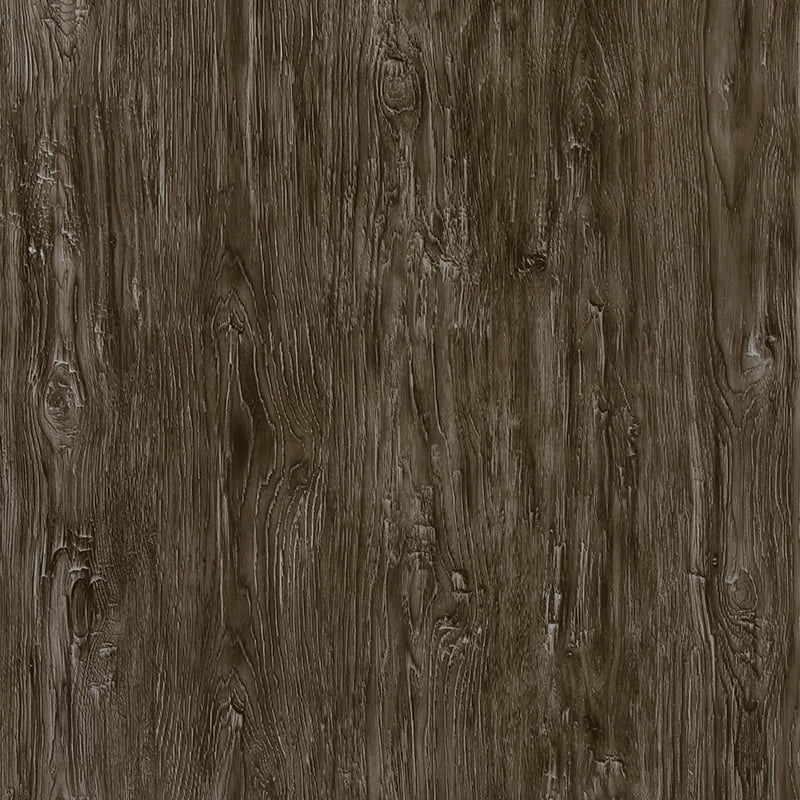
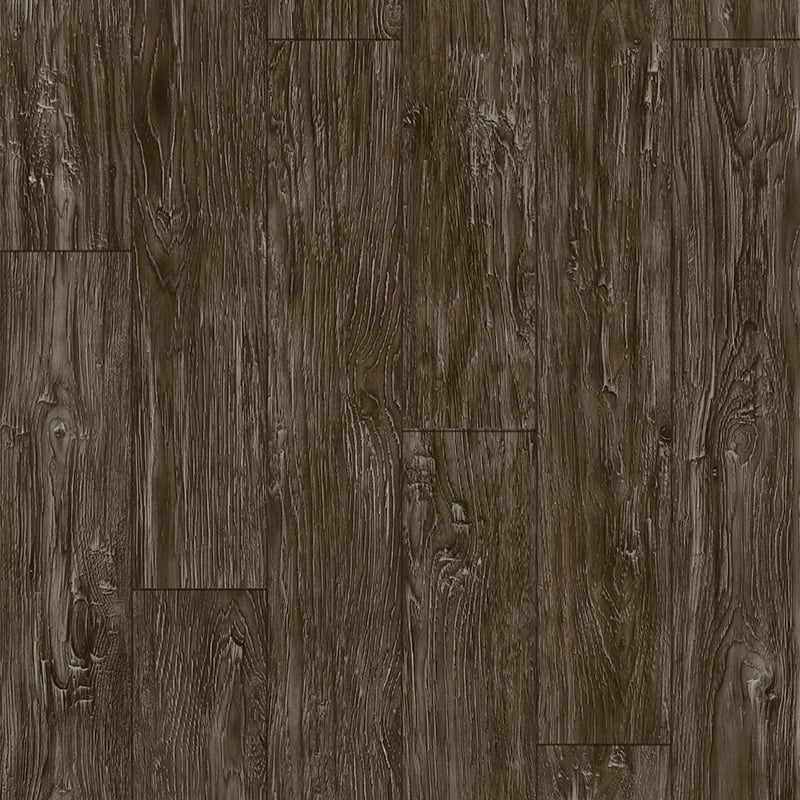
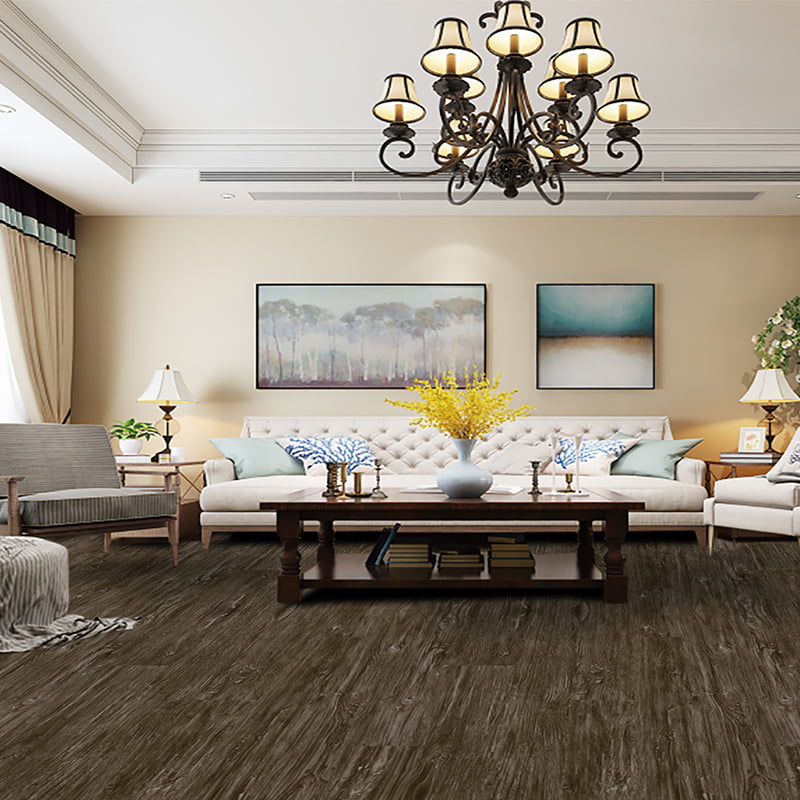
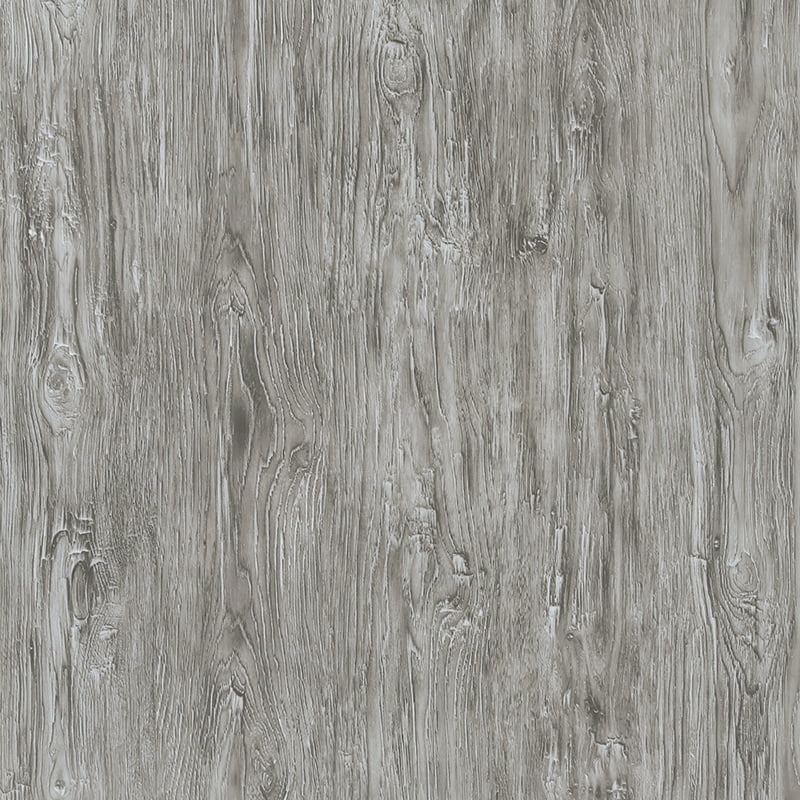
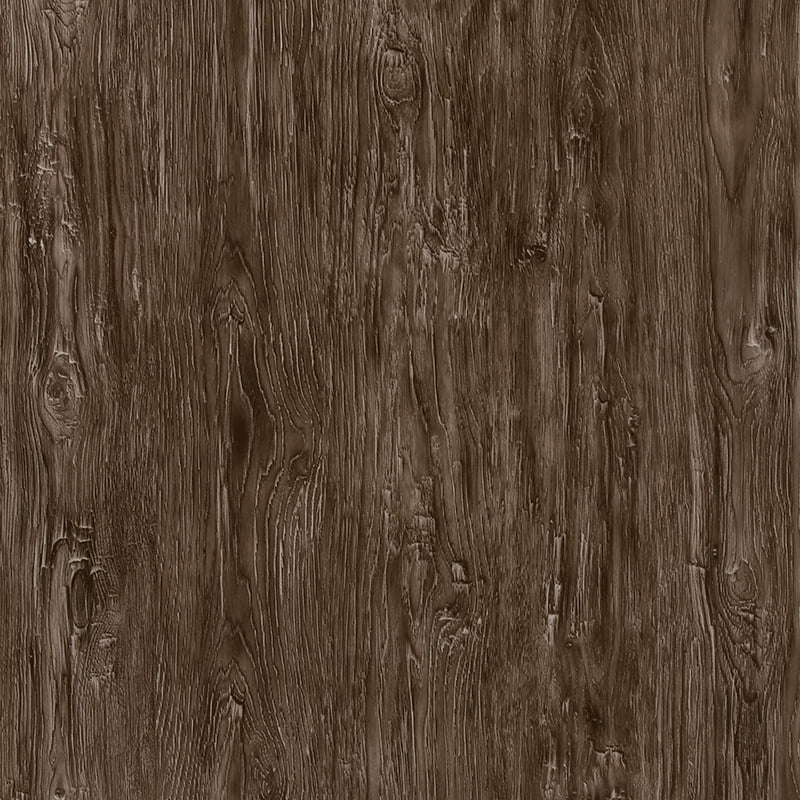
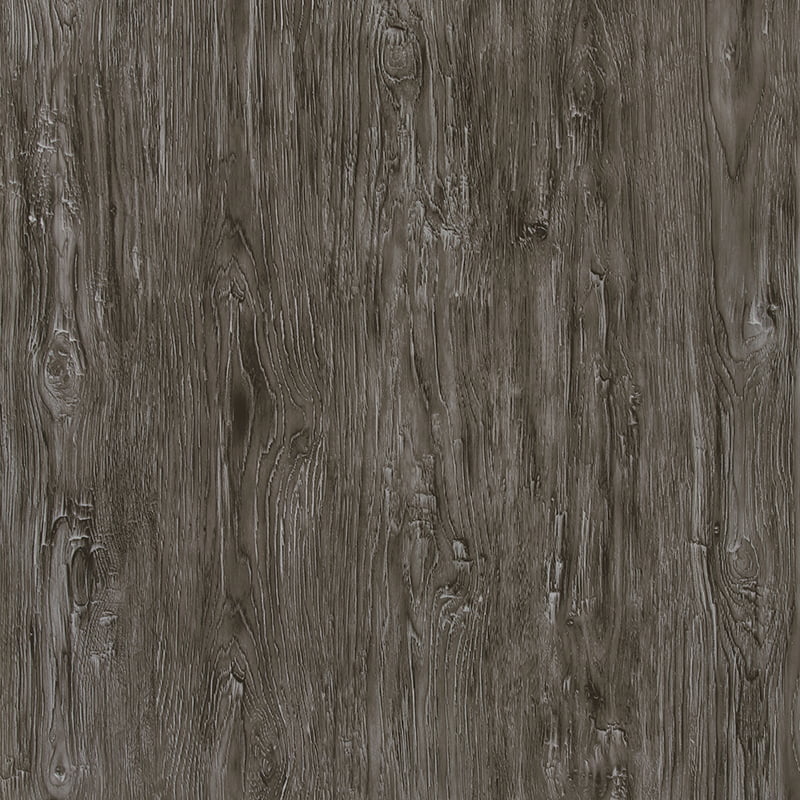
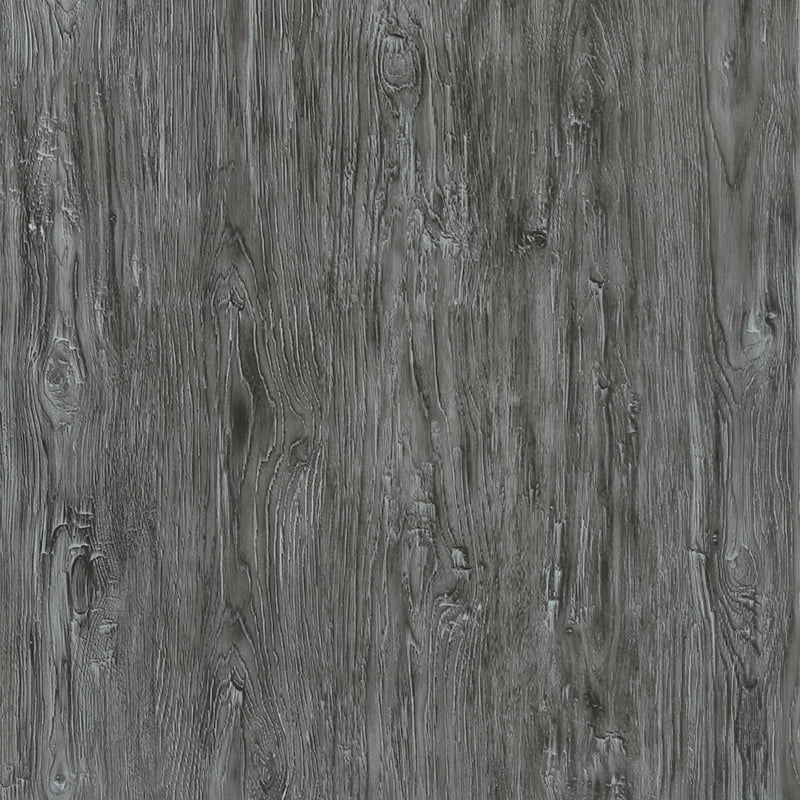
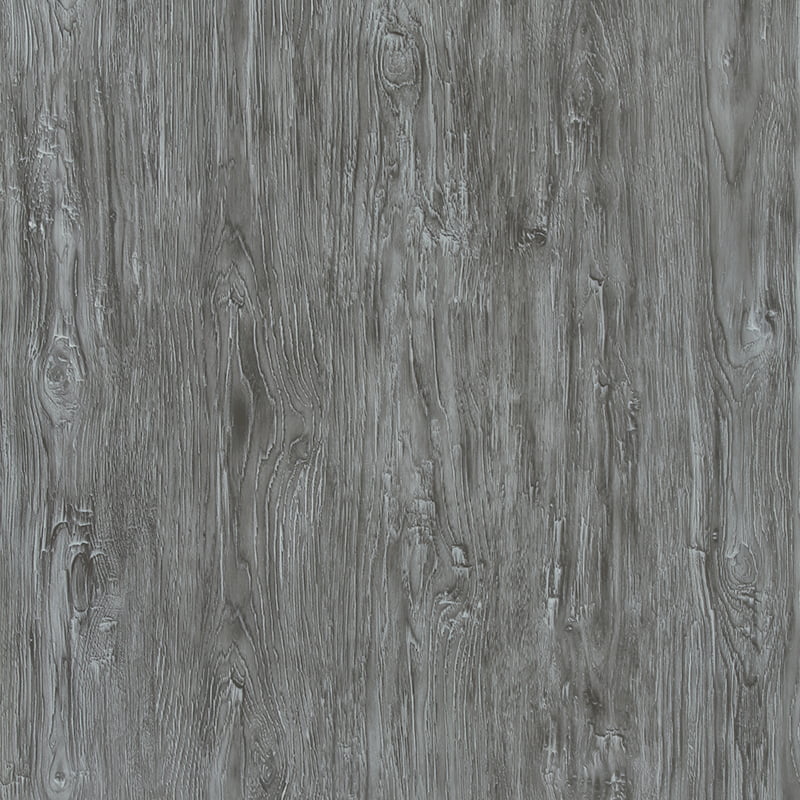
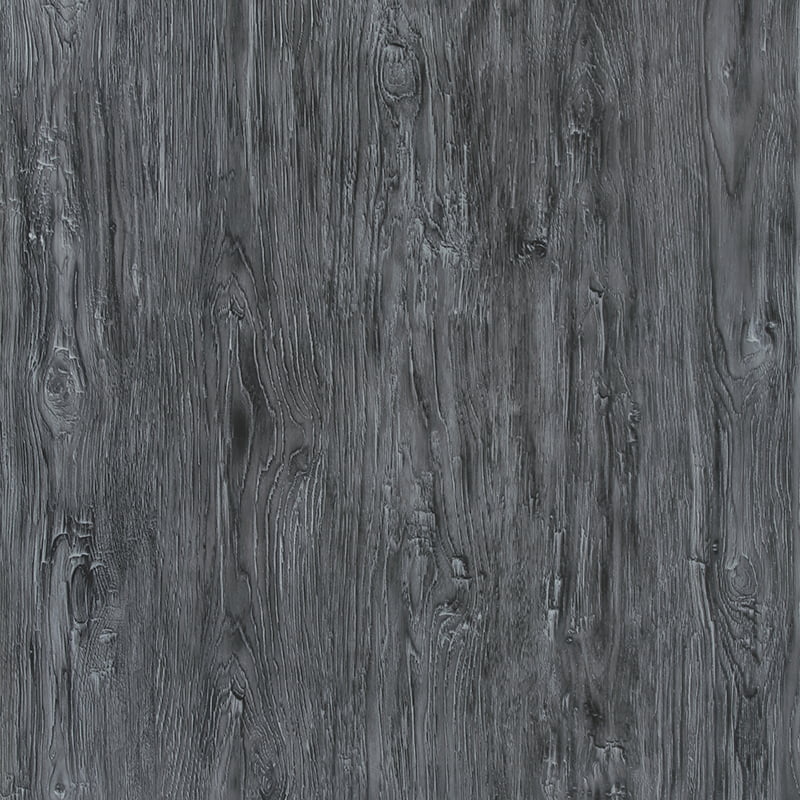
Model: YC829
Wood: Hickory
Spec: 1000*1270mm
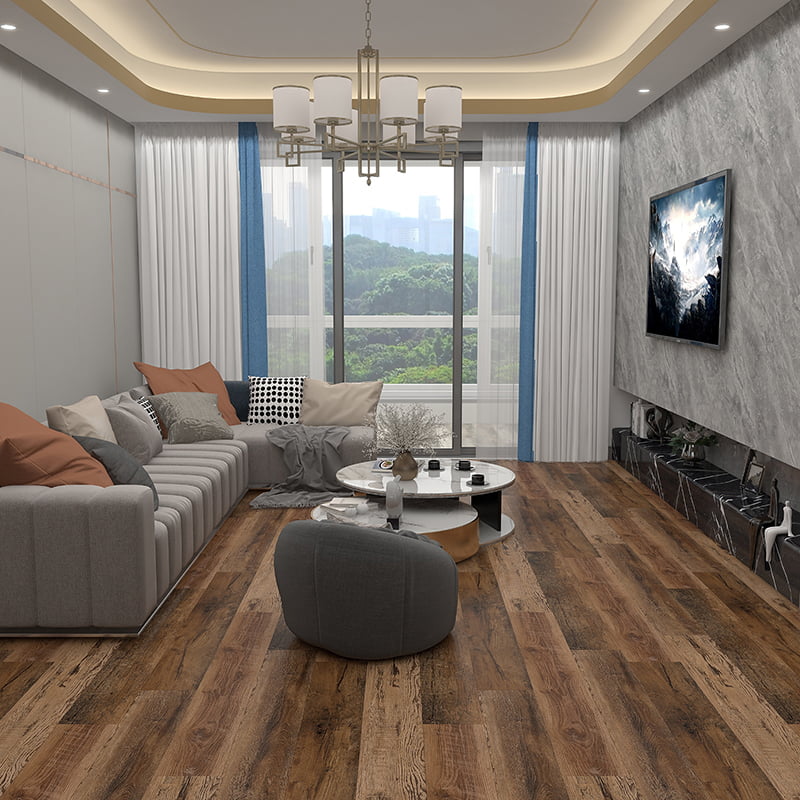
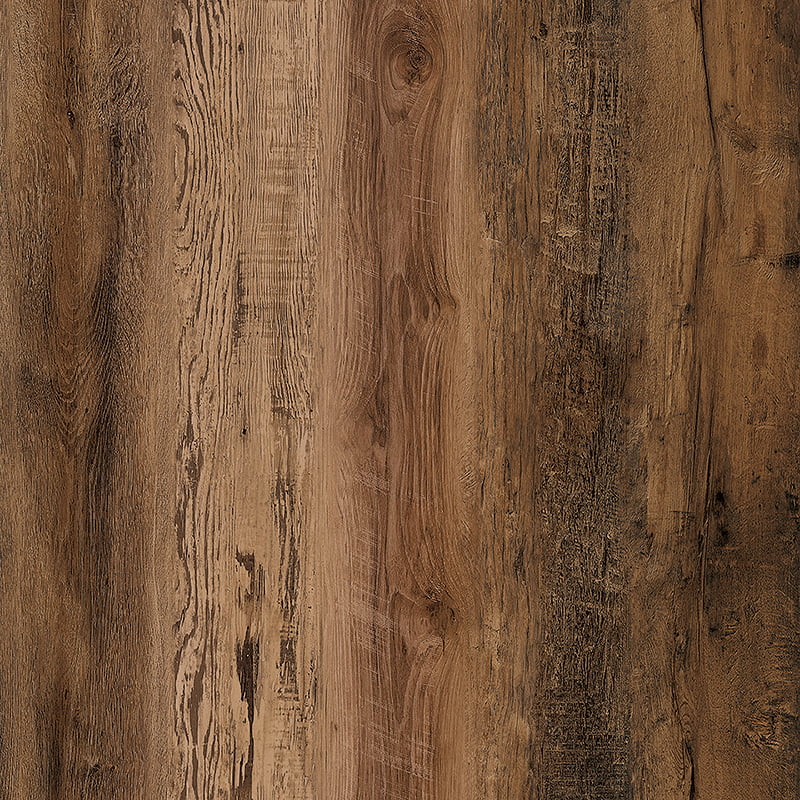
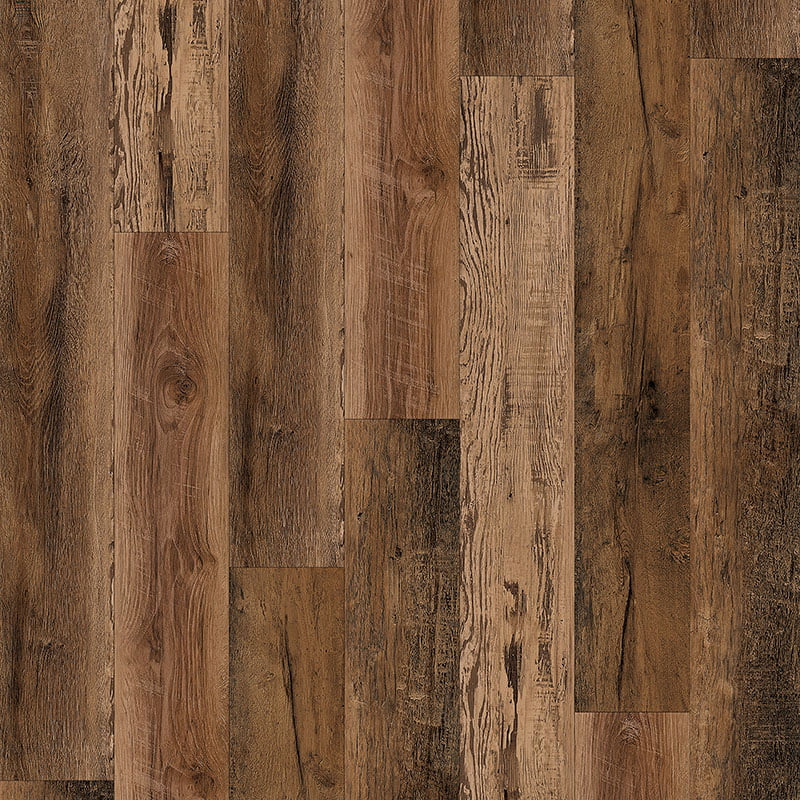
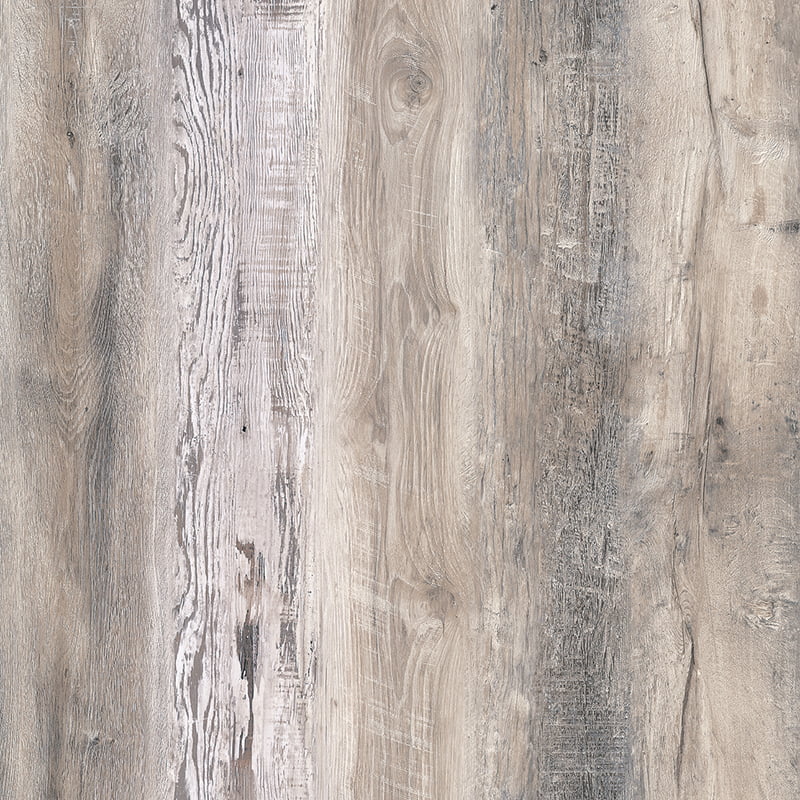
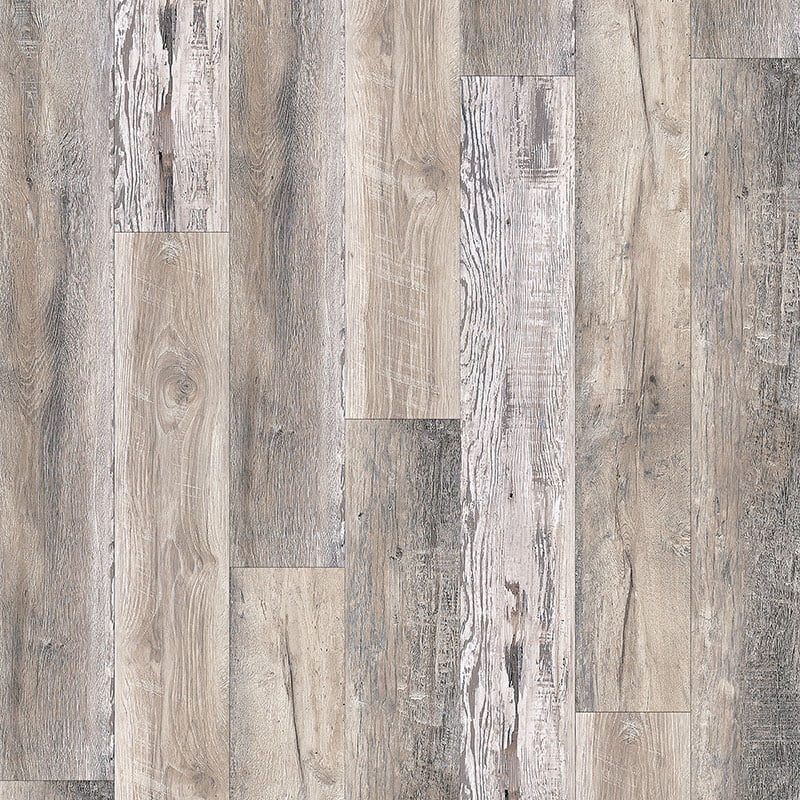
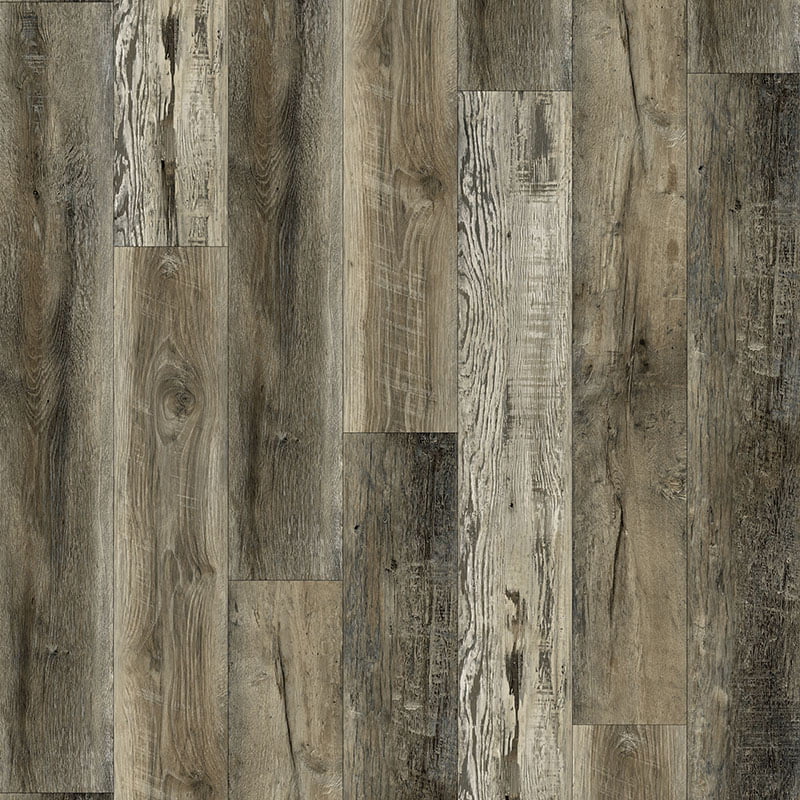
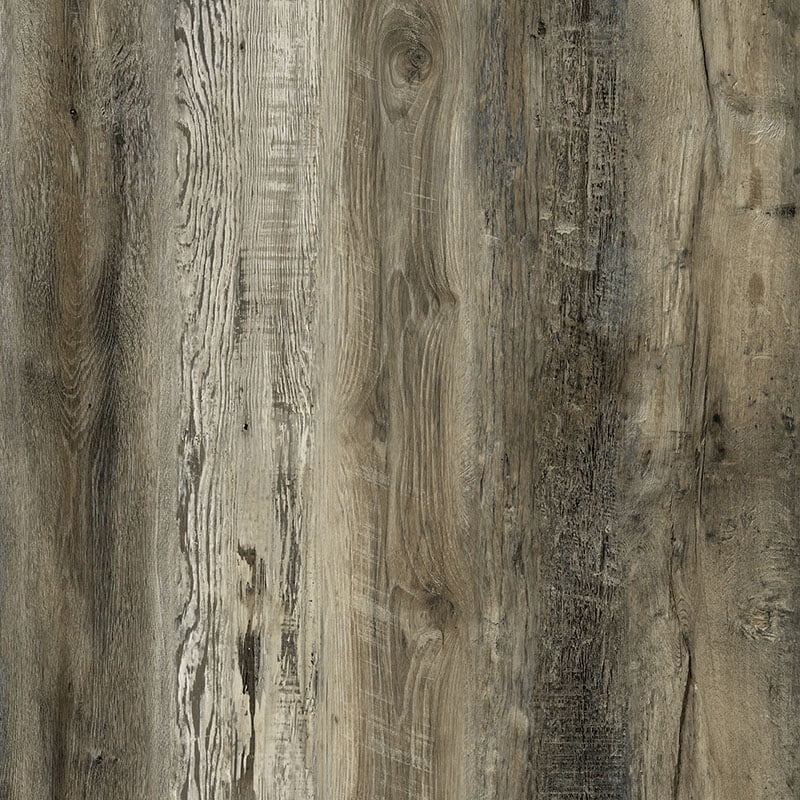
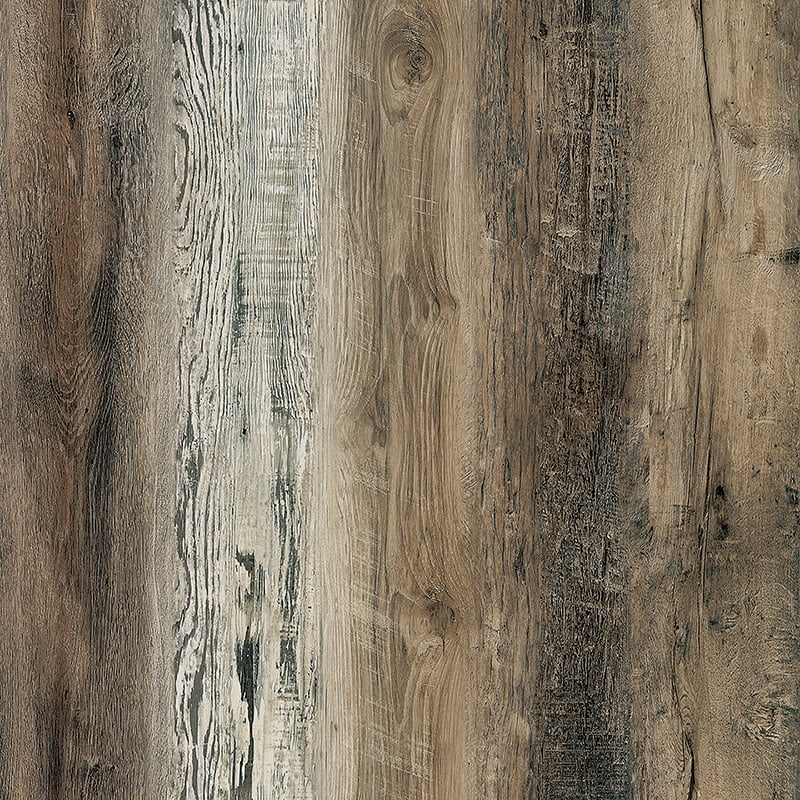
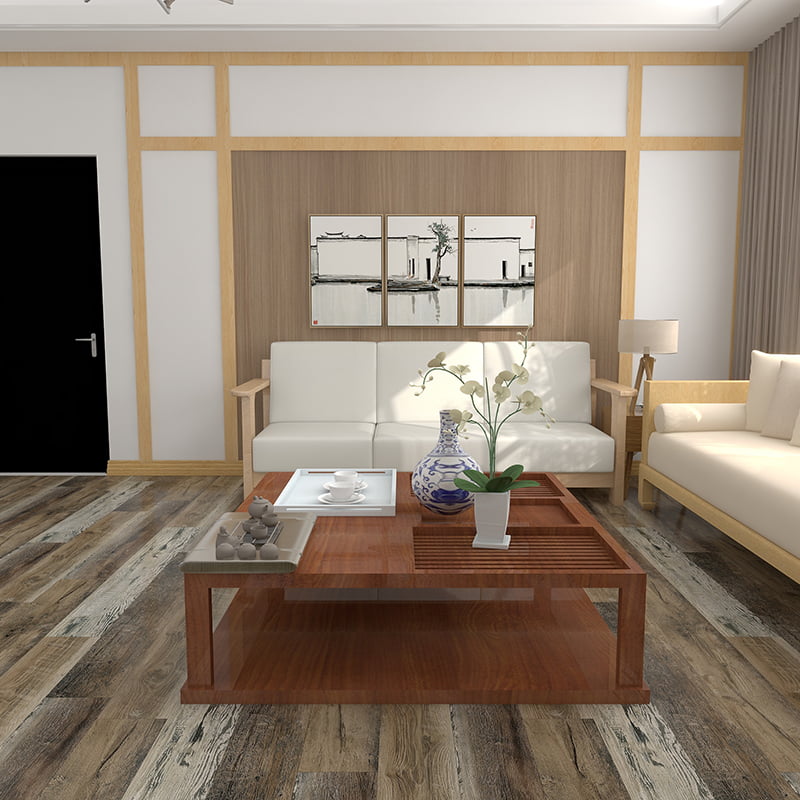
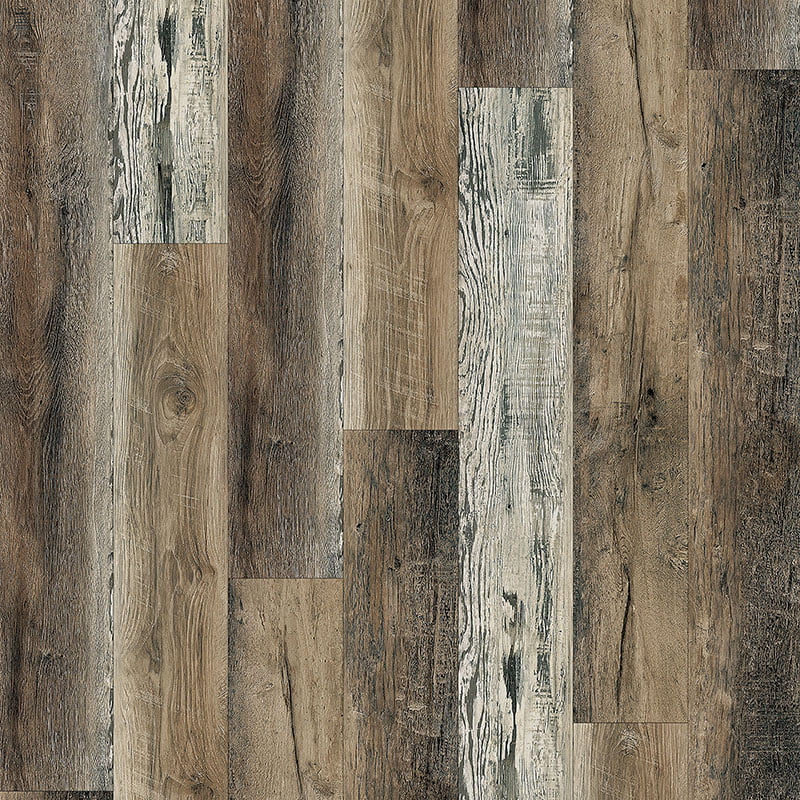
Model: YC869
Wood: Hickory
Spec: 1000*1270mm
Single chip size: 7.25*48"
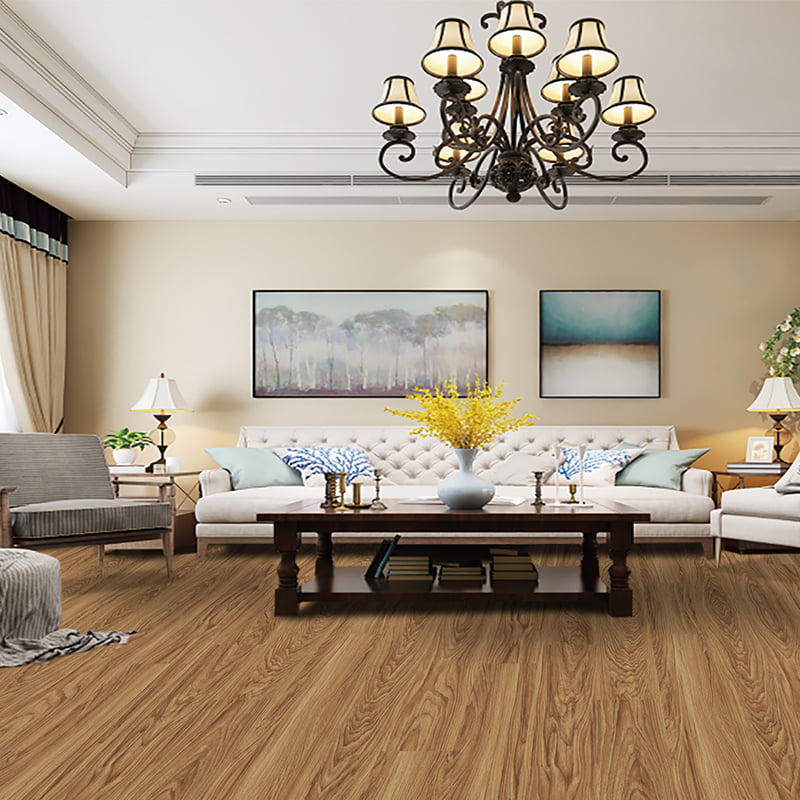
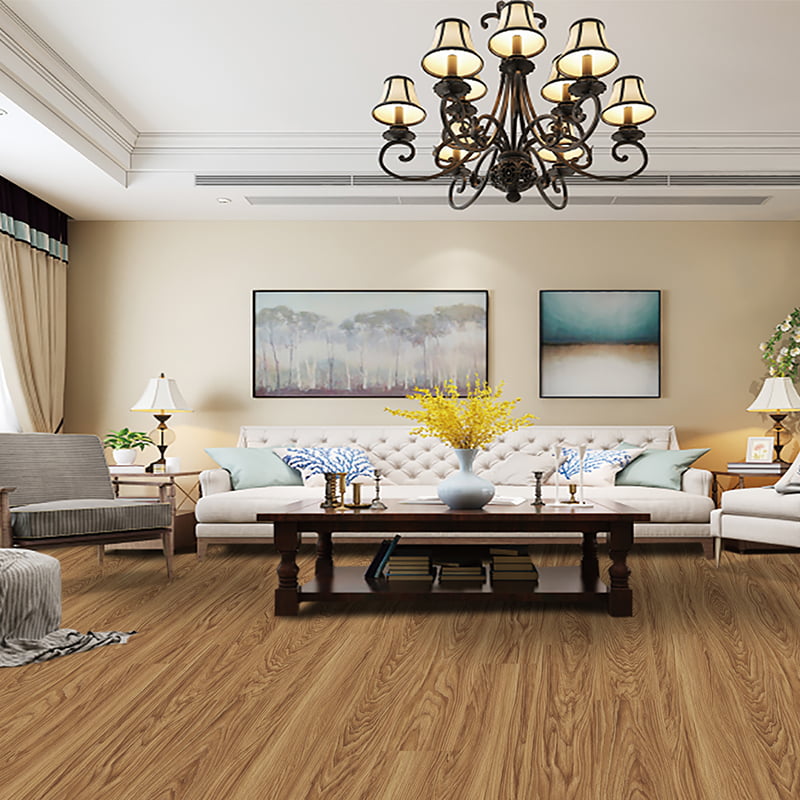
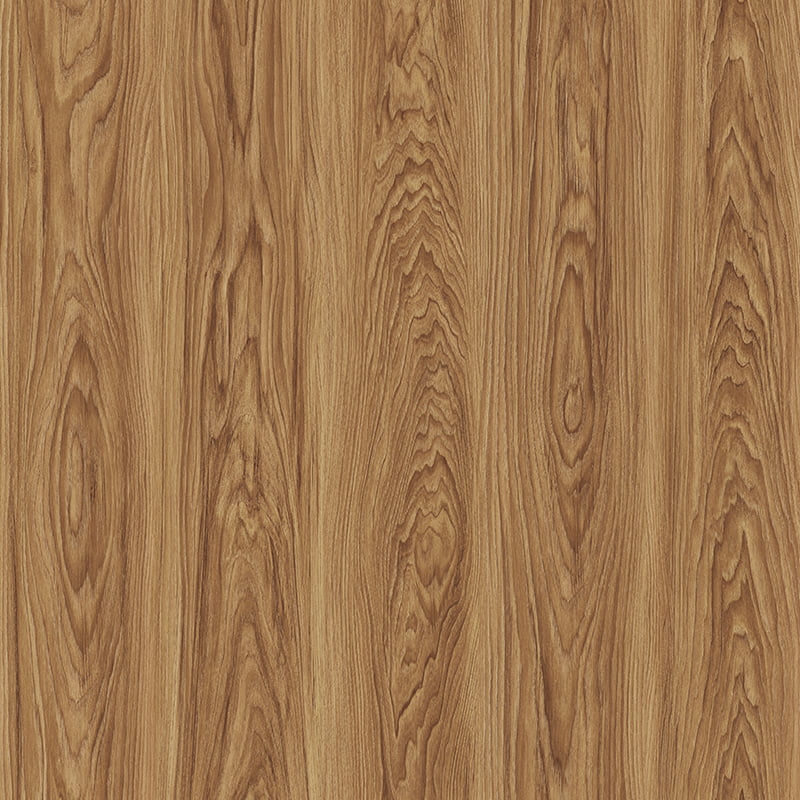
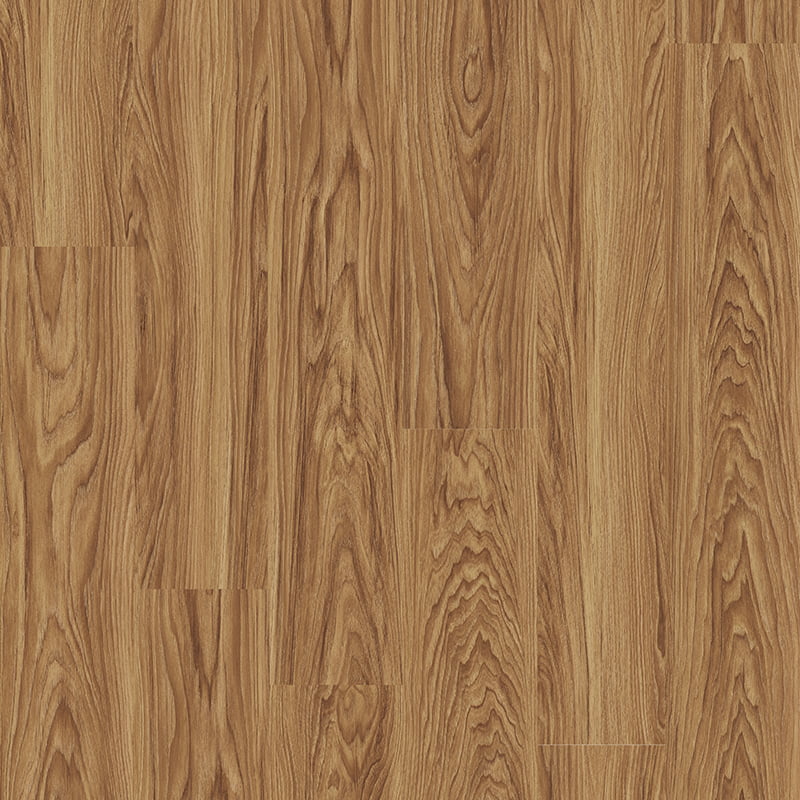
Model: YC898
Wood: Hickory
Spec: 1000*1270mm
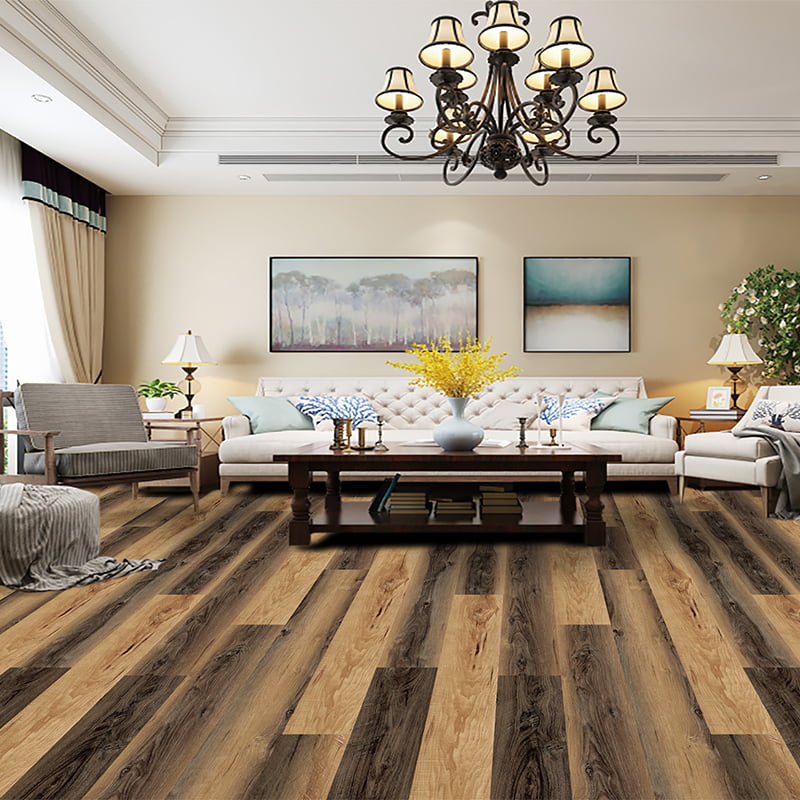
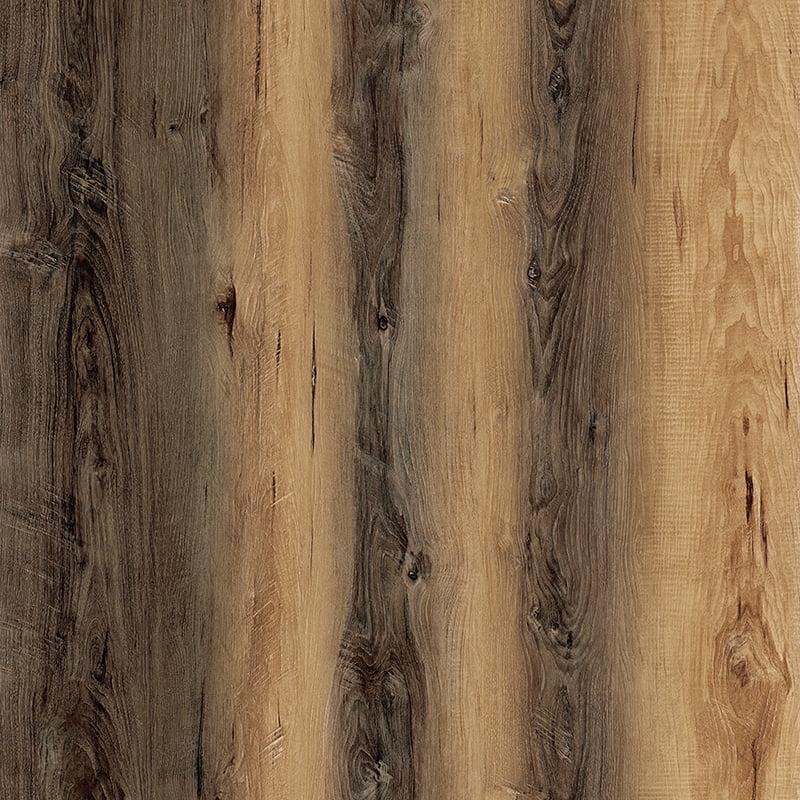
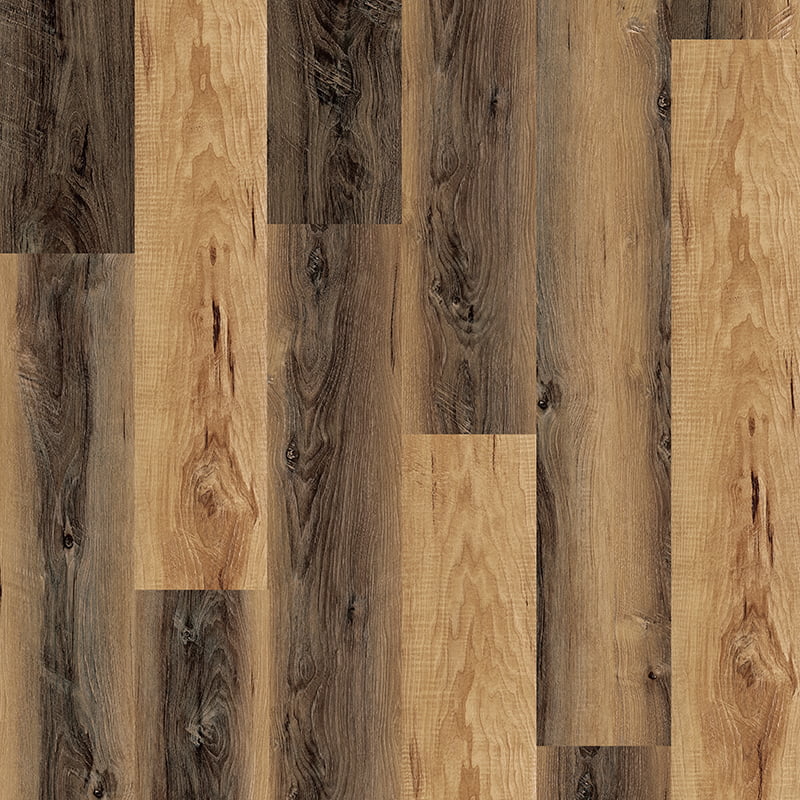
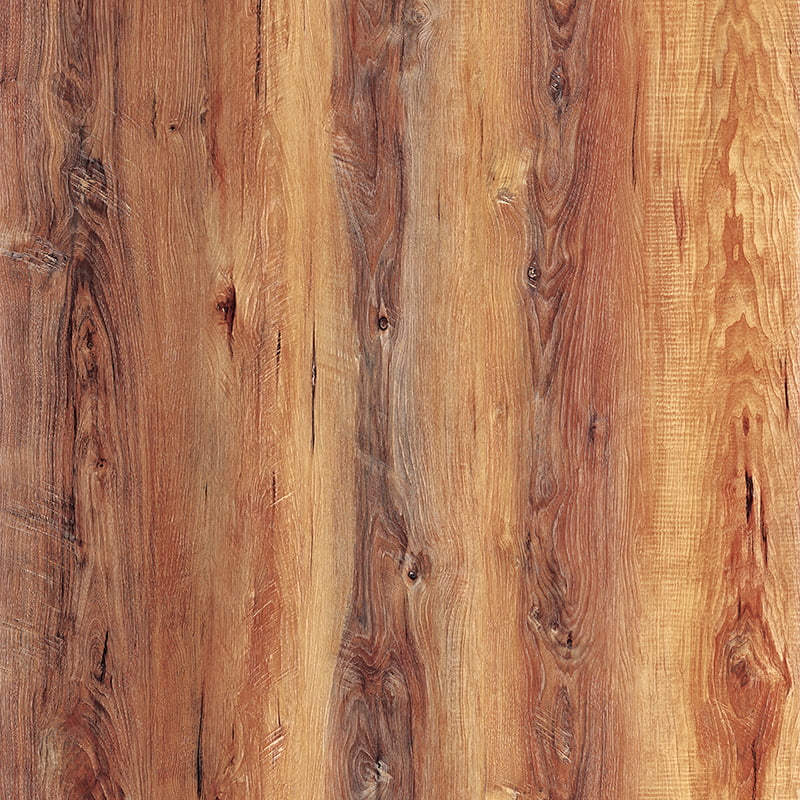
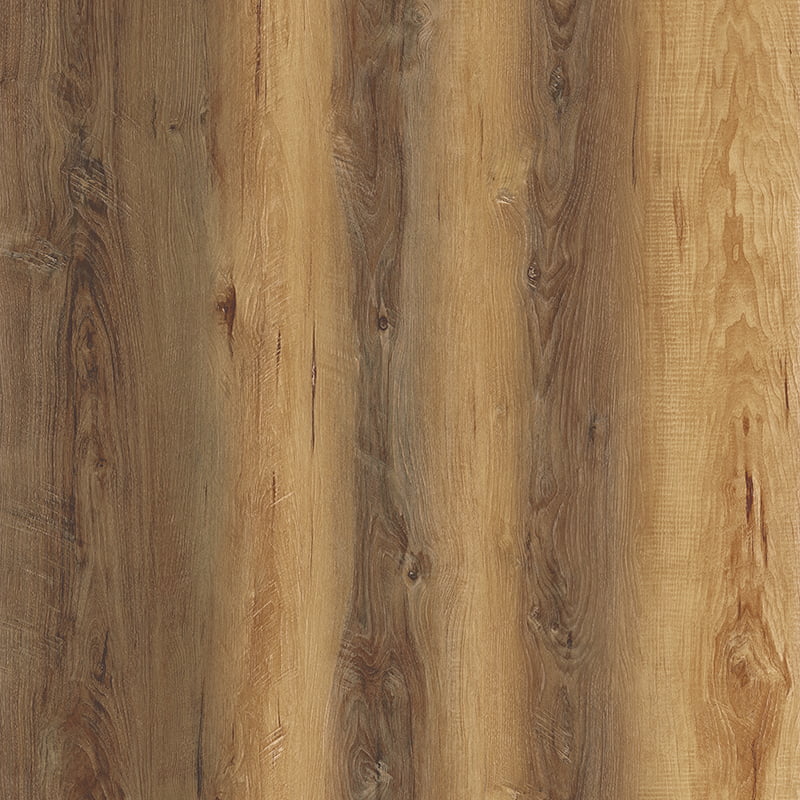
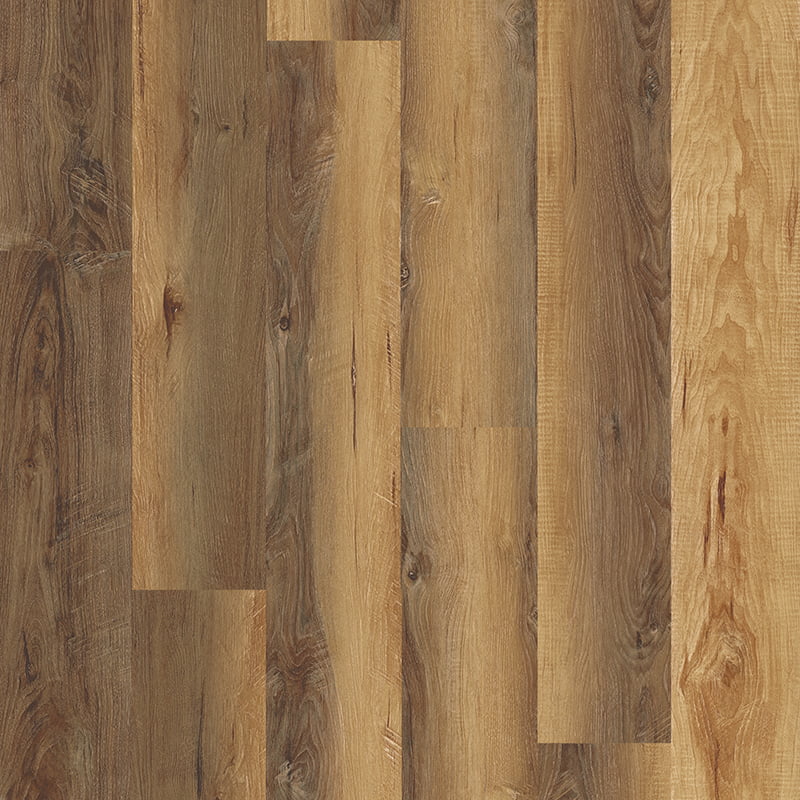
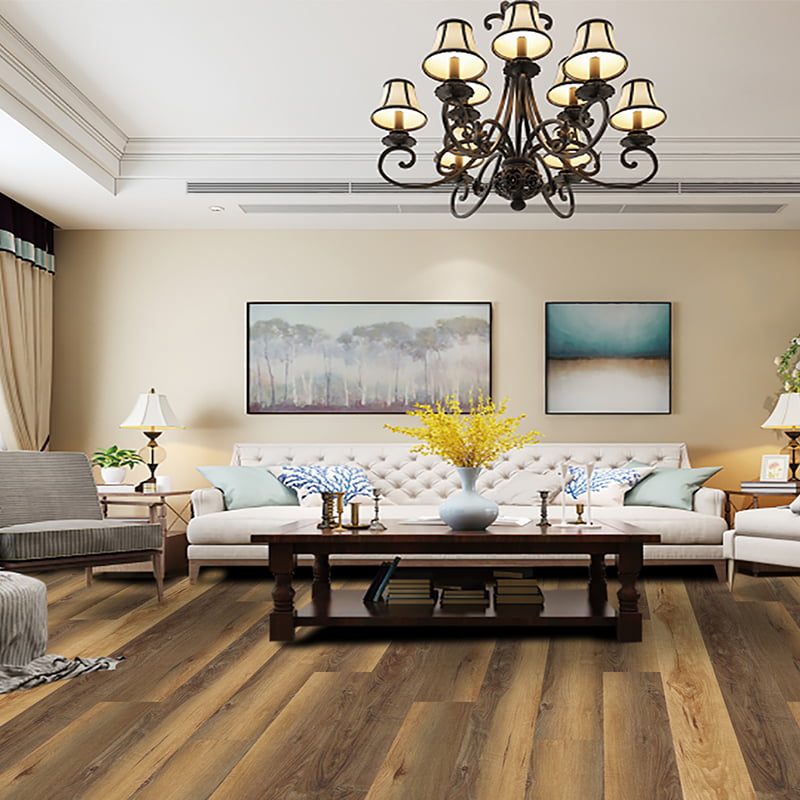
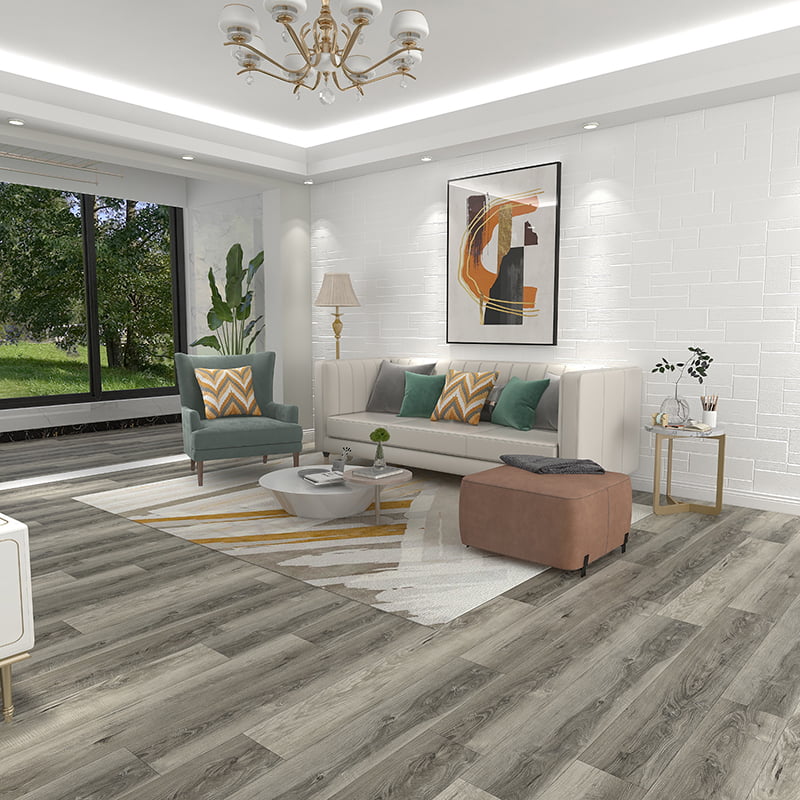
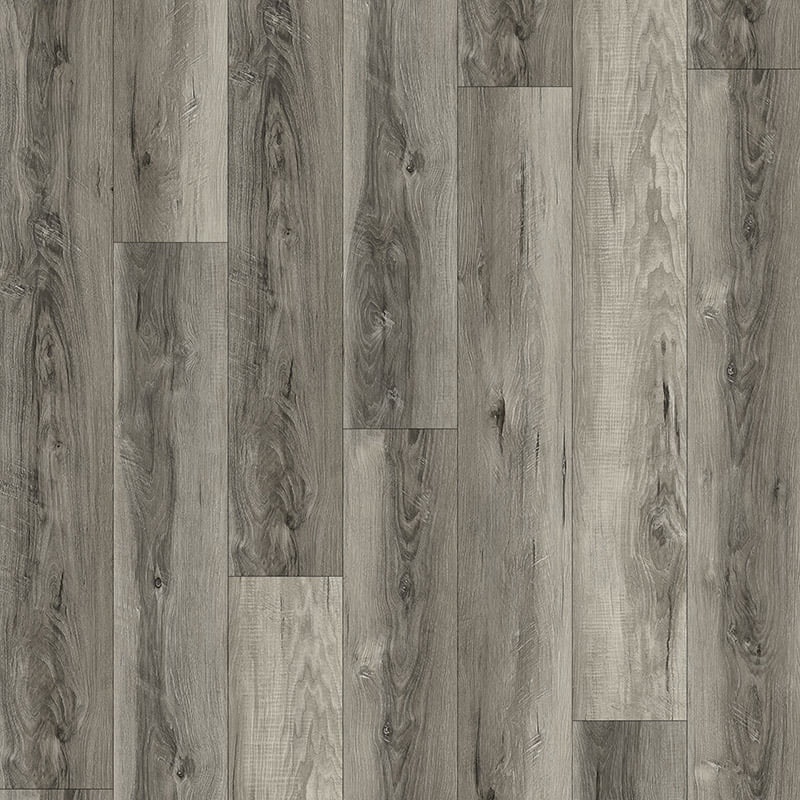
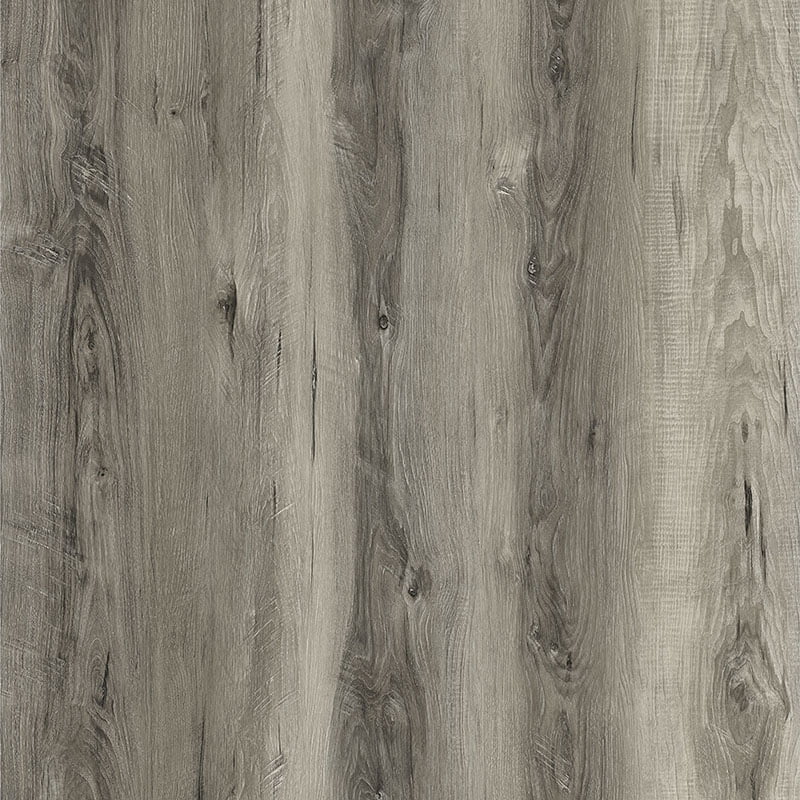
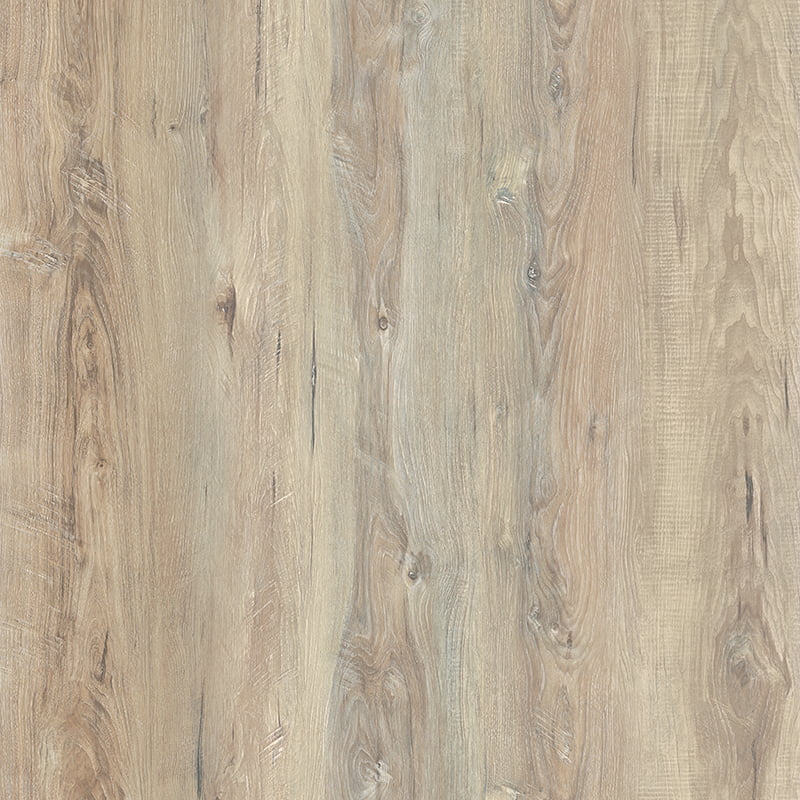
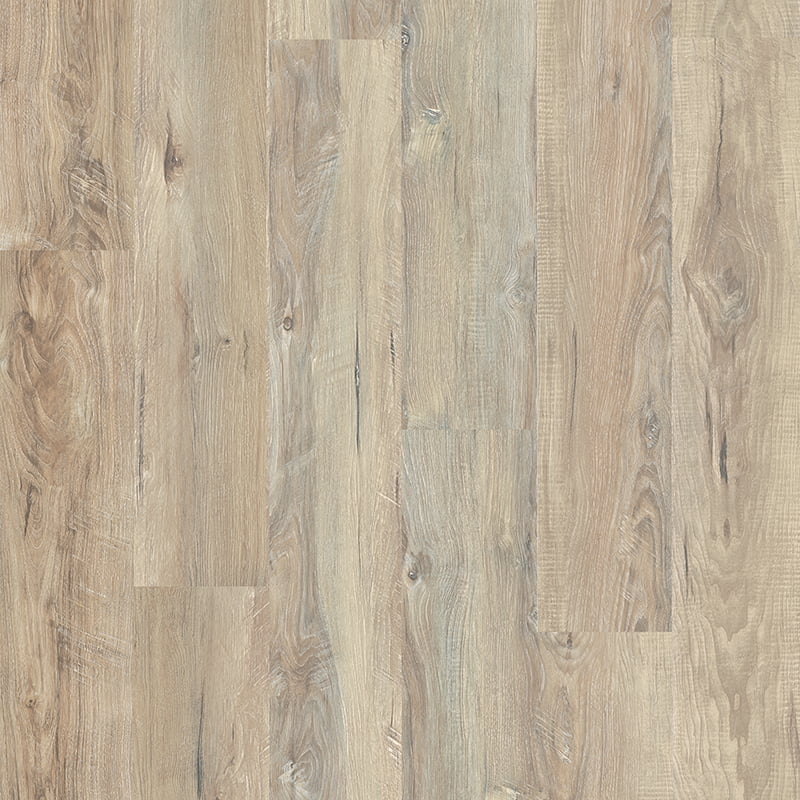
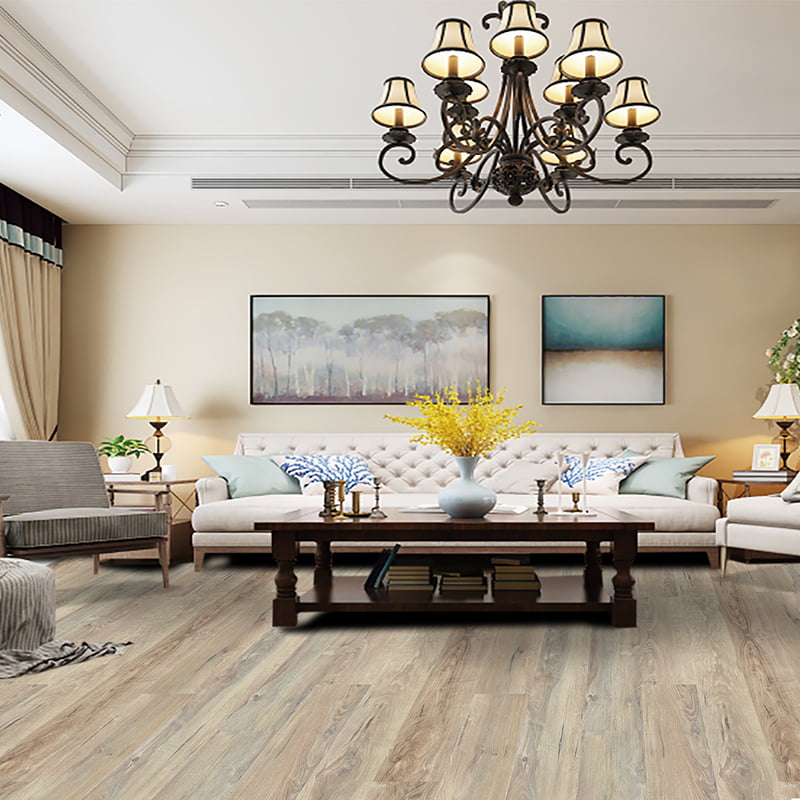
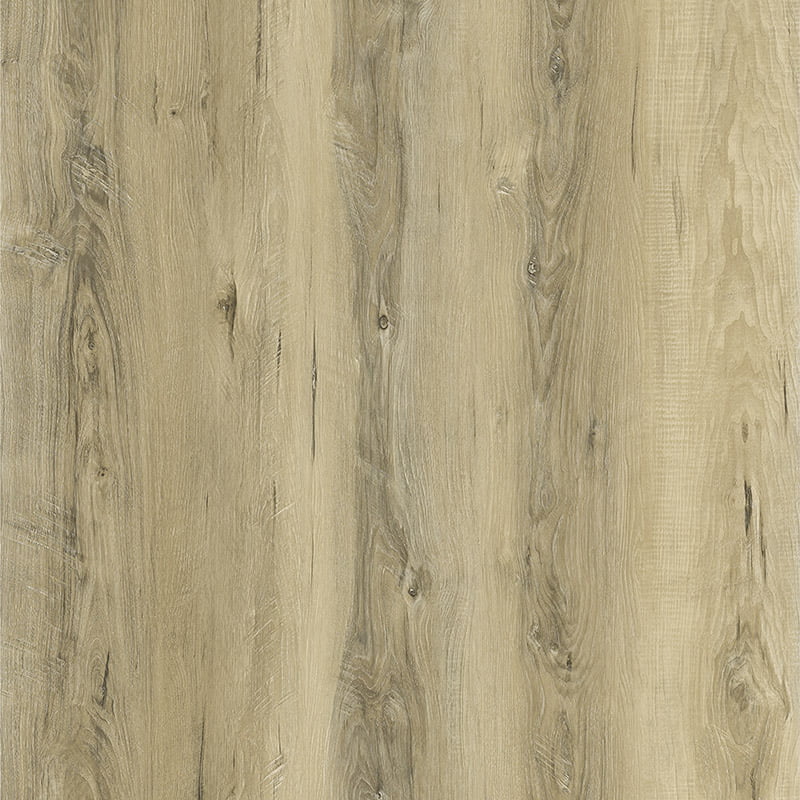
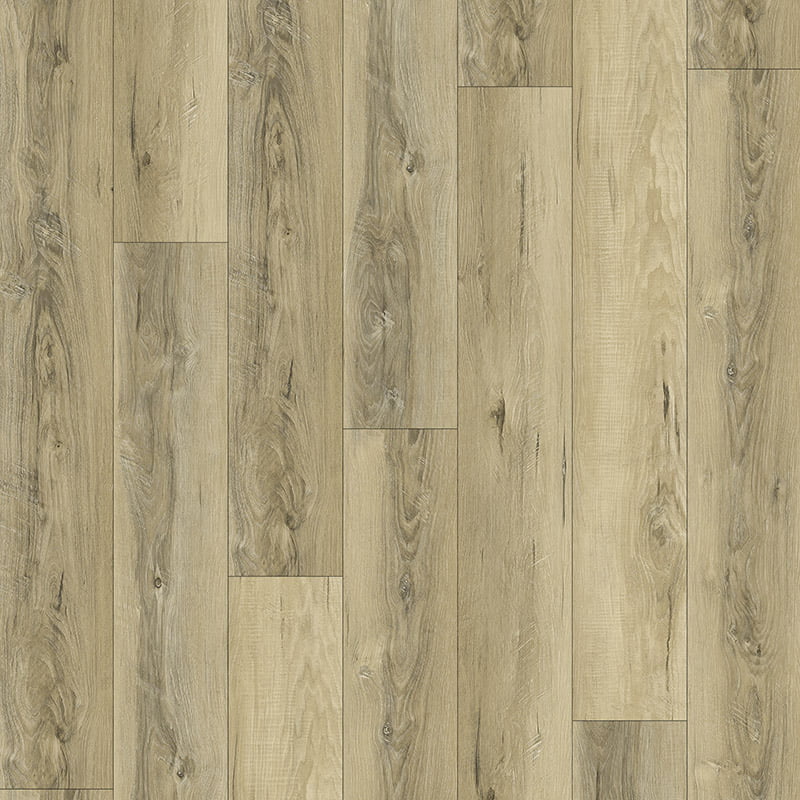
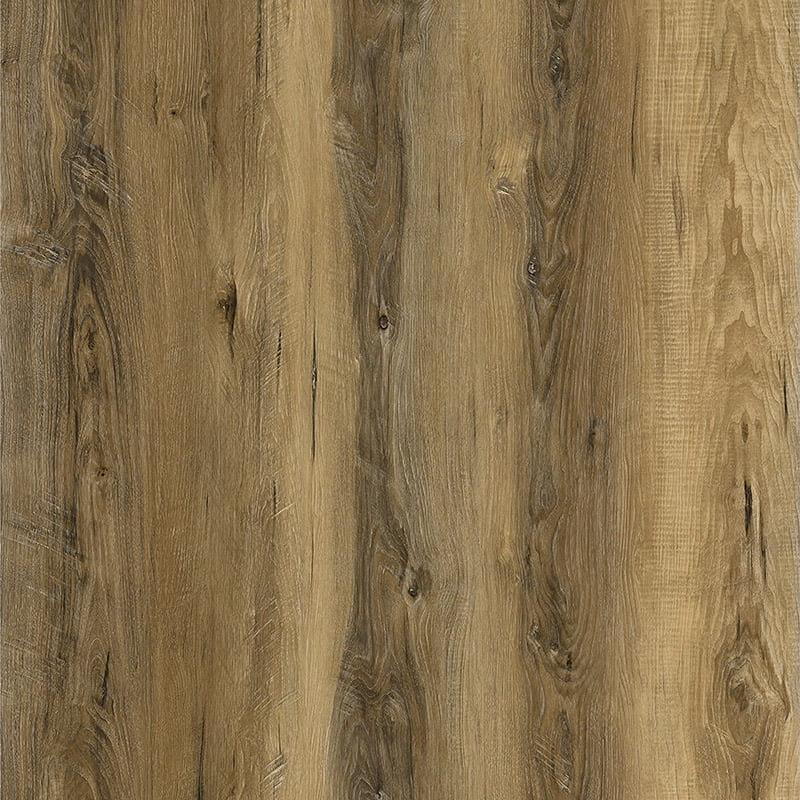
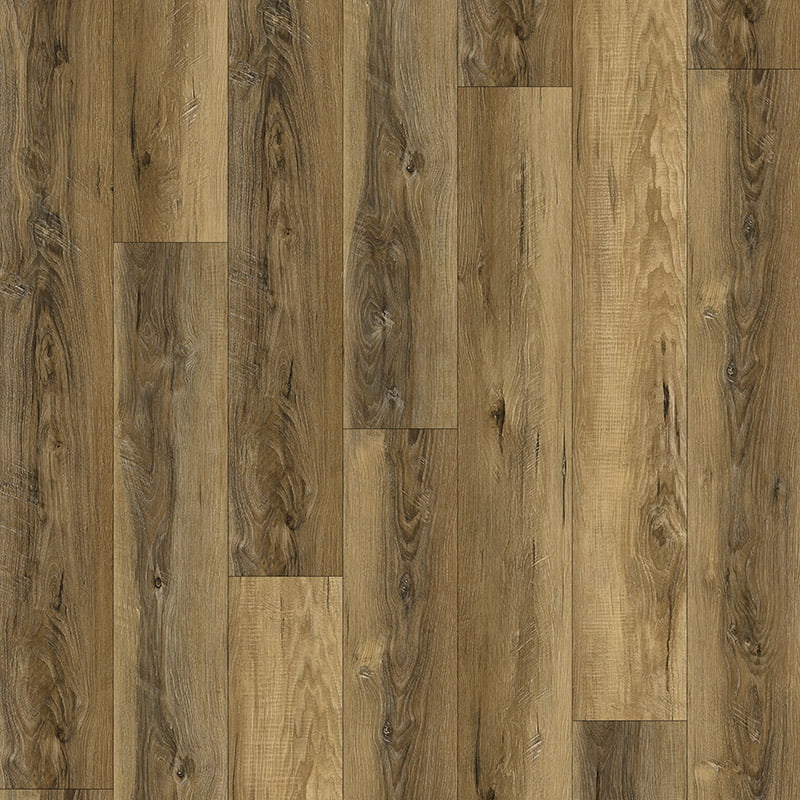
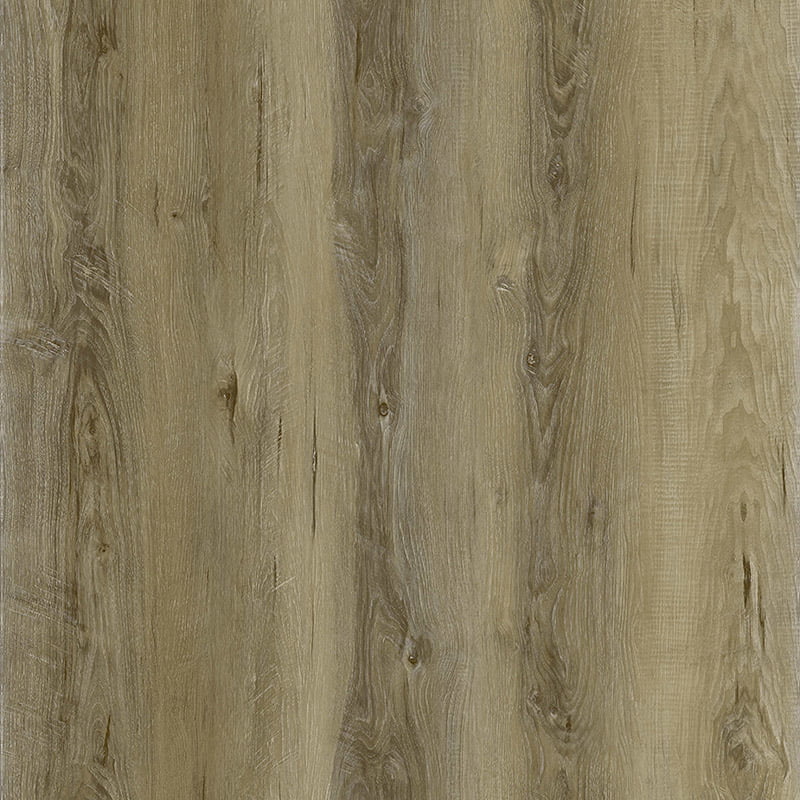
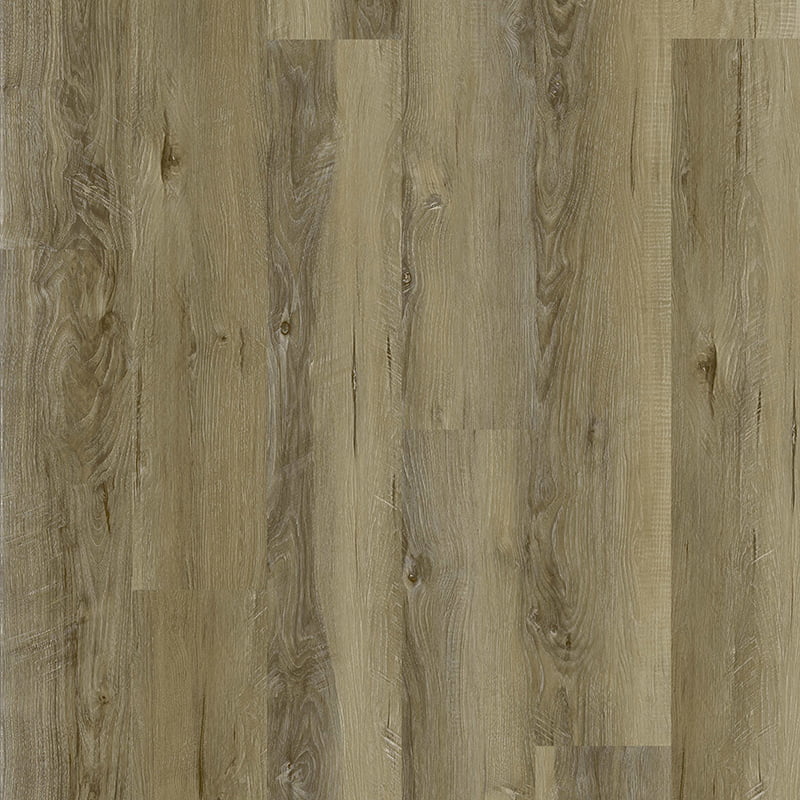
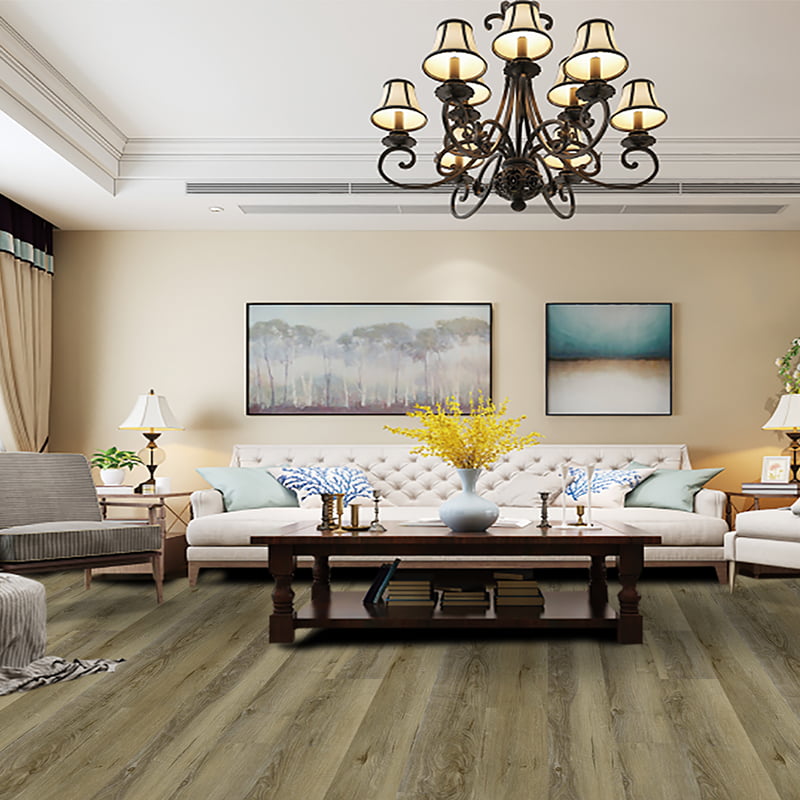
Model: YC903
Wood: Hickory
Spec: 1000*1270mm
Single chip size: 7.25*48"
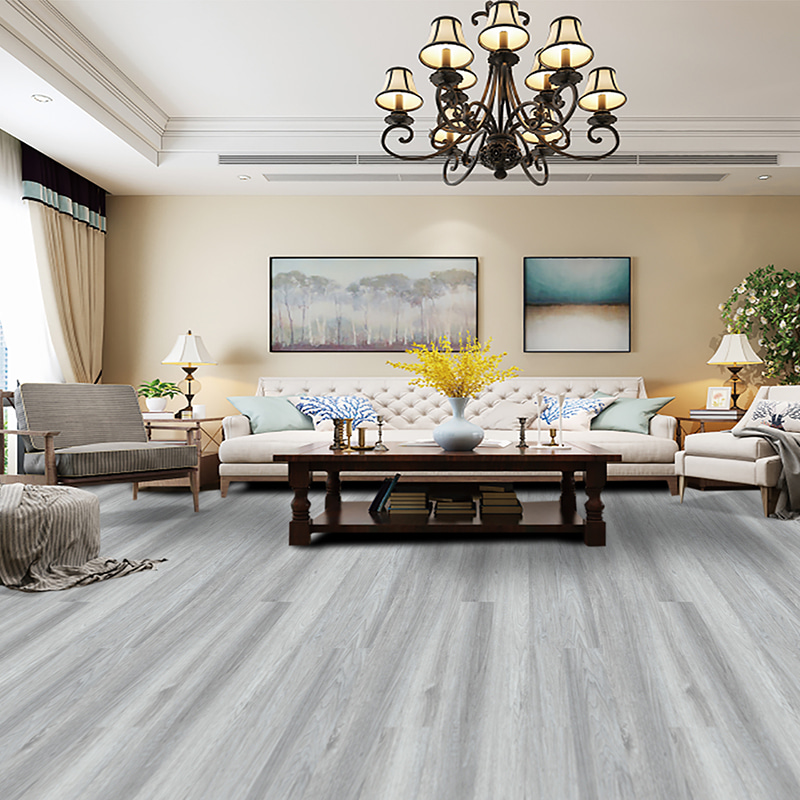
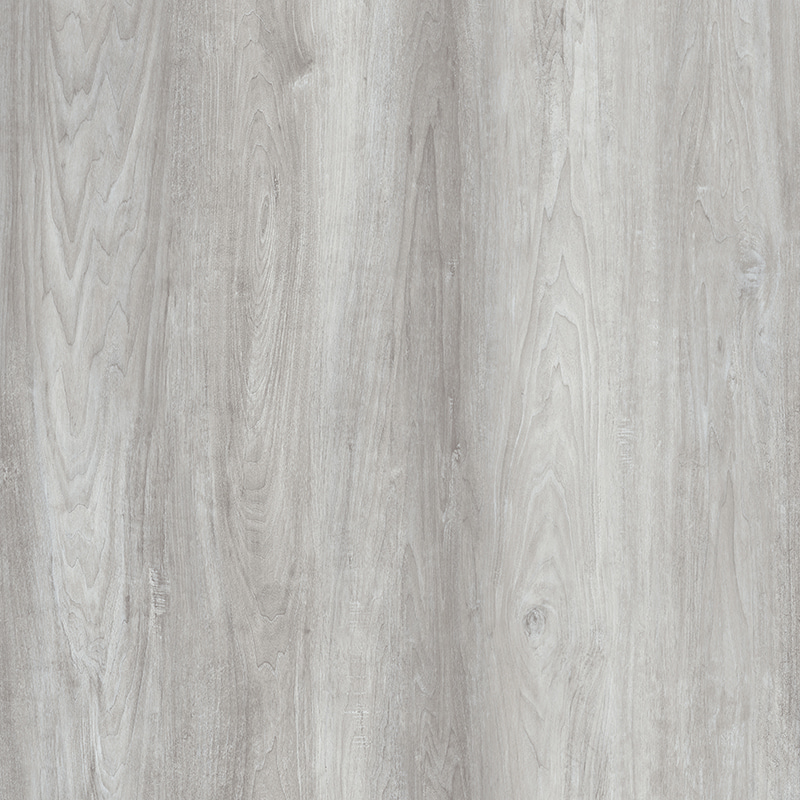
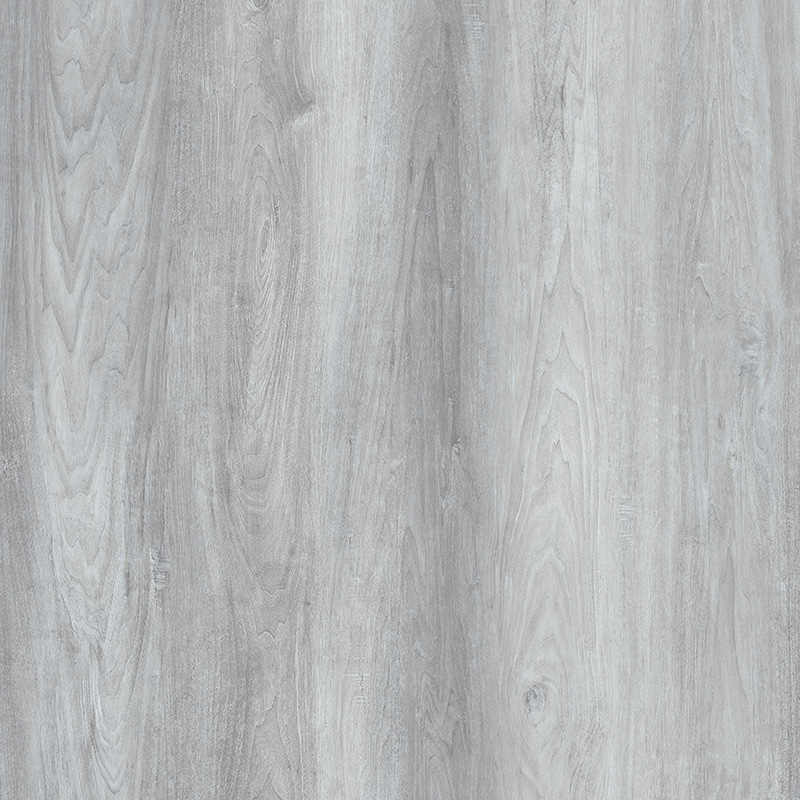
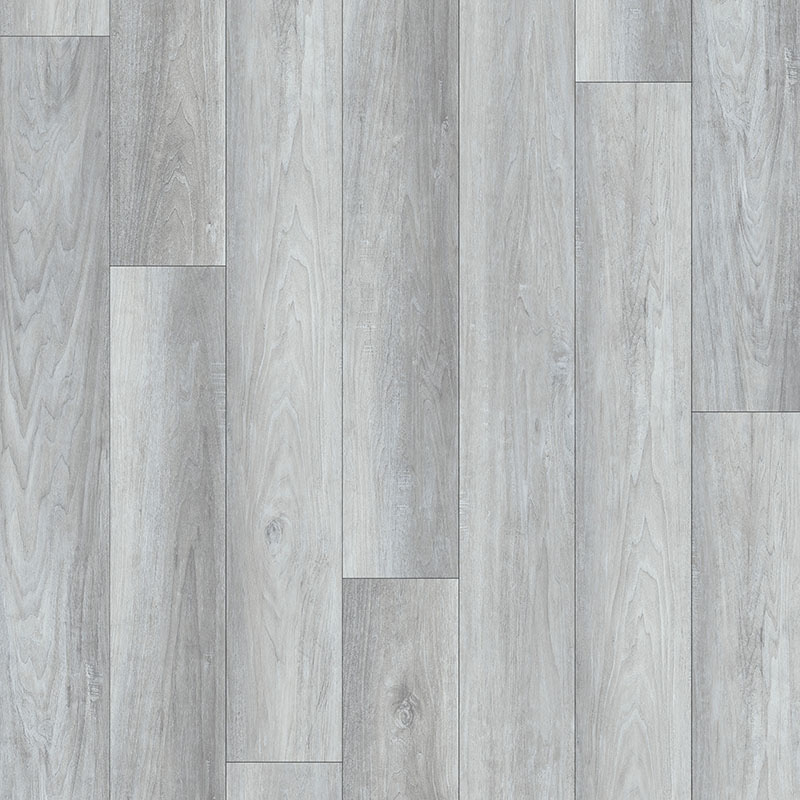
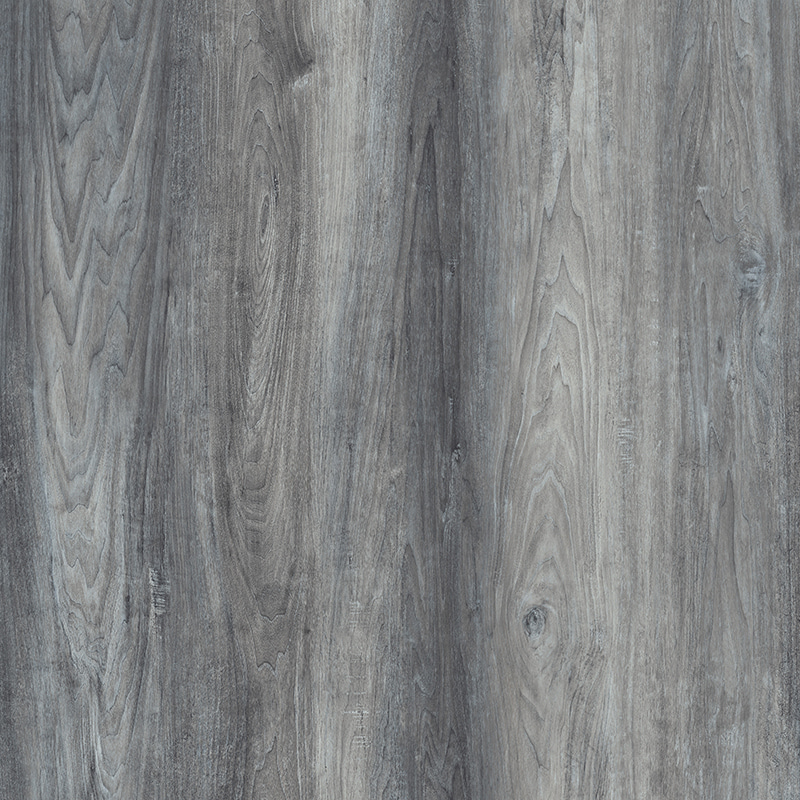
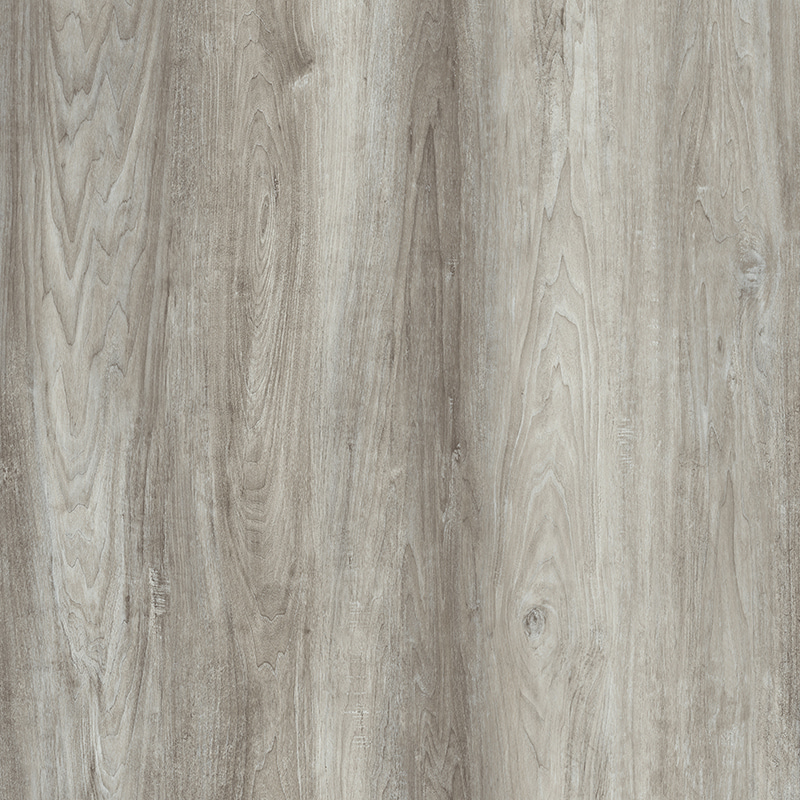
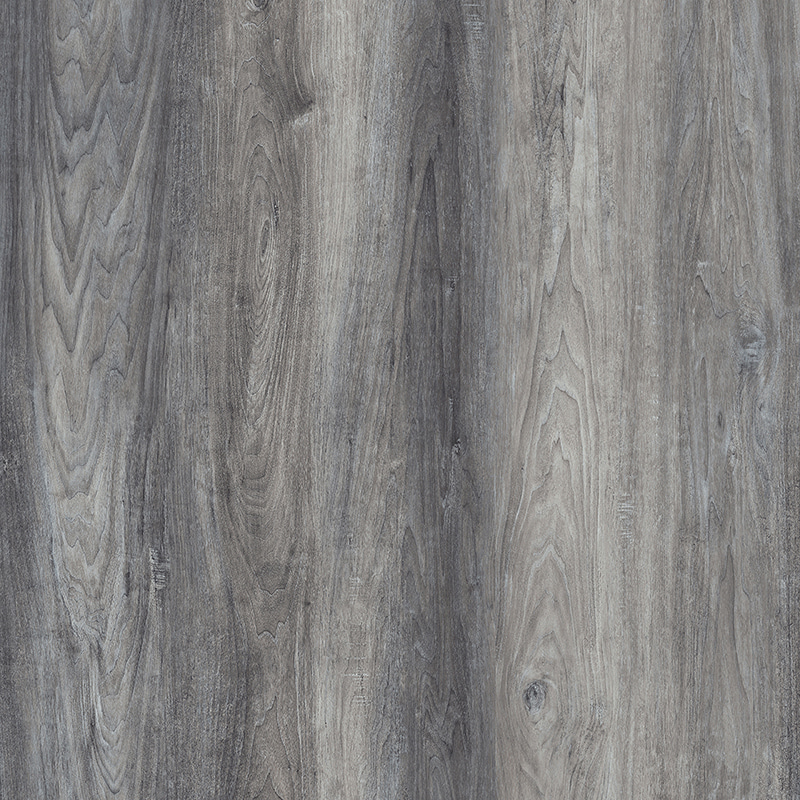
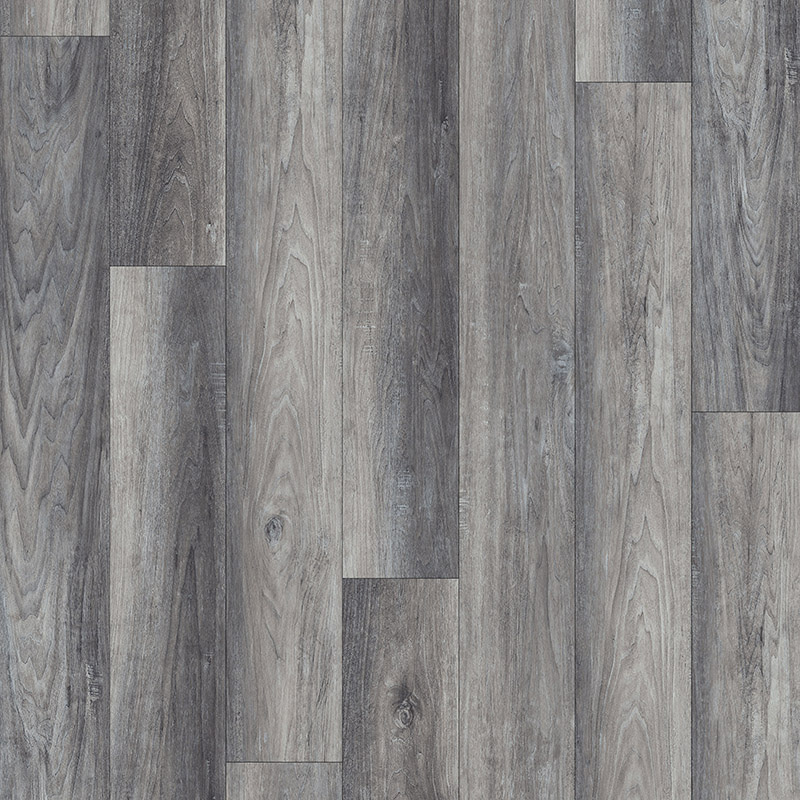
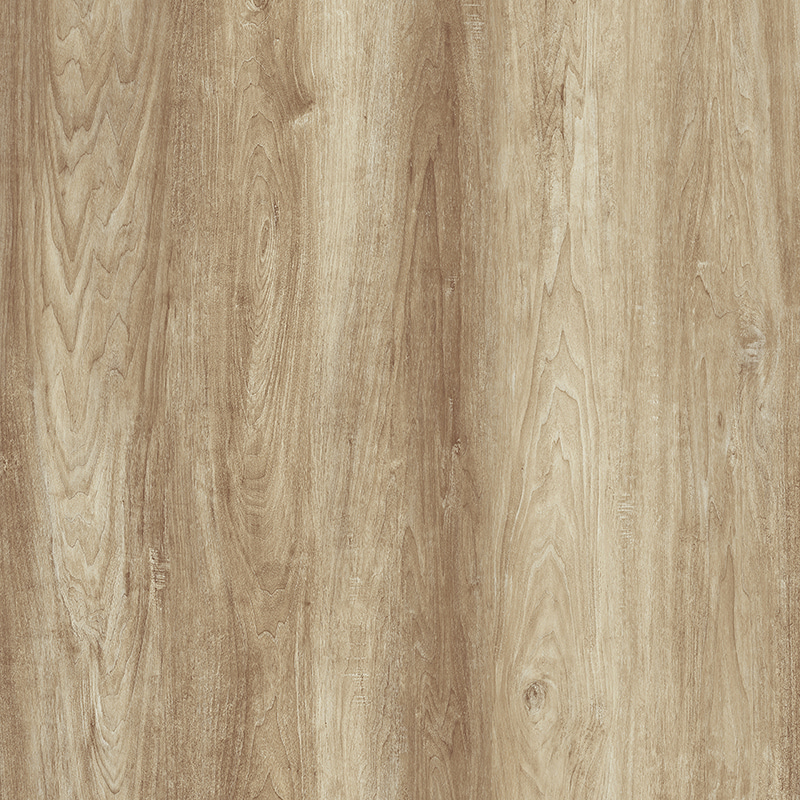
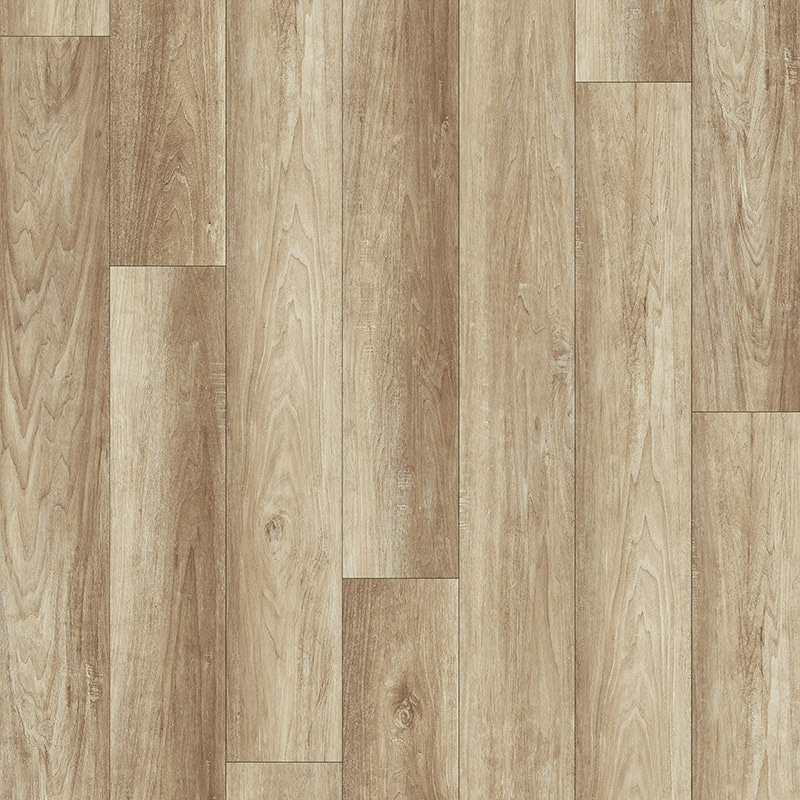
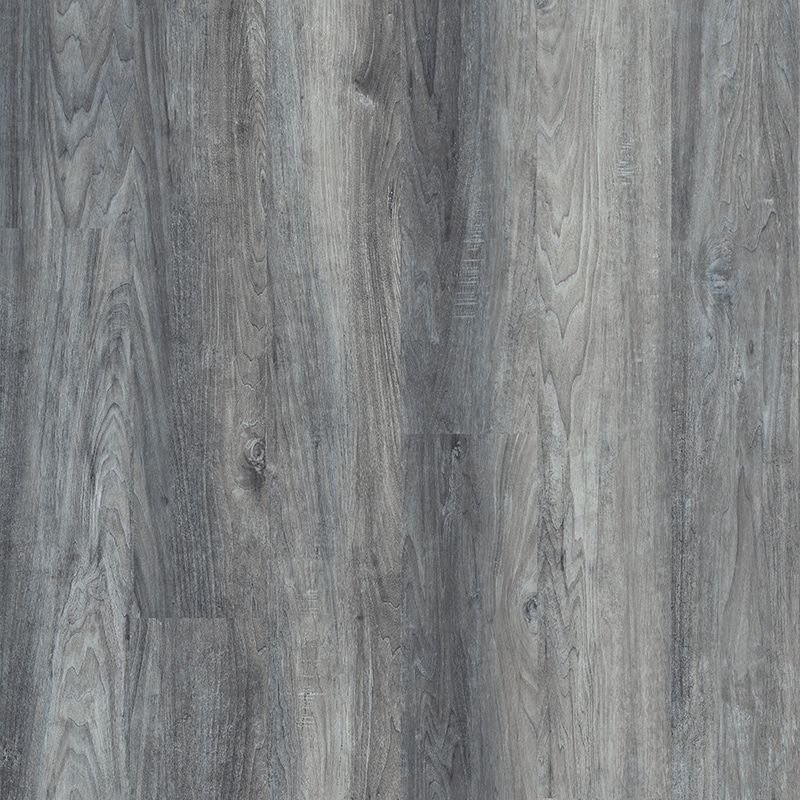
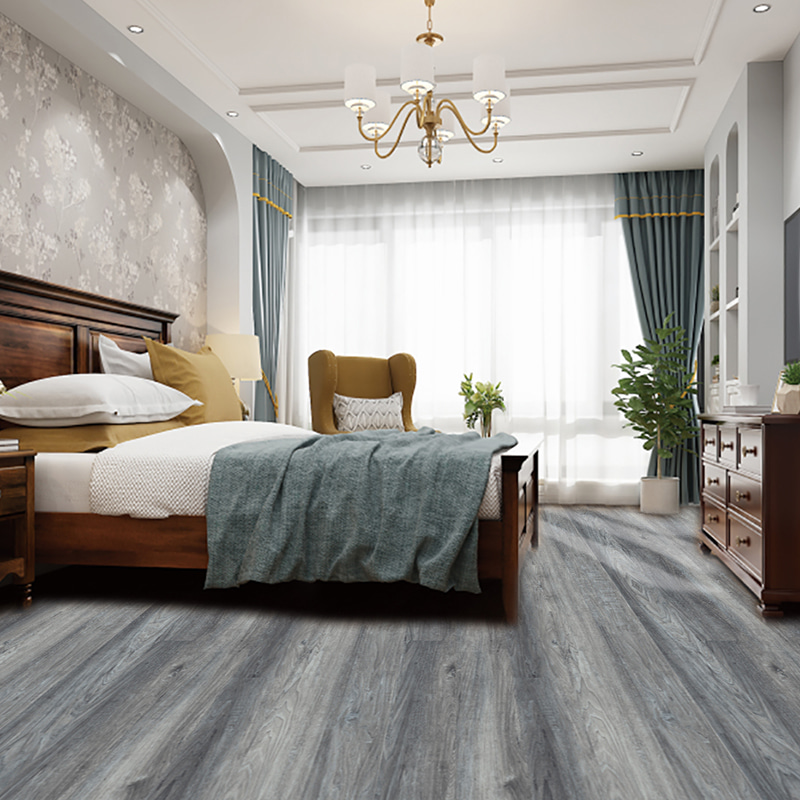
Model: YC909
Wood: Hickory
Spec: 1000*1580mm
Single chip size: 7.25*60"
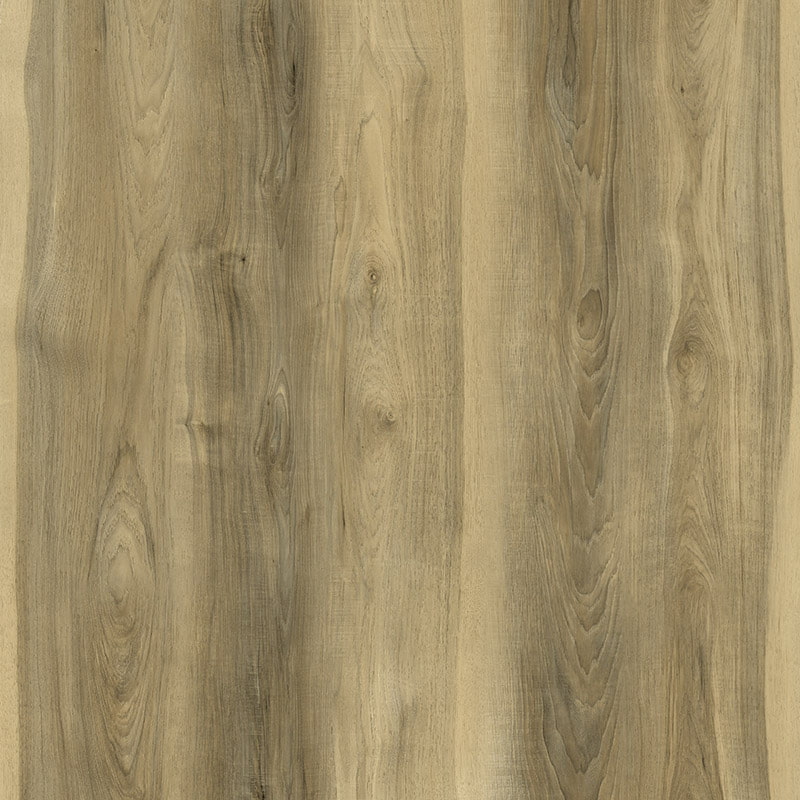
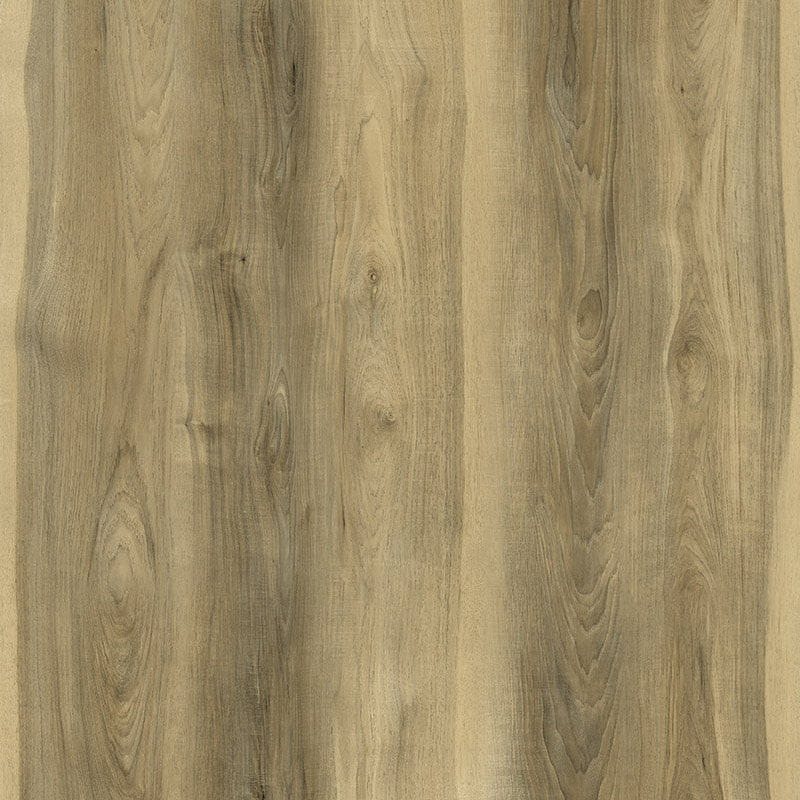
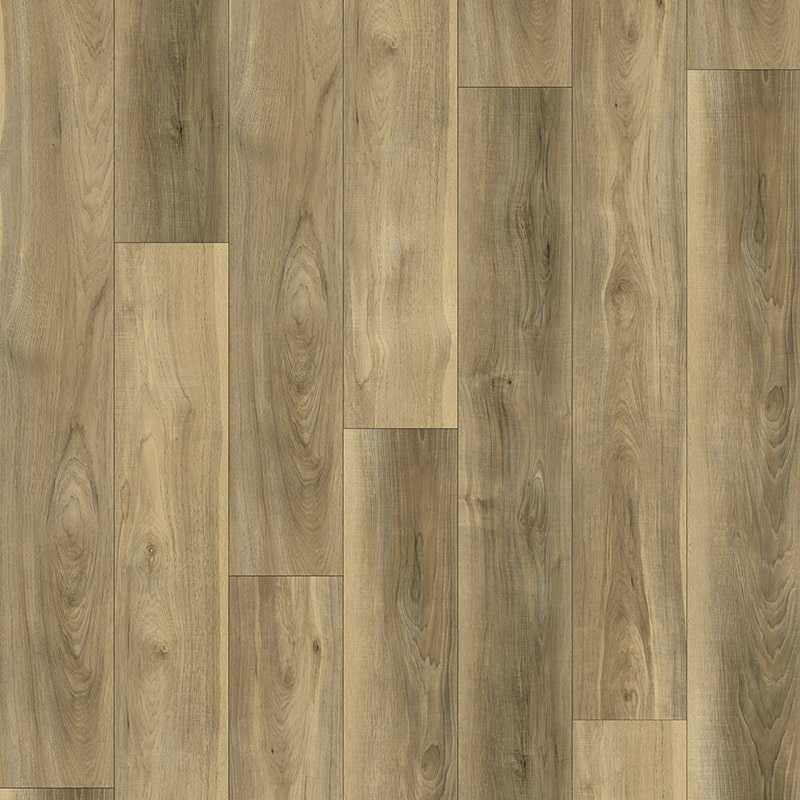
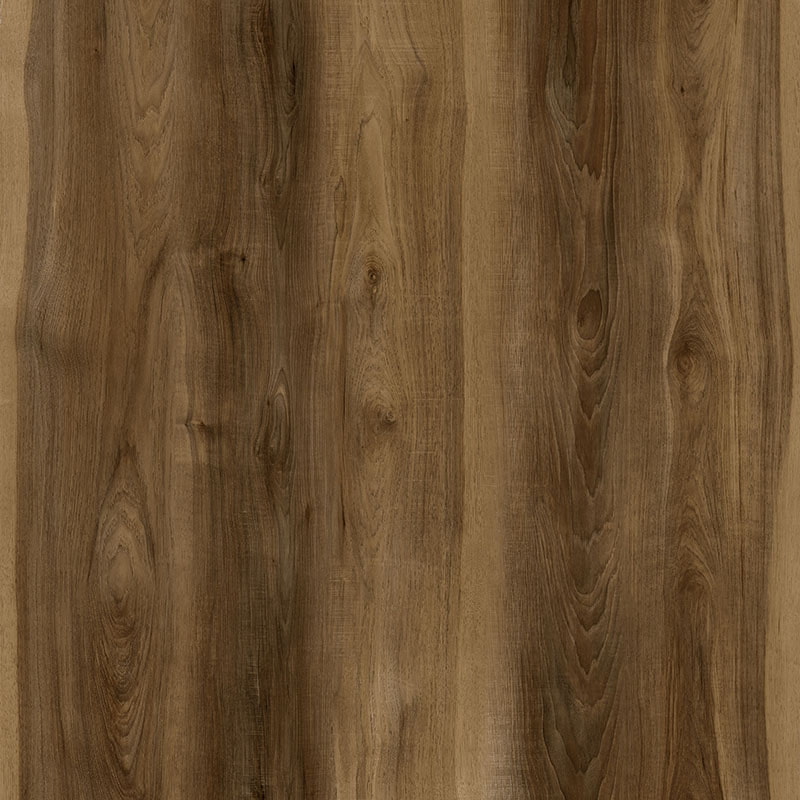
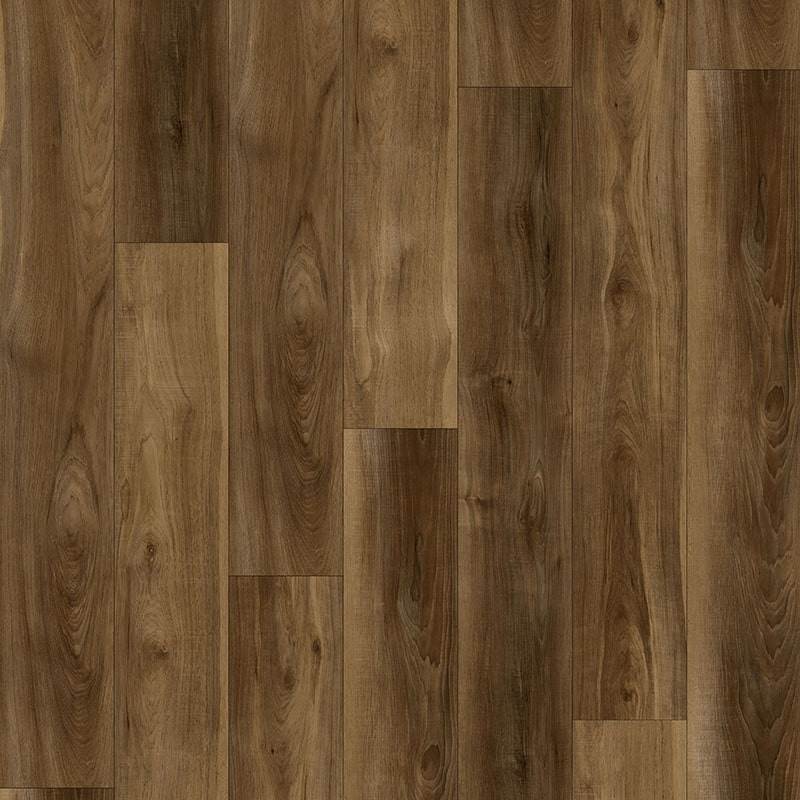
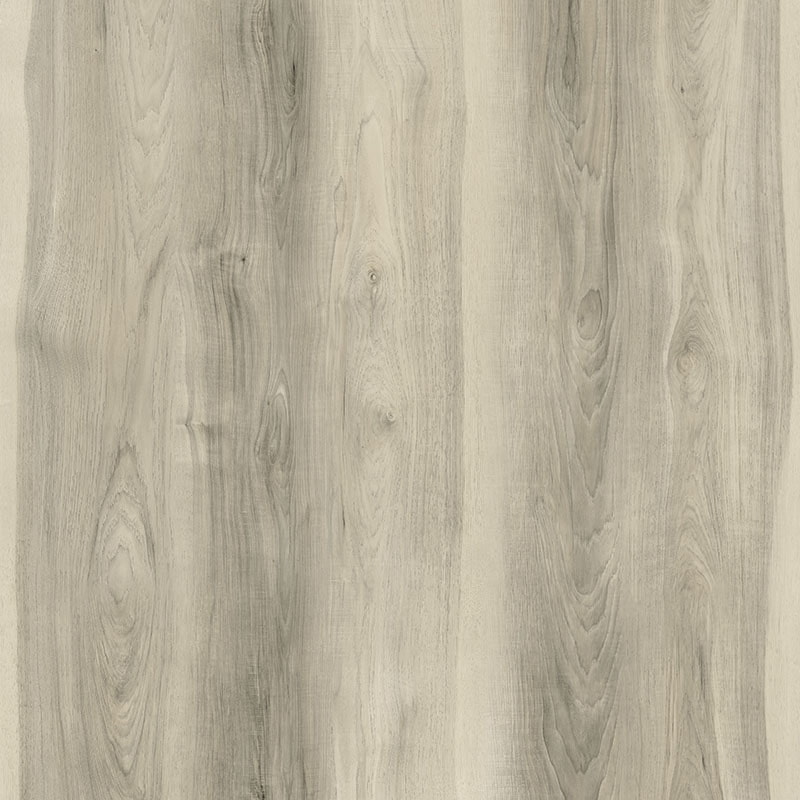
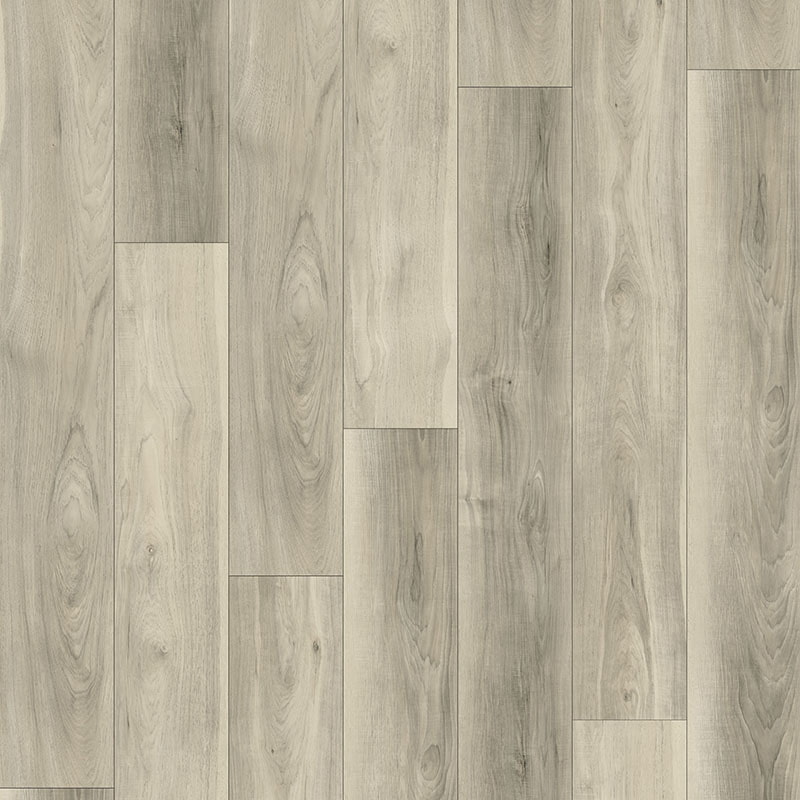
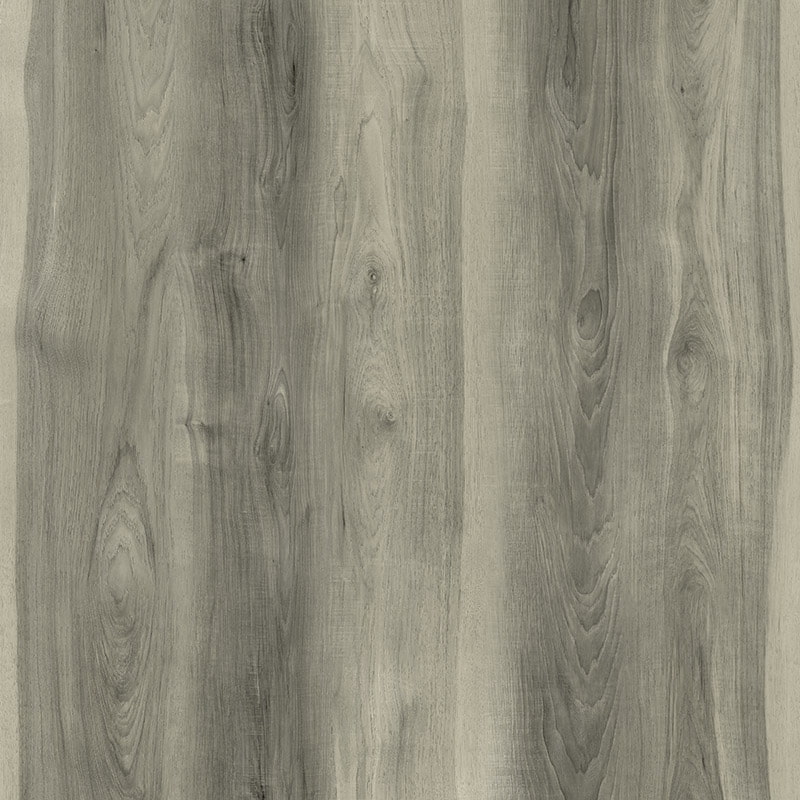
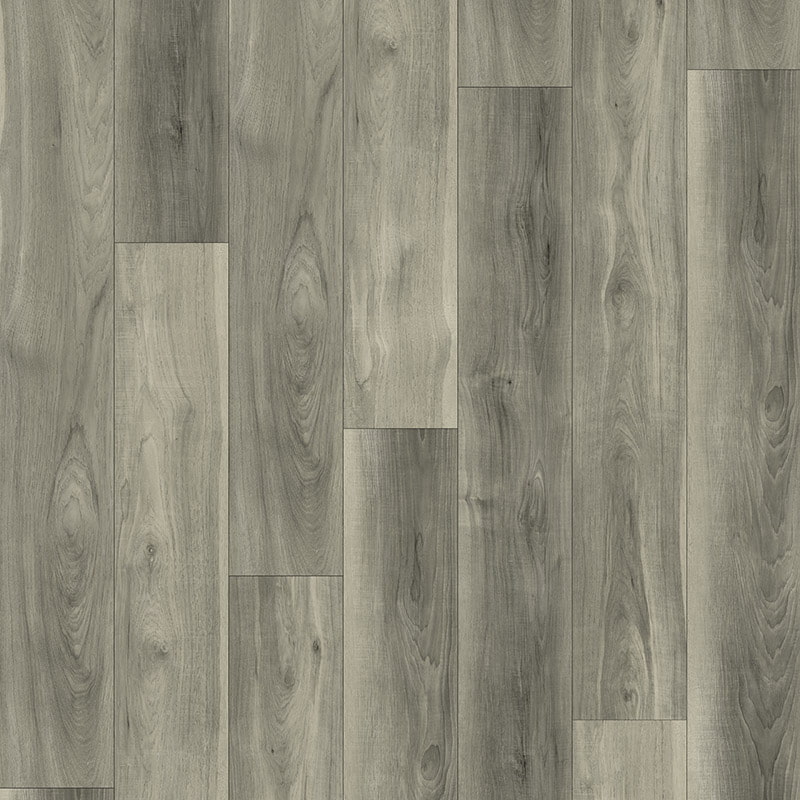
Model: YC935
Wood: Hickory
Spec: 1000*1270mm
Single chip size: 7.25*48"
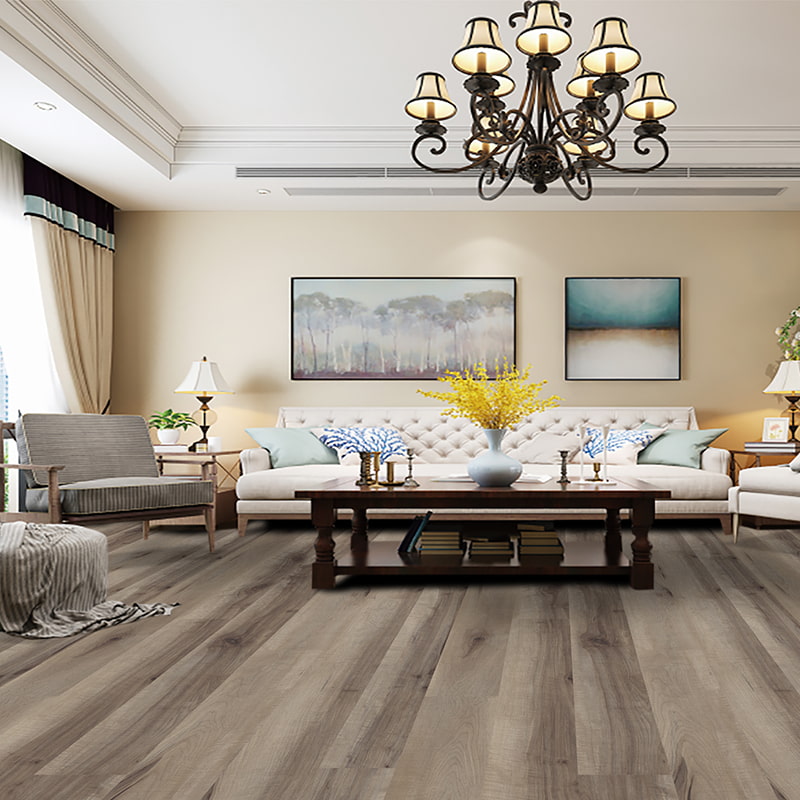
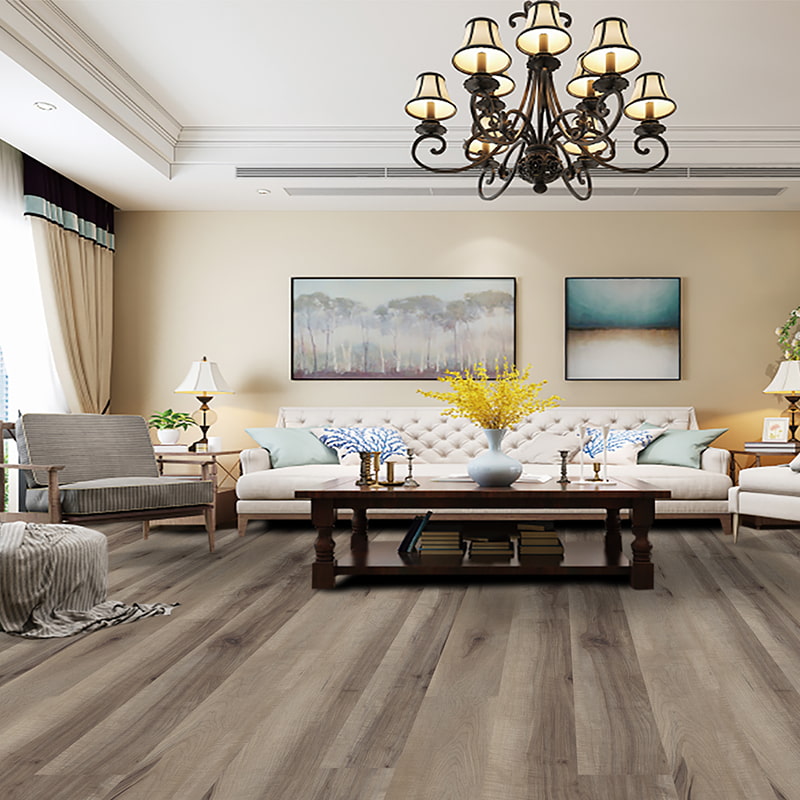
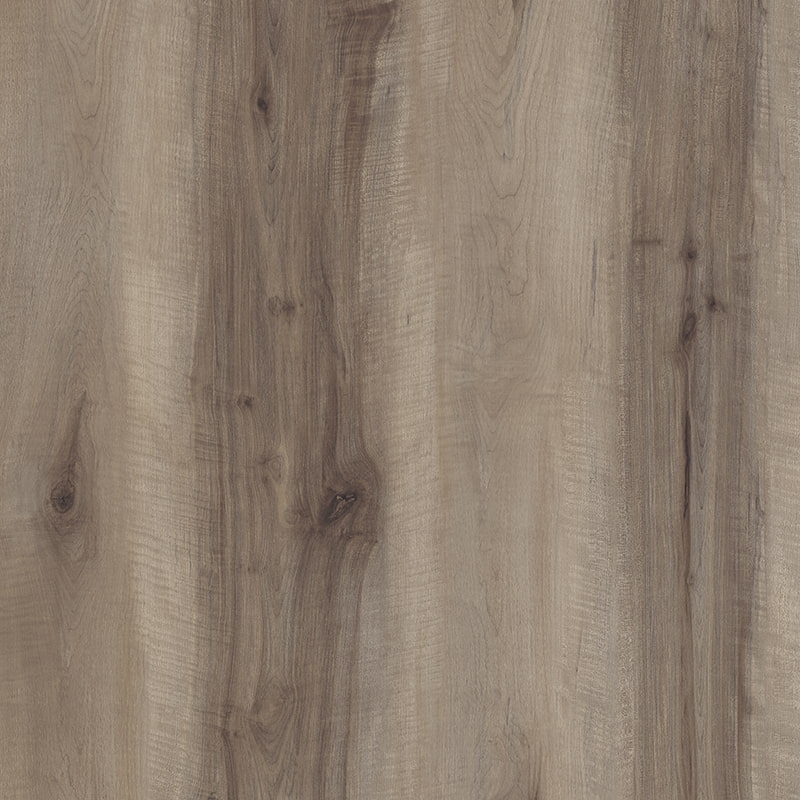
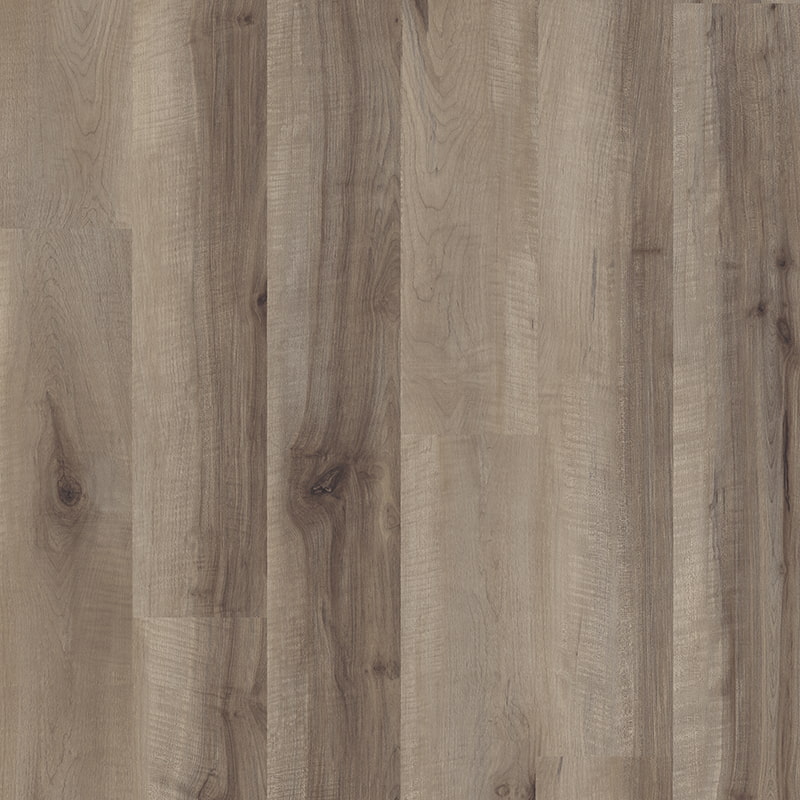
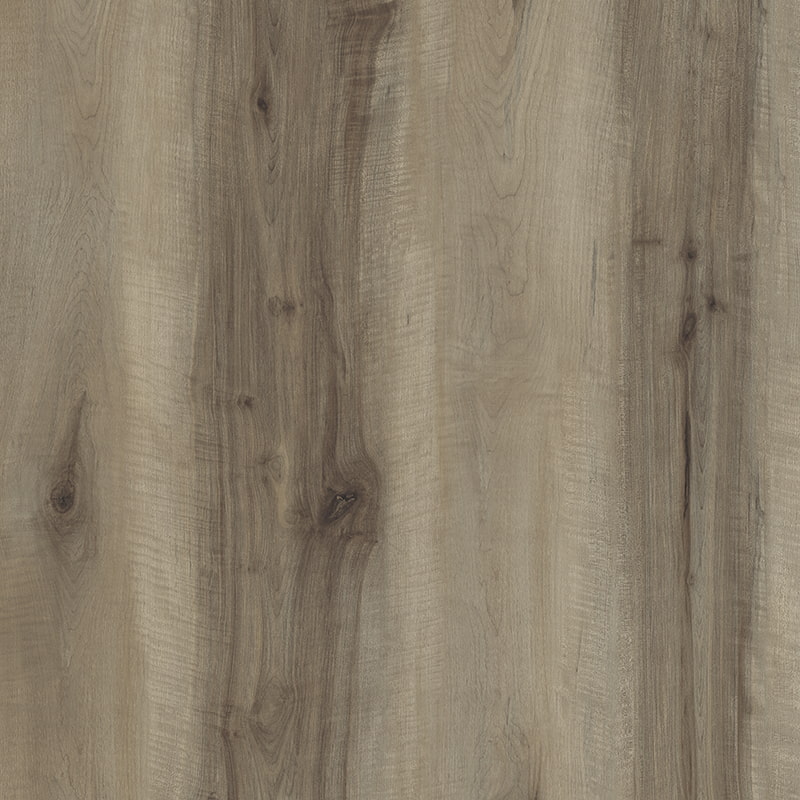
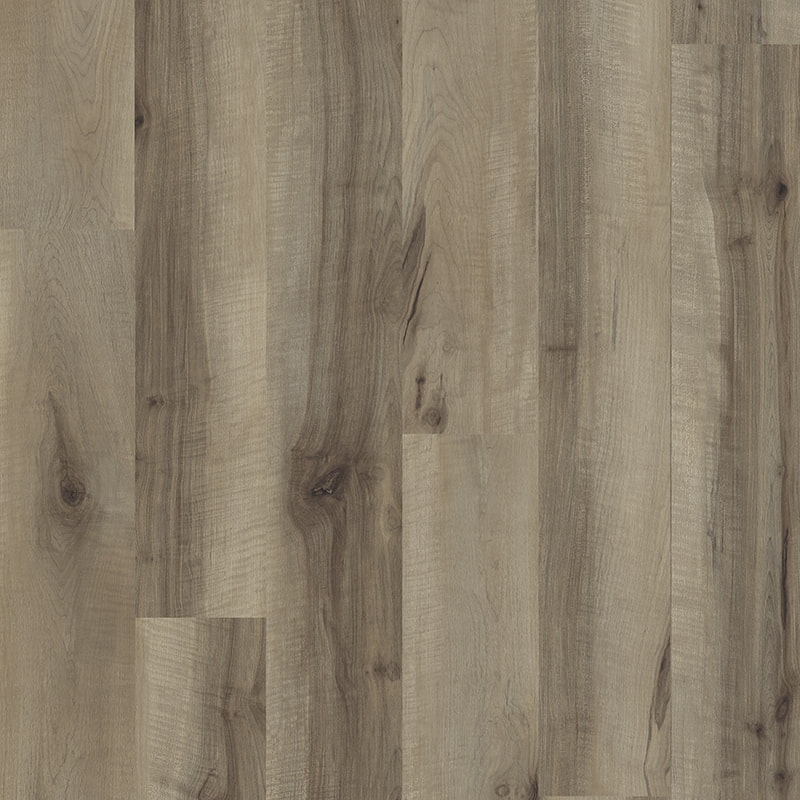
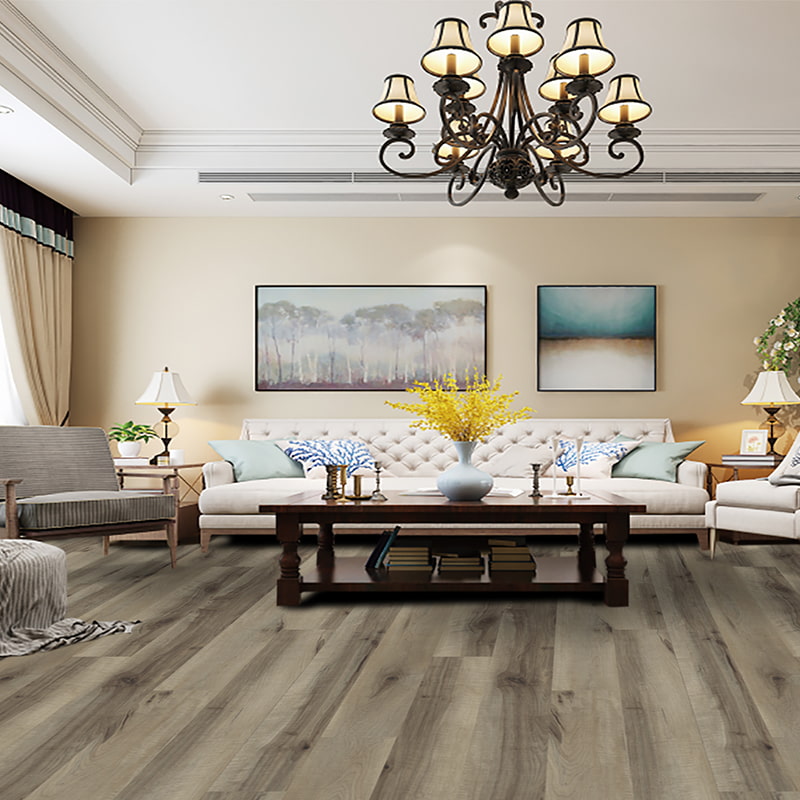
Model: YC937
Wood: Hickory
Spec: 1000*1580mm
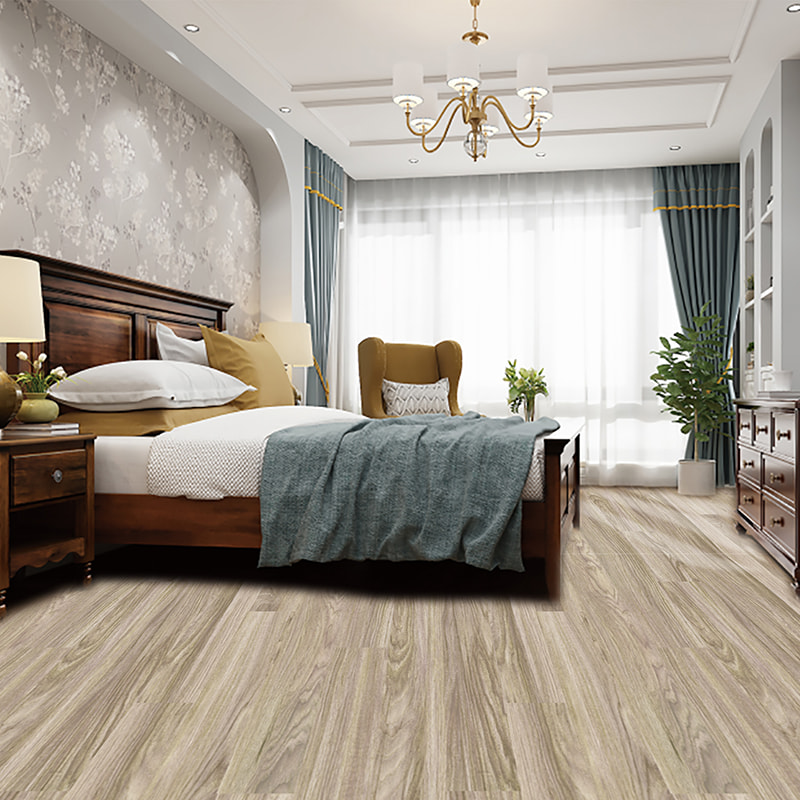
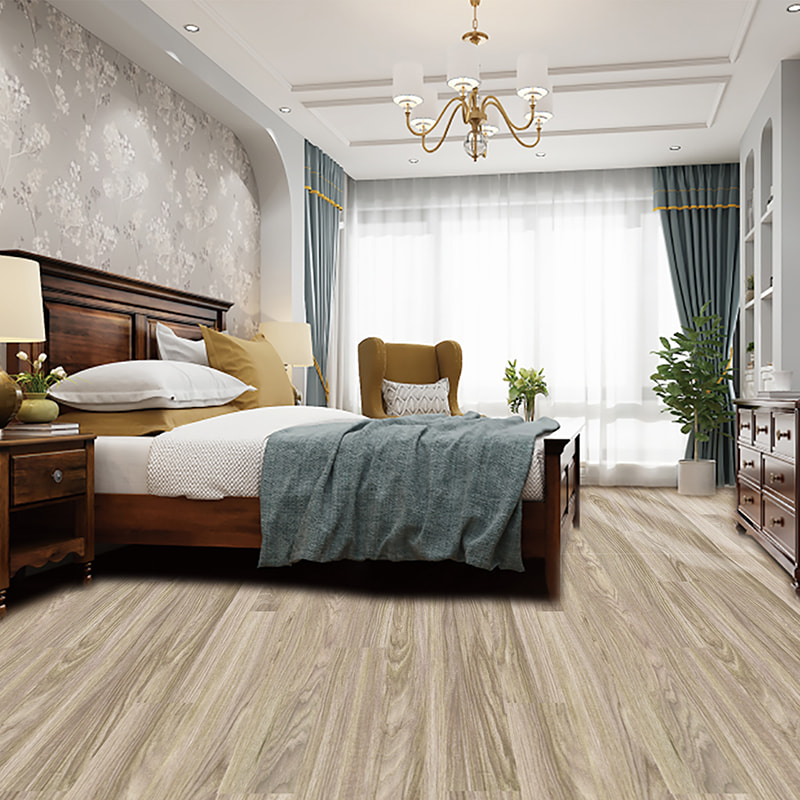
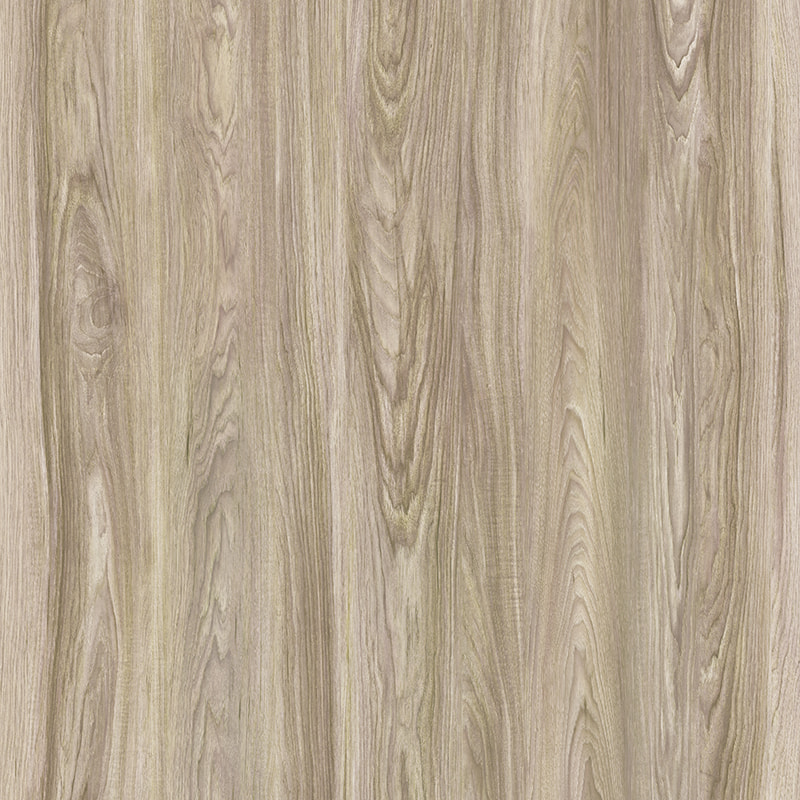

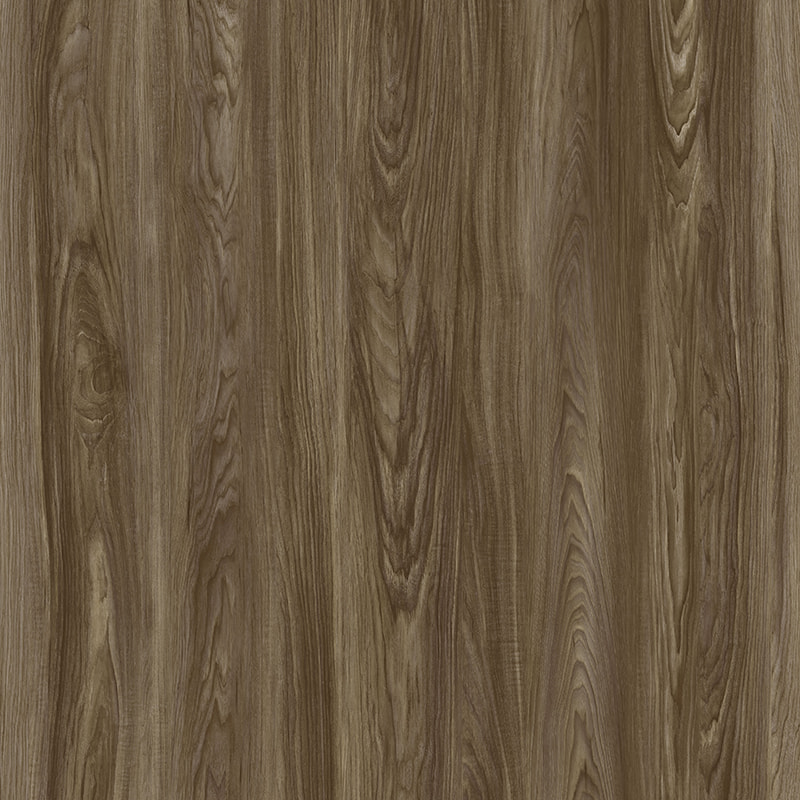
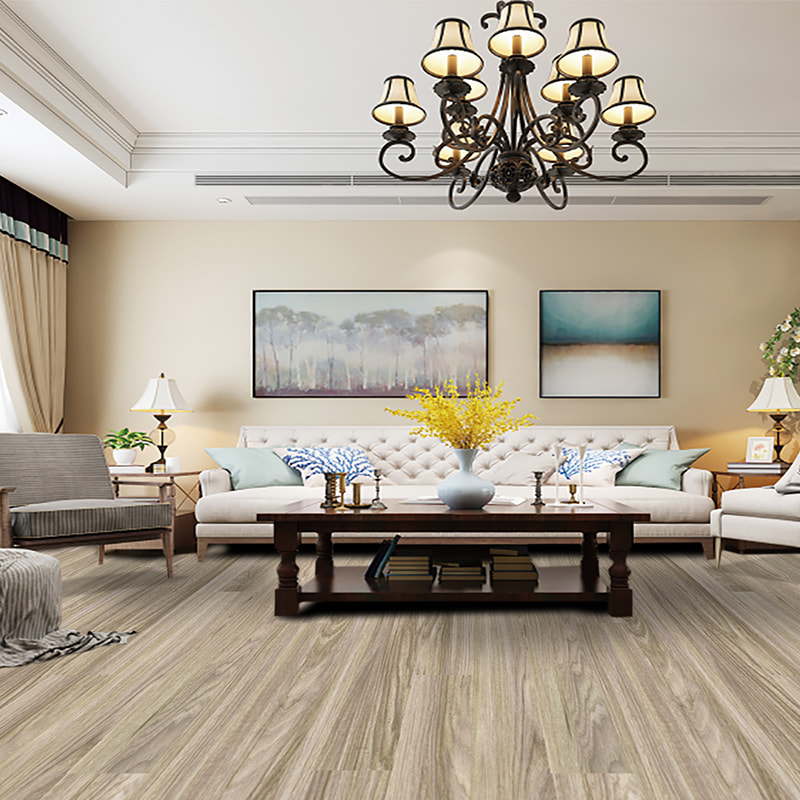
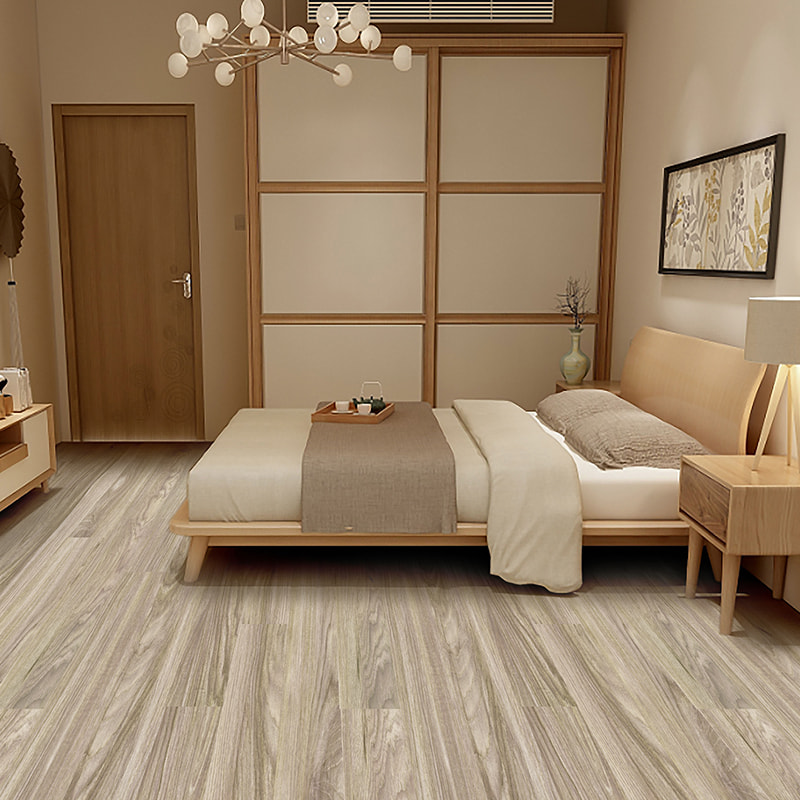
Model: YC977
Wood: Hickory
Spec: 1000*1270mm
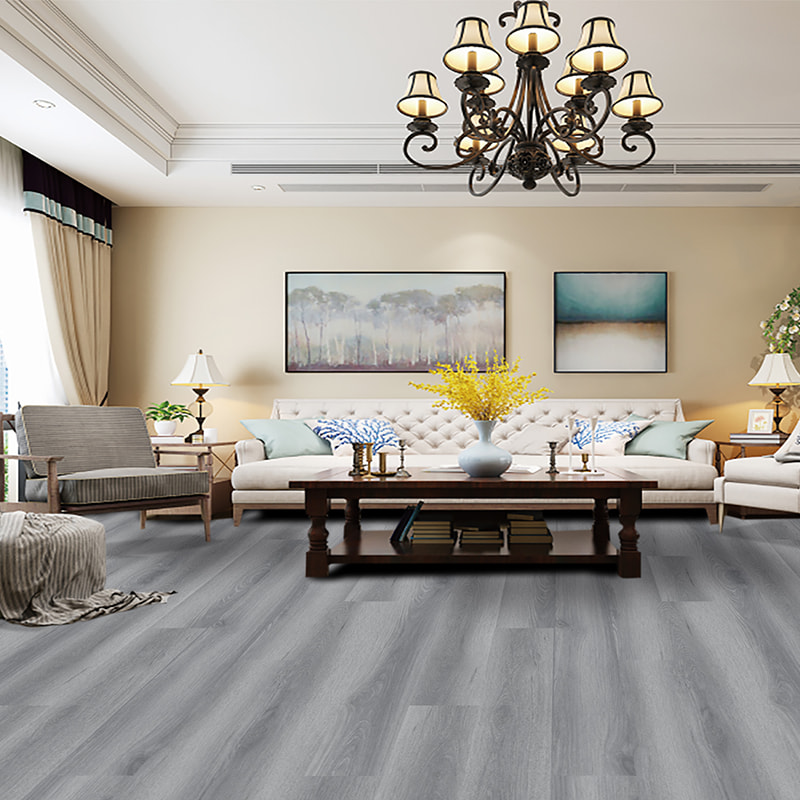
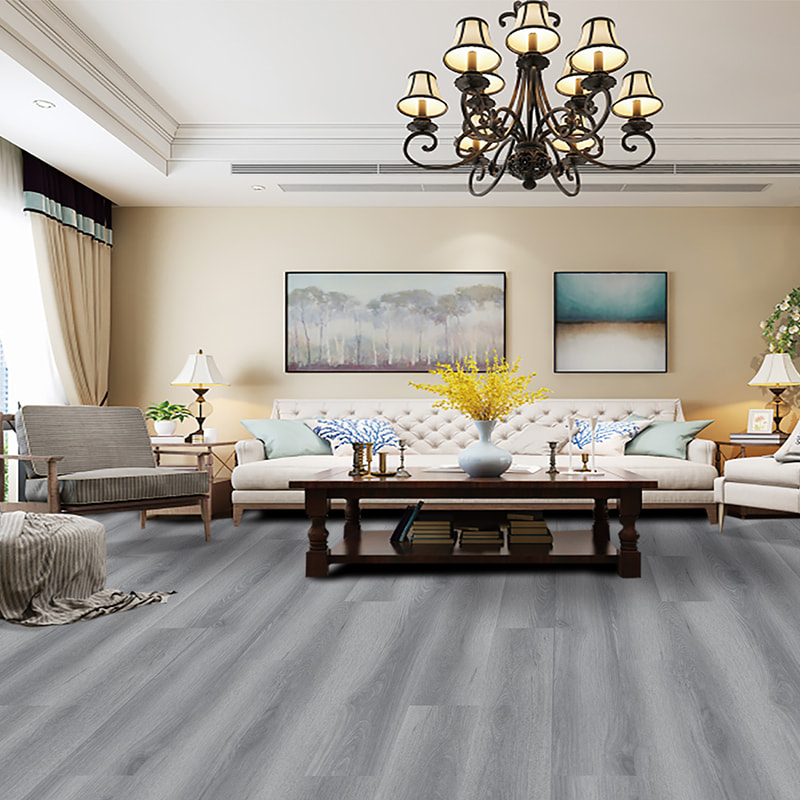
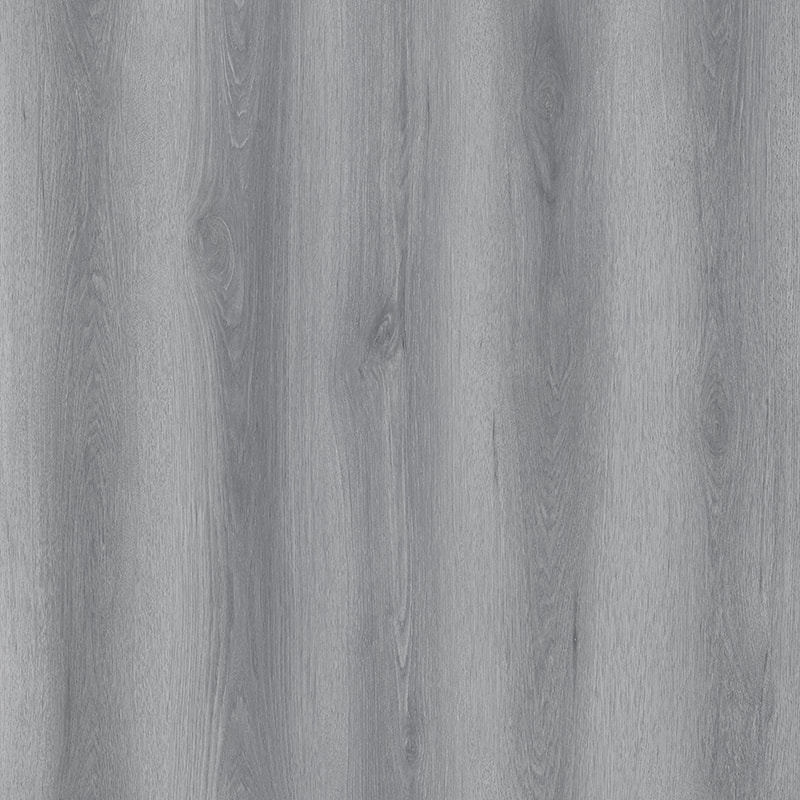
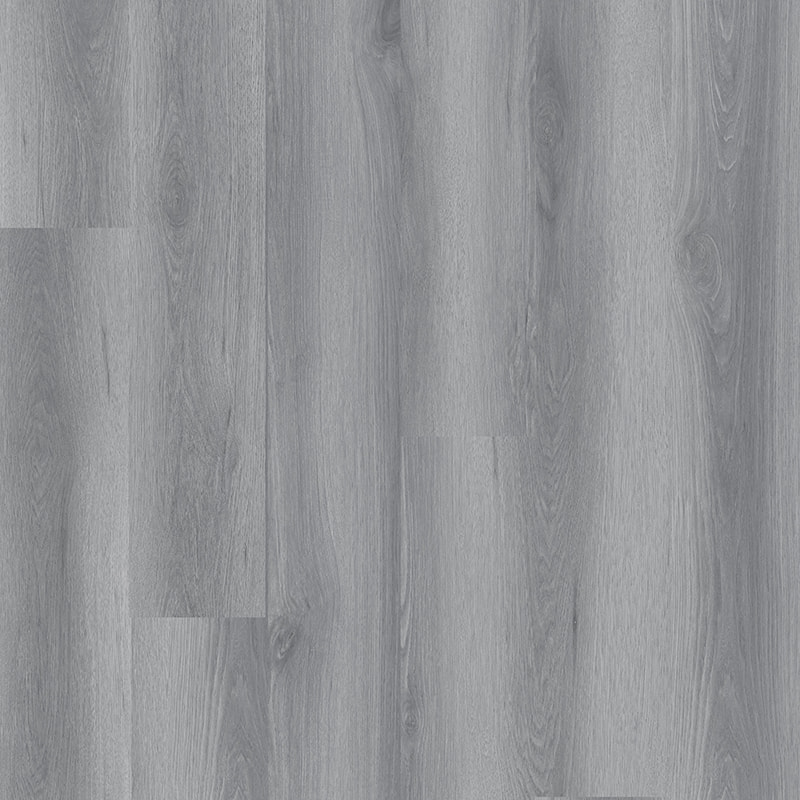
Model: YC978
Wood: Hickory
Spec: 1000*1270mm
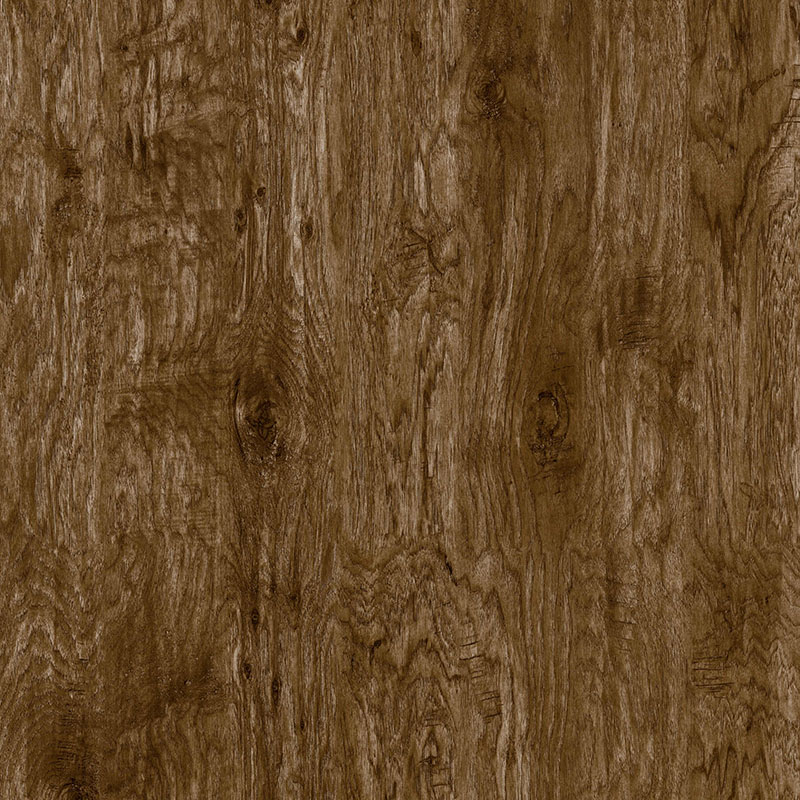
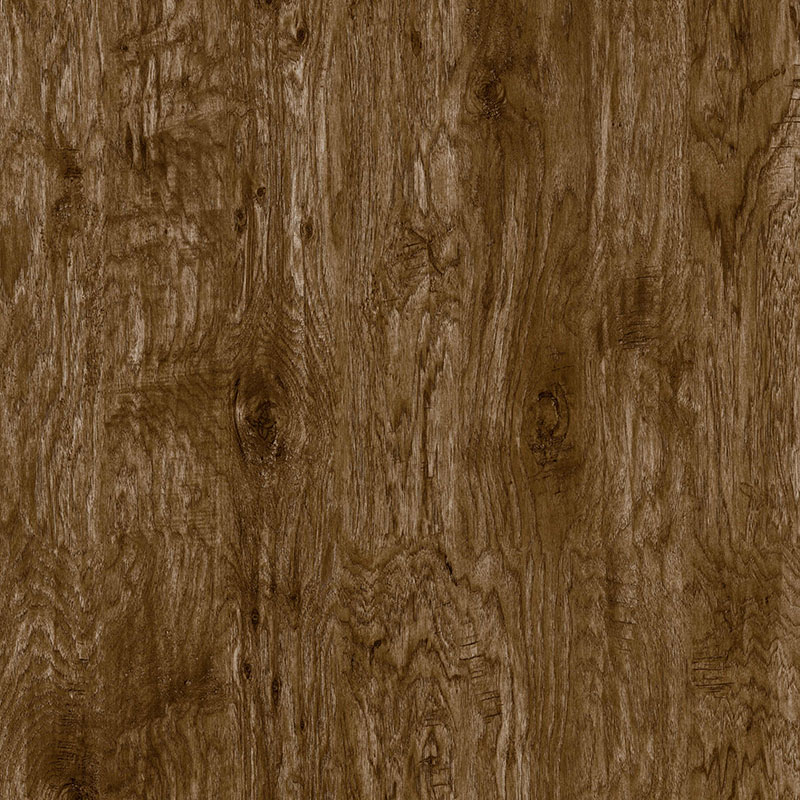
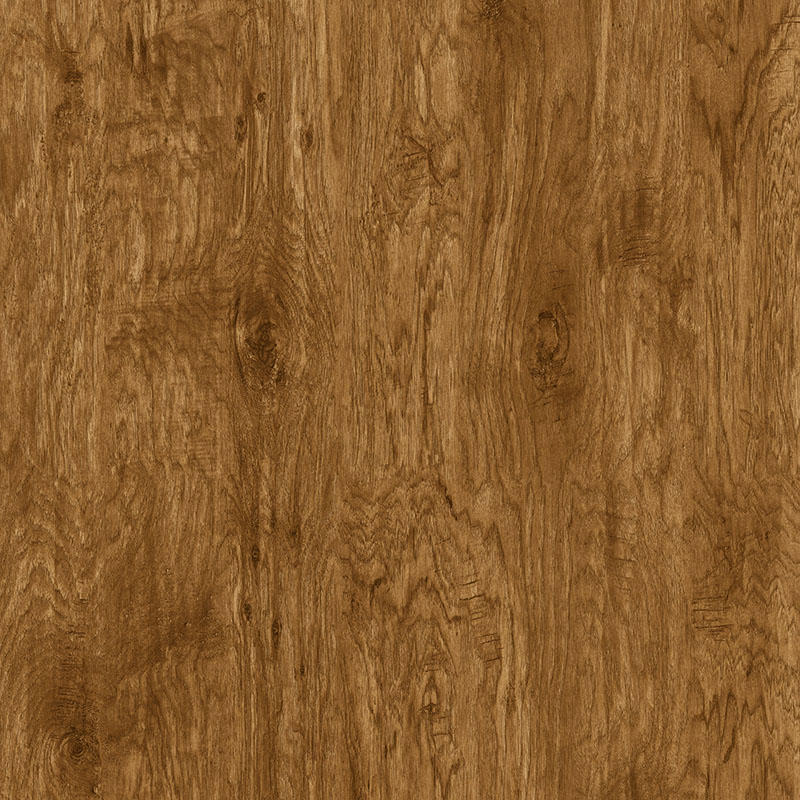
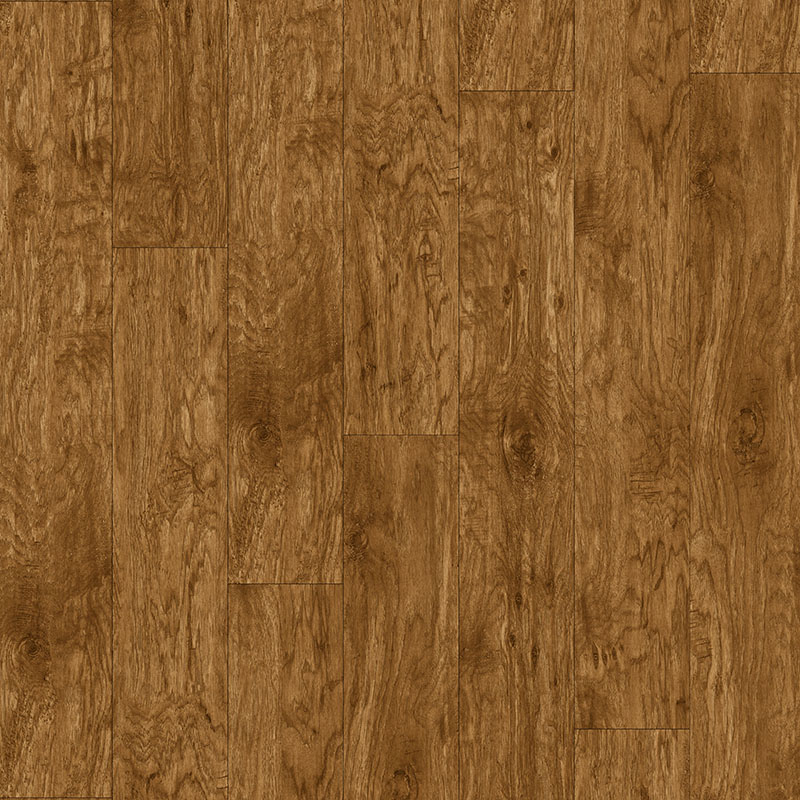
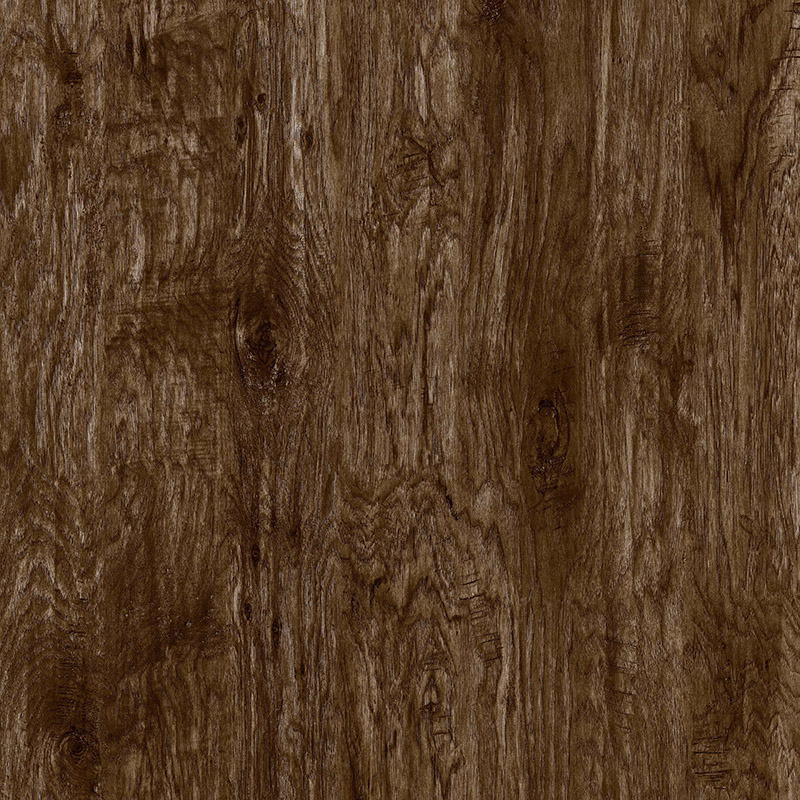
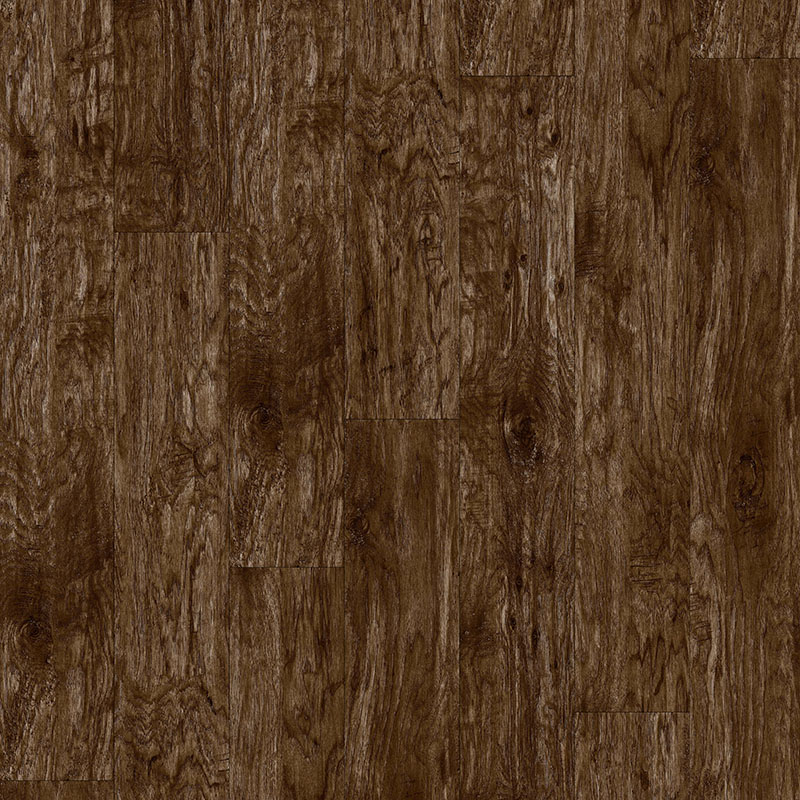
Model: YC981
Wood: Hickory
Spec: 1000*1270mm
Single chip size: 7.25*48"
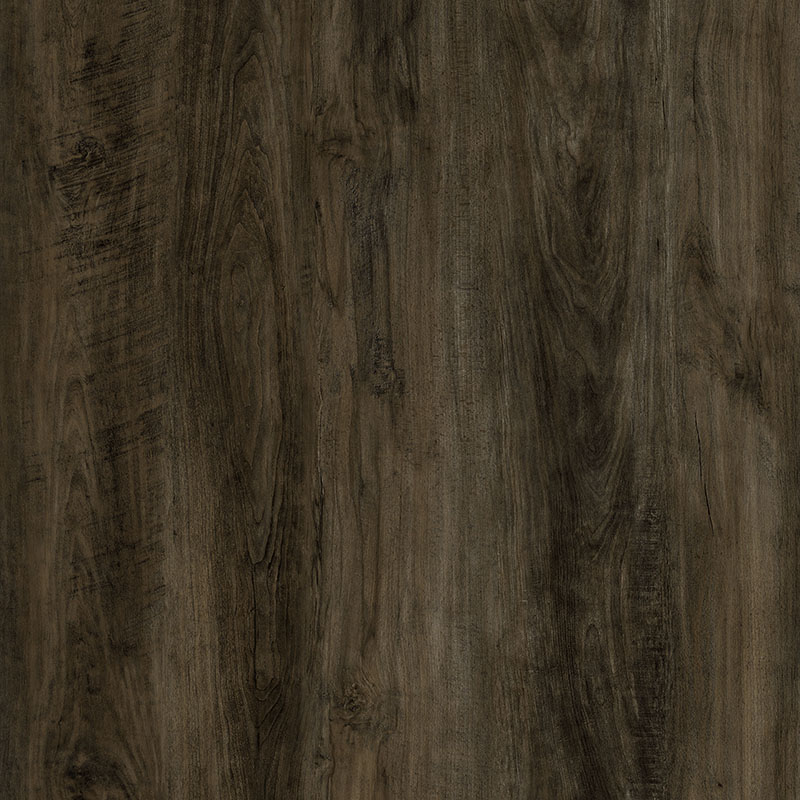
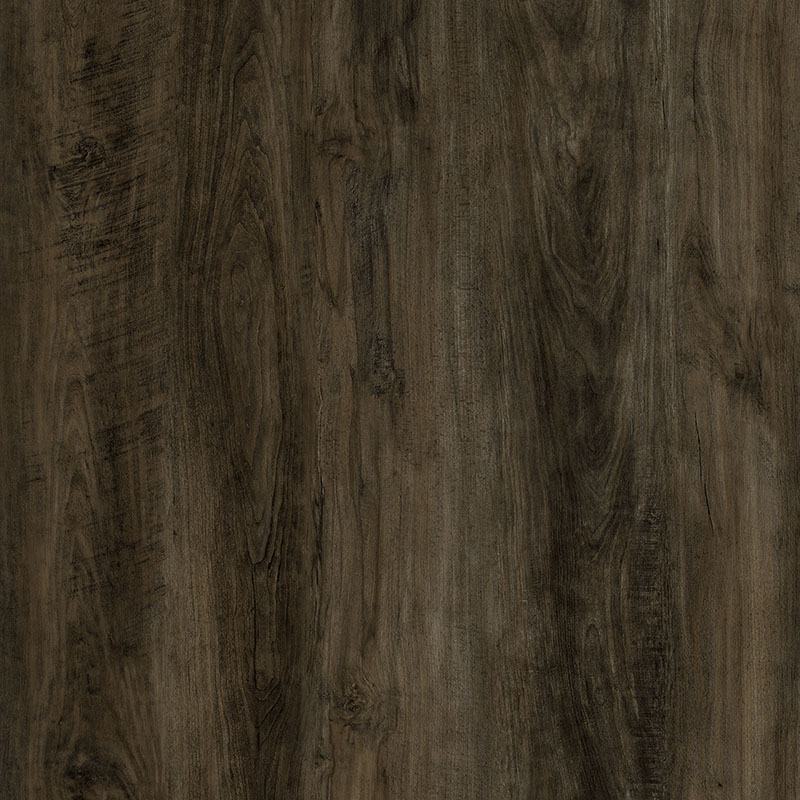
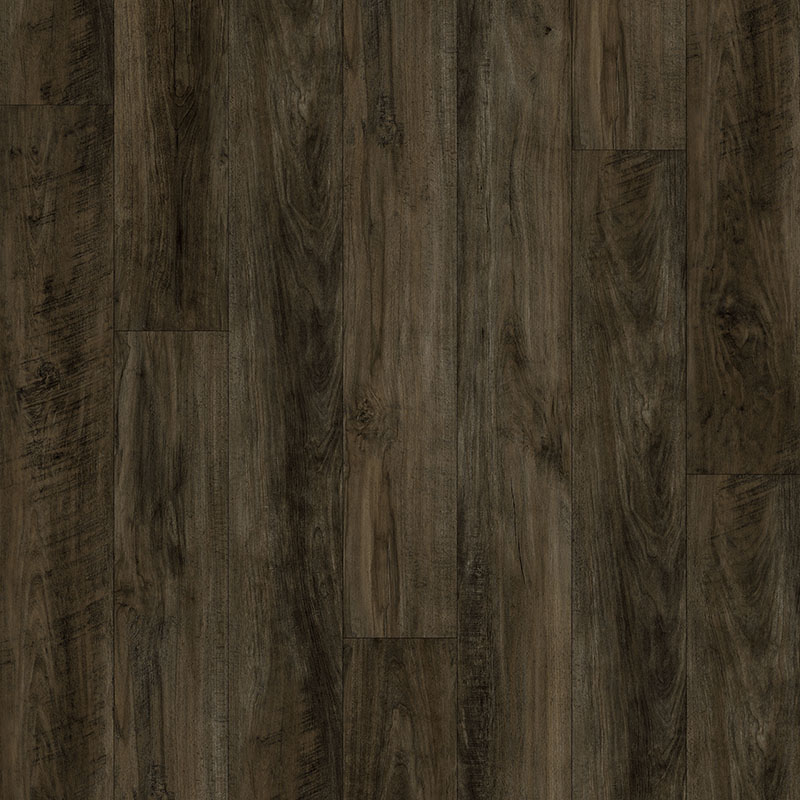
Model: YC1032
Wood: Hickory
Spec: 1000*1580mm
Single chip size: 7.25*60"
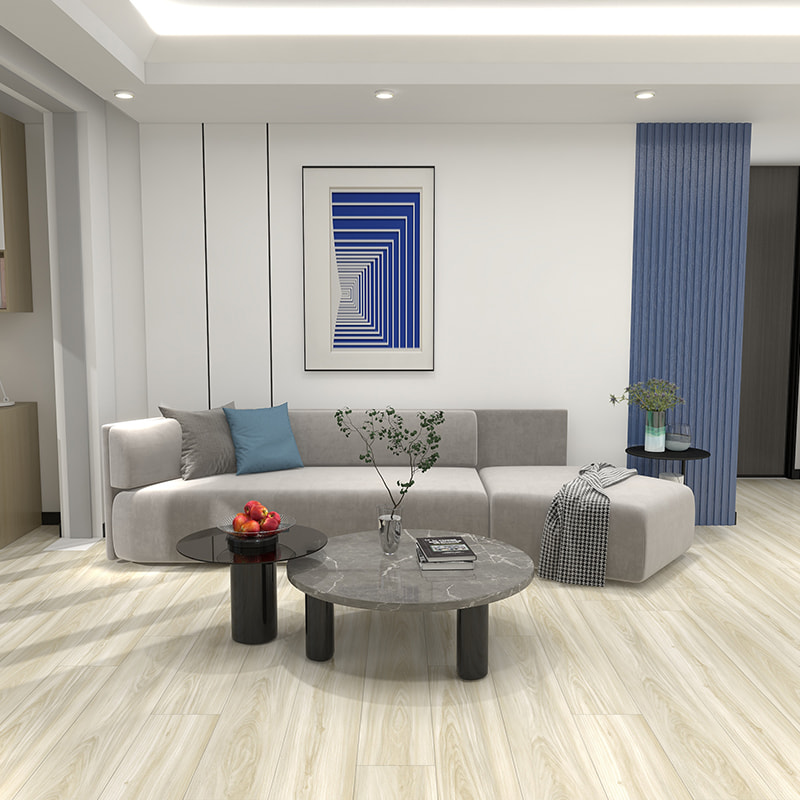
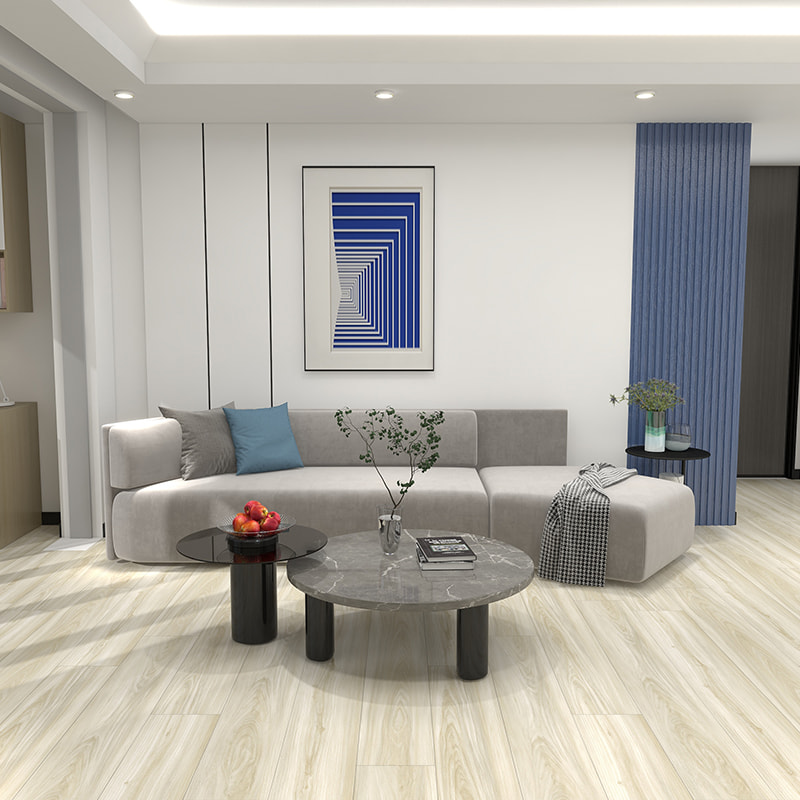
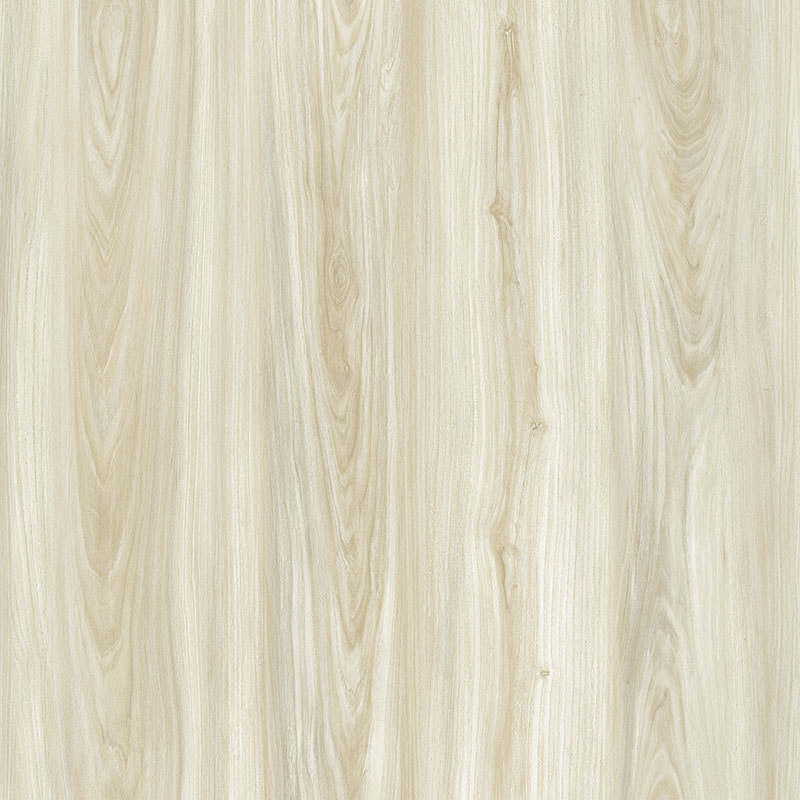
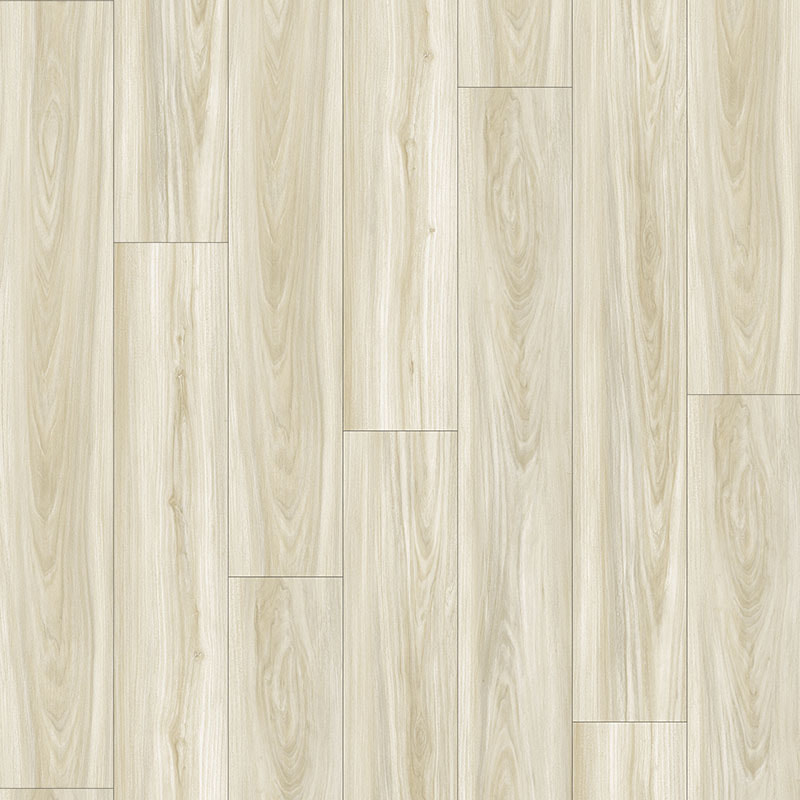
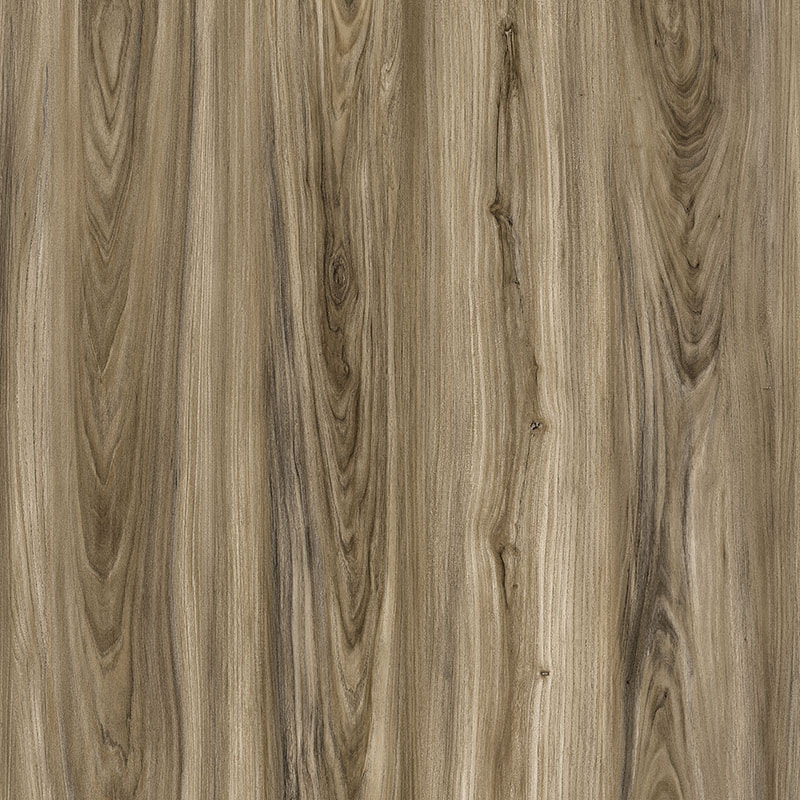
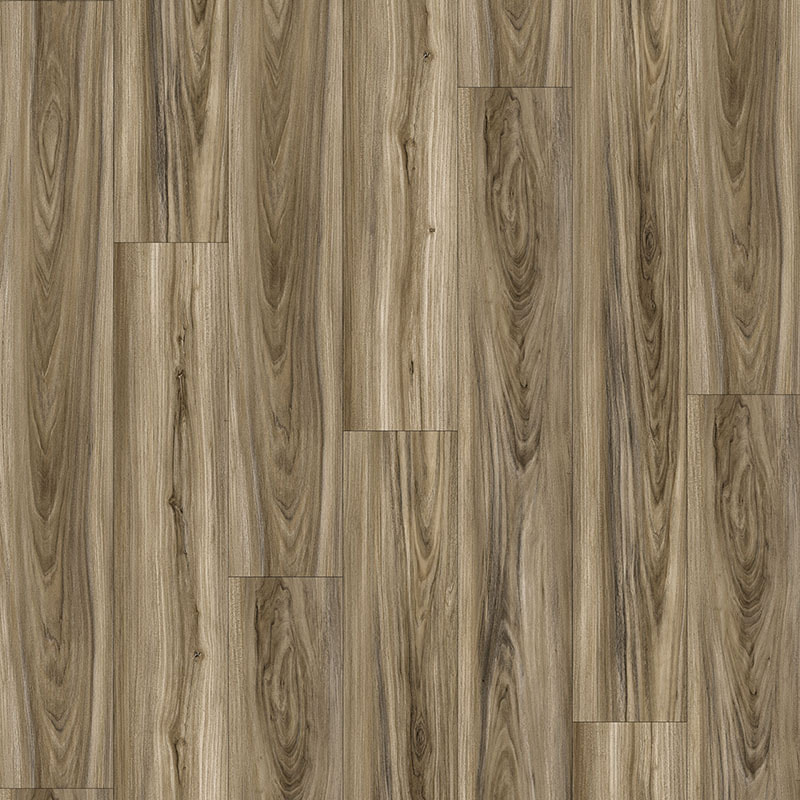
Model: YC1037
Wood: Hickory
Spec: 1000*1570mm
Single chip size: 9*60"
Walk through almost any furniture showroom and you will meet the same surface again and again: a warm, straight-grained...
View MoreHickory has quietly become one of the most requested wood looks in decorative film, and it is easy to see why. It carri...
View MoreYou can usually spot hickory from across a room. The cathedral arches are wide and confident, the colour drifts from pa...
View MoreWhen designers and manufacturers look for a wood grain surface that feels warm, natural, and timeless, hickory often co...
View MoreA workshop receives a bundle of pine veneer for twelve wardrobe doors and finds that the color shifts noticeably betwee...
View MoreHickory (genus Carya) is a diffuse-to-semi-ring-porous hardwood native to North America, and its visual anatomy sits in an awkward middle ground that makes it harder to reproduce convincingly than either a clearly ring-porous species like oak or a clearly diffuse-porous species like walnut. The pores are moderately sized and distributed somewhat unevenly — denser in the early wood but without the abrupt contrast band that defines ring-porous species. What dominates hickory's appearance instead is extreme tonal variation within a single board: the sapwood is creamy white to pale yellow, while the heartwood is reddish-brown to medium tan, and in many boards both zones appear simultaneously, separated by a wavy, irregular boundary rather than a clean line.
This sap-to-heart contrast is the defining visual signature of hickory and the central challenge for decorative film reproduction. A cylinder design must accommodate tonal swings of 60–70% density difference within a single repeat, while keeping the transition zone between sapwood and heartwood organic and irregular rather than mechanical. If the boundary between the light and dark zones follows a geometrically smooth curve — as it tends to when a digital retoucher smooths the scanned source image — the Hickory PVC Film immediately reads as artificial. Preserving the irregular, cell-by-cell quality of that boundary requires either direct high-resolution scanning of actual hickory boards or skilled manual rework of the cylinder separation artwork to reintroduce natural-looking irregularity at the grain level.
Because hickory patterns span from near-white to deep brown within the same repeat, the gravure cylinder must be engraved with an unusually wide cell depth range — from very shallow cells (5–8 µm) in the pale sapwood areas to deep cells (28–35 µm) in the darkest heartwood streaks. Managing this range on a single cylinder without sacrificing transfer quality at either extreme is a technical challenge that constrains press speed and requires precise doctor blade angle control.
At the pale extreme, shallow cells are prone to ink starvation if the doctor blade pressure is set for the deeper cells — the blade wipes too aggressively and the lightest tones print lighter than intended, pushing the sapwood toward white and collapsing the subtle grain detail in that zone. At the dark extreme, deep cells can retain excess ink if the viscosity is optimized for lighter areas, resulting in ink smear in the heartwood bands. The standard engineering solution is to split the hickory pattern across two or three separate ink channels — a light warm base, a medium brown midtone, and a dark reddish-brown shadow — rather than trying to achieve the full tonal range from a single channel. This multipass approach requires tight registration between channels but produces a more stable, repeatable result across long press runs than single-pass deep-range engraving.
Hickory as a decorative species has very different market positioning in North America compared to East Asia, and the pattern conventions that resonate with buyers in each region reflect those different reference frameworks. Understanding this divergence matters for both film manufacturers planning export SKUs and for buyers sourcing film for products destined for specific geographic markets.
In the North American market, hickory is a familiar native species — buyers have physical reference points in actual hickory flooring, furniture, and cabinetry. Patterns intended for this market are expected to be botanically credible: the sap-to-heart contrast should be present and pronounced, knots should be round to oval with properly colored pin knots scattered at irregular intervals, and the grain should be moderately coarse with visible pore detail. Overly "cleaned-up" or simplified hickory patterns tend to be rejected in this market as looking more like generic light wood than hickory specifically.
In East Asian markets — particularly China, Japan, and South Korea — hickory is primarily a design reference rather than a familiar material. Buyers are drawn to it for its high-contrast, rustic energy rather than for botanical accuracy. Patterns that emphasize the dramatic light-dark contrast and bold grain movement, even at the expense of strict anatomical correctness, often perform better commercially. Knot frequency can be higher, the sap-heart boundary can be more graphic, and color saturation can be pushed toward warmer, richer tones than a North American botanist would recognize as accurate. Our hickory film series includes variants calibrated for both market orientations, a product range built from tracking customer feedback across export markets over multiple seasons.
Knots are among the most visually prominent features in hickory lumber and among the most technically demanding elements to reproduce well in a gravure-printed decorative film. A well-executed knot creates a local interruption in the surrounding grain flow — the grain lines curve around the knot perimeter in a pattern called "flow lines" or "grain deflection" — and the knot itself has a distinct internal structure: a dark pith core, a transition zone of compressed grain, and a color shift toward deeper red-brown at the center.
In gravure printing, knots require concentrated areas of deep ink cells surrounded by transitional mid-depth cells that create the grain deflection effect. The challenge is that the grain deflection zone must be printed at moderate density while the surrounding grain continues at its normal density — requiring accurate cell depth gradation across a 15–25 mm radius around each knot center. If this transition is abrupt rather than gradual, the knot appears pasted onto the surface rather than integrated into the wood structure. Achieving a convincing grain deflection effect requires the cylinder engraver to work at full resolution (not reduced for large-format engraving economy) within the knot radius, which adds significantly to cylinder preparation time and cost.
Because the print repeat in even a high-quality hickory film is finite — typically 1,200 to 2,000 mm — knots will reappear at fixed intervals along the length of any installed surface. The standard mitigation is to include multiple knot positions within the repeat at different cross-web locations, and to design the knots with slightly different sizes and color intensities so that even when the pattern tiles, no two adjacent knots are visually identical. A minimum of four to six distinct knot variants within a single repeat is generally considered adequate for residential applications; commercial and hospitality projects with long unbroken floor runs may require custom extended repeats of 2,400 mm or more to reduce tiling visibility. When evaluating hickory film samples, rolling out at least 2.5 m of material and inspecting the full length under raking light is the most reliable way to assess knot repetition before purchase.
The surface texture applied over a hickory decorative film — whether through the wear layer emboss on SPC flooring, the topcoat on furniture film, or a direct texture in the film itself — must reconcile hickory's wild visual character with the practical requirements of the end application. Hickory lumber, when used in real flooring, is typically sanded smooth despite its dramatic appearance; the grain wildness is purely visual, not tactile. This means there is no single "correct" texture for hickory film — the choice is a design decision driven by the intended aesthetic and application context.
The wide tonal range that makes Hickory PVC Decorative Film visually striking also creates a specific colorfastness risk that does not affect lower-contrast species patterns to the same degree. When a hickory film fades under UV exposure, the pale sapwood zones and the dark heartwood zones do not fade at equal rates. Pale zones — printed with low ink density — are relatively stable because there is less colorant present to break down. Dark zones — printed with high ink density — contain more pigment but also typically contain a higher proportion of the organic colorants most susceptible to UV degradation, particularly the reddish-brown pigments that define hickory's heartwood color.
The practical result is that differential fading compresses the tonal contrast over time: the heartwood shifts toward a duller, cooler brown while the sapwood remains near its original tone. This narrowing of contrast does not necessarily look like "fading" in the conventional sense — the overall color may not shift dramatically — but the visual impact of the pattern is progressively reduced. In a near-window installation after three to five years, a hickory film that was selected precisely for its bold contrast can come to resemble a much more subdued, conventional medium-brown wood pattern.
Addressing this requires different UV stabilization strategies for the light and dark ink channels. The dark reddish-brown channels should use pigments with ISO 105-B02 light fastness ratings of grade 7 or above — perylene-based reds and iron oxide browns meet this threshold. The HALS (hindered amine light stabilizer) concentration in the ink formulation should be weighted toward the dark channels rather than distributed uniformly. Buyers evaluating hickory film for high-UV-exposure applications — south-facing rooms, sunrooms, or retail spaces with extended display lighting — should specifically request accelerated weathering test data for both the lightest and darkest tonal zones of the pattern, not just an overall ΔE value for the full design.
In SPC and LVT flooring assemblies, the decorative film contributes negligibly to acoustic performance on its own — the sound reduction work is done by the IXPE or EVA underlay, the mass of the core, and the subfloor construction. However, specifying hickory film for flooring projects often involves coordinating with acoustic requirements because hickory-pattern products are disproportionately used in product lines targeting the North American residential market, where impact sound insulation (IIC rating) is a frequently specified performance parameter in multi-family housing.
The following table summarizes the relationship between typical SPC flooring constructions and their impact sound performance, which provides useful context when specifying hickory film for flooring products targeting regulated residential markets:
| Construction | Total Thickness | Underlay Type | Typical IIC Rating | Typical STC Rating |
| SPC, no underlay | 4–5 mm | None | IIC 44–48 | STC 42–45 |
| SPC + attached IXPE | 6–7 mm | 1.5 mm IXPE | IIC 50–54 | STC 46–49 |
| SPC + attached EVA | 7–8 mm | 2 mm EVA | IIC 52–56 | STC 47–51 |
| SPC + separate acoustic mat | 10–12 mm total | 3–4 mm rubber/foam mat | IIC 60–66 | STC 52–56 |
Most North American multi-family building codes require a minimum IIC of 50 between floor/ceiling assemblies; some jurisdictions and premium developments specify IIC 55 or above. A hickory film product destined for this market therefore needs to be paired with a core and underlay specification that meets the required threshold, and the film supplier's technical documentation should confirm that the decor film lamination process does not compromise the underlay bond integrity that contributes to the composite assembly's acoustic mass.



Contact
 China Company Address: No.5 Zhaojia Road,
Vietnam Factory Address: GNP Yen Binh
1 - lndustrial Center (Lot CN13,CN18,Yen
Binh Industrial Park, Ward, Dng Tien, Ph8 Yen,
Thai Nguyen 24000)
Thailand Factory Address: 289/12 Moo 7, Klong Kiu Sub-District, Ban Bueng District, Chonburi 20220 THAILAND
China Company Address: No.5 Zhaojia Road,
Vietnam Factory Address: GNP Yen Binh
1 - lndustrial Center (Lot CN13,CN18,Yen
Binh Industrial Park, Ward, Dng Tien, Ph8 Yen,
Thai Nguyen 24000)
Thailand Factory Address: 289/12 Moo 7, Klong Kiu Sub-District, Ban Bueng District, Chonburi 20220 THAILAND
 Tel: +86-13685281168
+86-13813687178
Tel: +86-13685281168
+86-13813687178
 E-mail: [email protected]




 English
 русский