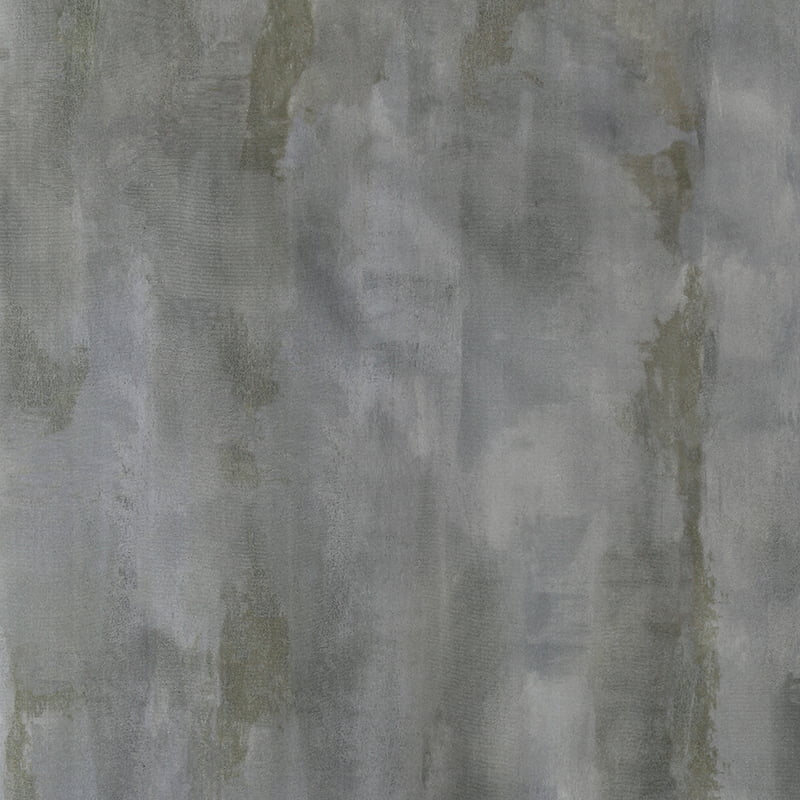
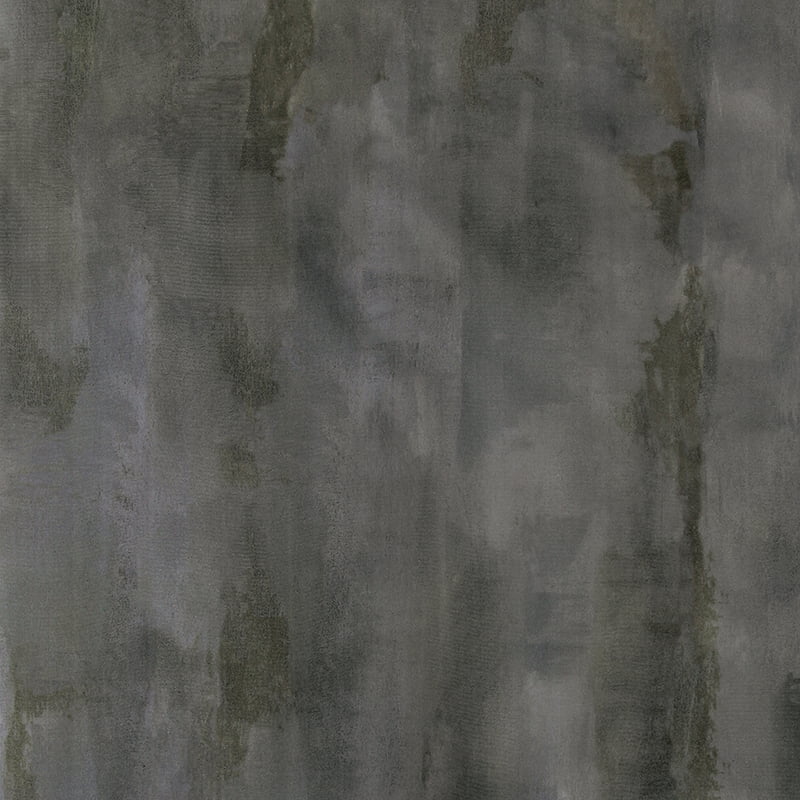
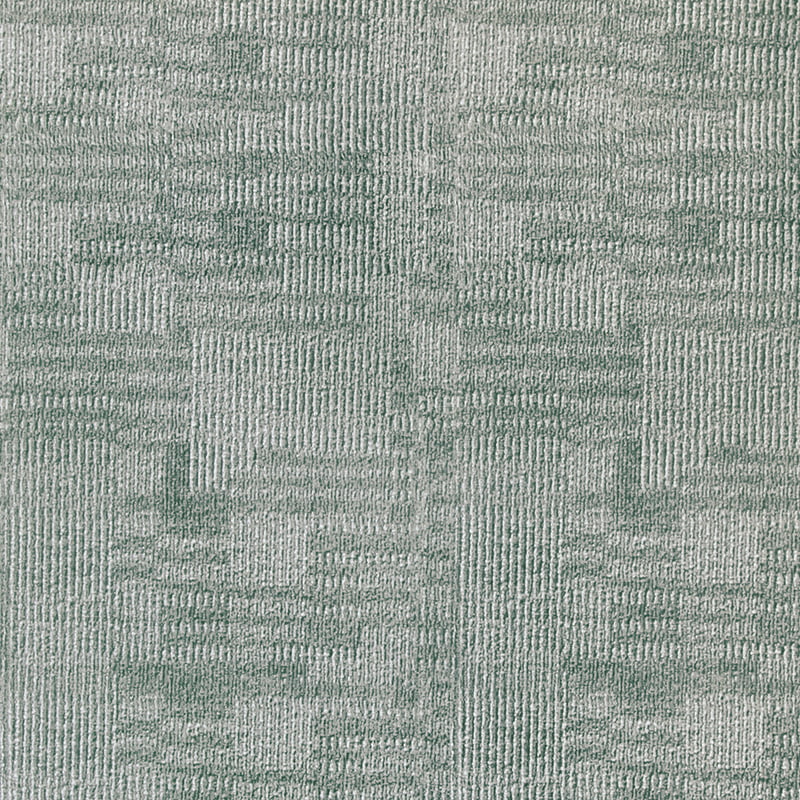
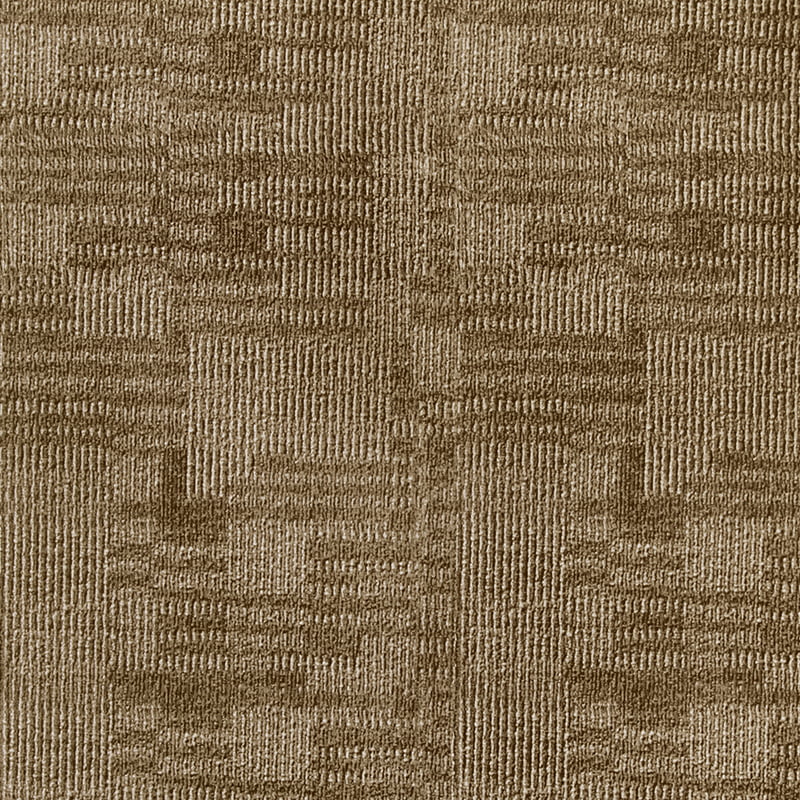
Compared with real carpets, the design of the carpet grain is more resistant to dirt and wear, saving the trouble of cleaning. Our carpet grain are colorful and suitable for large-scale laying in schools and hospitals, which also reduces costs.


Model: YC811
Wood: Carpet
Spec: 1000*940mm


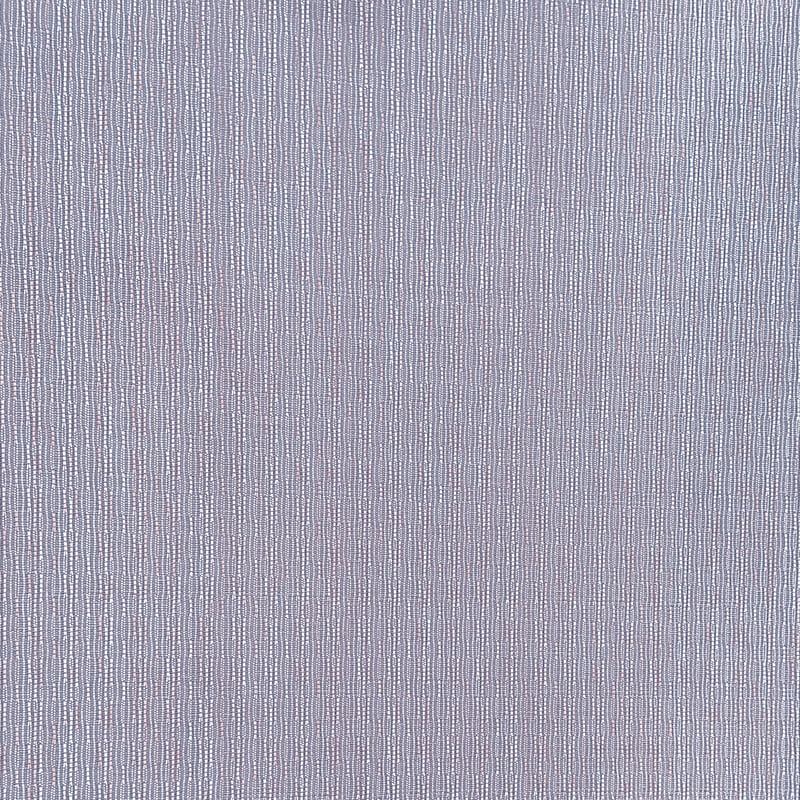

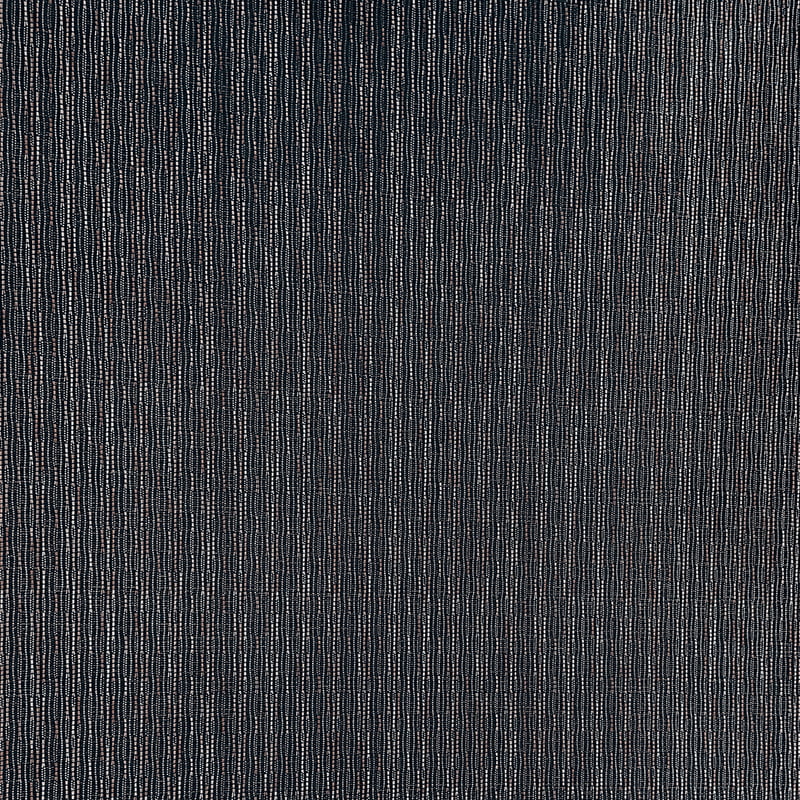
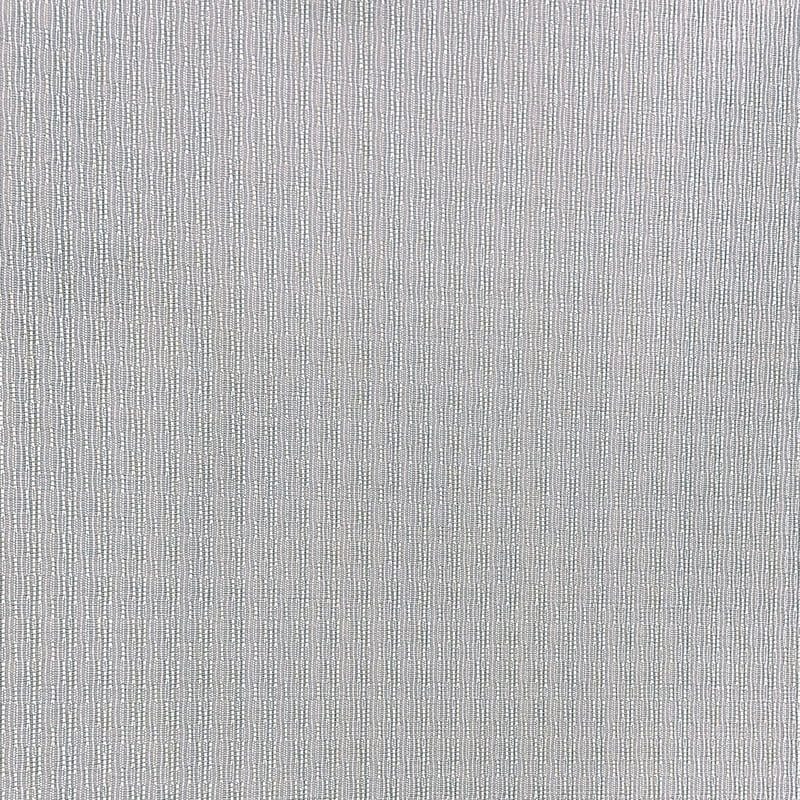

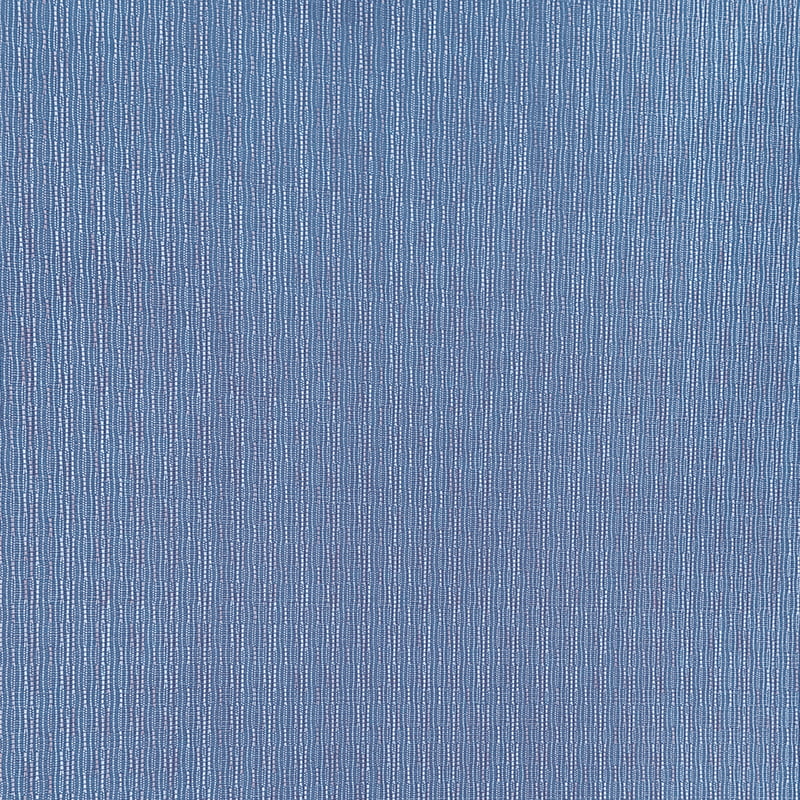
Model: YC812
Wood: Carpet
Spec: 1000*940mm


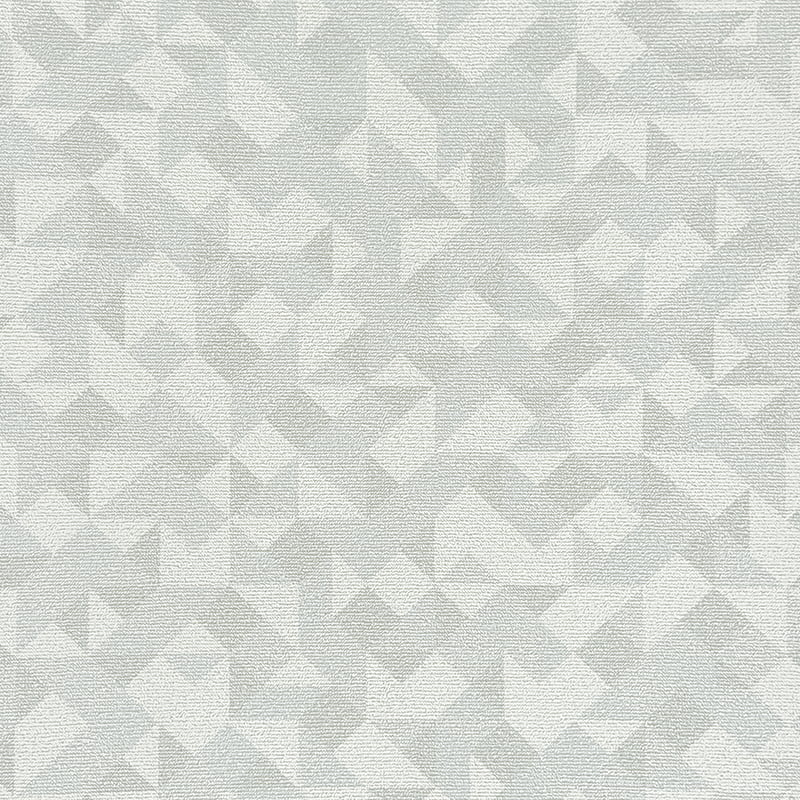
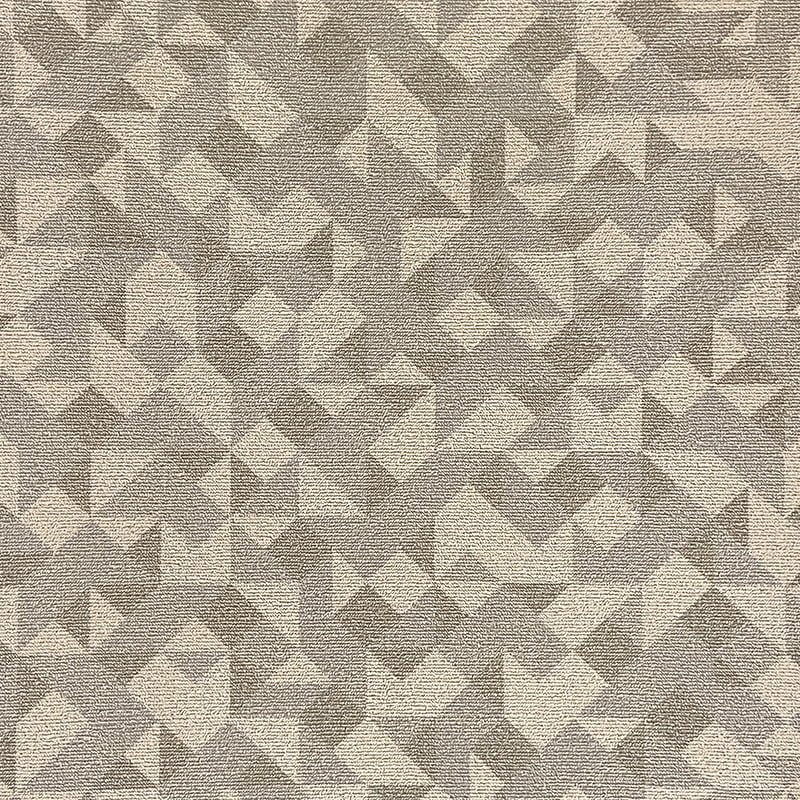

Model: YC813
Wood: Carpet
Spec: 1000*940mm


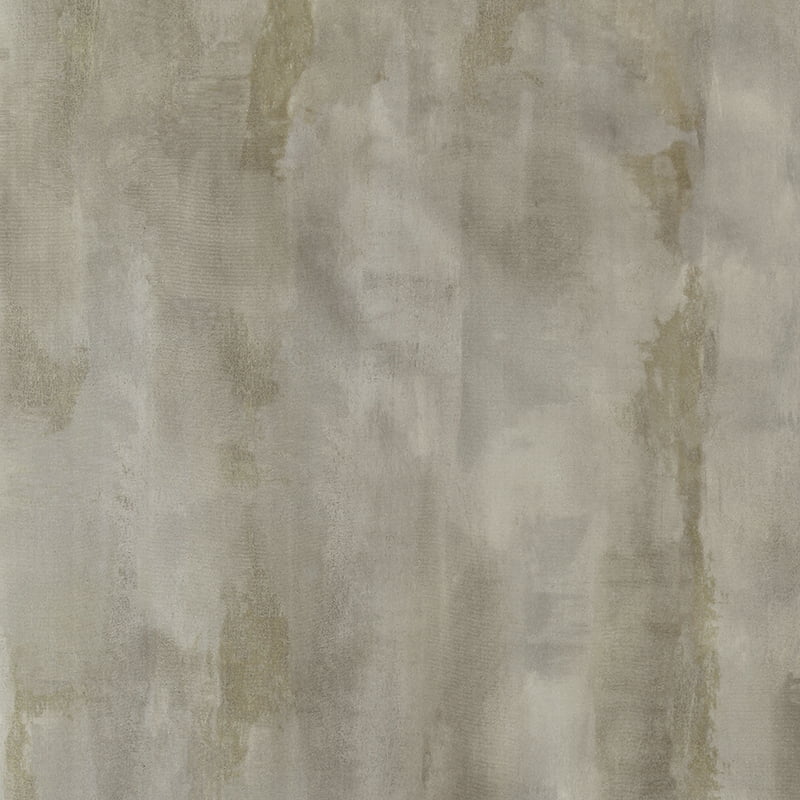

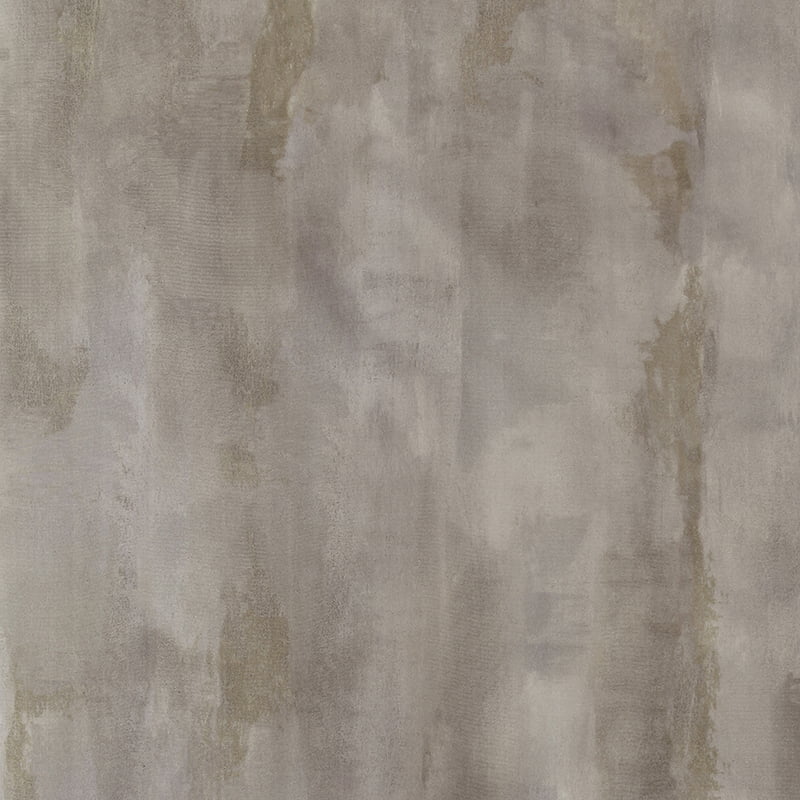

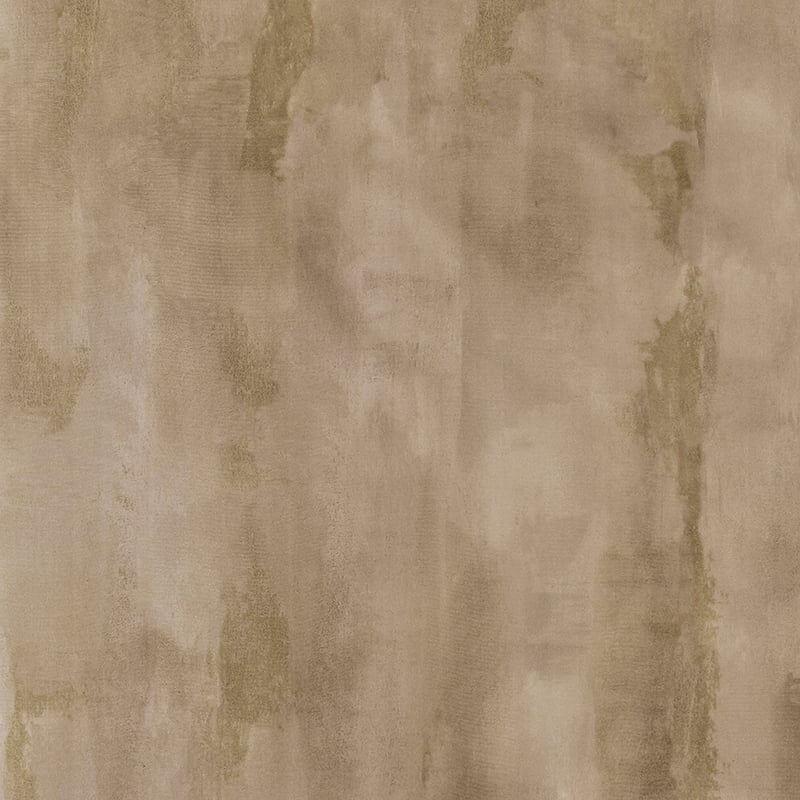
Model: YC855
Wood: Carpet
Spec: 1000*1270mm

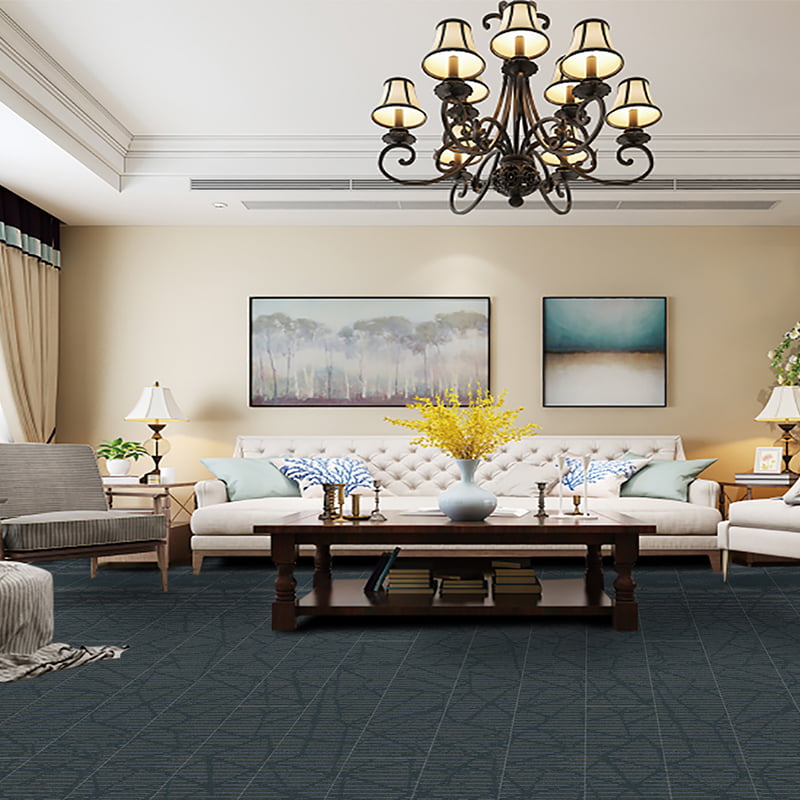


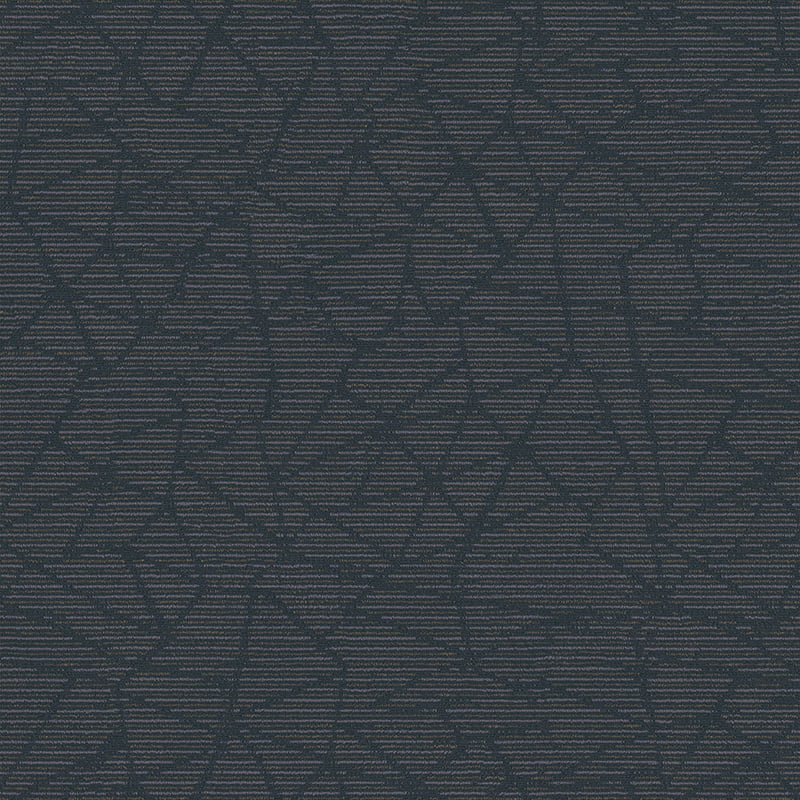

Model: YC932
Wood: Carpet
Spec: 1000*1270mm


Model: YC1736
Wood: Carpet
Spec: 1000*1250mm
Single chip size: 12*24"


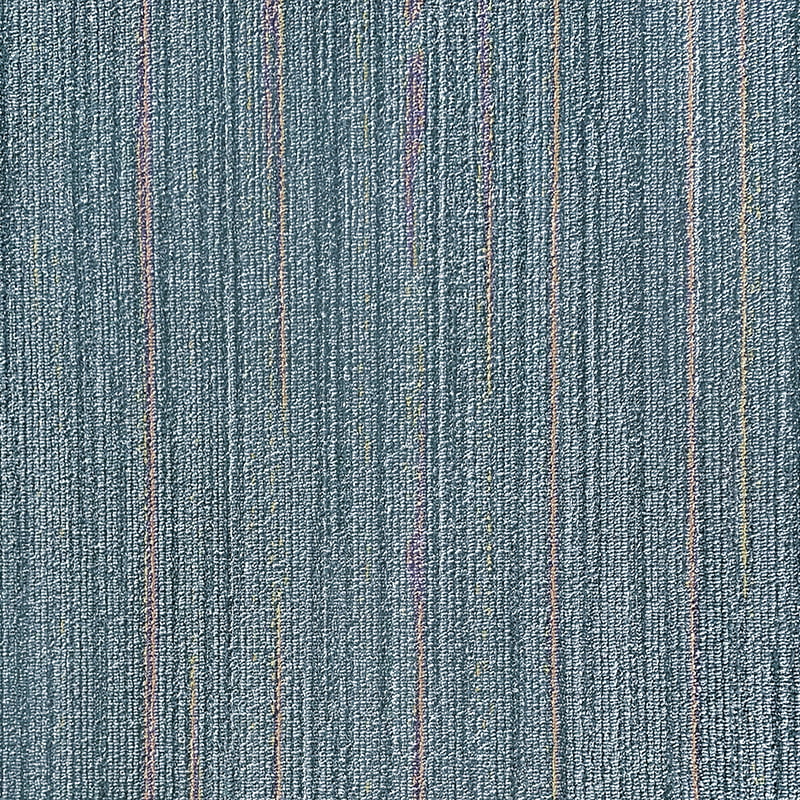


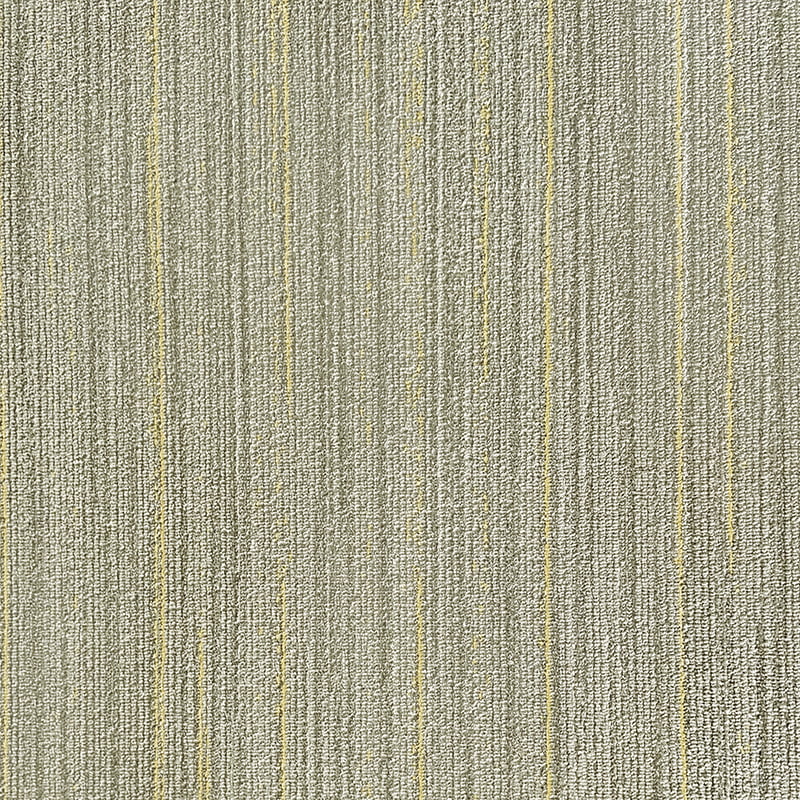
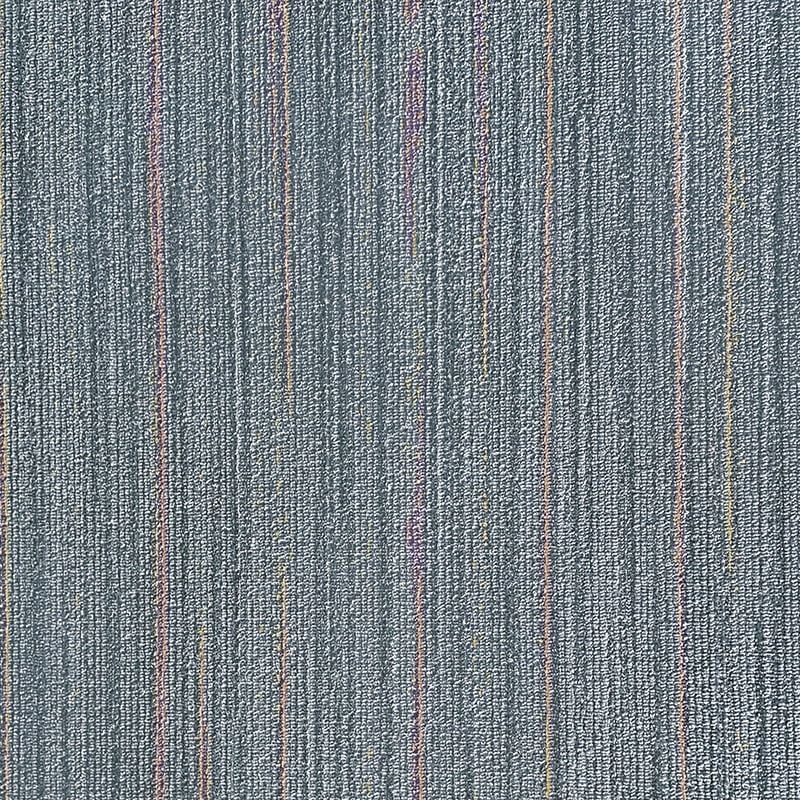


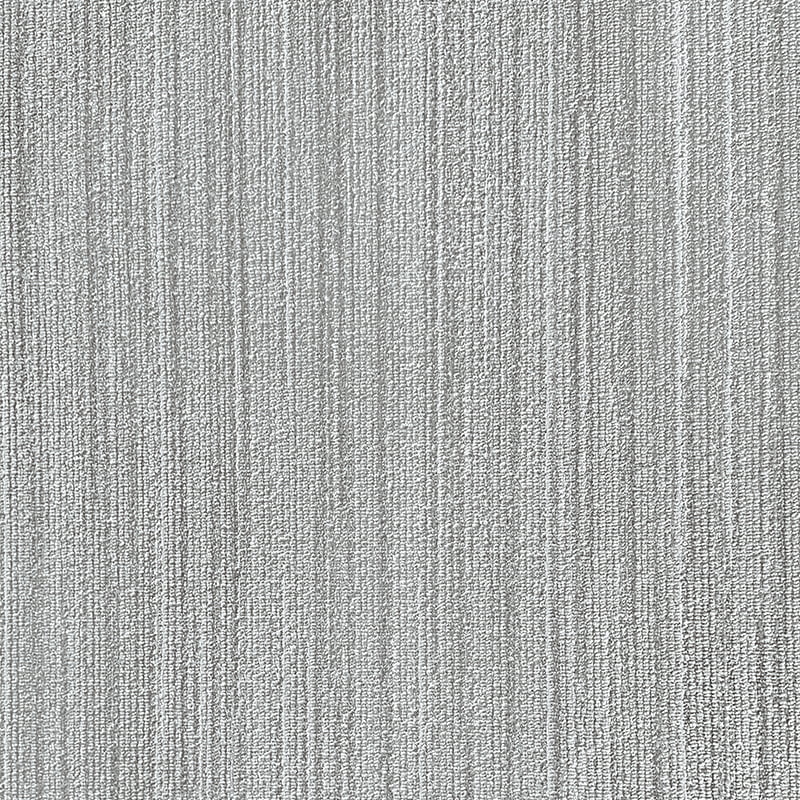


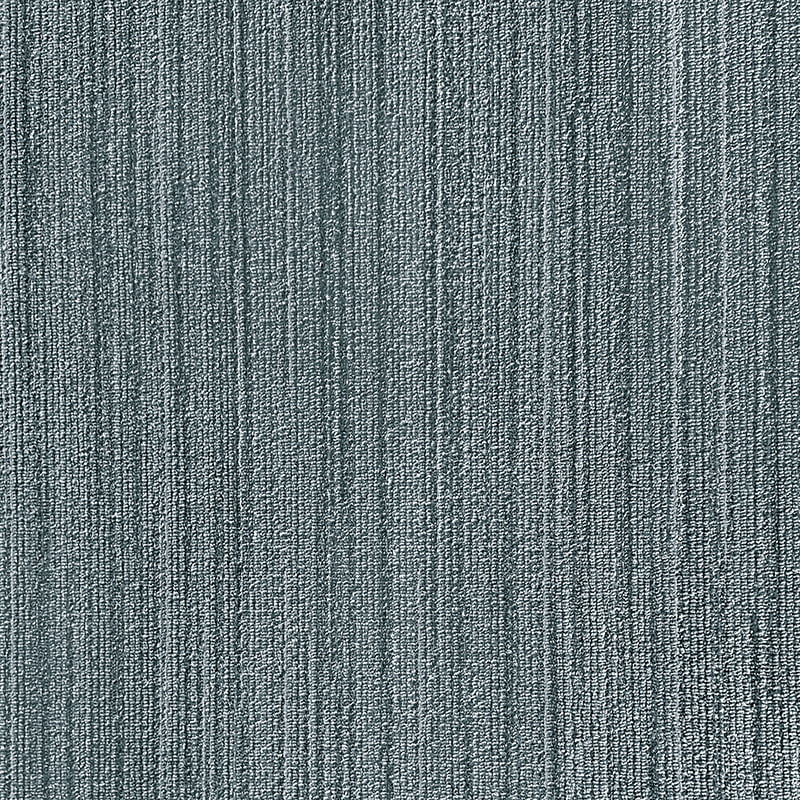

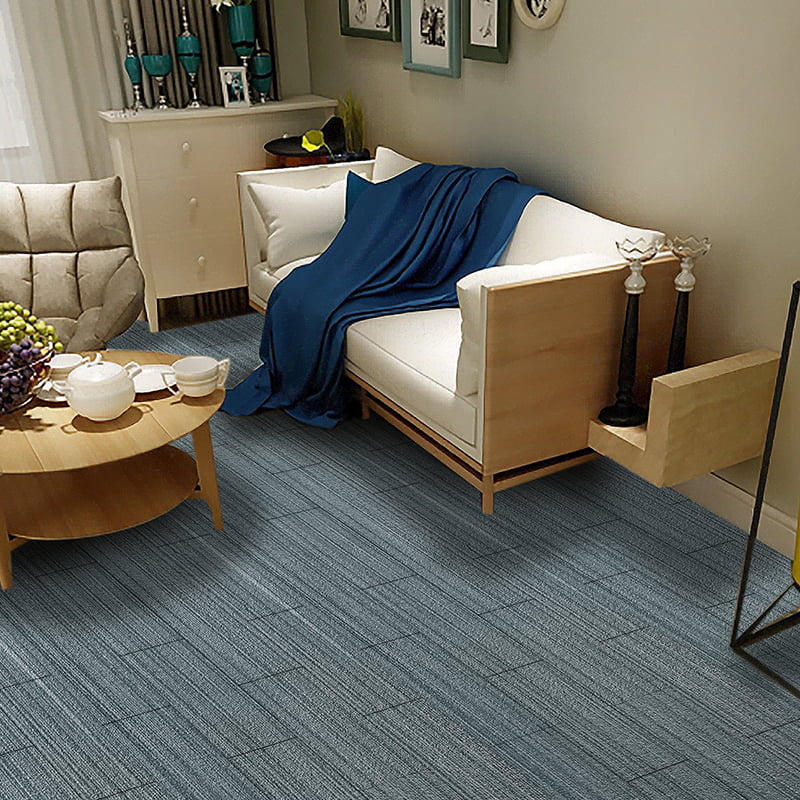
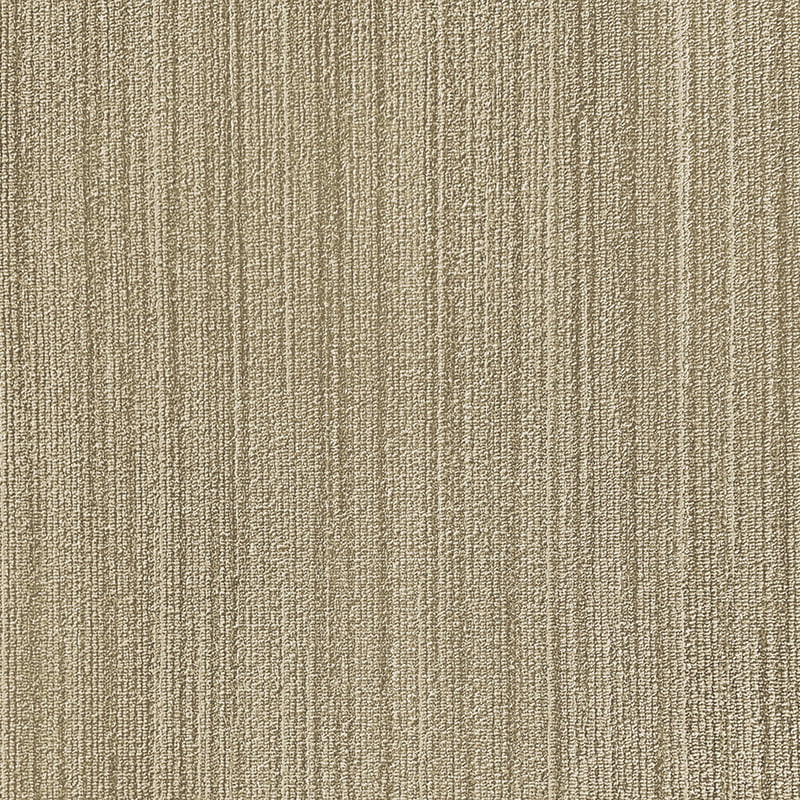
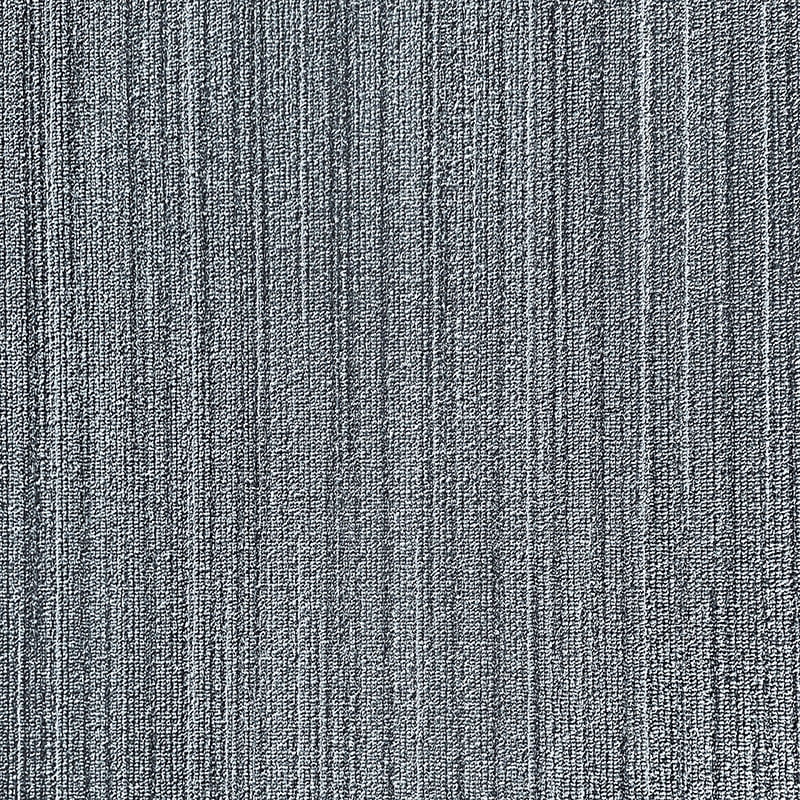
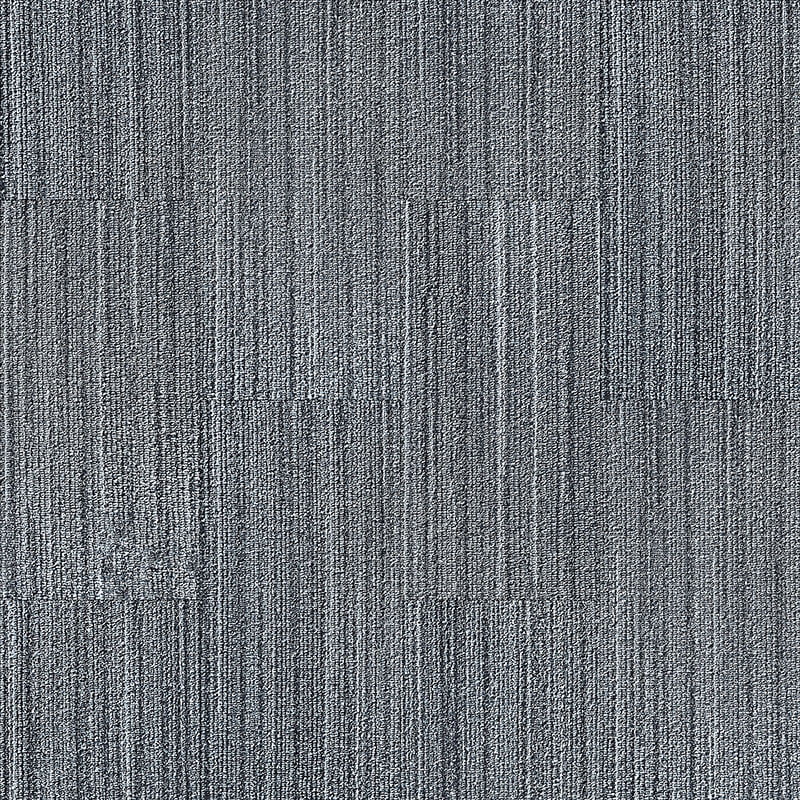
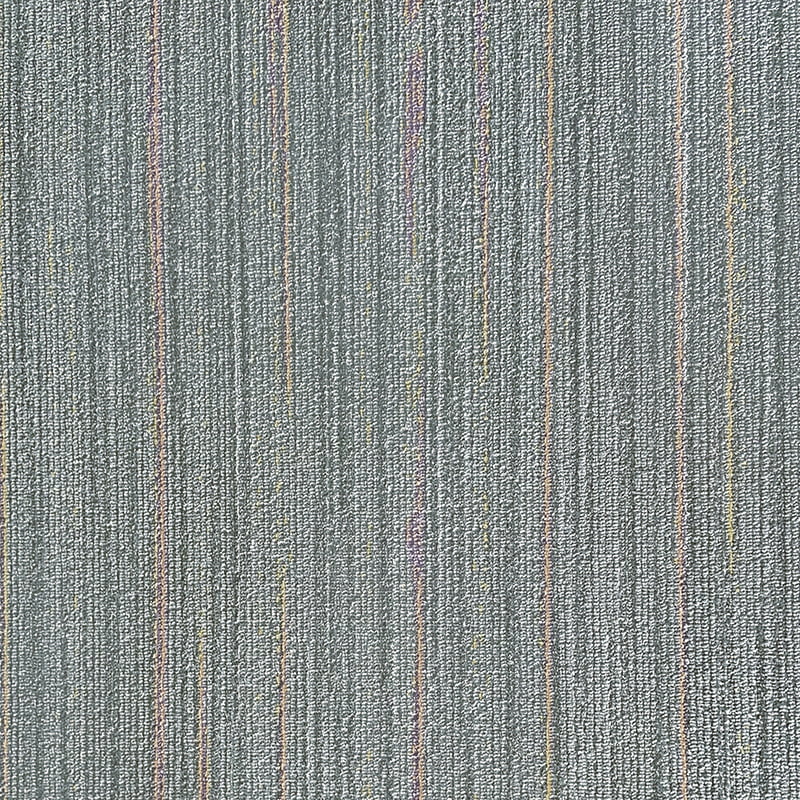

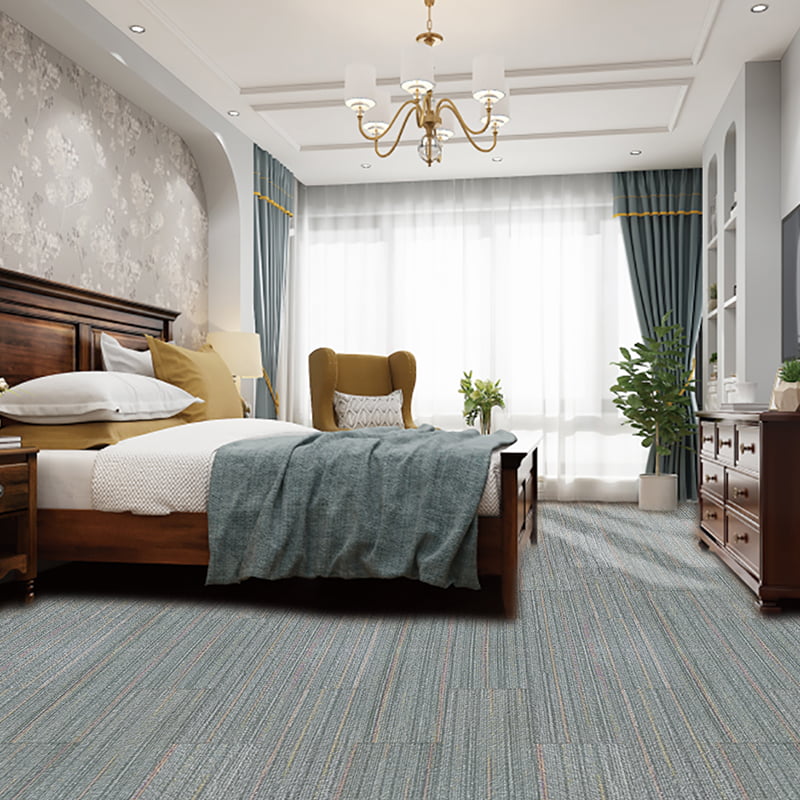


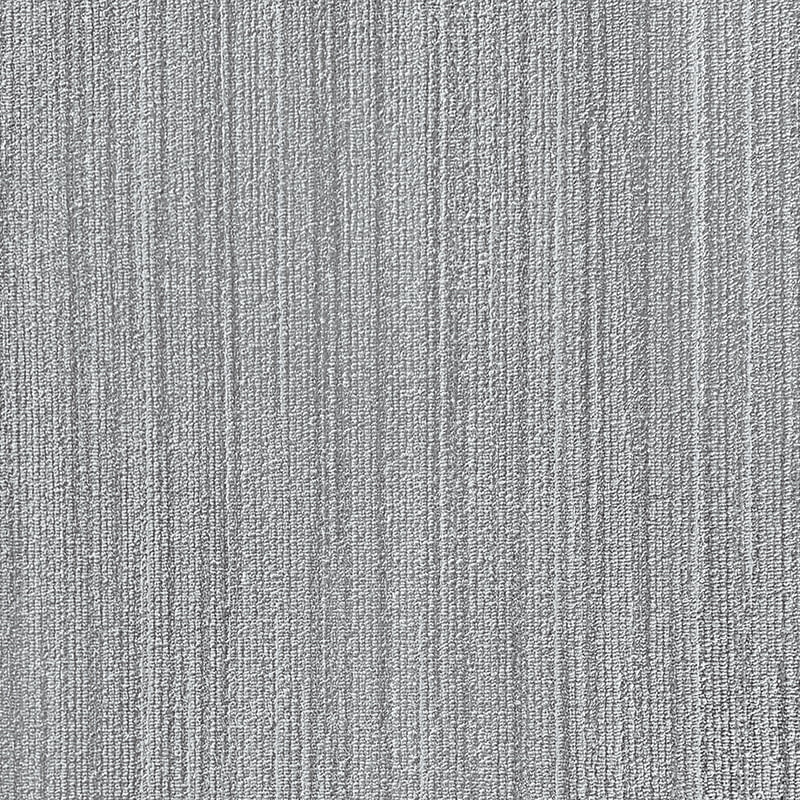

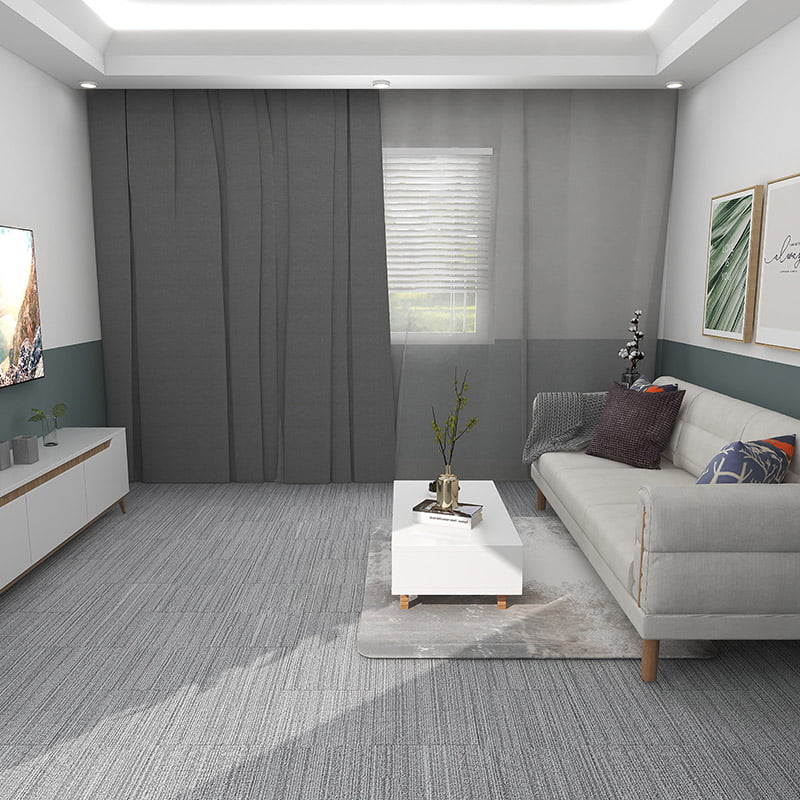
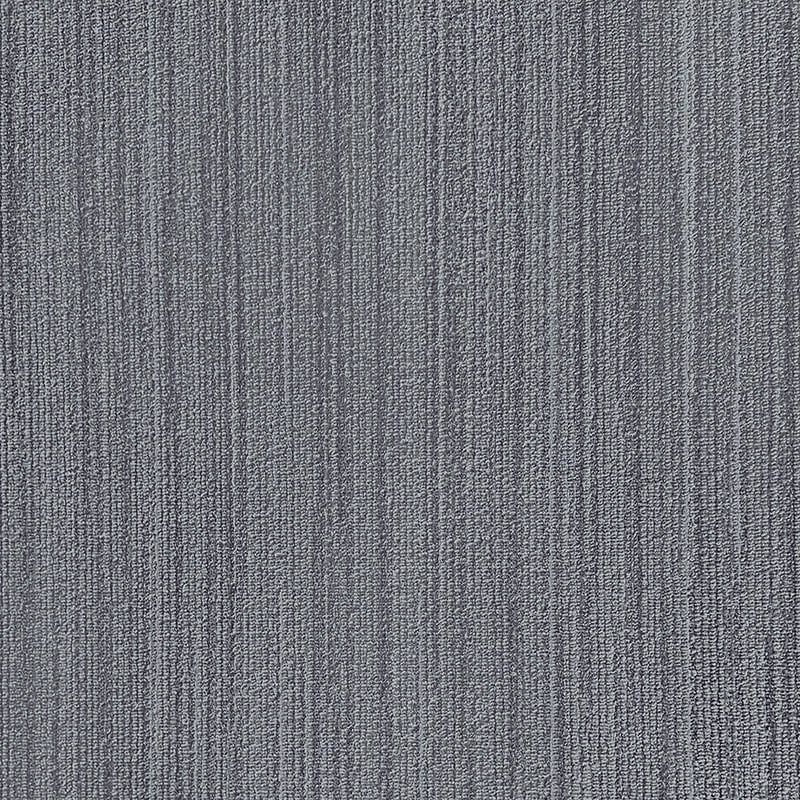
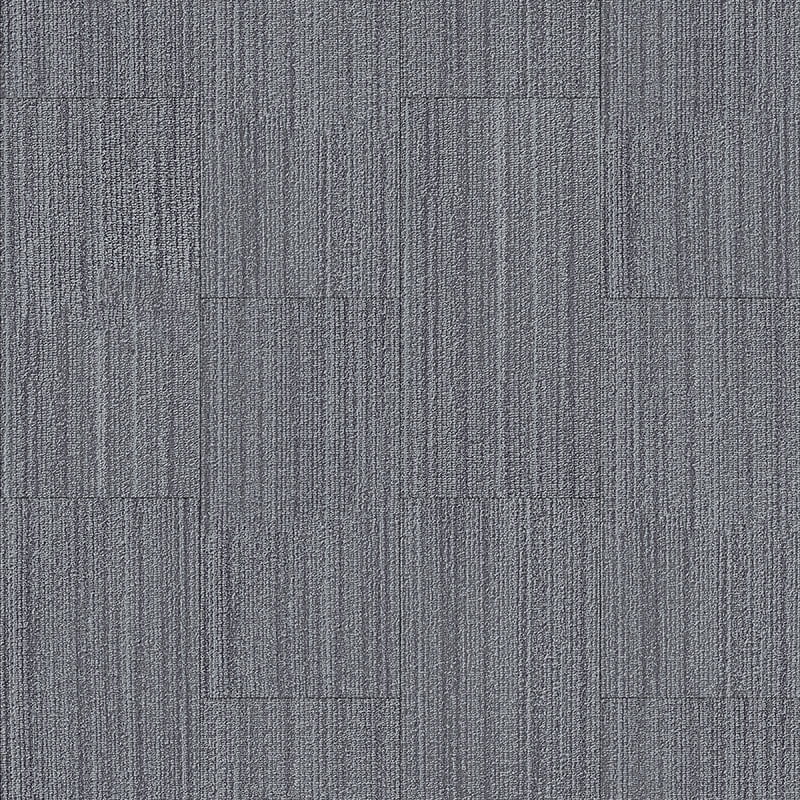
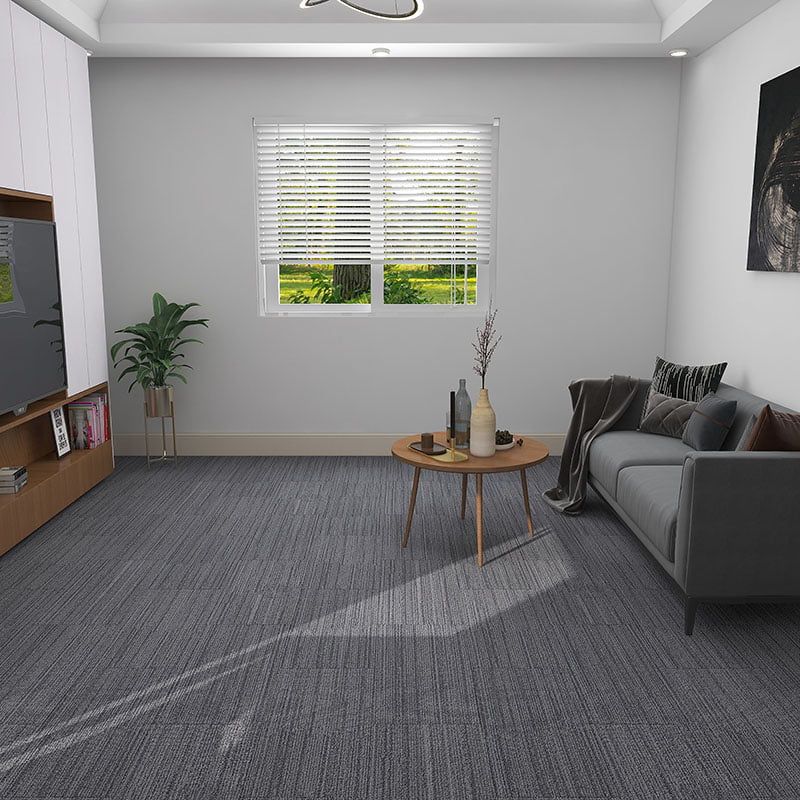
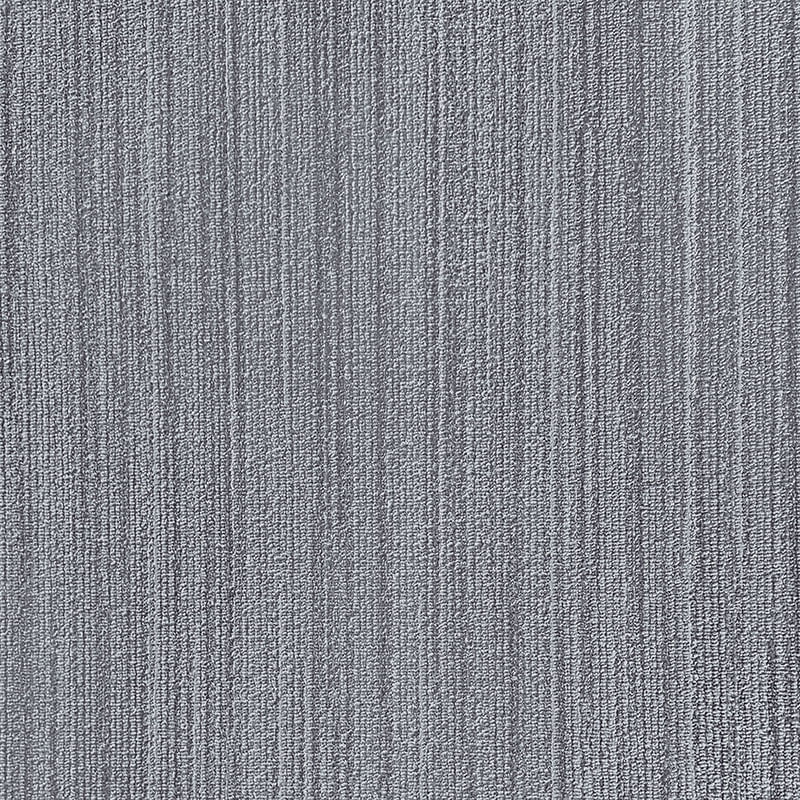
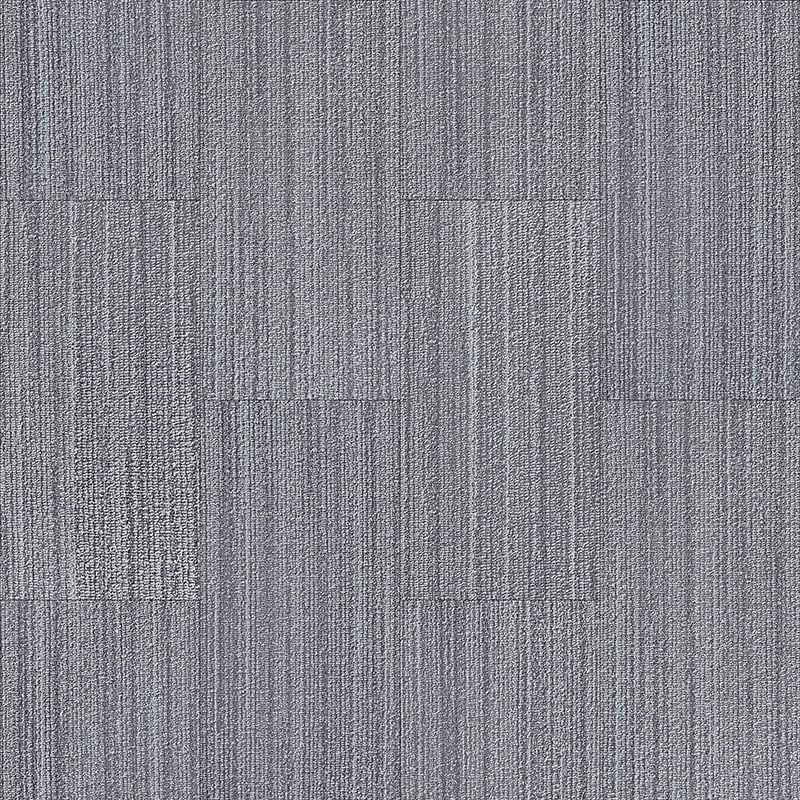
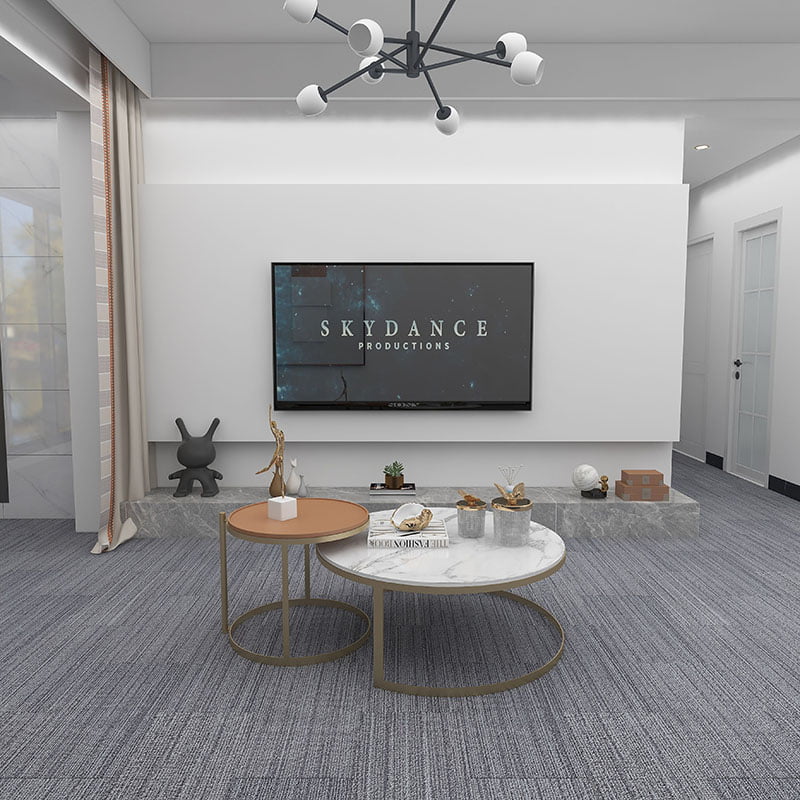


Model: YC6020
Wood: Carpet
Spec: 1000*1030mm
Single chip size: 12*24"


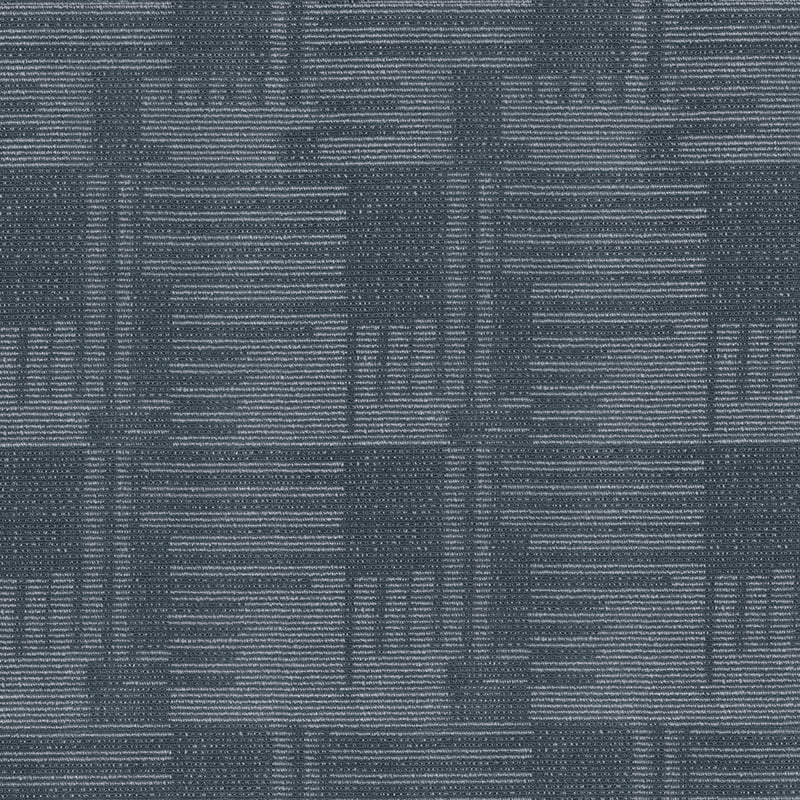
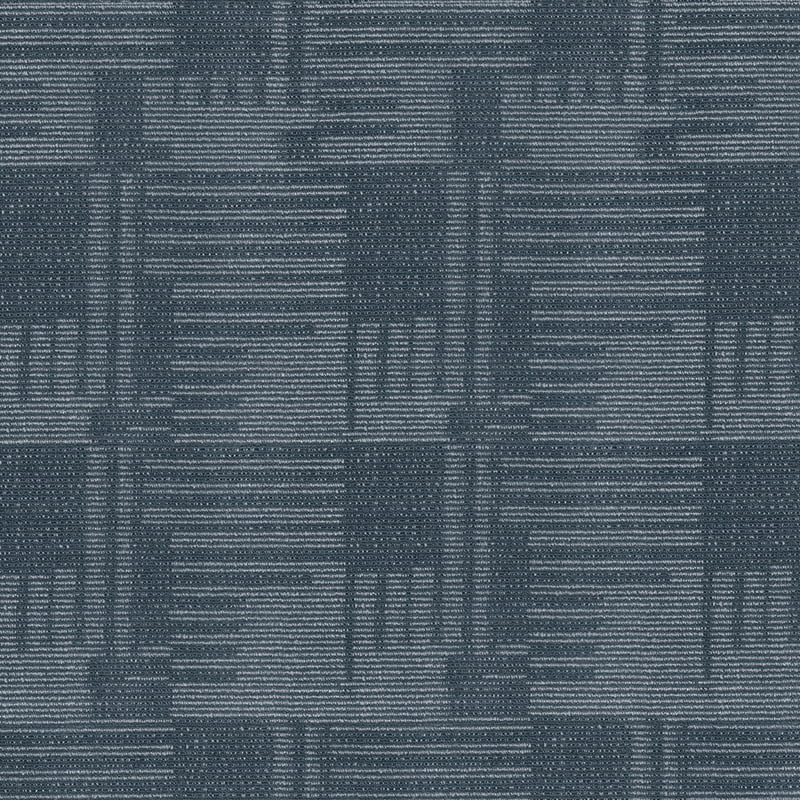


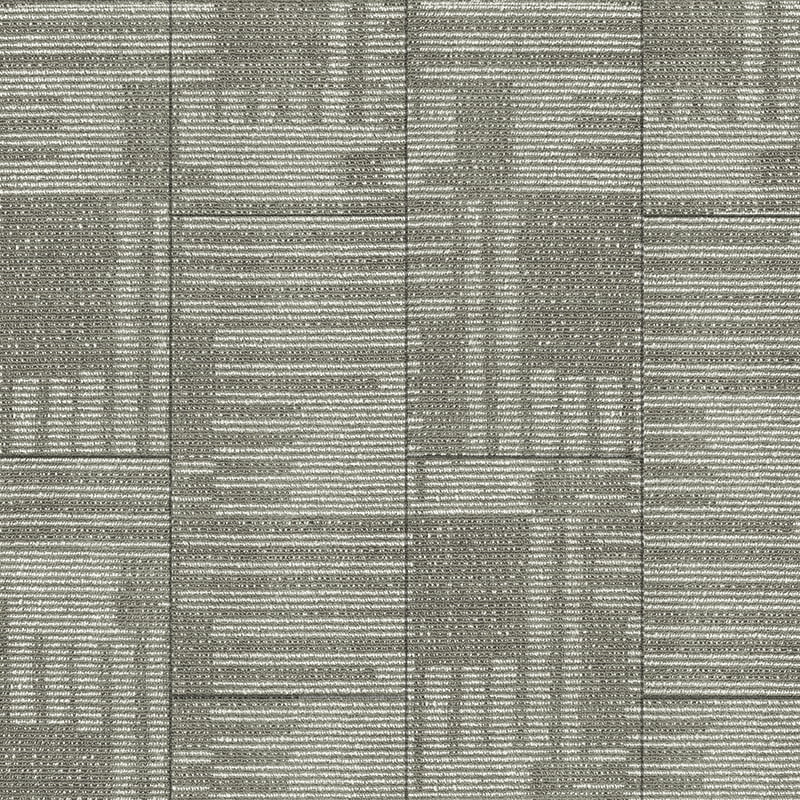

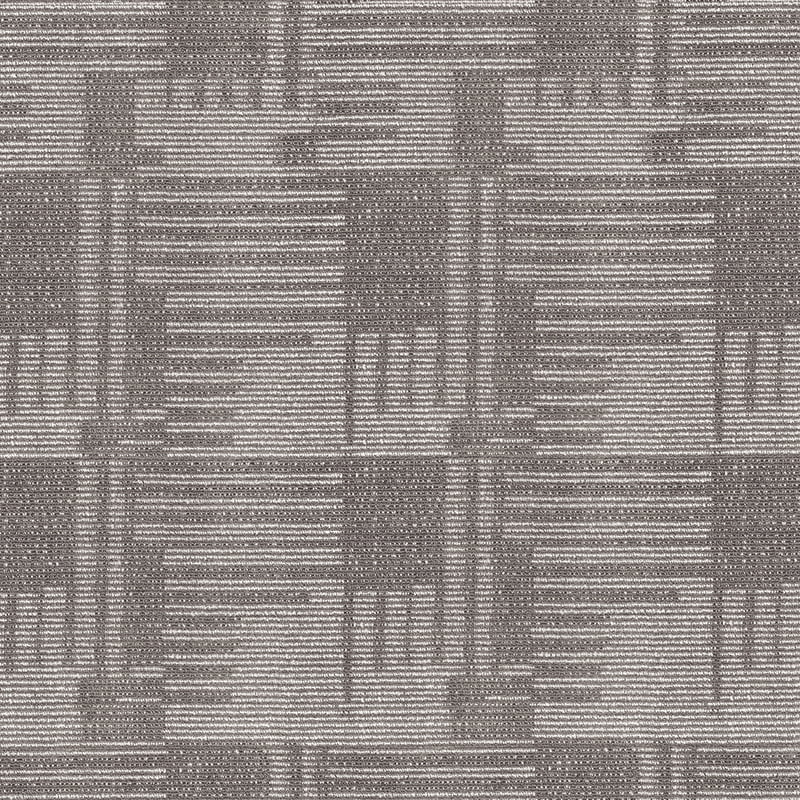
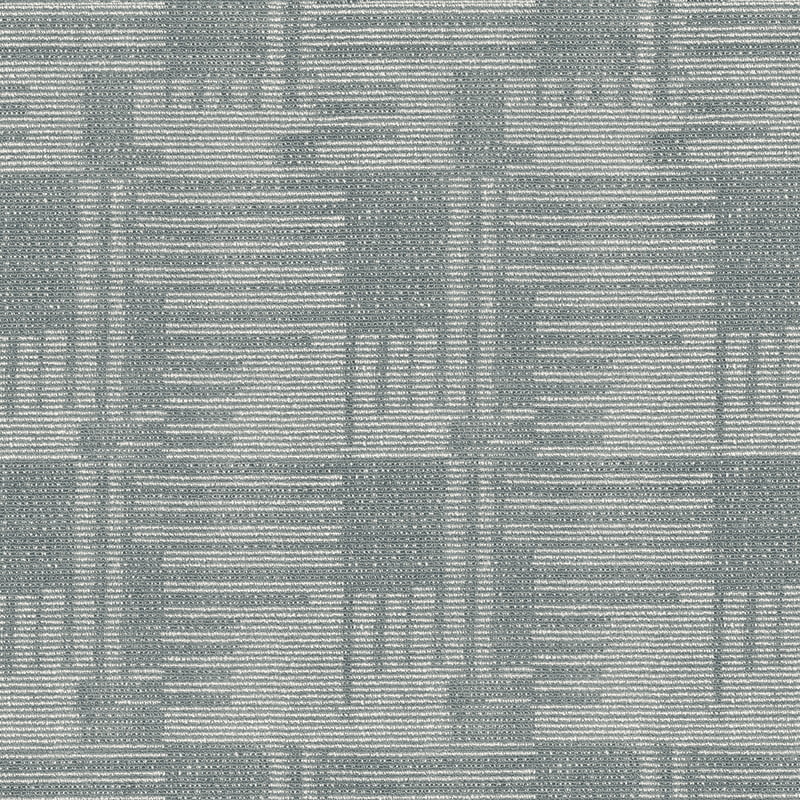


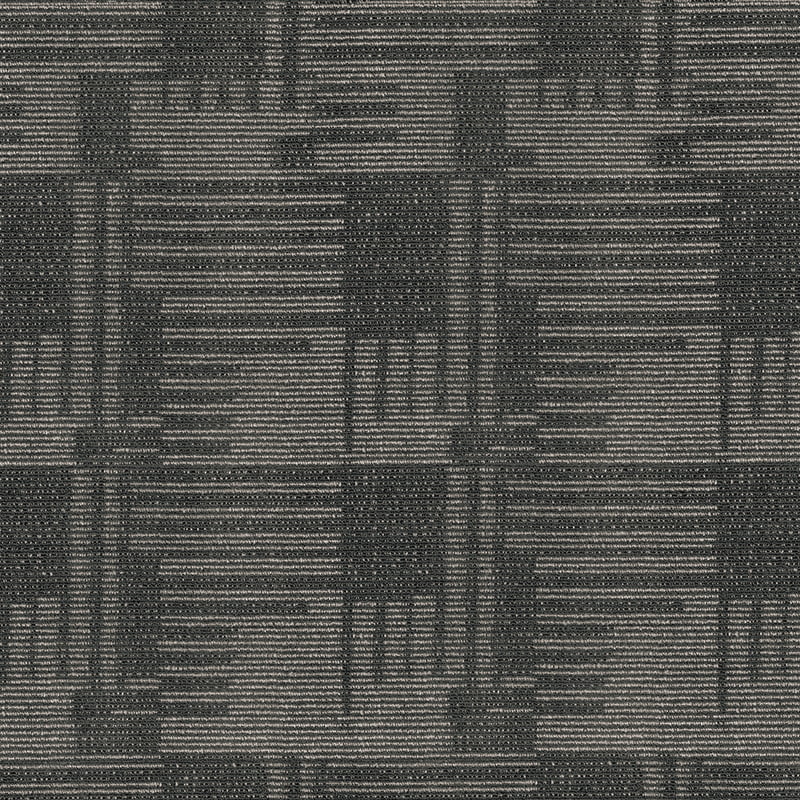
Model: YC6353
Wood: Carpet
Spec: 1000*940mm


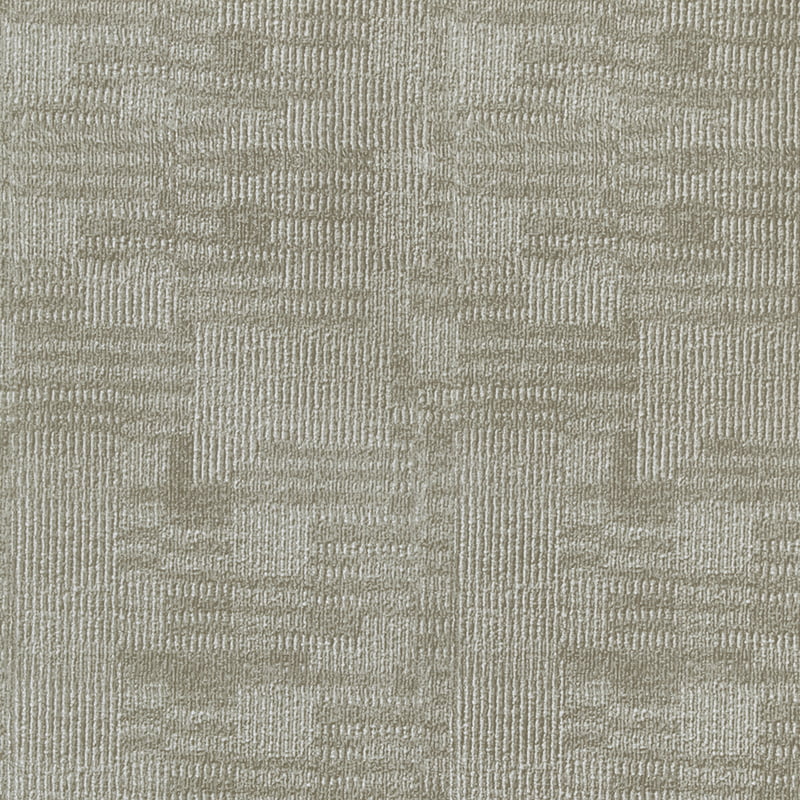

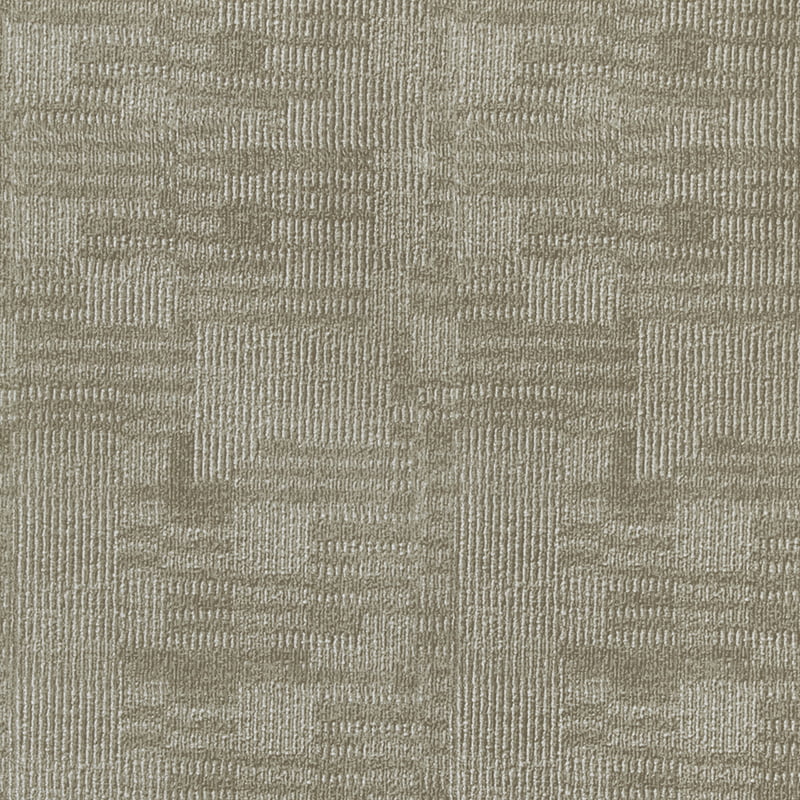
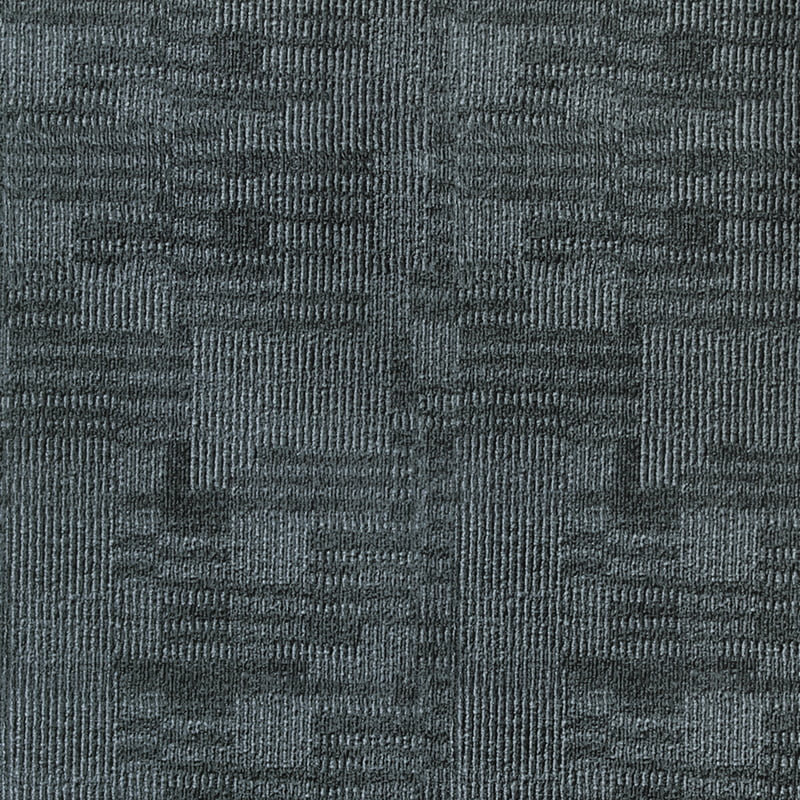
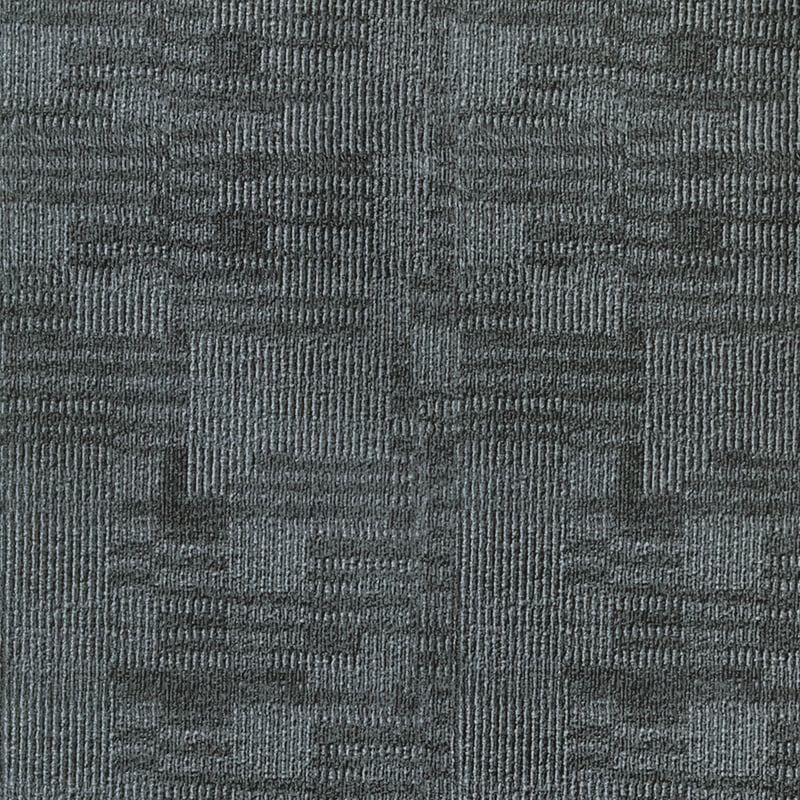

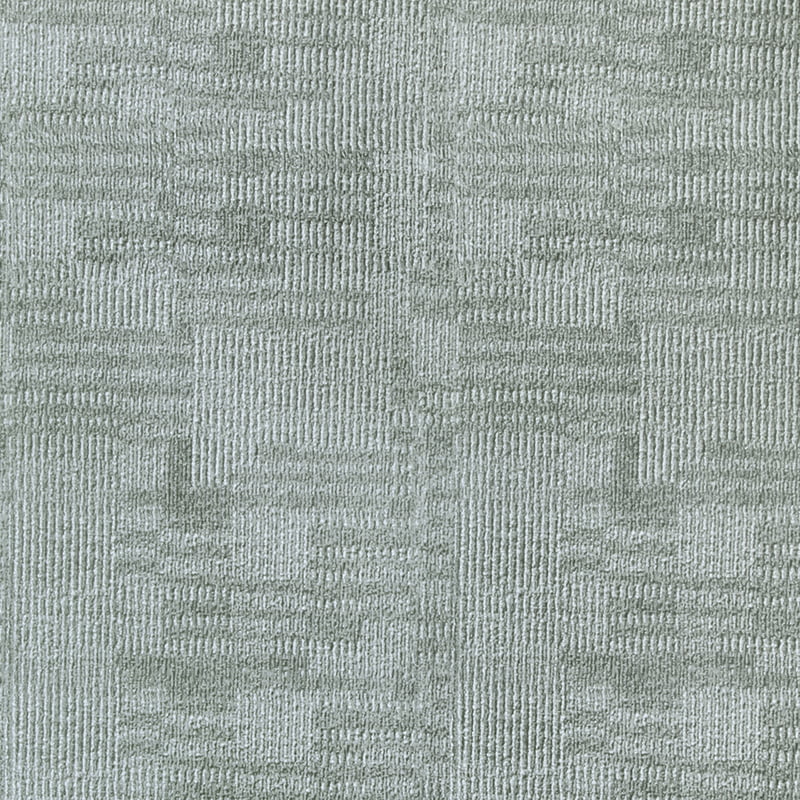

Model: YC6354
Wood: Carpet
Spec: 1000*940mm


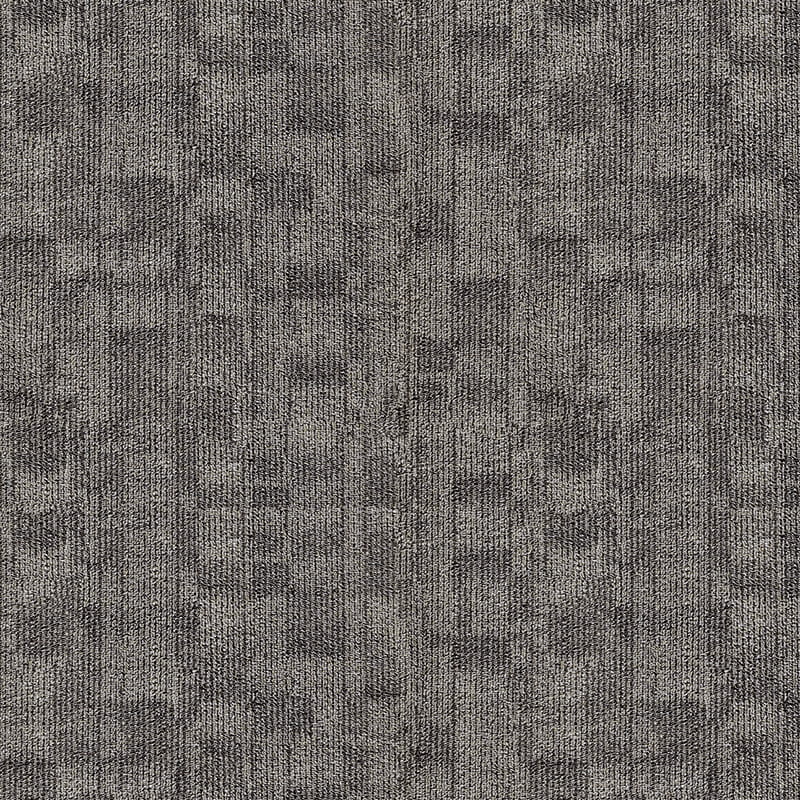

Model: YC48002
Wood: Carpet
Spec: 1300*1100mm
Walk through almost any furniture showroom and you will meet the same surface again and again: a warm, straight-grained...
View MoreHickory has quietly become one of the most requested wood looks in decorative film, and it is easy to see why. It carri...
View MoreYou can usually spot hickory from across a room. The cathedral arches are wide and confident, the colour drifts from pa...
View MoreWhen designers and manufacturers look for a wood grain surface that feels warm, natural, and timeless, hickory often co...
View MoreA workshop receives a bundle of pine veneer for twelve wardrobe doors and finds that the color shifts noticeably betwee...
View MoreThe carpet grain effect on a PVC decorative film is not printed — it is physically formed into the surface of the film during the manufacturing process through a technique called embossing. After the PVC base film is calendered or extruded into a flat sheet, it passes through a set of precision-engraved embossing rollers while still at an elevated temperature. These rollers press the carpet grain pattern — the cross-woven loop structure, the fine pile density, the directional fiber alignment — directly into the film surface, creating a three-dimensional texture that is both visible and tactile.
The depth and definition of the embossed pattern depend on two main variables: the engraving depth of the embossing roller and the temperature and pressure applied during the embossing pass. Carpet Grain Decorative Film require a relatively fine, uniform texture with a consistent repeat — very different from the bold, open channels of a wood grain or the crystalline sharp edges of a stone grain. Getting this right requires close control of the roller temperature (typically in the range of 180–210 °C through the calendering line) and precise line speed to ensure the film does not over-soften or under-form in the embossing nip. Our carpet grain PVC films go through strict process monitoring at this stage to ensure the texture depth and uniformity are consistent roll to roll.
The printed ink layer beneath the emboss contributes equally to the final visual. Gravure printing applies the color pattern — which may simulate the dyed yarn colors of a flatweave, the tone gradients of a loop-pile carpet, or the geometric motifs common in commercial carpet design — with ink registration timed to align precisely with the emboss. Misregistration between the ink layer and the emboss relief creates an off-quality appearance where the pattern sits visually "flat" against a three-dimensional surface. This synchronisation is what separates technically superior carpet grain PVC film from commodity production.
PVC decorative films are broadly divided into pattern families — wood grain, stone grain, and carpet grain — and each places distinct technical demands on the film formulation, embossing tooling, and color design. Understanding these differences helps specifiers and procurement teams choose the right film for their application, and it helps furniture manufacturers anticipate how each film type behaves during processing.
Wood grain films are designed primarily around visual imitation. The emboss replicates open wood pores and fiber direction, while the print layer reproduces the color variation, knots, and ray lines of specific timber species. The emboss depth can be quite pronounced — 40 to 80 microns or more on premium products — because natural wood surfaces have significant topographic variation. Stone grain films, by contrast, often use a shallower, more irregular emboss to simulate the crystalline or vein texture of marble, slate, or travertine, and the color layer carries most of the visual complexity.
Carpet grain PVC films occupy a different design space entirely. The primary function is tactile — the film is chosen because it delivers a soft, fibrous surface feel that neither wood grain nor stone grain can replicate. The emboss depth on a carpet grain film is typically moderate and highly uniform, replicating the even, repeating loop or cut pile structure of manufactured carpet. The color palette for carpet grain tends toward neutral and muted tones — warm greys, beige, sand, charcoal, and off-white — reflecting the commercial and residential color trends in actual carpet and textile design. We carry more than a thousand color options across our three series, and the carpet grain series specifically offers coordinated colorways designed to complement both warm-toned wood grain surfaces and cool-toned stone grain finishes in the same interior space.
| Parameter | Wood Grain | Stone Grain | Carpet Grain |
|---|---|---|---|
| Primary Design Function | Visual imitation of timber | Visual imitation of natural stone | Tactile textile surface simulation |
| Emboss Depth | Deep, directional (pore simulation) | Shallow to medium, irregular | Moderate, fine, uniform repeat |
| Color Design | High variation, species-specific | Veining, crystalline patterning | Neutral, muted, coordinated tones |
| Dominant Application | Cabinetry, doors, profiles | Countertops, wall panels, tables | Acoustic panels, door surfaces, feature walls |
| Surface Feel | Woody, slightly rough | Smooth to lightly gritty | Soft, fibrous, fabric-like |
Carpet grain PVC decorative film is compatible with the same range of substrates used across the broader PVC film market: MDF, particleboard, plywood, PVC profiles, WPC panels, and aluminium or steel sheet. However, the uniformity of the carpet grain emboss means that substrate surface quality is more visually consequential for this pattern type than it is for deep-grained wood or stone designs. Because wood and stone patterns visually absorb minor surface irregularities under their complex patterning, a small dent or particle inclusion in the substrate board may go unnoticed. Under a carpet grain film, the same defect creates a visible depression in the even textile pattern that is immediately obvious to the eye.
For this reason, high-quality MDF with a sanded, sealed surface is strongly preferred as the substrate for carpet grain applications. The surface should be dust-free and free of oil or moisture contamination before film application. In flat lamination operations, PUR (polyurethane reactive) hot-melt adhesive is the preferred bonding agent for carpet grain film on flat panels — it provides strong, flexible bonding that resists edge lifting even with temperature and humidity fluctuations in service.
Purchasing decisions for carpet grain PVC decorative film are too often based primarily on visual appearance and price. While both factors matter, the long-term performance of a laminated panel or wrapped profile in real-world use depends on a set of measurable film properties that are not visible from a sample swatch. Understanding these properties allows buyers to evaluate products systematically and ask manufacturers the right questions before committing to a supply relationship.
Film thickness for furniture and door applications typically ranges from 0.12 mm to 0.50 mm. Thicker films — generally 0.18 mm and above — provide better formability during vacuum pressing, better crack resistance during profile wrapping over tight radii, and a more robust surface layer in service. Thin films (below 0.14 mm) are cost-competitive for flat lamination on panels but may show stress whitening if bent and are more susceptible to surface damage in high-contact applications. As important as absolute thickness is uniformity across the roll width: thickness variation greater than ±0.01 mm across a roll can cause uneven adhesive coverage during lamination and visible banding in the finished surface.
Elongation at break — measured per ASTM D882 or ISO 527-3 — describes how much the film can stretch before tearing. For vacuum membrane pressing applications, a minimum elongation of 150% in both machine and transverse directions is a practical threshold; films with 180–220% elongation perform more reliably over deep routed profiles without tearing at the groove edges. Tensile strength values characterise how much force is needed to break the film under tension and serve as a gauge of structural integrity during high-speed wrapping and forming operations. A well-formulated carpet grain PVC decorative film should balance adequate elongation with sufficient tensile strength — an overly soft, high-elongation film may stretch cleanly over profiles but be too easily damaged during handling and installation.
Color batch-to-batch consistency is a critical quality parameter for carpet grain films because the neutral, textile-inspired palette of this pattern family makes color deviation particularly visible. A grey carpet grain panel produced from one batch of film must visually match panels produced from the next batch if they are being installed in the same room. Reputable manufacturers control this through spectrophotometric measurement of the printed ink layer against reference standards before each production run. Lightfastness — resistance to color fading under UV exposure — is tested using xenon arc weathering equipment per ISO 4892. For interior applications, a minimum rating of 6 on the blue wool scale (ISO 105-B02) is a reasonable expectation from quality-grade carpet grain PVC film.
PVC decorative films for interior furniture applications are subject to emission and chemical content regulations in most major markets. The European Union's REACH regulation restricts specific phthalate plasticisers and heavy metals in consumer products. China's GB standard for indoor decorative materials sets limits on formaldehyde release and heavy metal content including lead, cadmium, and chromium. Films intended for export markets should carry test reports from accredited third-party laboratories confirming compliance. We hold quality certifications and maintain complete compliance documentation for our products to support customers exporting into regulated markets.
The carpet grain surface pattern occupies a specific and growing niche in interior furnishing, defined by its ability to add tactile warmth and a textile character to hard substrate surfaces. Its applications are broader than many buyers initially expect — extending well beyond the decorative door panels and acoustic wall systems where the pattern is most commonly seen.
Furniture manufacturers and panel processors evaluating a new carpet grain PVC film supplier often make the mistake of relying solely on a small sample swatch for visual approval and then proceeding directly to a bulk order. A more systematic evaluation process significantly reduces the risk of production problems, returns, and customer complaints.
The correct evaluation sequence starts with requesting a full roll sample — at least one complete roll of the specific carpet grain pattern and colour being considered. From this roll, the following tests should be conducted before approving the material for production use:
We encourage potential customers to visit our factory for direct discussion and to conduct their process trials on-site with our technical support team. Responsible product quality starts with this kind of rigorous pre-qualification, and we welcome the scrutiny.
The standard carpet grain series produced by most PVC film manufacturers is limited to a relatively small number of stock emboss patterns and colorways. For furniture brands, interior design firms, and project developers working on distinctive environments — hospitality fit-outs, branded retail environments, or premium residential collections — standard stock patterns may not deliver the design specificity required.
Custom carpet grain PVC film development allows clients to specify both the texture geometry and the colour palette. Texture customisation involves engraving a new embossing roller to the client's pattern specification — typically a CAD-defined repeat that may reference a specific carpet product, a proprietary textile pattern, or an entirely original design. Colour customisation works through the gravure printing layer, where ink formulations are adjusted to match a client-supplied colour reference (typically a Pantone or NCS standard) or a physical textile sample.
The minimum production quantity required for custom carpet grain film development varies by manufacturer but is typically in the range of 2,000 to 5,000 linear metres per colour per emboss. For brands with sufficient volume, this investment in custom embossing tooling and colour development creates a proprietary surface specification that cannot be easily replicated by competitors using stock film products. We cooperate with customers throughout the design and development process — from initial pattern discussion through sampling, refinement, and mass production — to deliver special editions tailored to specific market requirements. This kind of partnership is central to how we work, and it has supported the growth of our product range into more than a thousand distinct options since we began mass production in September 2023.
PVC decorative film is a relatively stable material under normal storage conditions, but improper handling and storage are a frequent source of quality problems that are then incorrectly attributed to the film itself. Carpet grain film, with its fine embossed texture, is particularly susceptible to two types of storage damage: pressure flattening of the emboss and colour transfer from adjacent roll layers or packaging materials.
Rolls should be stored vertically on end (not horizontally stacked) to prevent the weight of the roll from compressing the lower layers and flattening the emboss relief. If horizontal storage is unavoidable, limit stack height to two rolls maximum and ensure the rolls are supported across their full width. Storage temperature should be maintained between 5 °C and 35 °C, and relative humidity should be kept below 75%. Exposure to direct sunlight or strong artificial UV light during storage will initiate colour fade — cover stored rolls with opaque packaging or store them in a covered warehouse area.
Handling rolls without gloves risks transferring skin oils to the film surface, which can interfere with adhesive bonding during lamination. The film end that has been exposed to the ambient environment should always be trimmed before use — typically 0.5 to 1 metre — to remove any section that may have been exposed to light, dust, or handling contamination during storage. Under these conditions, properly stored carpet grain PVC decorative film maintains its quality for 12 to 18 months from the date of manufacture. Using film beyond this period is not recommended without a fresh quality check, as plasticiser migration within the PVC compound can alter flexibility and adhesion performance over extended storage times.



Contact
 China Company Address: No.5 Zhaojia Road,
Vietnam Factory Address: GNP Yen Binh
1 - lndustrial Center (Lot CN13,CN18,Yen
Binh Industrial Park, Ward, Dng Tien, Ph8 Yen,
Thai Nguyen 24000)
Thailand Factory Address: 289/12 Moo 7, Klong Kiu Sub-District, Ban Bueng District, Chonburi 20220 THAILAND
China Company Address: No.5 Zhaojia Road,
Vietnam Factory Address: GNP Yen Binh
1 - lndustrial Center (Lot CN13,CN18,Yen
Binh Industrial Park, Ward, Dng Tien, Ph8 Yen,
Thai Nguyen 24000)
Thailand Factory Address: 289/12 Moo 7, Klong Kiu Sub-District, Ban Bueng District, Chonburi 20220 THAILAND
 Tel: +86-13685281168
+86-13813687178
Tel: +86-13685281168
+86-13813687178
 E-mail: [email protected]




 English
 русский