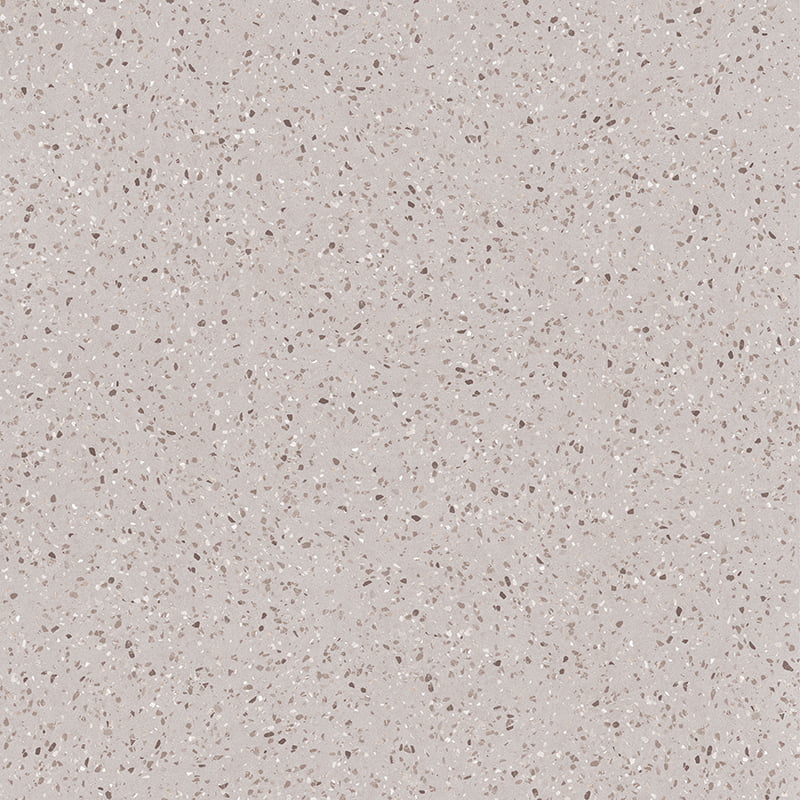
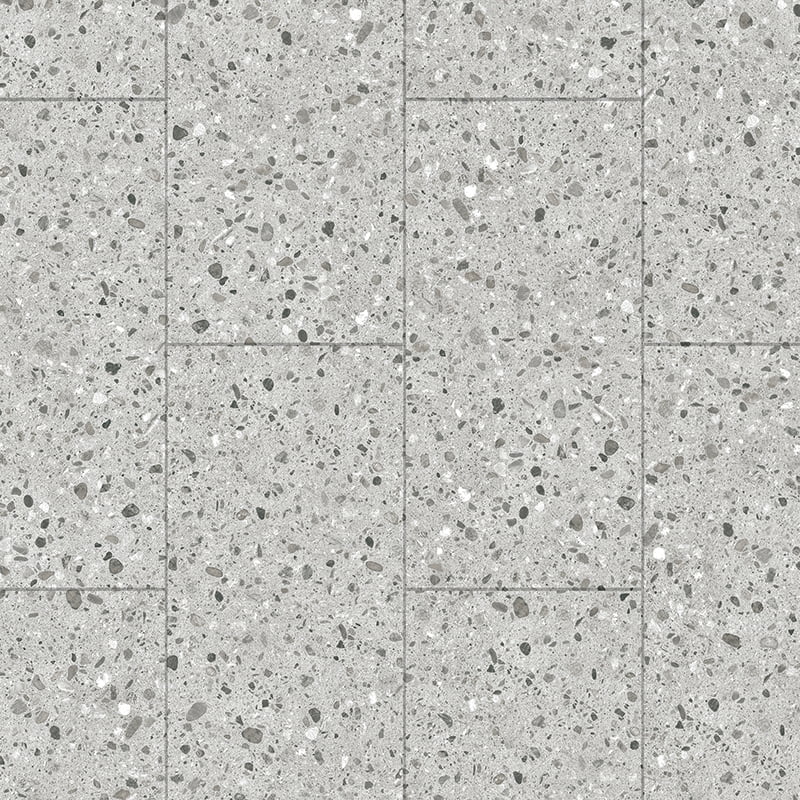
Terrazzo is available in a large number of colors, styles and textures to suit all interior needs. In terms of color, terrazzo covers all stages from white to black and includes all the colors in between. In terms of style, terrazzo can make your floor more unique through different decorative elements and designs.
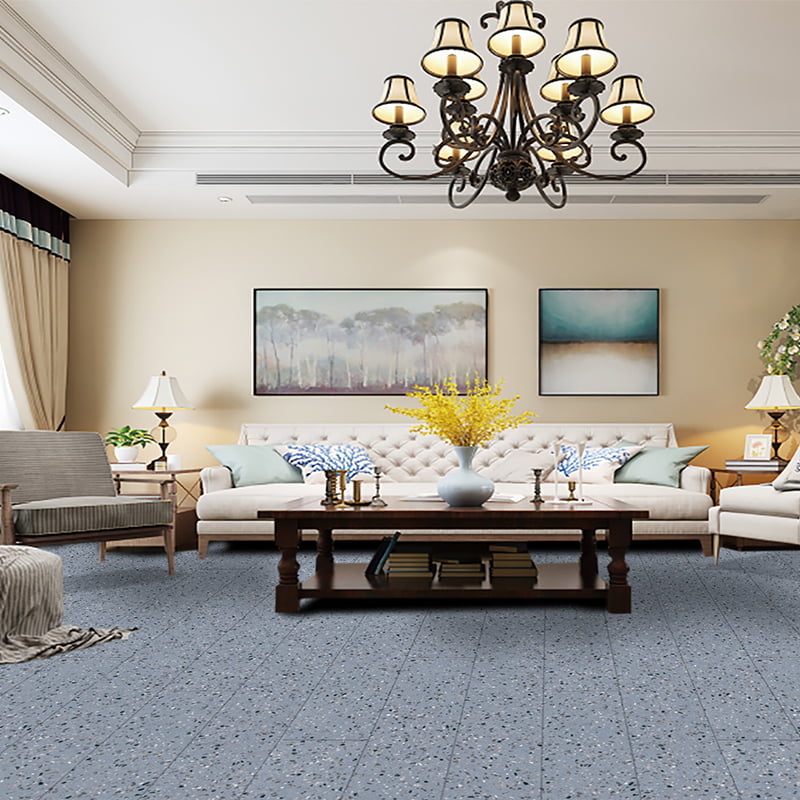
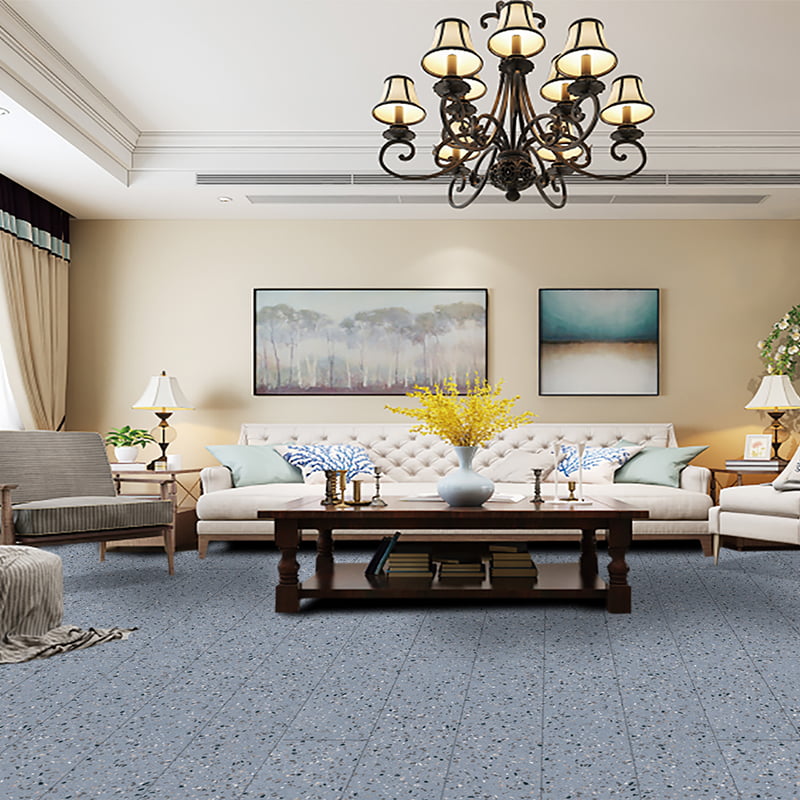
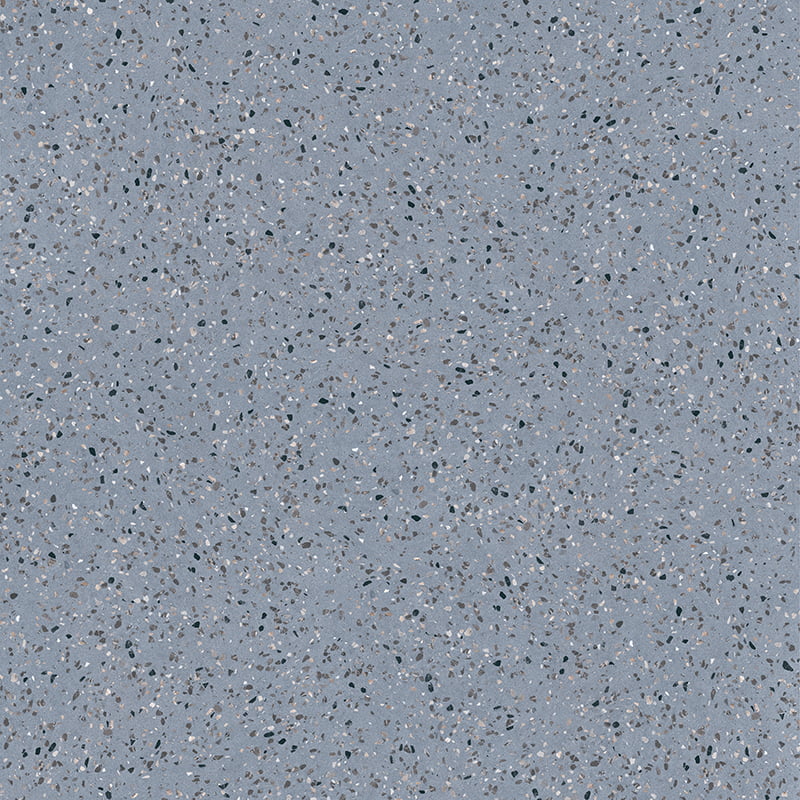
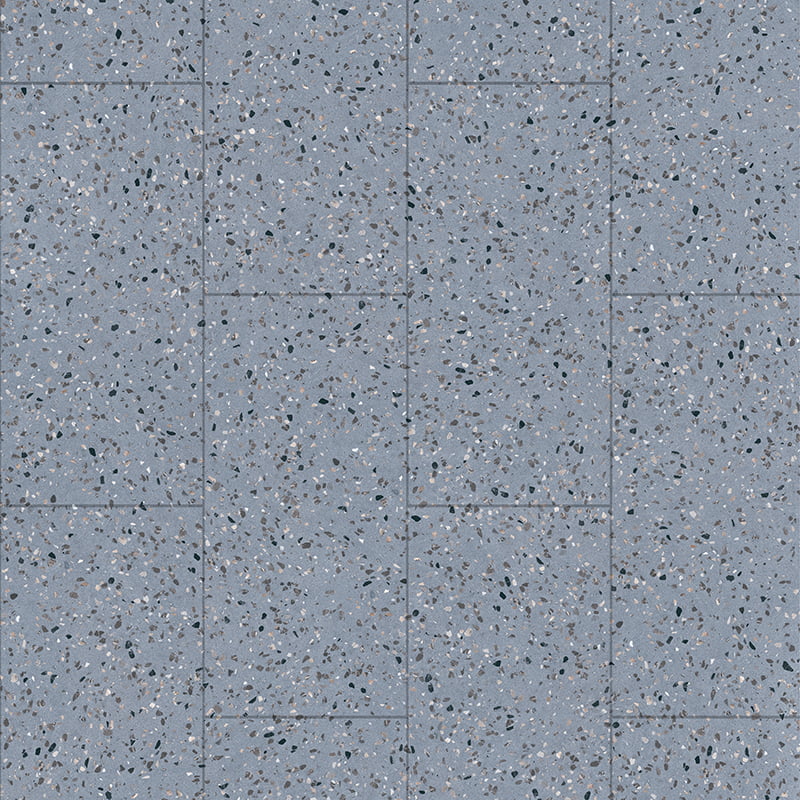
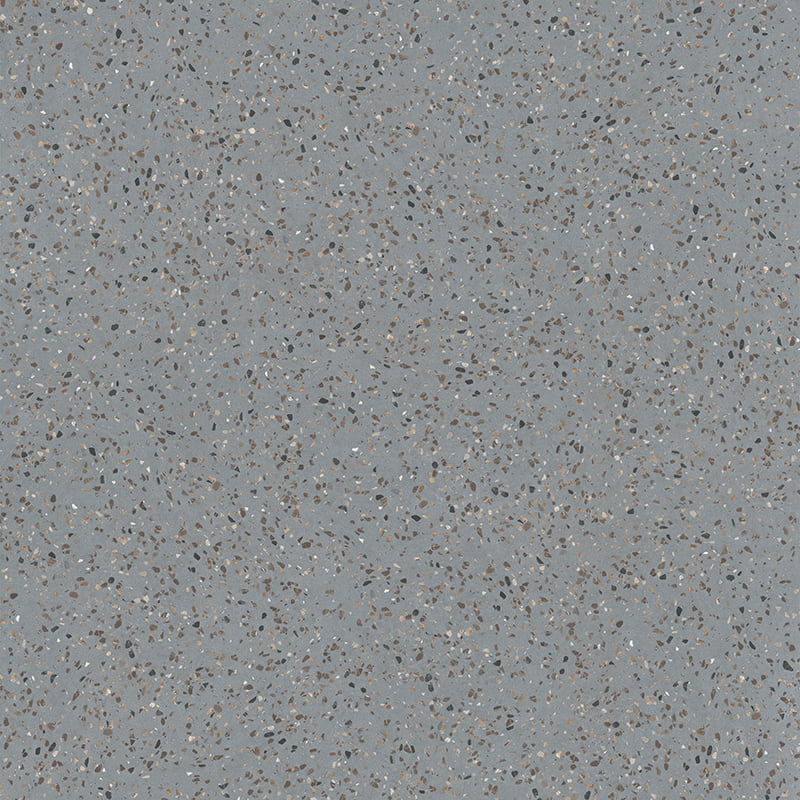
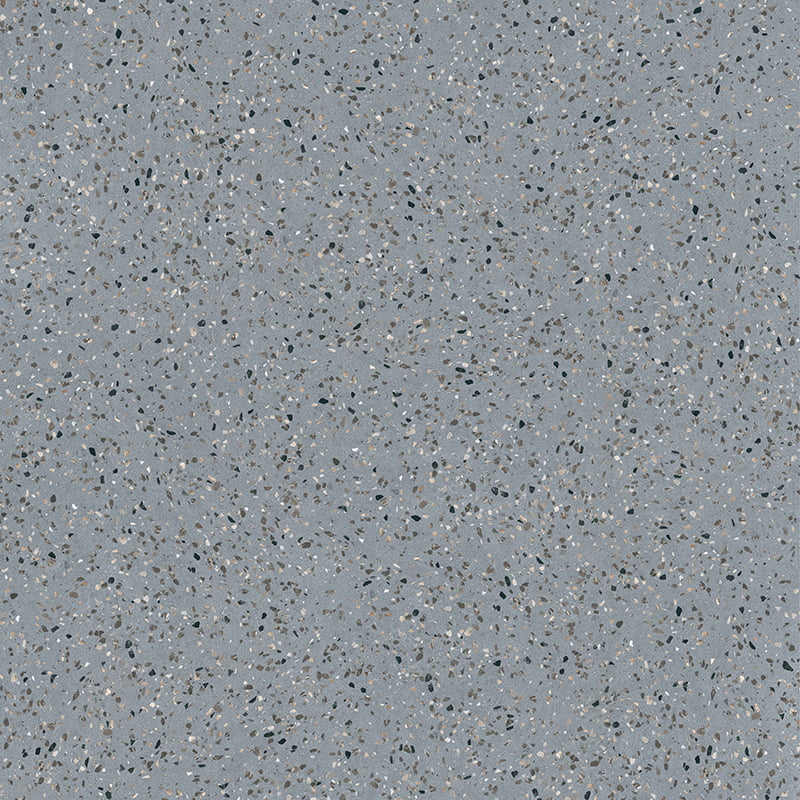
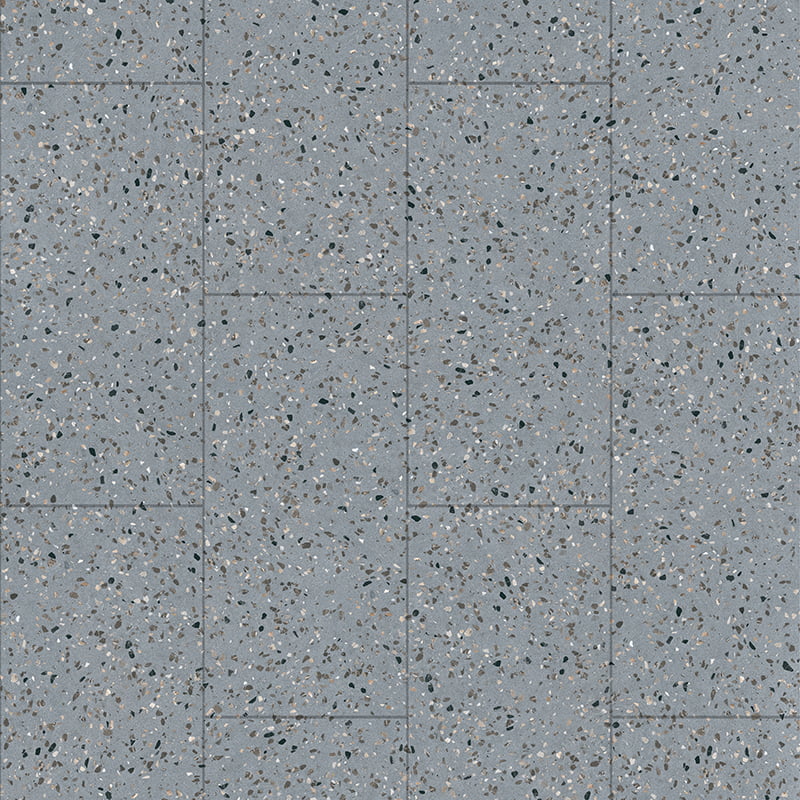
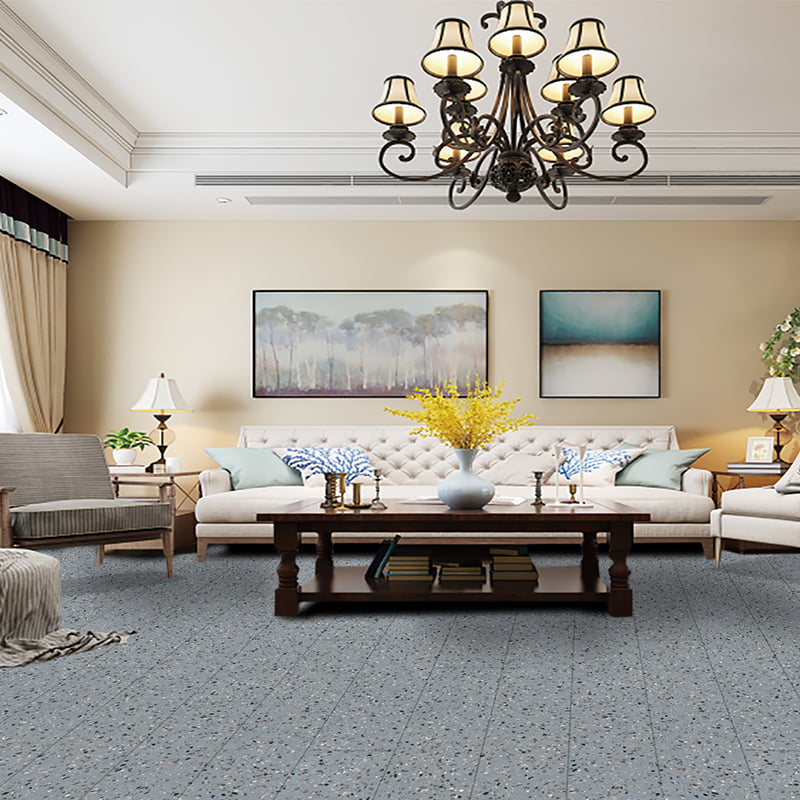
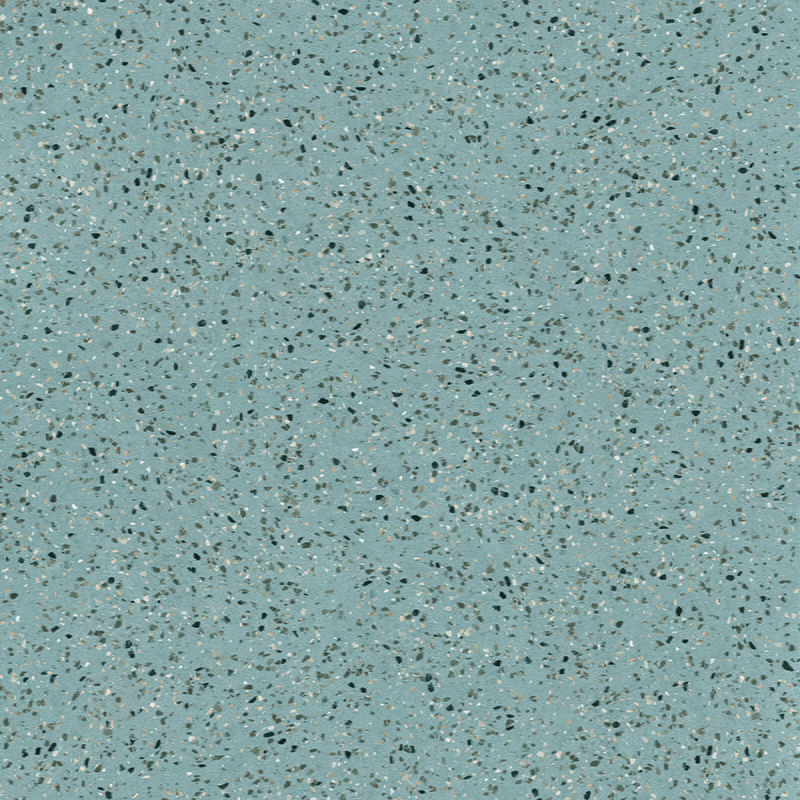
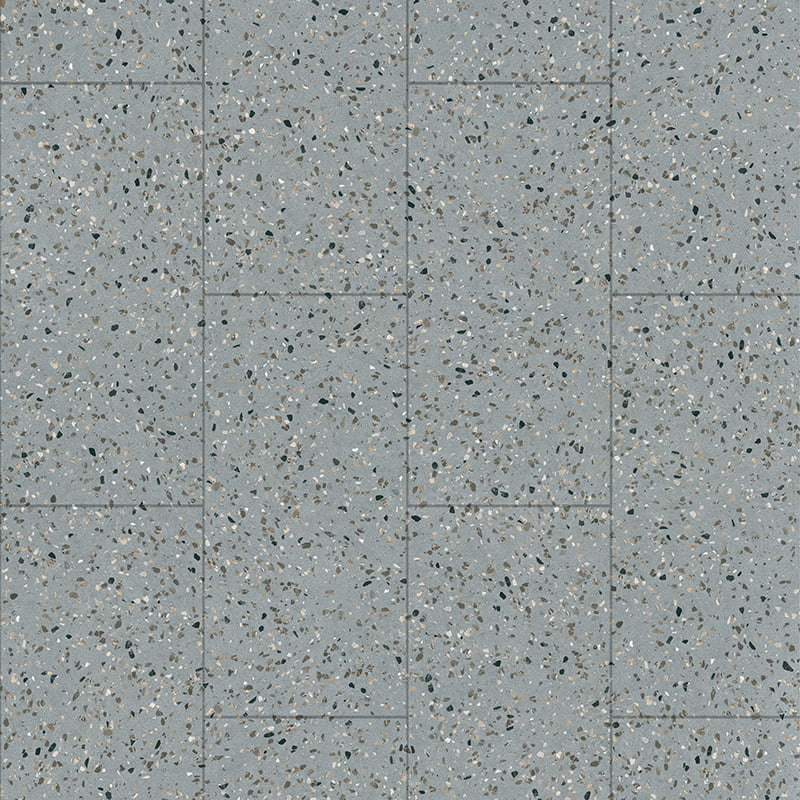
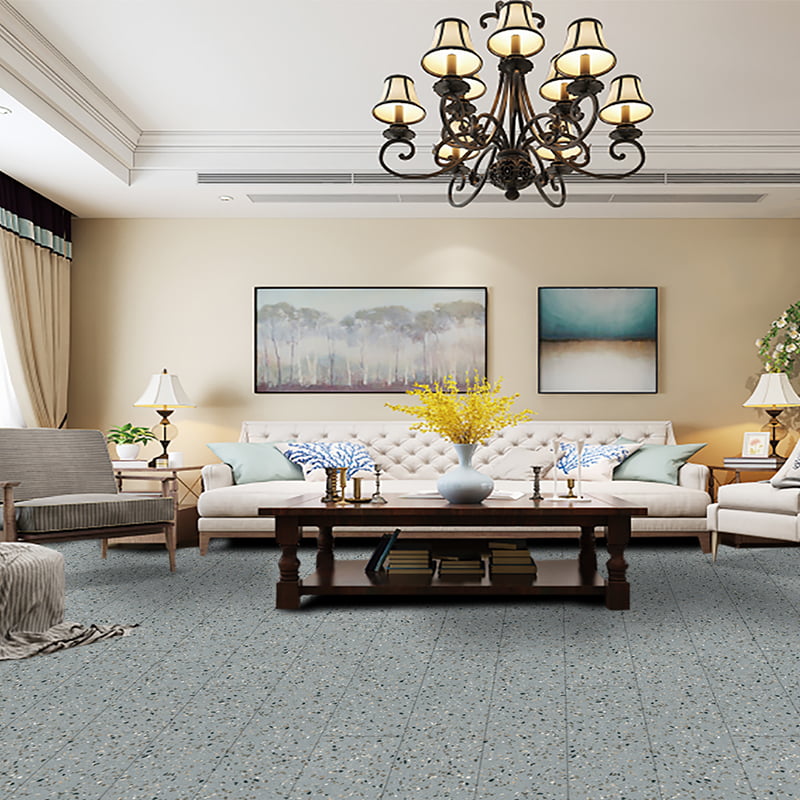
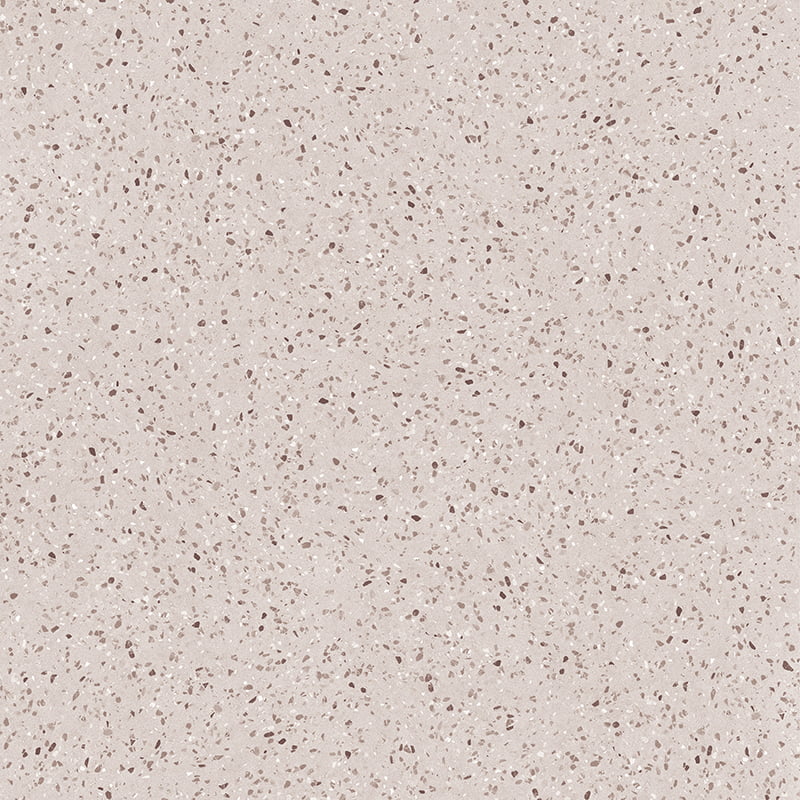
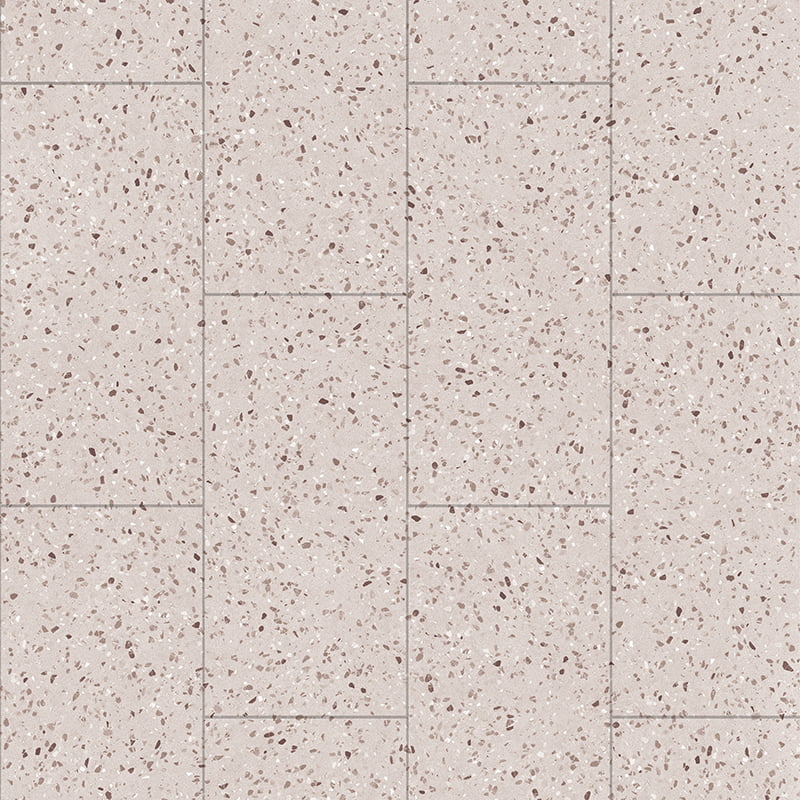
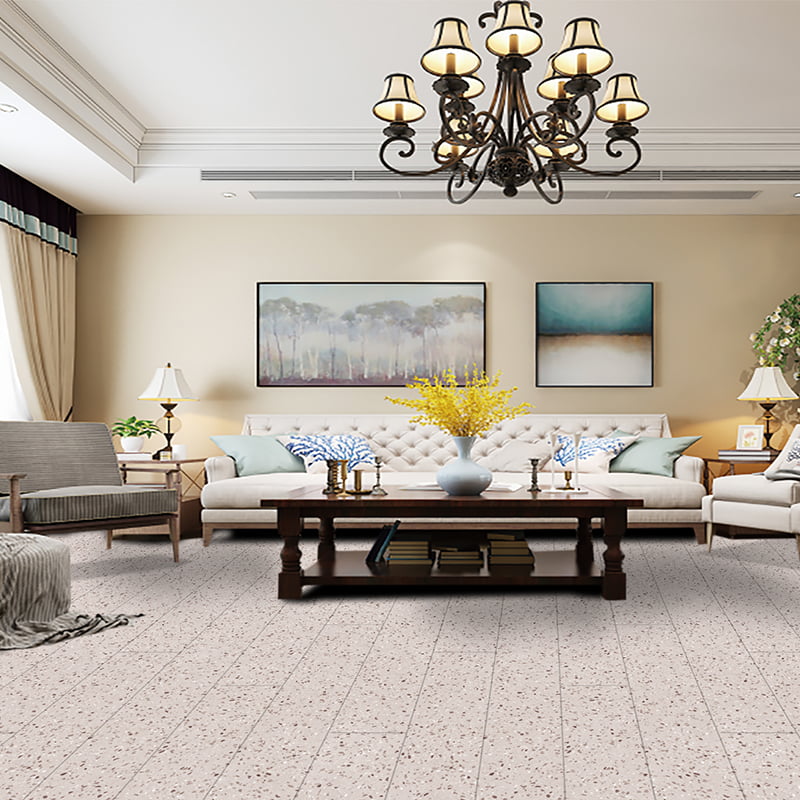
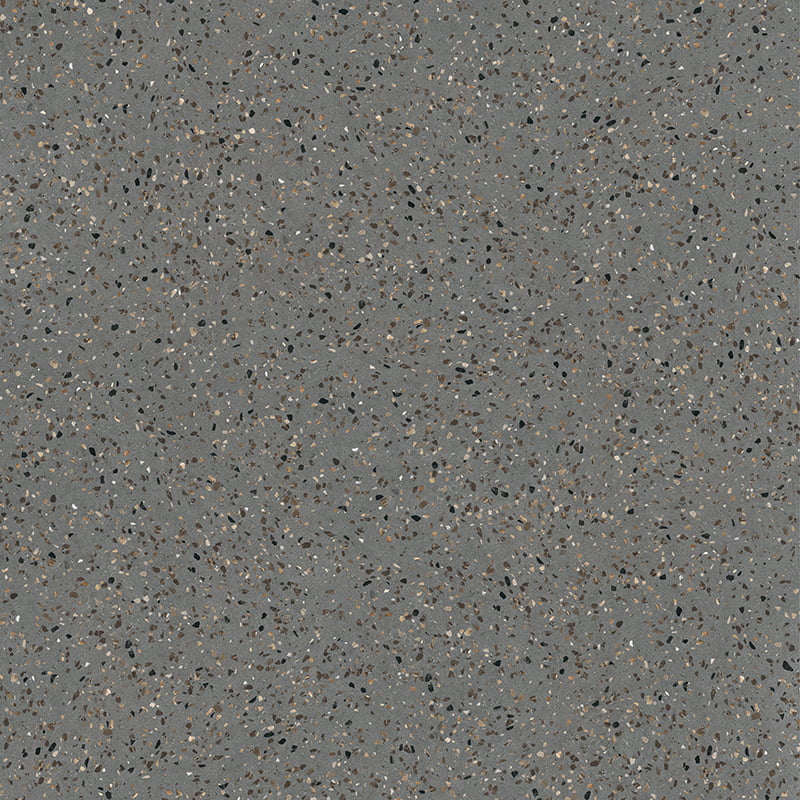
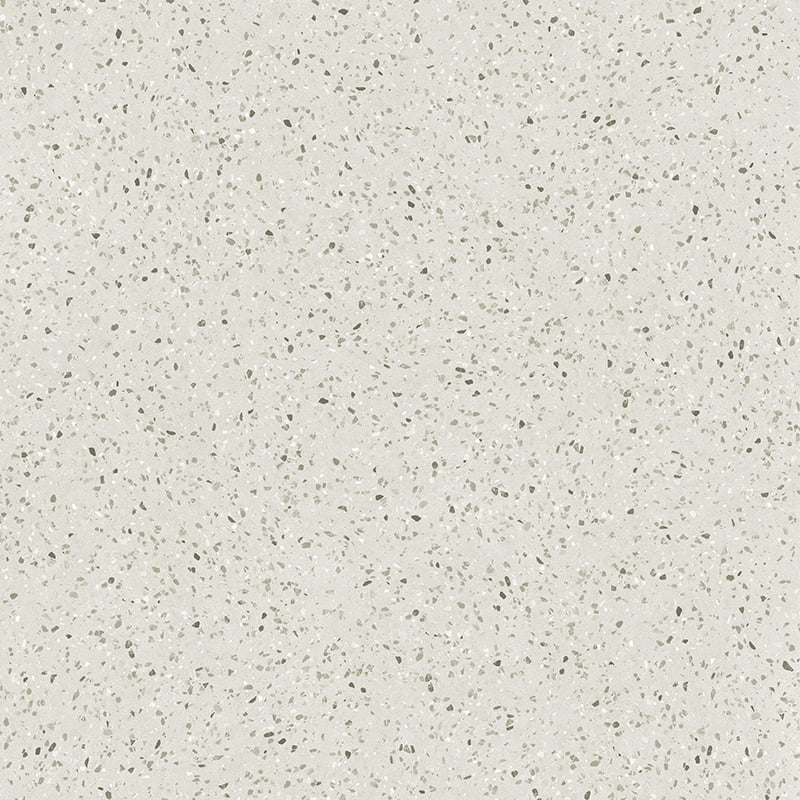
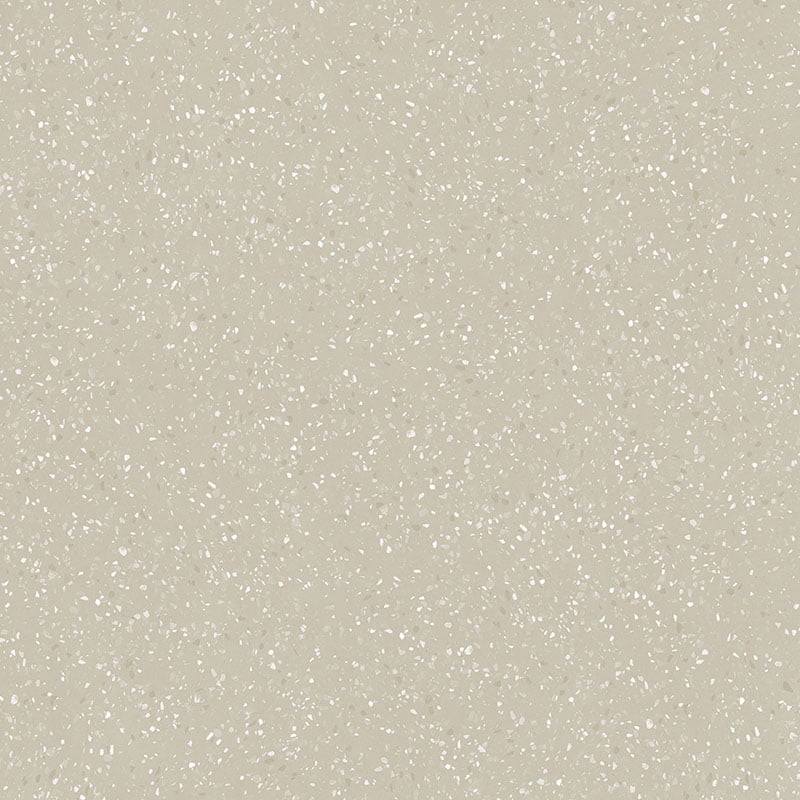
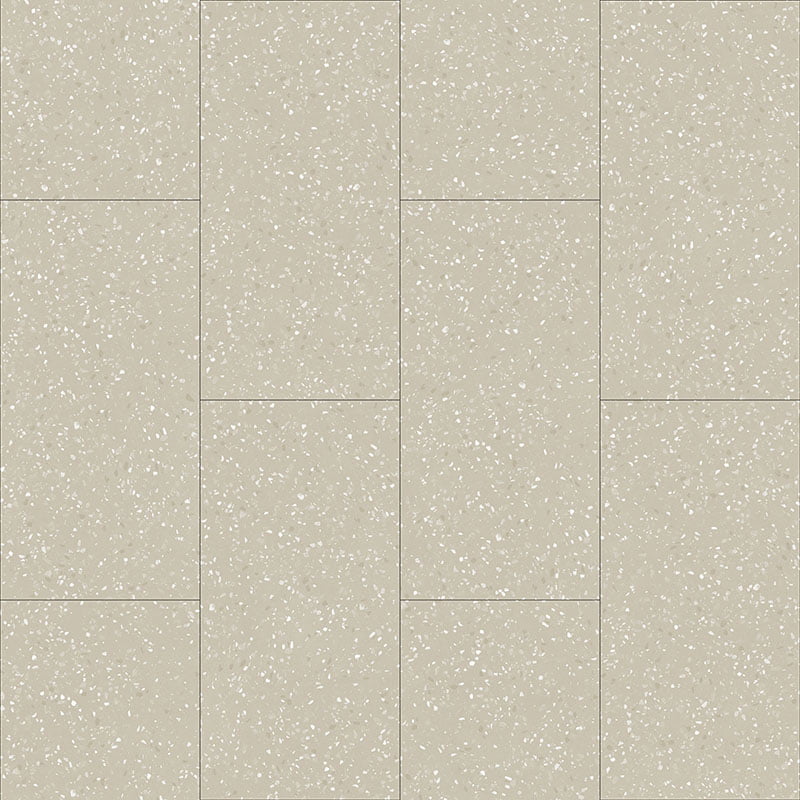
Model: YC938
Wood: Stone
Spec: 1000*1270mm
Single chip size: 12*24"
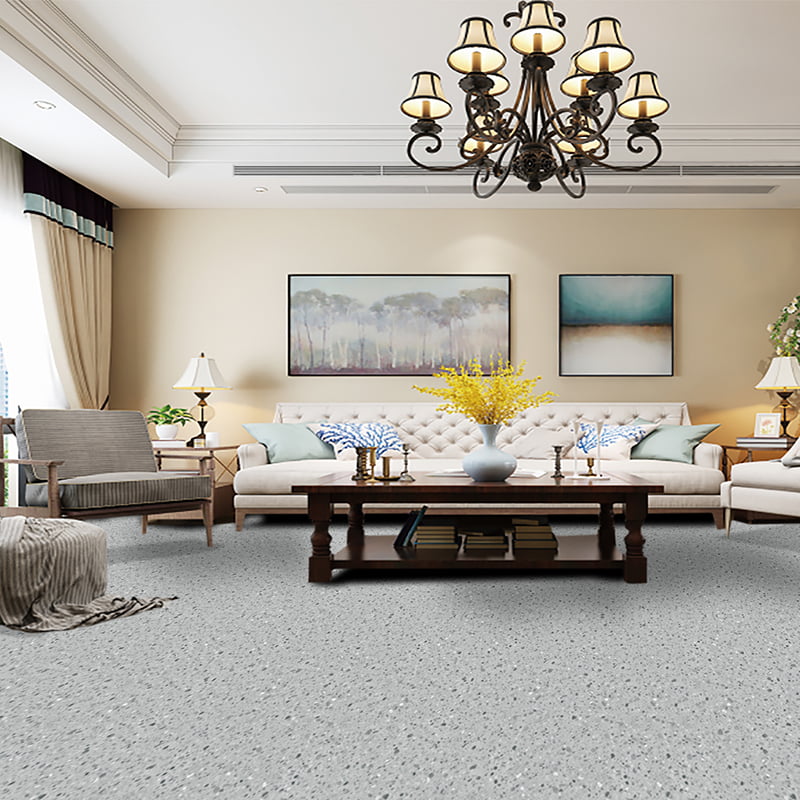
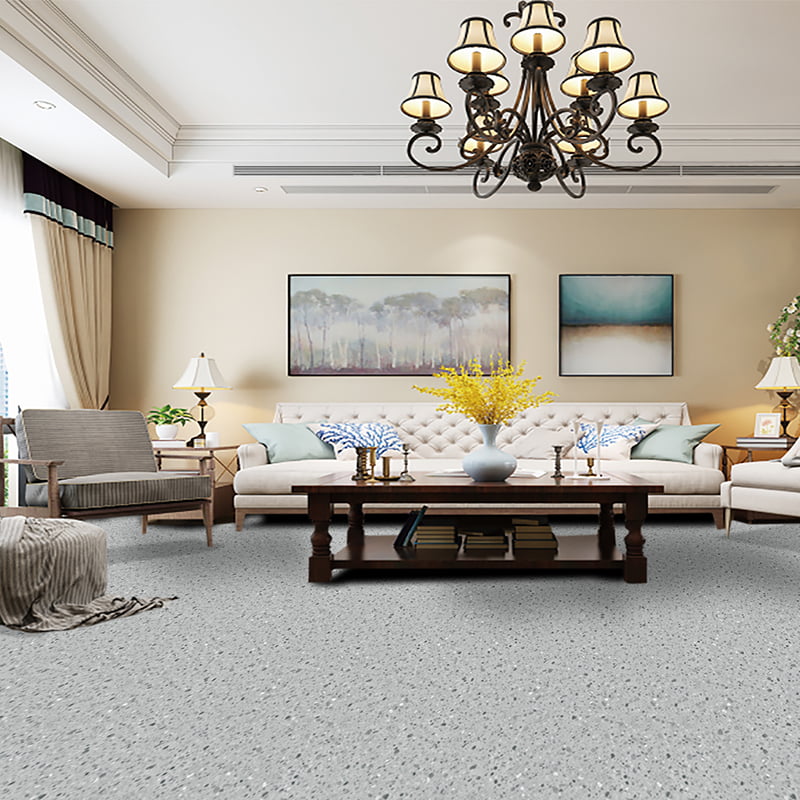
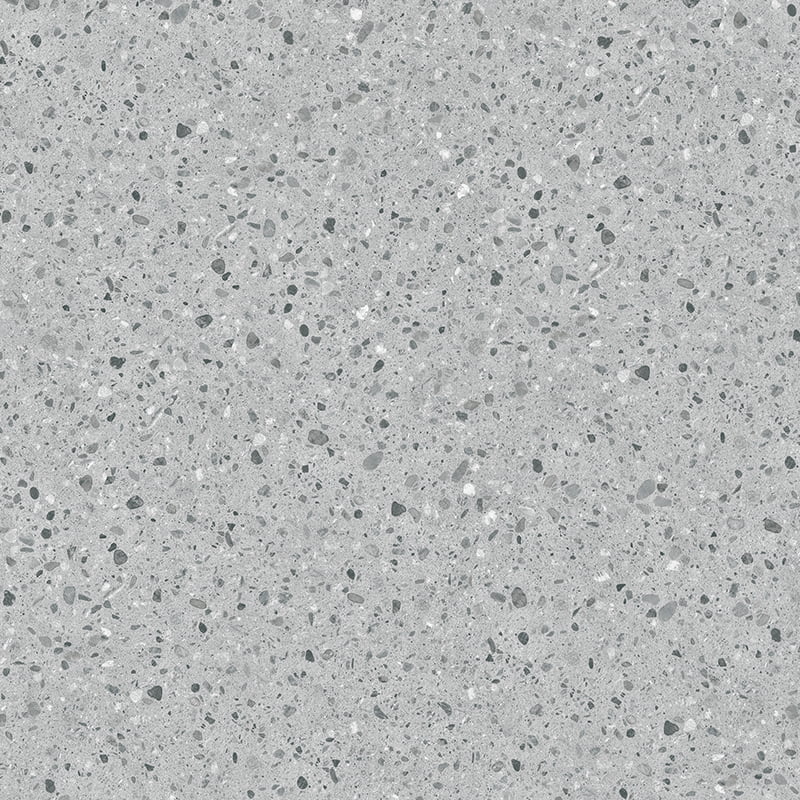
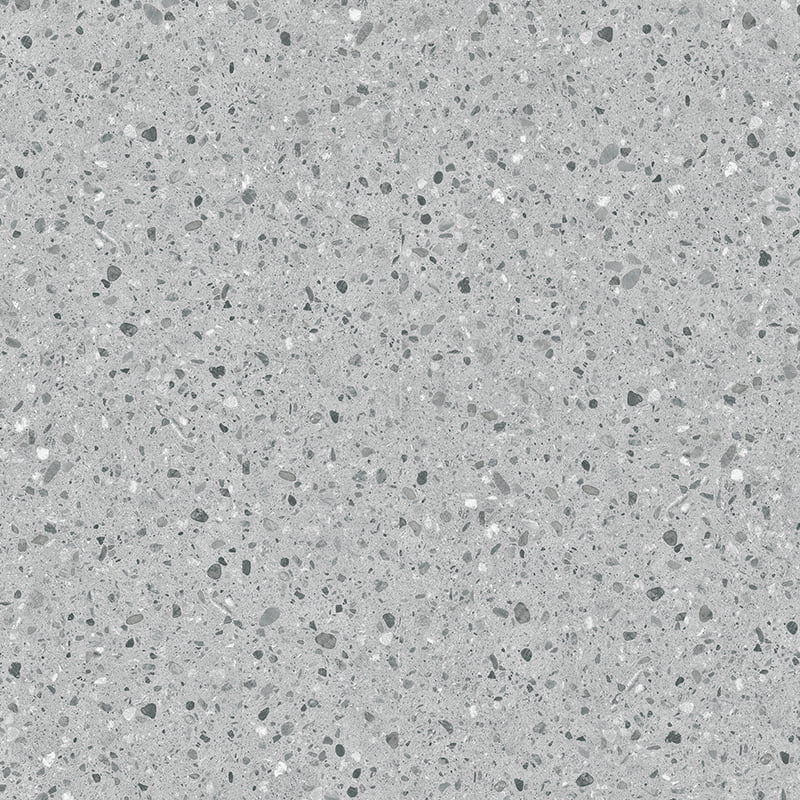
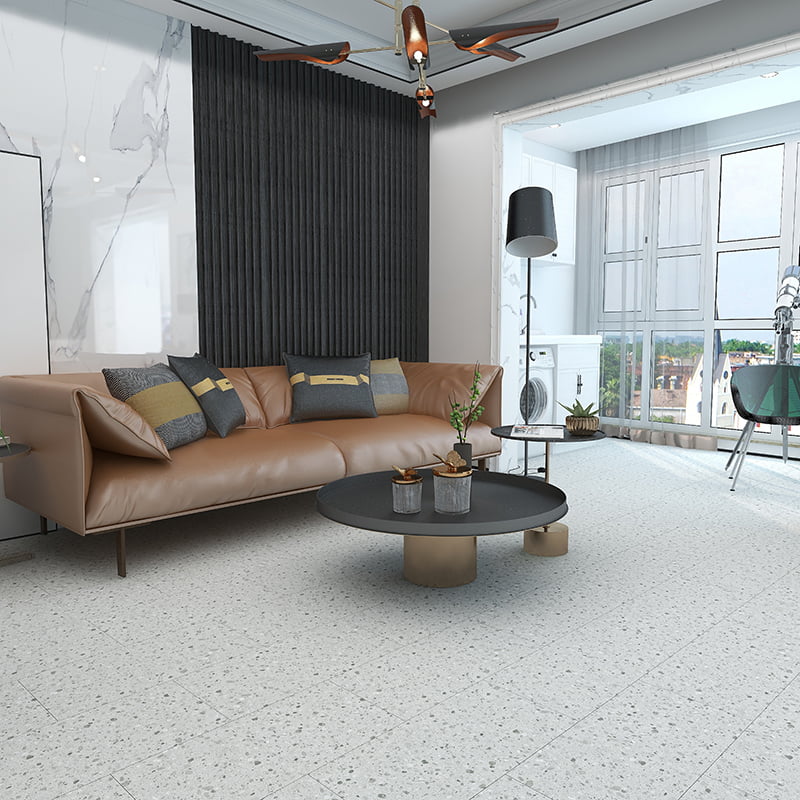
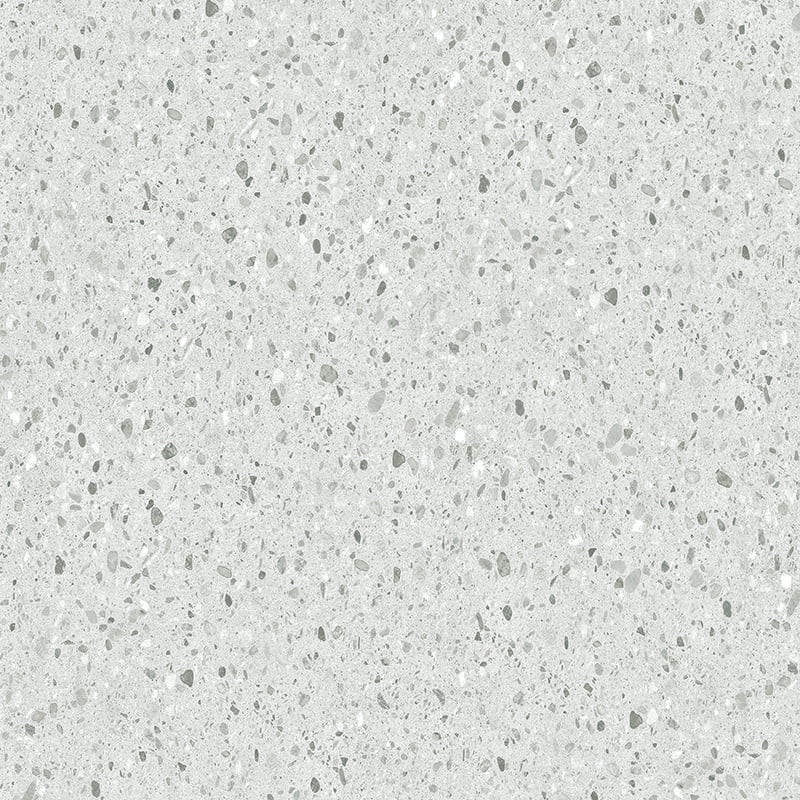
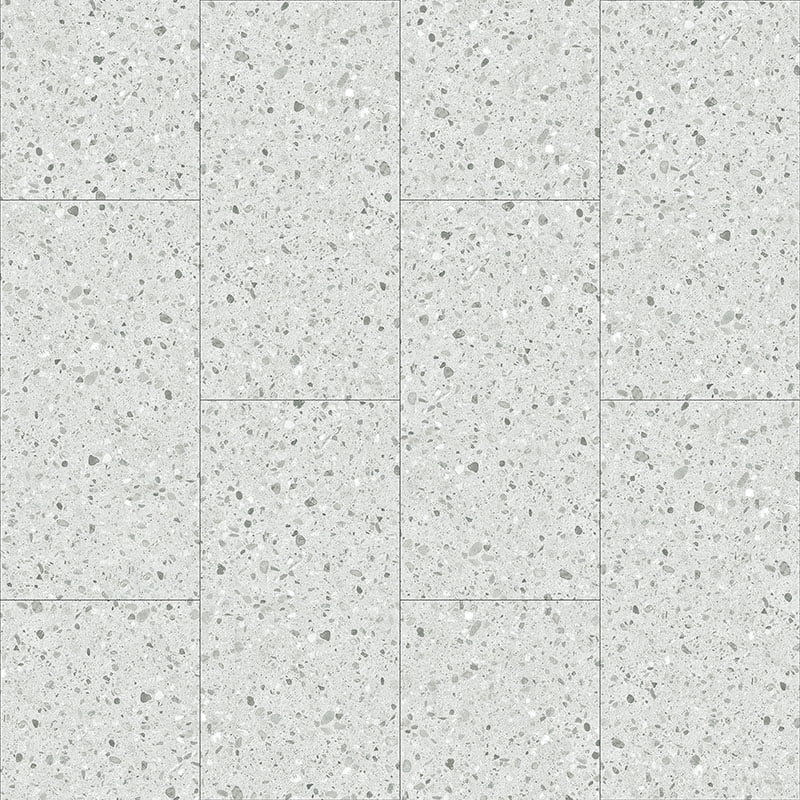
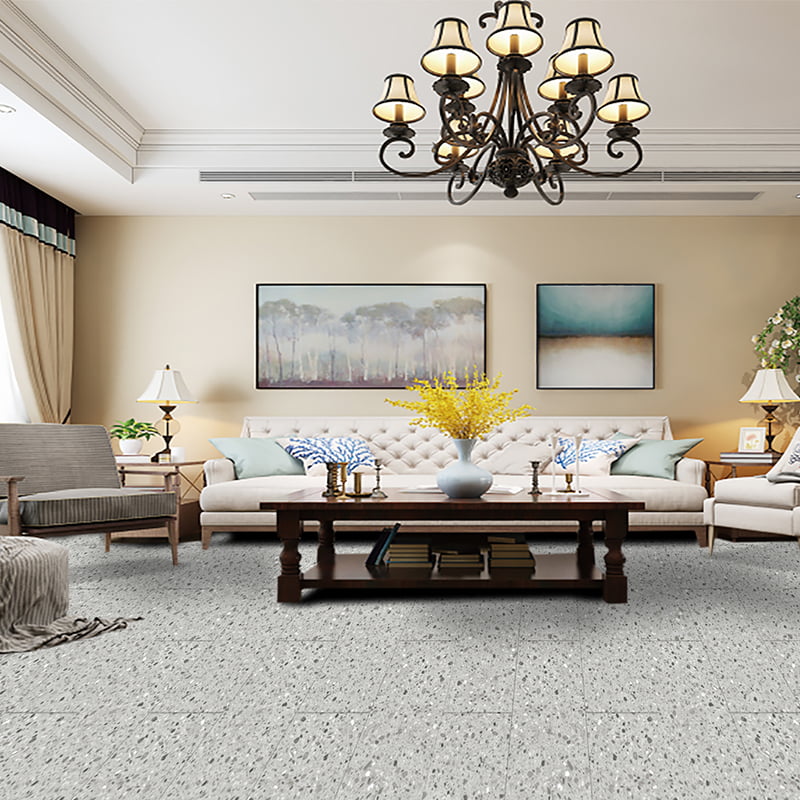
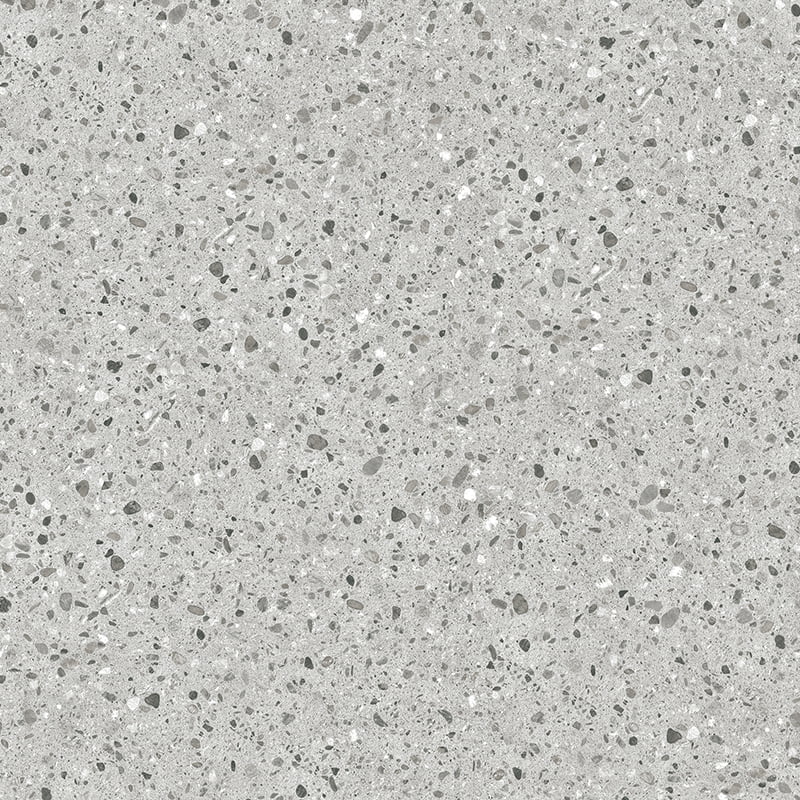
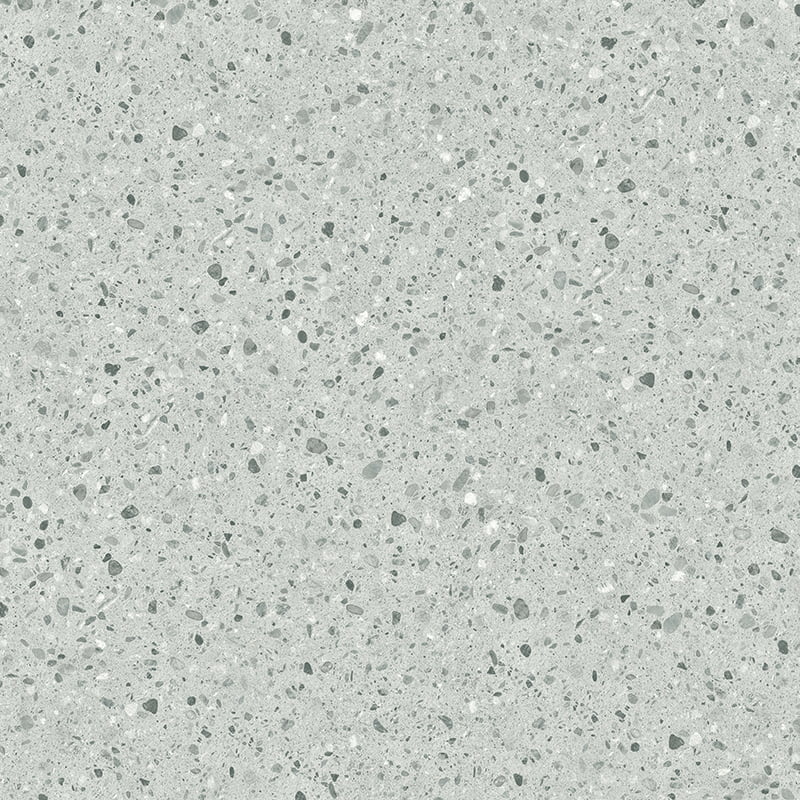
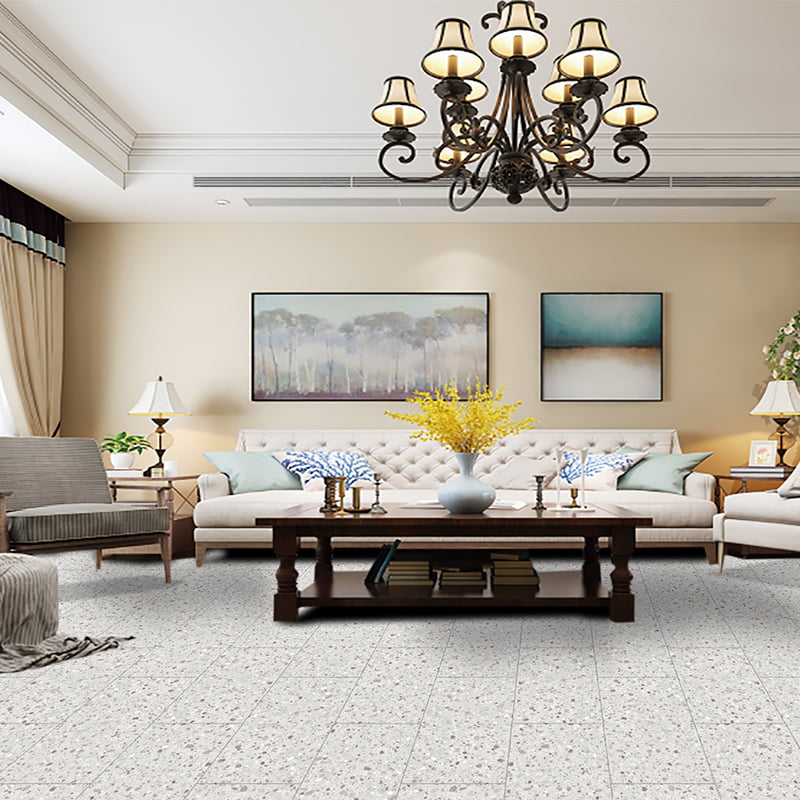
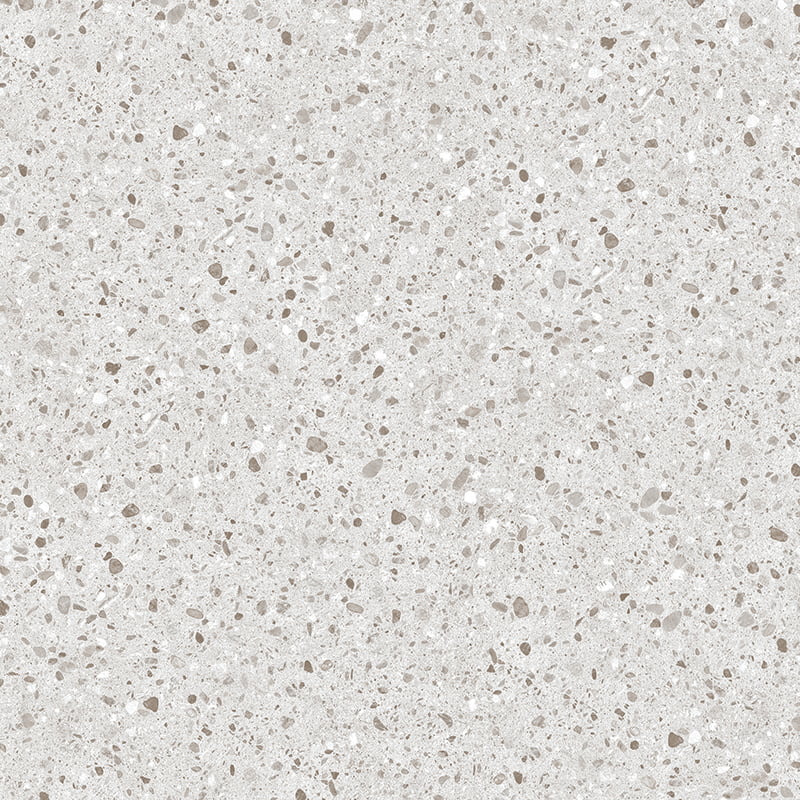
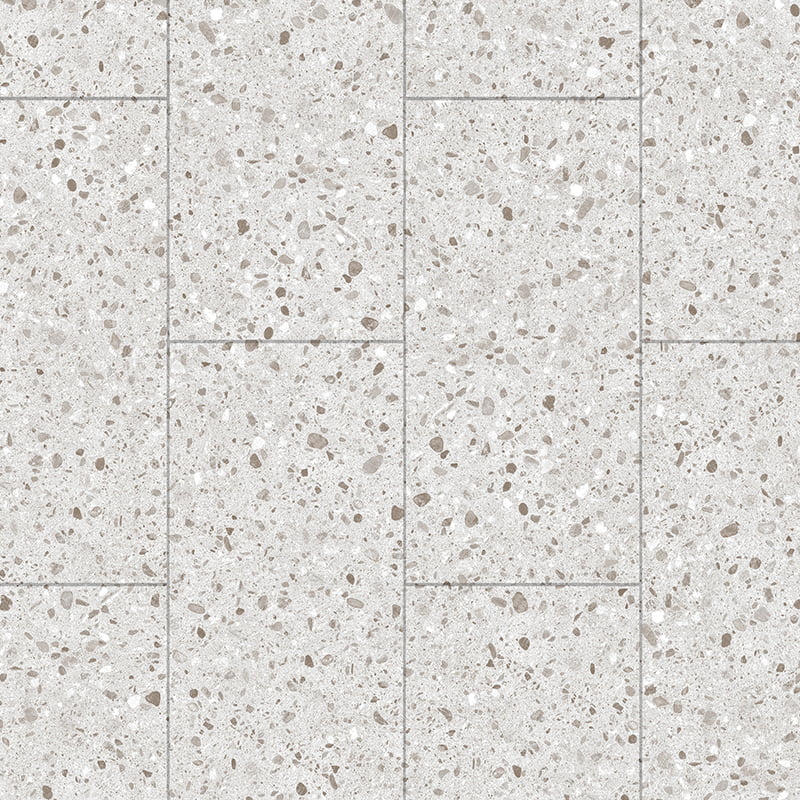
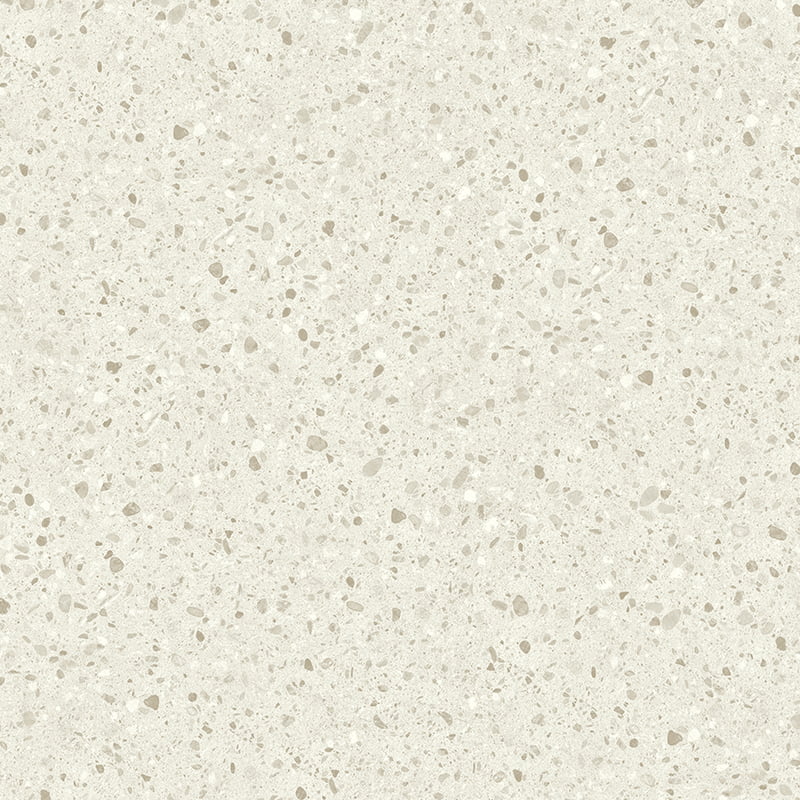
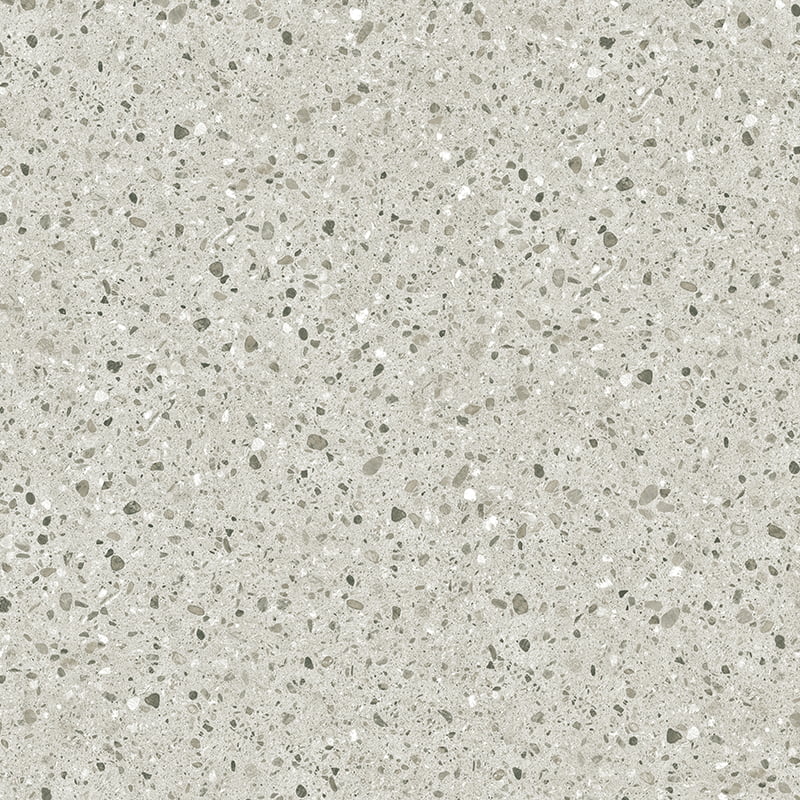
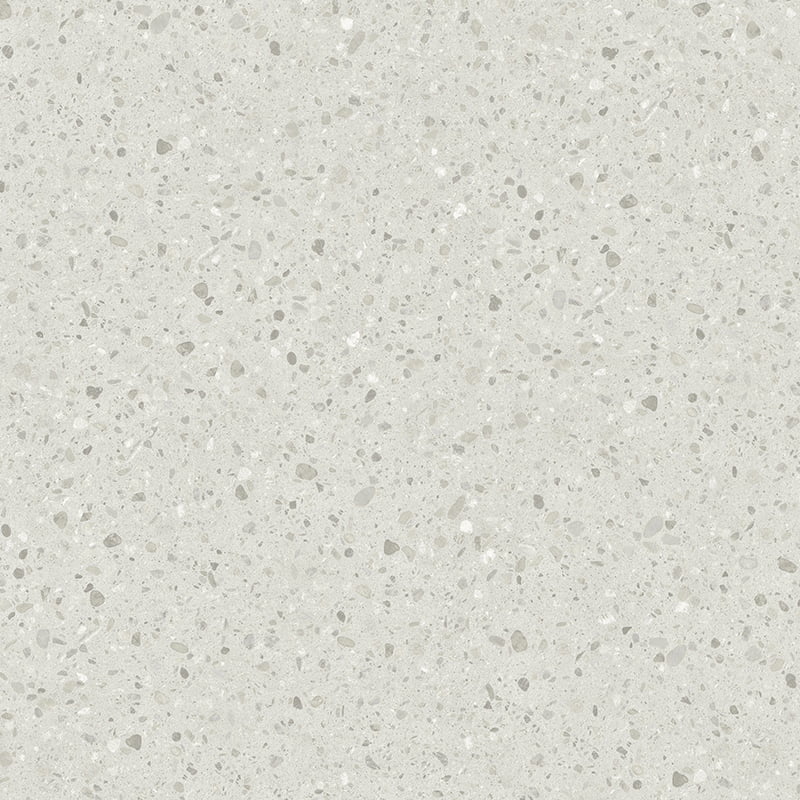
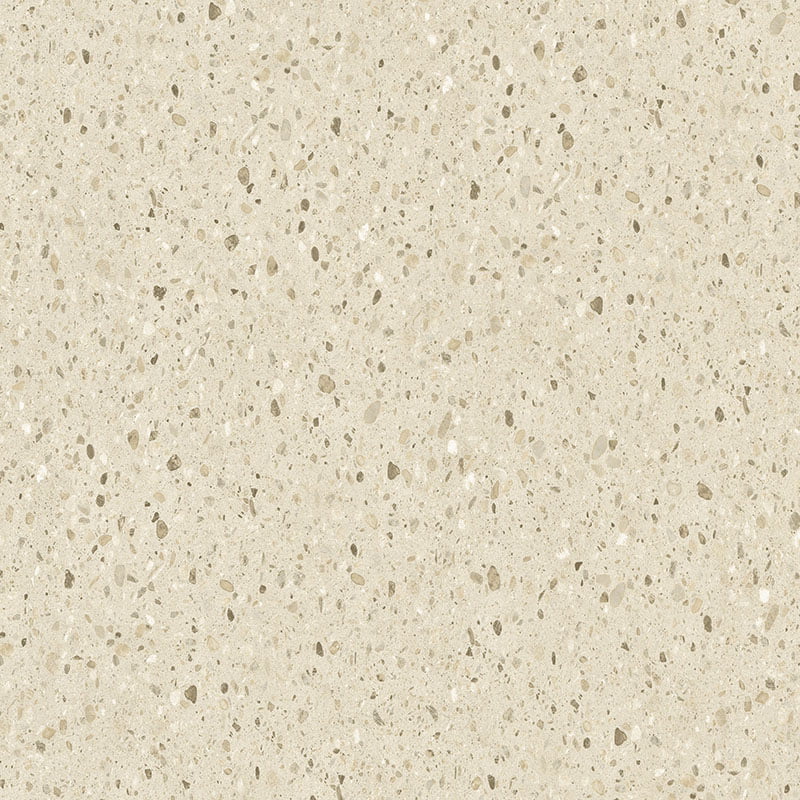
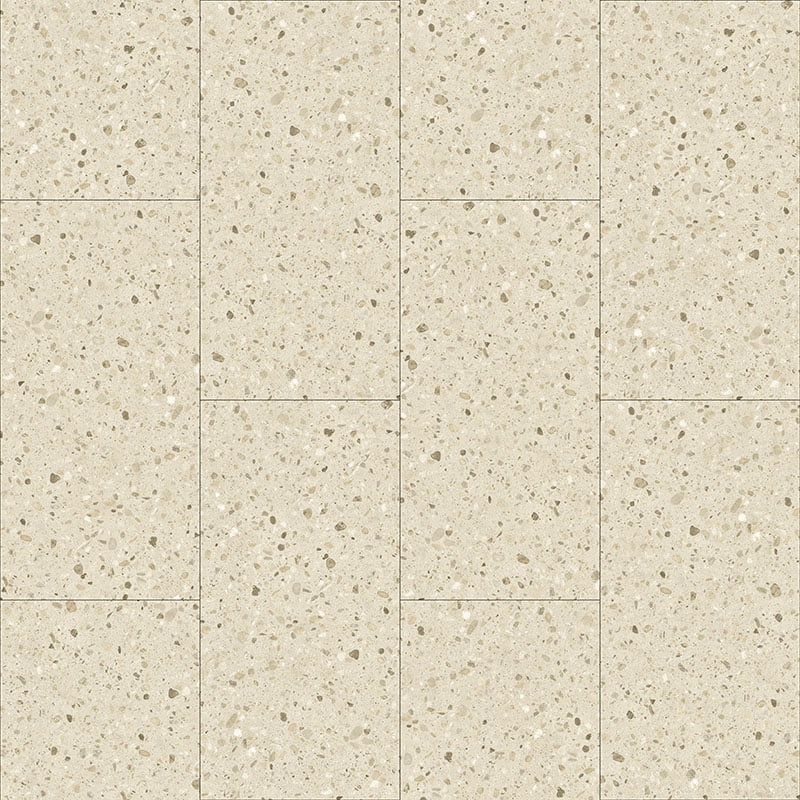
Model: YC949
Wood: Stone
Spec: 1000*940mm
Single chip size: 12*24"
Walk through almost any furniture showroom and you will meet the same surface again and again: a warm, straight-grained...
View MoreHickory has quietly become one of the most requested wood looks in decorative film, and it is easy to see why. It carri...
View MoreYou can usually spot hickory from across a room. The cathedral arches are wide and confident, the colour drifts from pa...
View MoreWhen designers and manufacturers look for a wood grain surface that feels warm, natural, and timeless, hickory often co...
View MoreA workshop receives a bundle of pine veneer for twelve wardrobe doors and finds that the color shifts noticeably betwee...
View MoreTerrazzo is a composite material rather than a natural stone, constructed by embedding fragments of marble, granite, glass, shell, or other aggregates into a cementitious or epoxy binder matrix and then grinding and polishing the surface flat. This manufacturing origin gives terrazzo a visual character fundamentally different from natural stone: its appearance is defined by the size distribution, color, and density of discrete aggregate chips set against a contrasting binder field, with visible grout lines or divider strips separating different compositional zones in traditional installations. The aggregate chips are individually distinguishable as objects — each with its own outline, internal grain, and color — rather than being continuous geological features like marble veins or slate cleavage planes.
This object-based visual structure creates a specific challenge when reproducing terrazzo in a PVC decorative film. The human eye reads aggregate chips as having physical volume — a slight raised quality — because real polished terrazzo, despite its flat surface, shows subtle tonal highlights on the upper face of each chip where the polishing compound created a slightly different gloss level than the surrounding binder. A gravure-printed film must simulate this volumetric reading through purely tonal means, using highlight and shadow ink placement around the chip outline to create the illusion of three-dimensional embedding. Films that print each chip as a flat, uniformly colored shape without internal tonal variation miss this volumetric quality entirely and read as a graphic pattern printed on plastic rather than a credible simulation of a composite mineral surface.
Terrazzo patterns span an exceptionally wide design range — from fine Venetian terrazzo with chips below 6 mm diameter to coarse Palladian terrazzo with chips exceeding 50 mm — and the selection of chip scale, density, and spatial distribution determines virtually every aesthetic quality of the finished pattern. These three variables interact with each other and with the panel dimensions of the intended application in ways that must be considered together rather than independently.
Chip scale — the diameter range of the aggregate fragments — is the primary driver of how the pattern reads at viewing distance. Fine-chip terrazzo (3–8 mm chips) requires close viewing to appreciate its compositional detail and reads from a distance as a speckled or granular texture. It is well suited to small-format tile applications, countertops, and furniture surfaces where the viewer is within 600–1200 mm. Coarse-chip terrazzo (25–60 mm chips) is legible from across a room and carries the compositional weight needed to anchor a large floor field or a feature wall panel. Medium-chip terrazzo (10–20 mm chips) is the most commercially versatile range, reading convincingly at both close inspection and normal room viewing distances. In a PVC decorative film context, the minimum printable chip size is constrained by the gravure screen ruling — at 120 lines/cm, a chip smaller than approximately 4 mm cannot be reproduced with clean, defined edges. Below this threshold, chips tend to blur into the background field and lose their object identity.
Chip density — the proportion of the surface area covered by aggregate versus binder — directly controls the visual weight and energy of the pattern. Low-density terrazzo (30–45% chip coverage) shows generous binder field between chips, creating a lighter, more open composition that emphasizes the binder color as much as the aggregate. High-density terrazzo (65–80% chip coverage) minimizes visible binder and creates a rich, complex surface where the eye moves between chip colors rather than resting on the matrix. For film applications, high-density patterns require more ink channel passes to maintain individual chip definition at print, because adjacent chips of different colors must be separated by a narrow binder-colored gap that requires precise cell placement in the cylinder artwork.
In natural terrazzo, the binder — cement or epoxy — determines the ground color of the composition and therefore the tonal key of the entire design. The binder color is chosen to either contrast with the aggregate chips, creating maximum individual chip visibility, or to harmonize with a subset of the chips, creating a more cohesive, lower-contrast composition where certain chips recede into the background. This design logic is directly transferable to terrazzo PVC decorative film, and the binder color in the film's background field is the single most powerful variable for controlling the overall aesthetic register of the pattern.
White and light grey cement binders produce the classic modernist terrazzo aesthetic — a bright, graphic composition where even low-saturation chip colors read clearly against the pale field. This palette has dominated the terrazzo revival in contemporary interiors since approximately 2016 and remains the commercial anchor of the terrazzo film category. Black and dark charcoal binders create a dramatically different reading: the chips appear to float in a dark field, and only the brightest chip colors (whites, yellows, warm corals) remain highly visible — darker chips merge with the binder and add texture without strong contrast. Warm tinted binders — terracotta, warm sand, dusty rose — have become a significant trend direction in the past two years, driven by the broader movement toward warmer, earthier interior palettes in both residential and hospitality design. These binder colors require careful chip color selection in the pattern design, because chips that read distinctly against a white or grey binder may lose contrast against a warm-toned field.
Our Terrazzo Decorative Film series covers all three binder tone families across a curated chip color range, and we are glad to discuss custom binder and chip color combinations for customers developing exclusive colorways for their product lines.
A typical terrazzo composition uses four to eight distinct chip colors — fragments of different marble varieties, granite, glass, or ceramic — each present as individual objects scattered across the binder field. Reproducing this multi-color chip assembly in gravure printing requires a channel architecture that is fundamentally different from the approach used for wood grain or marble vein patterns, where the design is a continuous tonal field rather than a collection of discrete colored objects.
Each visually dominant chip color in the terrazzo composition ideally receives its own dedicated ink channel — a cylinder pass that deposits ink only in the areas corresponding to chips of that color. This direct-channel approach maintains clean, saturated chip colors and allows each chip type to be printed at its optimal ink density without compromise. For a terrazzo with four dominant chip colors plus a binder field, a minimum of five channels is required; six or seven channels are common in premium terrazzo film production. The practical limitation of this approach is cost: each additional channel requires a separate cylinder, a separate press pass, and a separate registration alignment, making multi-chip terrazzo one of the more expensive pattern categories to produce well.
Where production economics require reducing channel count below the ideal, chip colors that do not spatially overlap in the pattern design can share a cylinder channel — the same ink pass deposits different chip colors in different areas of the web, provided the chip placement ensures no two colors in a shared channel are ever adjacent. This strategy is feasible only when the pattern artwork is carefully designed to respect the spatial separation constraints, and it requires the cylinder engraver to verify the artwork before committing the shared-channel solution to plate. The risk is that any future design modification that moves chips closer together will invalidate the shared-channel layout and require a cylinder re-engraving — a point worth documenting in the product's technical file to prevent downstream production errors.
Beyond the color fill channels, a high-quality terrazzo film includes one or two additional channels dedicated to chip outlines and shadow simulation. A very narrow, dark outline around each chip — 0.3–0.8 mm width, at 30–50% of the binder color density — sharpens the chip boundary and increases the perceived definition of each fragment. A shadow channel, printed at low density on one side of each chip (typically the lower-right side to simulate illumination from upper-left), adds the volumetric reading that distinguishes premium terrazzo film from flat-printed alternatives. These structural channels are what make a terrazzo film read as dimensionally credible under close inspection, and their presence in the cylinder count is a reliable indicator of a manufacturer's commitment to the category.
Terrazzo is inherently a non-directional pattern — in real terrazzo, the aggregate chips are distributed without orientation, so the surface looks the same from any rotation angle. This is one of terrazzo's most commercially valued characteristics, because it allows tiles to be installed in any direction without requiring pattern alignment, eliminating the installation complexity and material waste associated with directional materials like wood grain or strongly veined marble. Terrazzo PVC decorative film is expected to share this non-directional quality, and achieving it in a gravure-printed film — which is inherently produced in a fixed machine direction — is a specific engineering challenge.
The fundamental problem is that gravure printing applies pressure and ink transfer in the machine direction, and any feature with a preferred orientation — such as an elongated chip, a shadow effect applied consistently in one direction, or a gradient in the background field — will betray the machine direction when the film is installed and viewed from different angles. For a terrazzo film to be genuinely non-directional, the chip shapes must be approximately equidimensional (width-to-length ratio between 0.7 and 1.3), the shadow channel must be subtle enough that its directionality is not perceived when the film is rotated, and the background field must have no tonal gradient in the machine direction. These constraints must be designed into the pattern artwork before cylinder development — they cannot be corrected at the installation stage.
Pattern repeat management for Terrazzo PVC Decorative Film also benefits from a different strategy than directional wood or stone patterns. Because there is no strong linear feature that the eye can use as a landmark for repeat detection, a well-designed terrazzo pattern at 1,000–1,200 mm repeat is less visually repetitive than a wood grain pattern at the same repeat length. The key is ensuring that large or distinctively colored chips — those most likely to become visual anchor points — are distributed at irregular intervals within the repeat and that no two identical chip clusters appear within a 600 mm radius of each other in the finished artwork.
The terrazzo revival that began in approximately 2015 has produced a wide range of aesthetic directions in the decorative film category, from strict historical reconstructions of Venetian floor patterns to highly graphic, maximalist chip compositions with fluorescent colors and oversized fragments. Not all of these directions carry equal design longevity, and buyers building a terrazzo film range for multi-season commercial performance benefit from distinguishing between trend-driven and enduringly specification-grade aesthetics.
Real polished terrazzo achieves a surface gloss of 70–85 GU through the progressive grinding and polishing of the composite surface, which produces a reflectance quality different from any coating-applied gloss — the polished aggregate minerals reflect at their own crystallographic angles, creating the characteristic depth and sparkle of genuine terrazzo. PVC decorative film can approximate this appearance but faces the same fundamental limitation as marble film: a uniform topcoat reflects from a geometrically flat surface rather than from a crystallographically varied one, so the specular reflection is clean and mirror-like rather than sparkling and complex.
For polished-effect terrazzo film, the closest achievable simulation uses a high-gloss UV topcoat (65–75 GU) combined with a small proportion of micro-crystalline or pearlescent additive in the topcoat formulation that introduces a subtle directional sparkle under point-source lighting. This additive must be carefully quantified — too little produces no perceptible effect, while too much creates a glittery appearance that reads as synthetic rather than mineral. The effective range is typically 0.5–1.5% by weight of metallic or interference pigment in the topcoat, sized at 15–30 µm particle diameter for optimal optical effect at film thickness.
For honed Terrazzo PVC Film — which references the unpolished or low-gloss version of the material increasingly used in contemporary interiors for its matte, muted quality — a satin topcoat at 15–25 GU is appropriate. Honed terrazzo film is more forgiving in installation than high-gloss versions because the lower reflectance reduces the visibility of subfloor imperfections and micro-scratches from foot traffic. In flooring applications particularly, honed terrazzo film maintains its specified appearance far longer than polished-effect alternatives in the medium-traffic commercial environments where terrazzo is most frequently specified as an LVT or SPC surface design. The following table summarizes the key specification parameters for each terrazzo film surface finish type:
| Surface Finish | Gloss Level (60°) | Topcoat Additive | Scratch Visibility | Best Application Context |
| Polished effect | 65–75 GU | 0.5–1.5% interference pigment | High — visible under directional light | Wall cladding, furniture facing, low-traffic floors |
| Satin / honed effect | 15–25 GU | None required | Low — diffuse surface masks micro-scratches | Commercial flooring, kitchen surfaces, bathroom walls |
| Matte effect | Below 10 GU | Matting agent (silica or wax) | Very low | Feature walls, retail fixtures, hospitality joinery |
| Structured / leathered | 8–15 GU with Ra 4–8 µm | Structured roller emboss | Negligible — texture masks surface wear | High-traffic commercial floors, public area walls |



Contact
 China Company Address: No.5 Zhaojia Road,
Vietnam Factory Address: GNP Yen Binh
1 - lndustrial Center (Lot CN13,CN18,Yen
Binh Industrial Park, Ward, Dng Tien, Ph8 Yen,
Thai Nguyen 24000)
Thailand Factory Address: 289/12 Moo 7, Klong Kiu Sub-District, Ban Bueng District, Chonburi 20220 THAILAND
China Company Address: No.5 Zhaojia Road,
Vietnam Factory Address: GNP Yen Binh
1 - lndustrial Center (Lot CN13,CN18,Yen
Binh Industrial Park, Ward, Dng Tien, Ph8 Yen,
Thai Nguyen 24000)
Thailand Factory Address: 289/12 Moo 7, Klong Kiu Sub-District, Ban Bueng District, Chonburi 20220 THAILAND
 Tel: +86-13685281168
+86-13813687178
Tel: +86-13685281168
+86-13813687178
 E-mail: [email protected]




 English
 русский