Content
PVC decorative film is a thin, flexible polyvinyl chloride sheet designed to be applied directly onto surfaces like furniture, cabinetry, doors, and wall panels to change their appearance without replacing the underlying material. Manufacturers print or emboss the film with patterns ranging from realistic wood grain and stone textures to solid colors, metallic finishes, and marble effects, then back it with an adhesive layer that bonds to substrates such as MDF, particleboard, metal, and glass. This makes PVC decorative film an especially popular choice in furniture manufacturing and interior renovation, since it allows a plain or damaged surface to take on a completely different look at a fraction of the cost of replacing the material entirely.
Beyond just appearance, PVC film also adds a protective layer to whatever surface it's applied to, helping resist scratches, moisture, and minor impacts that would otherwise damage bare wood or particleboard underneath. This dual purpose, combining decoration with surface protection, is a big part of why decorative PVC film has become a standard material in kitchen cabinet manufacturing, wardrobe production, and door facing applications across both residential and commercial furniture industries.
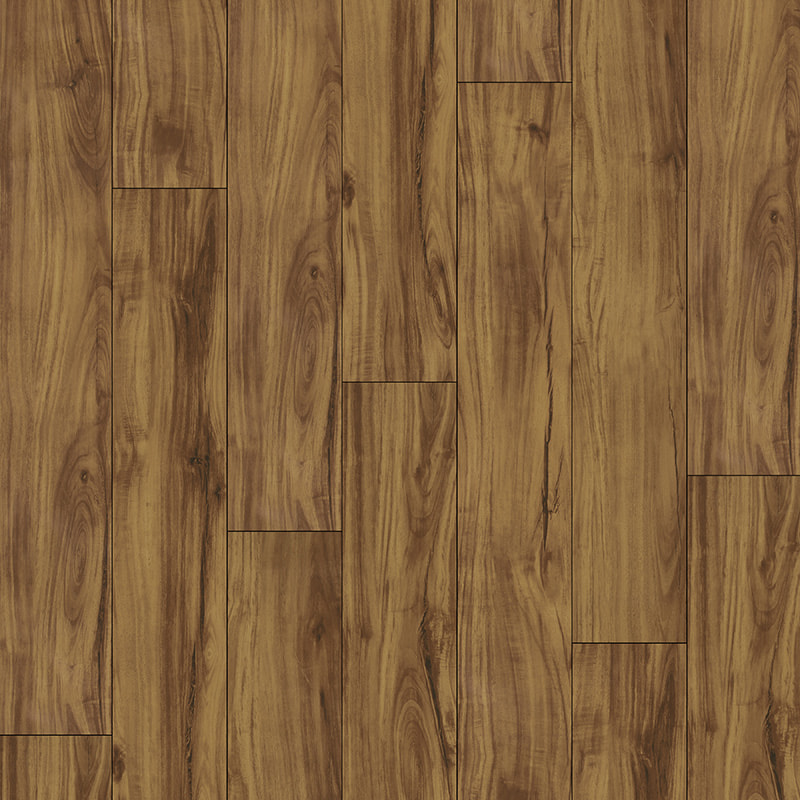
PVC decorative film comes in several distinct categories, each suited to different design goals and application methods. Wood grain PVC film remains one of the most widely used types, replicating the look of oak, walnut, or other natural wood finishes on furniture and cabinetry without the cost or maintenance concerns of solid wood. Solid color and high-gloss PVC films are popular in modern kitchen and bathroom cabinetry, offering a clean, uniform look that's easy to coordinate across an entire room.
| Film Type | Typical Application |
| Wood grain film | Cabinetry, doors, furniture panels |
| Solid color/high-gloss film | Kitchen cabinets, modern furniture |
| Marble and stone-effect film | Countertop edges, decorative panels |
| Metallic film | Accent furniture, retail displays |
| Textured/embossed film | Wall panels, door facings |
The appeal of PVC decorative film comes down to a combination of cost savings, design flexibility, and durability that's hard to match with other surface treatment options. Compared to natural materials like solid wood veneer or real stone, PVC film costs considerably less while still delivering a visually similar finish, which makes it especially attractive for large-scale furniture production where margins matter. The film's flexibility also allows it to be applied to curved or contoured surfaces that would be difficult or impossible to cover with rigid materials like solid wood panels.
Applying PVC decorative film correctly requires careful surface preparation, since any dust, grease, or unevenness on the substrate can show through the finished film or cause adhesion problems down the line. The process typically begins with thoroughly cleaning and sanding the surface to create a smooth, even base, followed by applying an adhesive layer if the film doesn't already include a pre-applied backing. From there, the film is carefully positioned and pressed onto the surface, often using a combination of heat and pressure through specialized lamination equipment in manufacturing settings, or a heat gun and roller for smaller-scale or on-site applications.
Not all PVC decorative film products perform equally well over time, and a handful of details can help separate a long-lasting choice from one that fades, peels, or discolors prematurely. Film thickness is one of the most important specifications to check, since thicker film generally offers better durability and resistance to tearing during application, while thinner film can be more prone to wrinkling or showing imperfections in the substrate underneath. UV resistance also matters significantly for any application exposed to direct sunlight, since lower-quality film can yellow or fade noticeably within just a year or two of consistent sun exposure.
Maintaining a surface finished with PVC decorative film is generally straightforward, since the material is designed to resist everyday wear better than many natural alternatives. Wiping the surface down with a soft, damp cloth and mild soap is typically enough to remove dust, fingerprints, and light grime without damaging the film's finish. It's worth avoiding abrasive cleaning pads or harsh chemical cleaners, since these can scratch the surface or degrade the adhesive bond over time, particularly along edges and seams where the film meets the substrate.
Keeping an eye on edges and corners is also a good habit, since these areas tend to be the first place where film can begin lifting if it wasn't applied with sufficient adhesive or pressure during installation. Catching a lifting edge early and resealing it with appropriate adhesive prevents moisture from getting underneath the film, which could otherwise lead to bubbling or peeling across a larger section of the surface over time.



Contact
 China Company Address: No.5 Zhaojia Road,
Vietnam Factory Address: GNP Yen Binh
1 - lndustrial Center (Lot CN13,CN18,Yen
Binh Industrial Park, Ward, Dng Tien, Ph8 Yen,
Thai Nguyen 24000)
Thailand Factory Address: 289/12 Moo 7, Klong Kiu Sub-District, Ban Bueng District, Chonburi 20220 THAILAND
China Company Address: No.5 Zhaojia Road,
Vietnam Factory Address: GNP Yen Binh
1 - lndustrial Center (Lot CN13,CN18,Yen
Binh Industrial Park, Ward, Dng Tien, Ph8 Yen,
Thai Nguyen 24000)
Thailand Factory Address: 289/12 Moo 7, Klong Kiu Sub-District, Ban Bueng District, Chonburi 20220 THAILAND
 Tel: +86-13685281168
+86-13813687178
Tel: +86-13685281168
+86-13813687178
 E-mail: [email protected]




 English
 русский