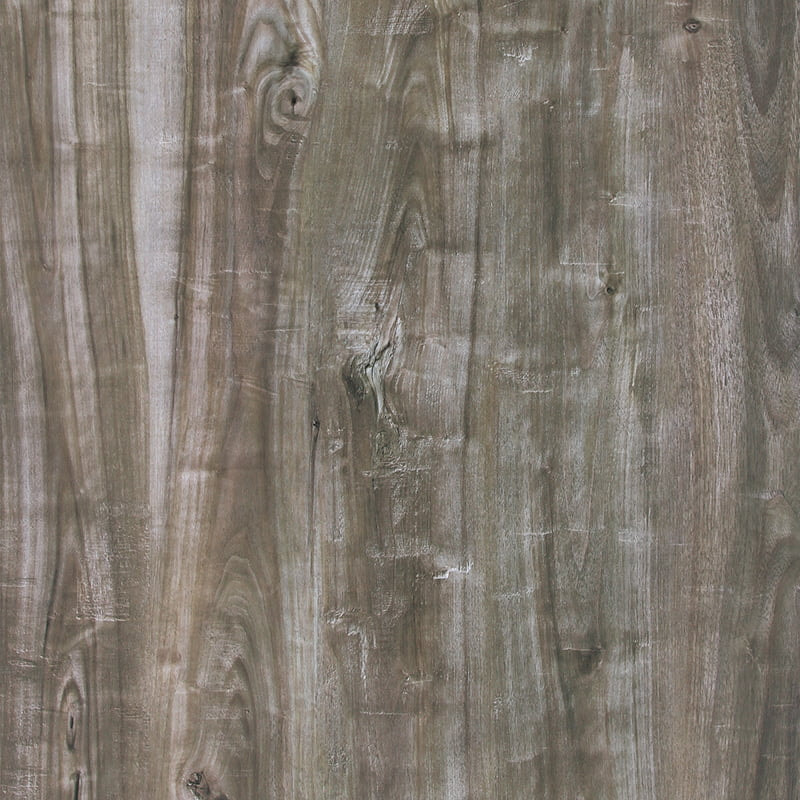
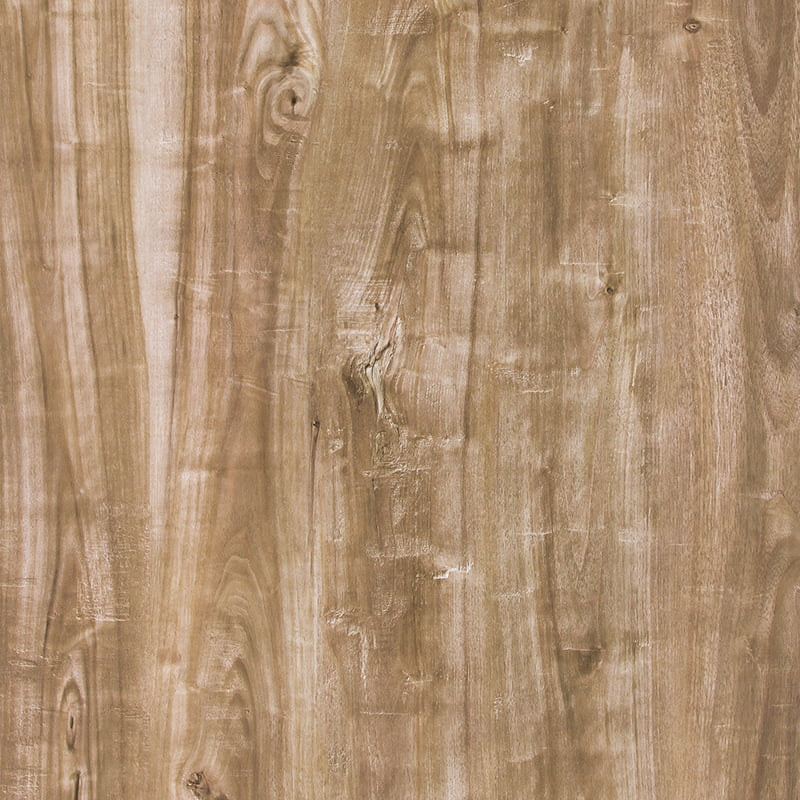
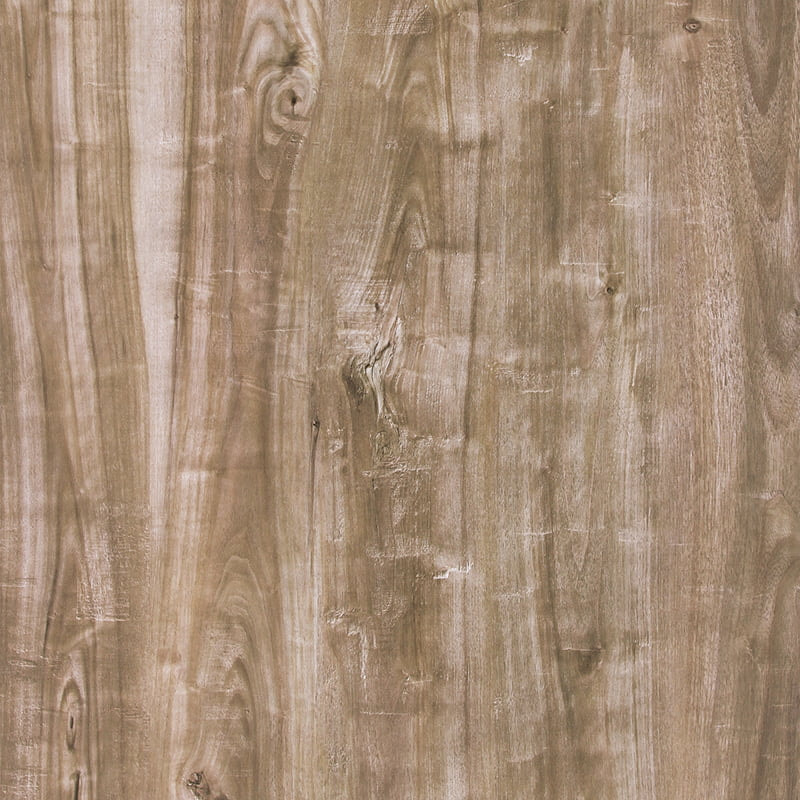
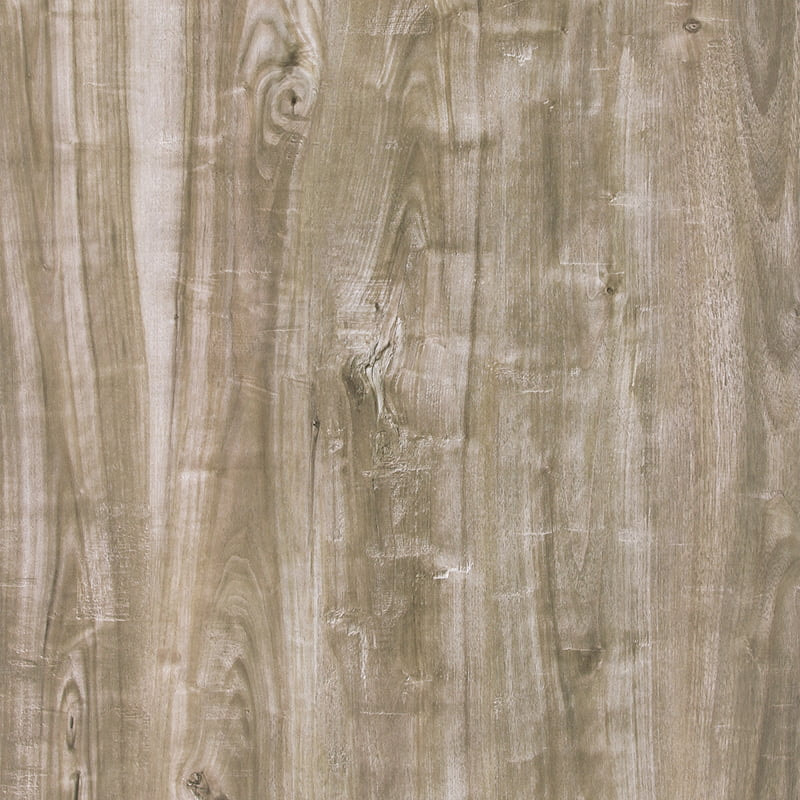
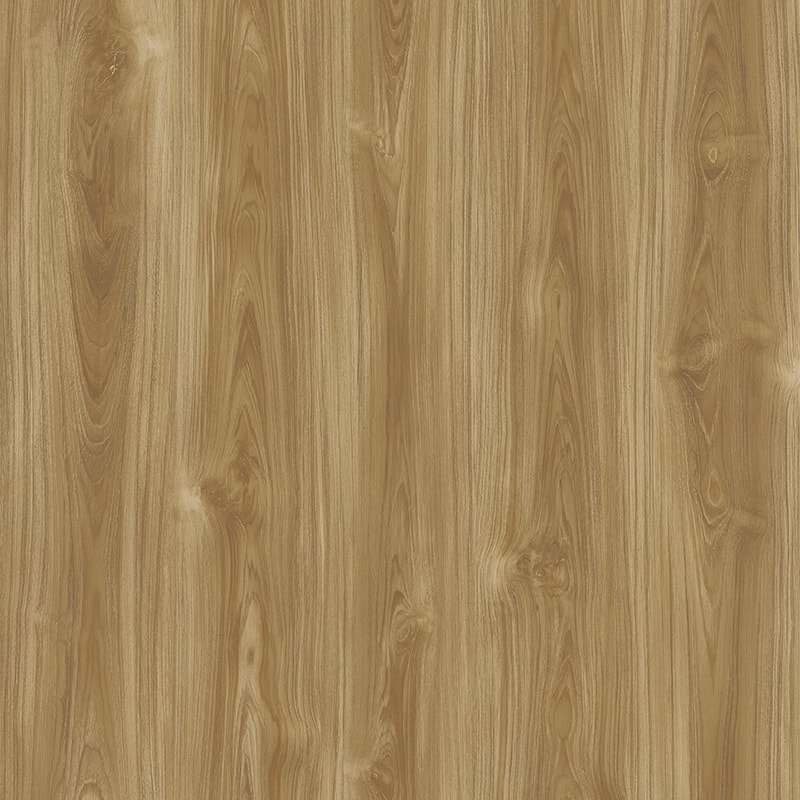
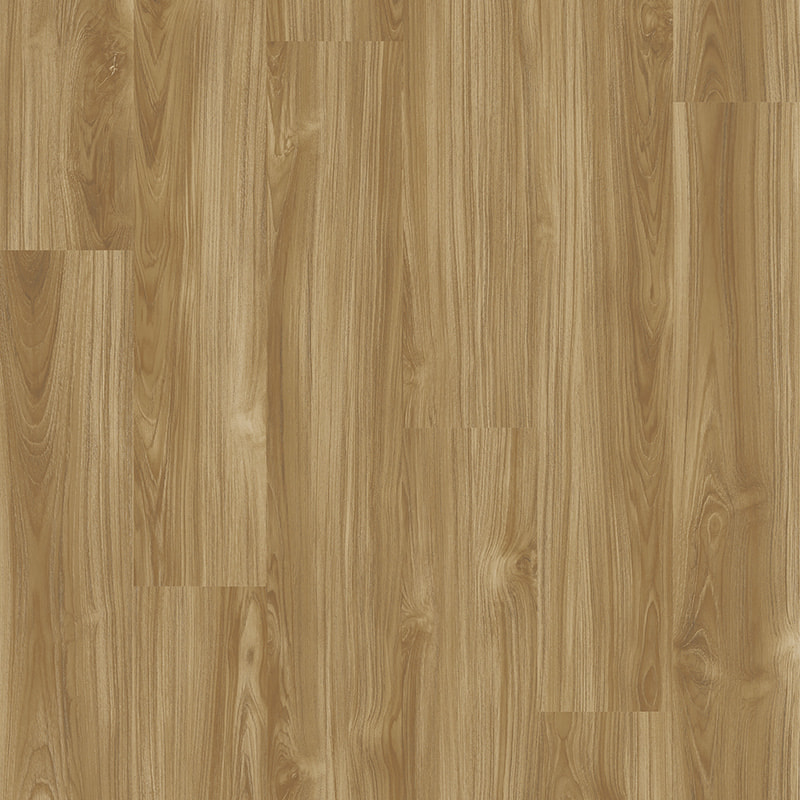
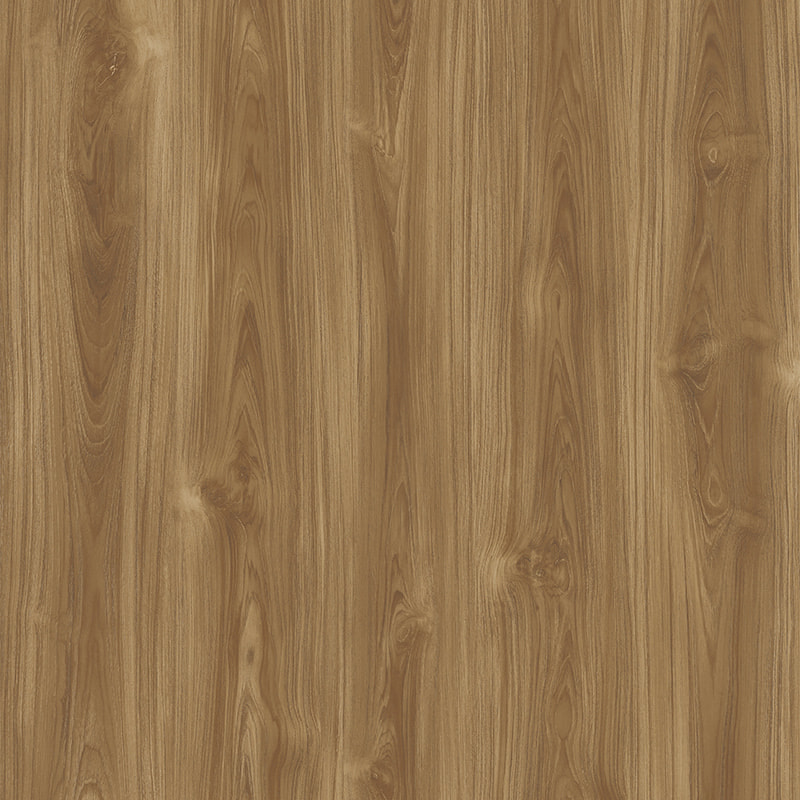
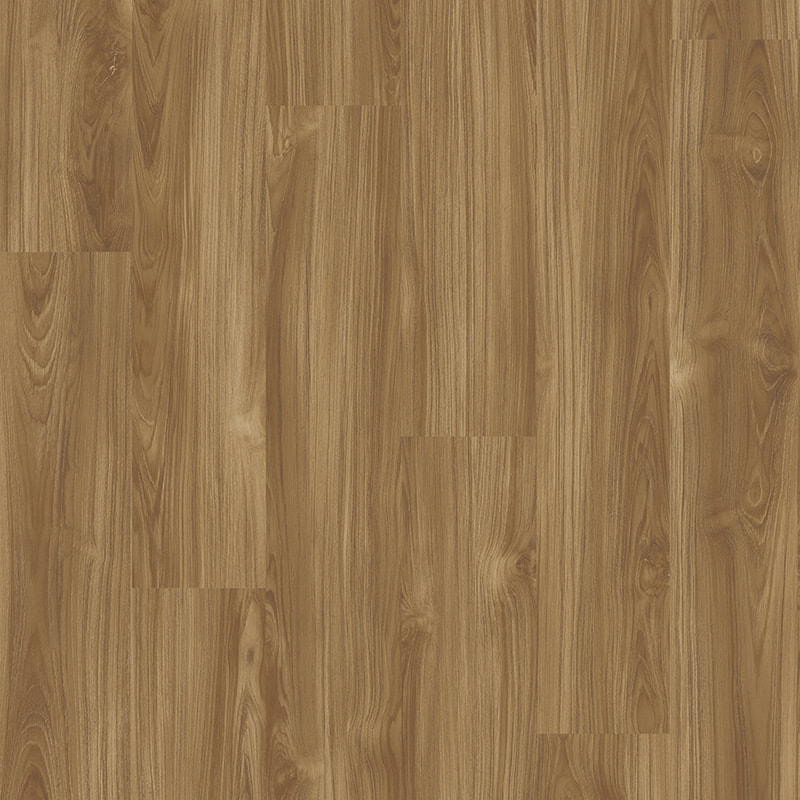
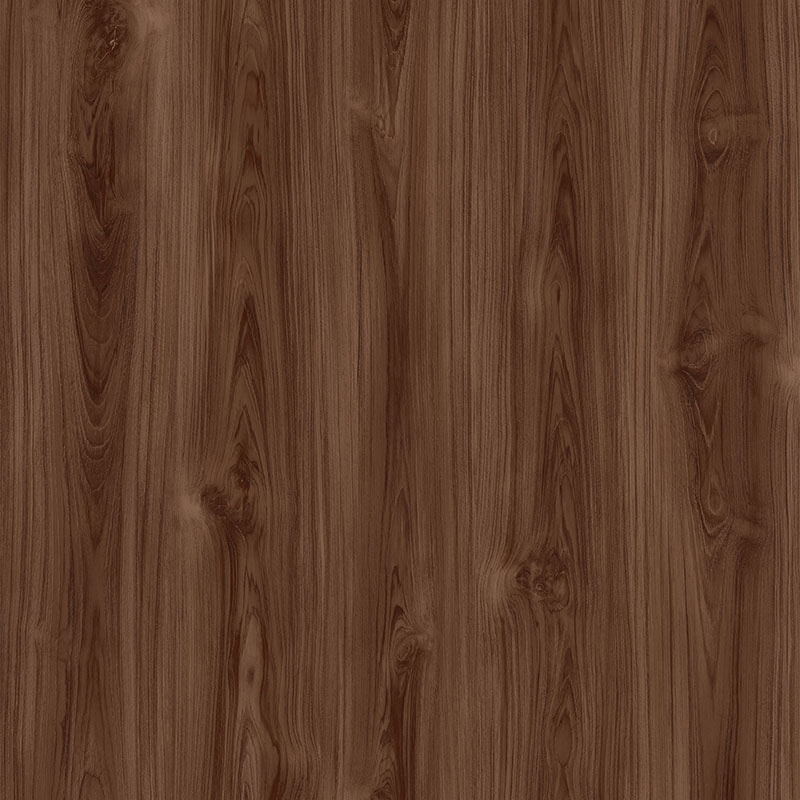
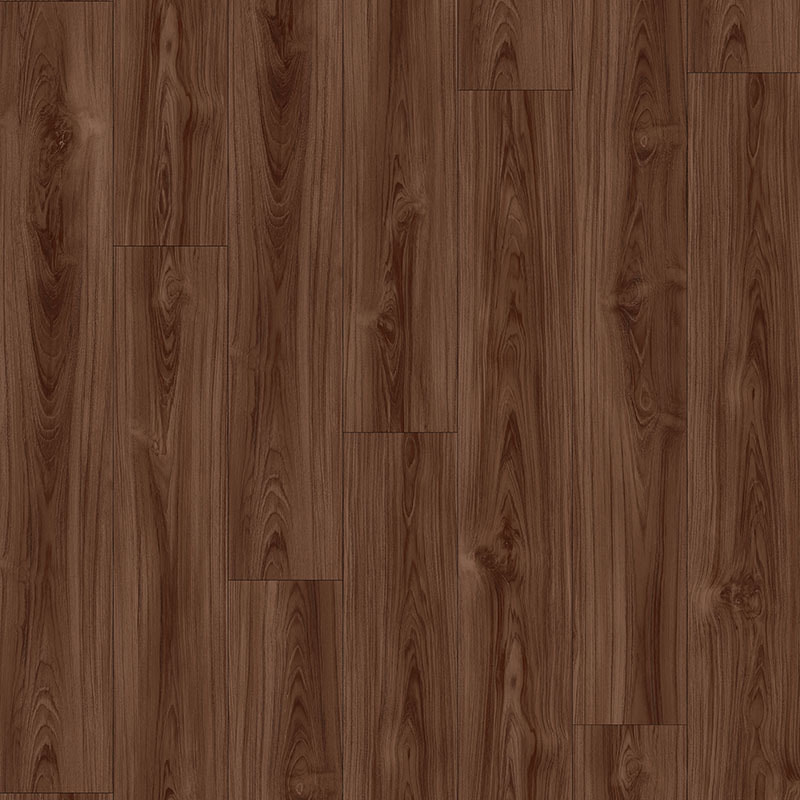
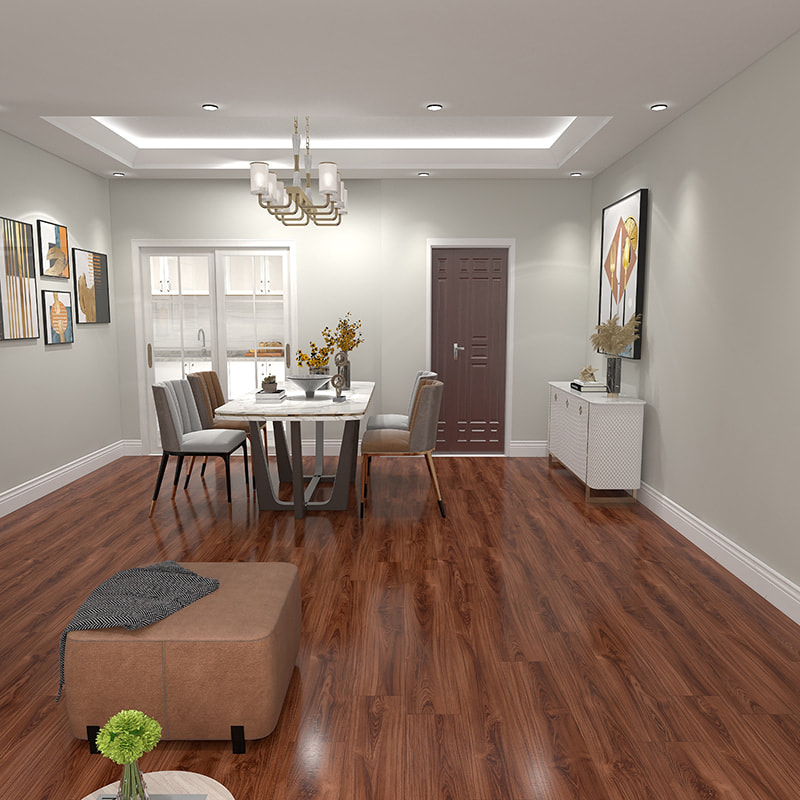
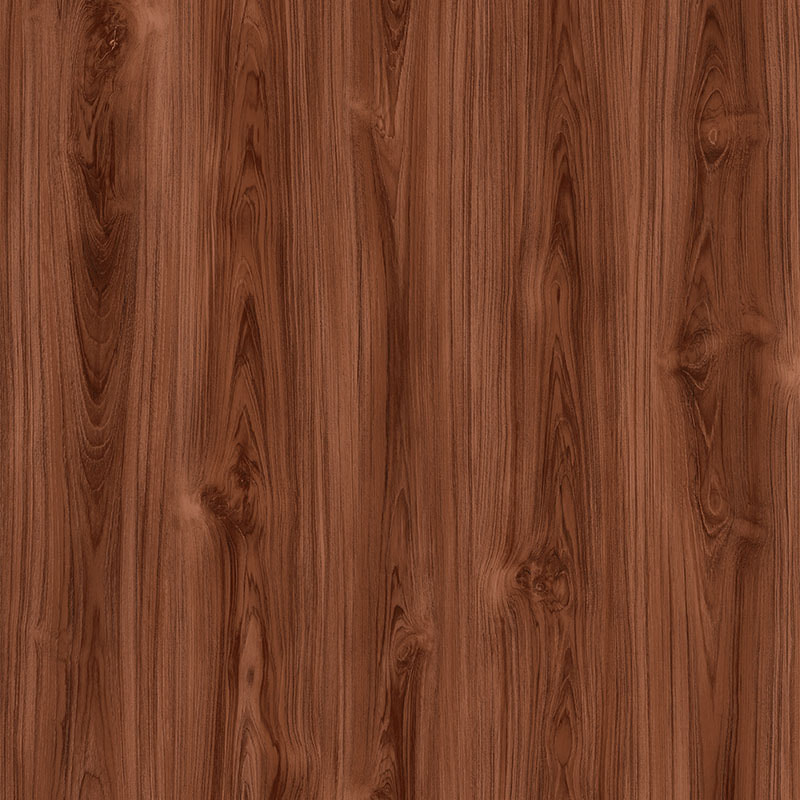
Wood grain series PVC decorative film is a high-end decorative film made of PVC calendered film as the base material and a printed layer of wood grain such as oak, elm, ash, walnut, maple, pine, and mahogany. PVC wood grain decorative film has the characteristics of natural and bright color, rich patterns, and elegant tones, which is very suitable for surface decoration such as indoor floors and walls. PVC wood grain decorative film also has the functions of moisture-proof, anti-corrosion, flame retardant, and easy to clean.
Our PVC decorative film has bright colors, unique patterns, and high cost performance, making it the material for interior decoration. The real estate industry purchases our PVC decorative film and wood grain series in large quantities. We continue to develop new patterns or colors every year. In addition, we customize our products according to customer requirements. Therefore, please feel free to contact us.
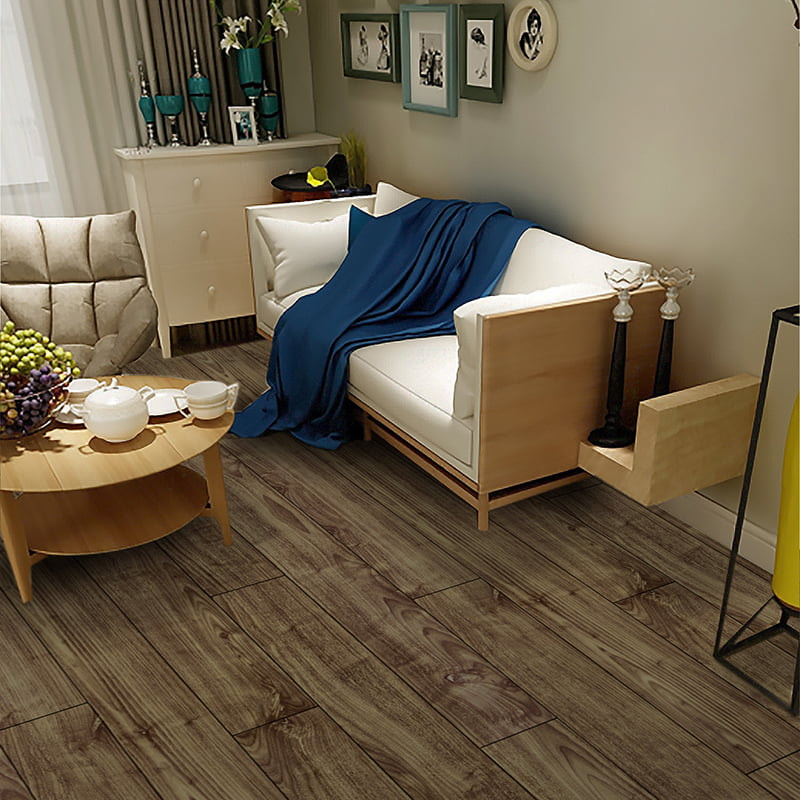
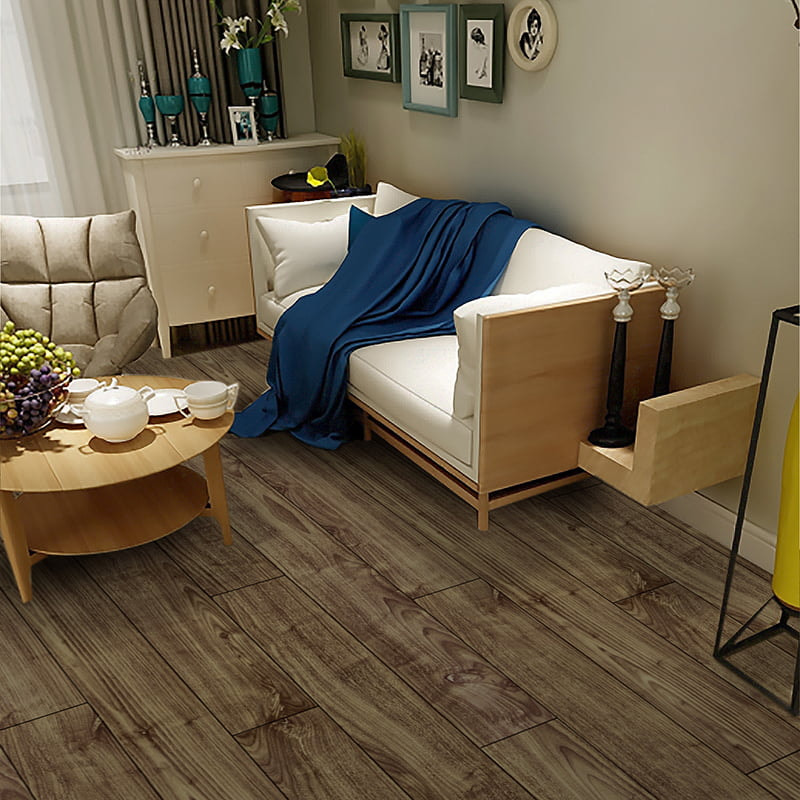
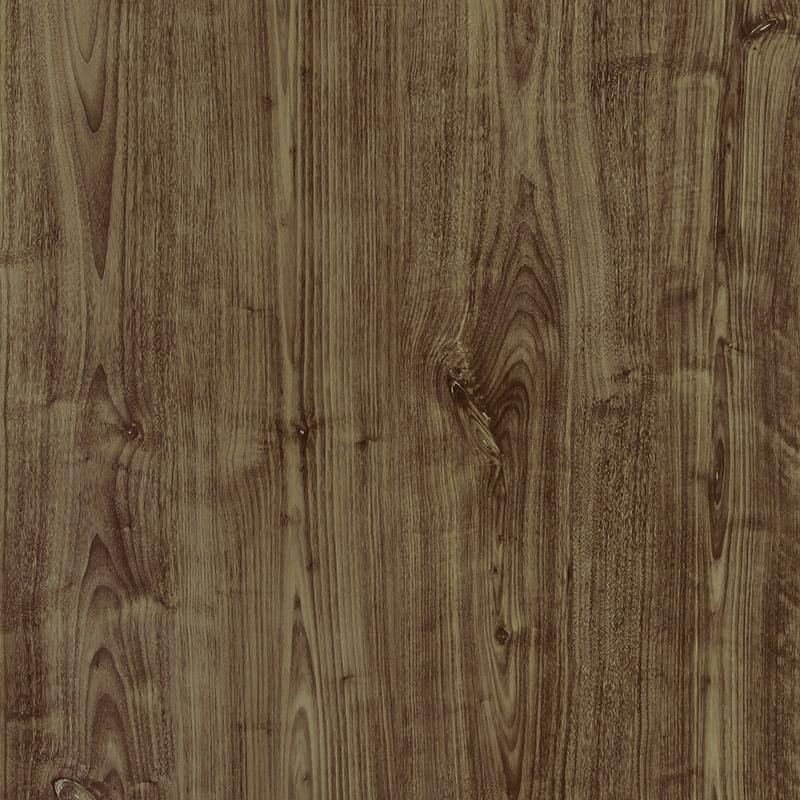
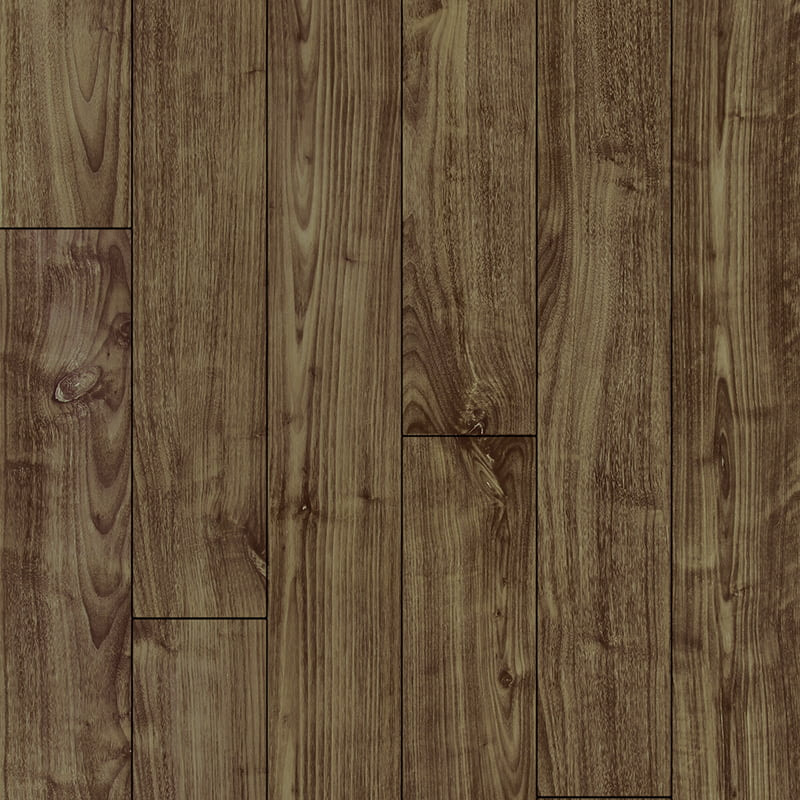
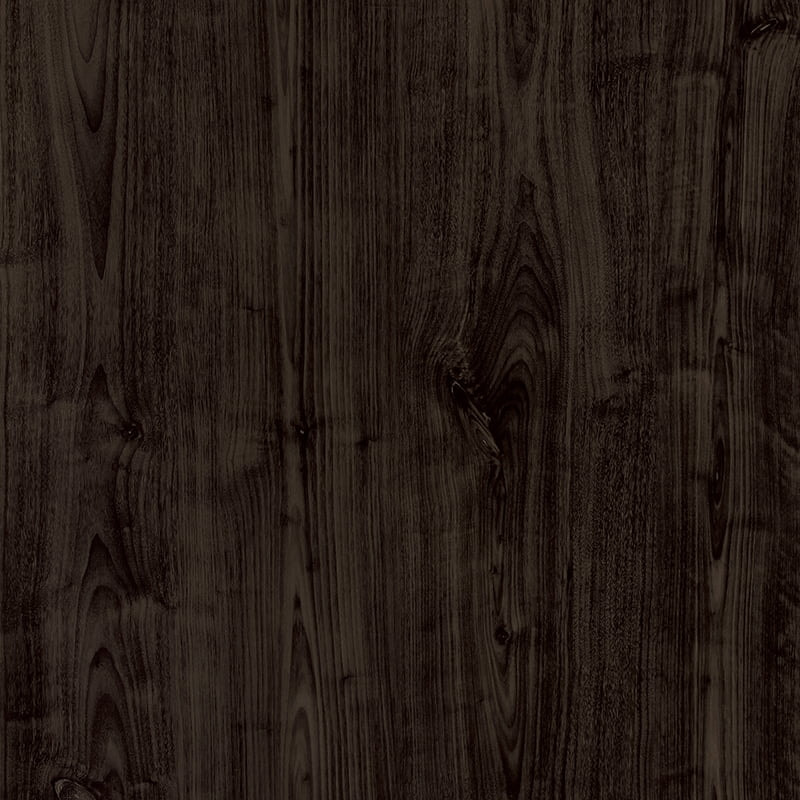
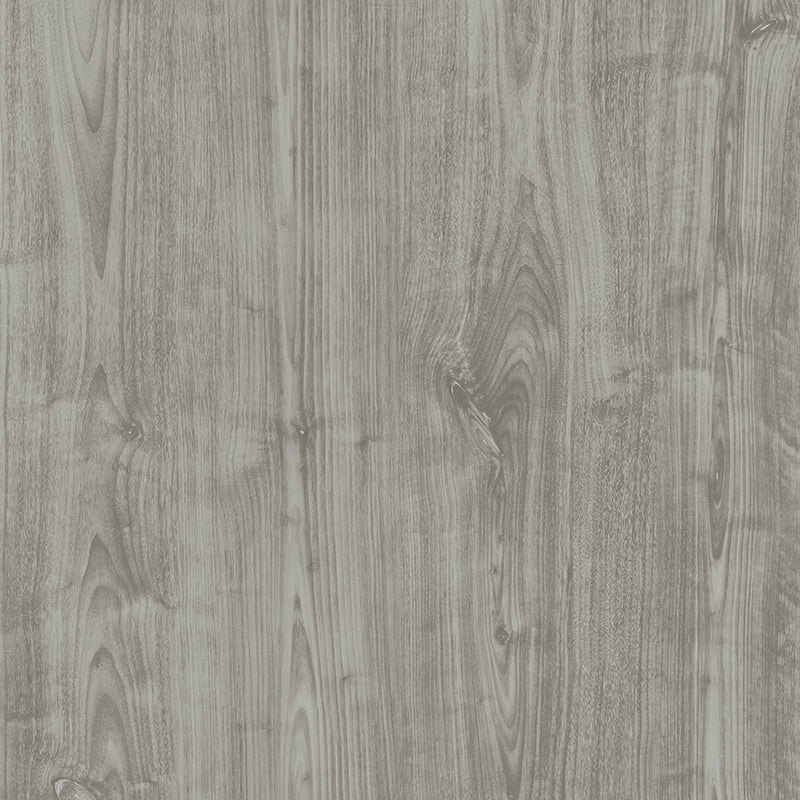
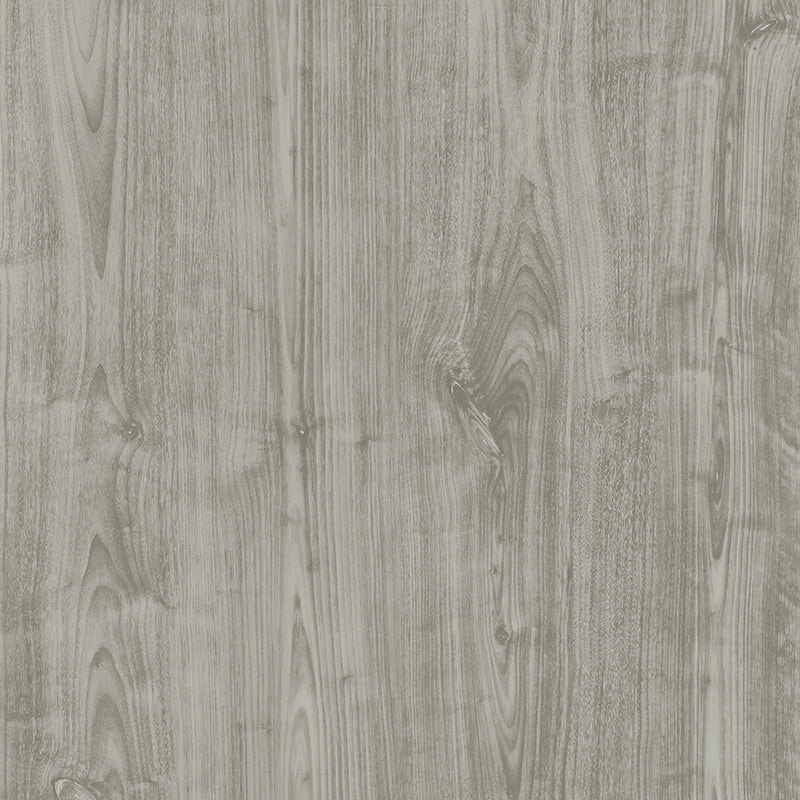
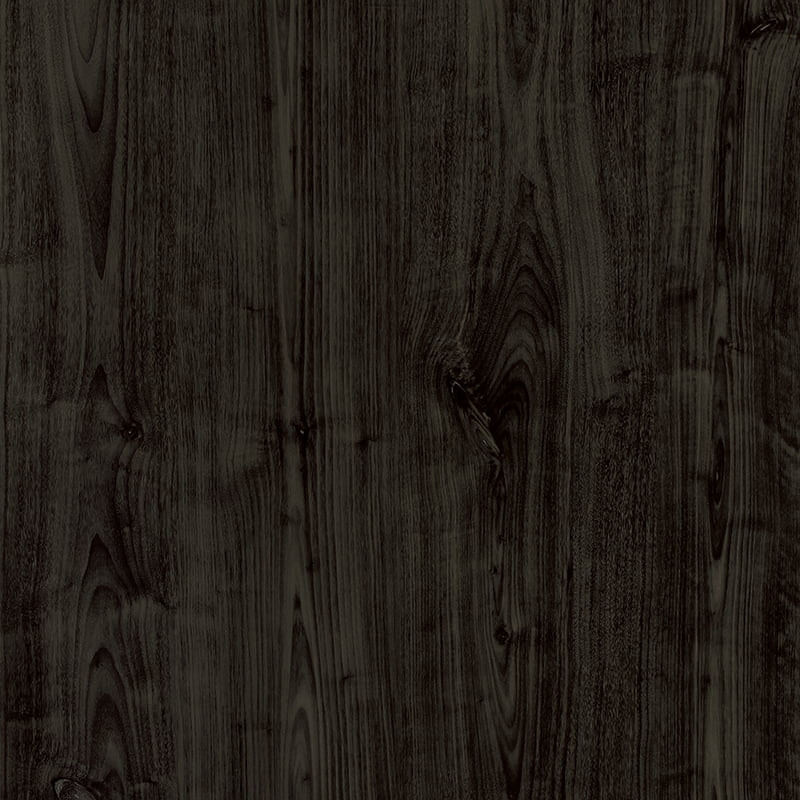
Model: YC837
Wood: Walnut
Spec: 1000*1580mm
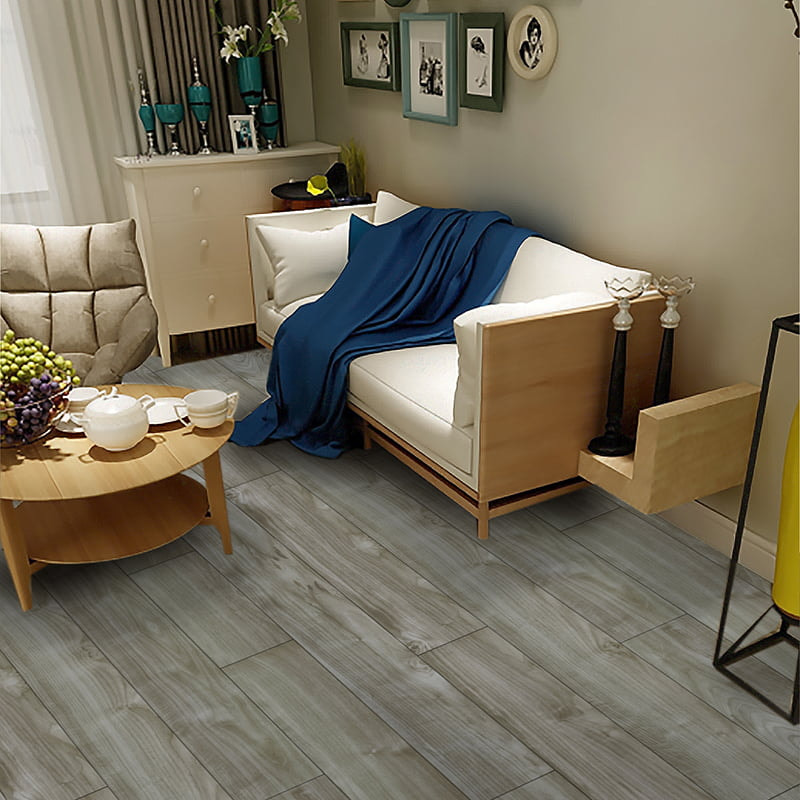
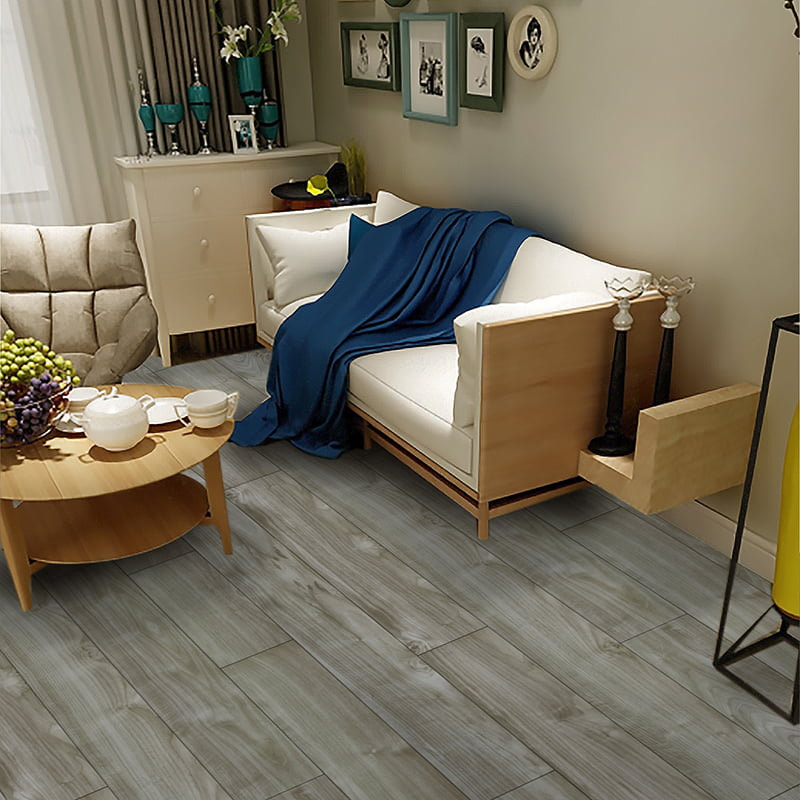
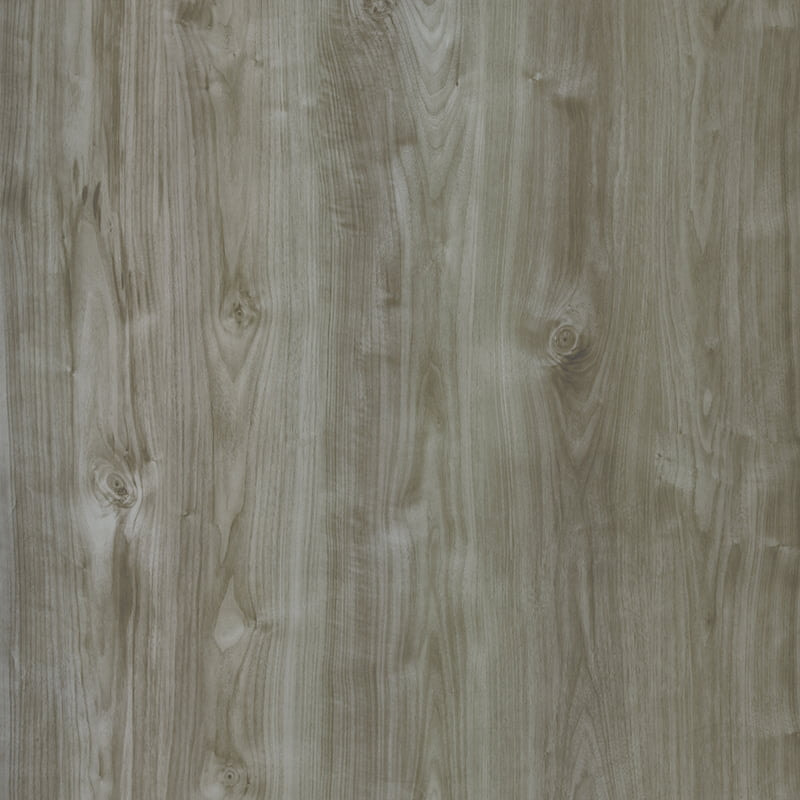
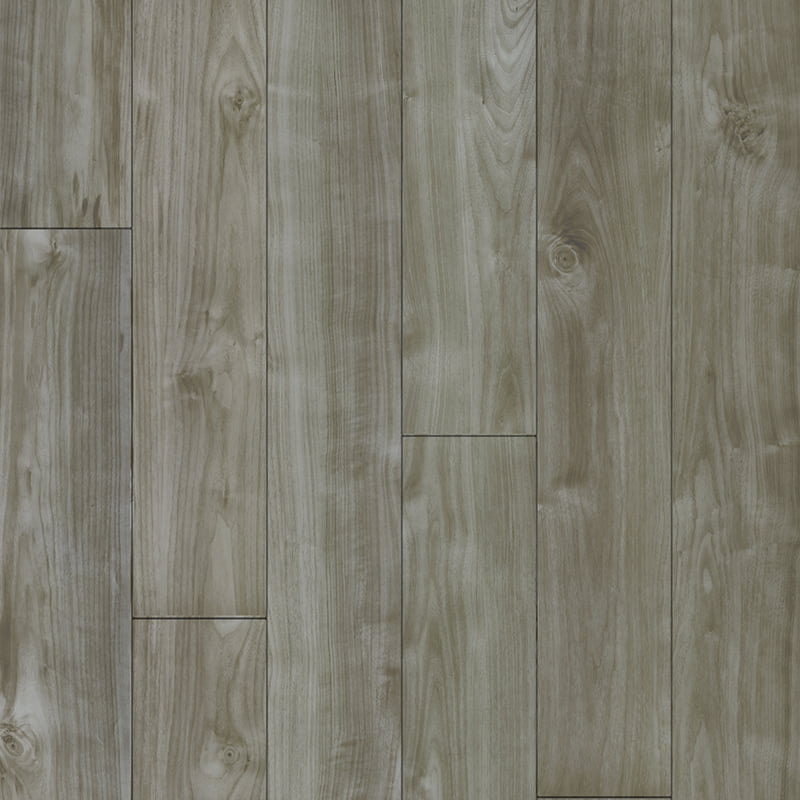
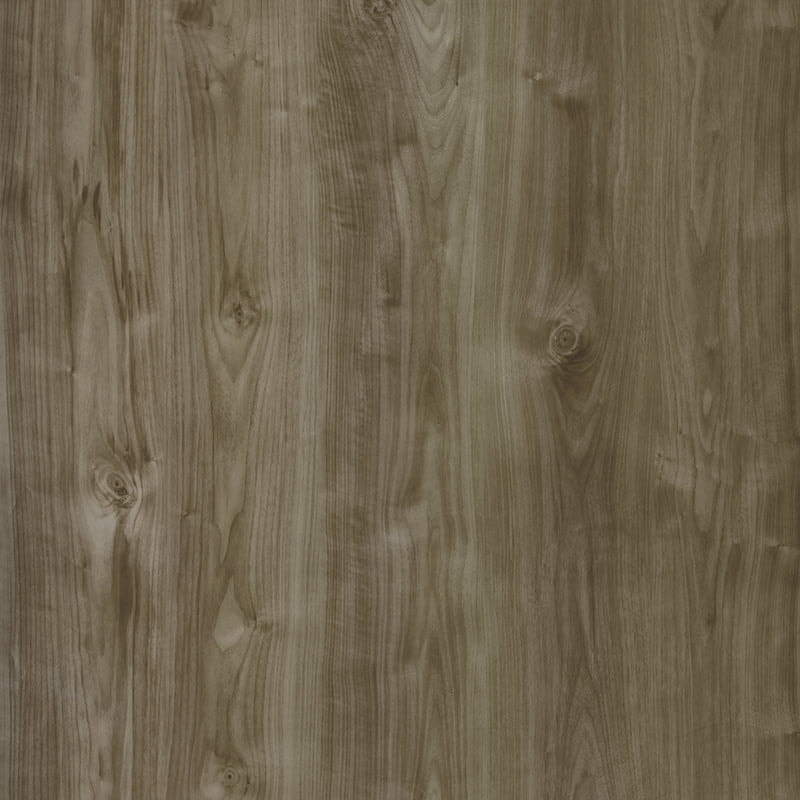
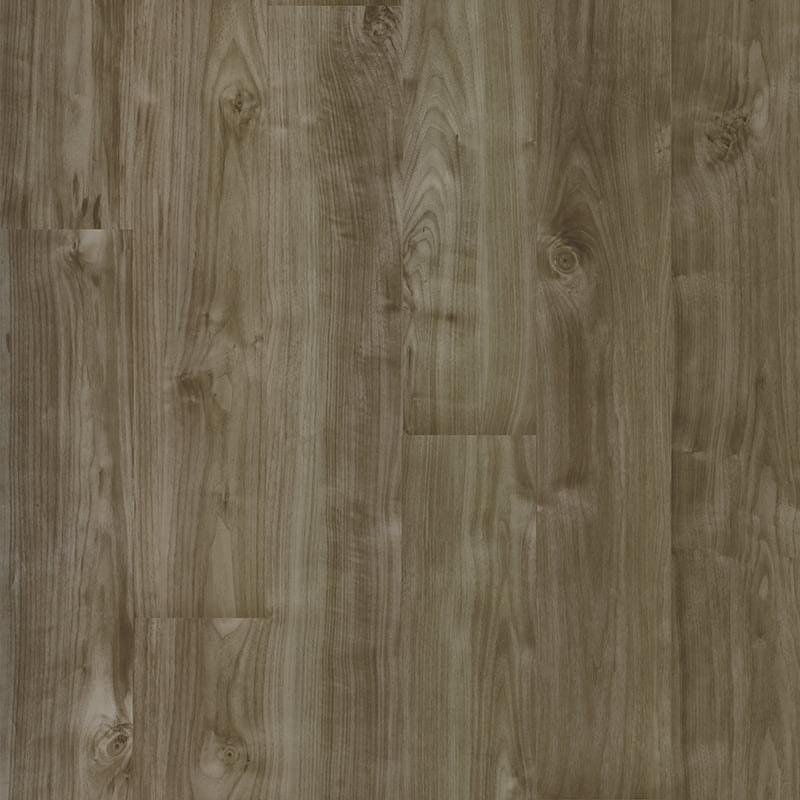
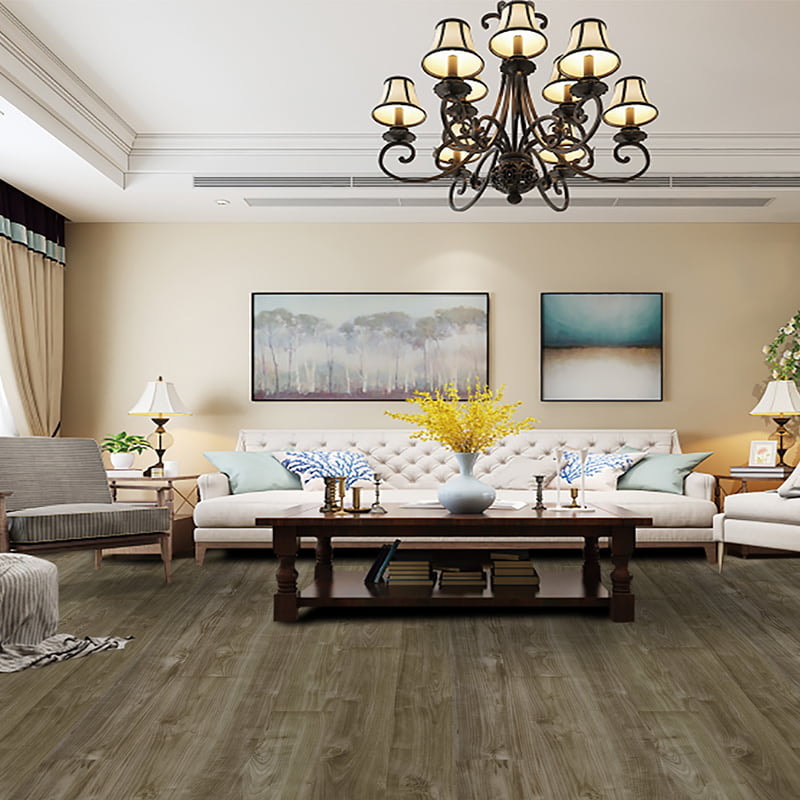
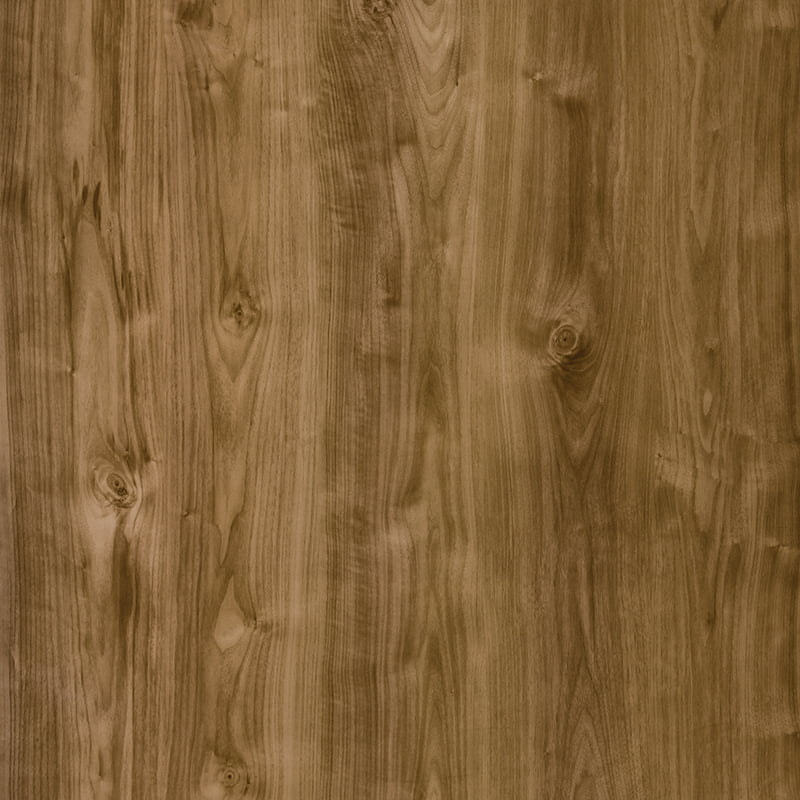
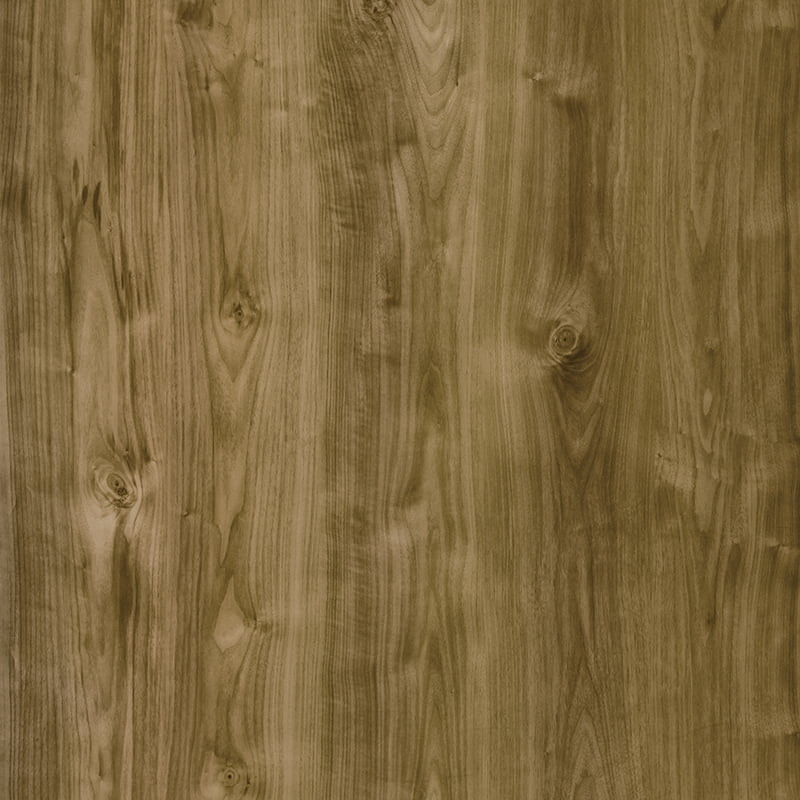
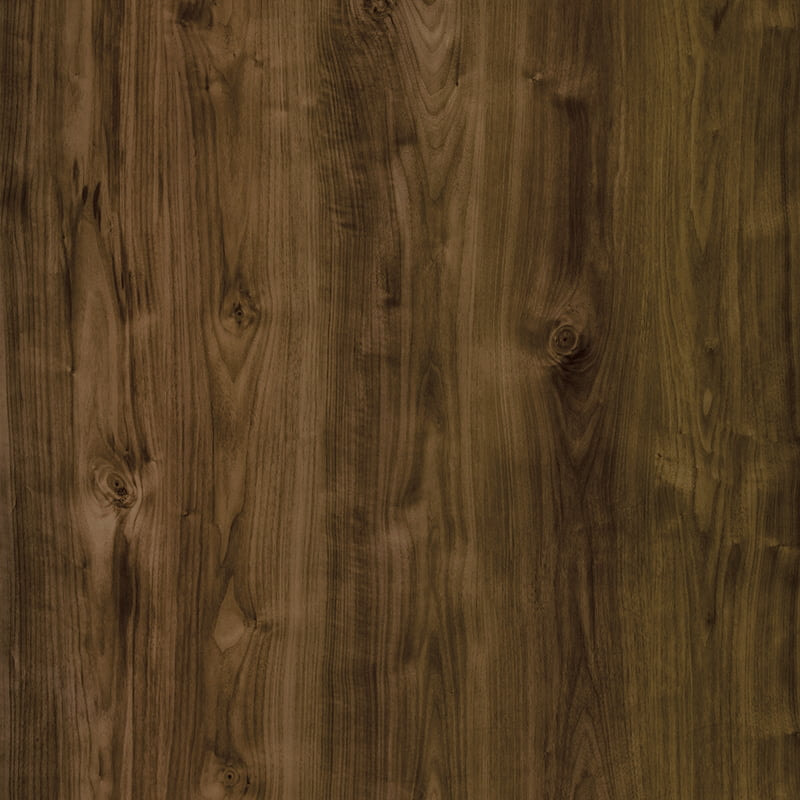
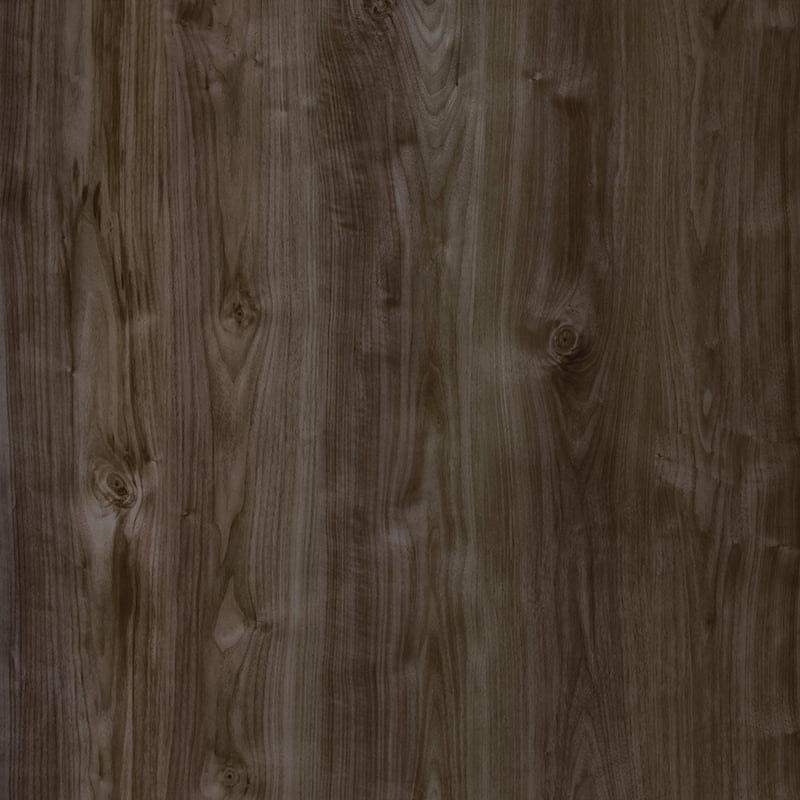
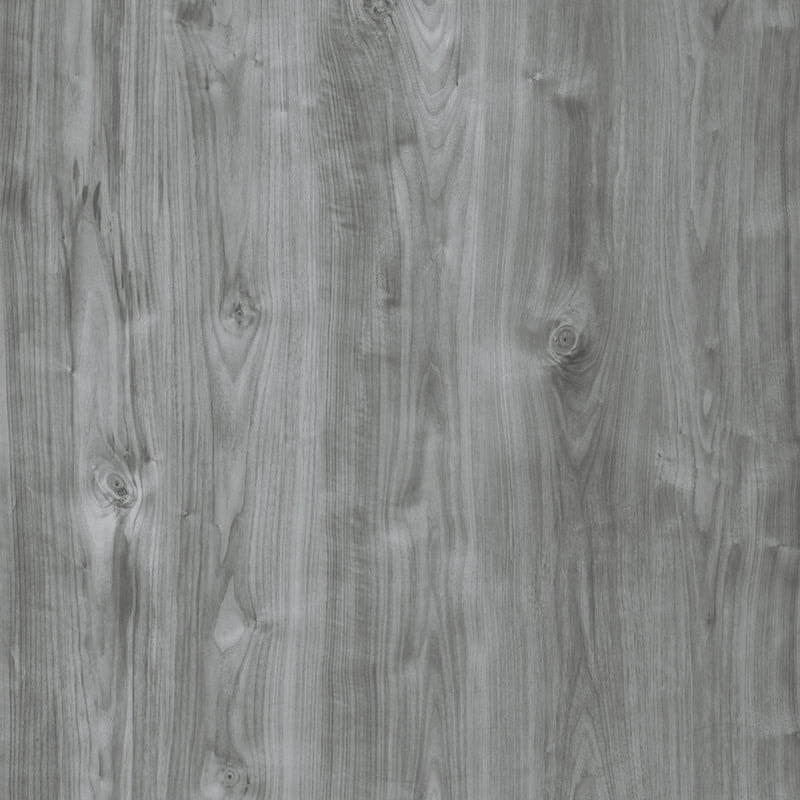
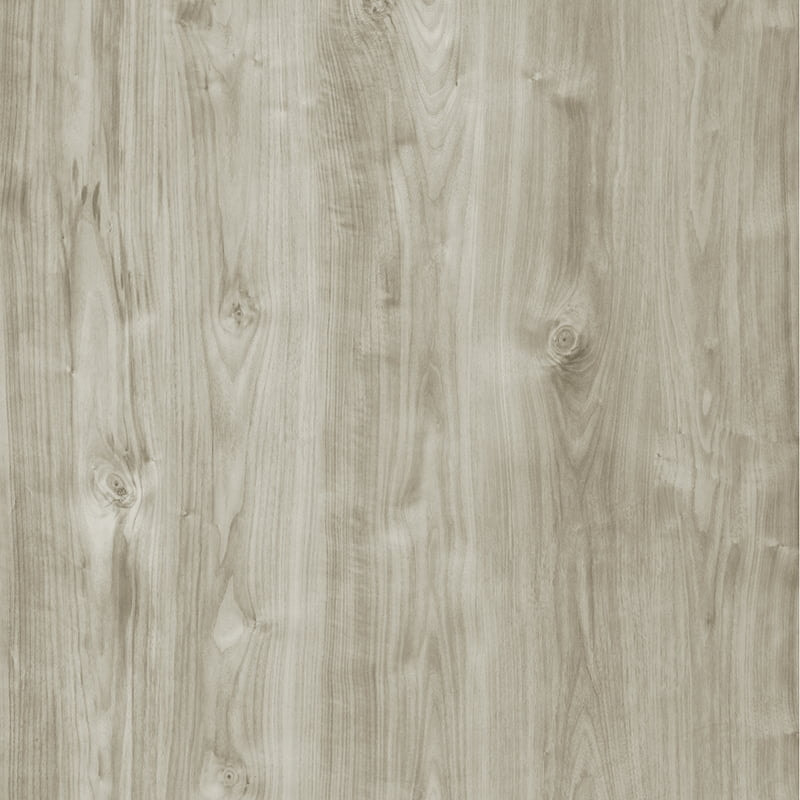
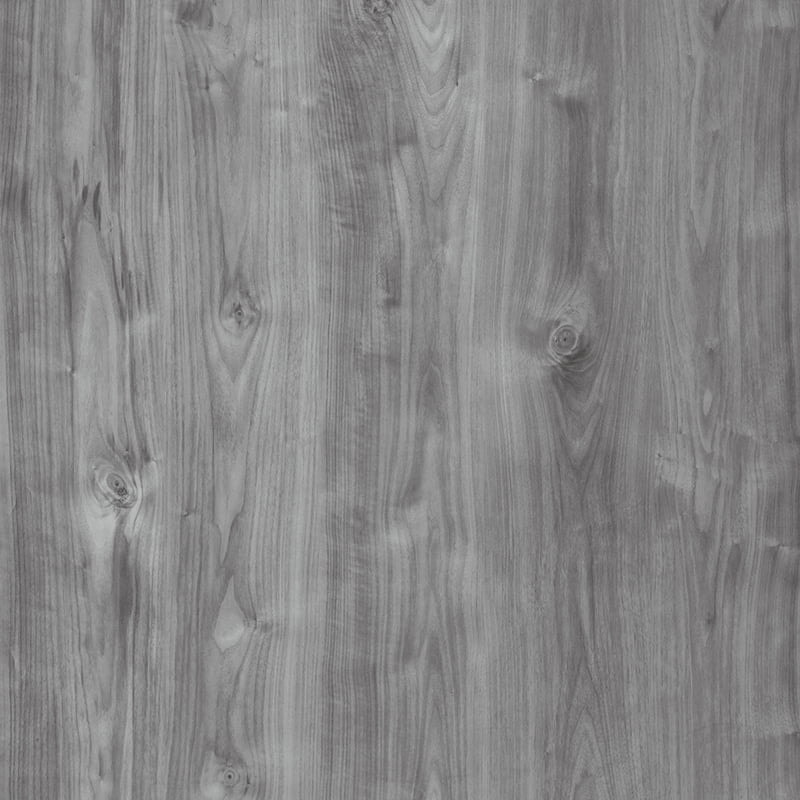
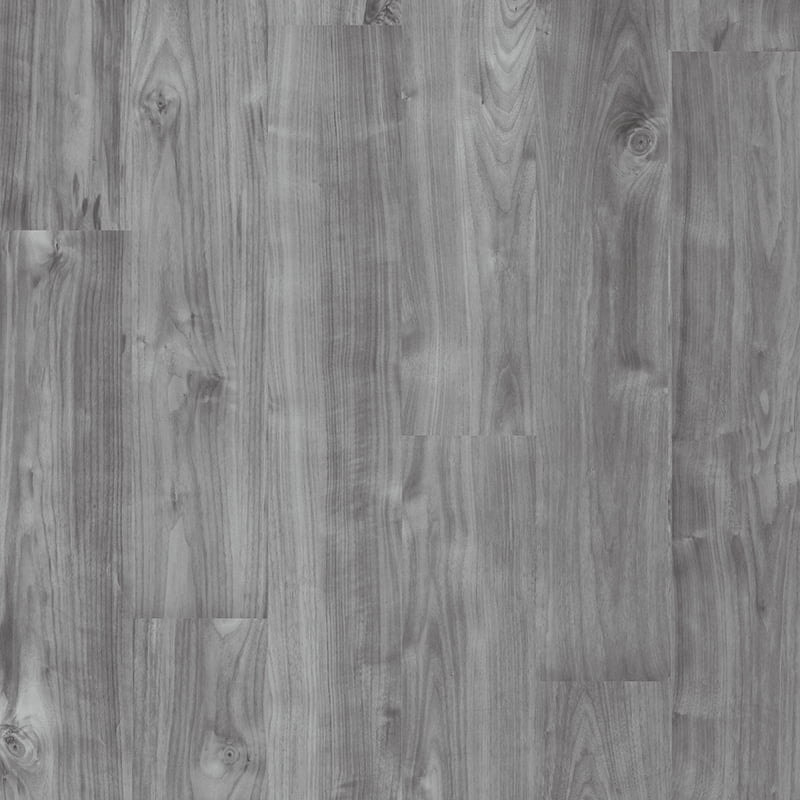
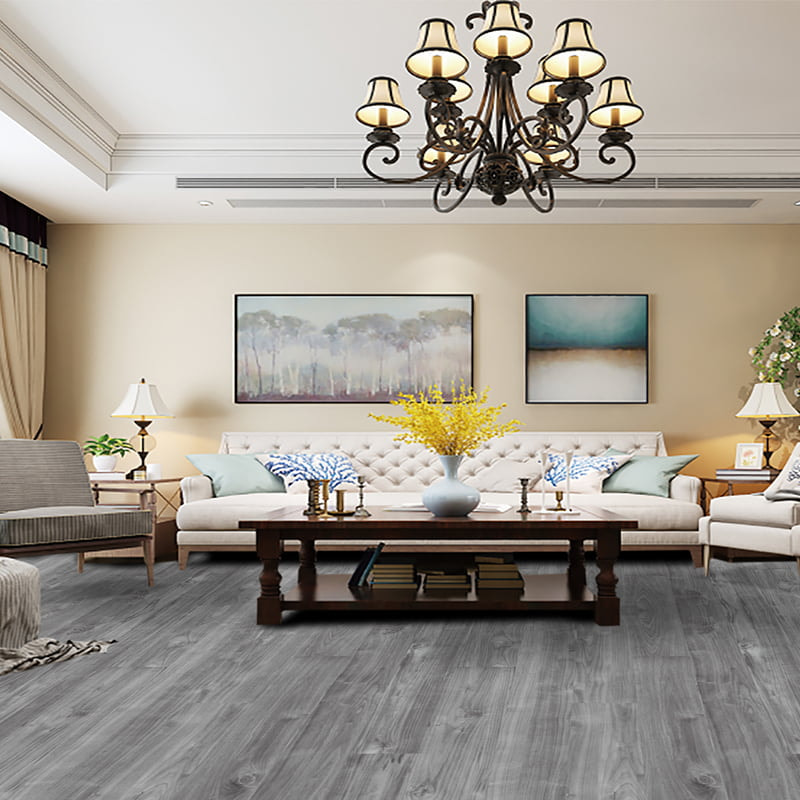
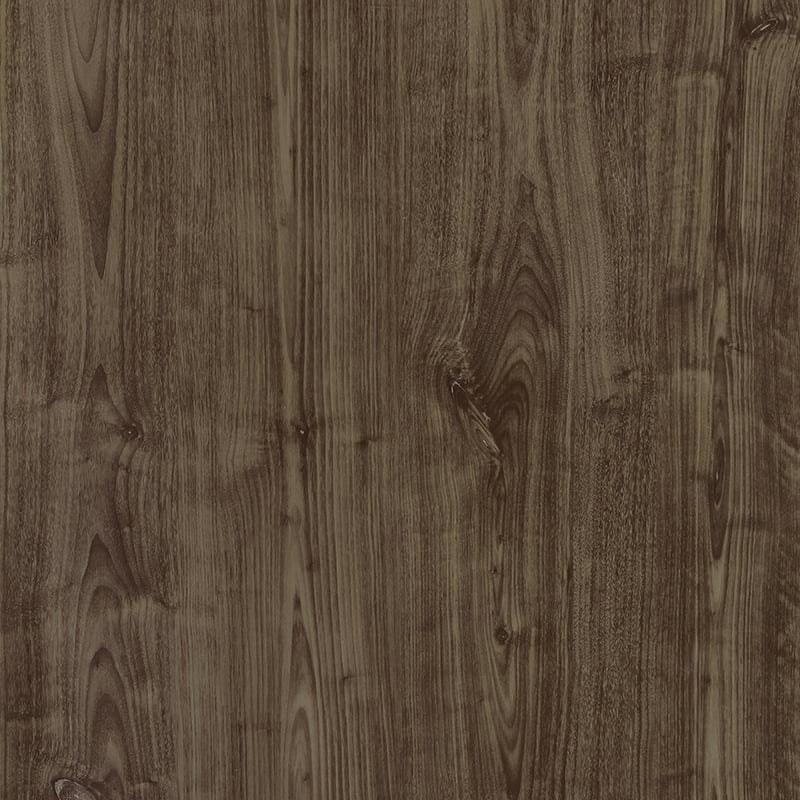
Model: YC839
Wood: Walnut
Spec: 1000*1580mm
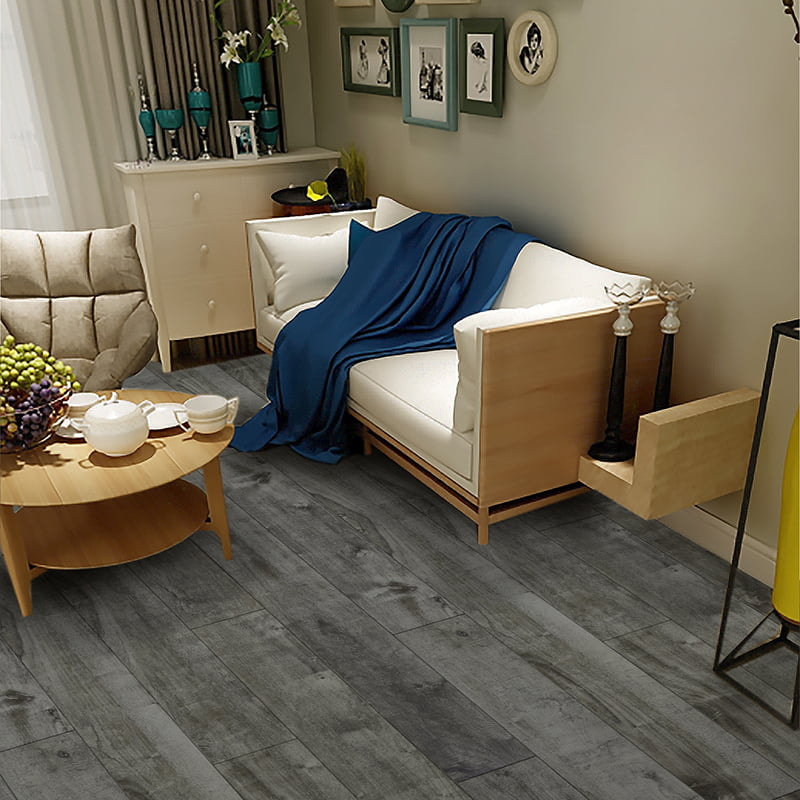
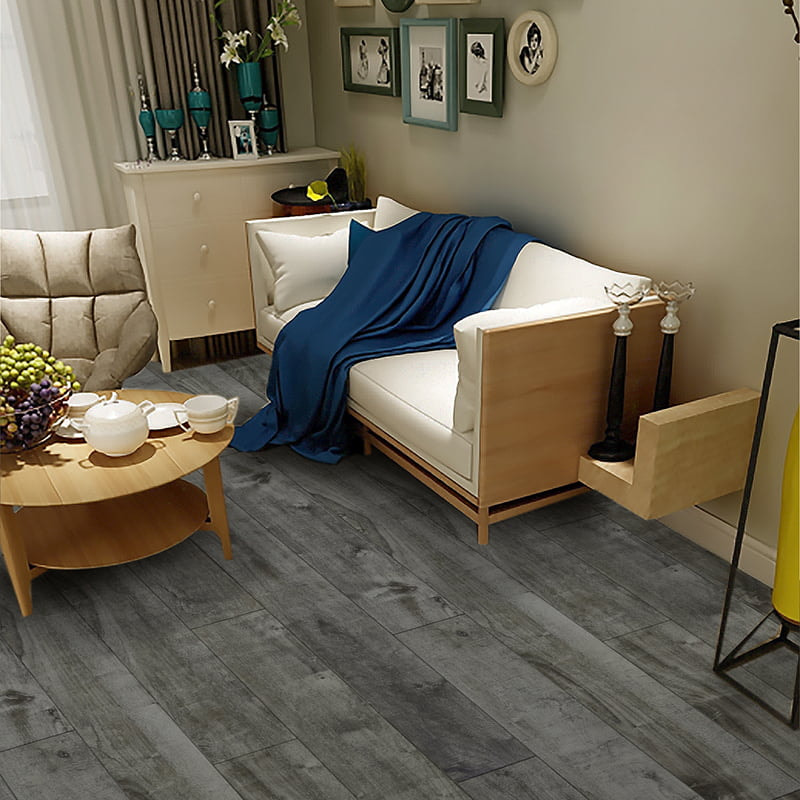
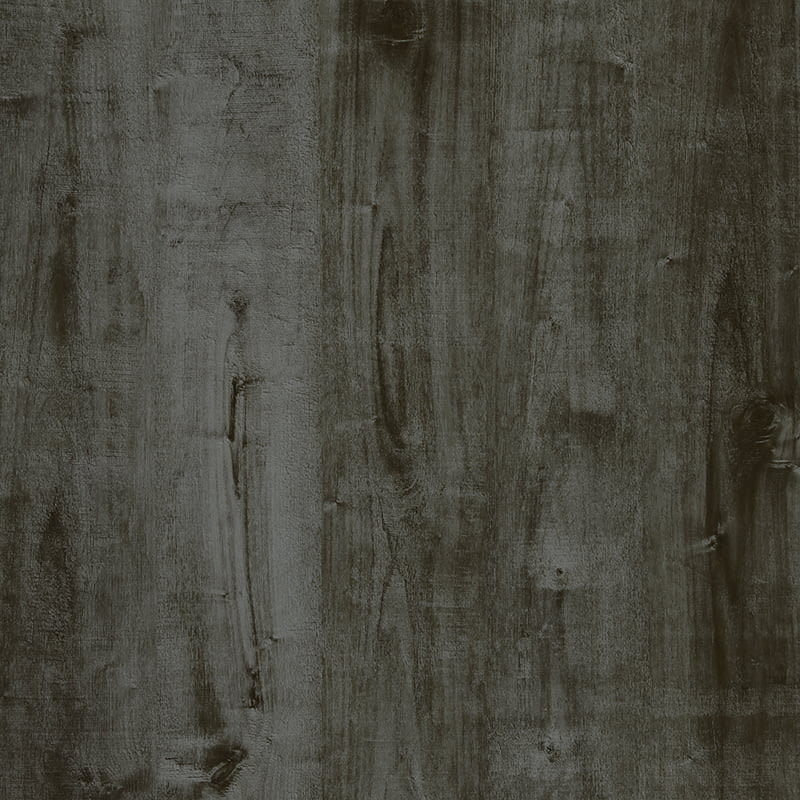
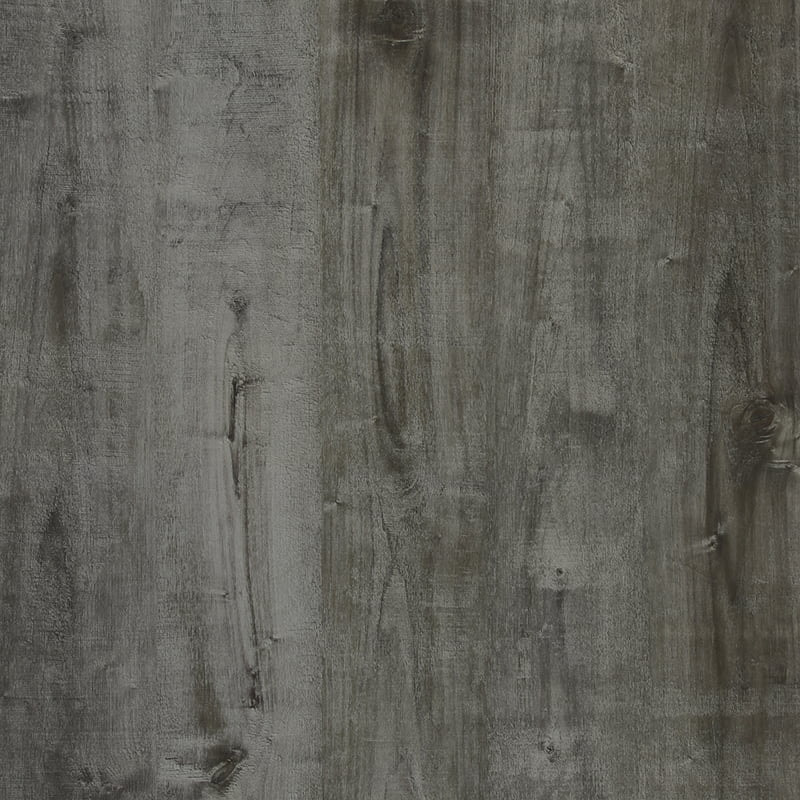
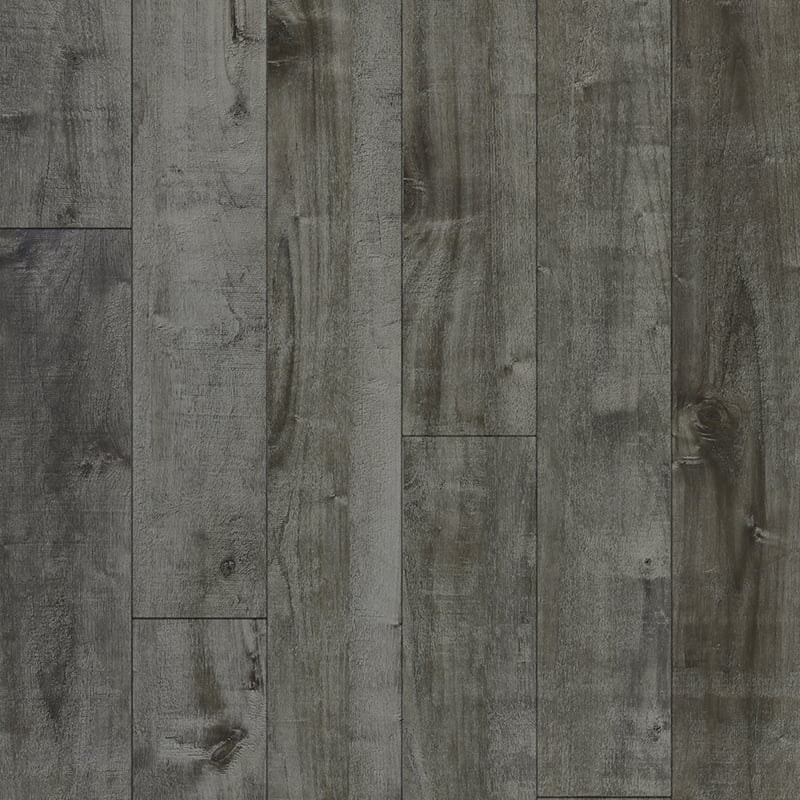
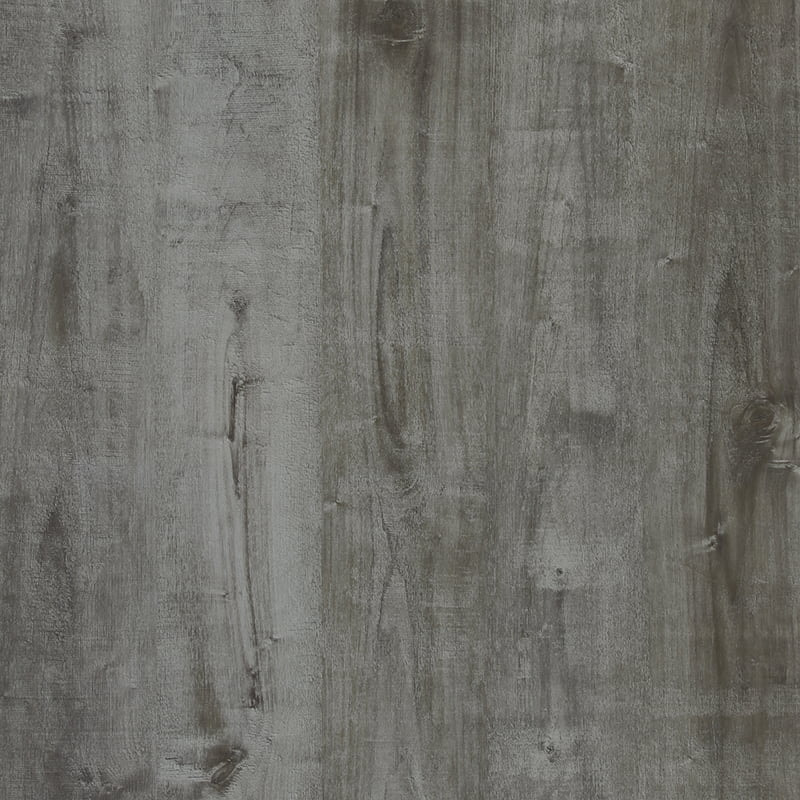
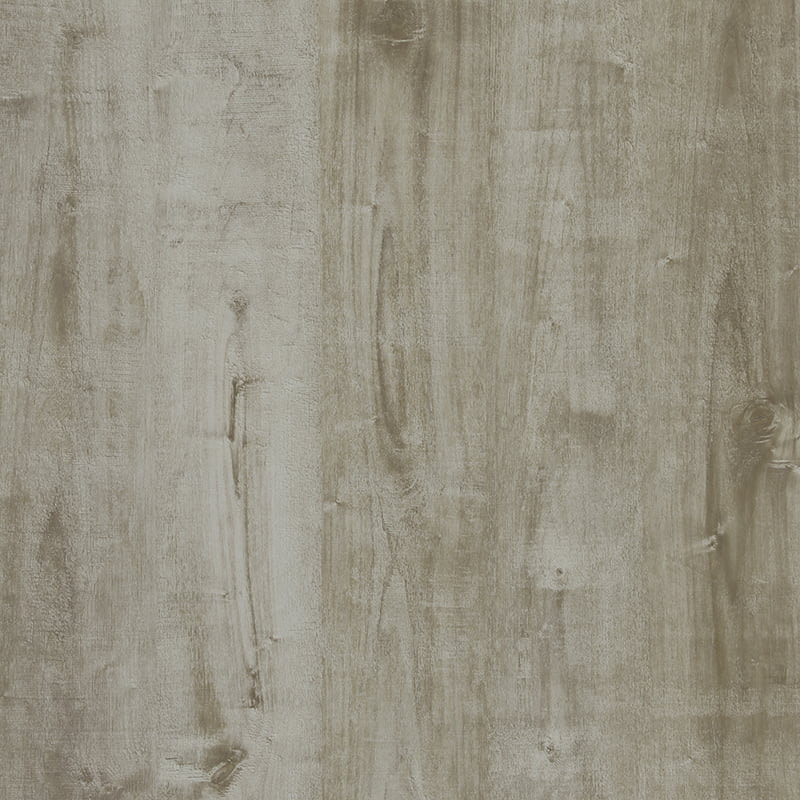
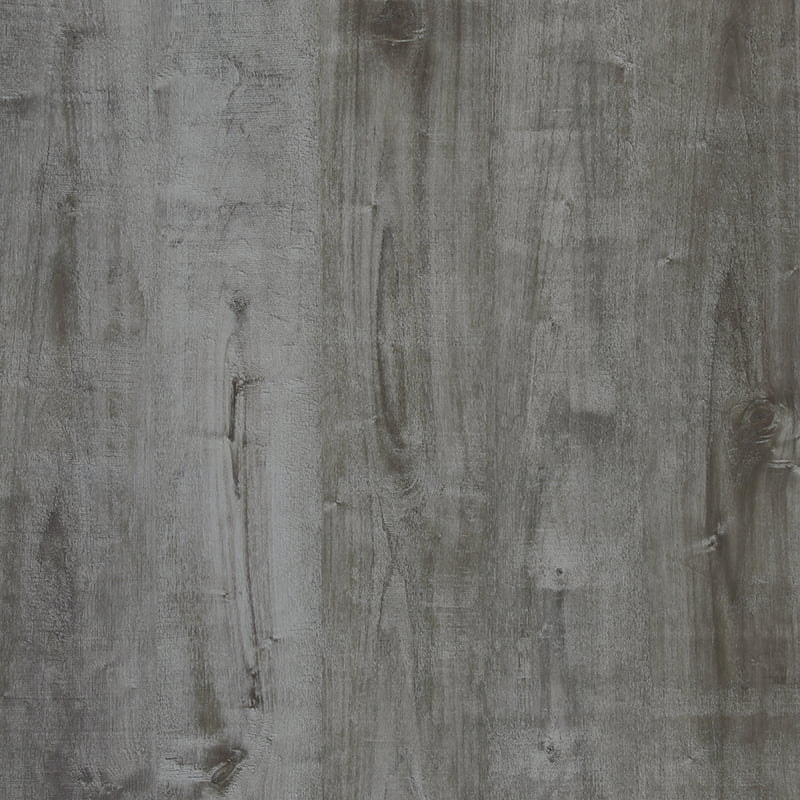
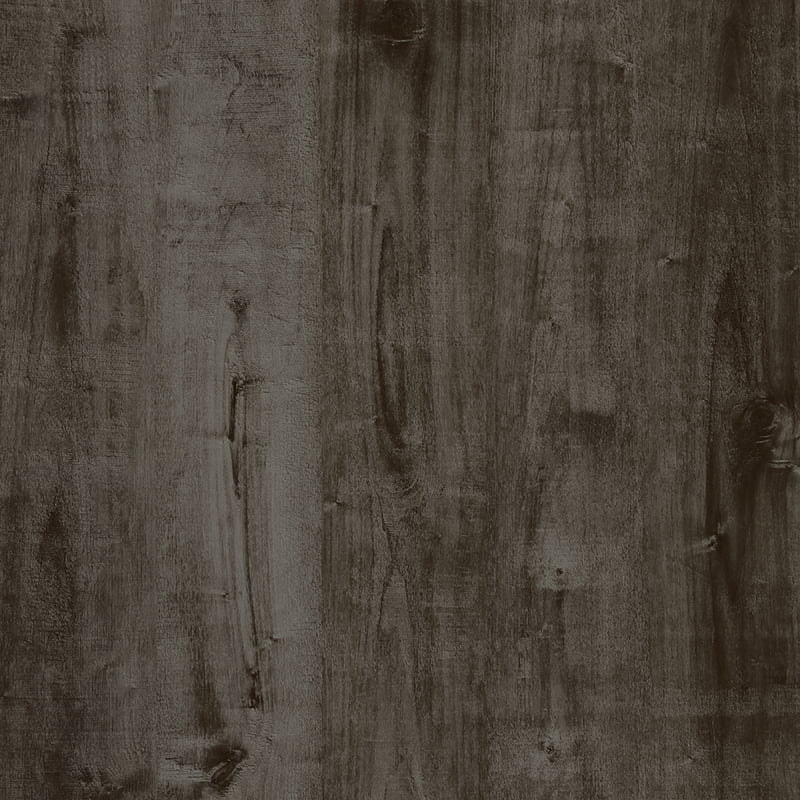
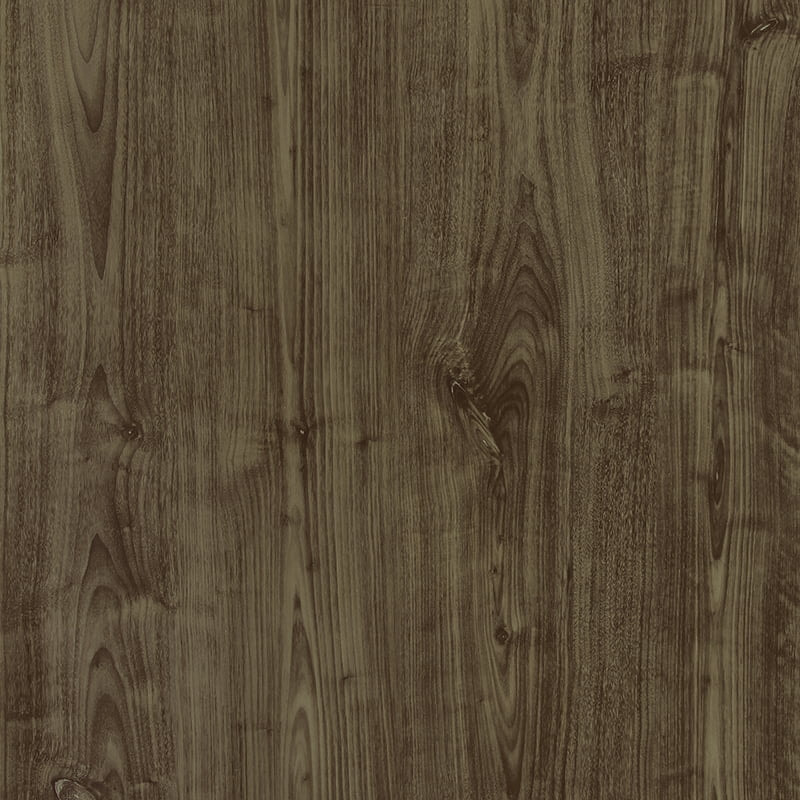
Model: YC841
Wood: Walnut
Spec: 1000*1580mm
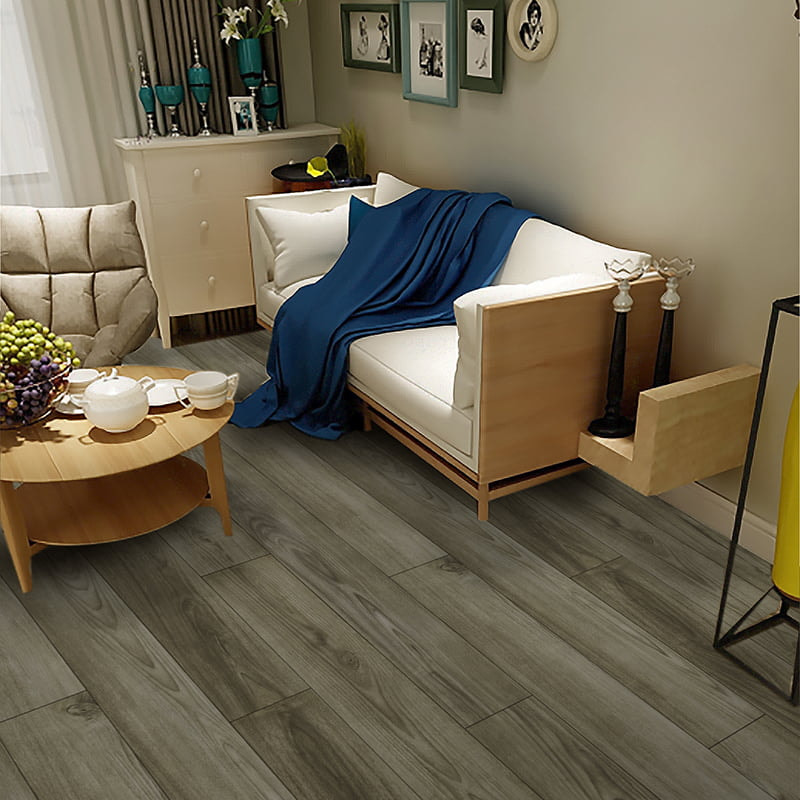
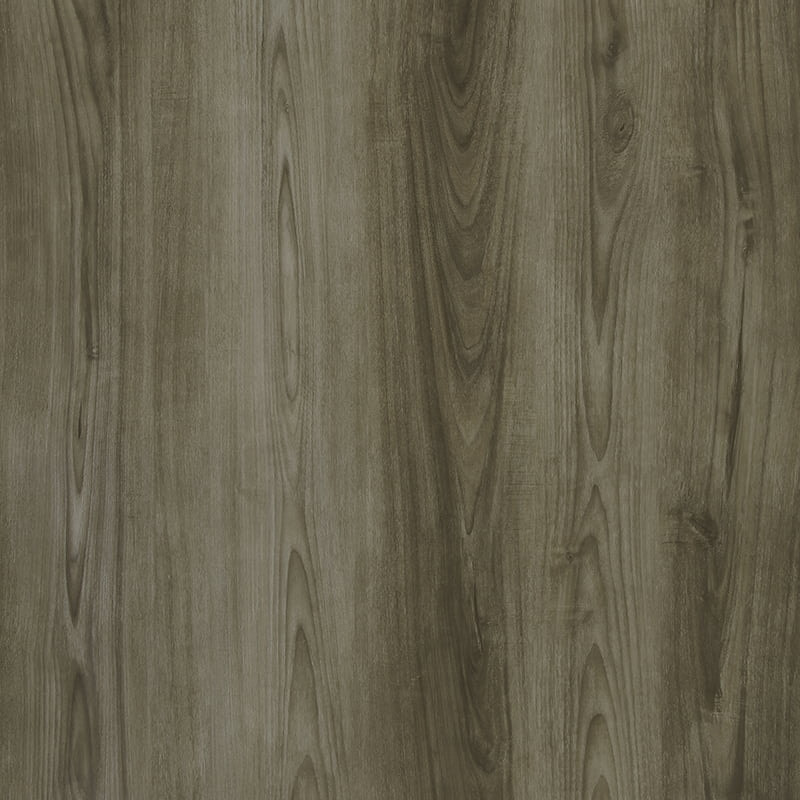
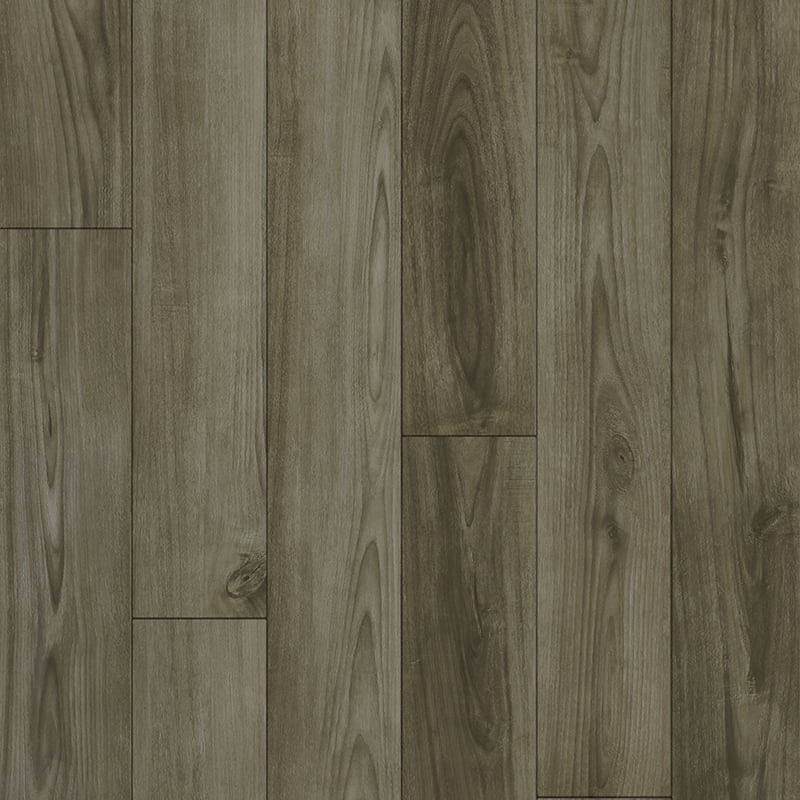
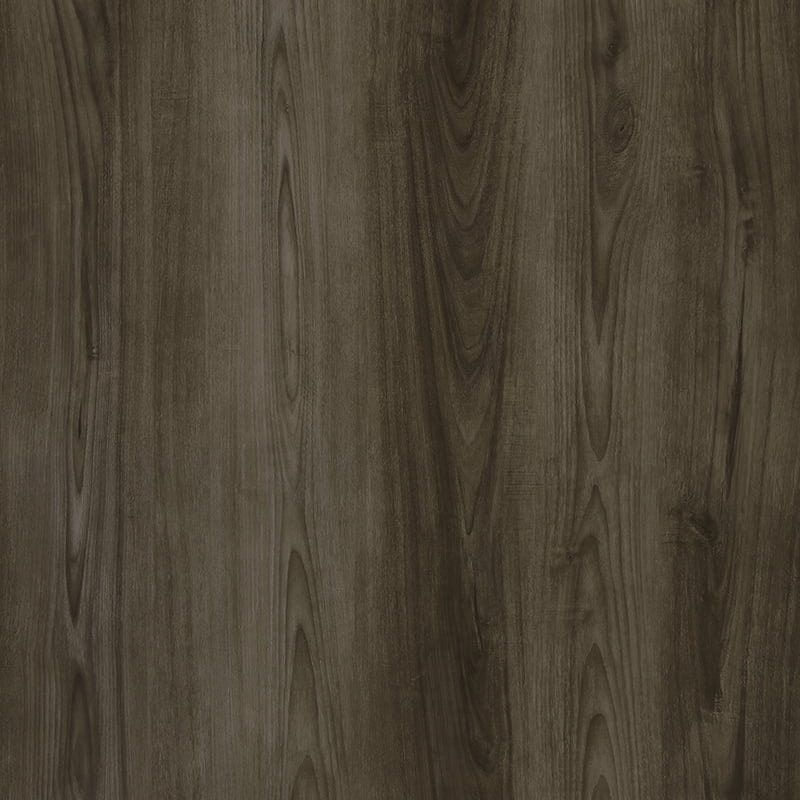
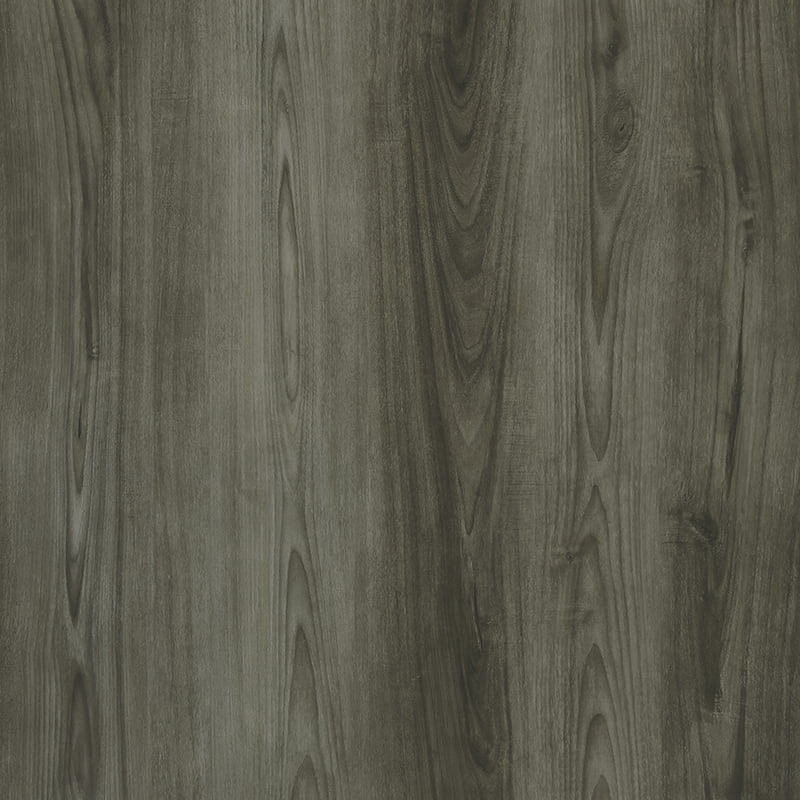
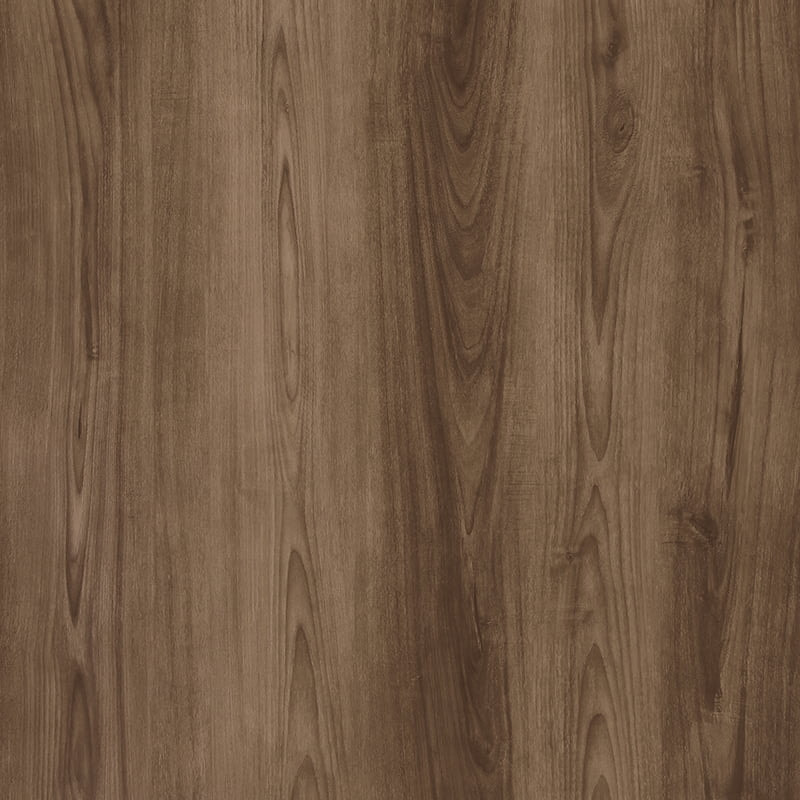
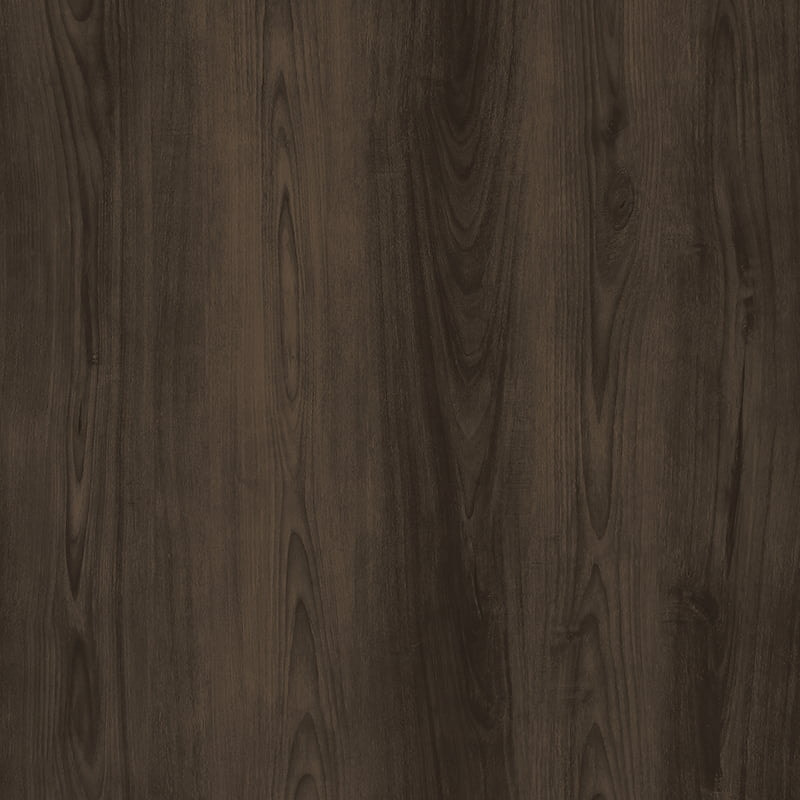
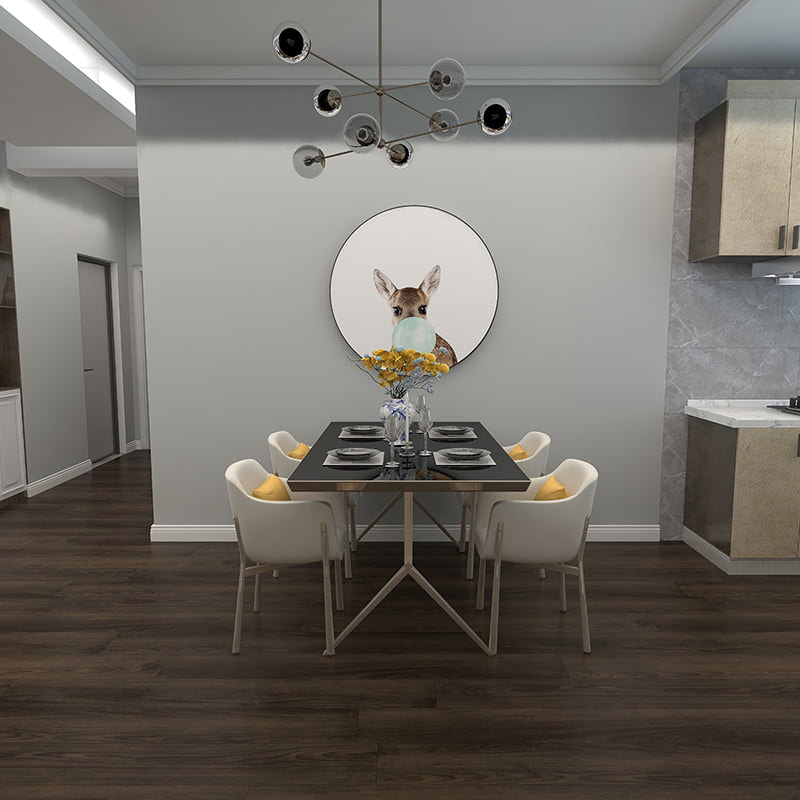
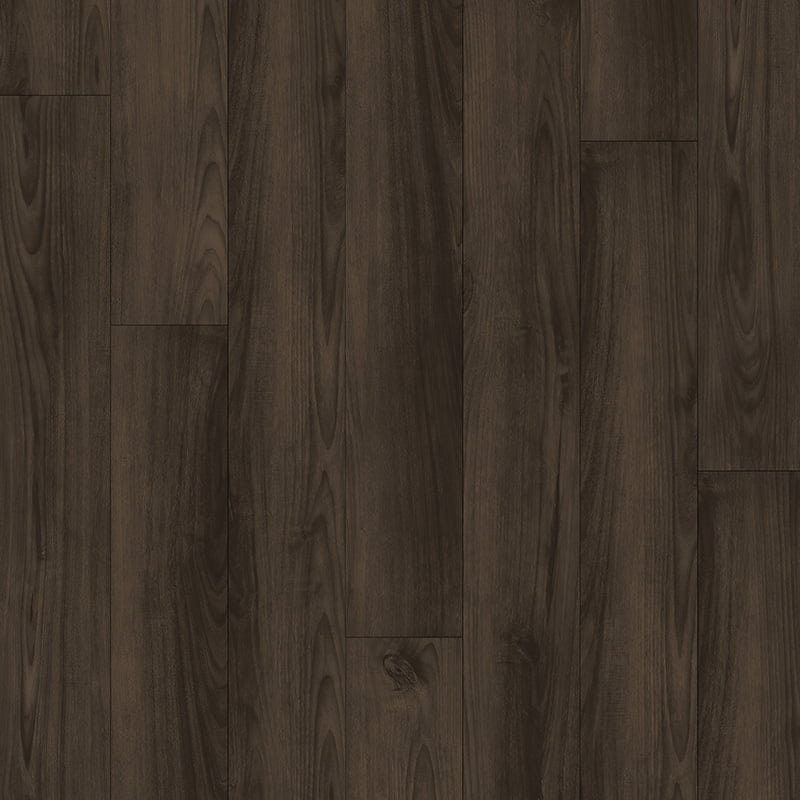
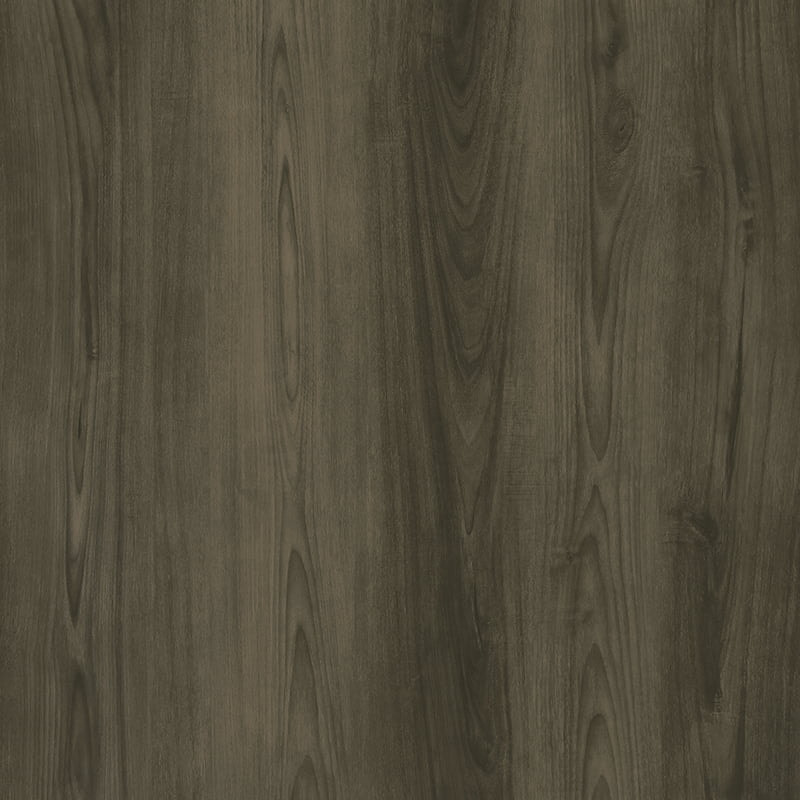
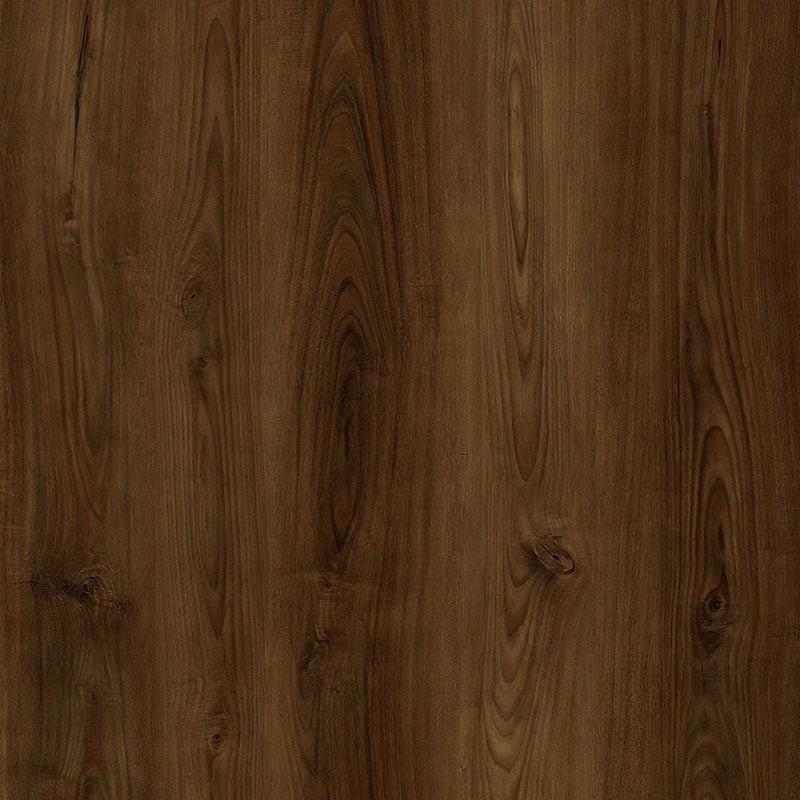
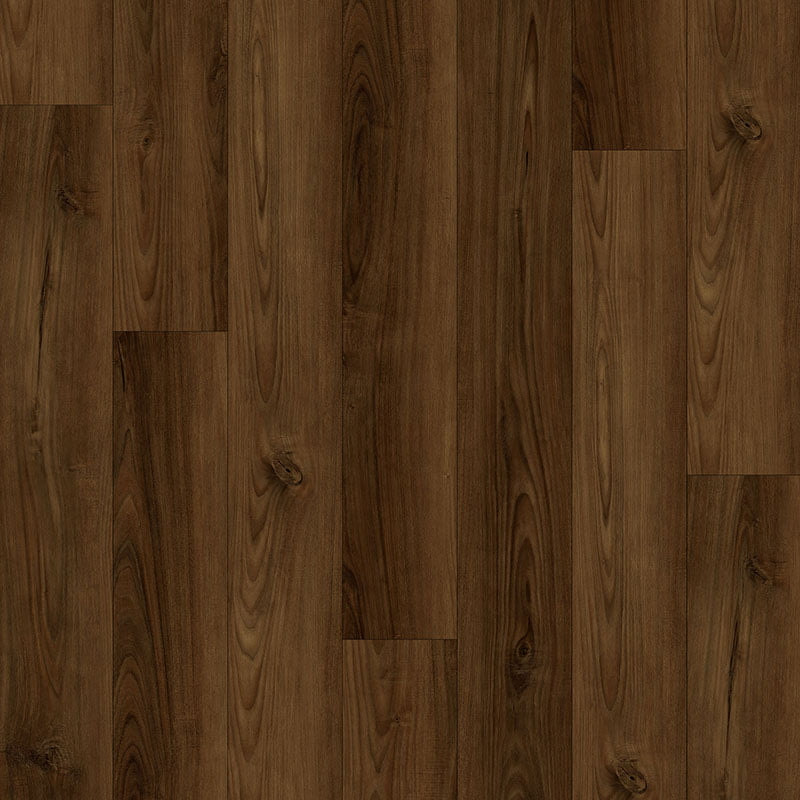
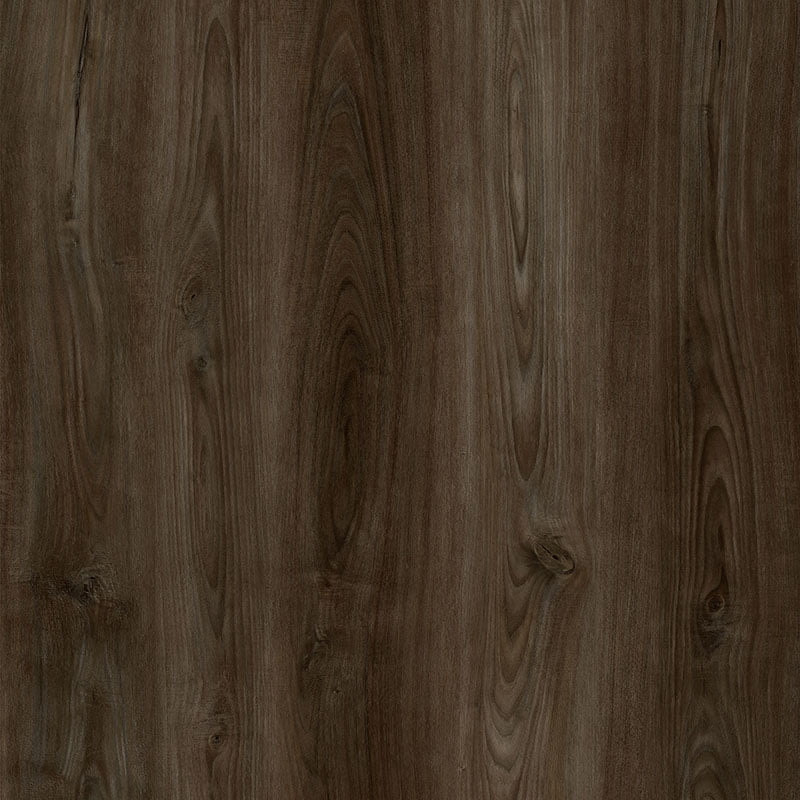
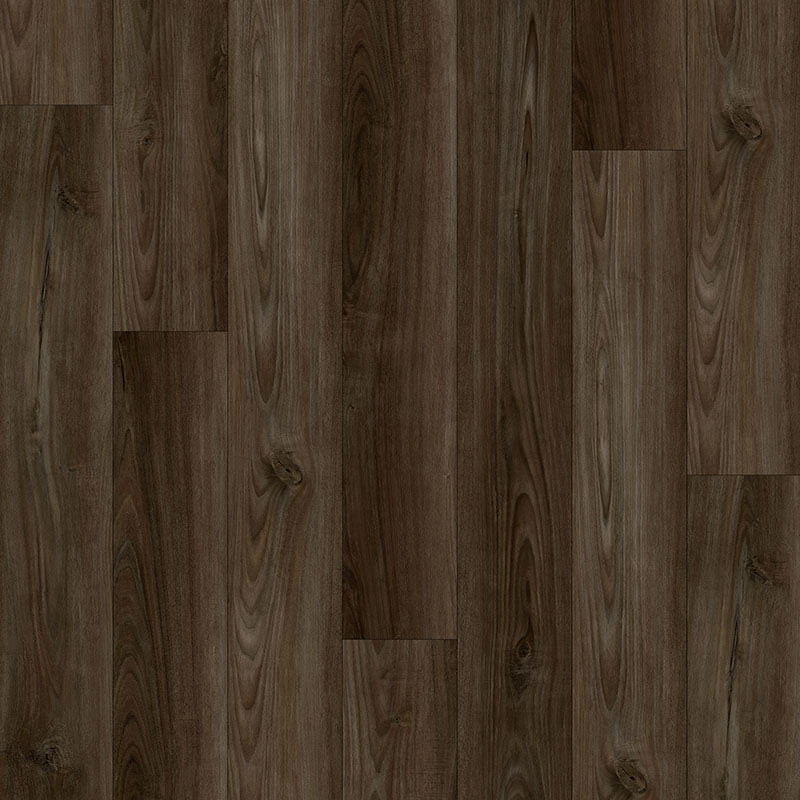
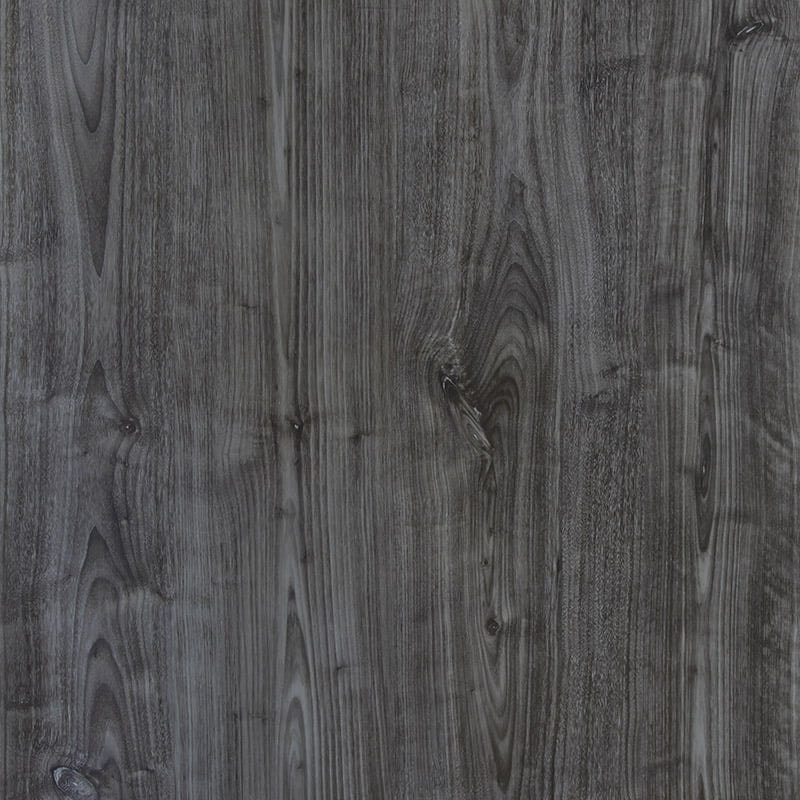
Model: YC843
Wood: Walnut
Spec: 1000*1580mm
Single chip size: 7.25*60"
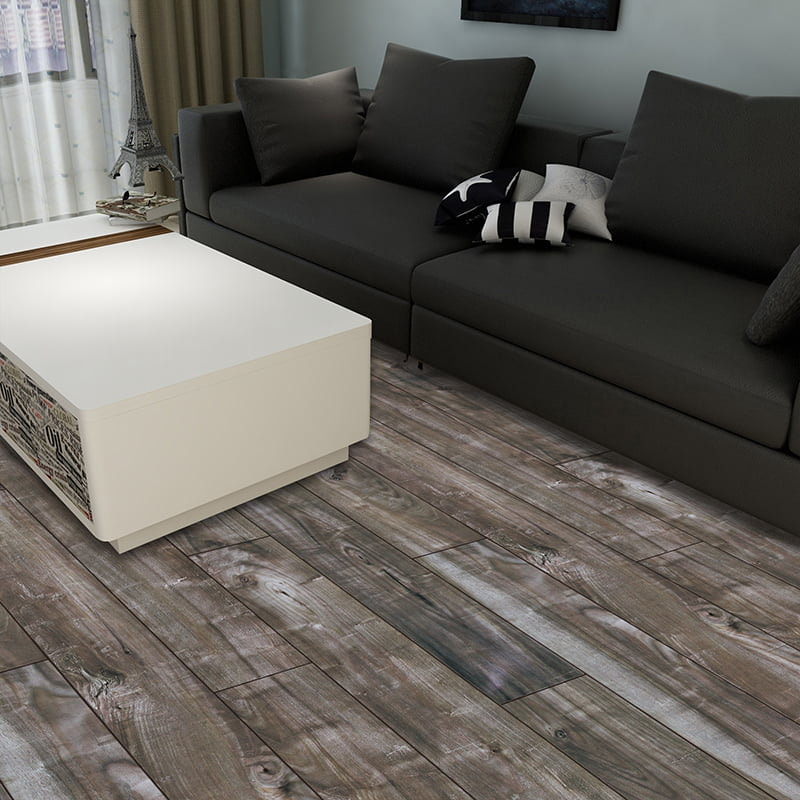
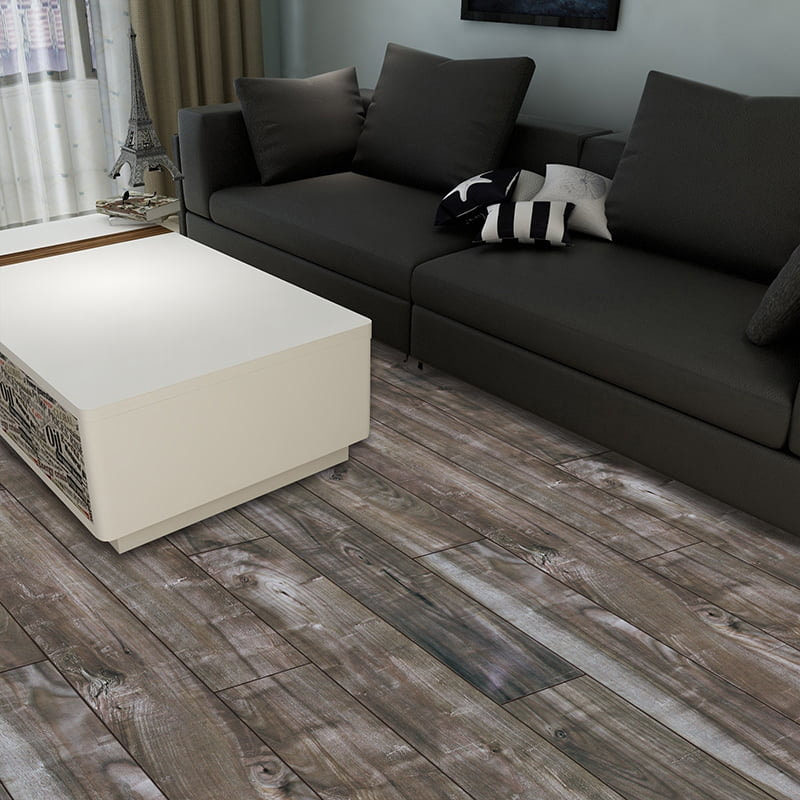
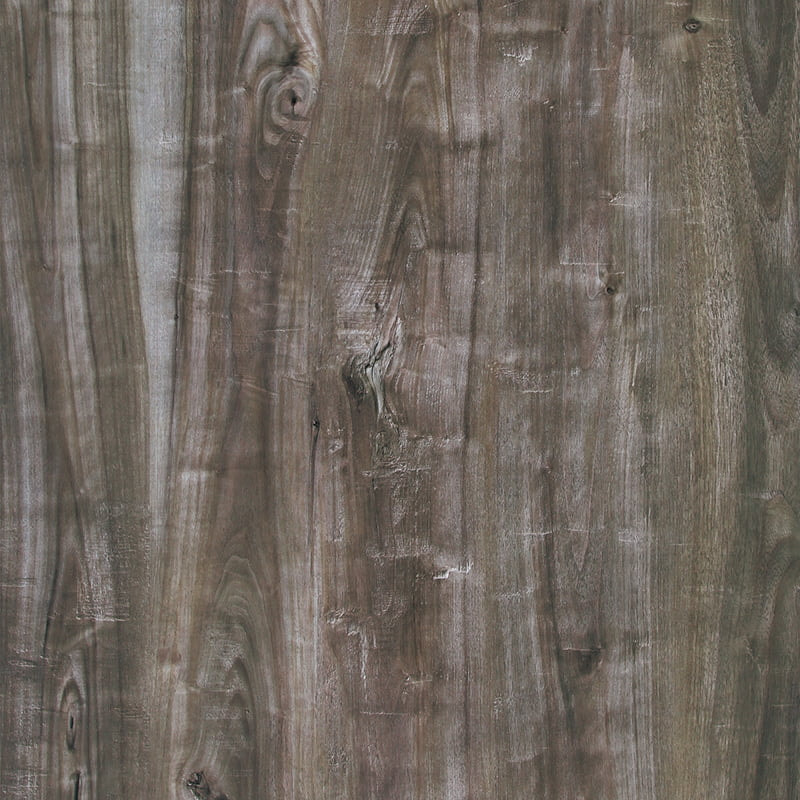
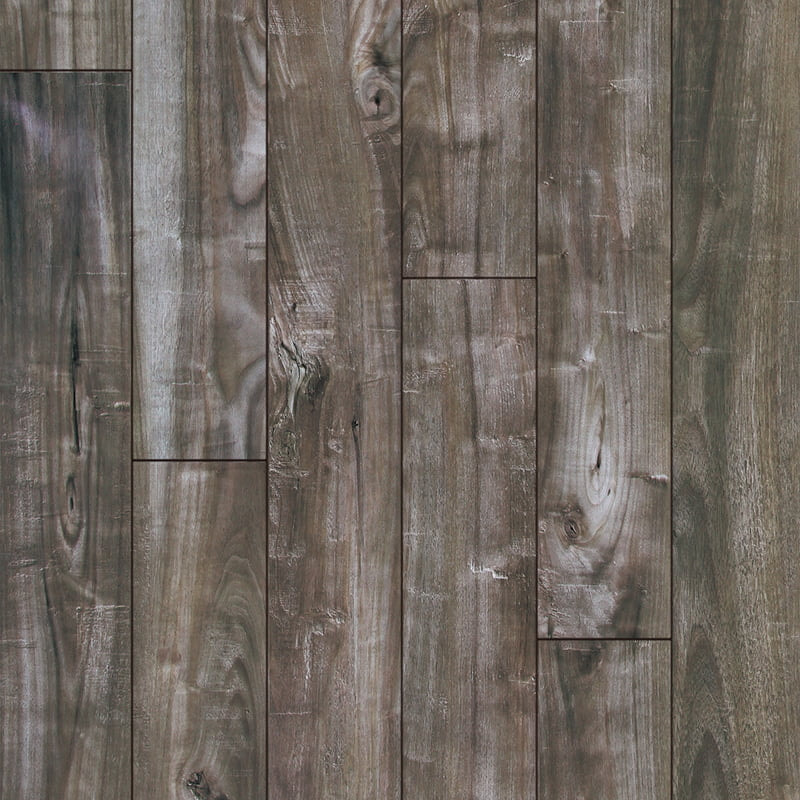
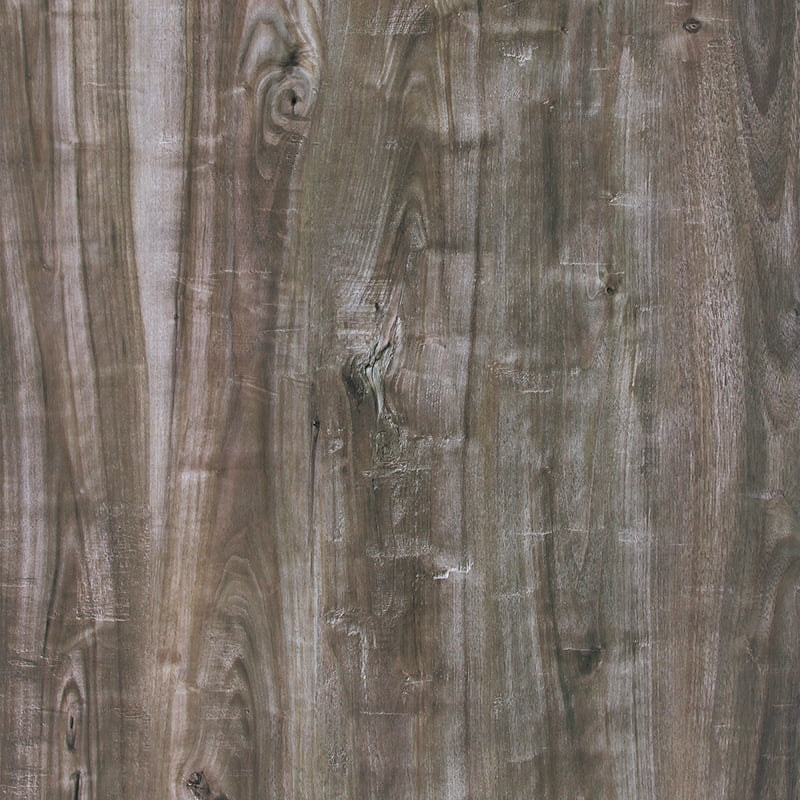
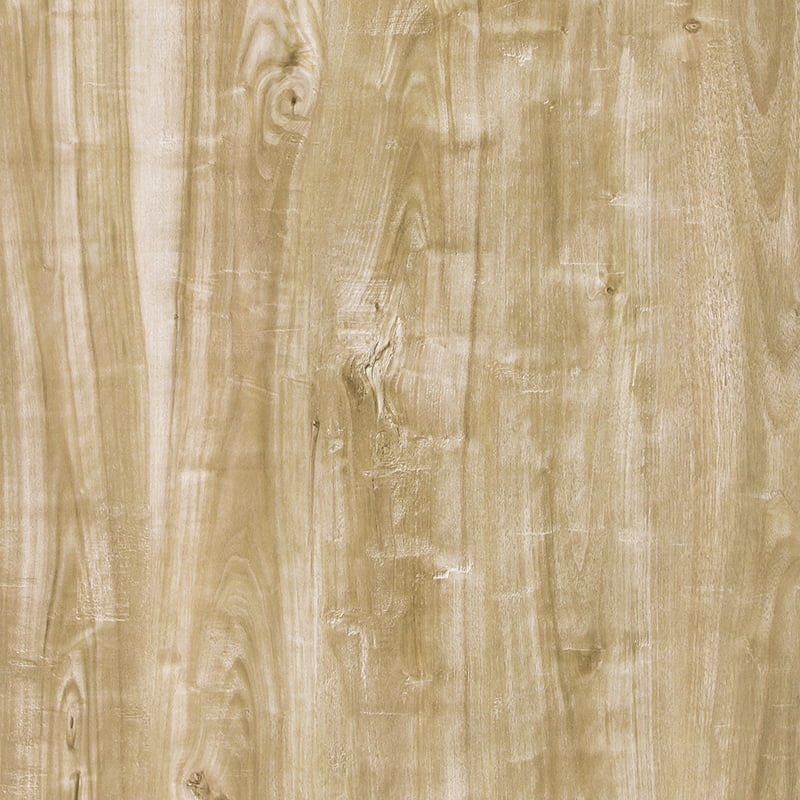
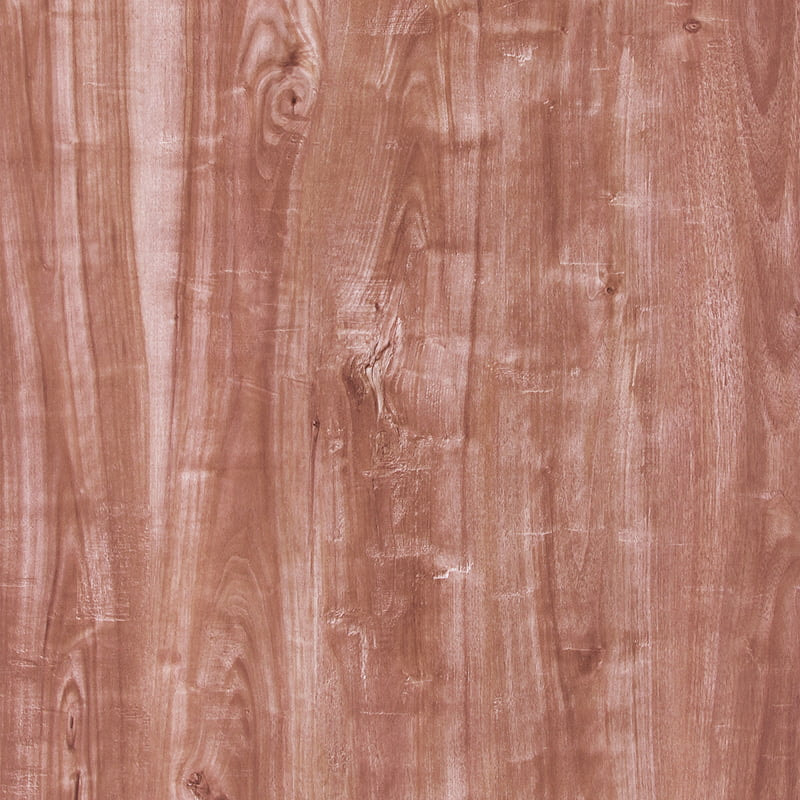
Model: YC853
Wood: Walnut
Spec: 1000*1890mm
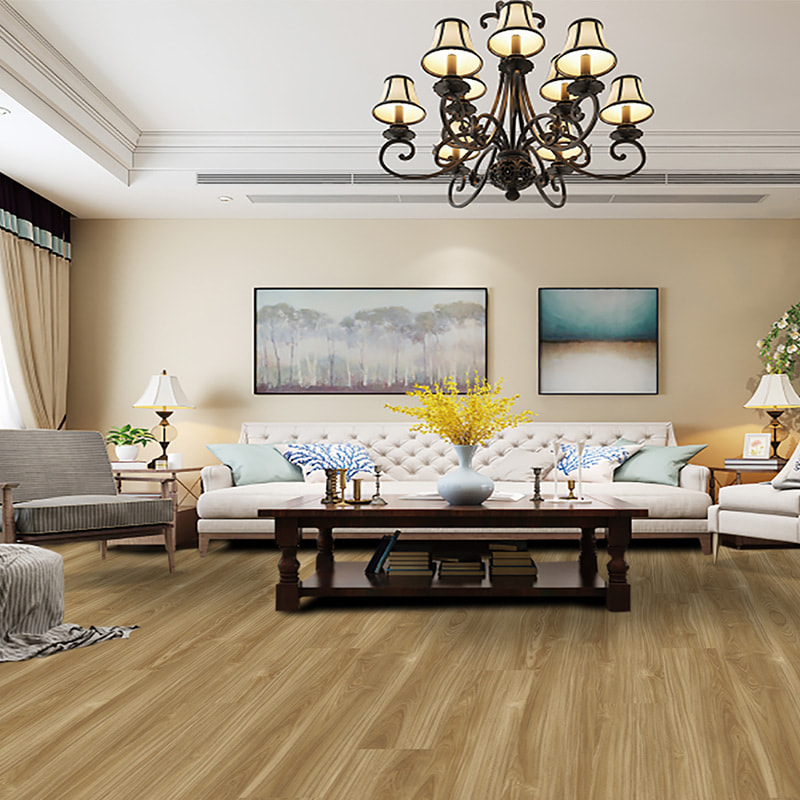
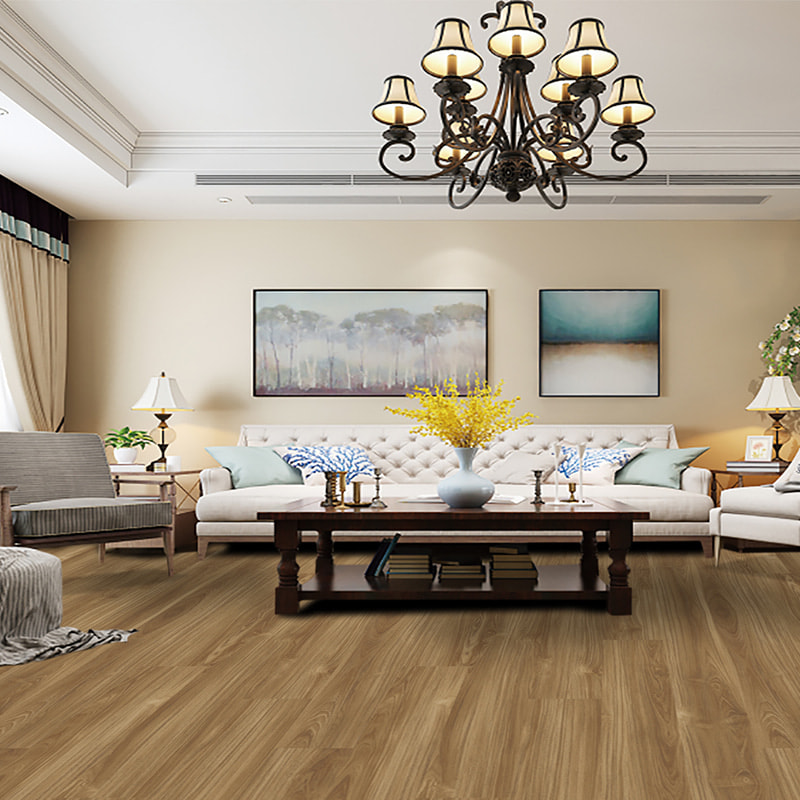
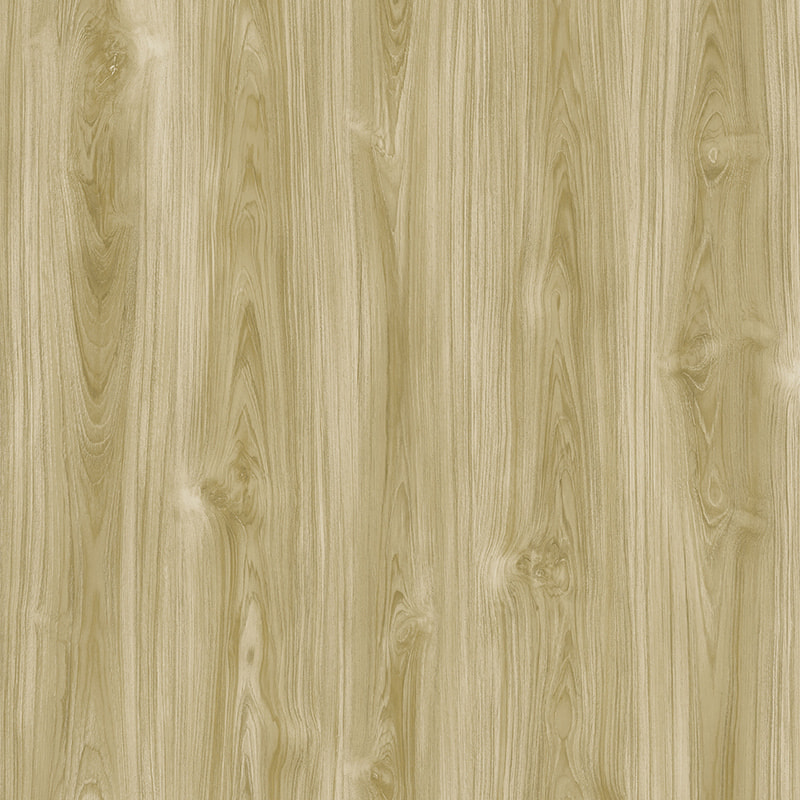
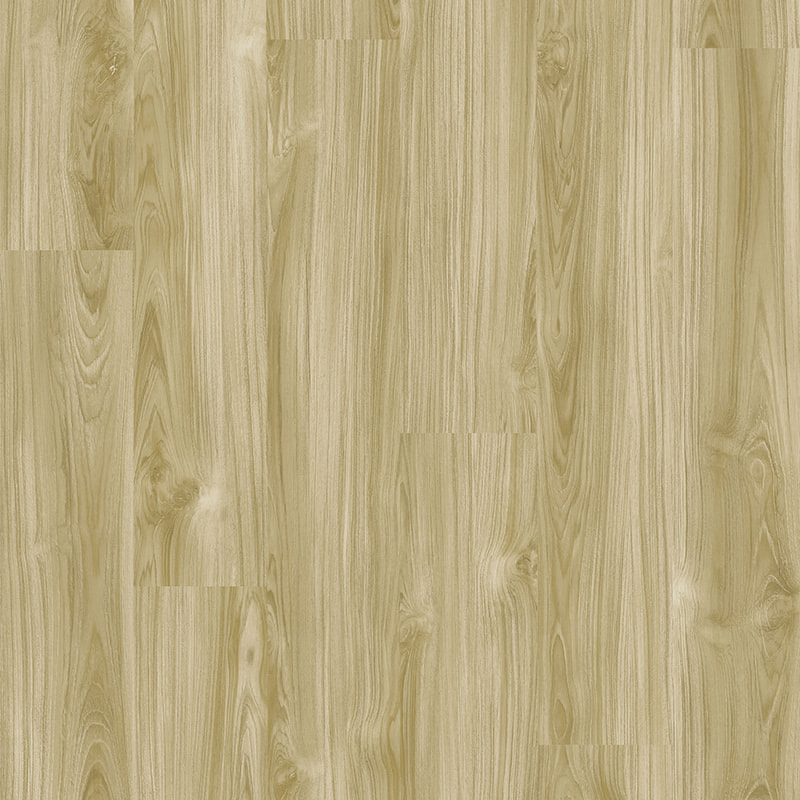
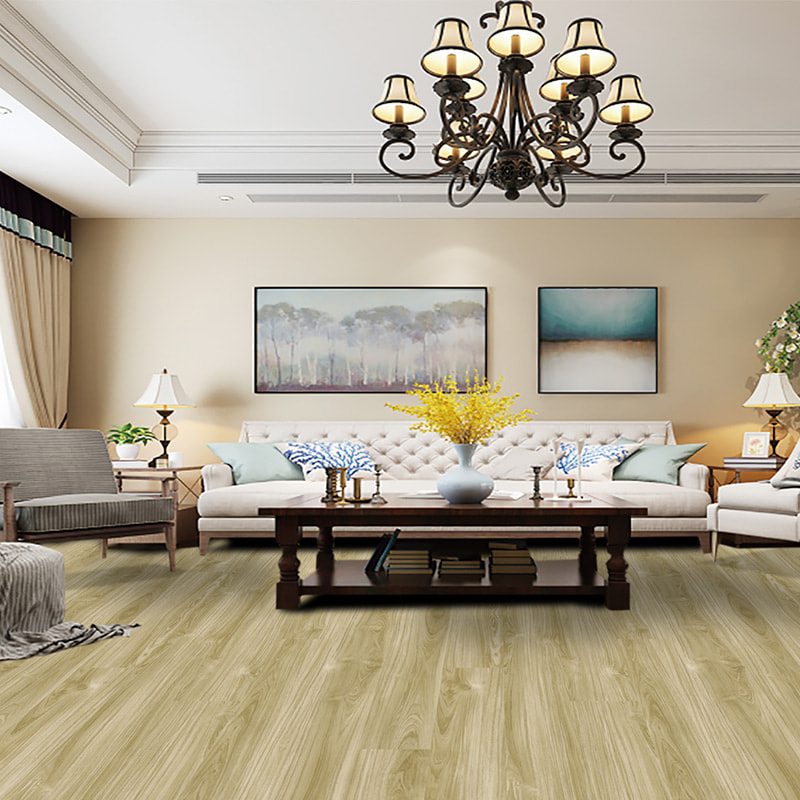
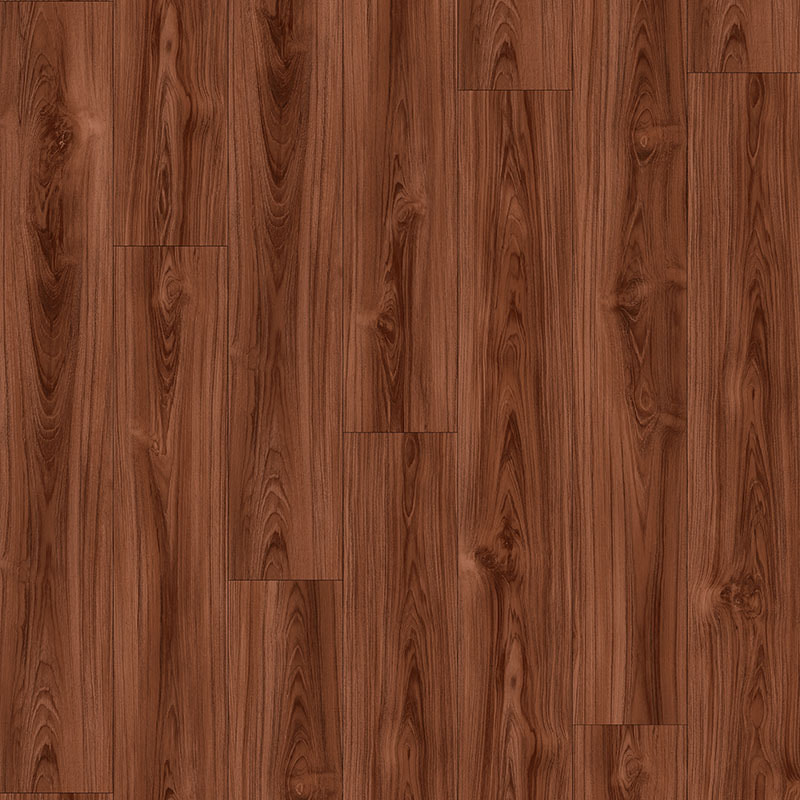
Model: YC915
Wood: Walnut
Spec: 1000*1270mm
Single chip size: 7.25*48"
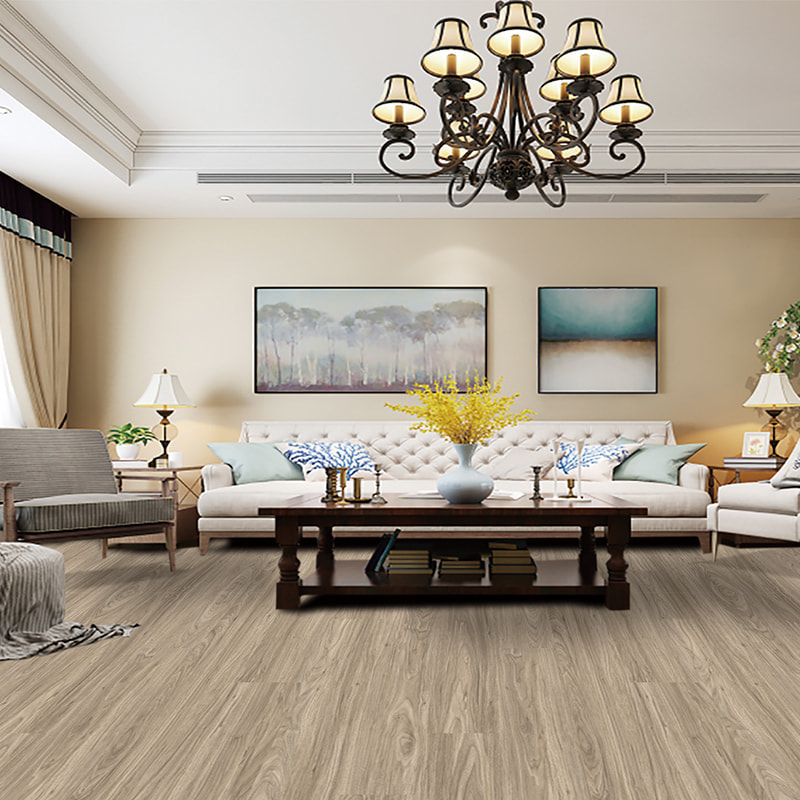
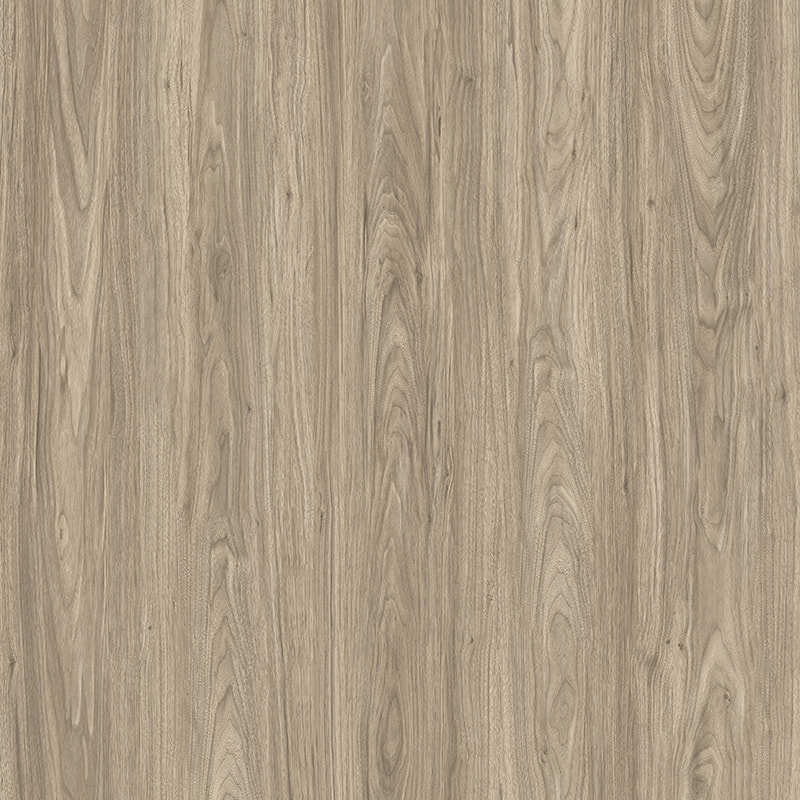
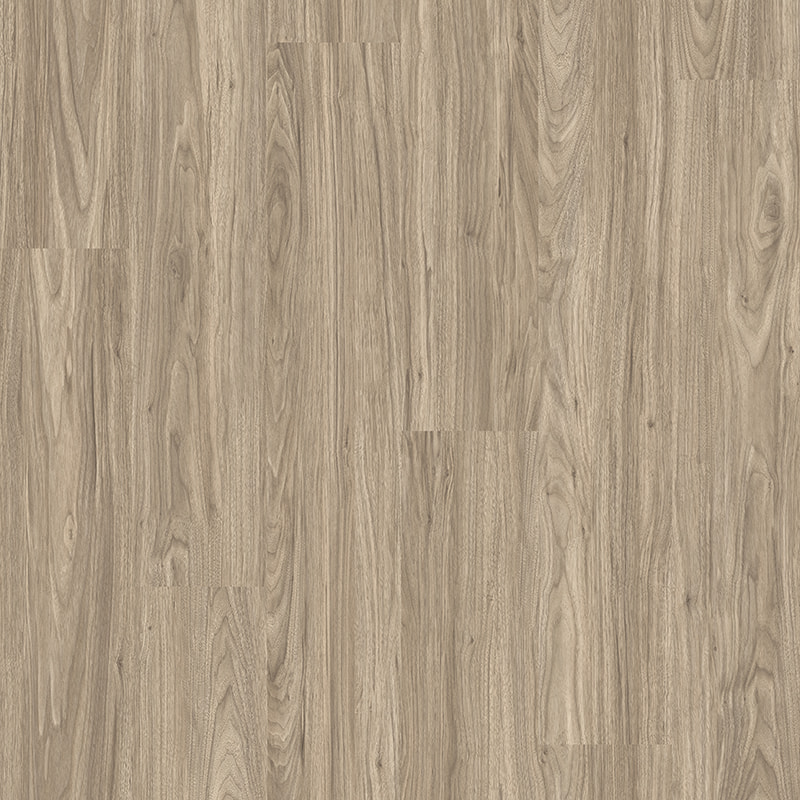
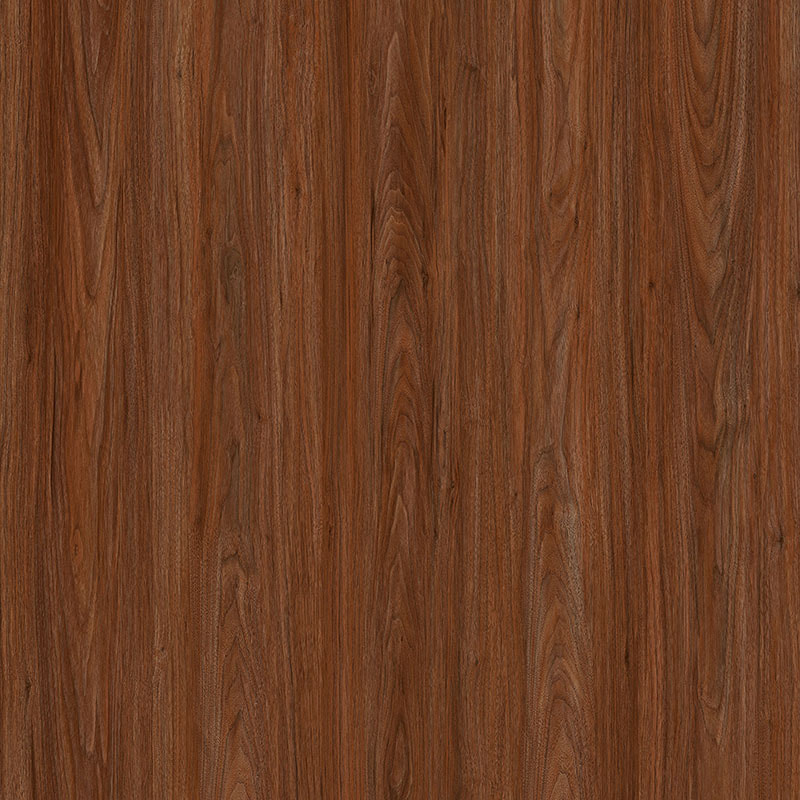
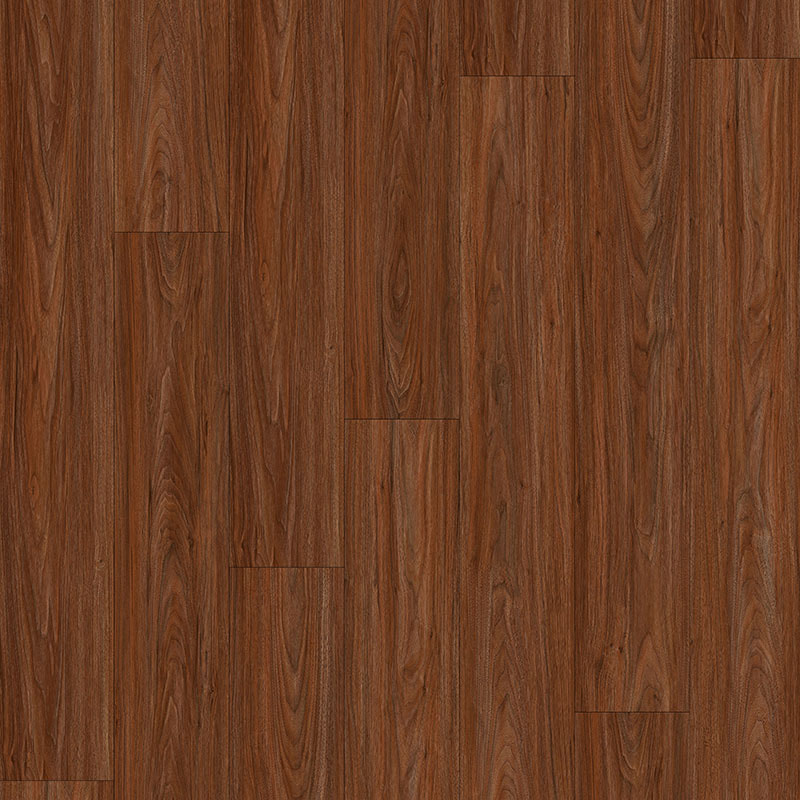
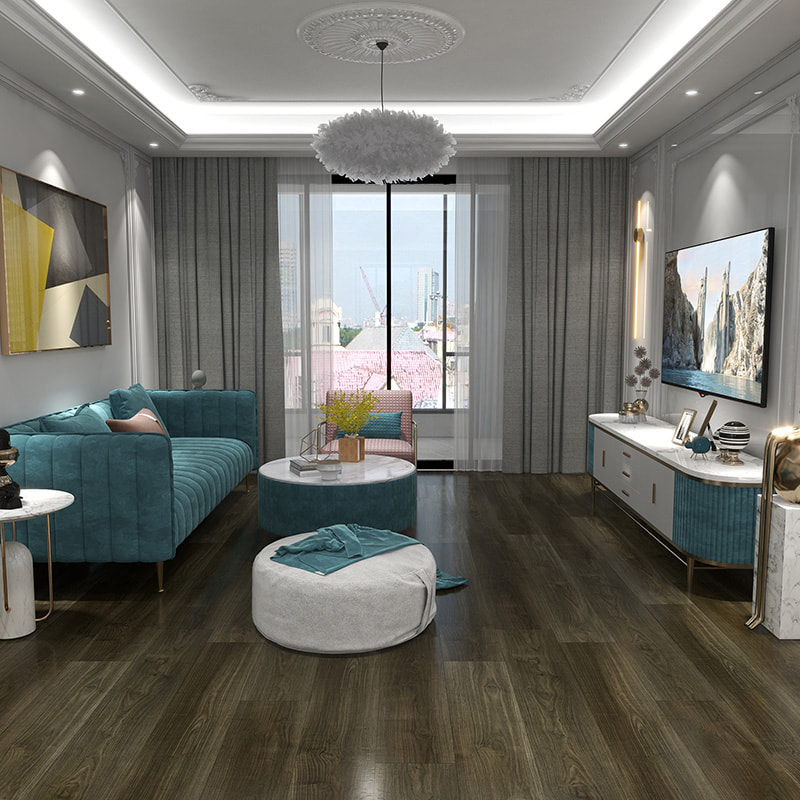
Model: YC959
Wood: Walnut
Spec: 1000*1270mm
Single chip size: 7.25*48"
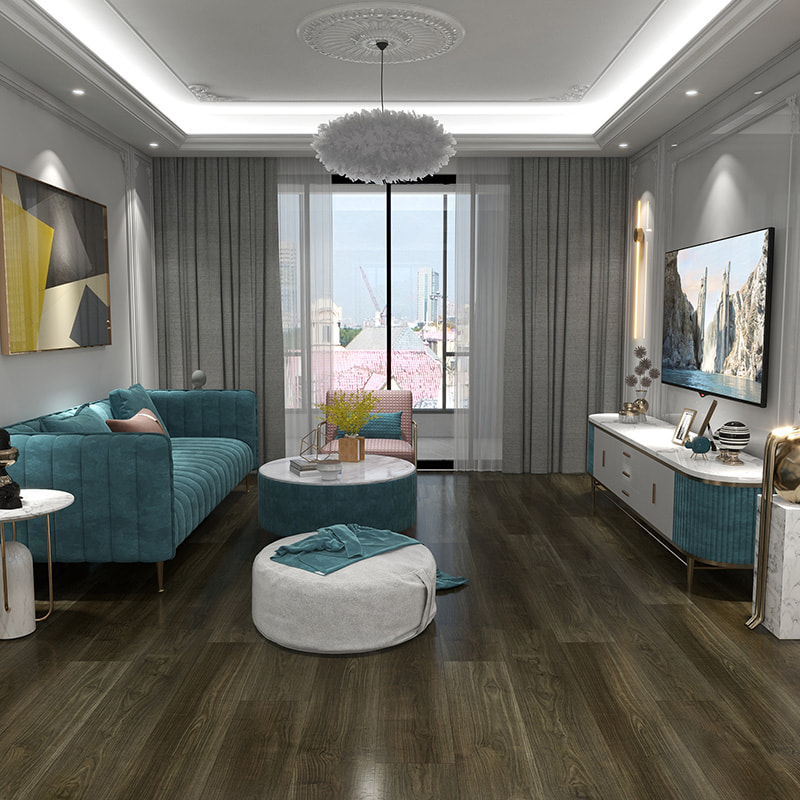
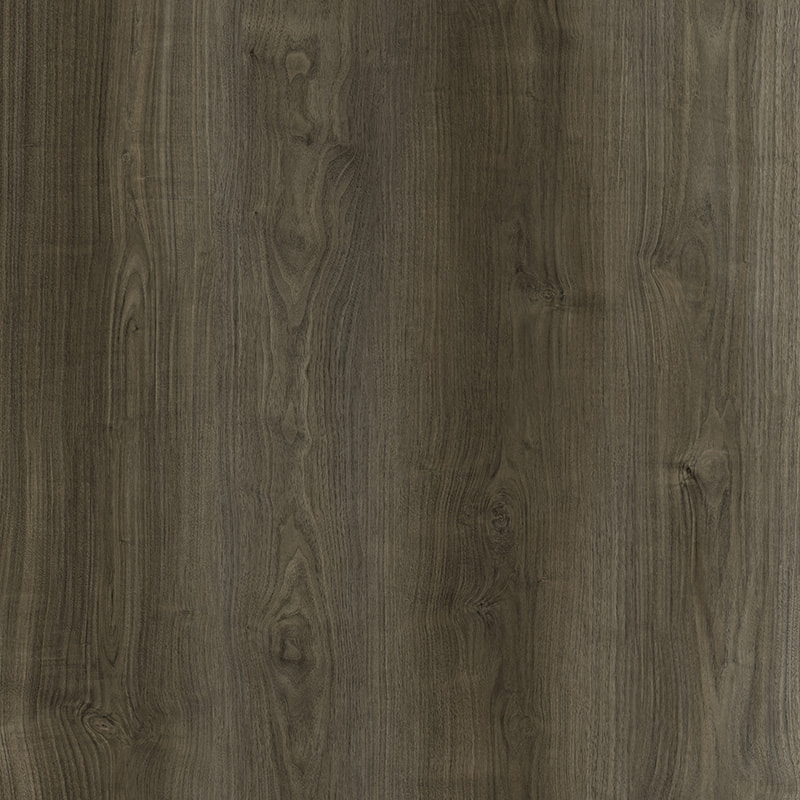
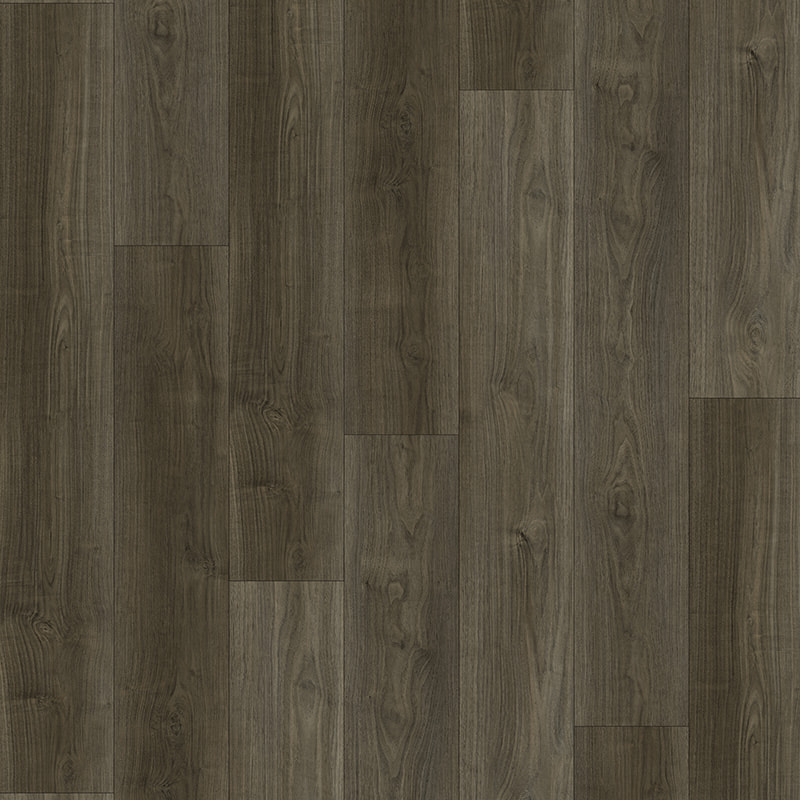
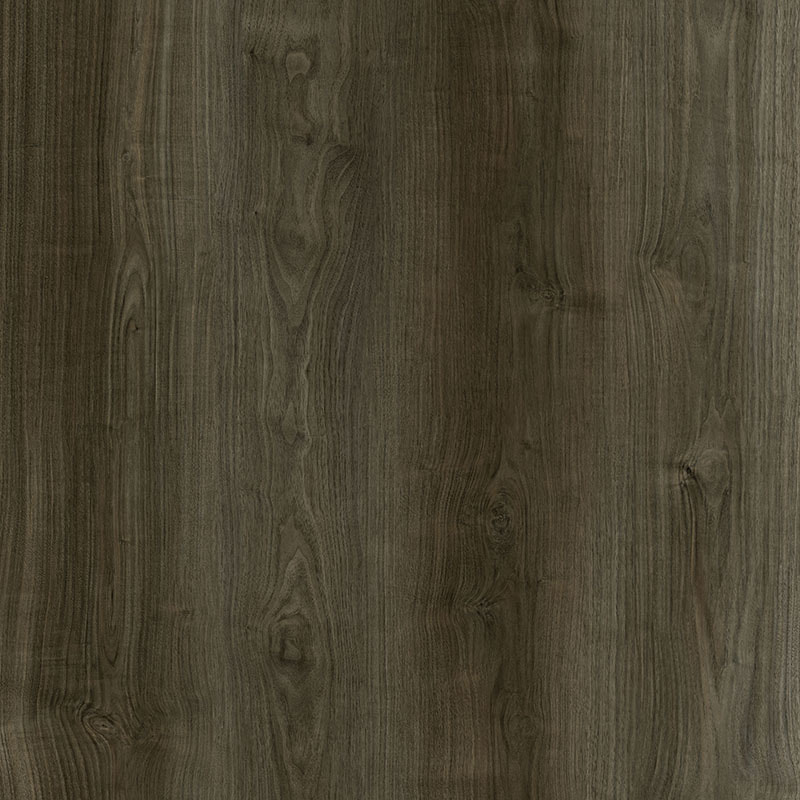
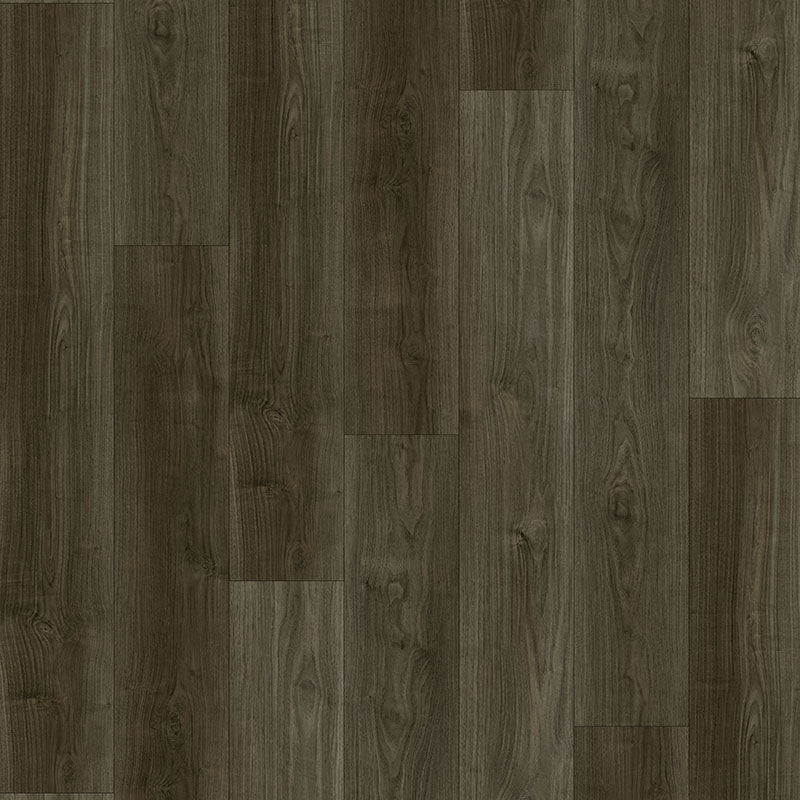
Model: YC995
Wood: Walnut
Spec: 1000*1580mm
Single chip size: 9*60"
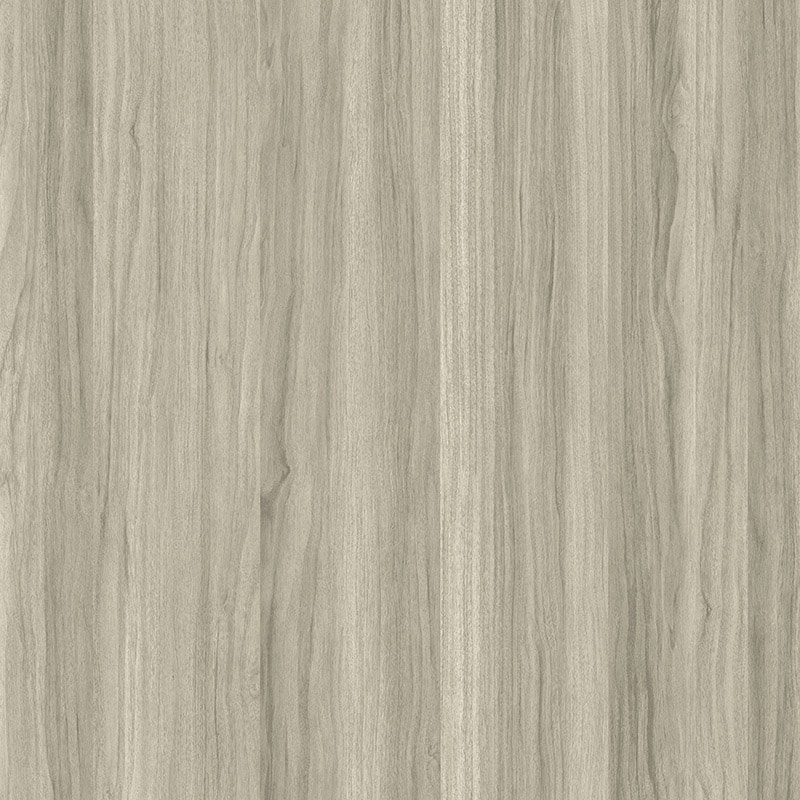
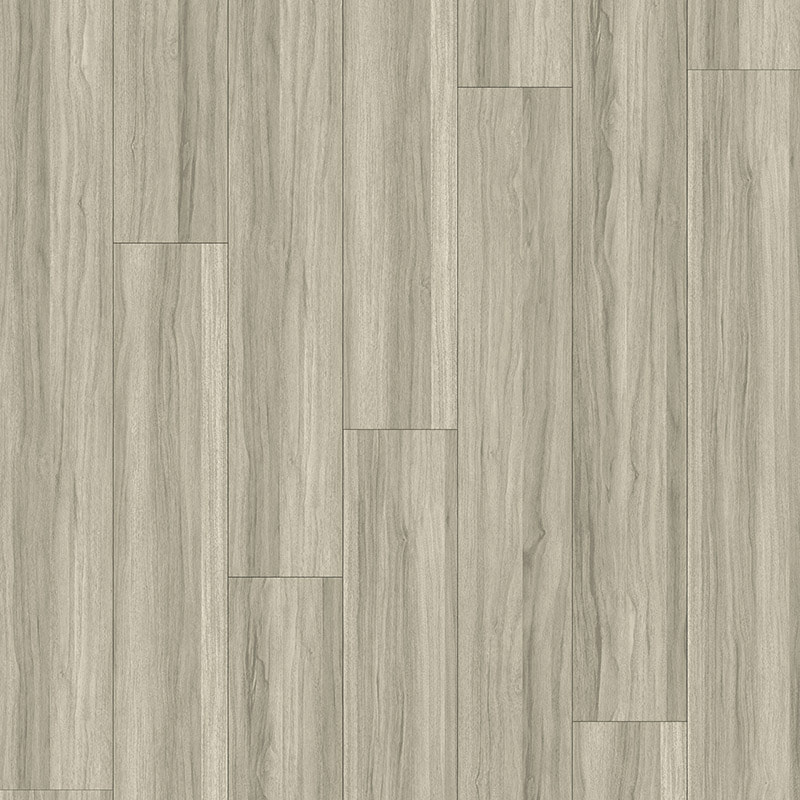
Model: YC1024
Wood: Walnut
Spec: 1000*1270mm
Single chip size: 7.25*48"
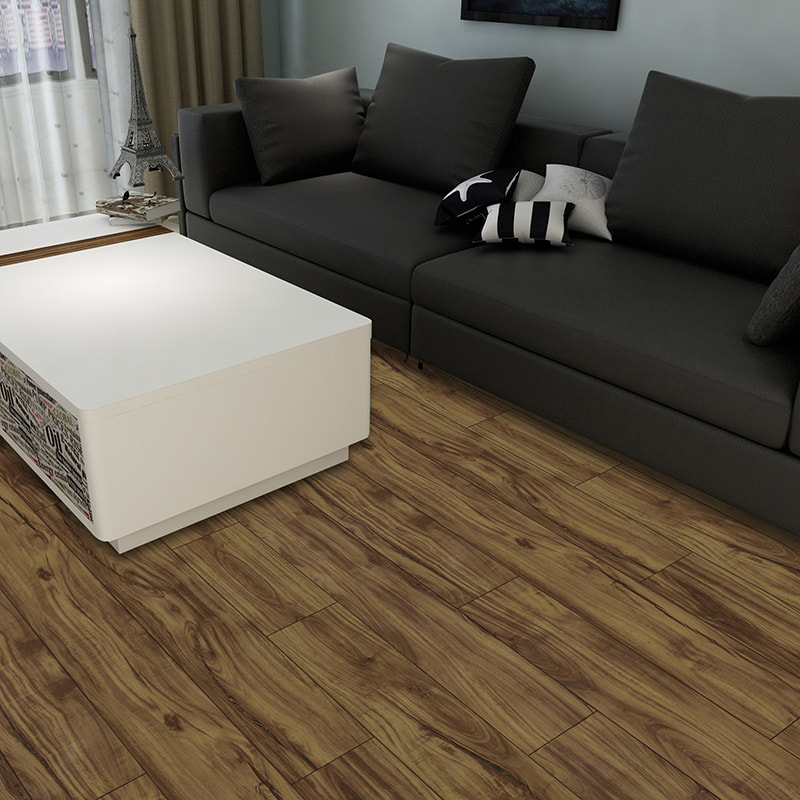
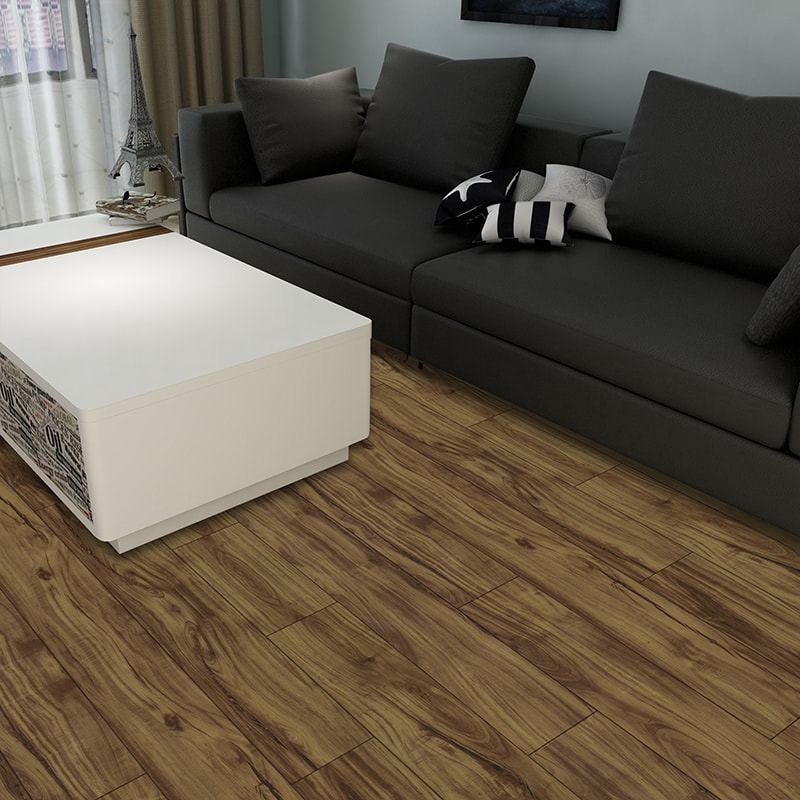
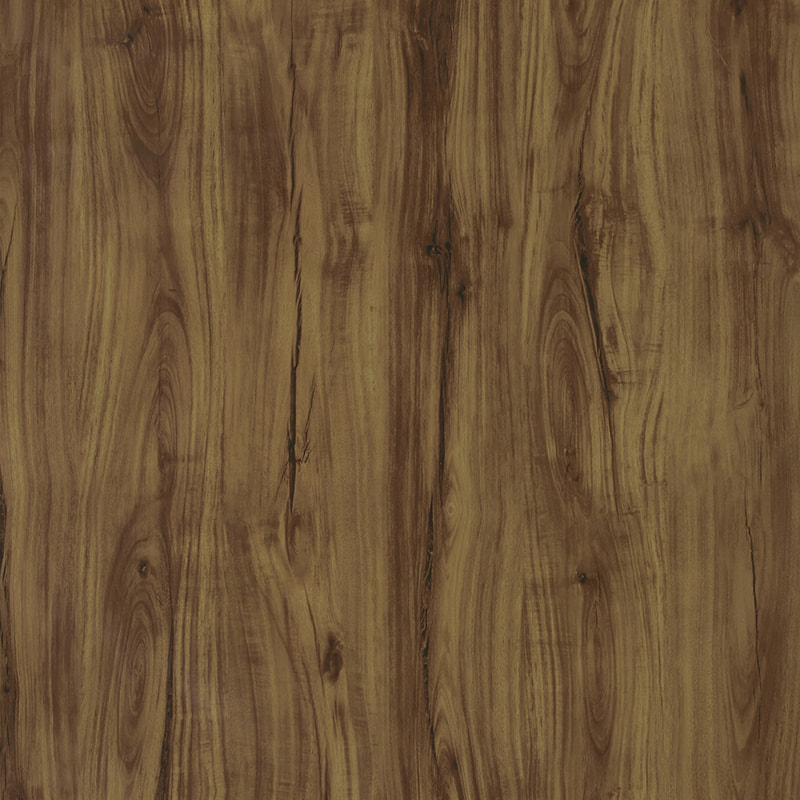
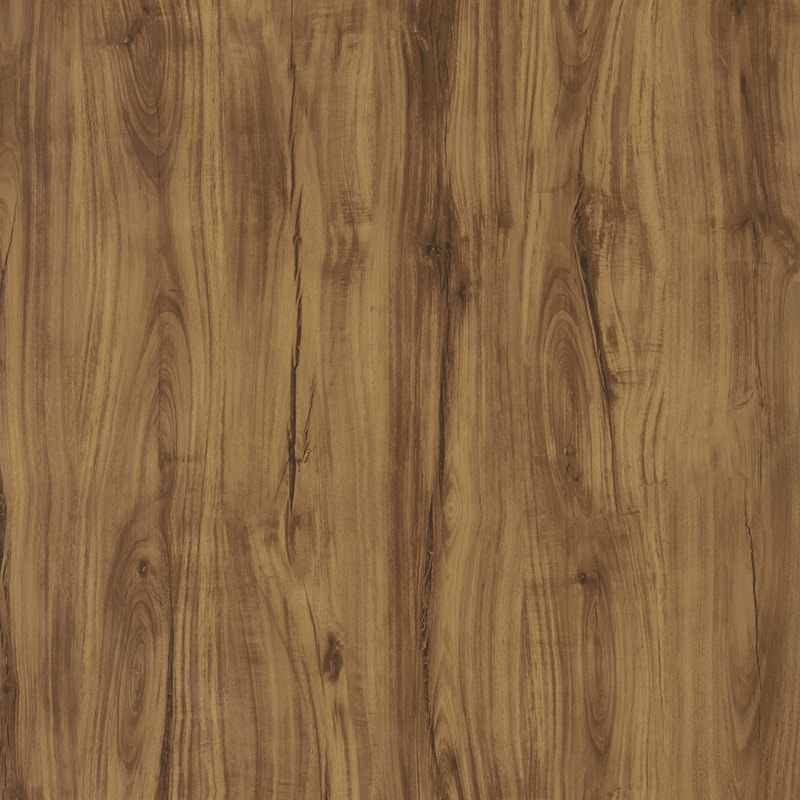
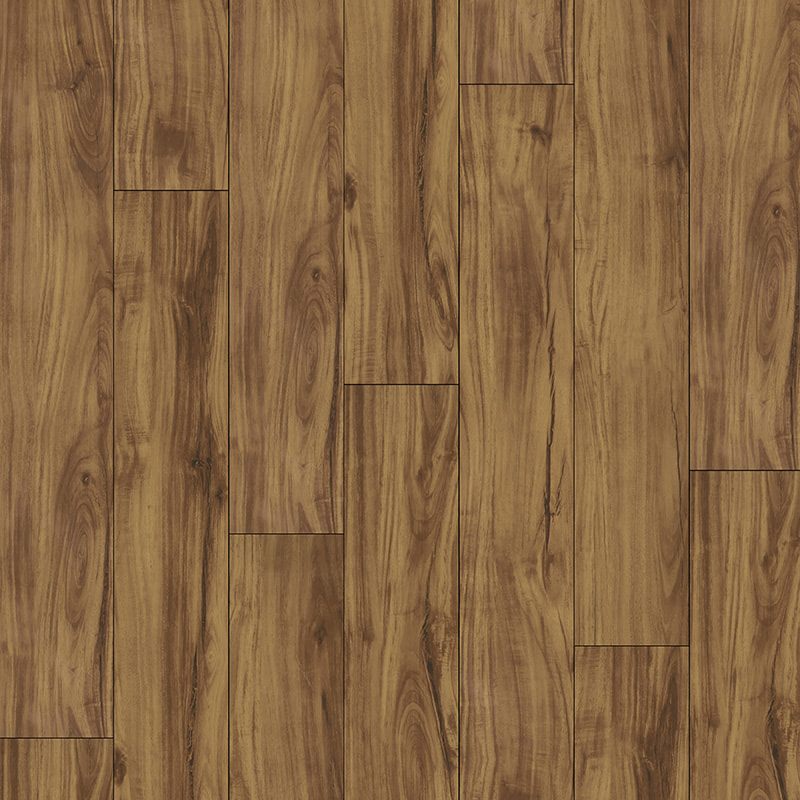
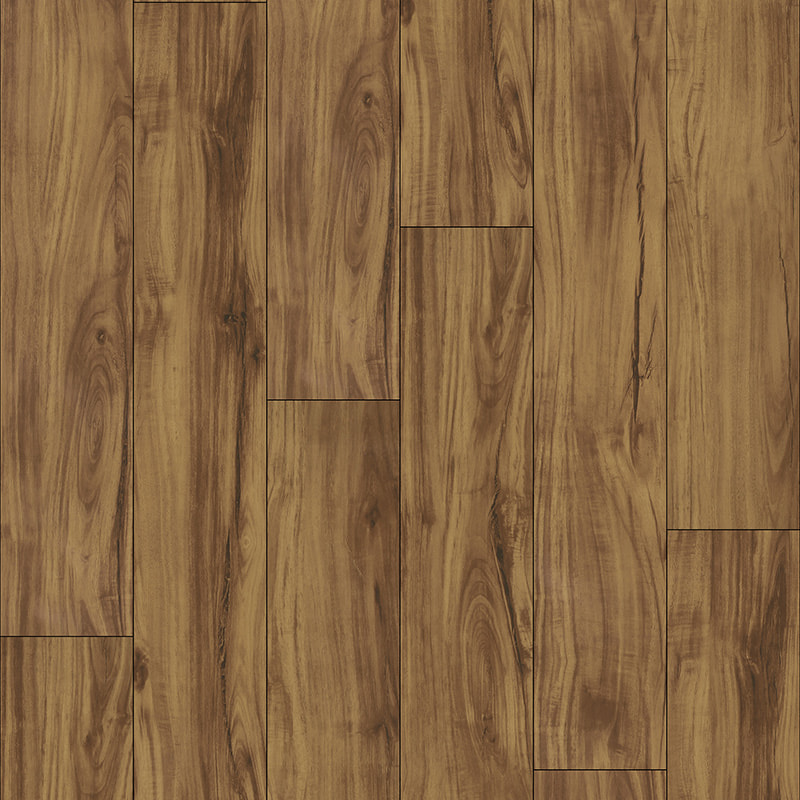
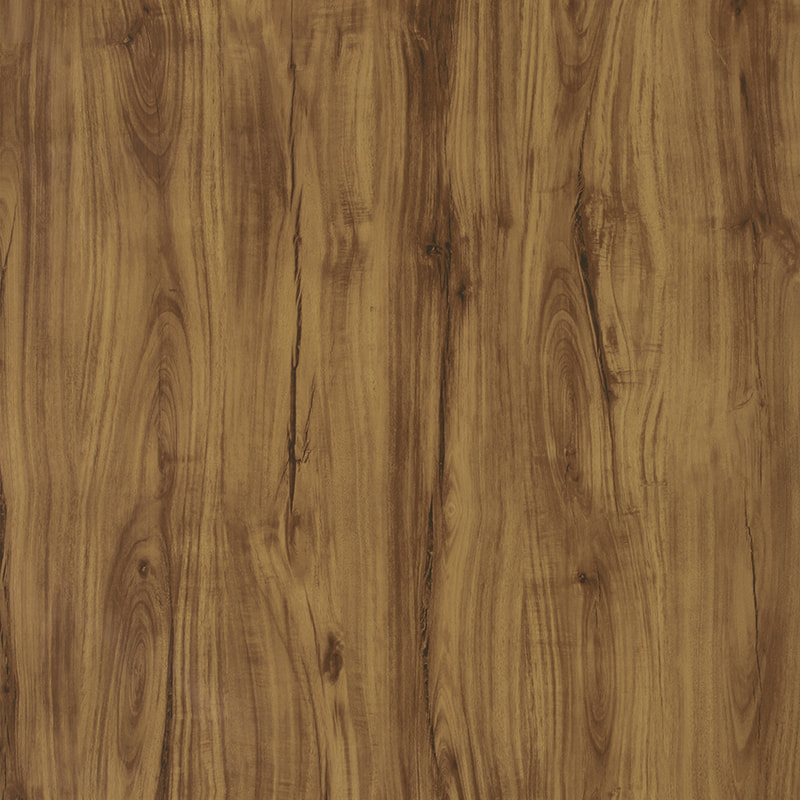
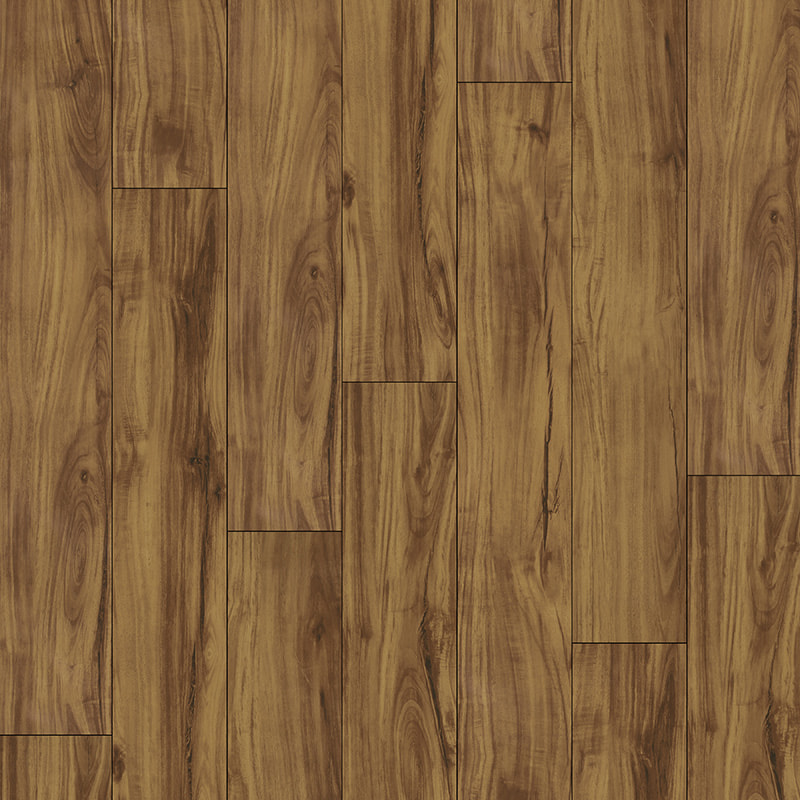
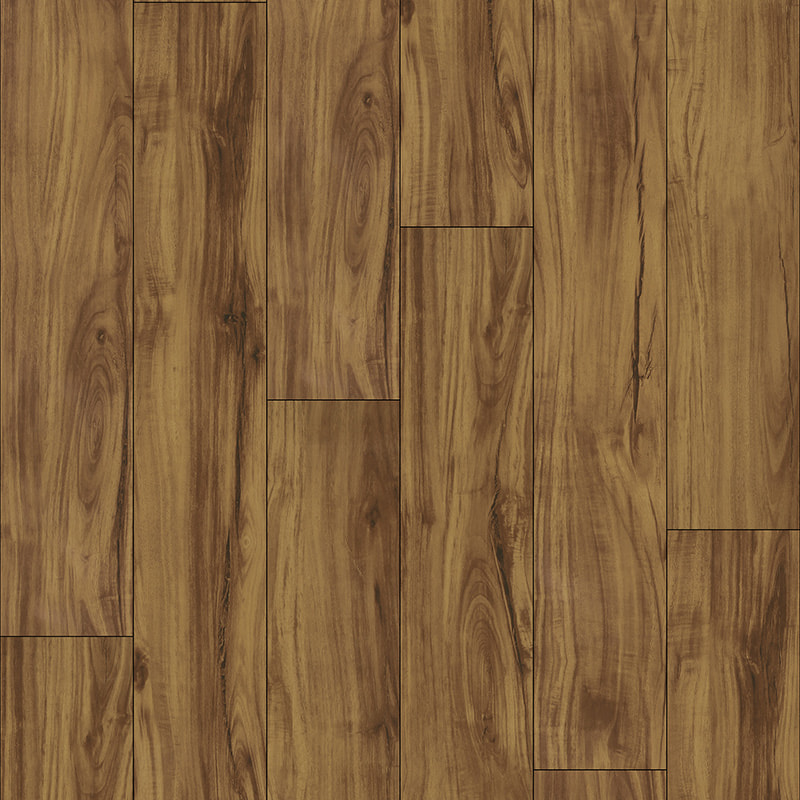
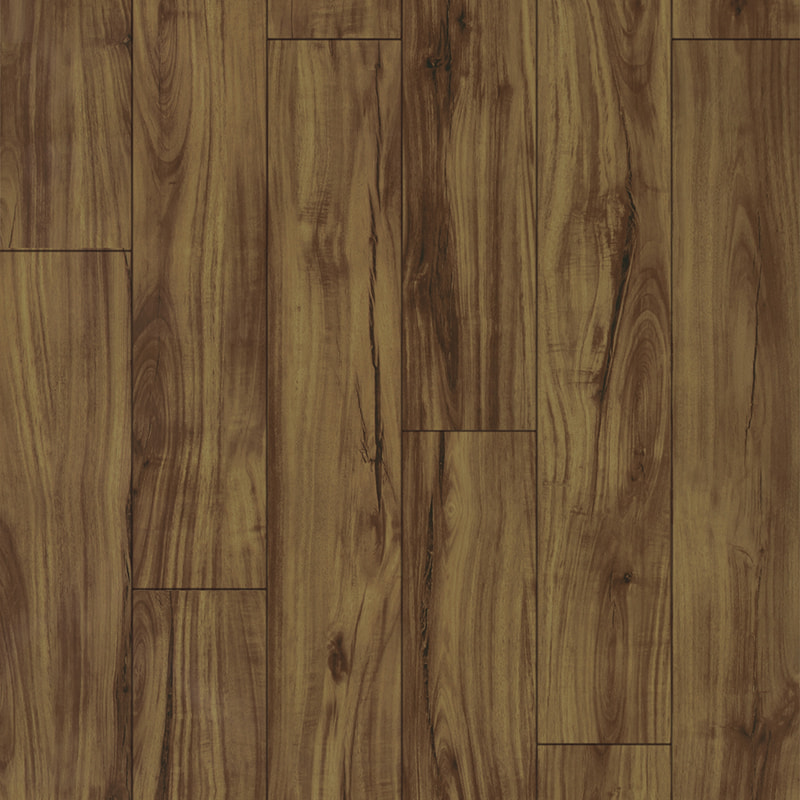
Model: YC8003
Wood: Walnut
Spec: 1000*1230mm
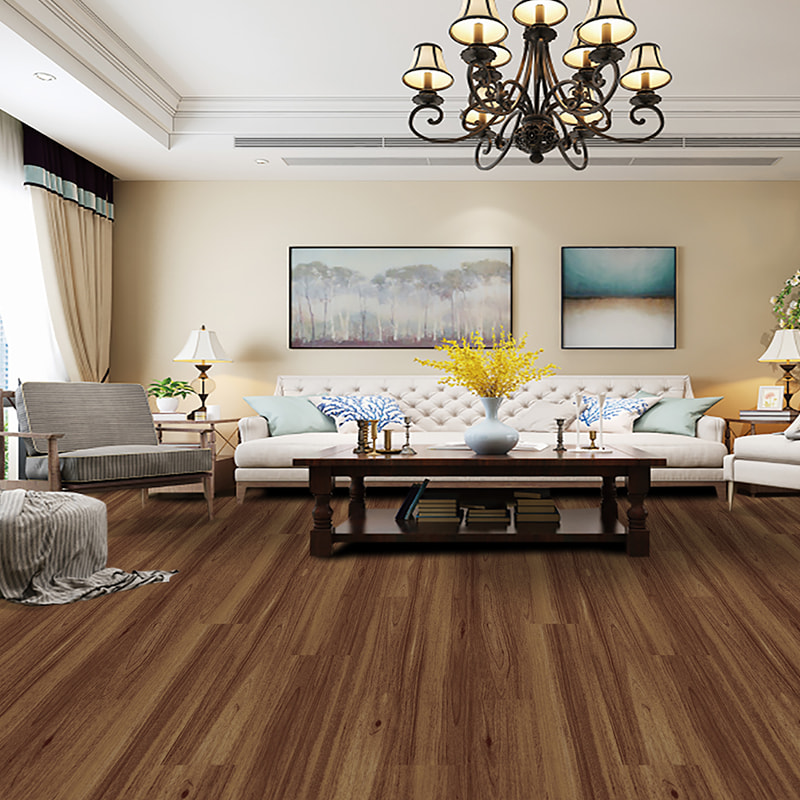
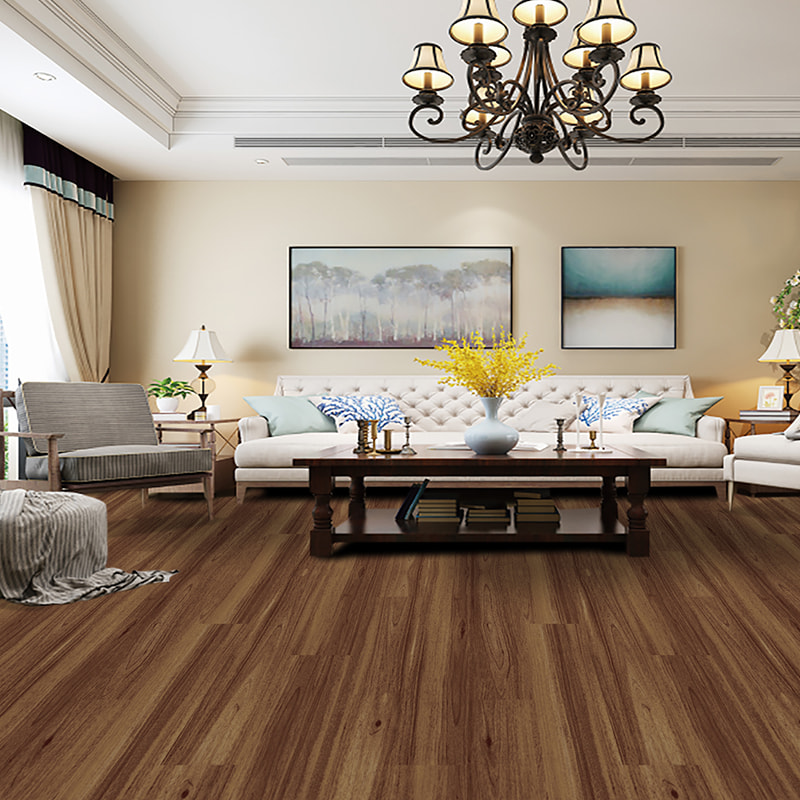
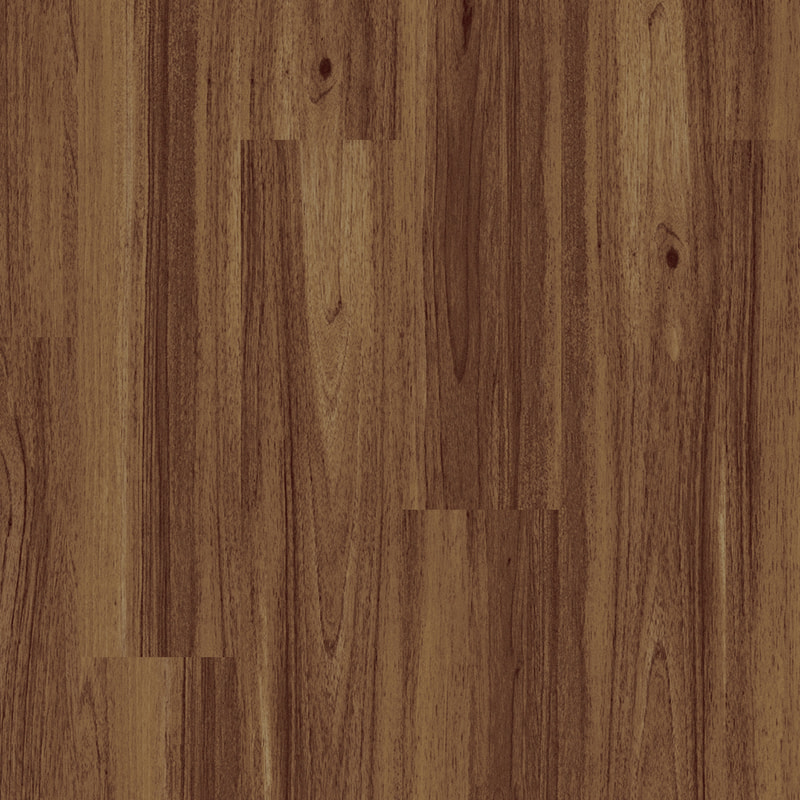
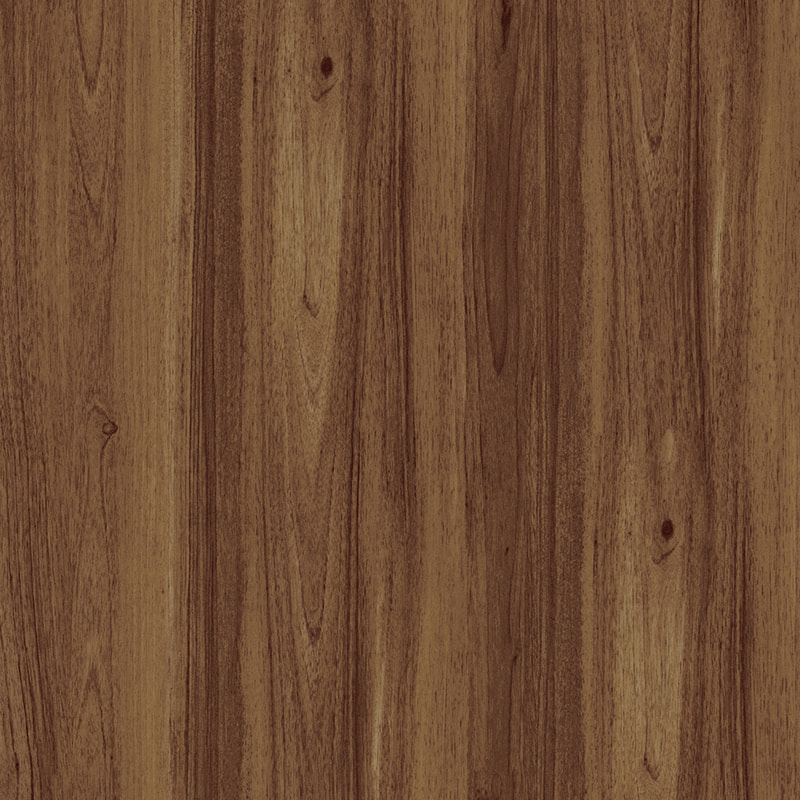
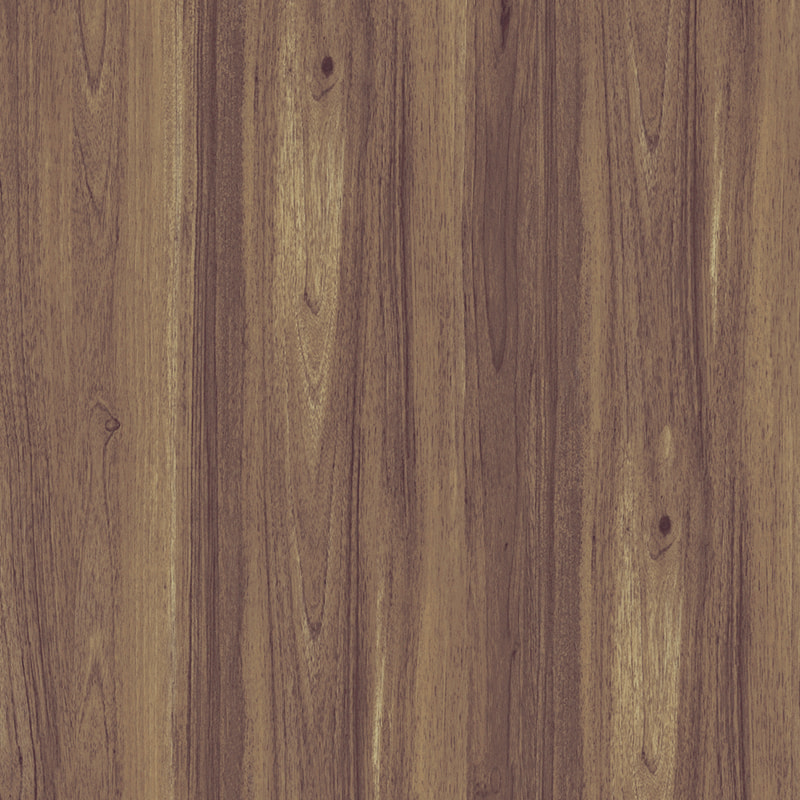
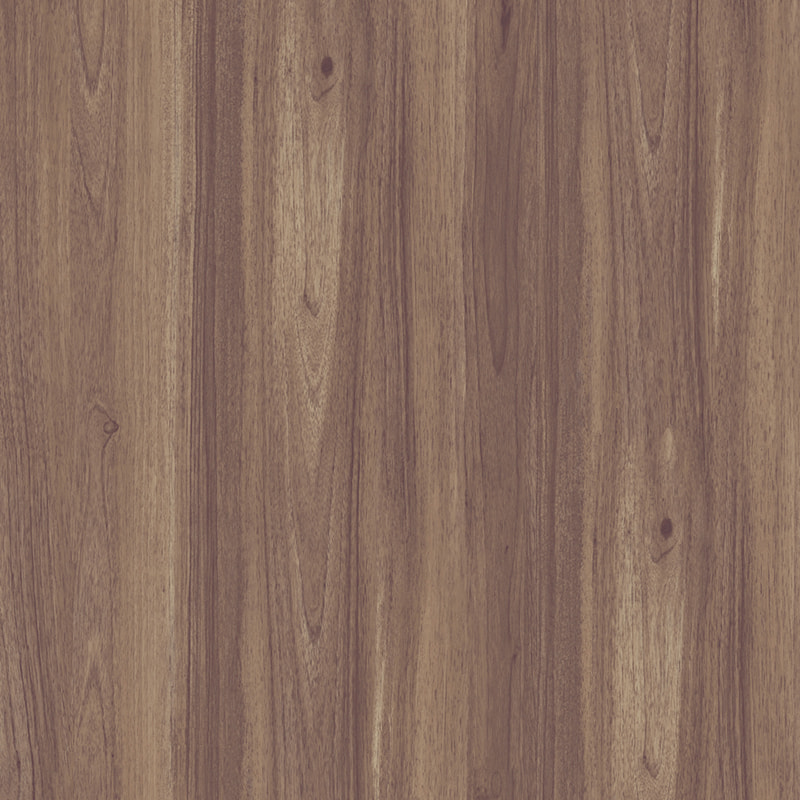
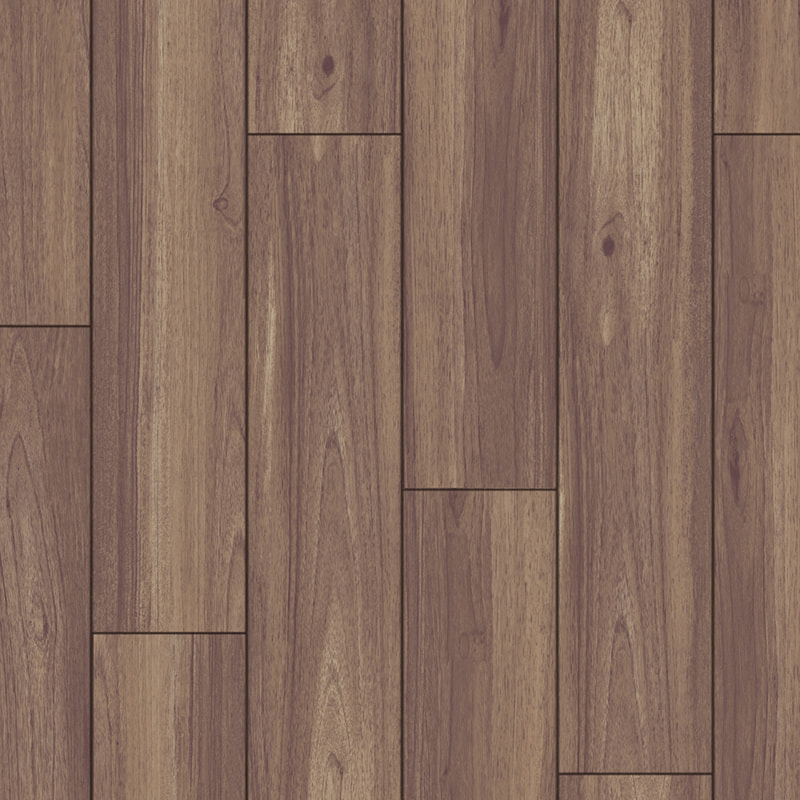
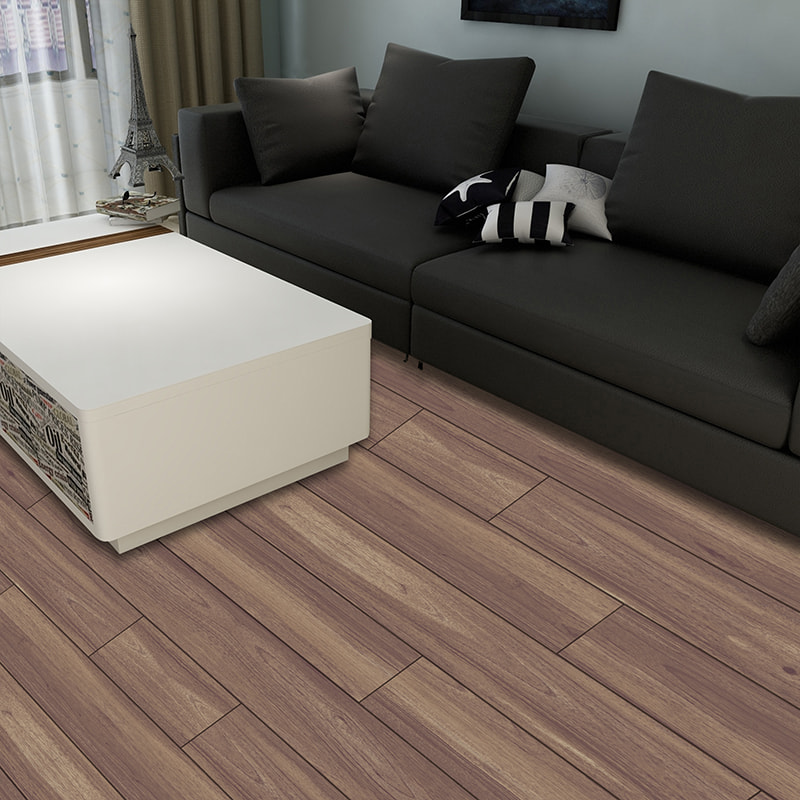
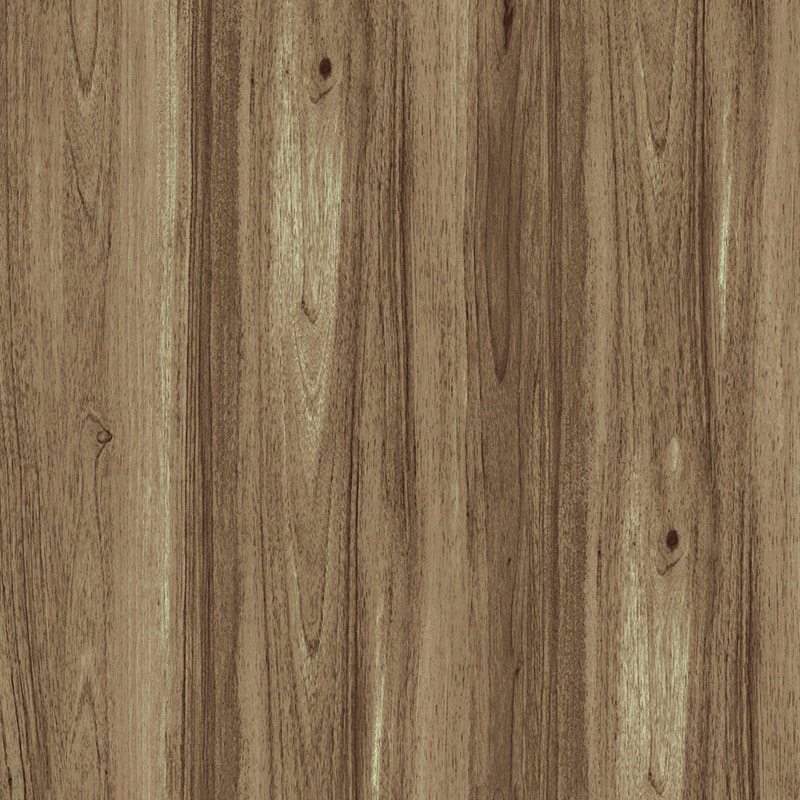
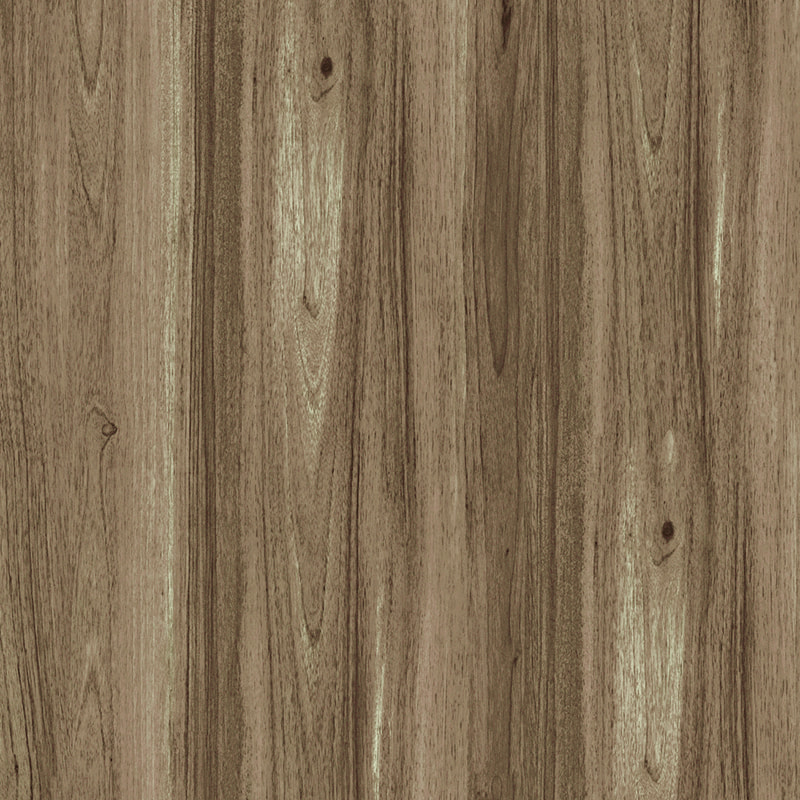
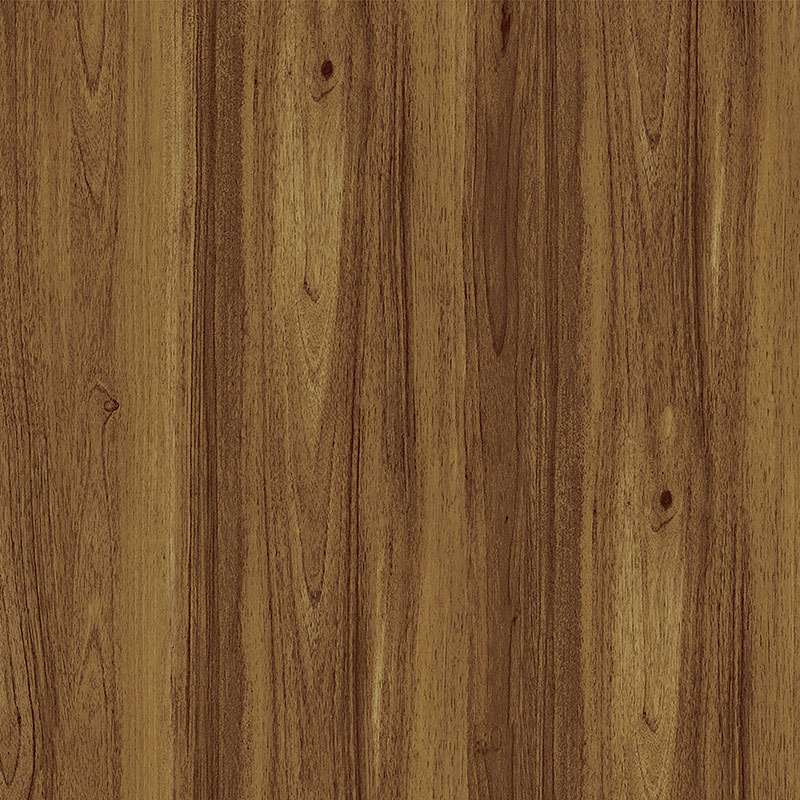
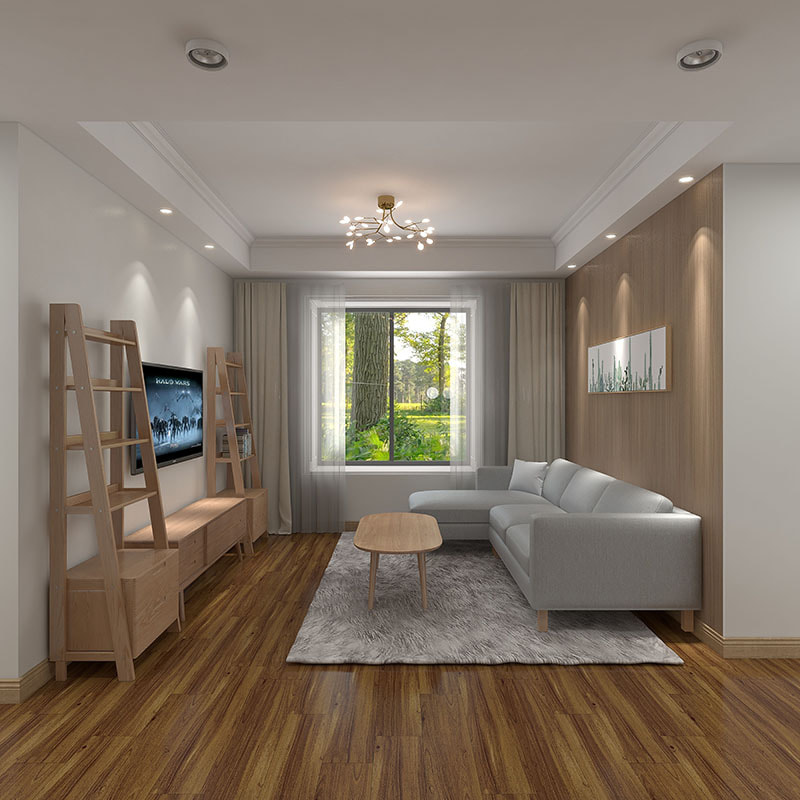
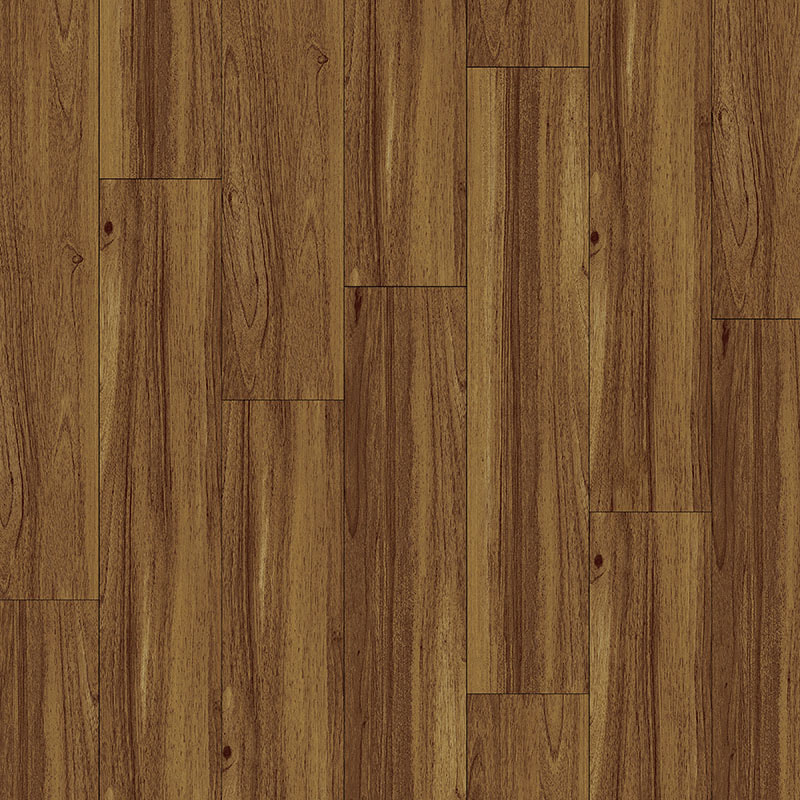
Model: YC8009
Wood: Walnut
Spec: 1000*950mm
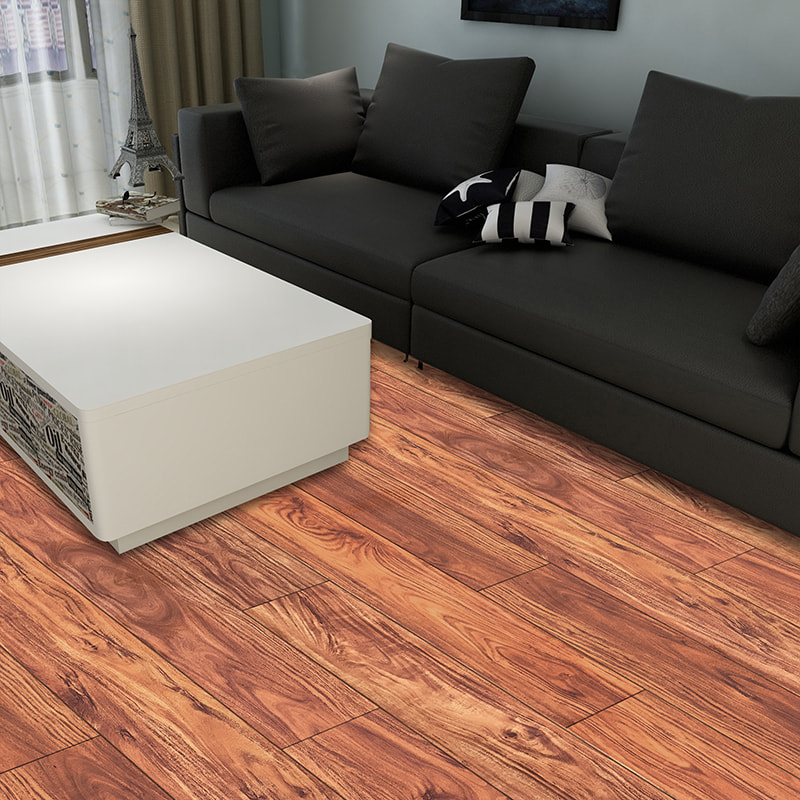
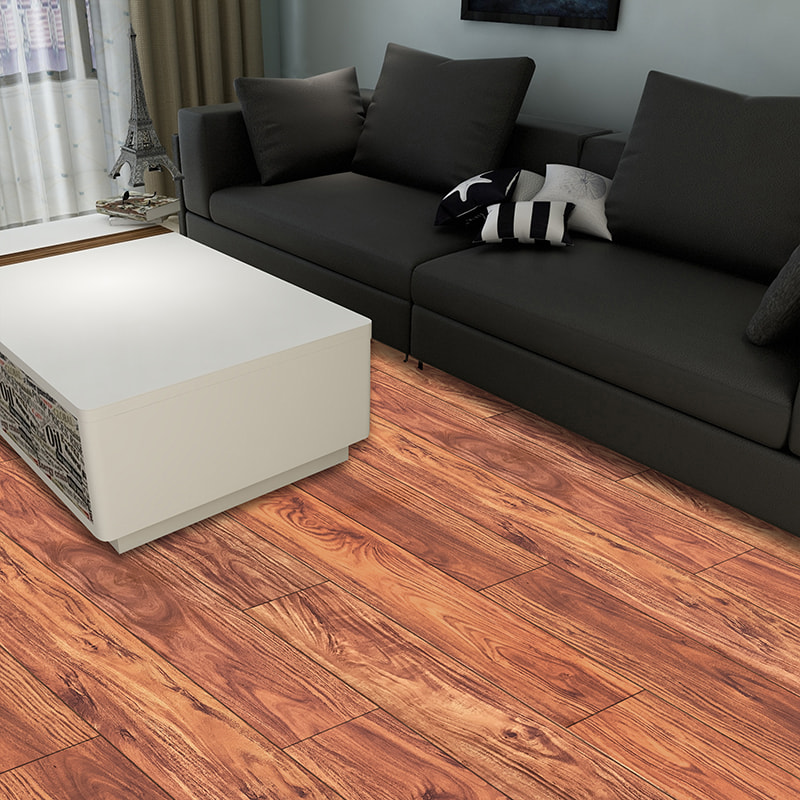
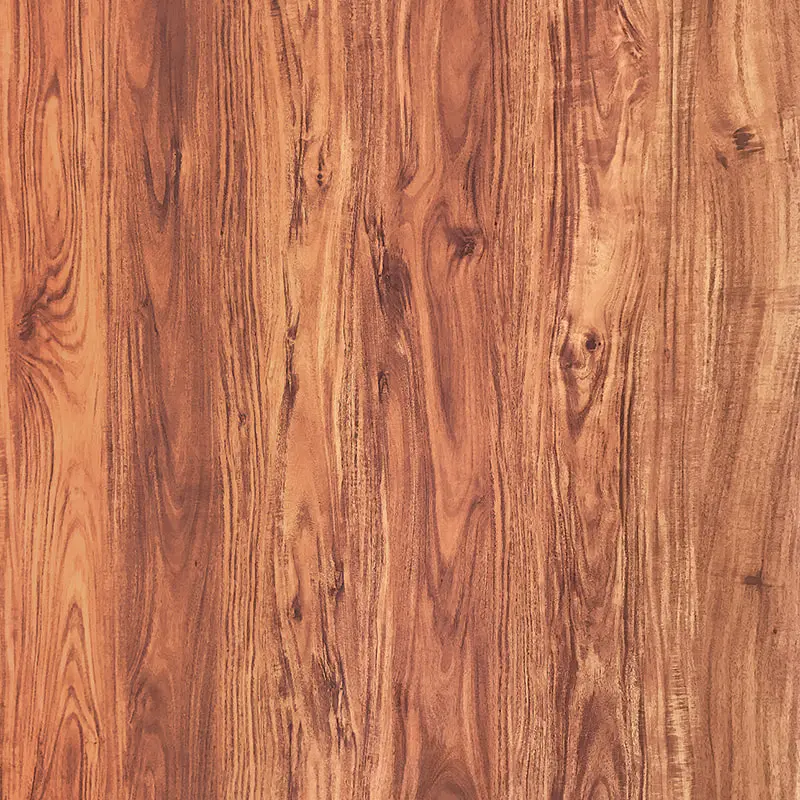
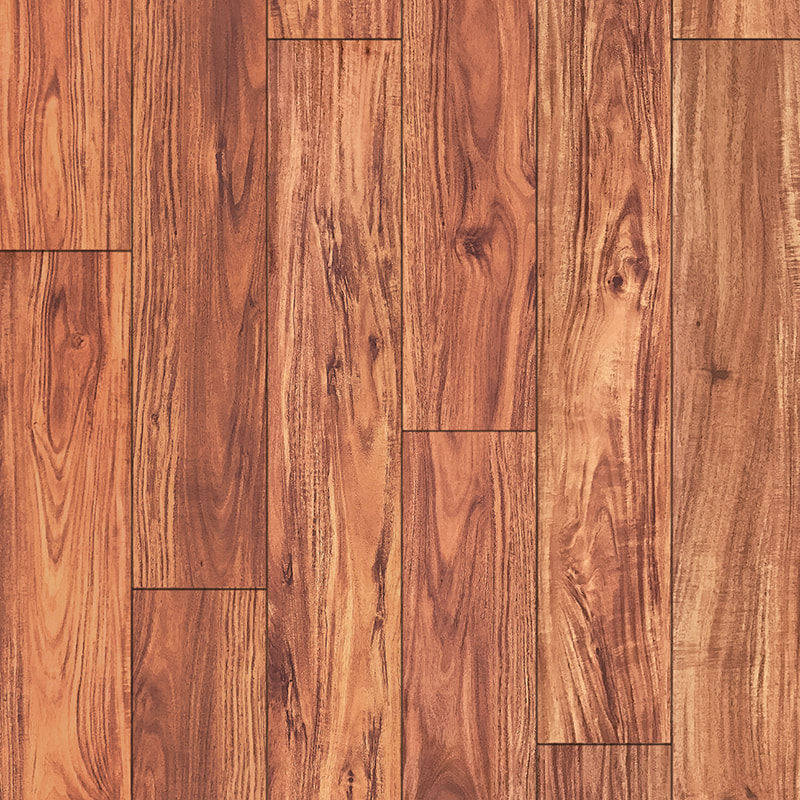
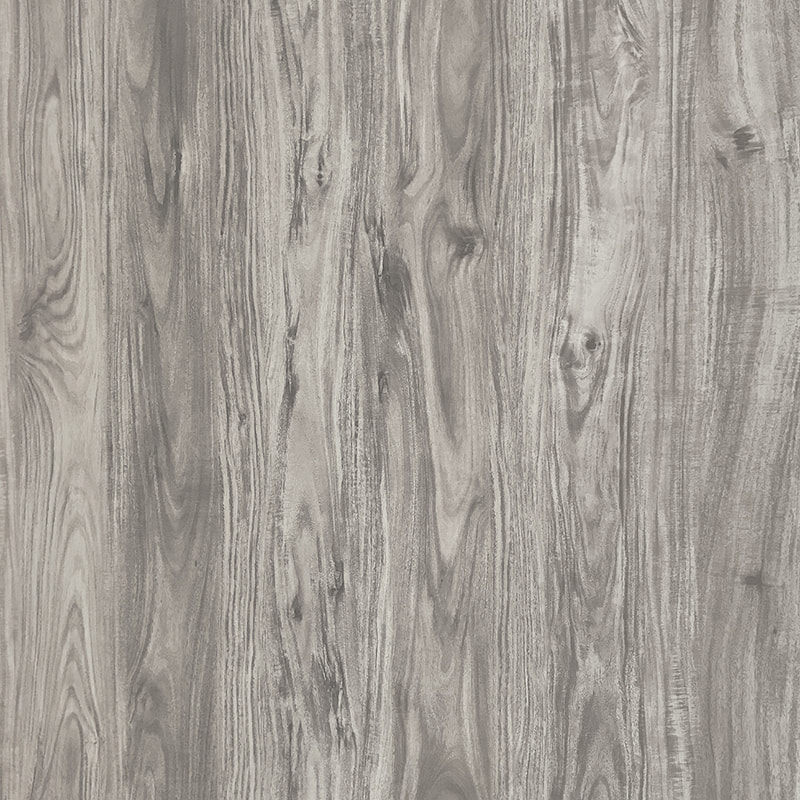
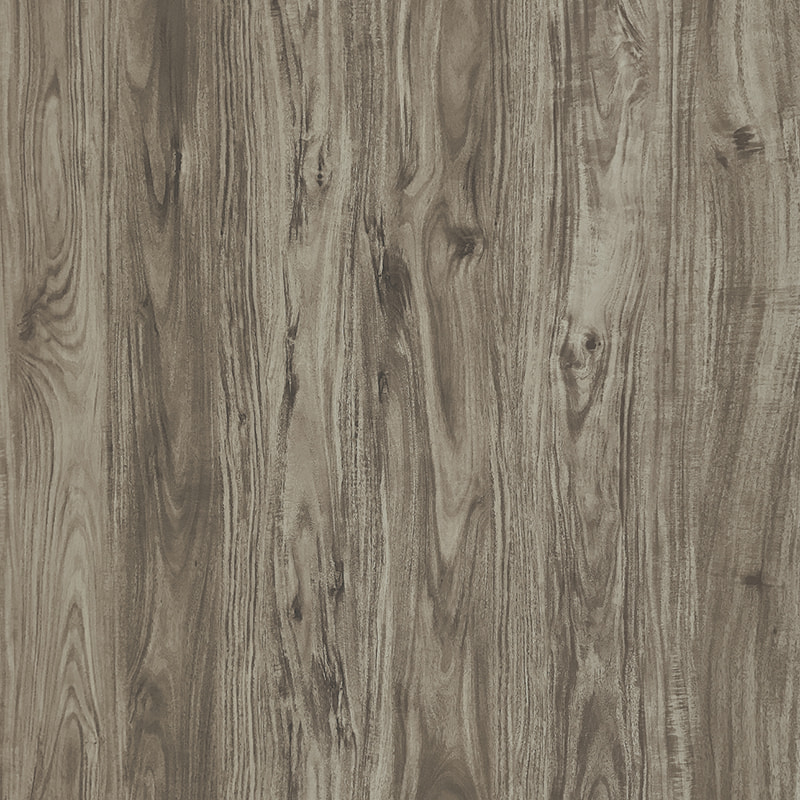
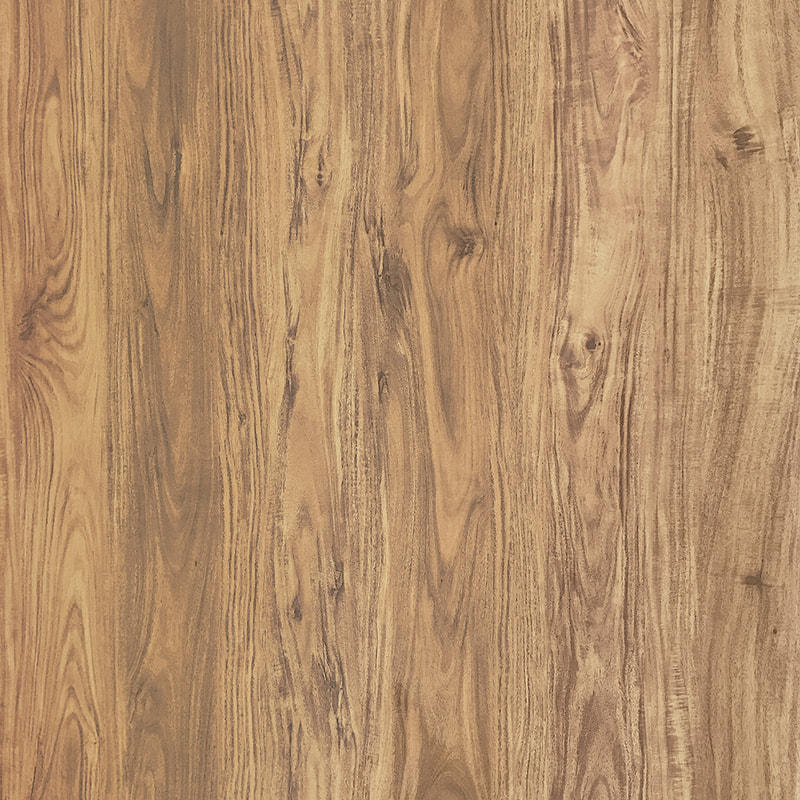
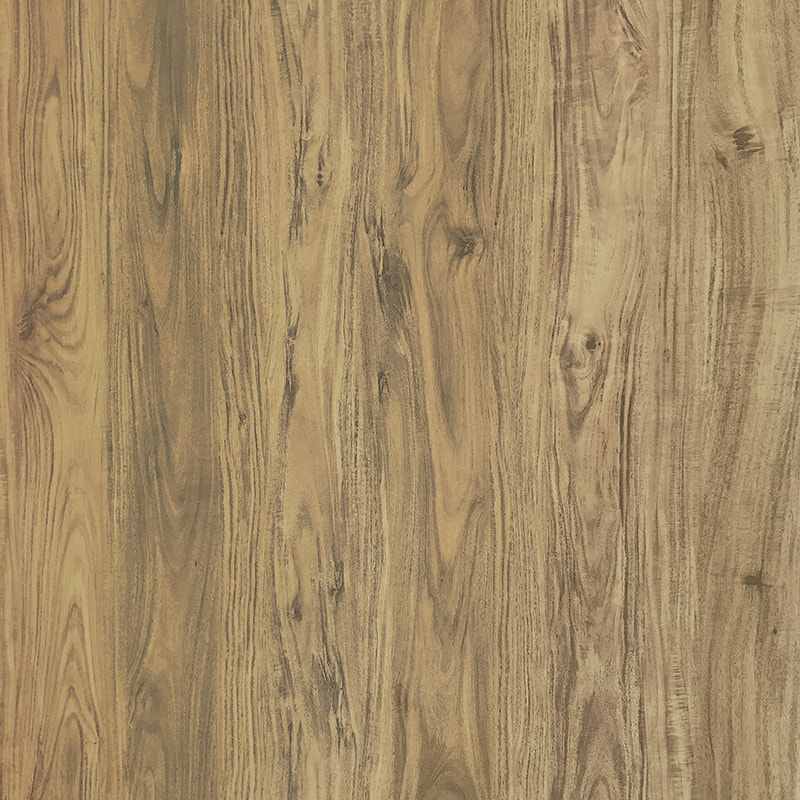
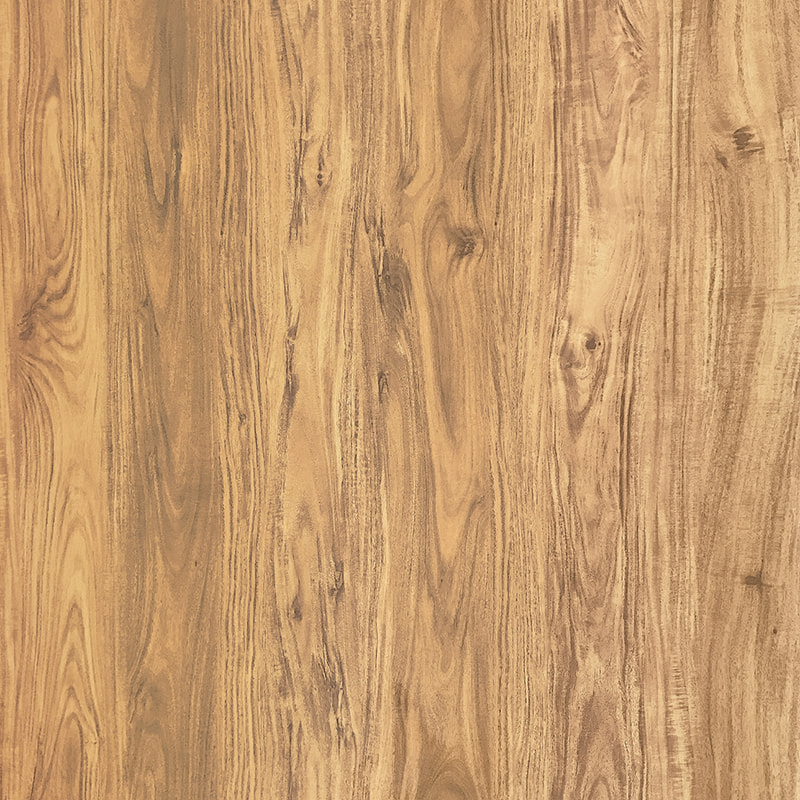
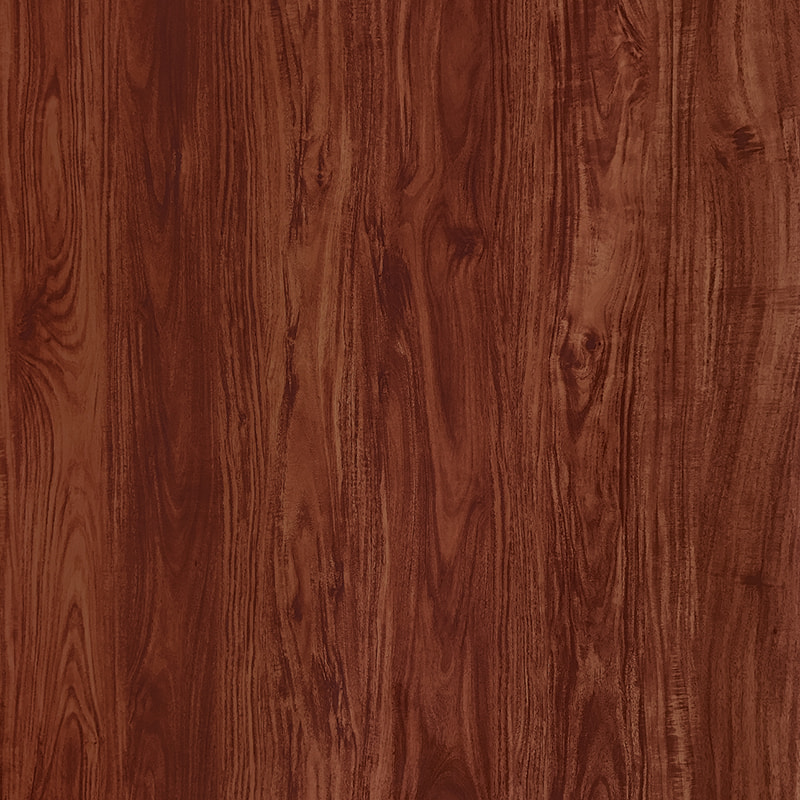
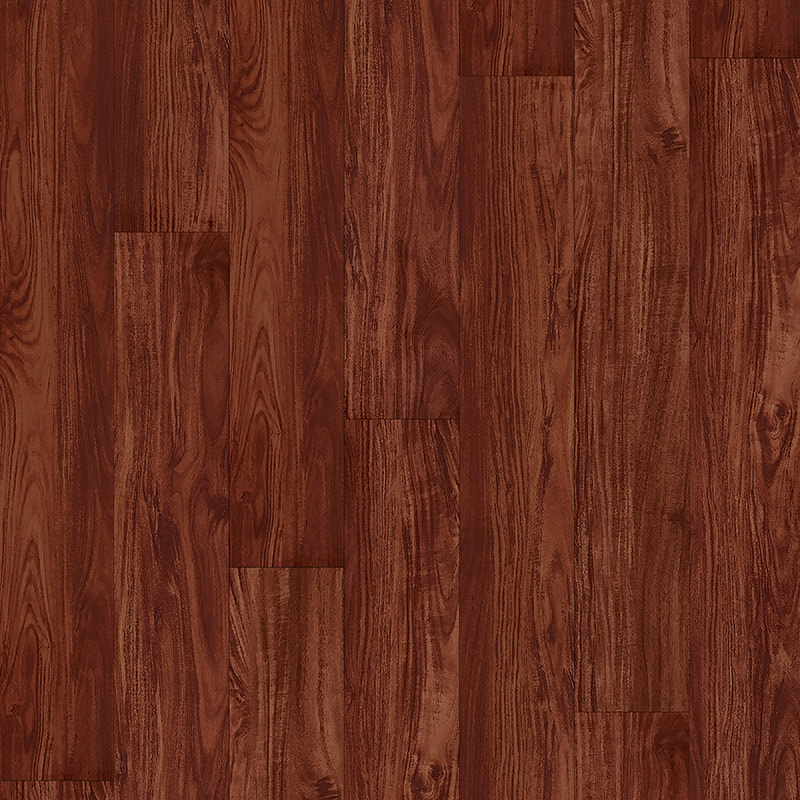
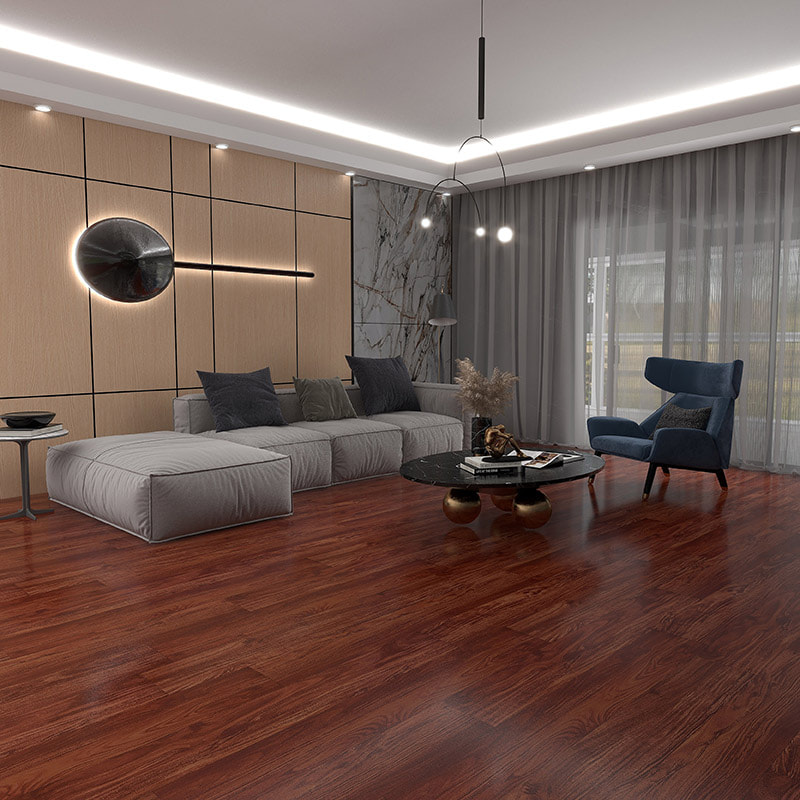
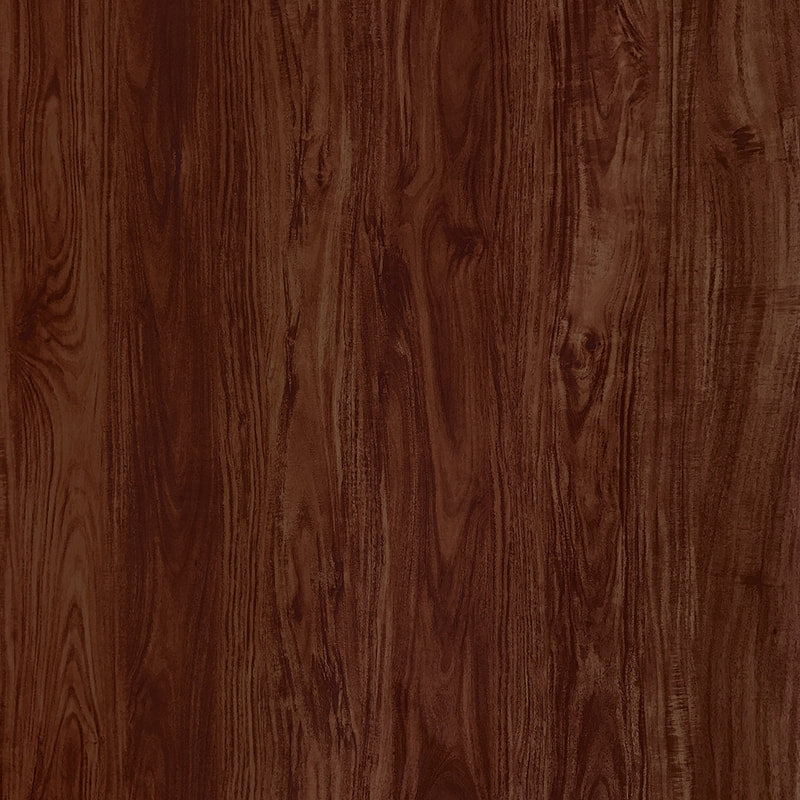
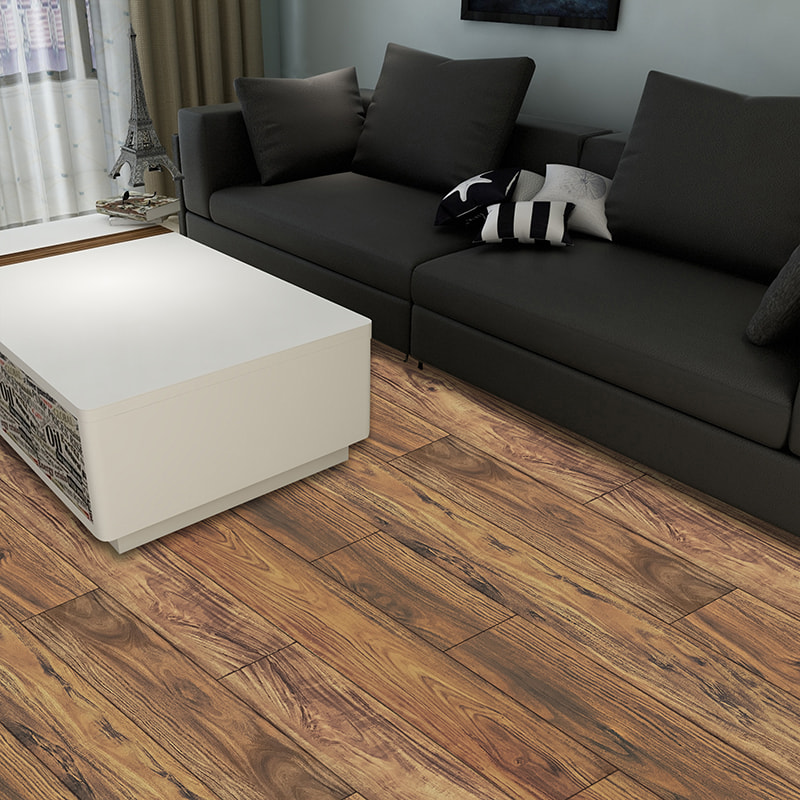
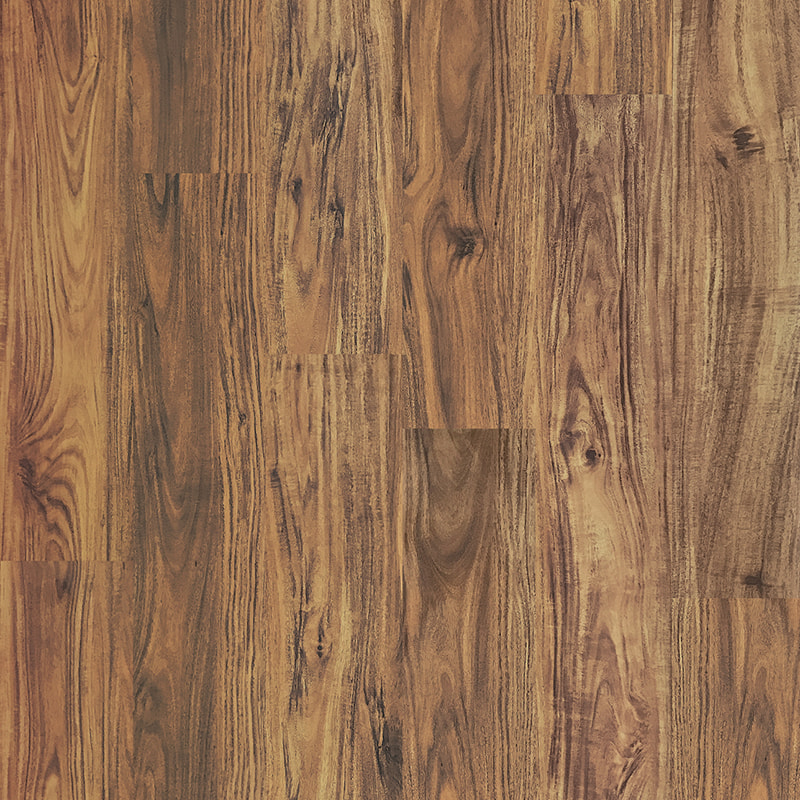
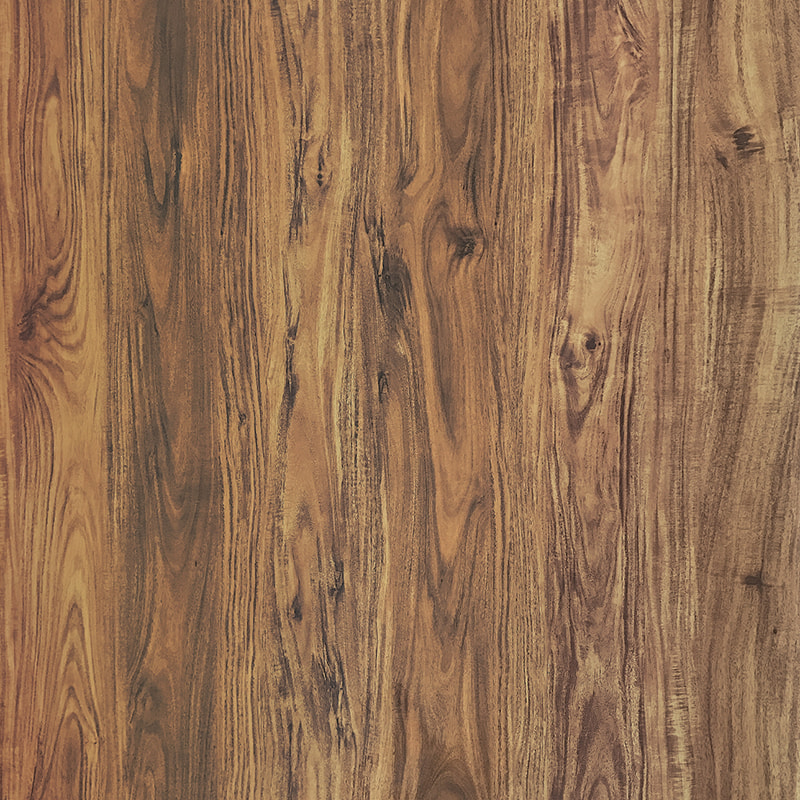
Model: YC48013
Wood: Walnut
Spec: 1000*1260mm
Walk through almost any furniture showroom and you will meet the same surface again and again: a warm, straight-grained...
View MoreHickory has quietly become one of the most requested wood looks in decorative film, and it is easy to see why. It carri...
View MoreYou can usually spot hickory from across a room. The cathedral arches are wide and confident, the colour drifts from pa...
View MoreWhen designers and manufacturers look for a wood grain surface that feels warm, natural, and timeless, hickory often co...
View MoreA workshop receives a bundle of pine veneer for twelve wardrobe doors and finds that the color shifts noticeably betwee...
View MoreWhen sourcing wood grain decorative film, most buyers focus on color and surface texture while overlooking one of the most consequential technical parameters: the pattern repeat length. In rotogravure printing, the circumference of the printing cylinder defines how long the repeating unit is before the image tiles again. For wood grain PVC film, a short repeat — say 300 mm to 600 mm — is visually tolerable in narrow-plank applications but creates an immediately recognizable "wallpaper effect" on wide-format panels or long runs of flooring where the human eye can compare adjacent tiles and detect the repetition. High-quality wood grain PVC decorative film typically uses repeats of 1,200 mm to 2,400 mm, which requires significantly larger and more expensive cylinders but produces a convincingly randomized appearance across installed surfaces.
The practical consequence for buyers is that repeat length should appear on the product technical data sheet alongside thickness, width, and tensile strength. If a supplier cannot provide this figure, it generally indicates a short-repeat cylinder was used to reduce manufacturing cost. When evaluating samples, lay two sheets end-to-end along the length direction and look for the point where grain patterns mirror each other — that distance is the repeat. For reference panels wider than 200 mm or flooring planks longer than 1,000 mm, a repeat under 900 mm is a quality compromise worth questioning before placing a production order.
A wood grain PVC film printed with a photorealistic oak or walnut pattern becomes significantly more convincing when the mechanical texture of the surface is synchronized with the visual print beneath it — a process called registered emboss, or print-to-emboss (P&E). The concept is straightforward: the embossing roll presses physical peaks and valleys into the wear layer or directly into the film surface, and those peaks and valleys are positioned to align with the darker, recessed-grain lines in the printed pattern. The result mimics the way real wood feels — smooth across the face of the grain with tactile depth in the grain channels.
Achieving this requires that the embossing step be mechanically synchronized with the print repeat to within ±0.2 mm across the full web width. Any drift larger than this produces a "ghost" effect where the embossed shadow falls adjacent to — rather than on top of — the printed line, creating a subtle double-image that flattens the three-dimensional illusion. This synchronization is maintained by optical sensors reading registration marks printed at the edge of the web, feeding corrections back to the embossing roll drive in real time. Not all production lines have this closed-loop system; surface-only emboss without registration is faster and cheaper to run but produces a noticeably less realistic result under raking or directional light.
Each wood species has a distinct anatomical structure that determines how its grain should be reproduced in a PVC decorative film. Understanding these structural differences helps specifiers select patterns that are botanically credible and helps manufacturers set appropriate printing parameters.
Our wood grain series covers these major species categories across more than a thousand color variants, with cylinder designs developed from direct scanning of natural wood samples to preserve anatomical accuracy in the printed pattern.
Delamination — the separation of the decorative film from the substrate it is bonded to — is one of the most common field complaints associated with PVC decorative film in flooring and furniture applications. The cause is almost always traceable to a mismatch between the surface energy of the film and the adhesion system used to bond it, rather than a fundamental defect in the film itself.
Surface energy, measured in millinewtons per meter (mN/m), describes how strongly a solid surface attracts liquids and adhesives. A freshly calendered PVC film typically has a surface energy between 32 and 36 mN/m — too low for reliable bonding with most water-based or UV-curable adhesives, which require a substrate surface energy of at least 38 mN/m. Corona treatment — passing the film through a high-voltage electrical discharge — oxidizes the surface and raises its energy temporarily to 42–48 mN/m, dramatically improving adhesion. The problem is that corona treatment effect decays over time: after six months of storage, an untreated surface may revert to near-original levels, and even treated film can lose half its treatment effect within 30 days if stored in a hot warehouse.
The practical implication is that wood grain PVC decorative film should be processed — laminated, coated, or bonded — within the treatment window specified by the manufacturer, typically 30 to 90 days from production. Film stored beyond this window should be re-treated before lamination. Buyers who experience delamination after changing film lots or after drawing from long-stored inventory should verify the dyne level of the film surface using dyne test pens before assuming the adhesive or process is at fault.
Wood grain decorative film is frequently applied to MDF, particleboard, or plywood substrates as a surface finish in furniture and cabinetry. These composite wood panels are a well-known source of formaldehyde emissions — from the urea-formaldehyde (UF) resins used to bind the wood fibers or particles together. The relationship between the film and formaldehyde emissions is widely misunderstood, and clarifying it is useful both for compliance purposes and for honest supplier communication.
A properly laminated PVC wood grain film acts as a partial vapor barrier over the substrate surface, physically slowing the diffusion of formaldehyde from the panel face into the room air. This barrier effect is real but incomplete: it reduces emission rates from the covered face without affecting edge emissions, and its effectiveness depends on the permeability of the adhesive layer as much as the film itself. A high-porosity adhesive can act as a wick rather than a barrier, potentially negating the film's sealing effect.
PVC decorative film itself, when formulated without formaldehyde-based crosslinkers or melamine-formaldehyde coatings, contributes negligible formaldehyde emissions on its own. It does not convert or neutralize the formaldehyde generated by the substrate. Compliance declarations for finished furniture must therefore address the substrate panel certification (CARB Phase 2, E0/E1 under EN 717-1, or JIS A 1460) separately from any film certification. A film supplier's test report for formaldehyde does not substitute for panel-level compliance testing of the assembled article.
The following table summarizes the major formaldehyde emission standards that apply to composite panels used under decorative film in key export markets:
| Market | Standard | Emission Limit (E1 or equivalent) | Test Method |
| European Union | EN 13986 / EN 717-1 | ≤ 0.124 mg/m³ (E1) | Chamber method, 28-day |
| USA (CARB) | CARB Phase 2 | MDF ≤ 0.11 ppm; PB ≤ 0.09 ppm | ASTM E1333 large chamber |
| Japan | JIS A 1460 / JAS | ≤ 0.5 mg/L (F★★★★) | Desiccator method |
| China | GB 18580 | ≤ 0.124 mg/m³ (E1) | 1 m³ climate chamber |
Fading is among the most visible long-term failure modes for wood grain decorative film, particularly in applications near windows or in retail environments with prolonged display lighting. Light fastness — the resistance of colorants to fading under ultraviolet and visible radiation — is tested using accelerated weathering equipment such as Xenon arc chambers (ISO 105-B02) or UV fluorescent lamp apparatus (ASTM G154). Understanding what these test results mean in practice, and where they fall short, is essential for making good specification decisions.
ISO 105-B02 grades light fastness on a 1–8 wool scale, where grade 1 indicates rapid fading and grade 8 indicates no detectable change. For interior applications, a minimum grade of 6 is generally considered acceptable; premium or commercial-grade wood grain films should achieve grade 7 or higher. Achieving grade 7 typically requires the use of organic pigments selected for UV stability — perylene reds, phthalo blues and greens, and diarylide yellows with hindered amine light stabilizer (HALS) packages in the ink formulation. Cheaper colorant packages relying on azo pigments may test at grade 5 under fresh production conditions but degrade more rapidly as the pigment-to-binder ratio shifts during the first year of use.
What accelerated testing does not predict well is the interaction between UV fading and the plasticizer migration described in other sections of this knowledge series. As plasticizers migrate to the surface over years of service, they can form a yellowish film that shifts the perceived hue of the wood pattern independently of pigment fading. A film that maintains grade 7 light fastness in a Xenon chamber test — which does not replicate plasticizer migration — may still yellow perceptibly in a south-facing installation after five to seven years. Specifying a low-migration plasticizer system is therefore a complementary requirement to high light fastness, not a redundant one.
For customers who need an exclusive colorway or a species pattern not available in a standard catalog, the path from concept to running production involves more steps — and more lead time — than most buyers anticipate. Understanding the development workflow helps set realistic project timelines and avoids the most common sources of delay.
The total timeline from reference receipt to approved sample is typically eight to twelve weeks, with cylinder engraving and proofing accounting for the majority of that window. We have supported custom development projects for customers across furniture, flooring, and wall panel applications, and we are glad to discuss co-development arrangements — including exclusive pattern agreements — for customers with sufficient volume commitments.



Contact
 China Company Address: No.5 Zhaojia Road,
Vietnam Factory Address: GNP Yen Binh
1 - lndustrial Center (Lot CN13,CN18,Yen
Binh Industrial Park, Ward, Dng Tien, Ph8 Yen,
Thai Nguyen 24000)
Thailand Factory Address: 289/12 Moo 7, Klong Kiu Sub-District, Ban Bueng District, Chonburi 20220 THAILAND
China Company Address: No.5 Zhaojia Road,
Vietnam Factory Address: GNP Yen Binh
1 - lndustrial Center (Lot CN13,CN18,Yen
Binh Industrial Park, Ward, Dng Tien, Ph8 Yen,
Thai Nguyen 24000)
Thailand Factory Address: 289/12 Moo 7, Klong Kiu Sub-District, Ban Bueng District, Chonburi 20220 THAILAND
 Tel: +86-13685281168
+86-13813687178
Tel: +86-13685281168
+86-13813687178
 E-mail: [email protected]




 English
 русский