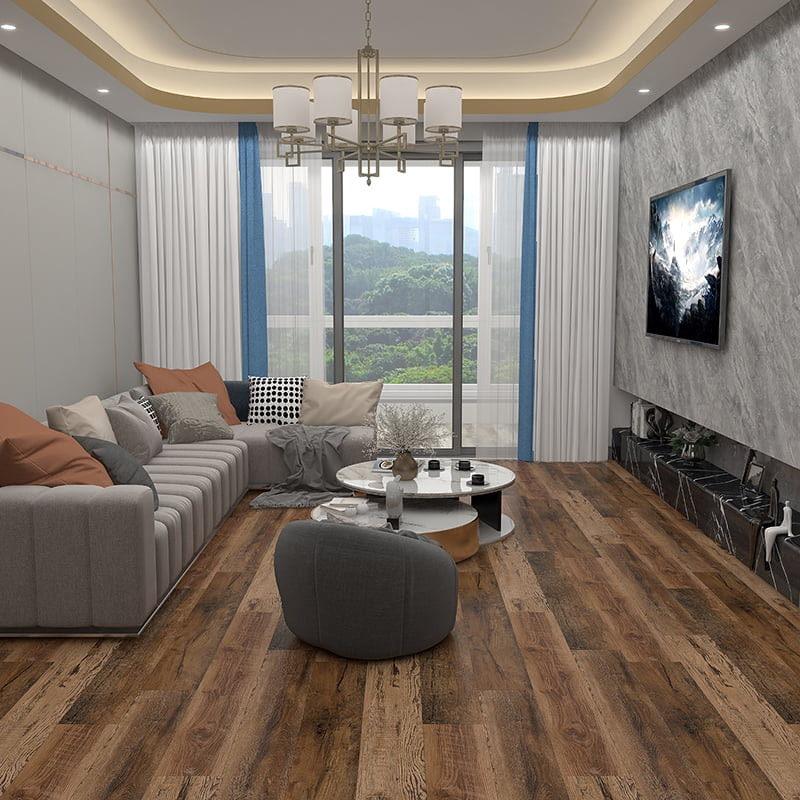
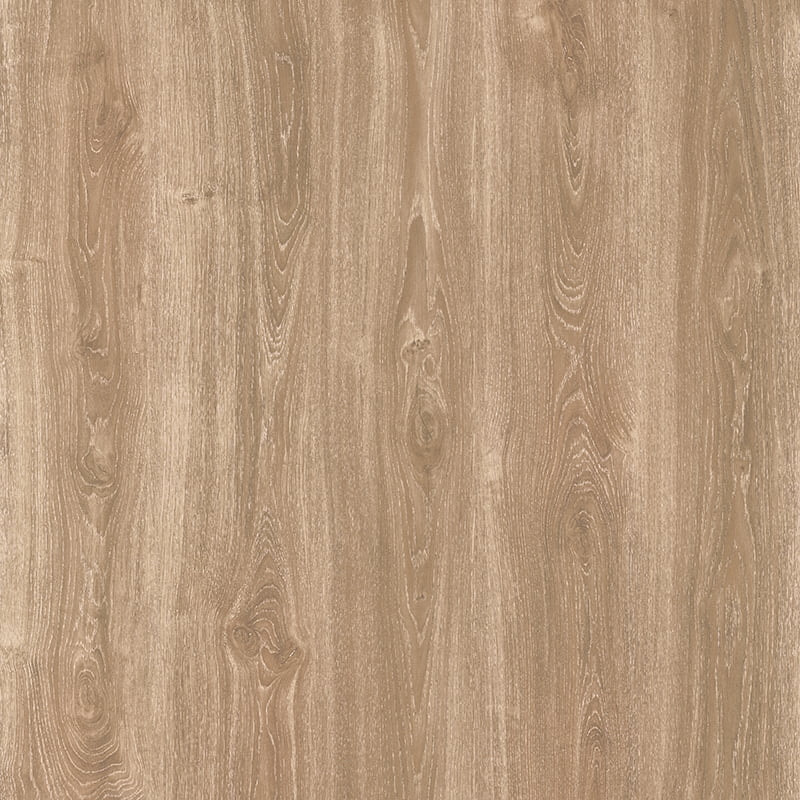
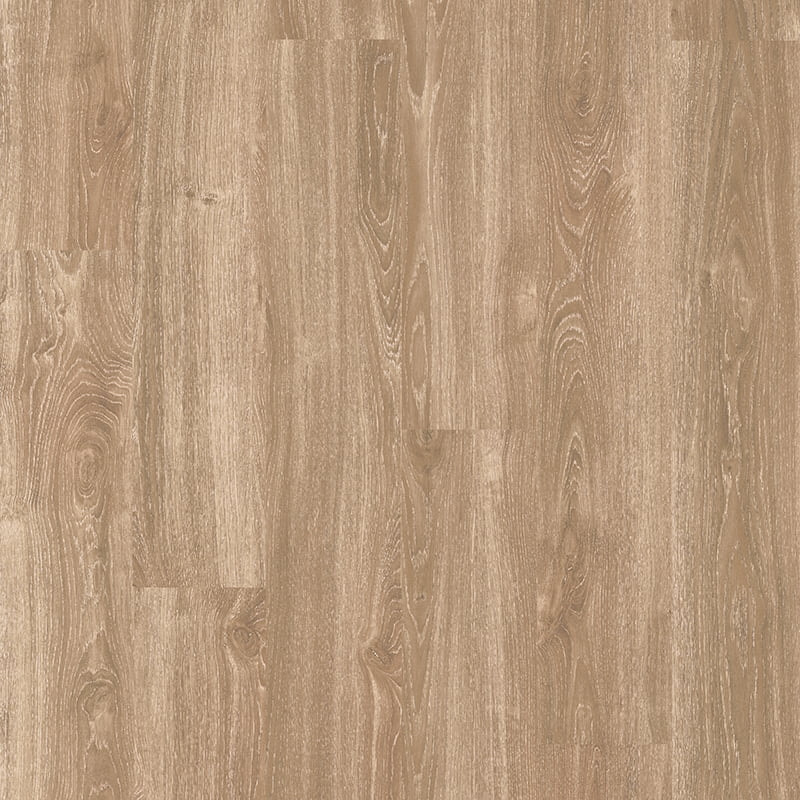
Oak is a classic material that is widely used in furniture manufacturing and interior decoration. The characteristics of oak wood grain are one of the reasons why it is widely used. Oak wood grain is clear and obvious, the texture is clearly visible, and the lines are smooth, which together form a balanced and harmonious beauty, enhancing the decorative effect of the home.
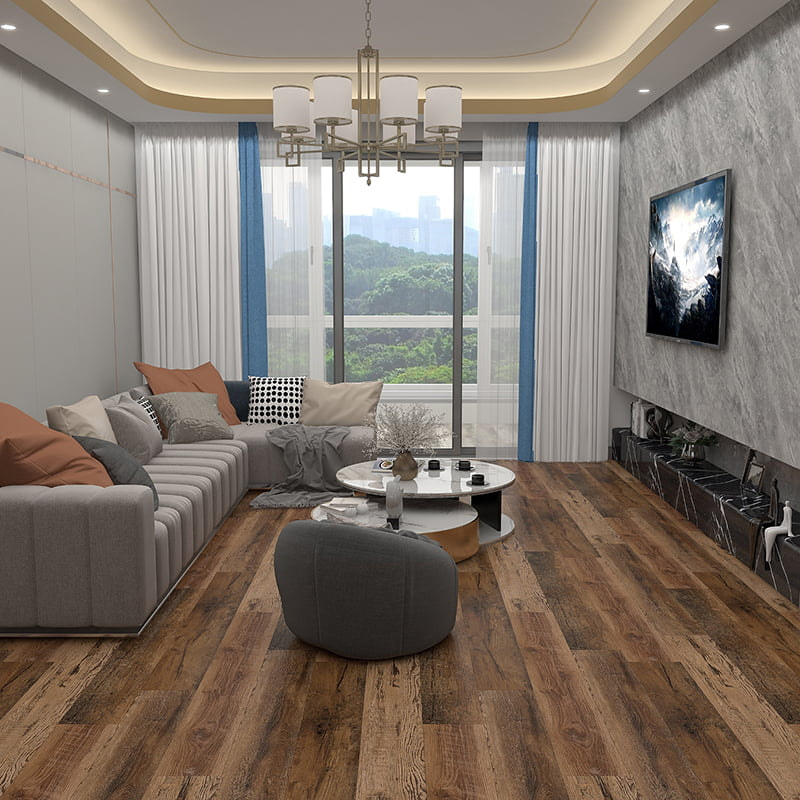

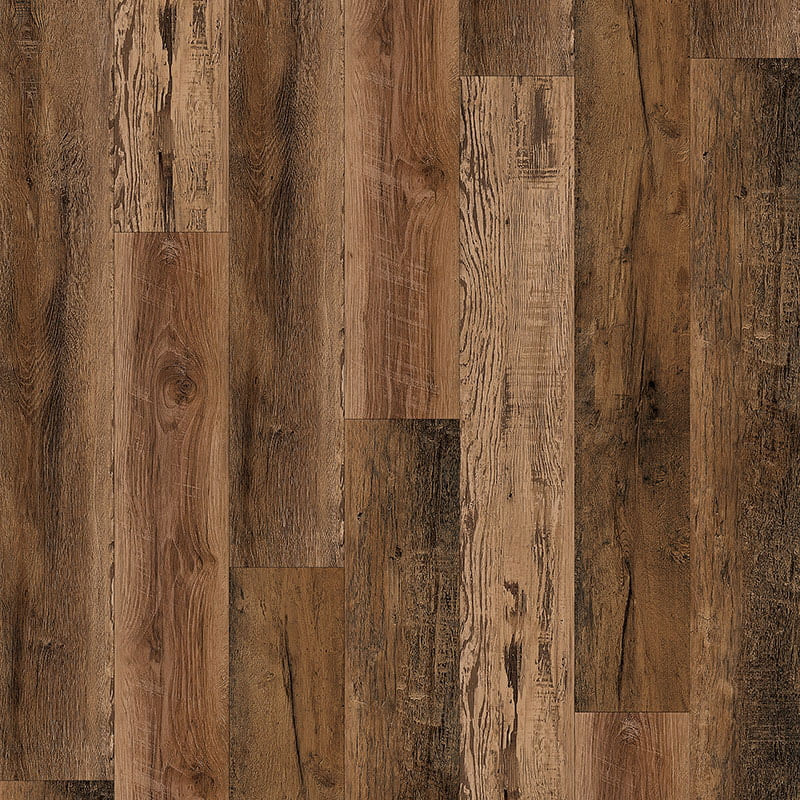
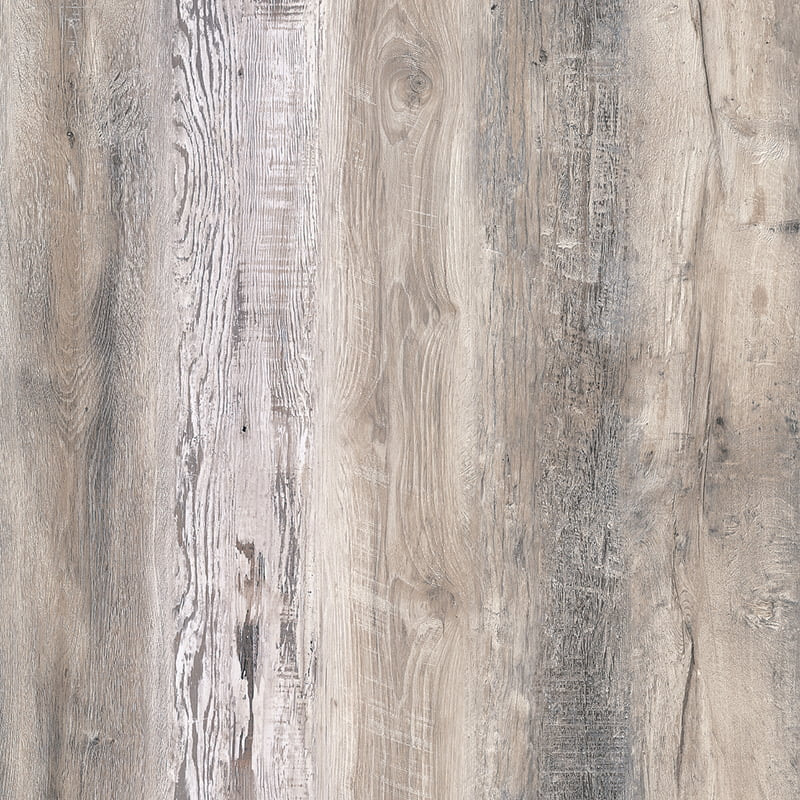
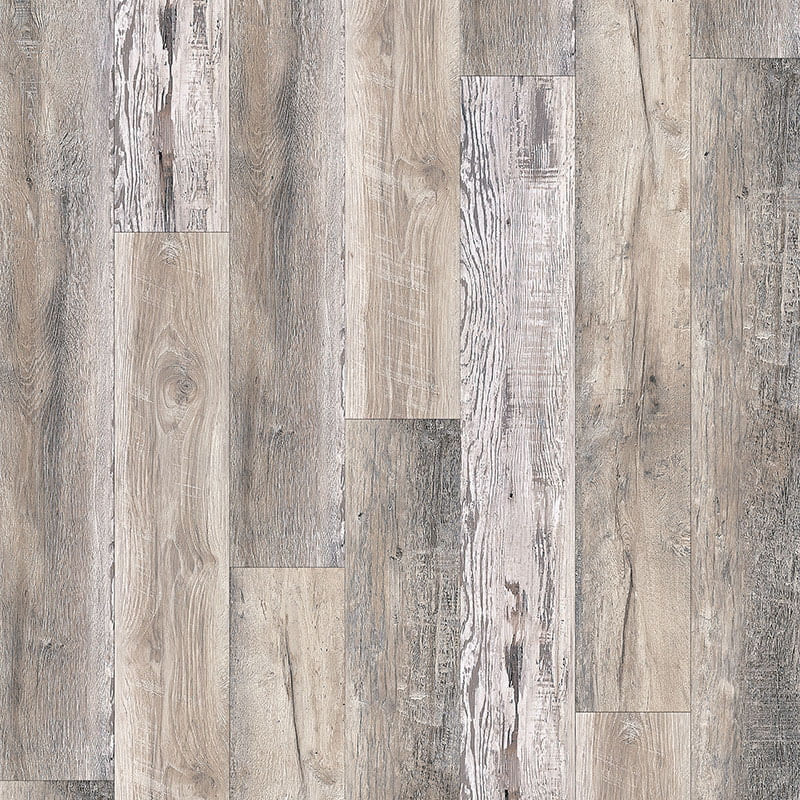
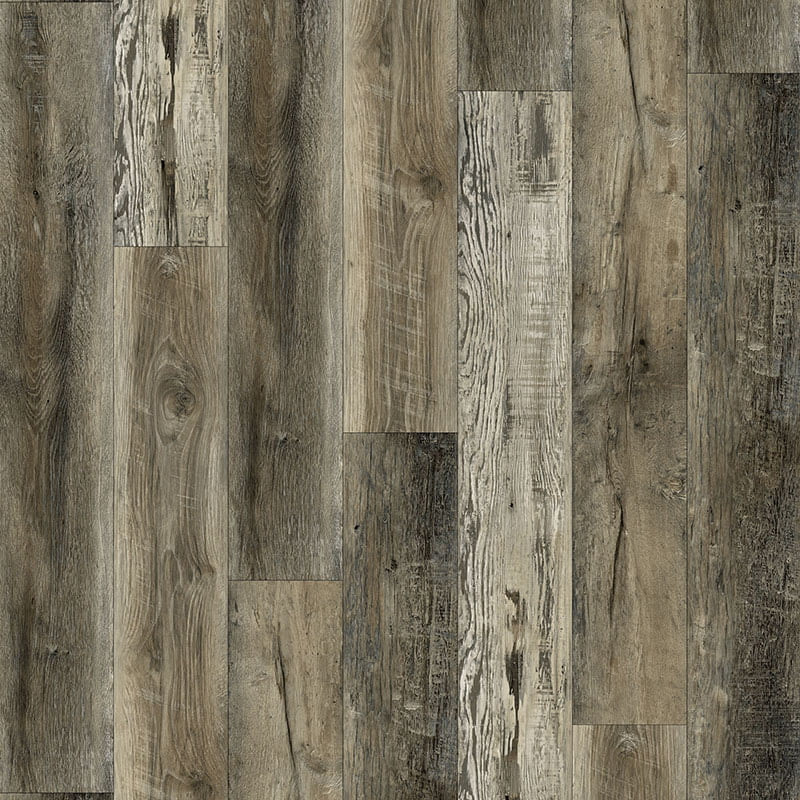
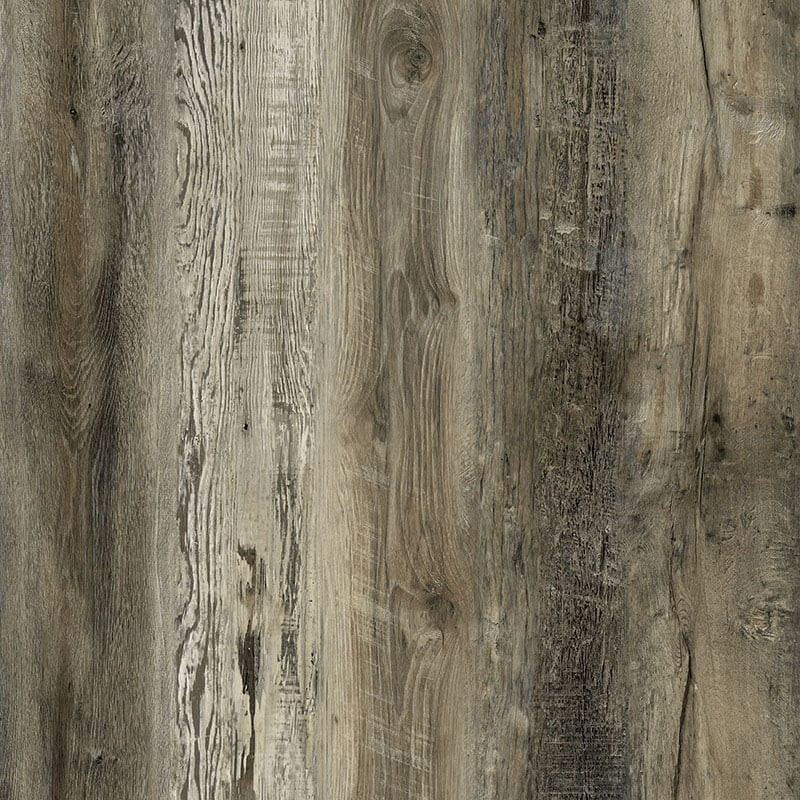
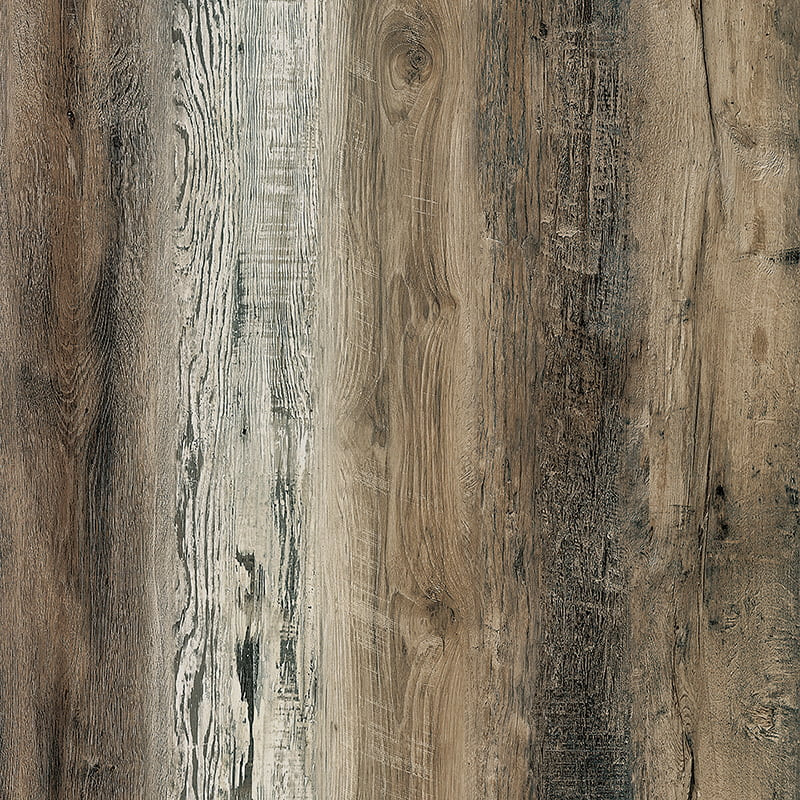
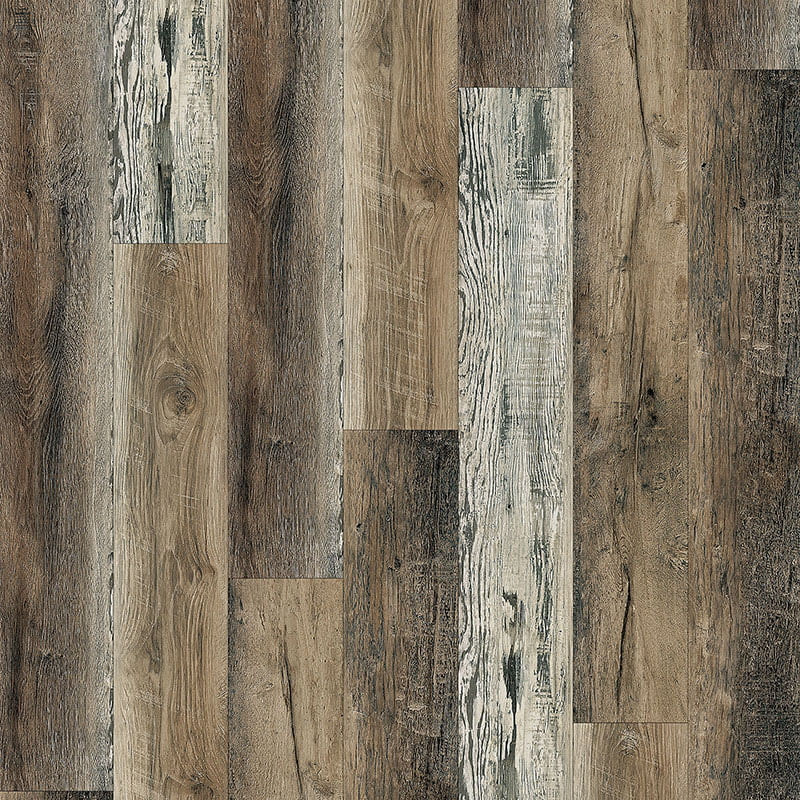
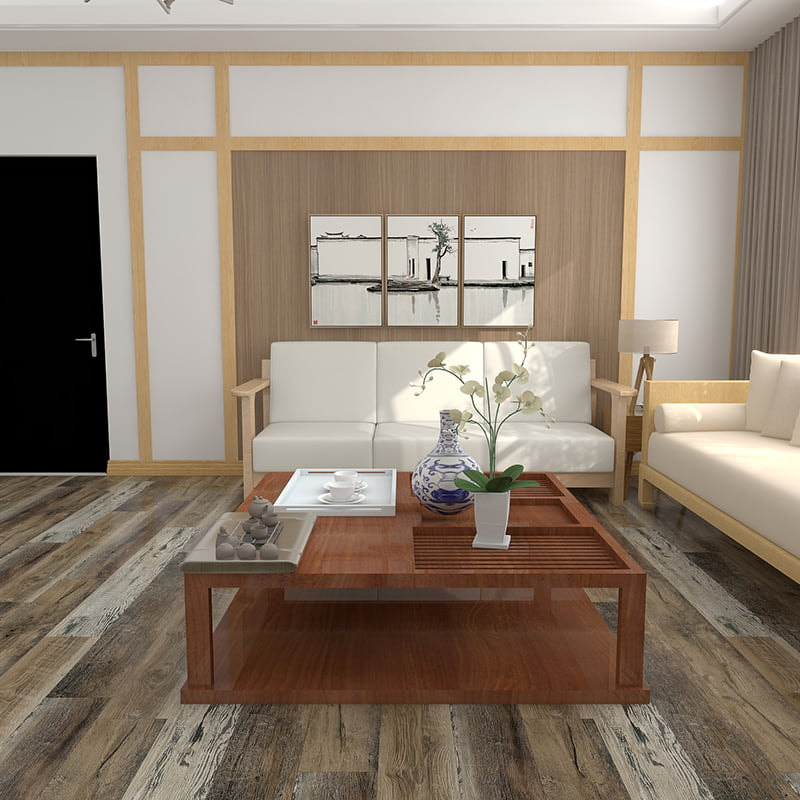
Model: YC869
Wood: Oak
Spec: 1000*1270mm
Single chip size: 7.25*48"
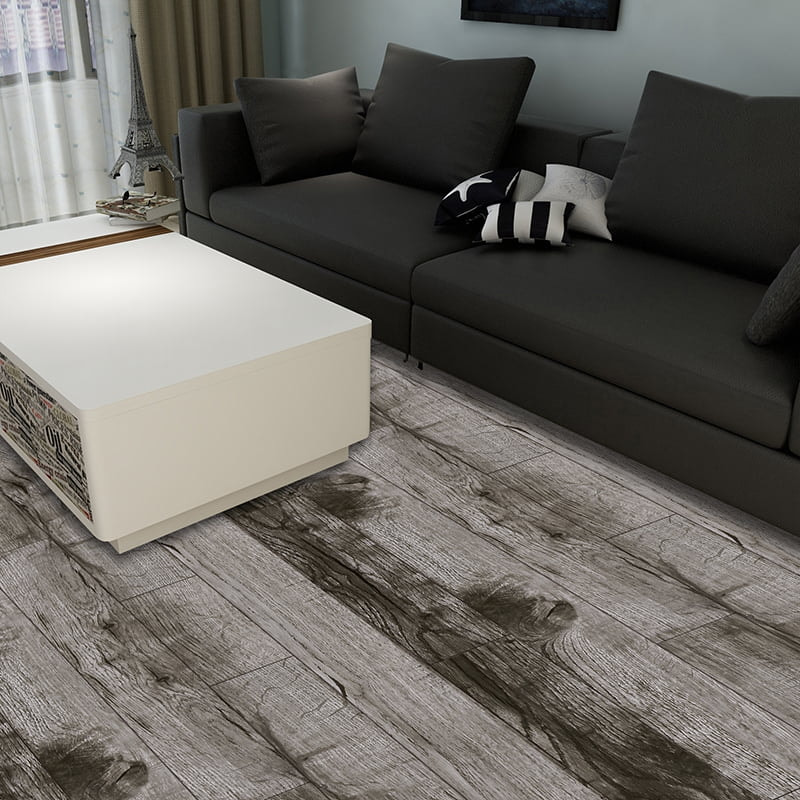
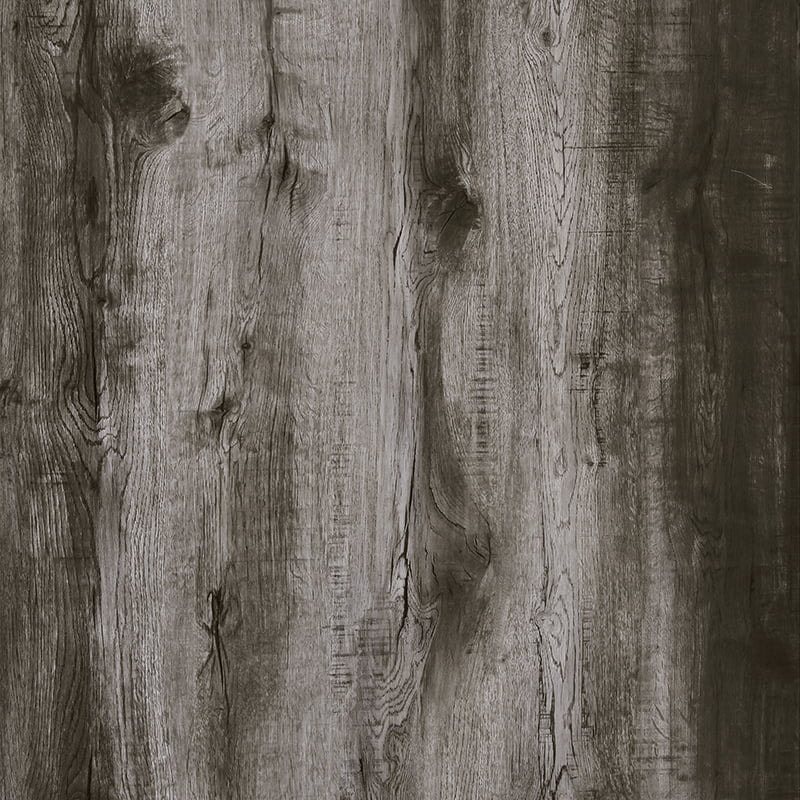
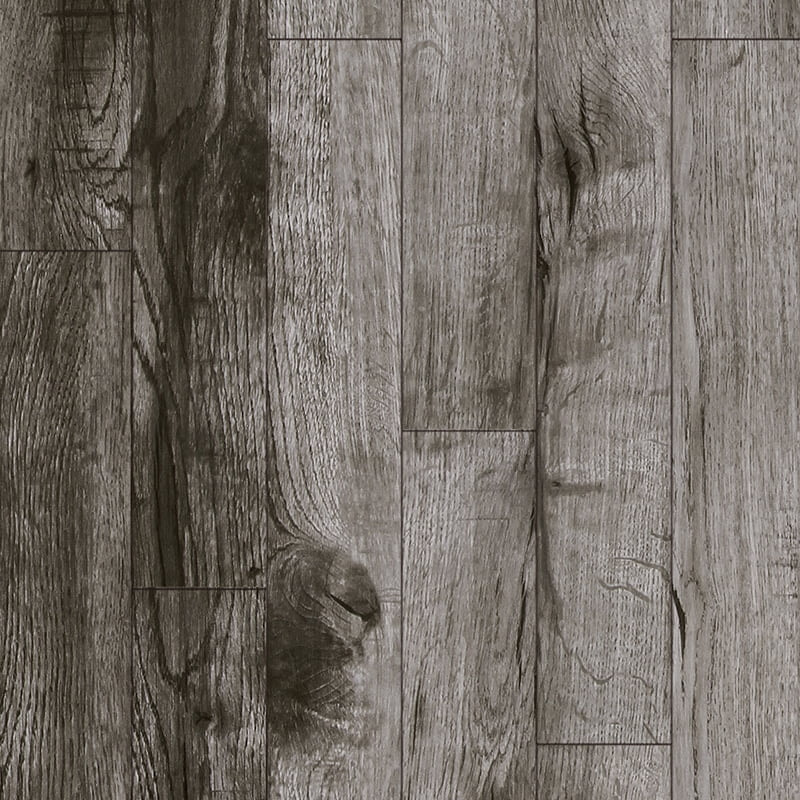
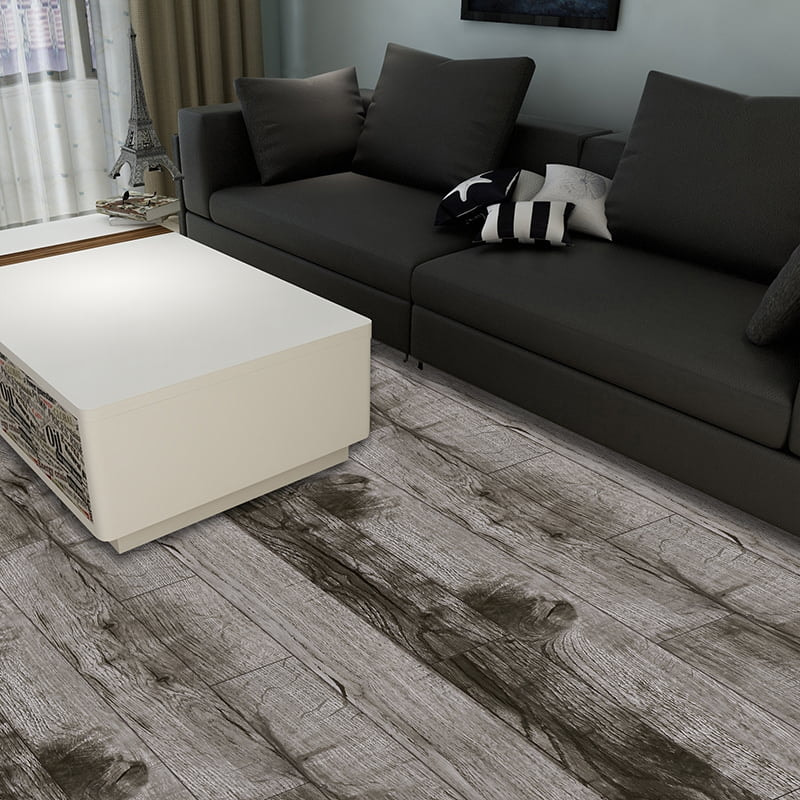
Model: YC872
Wood: Oak
Spec: 1000*1270mm
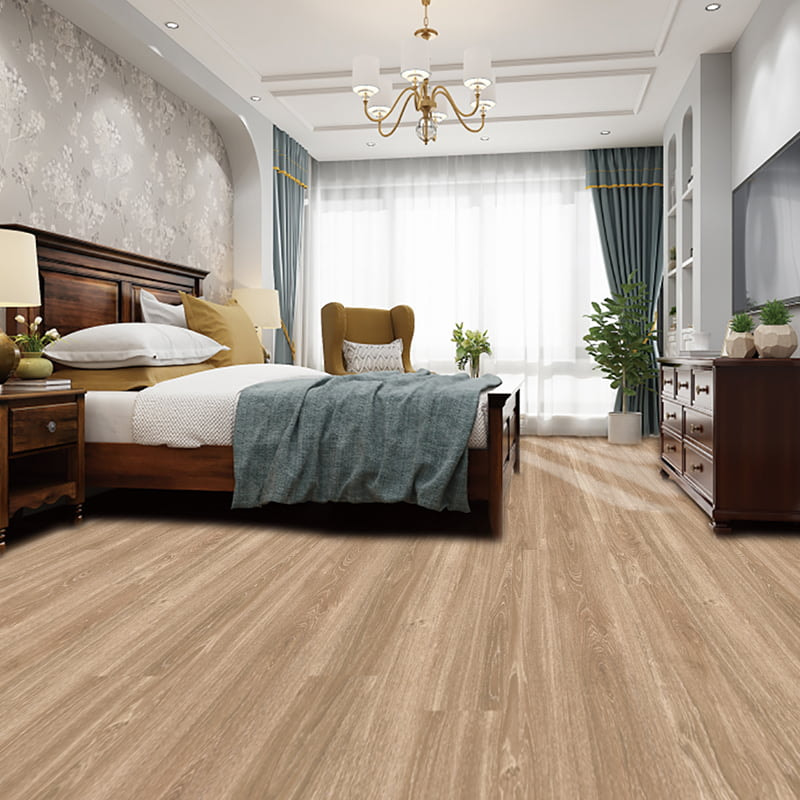
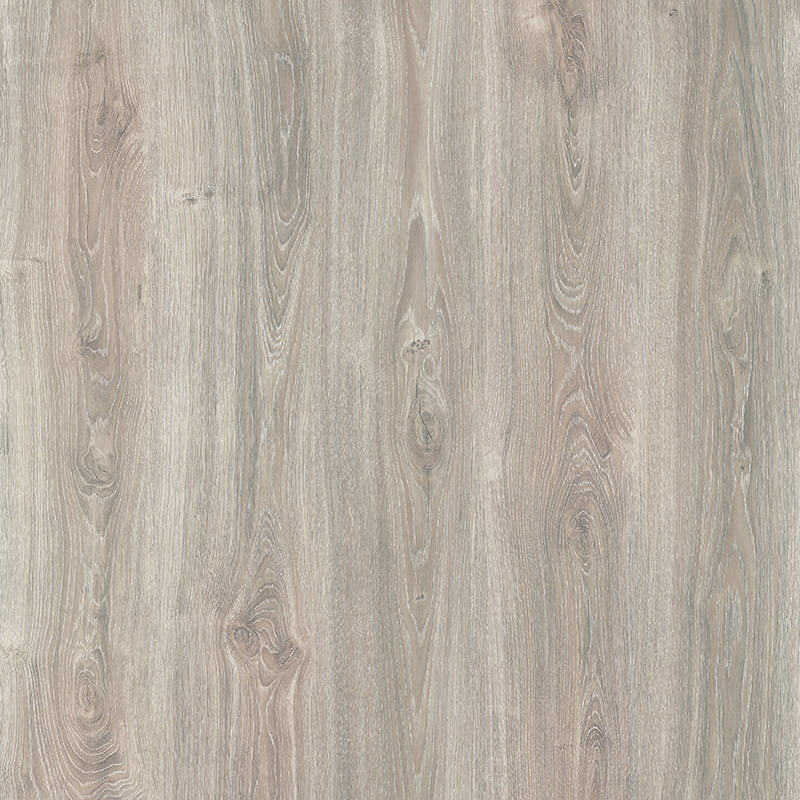
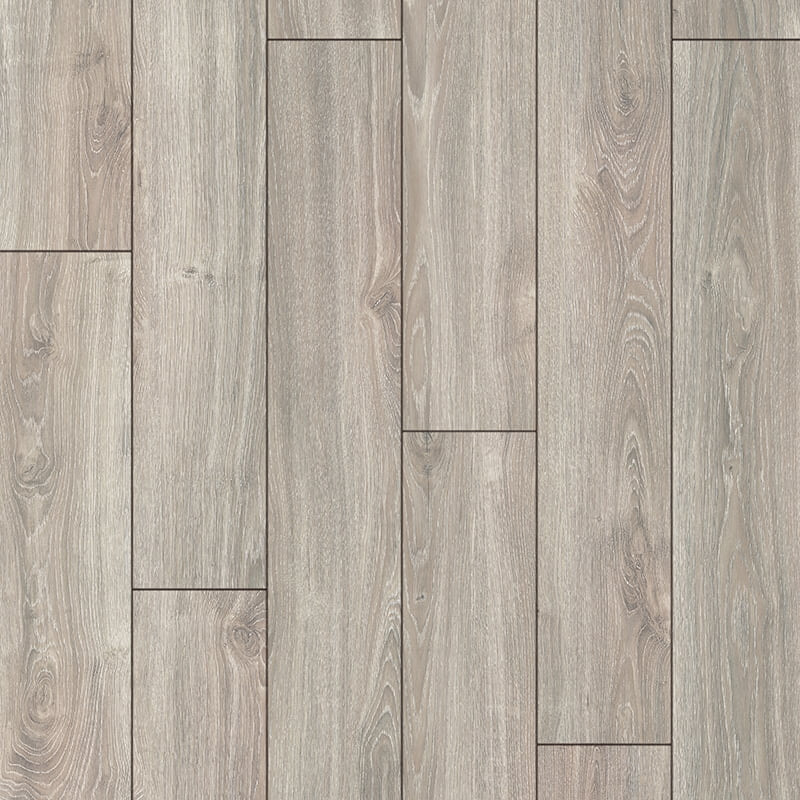
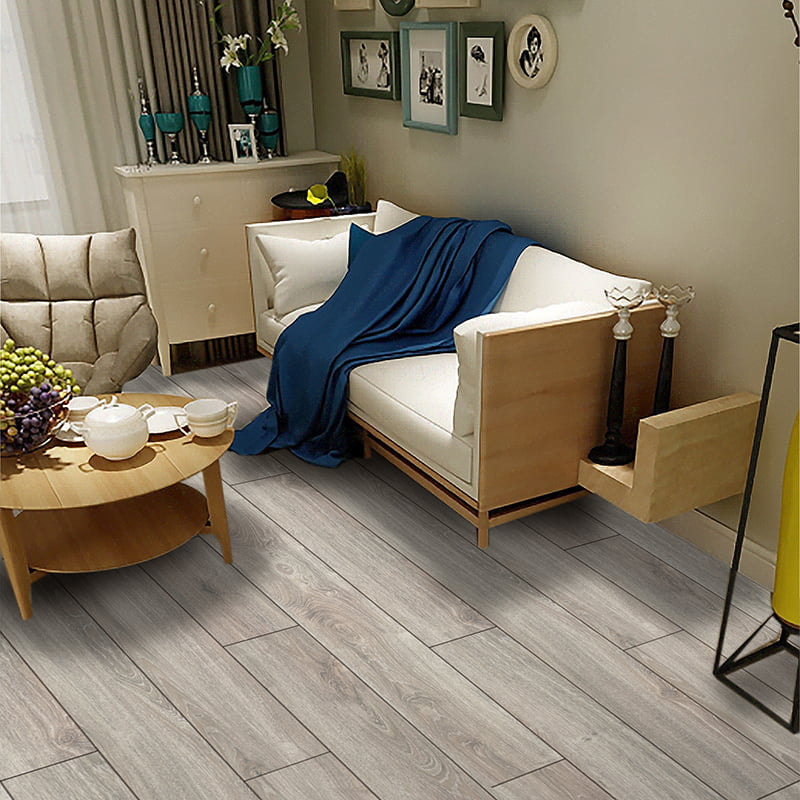
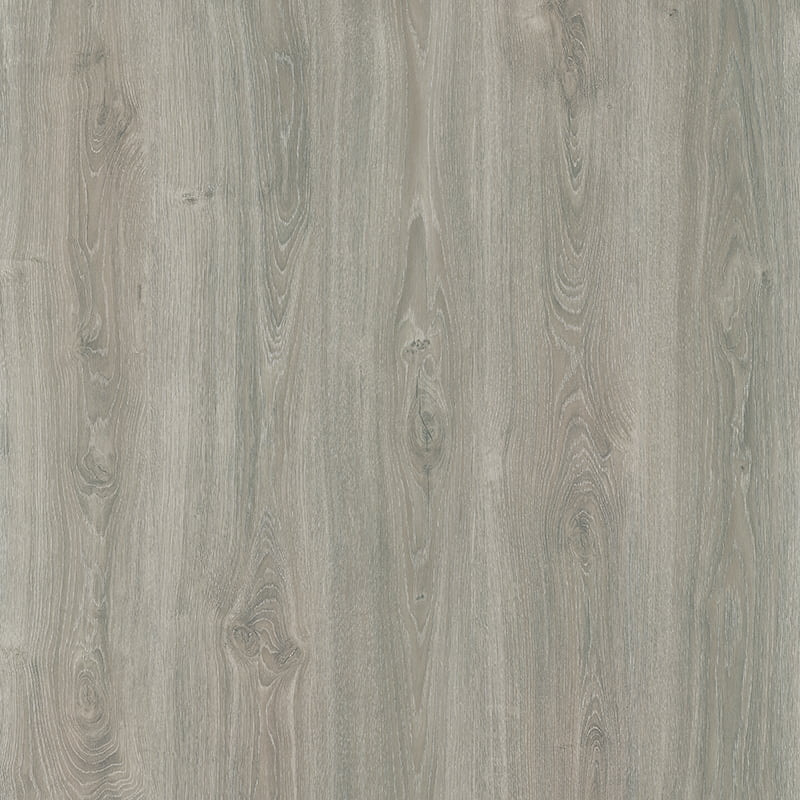
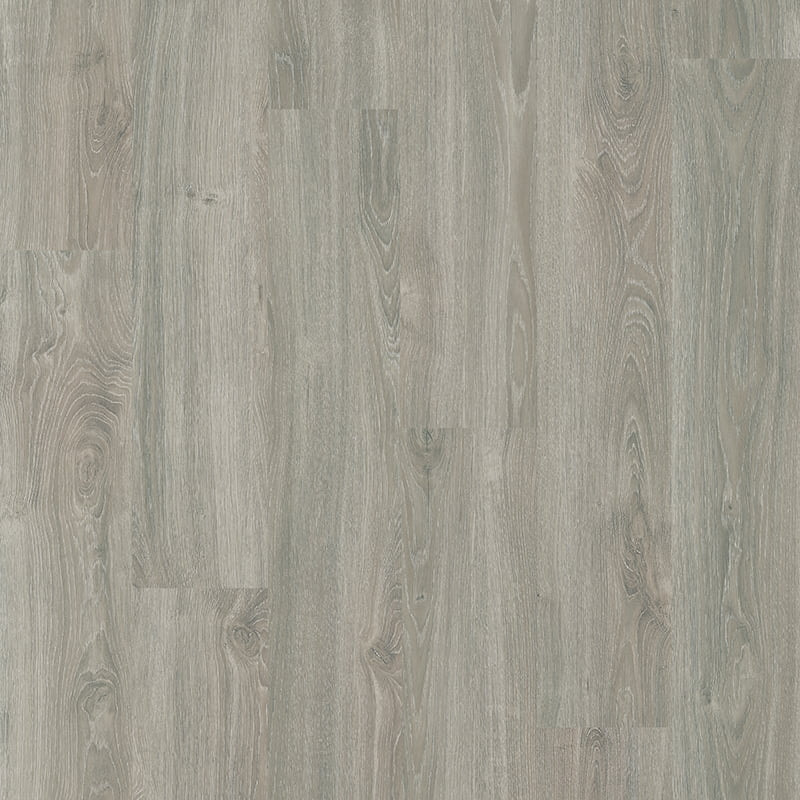

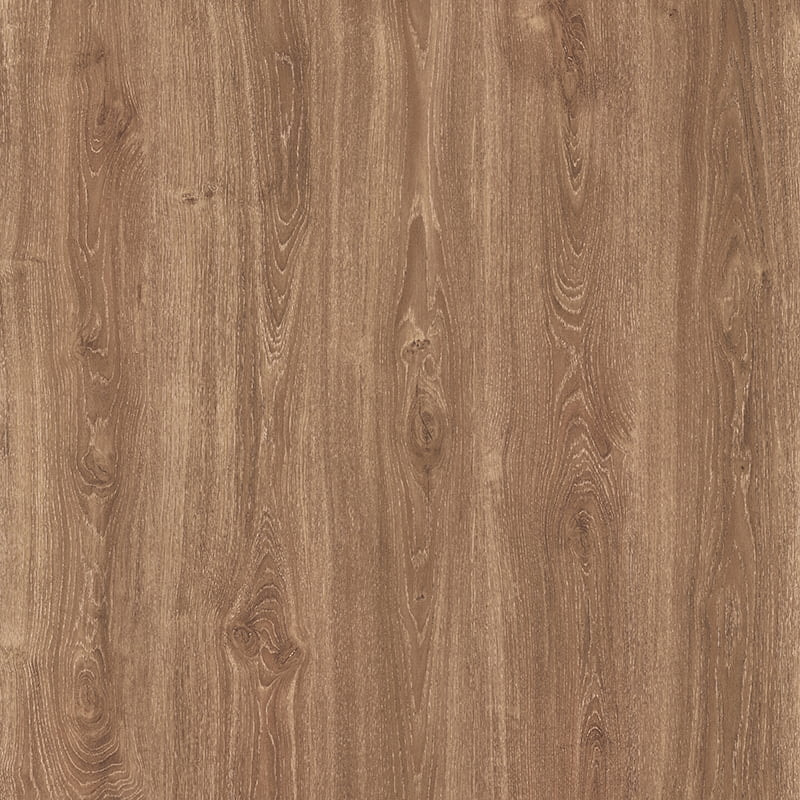

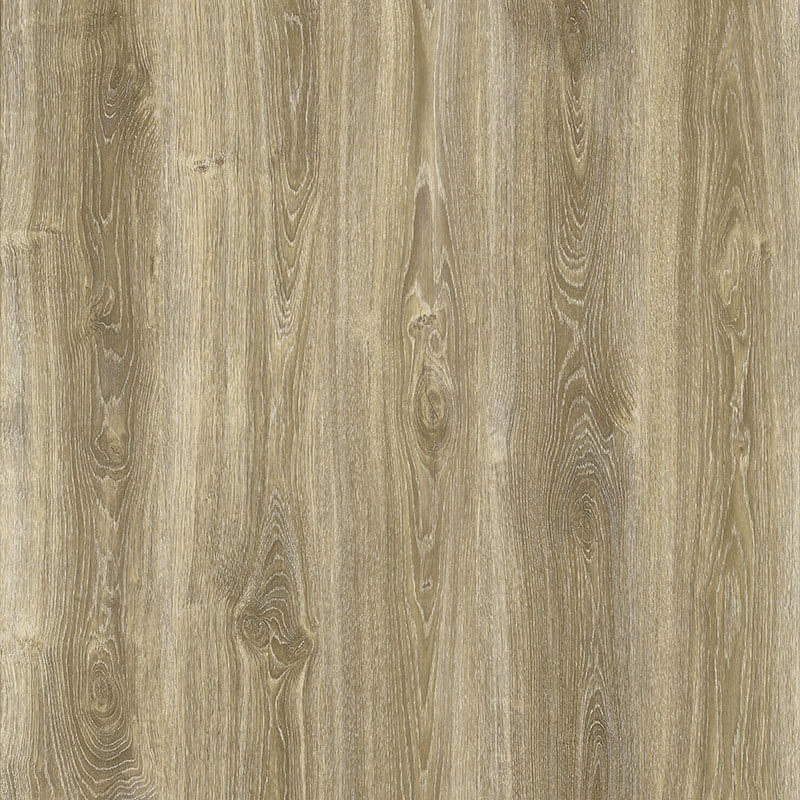
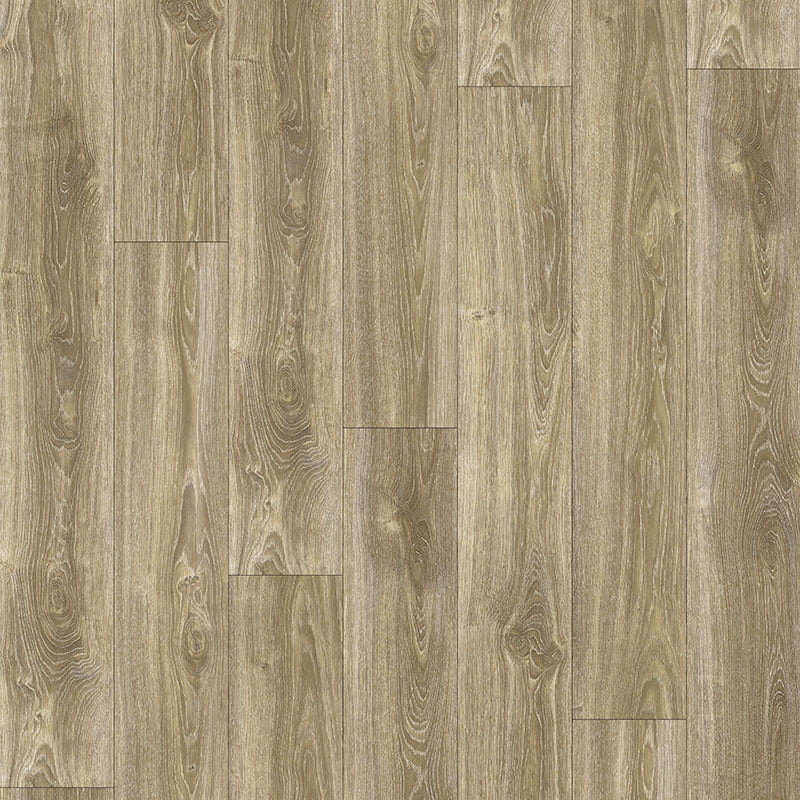
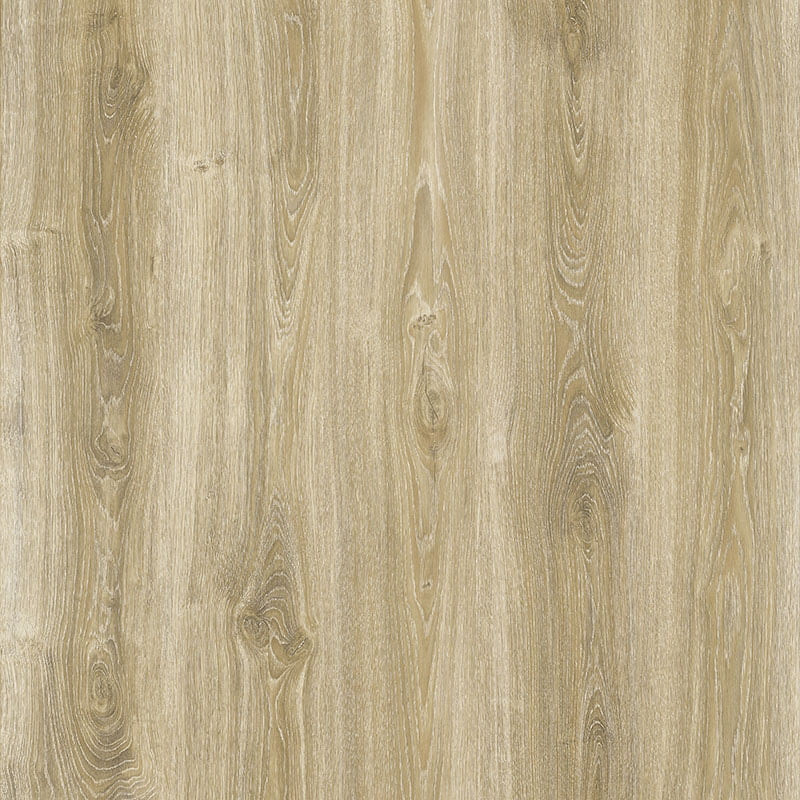
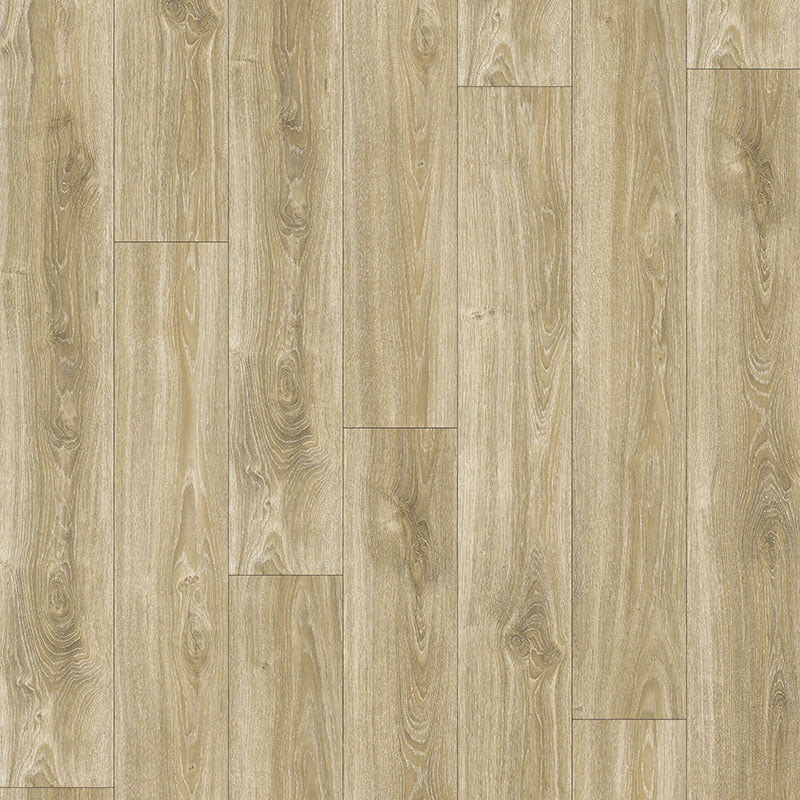
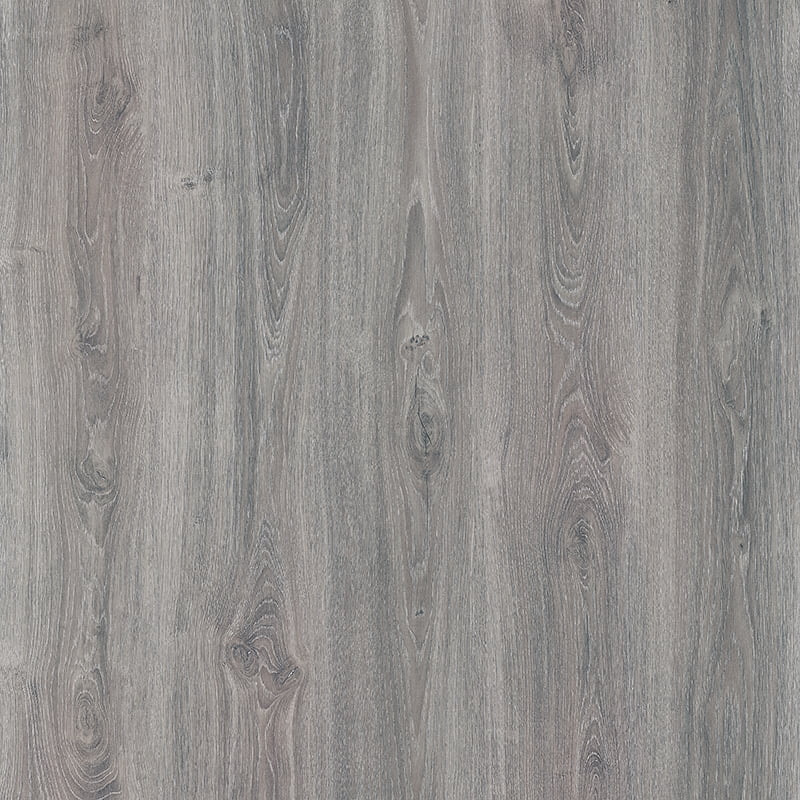
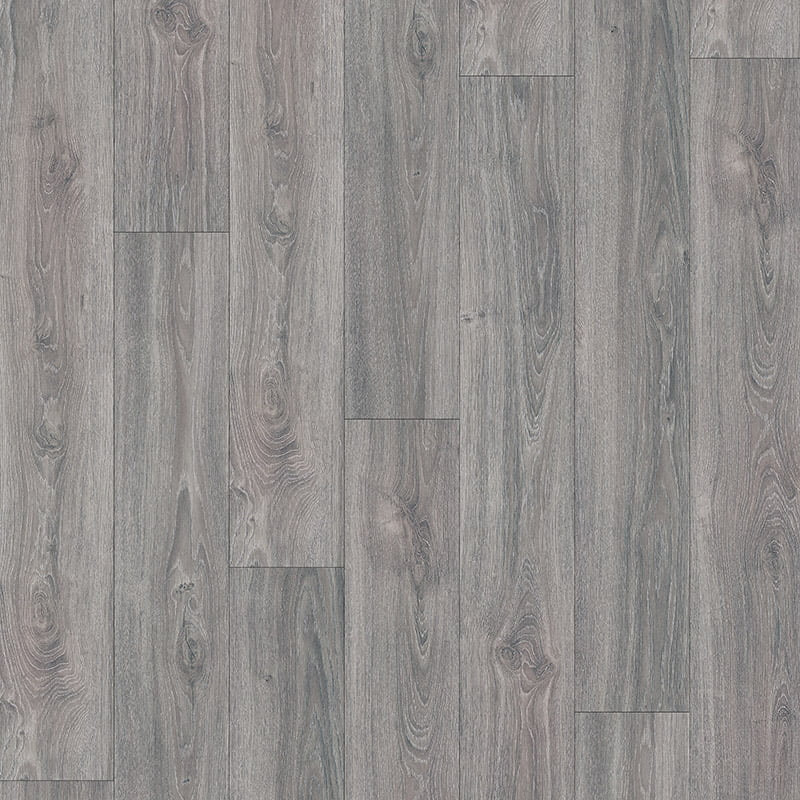
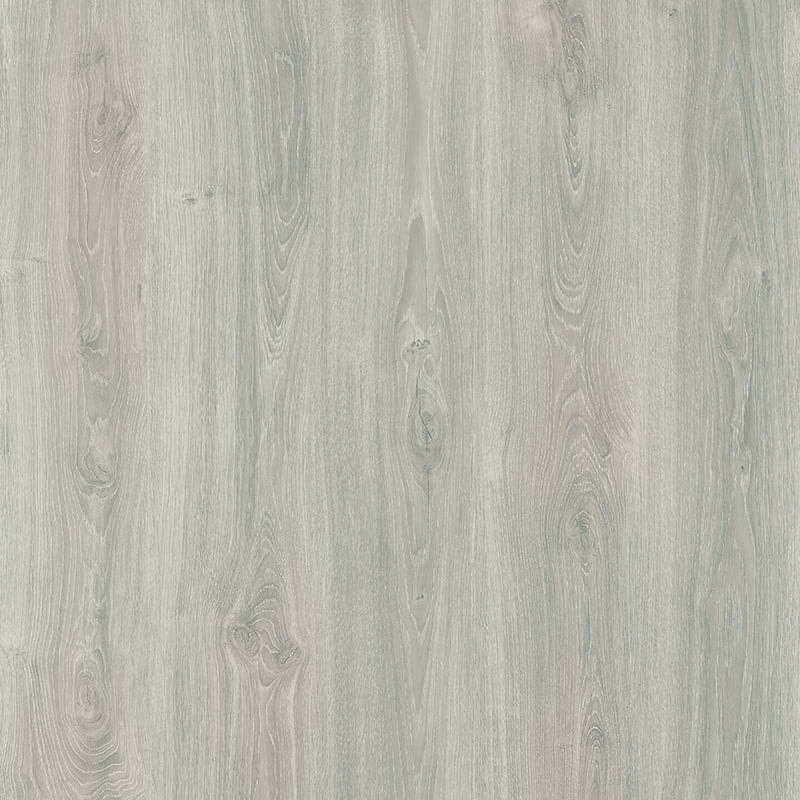
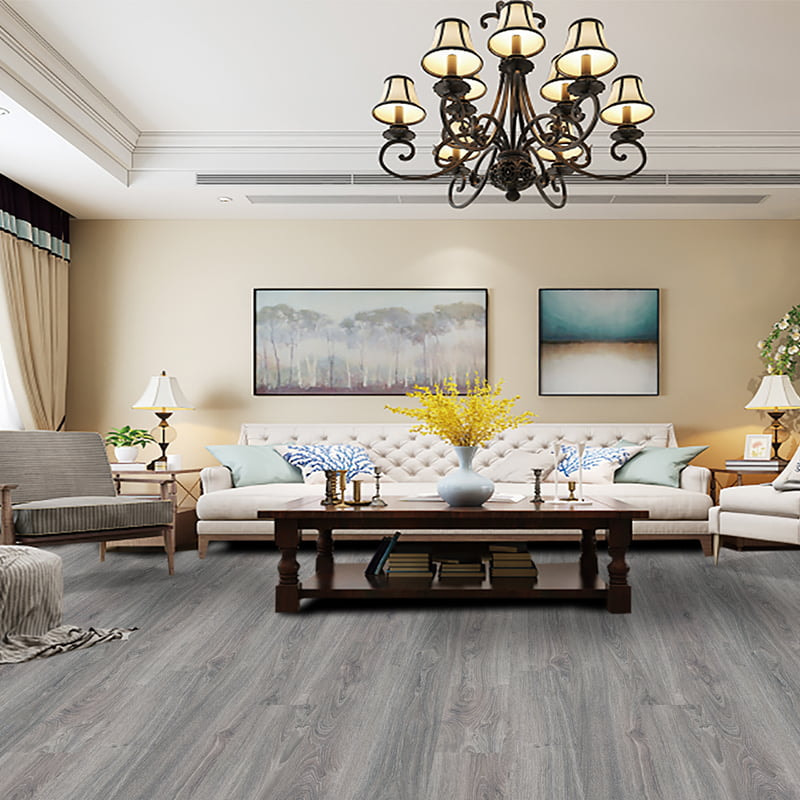
Model: YC874
Wood: Oak
Spec: 1000*1270mm
Single chip size: 7.25*48"
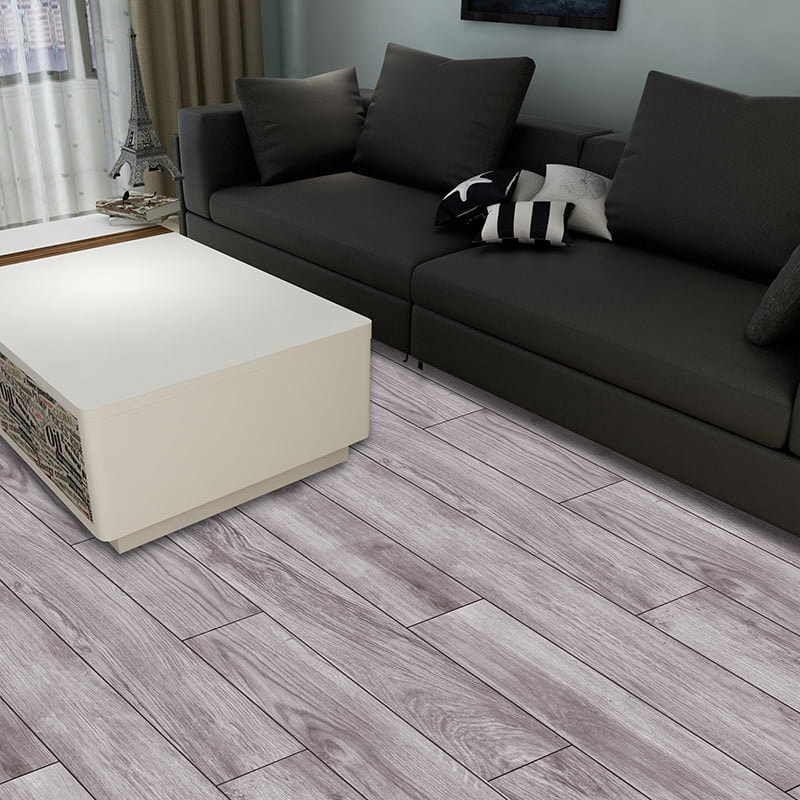
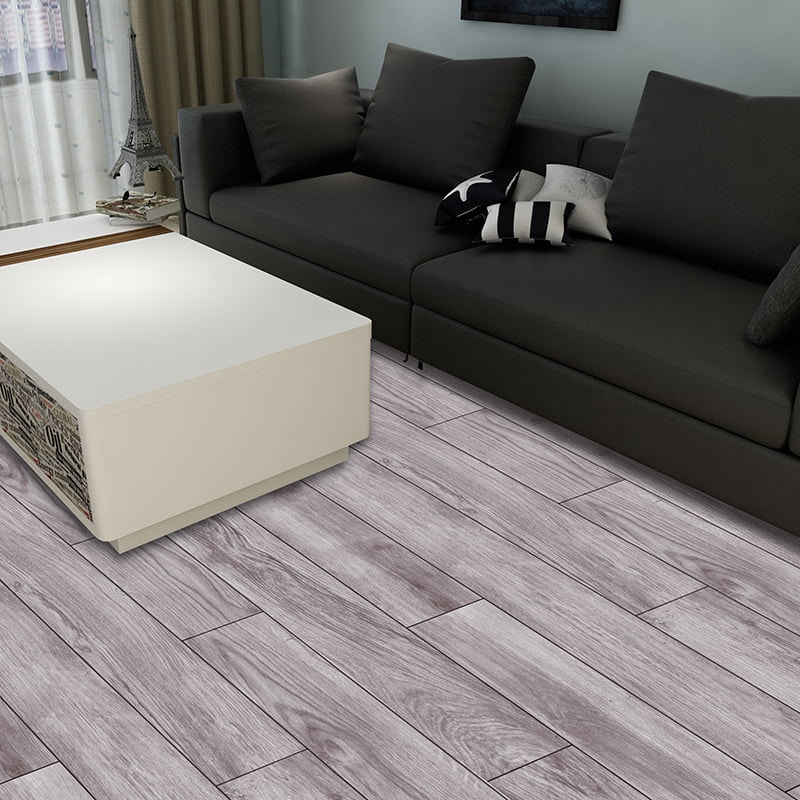
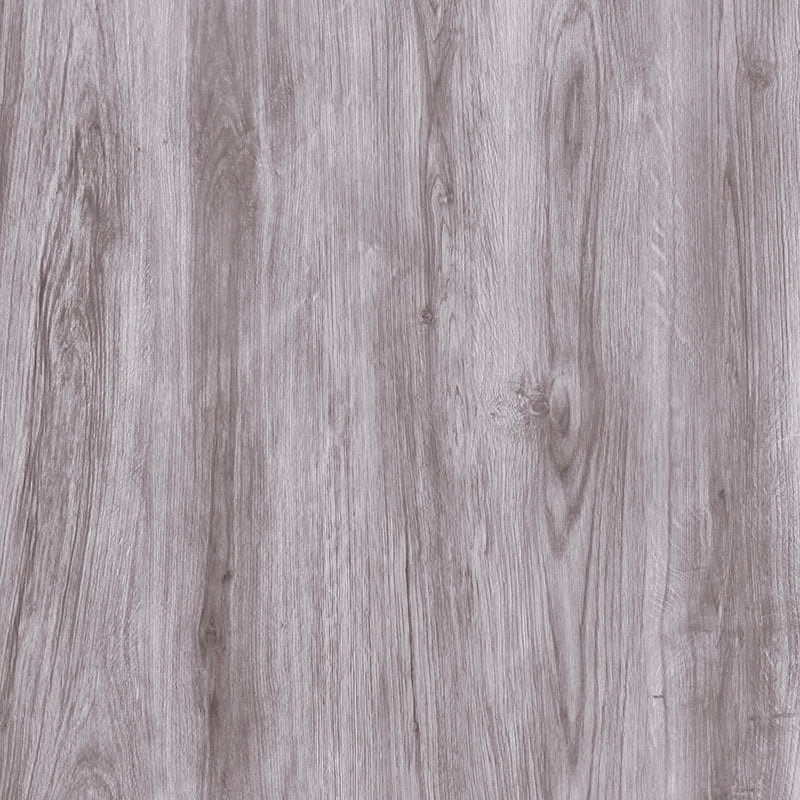
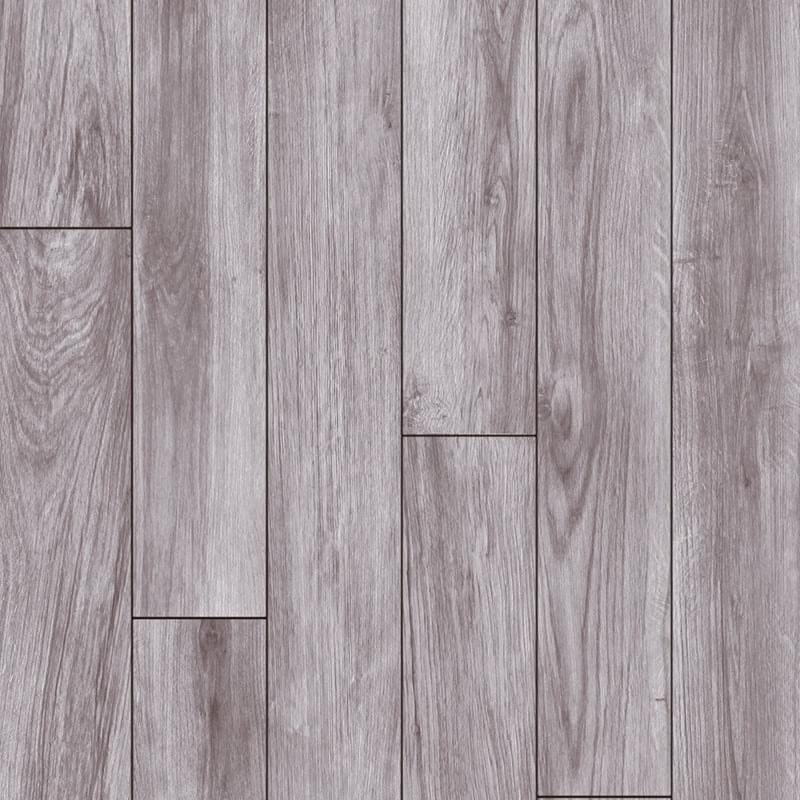
Model: YC876
Wood: Oak
Spec: 1000*1580mm
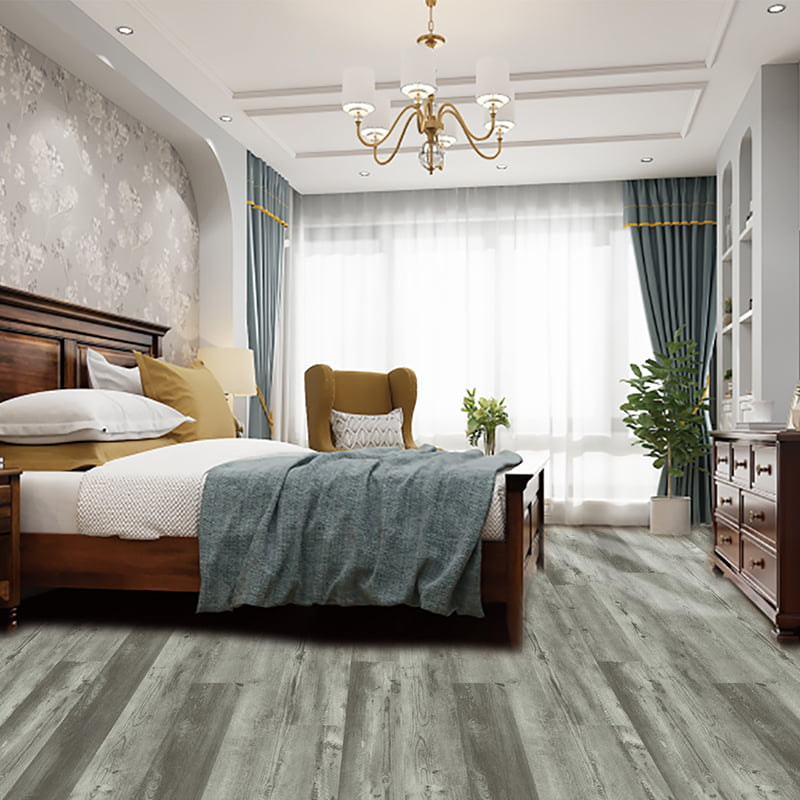
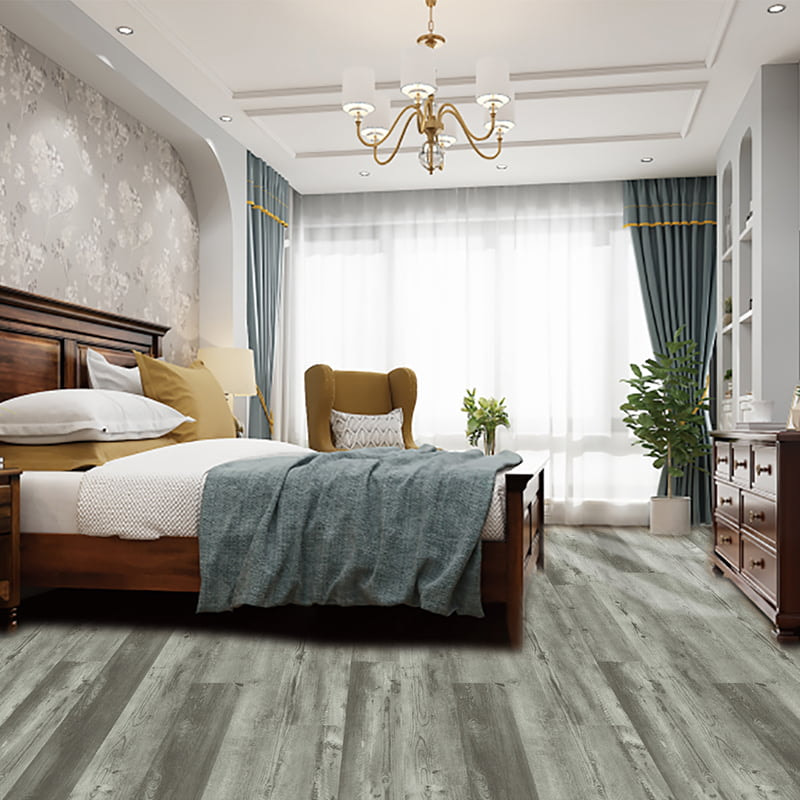
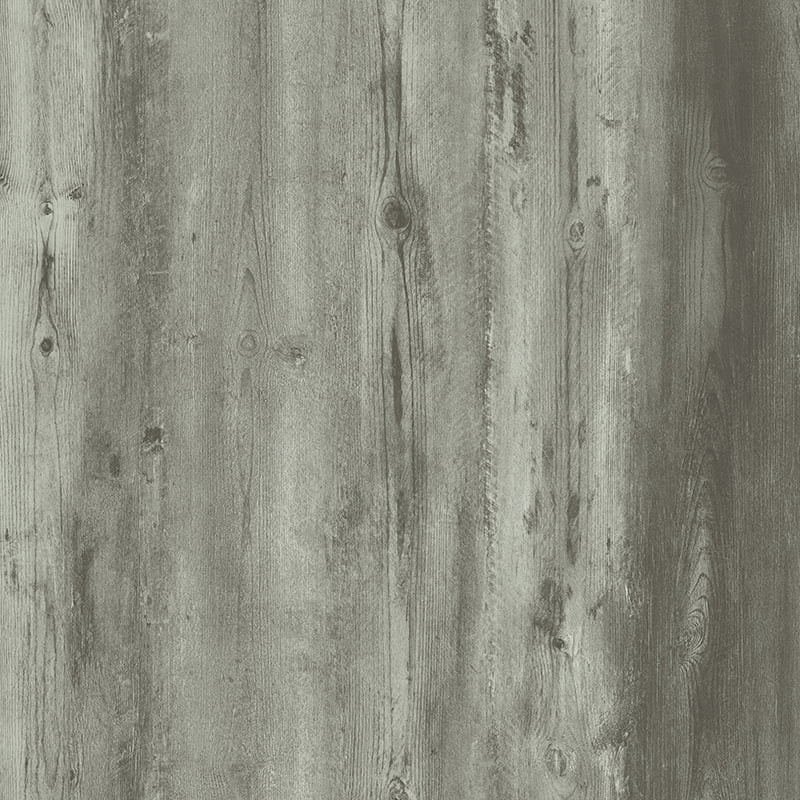
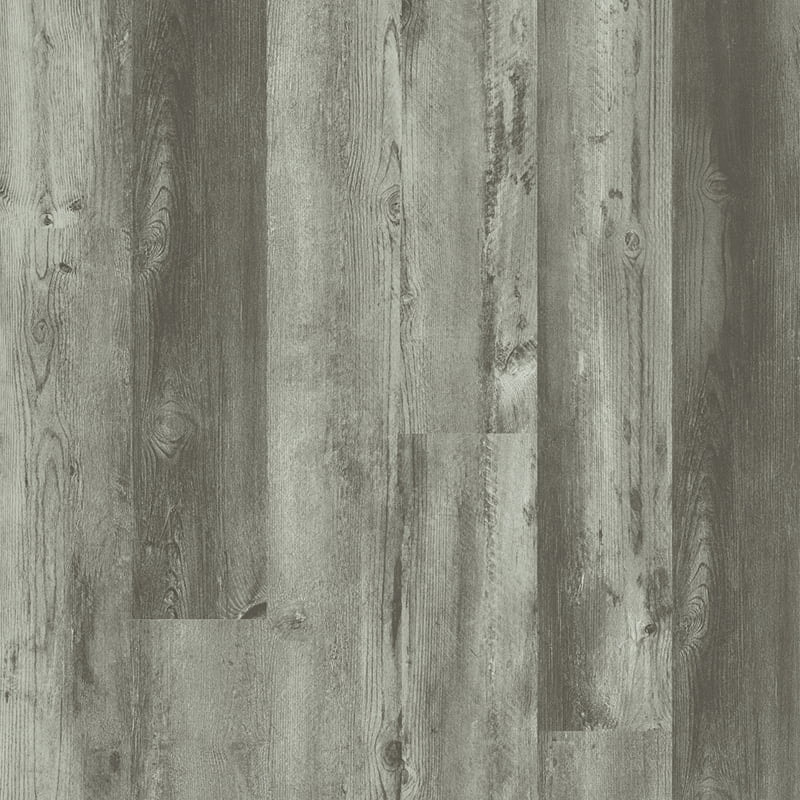
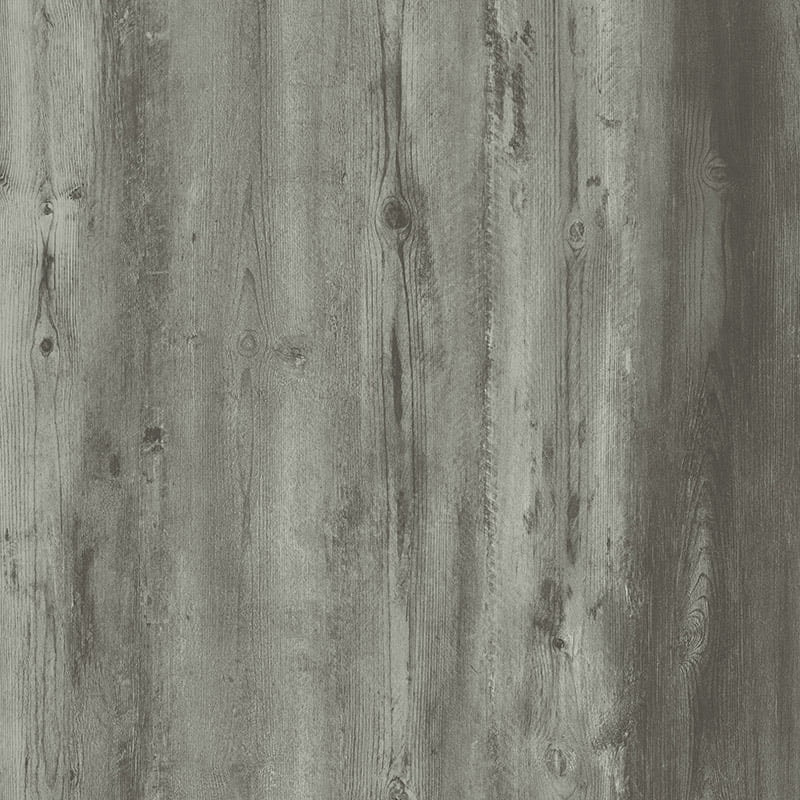
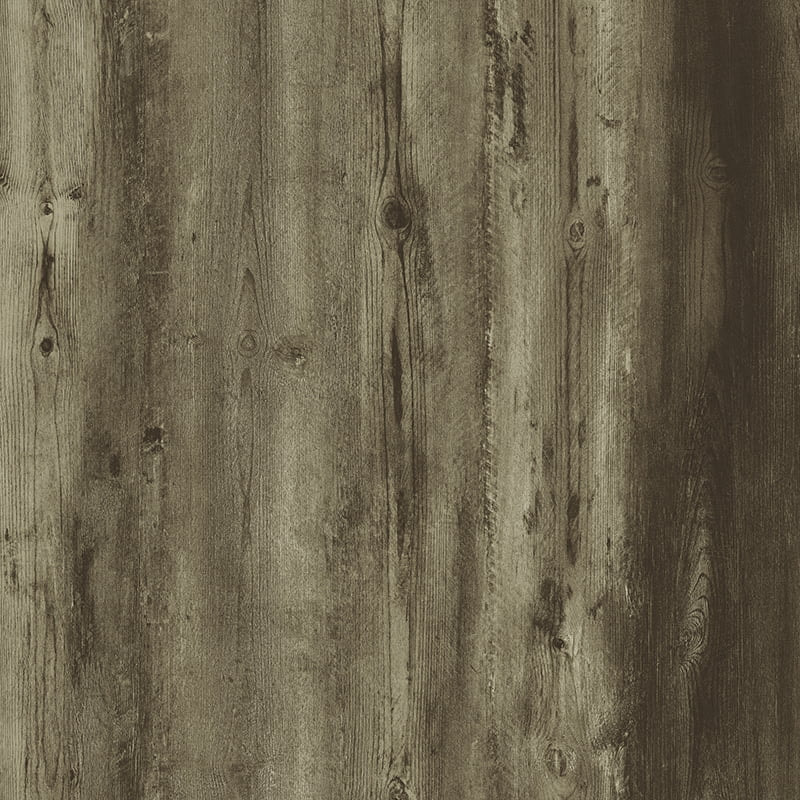
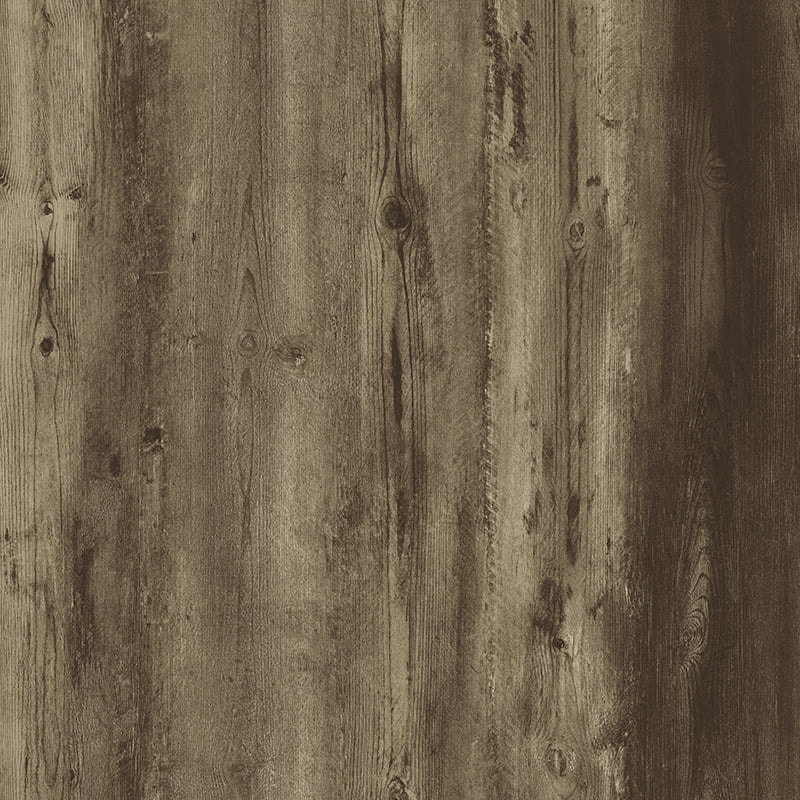
Model: YC877
Wood: Oak
Spec: 1000*1580mm
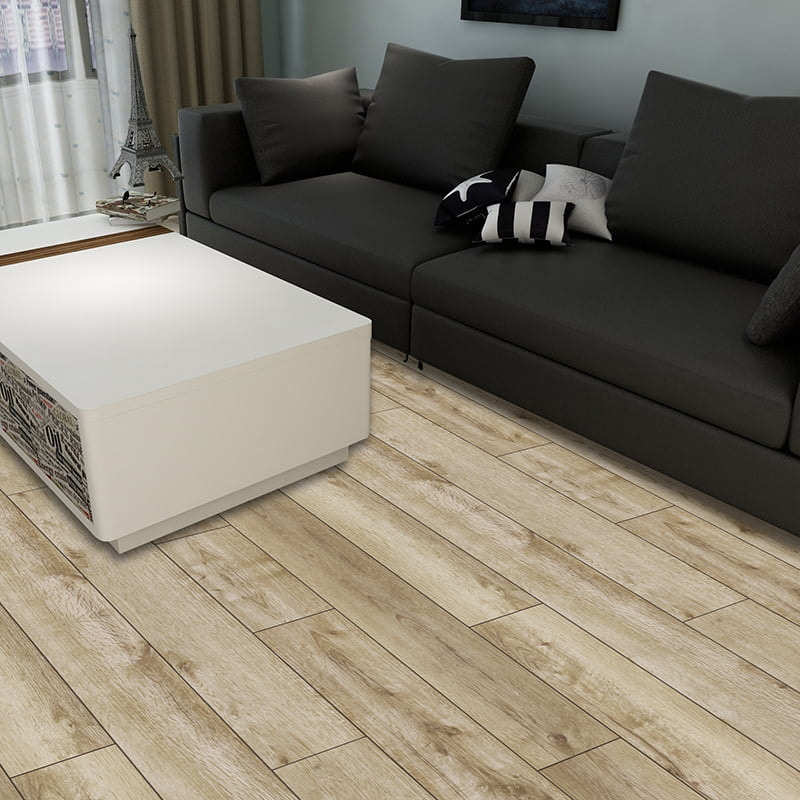
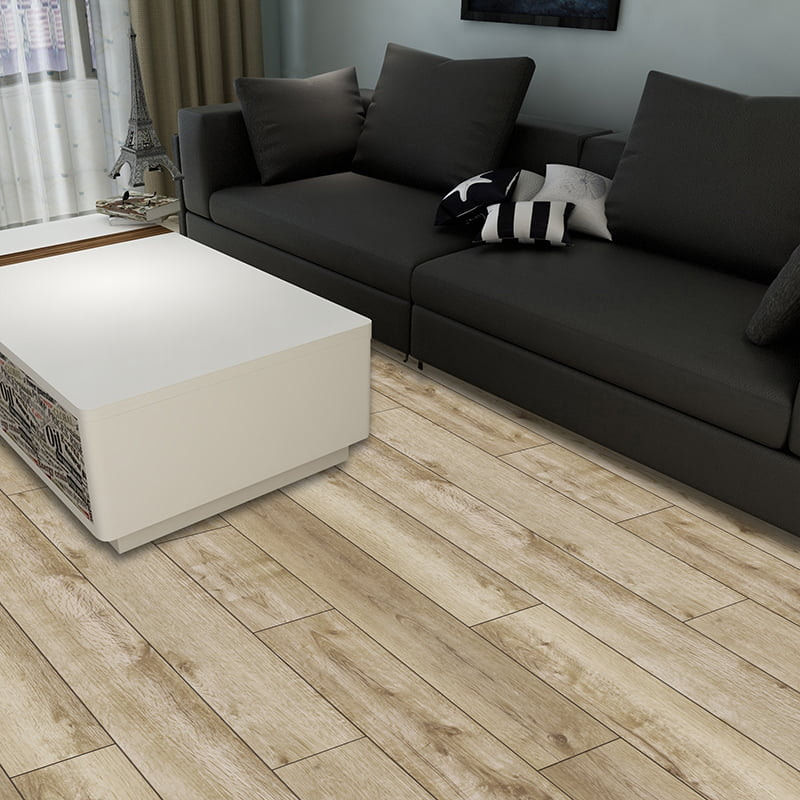
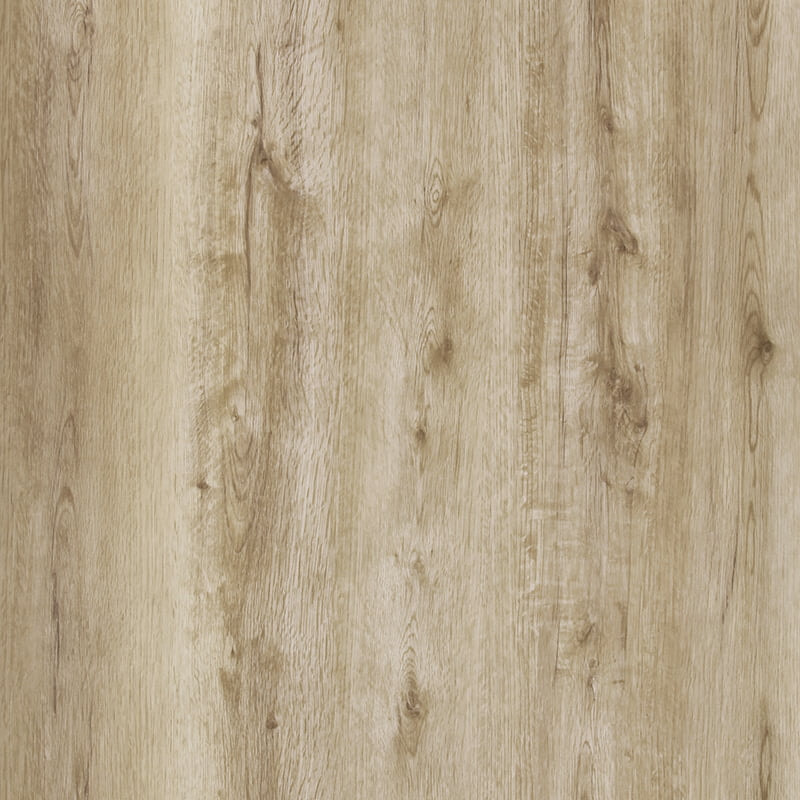
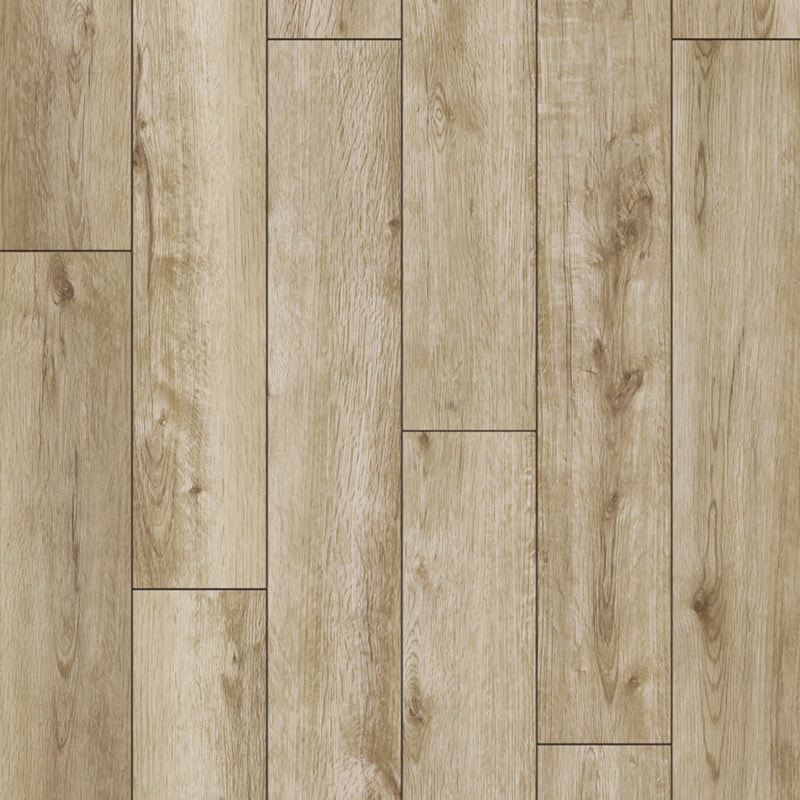
Model: YC882
Wood: Oak
Spec: 1000*1270mm
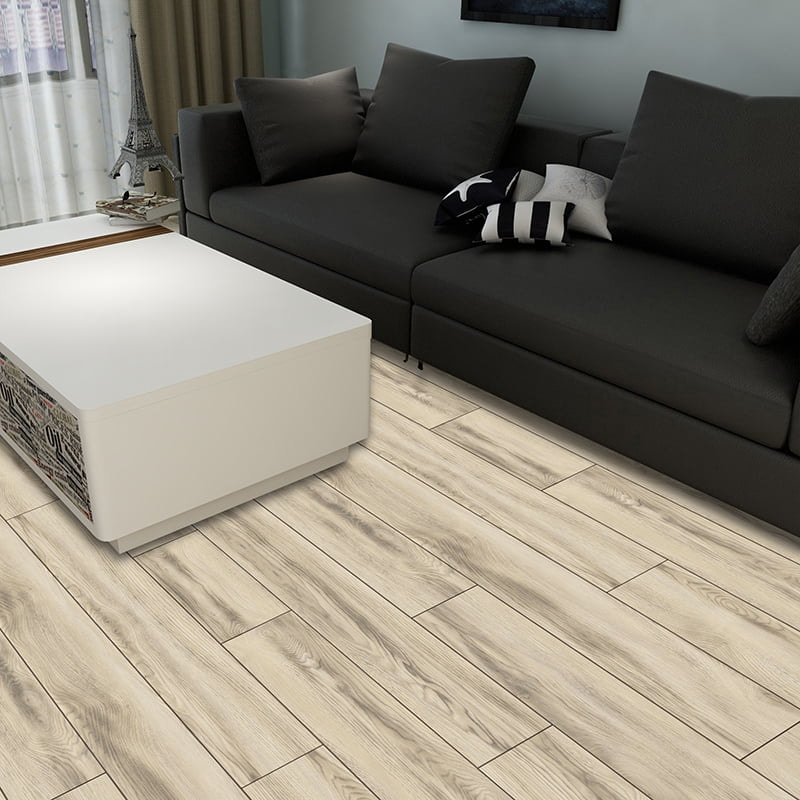
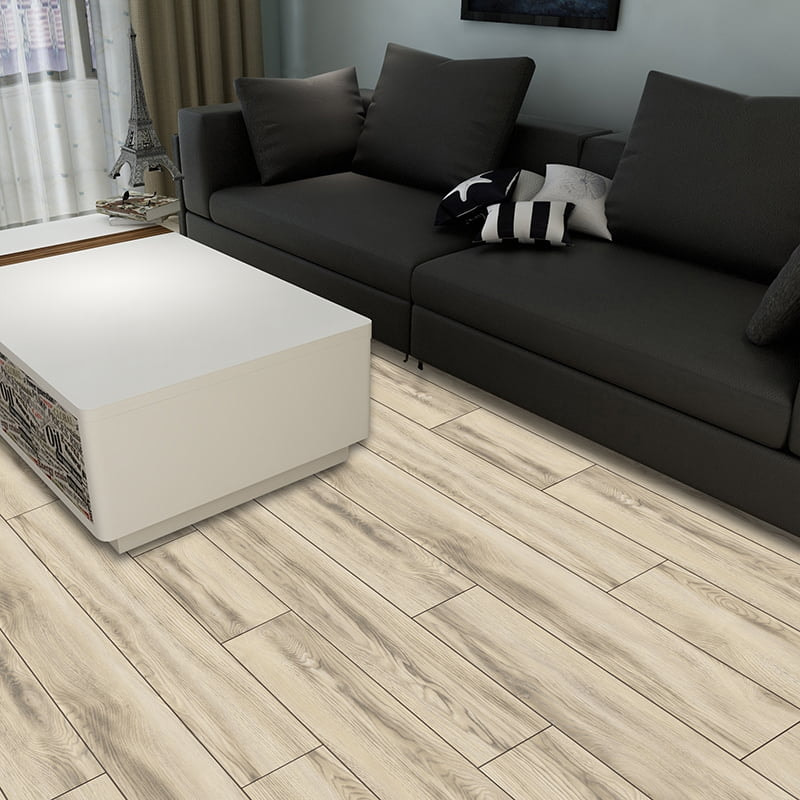
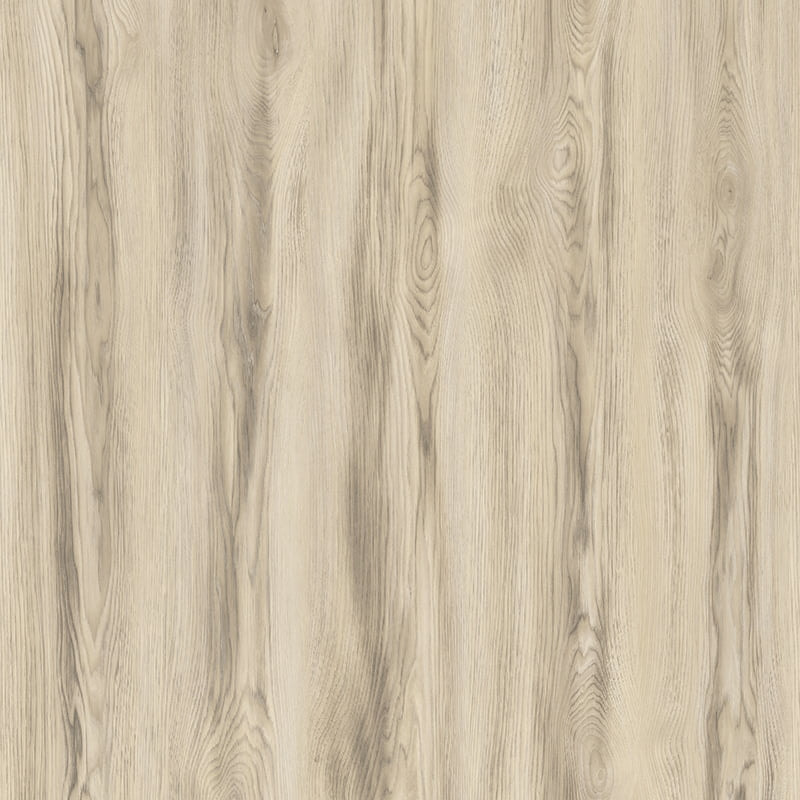
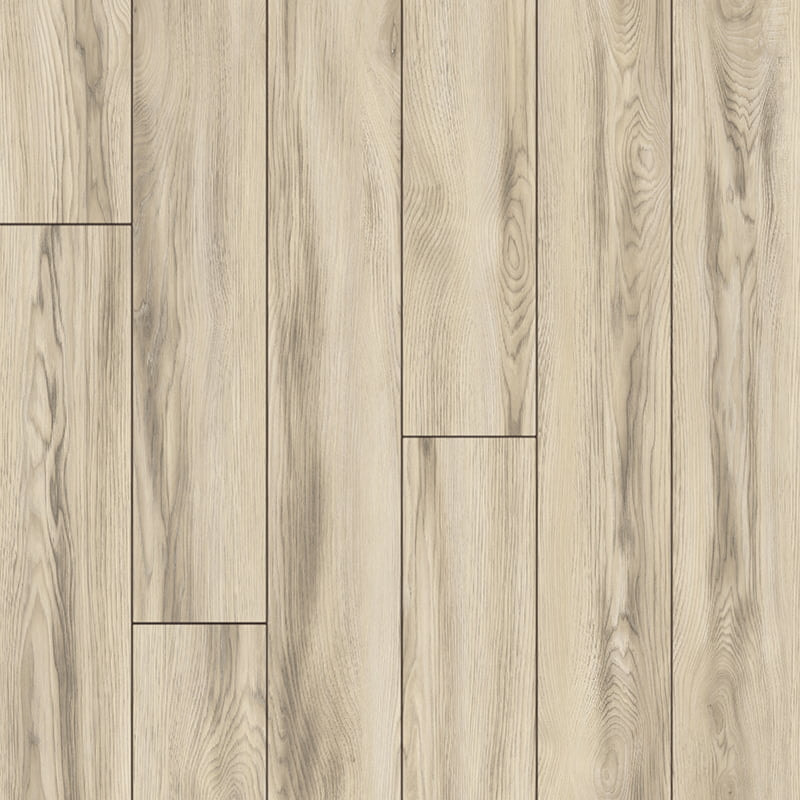
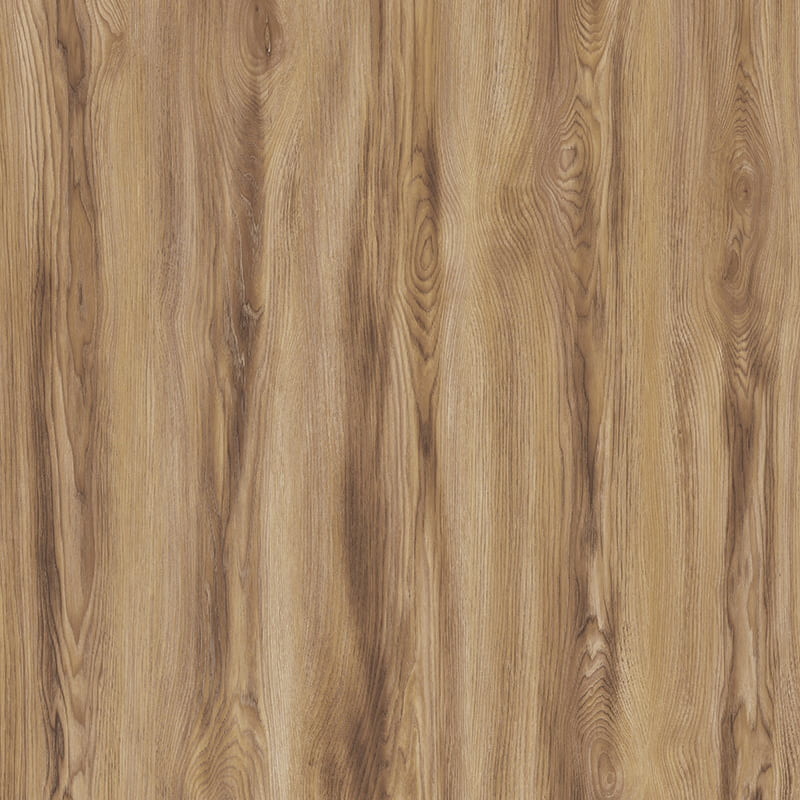
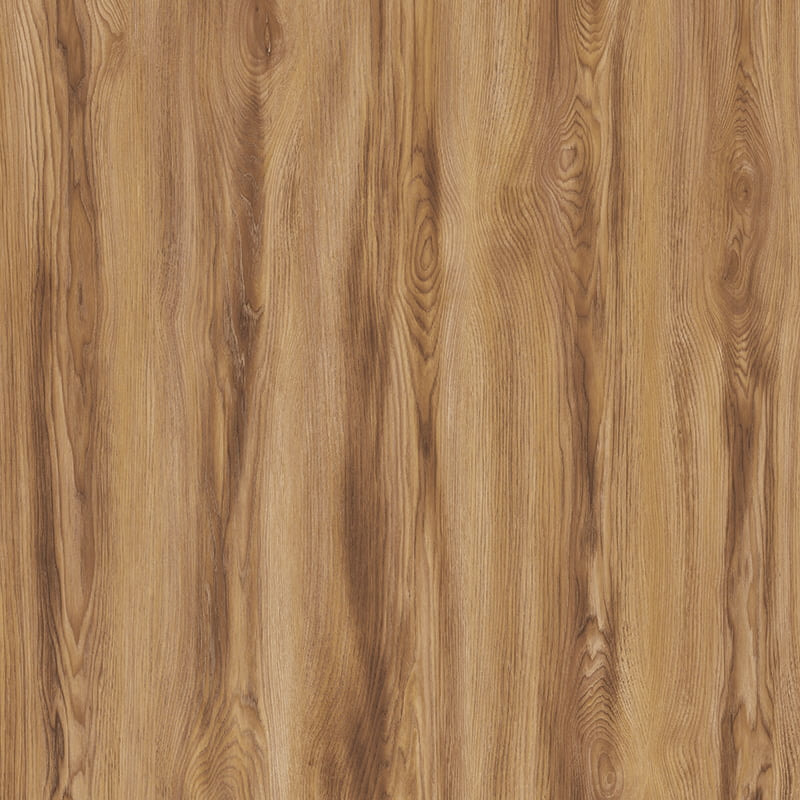
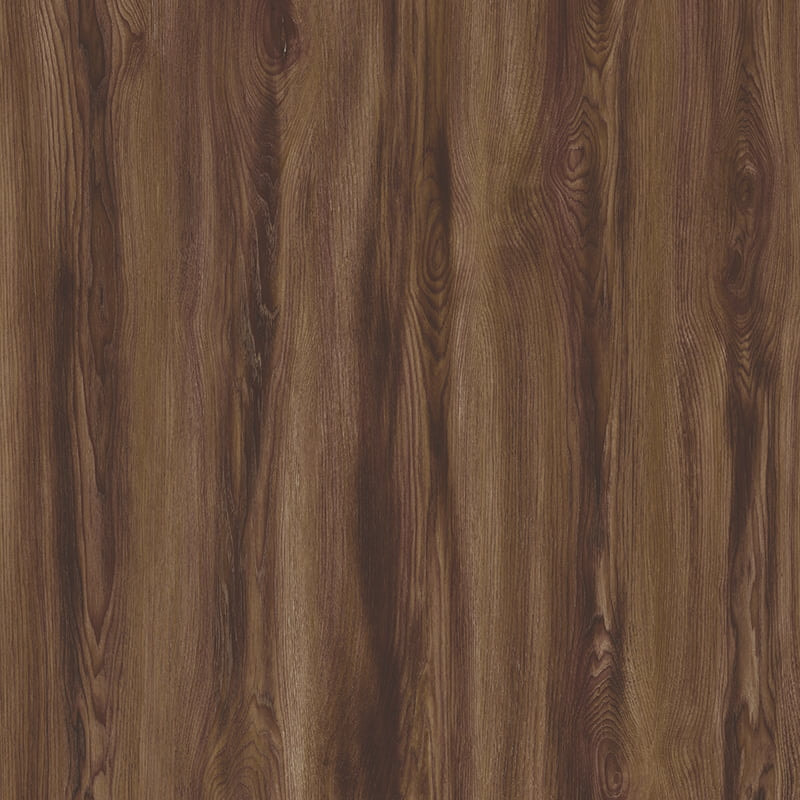
Model: YC885
Wood: Oak
Spec: 1000*1270mm
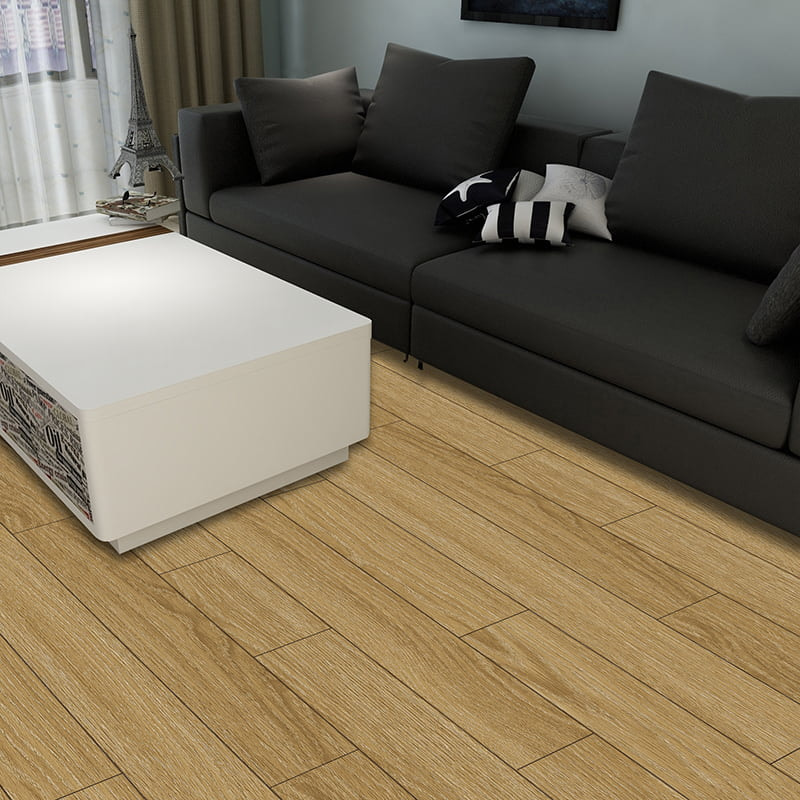
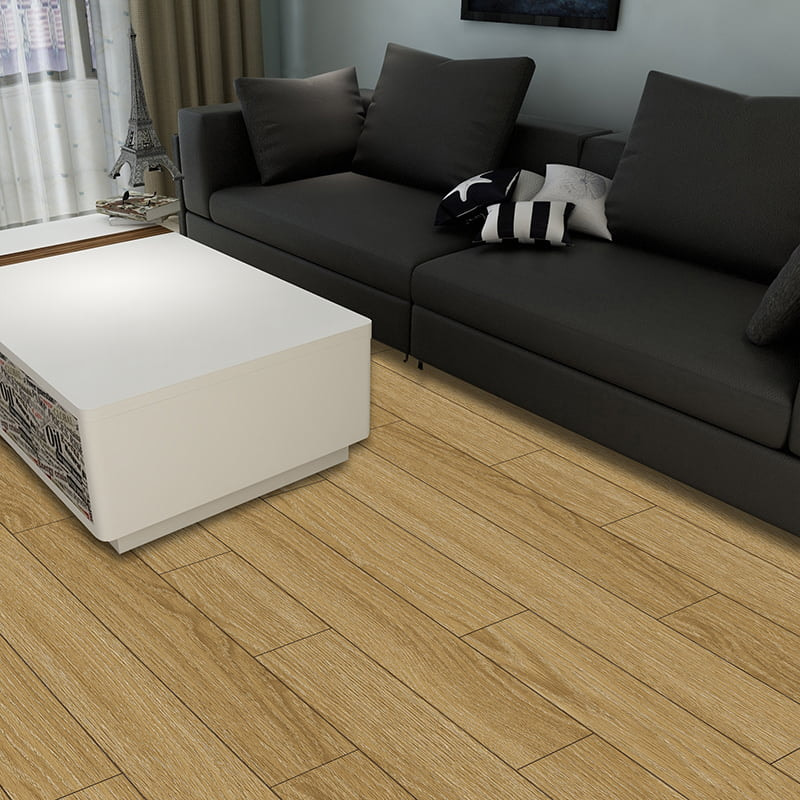
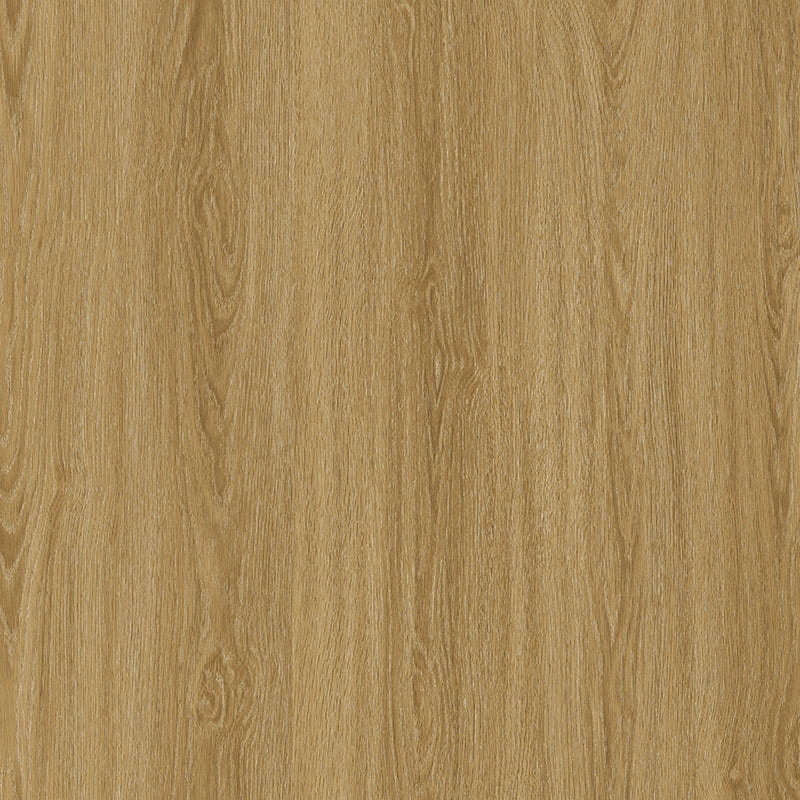
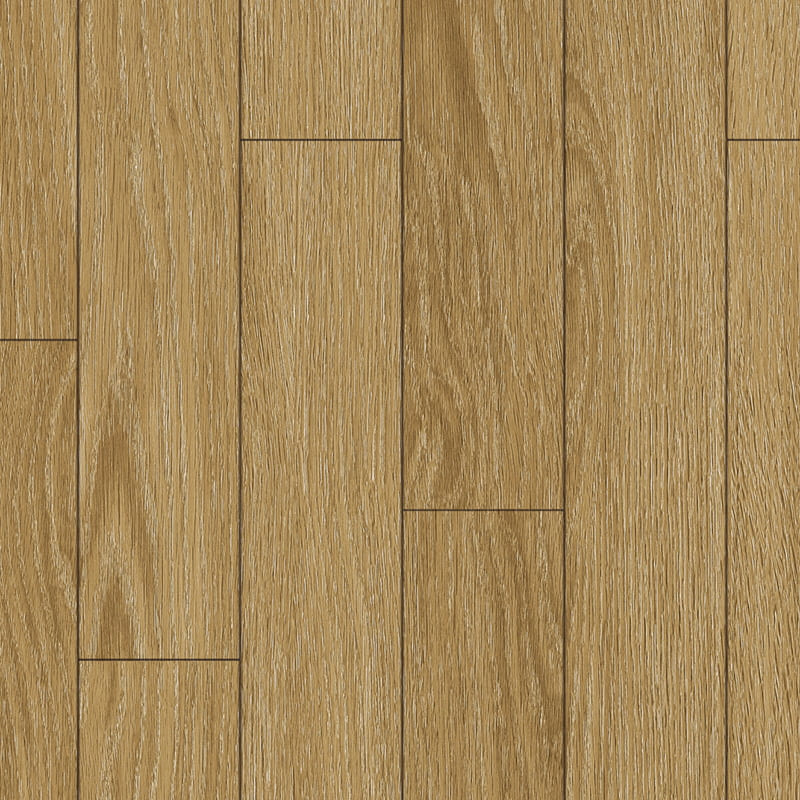
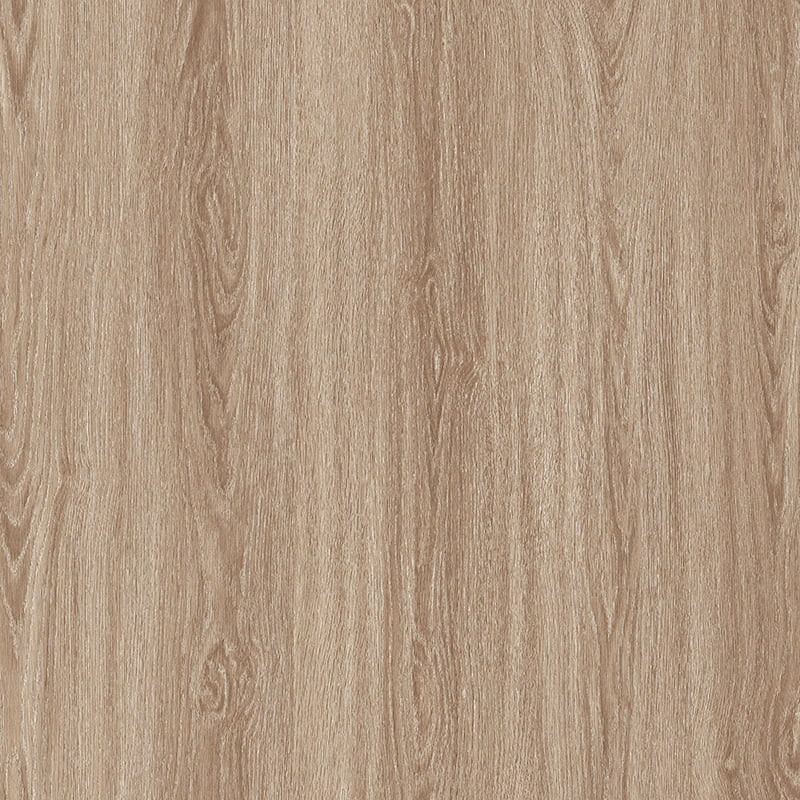
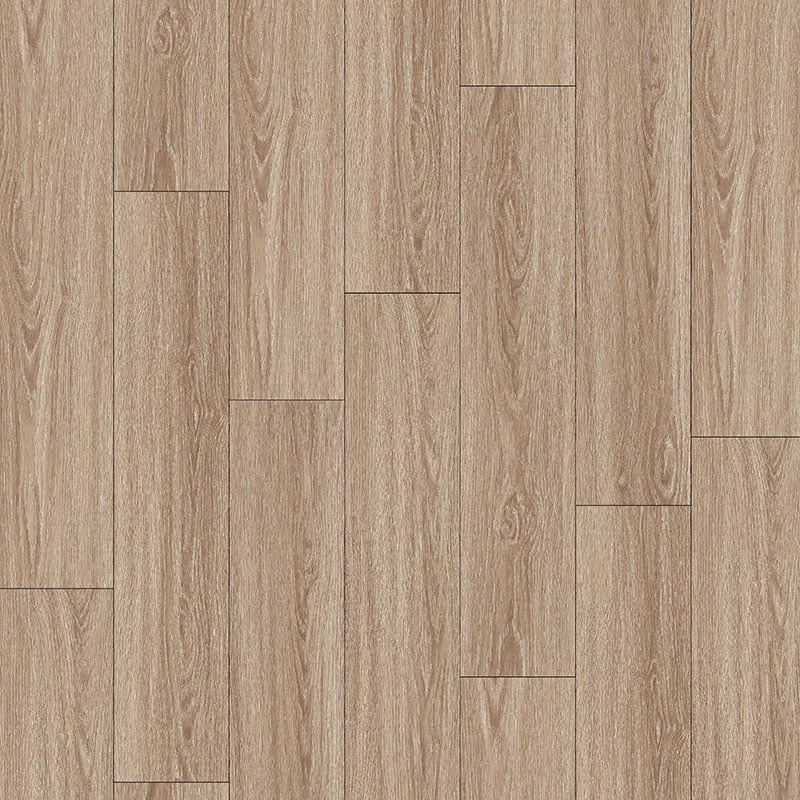
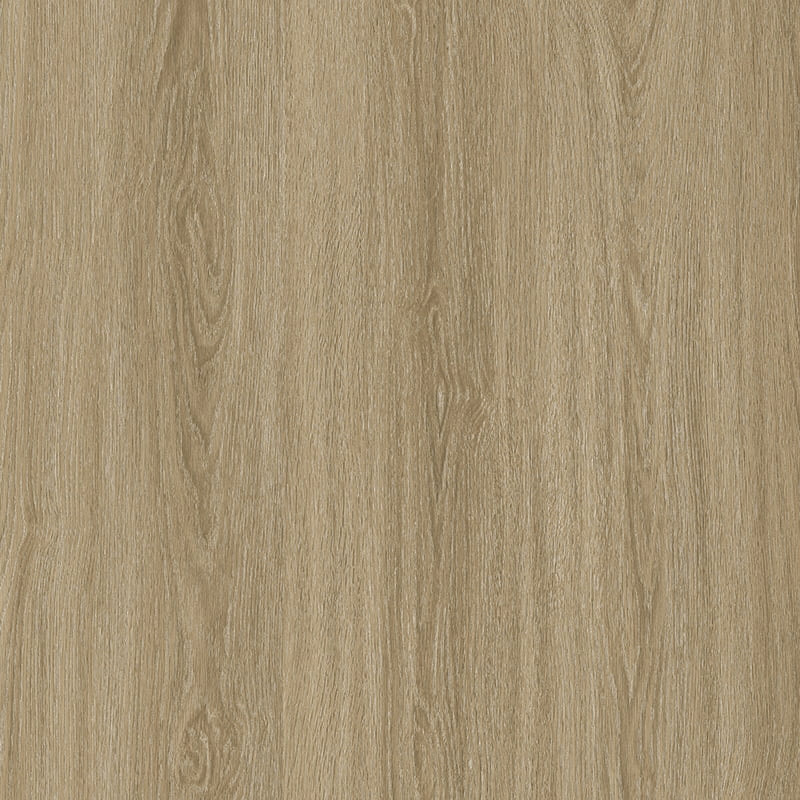
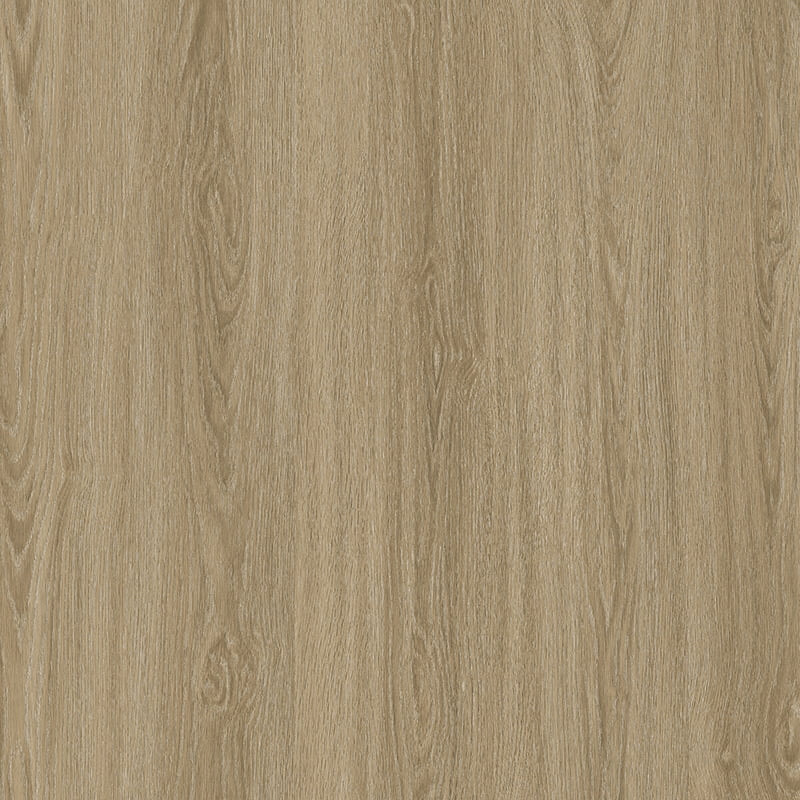
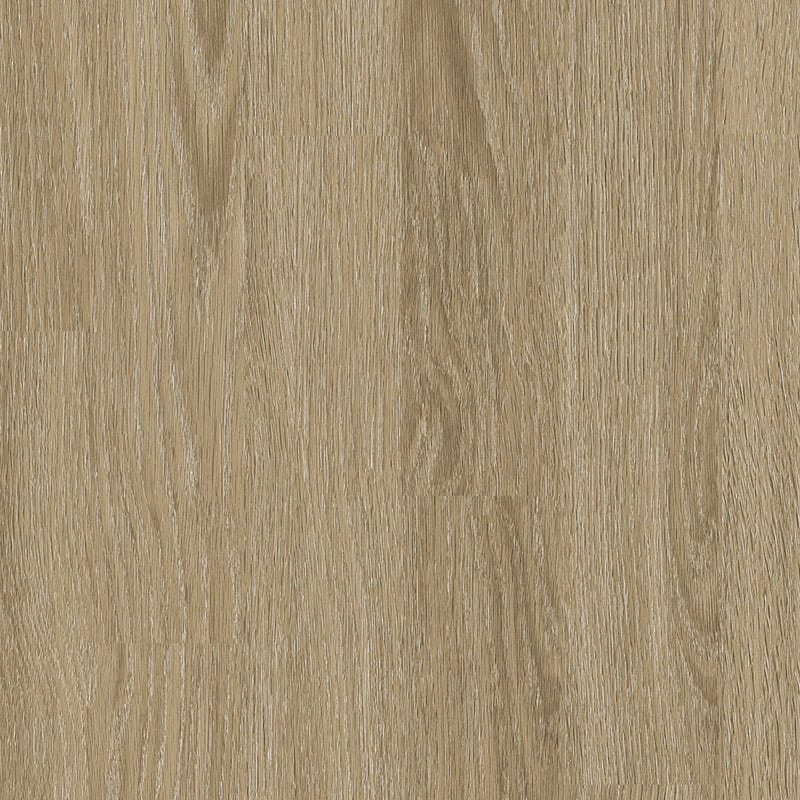

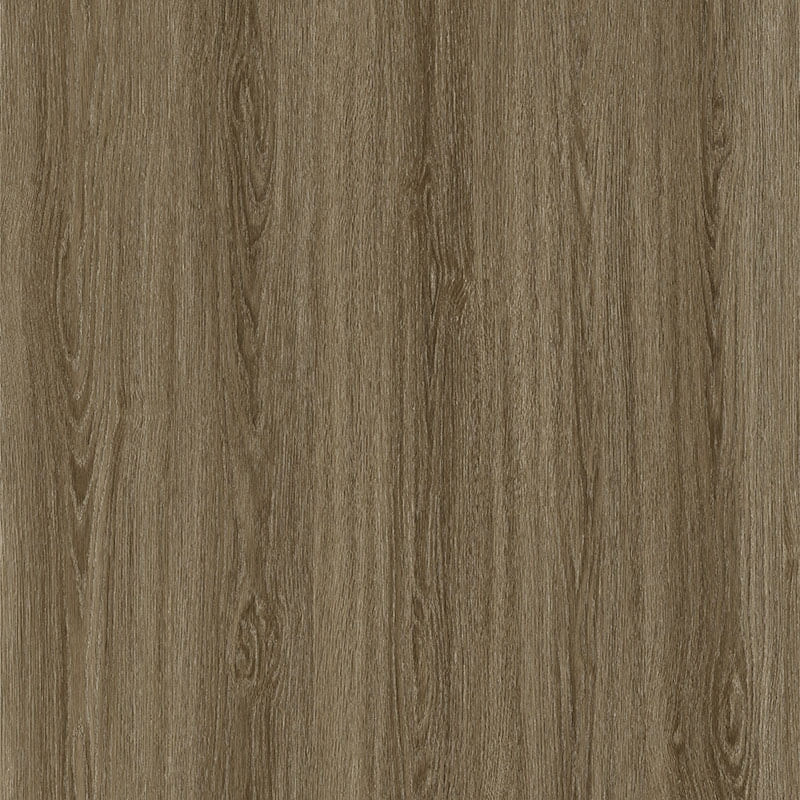
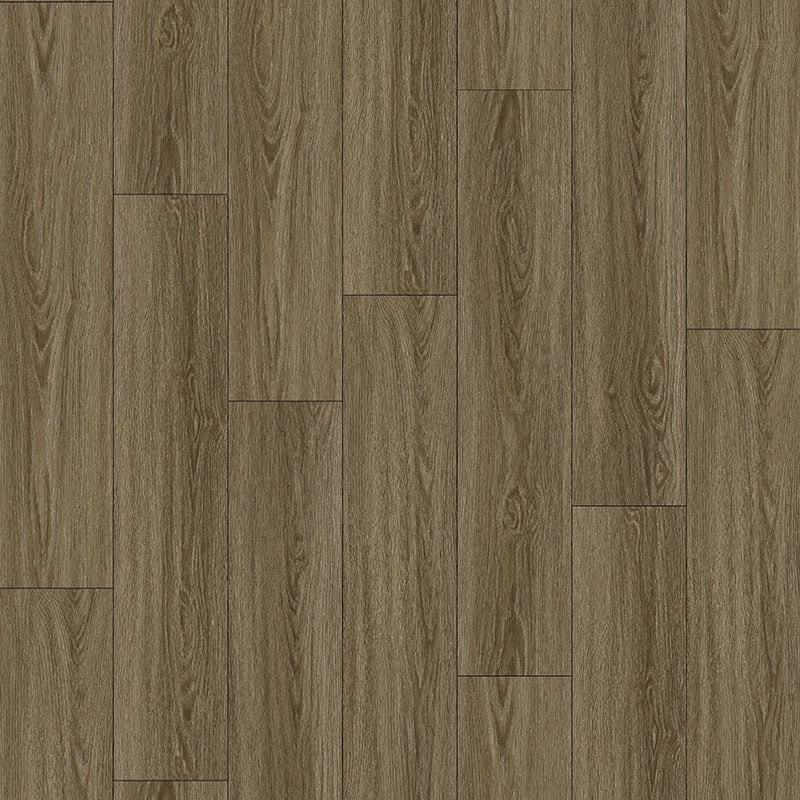
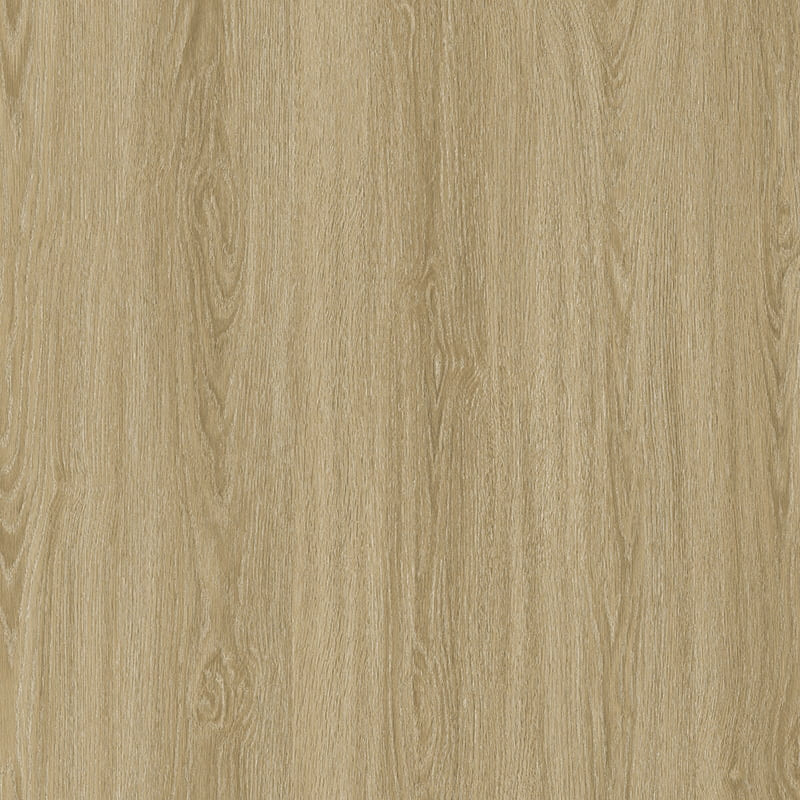
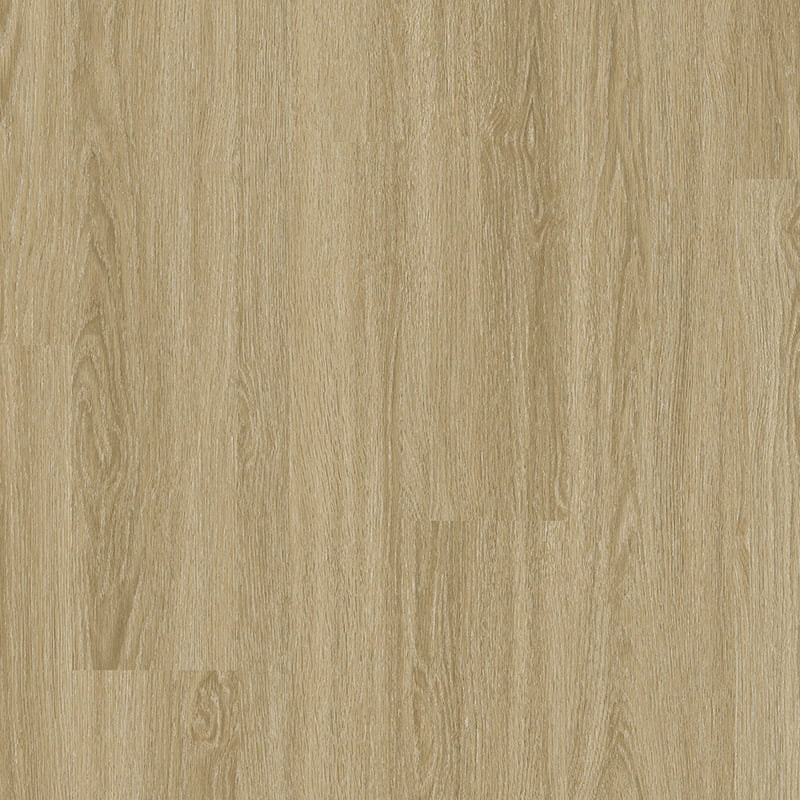
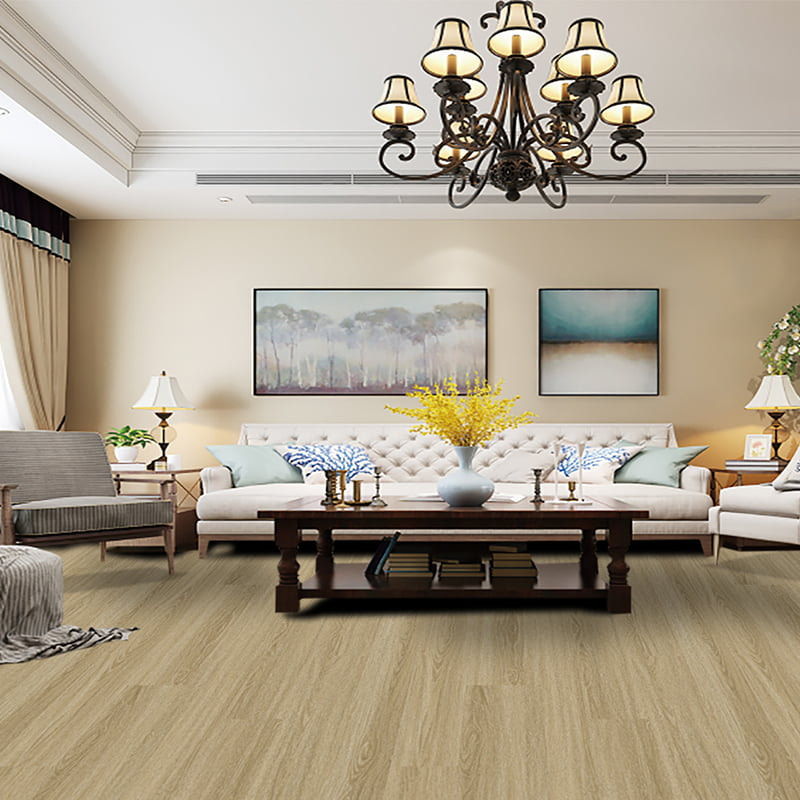
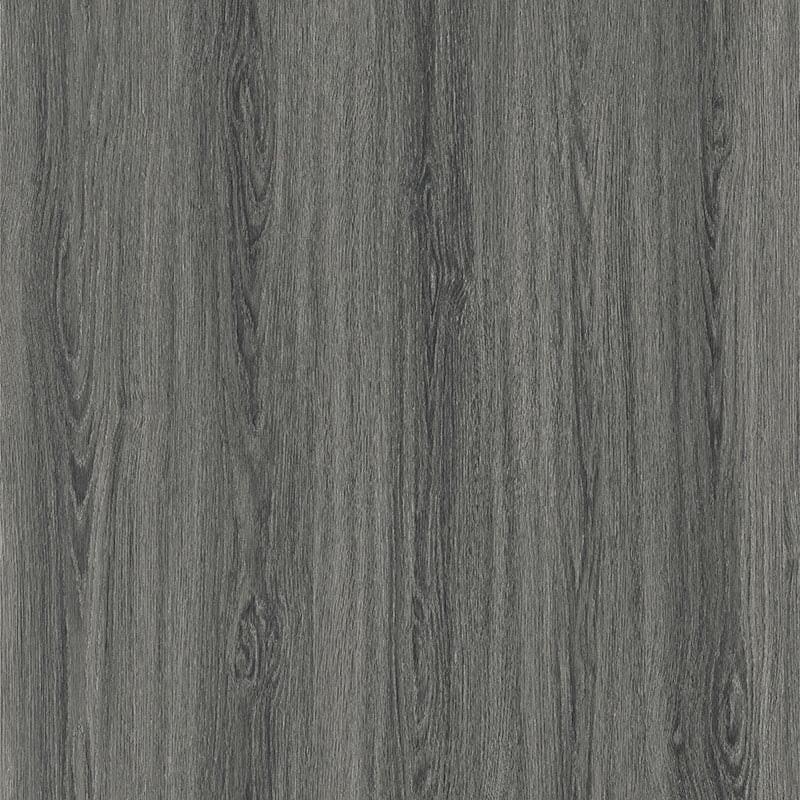
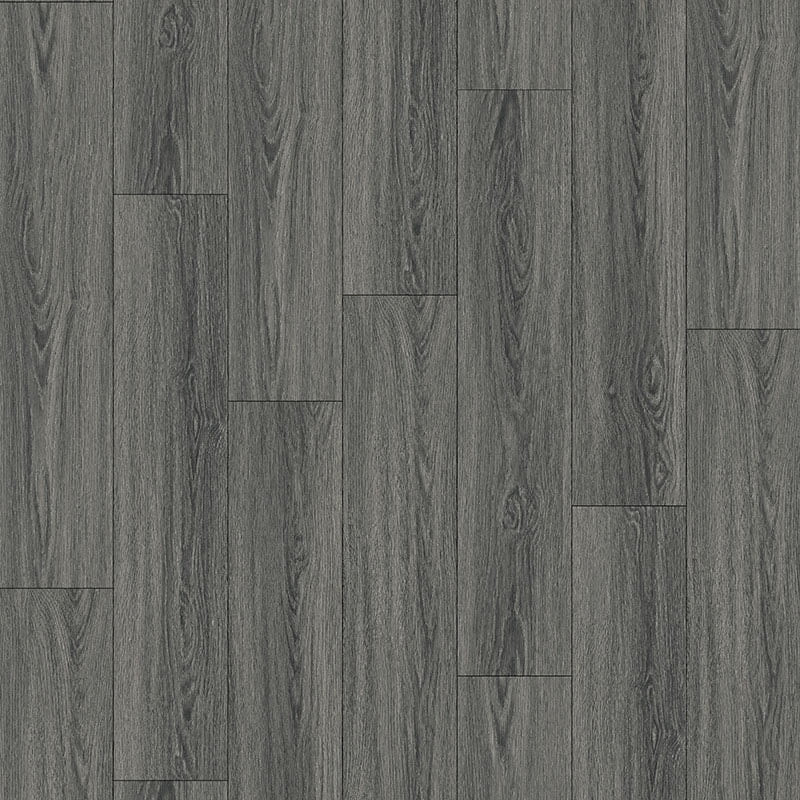
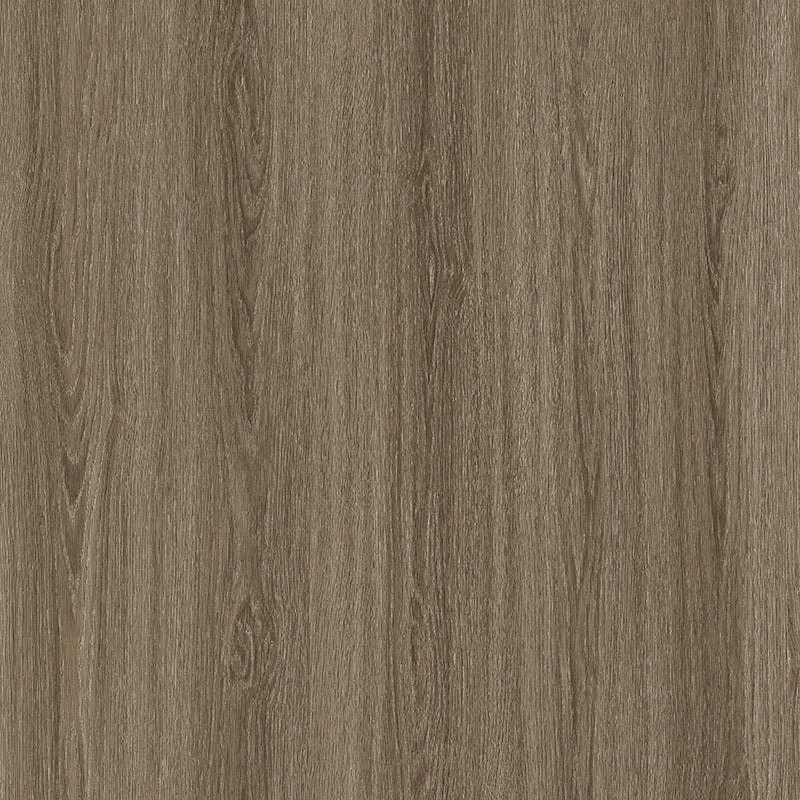
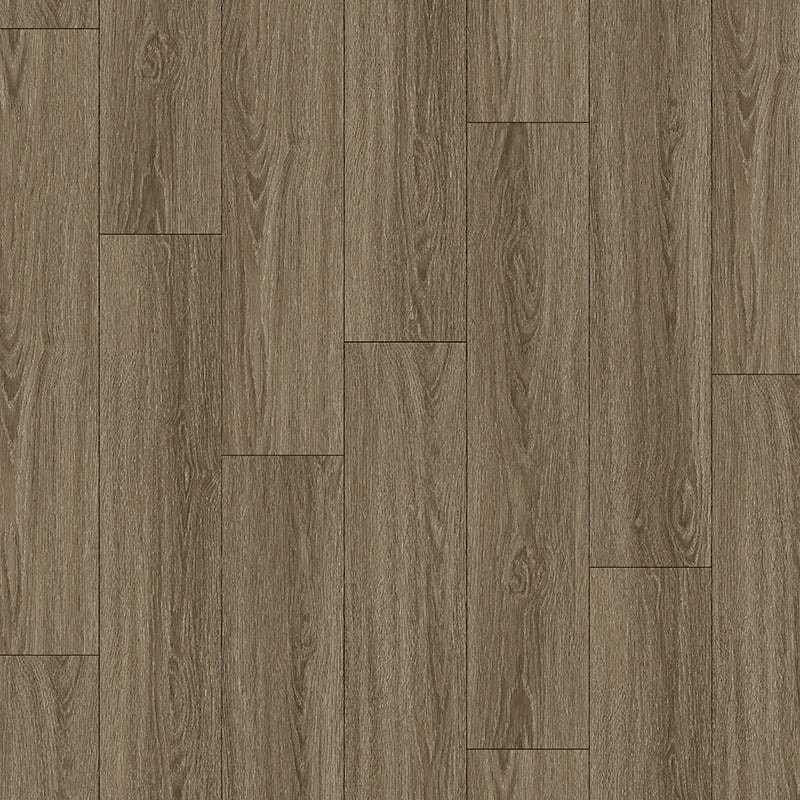
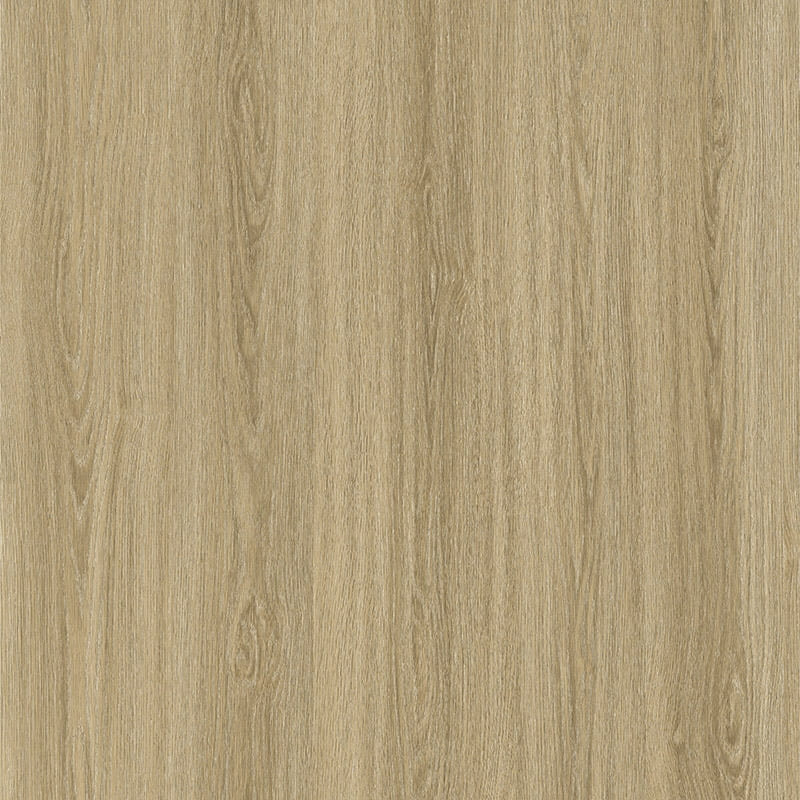
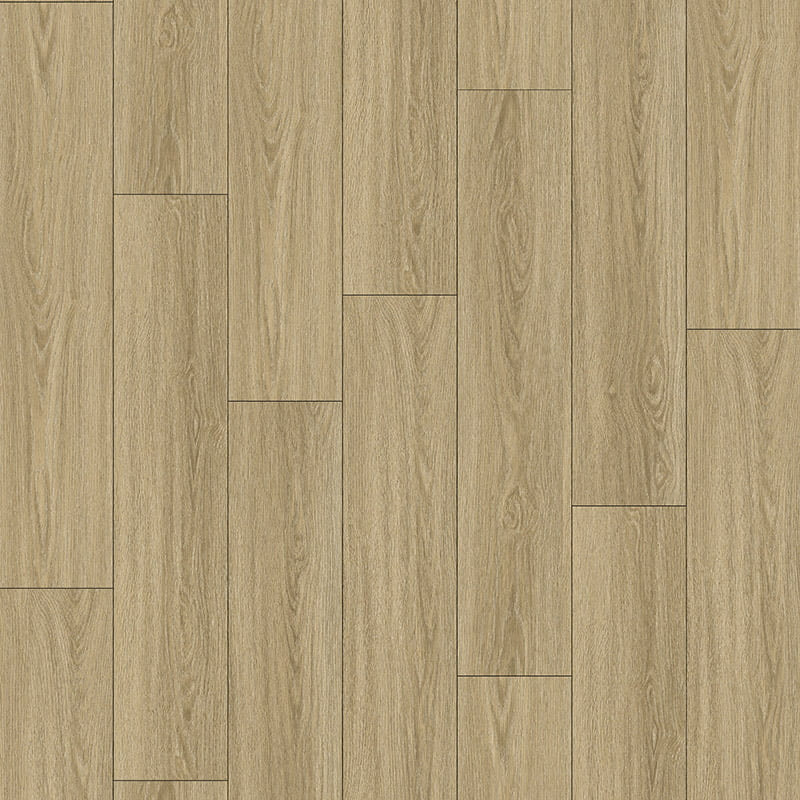
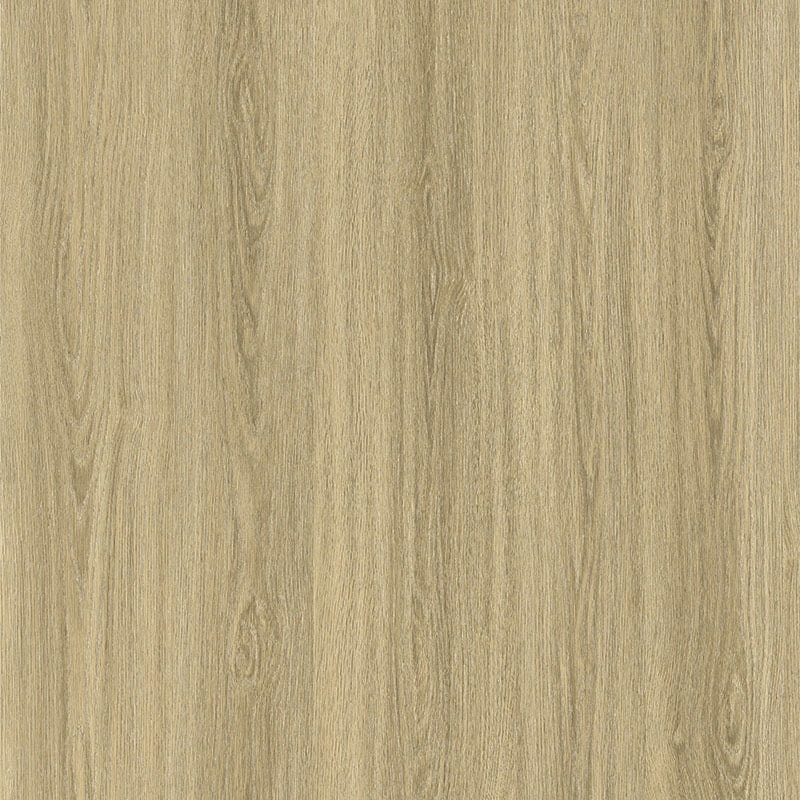
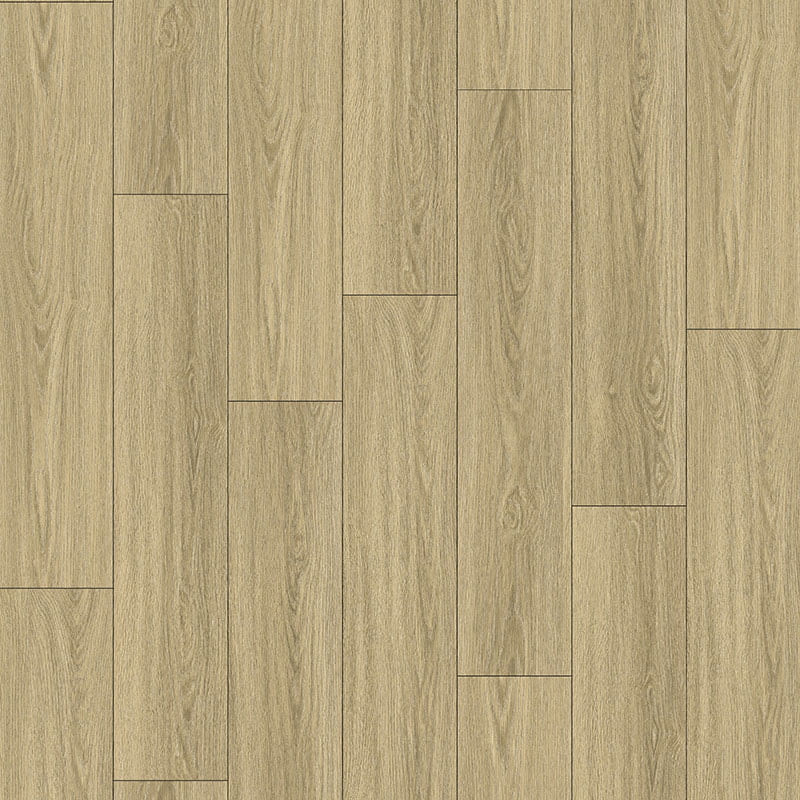
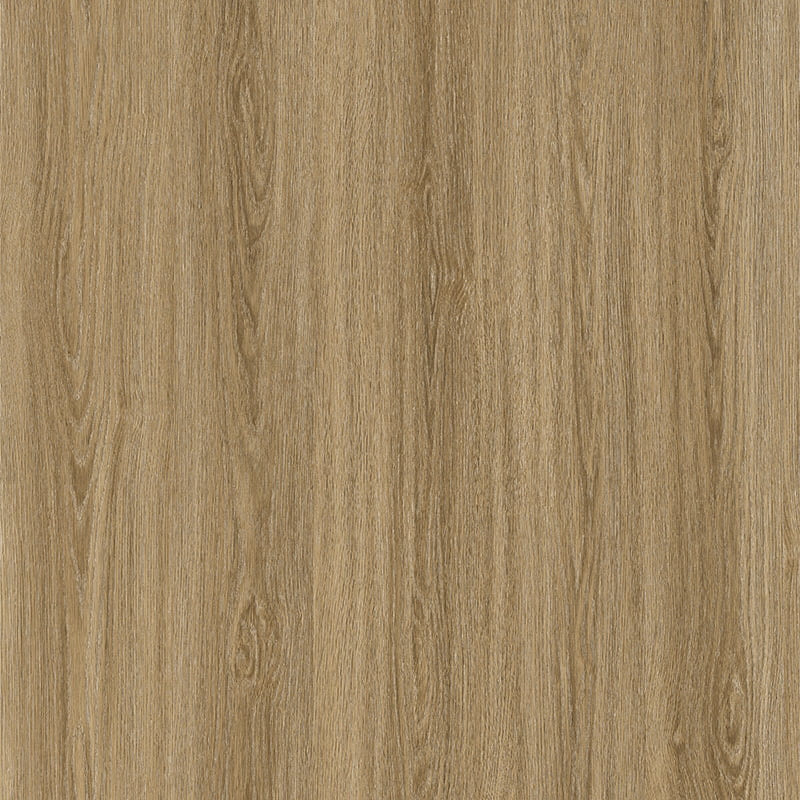
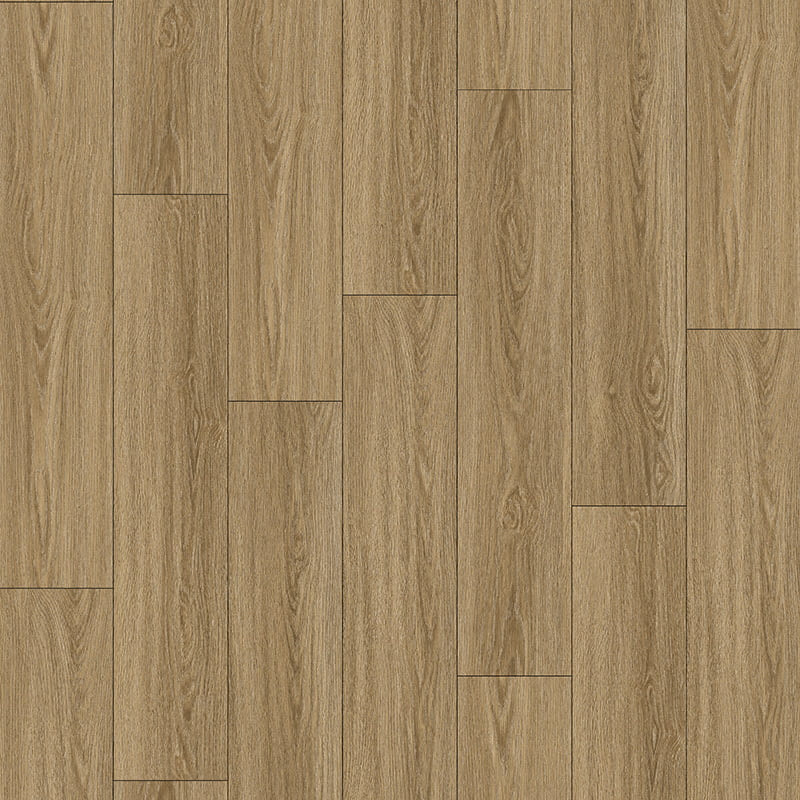
Model: YC887
Wood: Oak
Spec: 1000*1000mm
Single chip size: 7.25*35"
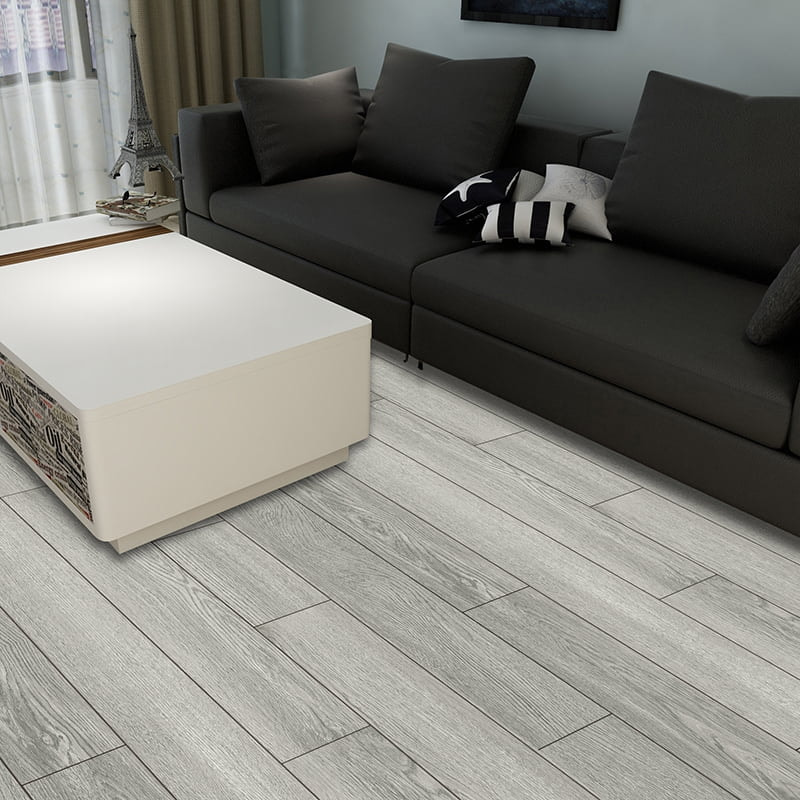
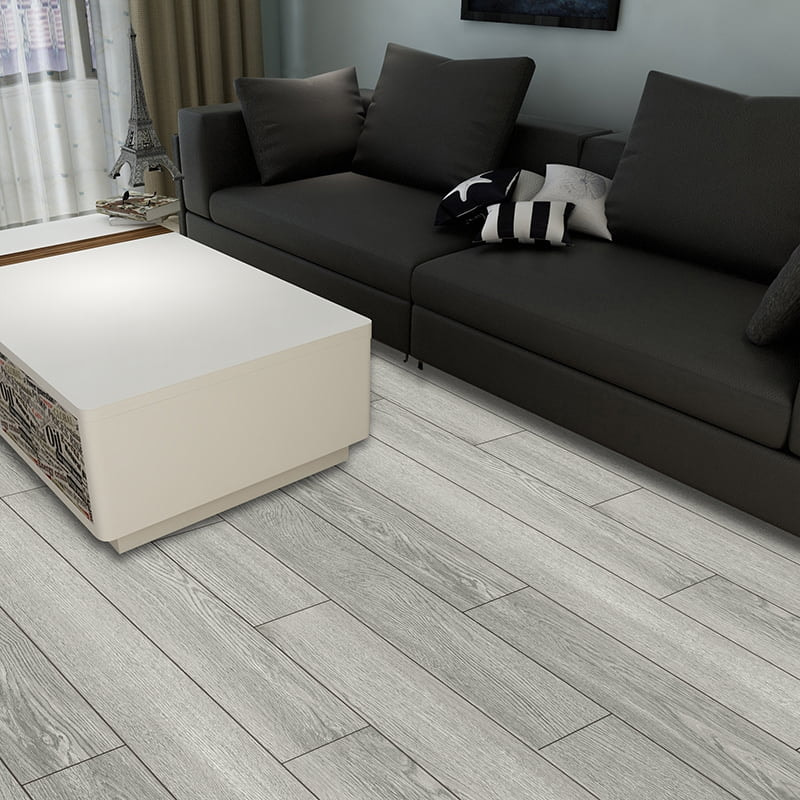
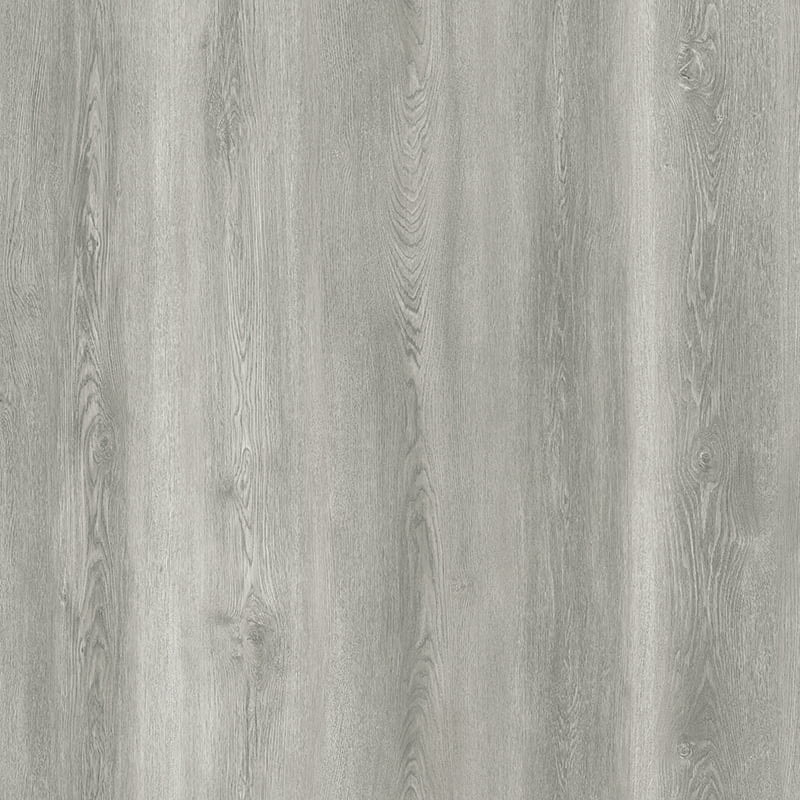
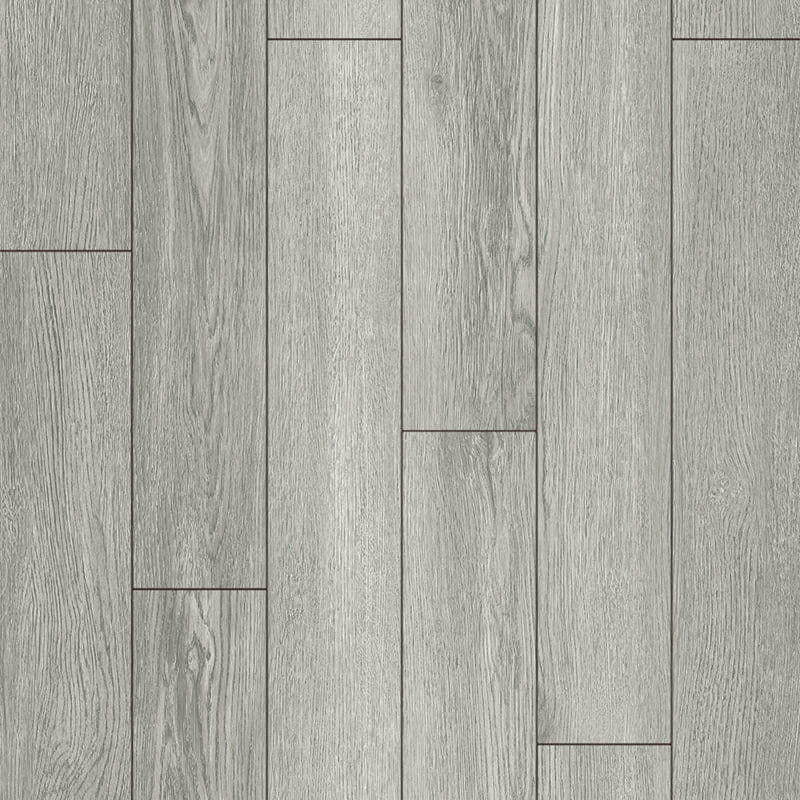
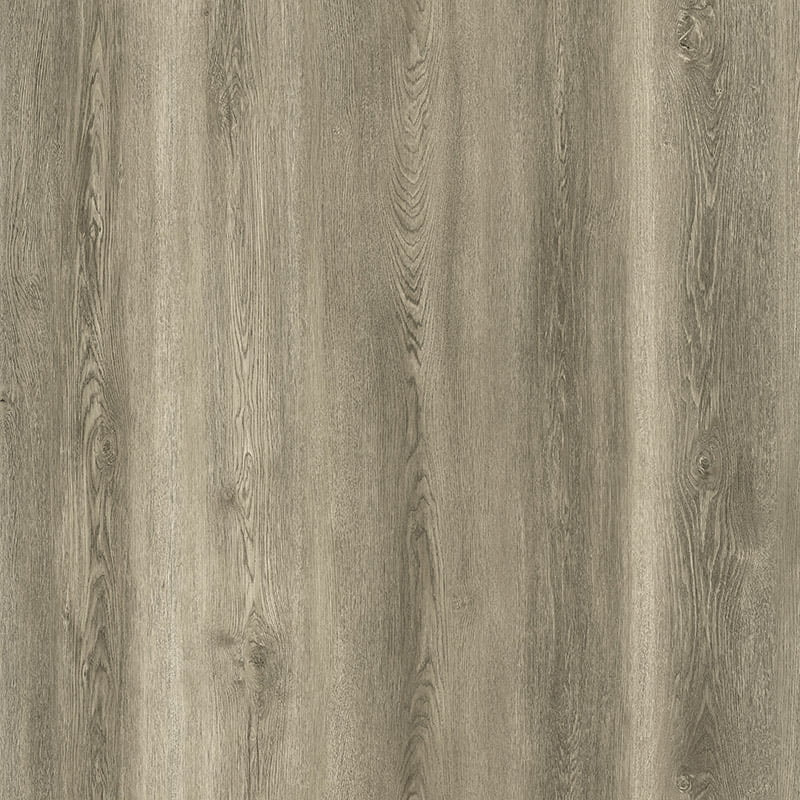
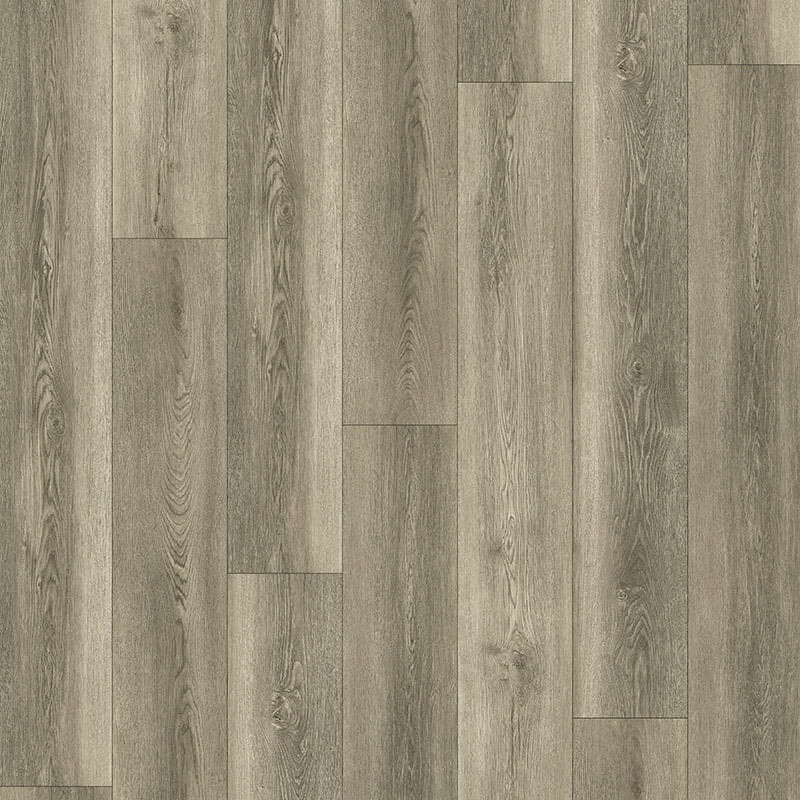
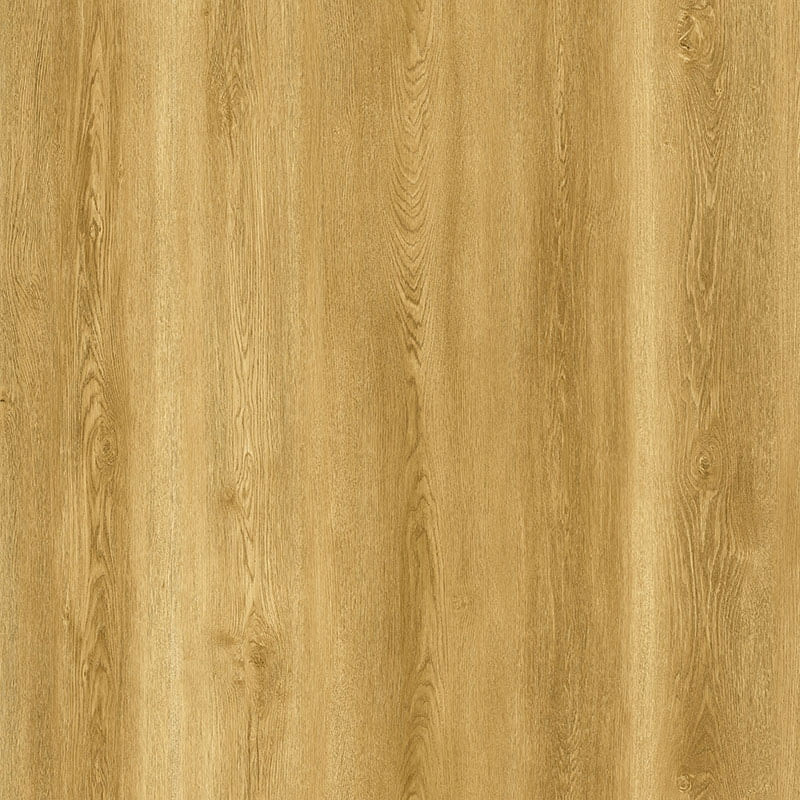
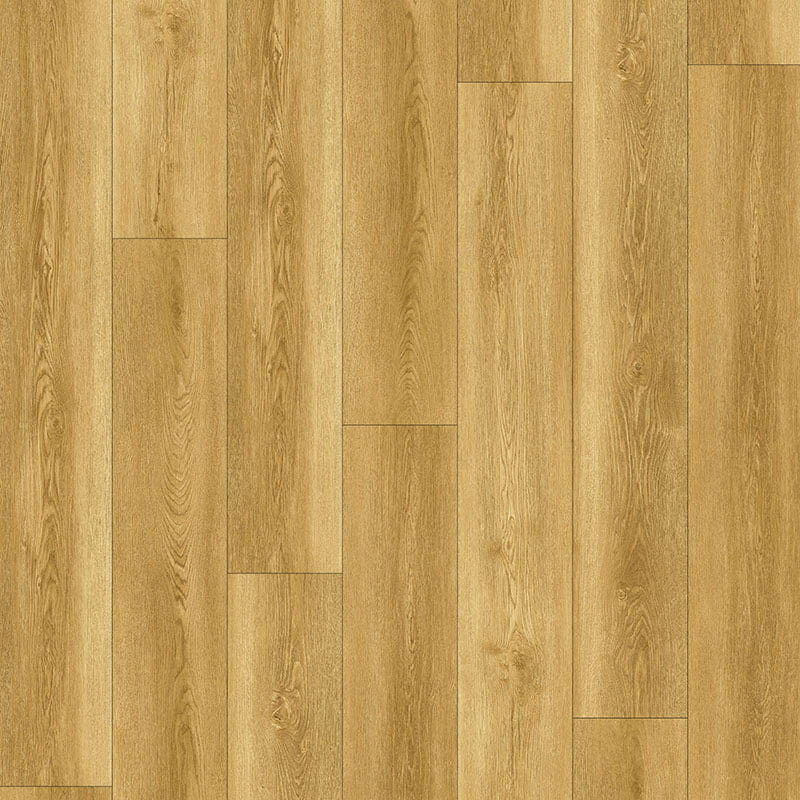
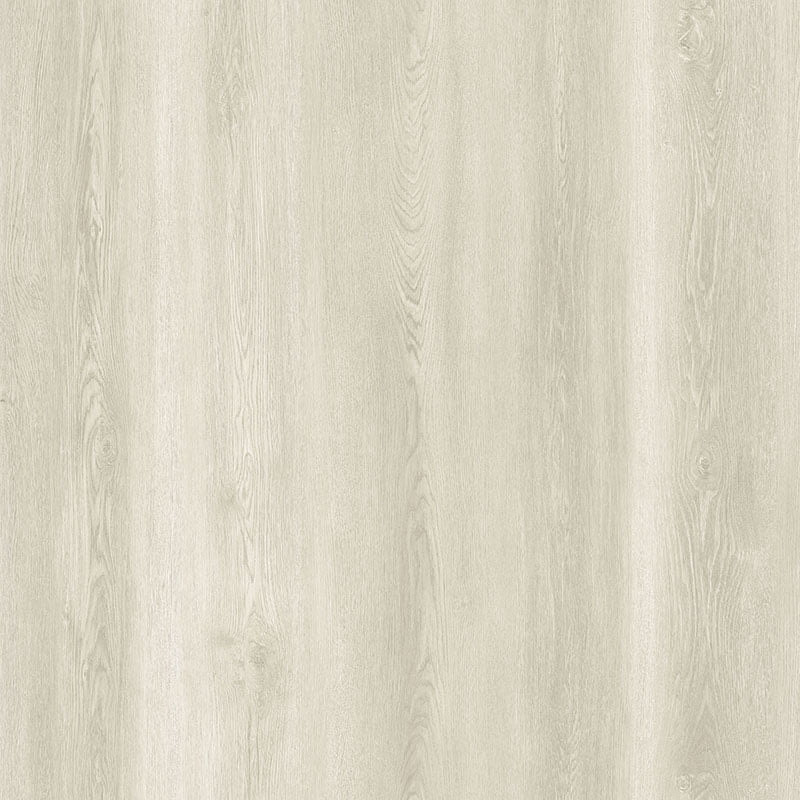
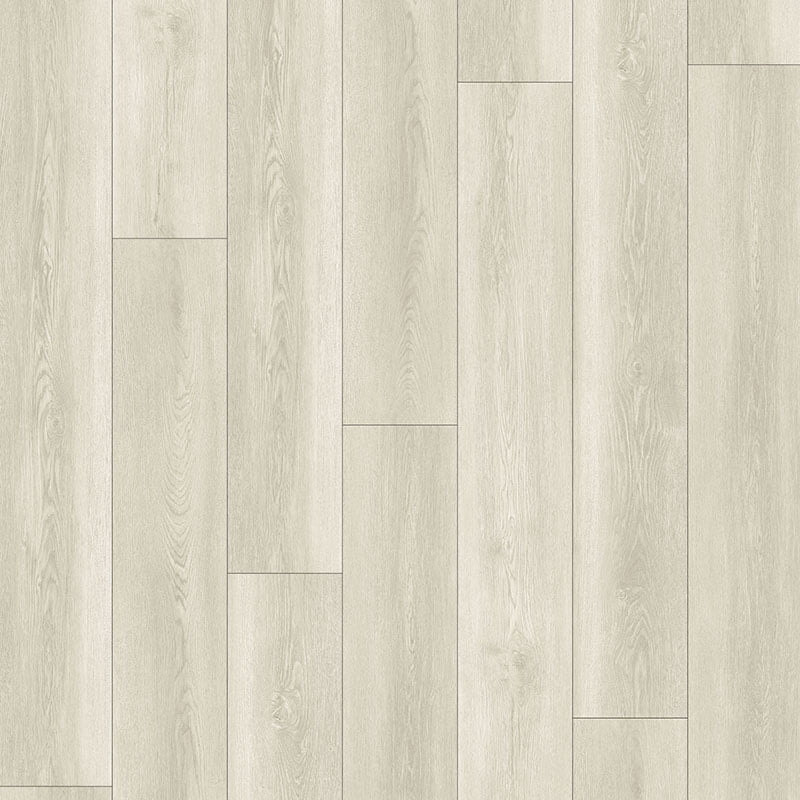
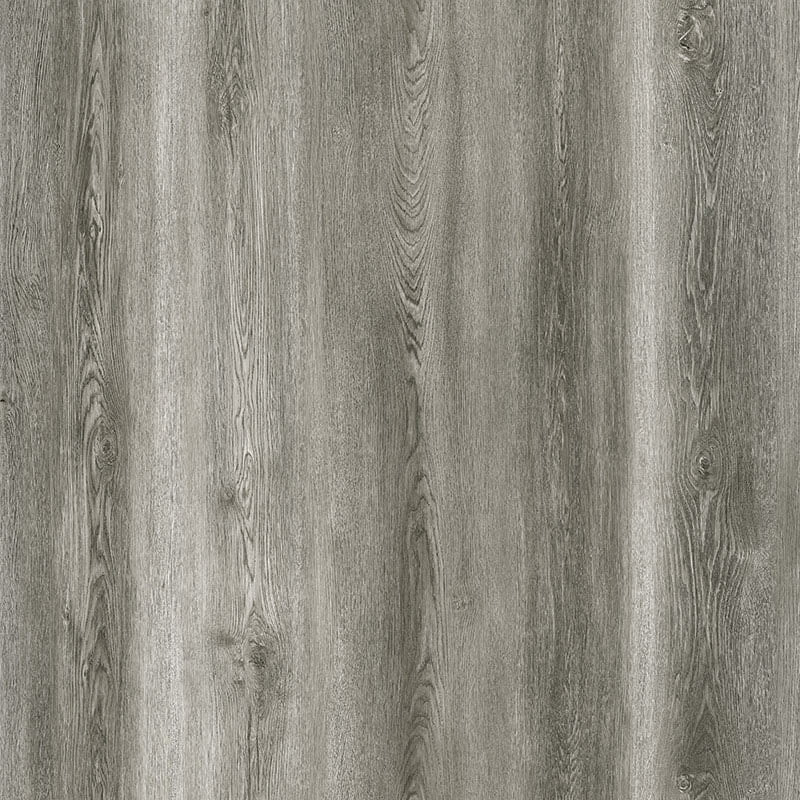
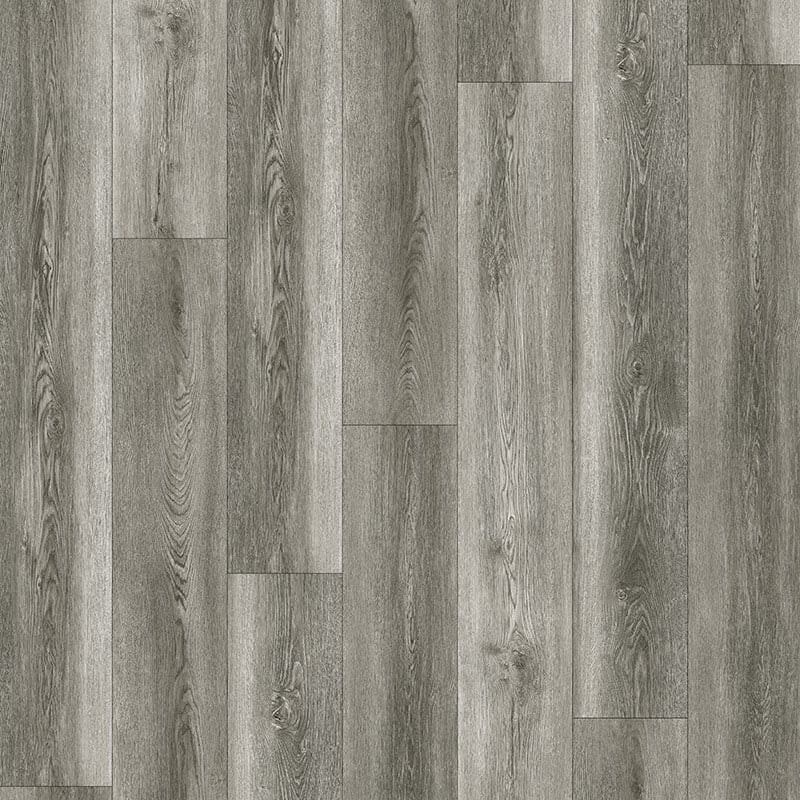
Model: YC889
Wood: Oak
Spec: 1000*1270mm
Single chip size: 7.25*48"
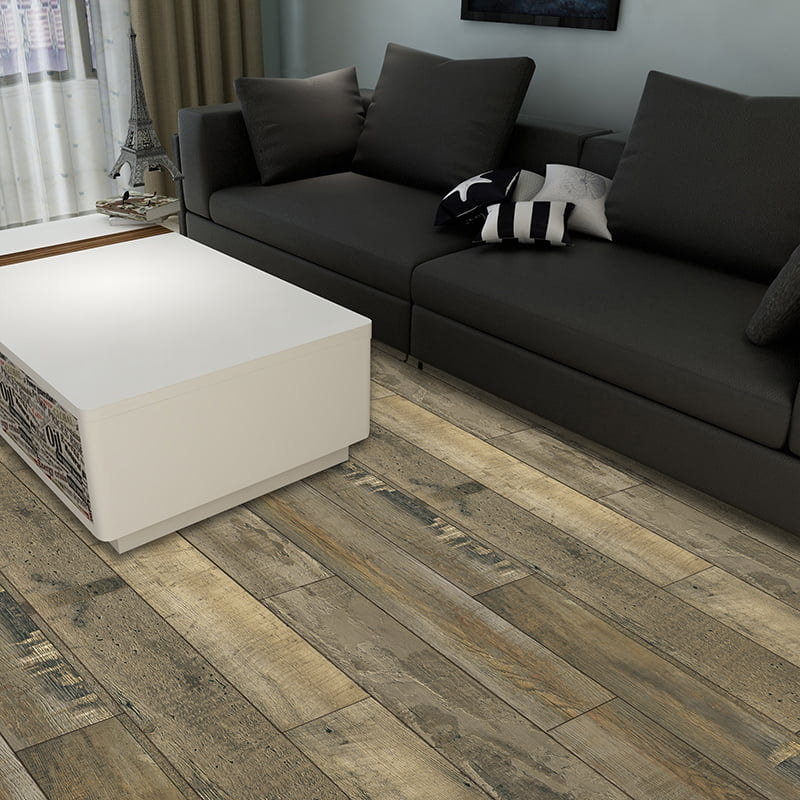
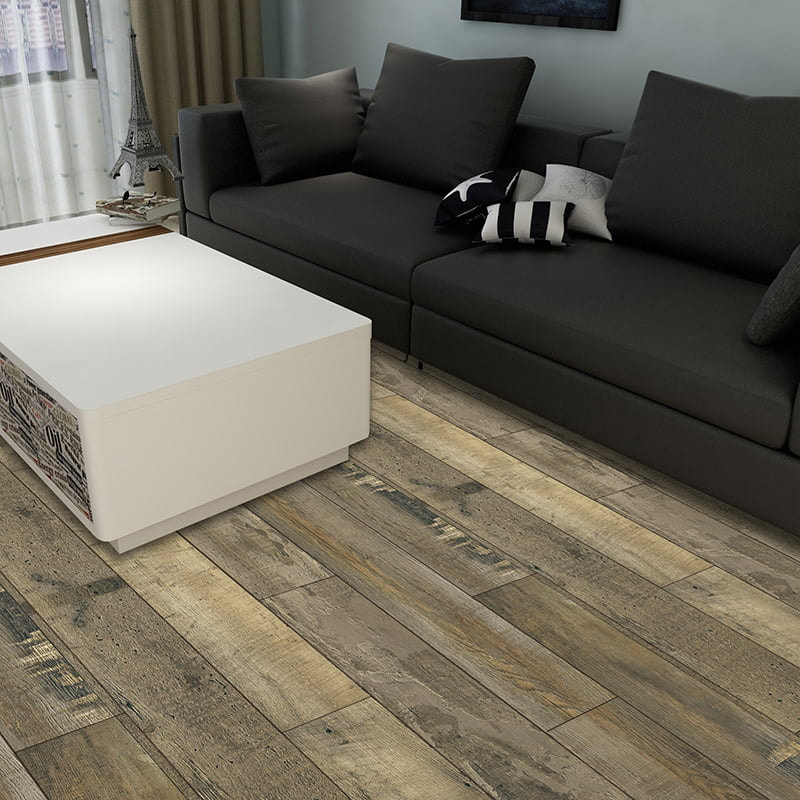
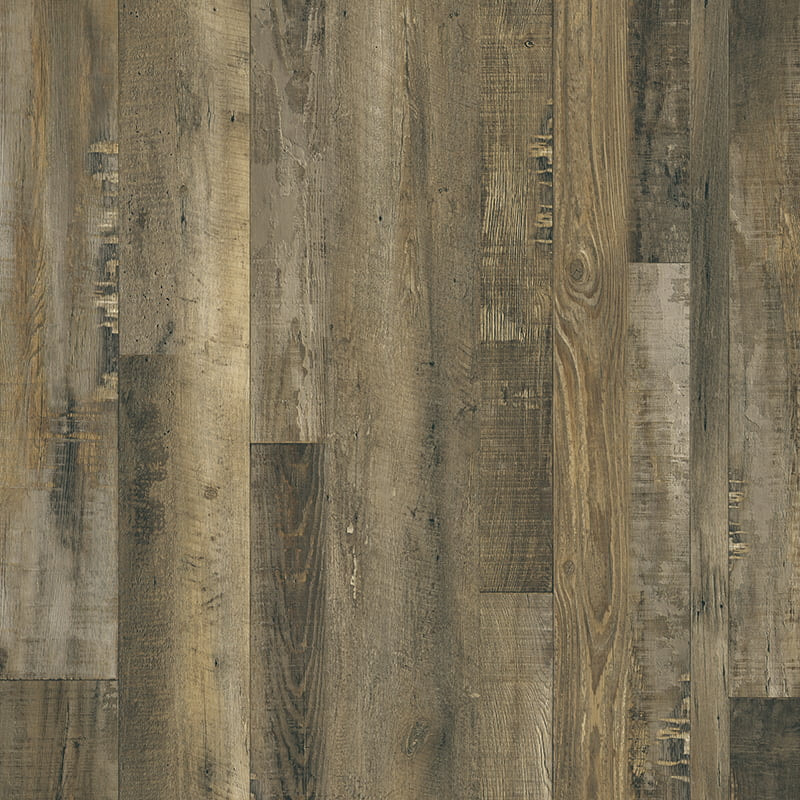
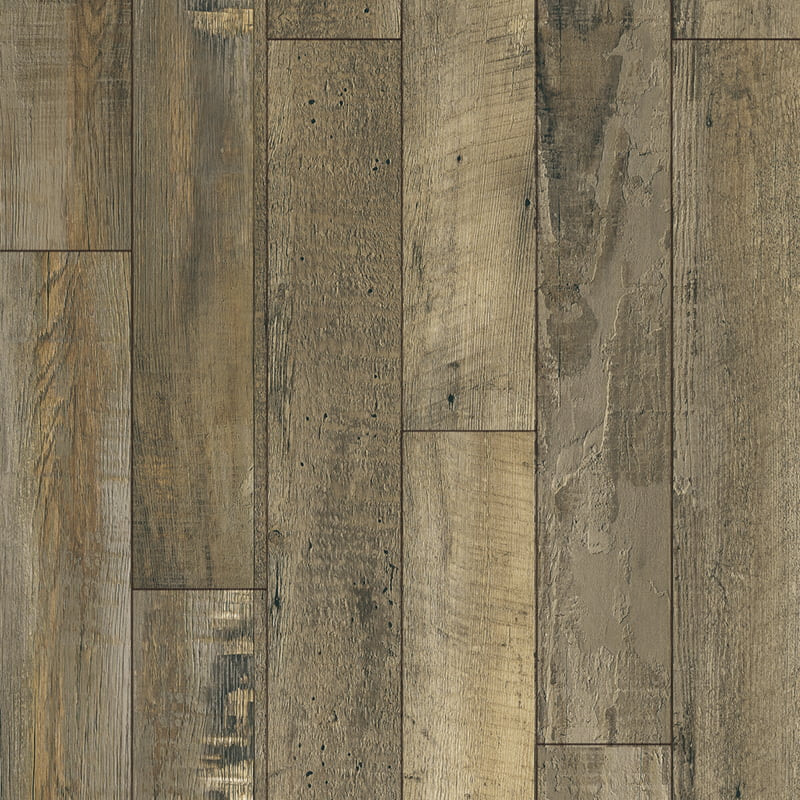
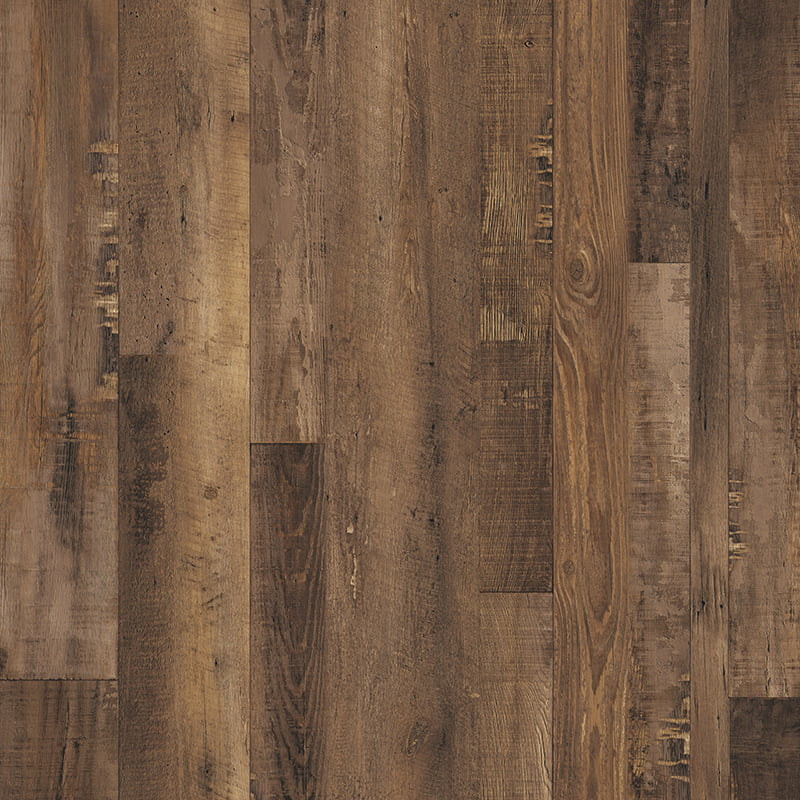
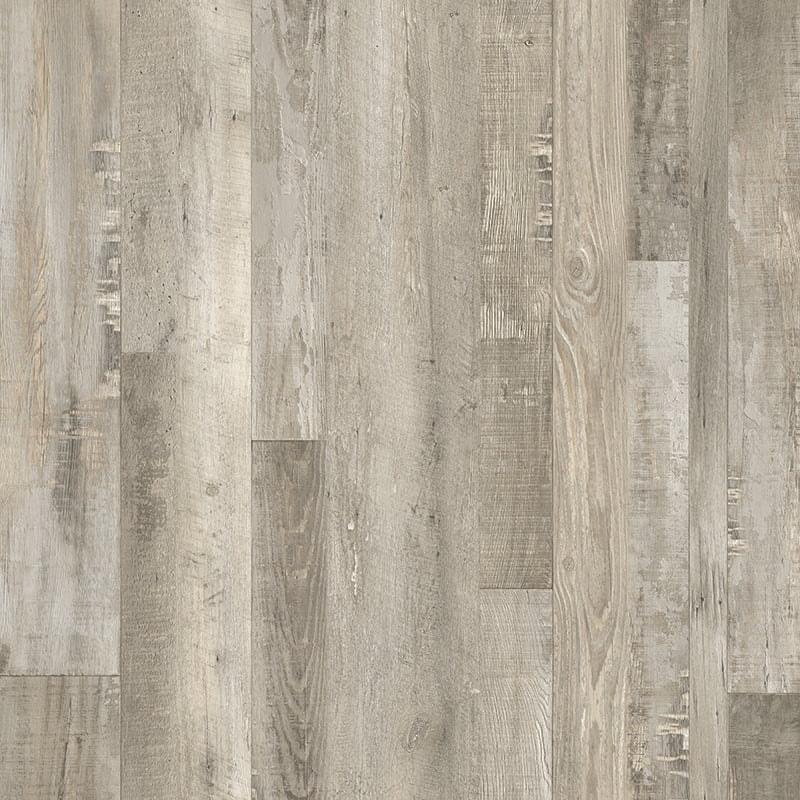
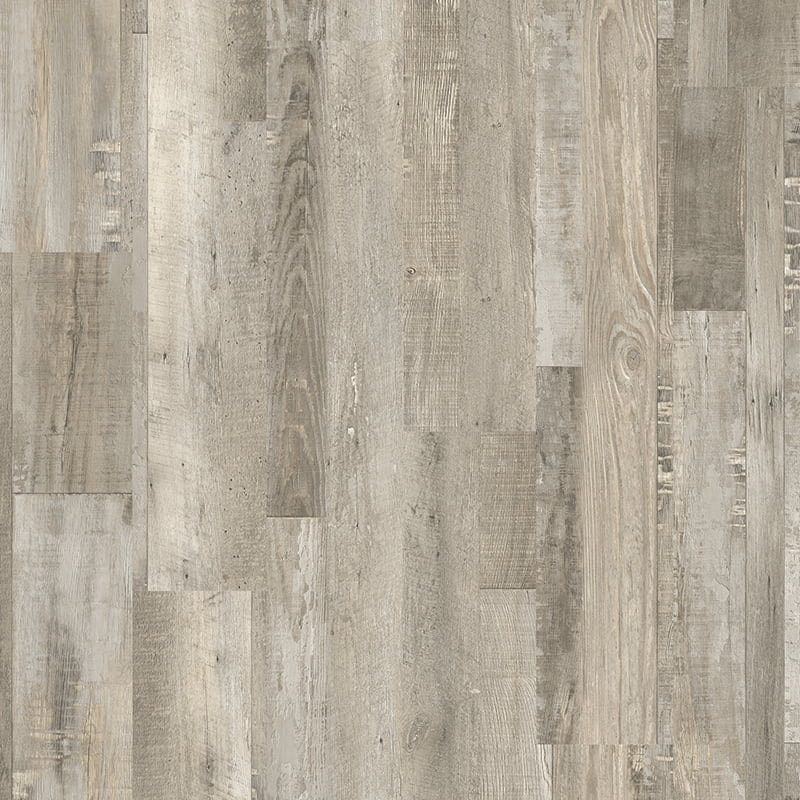

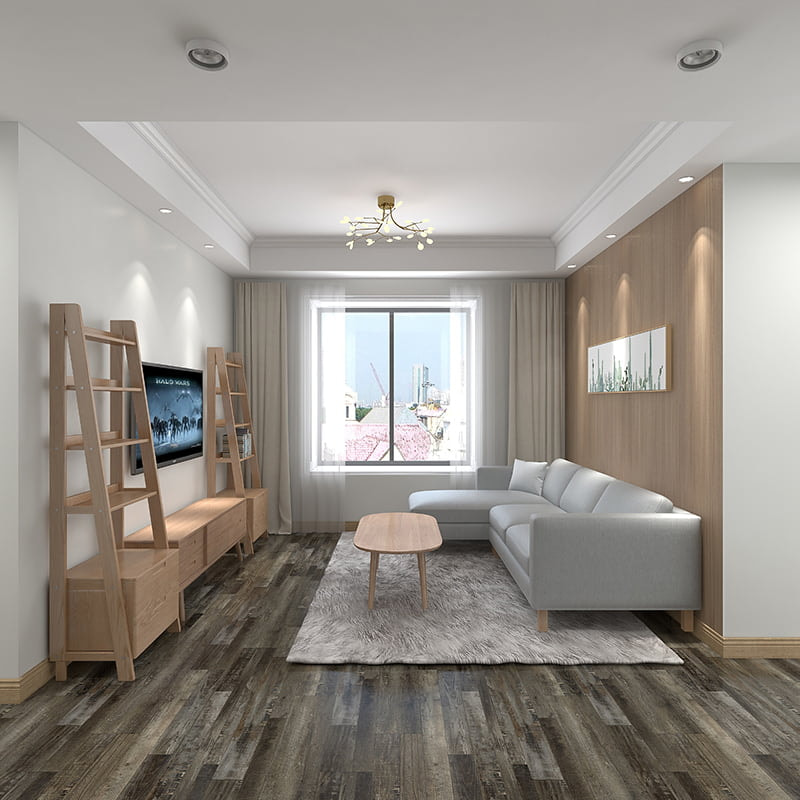
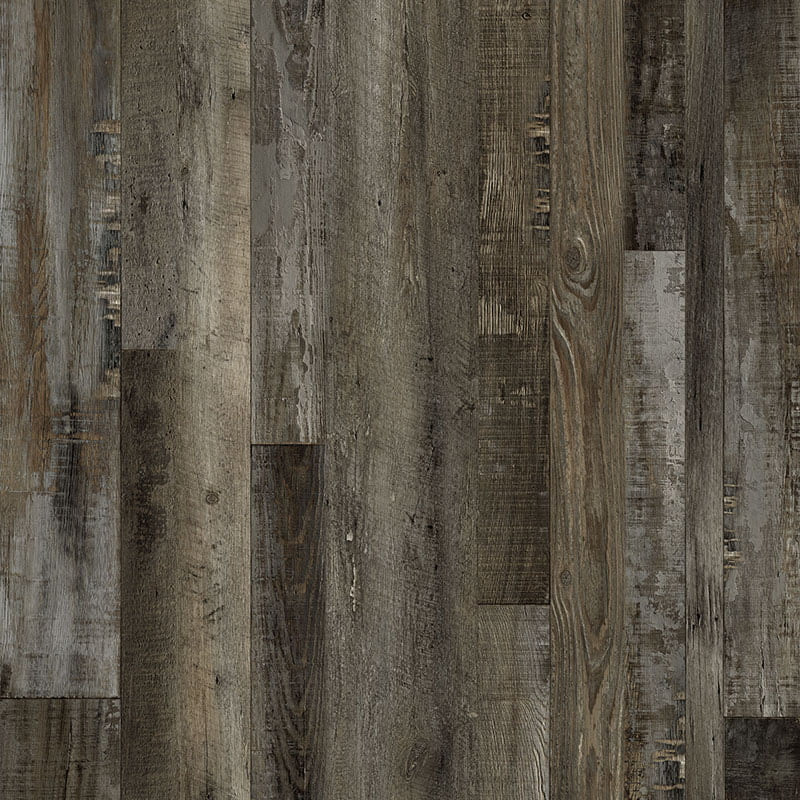
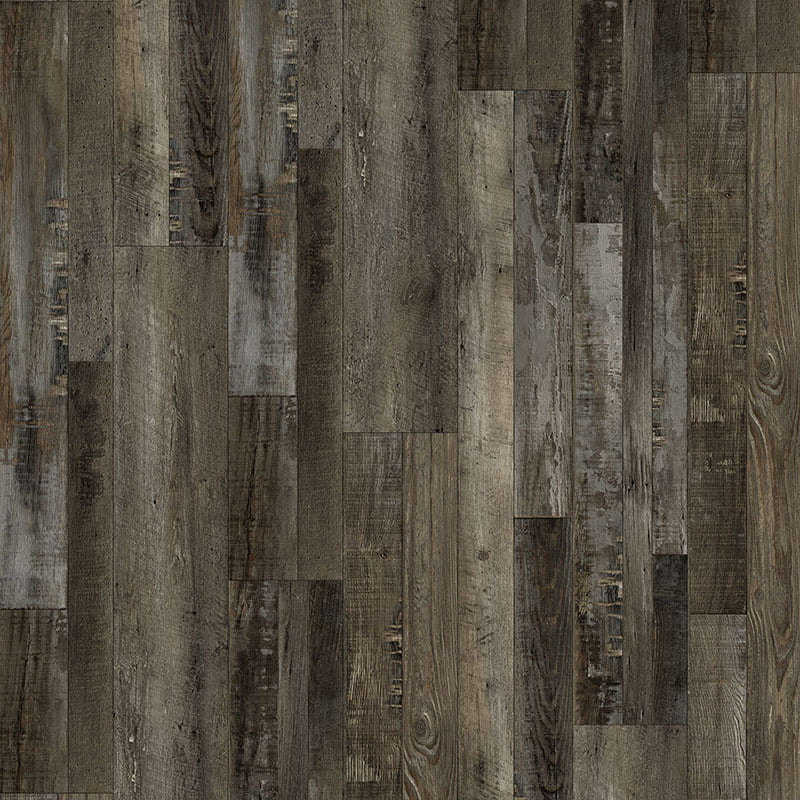
Model: YC890
Wood: Oak
Spec: 1000*1270mm
Single chip size: 7.25*48"


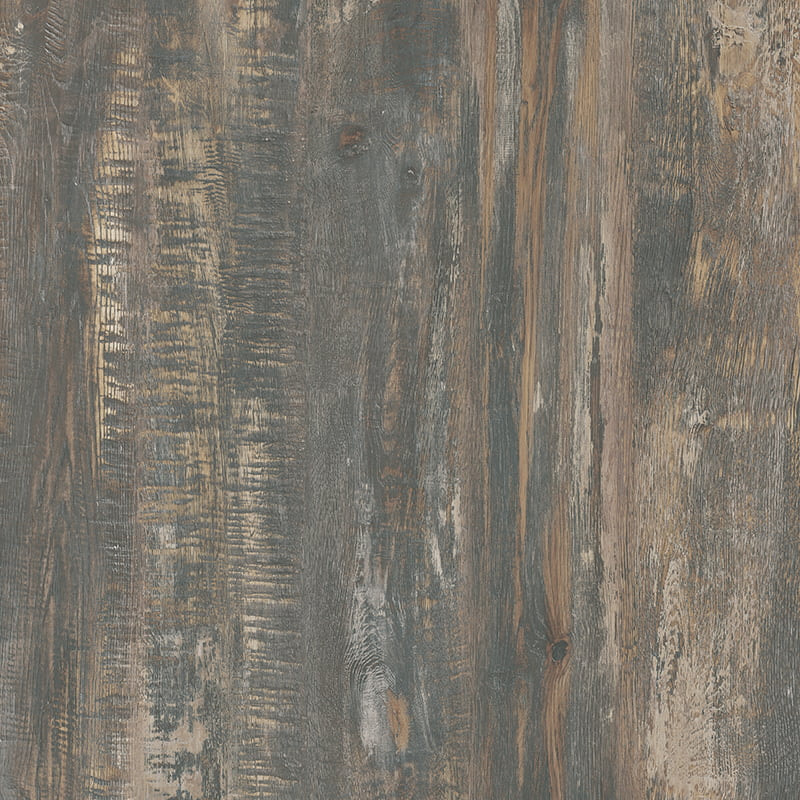
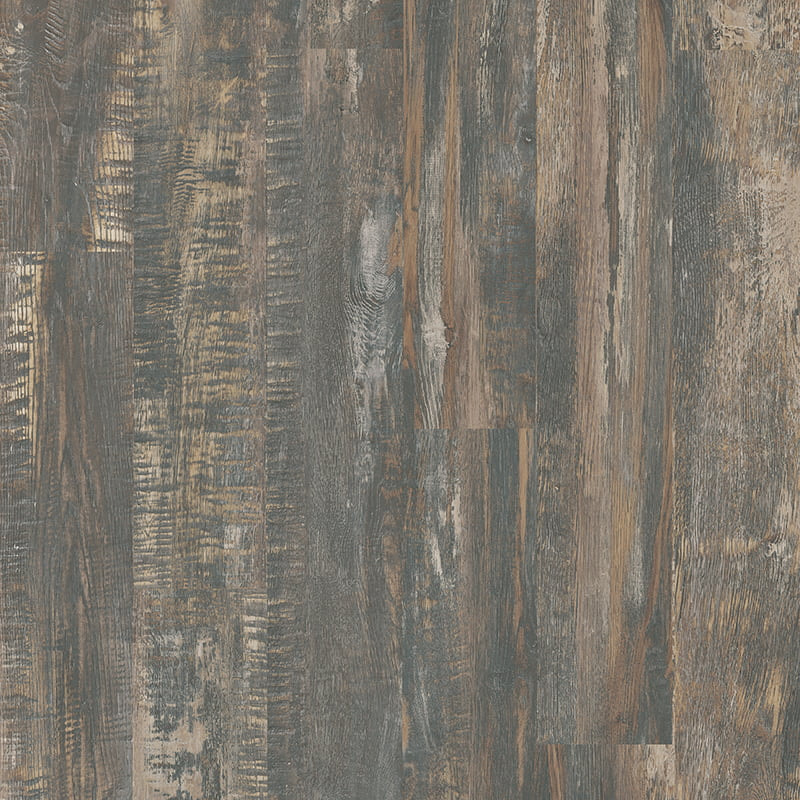
Model: YC892
Wood: Oak
Spec: 1000*1265mm
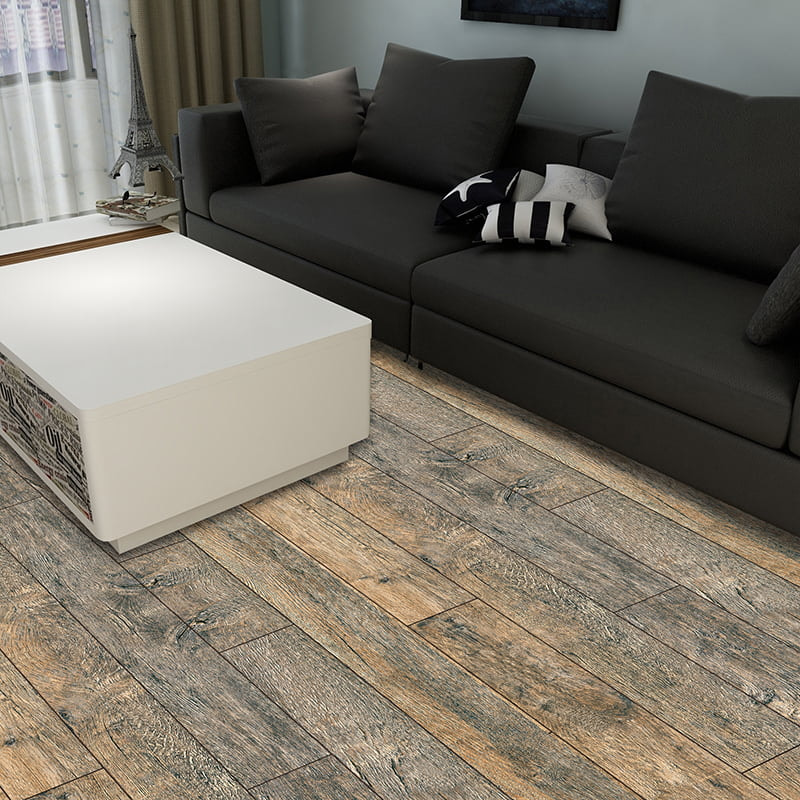
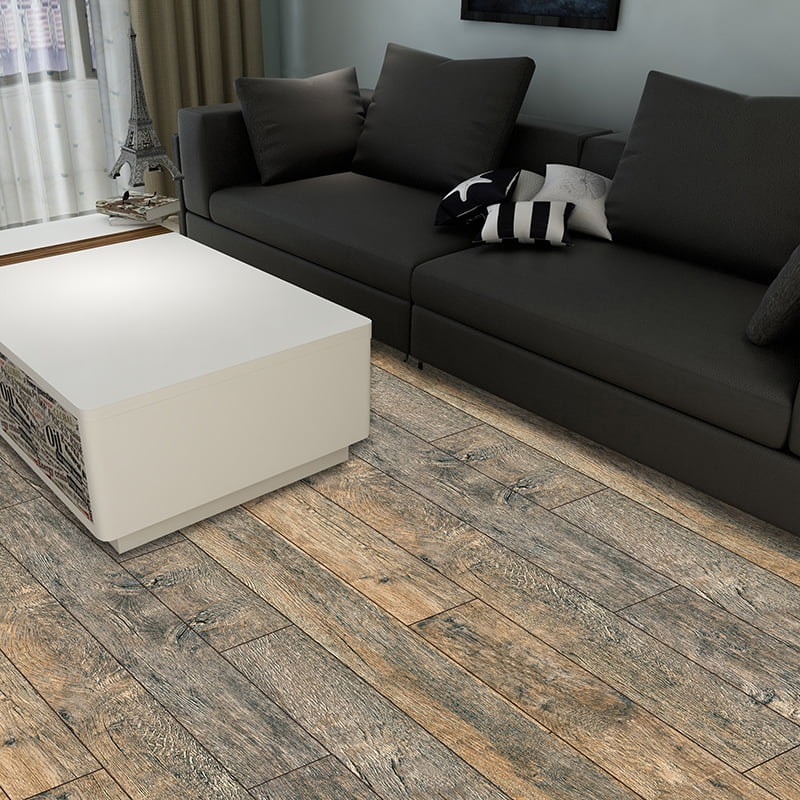
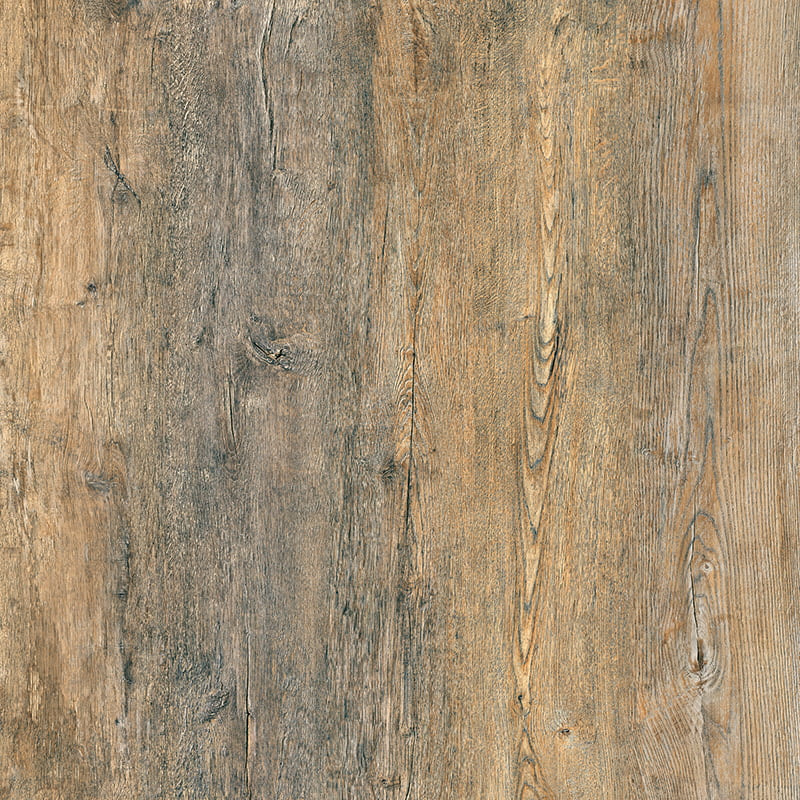
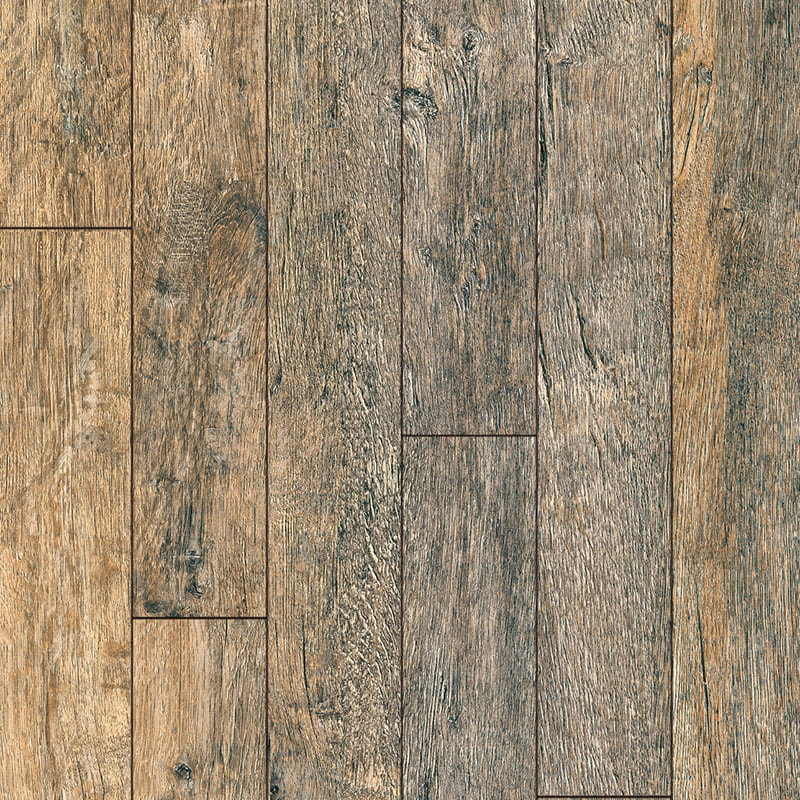
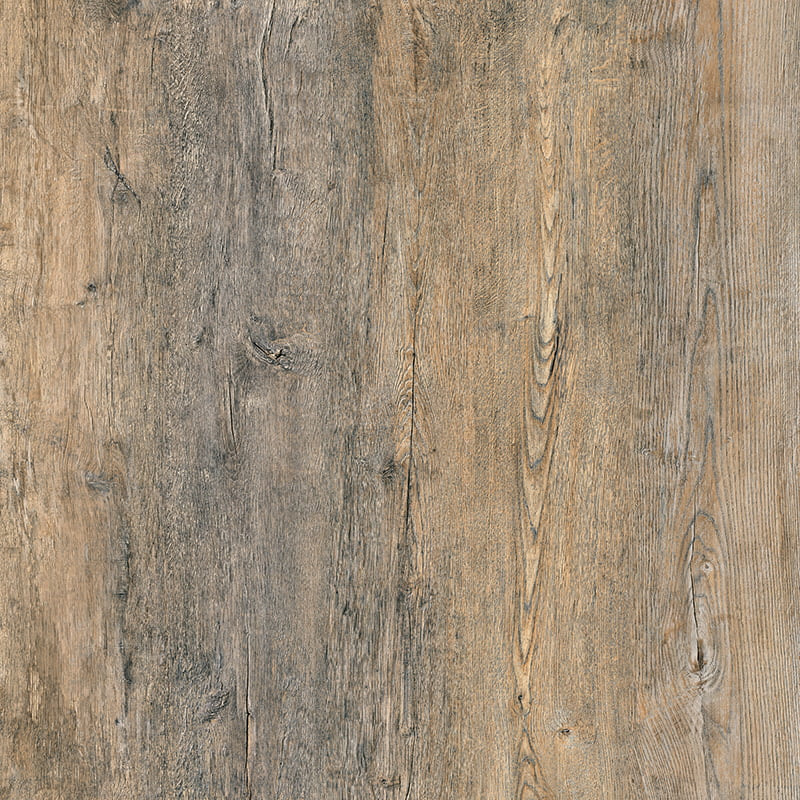
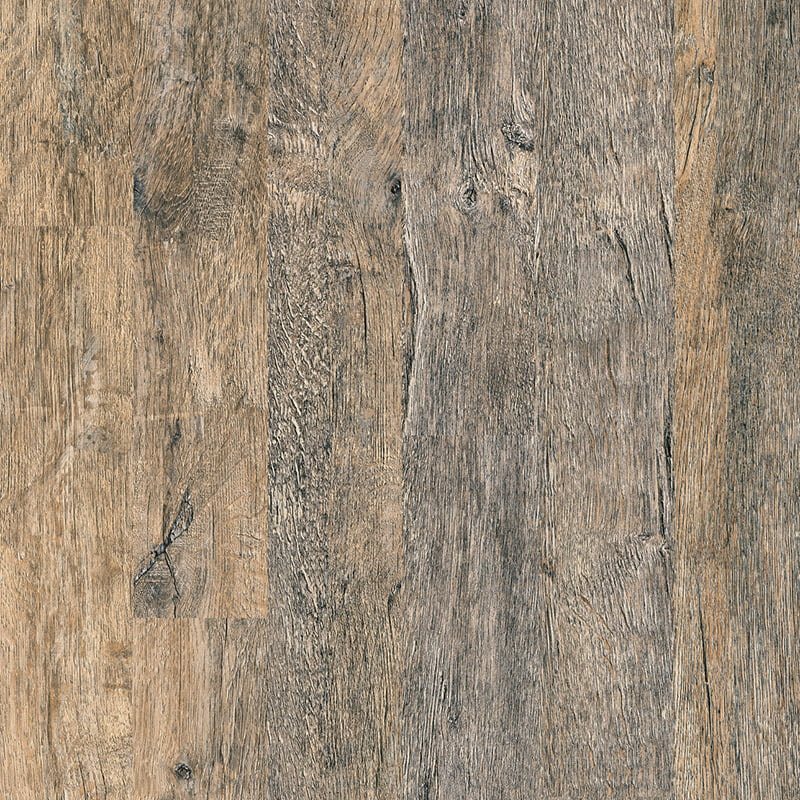
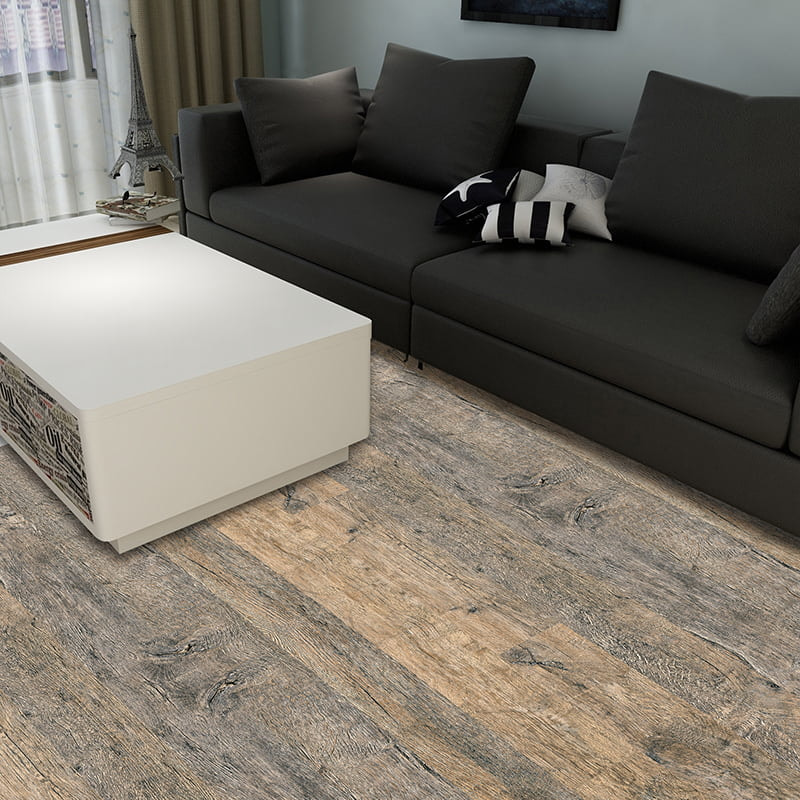

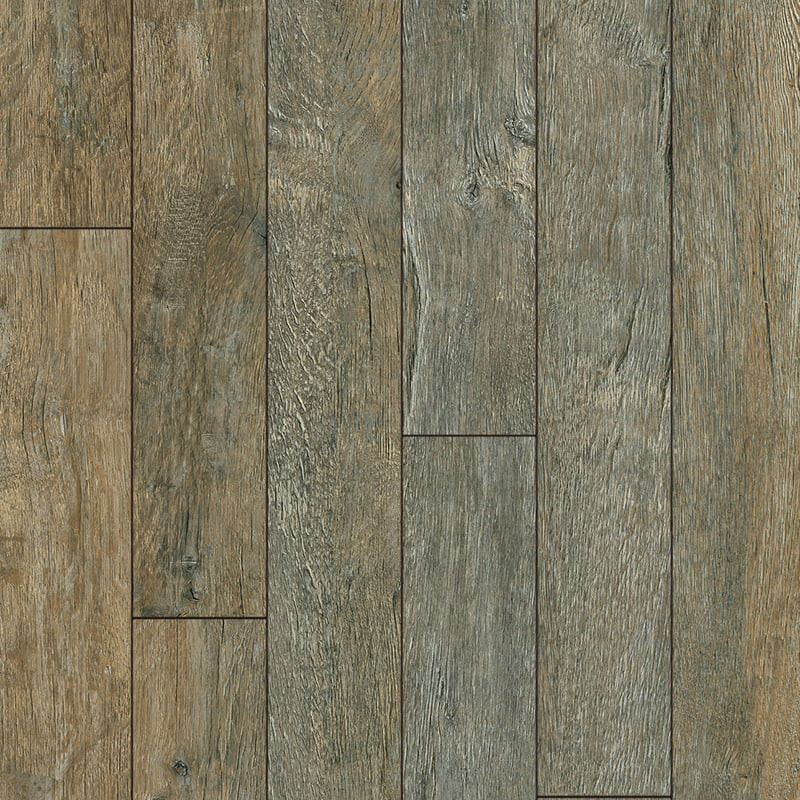
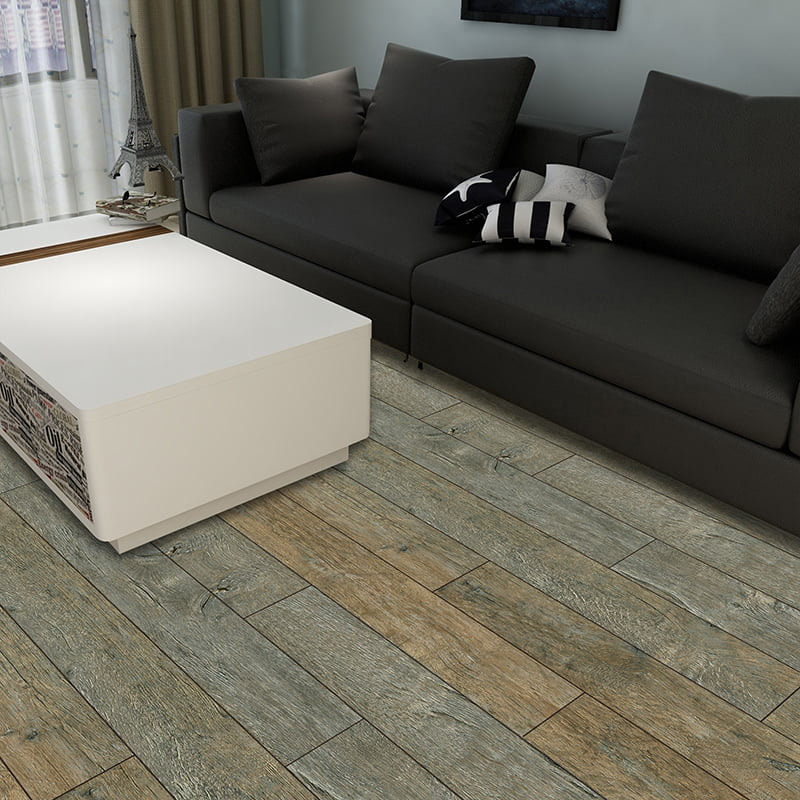
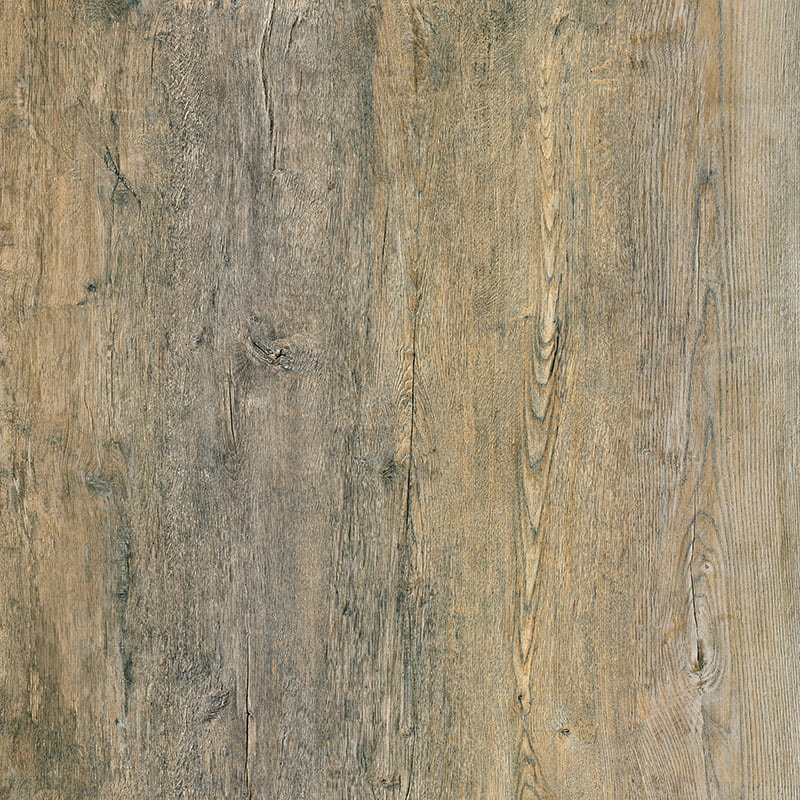
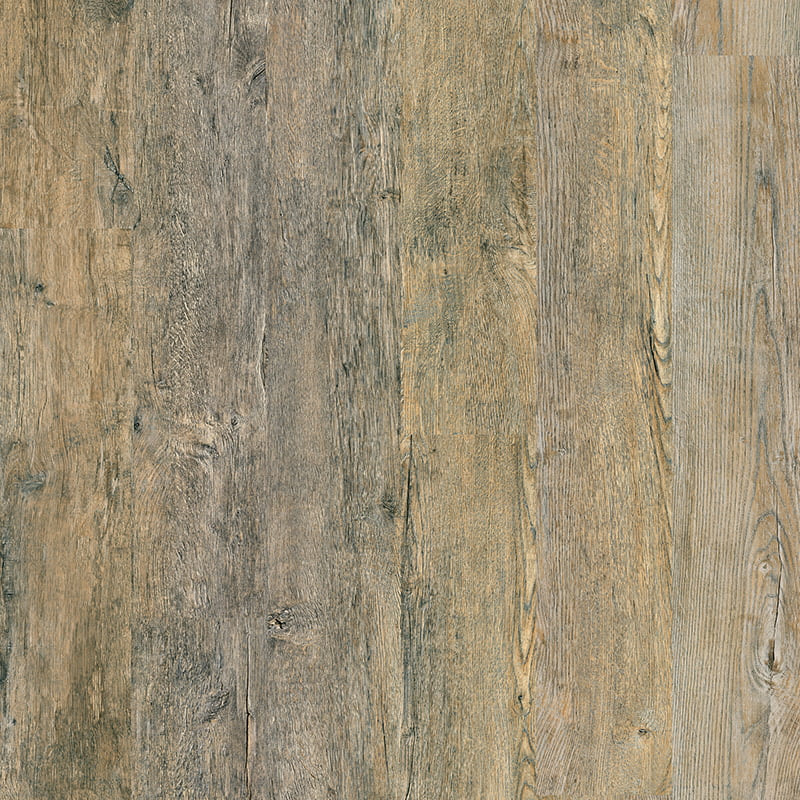

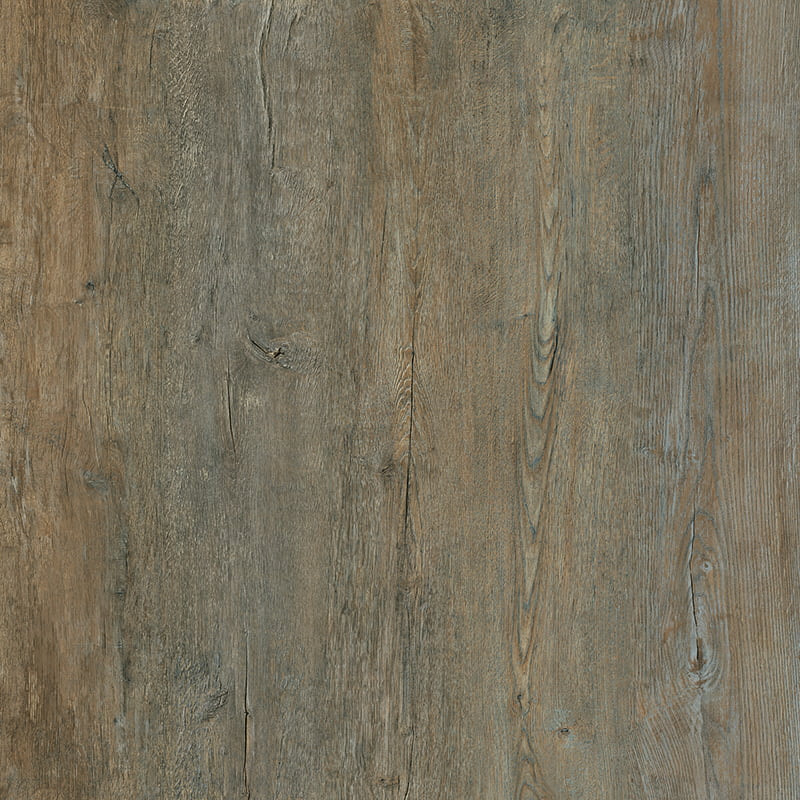
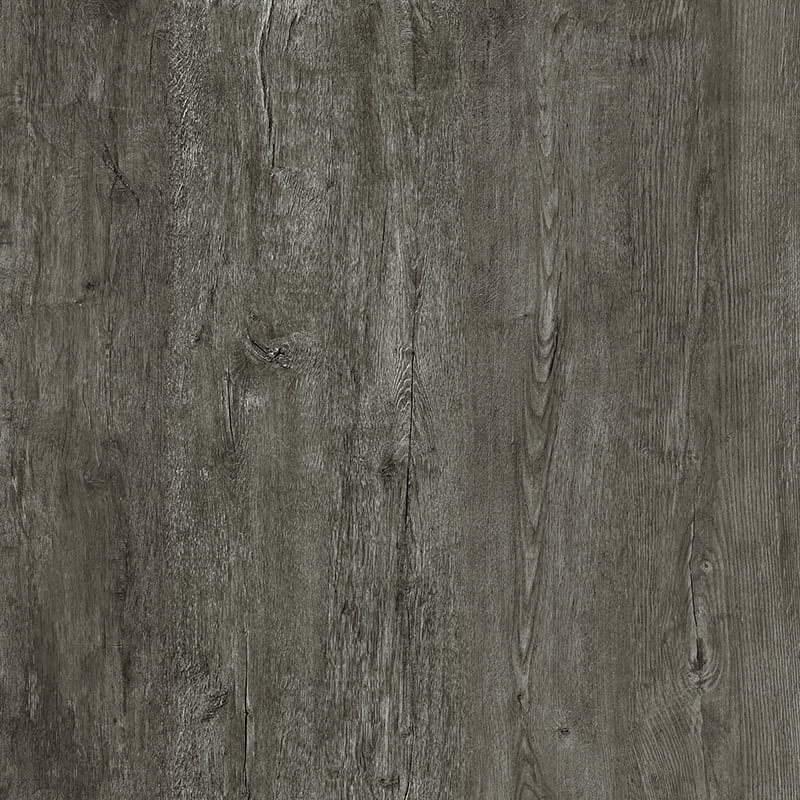
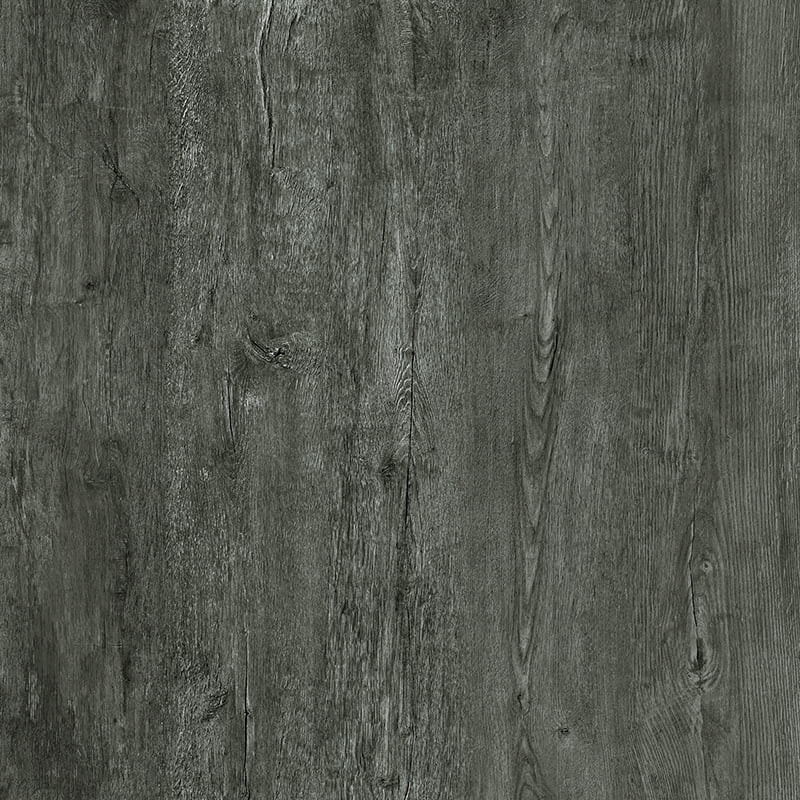
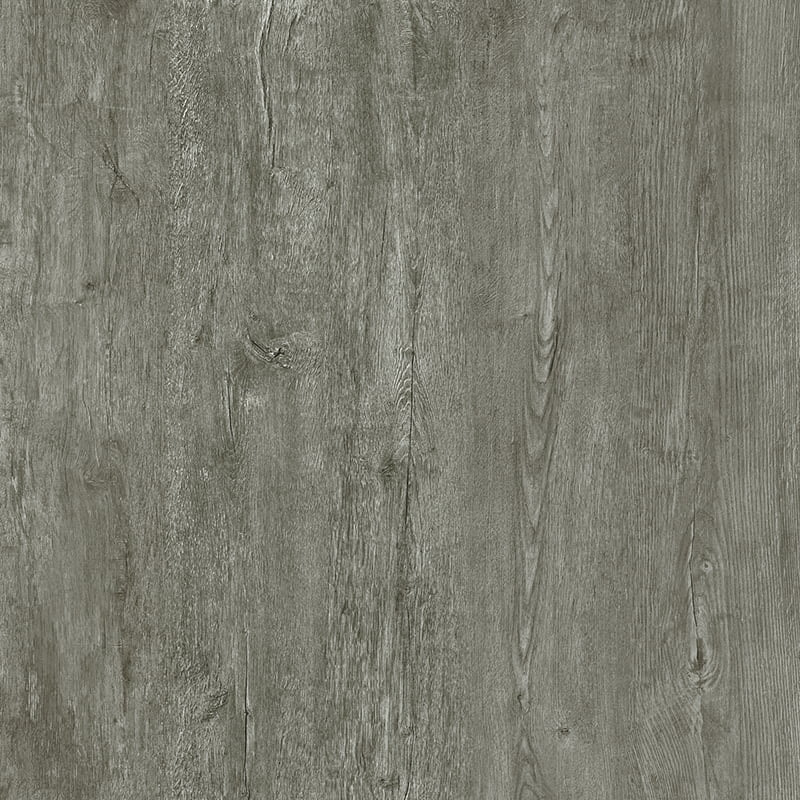
Model: YC893
Wood: Oak
Spec: 1000*1580mm
Walk through almost any furniture showroom and you will meet the same surface again and again: a warm, straight-grained...
View MoreHickory has quietly become one of the most requested wood looks in decorative film, and it is easy to see why. It carri...
View MoreYou can usually spot hickory from across a room. The cathedral arches are wide and confident, the colour drifts from pa...
View MoreWhen designers and manufacturers look for a wood grain surface that feels warm, natural, and timeless, hickory often co...
View MoreA workshop receives a bundle of pine veneer for twelve wardrobe doors and finds that the color shifts noticeably betwee...
View MoreOak is a ring-porous hardwood, meaning its large-diameter vessels (pores) are concentrated in the early wood formed at the start of each growing season, then transition abruptly to smaller vessels in the denser late wood. This anatomy produces the characteristic alternating bands of light and dark that define the species visually. What makes oak genuinely difficult to reproduce accurately in a PVC decorative film is not the banding itself — that is relatively straightforward to print — but the medullary rays: thin sheets of parenchyma cells that radiate outward from the center of the tree and appear as fine, lustrous streaks running perpendicular to the grain direction. In flat-sawn oak lumber these rays appear as short dashes; in quarter-sawn oak they are exposed along their full length and produce broad, silvery flecks that are the defining feature of premium "ray figure" oak.
Reproducing medullary rays in a gravure-printed film requires screen rulings of at least 120 lines per centimeter and ink viscosities tuned to allow very fine cell transfer without plugging. The rays must also be printed with a slight tonal shift — typically a warm silver or pale gold — that distinguishes them from the surrounding wood tone without appearing as a separate, superimposed element. Films that simplify or omit this detail tend to read as generic light-colored wood rather than convincingly as oak, a distinction that experienced furniture buyers and interior designers detect immediately, even if they cannot always articulate the anatomical reason.
The appearance of oak changes dramatically depending on the angle at which the log is sawn relative to the growth rings, and oak PVC decorative film patterns are typically designed to represent one of three cut orientations. Understanding these distinctions helps specifiers choose the right pattern for the aesthetic context and helps manufacturers design cylinders that are botanically accurate.
When sourcing oak PVC film for a specific design brief, requesting samples of all three cut orientations allows a direct comparison under the intended lighting conditions before committing to a cylinder order or stocking position.
Oak has been the dominant wood species in global flooring and furniture trends for over a decade, and within that broad category the specific color direction has shifted substantially. Tracking these shifts — and understanding the pigment chemistry behind them — is useful for buyers planning stock ranges and for manufacturers calibrating their product development pipelines.
Through the mid-2010s, the dominant oak colors were medium warm tones: honey oak, golden oak, and amber oak, all working within a yellow-orange-brown range with relatively high saturation. These were replaced progressively by cooler, greyed, and bleached tones — whitewashed oak, smoked oak, and ash-grey oak — which align with the broader shift toward Scandinavian minimalism and light-reflective interiors. More recently, warm tones have returned but at lower saturation and higher value: warm greige, aged linen, and dusty cognac are current directions in European residential flooring.
Each of these color zones places different demands on the ink formulation. Bleached and whitewashed effects require a near-white base film with a transparent grey or beige overprint, and the base film's own whiteness (measured as CIE whiteness index) directly affects the achievable brightness of the finished pattern. Smoked oak — which simulates the ammonia-fuming technique used on real oak to darken the tannin-rich rays selectively — requires a grey-violet underprint that shifts the ray color toward brown-grey while leaving the field wood lighter; getting the relative density of these two elements right is a cylinder and ink calibration challenge that cannot be solved by post-production color correction. Our development team tracks these color directions continuously across major international trade fairs, translating market signals into new cylinder designs within our oak series.
The gloss level of the wear layer or topcoat applied over an oak decorative film has a larger effect on perceived pattern character than most specifiers realize. Gloss is measured as 60° specular reflectance in GU (gloss units), with values typically ranging from below 5 GU (matte) to above 70 GU (high gloss). The choice of gloss level does not merely affect surface sheen — it fundamentally changes how the eye reads the grain pattern underneath.
At low gloss levels, specular reflection is diffuse and even across the surface. This allows the printed grain pattern to be the dominant visual element — the eye reads color and texture directly without competing highlights or reflections. Matte finishes are strongly preferred for rustic, aged, and hand-scraped oak designs because they mimic the light behavior of an unfinished or oil-finished wood surface. They are also more forgiving of subfloor unevenness in flooring applications, as they do not create the "pooling" reflections that reveal telegraphed imperfections under raking light.
The satin range is the most commercially versatile for oak film applications. It provides enough reflectivity to suggest a finished wood surface without the clinical hardness of high gloss, and it enhances the perception of depth in embossed grain textures by creating highlight-and-shadow contrast along the texture peaks and valleys. Quarter-sawn oak patterns perform particularly well in this gloss range because the medullary ray figure is enhanced by the directional reflectance component.
High gloss is used selectively in oak film applications — primarily in contemporary furniture facing and kitchen cabinet doors where a lacquered or piano-finish aesthetic is intentional. At these gloss levels, the surface reflection can partially mask fine print detail, making the choice of cylinder resolution less critical but also making any dust contamination, roller marks, or coating defects immediately visible. High-gloss oak films require extremely consistent wear layer application to avoid gloss variation, which reads as patchy or uneven under showroom lighting.
Oak PVC decorative film is applied to a wide range of substrates in different end-use applications — MDF and particleboard in furniture, SPC and HDF in flooring, aluminum profiles in architectural trim, and even ABS or PP injection-molded components in automotive and appliance interiors. Each substrate type introduces different compatibility challenges that, if unaddressed, lead to adhesion failure, telegraphing, or visible distortion of the grain pattern.
Not every quality issue in oak decorative film requires laboratory testing to detect. Several of the most commercially significant defects are visible under controlled inspection conditions, and knowing what to look for allows buyers to screen incoming goods or evaluate supplier samples before committing to a purchase.
The most reliable inspection method is to examine a 500 mm × 500 mm sample under three lighting conditions: diffuse overhead light, raking light at approximately 15° from horizontal, and backlighting (placing the sample on a light table). Each condition reveals different classes of defect. Under diffuse overhead light, color banding — stripes of slightly different density running parallel to the machine direction — is most visible; this indicates ink viscosity drift during the print run. Under raking light, surface contamination (gel particles, foreign inclusions), emboss depth variation, and film thickness irregularity all cast shadows that make them easy to locate. Under backlighting, thickness variation appears as lighter and darker zones, and pinholes — tiny voids through the film — appear as bright points, which are a concern in any application where the film acts as a moisture barrier.
Color consistency across the width of the roll is another check that visual inspection can address. Roll out two meters of film on a flat table and compare the left, center, and right thirds under identical lighting. A color shift greater than the eye's threshold (approximately ΔE 2.0 under D65) across the web width indicates an ink metering or doctor blade problem at the press. This cross-web color variation is often invisible in a narrow sample but becomes obvious when wide panels are laid adjacent to each other during installation. We maintain strict cross-web color consistency standards across our oak series and provide spectrophotometric data on request for customers who need documented evidence of compliance with their own quality specifications.
For large-scale projects — hospitality fit-outs, residential developments, or extended furniture production runs — sourcing oak decorative film across multiple production batches introduces the risk of visible color or texture variation between early and late deliveries. This is a practical challenge that affects every film manufacturer, and understanding its sources helps buyers take protective measures at the procurement stage.
Lot-to-lot variation originates from several compounding sources: pigment batch variation from the ink supplier (even nominally identical pigment lots can differ by ΔE 0.5–1.0), cylinder wear (a chrome-plated cylinder gradually loses cell depth over its production life, reducing ink transfer density by 3–8% over a full cylinder lifespan), and substrate batch variation (base film whiteness and caliper influence the visual density of the overprint). Each of these effects is small individually, but they can combine to produce a perceptible shift — particularly in pale, low-saturation oak colors where the eye is sensitive to small tonal differences.
The practical mitigation steps for buyers with large continuous requirements include the following:



Contact
 China Company Address: No.5 Zhaojia Road,
Vietnam Factory Address: GNP Yen Binh
1 - lndustrial Center (Lot CN13,CN18,Yen
Binh Industrial Park, Ward, Dng Tien, Ph8 Yen,
Thai Nguyen 24000)
Thailand Factory Address: 289/12 Moo 7, Klong Kiu Sub-District, Ban Bueng District, Chonburi 20220 THAILAND
China Company Address: No.5 Zhaojia Road,
Vietnam Factory Address: GNP Yen Binh
1 - lndustrial Center (Lot CN13,CN18,Yen
Binh Industrial Park, Ward, Dng Tien, Ph8 Yen,
Thai Nguyen 24000)
Thailand Factory Address: 289/12 Moo 7, Klong Kiu Sub-District, Ban Bueng District, Chonburi 20220 THAILAND
 Tel: +86-13685281168
+86-13813687178
Tel: +86-13685281168
+86-13813687178
 E-mail: [email protected]




 English
 русский