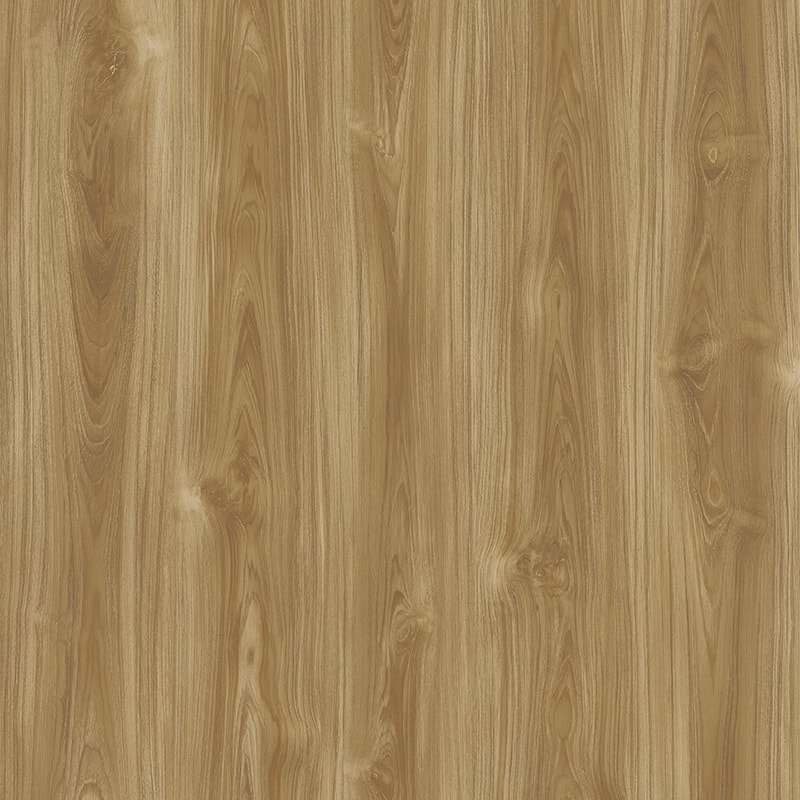
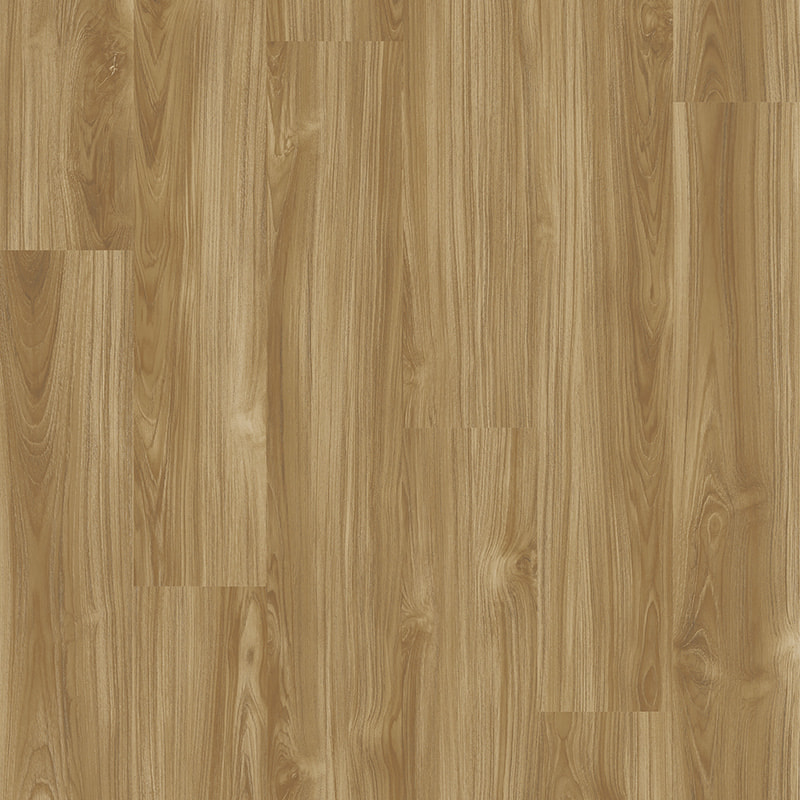
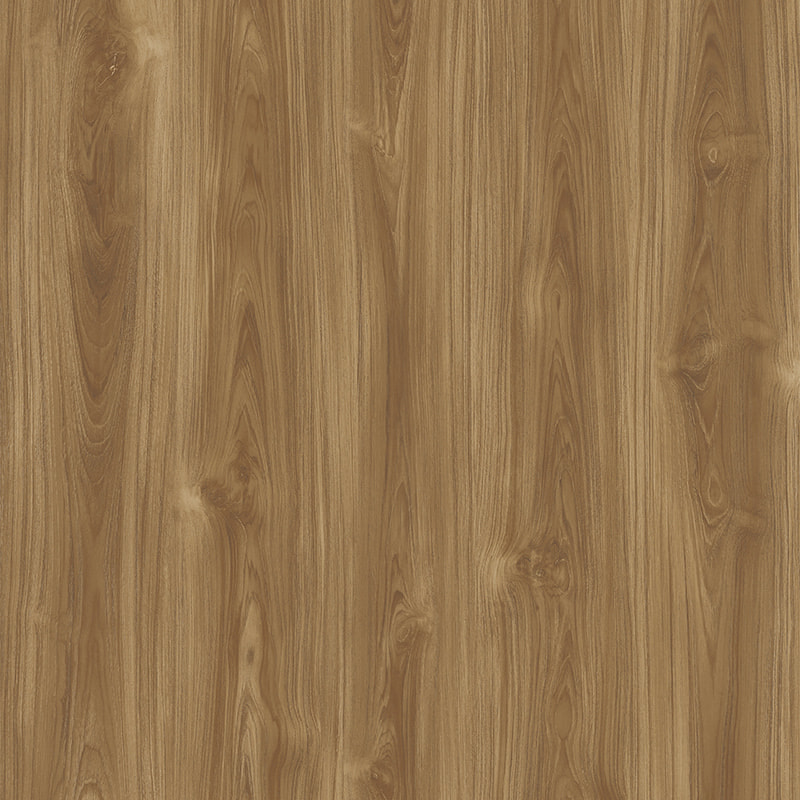
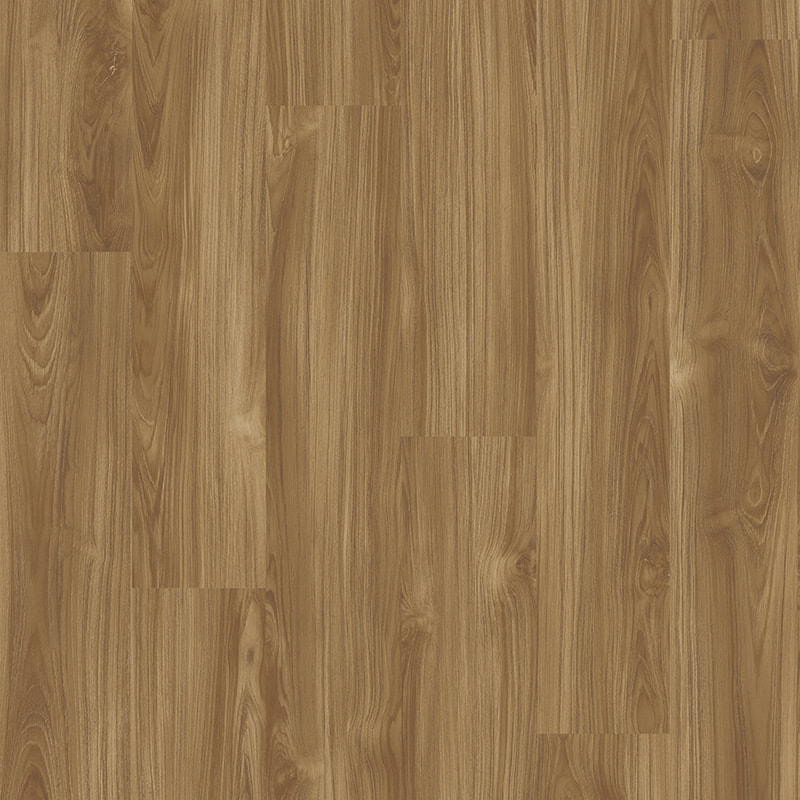
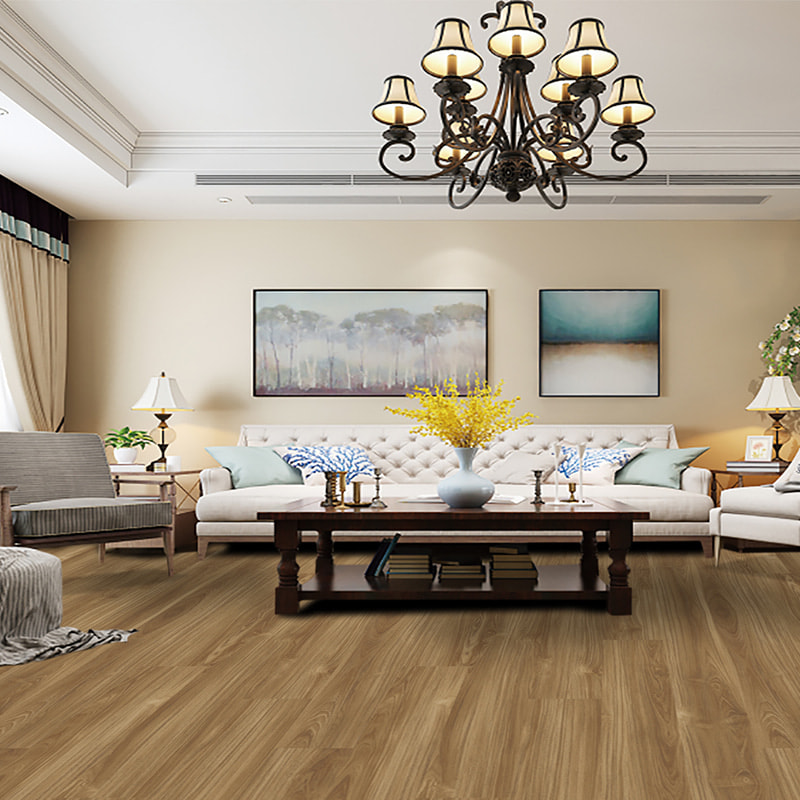
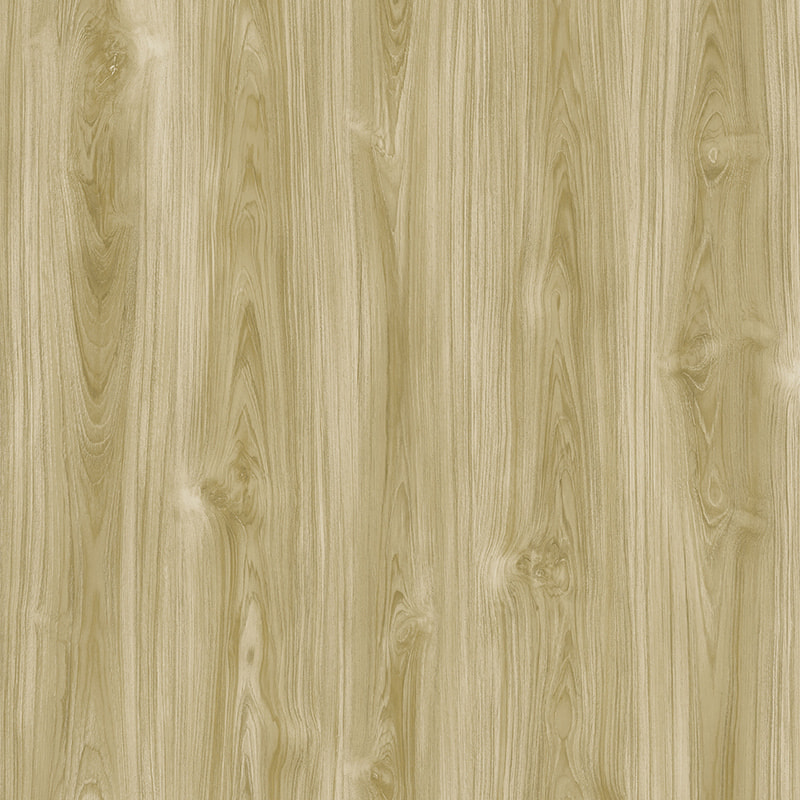
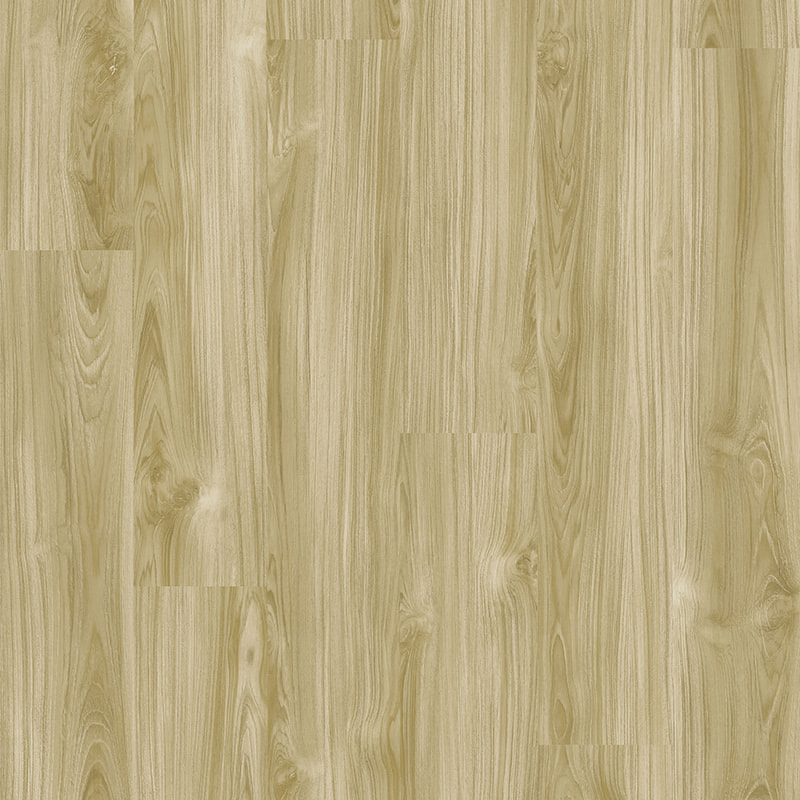
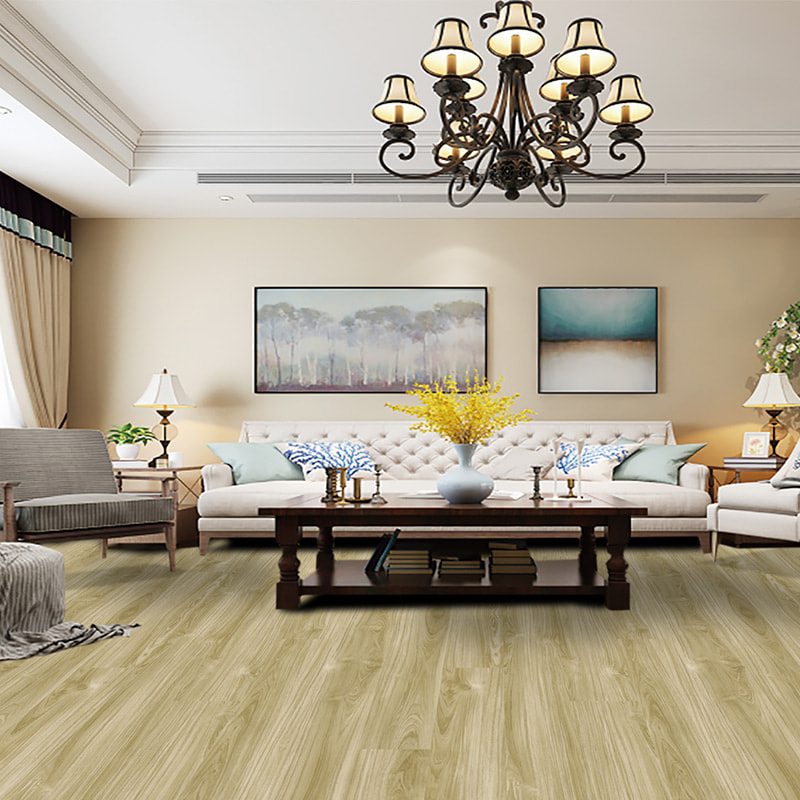
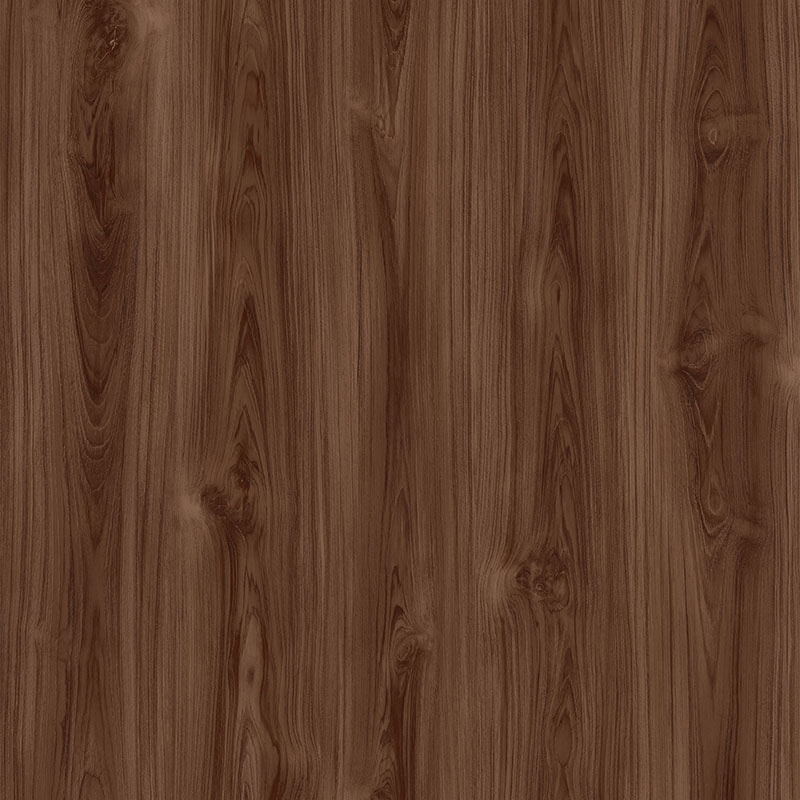
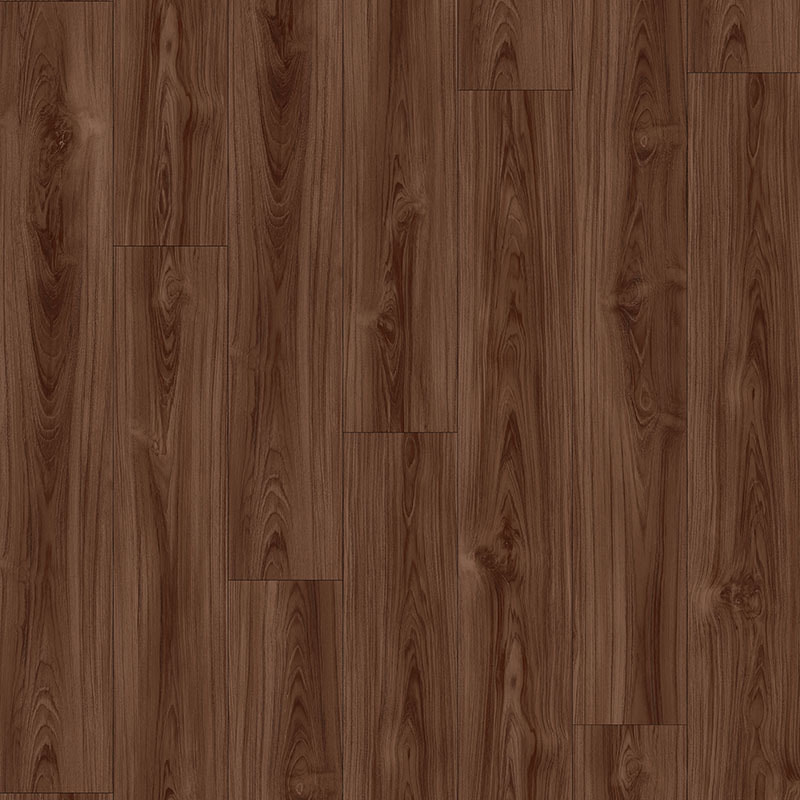
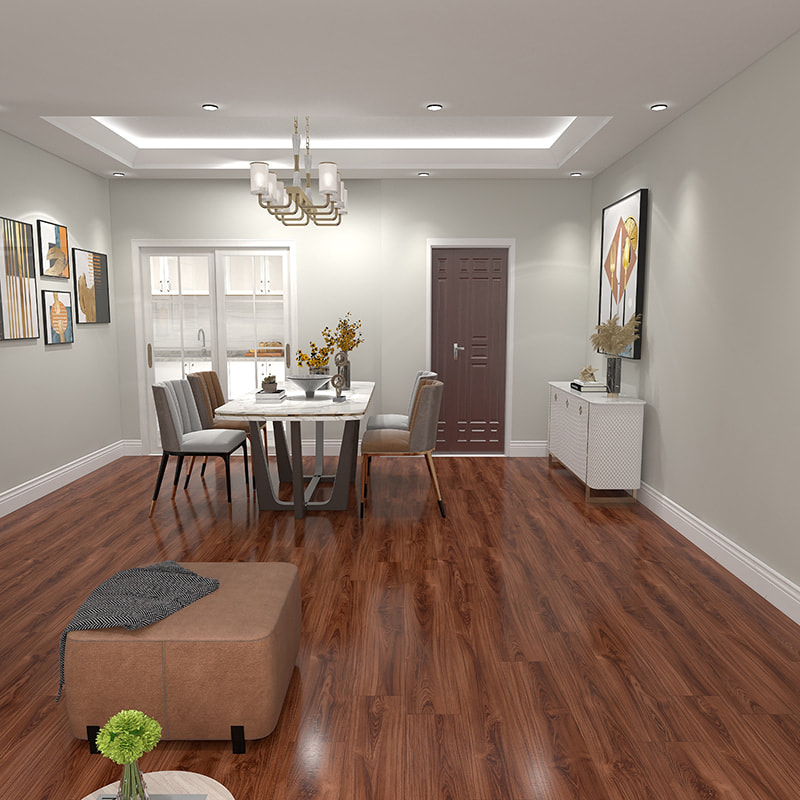
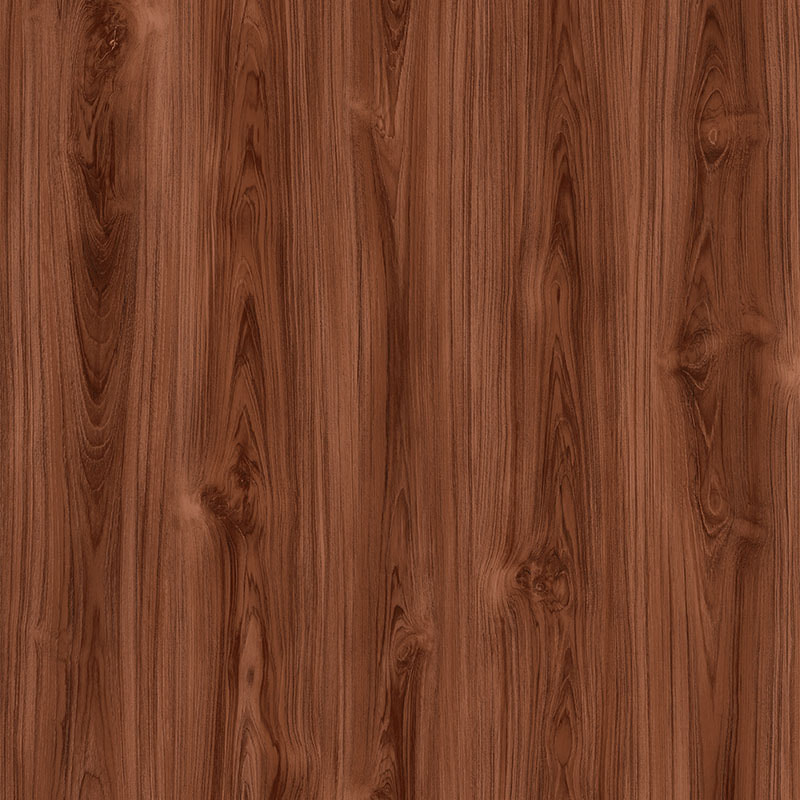
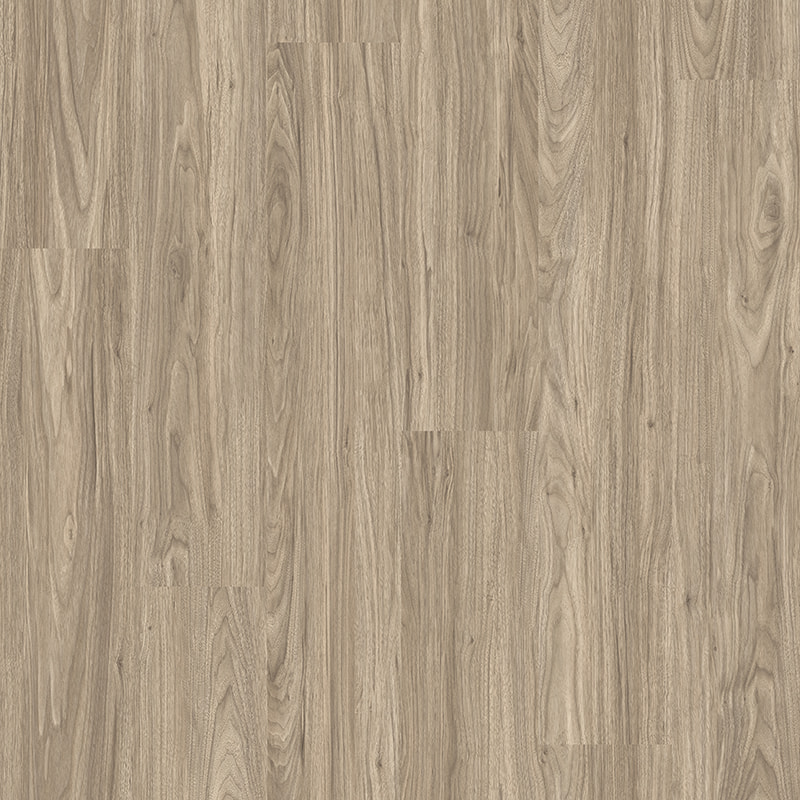
Walnut is a wood with a strong sense of vertical lines, so its straight grain is its important grain feature. The straight-grained walnut wood has a deep color, clear lines, clear texture, and delicate texture.
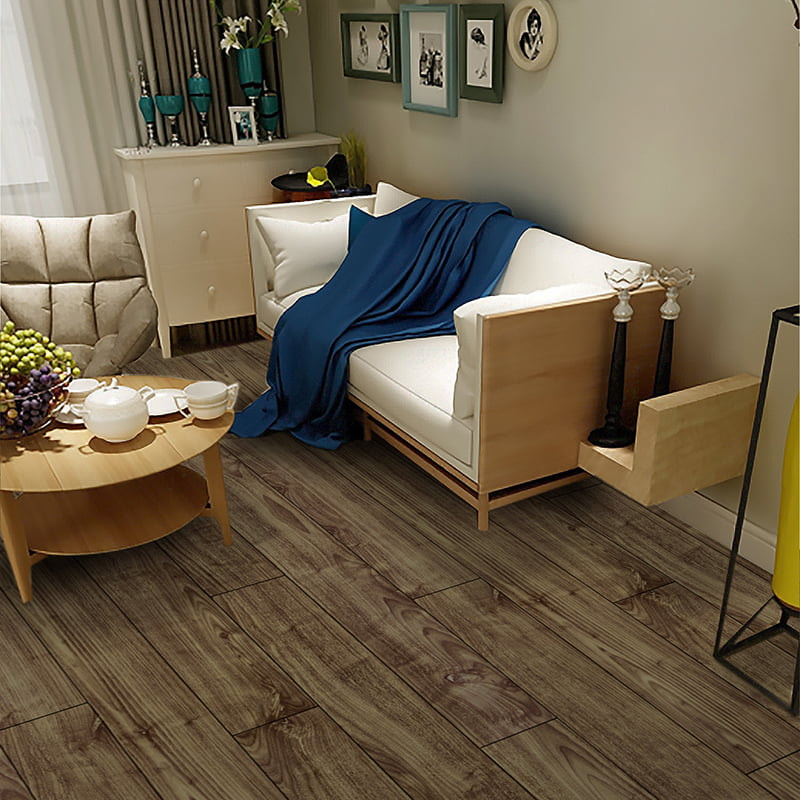
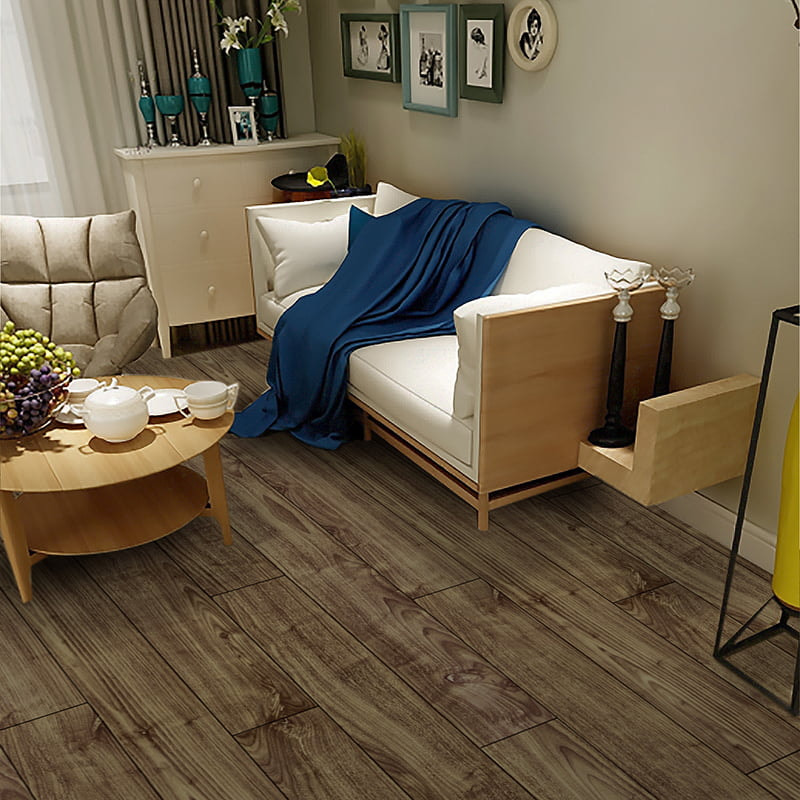
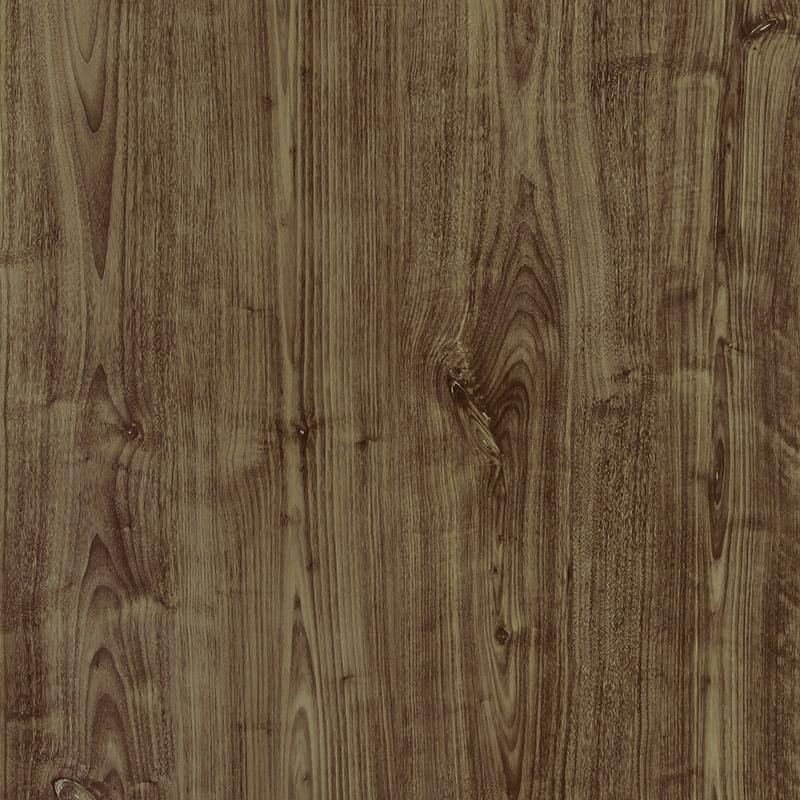
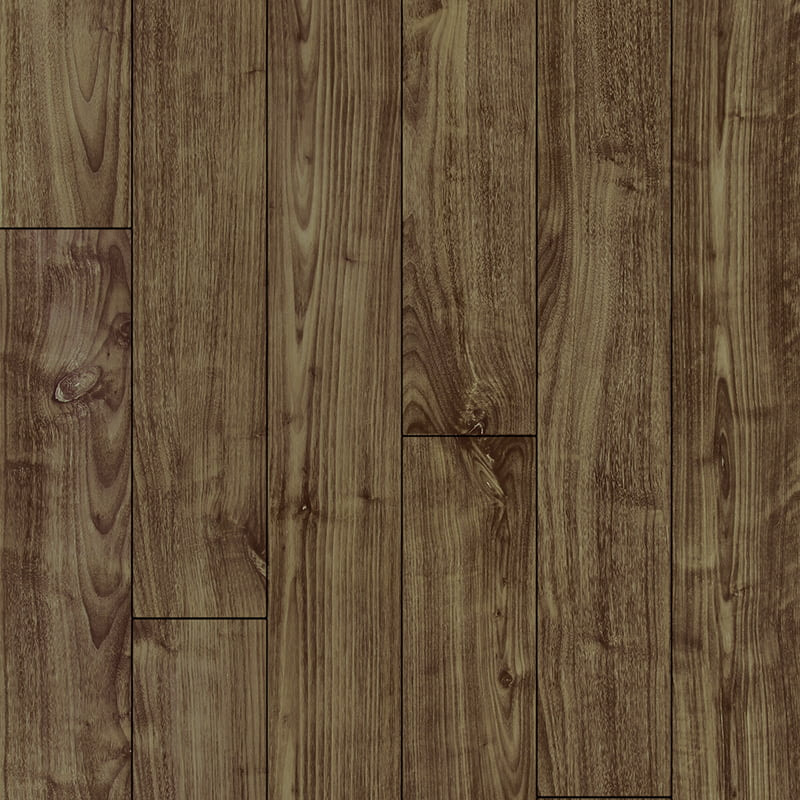
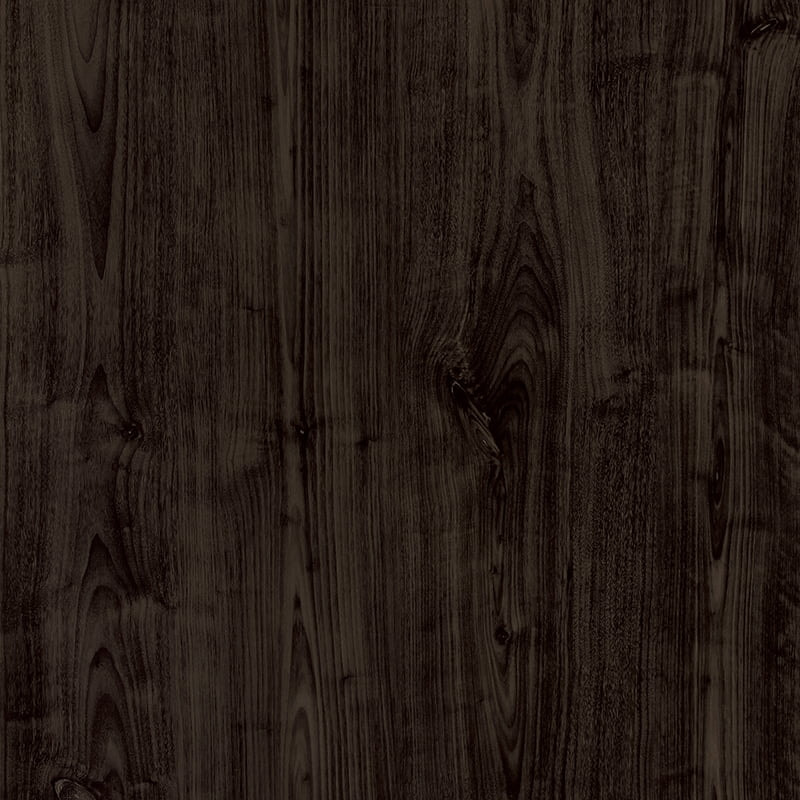
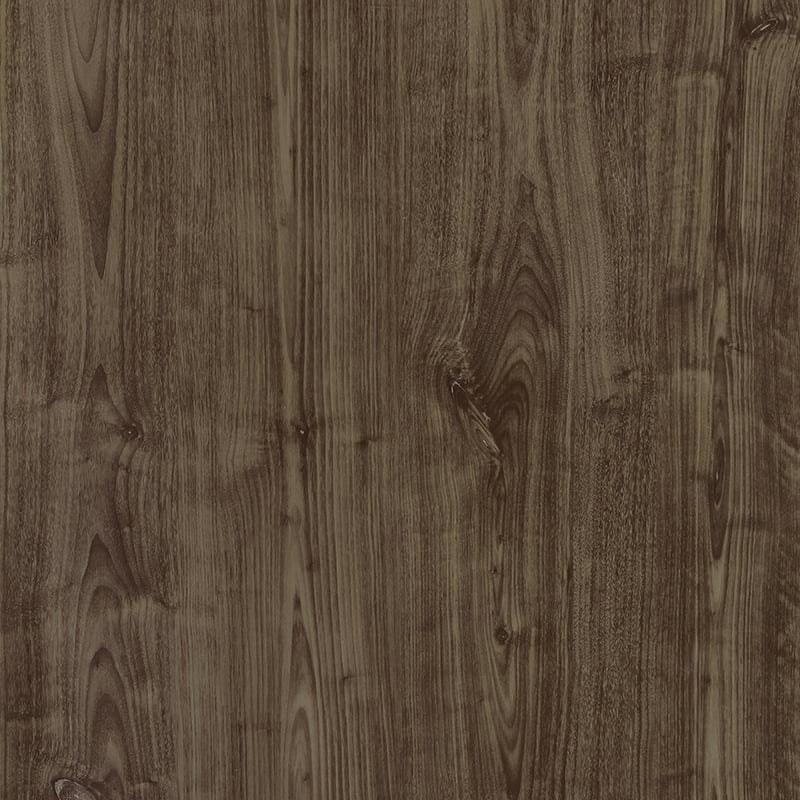
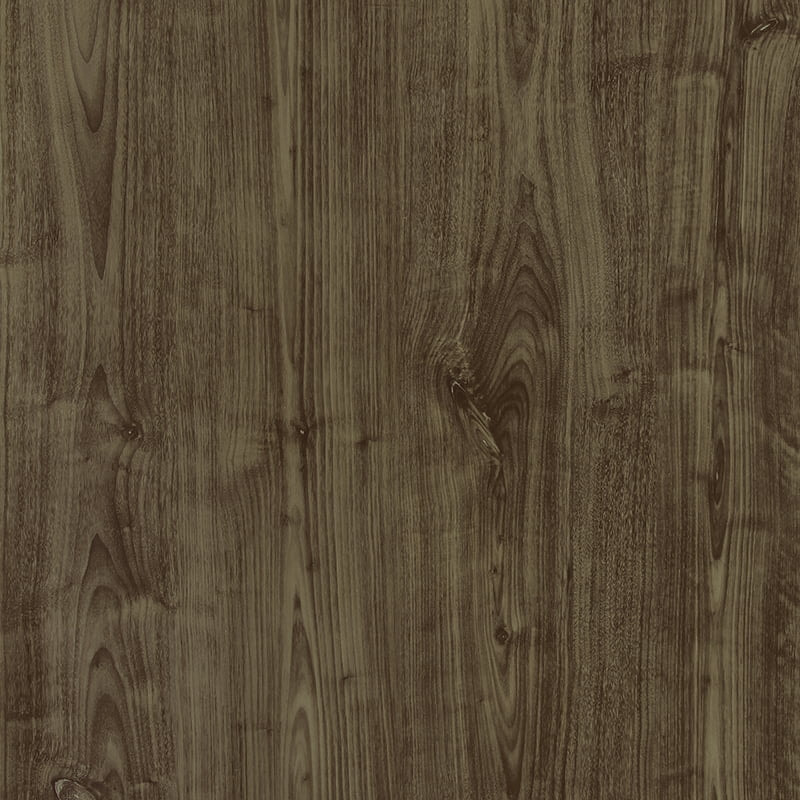
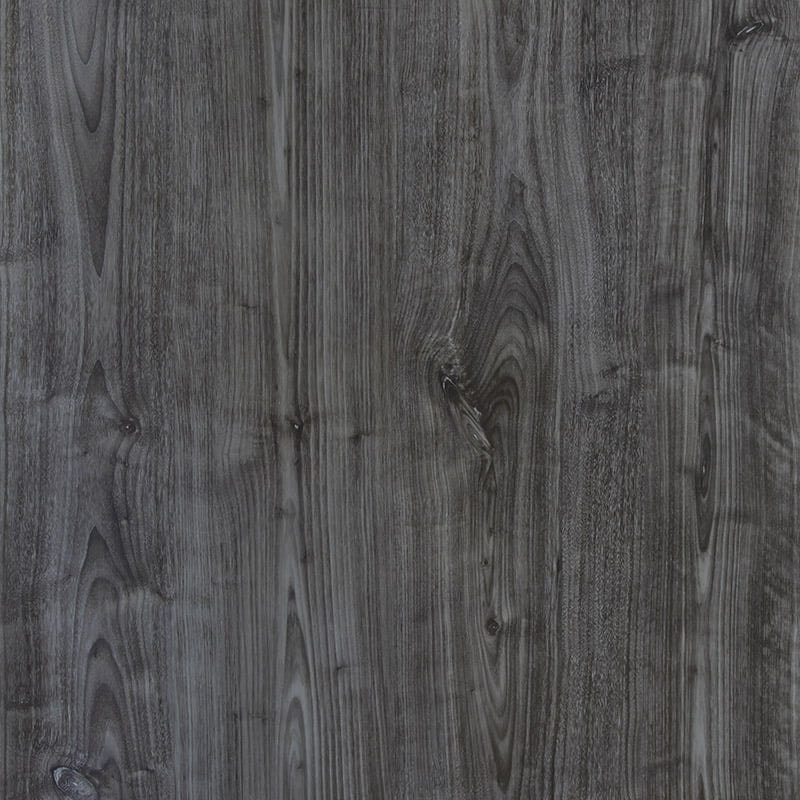
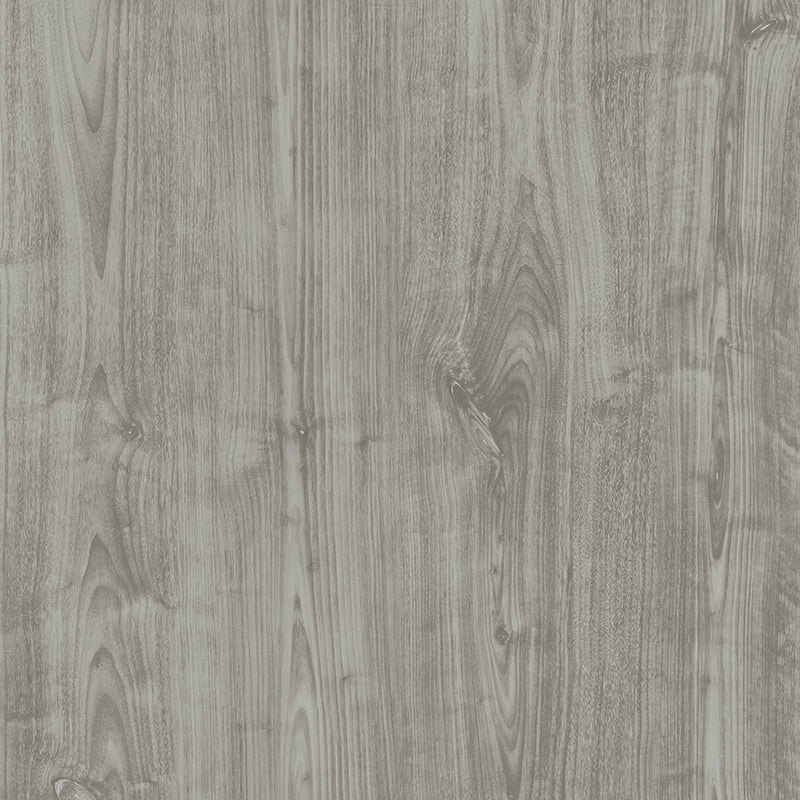
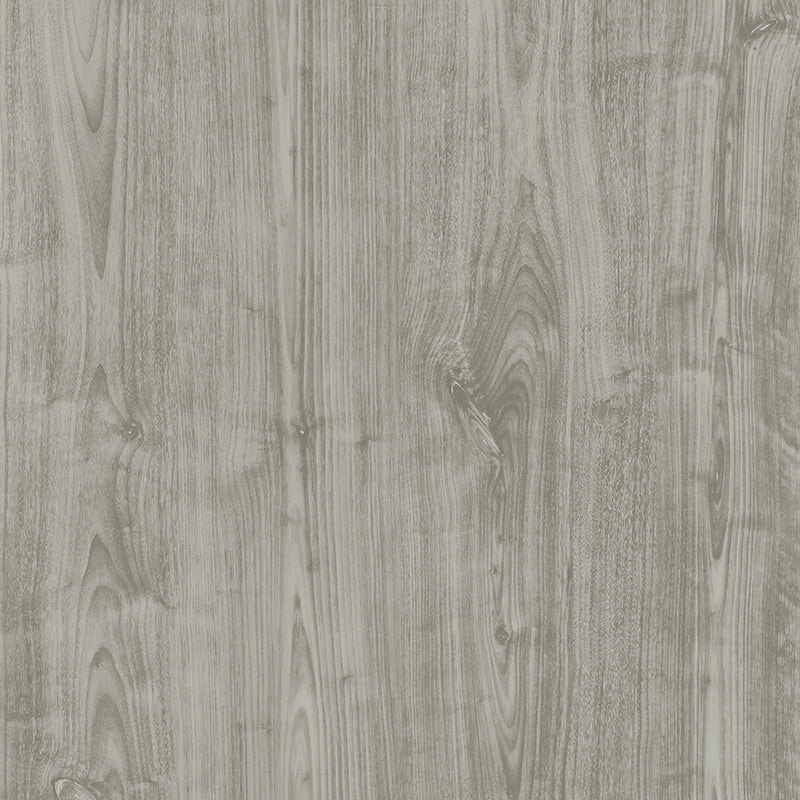
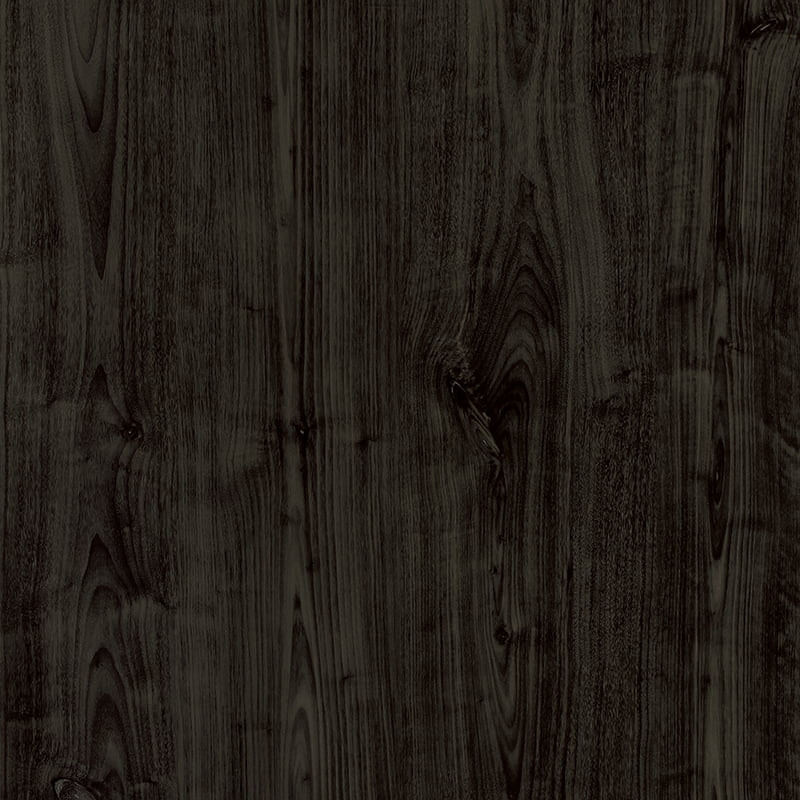
Model: YC837
Wood: Walnut
Spec: 1000*1580mm
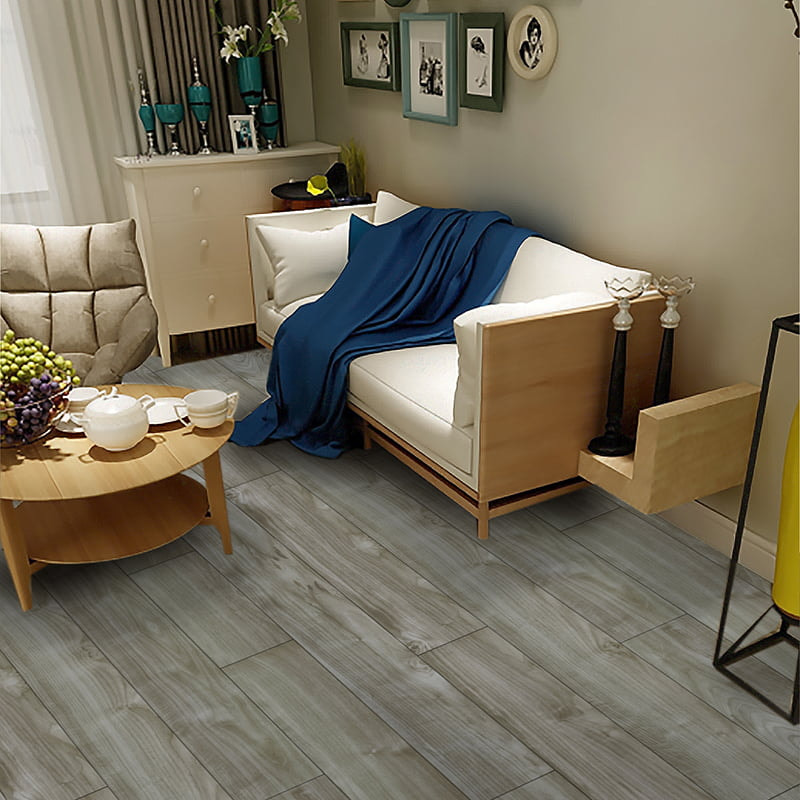
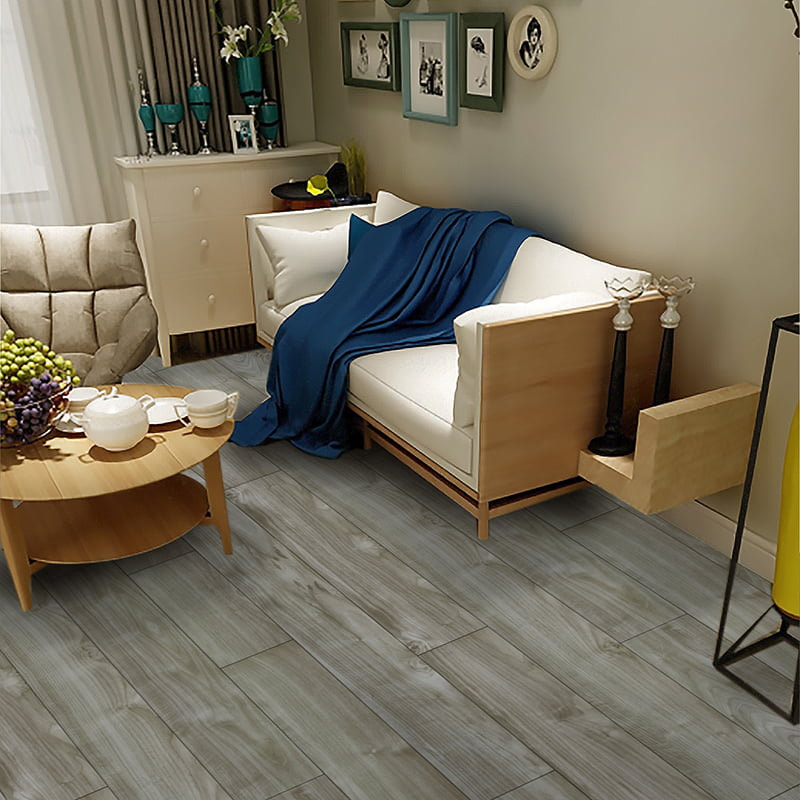
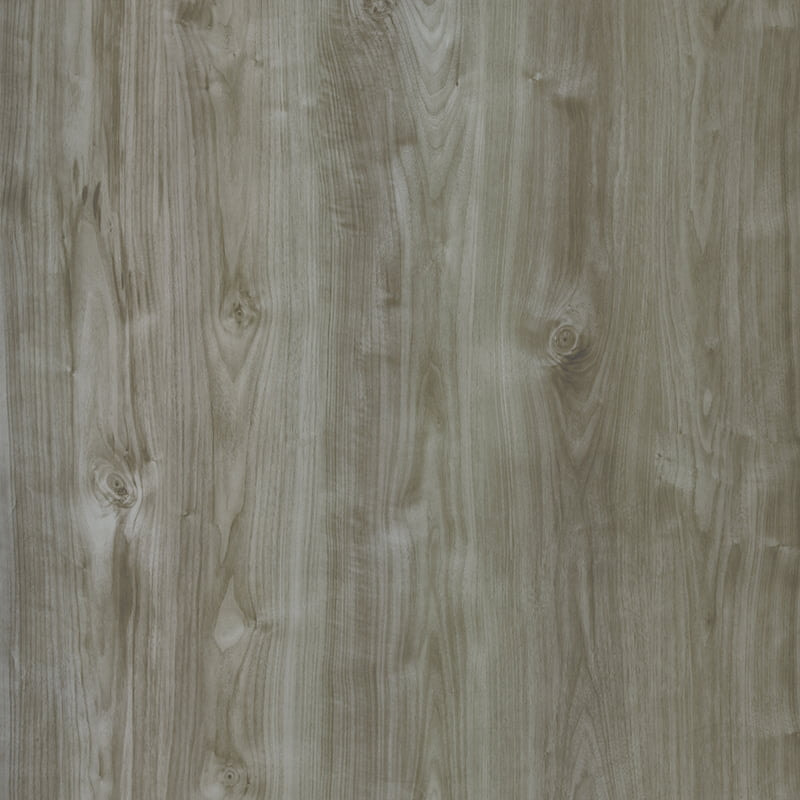
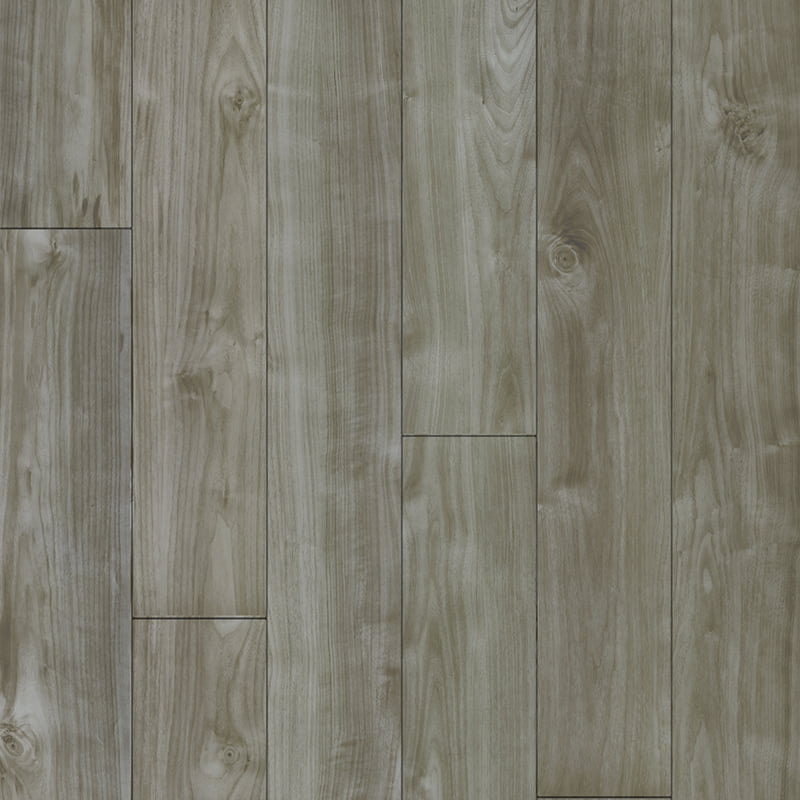
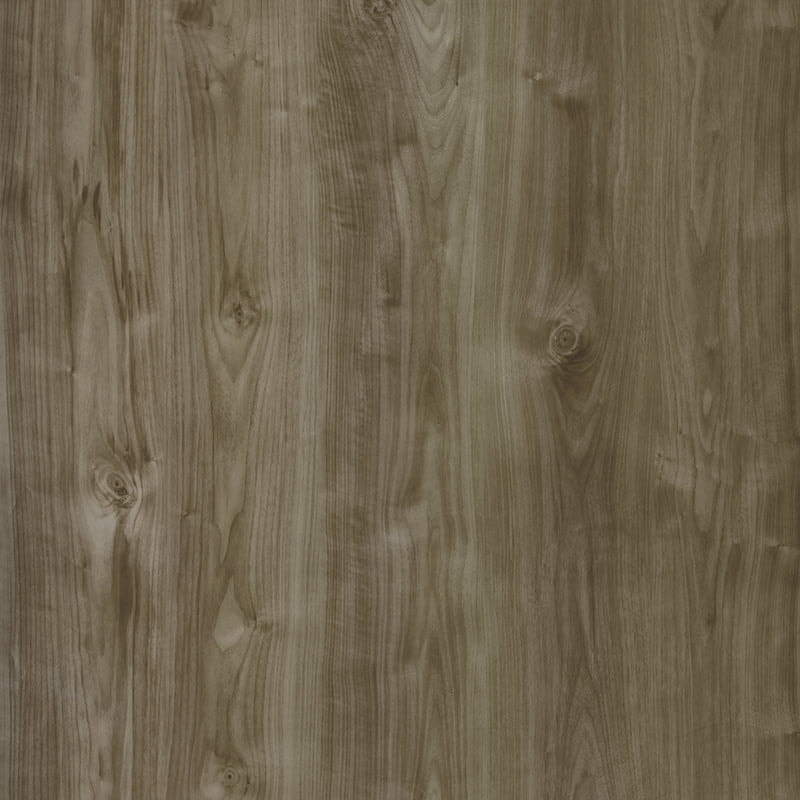
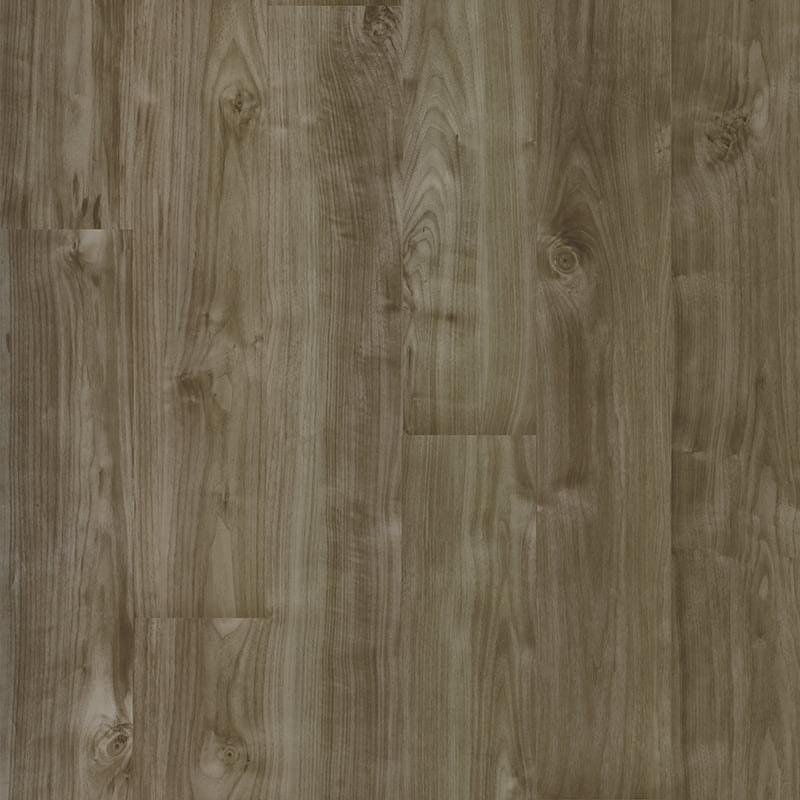
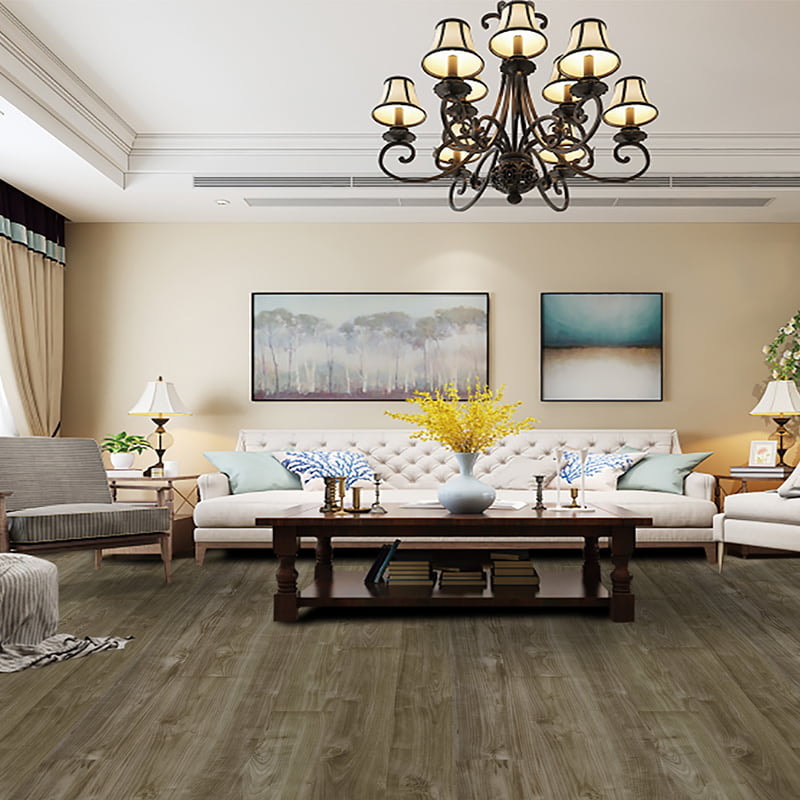
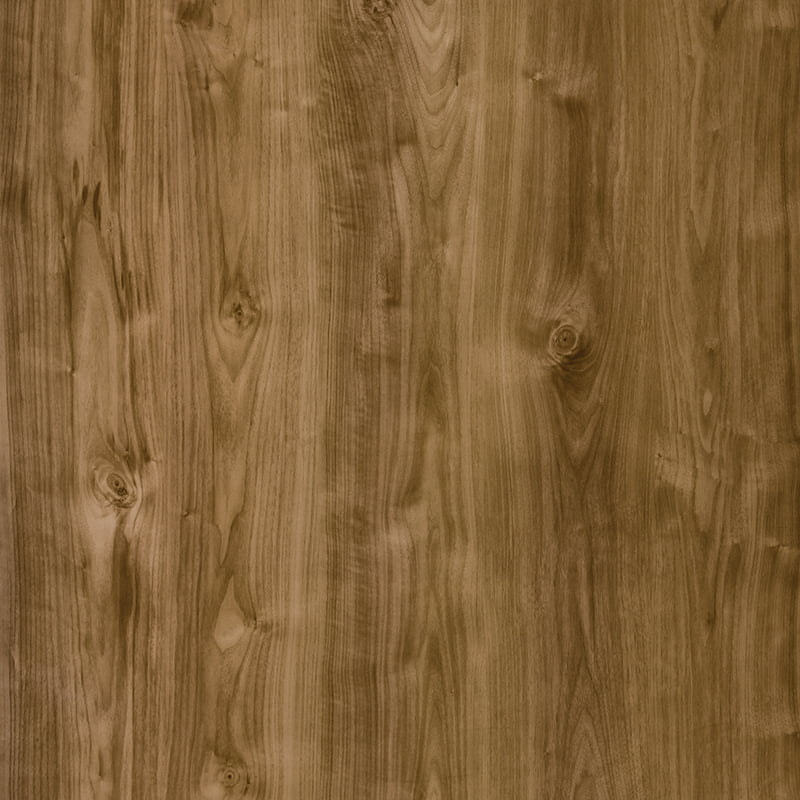
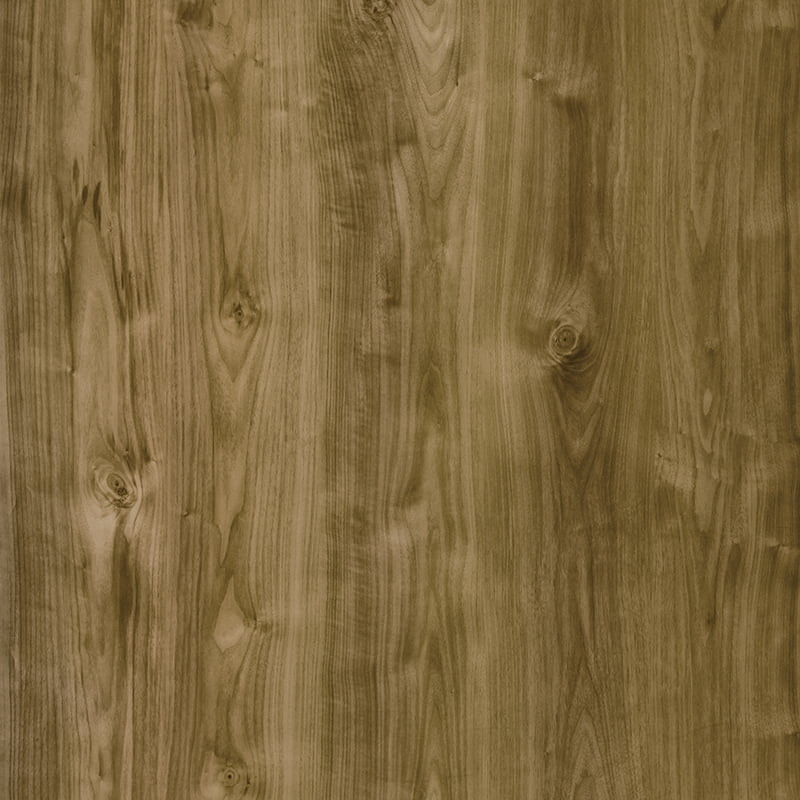
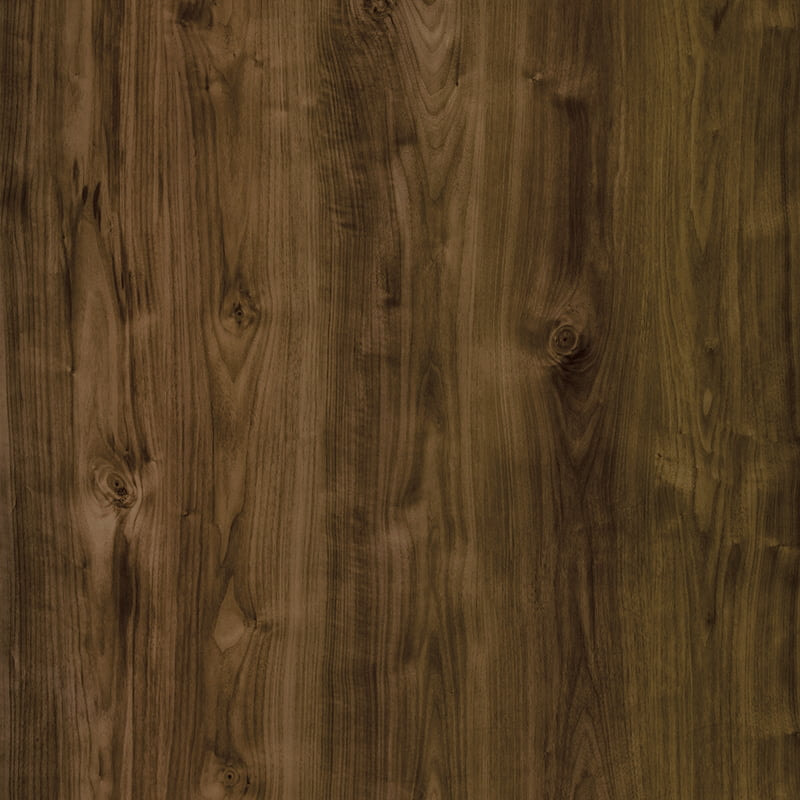
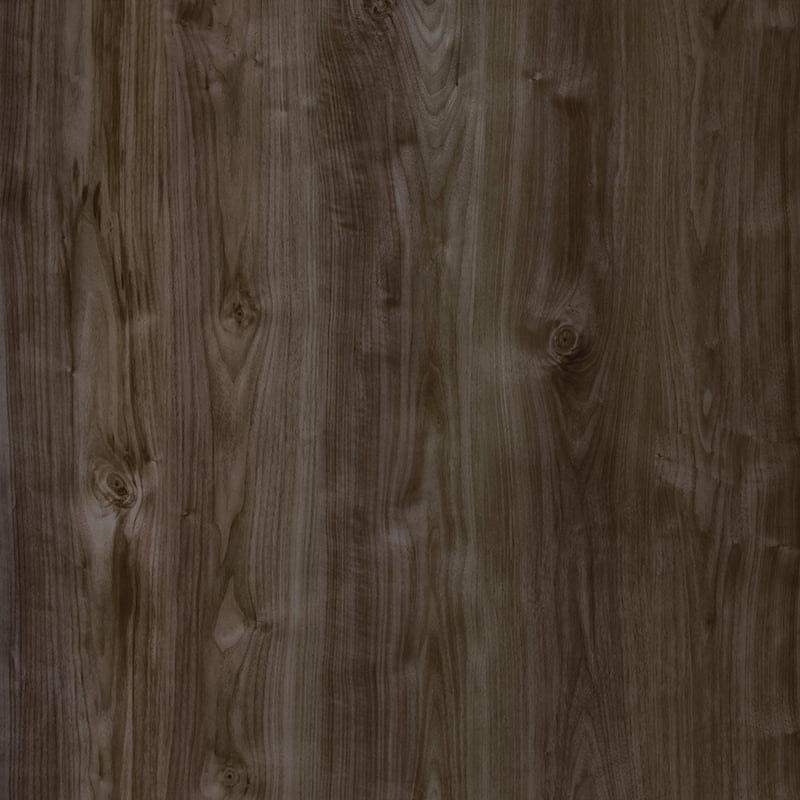
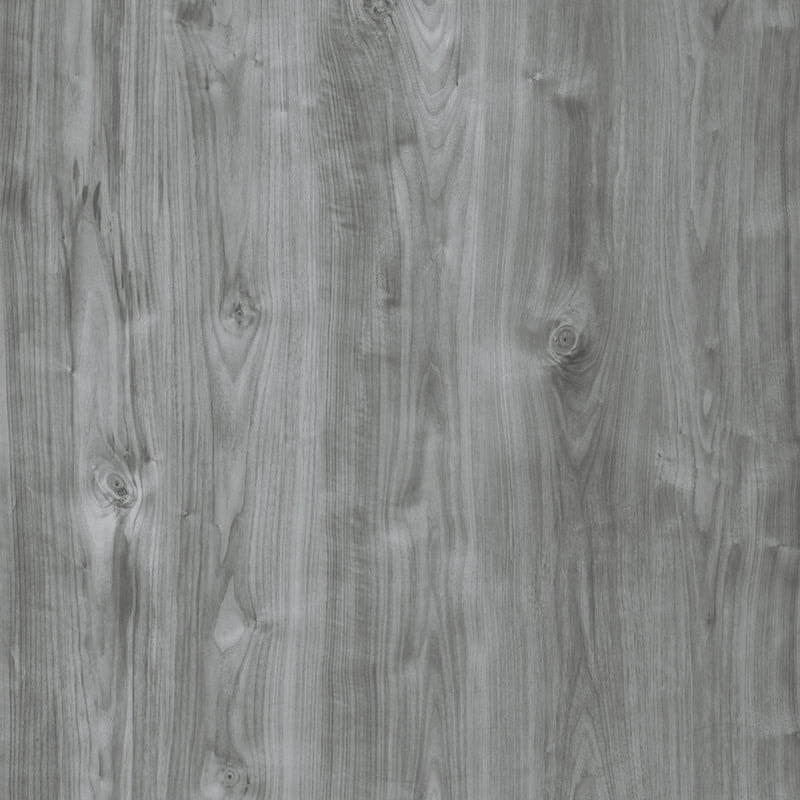
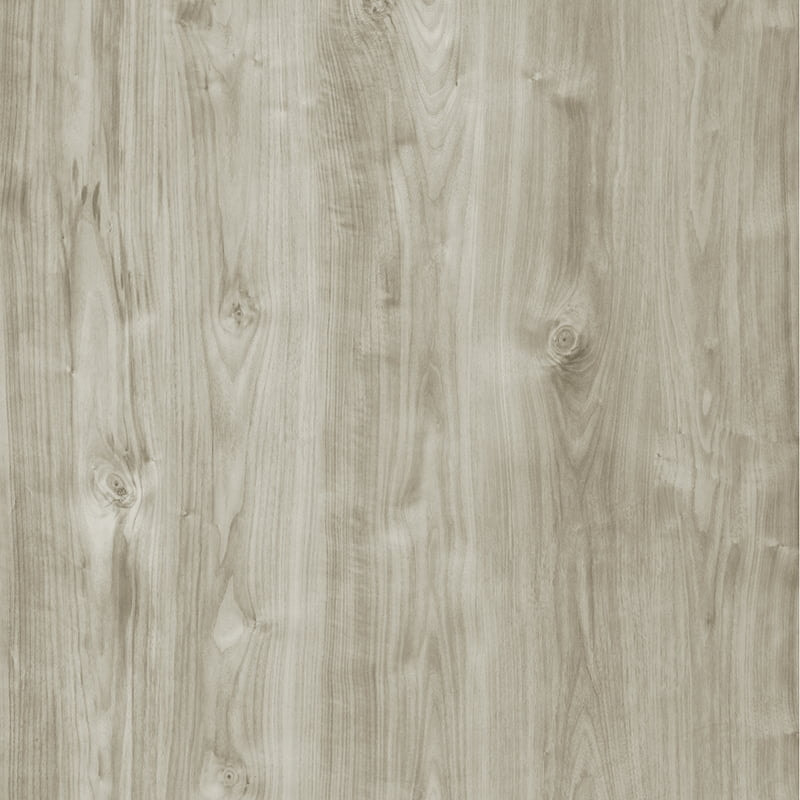
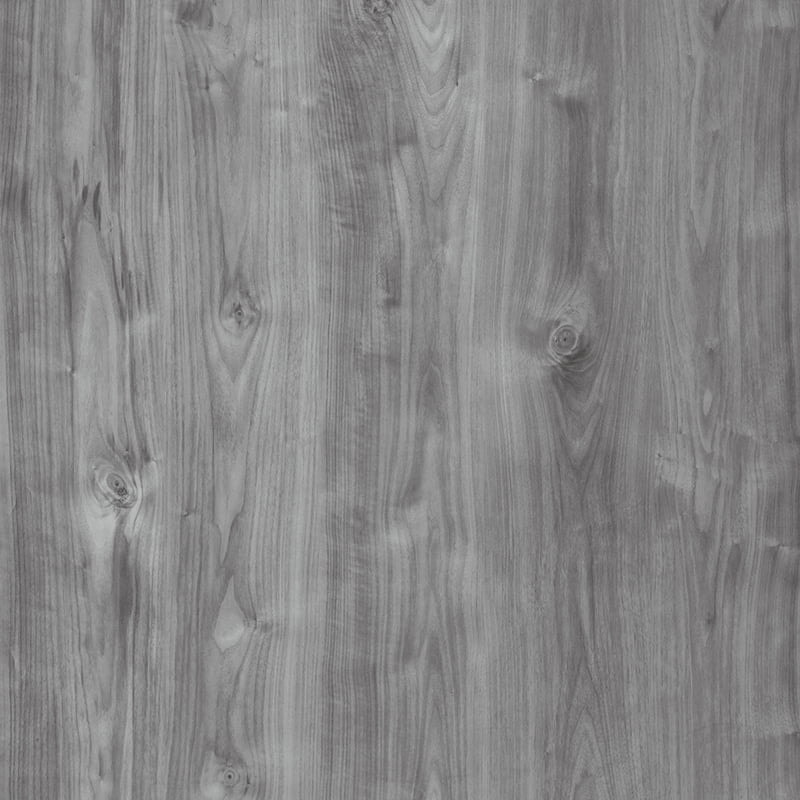
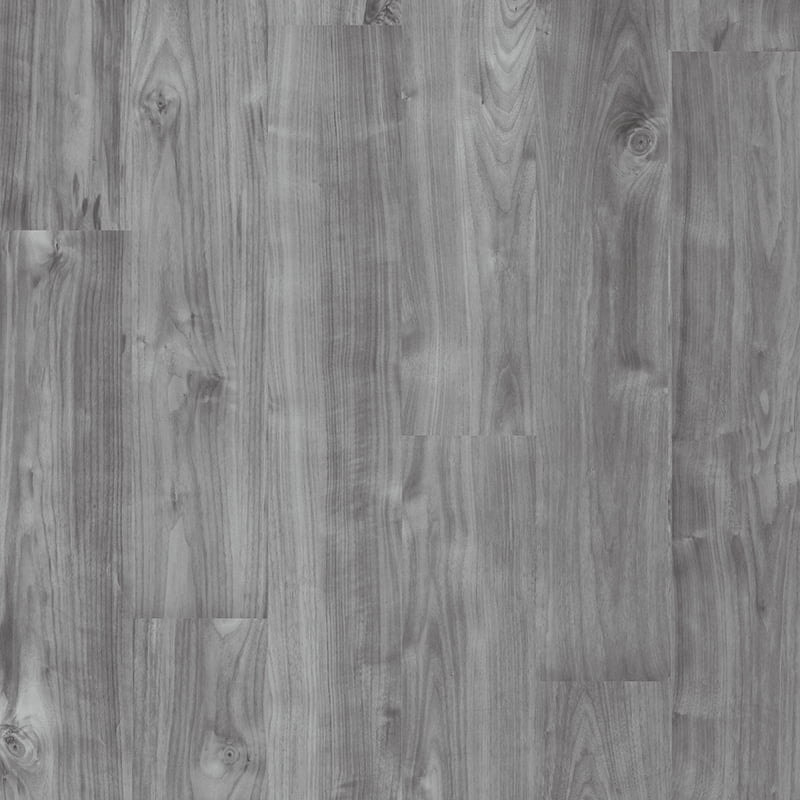
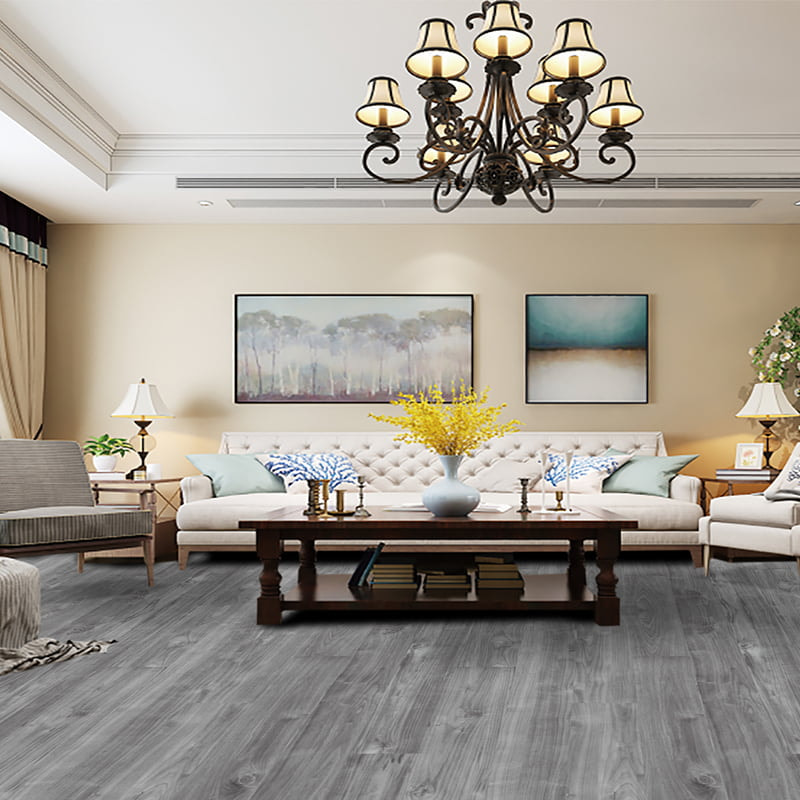
Model: YC839
Wood: Walnut
Spec: 1000*1580mm
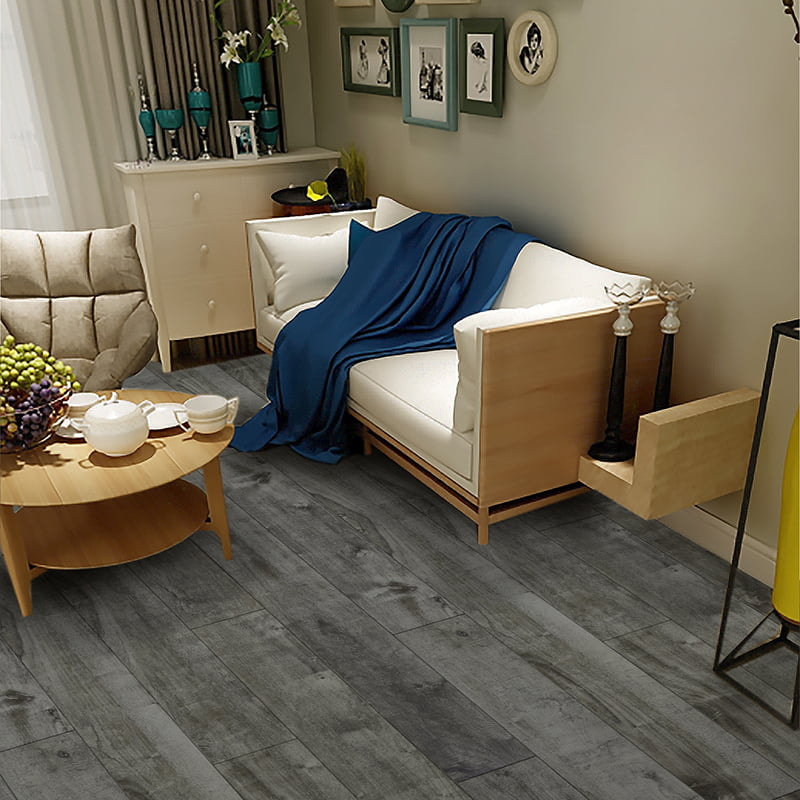
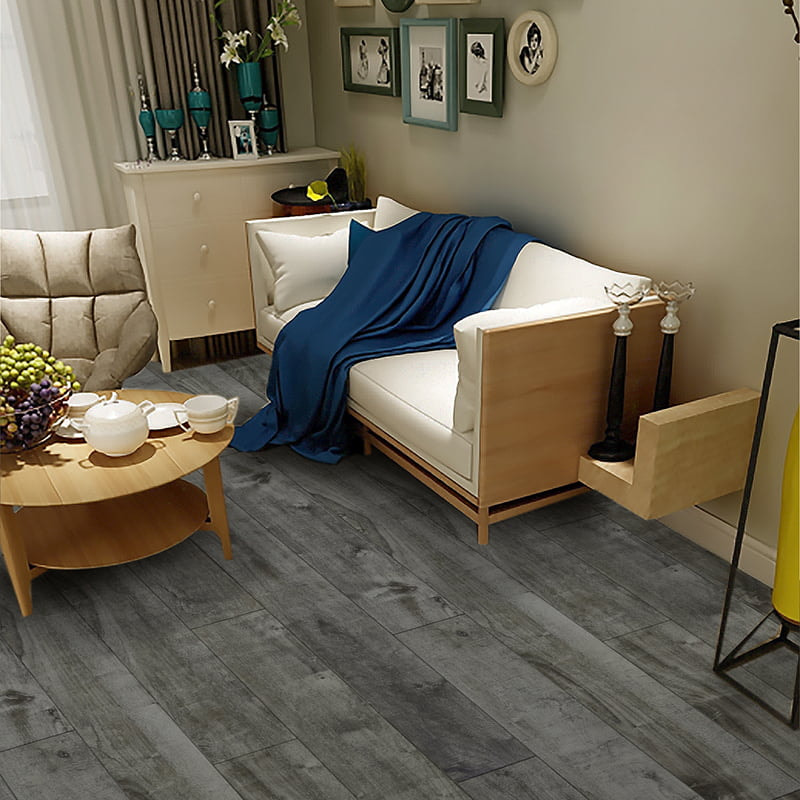
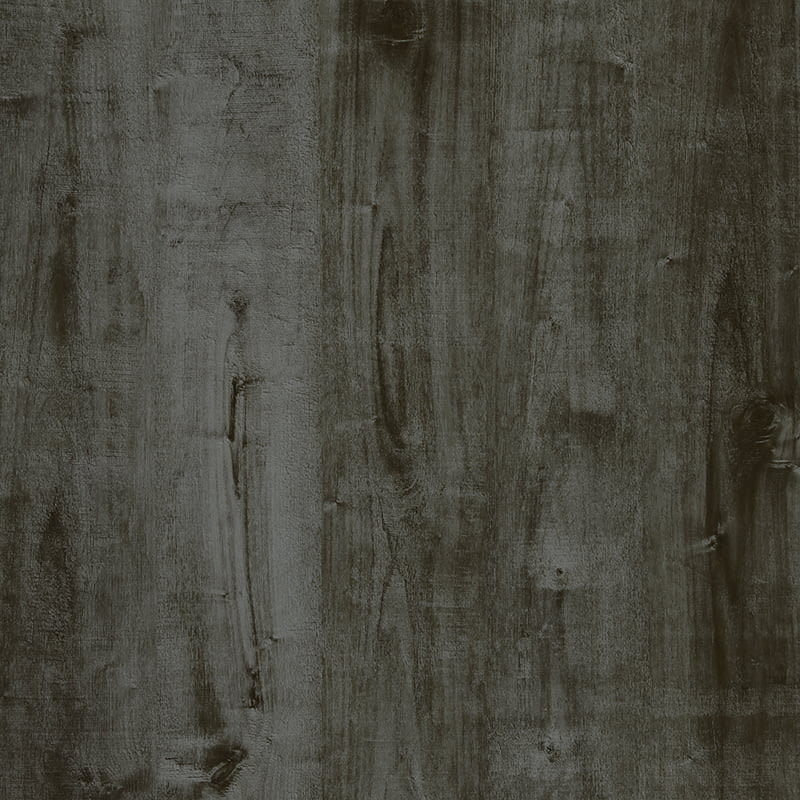
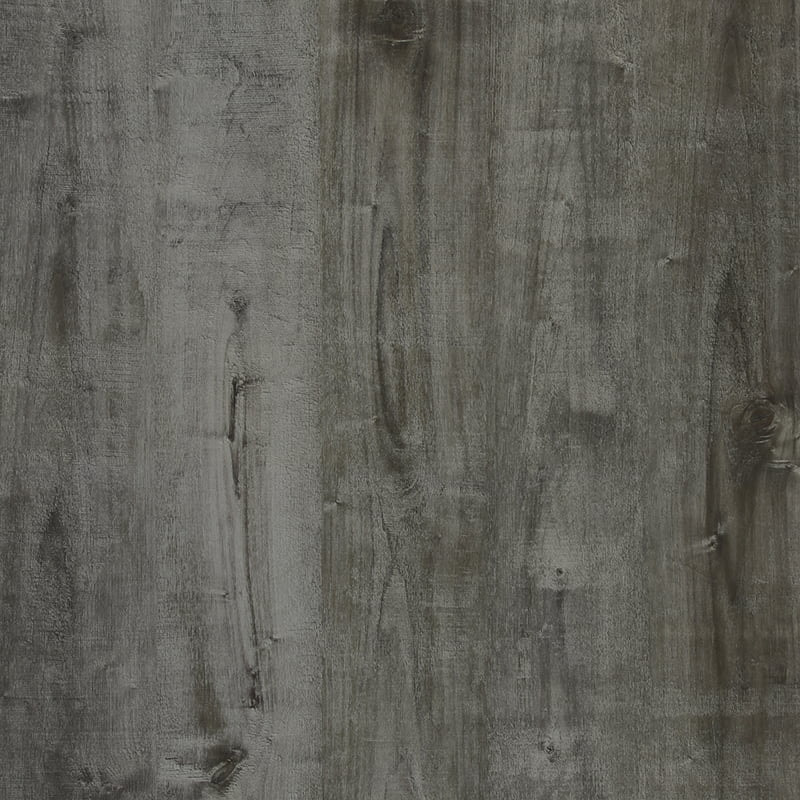
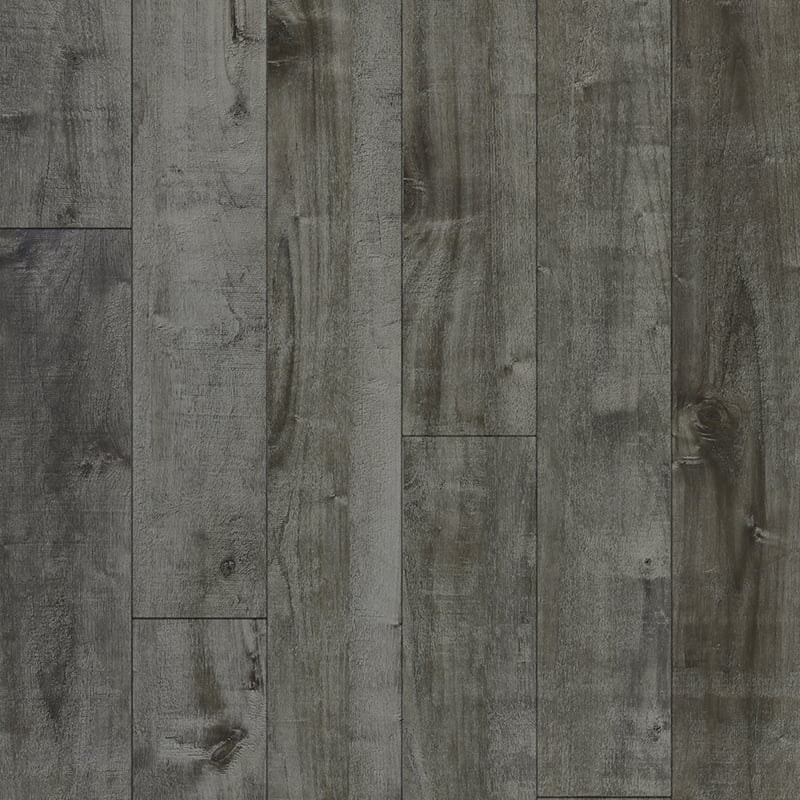
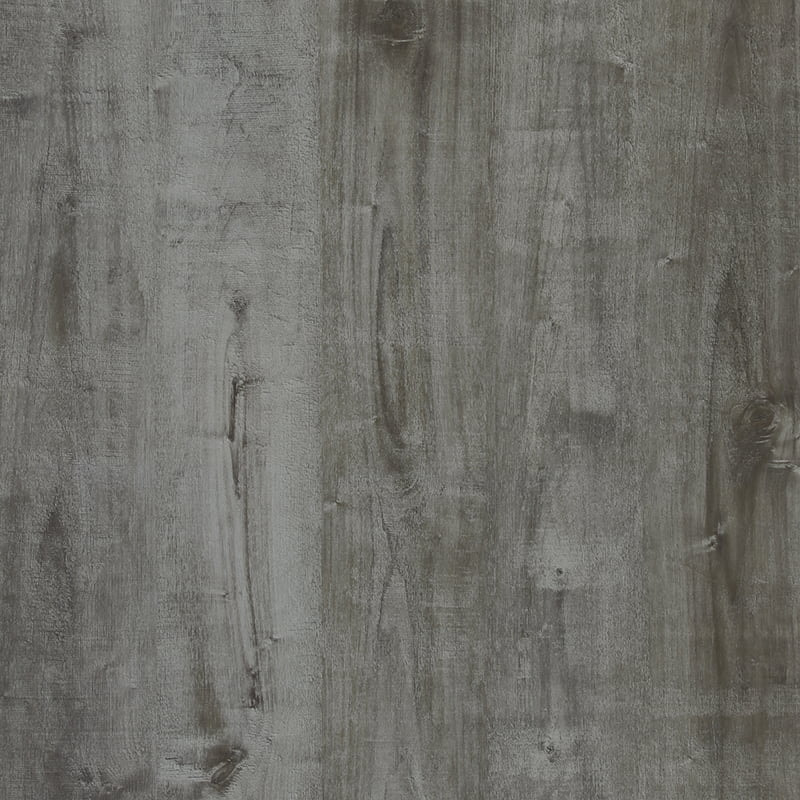
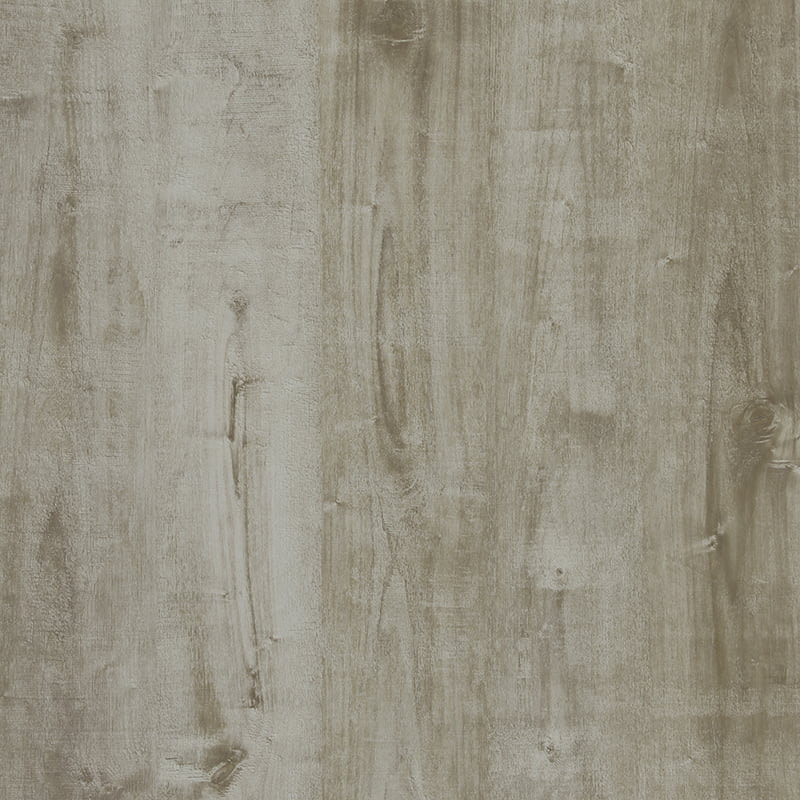
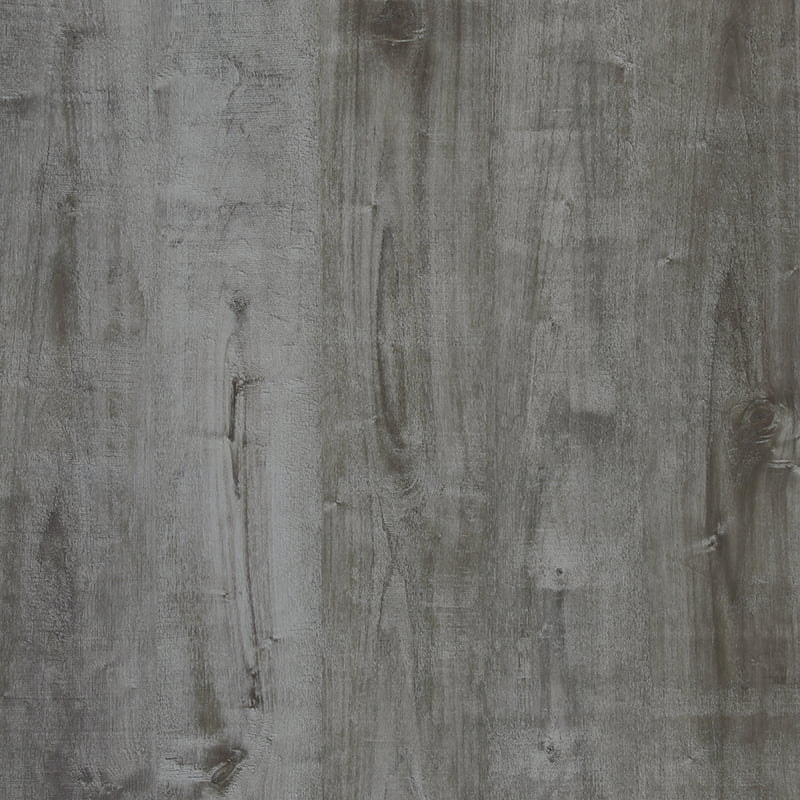
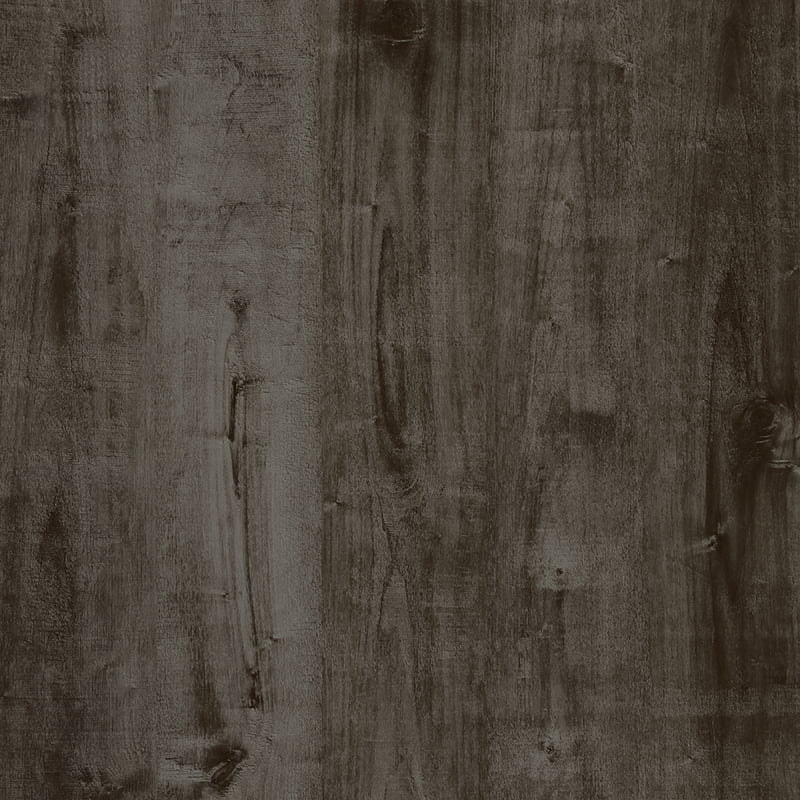
Model: YC841
Wood: Walnut
Spec: 1000*1580mm
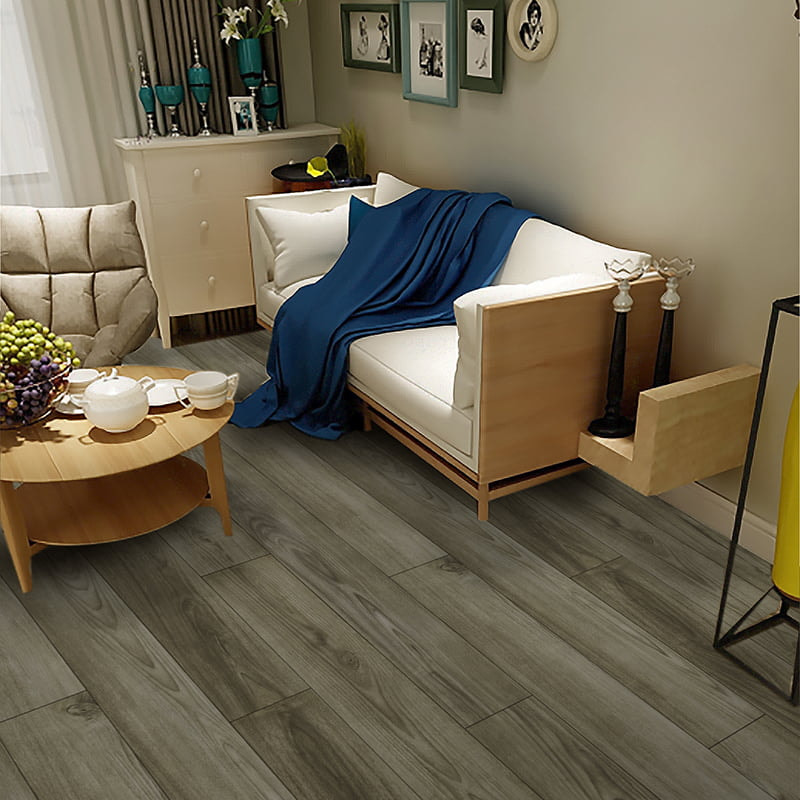
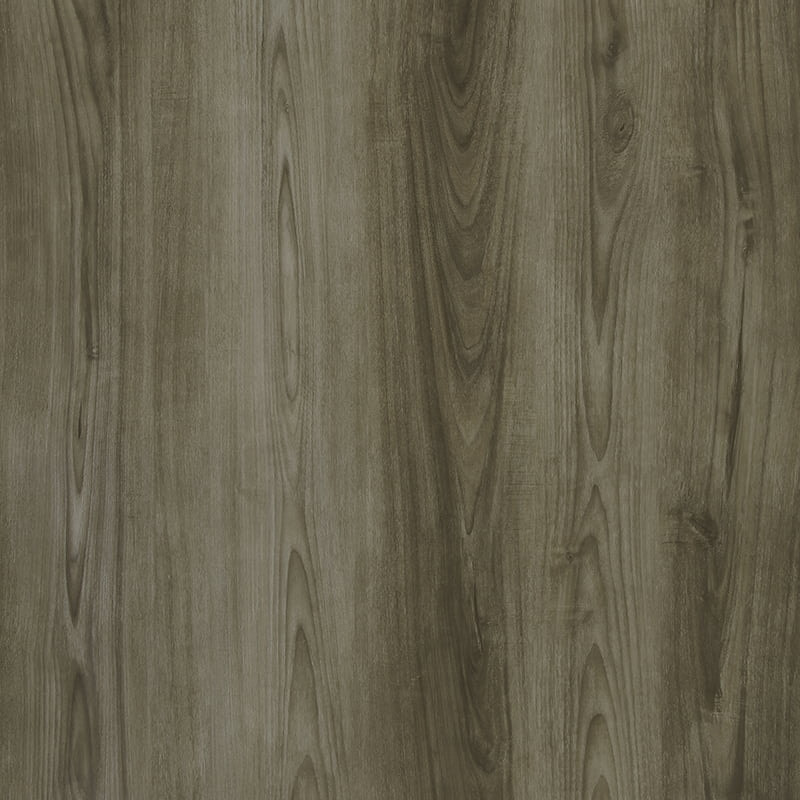
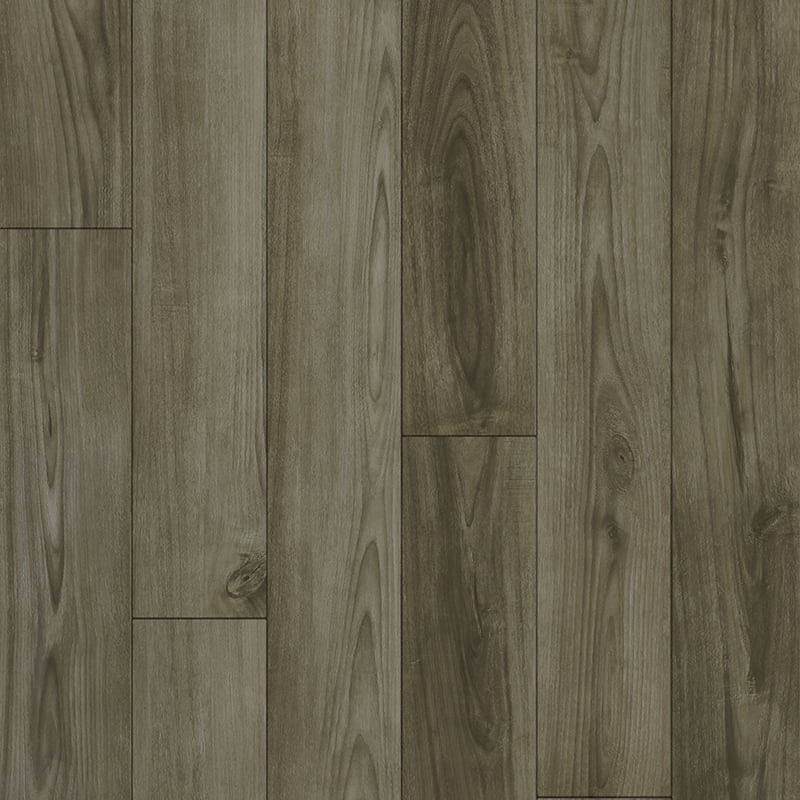
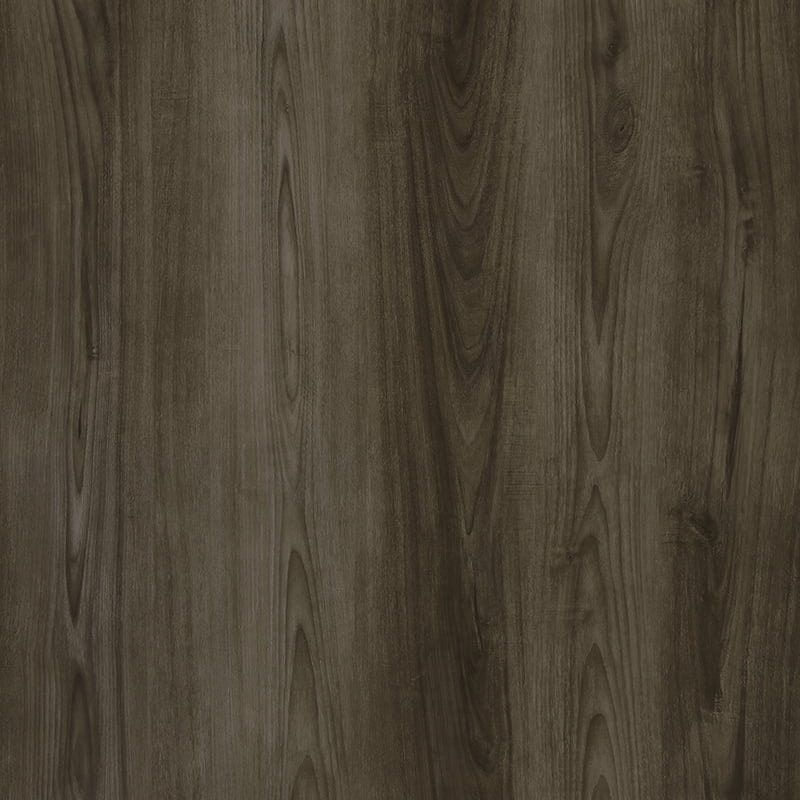
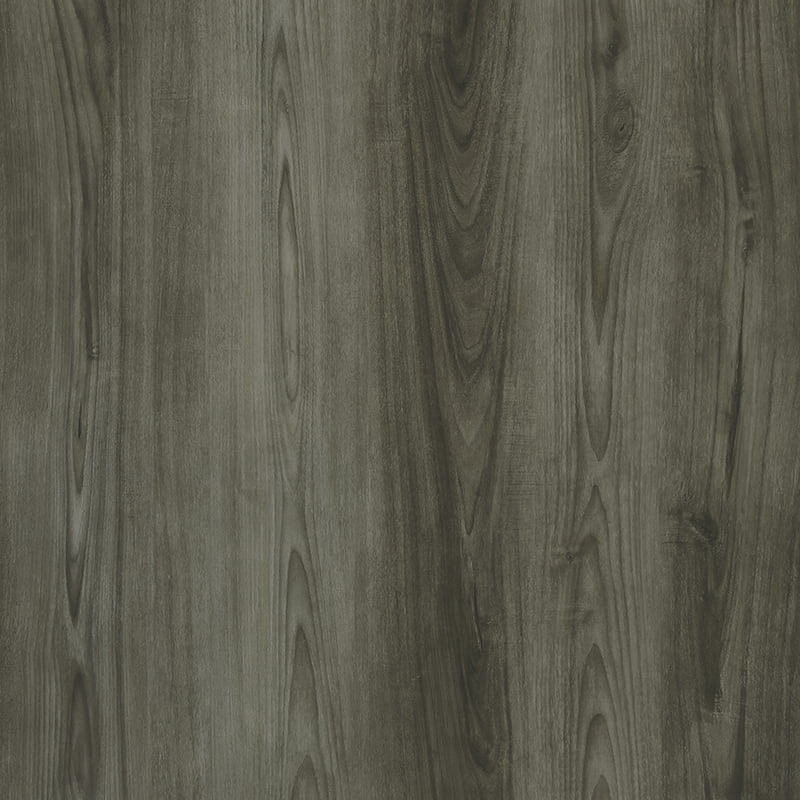
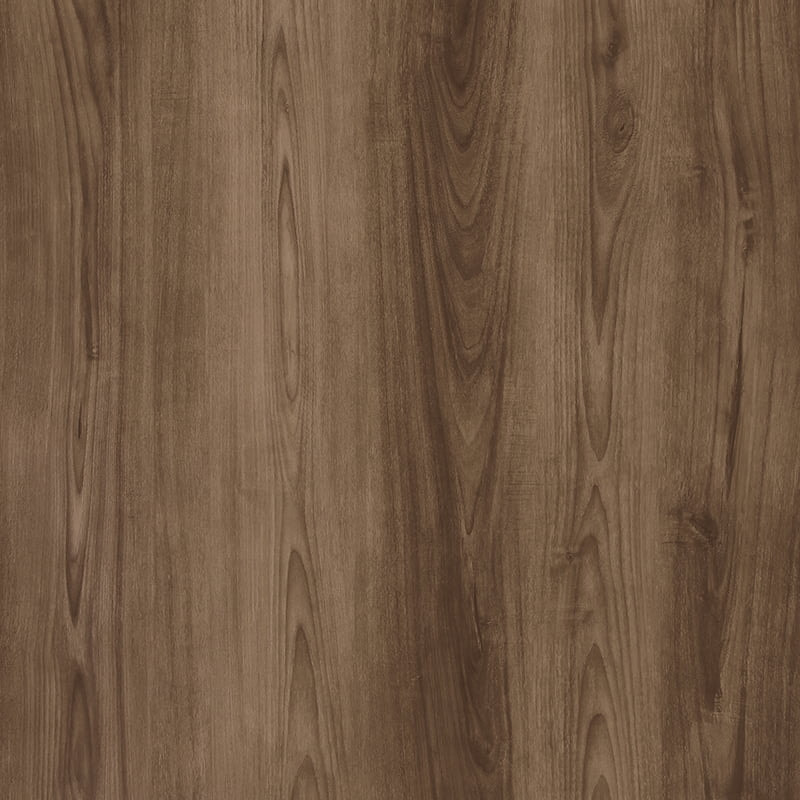
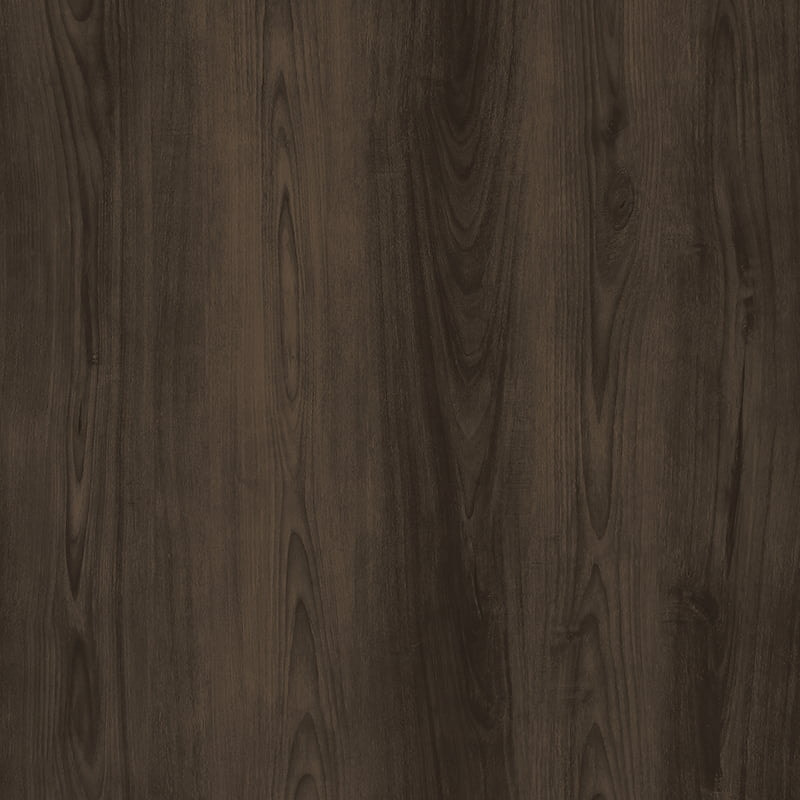
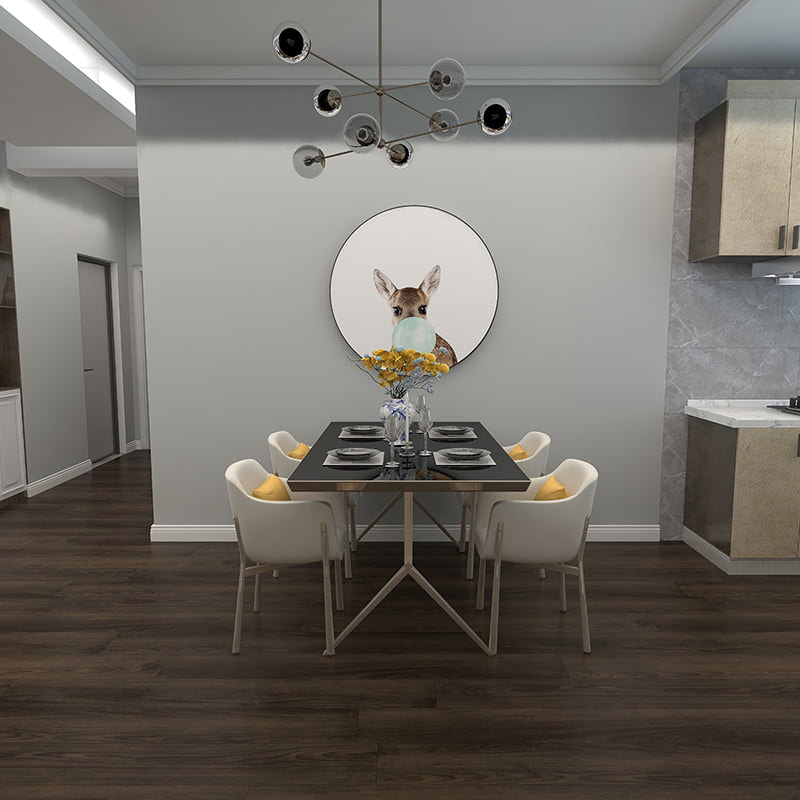
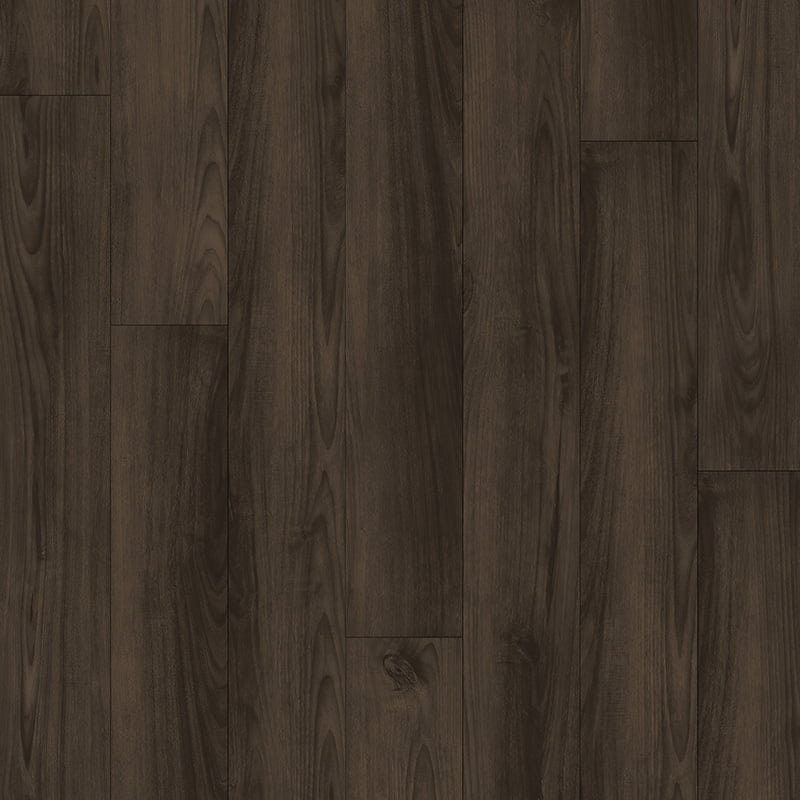
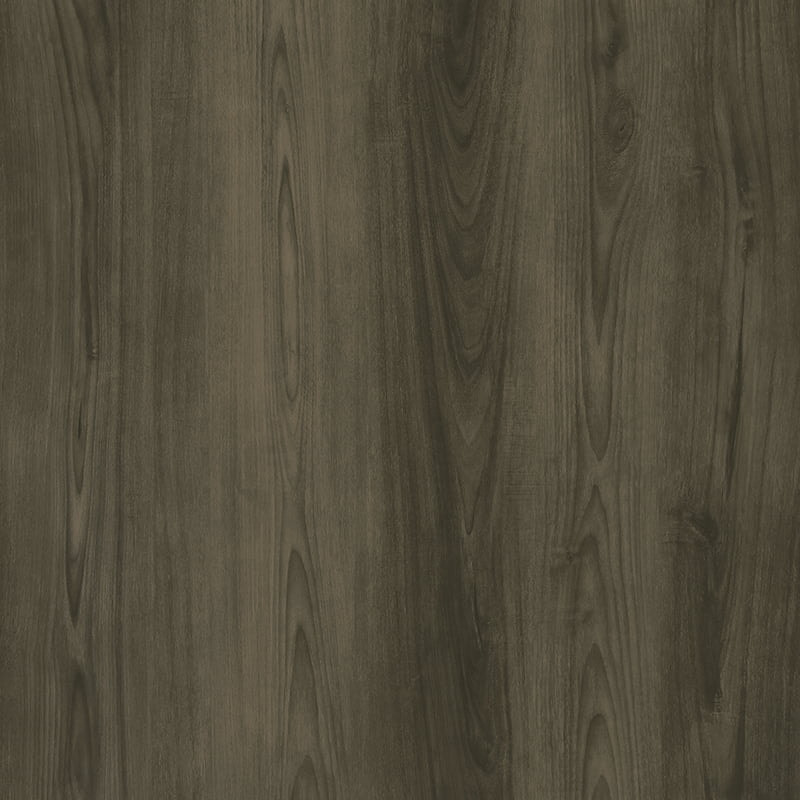
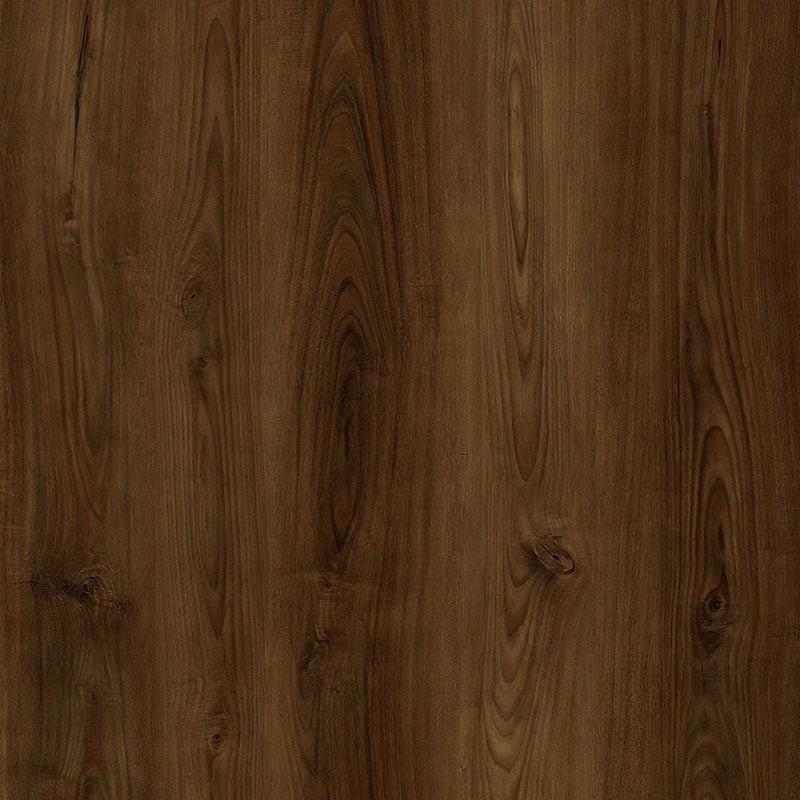
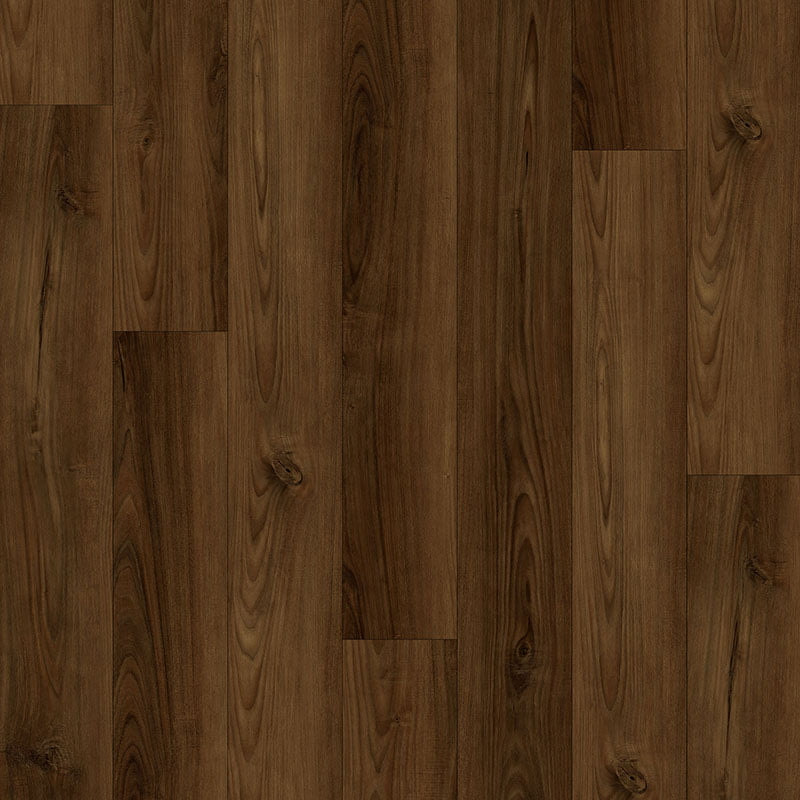
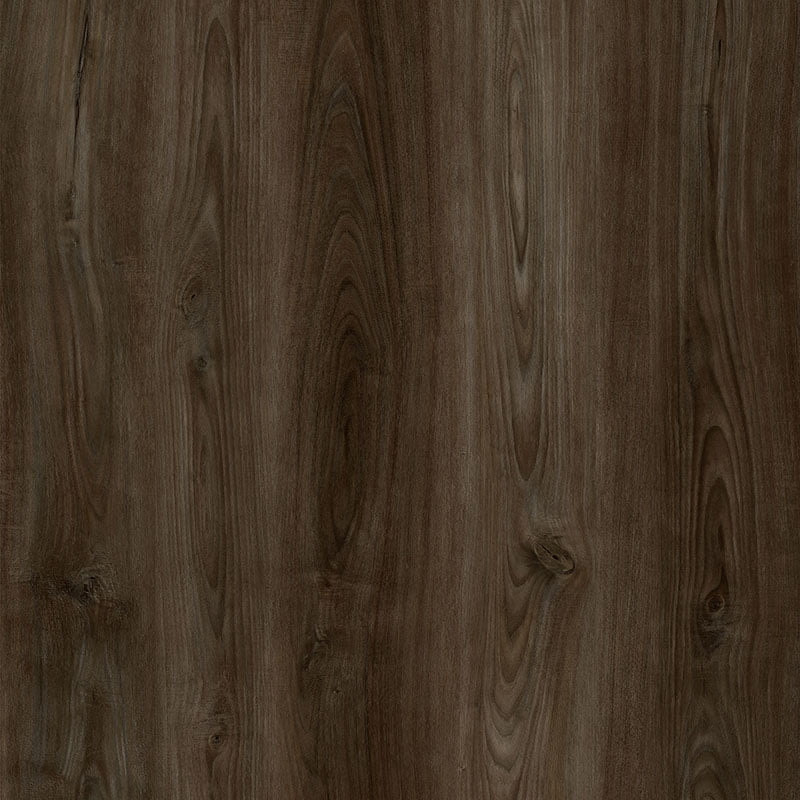
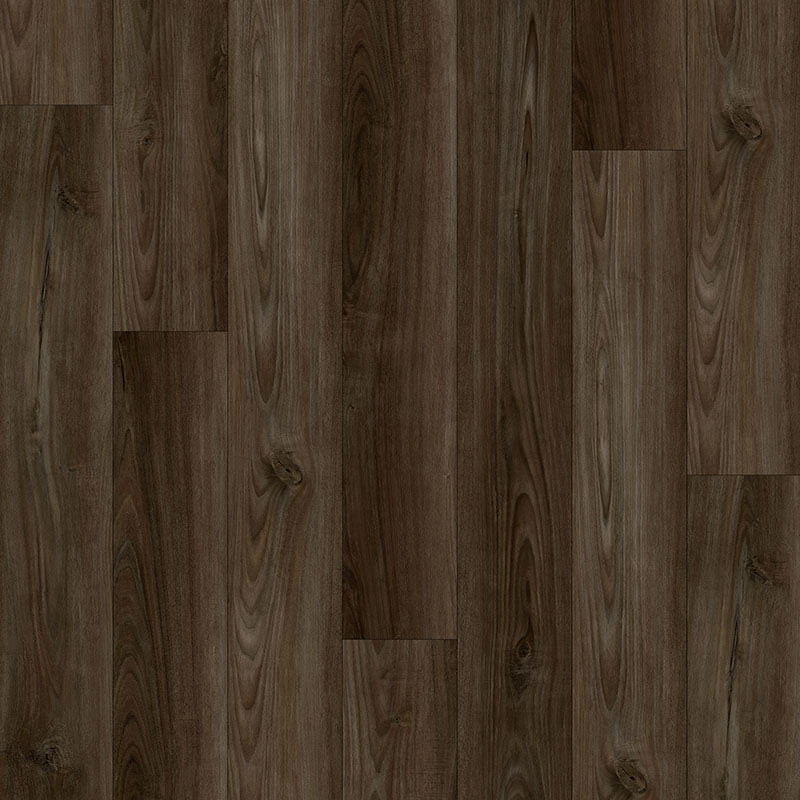
Model: YC843
Wood: Walnut
Spec: 1000*1580mm
Single chip size: 7.25*60"
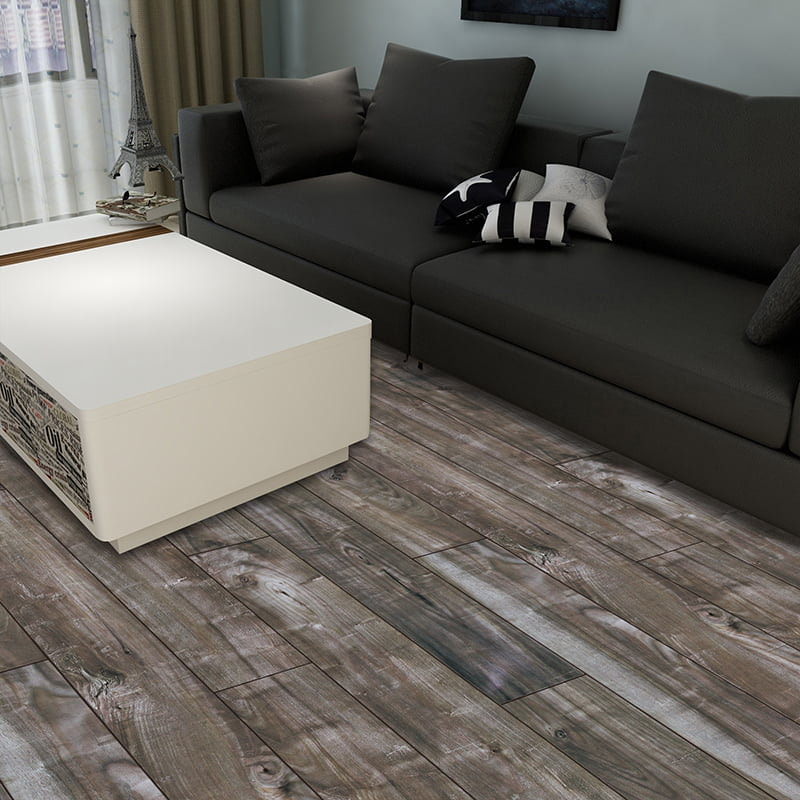
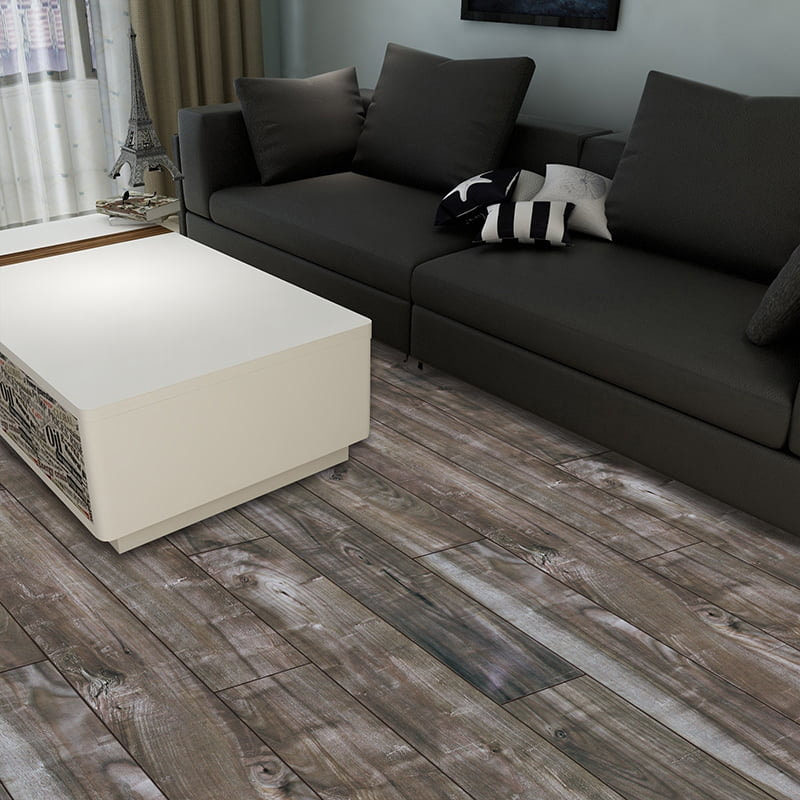
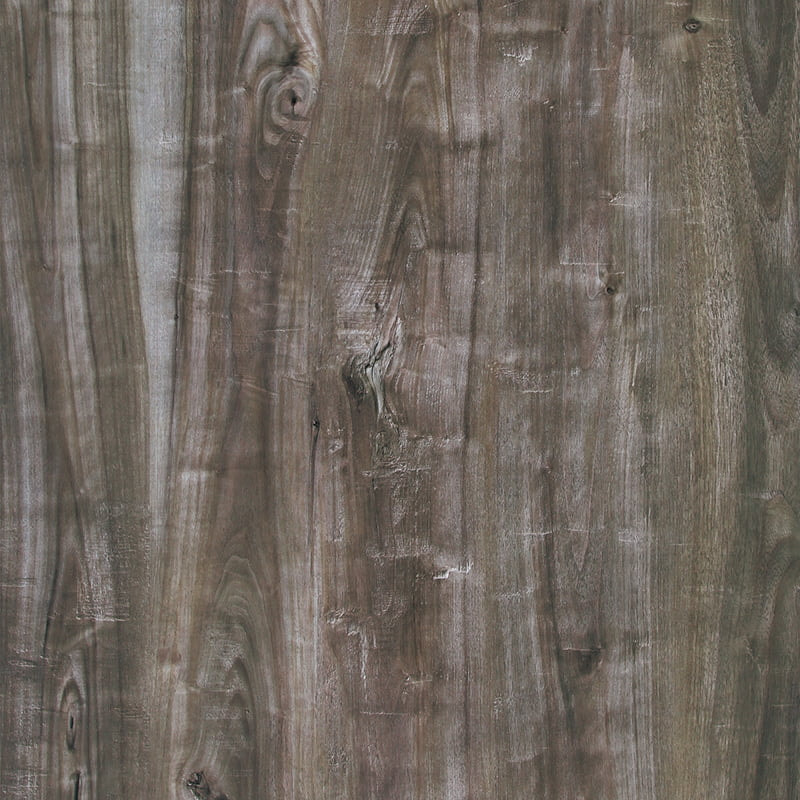
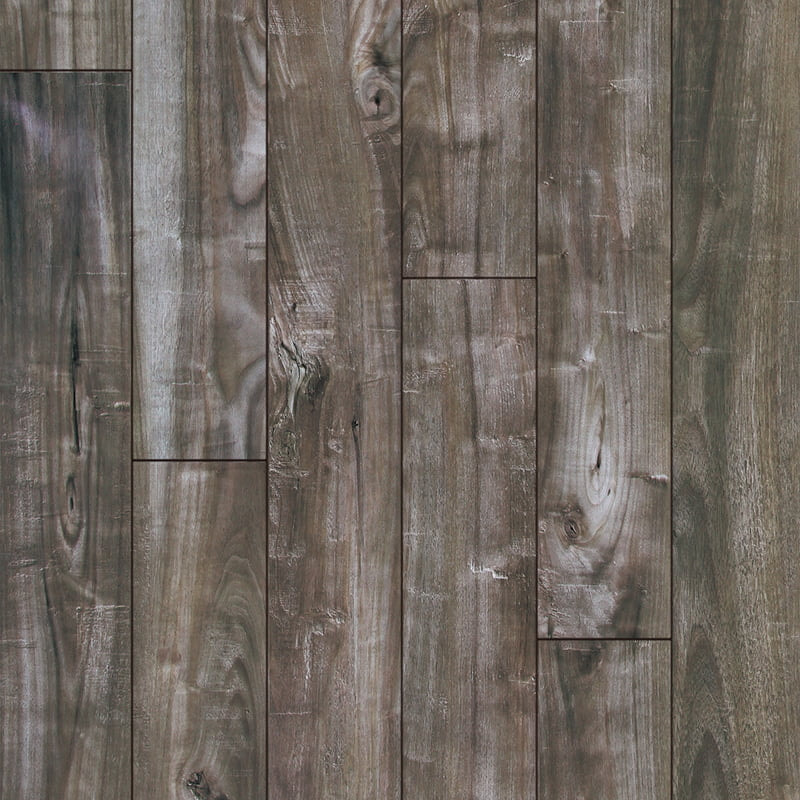
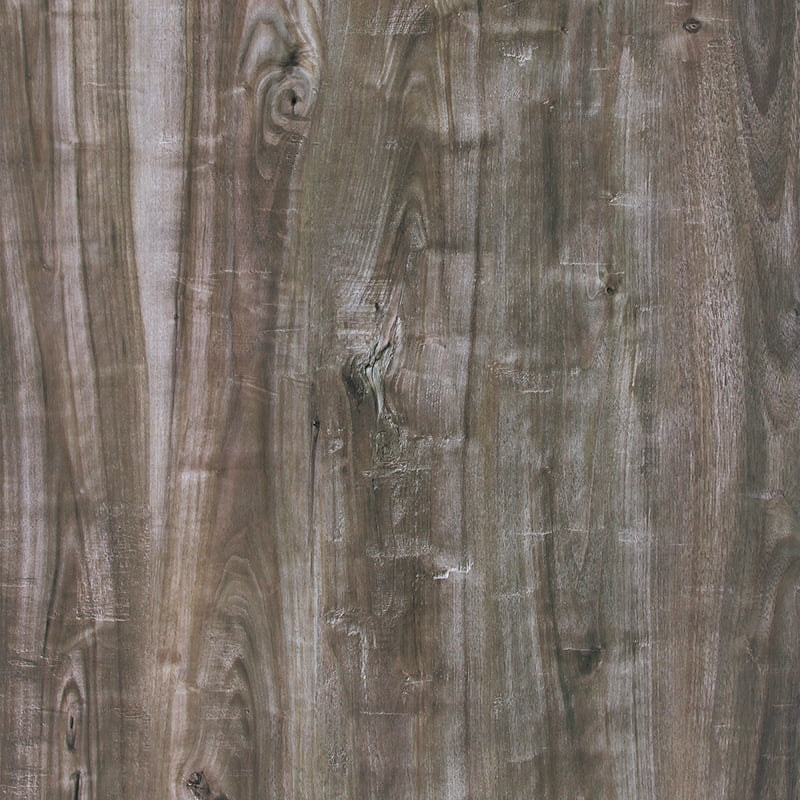
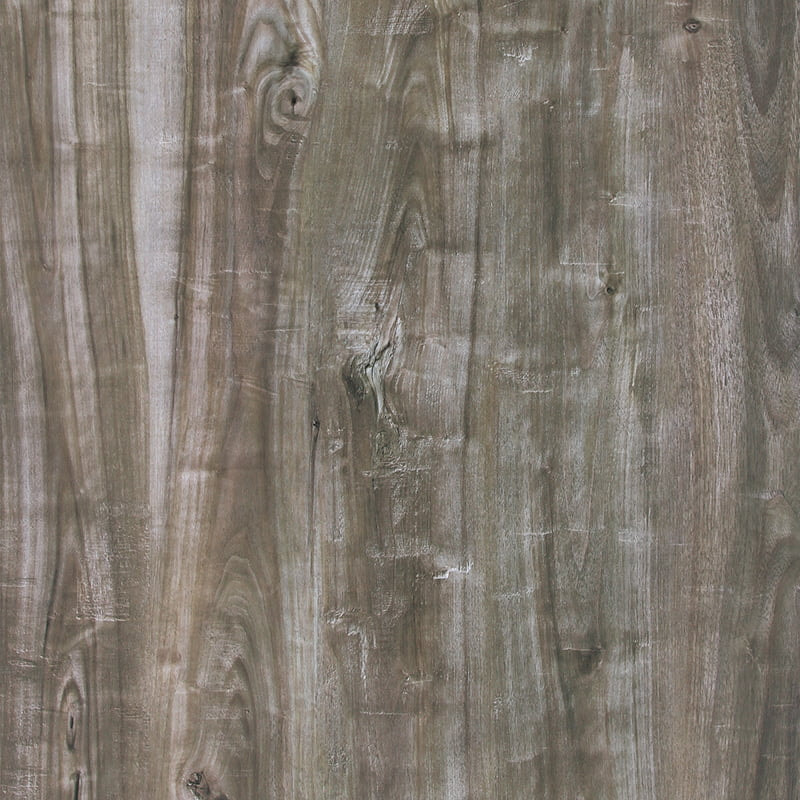
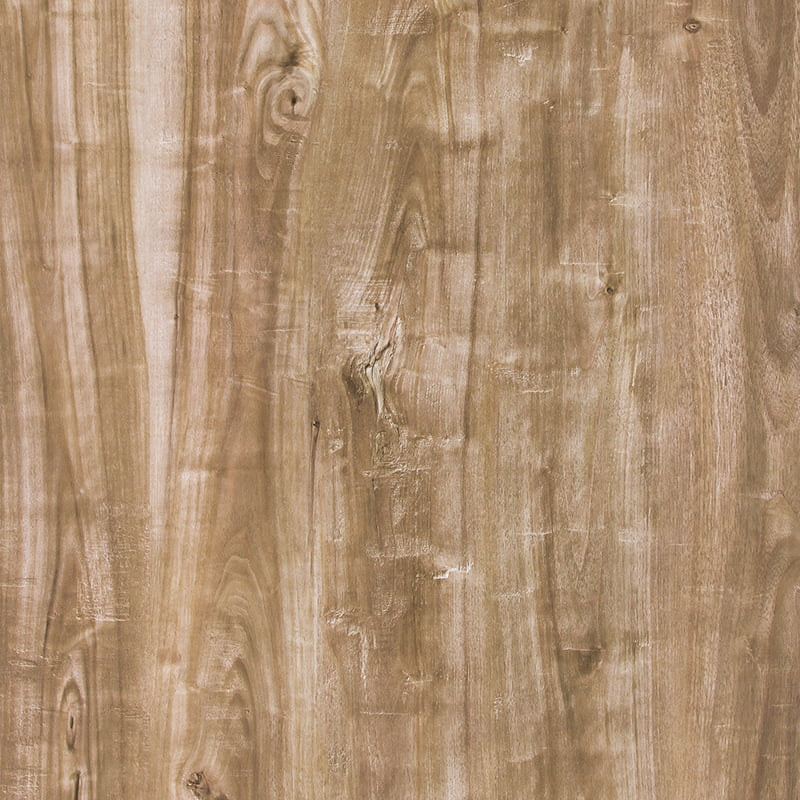
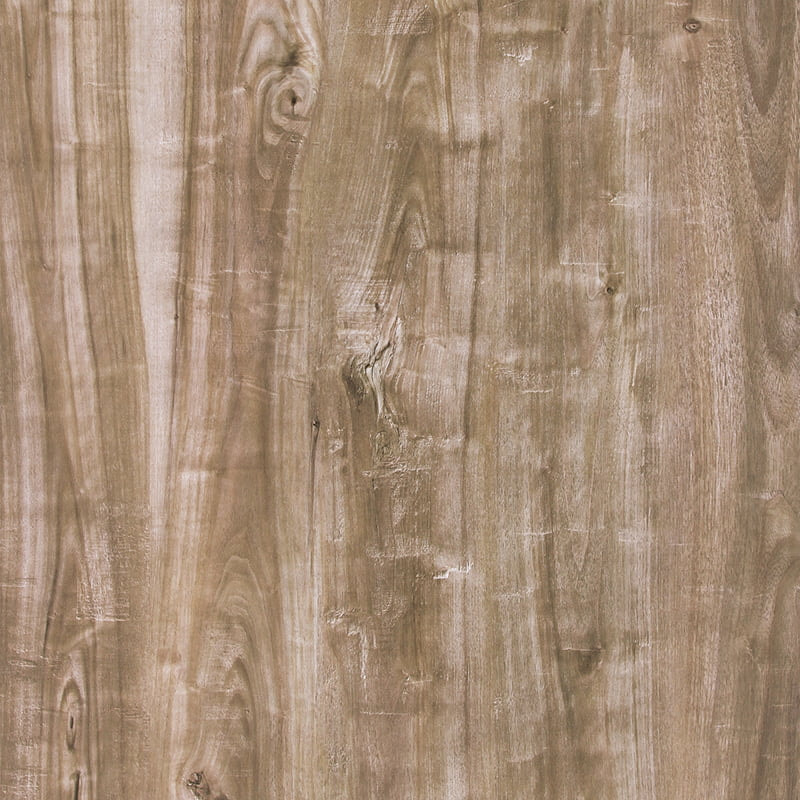
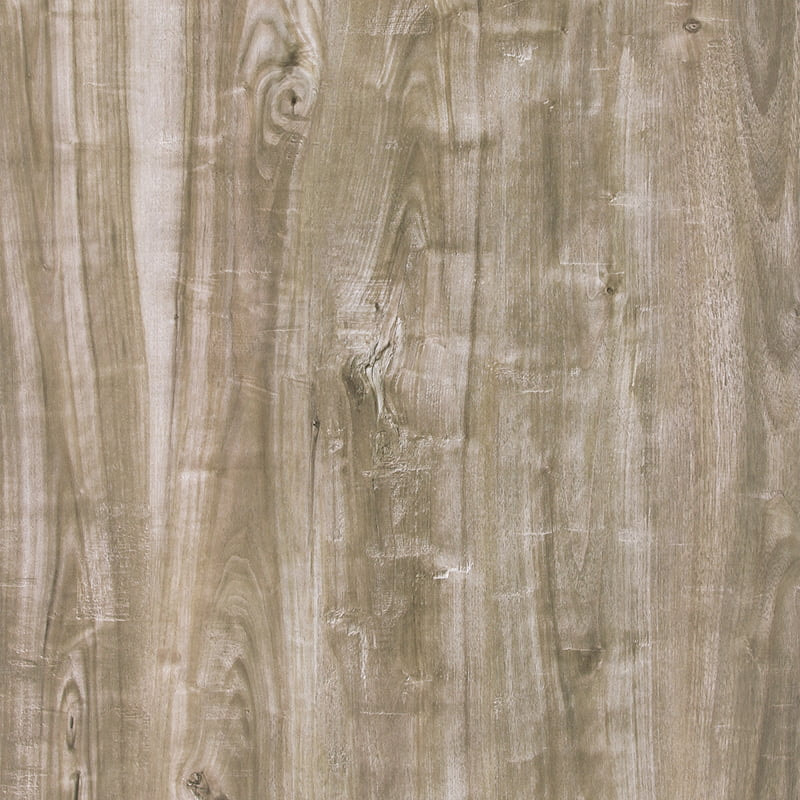
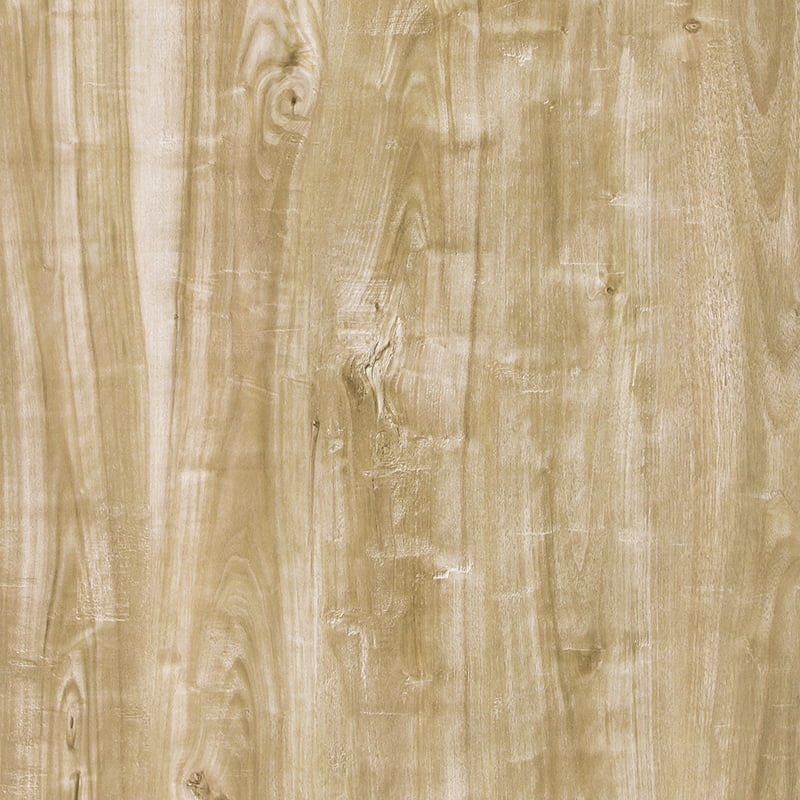
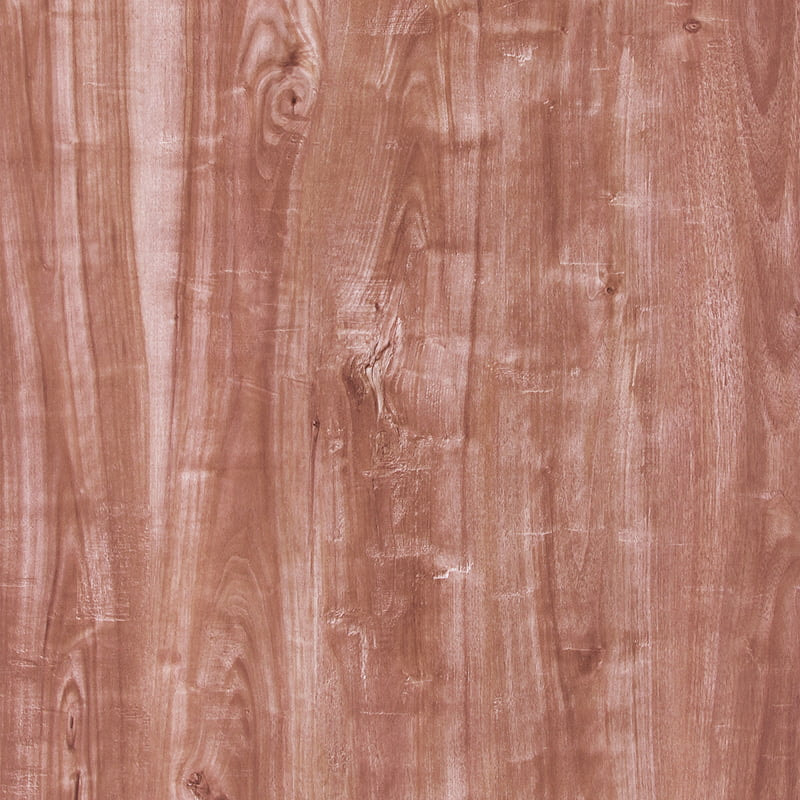
Model: YC853
Wood: Walnut
Spec: 1000*1890mm
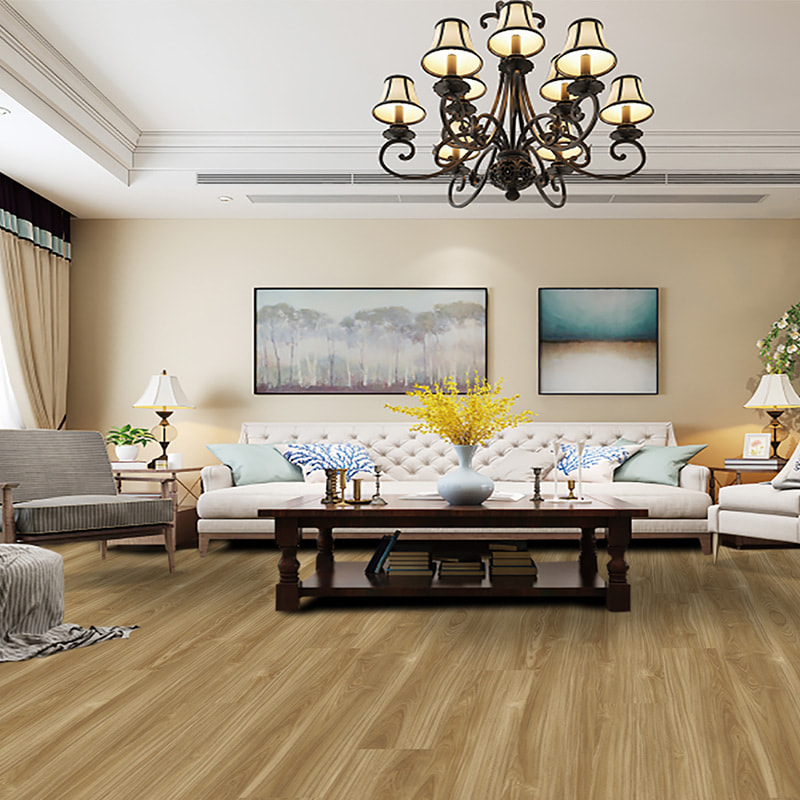
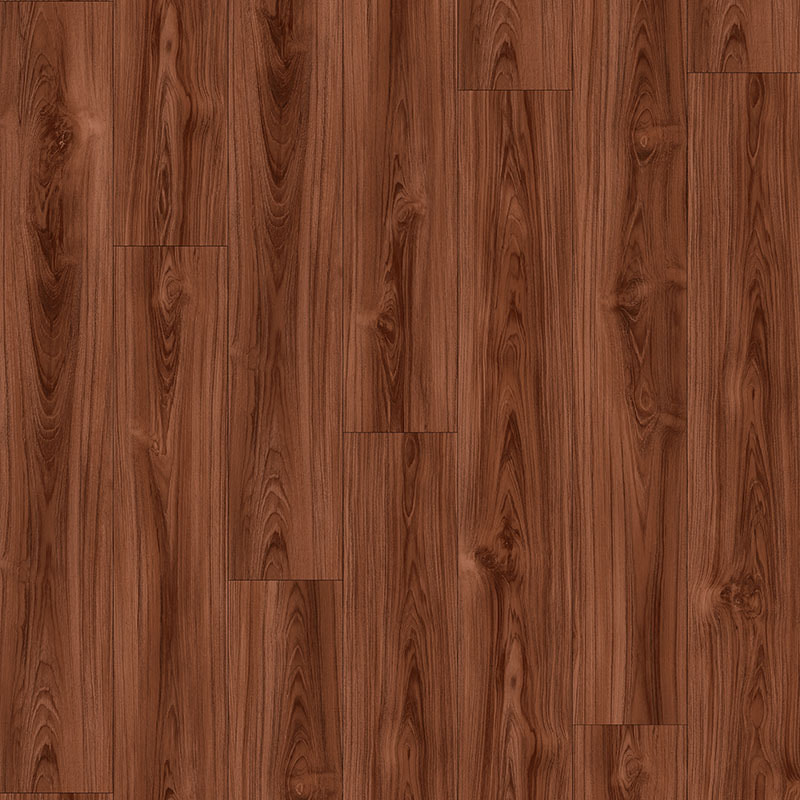
Model: YC915
Wood: Walnut
Spec: 1000*1270mm
Single chip size: 7.25*48"
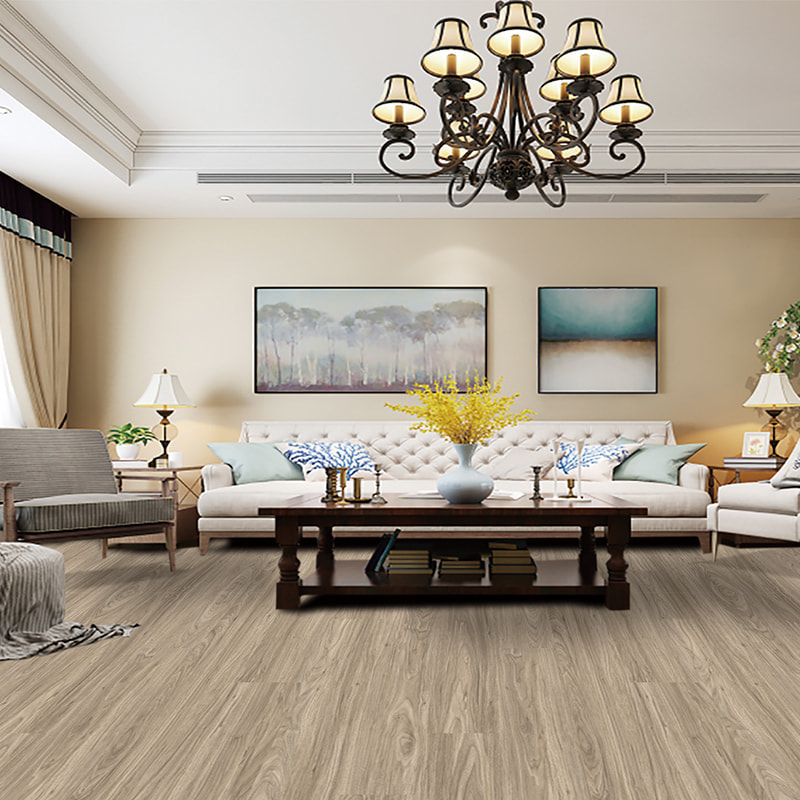
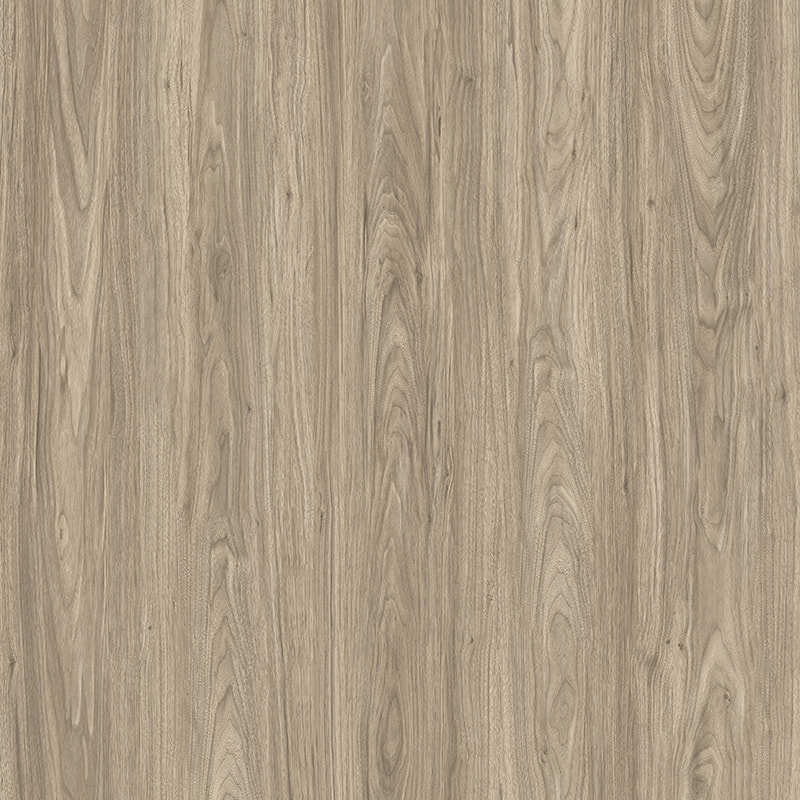
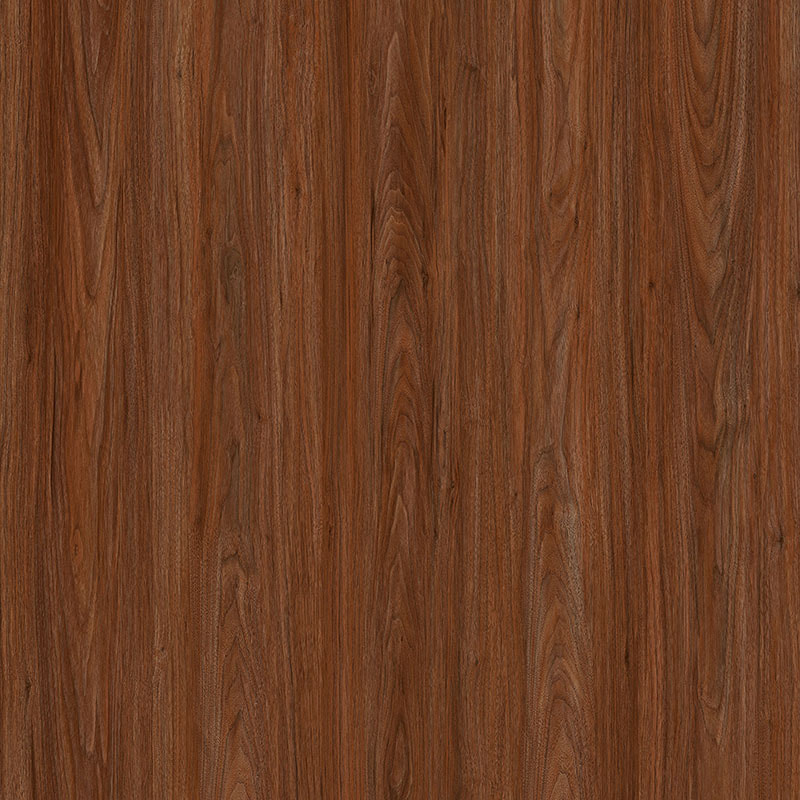
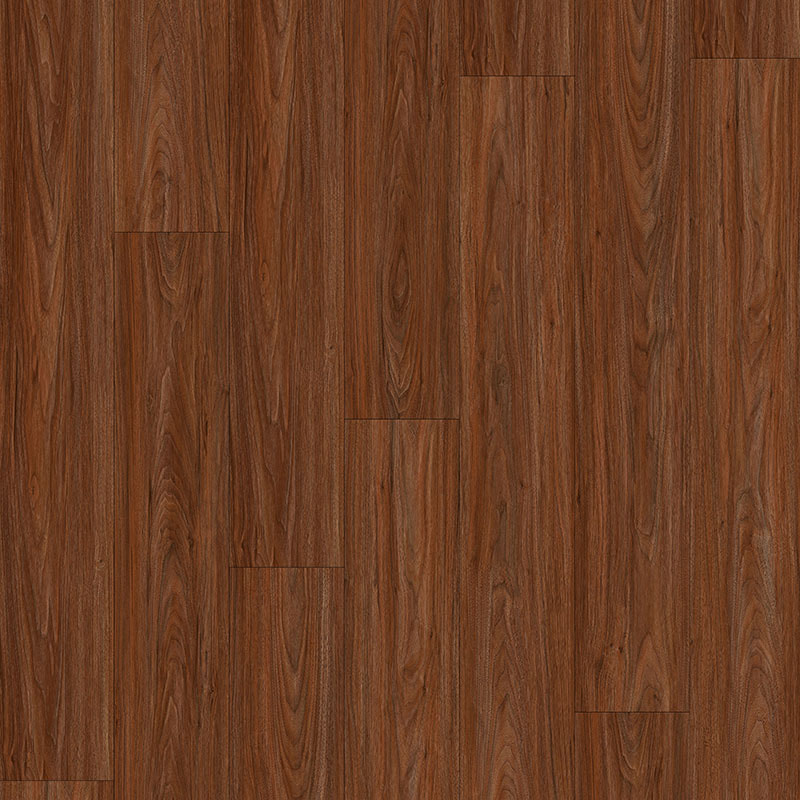
Model: YC959
Wood: Walnut
Spec: 1000*1270mm
Single chip size: 7.25*48"
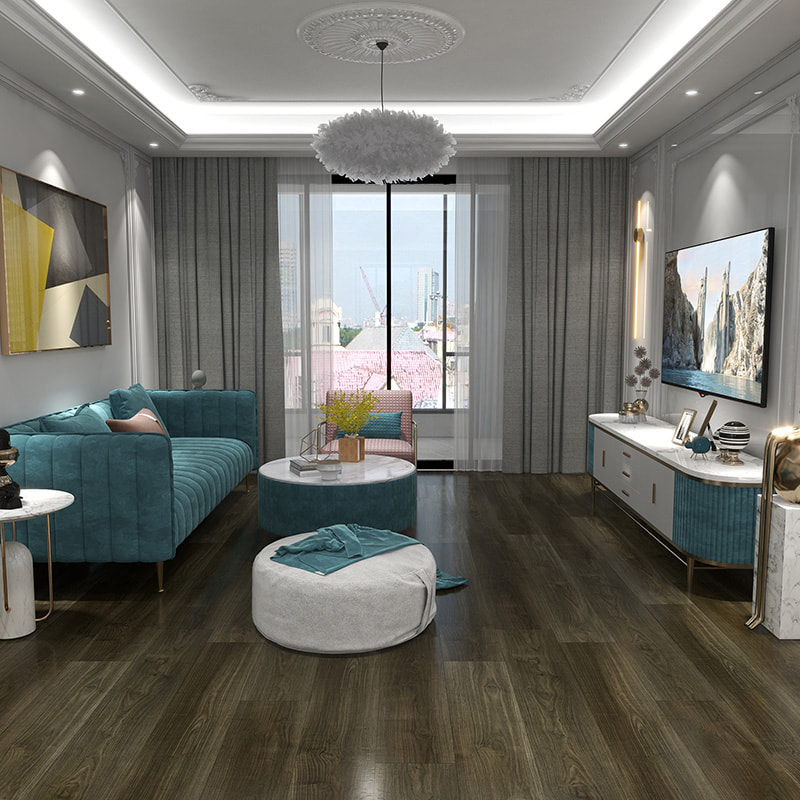
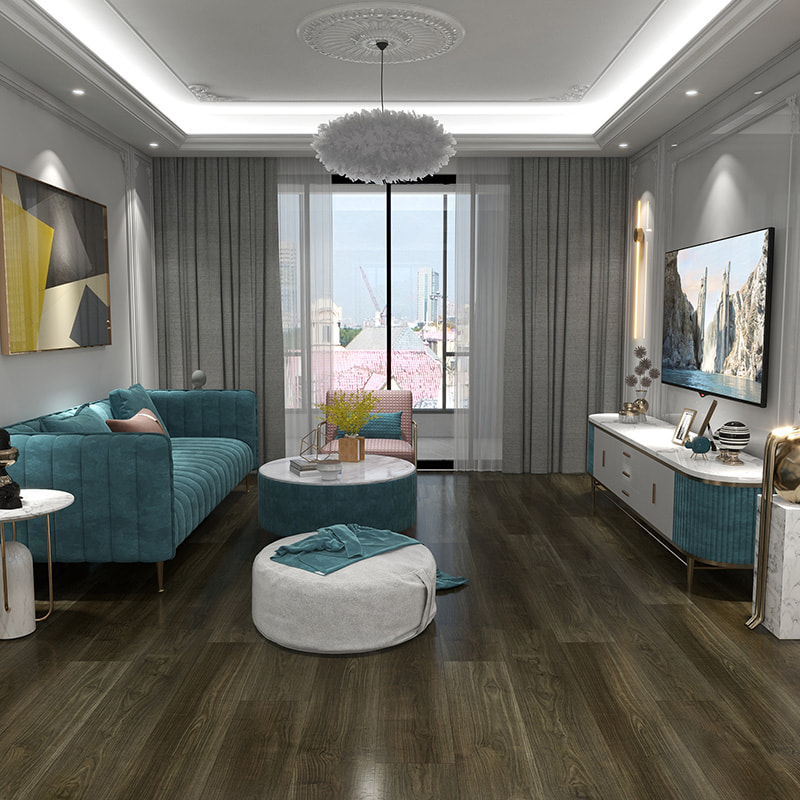
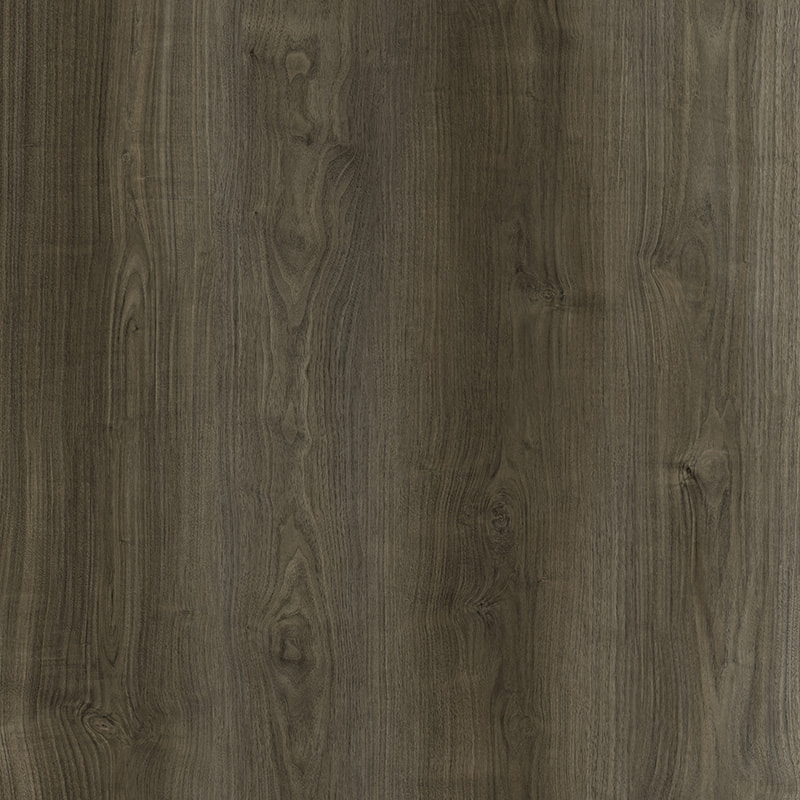
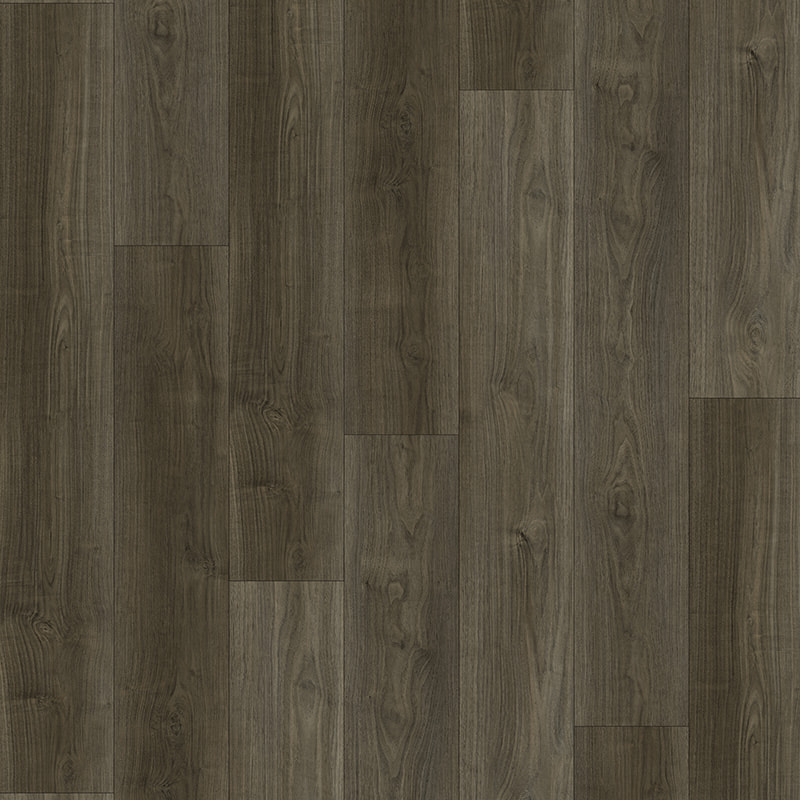
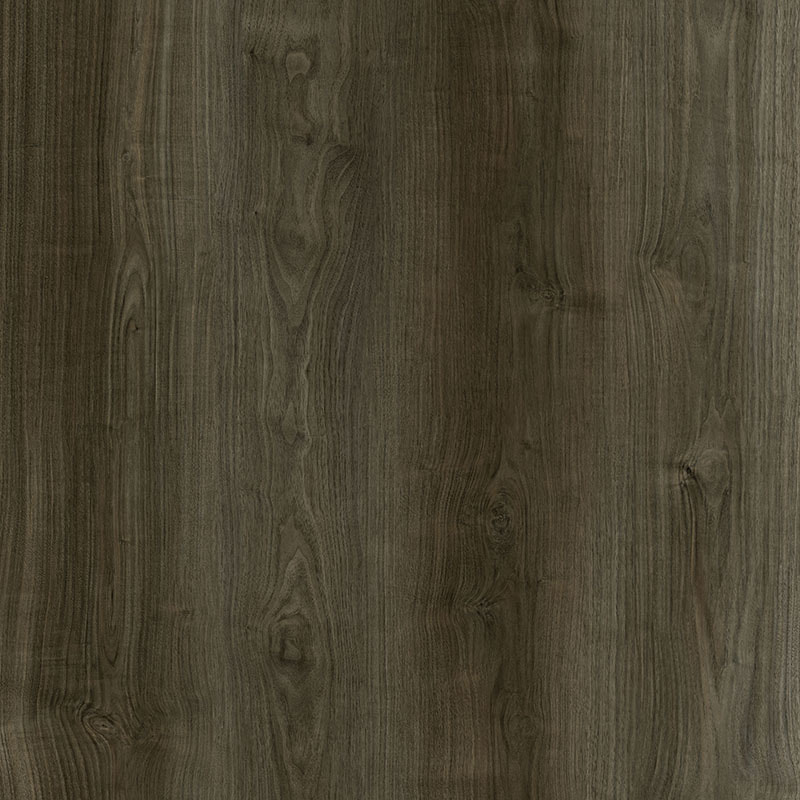
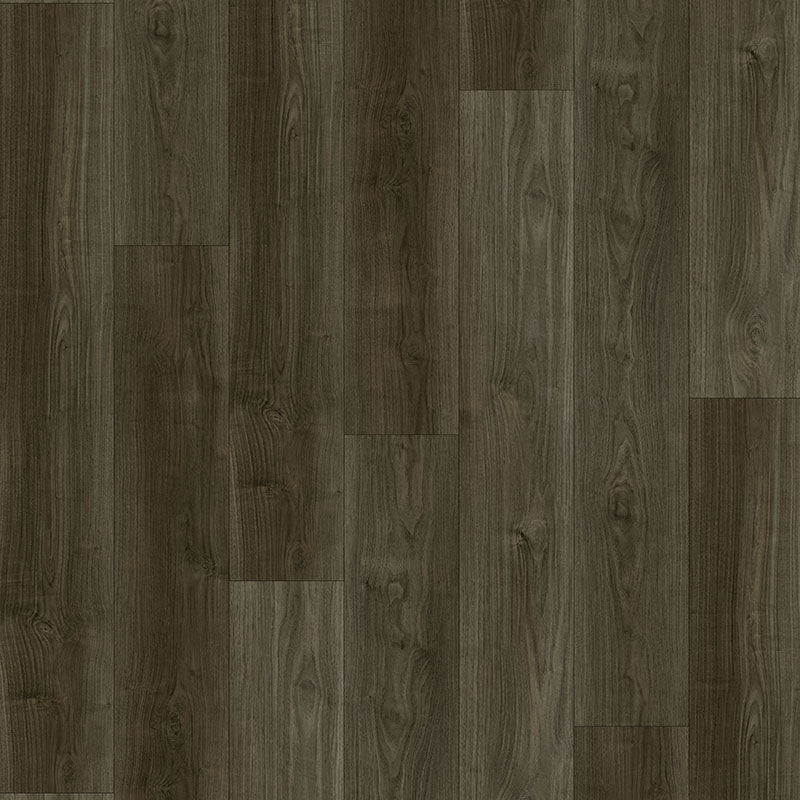
Model: YC995
Wood: Walnut
Spec: 1000*1580mm
Single chip size: 9*60"
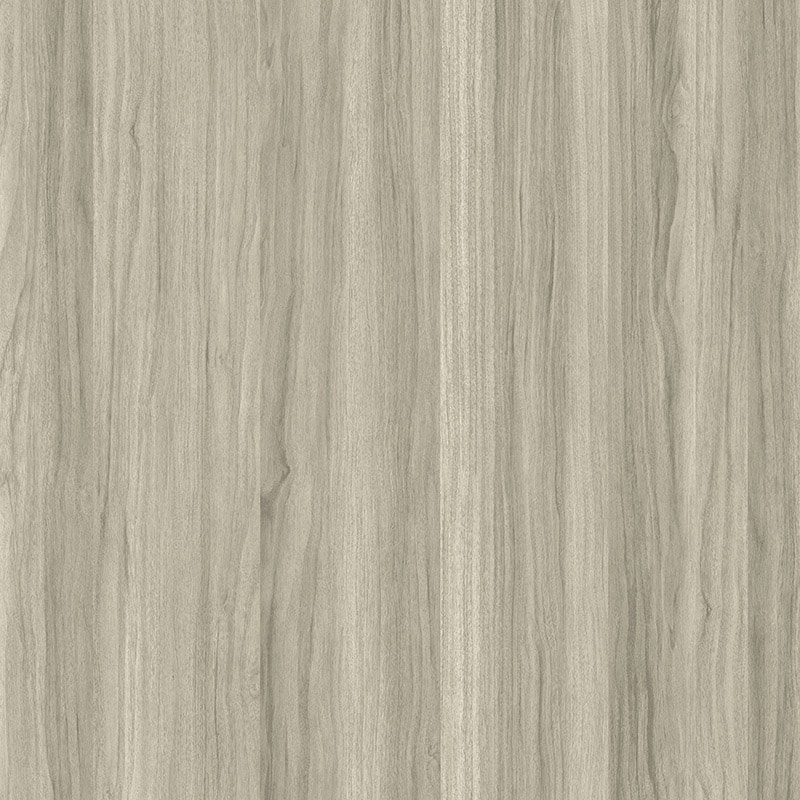
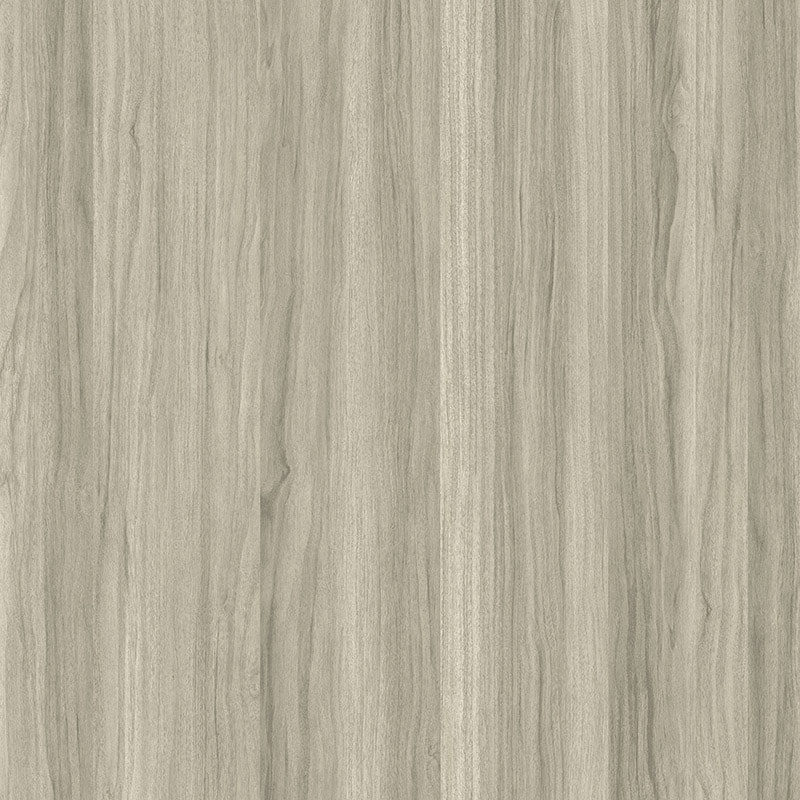
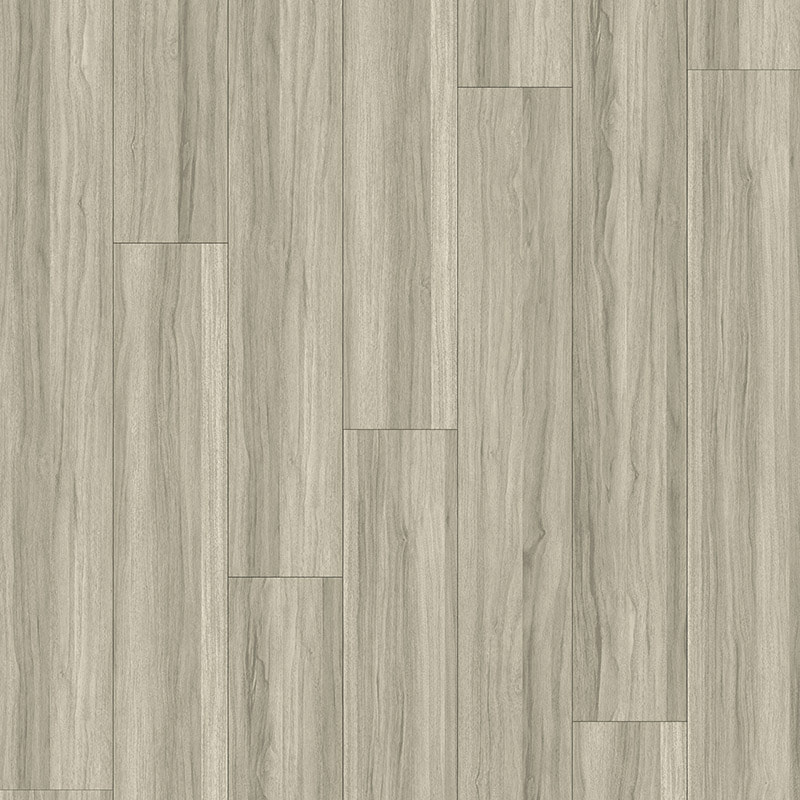
Model: YC1024
Wood: Walnut
Spec: 1000*1270mm
Single chip size: 7.25*48"
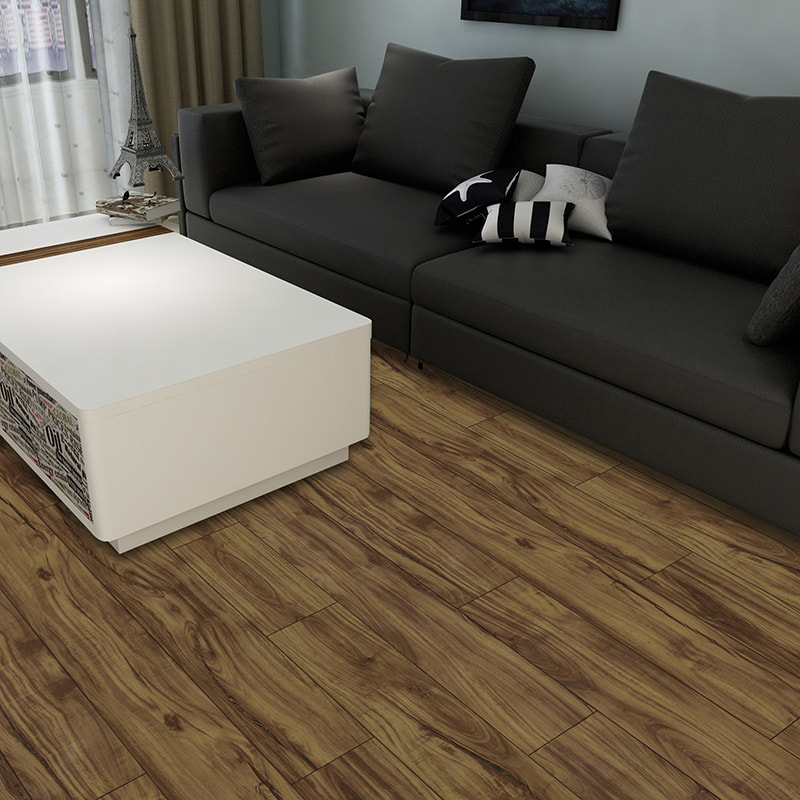
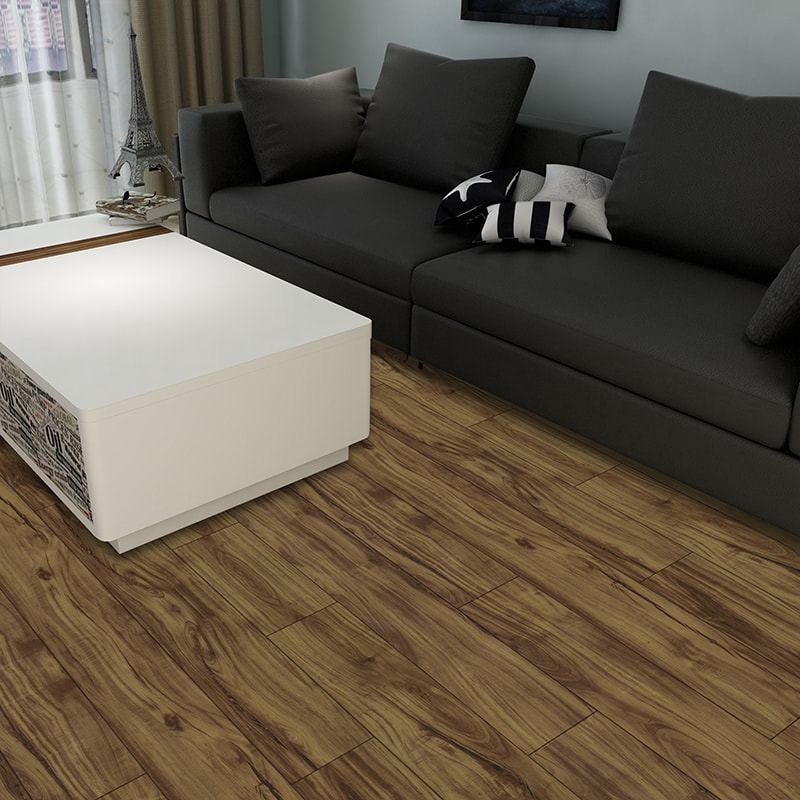
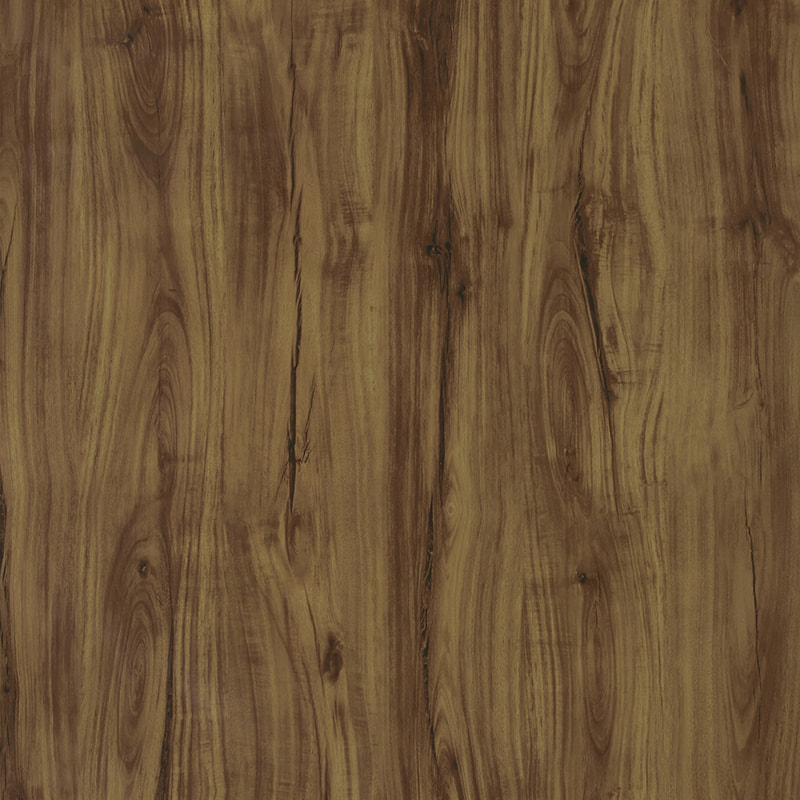
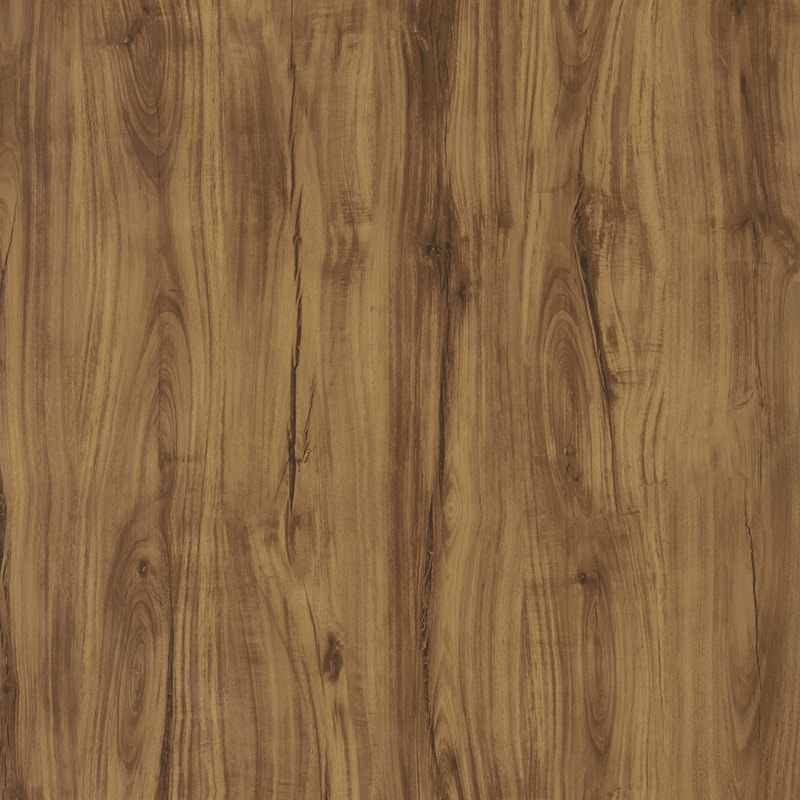
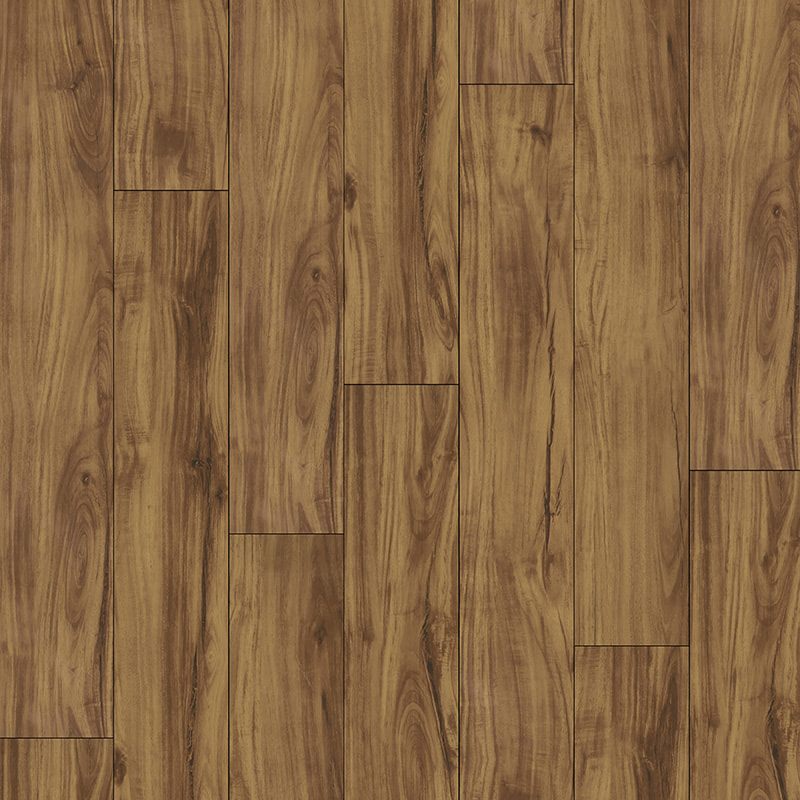
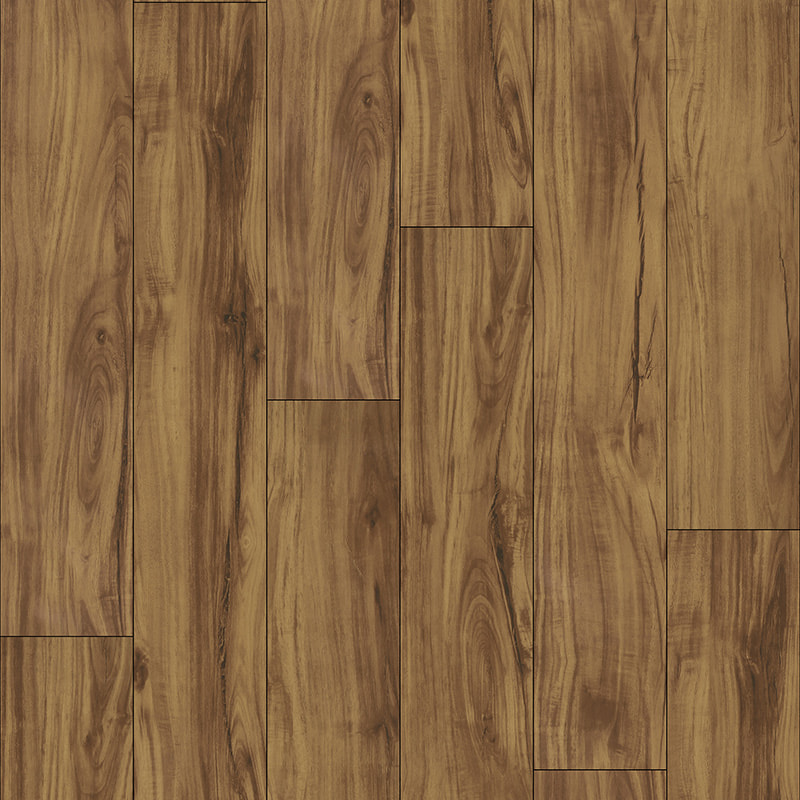
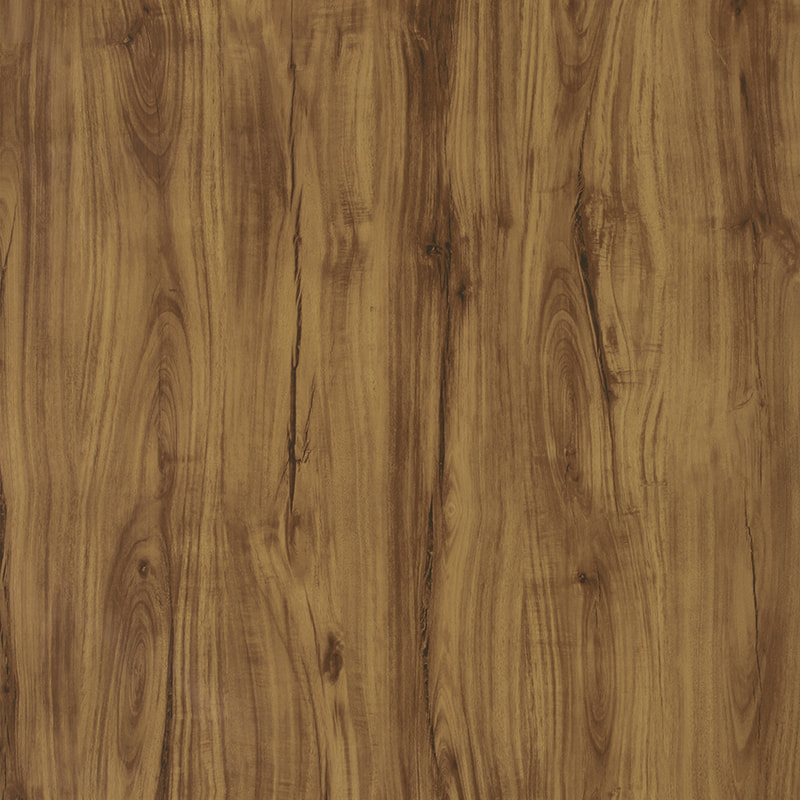
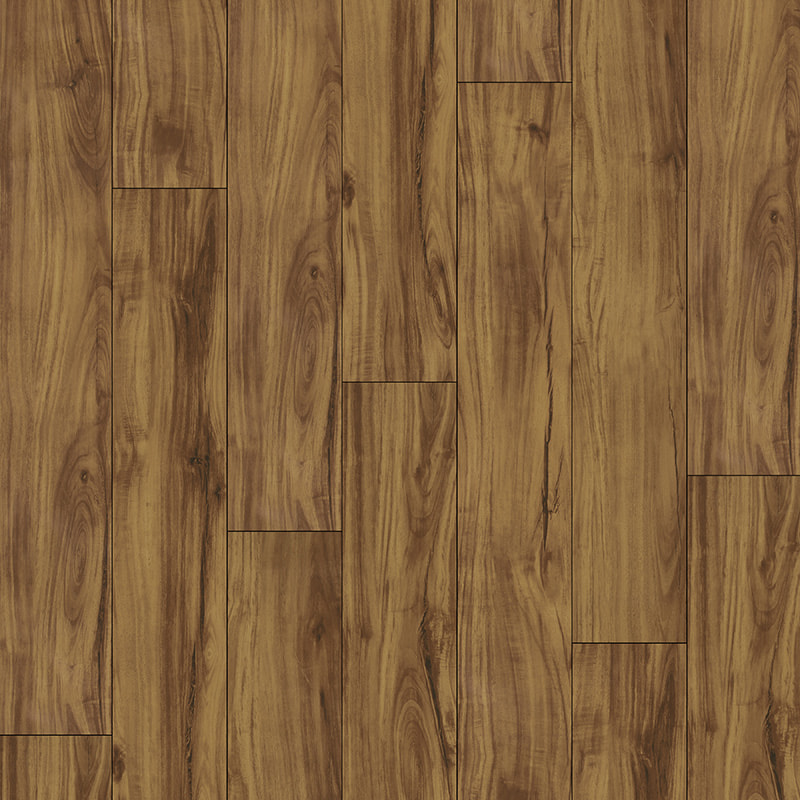
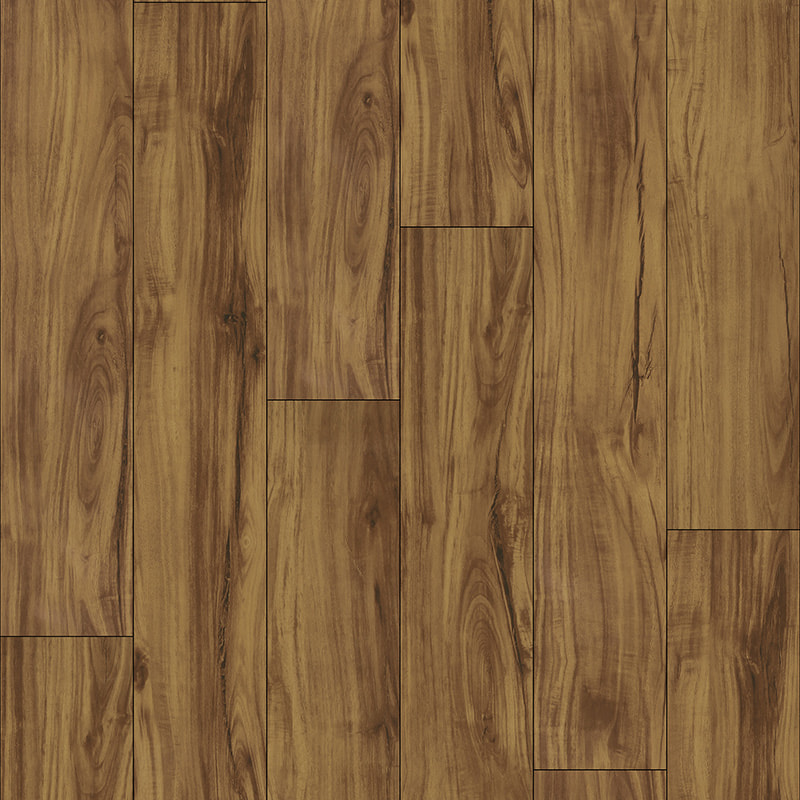
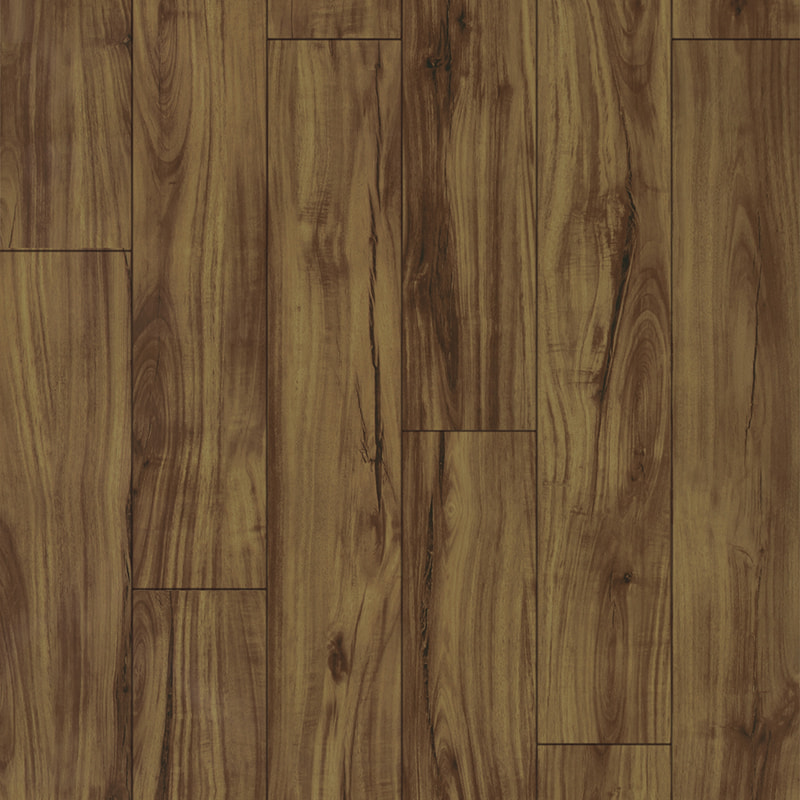
Model: YC8003
Wood: Walnut
Spec: 1000*1230mm
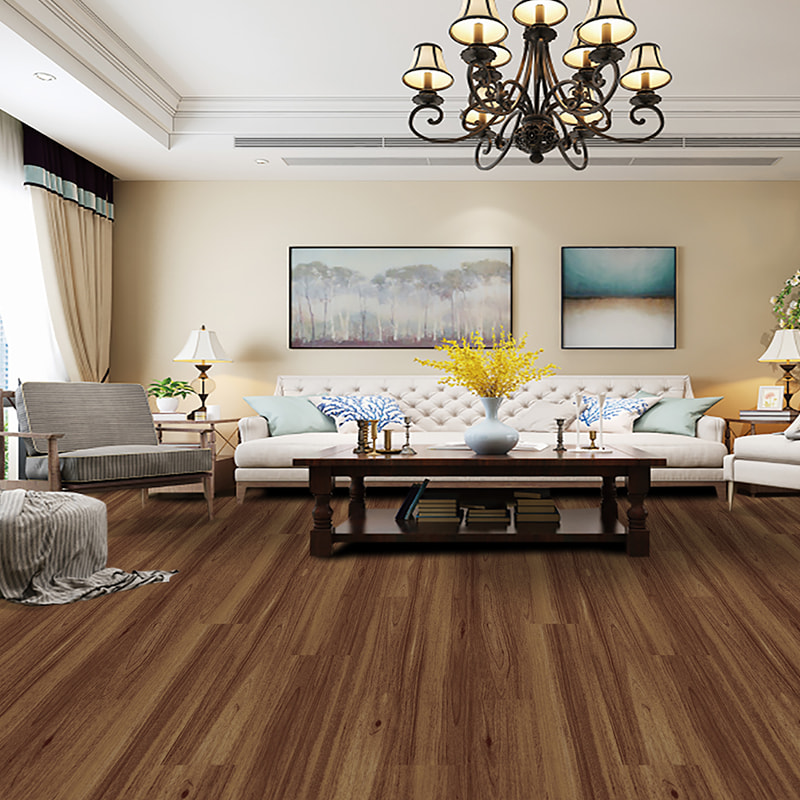
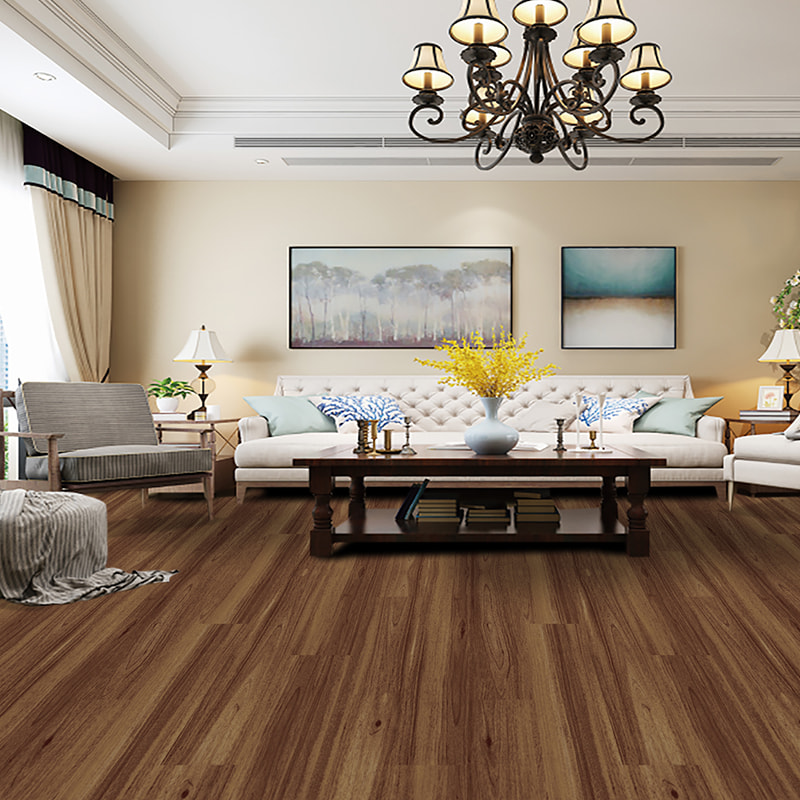
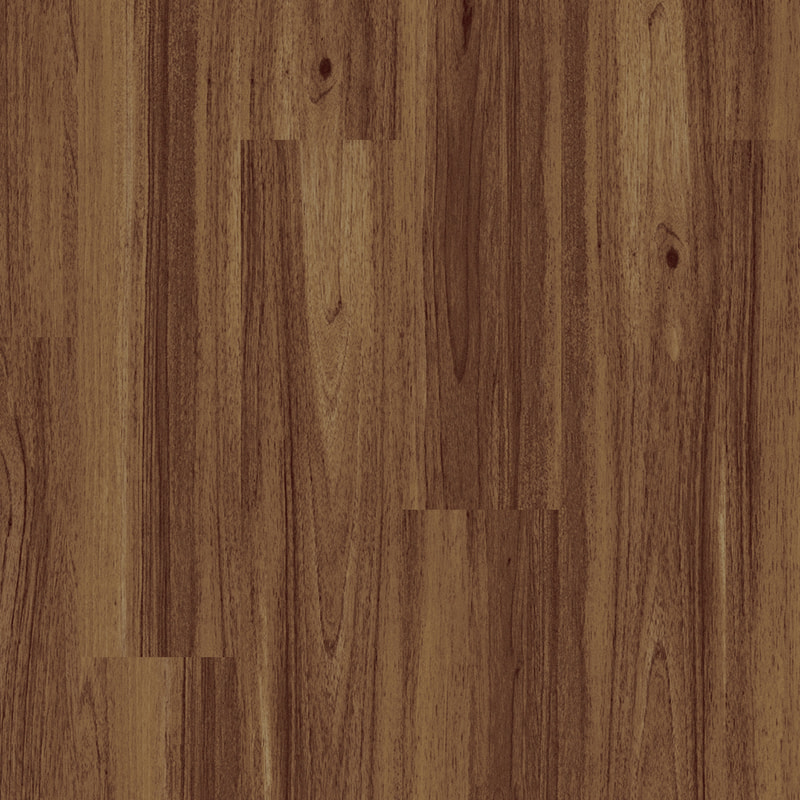
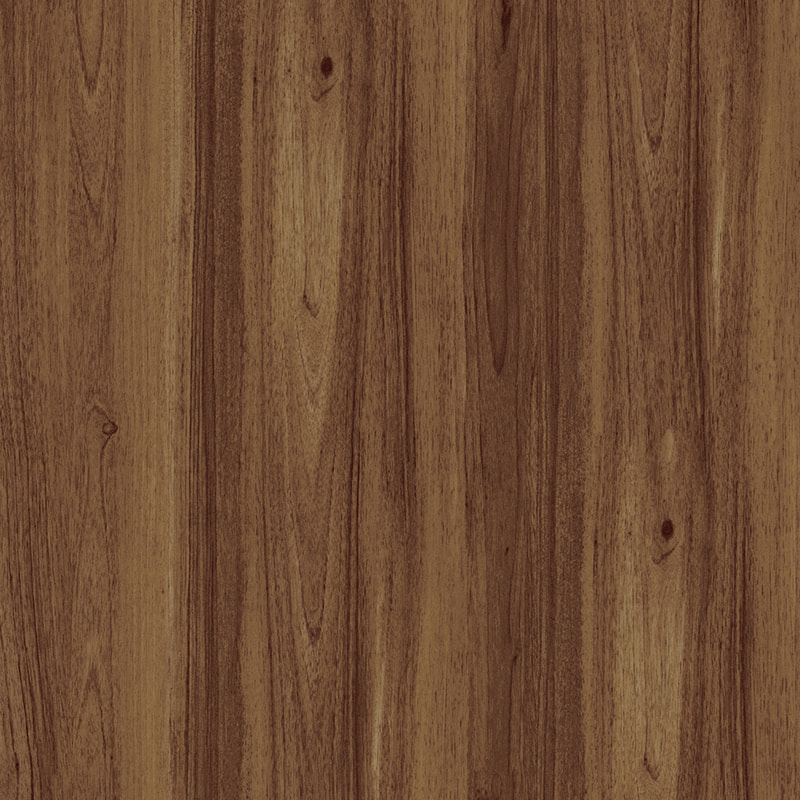
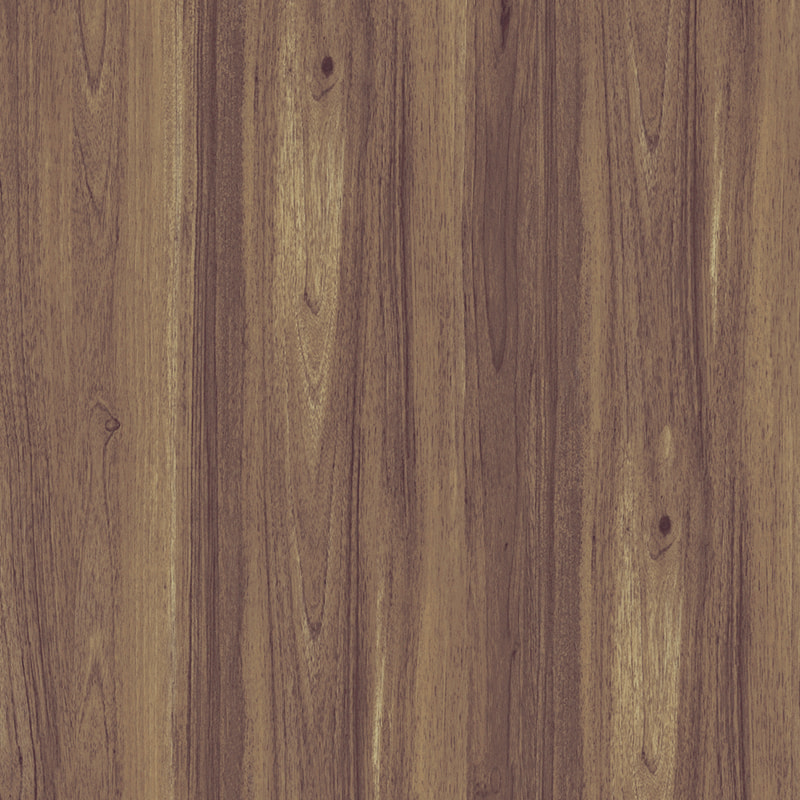
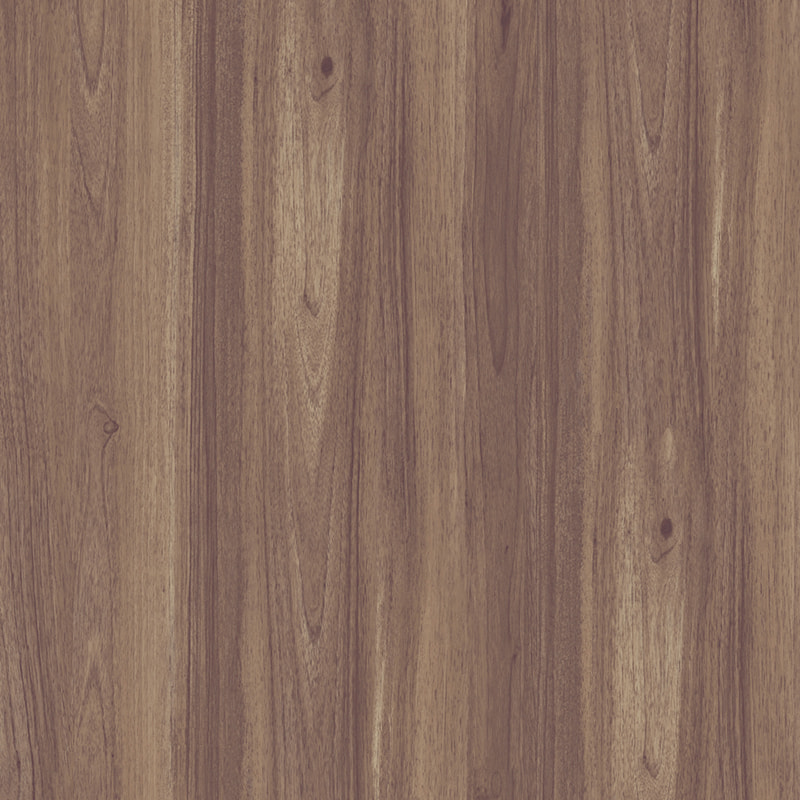
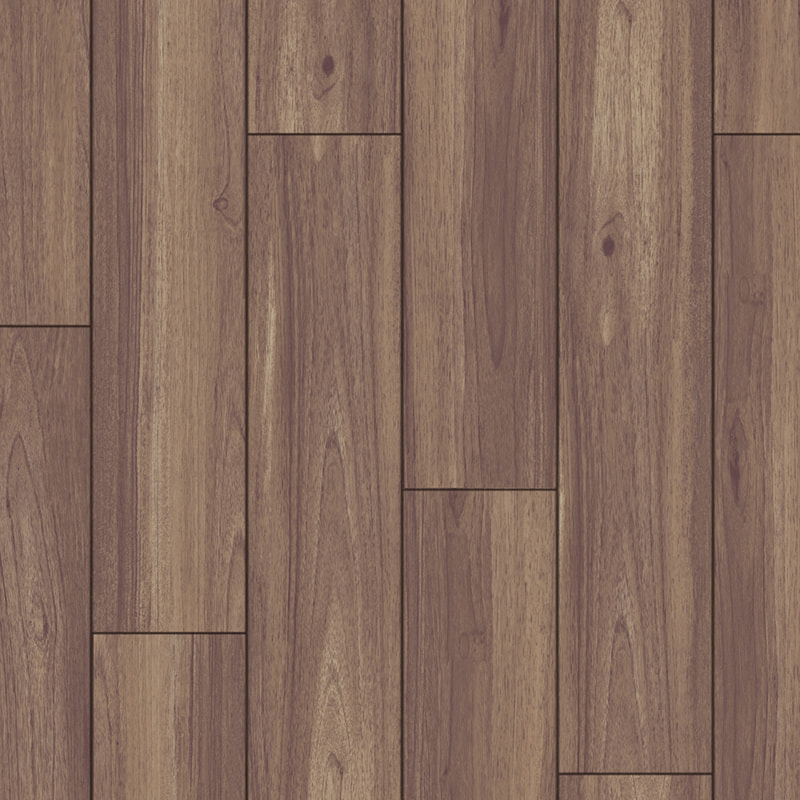
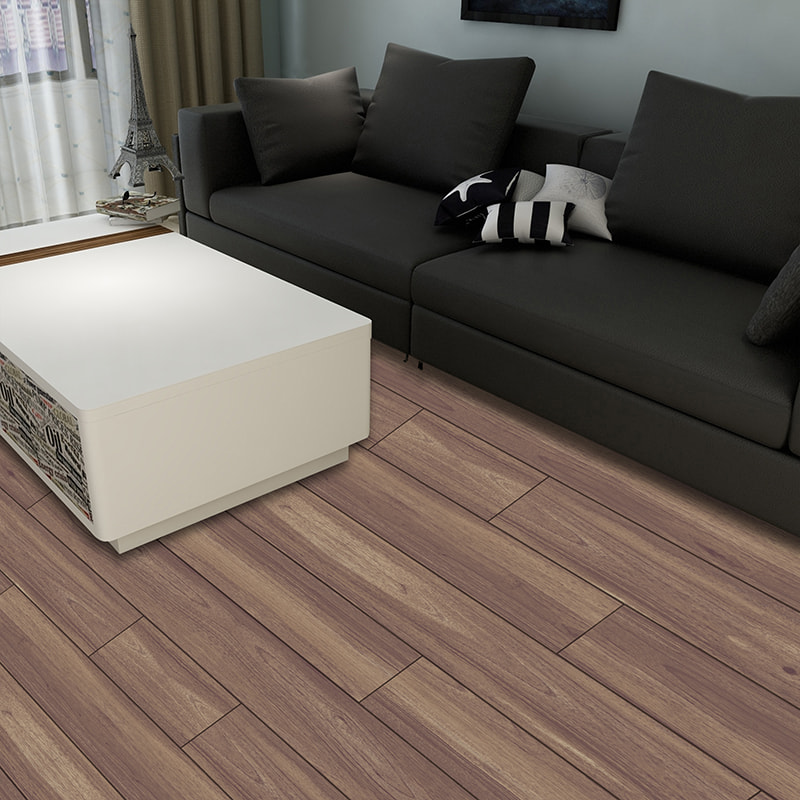
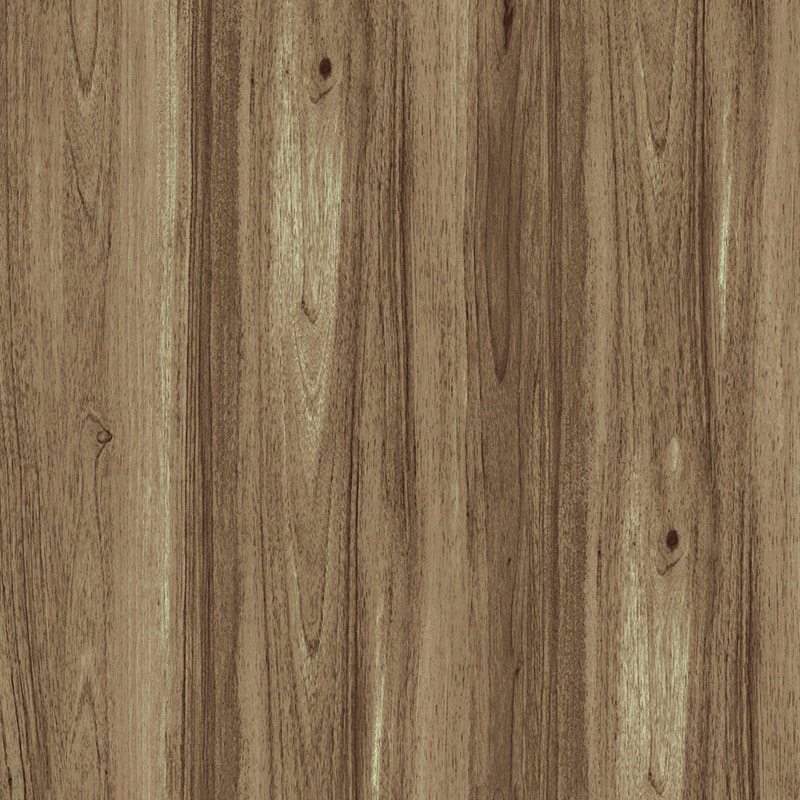
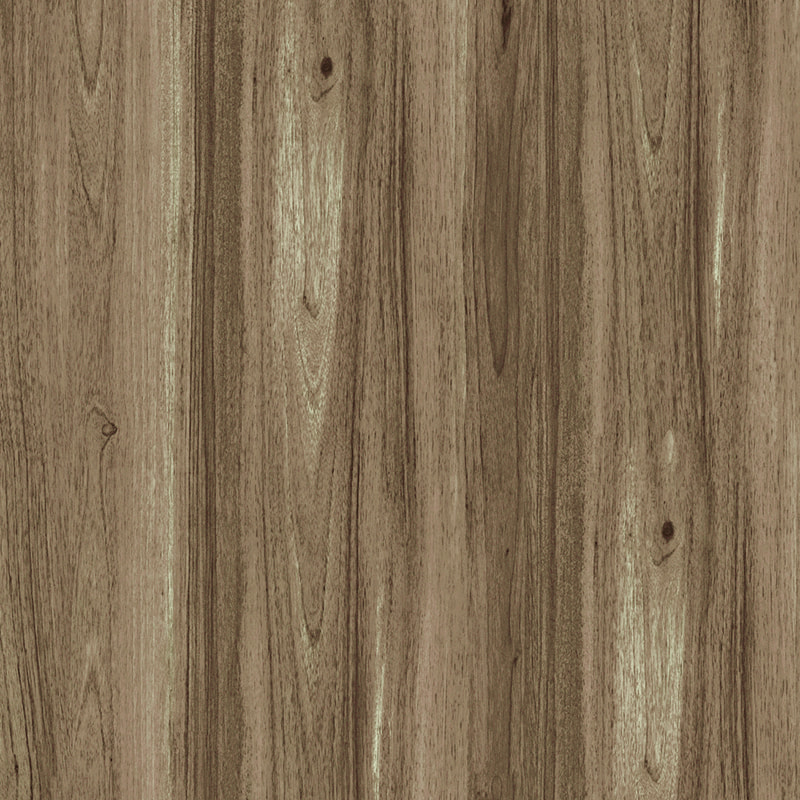
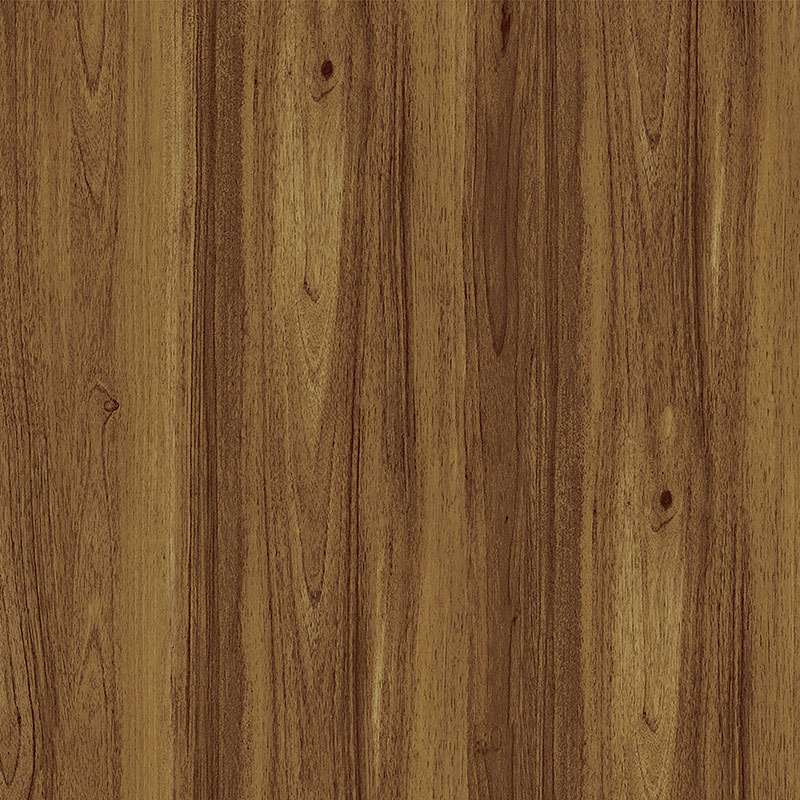
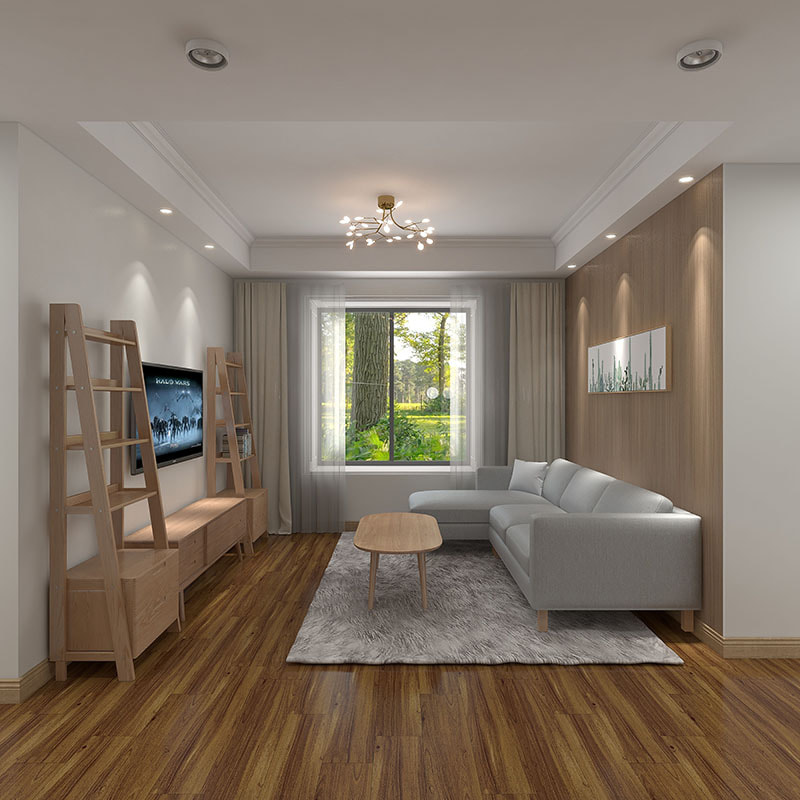
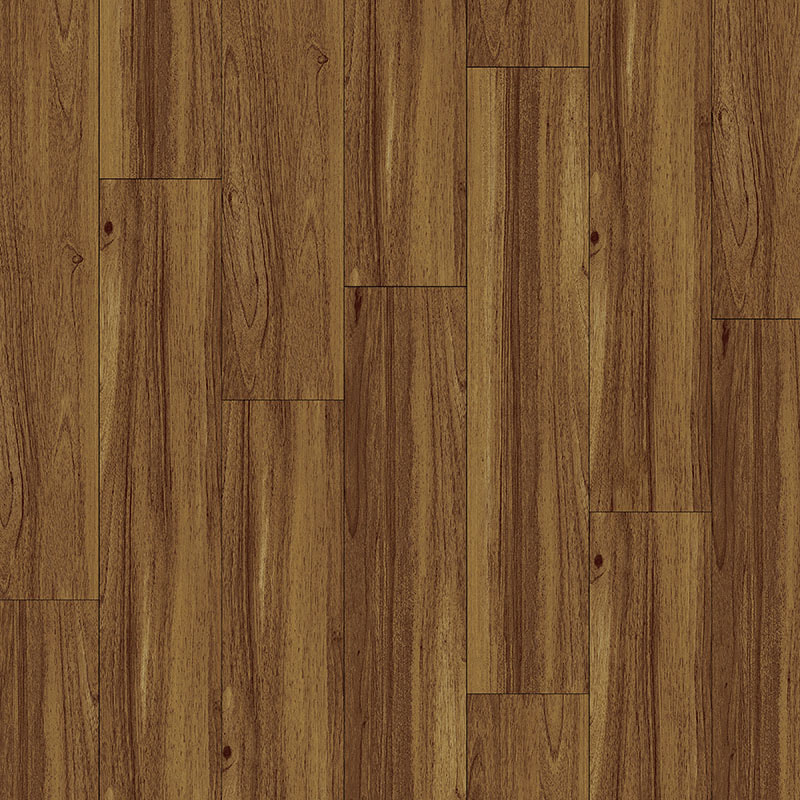
Model: YC8009
Wood: Walnut
Spec: 1000*950mm
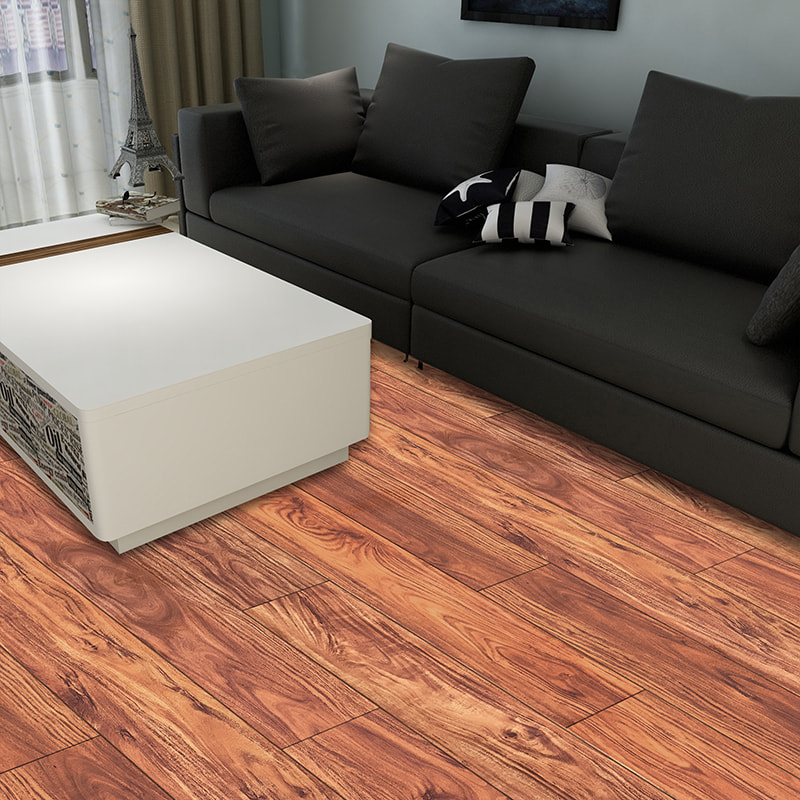
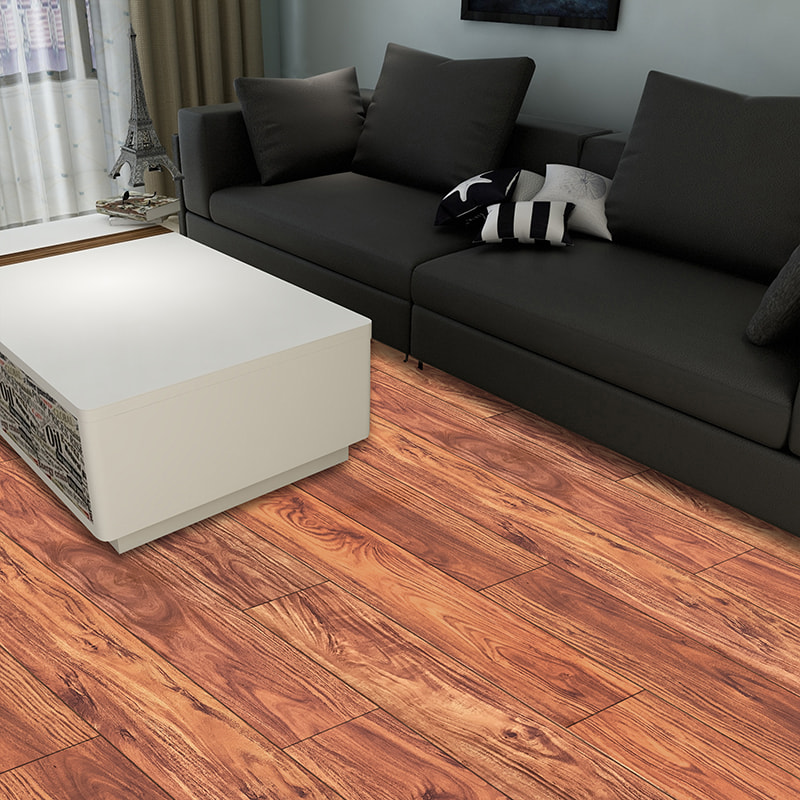
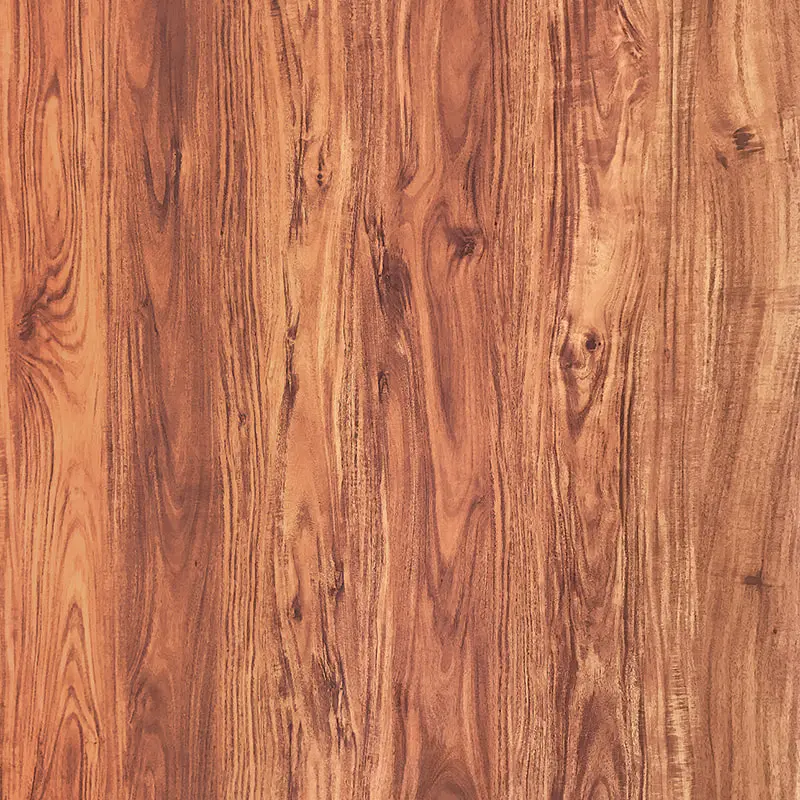
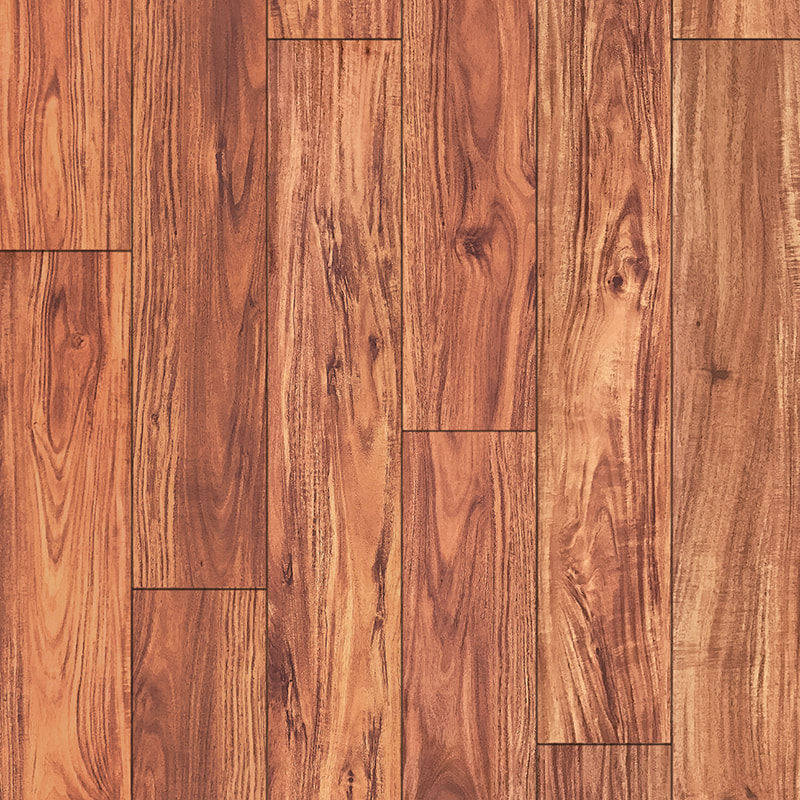
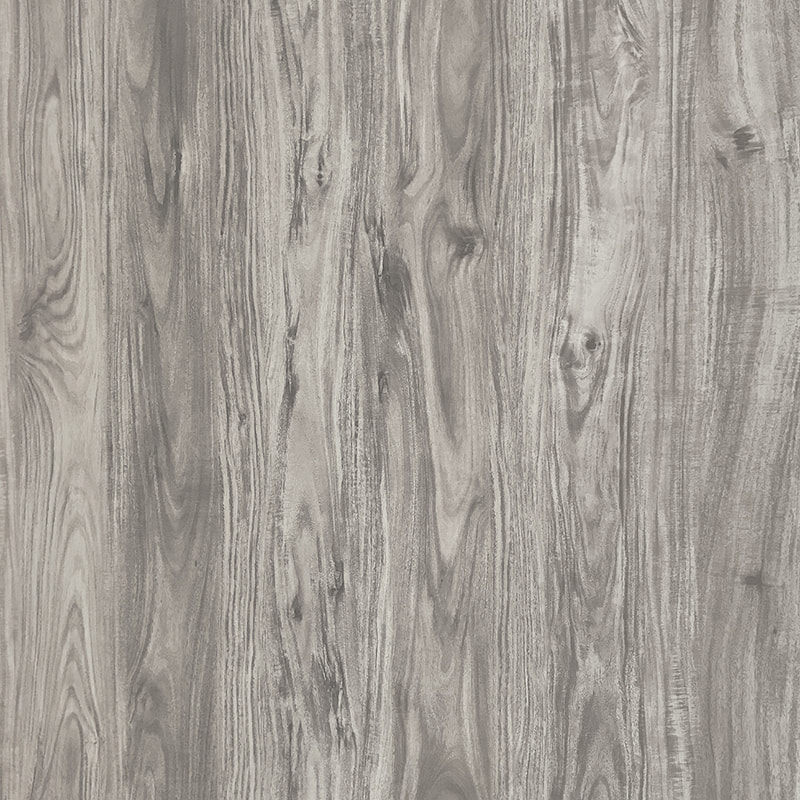
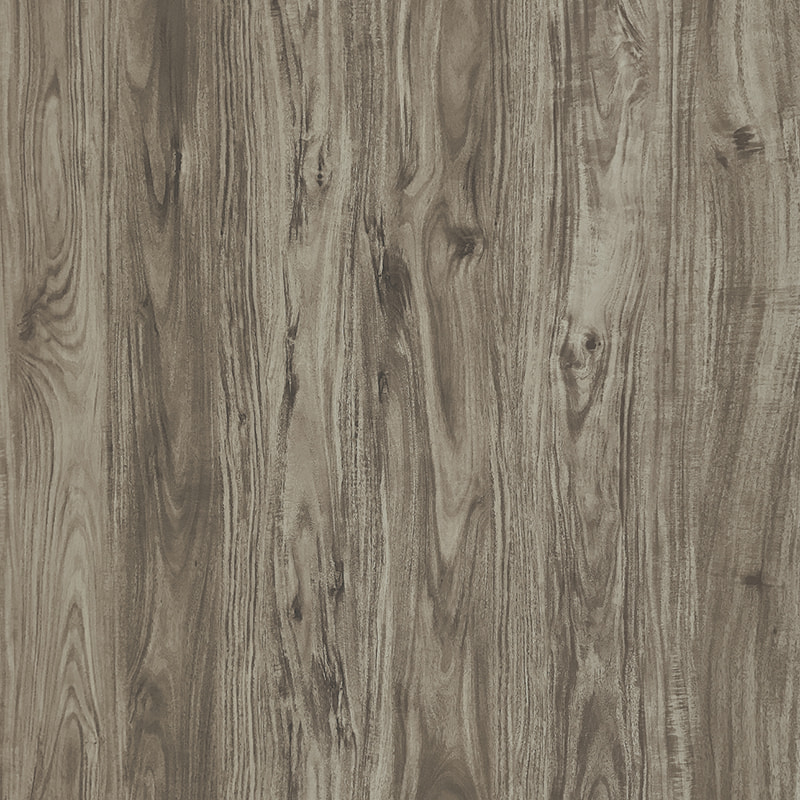
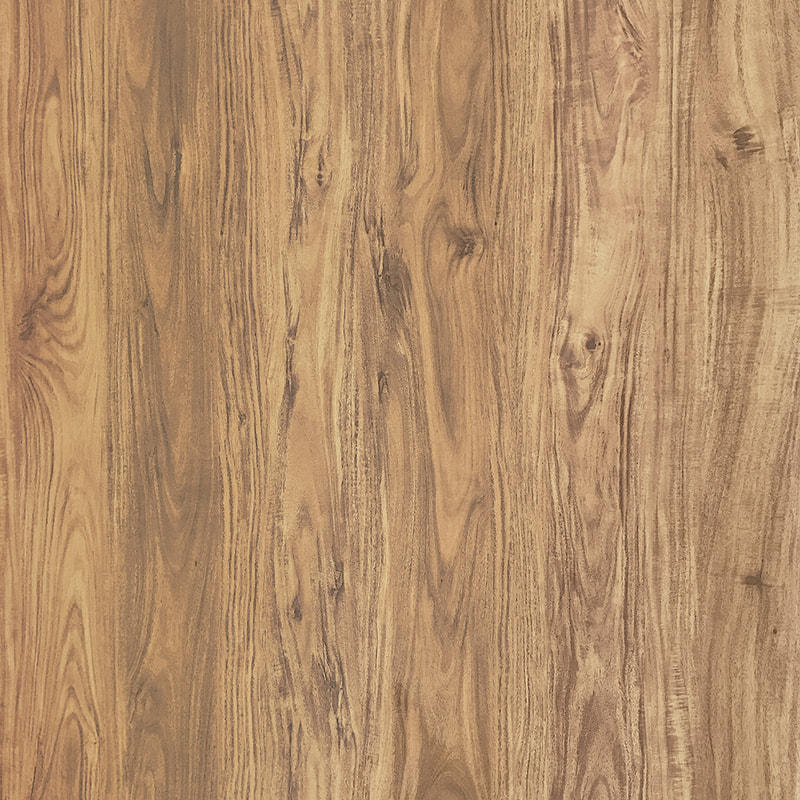
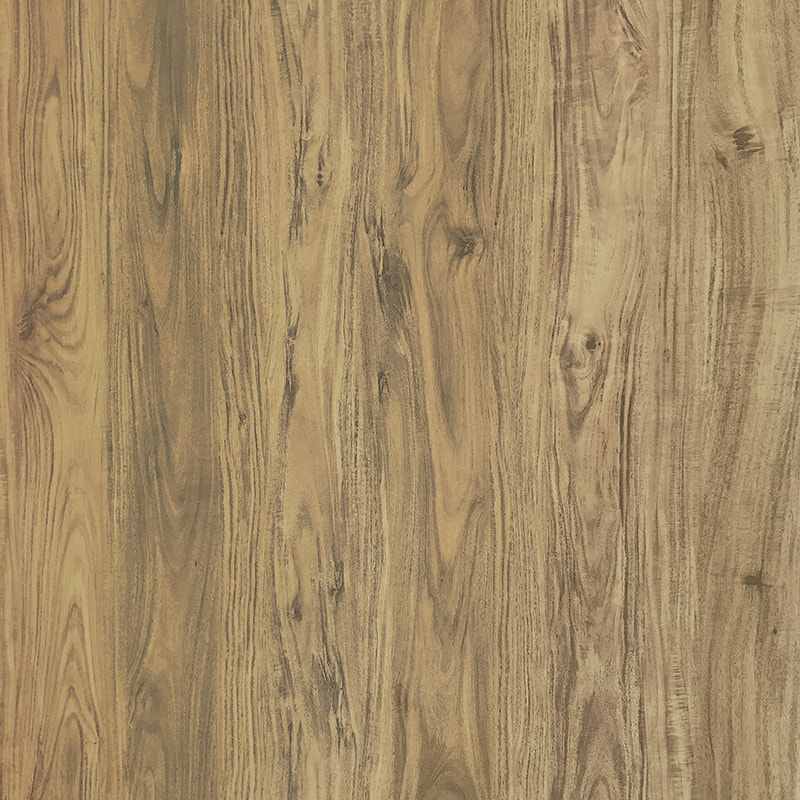
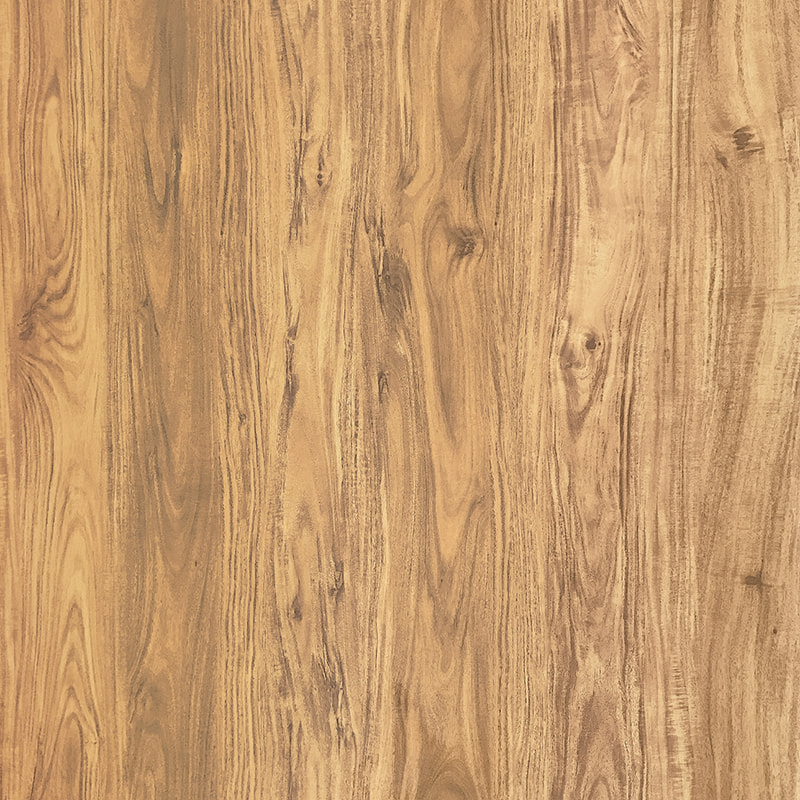
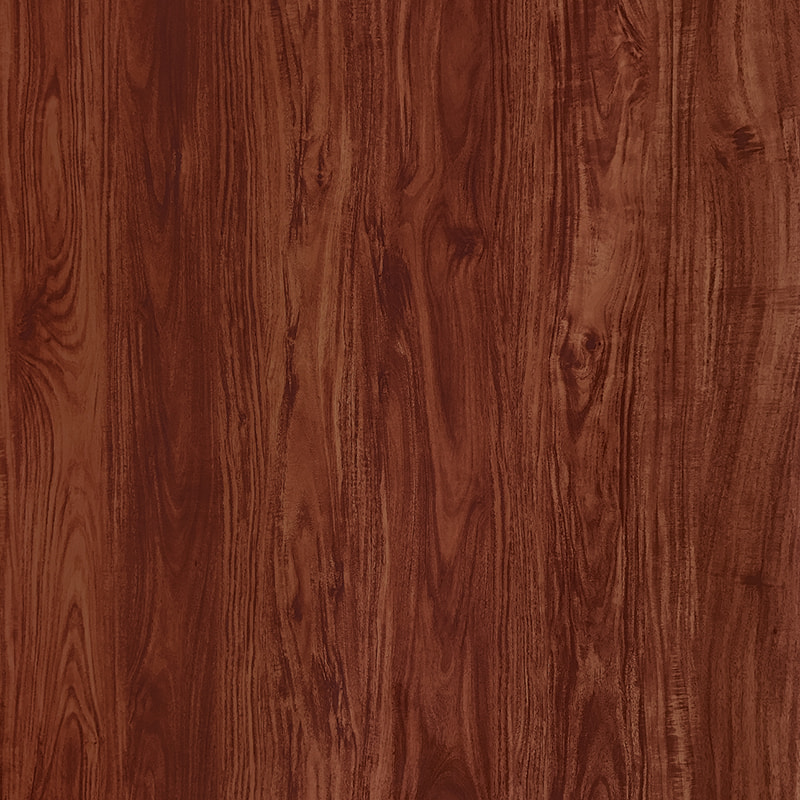
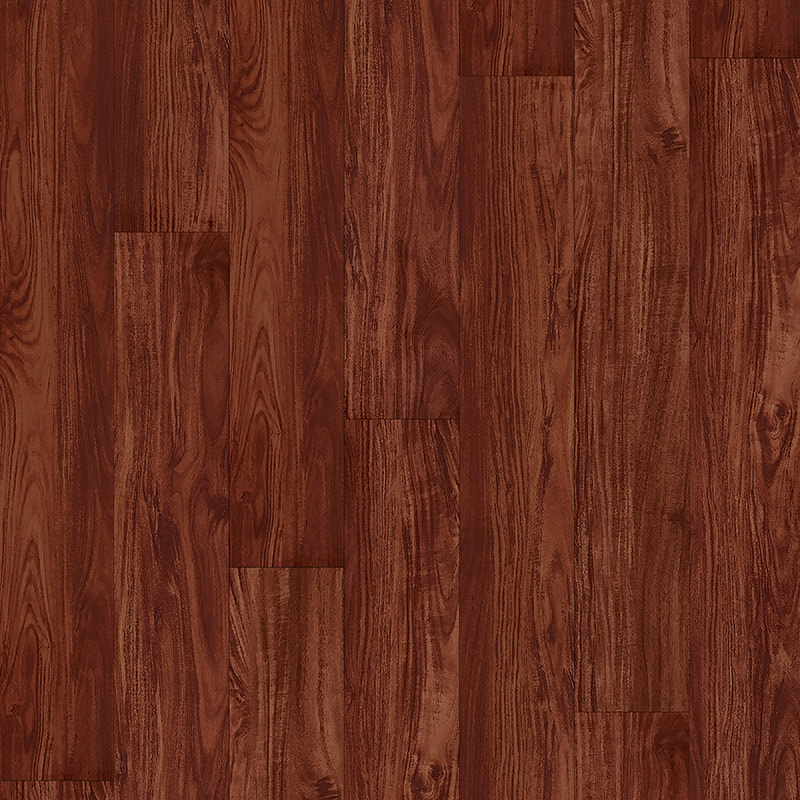
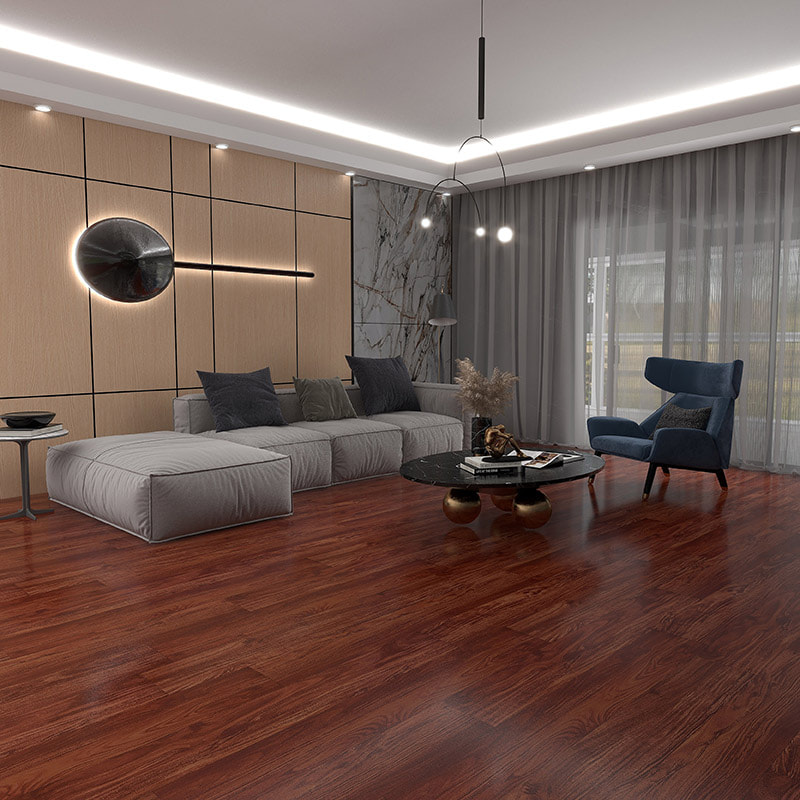
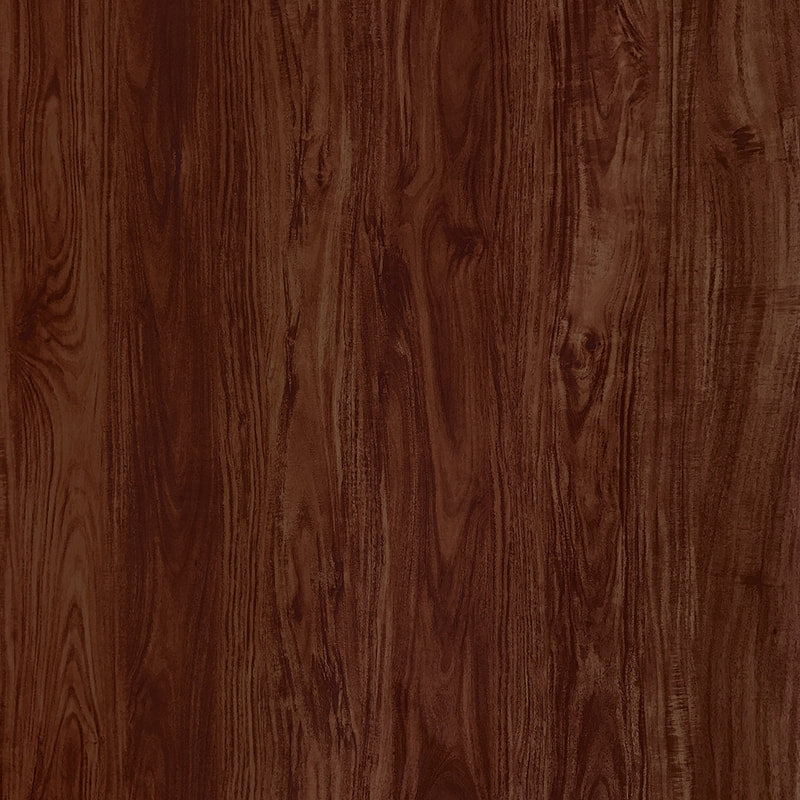
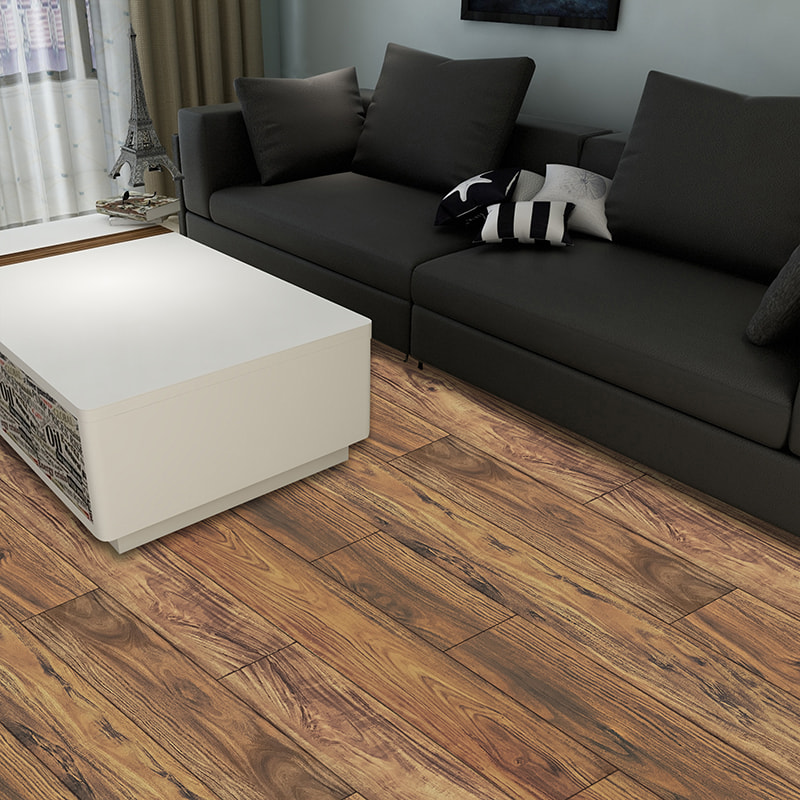
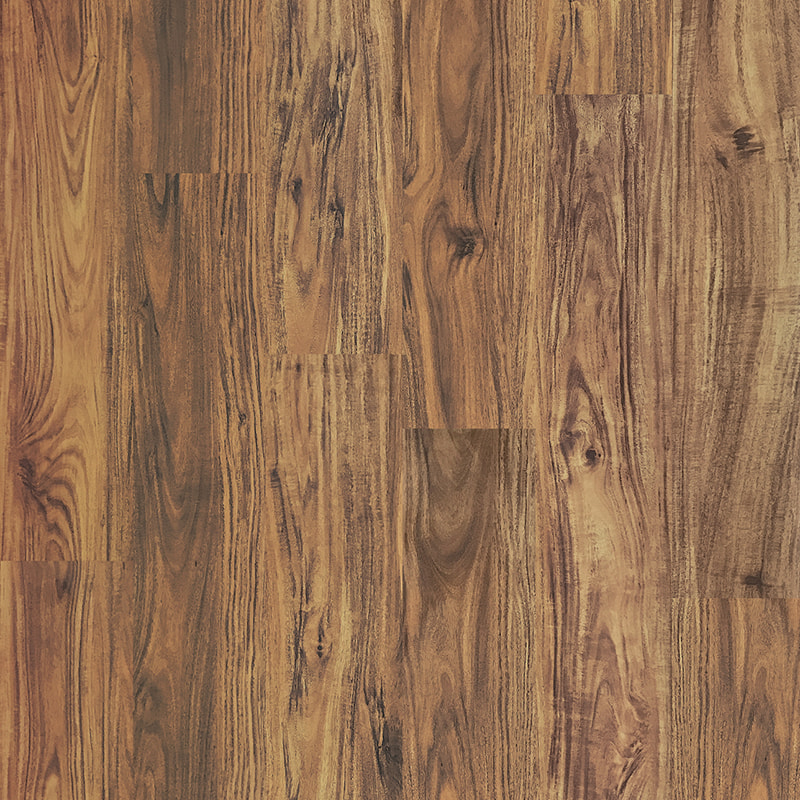
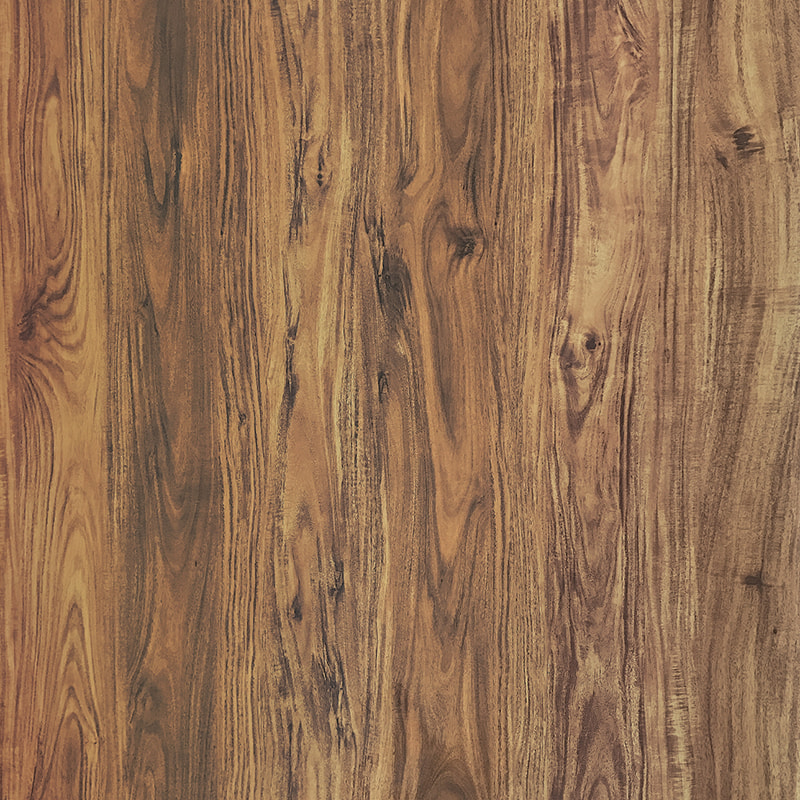
Model: YC48013
Wood: Walnut
Spec: 1000*1260mm
Walk through almost any furniture showroom and you will meet the same surface again and again: a warm, straight-grained...
View MoreHickory has quietly become one of the most requested wood looks in decorative film, and it is easy to see why. It carri...
View MoreYou can usually spot hickory from across a room. The cathedral arches are wide and confident, the colour drifts from pa...
View MoreWhen designers and manufacturers look for a wood grain surface that feels warm, natural, and timeless, hickory often co...
View MoreA workshop receives a bundle of pine veneer for twelve wardrobe doors and finds that the color shifts noticeably betwee...
View MoreBlack walnut (Juglans nigra) and its close relative English walnut (Juglans regia) are diffuse-porous hardwoods, meaning their vessels are distributed relatively evenly across both early wood and late wood rather than concentrated in seasonal bands. The practical consequence for decorative film reproduction is that walnut lacks the dramatic annual ring contrast that defines oak or pine — instead, its visual character comes from tonal gradation across a narrower density range, interlocked grain that produces a subtle ribbon or stripe figure under certain lighting angles, and a fine, even pore texture that reads as smooth and refined rather than coarse or rustic.
Because walnut's depth of field is carried primarily by tonal gradation rather than high-contrast banding, the ink formulation for walnut PVC decorative film must prioritize tonal smoothness over density extremes. The ink channels need to be calibrated for gradual transitions — halftone dot sizes shifting smoothly from 15% to 65% density without the abrupt step changes that are acceptable in pine or hickory patterns. Any banding artifact from ink viscosity variation during a press run is more visible in walnut than in species with stronger natural contrast, because there are no bold grain features to visually mask the print irregularity. For this reason, walnut is considered a benchmark species for assessing the overall process stability of a gravure production line — a press that prints walnut well is capable of handling any other species pattern reliably.
One of walnut's most valuable visual attributes in real lumber is interlocked grain — a growth pattern where the wood fibers alternate in spiral direction from year to year, creating a structure that, when quarter-sawn or rotary-sliced, produces a ribbon or stripe figure visible as alternating bands of light and dark running parallel to the grain. This figure is not a surface coloring but a structural optical effect: the alternating fiber orientations reflect light differently, so the figure changes character as the viewing angle shifts. Under fixed lighting it appears as a subtle striped shimmer; under raking light it becomes strongly directional.
Reproducing ribbon figure in a walnut PVC decorative film is genuinely difficult because the effect is inherently three-dimensional in the original material — it is an optical phenomenon driven by surface geometry — while the film is a flat printed surface. The most effective approach is to reproduce the figure using a gloss-differential technique in the topcoat: the ribbon bands that would appear lighter in real lumber are printed with a marginally higher topcoat gloss (3–5 GU above the surrounding surface), creating a directional highlight that simulates the reflectance difference of the alternating grain orientations. This requires precise registration between the printed ribbon band positions and the gloss-differential coating application, and it is a capability that separates premium walnut film from commodity versions that print the species as a flat, uniform-sheen surface with color alone.
The term "walnut" in decorative film encompasses several distinct species and geographic variants that have meaningfully different visual characters and carry different market associations in different regions. Specifiers and buyers sourcing walnut PVC film need to be clear about which reference species their design is targeting, as a pattern calibrated for one variant will look incorrect to buyers familiar with another.
Our walnut film range includes variants referenced to each of these species categories, an output of continuous market research and direct color calibration against physical veneer samples sourced from primary markets.
Walnut occupies a premium position in the wood species hierarchy — it is associated with high-end furniture, executive interiors, and luxury residential design — and Walnut Decorative Film is therefore frequently specified in applications where the surface must carry a credible premium signal. Getting this right requires more than accurate color reproduction. Buyers and end users in premium contexts evaluate walnut surfaces through multiple sensory and contextual channels simultaneously, and a film that is correct in color but wrong in any of the following attributes will fail to communicate the intended quality level.
Real walnut, when finished with an oil or thin lacquer, has a quality of visual depth — the eye perceives the grain as sitting below the surface rather than printed on top of it. This depth effect is produced in actual wood by the way light penetrates the finish, reflects off the wood fibers at different depths, and returns through the finish with a slight scattering. In PVC film, a partial simulation of this effect is achievable by using a transparent ink base that allows the film substrate's slight translucency to contribute to the visual layer, rather than fully opaque inks that sit on top of the substrate as a flat deposit. The topcoat chemistry also contributes: certain matte formulations with controlled micro-texture scatter light in a way that simulates depth, while high-gloss coatings reflect purely from the surface and eliminate the depth illusion entirely.
The scale of the grain features in the pattern — pore size, grain line width, figure band width — must be consistent with the panel dimensions on which the film will be applied. A grain scale appropriate for a 100 mm wide floor plank looks visually oversized and coarse on a 600 mm wide furniture panel face, and a fine-scale grain designed for wide furniture panels can appear timid and detail-free on narrow flooring. Walnut patterns for furniture applications should be developed with grain features scaled to the primary panel dimensions of the intended furniture type — side panel, door face, tabletop — rather than adapted from a single generic walnut cylinder.
In luxury interiors where walnut film is applied across multiple elements — flooring, wall paneling, cabinetry, and furniture — color temperature consistency across all surfaces is a critical requirement. Walnut film produced on different press runs, or sourced from different suppliers for different elements, can carry subtly different undertones that only become apparent when the surfaces are installed together in the same room under the same light. The characteristic most likely to vary between batches is the red-to-grey balance of the brown base tone: a batch with a slightly warmer undertone will read as a different species from a batch with a cooler, more neutral brown, even if the overall ΔE between them is within a technically acceptable tolerance of 2.0. For multi-element luxury projects, specifying all walnut film from a single production batch — or at minimum from a single cylinder set with spectrophotometric approval of each batch against a locked reference standard — is the only reliable way to achieve the visual coherence these projects require.
Walnut is available in real lumber in a range of figure intensities — from nearly straight-grain select cuts to highly figured crotch, burl, or stump wood. Decorative film patterns reflect this range, and selecting the appropriate figure intensity for the application context is as consequential as selecting the right color.
Straight-grain walnut — characterized by parallel, closely spaced grain lines with minimal figure — is the correct choice for contemporary and minimalist design contexts. It reads as sophisticated and restrained, allowing form and proportion to lead while the material provides warmth without visual noise. It is particularly effective on large, uninterrupted surfaces like wardrobe doors, headboards, or acoustic wall panels where a figured pattern would fragment the visual field. Straight-grain walnut film is also easier to match across batches because the absence of distinctive figure features reduces the eye's sensitivity to small color or density differences between production runs.
Figured walnut — including patterns based on crotch figure, curl, or burl — carries more visual energy and is appropriate for statement applications: a single feature wall, a bar front, a premium reception desk. The challenge with highly figured patterns in film is that the dramatic beauty of real figured walnut comes partly from its three-dimensional surface variation — the wavy grain that creates figure in real wood also creates surface undulation that catches light differently across the board. A flat film printed with figured walnut artwork captures the color pattern of the figure but not its topographic quality. Registering a subtle emboss with varying depth to the figure bands — deeper in the areas that correspond to raised figure in the natural material — partially recovers this dimensionality and significantly improves the realism of the finished surface.
Kitchen cabinetry is one of the highest-volume applications for walnut PVC decorative film, and it is also one of the most demanding in terms of simultaneous performance requirements. A walnut film on a kitchen cabinet door must tolerate heat from nearby appliances, moisture from cooking steam and cleaning, repeated contact with cleaning chemicals, and mechanical abrasion from daily use — while maintaining the premium appearance that justified the walnut selection in the first place.
The following table summarizes the key performance parameters and the test standards used to verify them for walnut film in kitchen cabinet applications:
| Performance Requirement | Test Standard | Minimum Acceptable Result | Implication for Film Specification |
| Heat resistance (dry) | EN 12722 | Grade 4 at 70°C, 20 min | Topcoat crosslink density must be sufficient to prevent softening near ovens |
| Steam resistance | EN 12721 | Grade 4 at 70°C steam, 10 min | Film must resist whitening or blistering from cooking steam exposure |
| Chemical resistance | EN 12720 | Grade 4 for household cleaners | UV topcoat must resist common alkali-based kitchen cleaners without surface hazing |
| Scratch resistance | EN 15186 | Grade 3 minimum (2N load) | Wear layer or topcoat hardness must meet kitchen use conditions |
| Light fastness | ISO 105-B02 | Grade 6 minimum (Grade 7 preferred) | Pigment selection must account for window-adjacent cabinet positions |
| Adhesion after humidity cycling | EN 311 (adapted) | No delamination after 7-day 85% RH exposure | Film-substrate bond must tolerate long-term high-humidity kitchen environment |
Cabinet manufacturers sourcing walnut film should request test certificates against these standards as part of the qualification process rather than accepting supplier declarations alone. A film that meets the full matrix of kitchen performance requirements will typically carry a higher unit cost than a general-purpose walnut film, but the cost of field delamination or finish failure in an installed kitchen — including replacement labor — far exceeds the incremental material cost at the specification stage.
For luxury fit-out projects — premium residential, boutique hospitality, or high-end retail — where walnut film appears on visually prominent surfaces in large quantities, the standard incoming goods inspection process is often insufficient to catch the subtle color and gloss variations that would be acceptable in a commercial context but are objectionable in a luxury one. A more rigorous batch approval protocol is warranted, and establishing it in the supply agreement before production begins avoids disputes at delivery.



Contact
 China Company Address: No.5 Zhaojia Road,
Vietnam Factory Address: GNP Yen Binh
1 - lndustrial Center (Lot CN13,CN18,Yen
Binh Industrial Park, Ward, Dng Tien, Ph8 Yen,
Thai Nguyen 24000)
Thailand Factory Address: 289/12 Moo 7, Klong Kiu Sub-District, Ban Bueng District, Chonburi 20220 THAILAND
China Company Address: No.5 Zhaojia Road,
Vietnam Factory Address: GNP Yen Binh
1 - lndustrial Center (Lot CN13,CN18,Yen
Binh Industrial Park, Ward, Dng Tien, Ph8 Yen,
Thai Nguyen 24000)
Thailand Factory Address: 289/12 Moo 7, Klong Kiu Sub-District, Ban Bueng District, Chonburi 20220 THAILAND
 Tel: +86-13685281168
+86-13813687178
Tel: +86-13685281168
+86-13813687178
 E-mail: [email protected]




 English
 русский