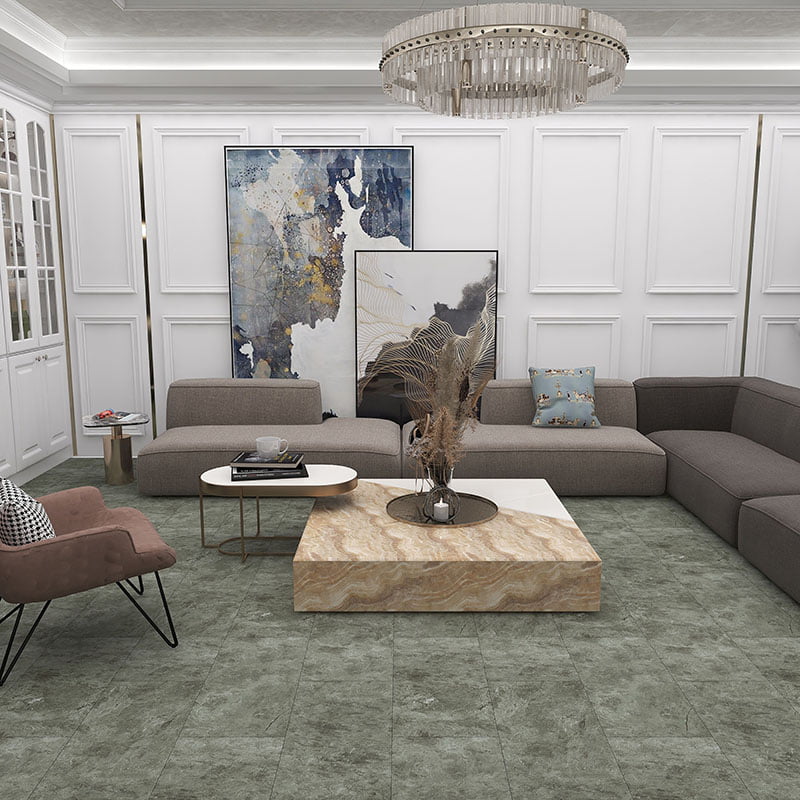
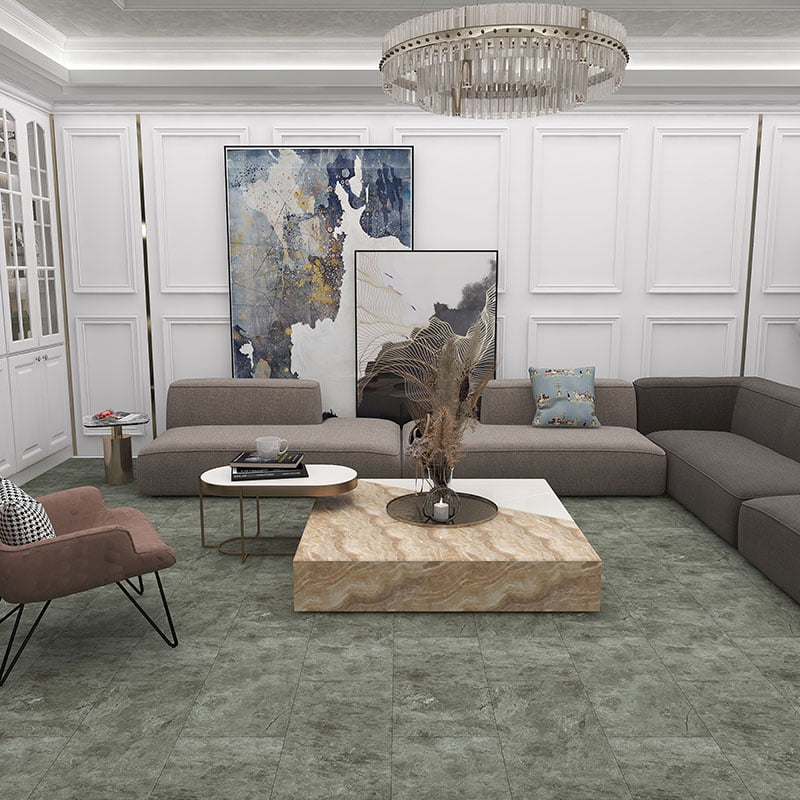
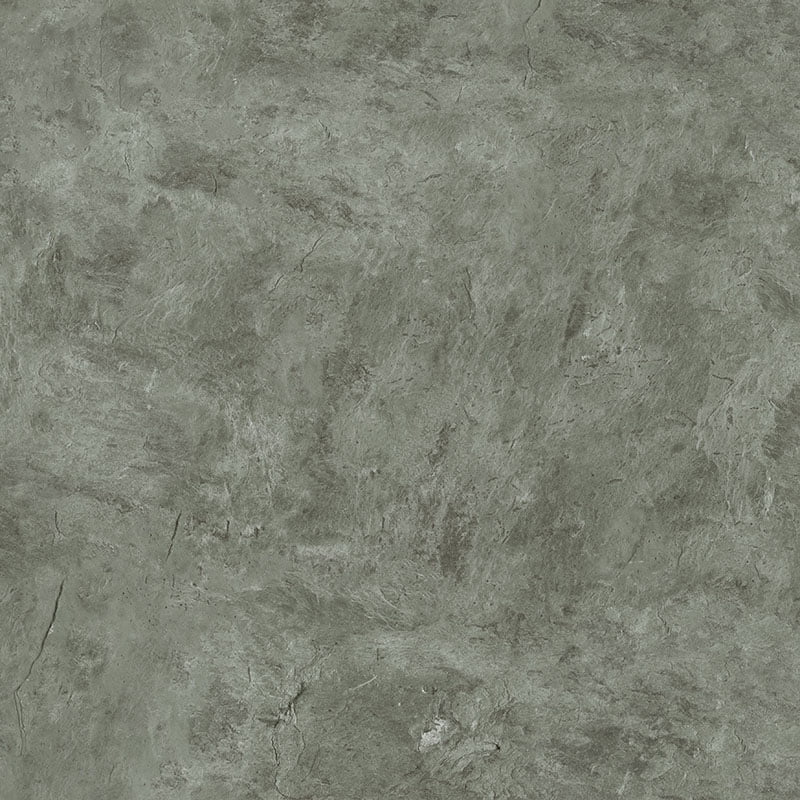
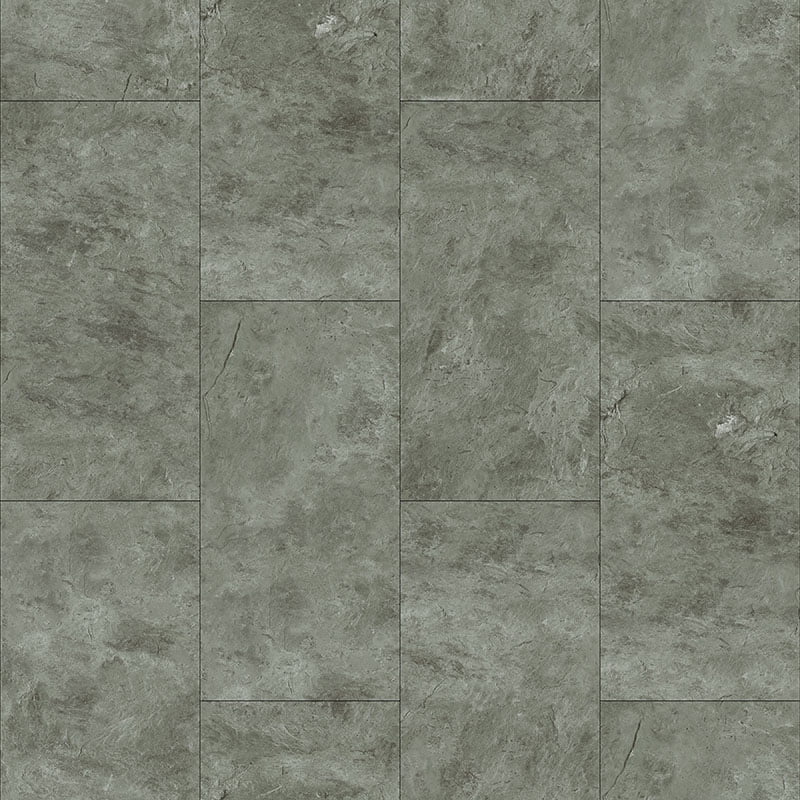
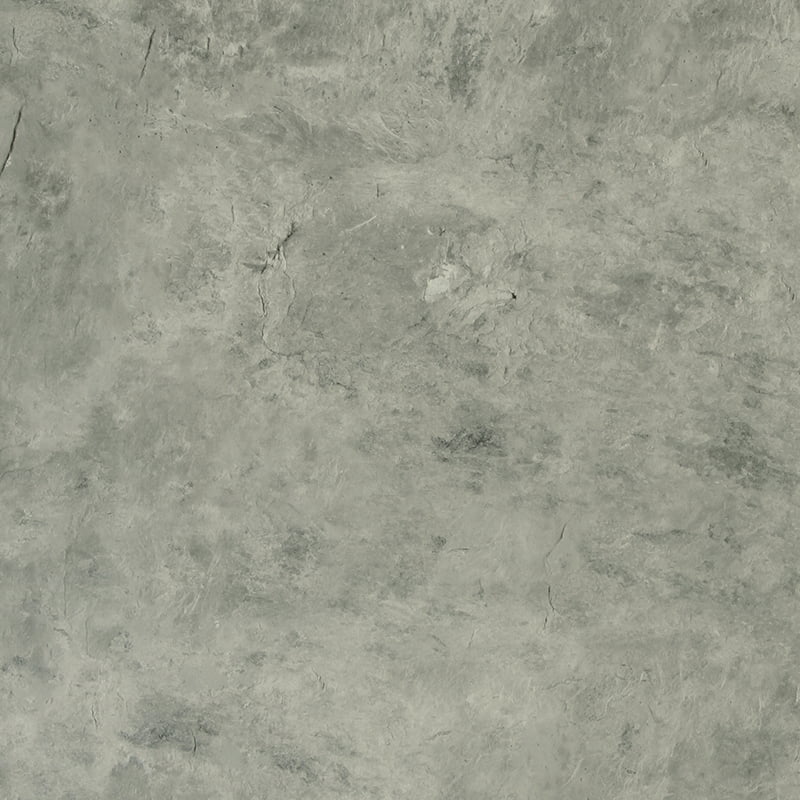
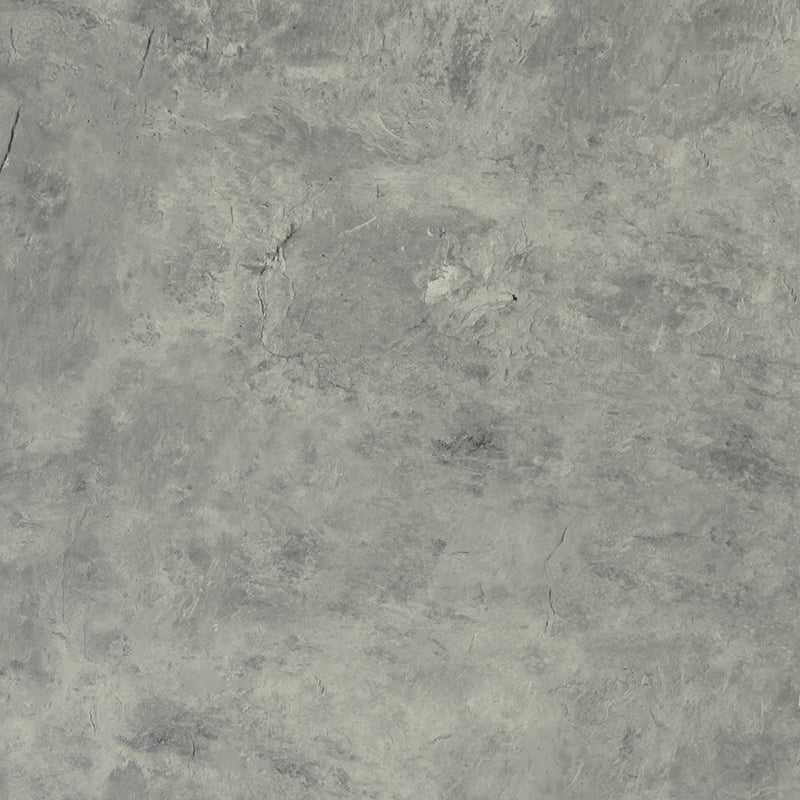
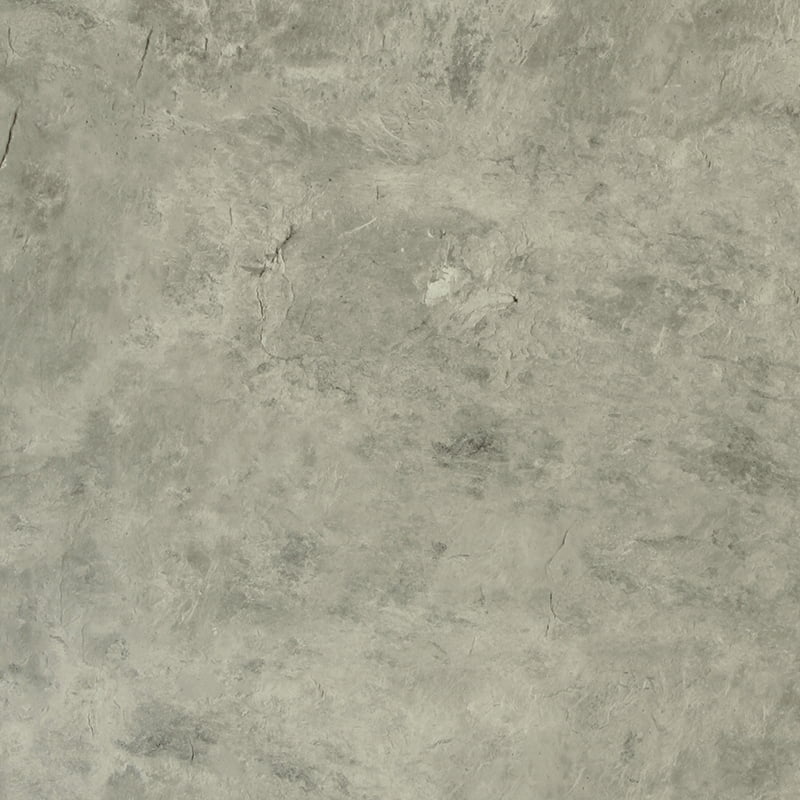
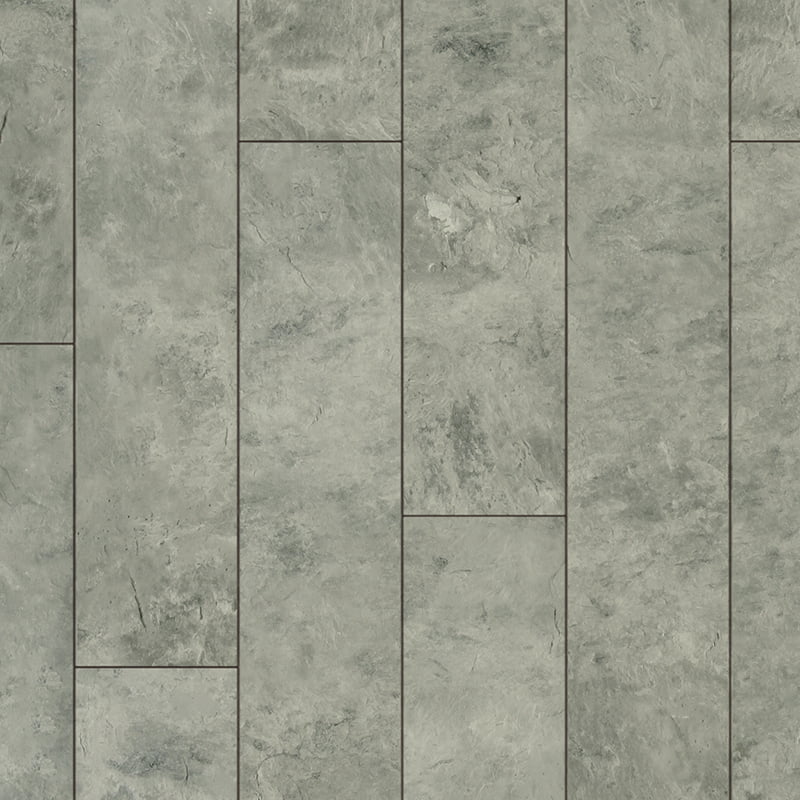
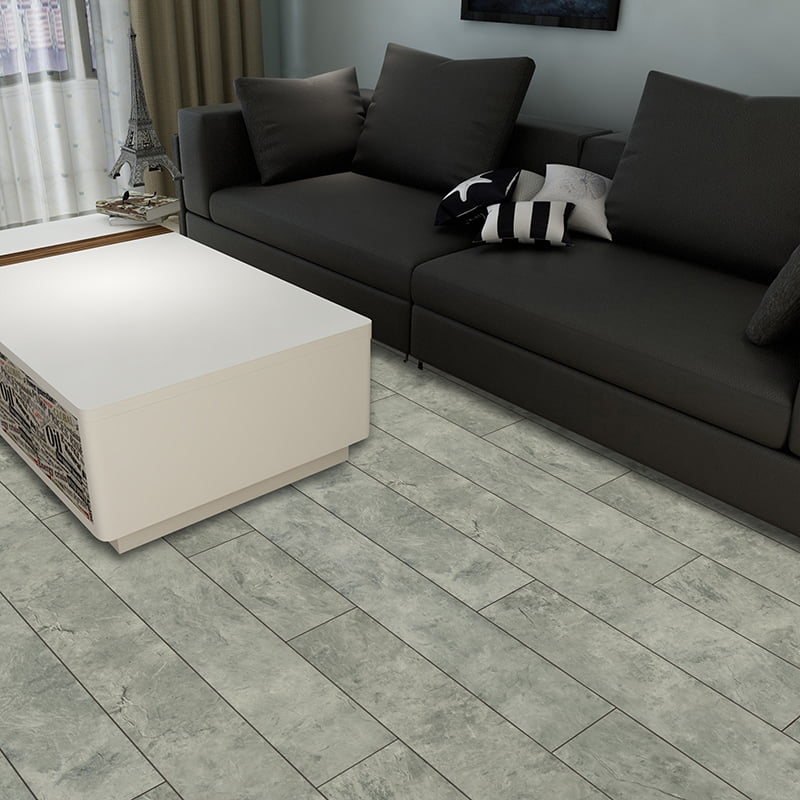
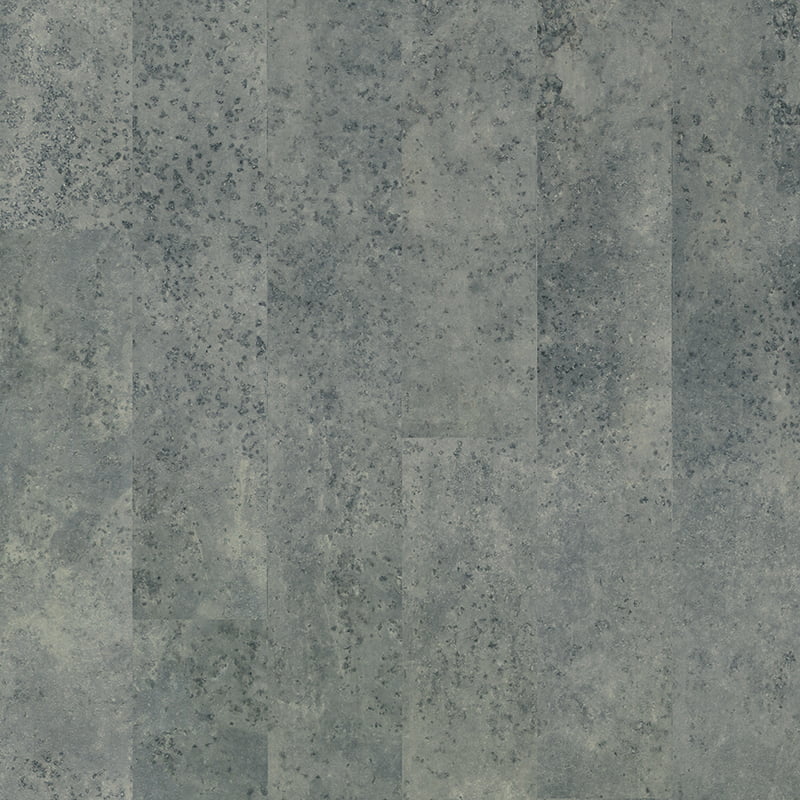
Model: YC7057
Wood: Stone
Spec: 1000*1098mm
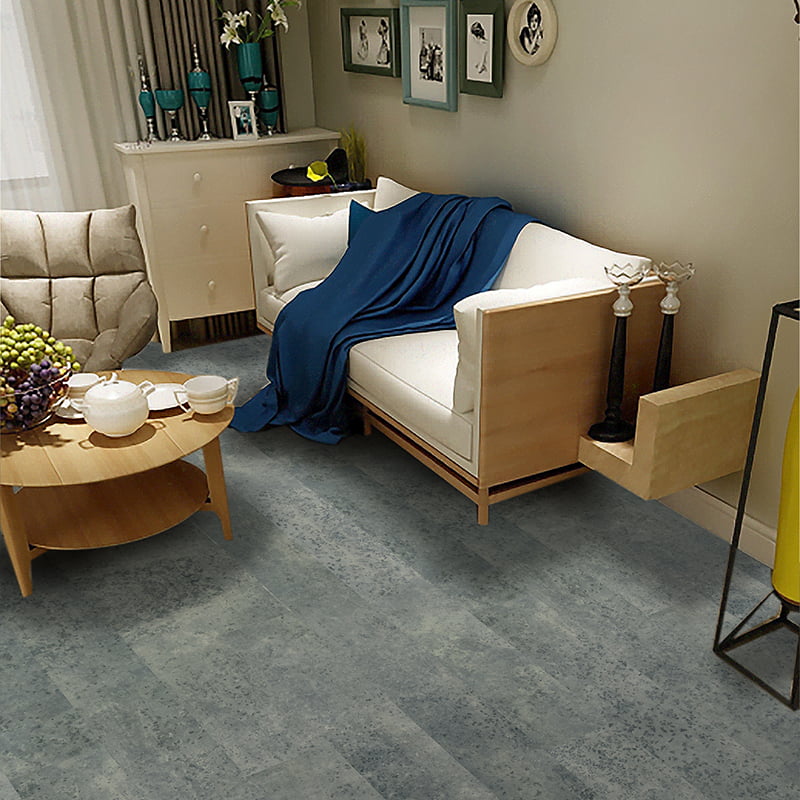
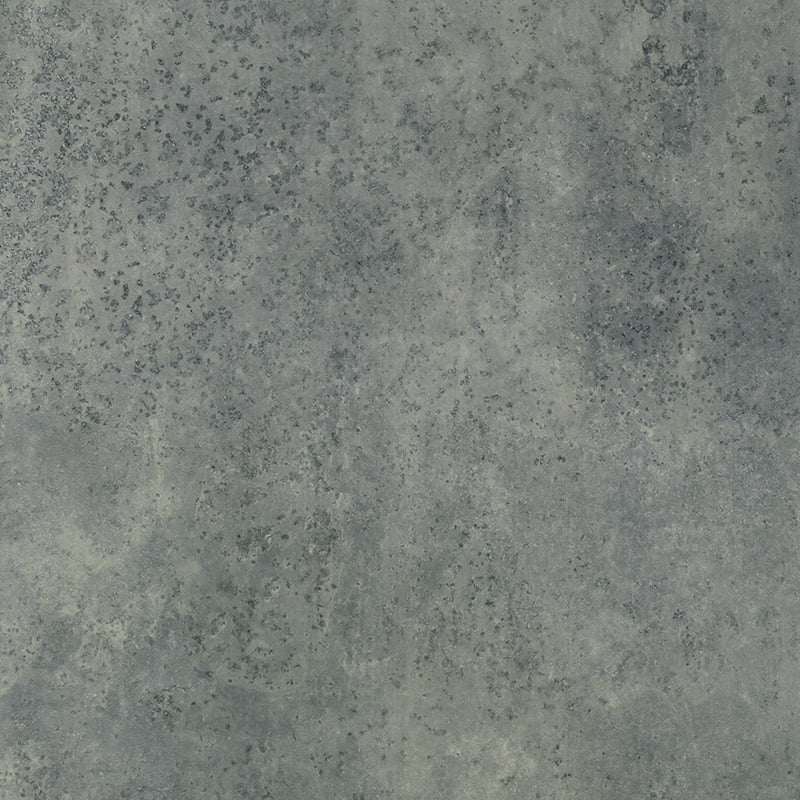
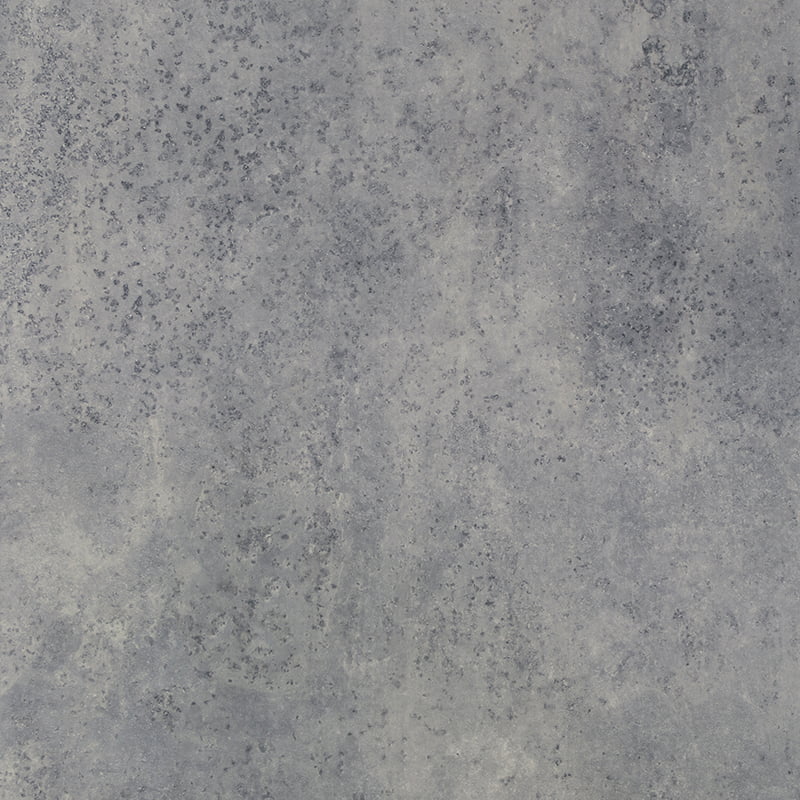

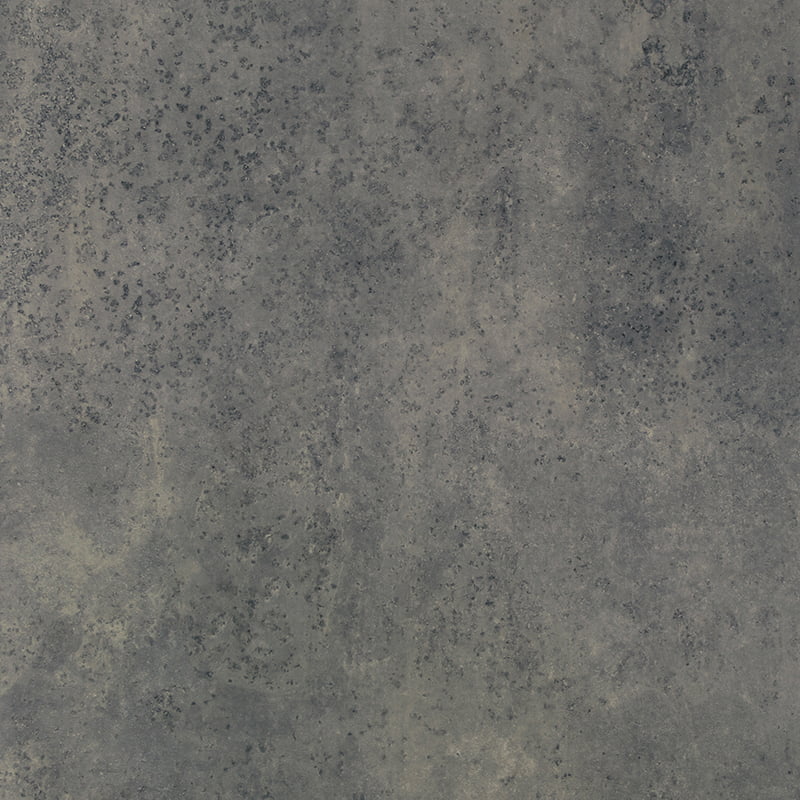
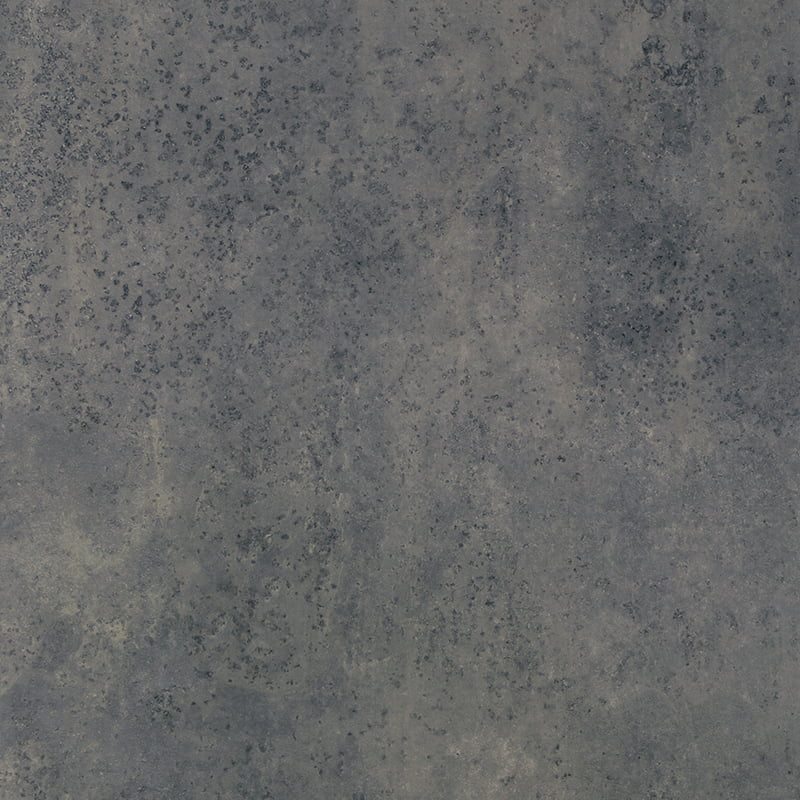
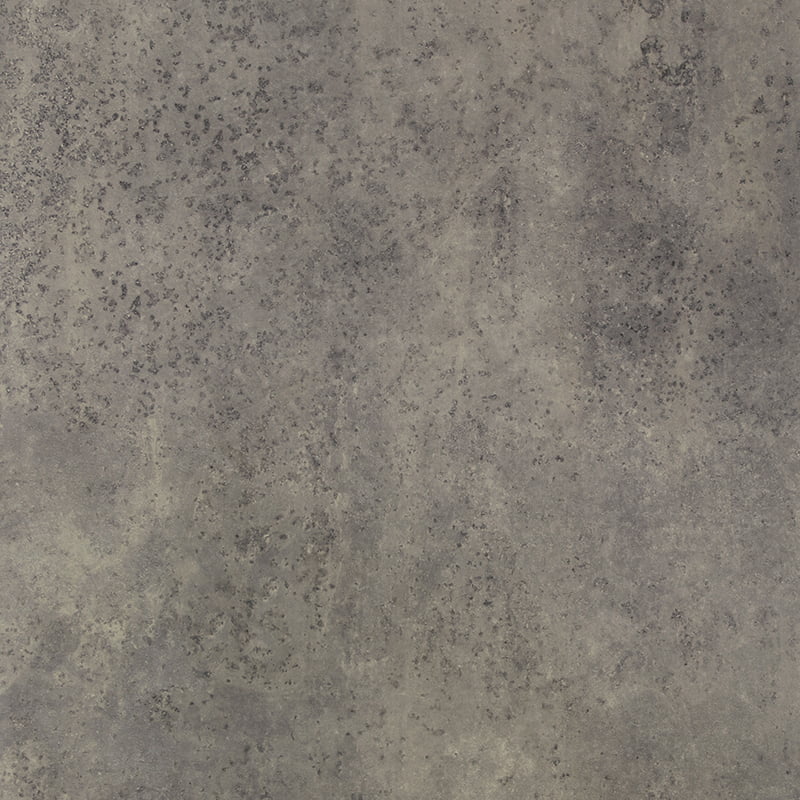
Model: YC7183
Wood: Stone
Spec: 1000*1580mm
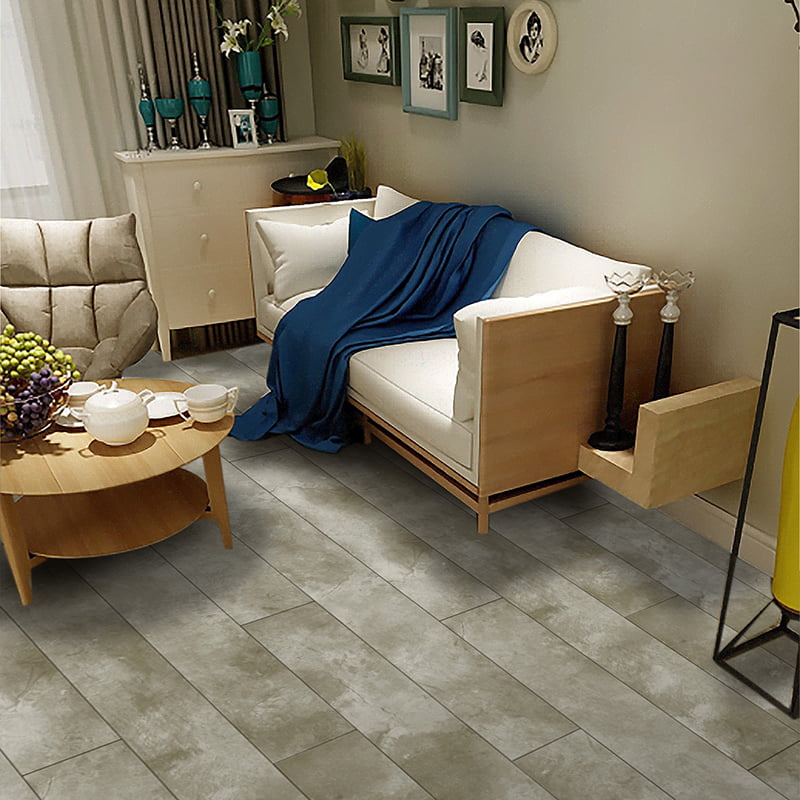
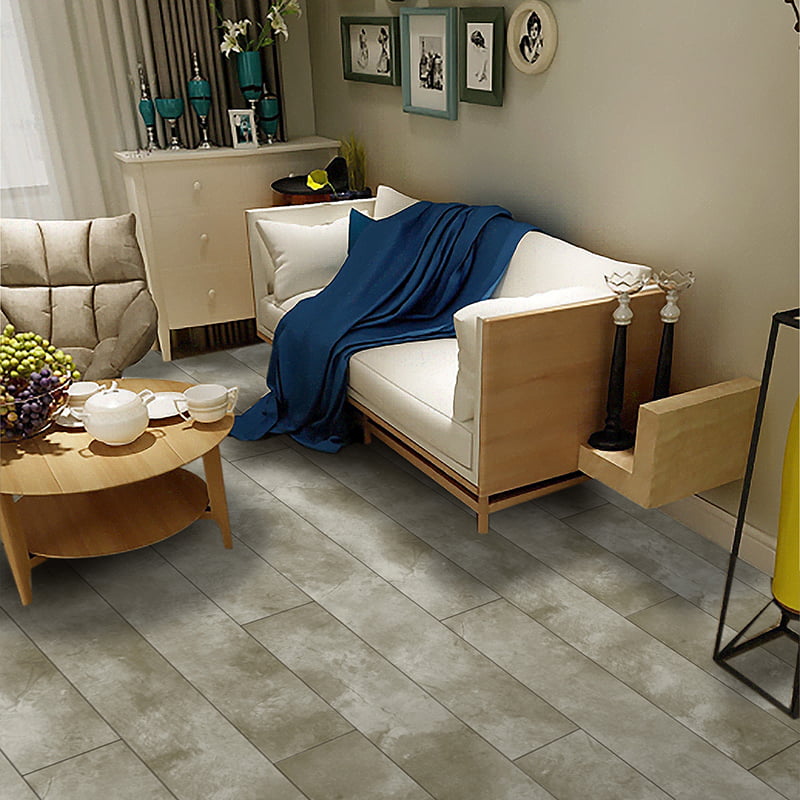
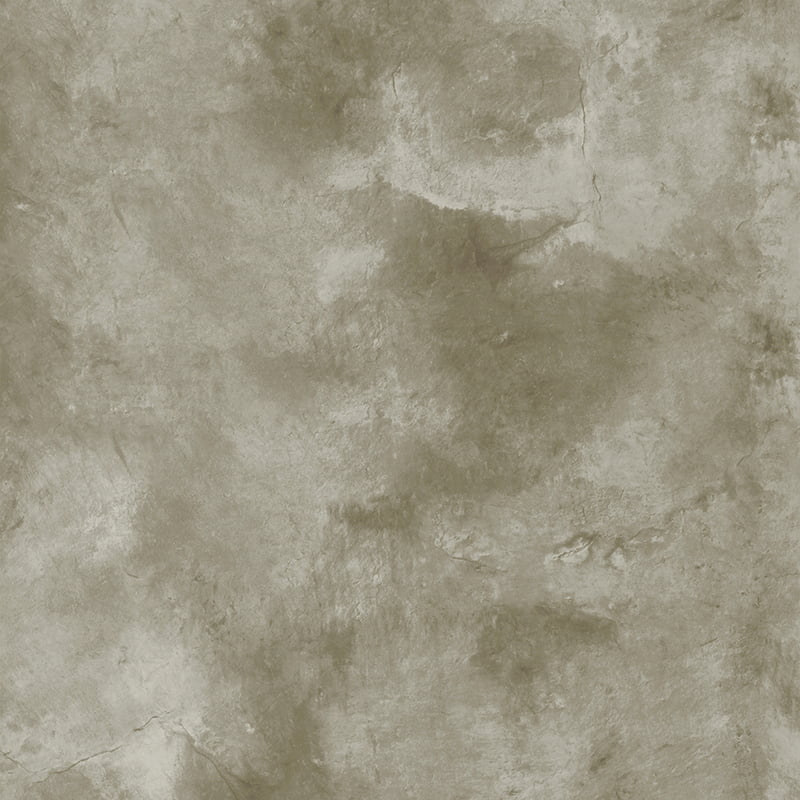
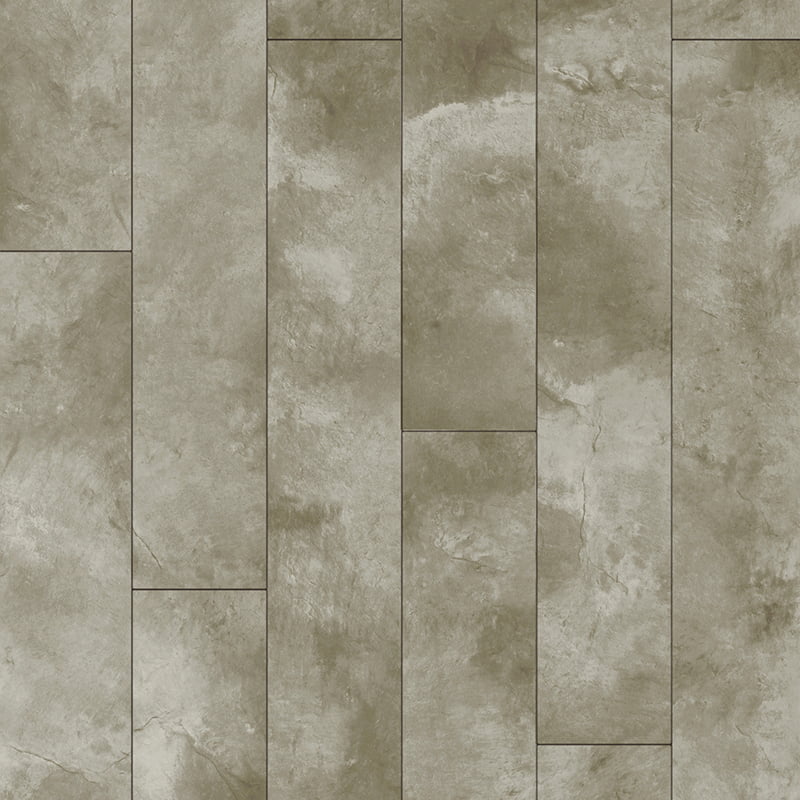
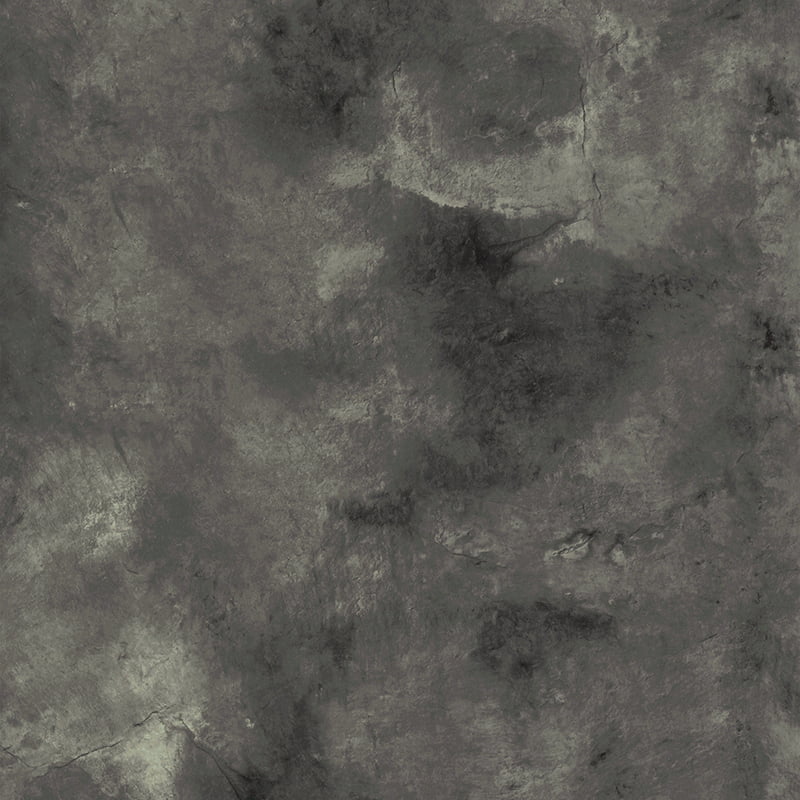
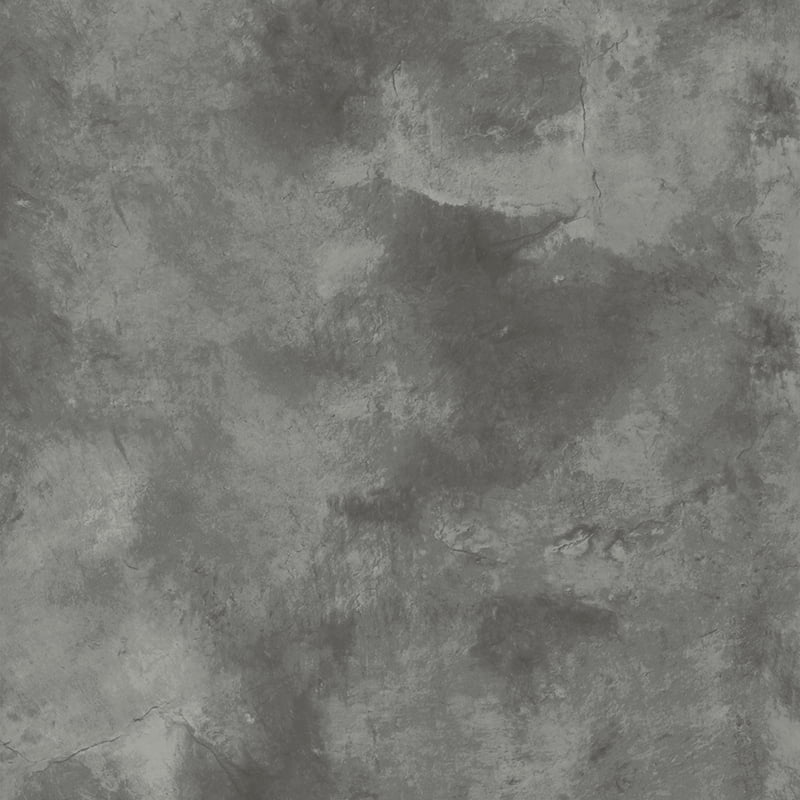
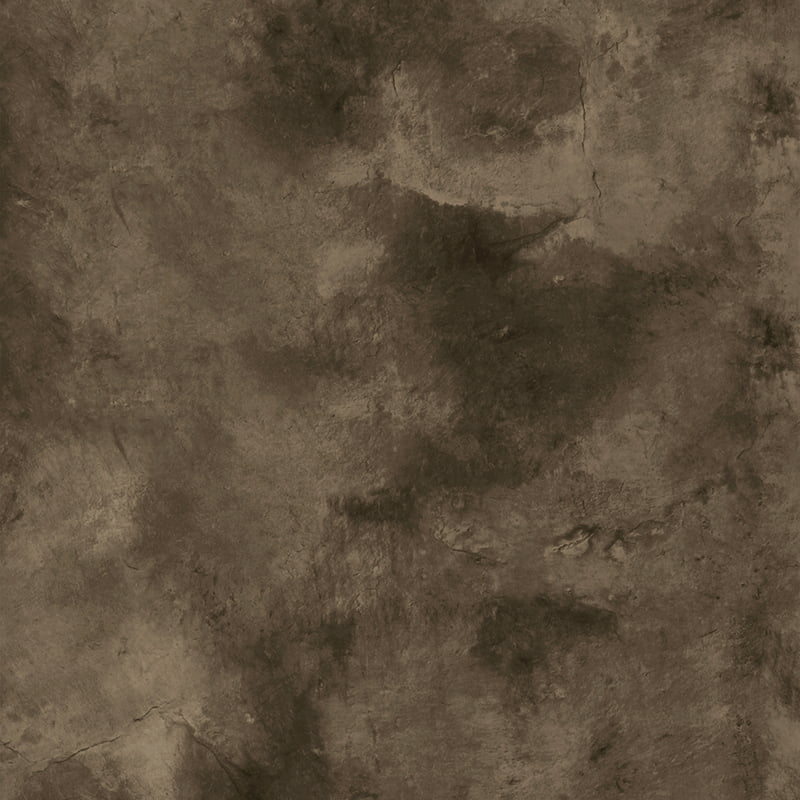
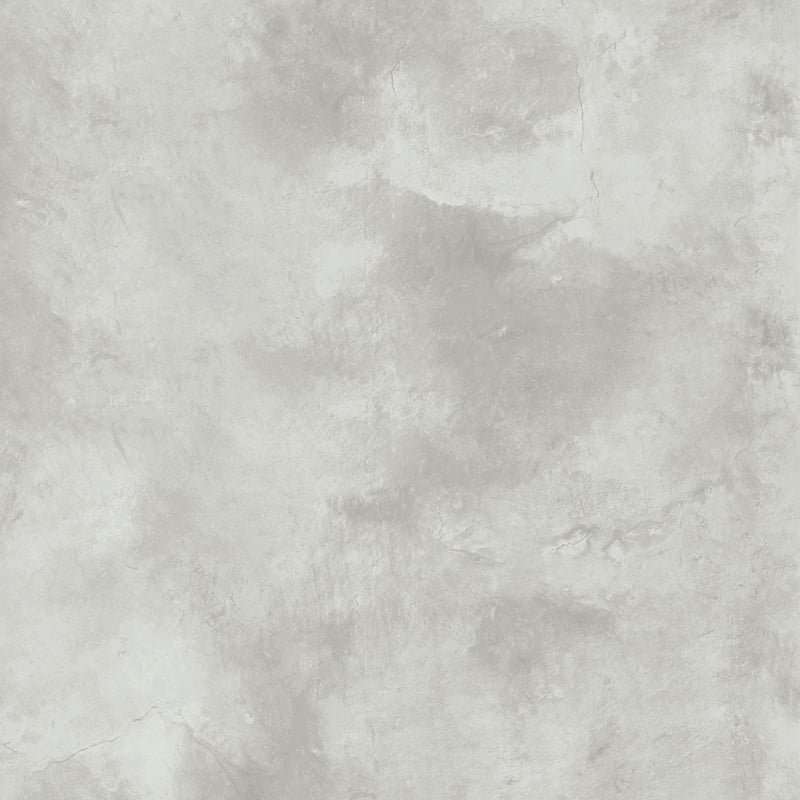
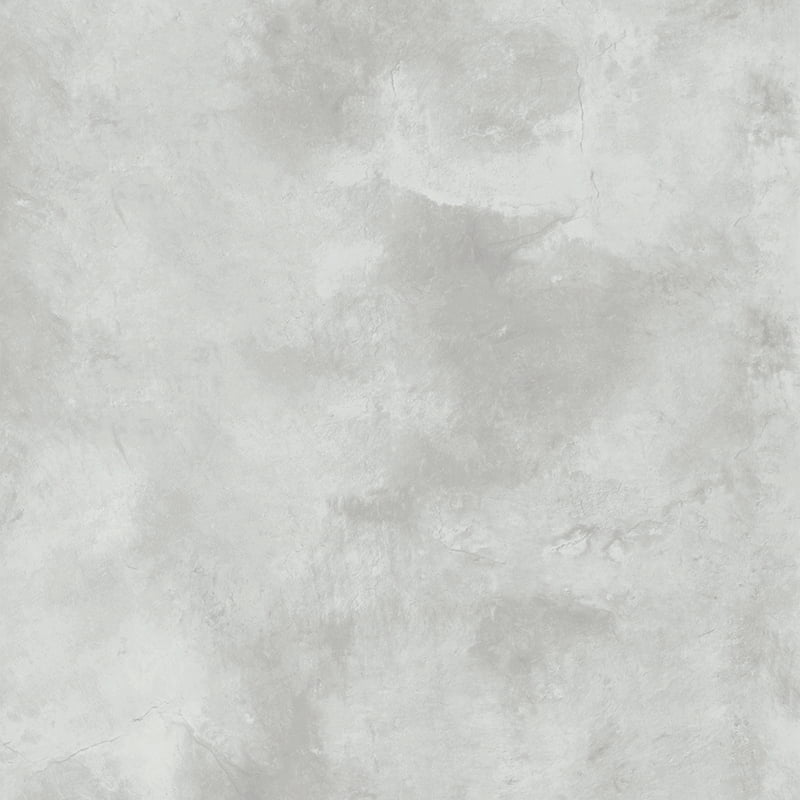
Model: YC7331
Wood: Stone
Spec: 1000*1280mm
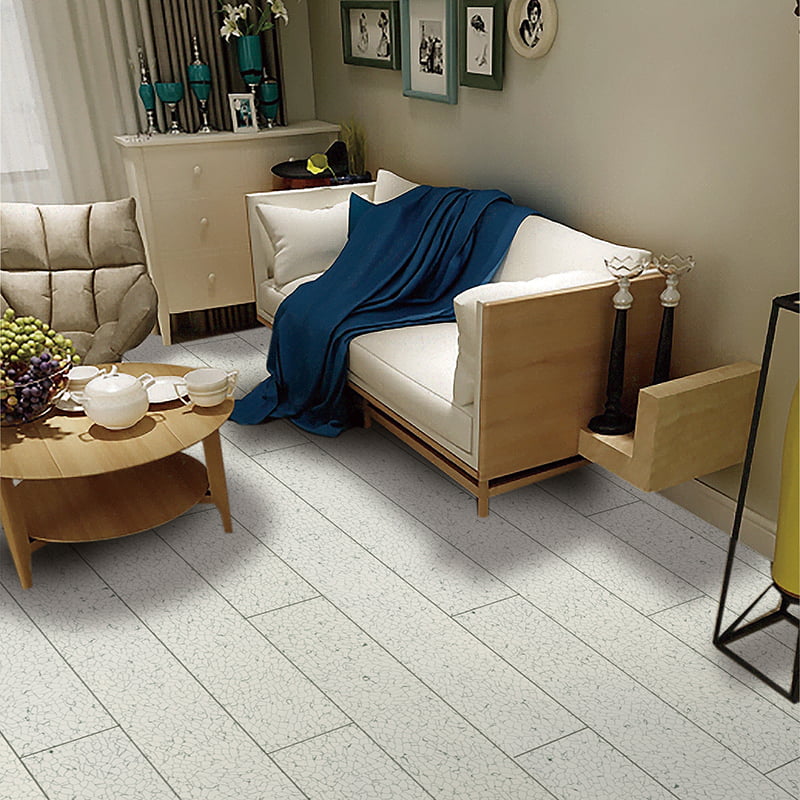


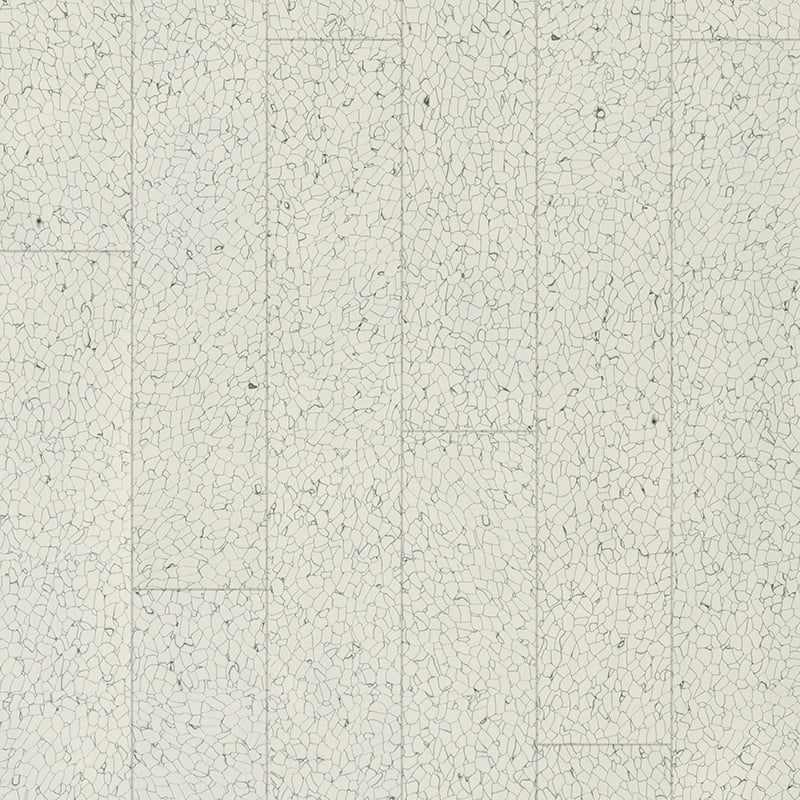

Model: YC8021
Wood: Stone
Spec: 1300*1260mm
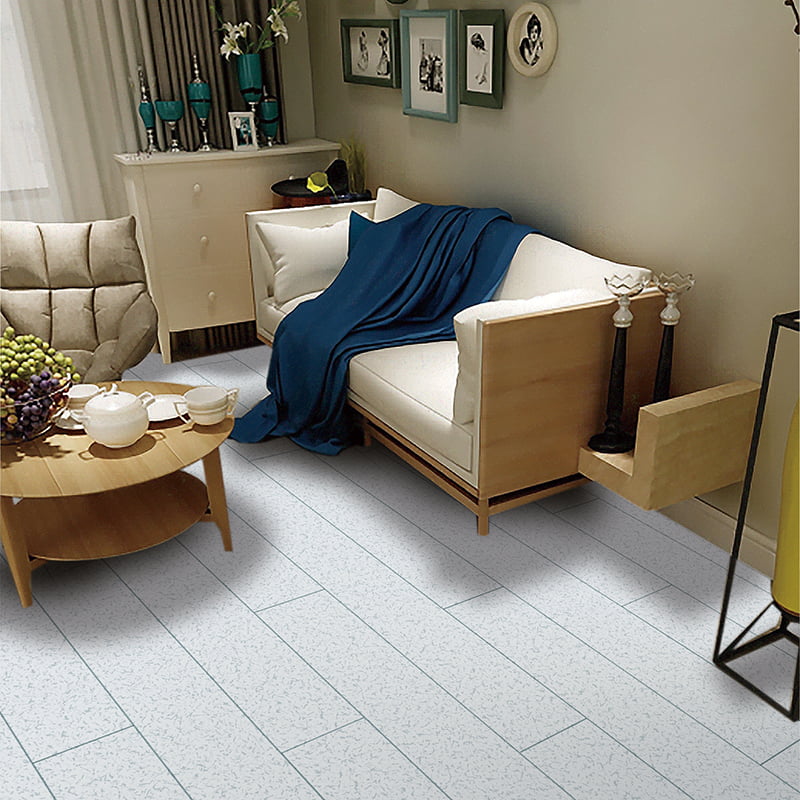
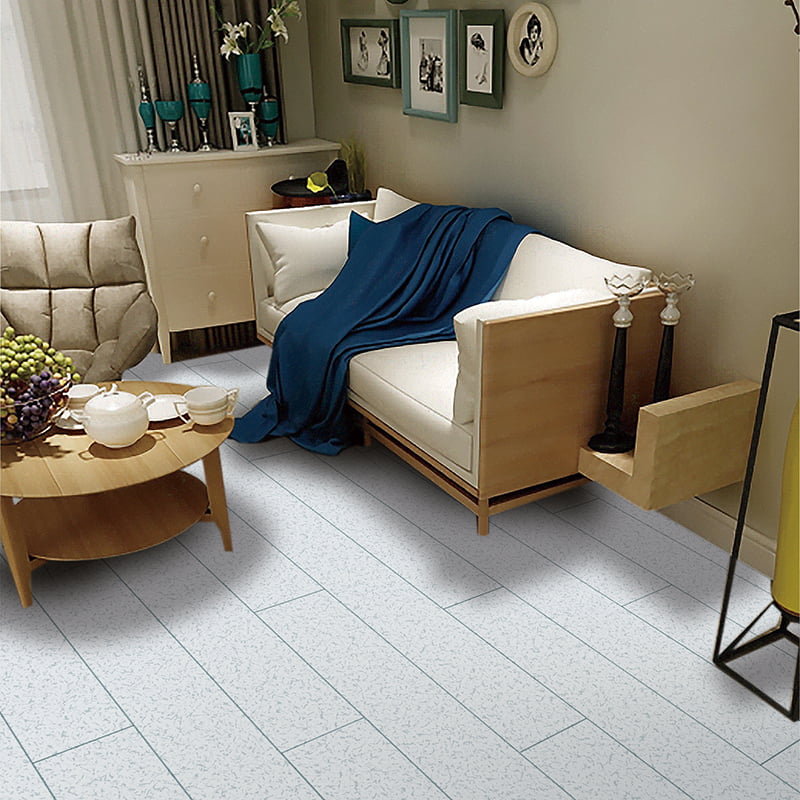

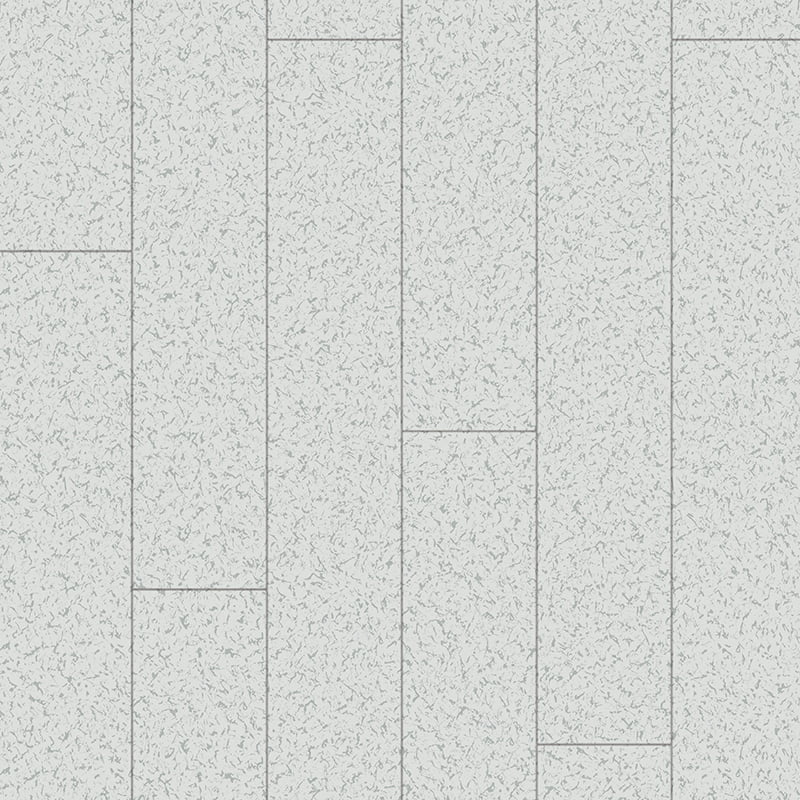
Model: YC8022
Wood: Stone
Spec: 1300*1270mm
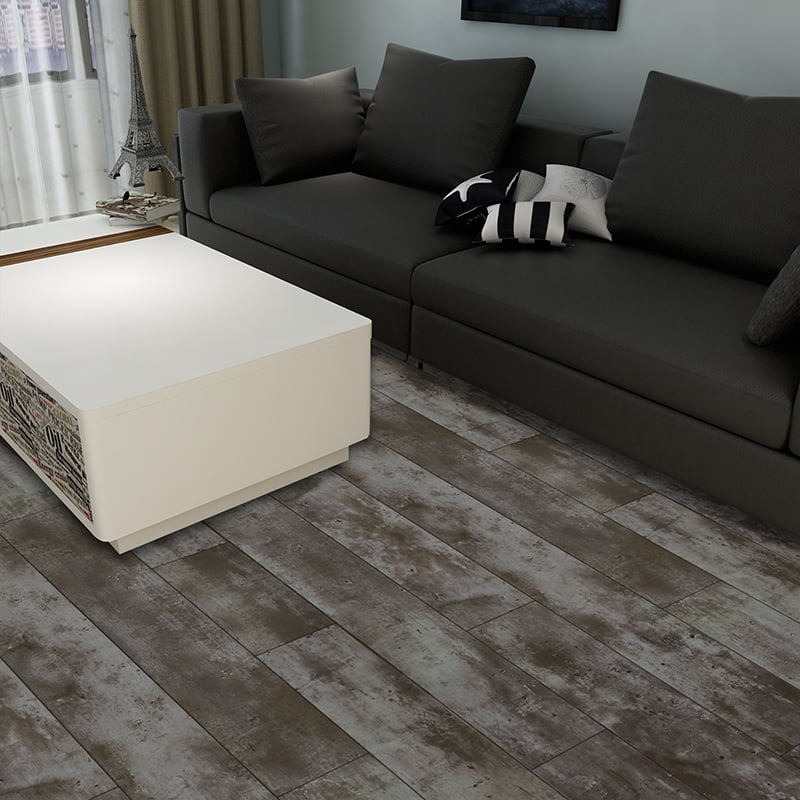
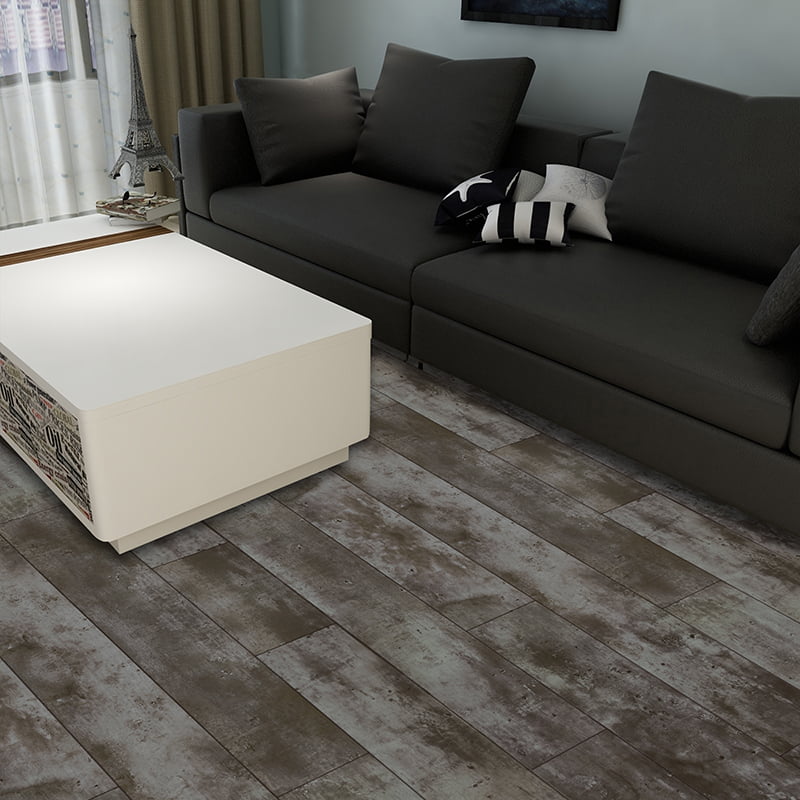
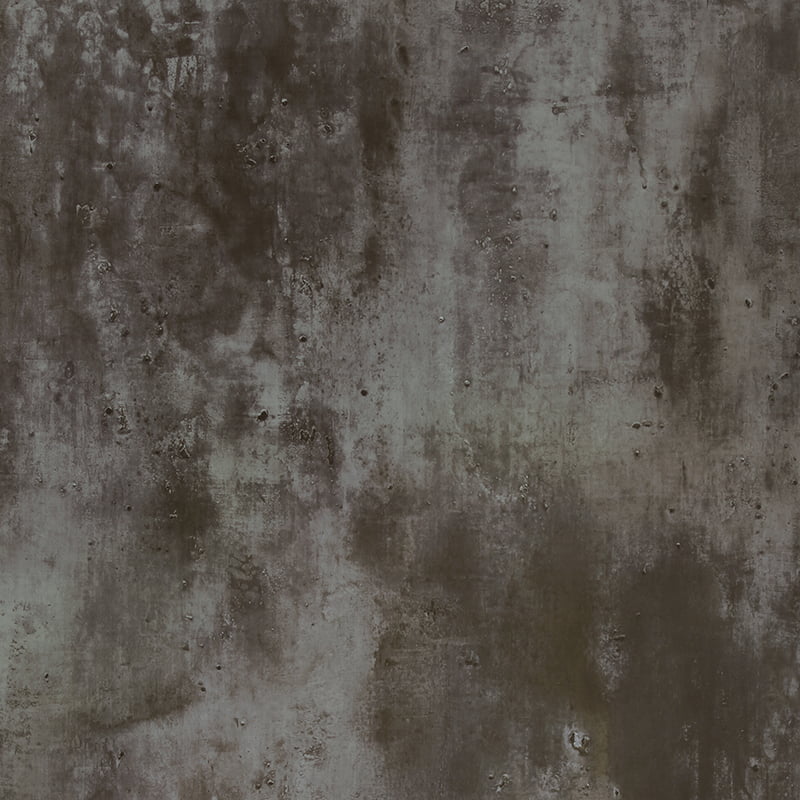
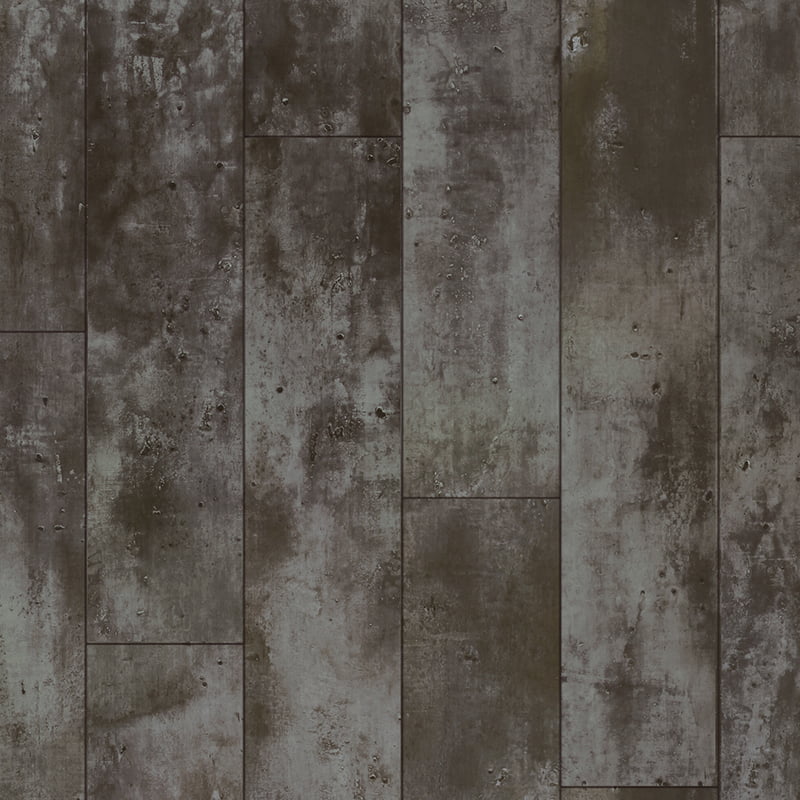
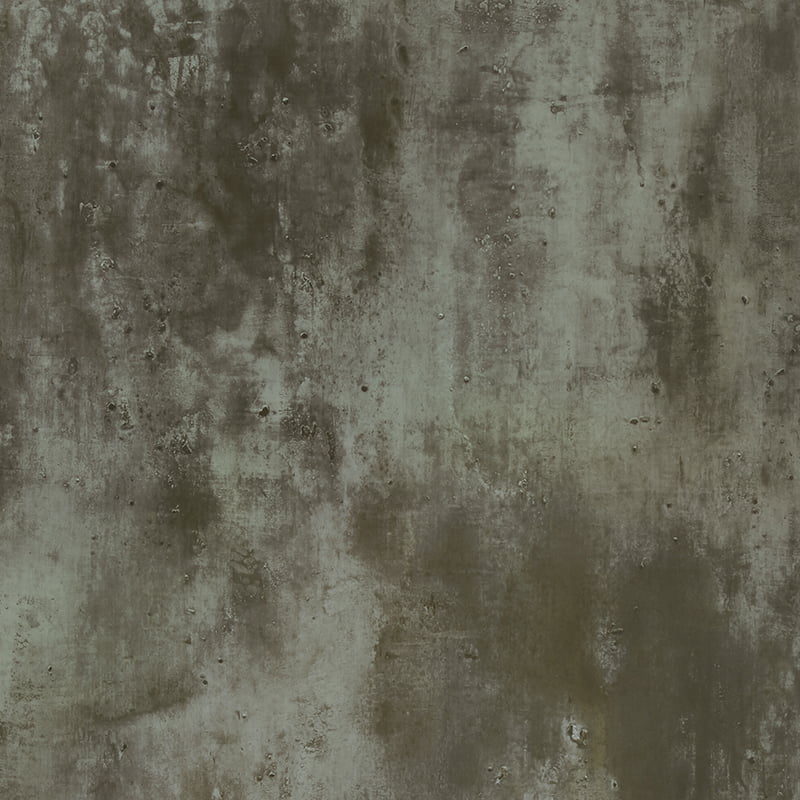
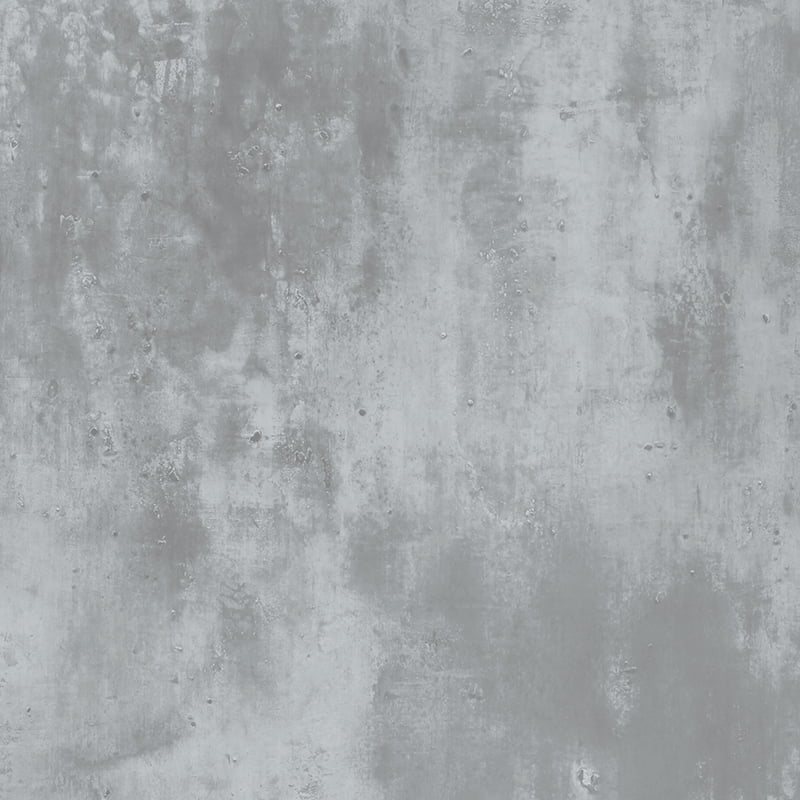
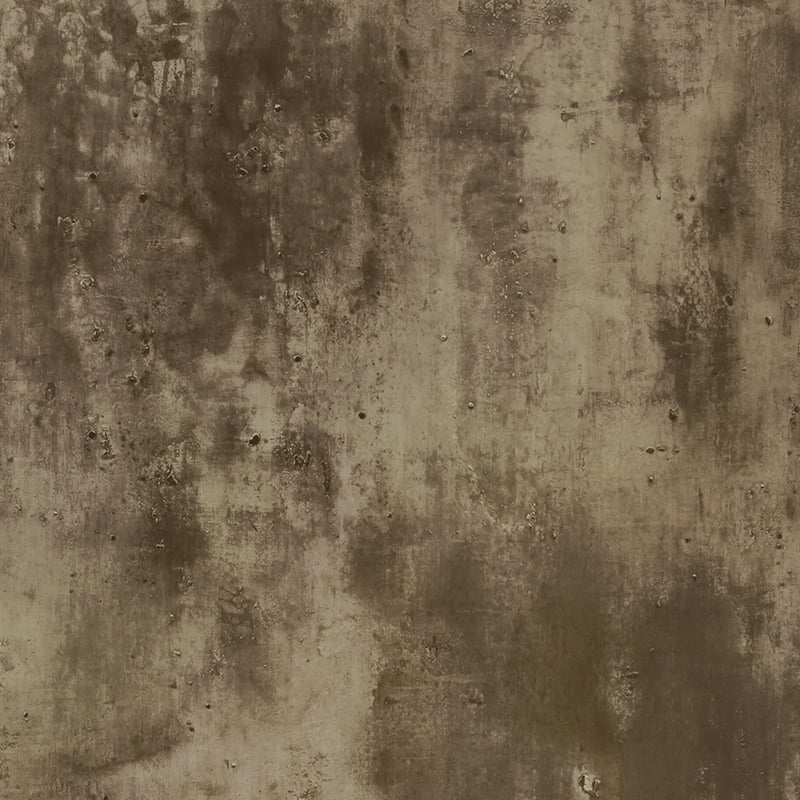
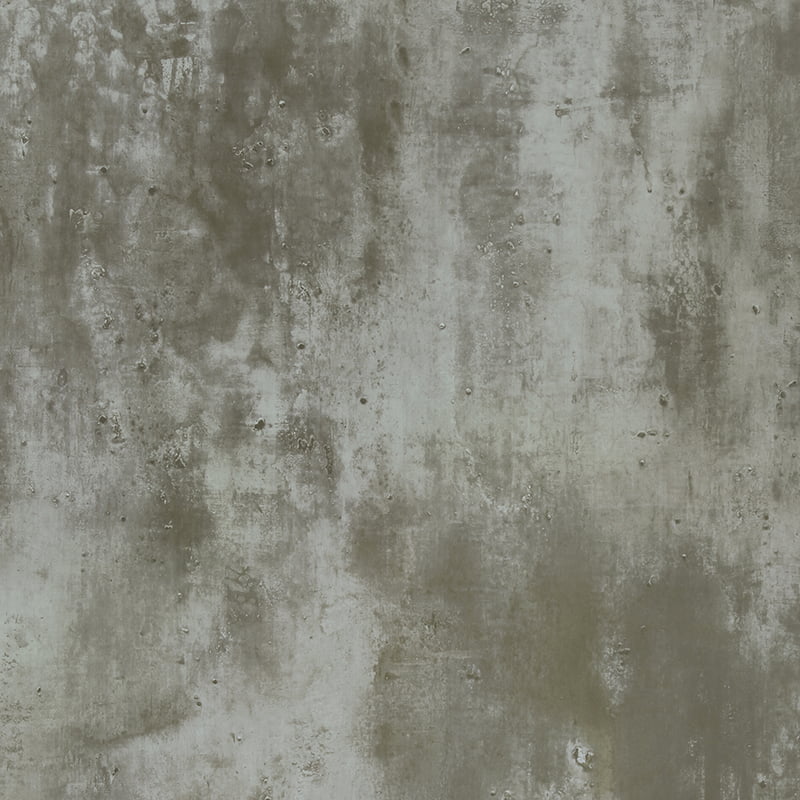
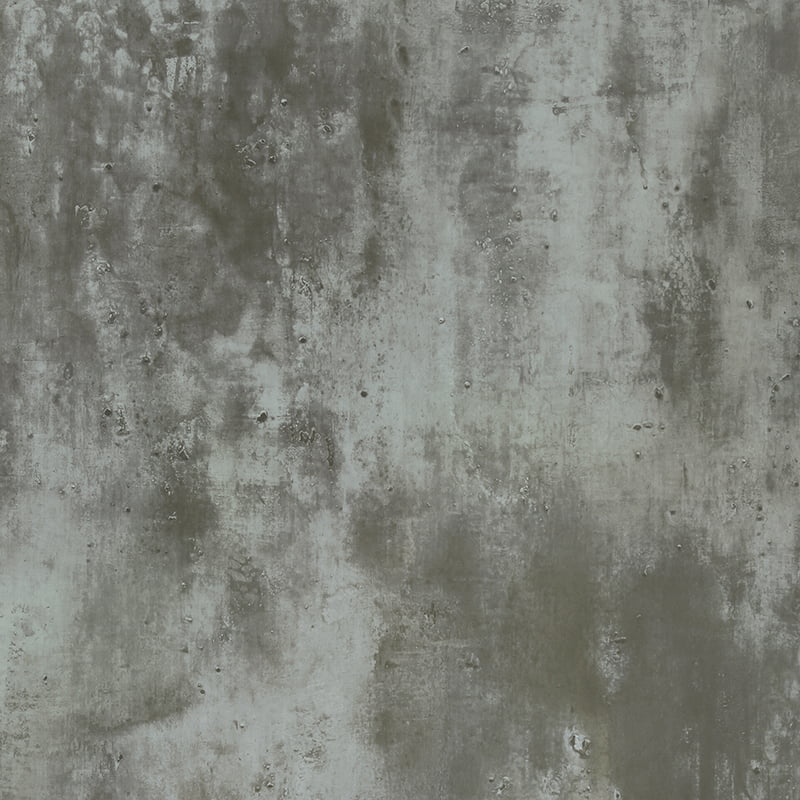
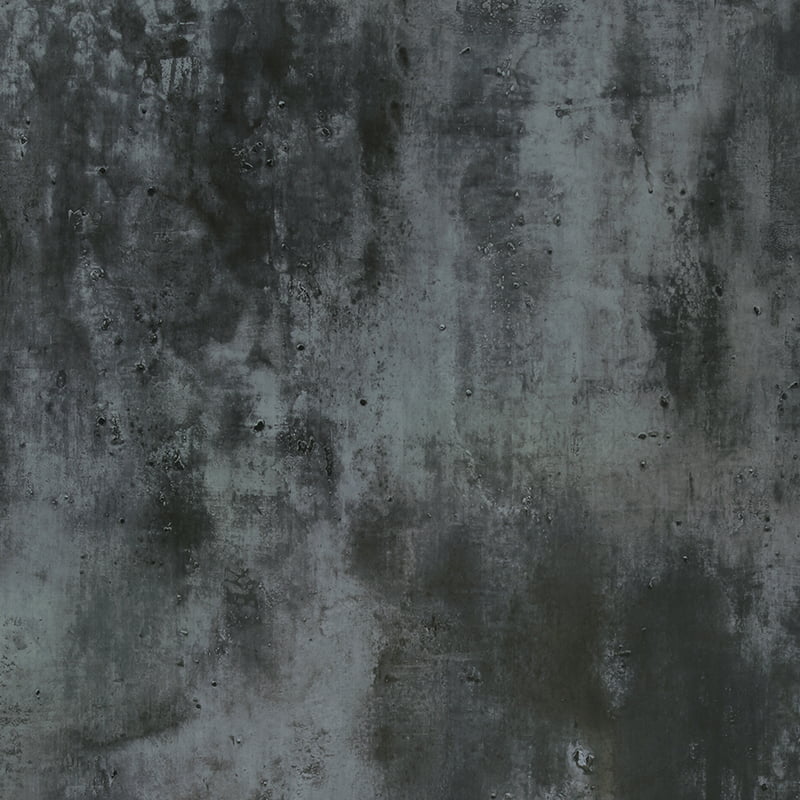
Model: YC8169
Wood: Stone
Spec: 1000*1000mm
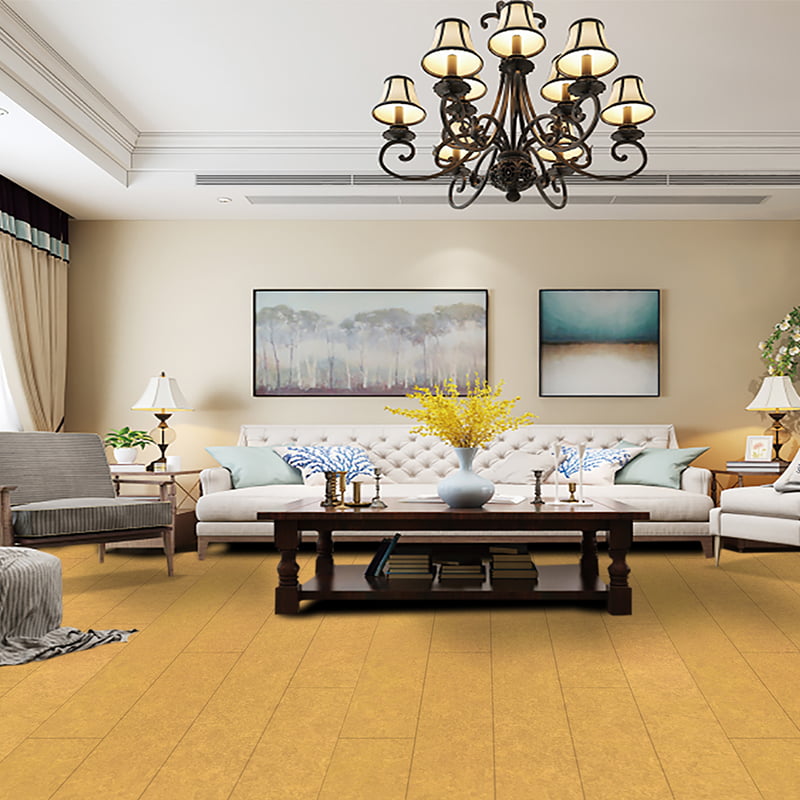





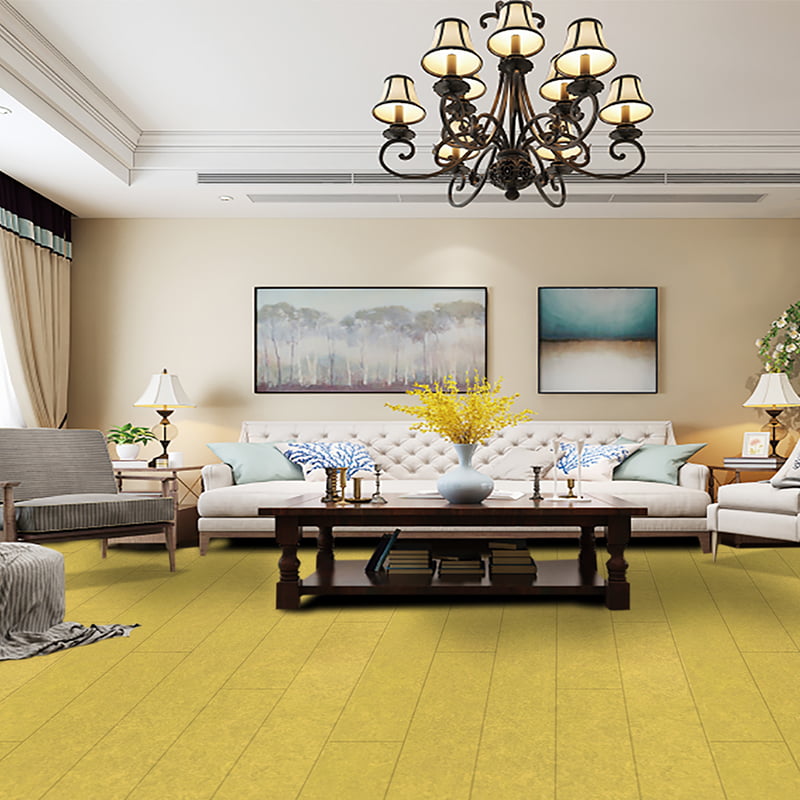


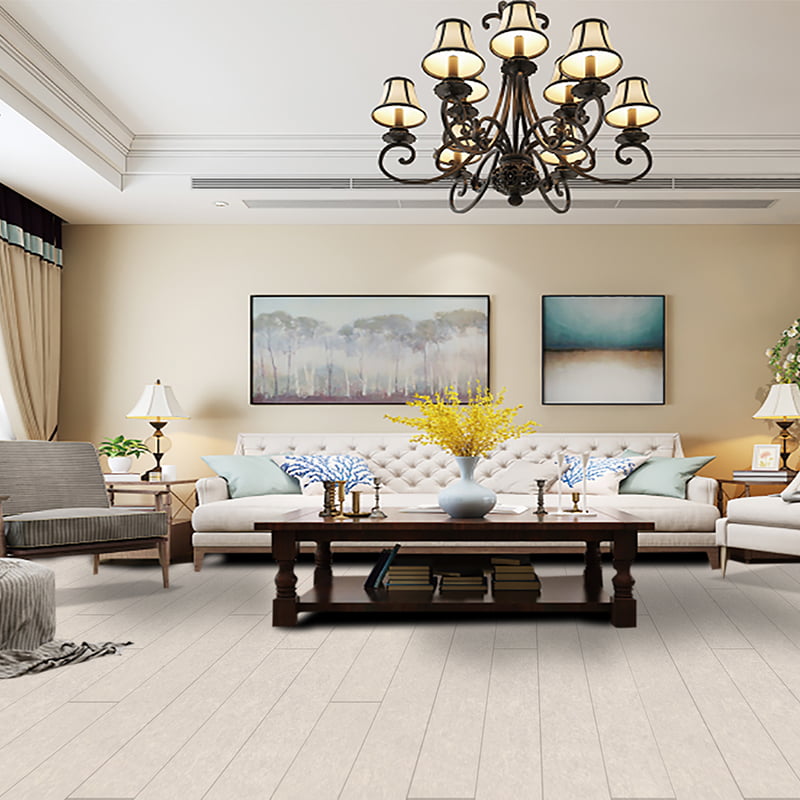


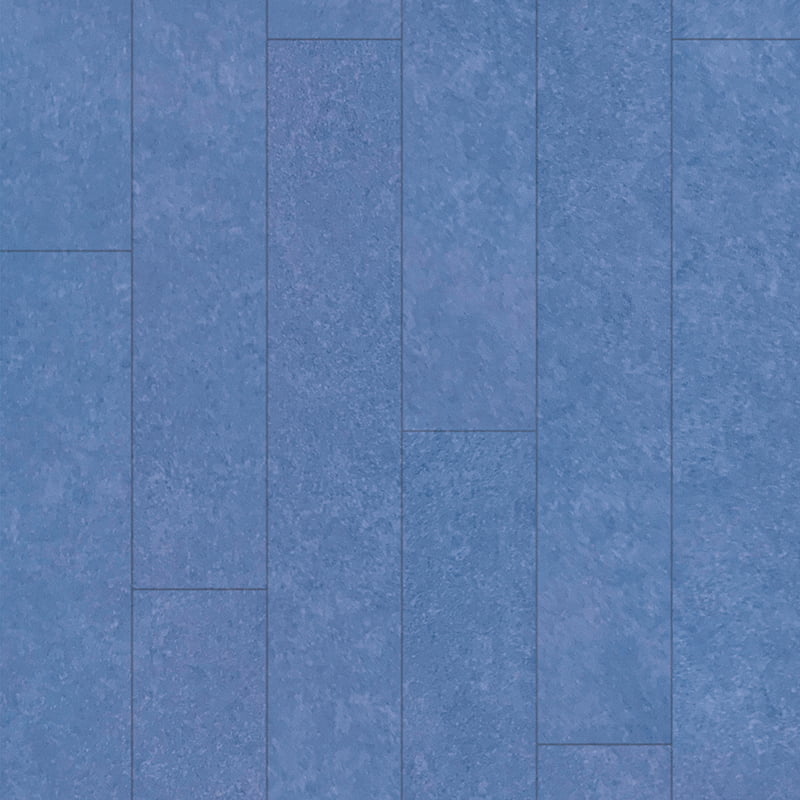
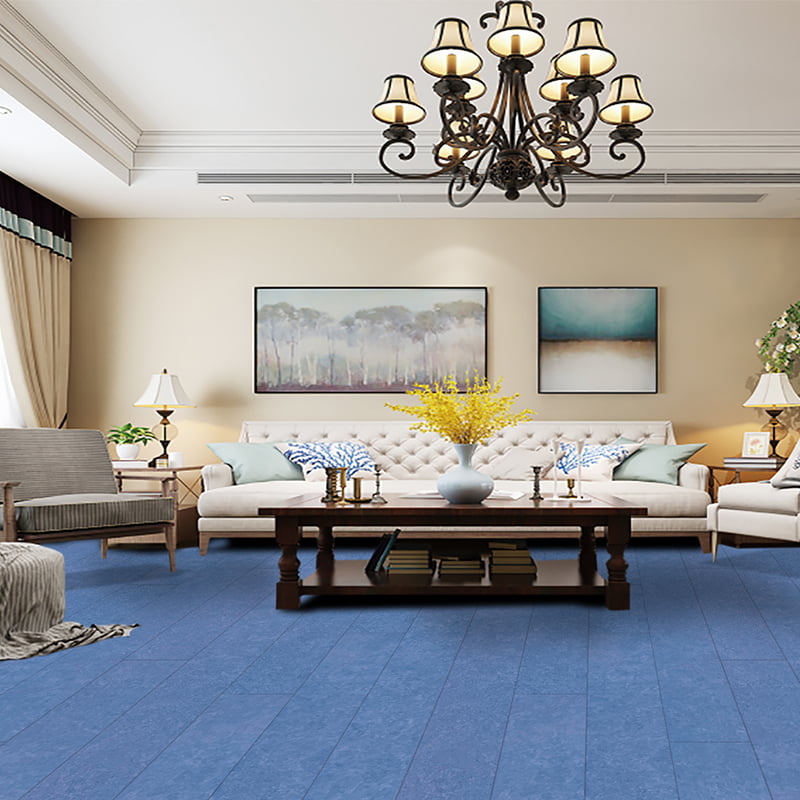


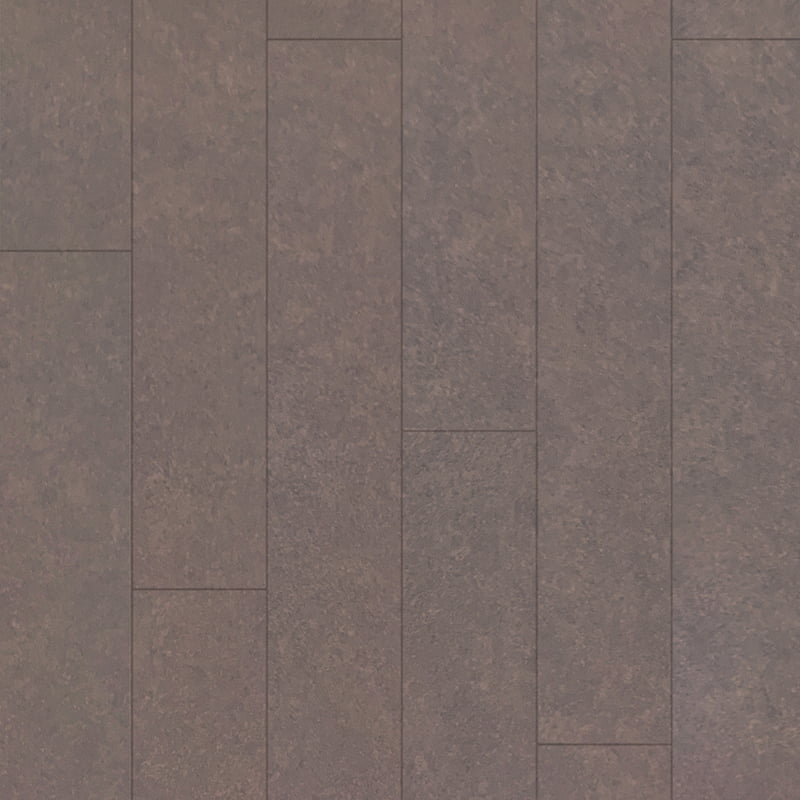
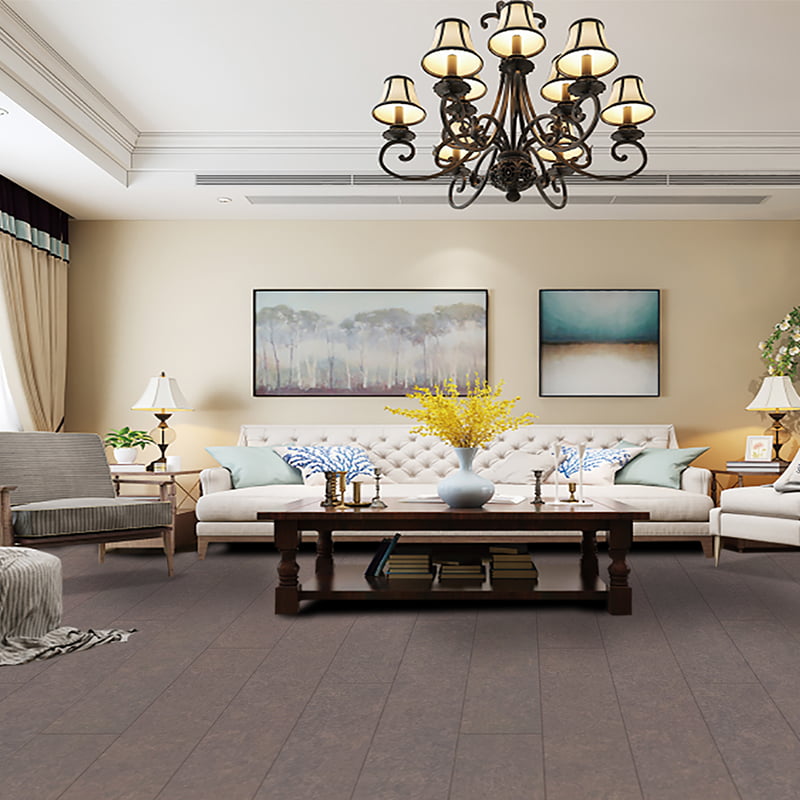

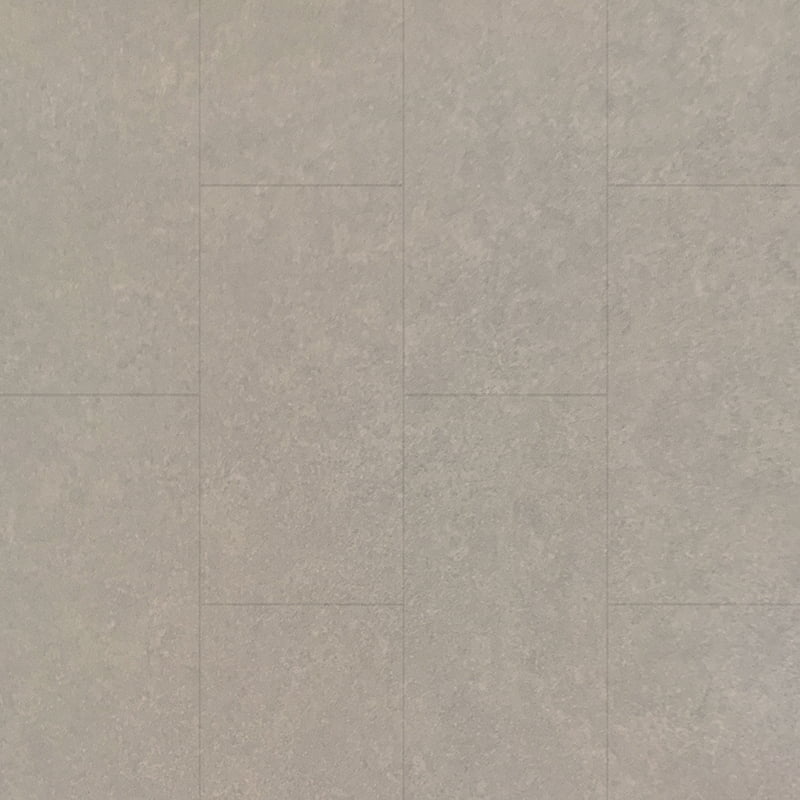
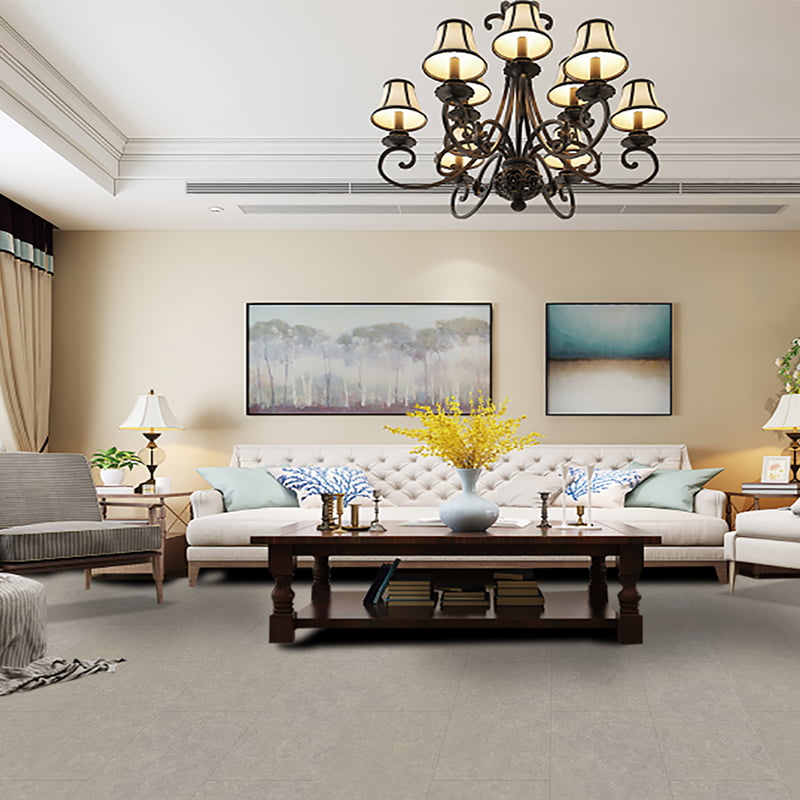



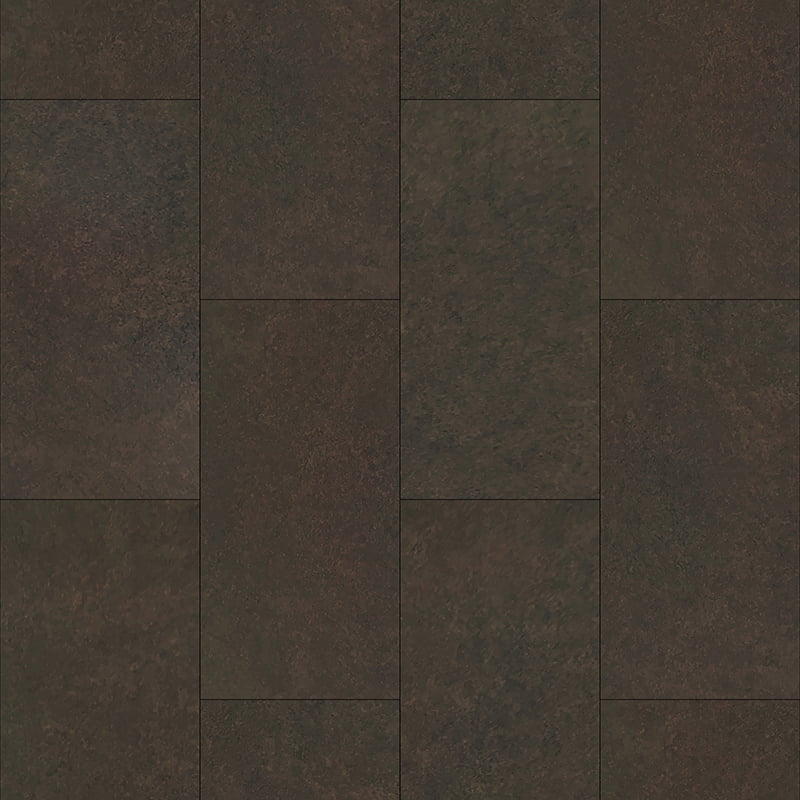
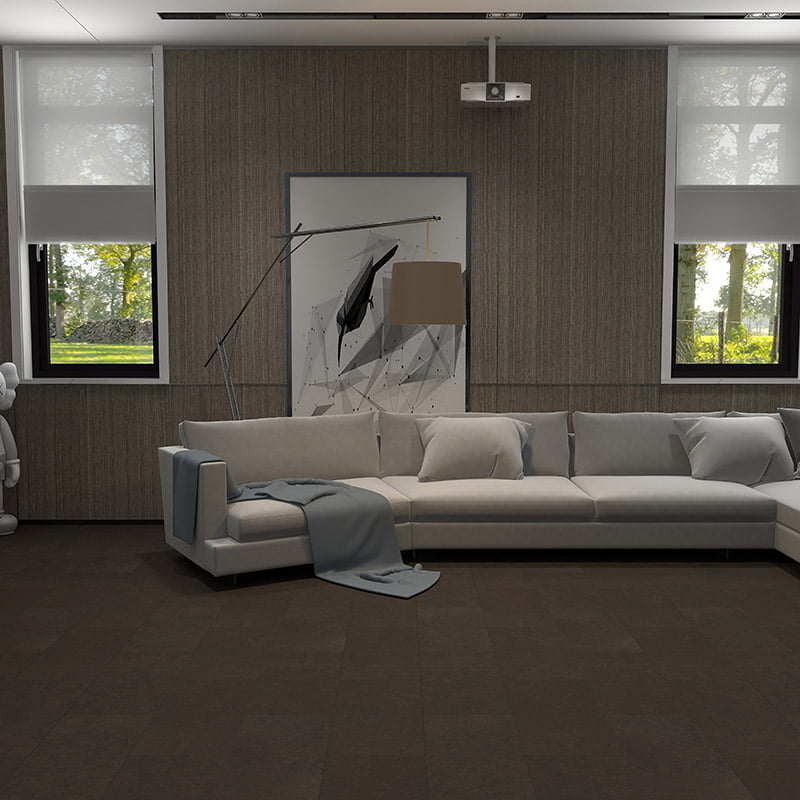



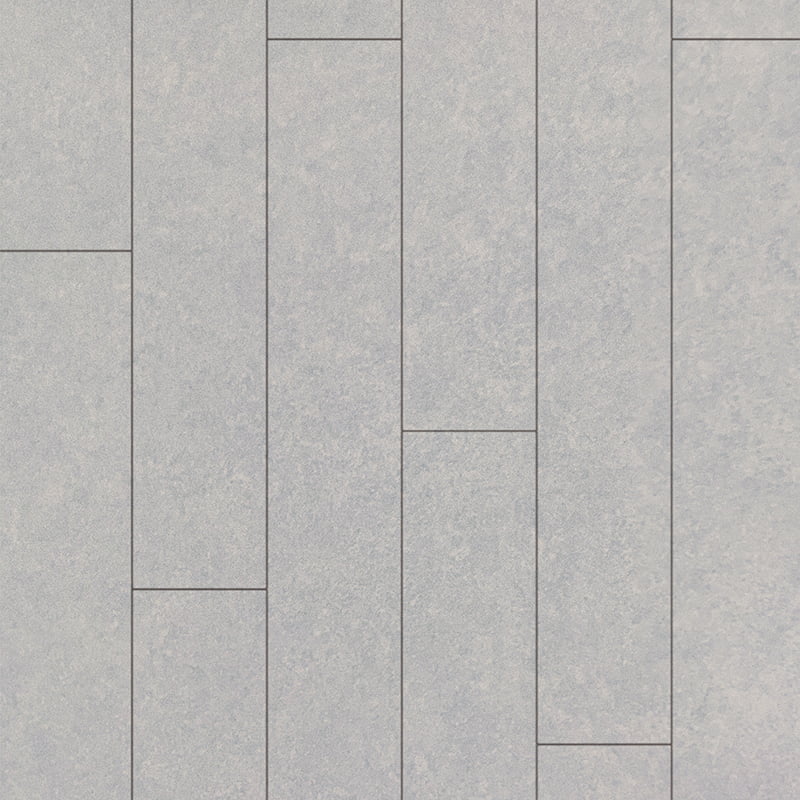
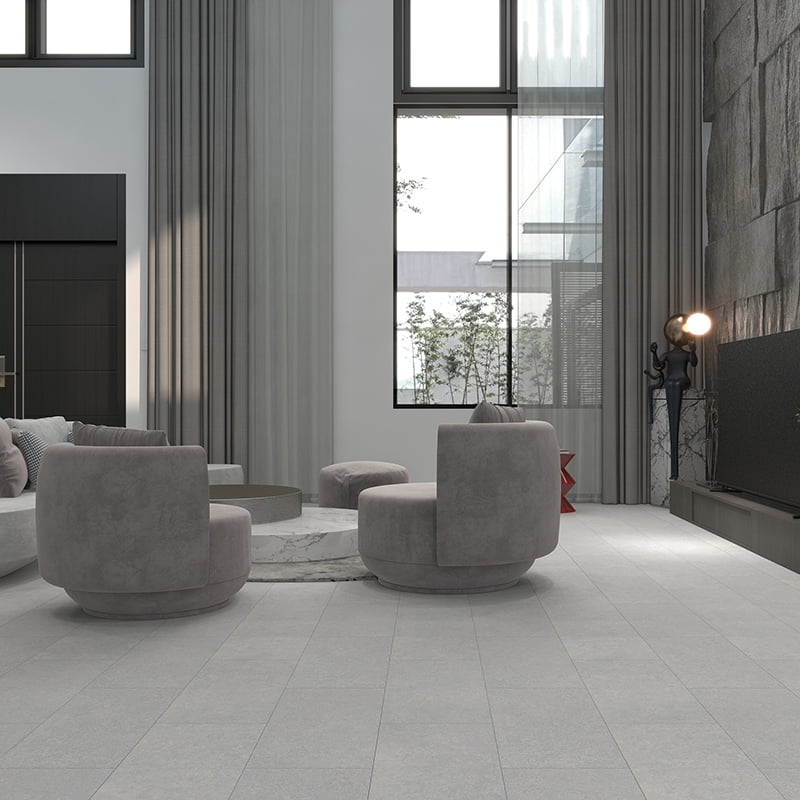
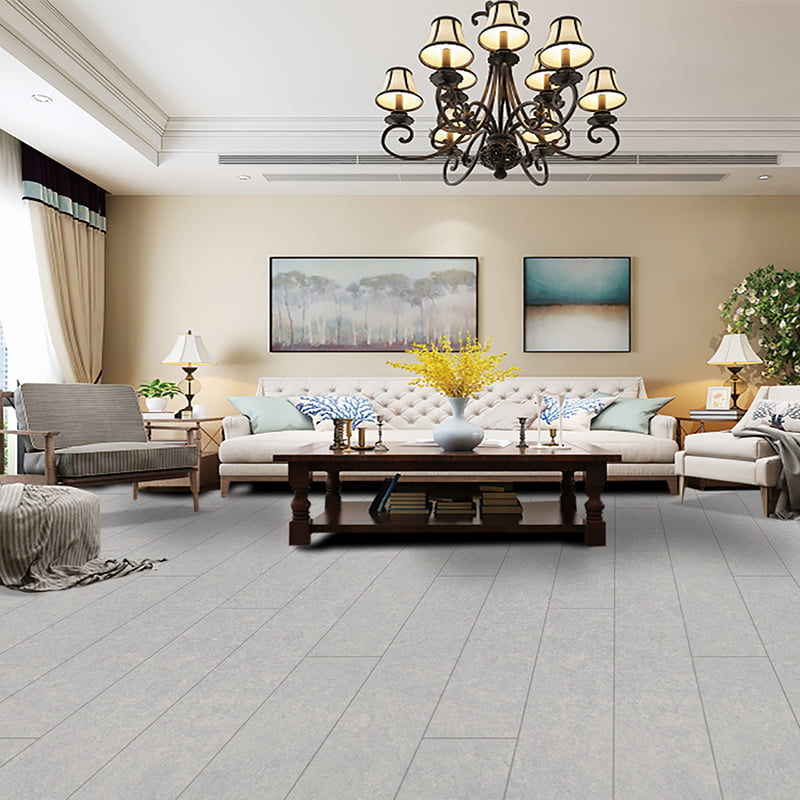
Model: YC8170
Wood: Stone
Spec: 1000*1260mm
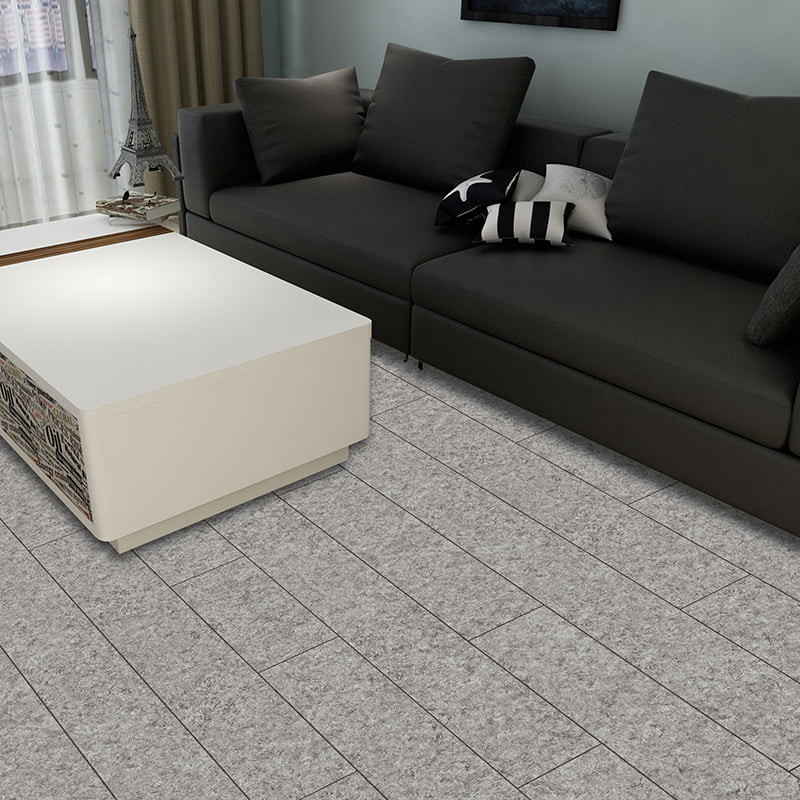
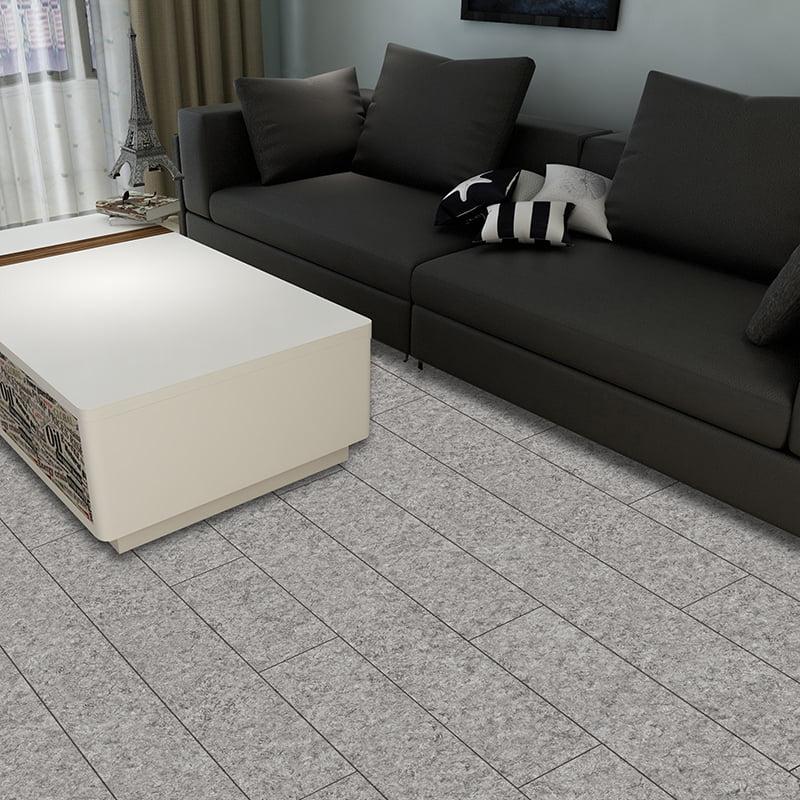
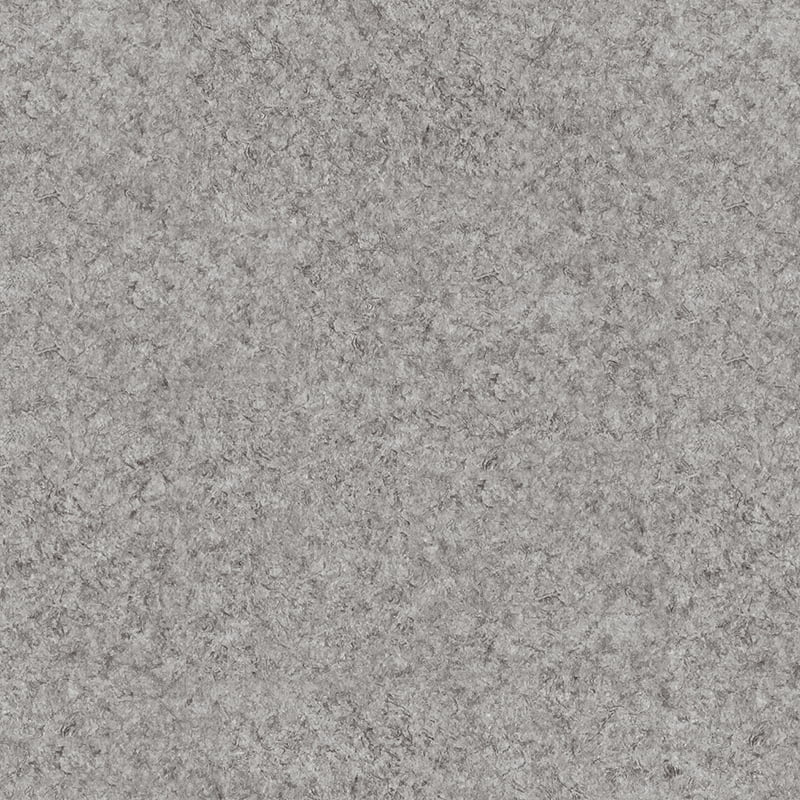
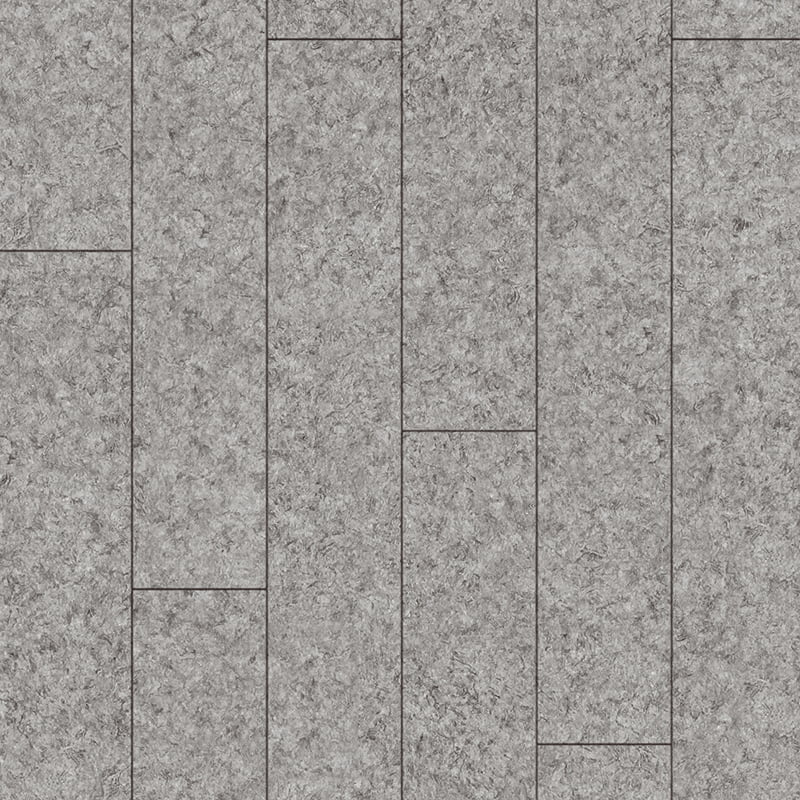
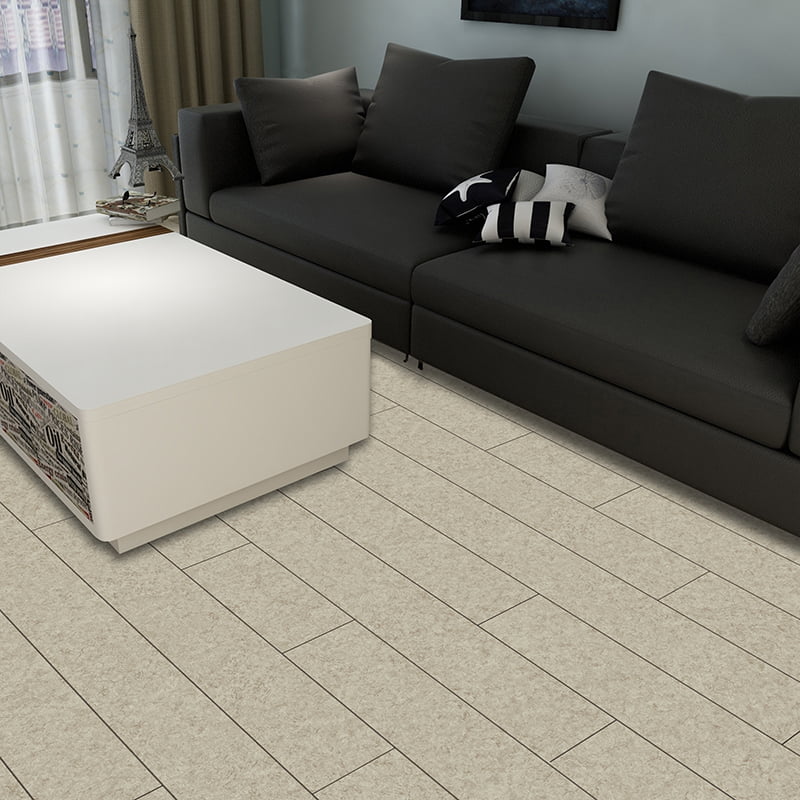

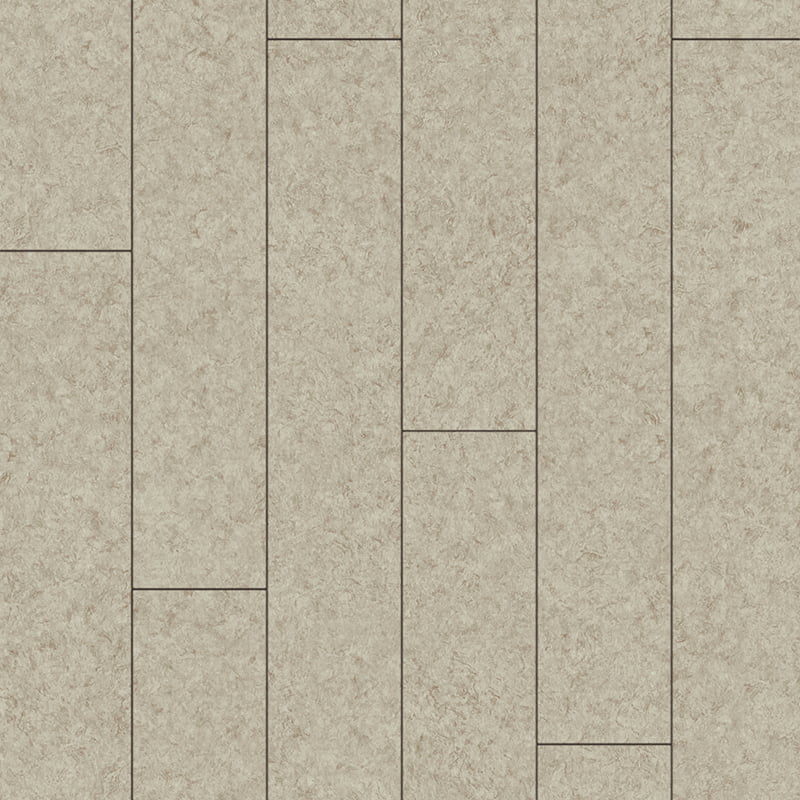
Model: YC48004
Wood: Stone
Spec: 1300*1260mm
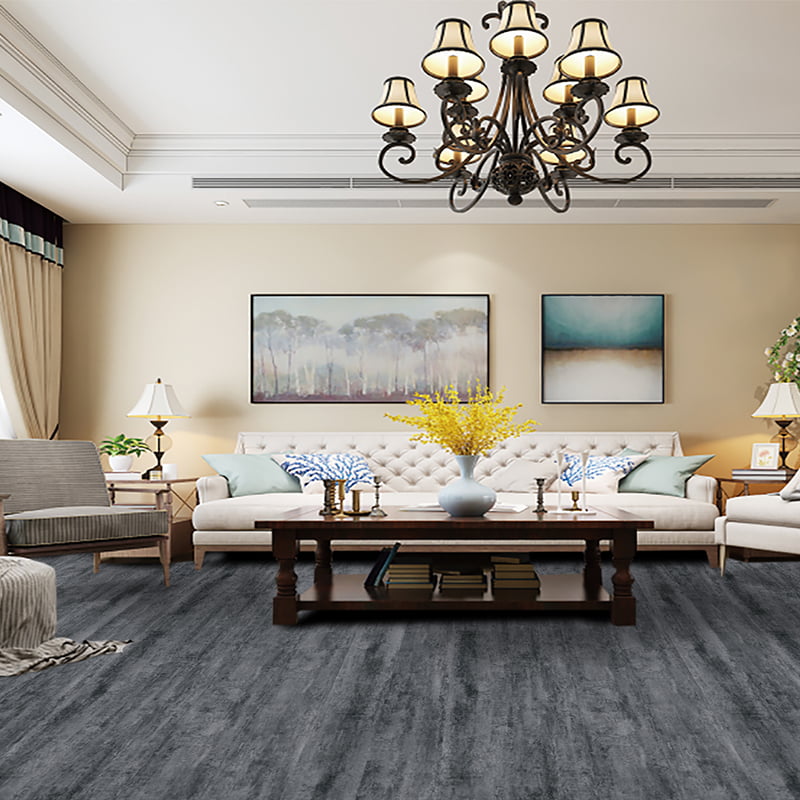

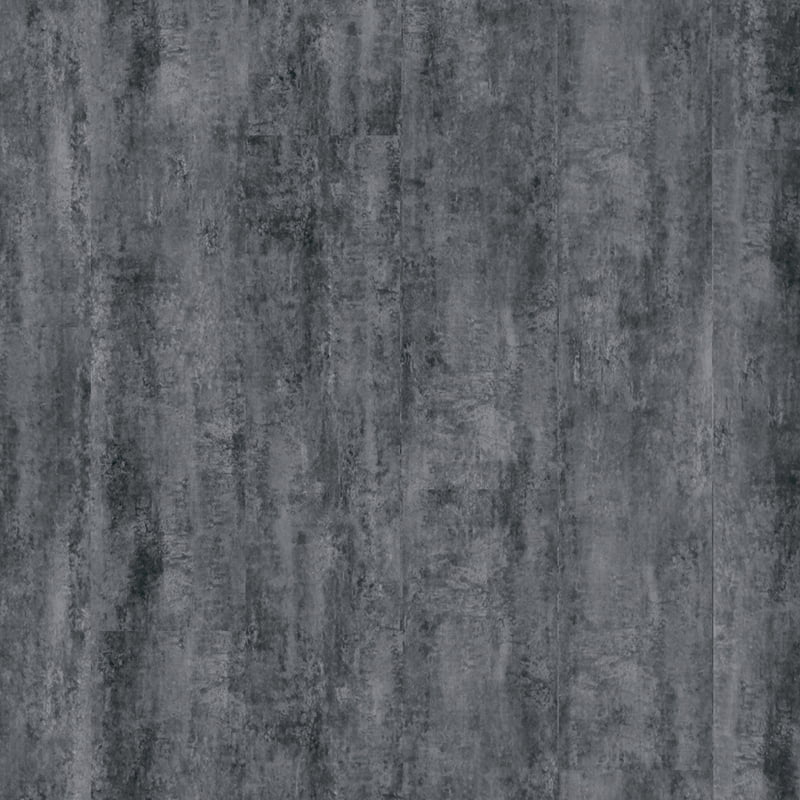

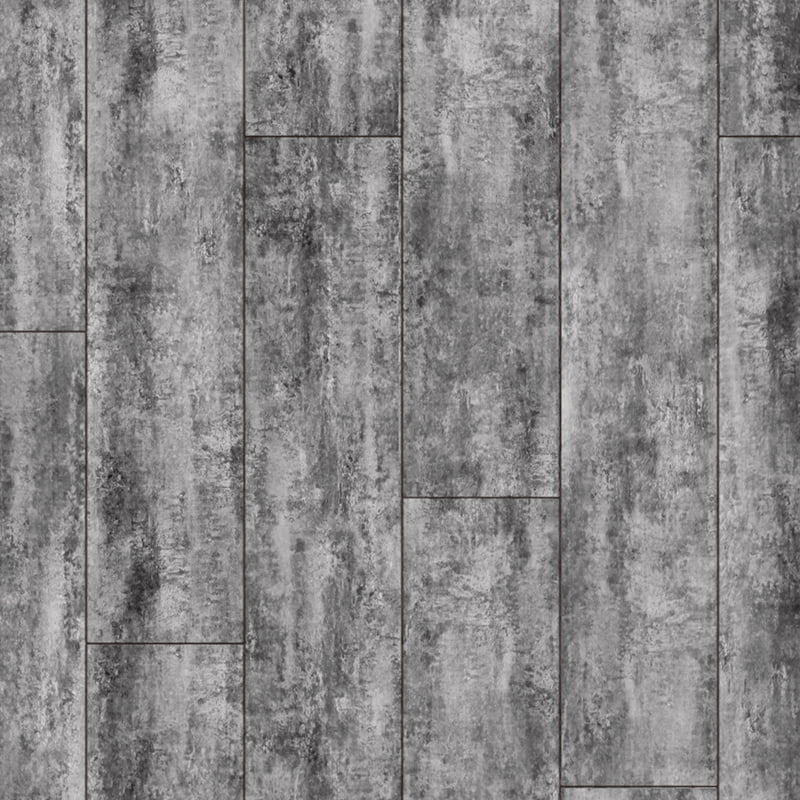
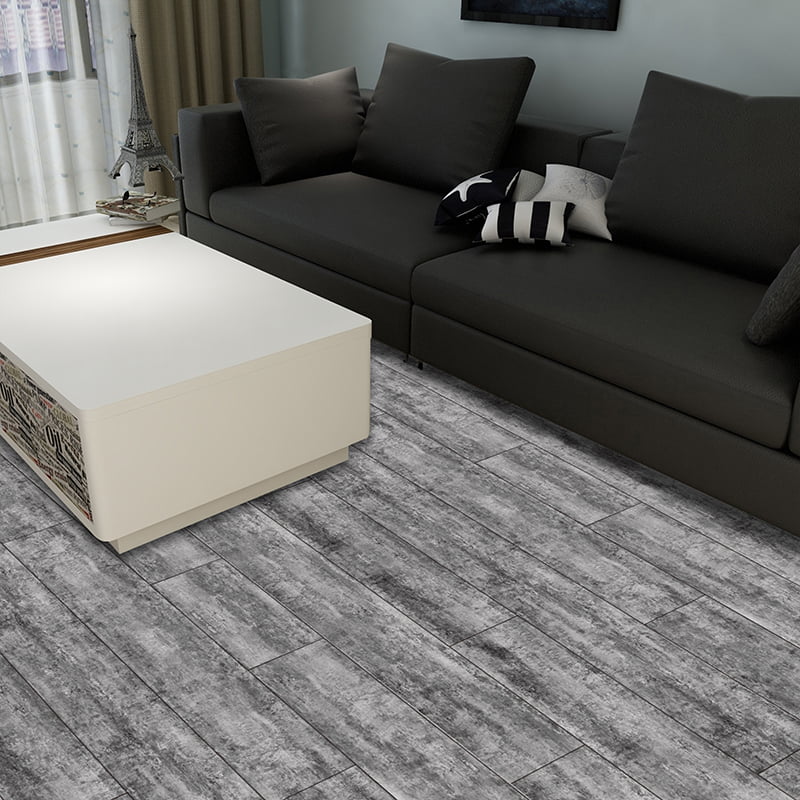
Model: YC48005
Wood: Stone
Spec: 1300*1100mm
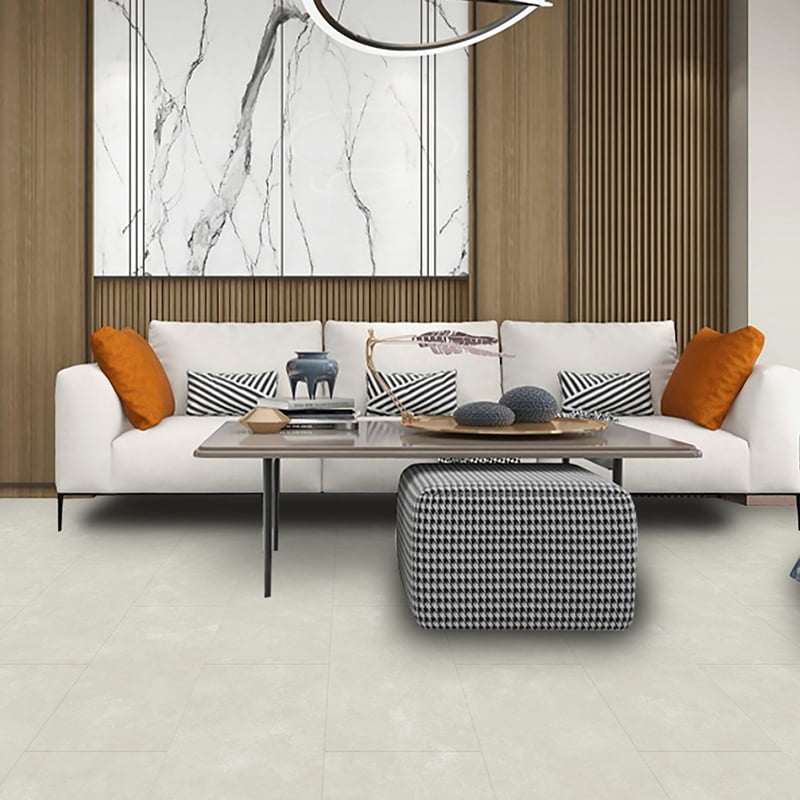
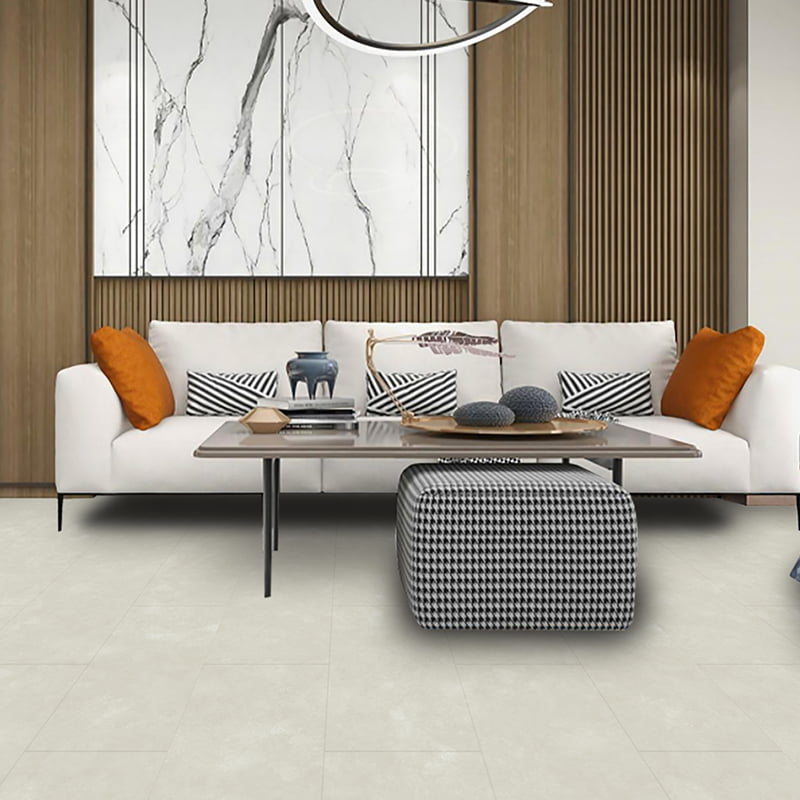

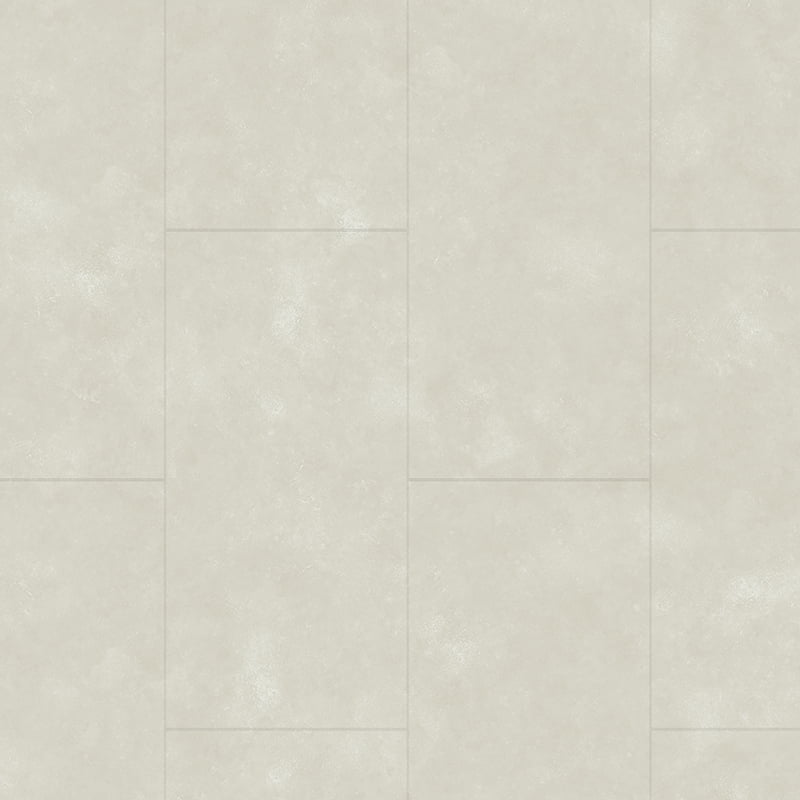
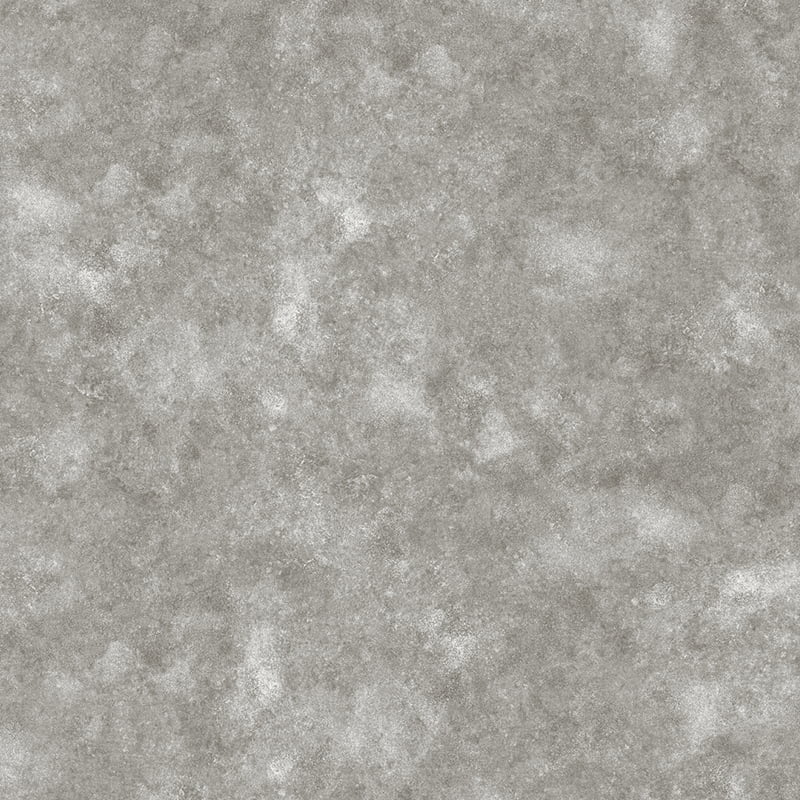
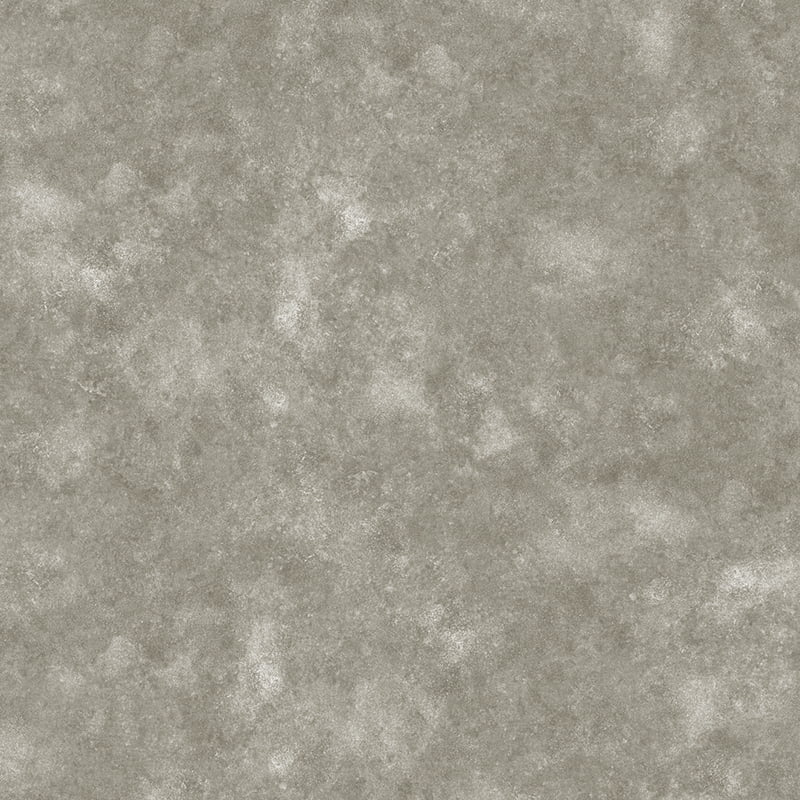
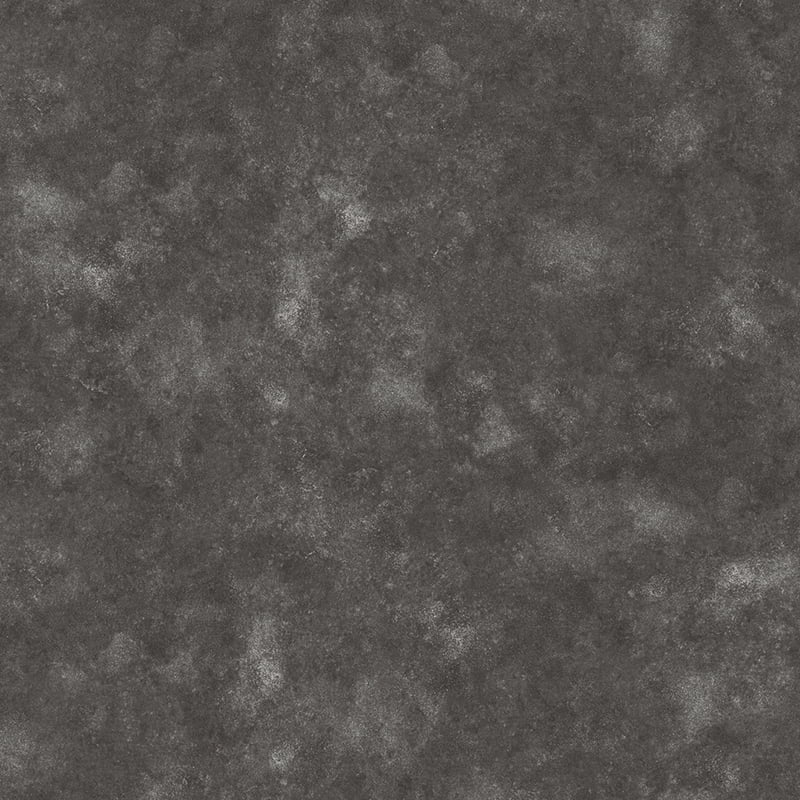

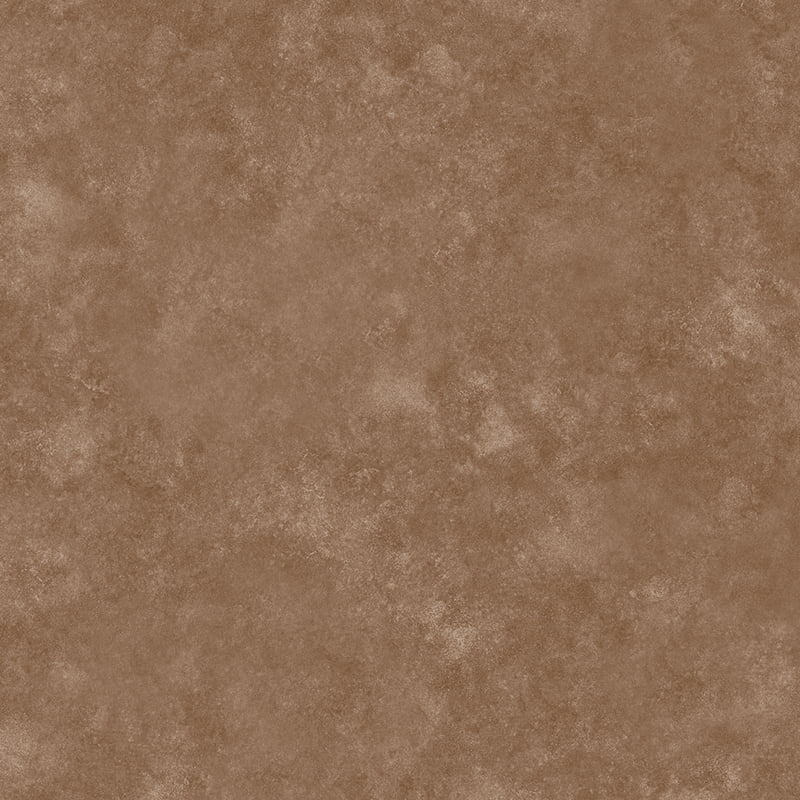
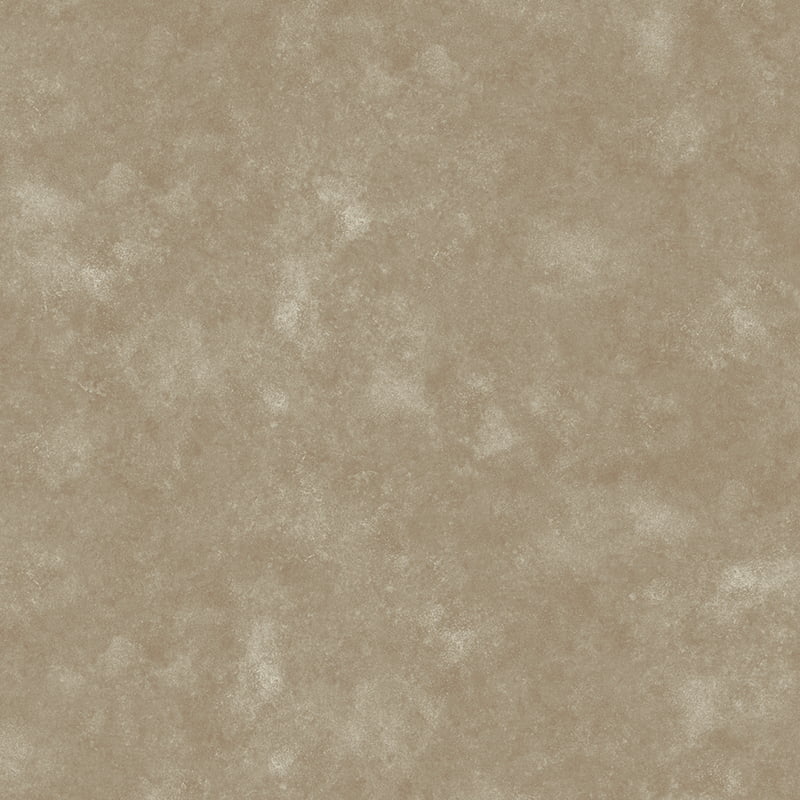
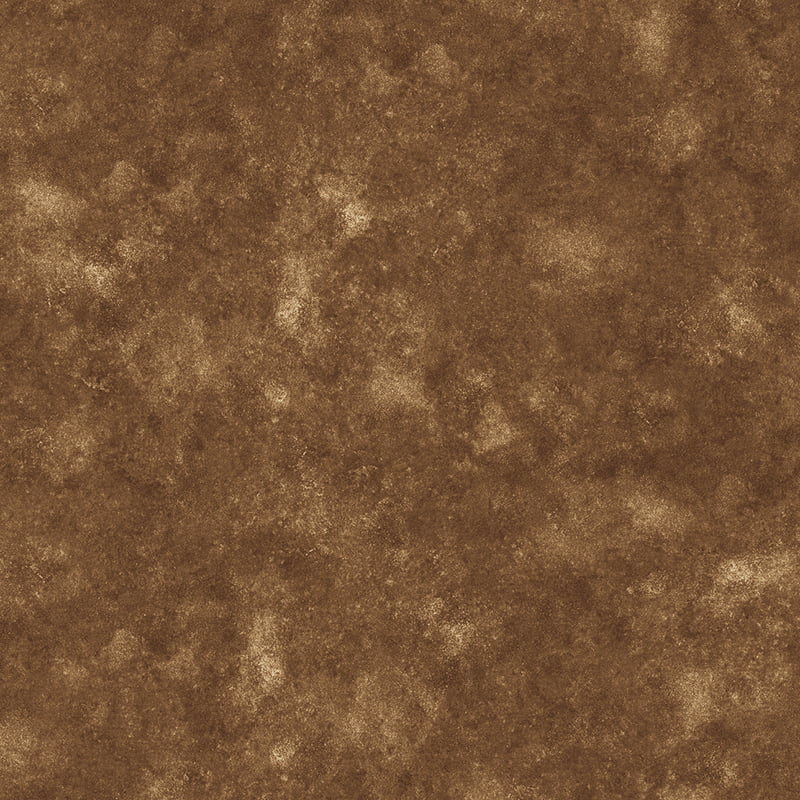
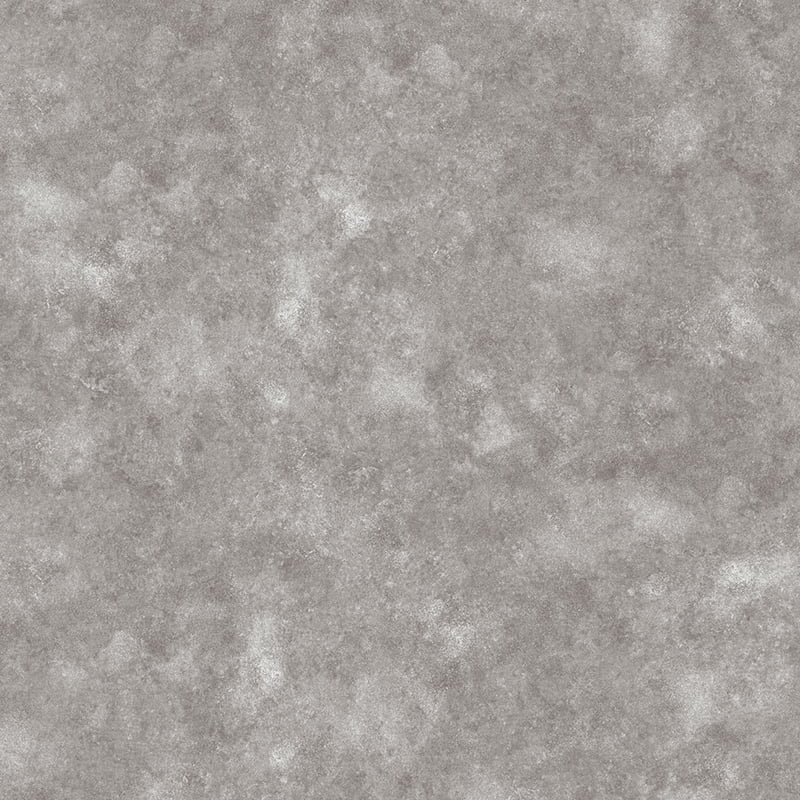
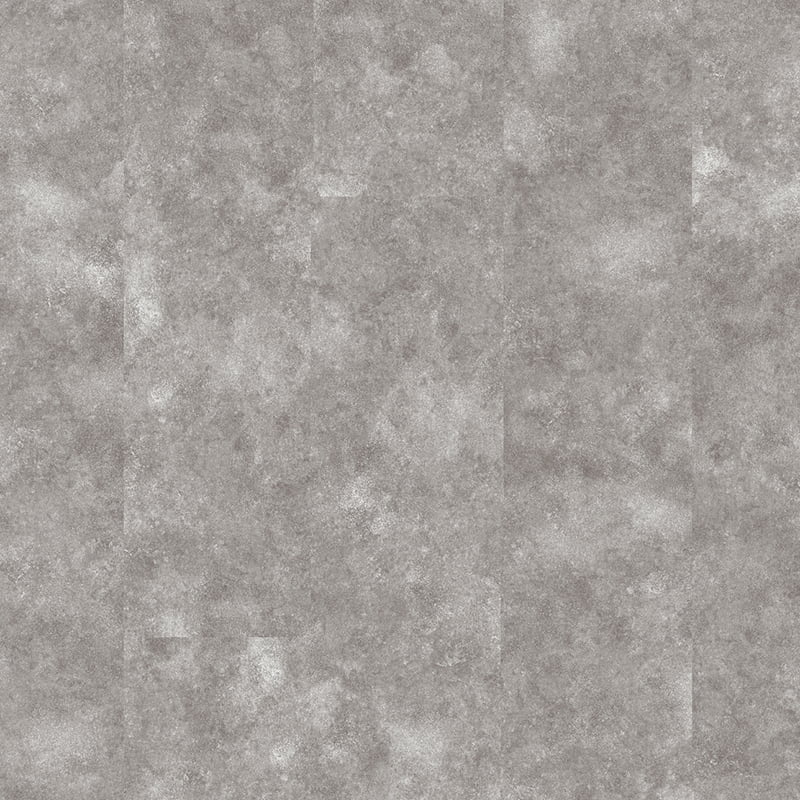
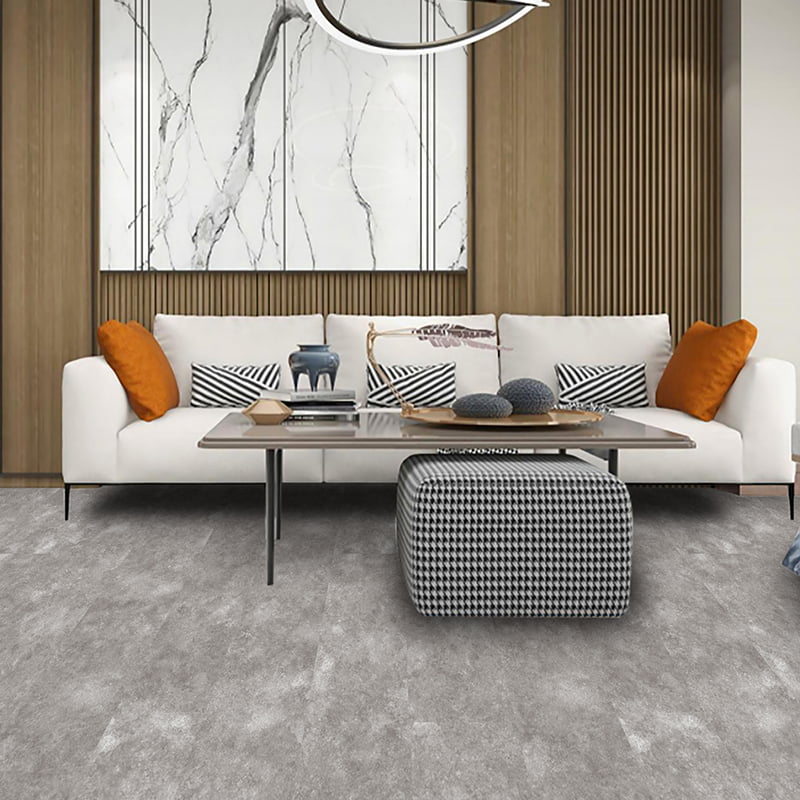

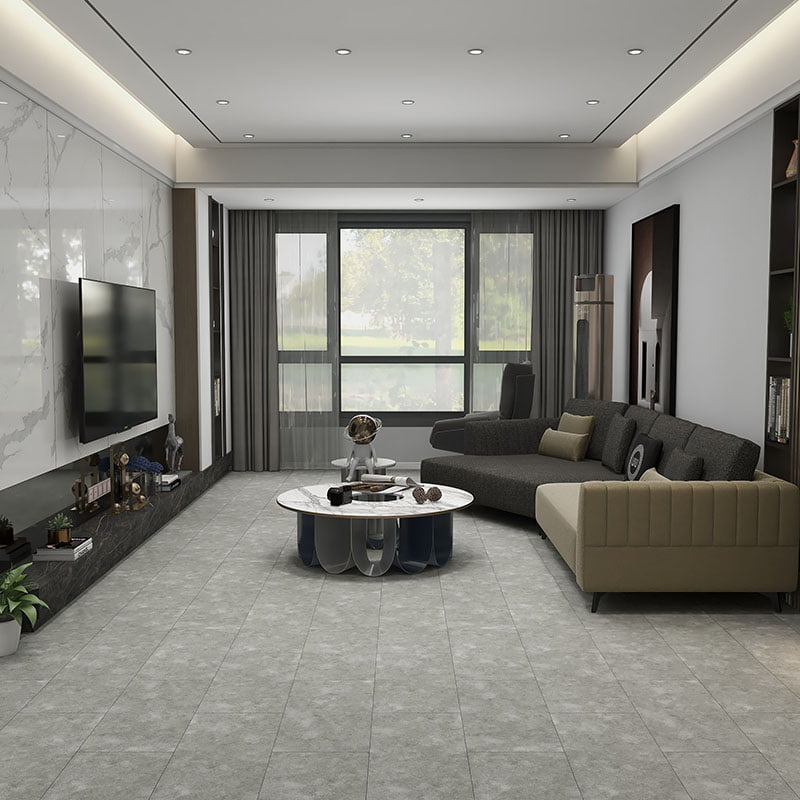
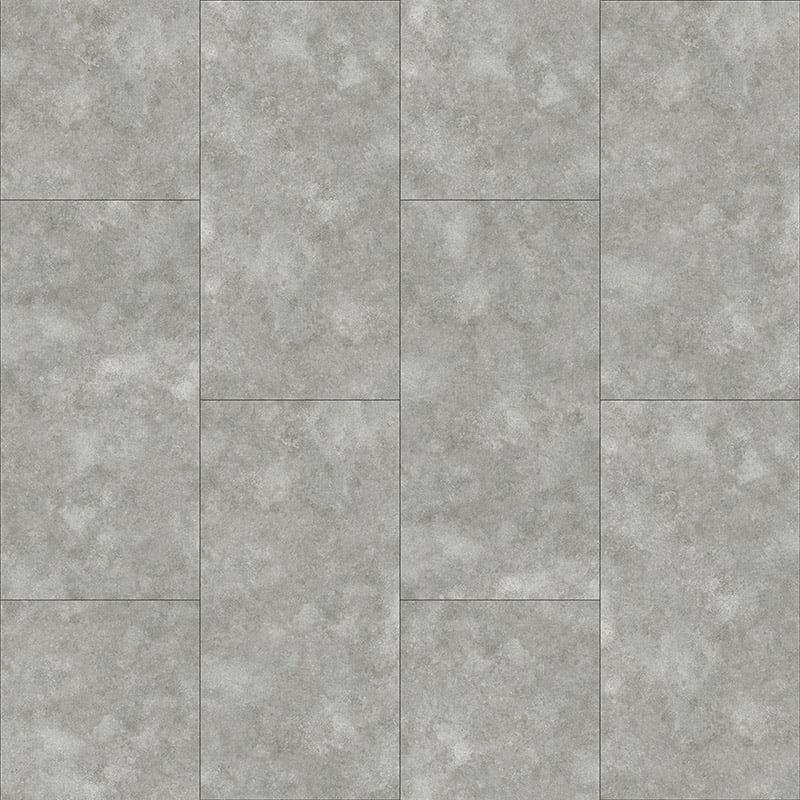
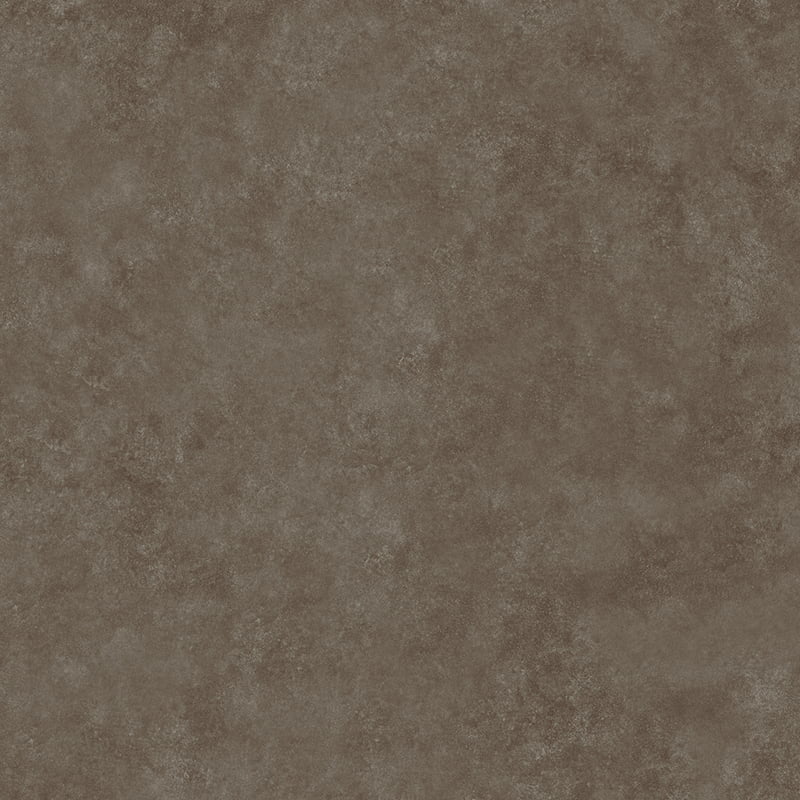
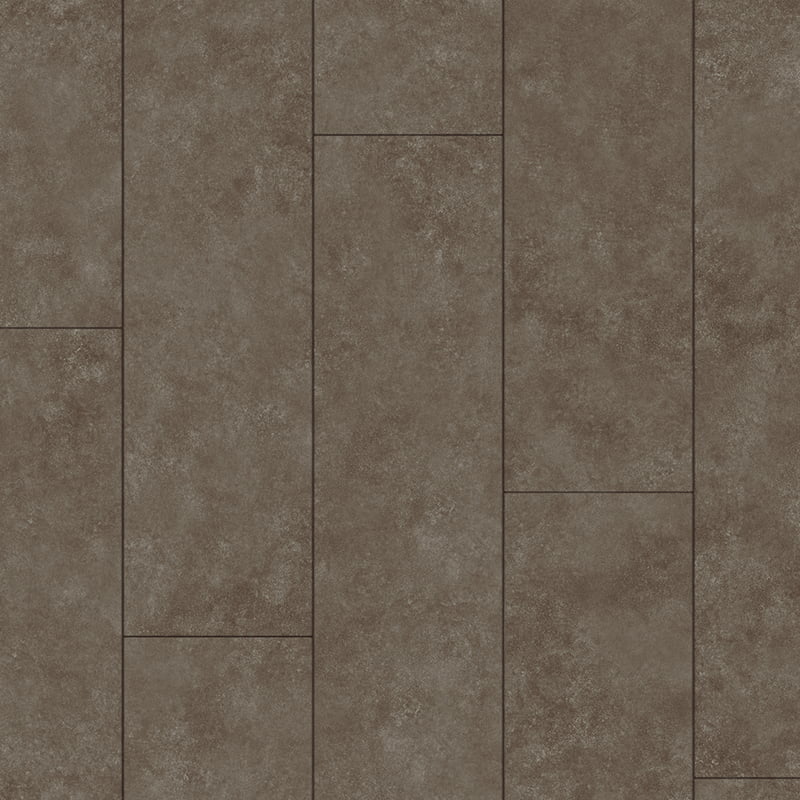
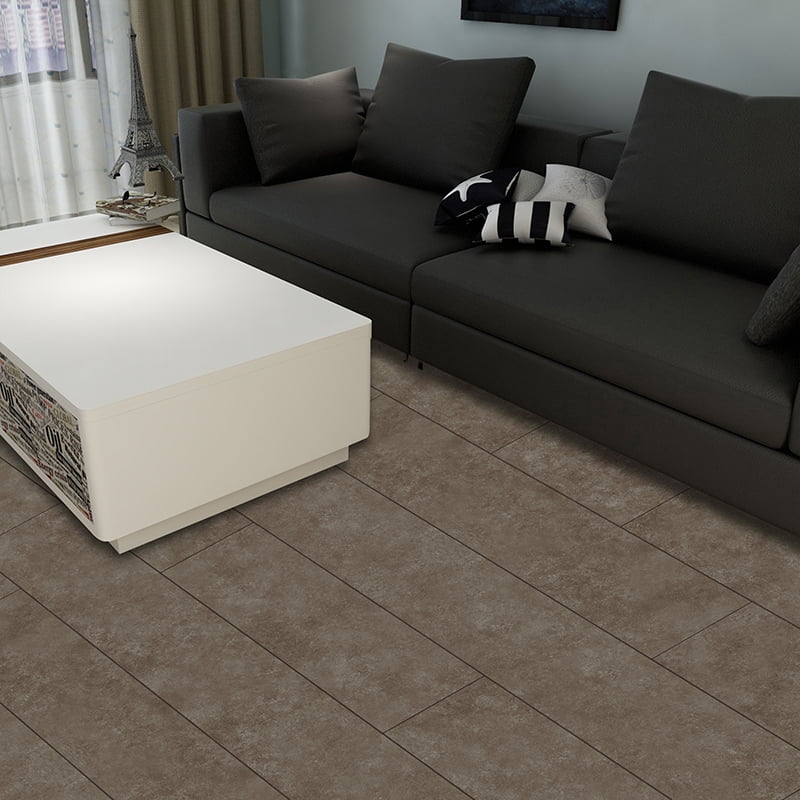
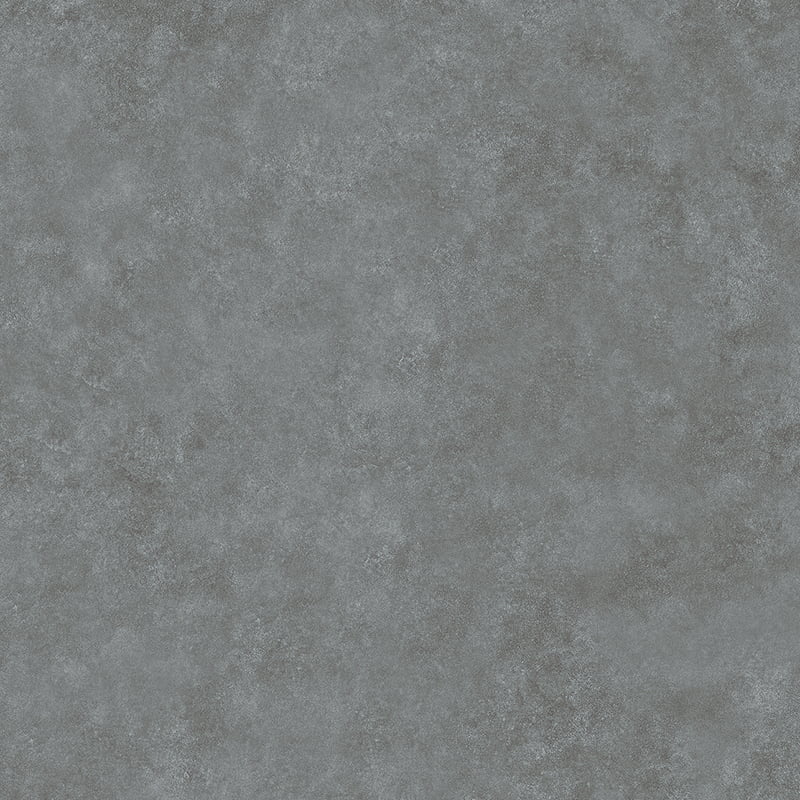
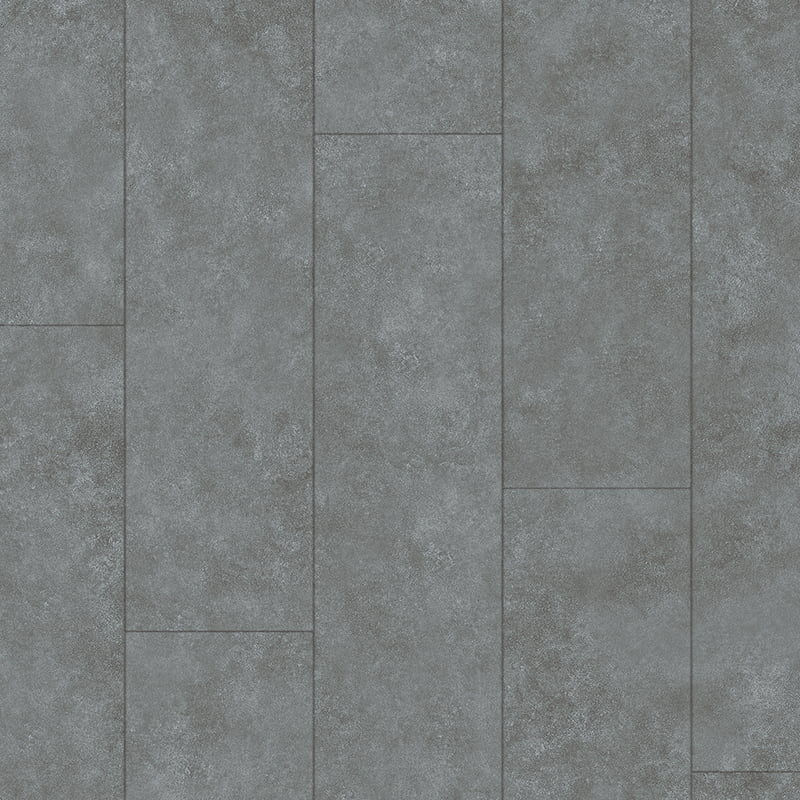
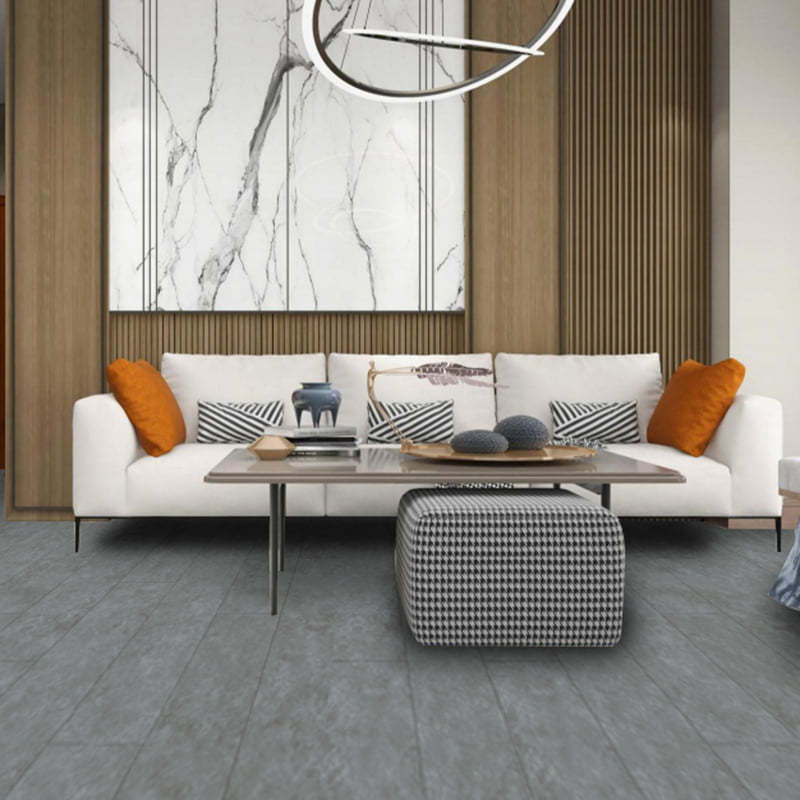


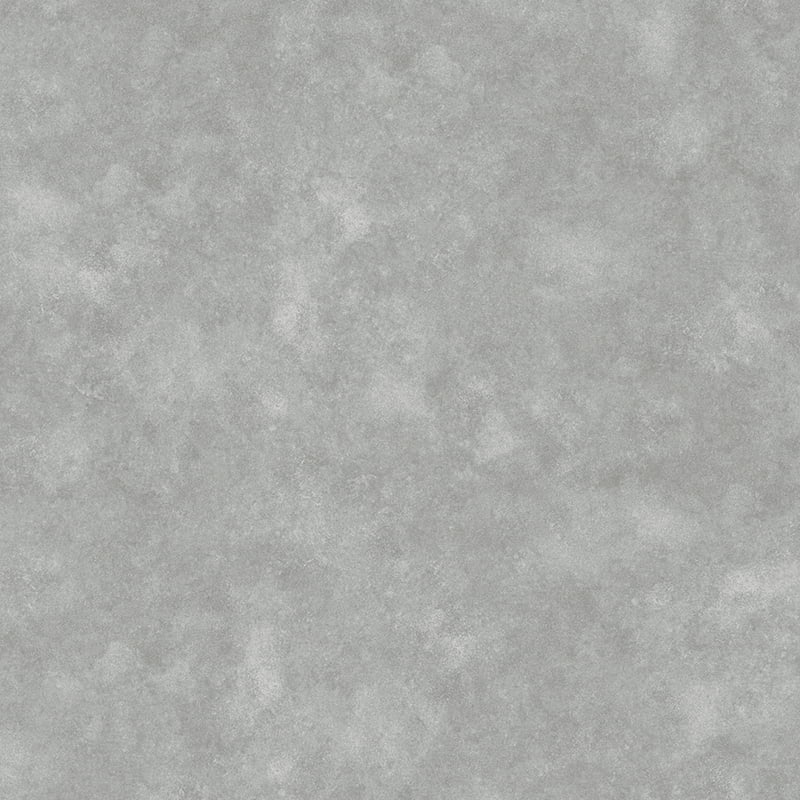
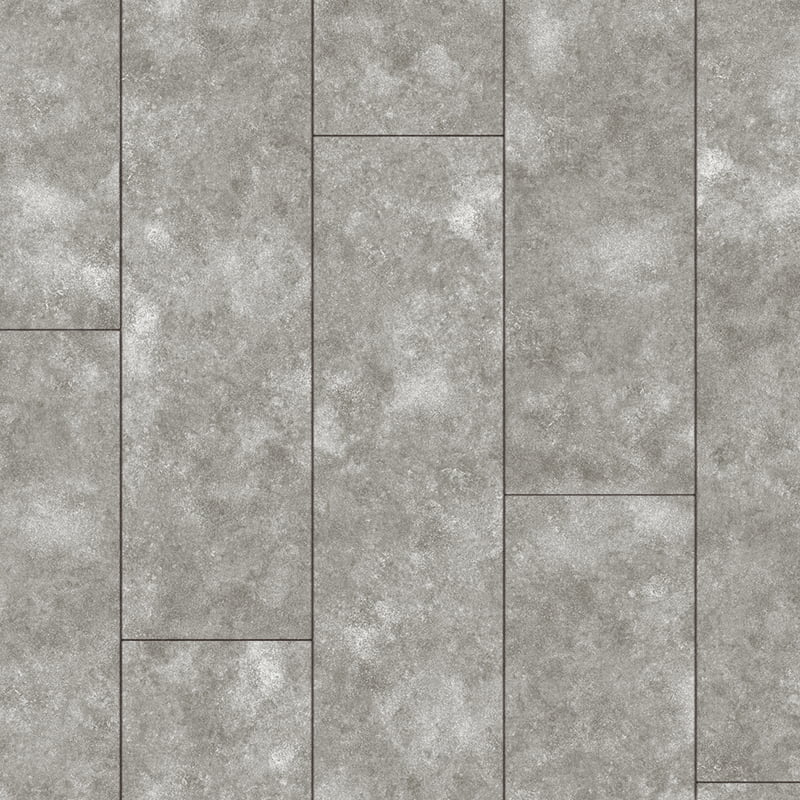
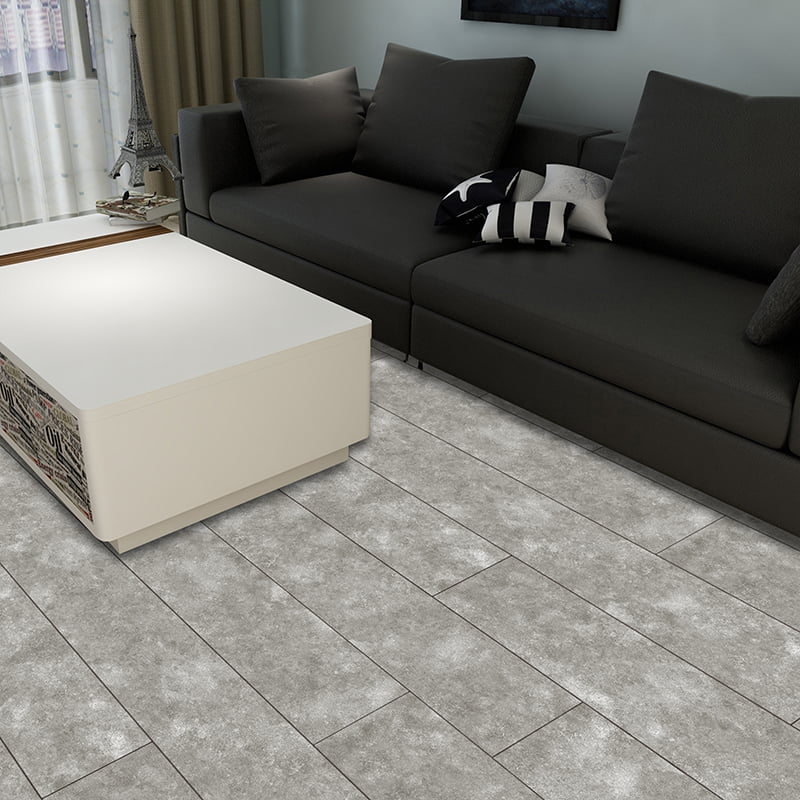
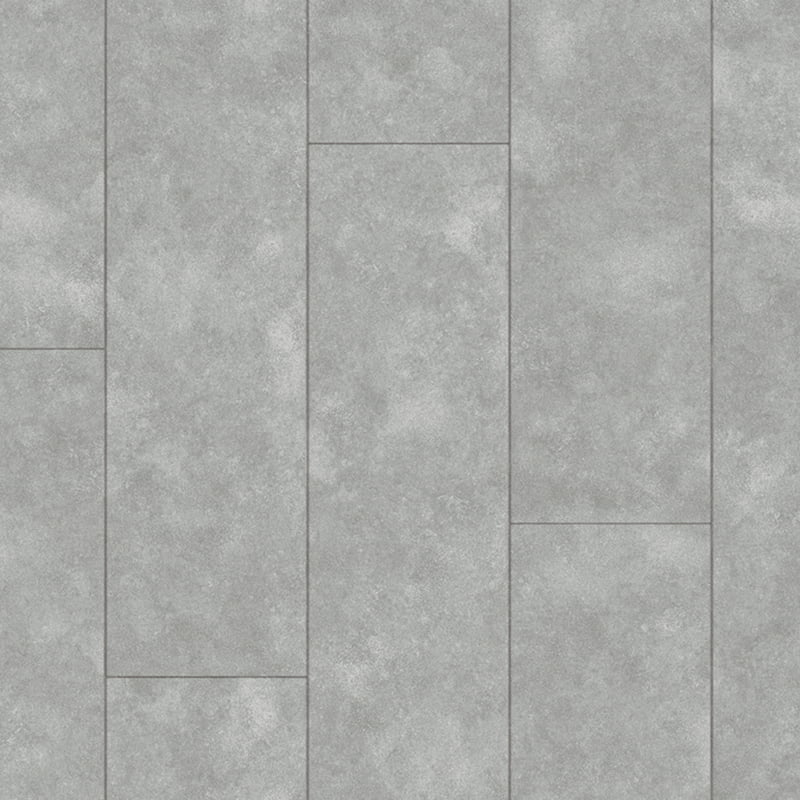
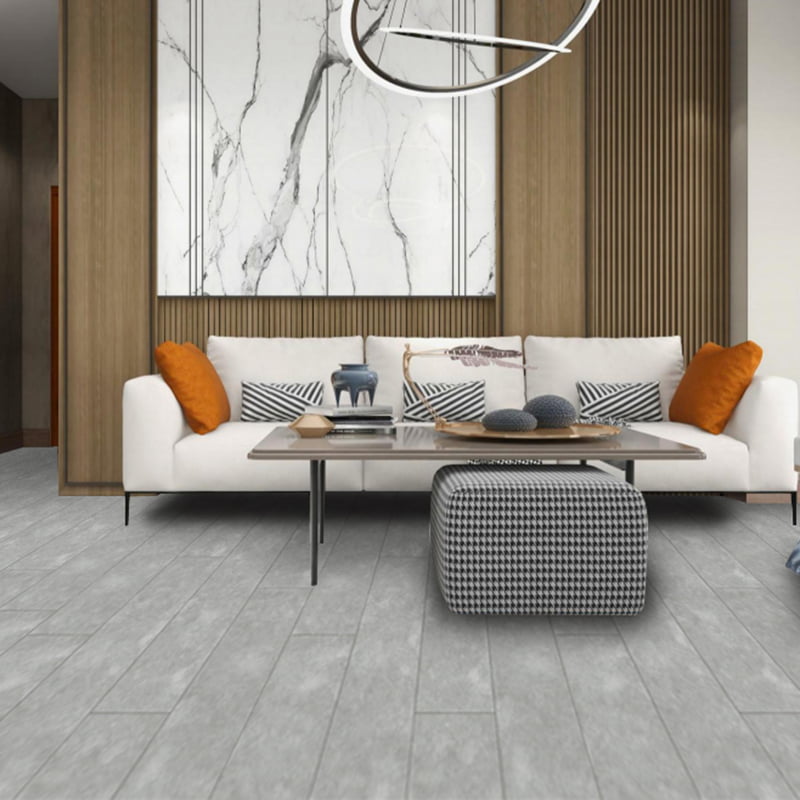
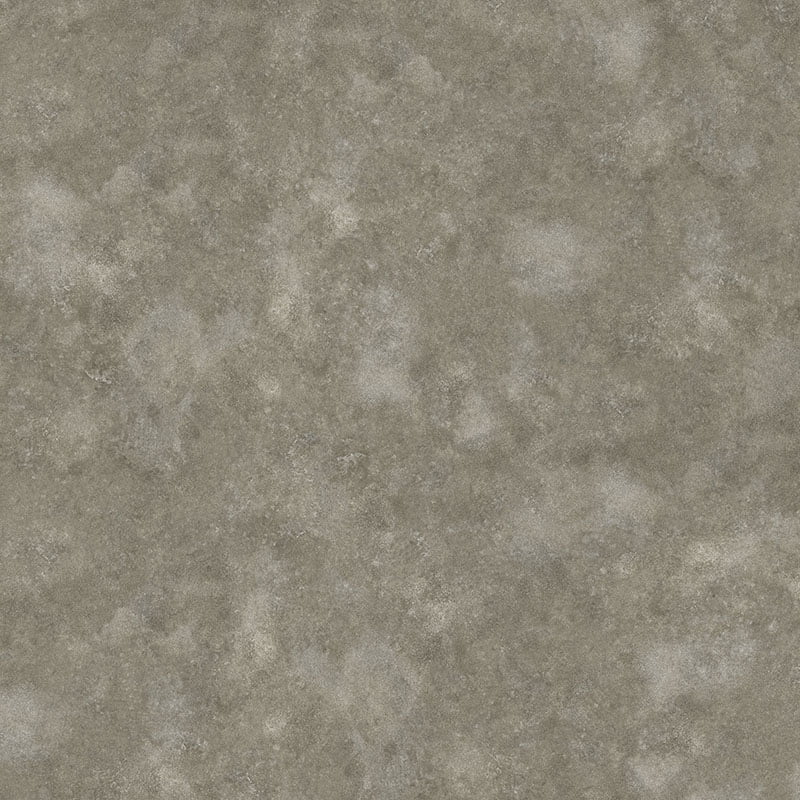
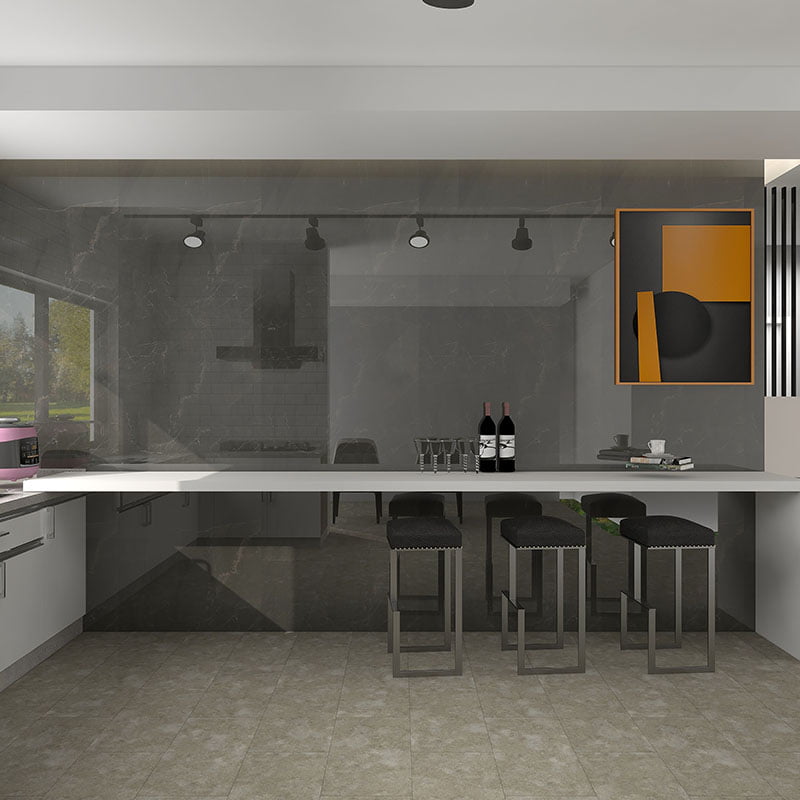
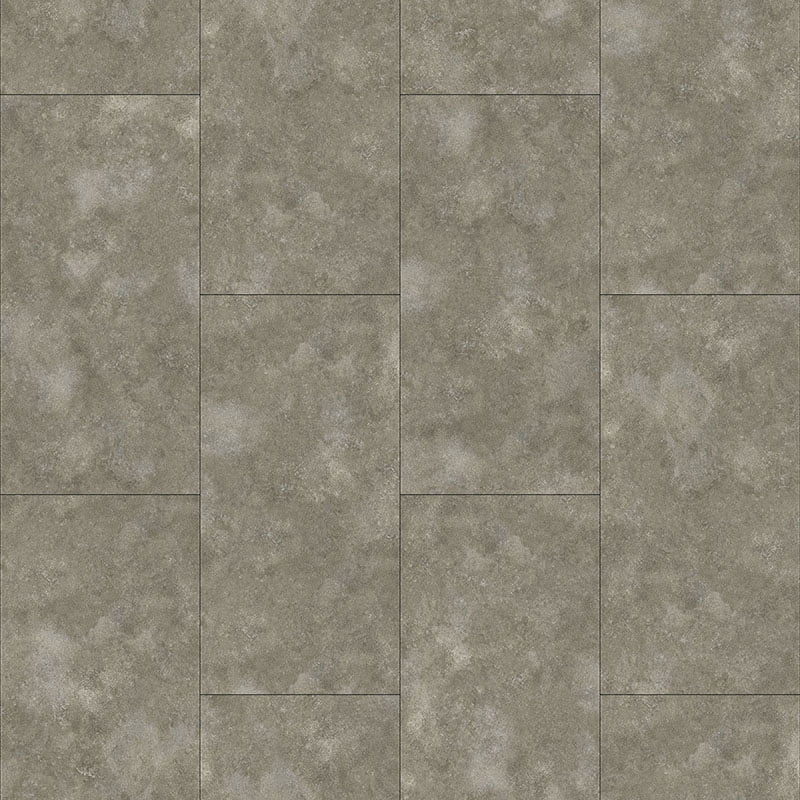
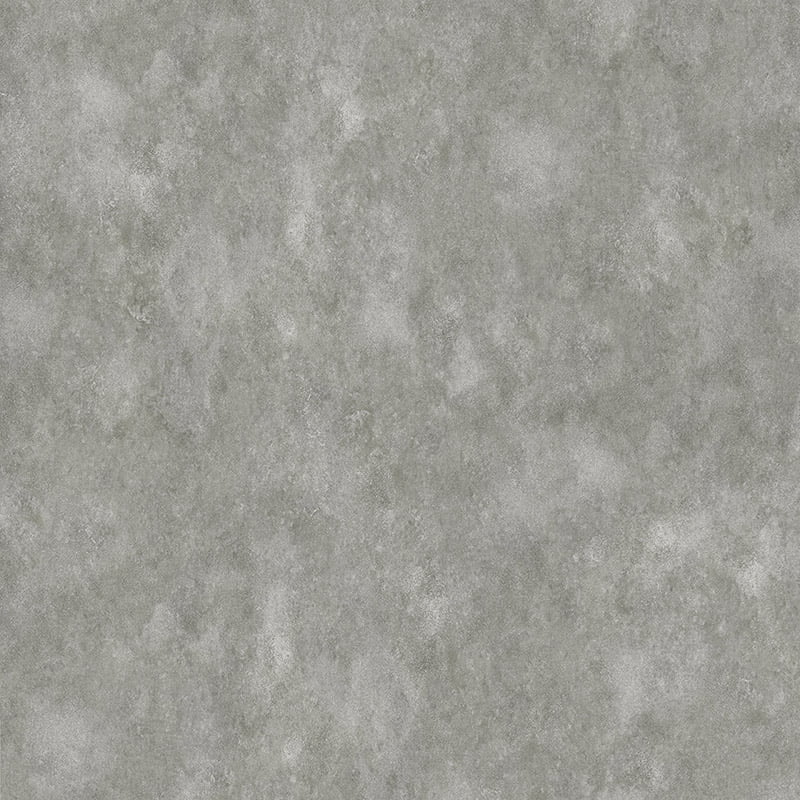
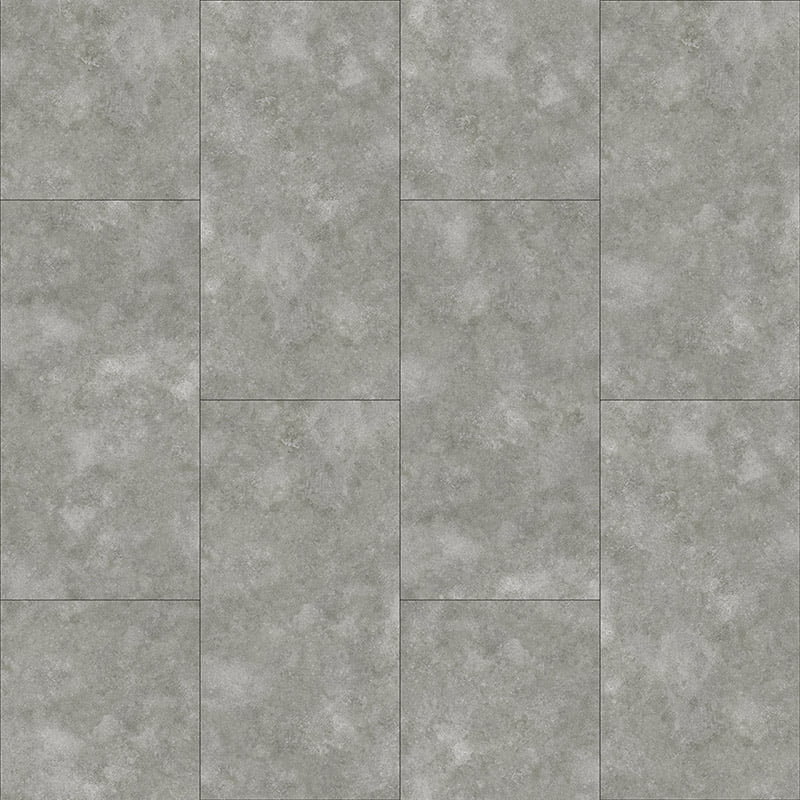
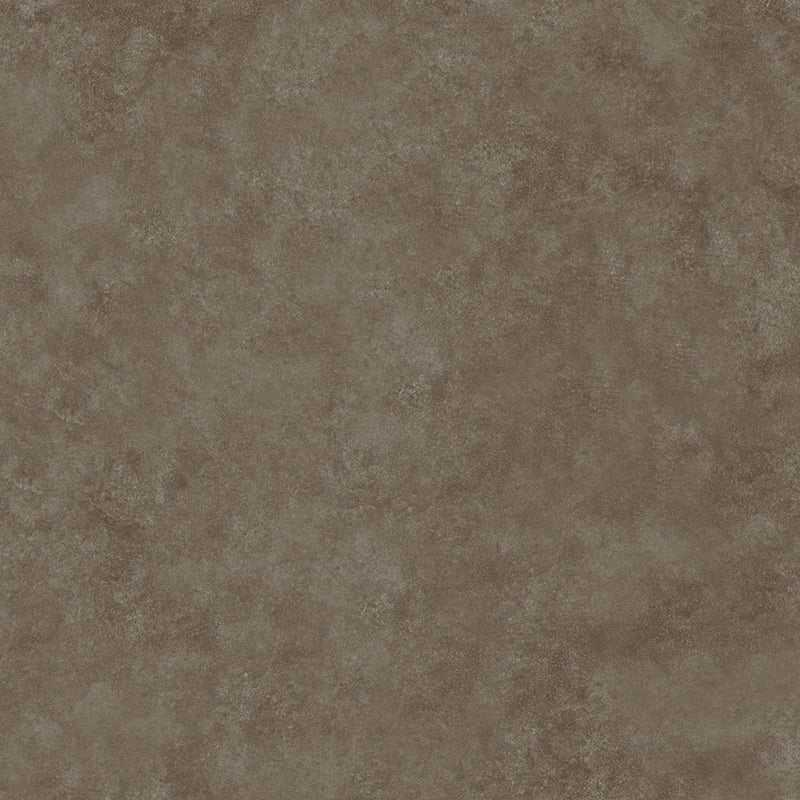
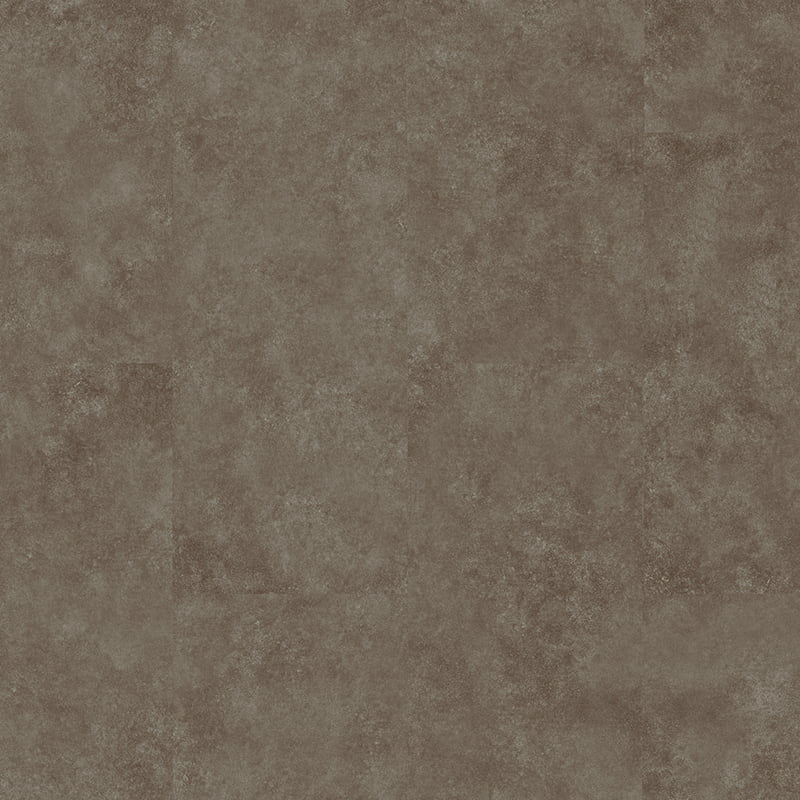
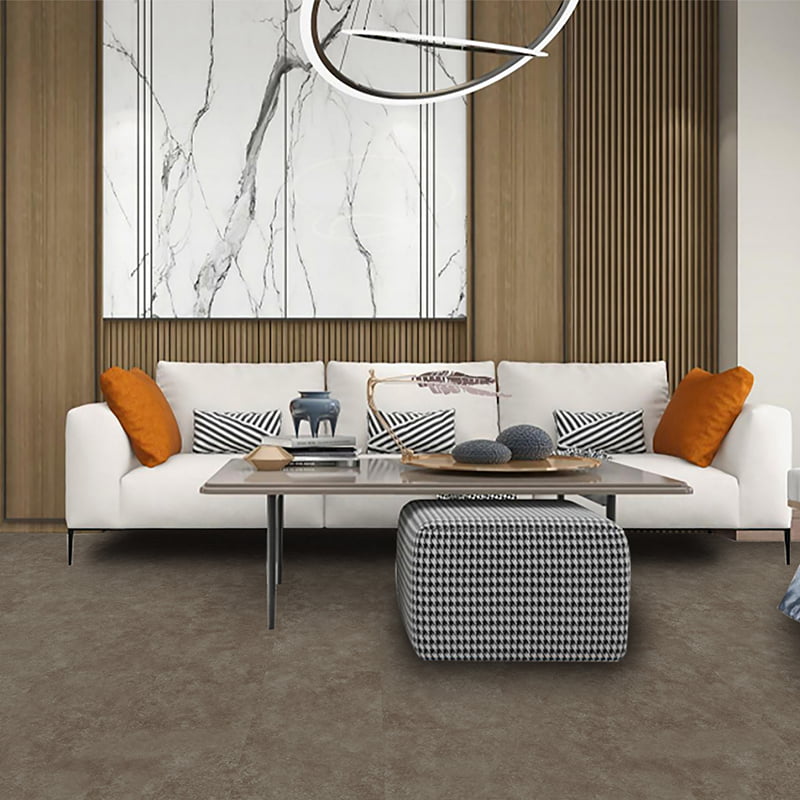
Model: YC48008
Wood: Stone
Spec: 1000*1100mm
Single chip size: 12*24"
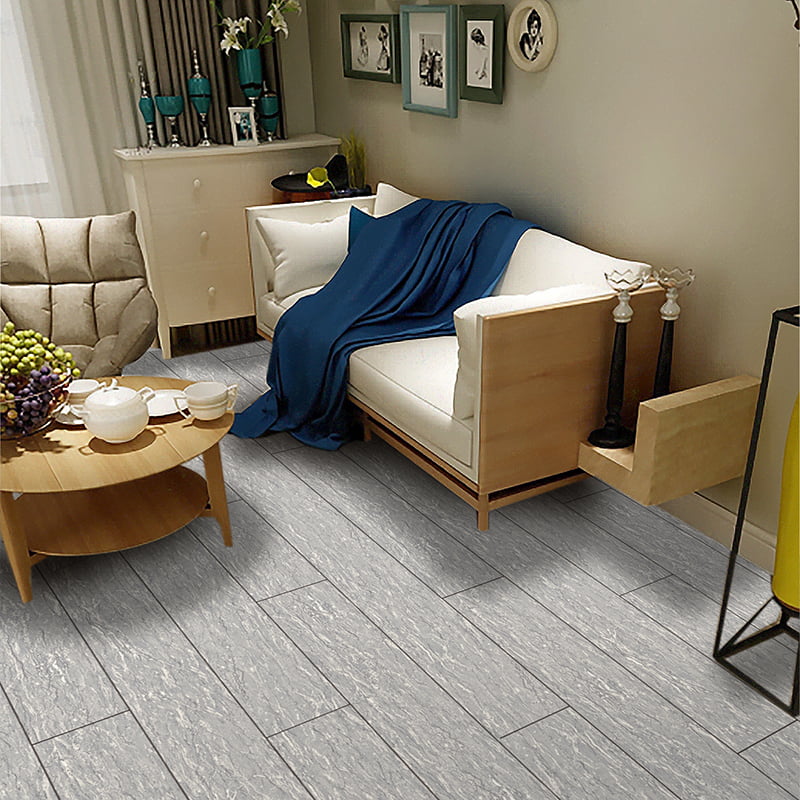
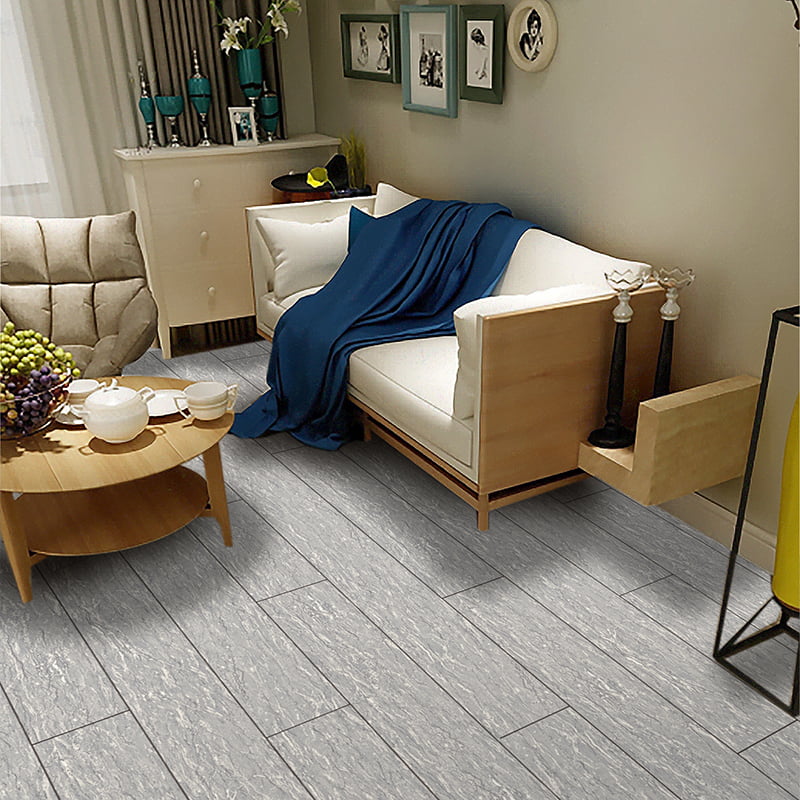
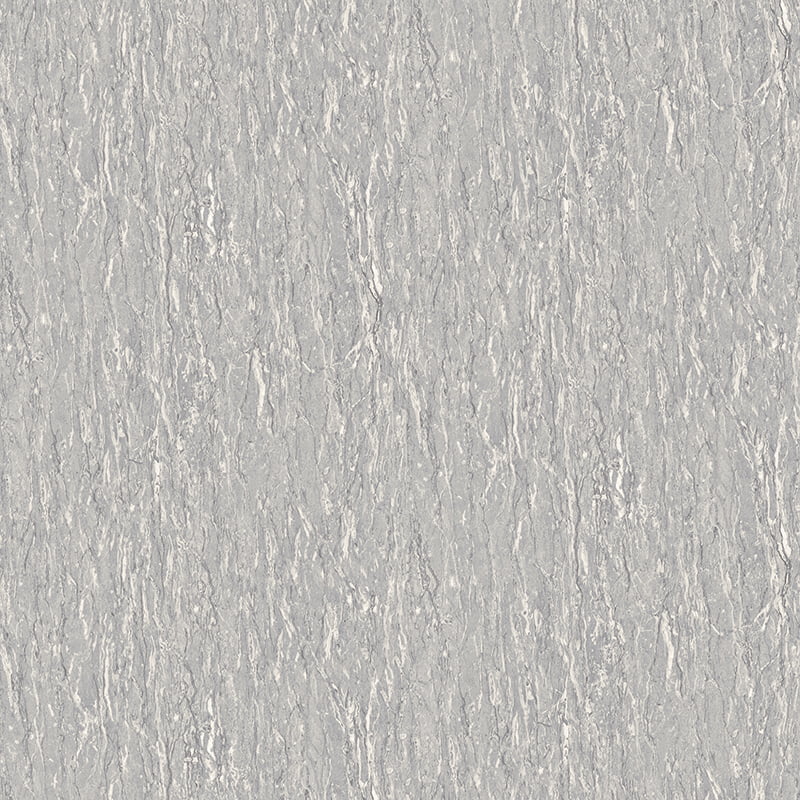
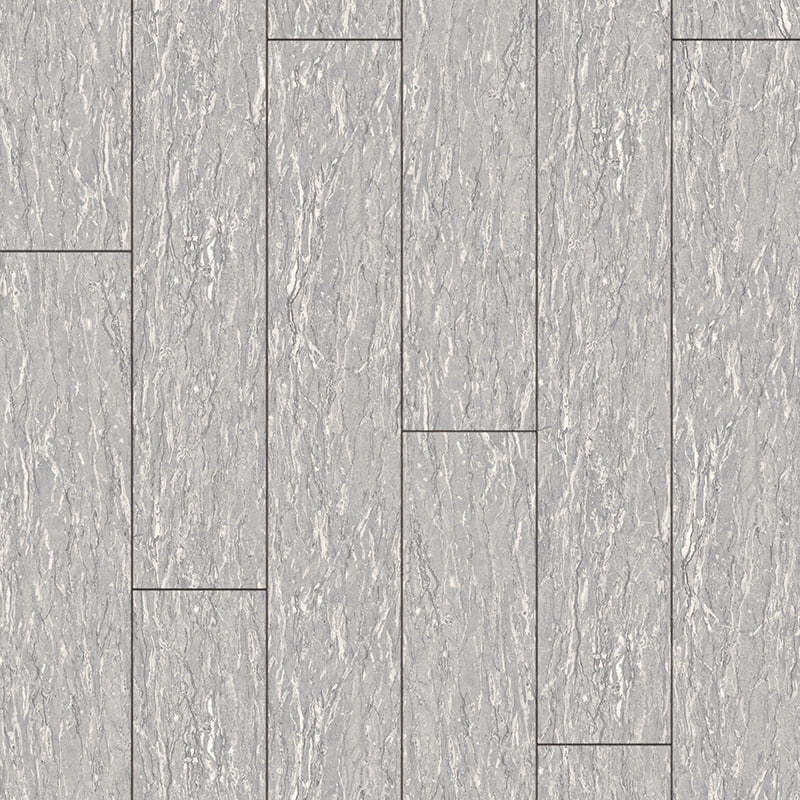
Model: YC48012
Wood: Stone
Spec: 1000*1260mm
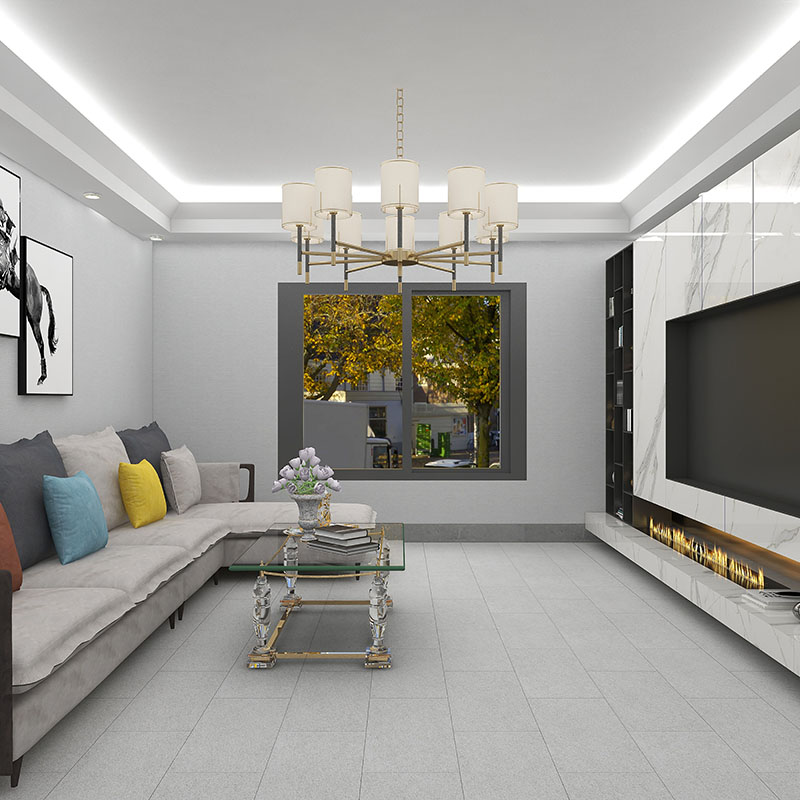

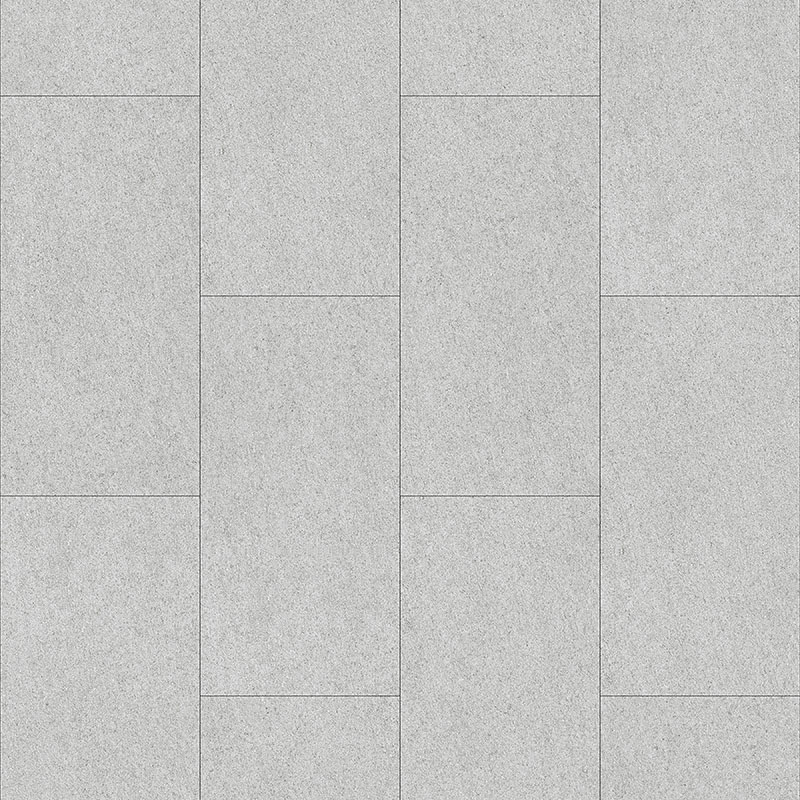

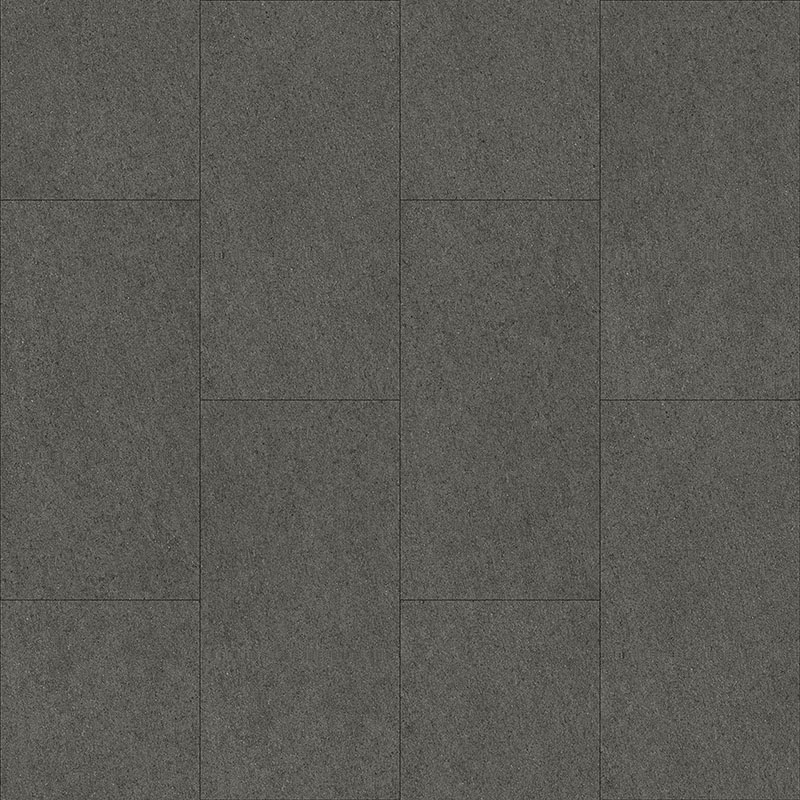
Model: YC48014
Wood: Stone
Spec: 1000*1000mm
Single chip size: 12*24"
Walk through almost any furniture showroom and you will meet the same surface again and again: a warm, straight-grained...
View MoreHickory has quietly become one of the most requested wood looks in decorative film, and it is easy to see why. It carri...
View MoreYou can usually spot hickory from across a room. The cathedral arches are wide and confident, the colour drifts from pa...
View MoreWhen designers and manufacturers look for a wood grain surface that feels warm, natural, and timeless, hickory often co...
View MoreA workshop receives a bundle of pine veneer for twelve wardrobe doors and finds that the color shifts noticeably betwee...
View MoreThe visual quality of a PVC printing film is determined long before any lamination or coating takes place — it starts at the gravure or digital printing stage. Gravure printing, which remains the dominant method for high-volume decor film production, works by etching microscopic cells into a chrome-plated cylinder. The depth and density of those cells control how much ink is deposited per unit area, which directly influences color saturation and tonal gradation. A well-engraved cylinder can reproduce wood grain at resolutions exceeding 150 lines per centimeter, capturing fine details like medullary rays and micro-pores that make the finished floor look genuinely natural.
Color registration — the precise alignment of each ink layer — is equally critical. A PVC Color Film typically requires four to six color passes (cyan, magenta, yellow, black, plus optional spot colors). A misregistration of even 0.1 mm can produce a visible fringing effect on high-contrast grain boundaries, which becomes especially noticeable under raking light. Modern gravure lines use servo-driven register correction systems that monitor printed marks in real time and adjust web tension to keep layers aligned. At Changzhou Yunchang, we treat every cylinder set as a calibration exercise, cross-referencing finished prints against spectrophotometric standards to ensure ΔE values stay within 1.5 — a threshold the eye cannot detect under standard viewing conditions.
In a rigid-core SPC (Stone Plastic Composite) floor panel, the decor film sits between the wear layer above and the SPC core below. It contributes nothing structural, but it does three things that matter enormously to the end product: it provides the entire visual identity of the plank, it acts as a light-scattering interface that influences perceived gloss, and — when properly bonded — it creates a moisture and chemical barrier that prevents plasticizer migration from the core from discoloring the surface over time.
What many specifiers overlook is that the adhesion chemistry between the decor film and the SPC core is not the same as the adhesion between the decor film and the wear layer. The core bond typically relies on heat and pressure during the calendering process, while the wear layer bond often incorporates a UV-curable adhesive primer. Selecting a film with the wrong surface energy for a given lamination process results in delamination under thermal cycling — a common field complaint in underfloor-heated installations. Films designed for SPC applications should carry a surface tension rating of at least 38 mN/m before any corona treatment is applied.
The three major decorative categories — stone, wood, and carpet/textile grain — impose very different technical requirements on the Printed Decorative Film substrate, even when the end use is identical.
Our company's three-series product line — covering all three grain categories across more than a thousand color options — was developed specifically to address these distinct technical demands rather than treating them as variations of a single product.
PVC in its unmodified form is rigid and brittle. Plasticizers — typically phthalate esters or their non-phthalate alternatives — are blended into the compound to give the film flexibility and processability. The choice of plasticizer is one of the most consequential decisions in decor film formulation, with effects that play out over years or decades of installed service life.
Low-molecular-weight plasticizers, including some legacy DEHP (di(2-ethylhexyl) phthalate) formulations, have a tendency to migrate toward the film surface over time, particularly at elevated temperatures. When they reach the wear layer interface, they can soften the coating, reduce abrasion resistance, and create a tacky surface that attracts dust. More critically, migrated plasticizers can leach into adhesive layers in glue-down applications, causing bond failure. Modern high-performance decor films use polymeric or high-molecular-weight monomeric plasticizers with molecular weights above 1,000 g/mol, which are physically too large to migrate through the polymer matrix at typical service temperatures.
Europe's REACH regulation restricts four phthalates — DEHP, DBP, BBP, and DIBP — to a combined concentration of no more than 0.1% by weight in articles intended for indoor use. California's Proposition 65 maintains a separate list of chemicals requiring disclosure. For export products, understanding which plasticizer package is compliant in each target market is essential — a film formulation that passes EU certification may still require reformulation for the Japanese market, where JIS A 5705 sets additional migration limits. The following table summarizes key compliance frameworks:
| Region | Standard / Regulation | Key Restriction | Typical Test Method |
| European Union | REACH Annex XVII | 4 phthalates ≤ 0.1 wt% | IEC 62321-8 / GC-MS |
| USA (California) | Proposition 65 | DEHP disclosure at >0.1% | OEHHA-approved methods |
| Japan | JIS A 5705 | VOC emission limits + migration | Chamber test (28-day) |
| China | GB 18586 | VOC, heavy metal limits | Headspace GC |
The mechanical texture of the wear layer surface — defined by its emboss depth, peak-to-valley height (Rz), and profile geometry — has a direct relationship with slip resistance, which is measured as a Coefficient of Friction (COF) or, in European standards, as a pendulum test value (PTV). A deeper, more irregular emboss increases the contact area between shoe sole and floor under wet conditions, raising the PTV. However, deeper emboss also means more surface area exposed to foot traffic abrasion, which can accelerate wear layer consumption at high points of the texture profile.
Specifying an appropriate emboss for the intended application requires balancing slip resistance against durability. Residential products typically target a PTV above 36 (Class C in EN 13845), while commercial or healthcare environments often require PTV ≥ 40. Smooth or registered-emboss products — where the texture mimics natural wood grain rather than providing grip — can fall below PTV 36 when wet, which means they should only be specified in low-moisture environments. This is not a defect but a design trade-off that installers and specifiers should communicate clearly to end users.
The relocation of part of Printing Film manufacturing to Vietnam reflects a broader shift in the global flooring supply chain that has been underway since approximately 2019. Vietnam offers several structural advantages: competitive energy costs relative to coastal China, a growing pool of trained polymer processing technicians, preferential tariff access under the CPTPP and EVFTA trade agreements, and geographic proximity to ASEAN markets that are themselves experiencing rapid construction growth.
From a product quality standpoint, the critical variable when any manufacturer expands to a new site is process consistency — ensuring that the same formulation, the same cylinder set, and the same lamination parameters produce identical output thousands of kilometers from the original factory. This requires investment in duplicated quality control infrastructure: spectrophotometers, tensile testers, and climate chambers that can replicate test conditions across sites. We established our Vietnam facility in July 2023 and reached full-scale production by September 2023, a timeline that was achievable because we transferred not just equipment but complete quality management documentation and personnel training from our Changzhou operations. Customers sourcing from our Vietnam plant receive product that meets the same specifications as material produced in China.
A supplier's sample book tells you what their product looks like today, under controlled lighting, in a freshly printed sample. It tells you very little about consistency, supply reliability, or the supplier's ability to develop custom patterns. When qualifying a new Color Film source, the following evaluation criteria are more predictive of long-term supply performance:
We welcome factory visits and technical audits — both at our Changzhou headquarters and our Vietnam facility — as part of any qualification process. We believe the most durable business relationships are built on transparency about how a product is actually made, not just how it looks in a brochure.



Contact
 China Company Address: No.5 Zhaojia Road,
Vietnam Factory Address: GNP Yen Binh
1 - lndustrial Center (Lot CN13,CN18,Yen
Binh Industrial Park, Ward, Dng Tien, Ph8 Yen,
Thai Nguyen 24000)
Thailand Factory Address: 289/12 Moo 7, Klong Kiu Sub-District, Ban Bueng District, Chonburi 20220 THAILAND
China Company Address: No.5 Zhaojia Road,
Vietnam Factory Address: GNP Yen Binh
1 - lndustrial Center (Lot CN13,CN18,Yen
Binh Industrial Park, Ward, Dng Tien, Ph8 Yen,
Thai Nguyen 24000)
Thailand Factory Address: 289/12 Moo 7, Klong Kiu Sub-District, Ban Bueng District, Chonburi 20220 THAILAND
 Tel: +86-13685281168
+86-13813687178
Tel: +86-13685281168
+86-13813687178
 E-mail: [email protected]




 English
 русский