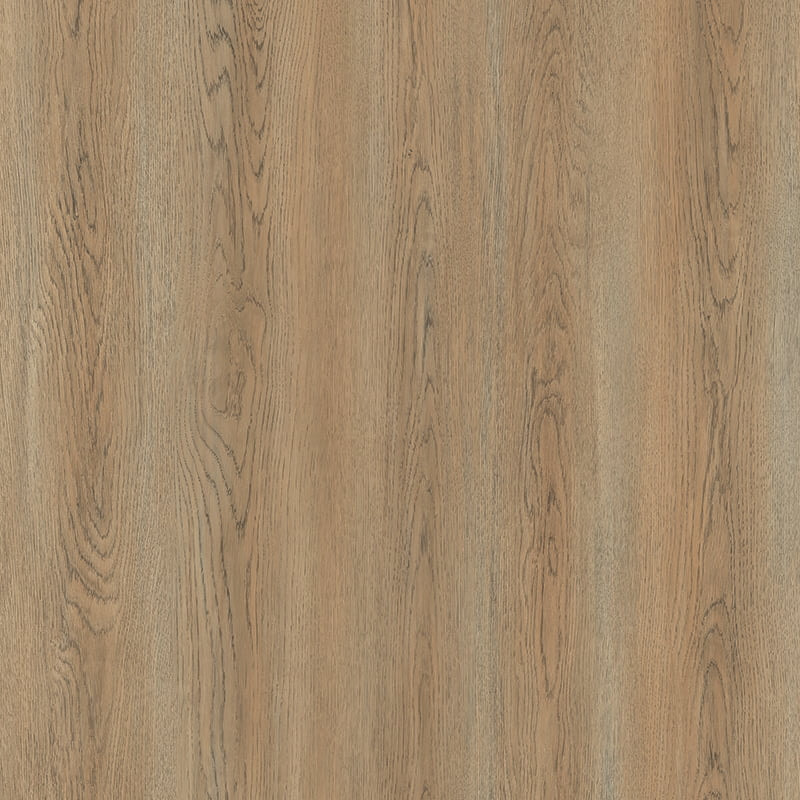
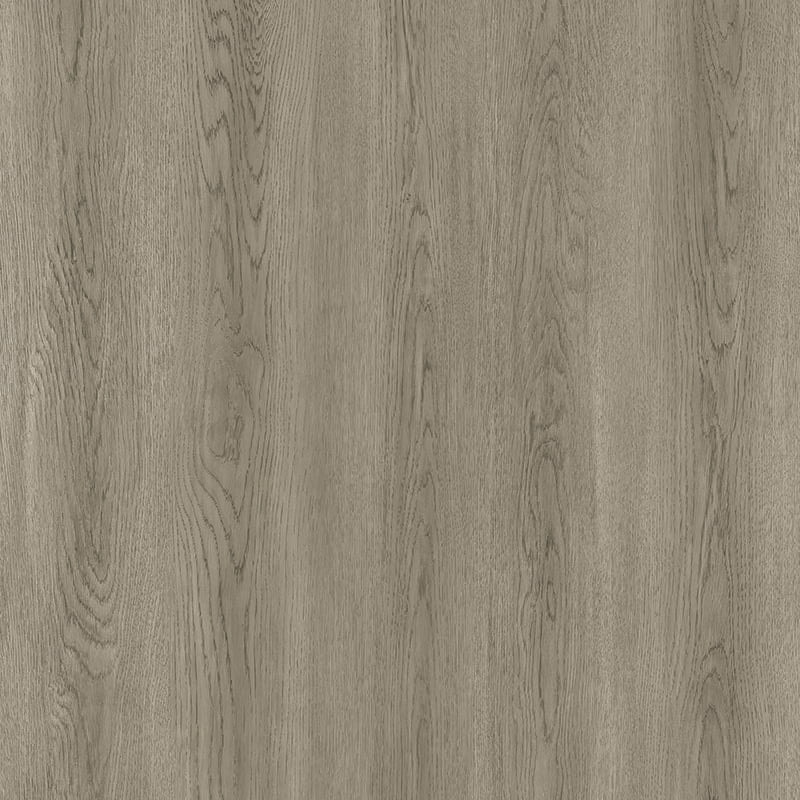
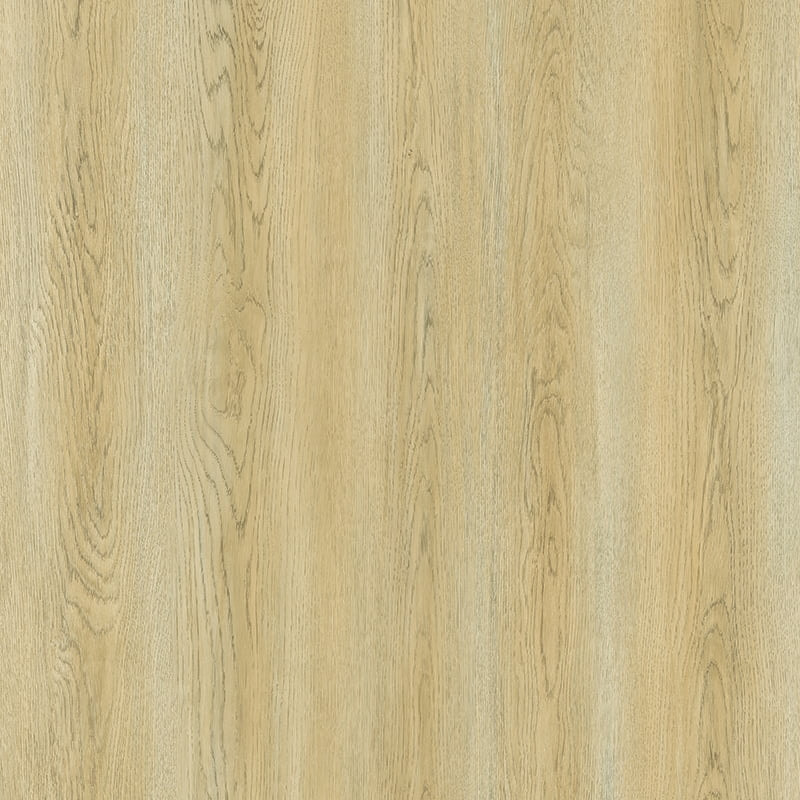
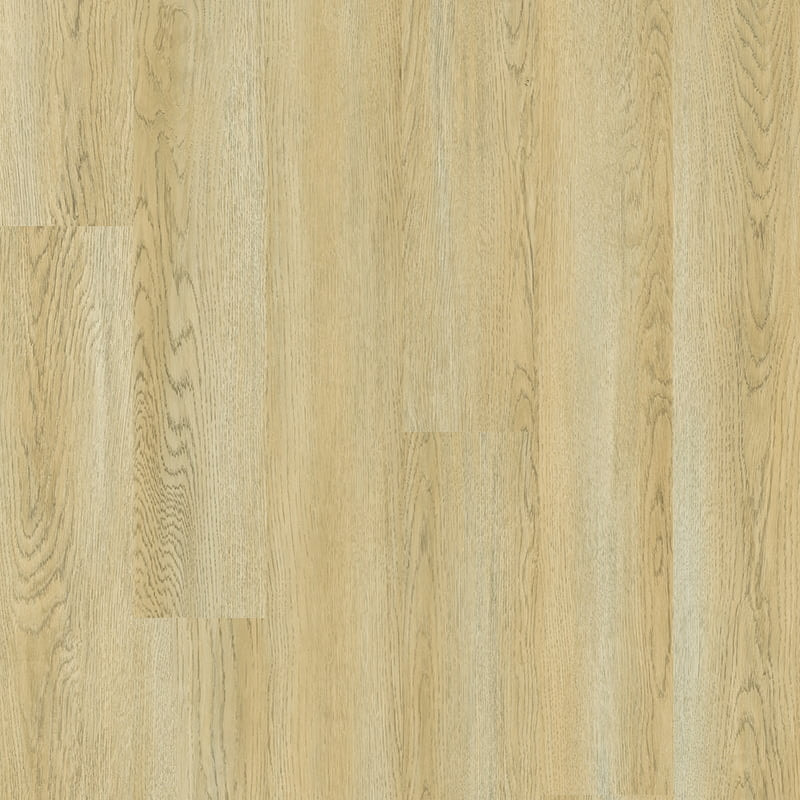
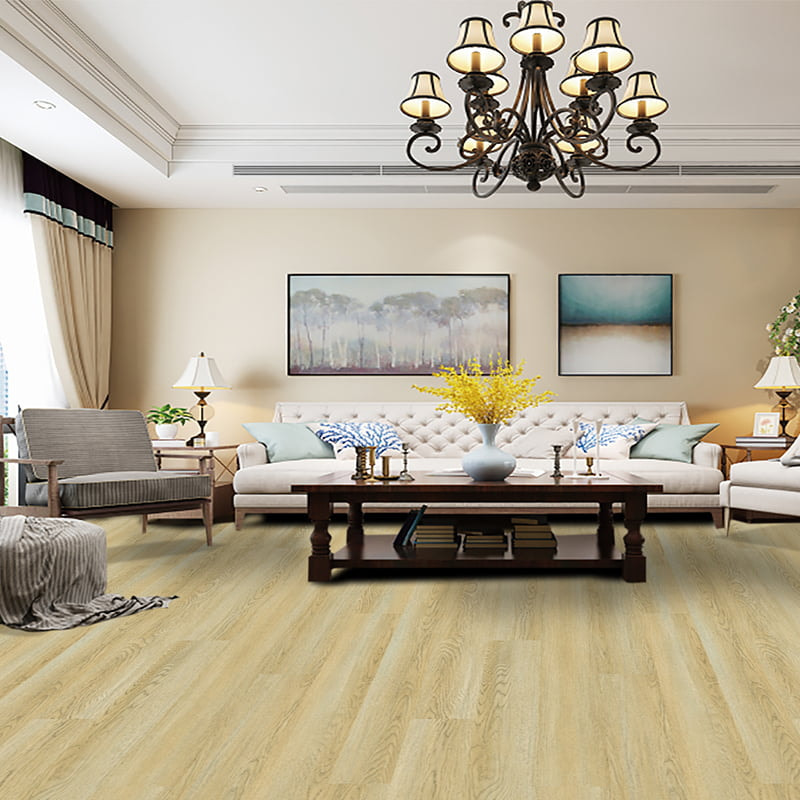
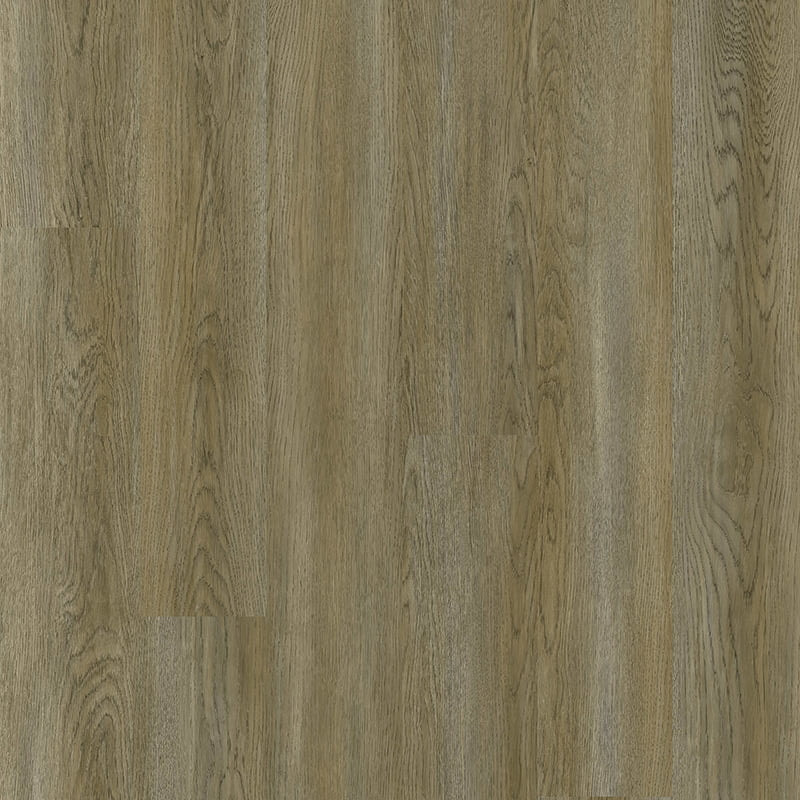
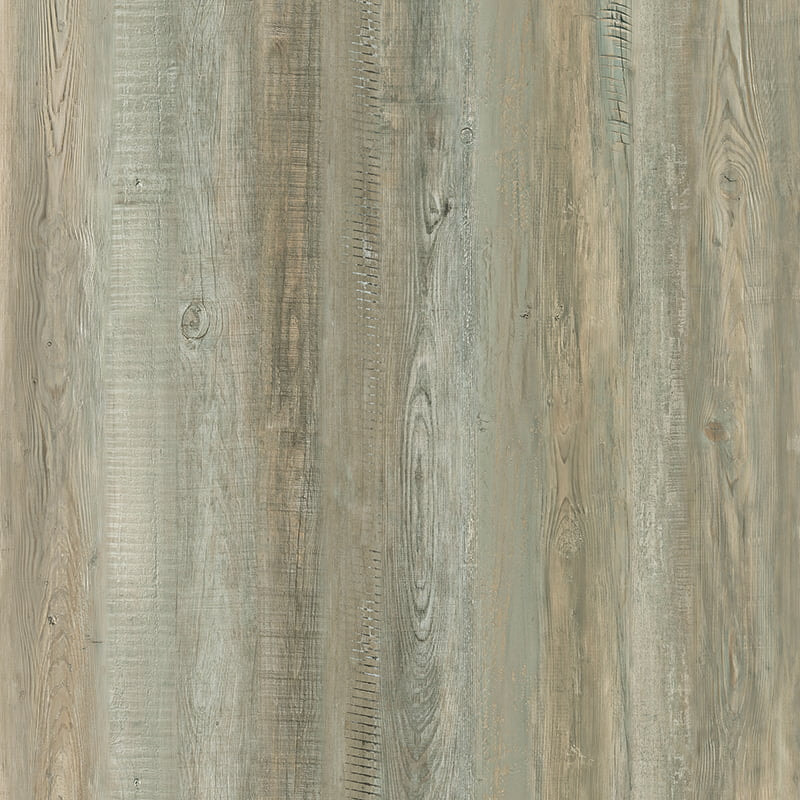
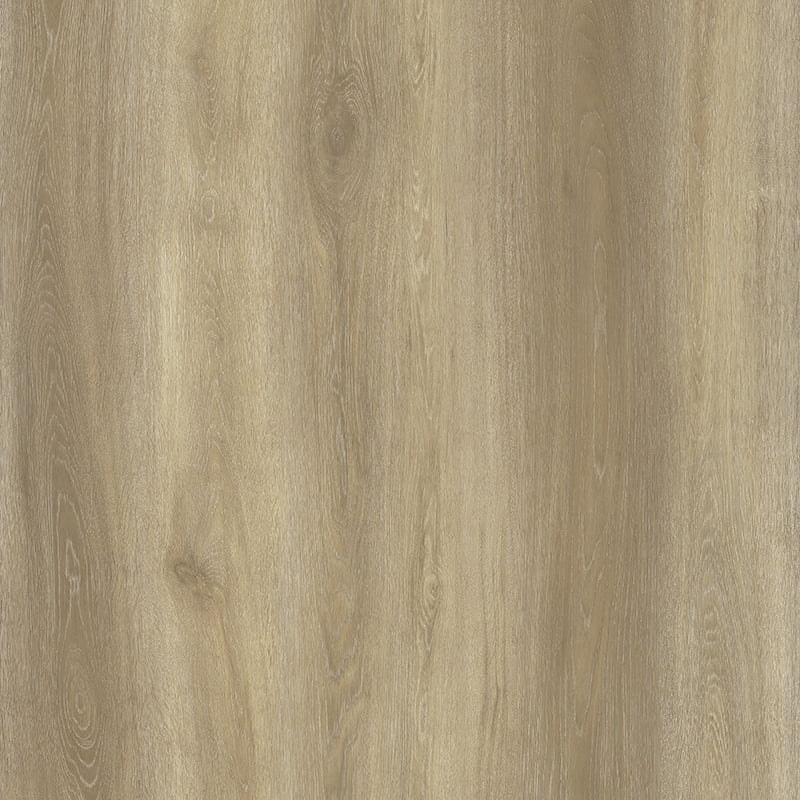
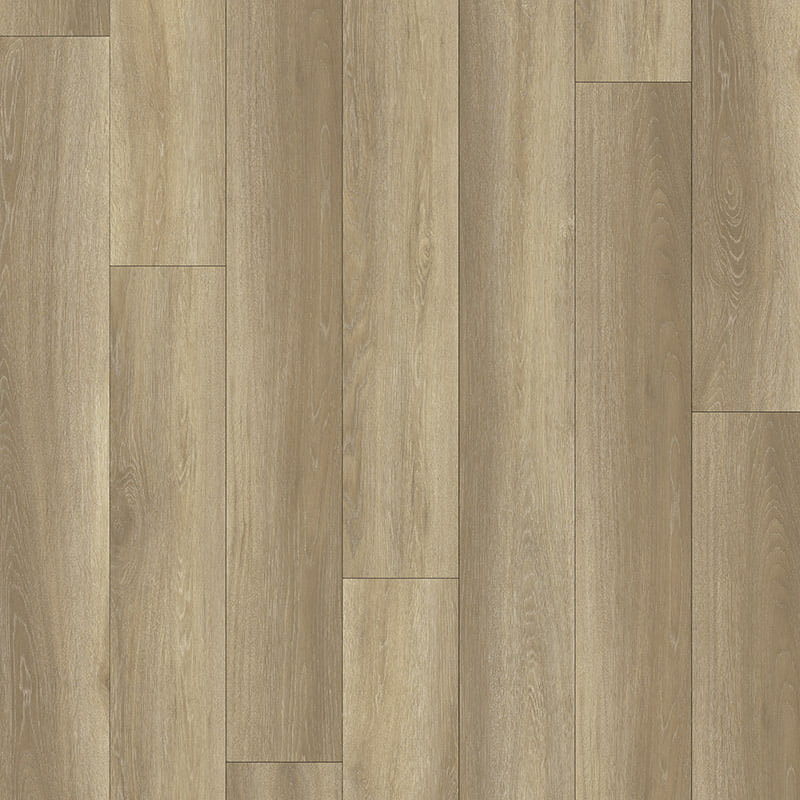
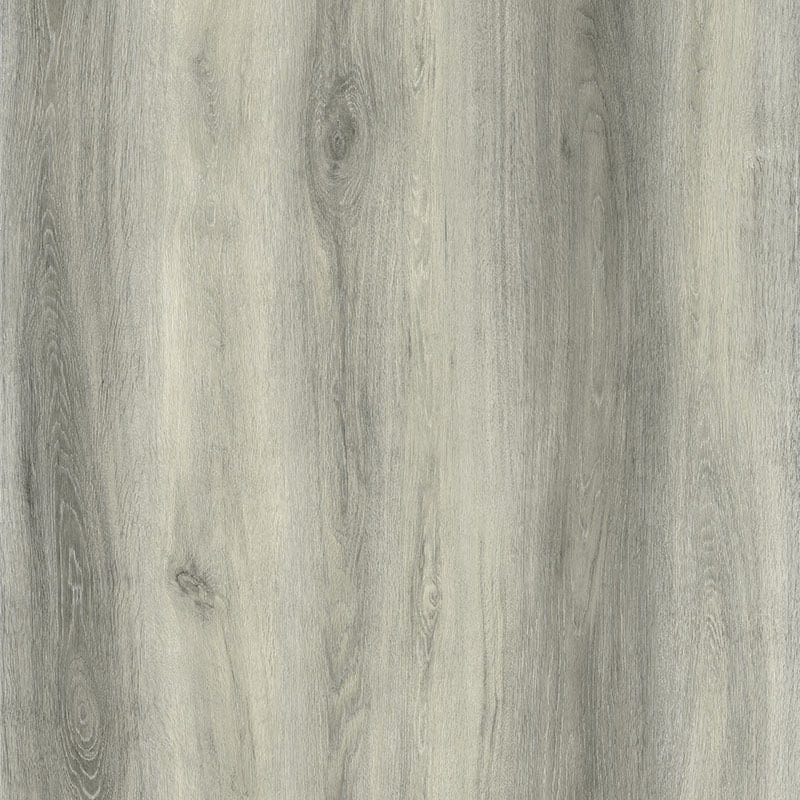
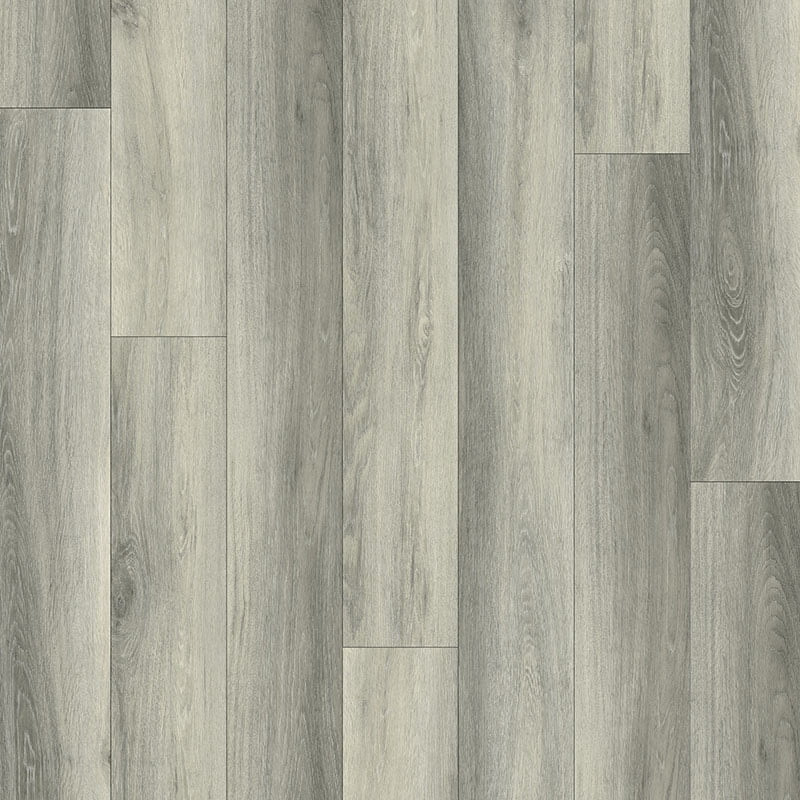
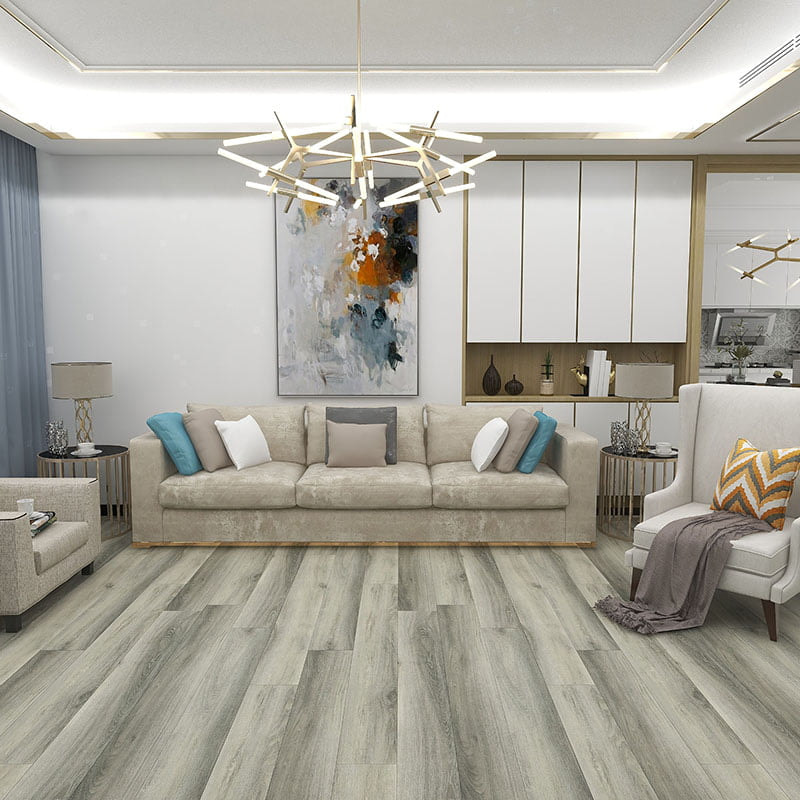
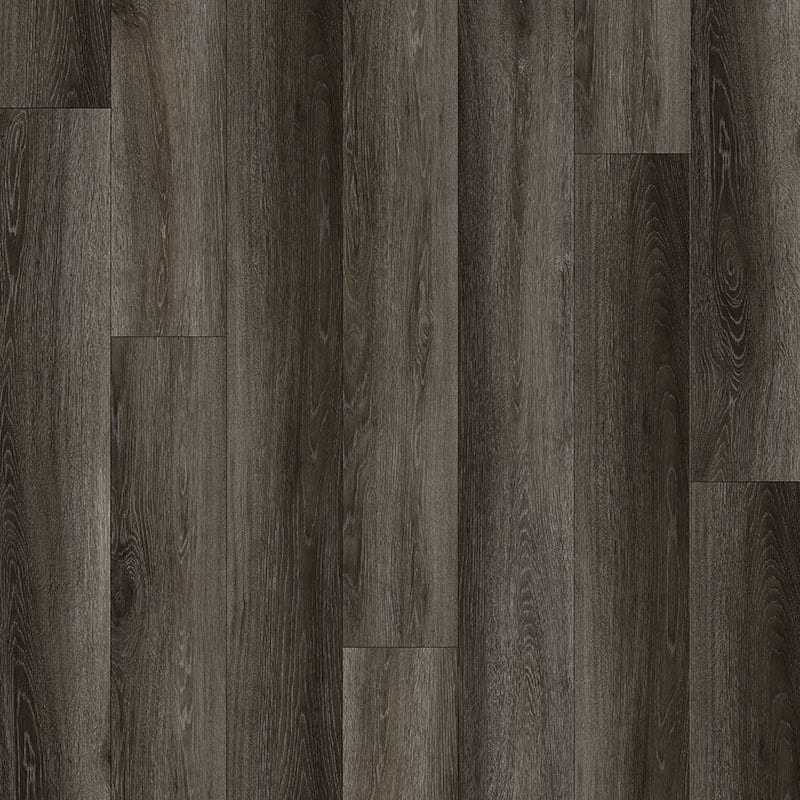
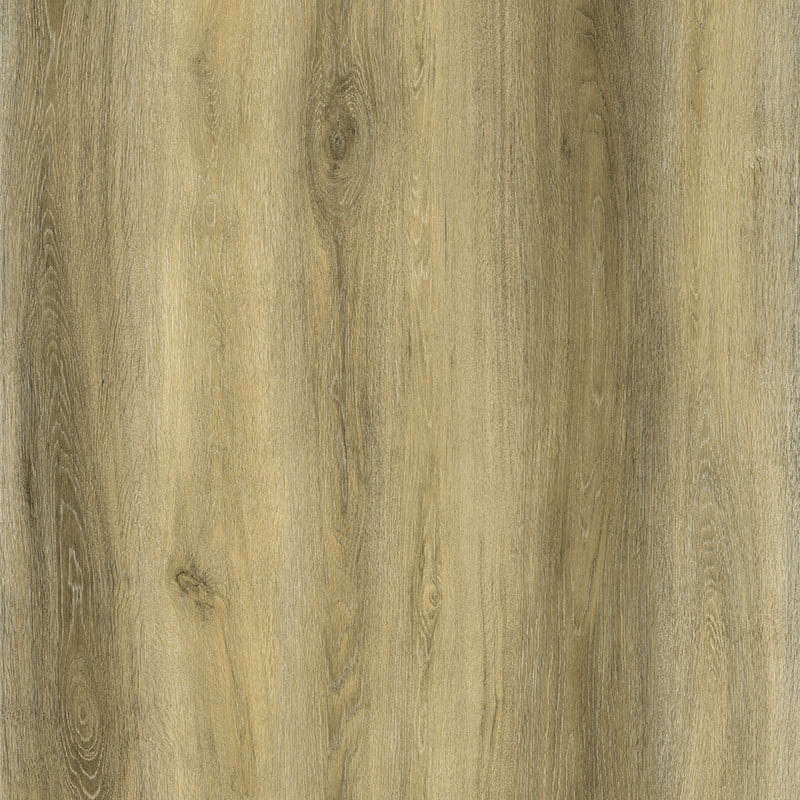
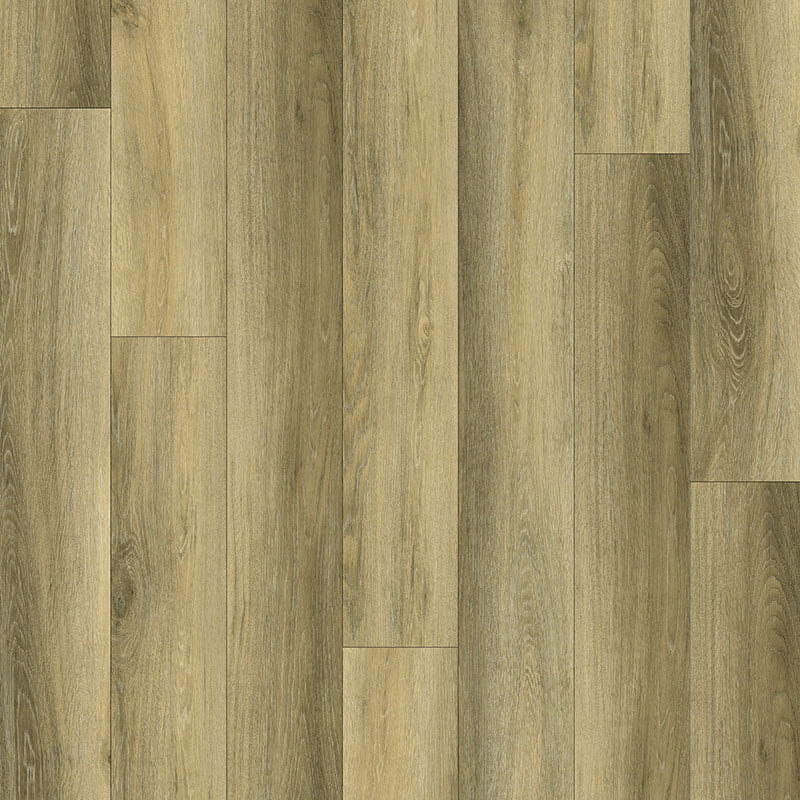
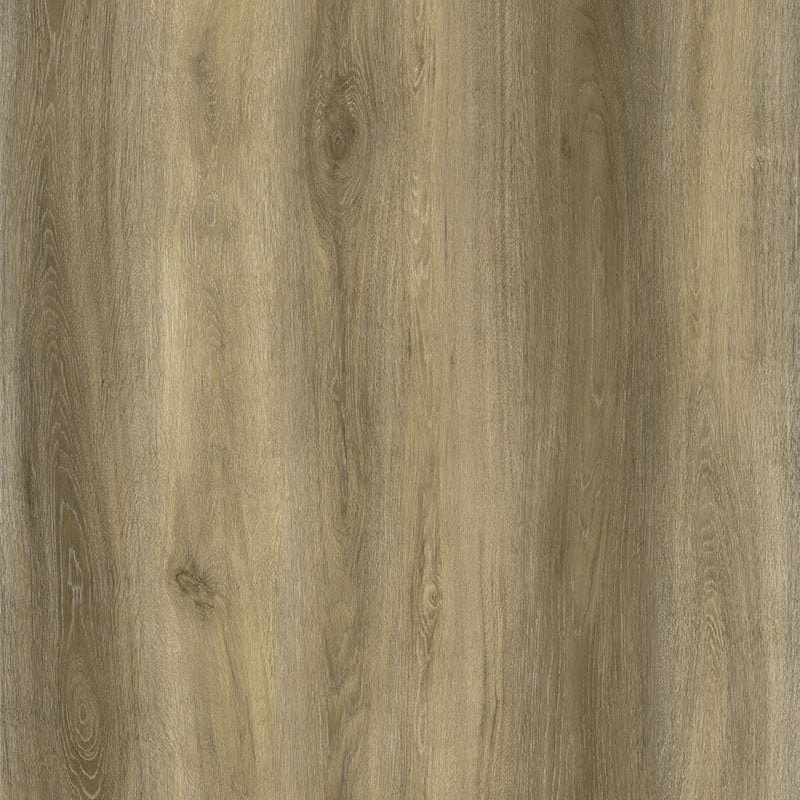
Oak is a classic material that is widely used in furniture manufacturing and interior decoration. The characteristics of oak wood grain are one of the reasons why it is widely used. Oak wood grain is clear and obvious, the texture is clearly visible, and the lines are smooth, which together form a balanced and harmonious beauty, enhancing the decorative effect of the home.
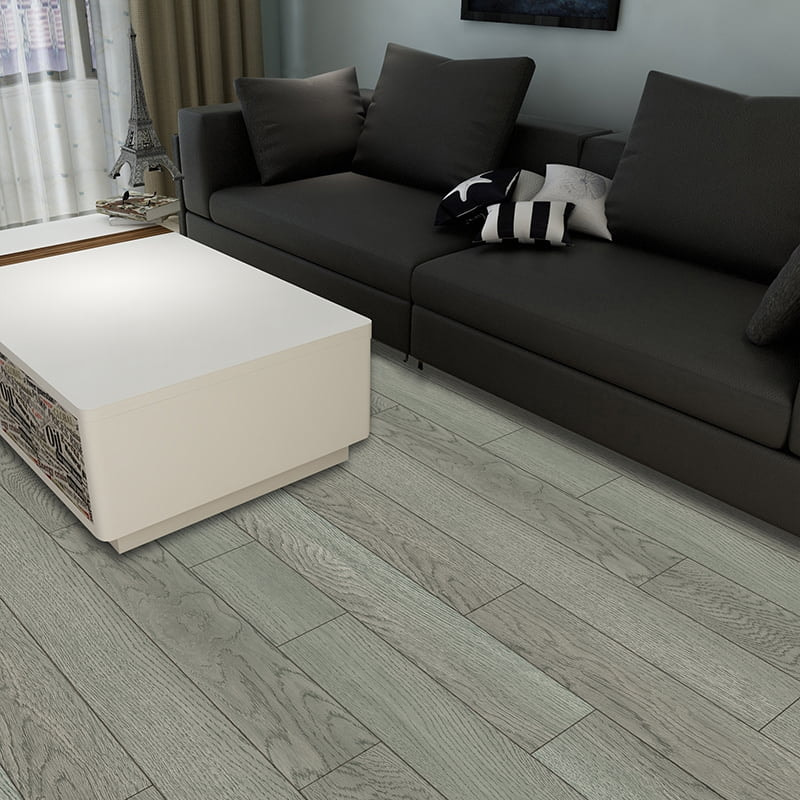
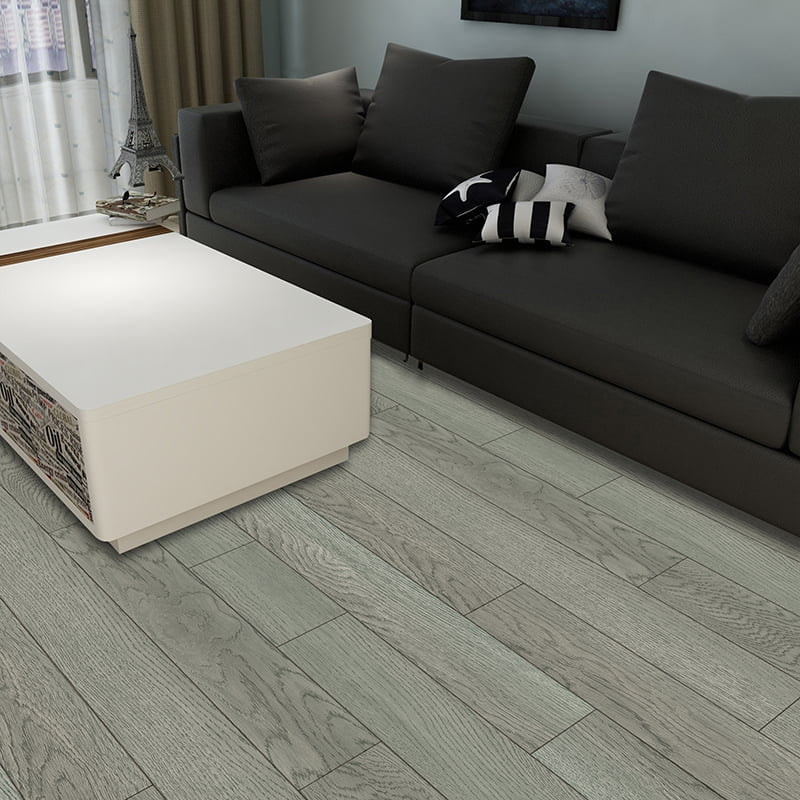
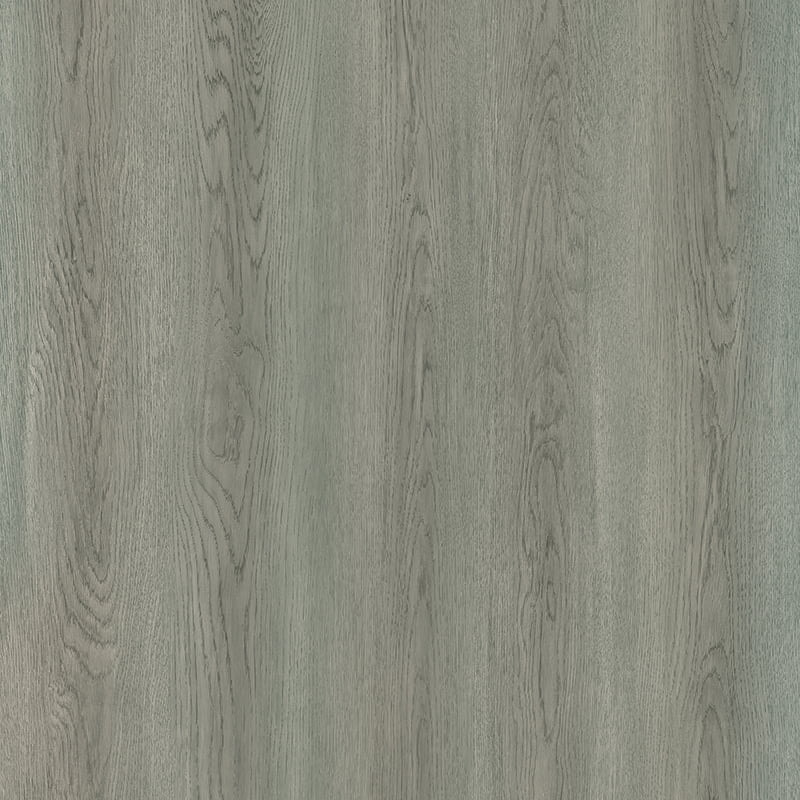
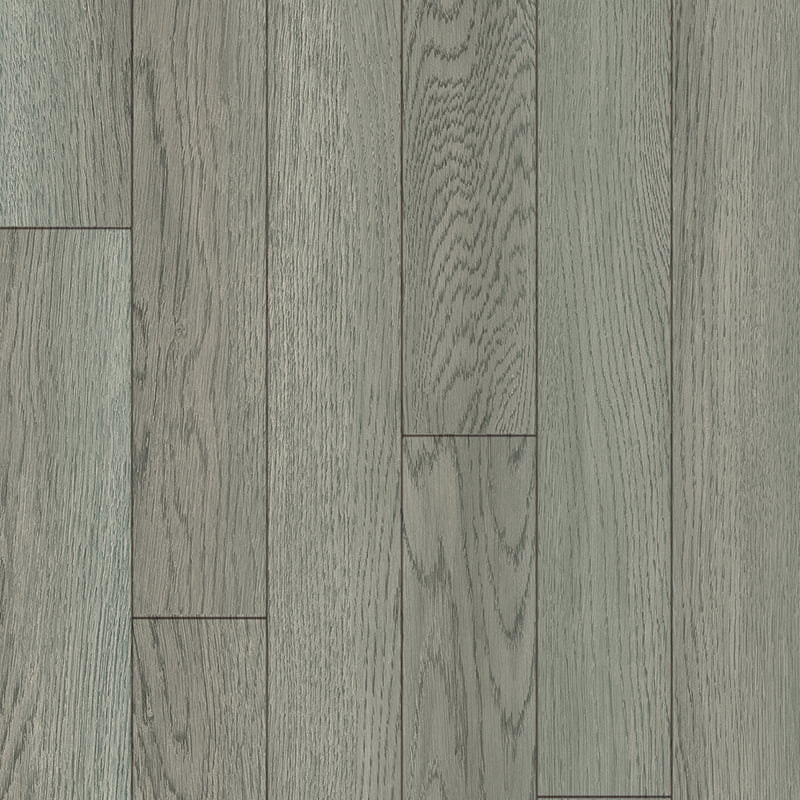
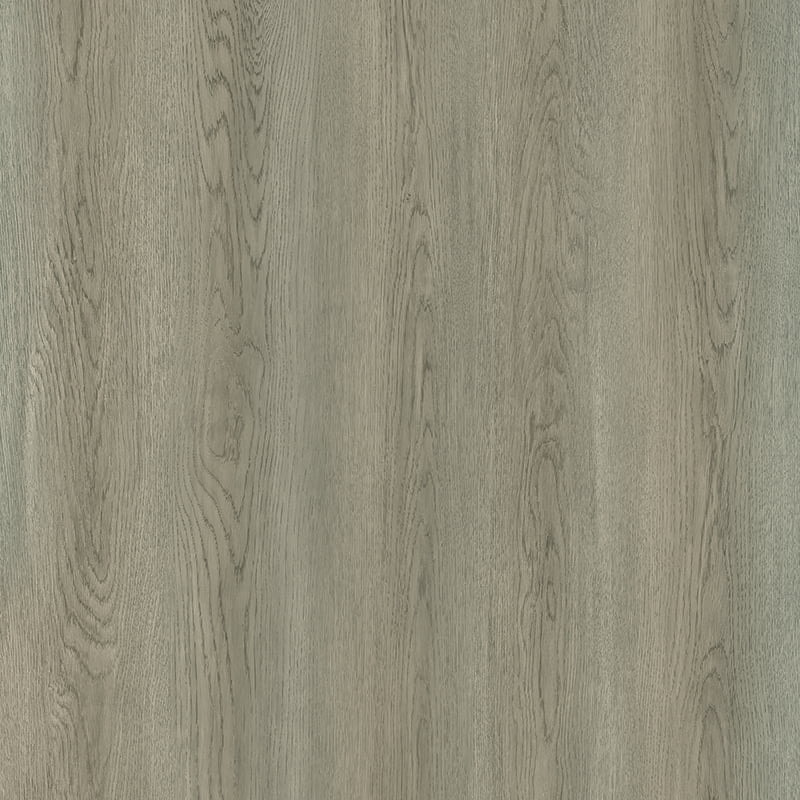
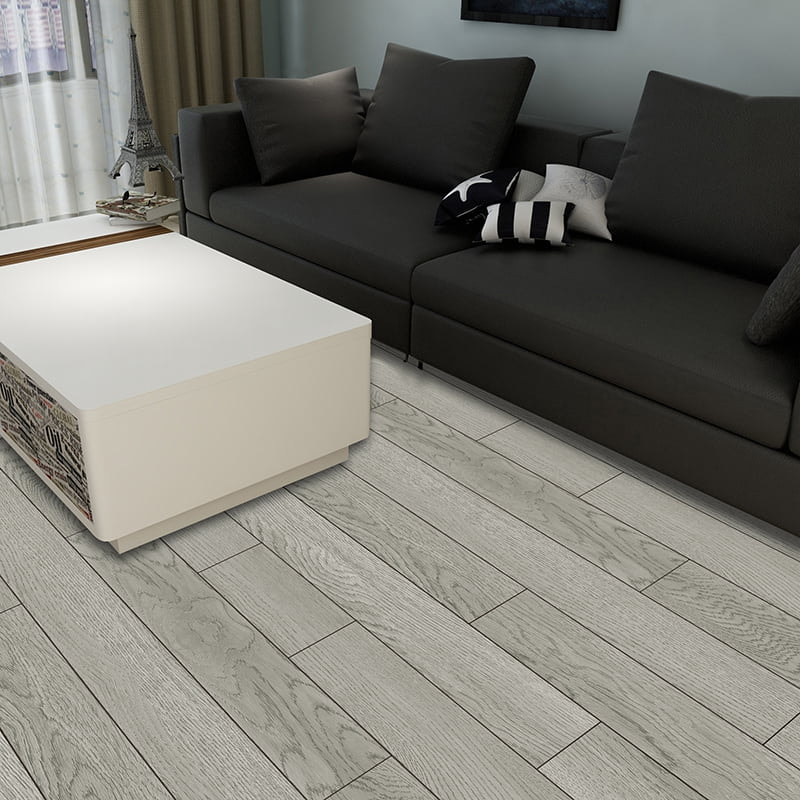
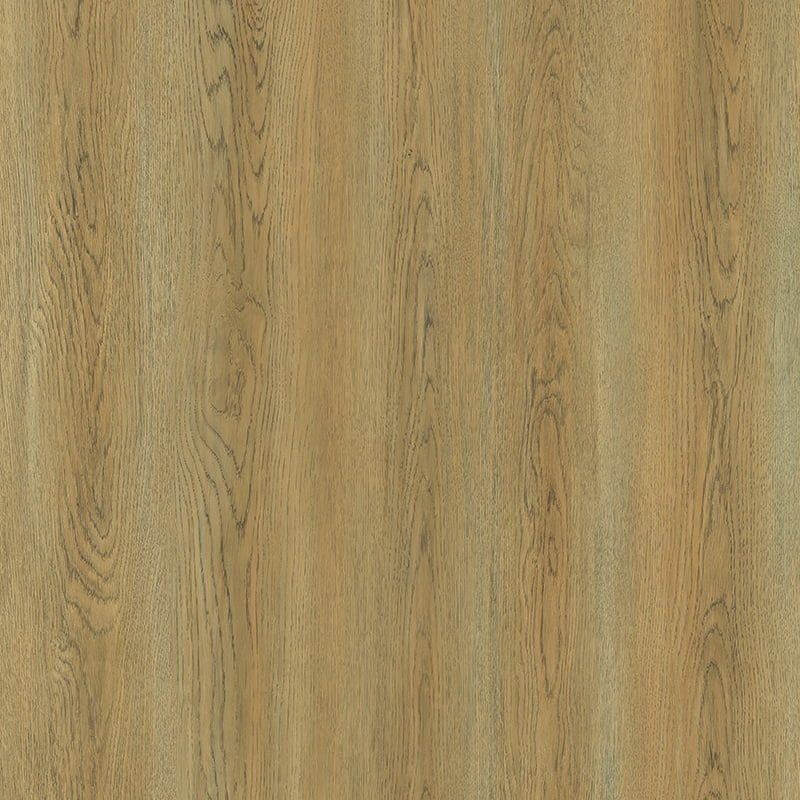
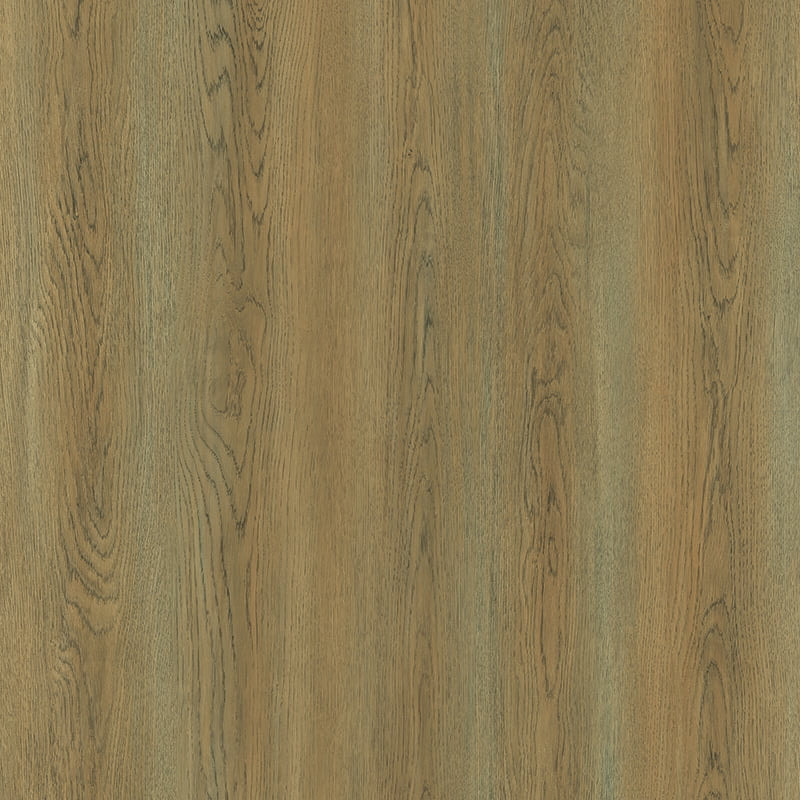
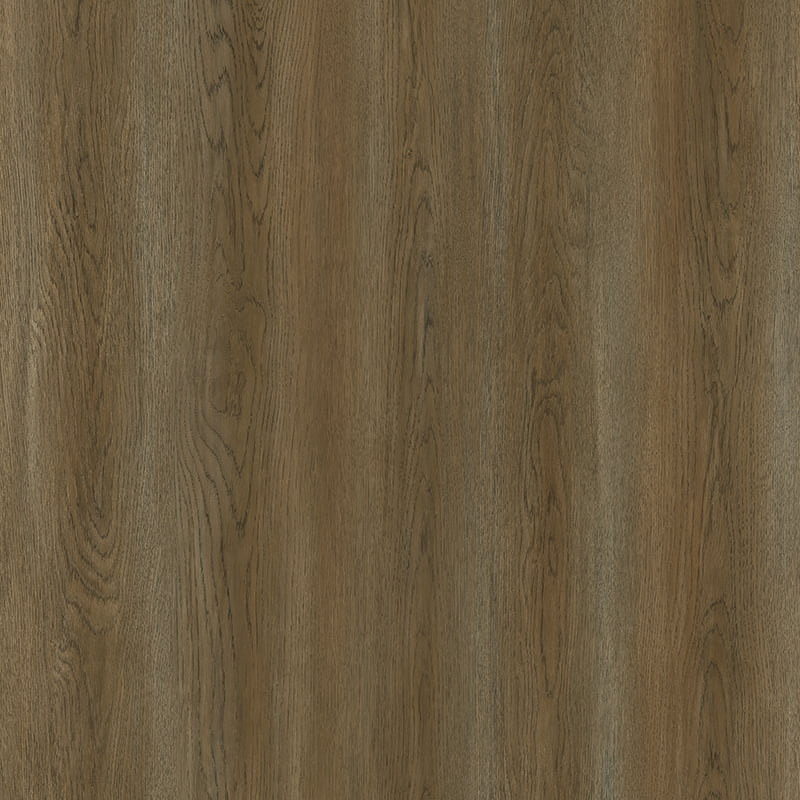
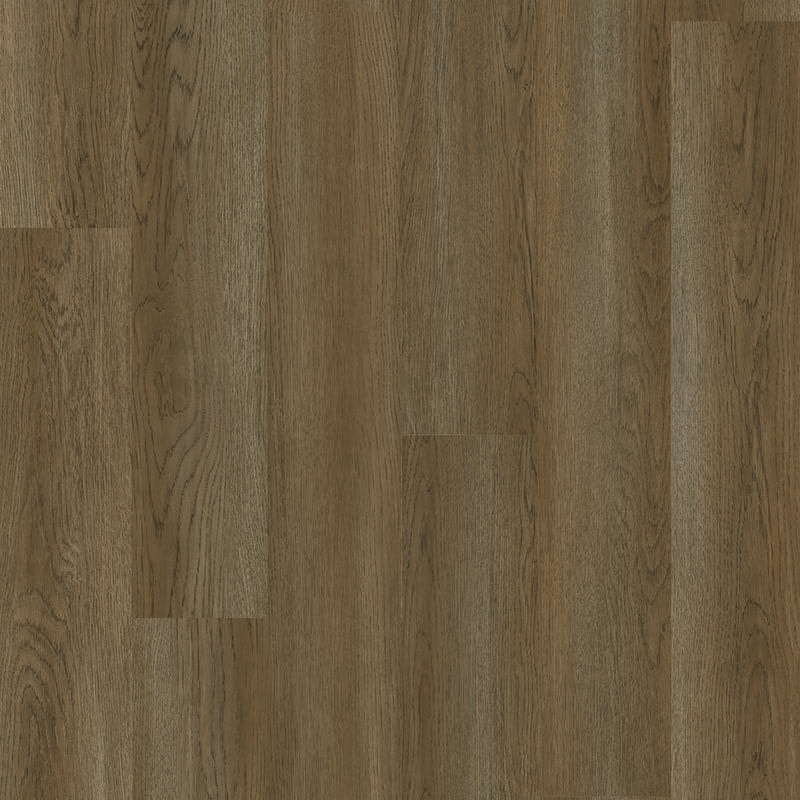

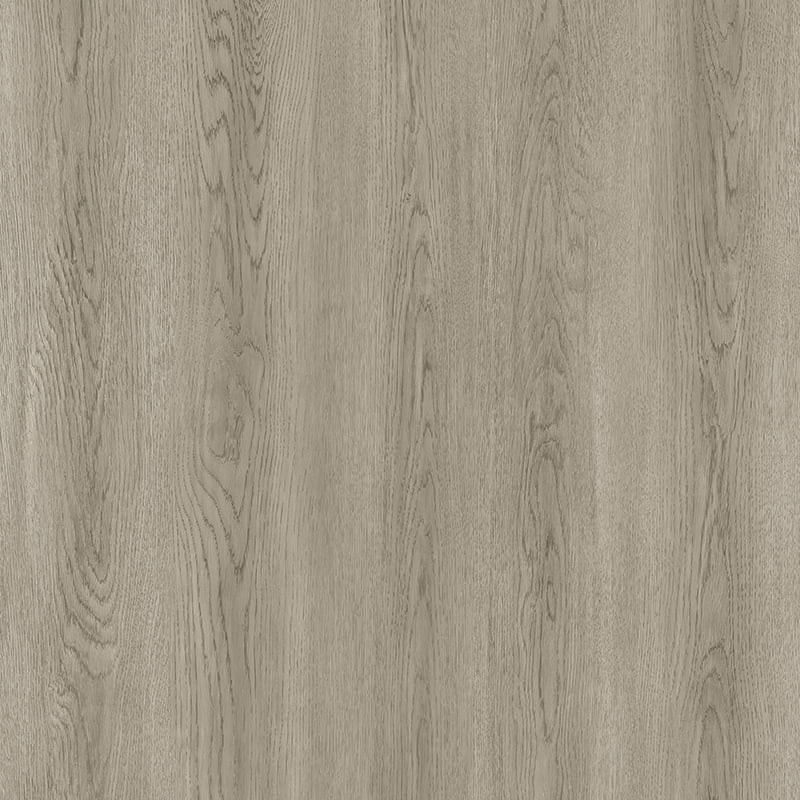
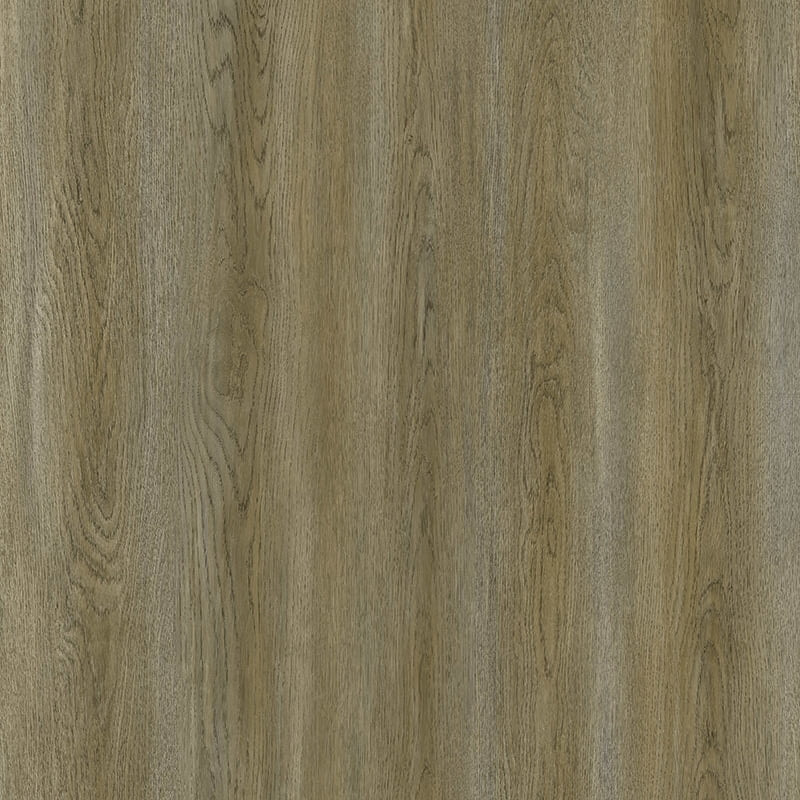
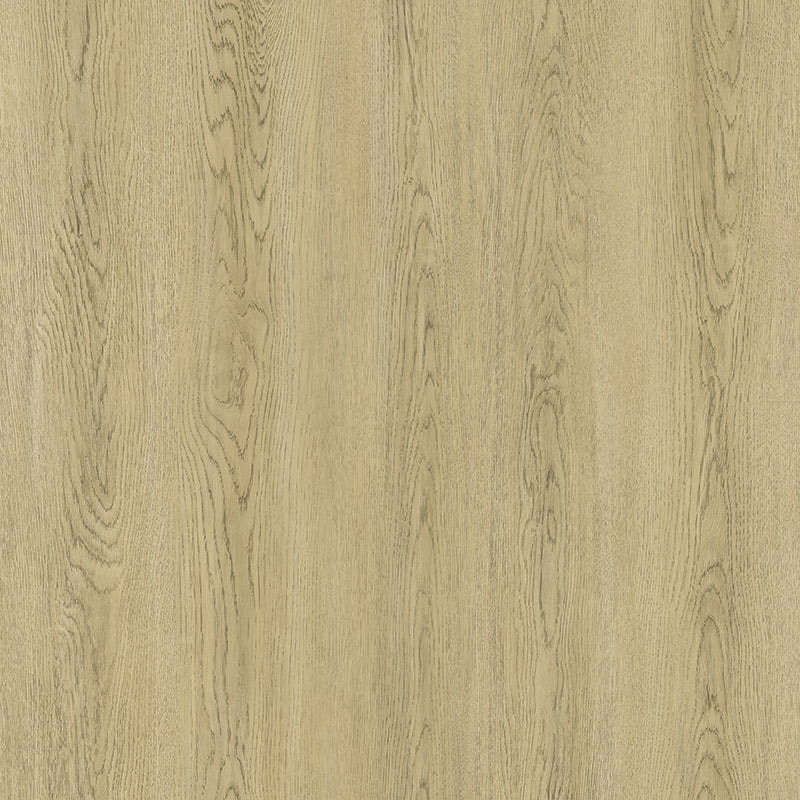
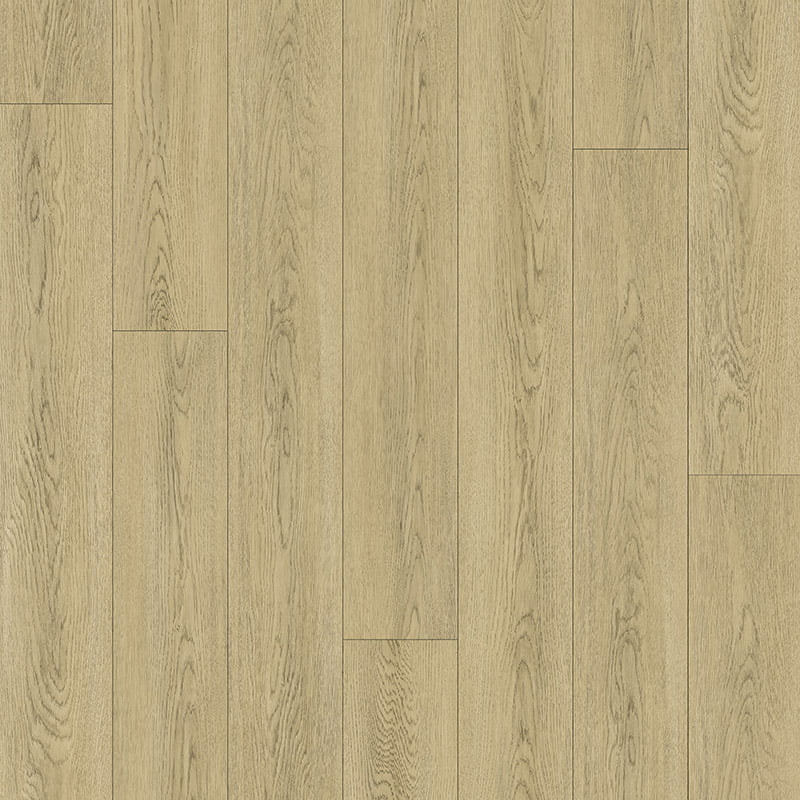
Model: YC894
Wood: Oak
Spec: 1000*1580mm
Single chip size: 7.25*60"
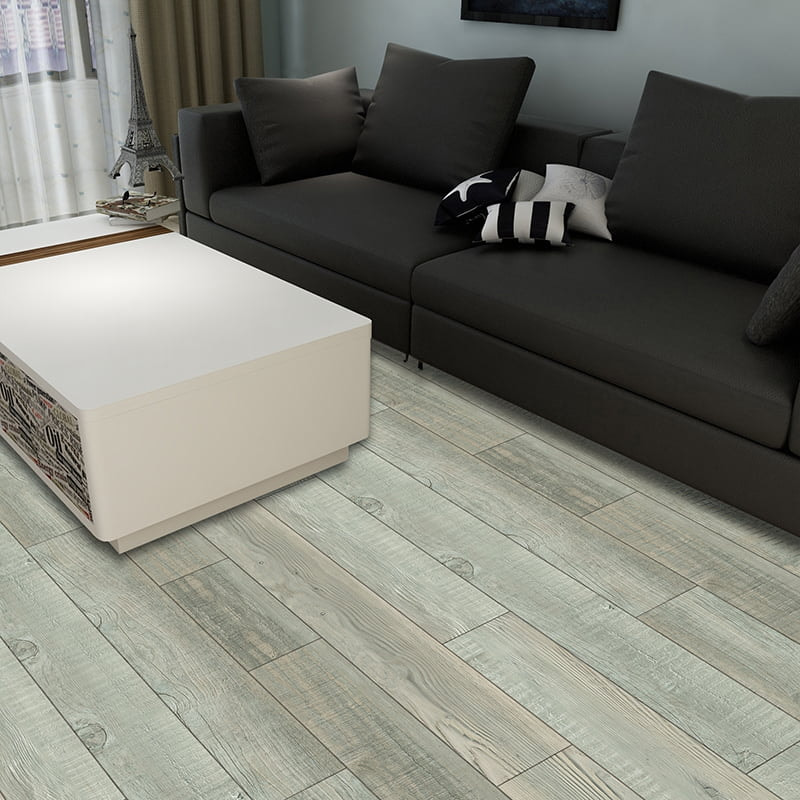
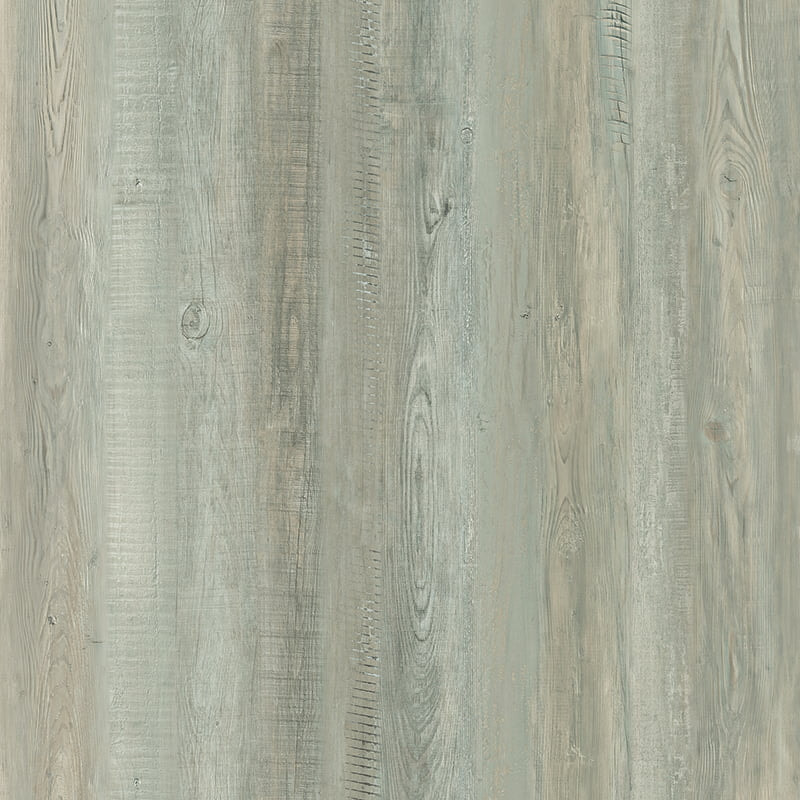
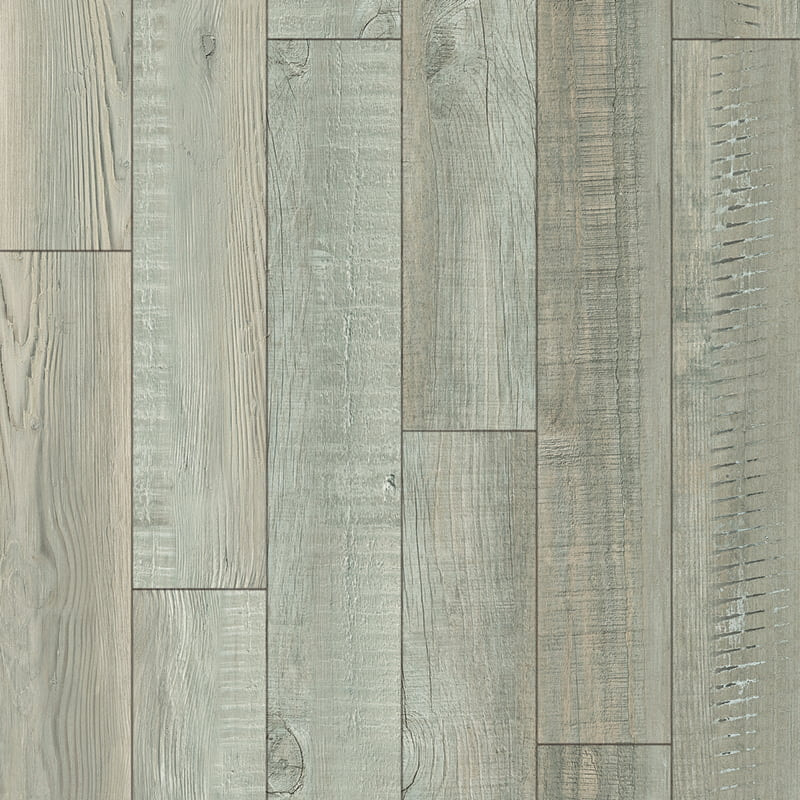
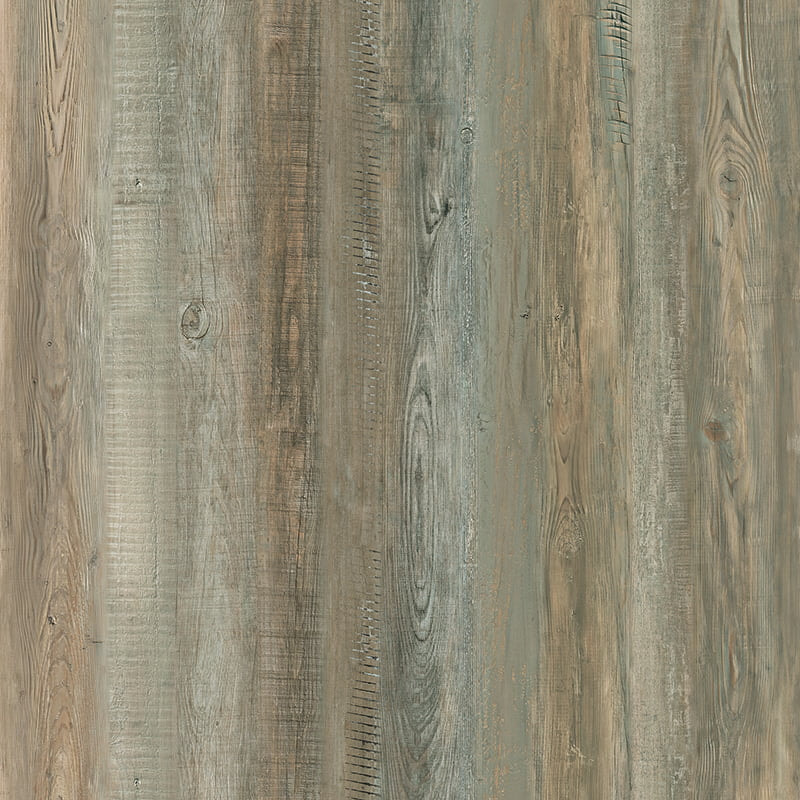
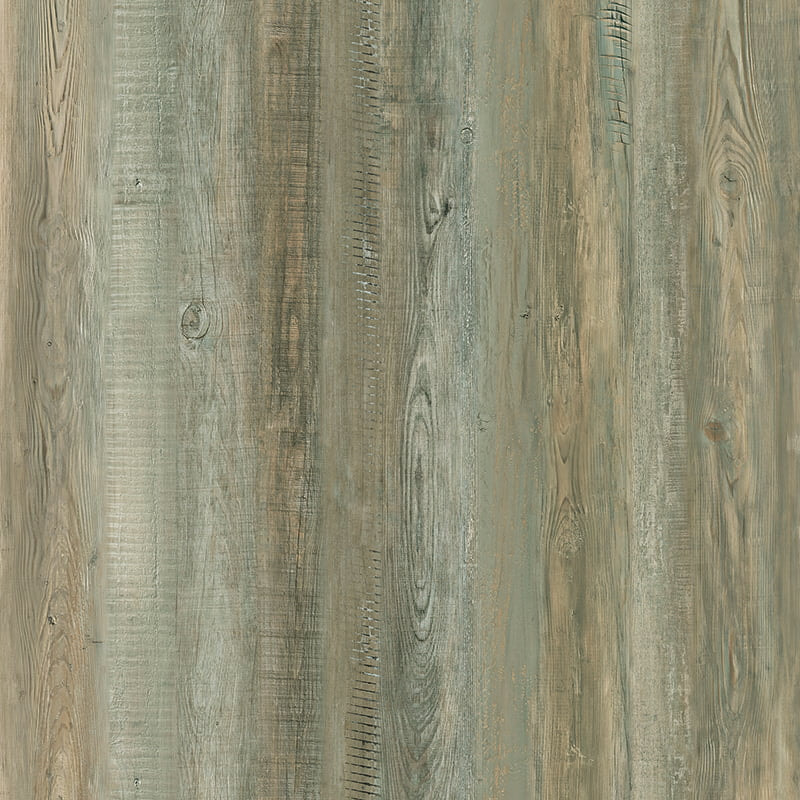
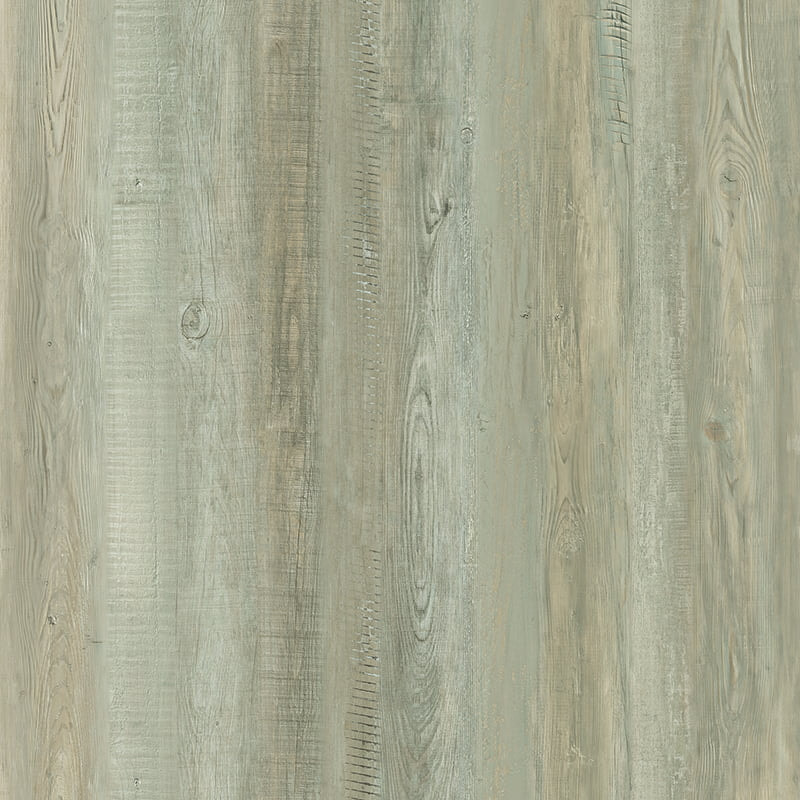
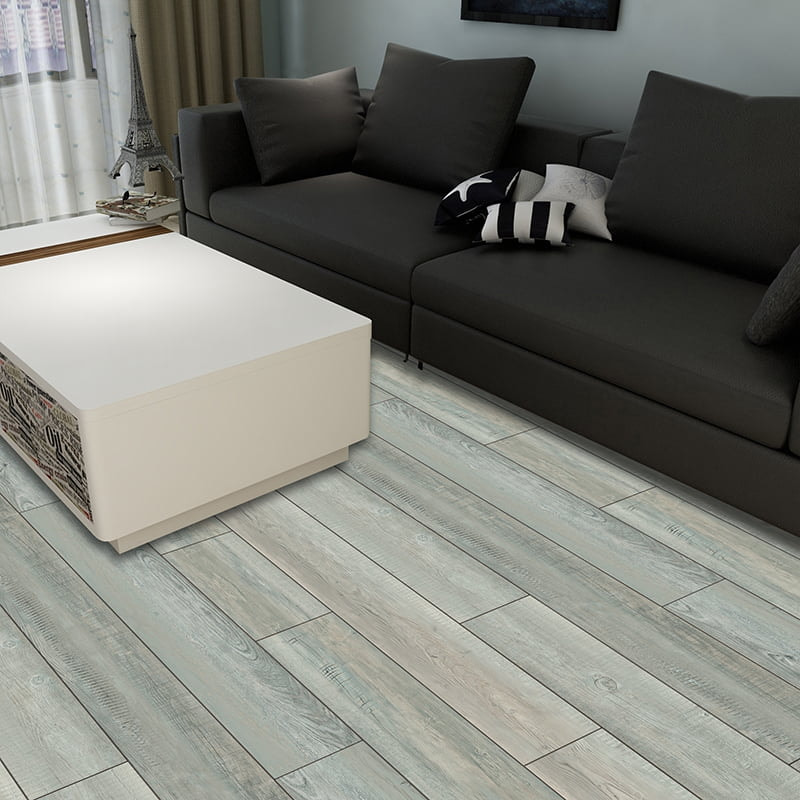
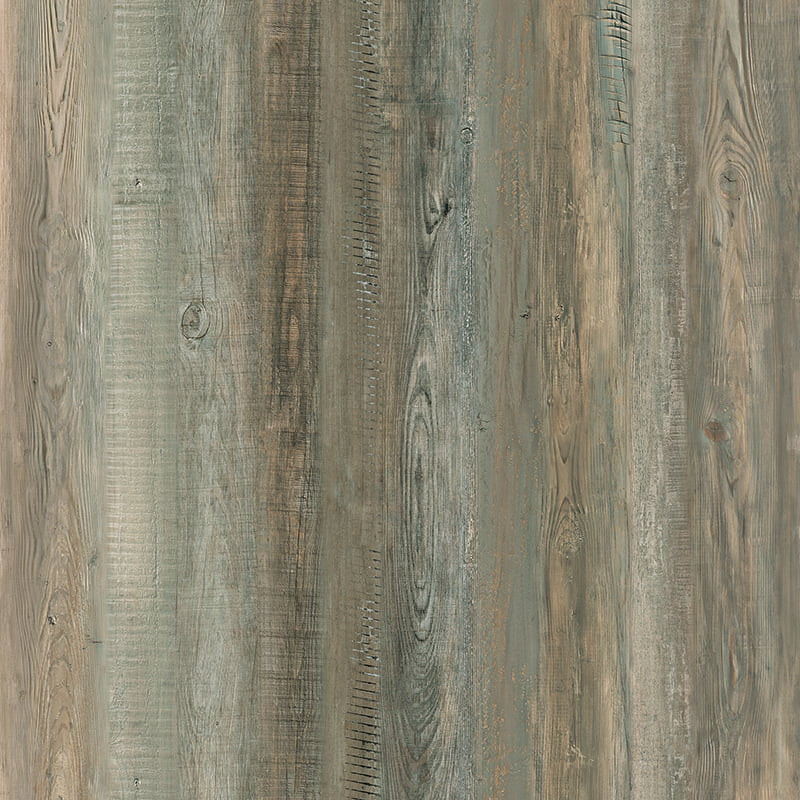
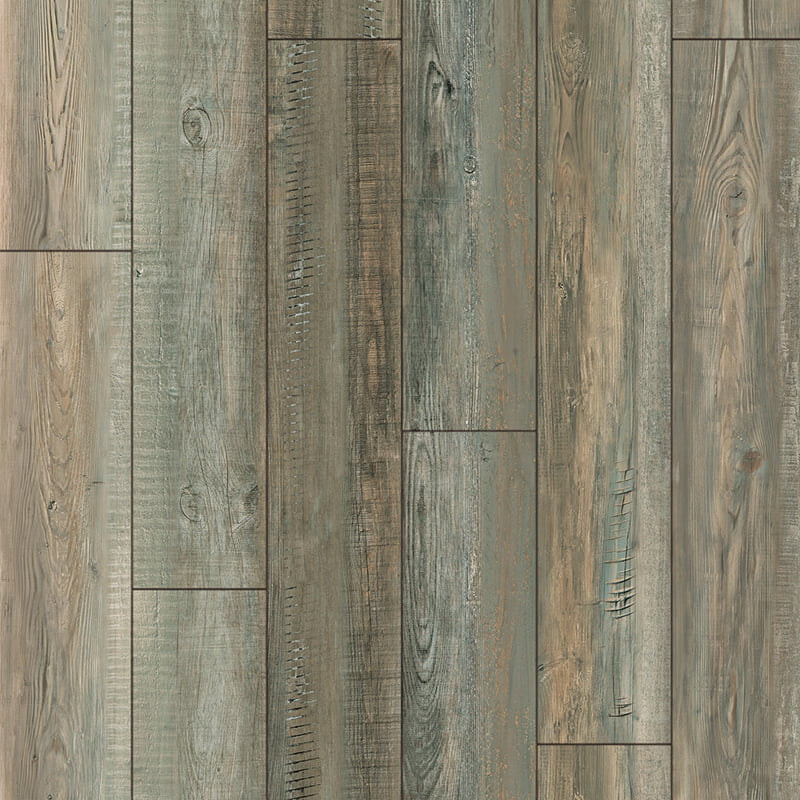
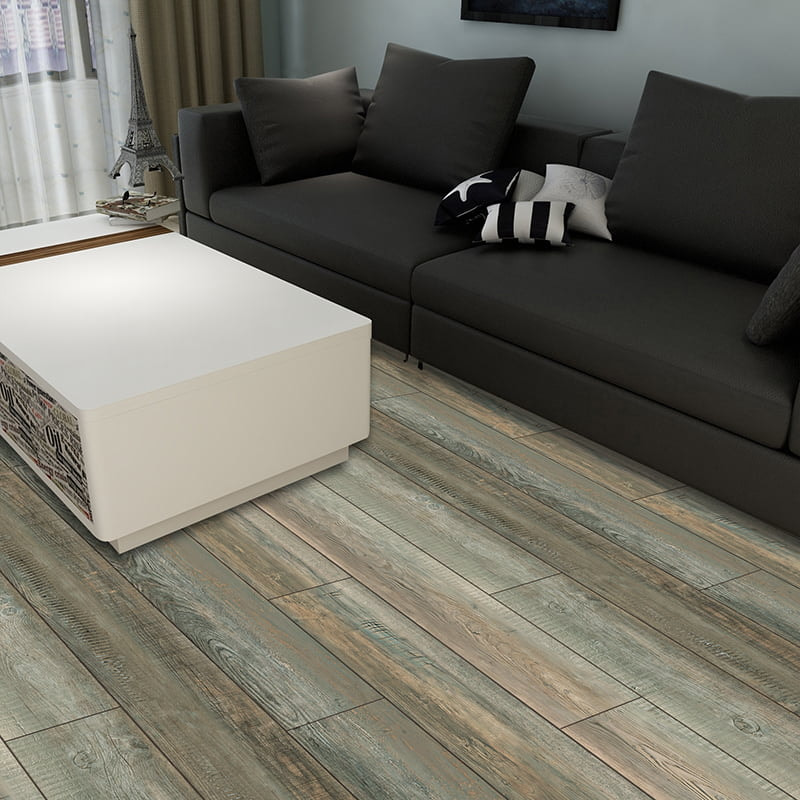
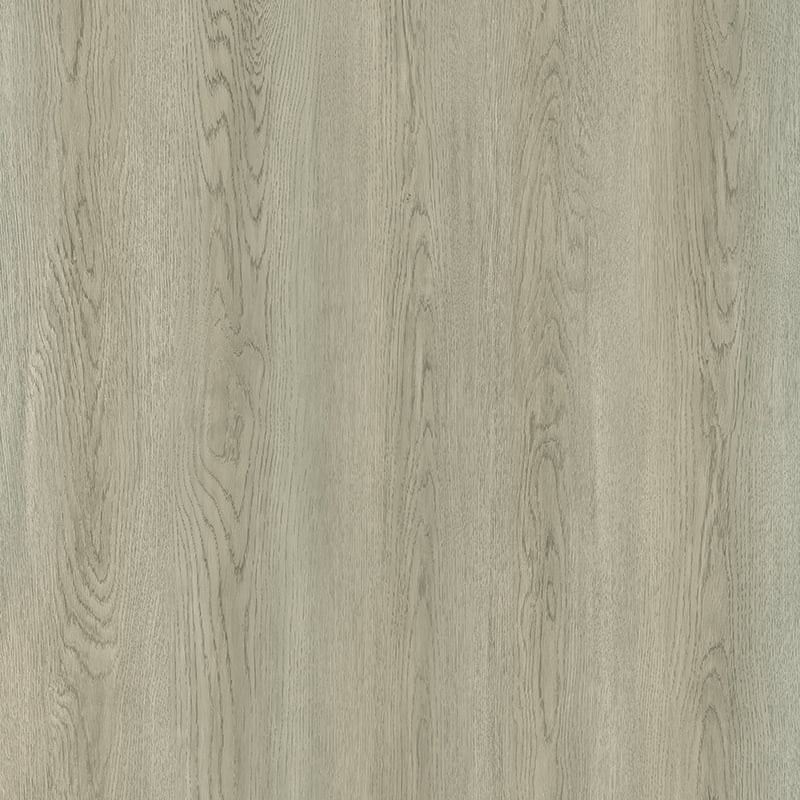
Model: YC895
Wood: Oak
Spec: 1000*1270mm
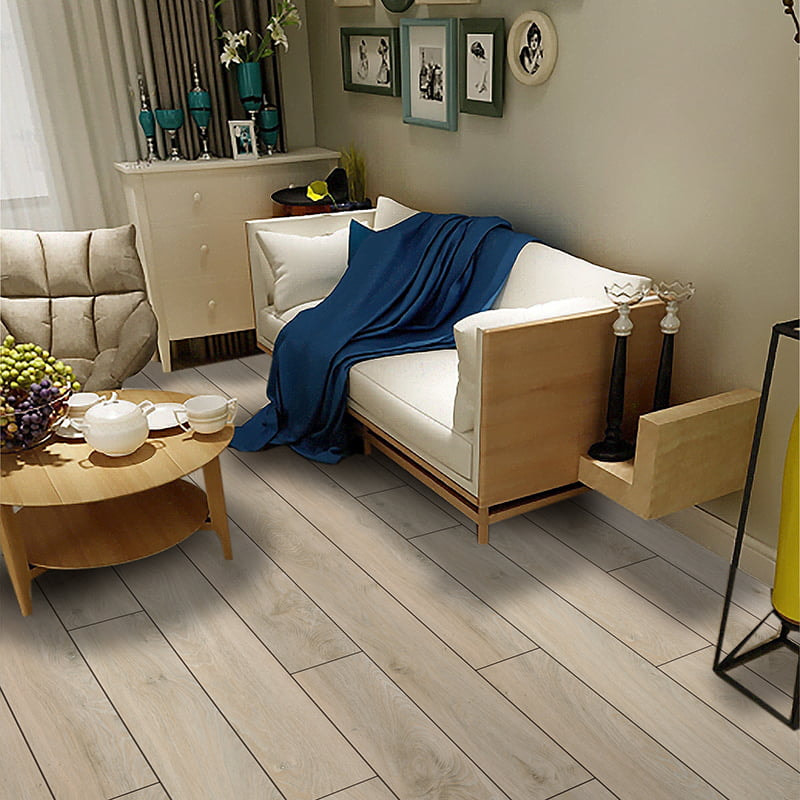
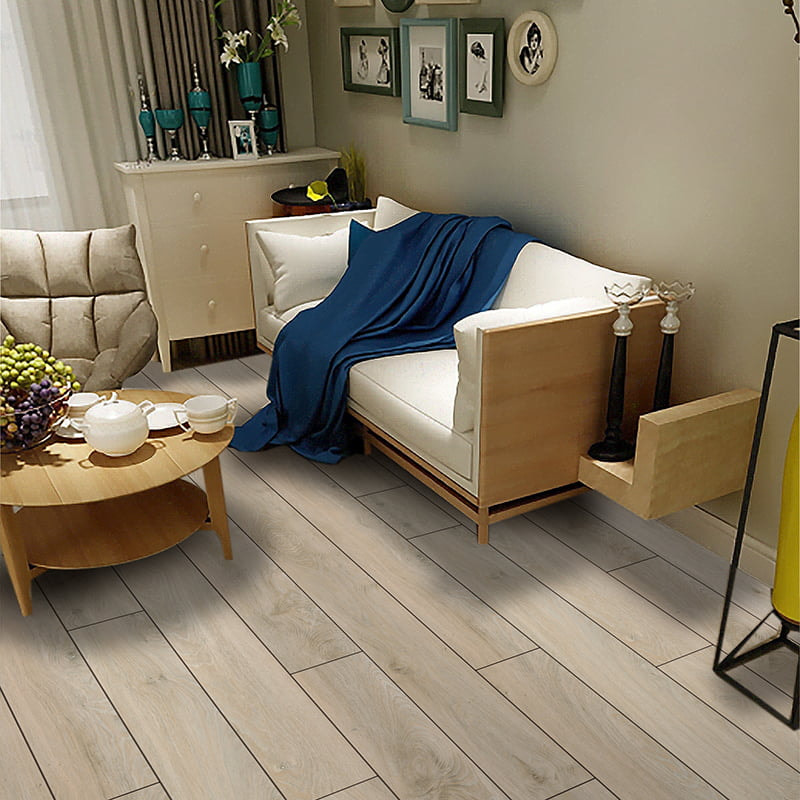
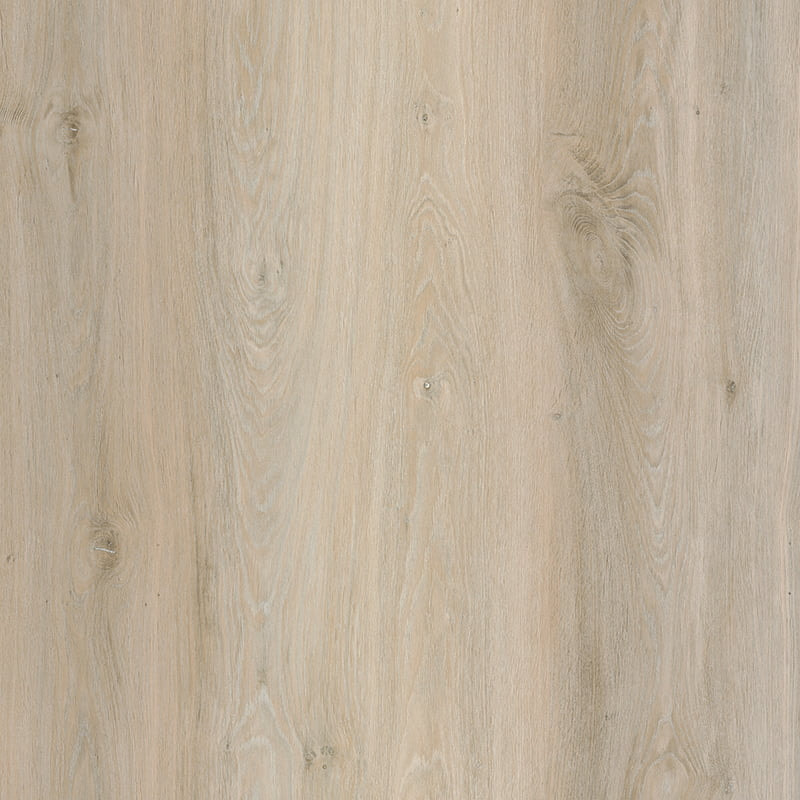
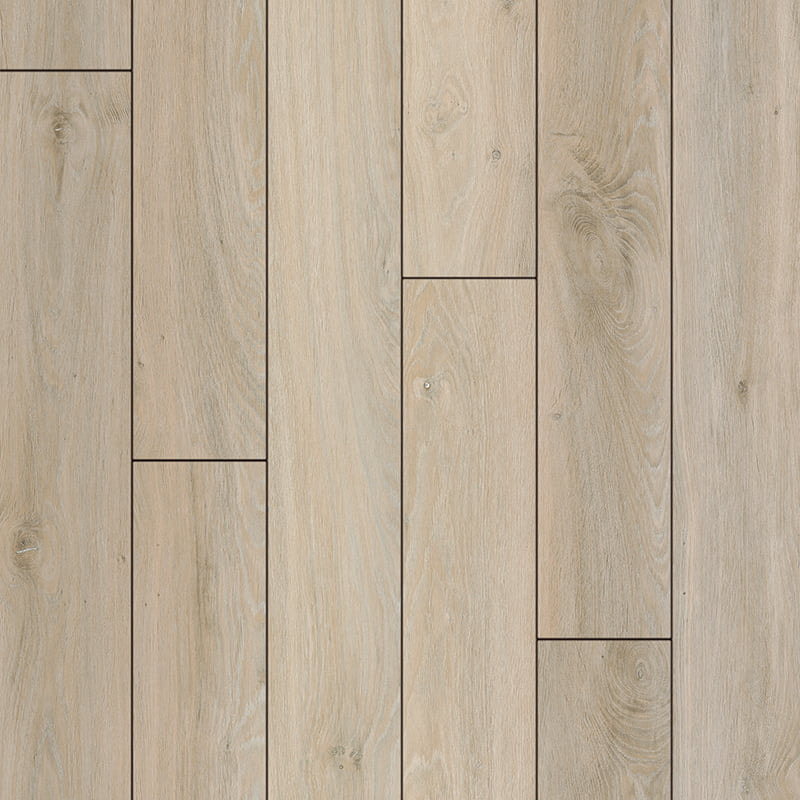
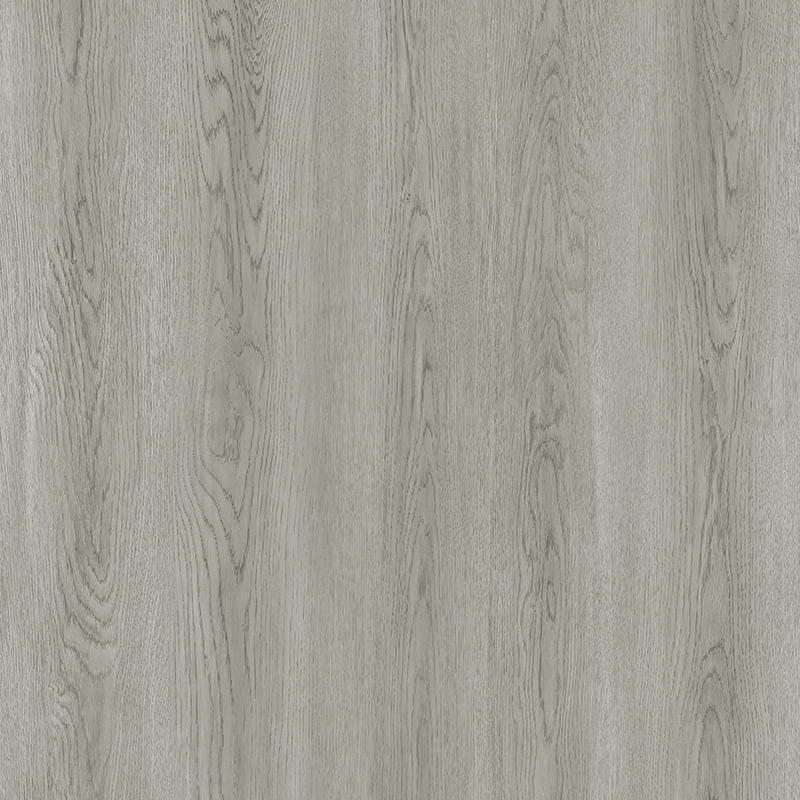
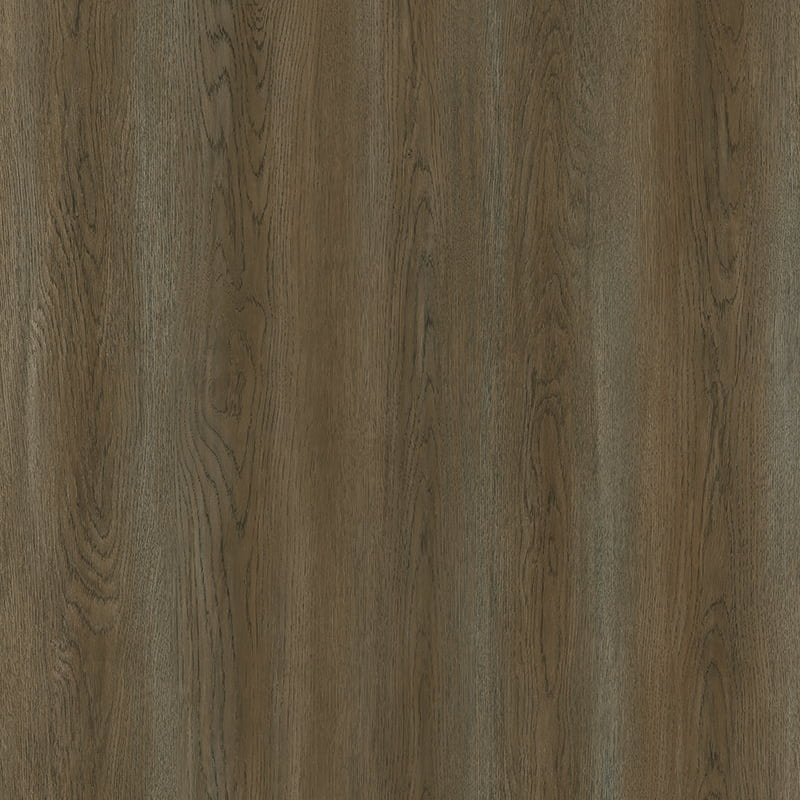
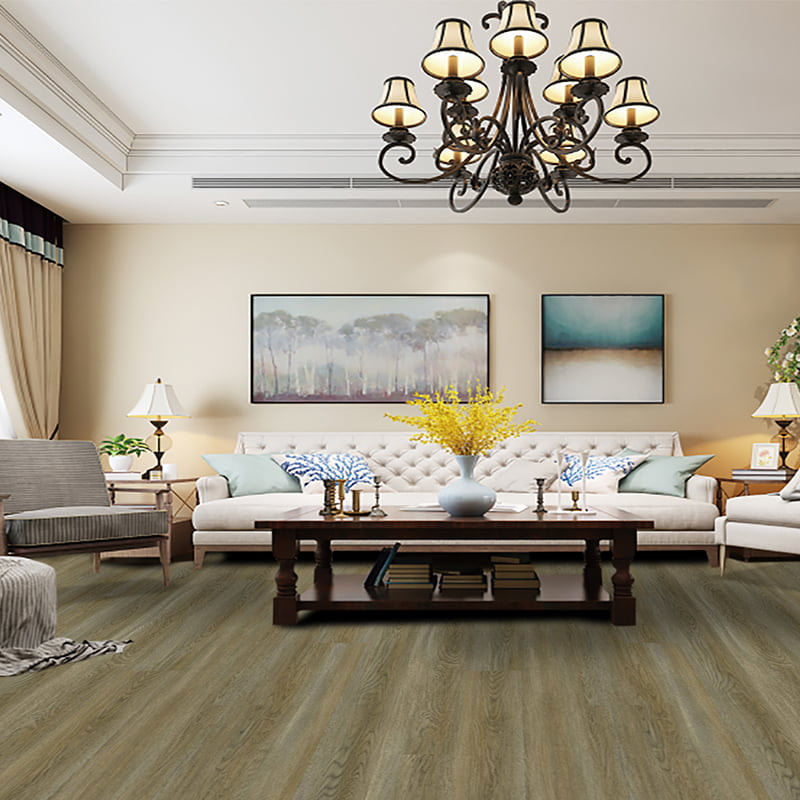
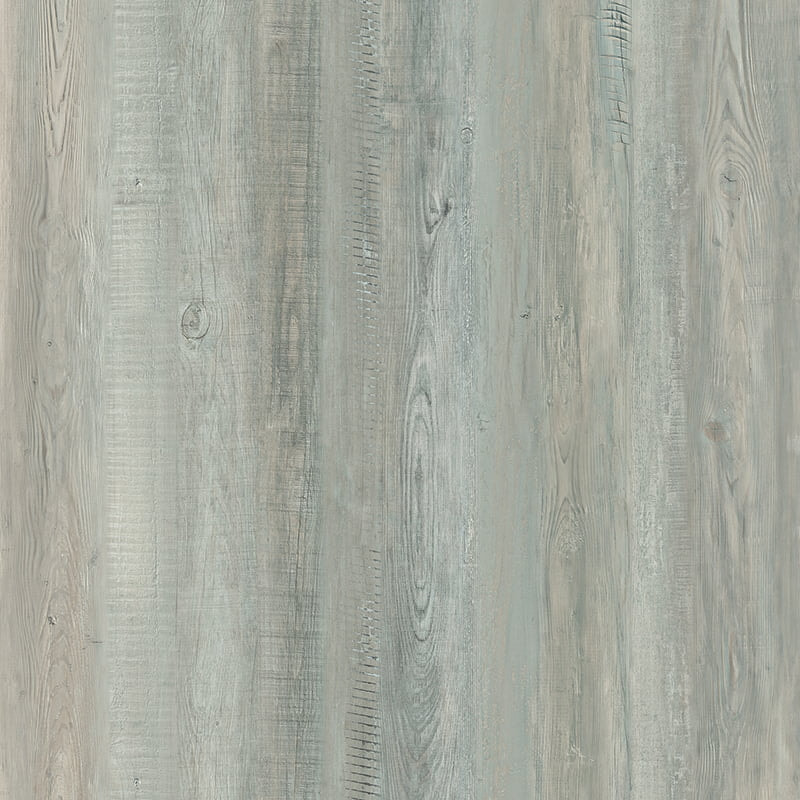
Model: YC896
Wood: Oak
Spec: 1000*1890mm
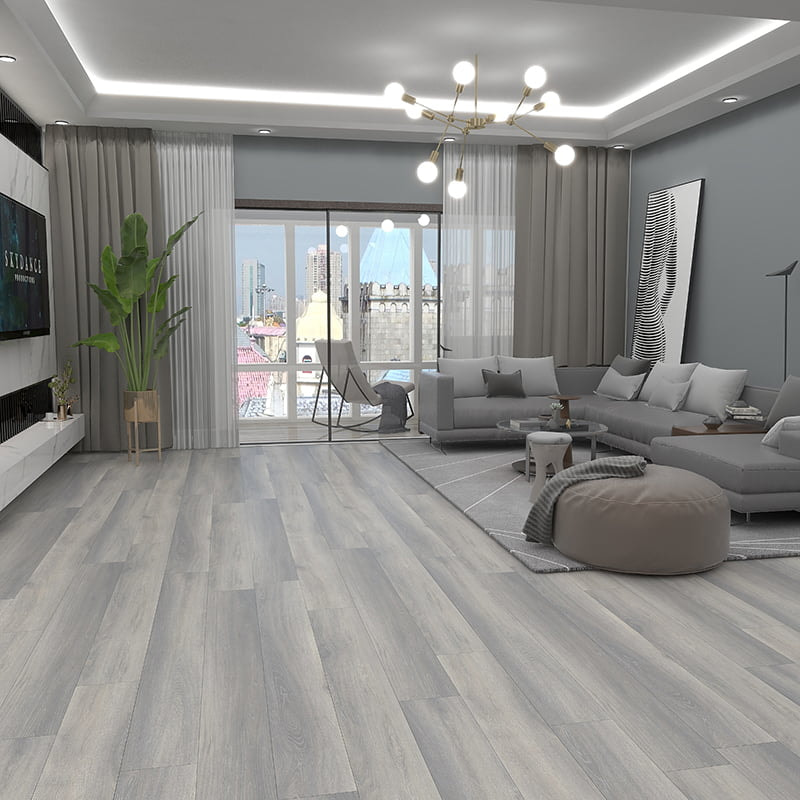
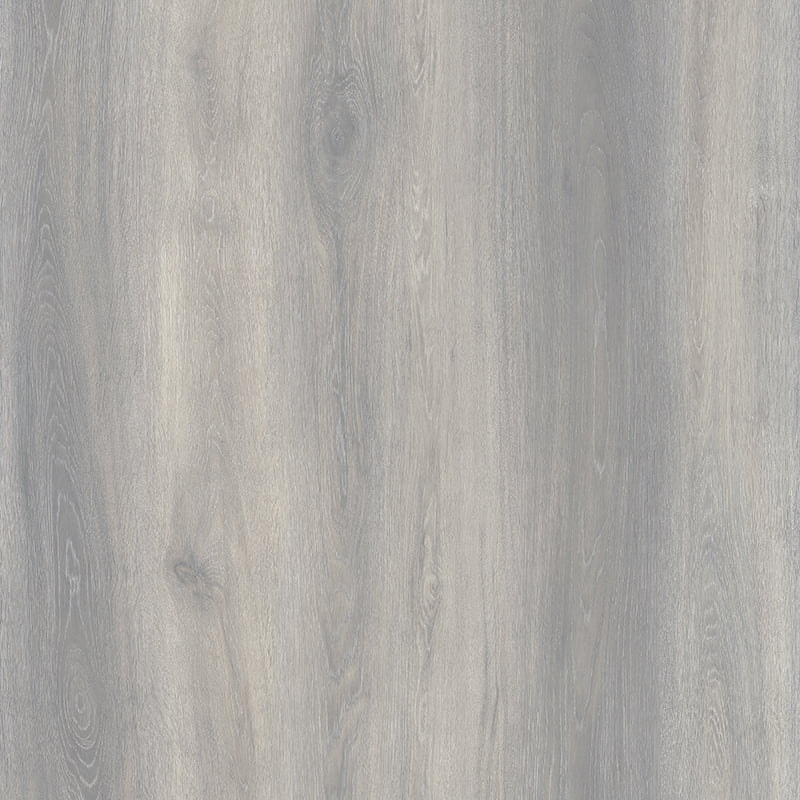
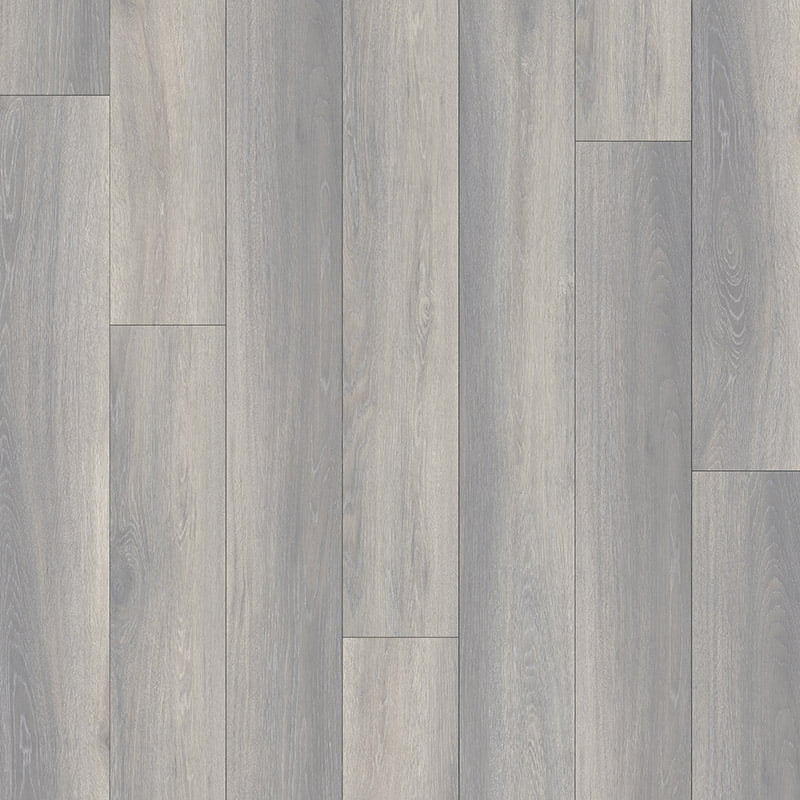
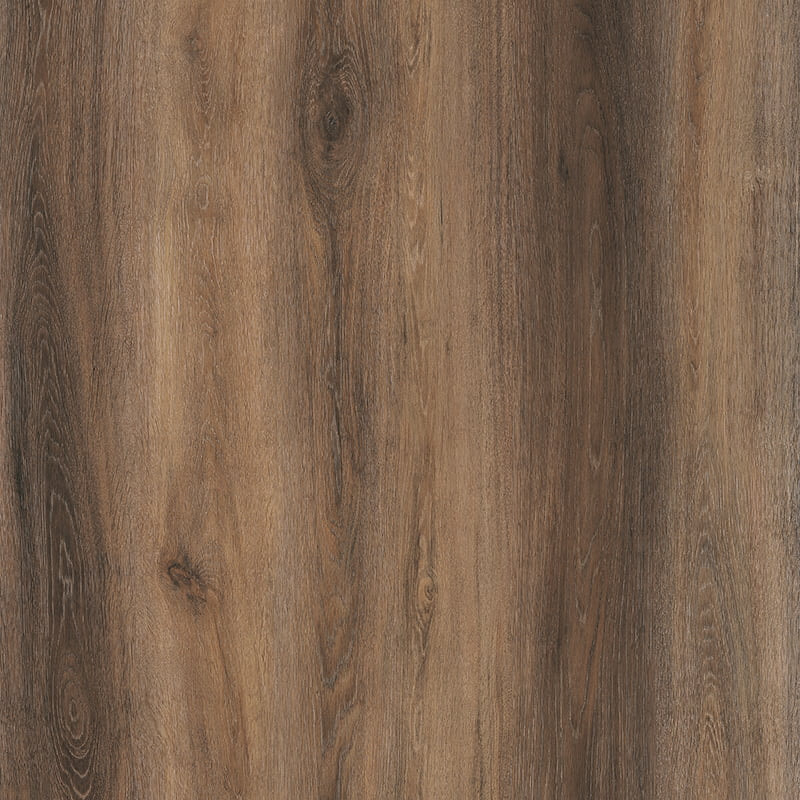
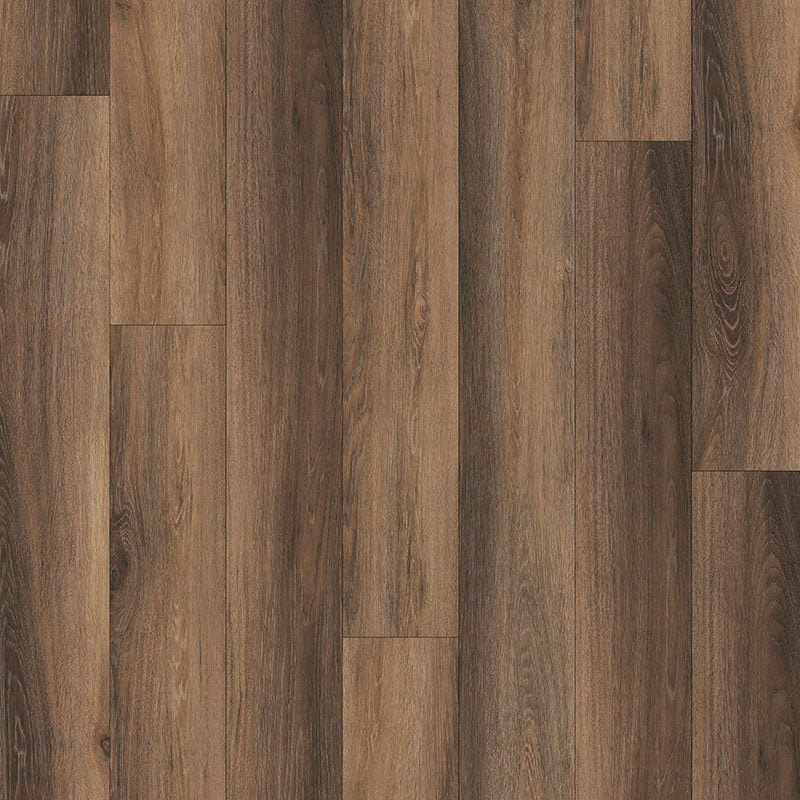
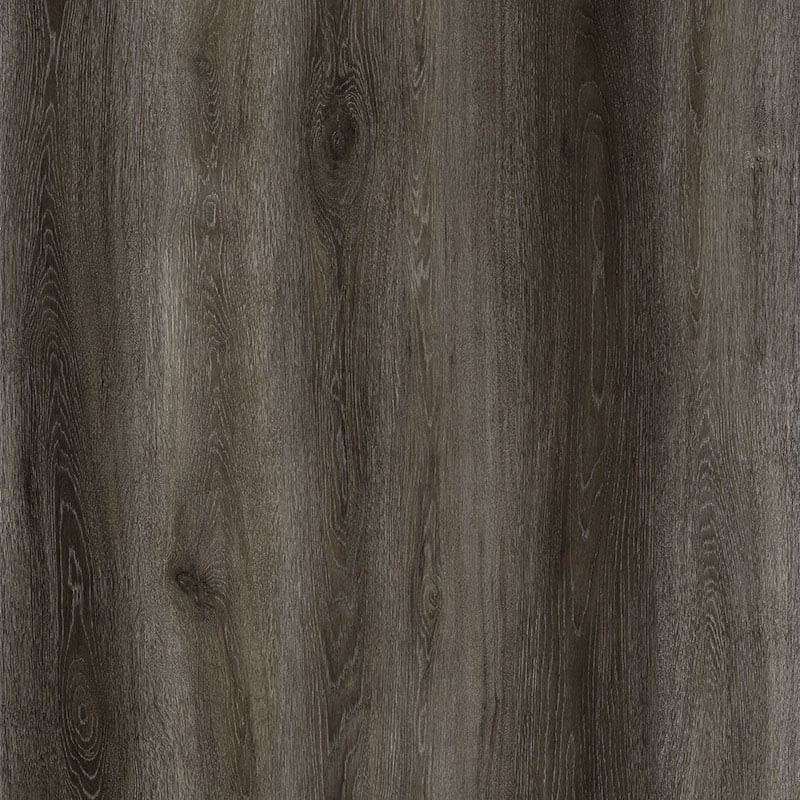
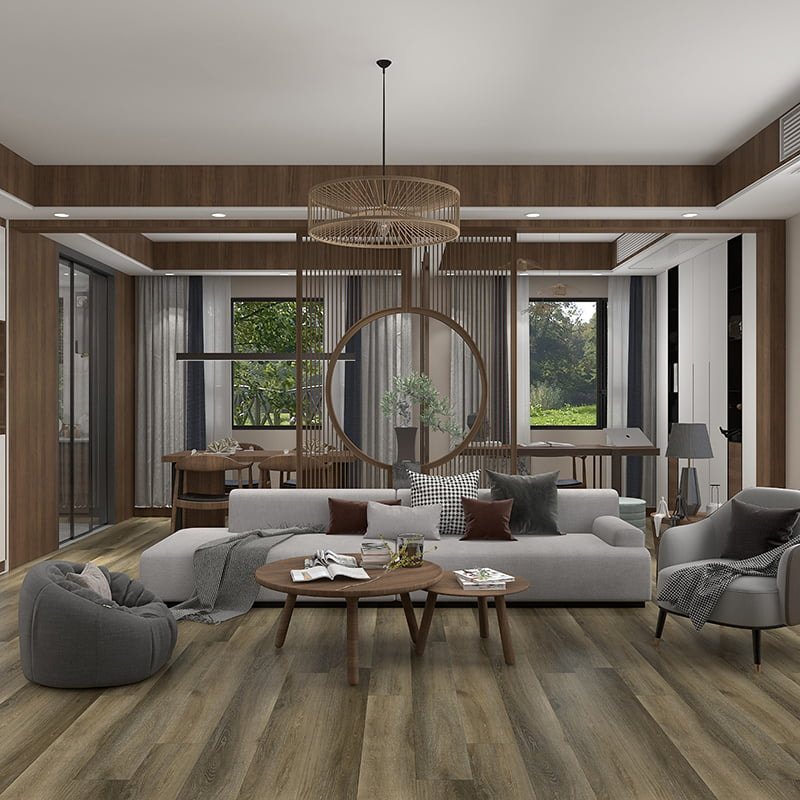
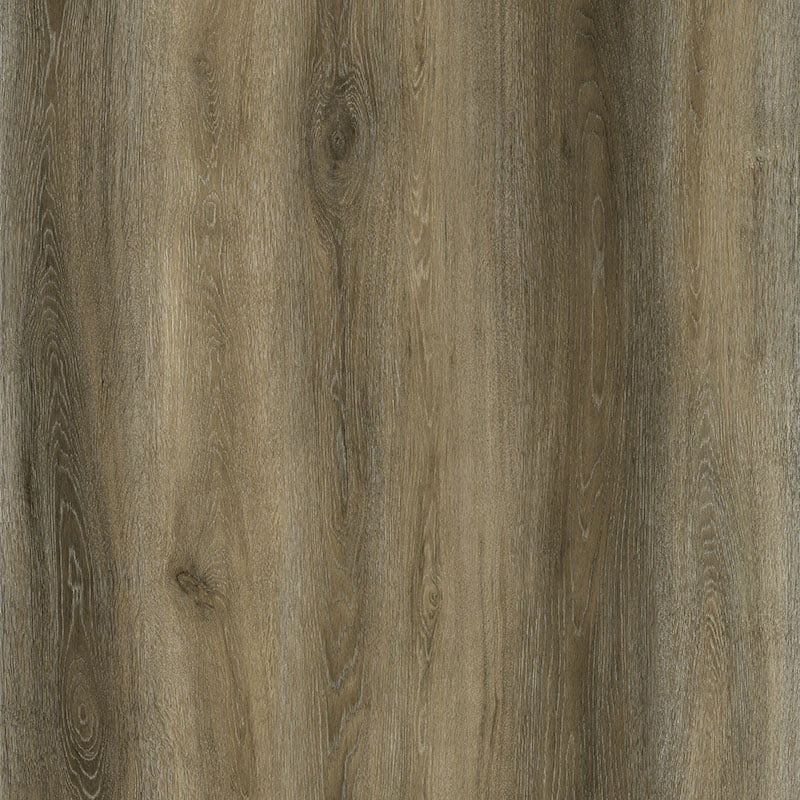
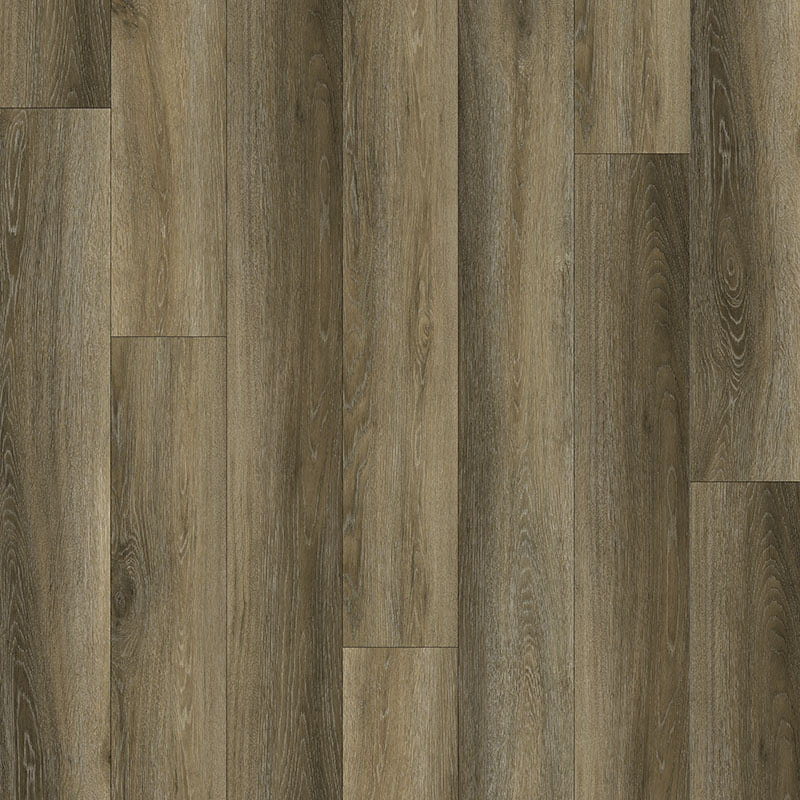
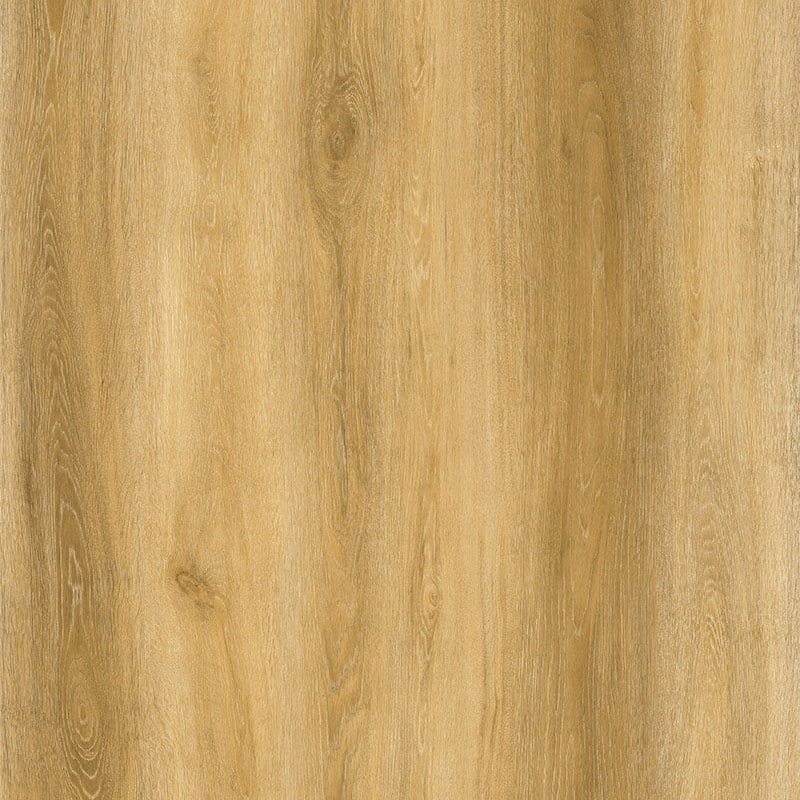
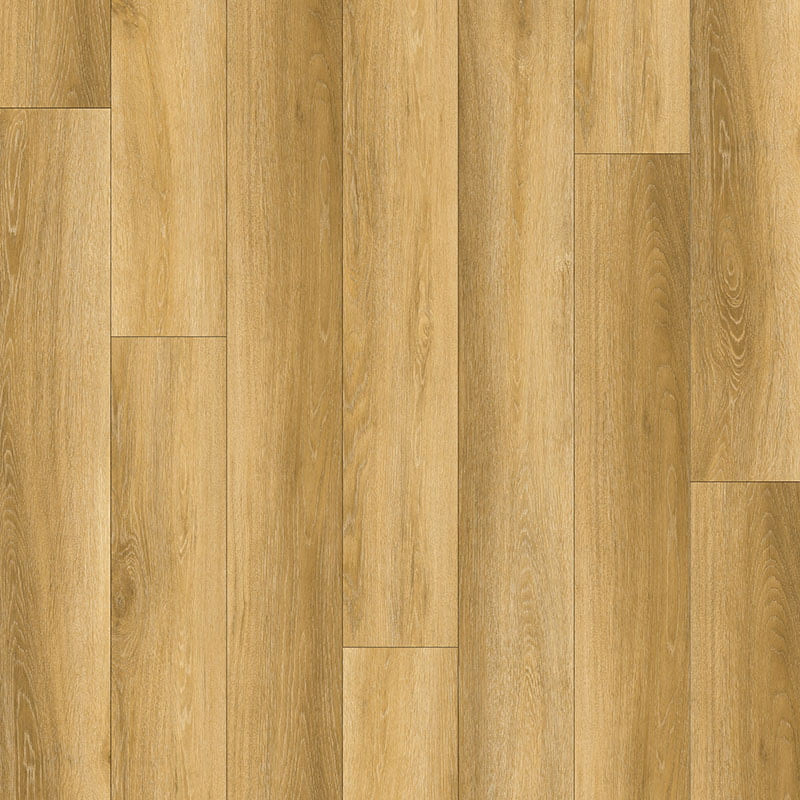
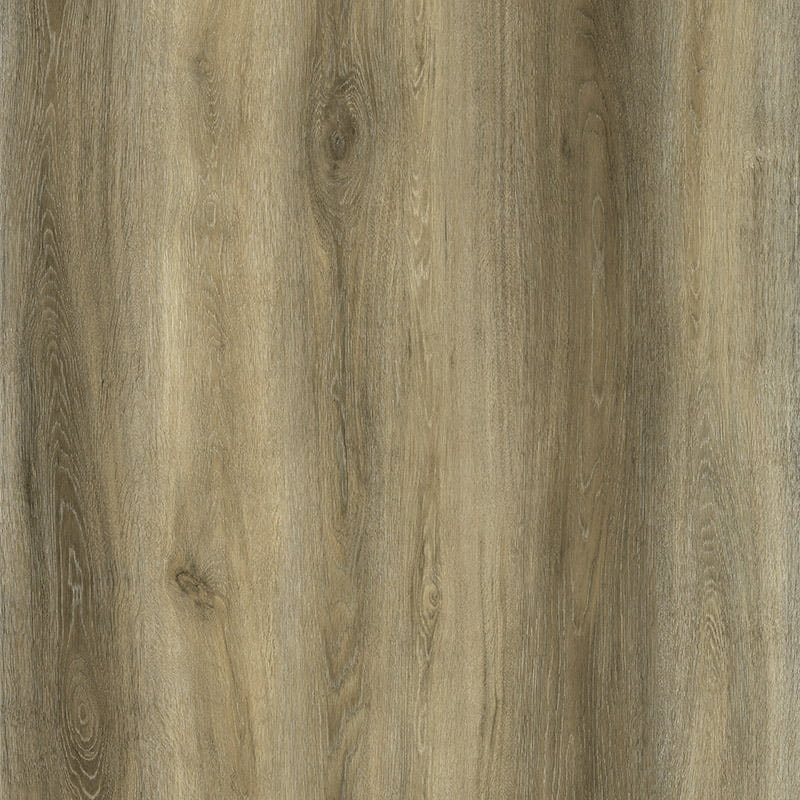
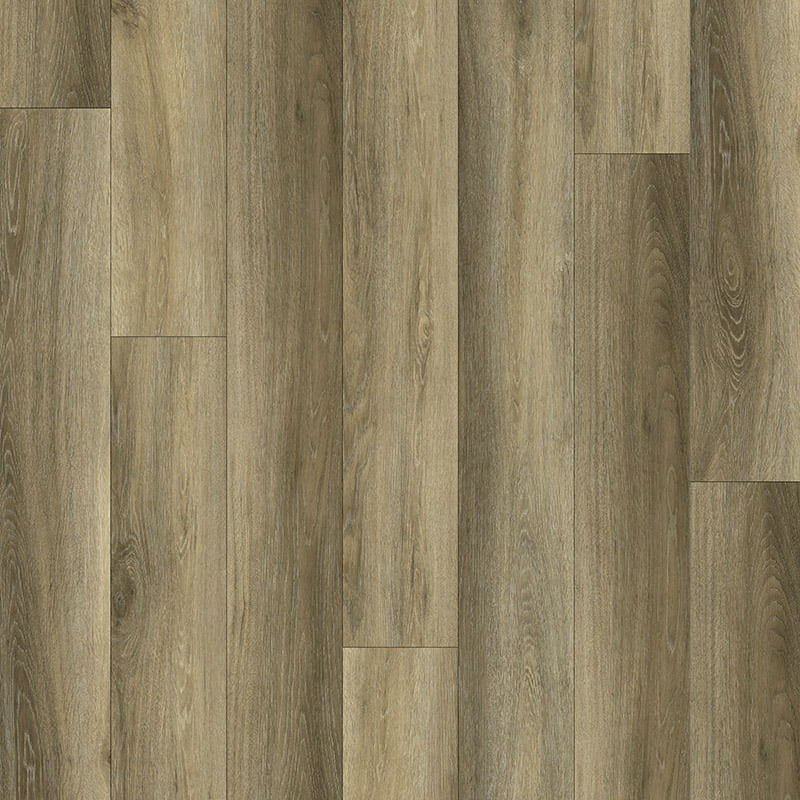
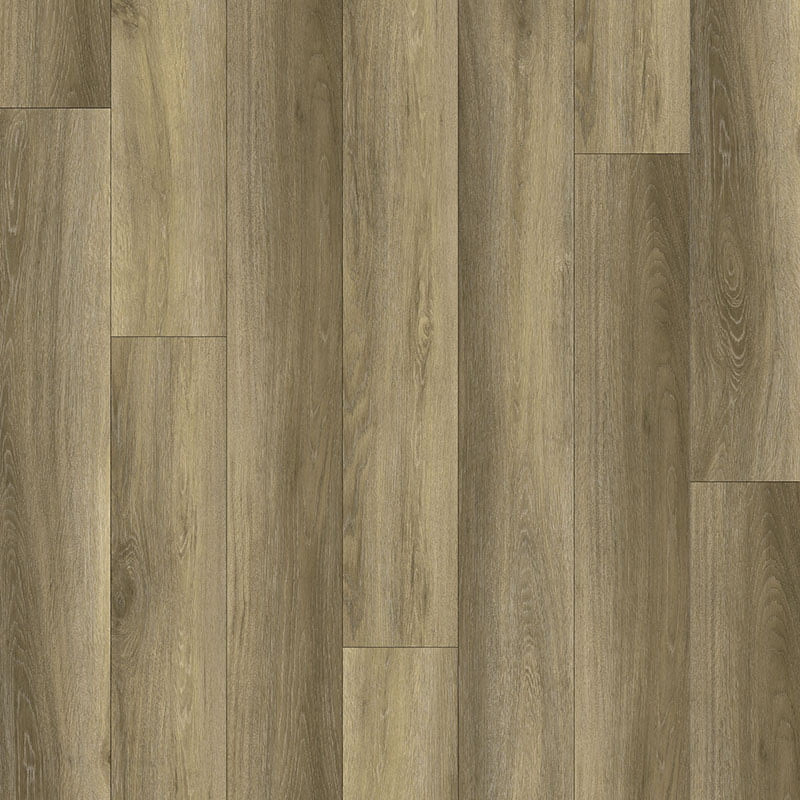
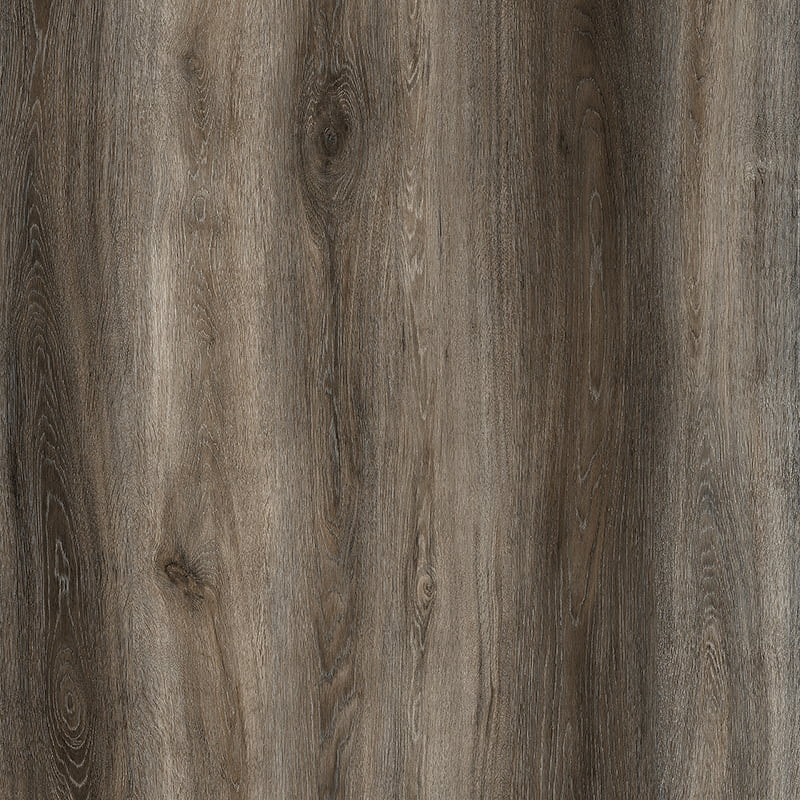
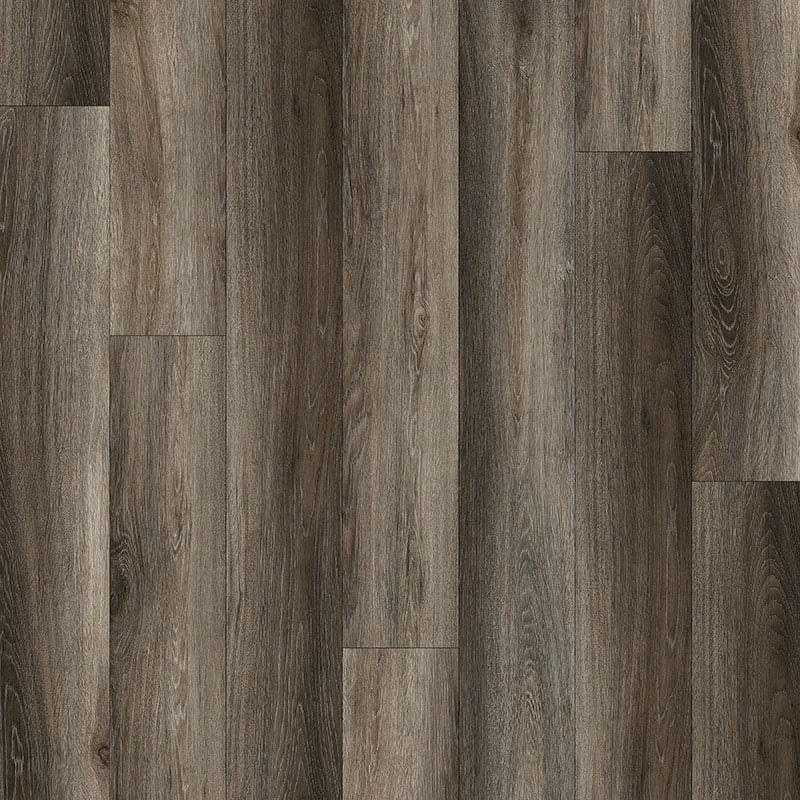
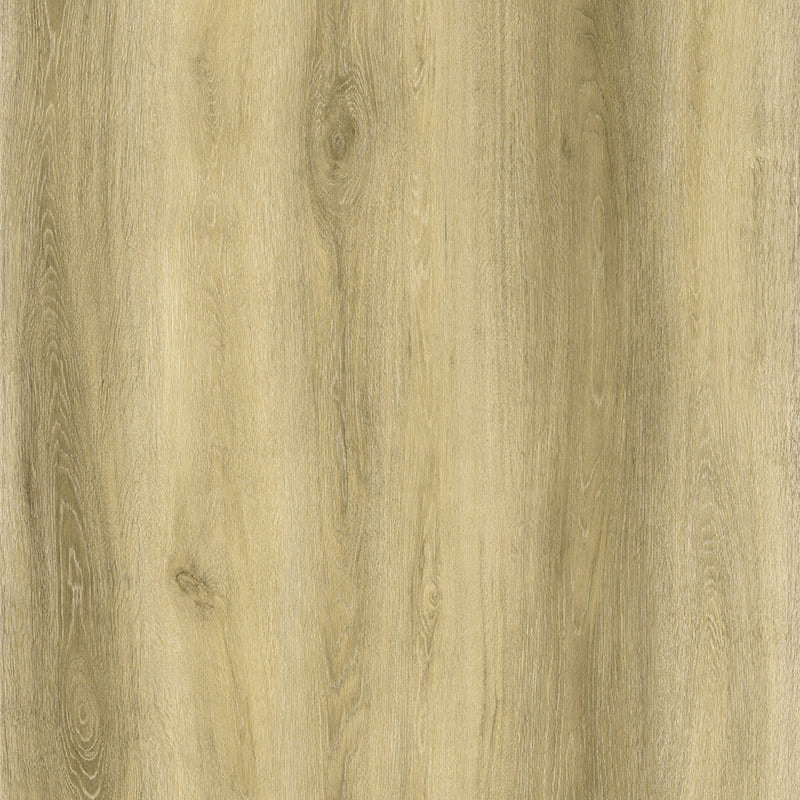
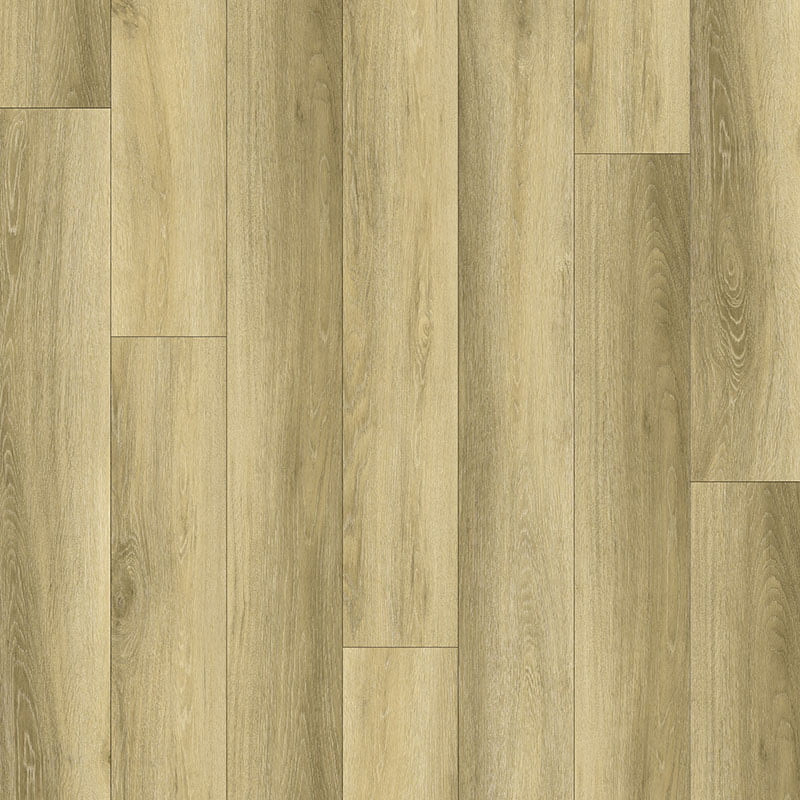
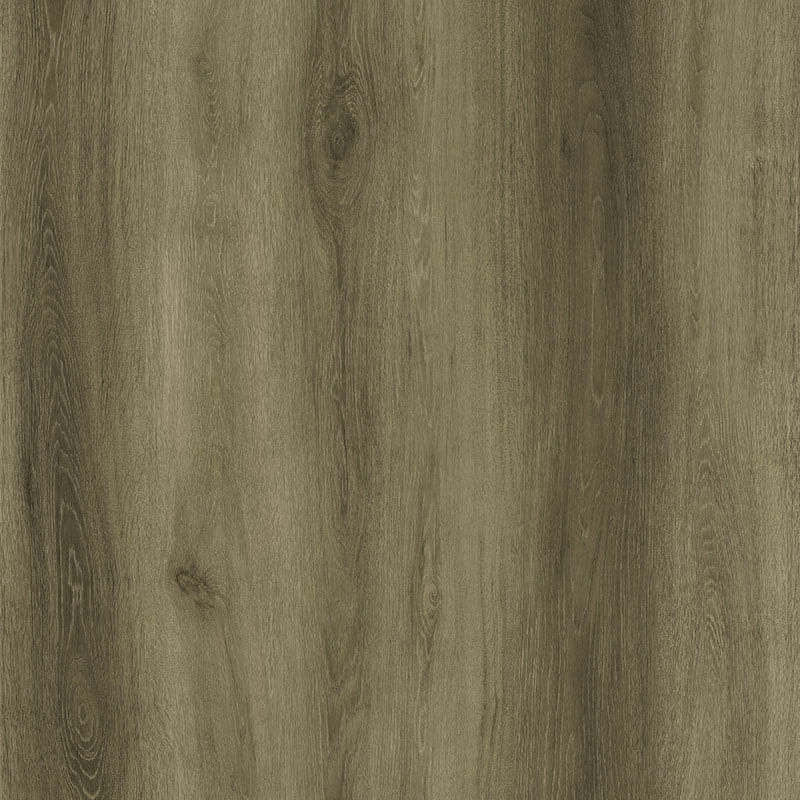
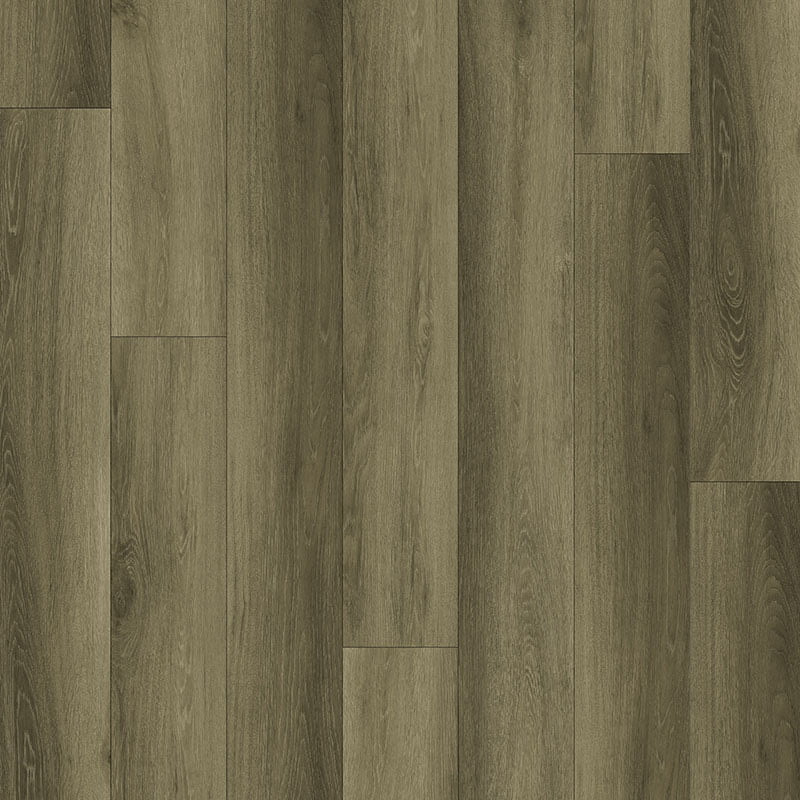
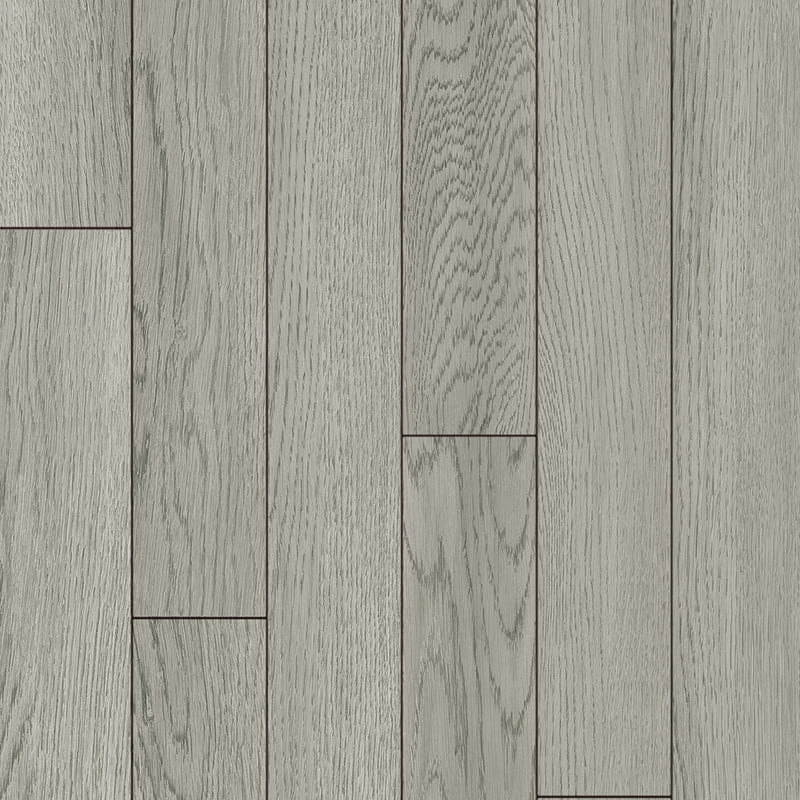
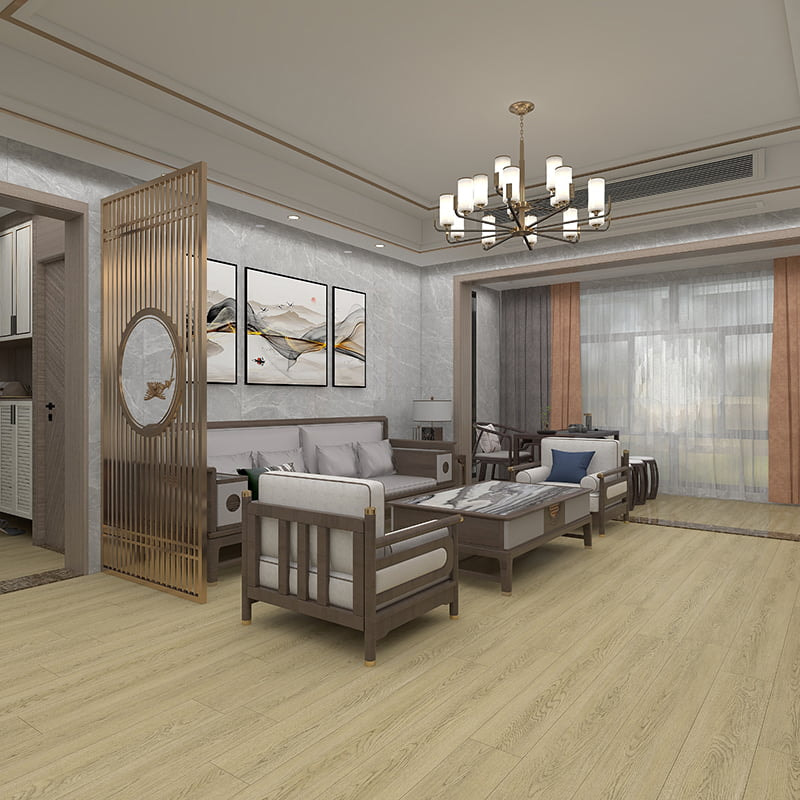
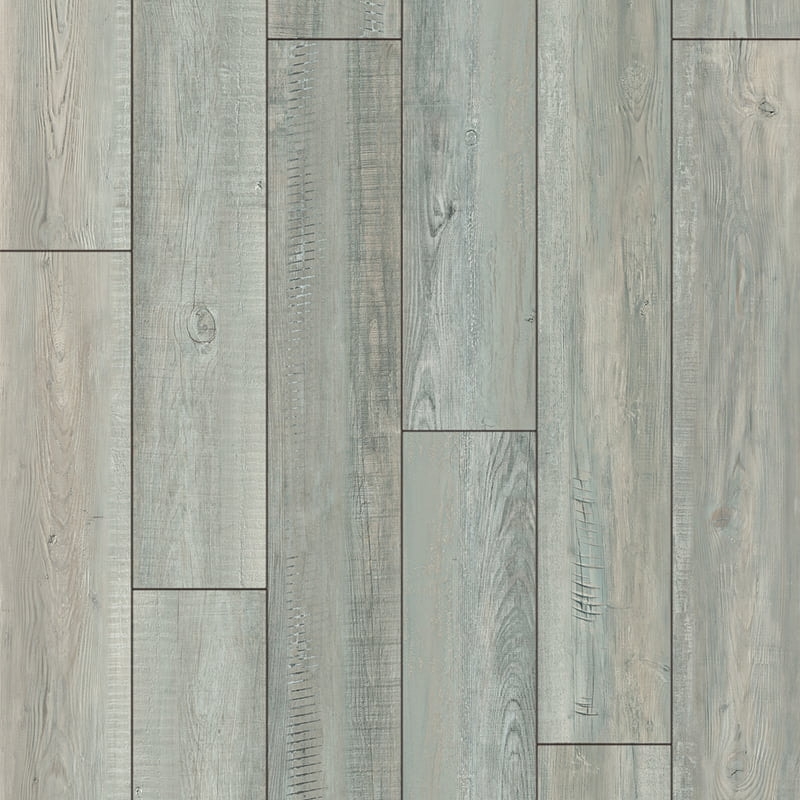
Model: YC897
Wood: Oak
Spec: 1000*1580mm
Single chip size: 7.25*60"
Transform Your Space with Pine Decorative Film Pine decorative film is a versatile, self-adhesive surfacing material des...
View MoreIntroduction: Why Hickory Decorative Film? Hickory Decorative Film is a high-quality PVC or vinyl surface material desig...
View More1. Material Properties and Process Advantages Oak Decorative Film is essentially a thin layer made of high-quality PVC o...
View MoreWhat is Wood PVC Film? Wood PVC Film is a type of decorative plastic film that mimics the appearance of natural wood. Ma...
View MoreUnderstanding the Composition and Durability of Wood Grain Decorative Film Wood grain decorative film is a multi-layered...
View MoreIn high-end furniture manufacturing, the stretching capability of Oak PVC film is critical when dealing with complex 3D geometries. Unlike standard laminates, our high-quality Oak PVC decorative film is engineered with specific plasticizers that allow it to maintain grain integrity even at sharp 45-degree angles or deep grooves. When we produce these films at our Vietnam facility, we ensure the thermal stability is optimized for vacuum membrane presses. This prevents "whitening" at the edges—a common defect in inferior films where the pigment separates from the PVC base under tension. By precisely controlling the cooling phase of our production, we provide a film that hugs every contour of a carved cabinet door without shrinking back over time.
Oak decorative film isn't just about the visual pattern; it’s about the tactile interaction between the user and the surface. Modern PVC films utilize multi-layered printing and embossing techniques to mimic specific oak species. We have developed over a thousand colors across our series, and we find that the synchronization of the "pore" emboss with the printed grain significantly increases the perceived value of the final product. Below is a breakdown of common oak textures found in our specialized collections:
| Texture Type | Visual Characteristic | Best Use Case |
| Saw-Cut Oak | Horizontal blade marks over vertical grain | Rustic/Industrial Flooring |
| Rift-Cut Oak | Straight, tight linear grain lines | Modern Minimalist Cabinetry |
| Cathedral Oak | Wide, arching grain patterns | Large Surface Wall Panels |
For our international clients, particularly those in high-traffic commercial sectors, the chemical resistance of Oak PVC decorative film is a top priority. Our films are treated with a protective topcoat that guards against common household solvents, UV degradation, and abrasion. This is a result of our scientific quality management system which we strictly follow in our daily operations. When we design a special edition for a customer, we can calibrate the thickness—ranging from 0.12mm to 0.50mm—to balance cost-efficiency with the necessary impact resistance required for high-wear surfaces like office desks or laboratory workstations.
The ability to move beyond off-the-shelf patterns is what defines a true partnership in the decorative materials industry. Since starting mass production in Vietnam, we have expanded our capacity to cooperate with designers on bespoke "special edition" Oak PVC films. This process involves color matching under D65 standard light sources and creating custom cylinders for unique grain structures. Whether it is adjusting the gloss level from a dead-matt 3-degree finish to a high-gloss 90-degree finish, our team ensures the final product aligns perfectly with the brand identity of our clients. We take pride in being responsible for the quality of every linear meter we ship, ensuring that customer satisfaction remains our ultimate pursuit.
Achieving a permanent bond between the Oak PVC Decorative film and the substrate (usually MDF or Particle Board) requires a deep understanding of surface energy. Our films are produced with a specialized back-coating that enhances the affinity for water-based and solvent-based adhesives. During lamination, the temperature of the rollers or the vacuum bed must be precisely calibrated to the softening point of the PVC. If the temperature is too low, the bond is weak; too high, and the embossed oak texture might flatten. We recommend maintaining a clean-room environment to prevent dust particles from creating "telegraphing" defects, which are small bumps visible on the film surface after pressing.



Contact
 China Company Address: No.5 Zhaojia Road,
Vietnam Factory Address: GNP Yen Binh
1 - lndustrial Center (Lot CN13,CN18,Yen
Binh Industrial Park, Ward, Dng Tien, Ph8 Yen,
Thai Nguyen 24000)
Thailand Factory Address: 289/12 Moo 7, Klong Kiu Sub-District, Ban Bueng District, Chonburi 20220 THAILAND
China Company Address: No.5 Zhaojia Road,
Vietnam Factory Address: GNP Yen Binh
1 - lndustrial Center (Lot CN13,CN18,Yen
Binh Industrial Park, Ward, Dng Tien, Ph8 Yen,
Thai Nguyen 24000)
Thailand Factory Address: 289/12 Moo 7, Klong Kiu Sub-District, Ban Bueng District, Chonburi 20220 THAILAND
 Tel: +86-13685281168
+86-13813687178
Tel: +86-13685281168
+86-13813687178
 E-mail: [email protected]




 English
 русский