Content
Wood grain decorative film is a multi-layered engineered material, typically composed of a polyvinyl chloride (PVC) or PET base, a high-definition printed wood pattern layer, and a protective transparent topcoat. Unlike traditional contact paper, professional-grade decorative films utilize advanced rotogravure or digital printing technologies to replicate the authentic texture, pore structure, and color variations of natural timber. The top layer often features a UV-resistant coating that prevents fading from sunlight exposure and provides a shield against scratches, moisture, and common household chemicals.
One of the most significant practical advantages of these films is their "air-release" adhesive technology. The backing is designed with microscopic channels that allow air to escape during the application process, virtually eliminating bubbles and creases. This makes it a preferred choice for large-scale architectural resurfacing, where achieving a seamless, paint-like finish is critical for a high-end aesthetic.
When deciding between authentic wood veneer and decorative film, it is essential to consider long-term maintenance, installation complexity, and cost-efficiency. While veneer offers the prestige of "real wood," it is susceptible to warping, cracking, and water damage. Decorative films, conversely, provide a non-porous surface that is ideal for high-moisture environments like kitchens and bathrooms.
| Feature | Wood Grain Decorative Film | Natural Wood Veneer |
| Installation Speed | Fast; No sanding or staining required | Slow; Requires glue, sanding, and finishing |
| Moisture Resistance | High; Waterproof surfaces | Low; Prone to swelling |
| Maintenance | Wipe clean with soap and water | Requires periodic oiling or polishing |
| Flexibility | Highly flexible; Wraps around curves | Brittle; Limited to flat surfaces |
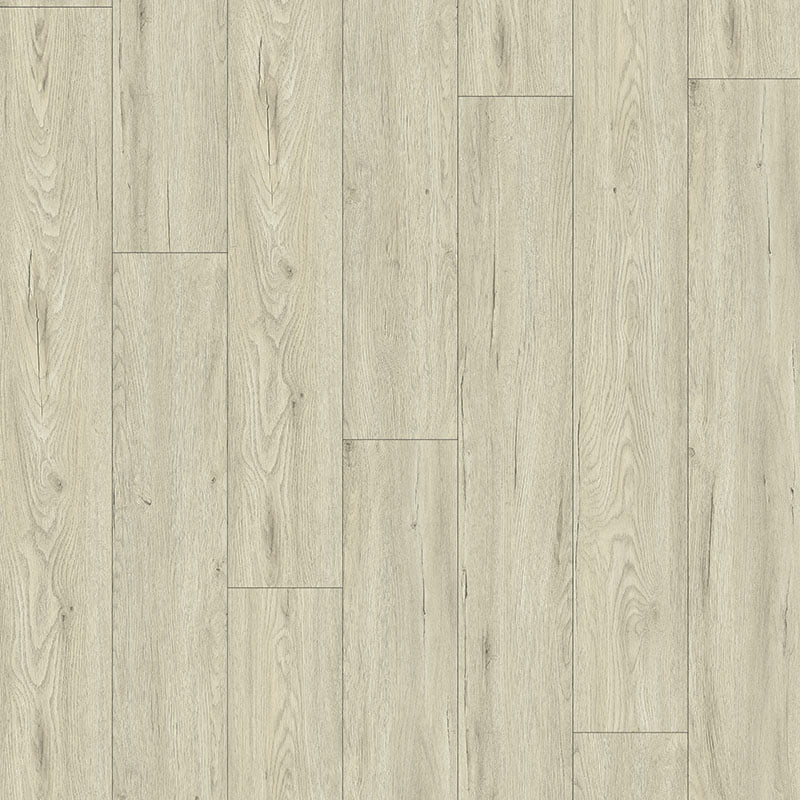
For homeowners looking to modernize an outdated kitchen without the waste and expense of a full demolition, wood grain film is an ideal solution. It can be applied directly over existing laminate, melamine, or solid wood doors. Because the film is heat-stretchable, it can be seamlessly wrapped around the edges of Shaker-style cabinets or curved furniture legs, providing a finish that is indistinguishable from factory-applied finishes.
In commercial settings such as hotels, hospitals, and offices, durability is the priority. Decorative films are frequently used to resurface elevator interiors, fire doors, and lobby accent walls. These films meet stringent fire safety standards and are resistant to the heavy wear and tear associated with high-traffic environments, allowing businesses to maintain a luxury appearance on a budget.
Achieving a professional-grade result with wood grain decorative film requires meticulous surface preparation and the right tools. Even the highest quality film will fail if the underlying substrate is contaminated or uneven. Professionals follow a strict protocol to ensure the longevity of the bond and the realism of the grain alignment.
Wood grain decorative film contributes to sustainable building practices primarily through the concept of "upcycling." By resurfacing existing fixtures rather than replacing them, users significantly reduce the amount of construction waste sent to landfills. Furthermore, using film reduces the demand for rare or slow-growing hardwood species like Teak, Ebony, or Rosewood, as their patterns can be perfectly replicated on a synthetic substrate without harvesting a single endangered tree. Many modern films are now also being produced with phthalate-free PVC or recycled PET materials to further lower their environmental footprint.



Contact
 China Company Address: No.5 Zhaojia Road,
Vietnam Factory Address: GNP Yen Binh
1 - lndustrial Center (Lot CN13,CN18,Yen
Binh Industrial Park, Ward, Dng Tien, Ph8 Yen,
Thai Nguyen 24000)
Thailand Factory Address: 289/12 Moo 7, Klong Kiu Sub-District, Ban Bueng District, Chonburi 20220 THAILAND
China Company Address: No.5 Zhaojia Road,
Vietnam Factory Address: GNP Yen Binh
1 - lndustrial Center (Lot CN13,CN18,Yen
Binh Industrial Park, Ward, Dng Tien, Ph8 Yen,
Thai Nguyen 24000)
Thailand Factory Address: 289/12 Moo 7, Klong Kiu Sub-District, Ban Bueng District, Chonburi 20220 THAILAND
 Tel: +86-13685281168
+86-13813687178
Tel: +86-13685281168
+86-13813687178
 E-mail: [email protected]




 English
 русский