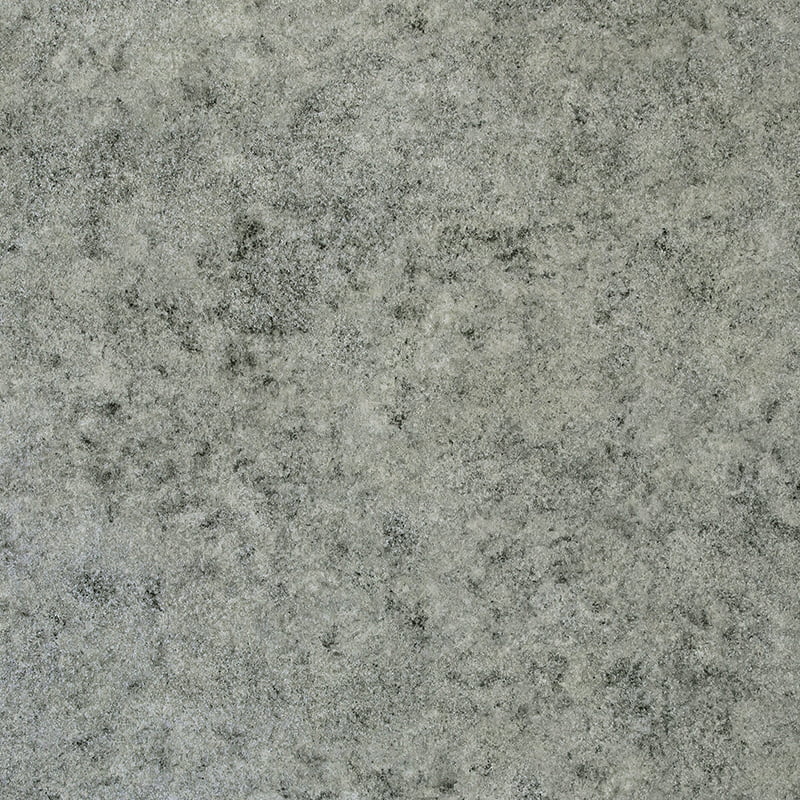
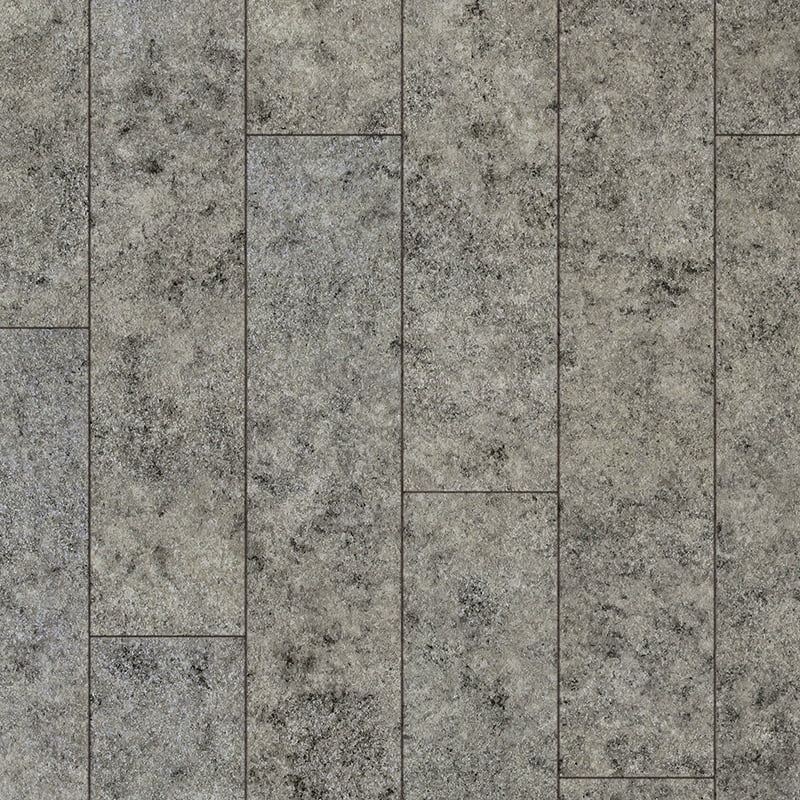
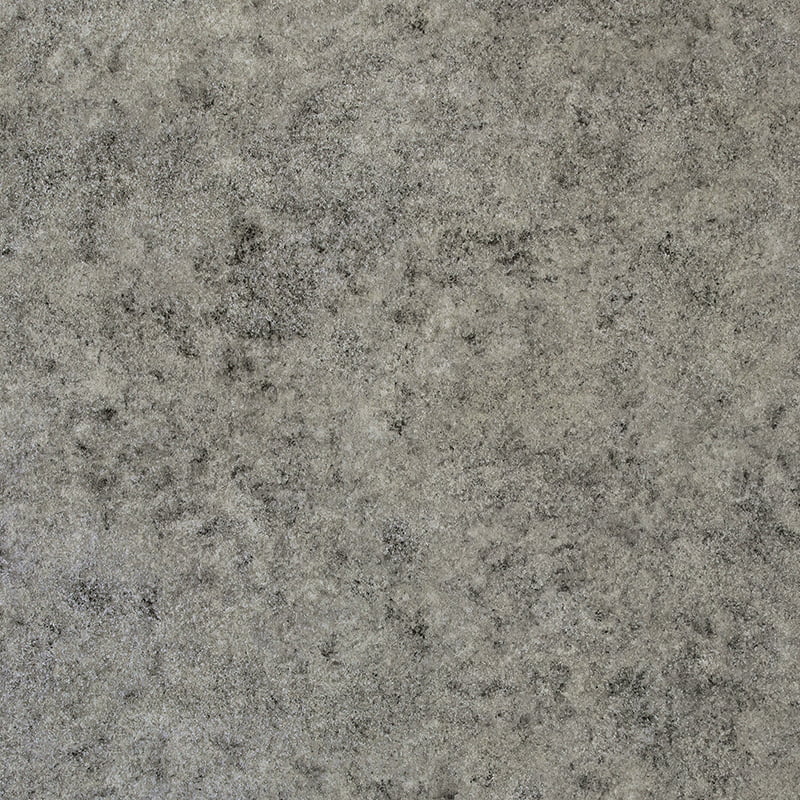
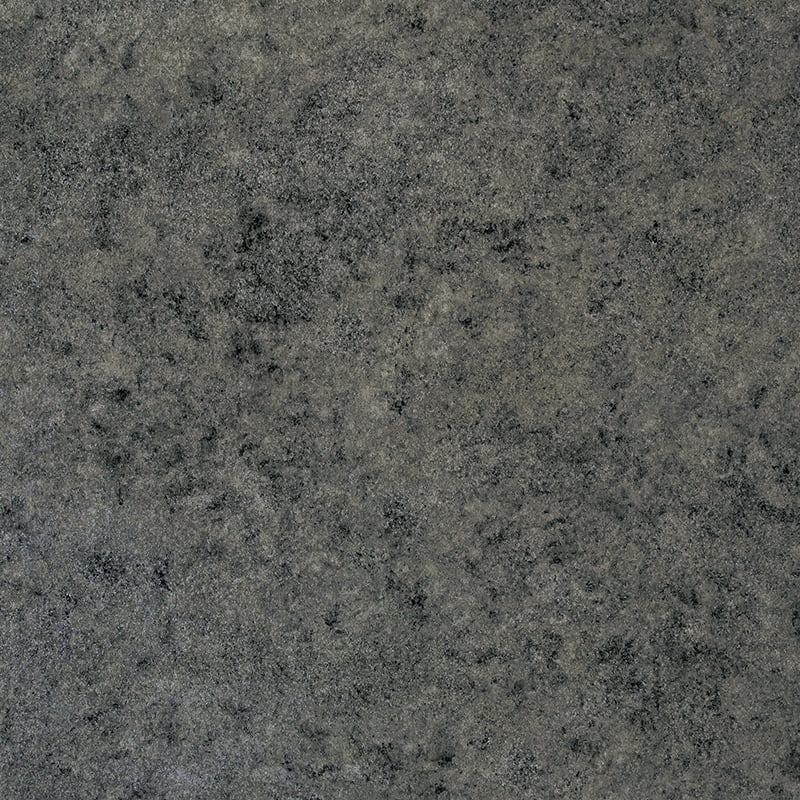
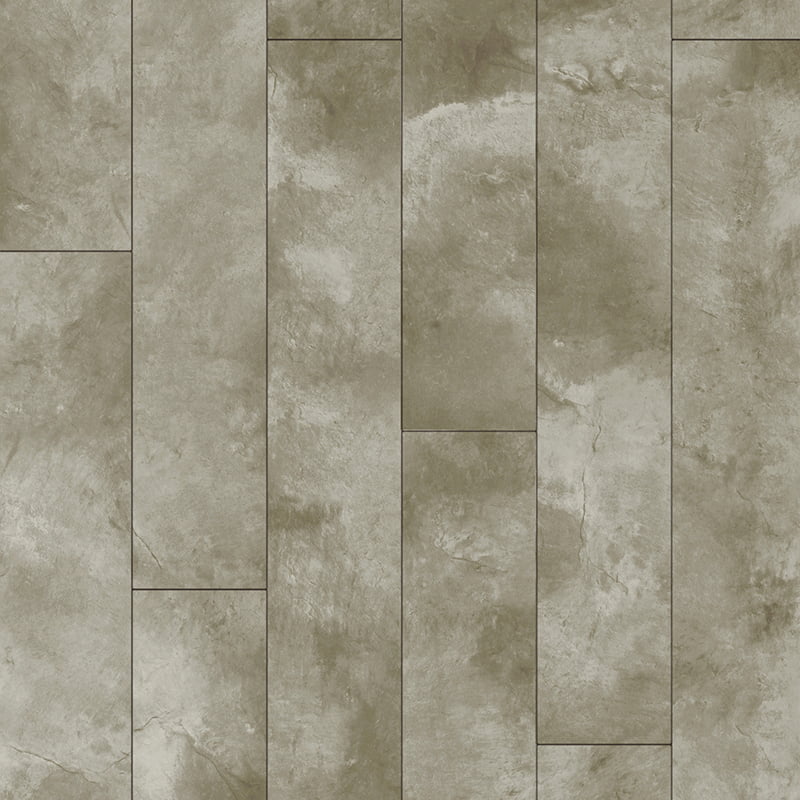
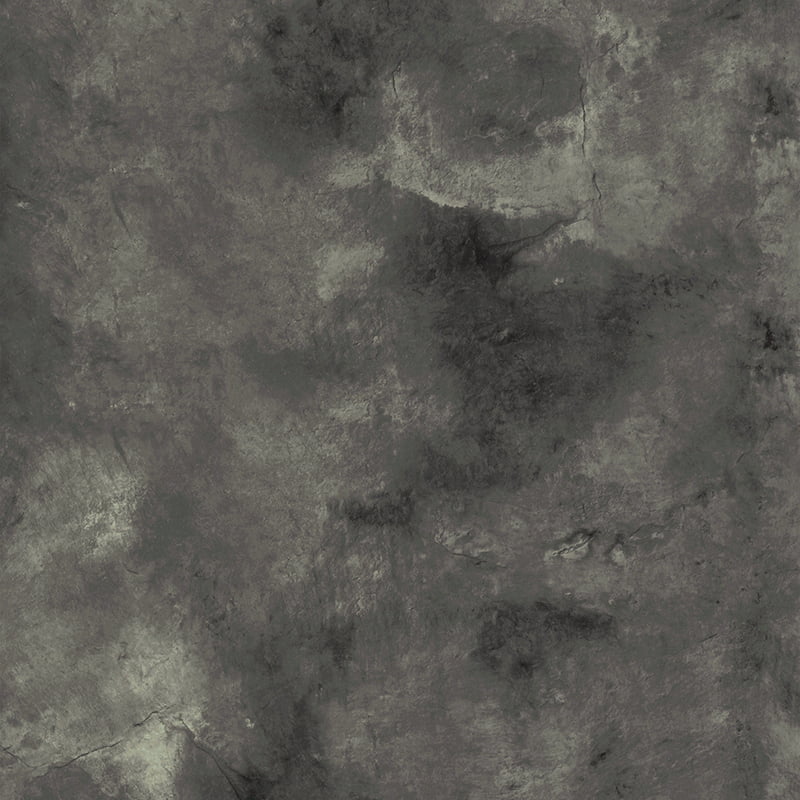
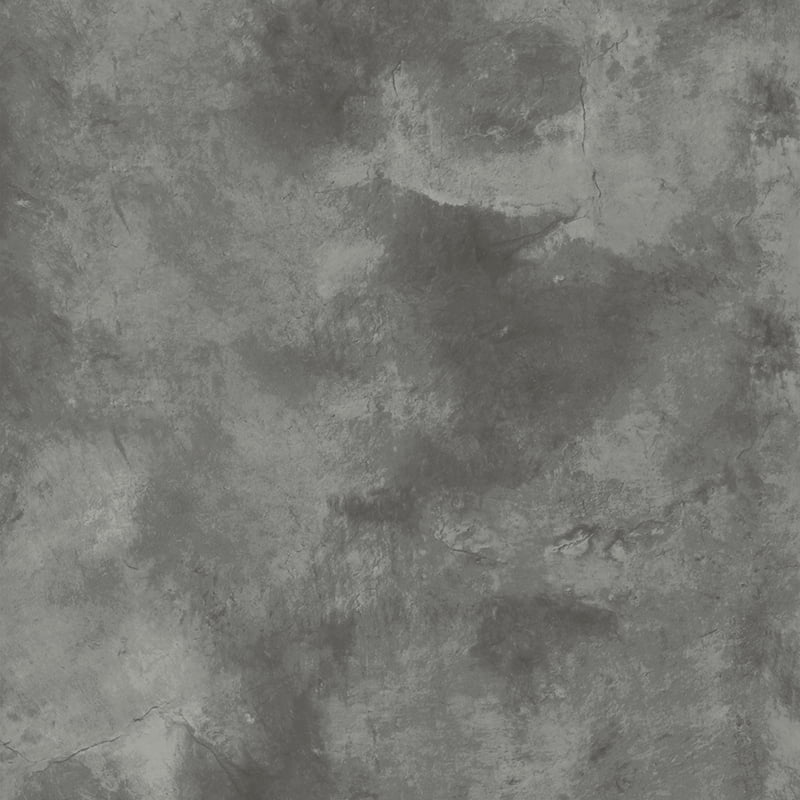
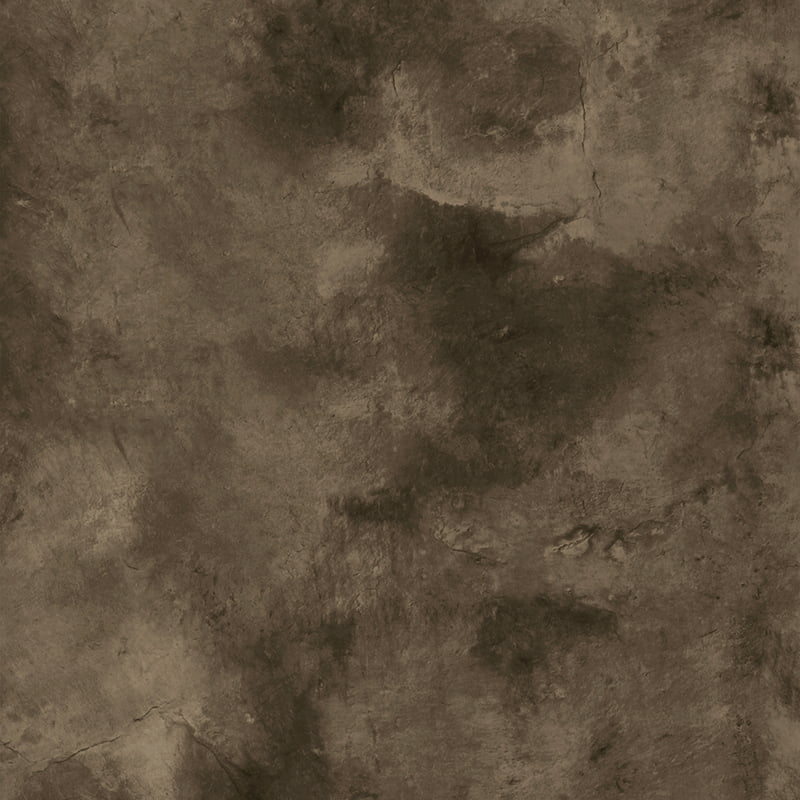
The texture of stone film is close to natural stone, such as marble, granite, terrazzo, gravel, and we have designed more color combinations according to the personalized needs of customers. This film is very suitable for indoor kitchen and bathroom design applications. Compared with real marble, PVC film is more cost-effective. It enables individuals and businesses to achieve the beauty of marble without the high cost of natural stone.
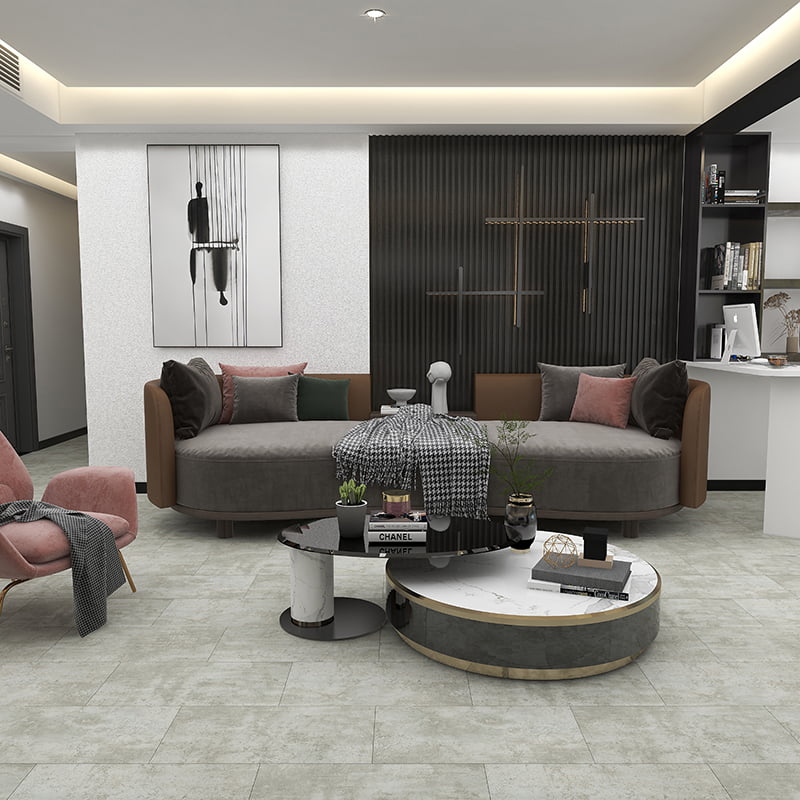
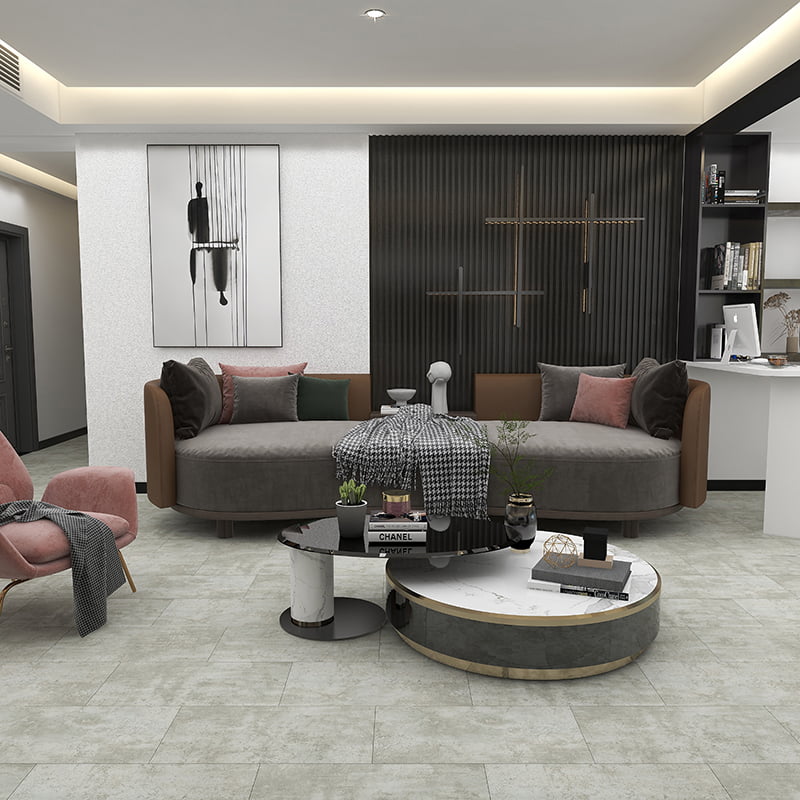
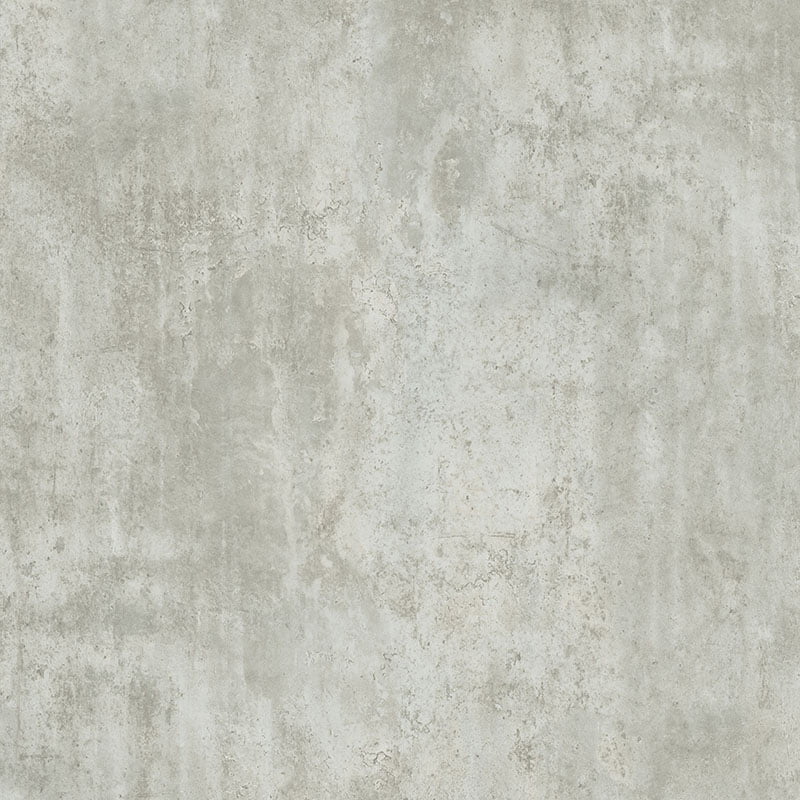
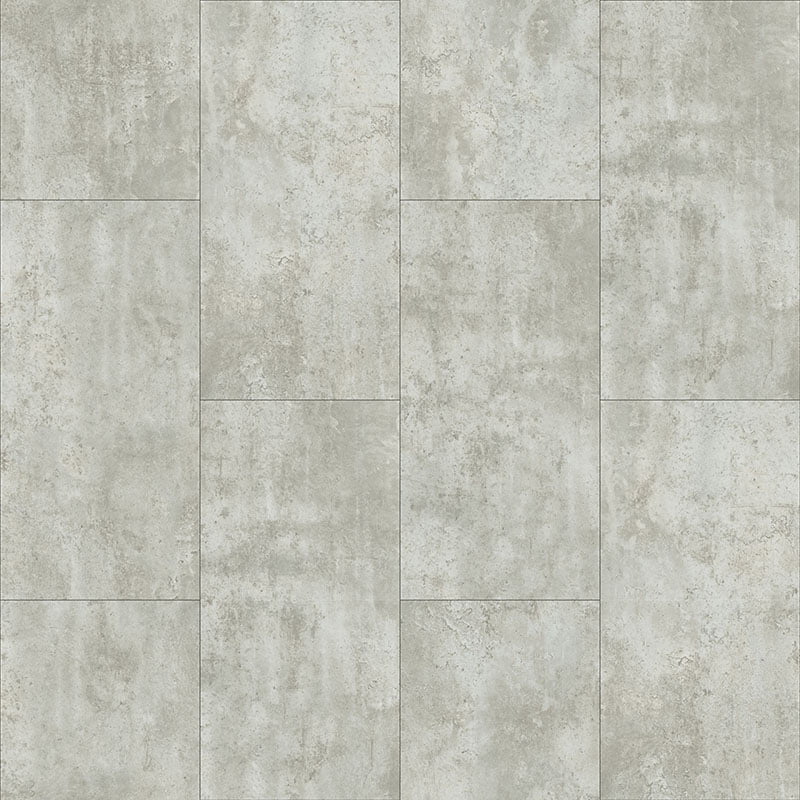
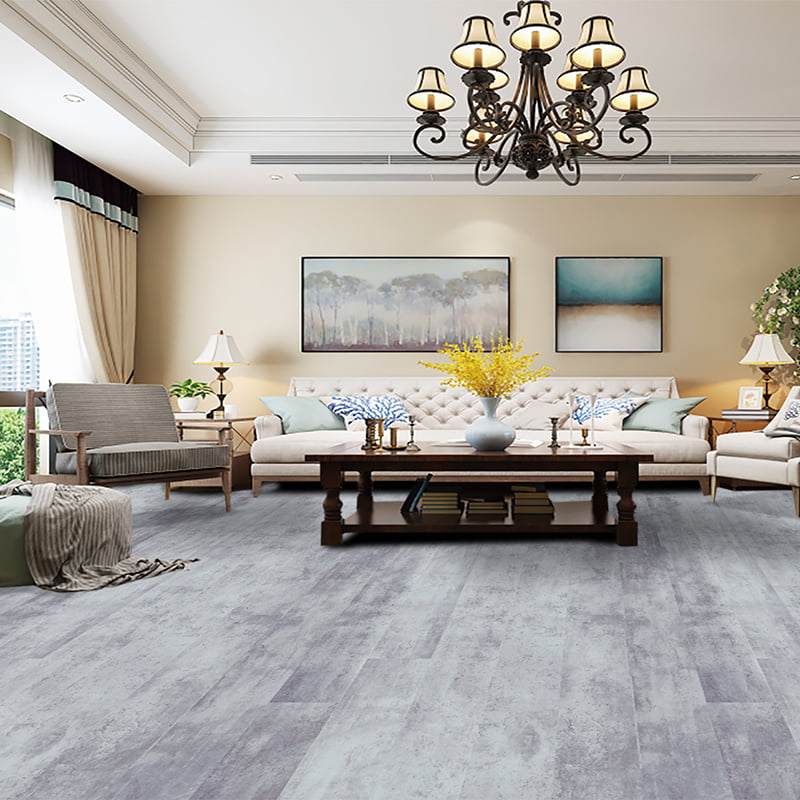

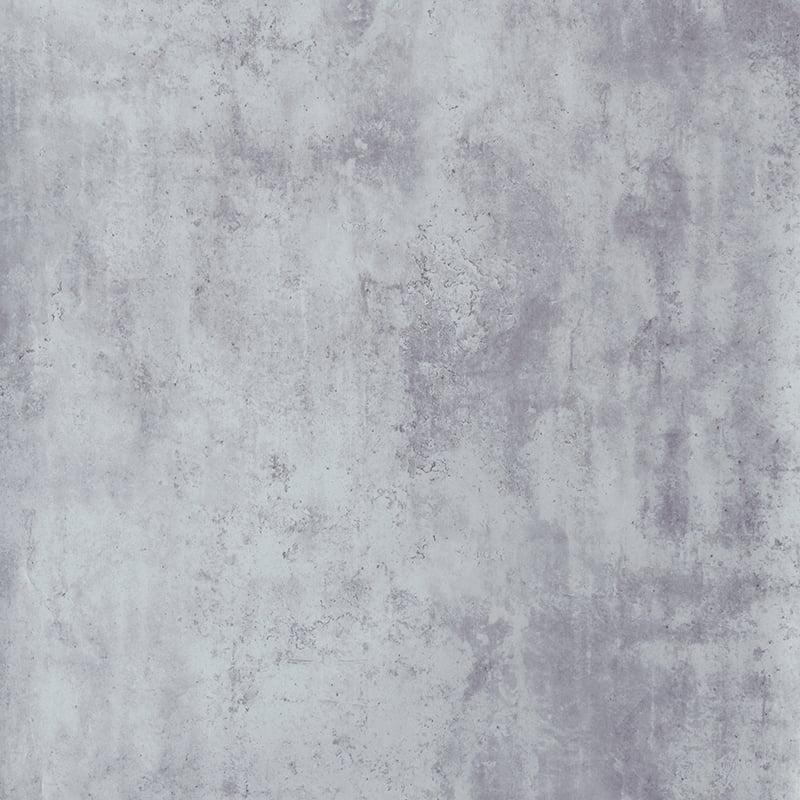

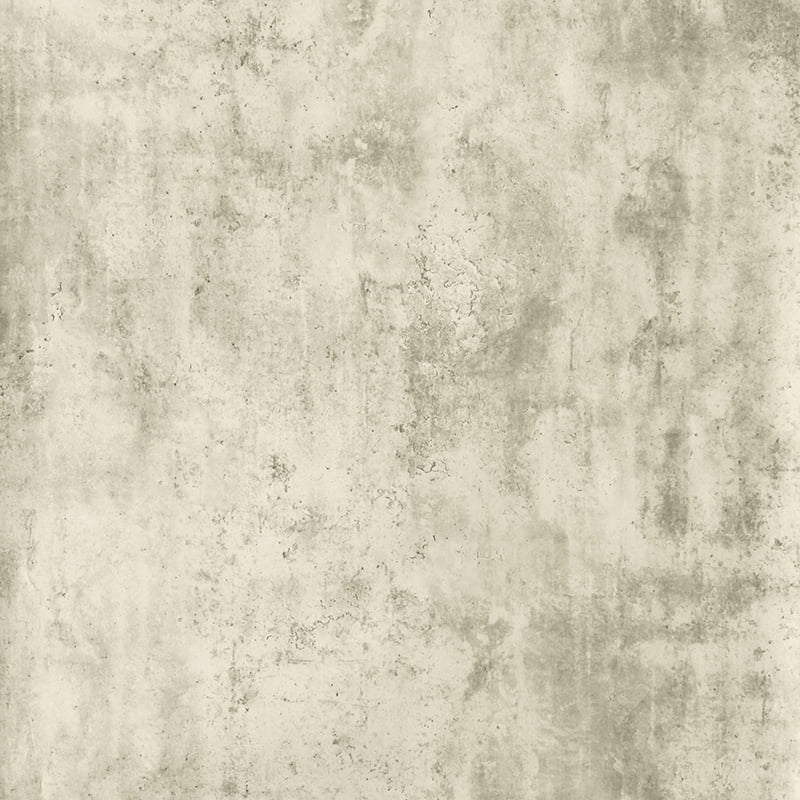

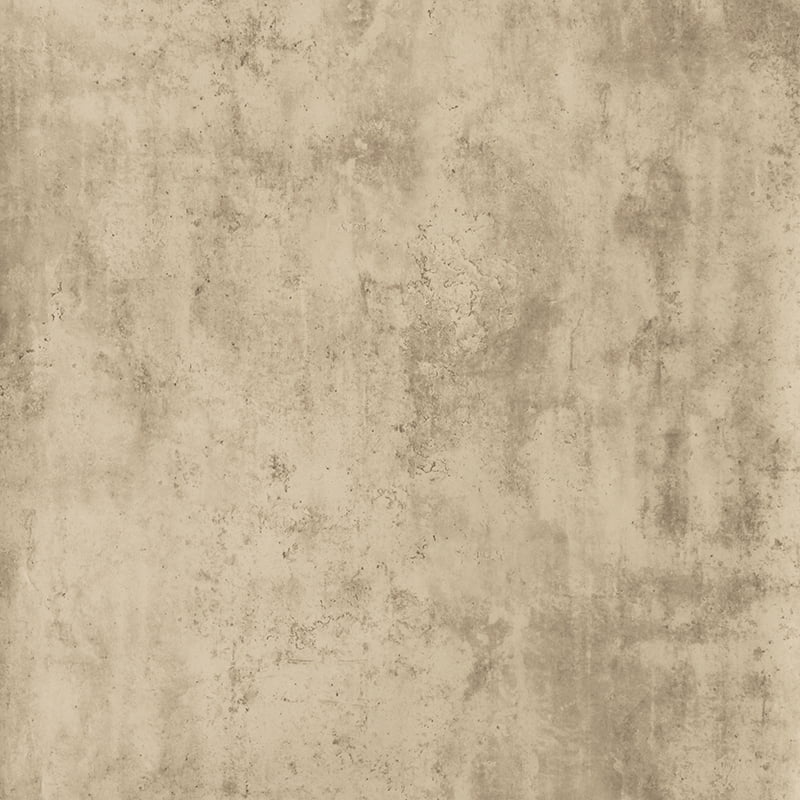

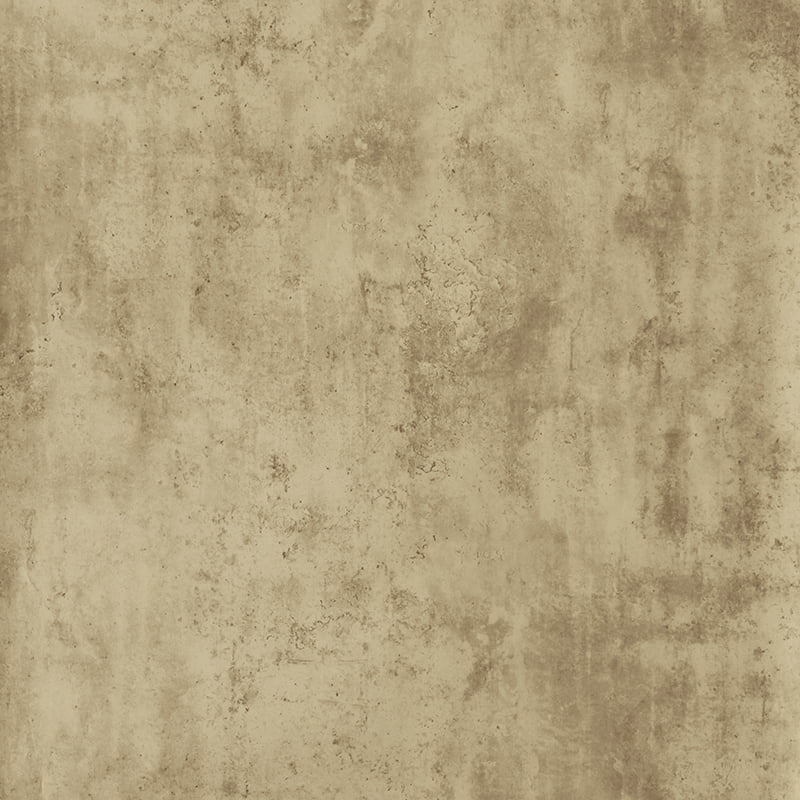
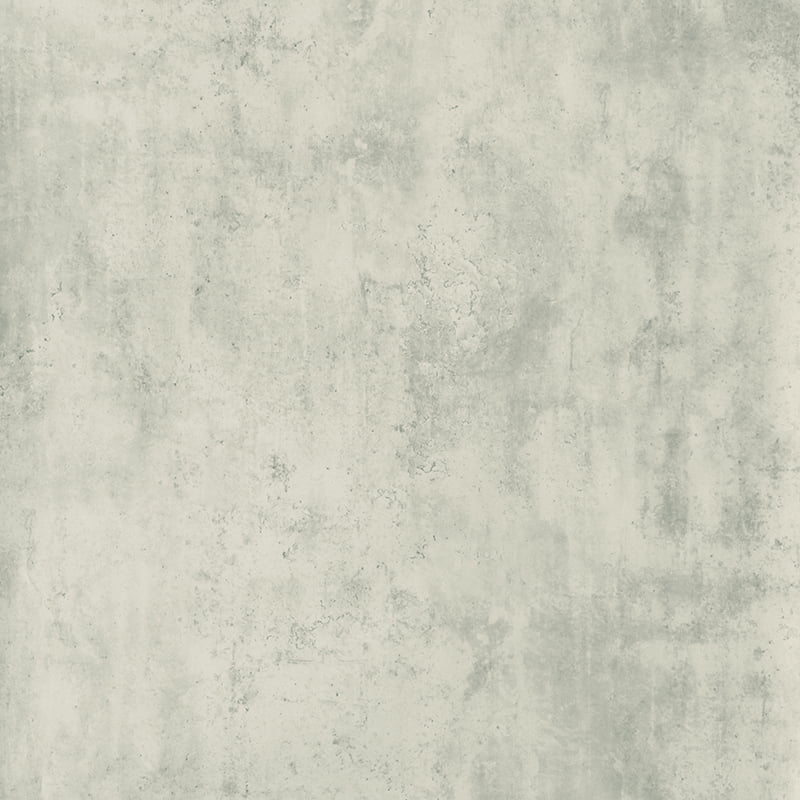
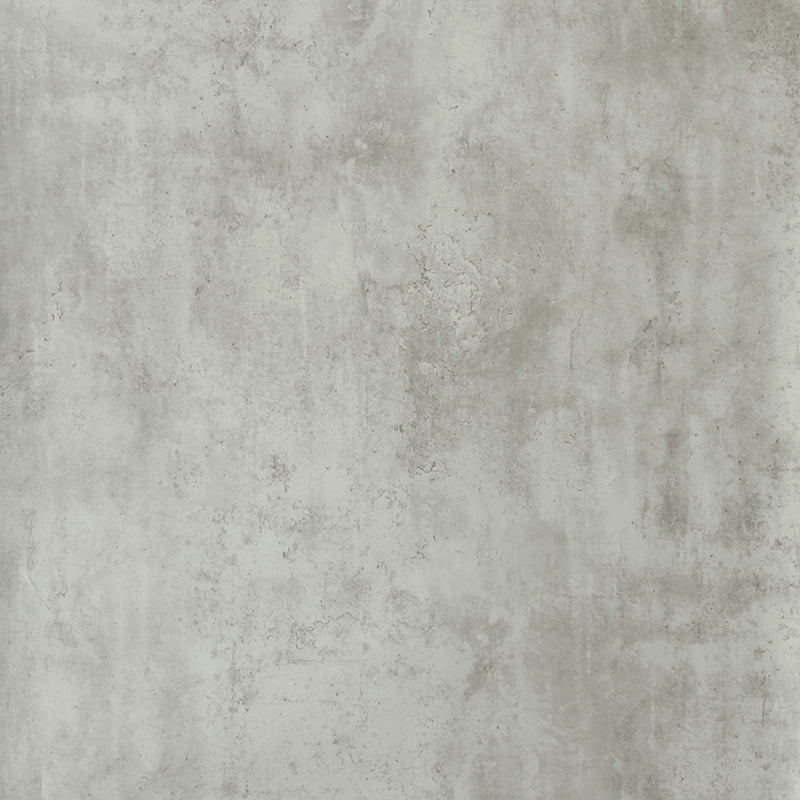
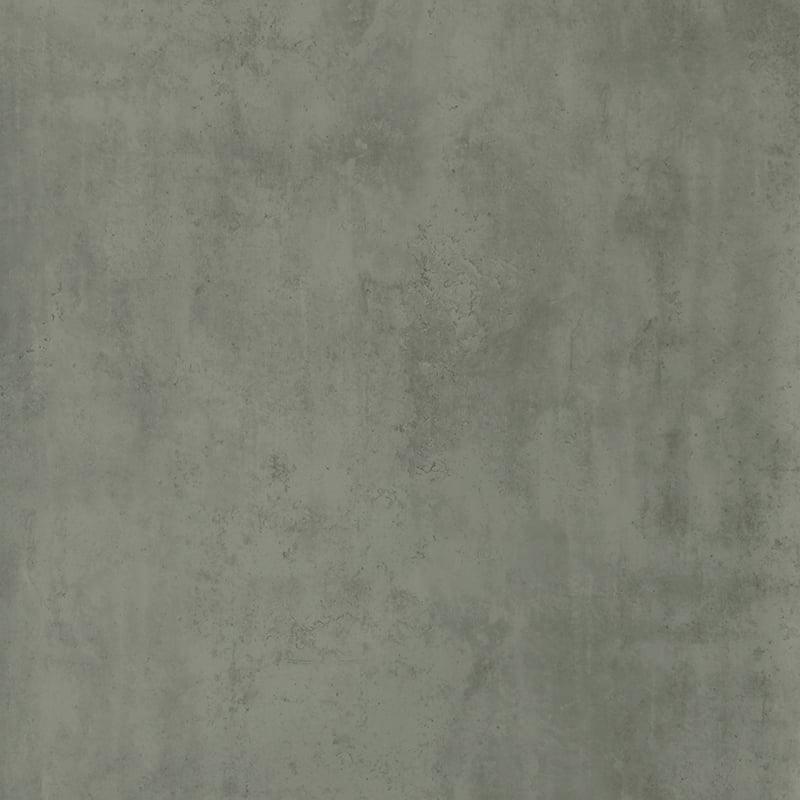
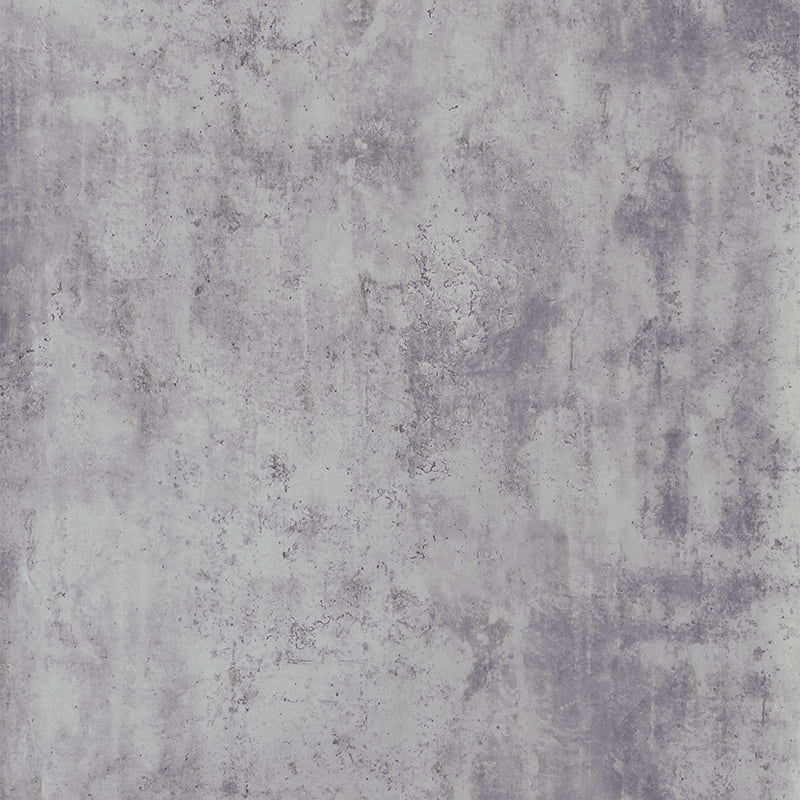
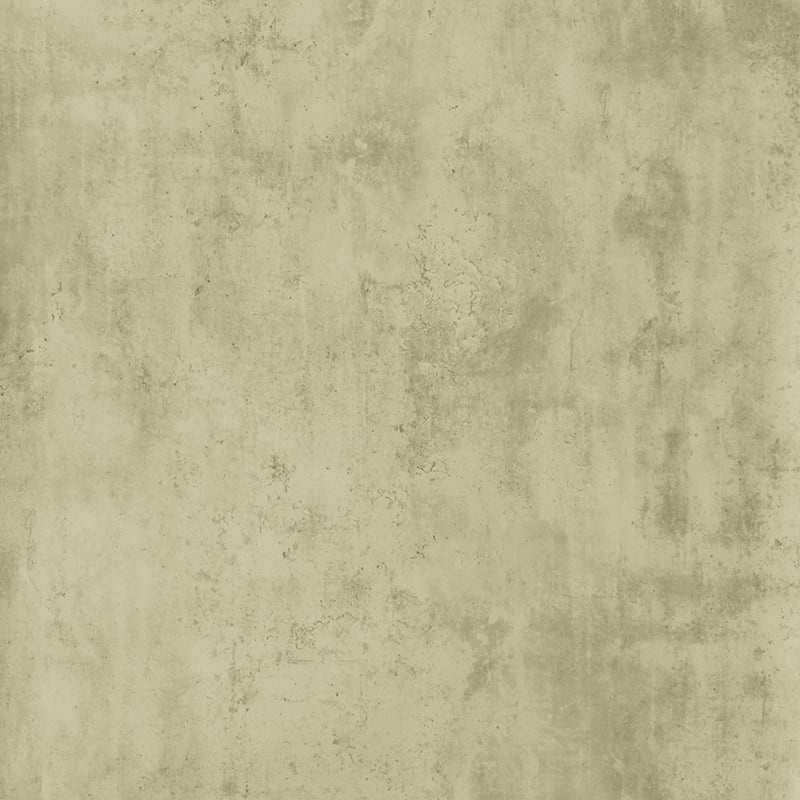

Model: YC7038
Wood: Stone
Spec: 1000*1180mm
Single chip size: 12*24”
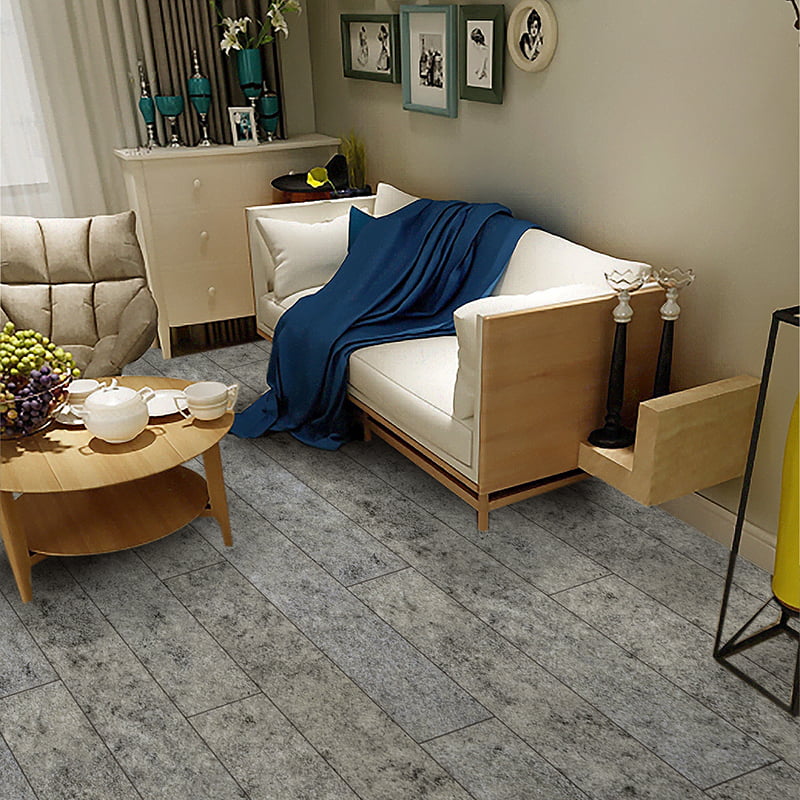
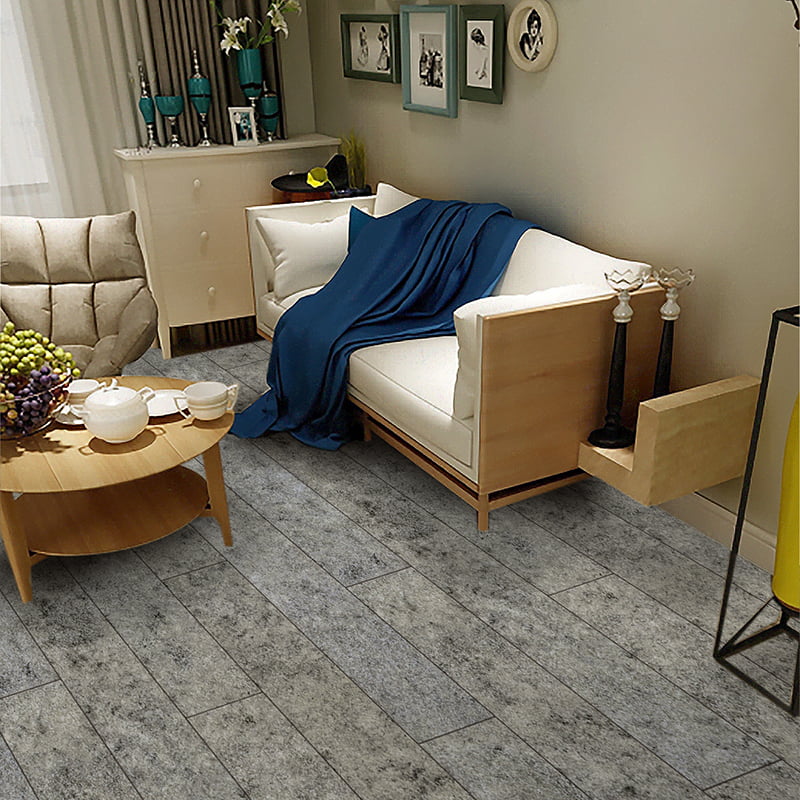
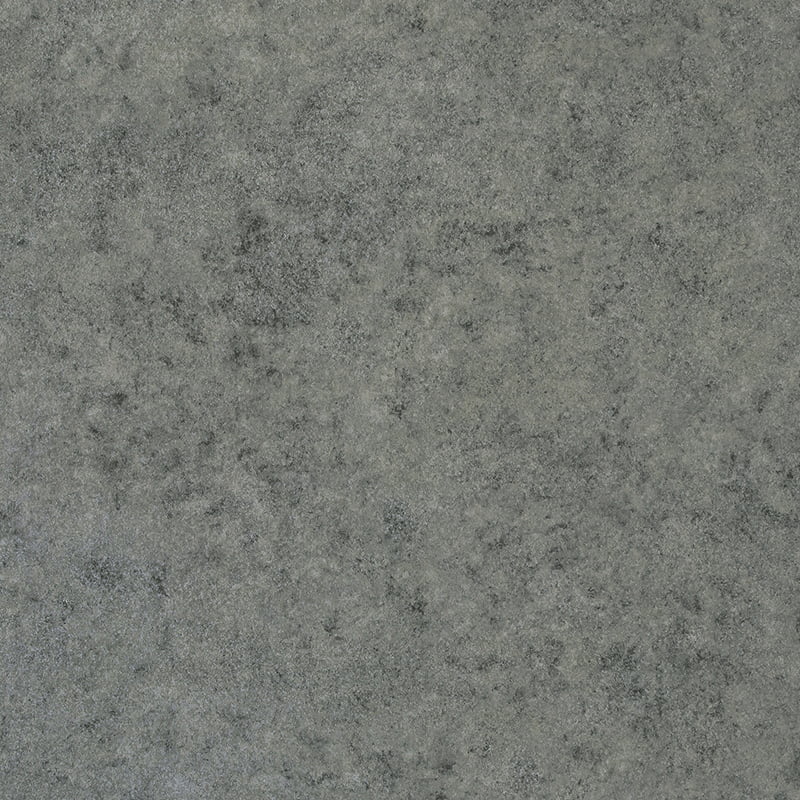
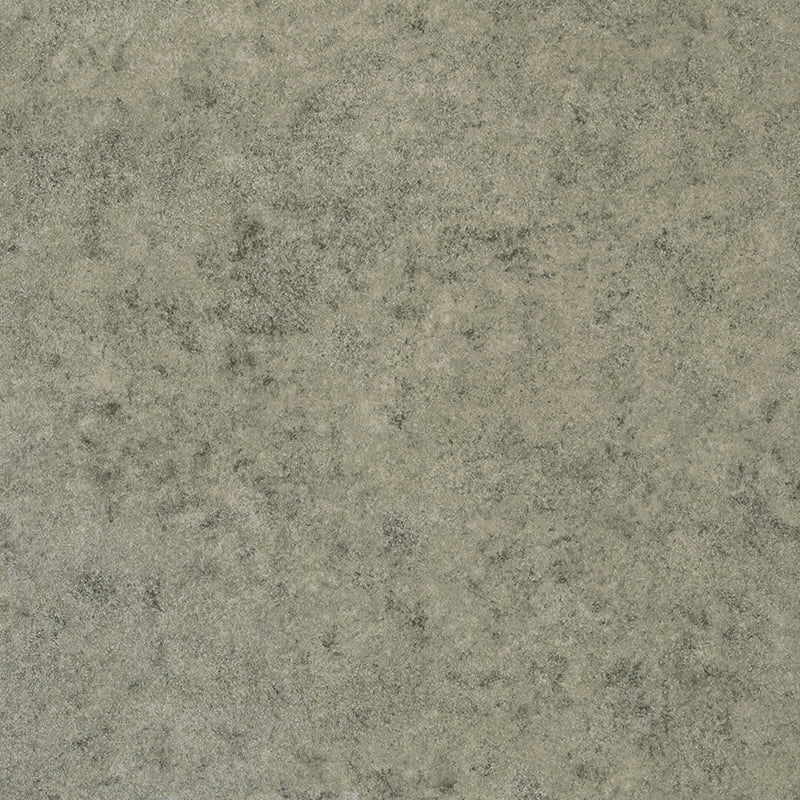
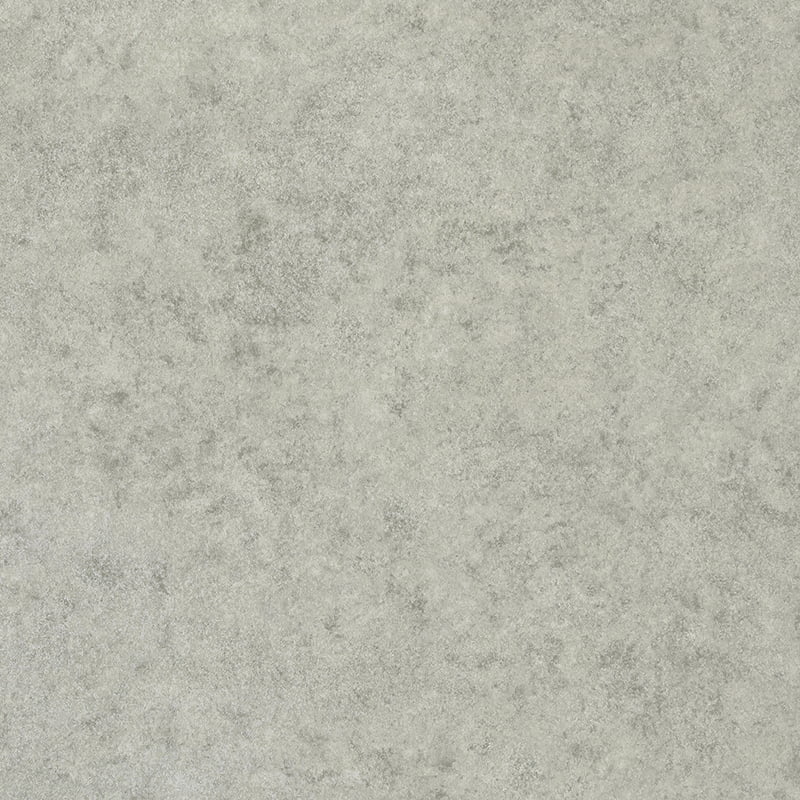
Model: YC7051
Wood: Stone
Spec: 1000*930mm
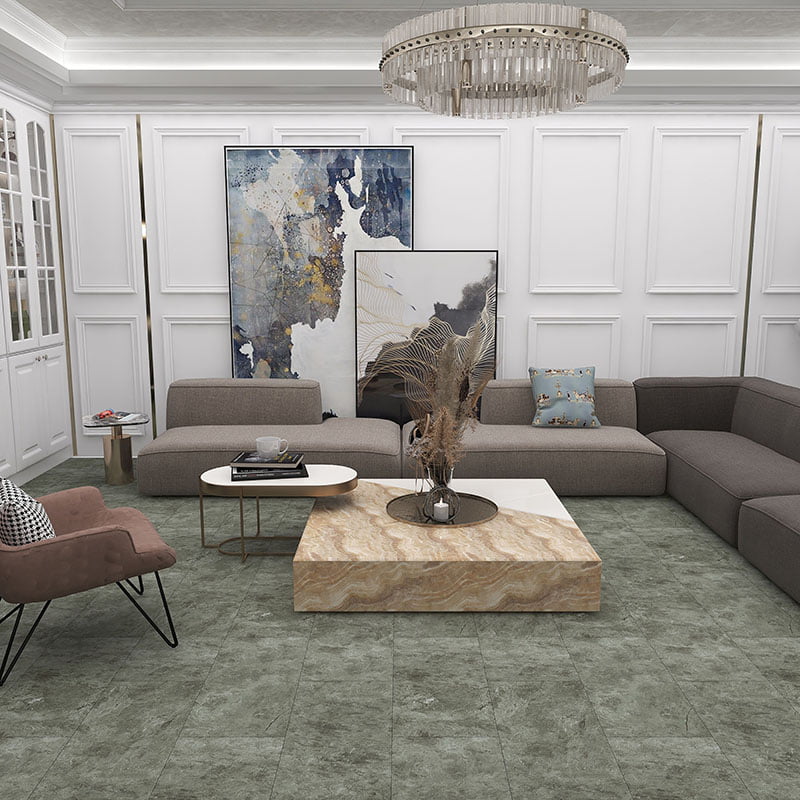
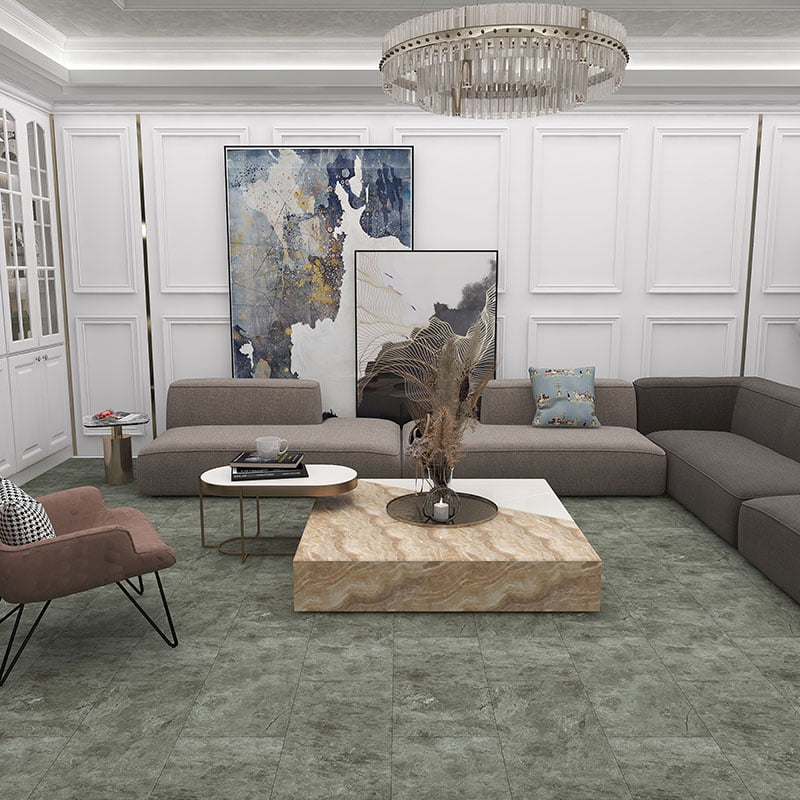
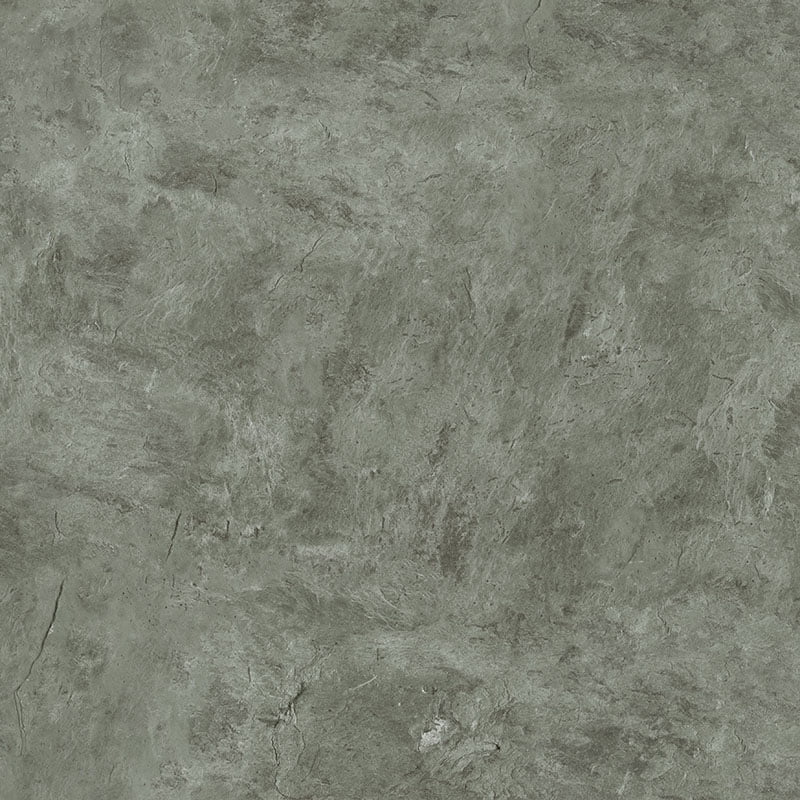
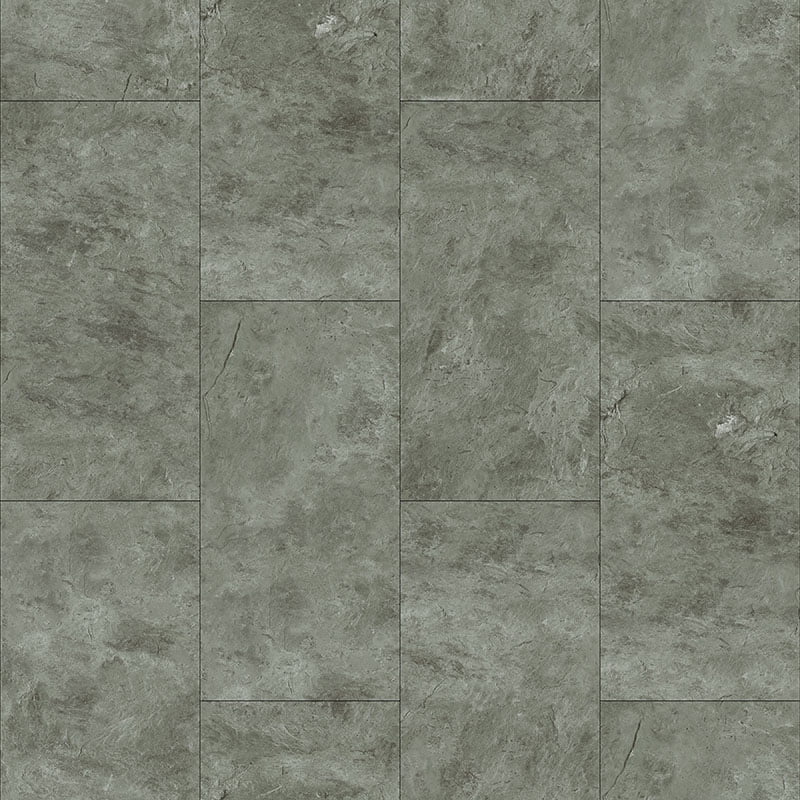
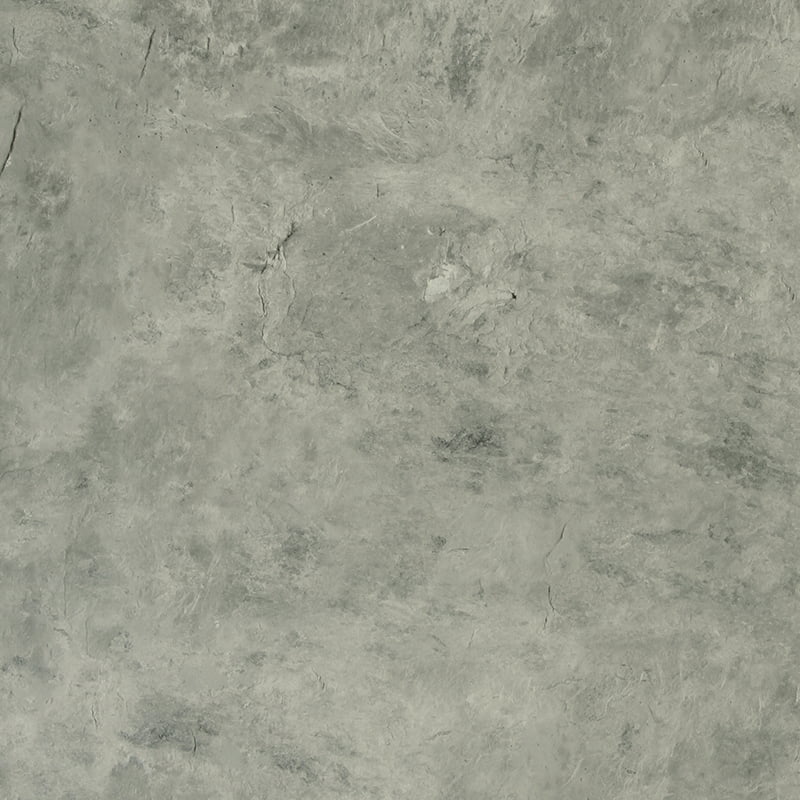
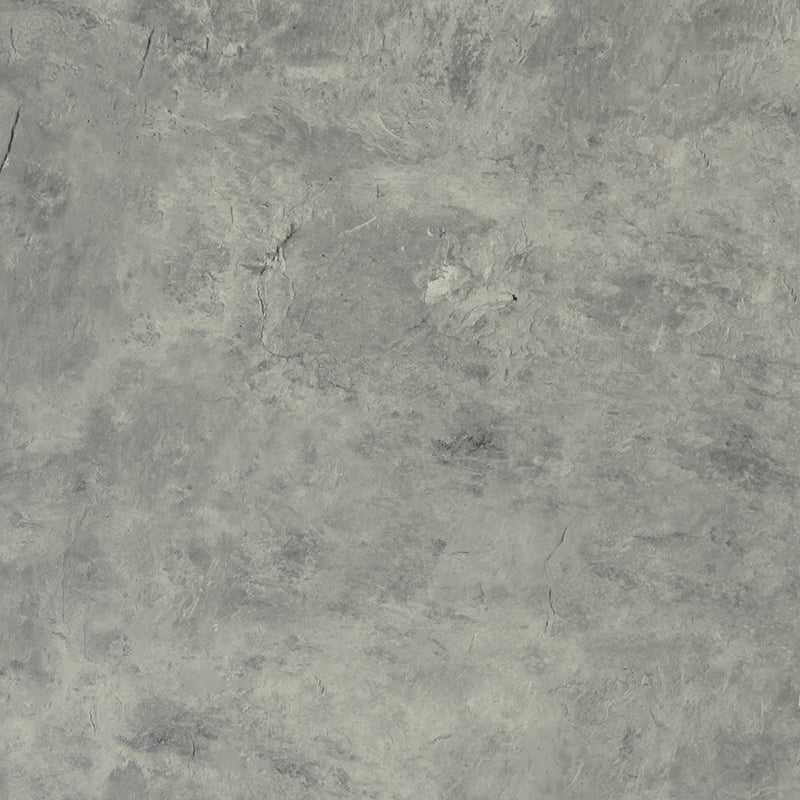
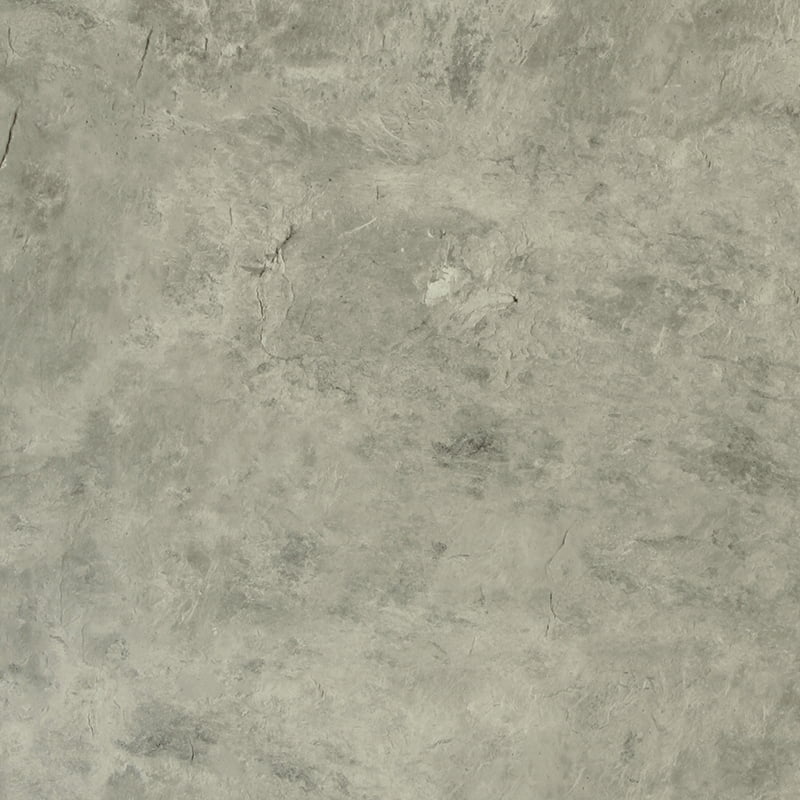
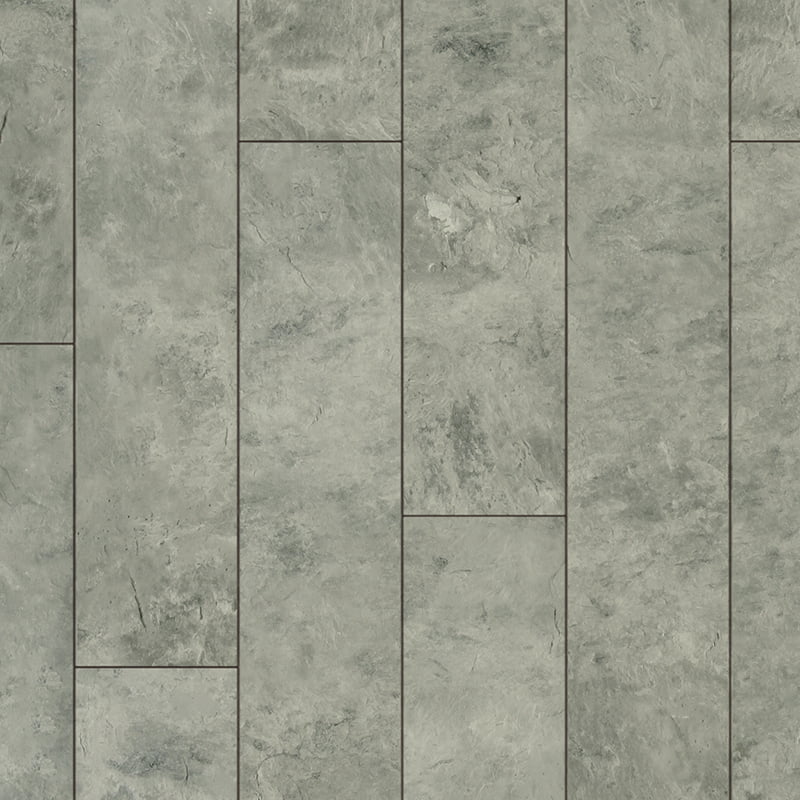
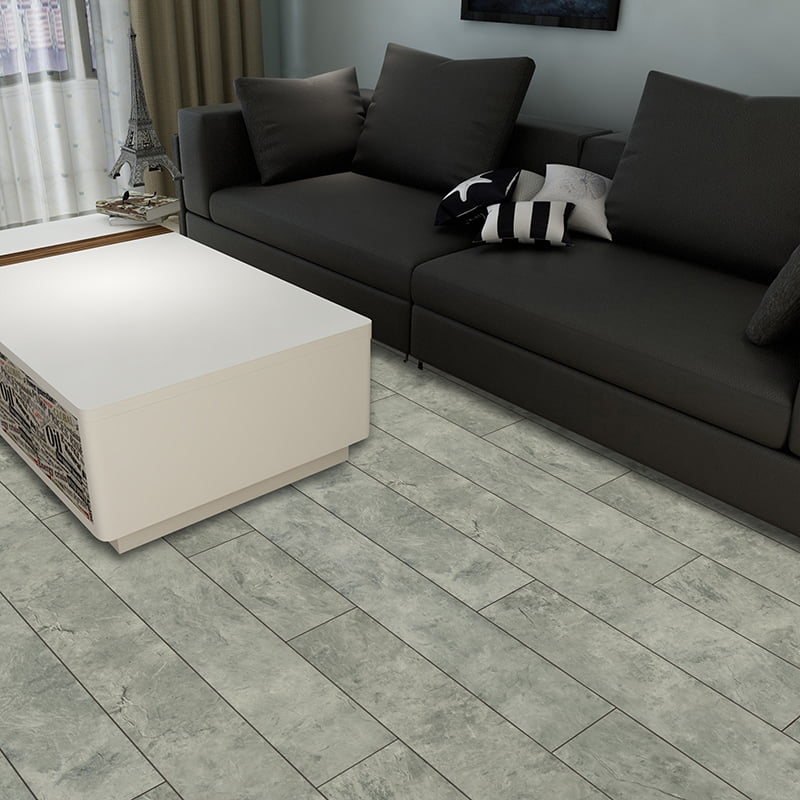
Model: YC7057
Wood: Stone
Spec: 1000*1098mm
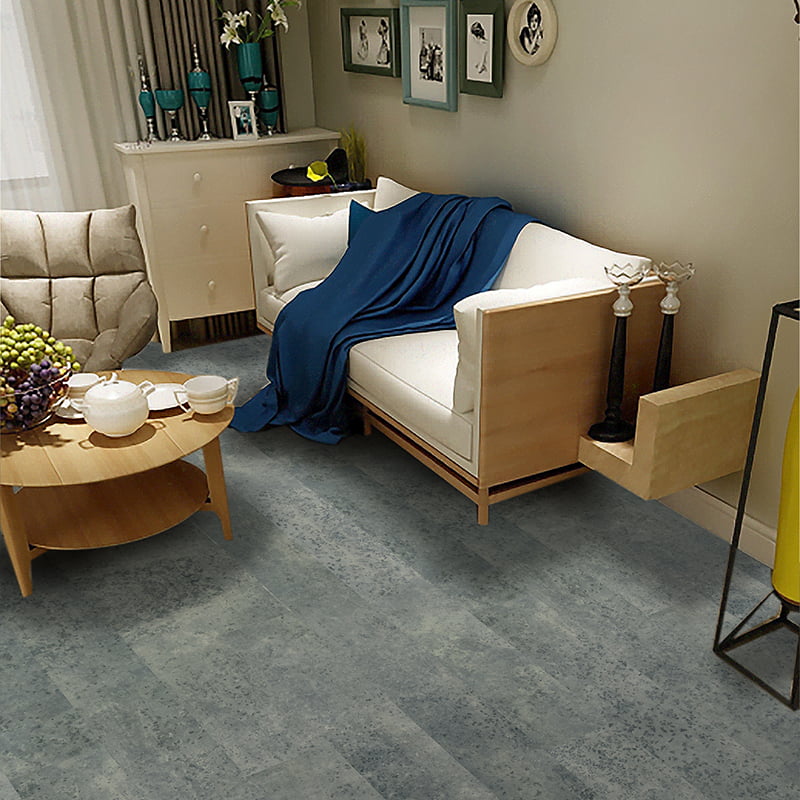
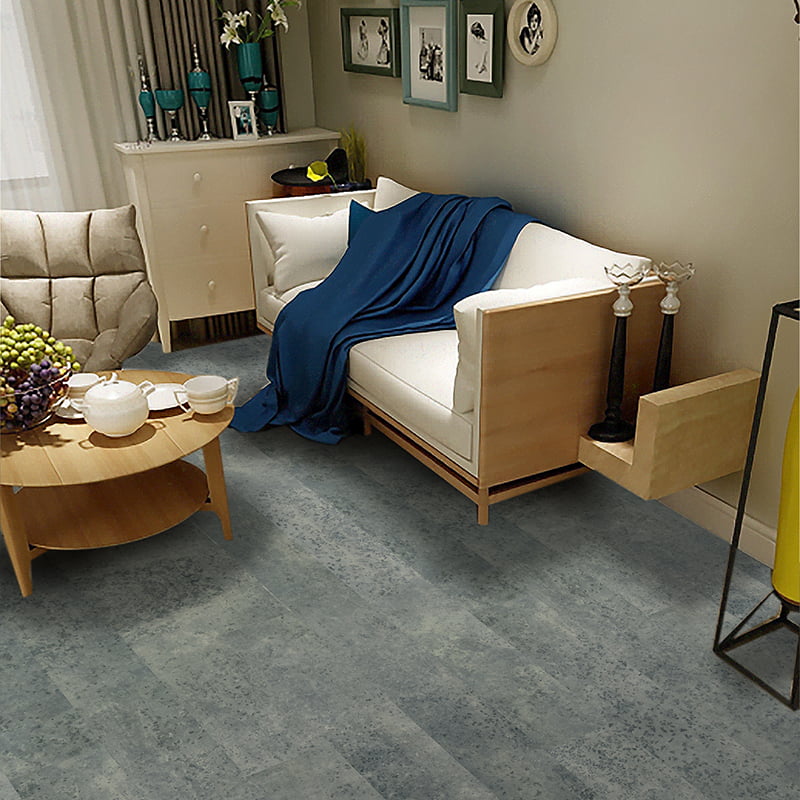
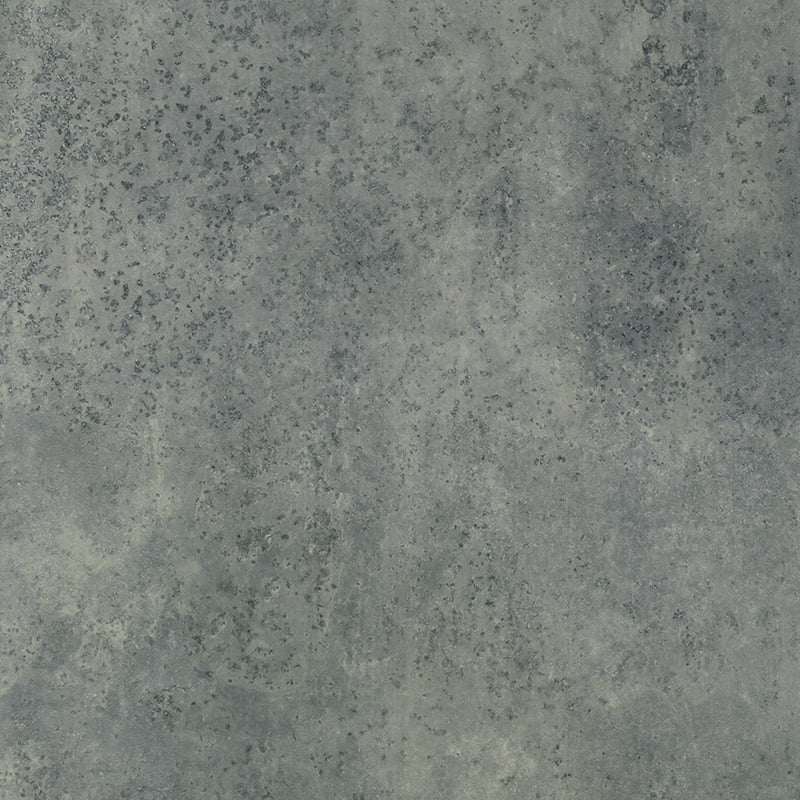
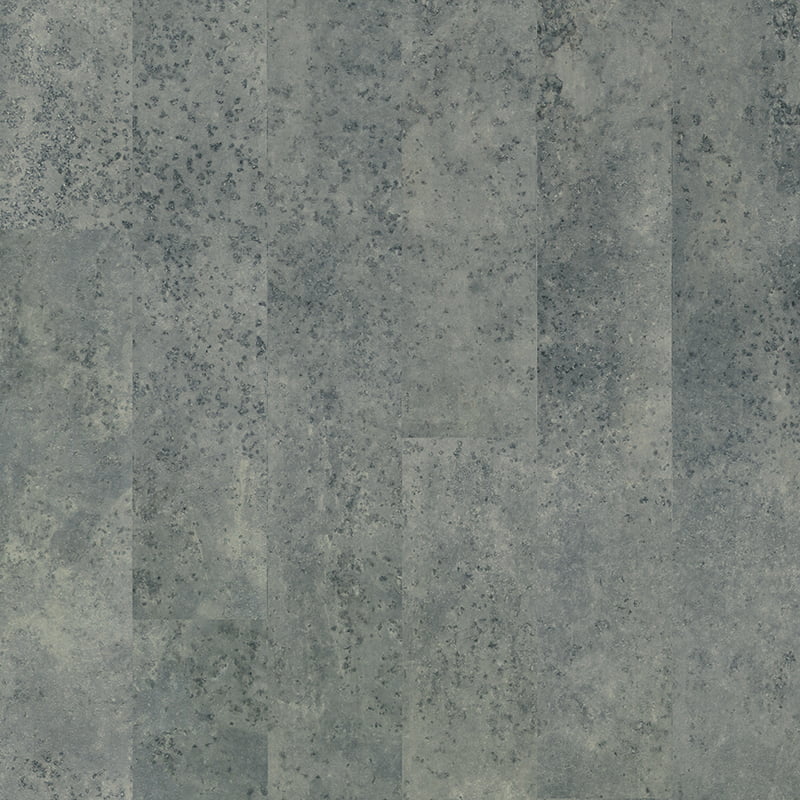
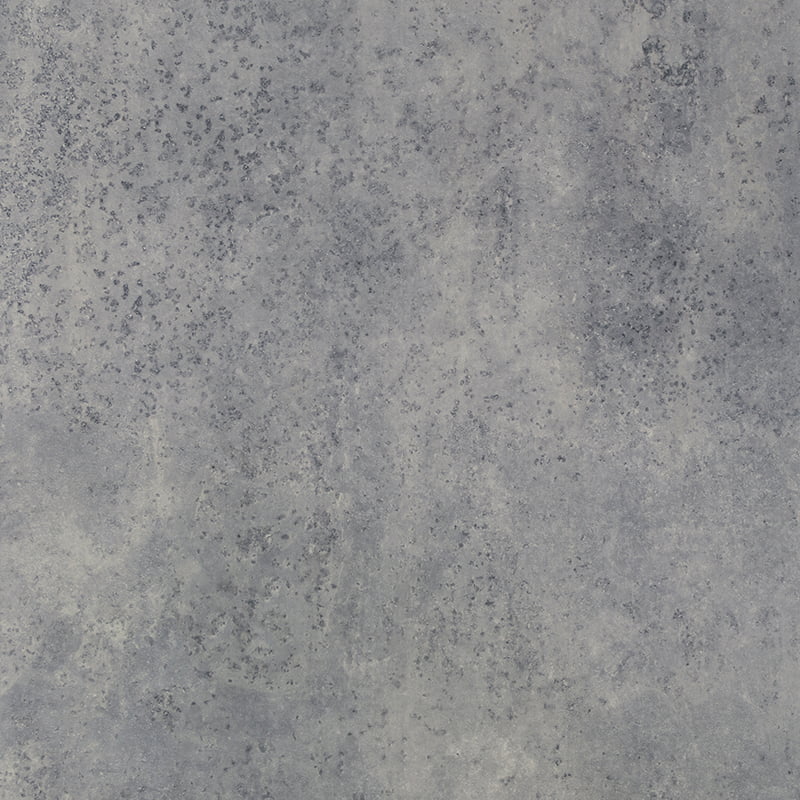
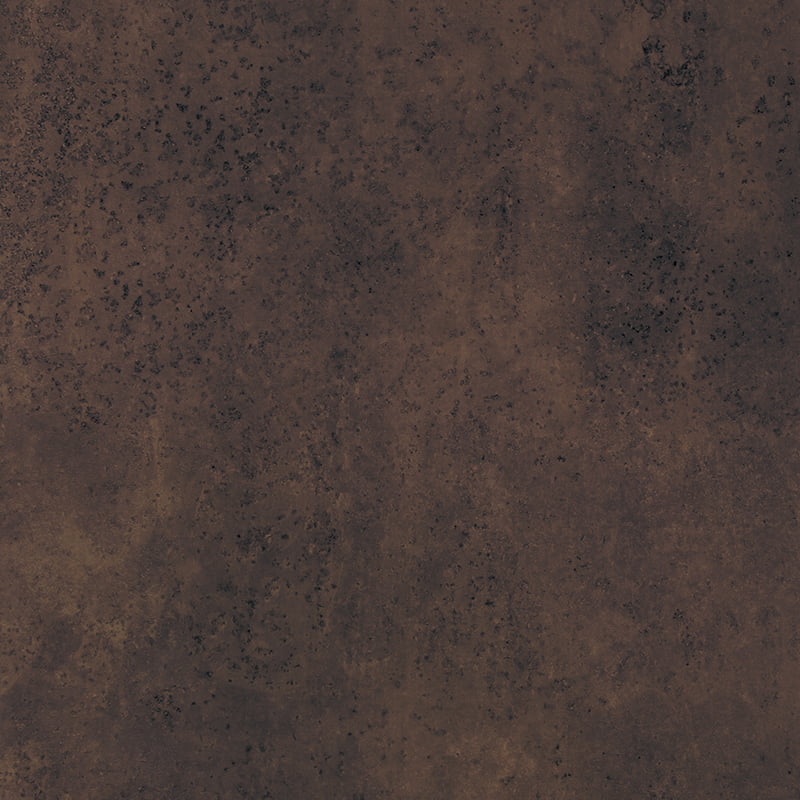
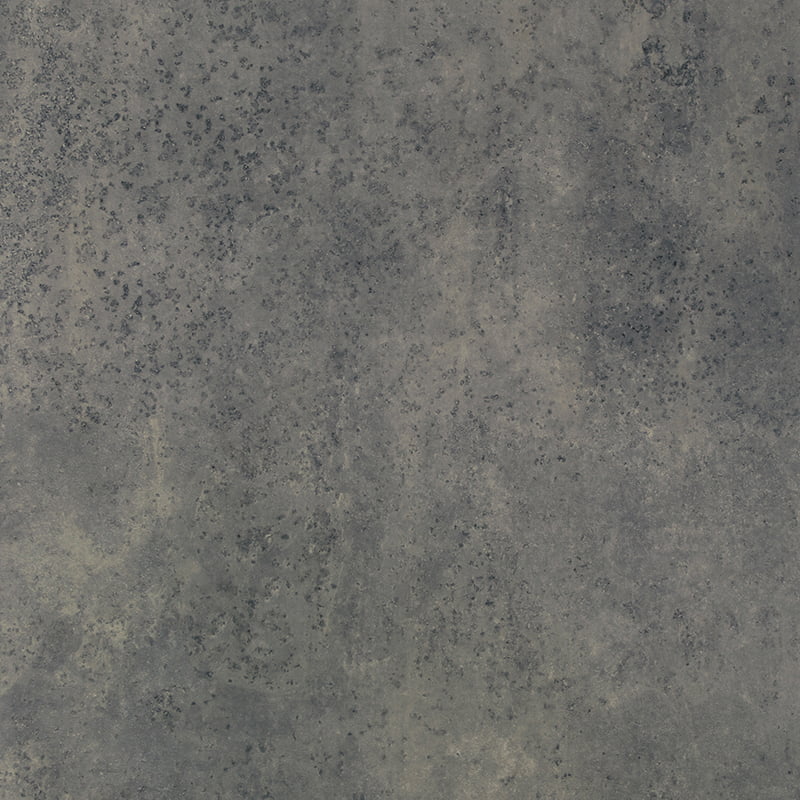
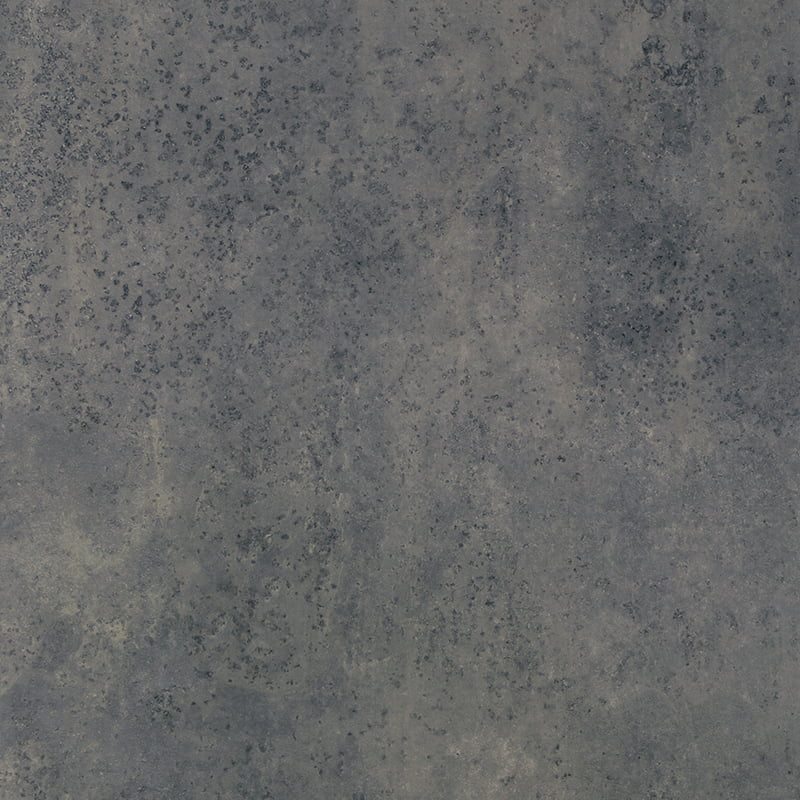
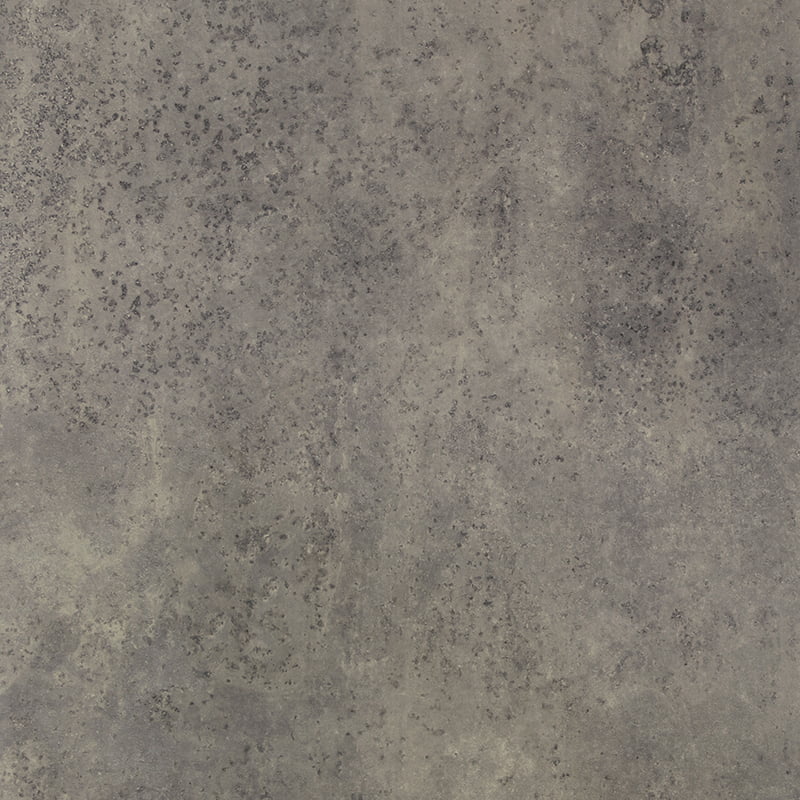
Model: YC7183
Wood: Stone
Spec: 1000*1580mm
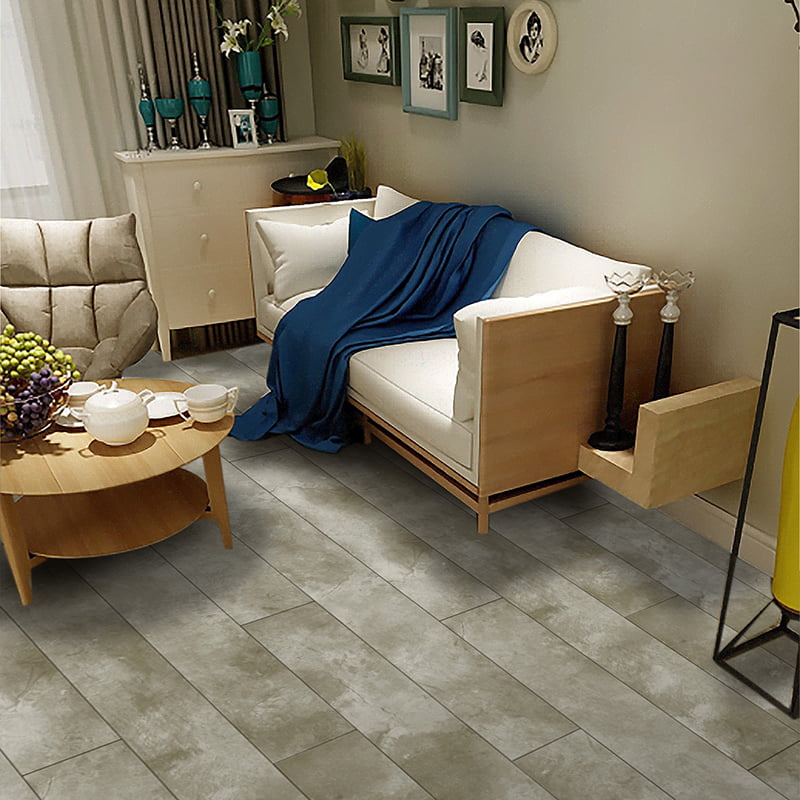
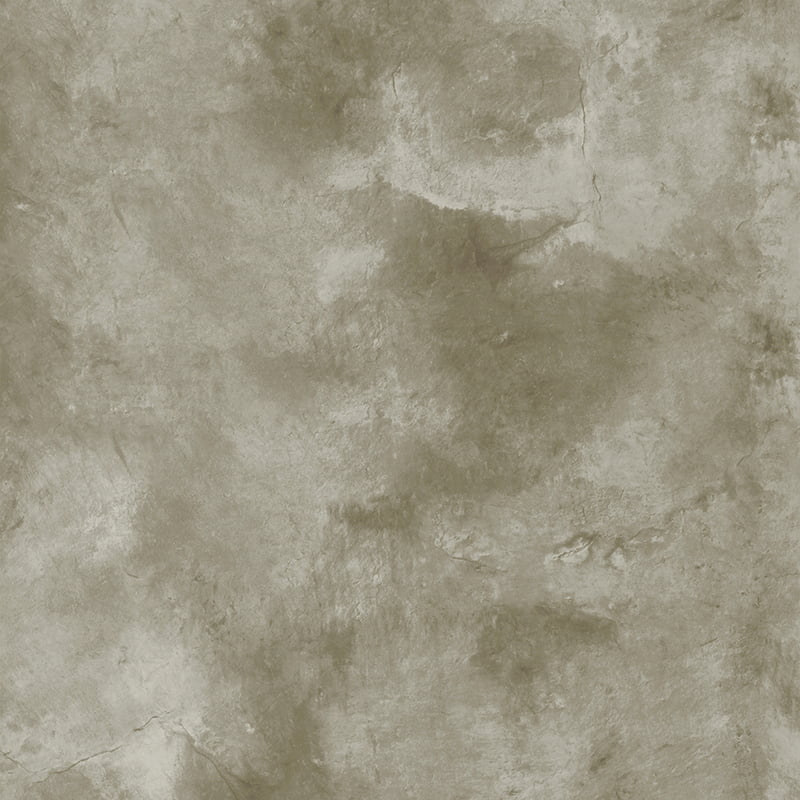
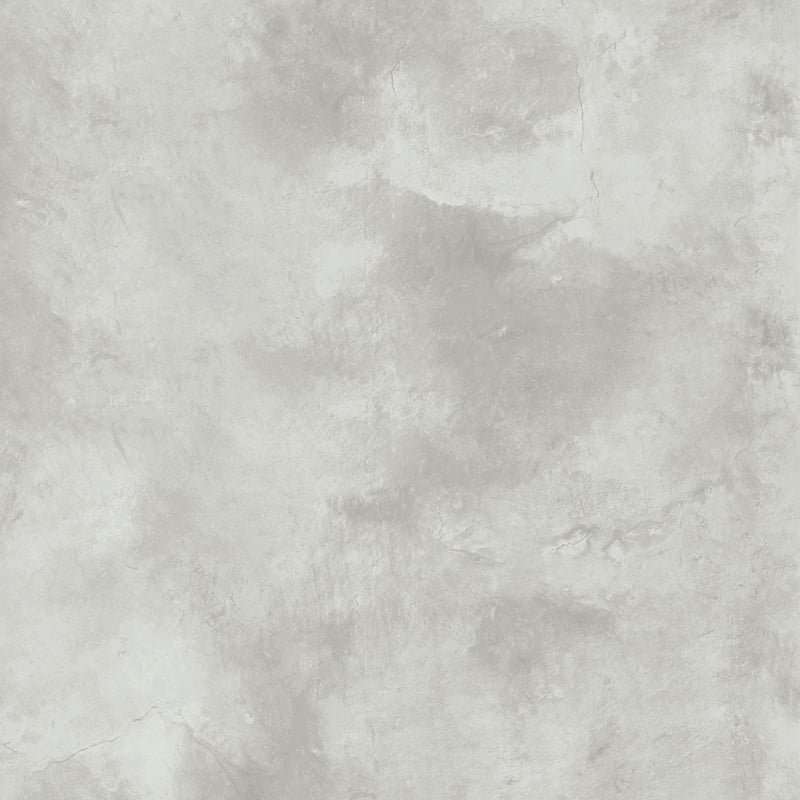
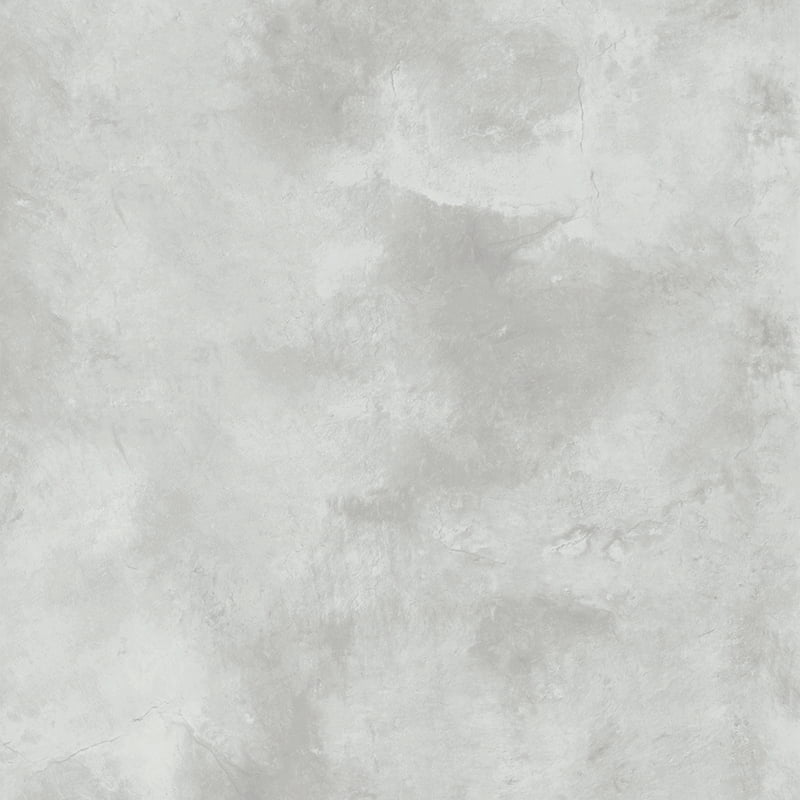
Model: YC7331
Wood: Stone
Spec: 1000*1280mm
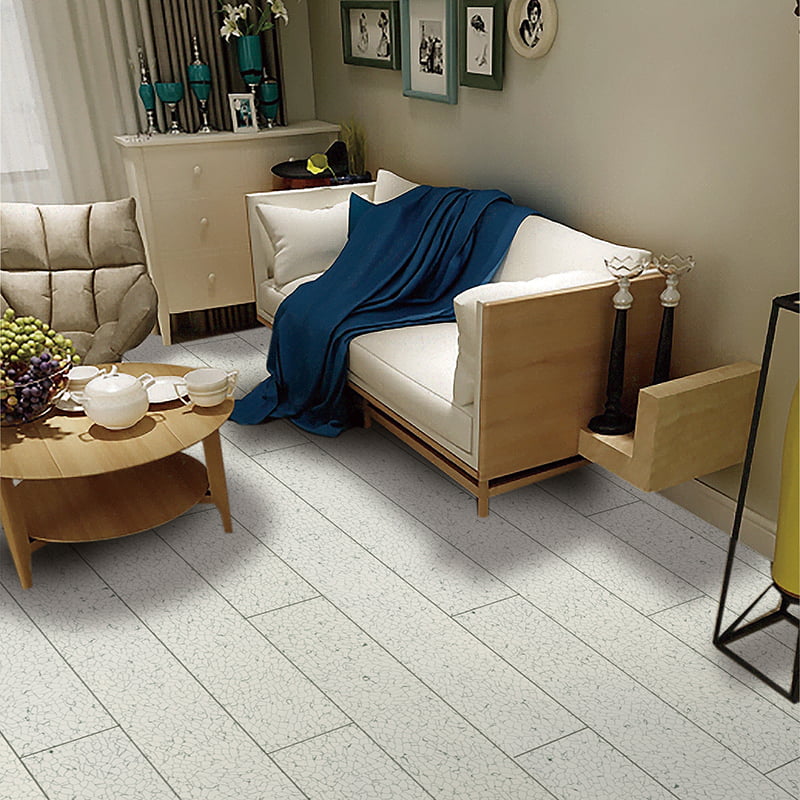




Model: YC8021
Wood: Stone
Spec: 1300*1260mm
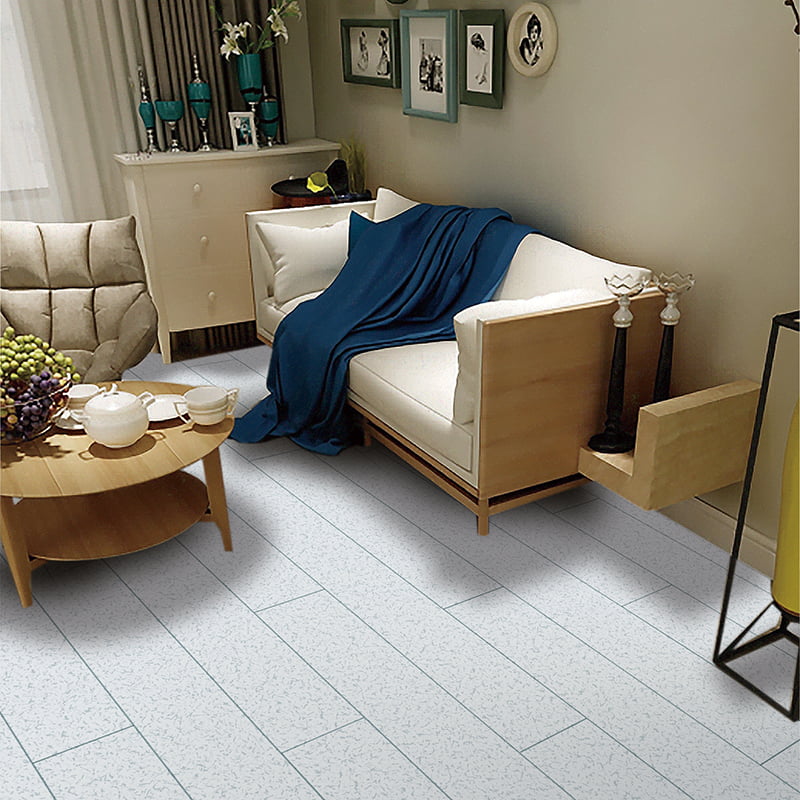
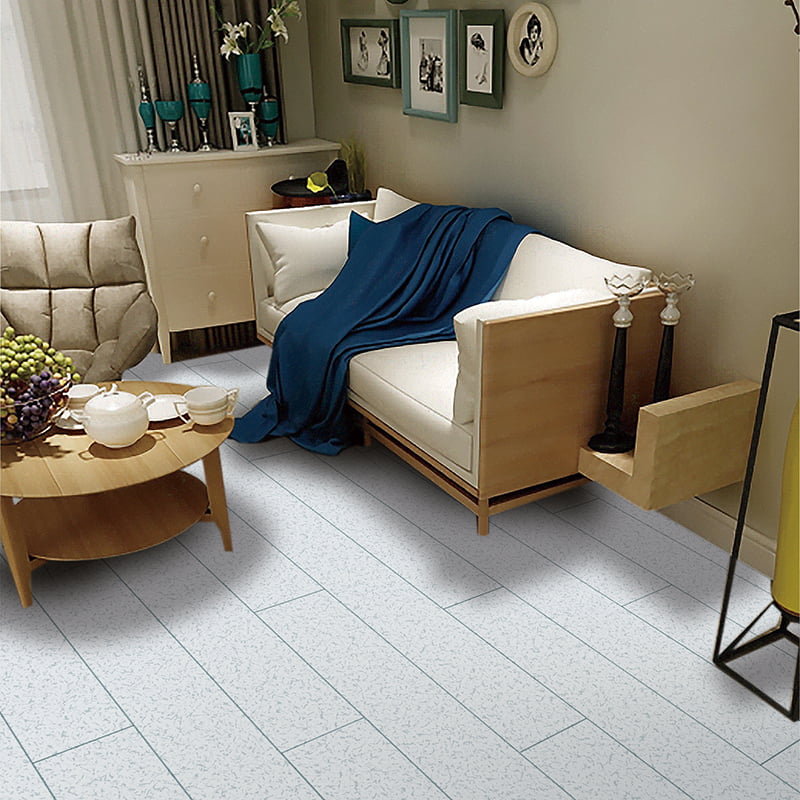

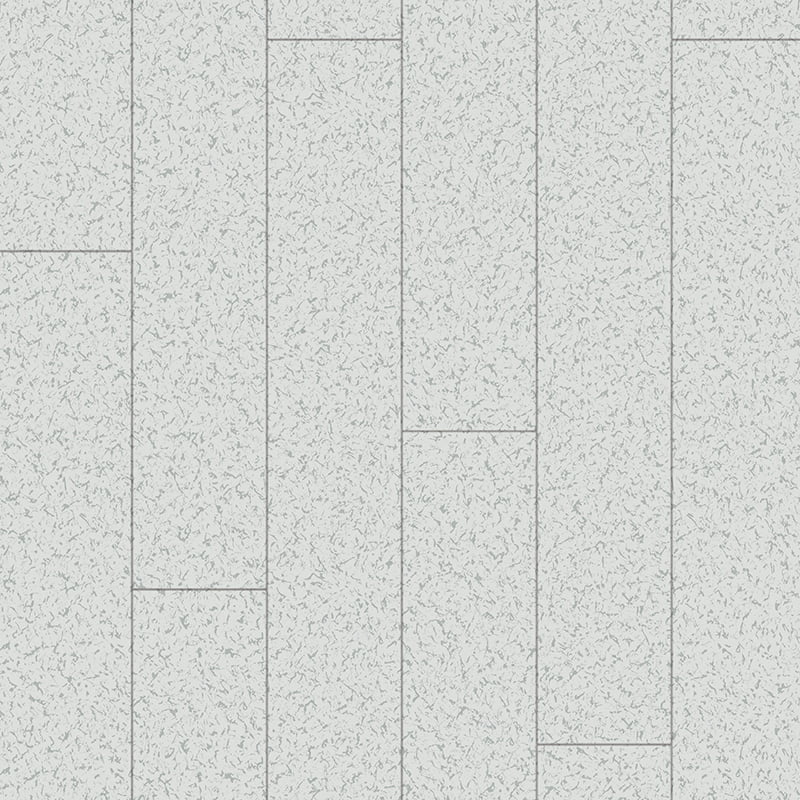
Model: YC8022
Wood: Stone
Spec: 1300*1270mm
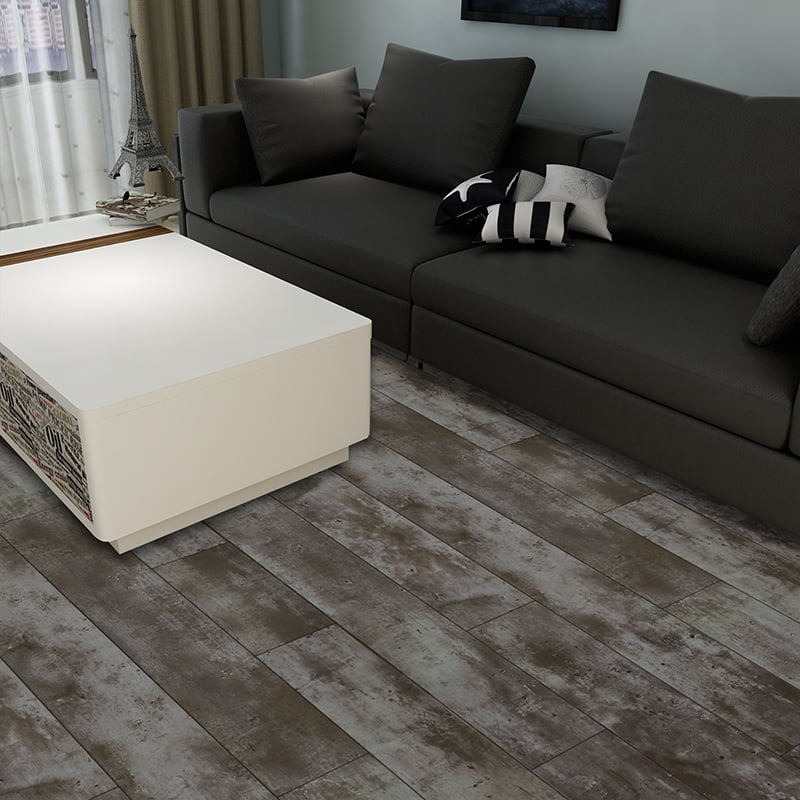
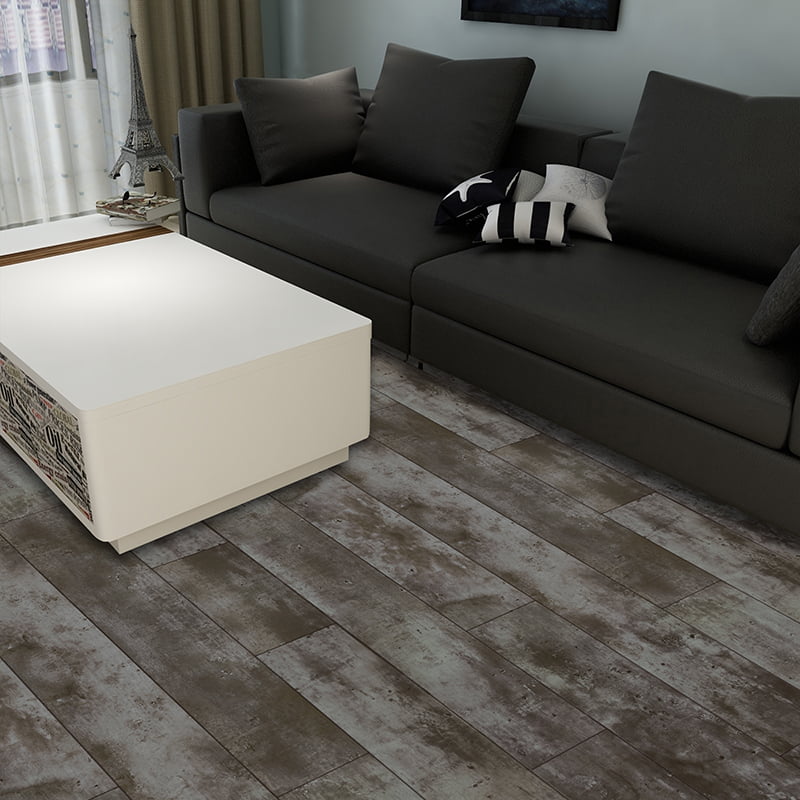
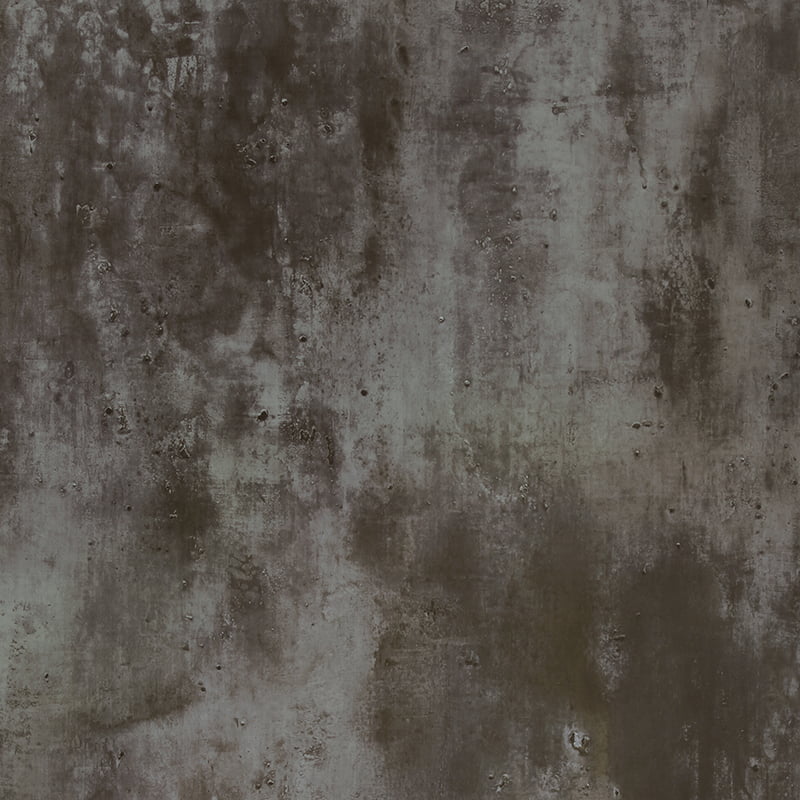
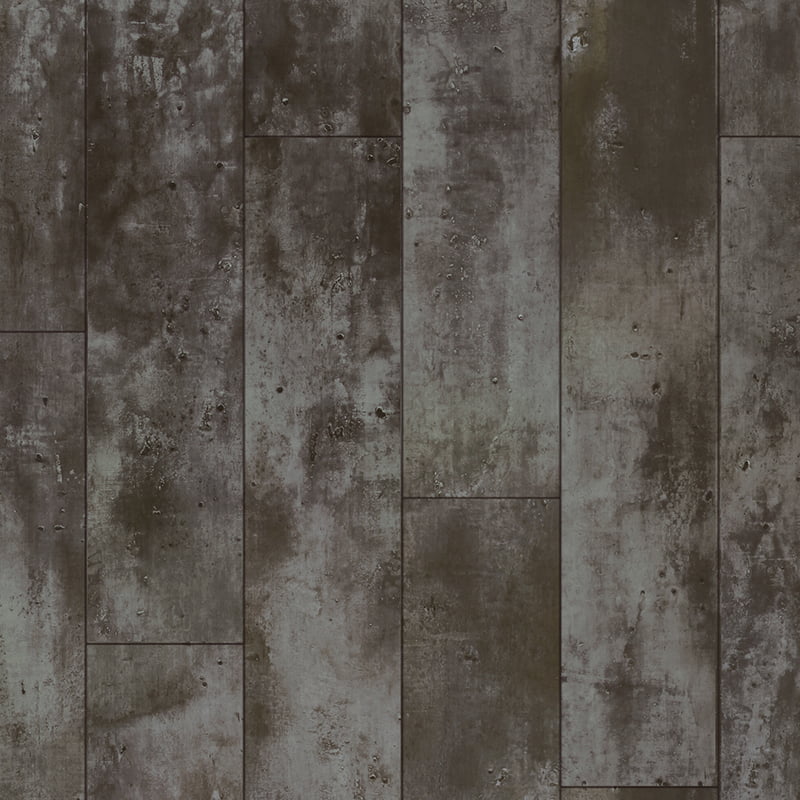
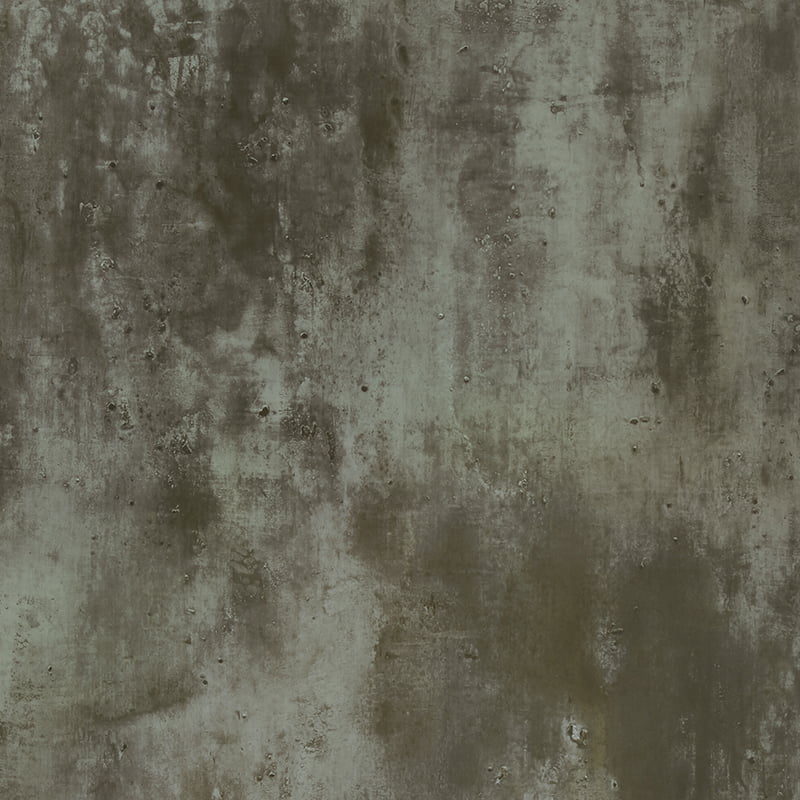
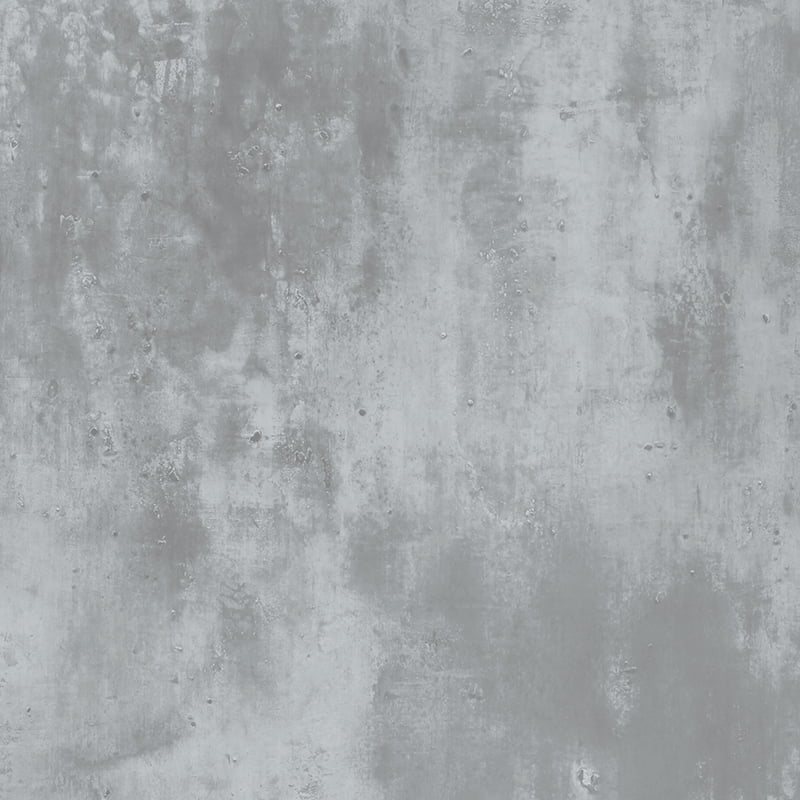
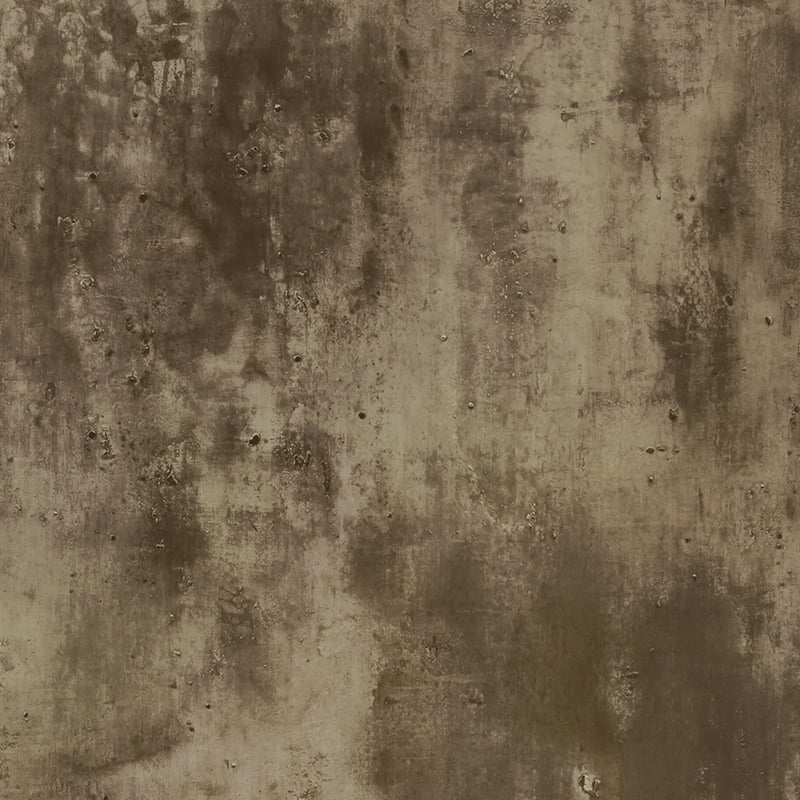
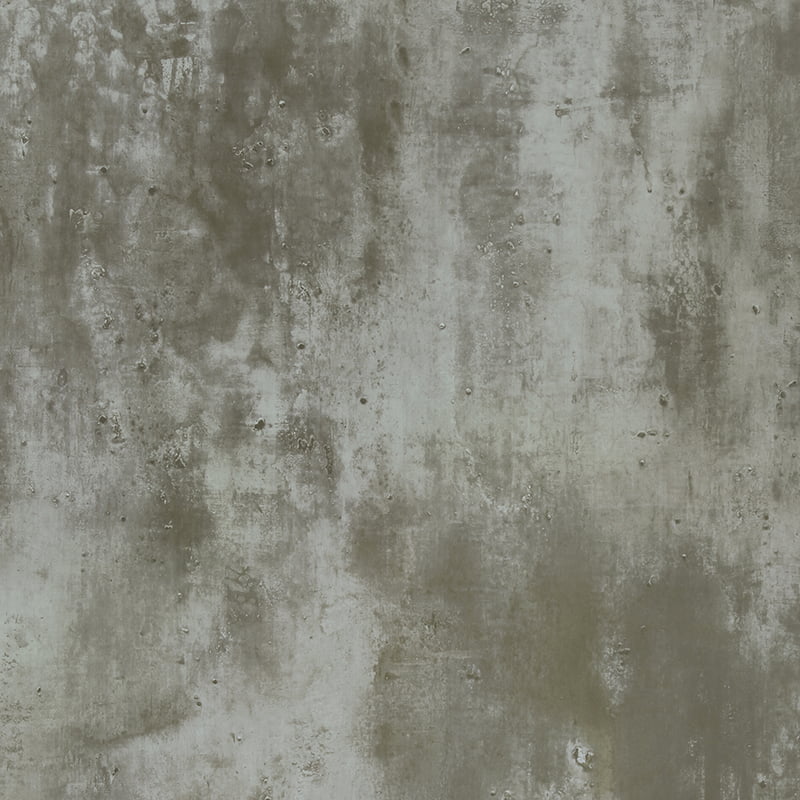
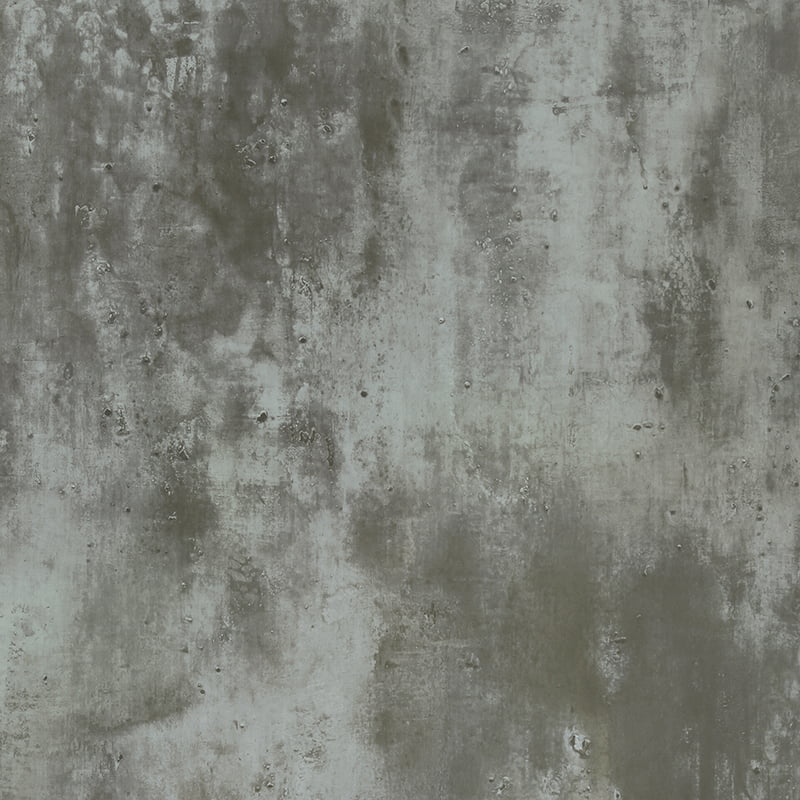
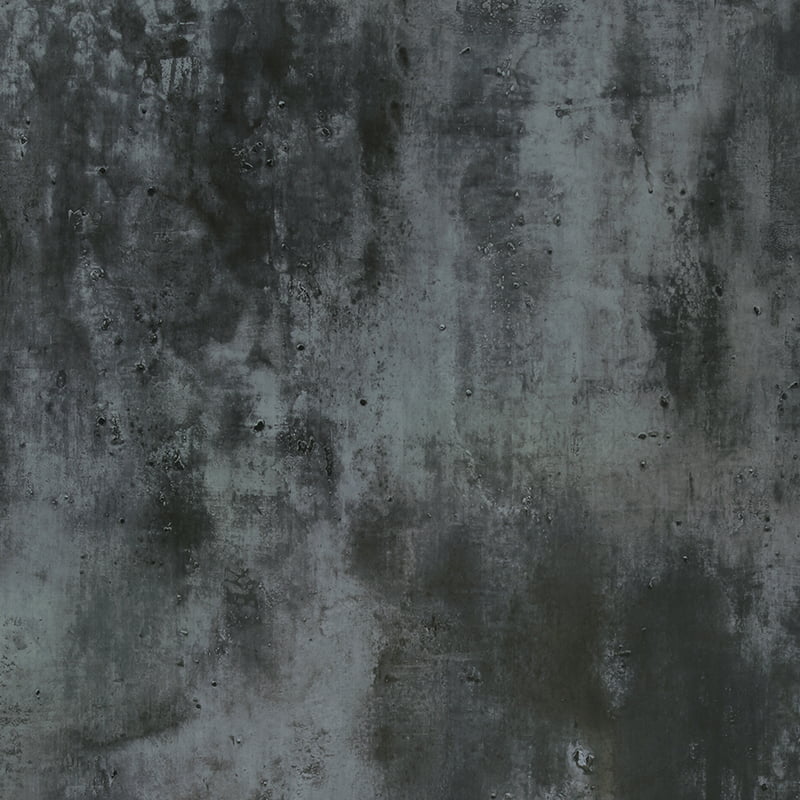
Model: YC8169
Wood: Stone
Spec: 1000*1000mm
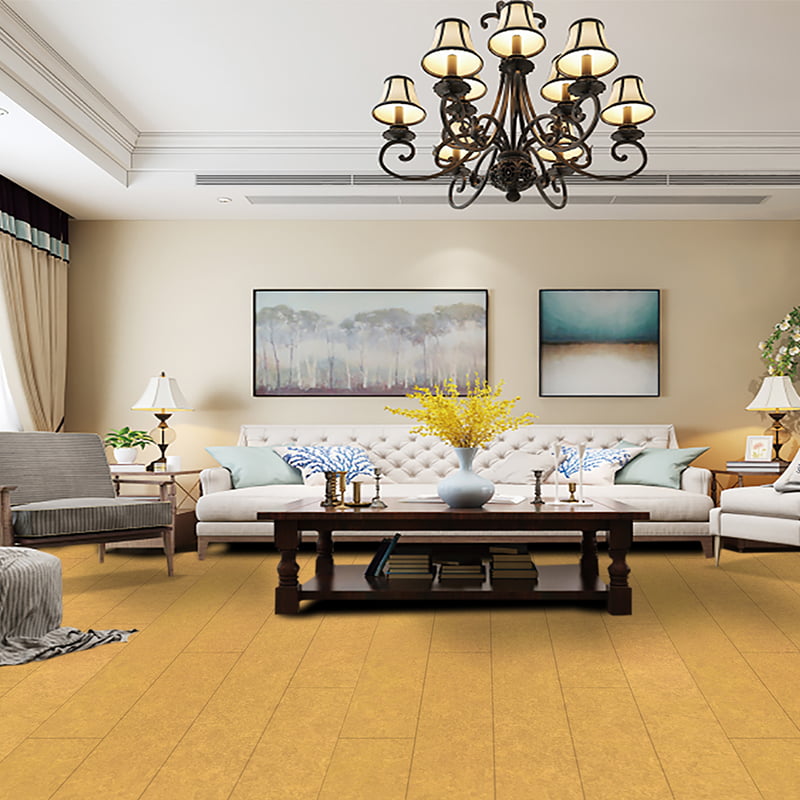
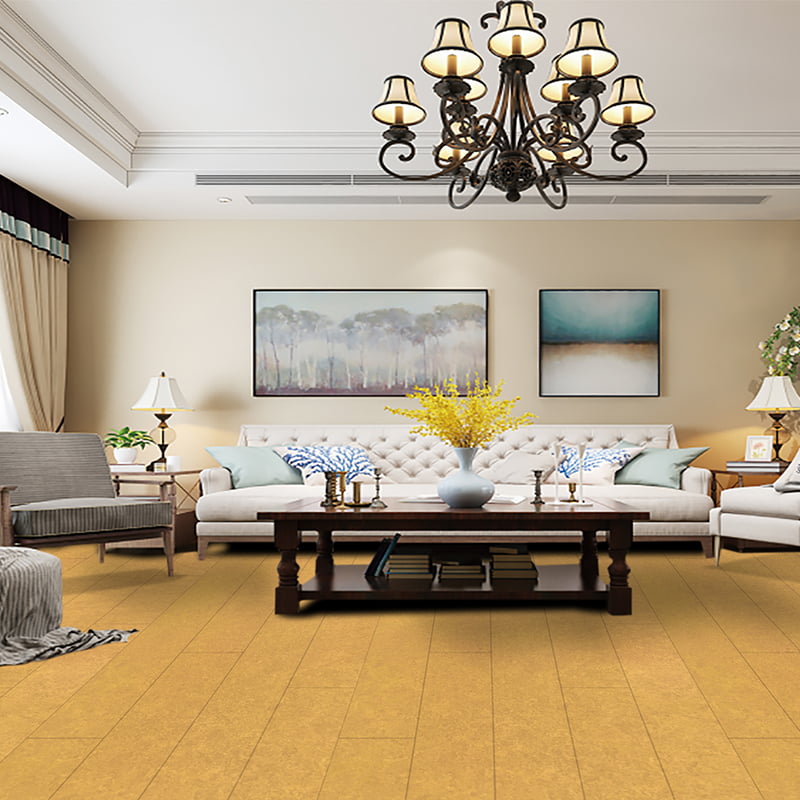





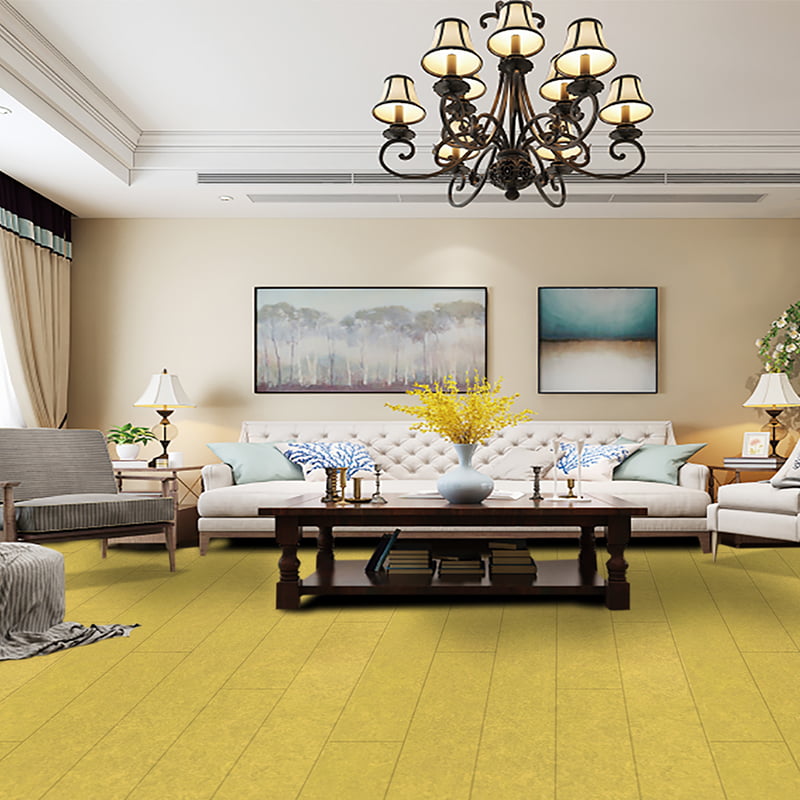


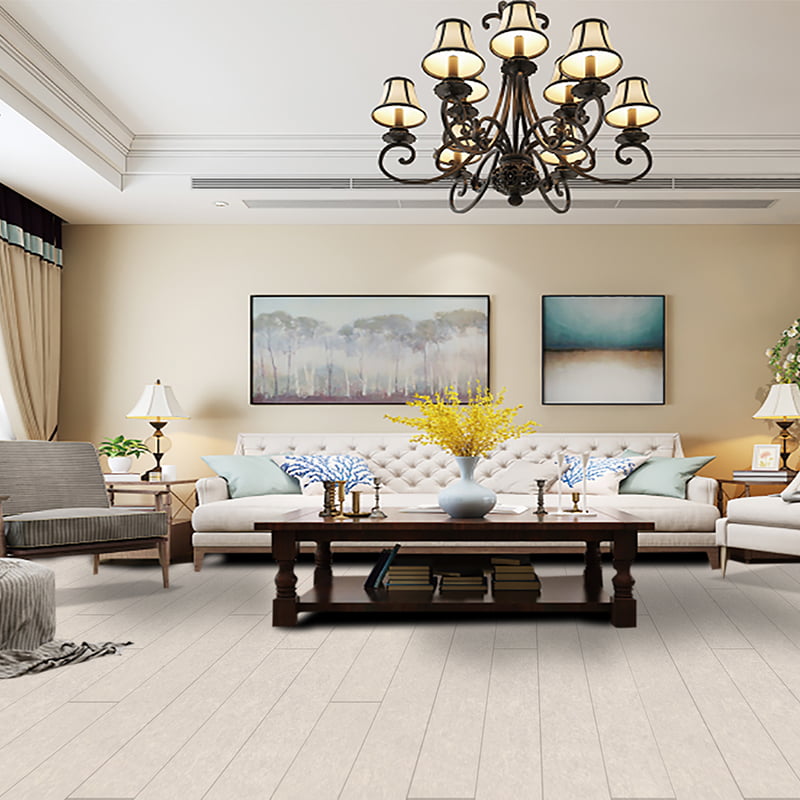


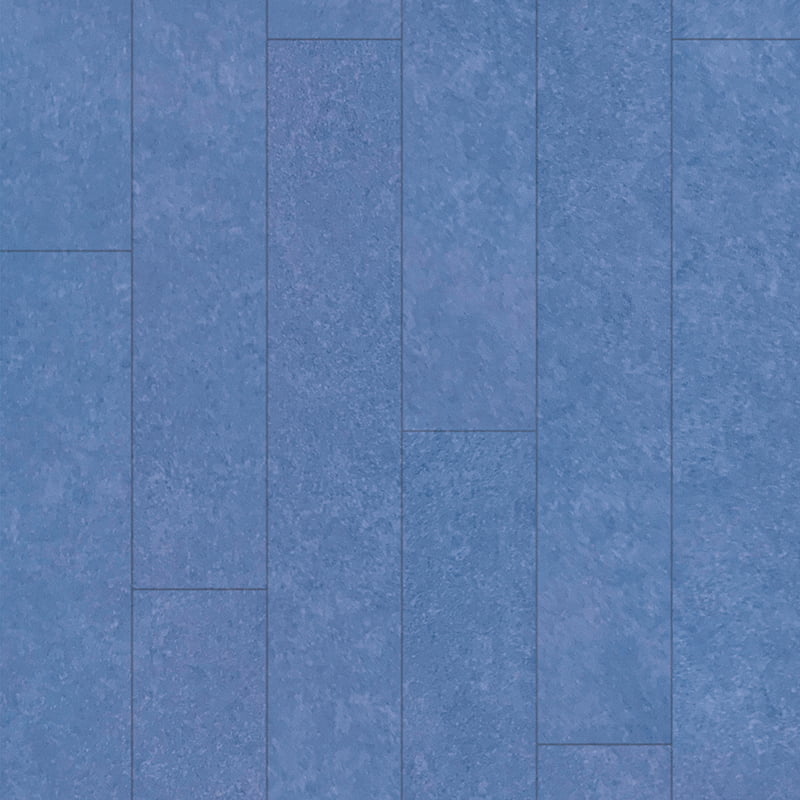
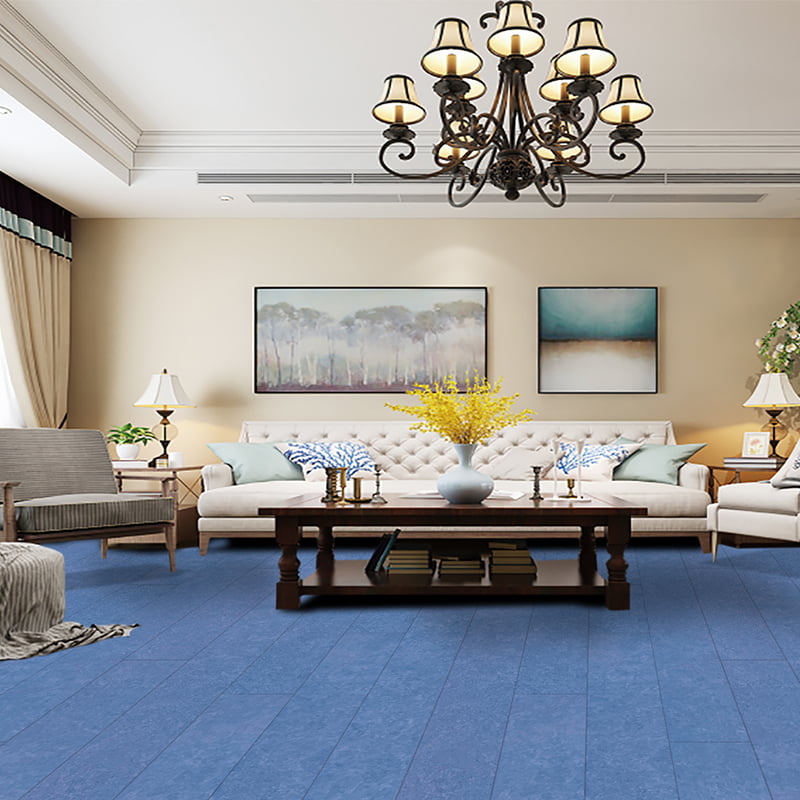


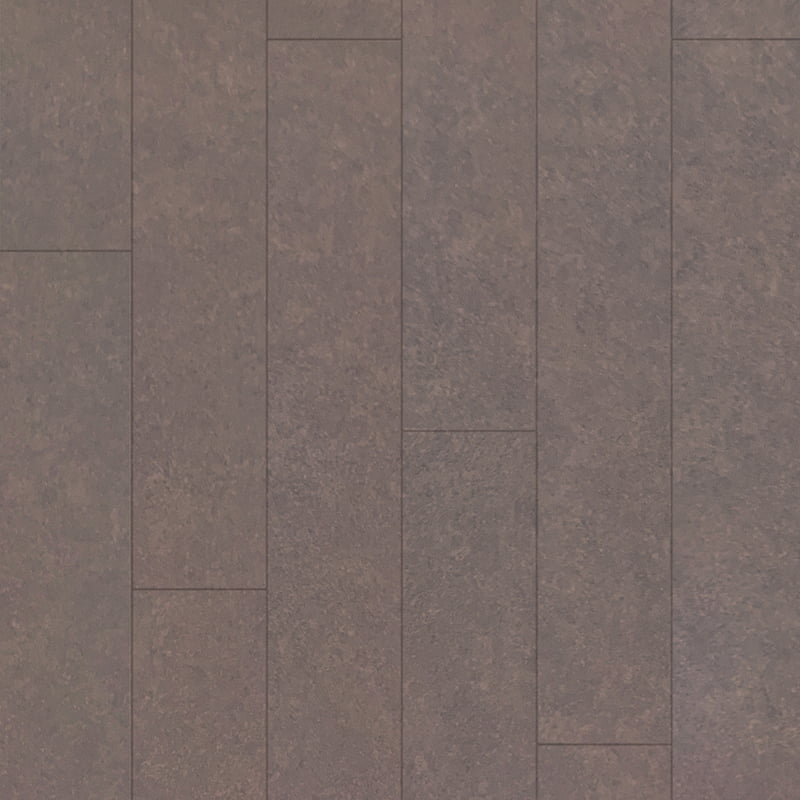
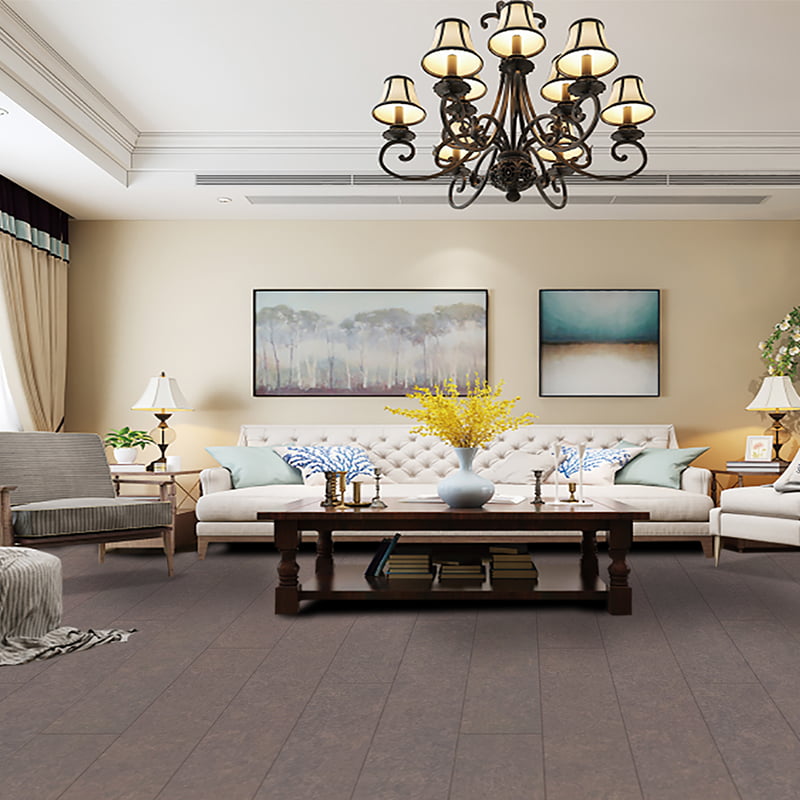


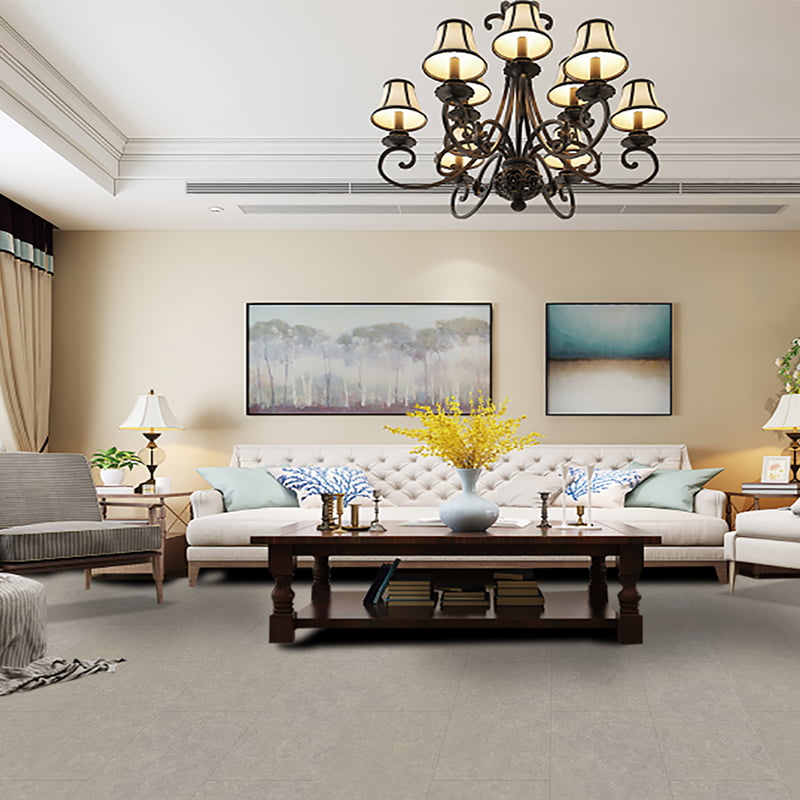



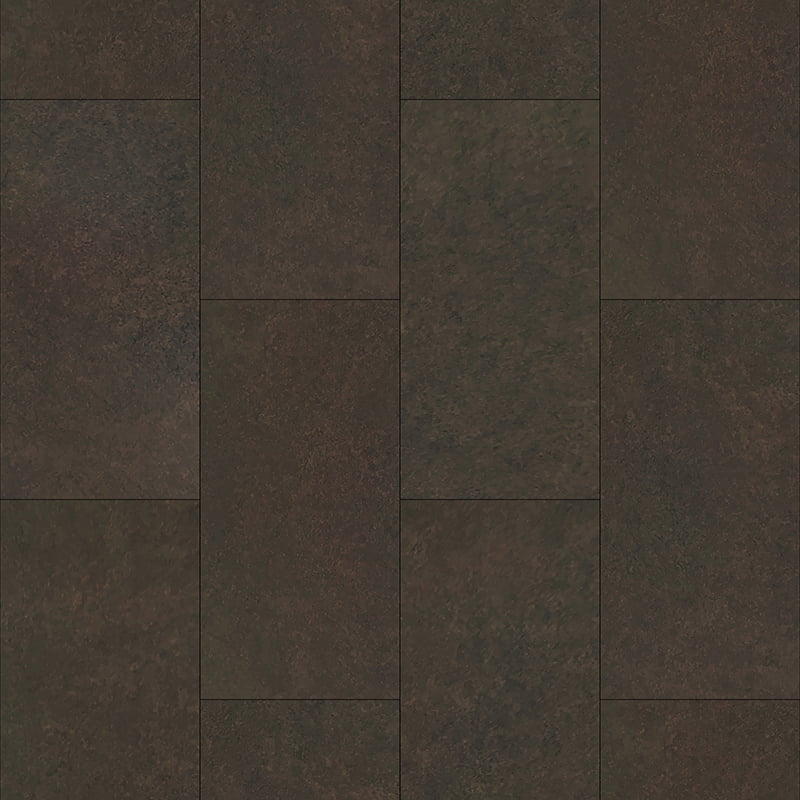
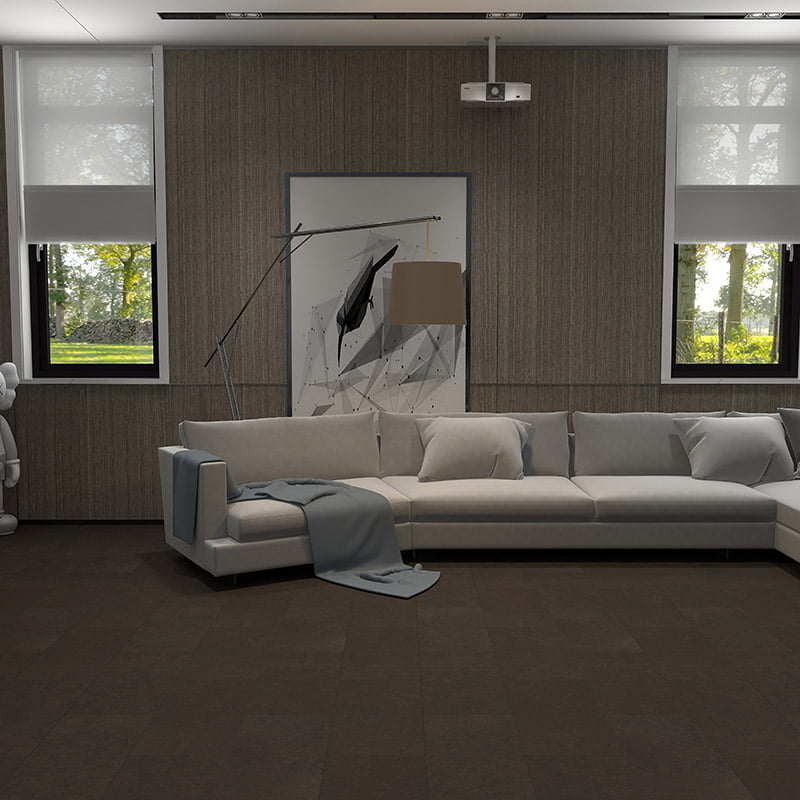



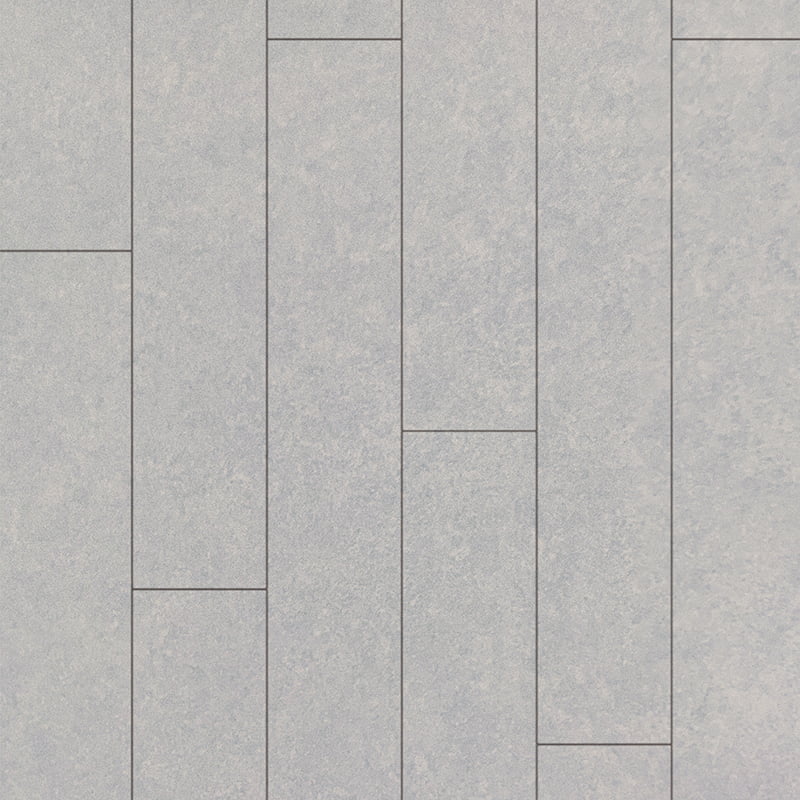
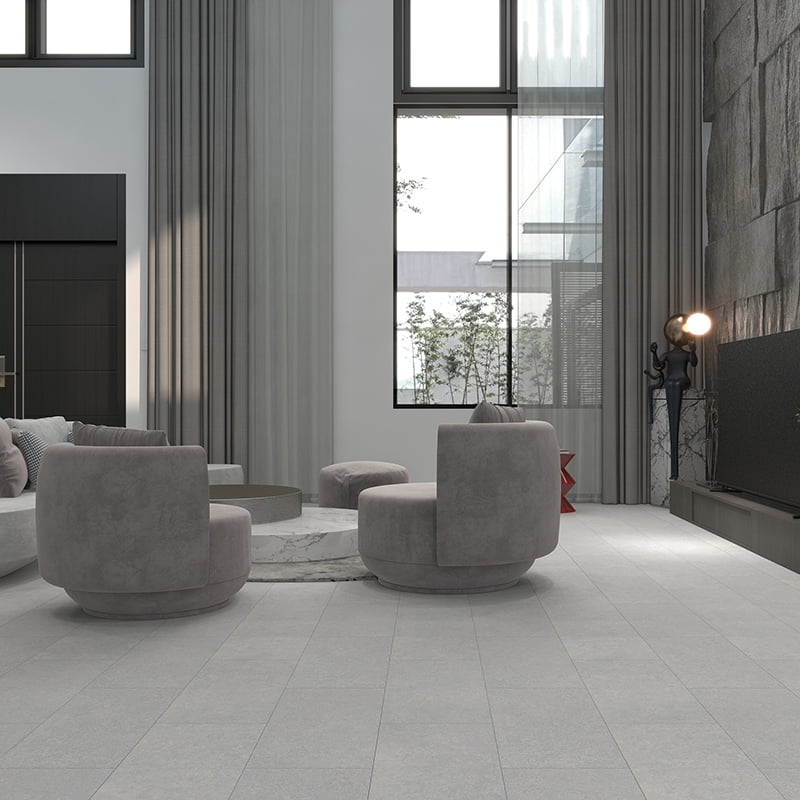
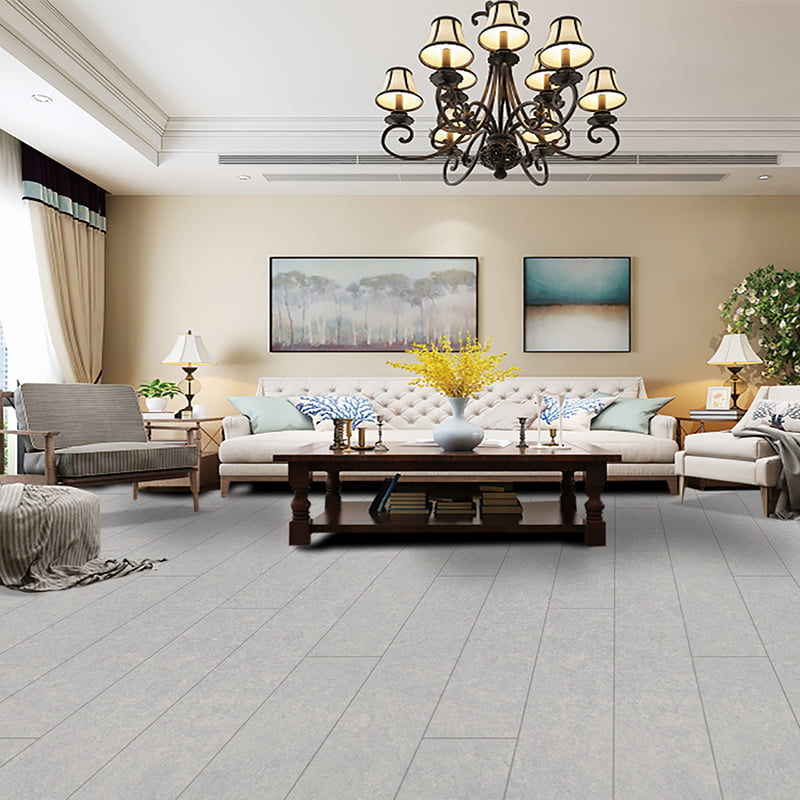
Model: YC8170
Wood: Stone
Spec: 1000*1260mm
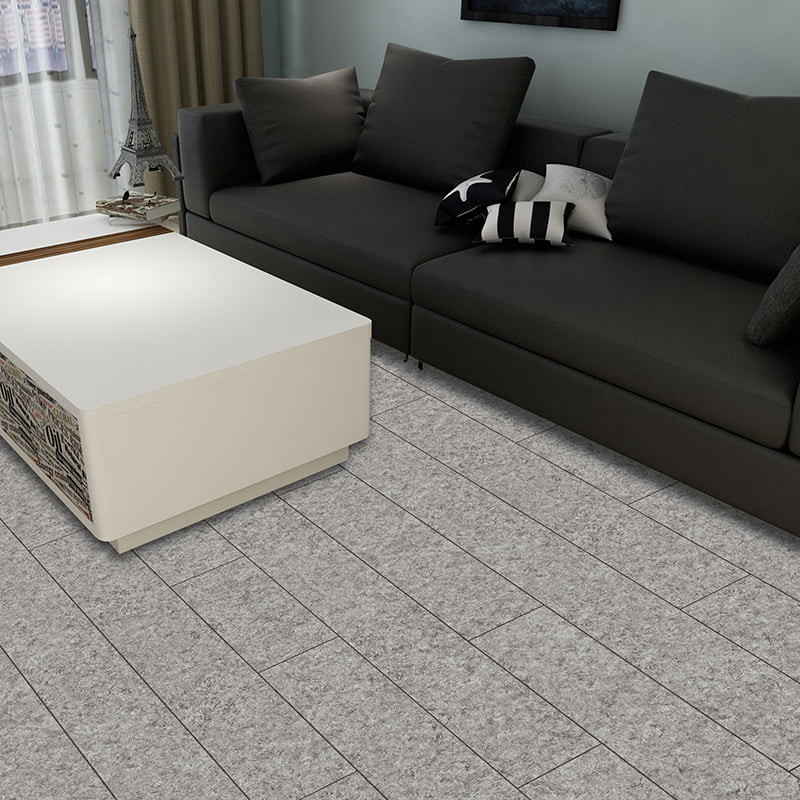
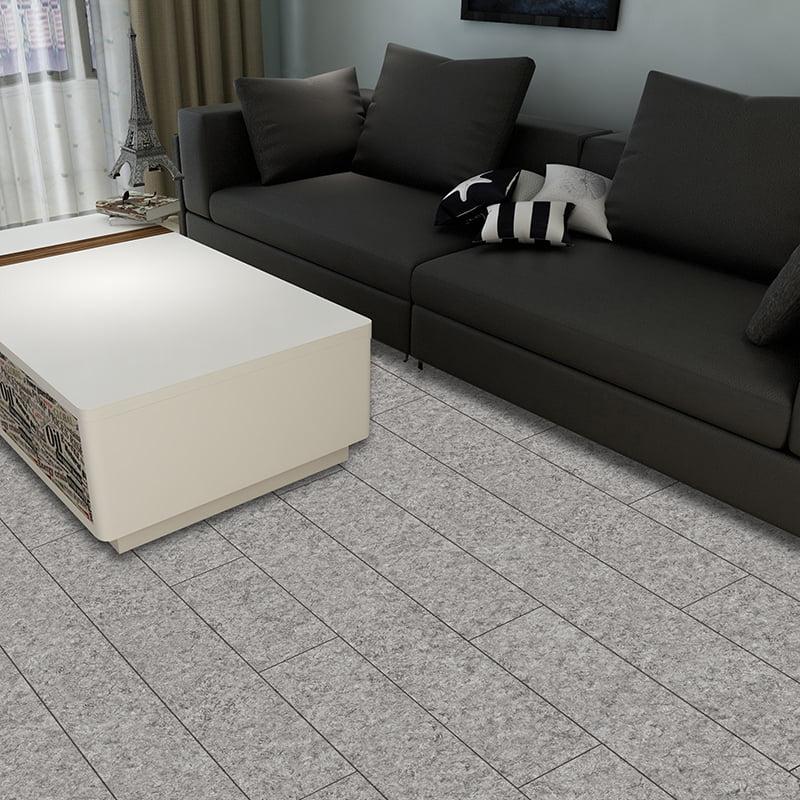

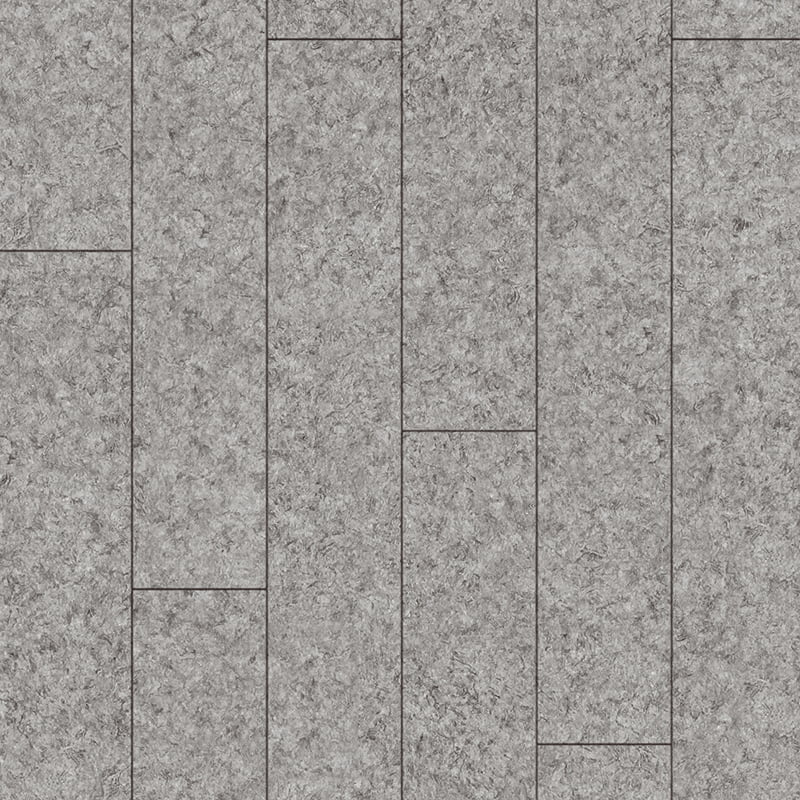
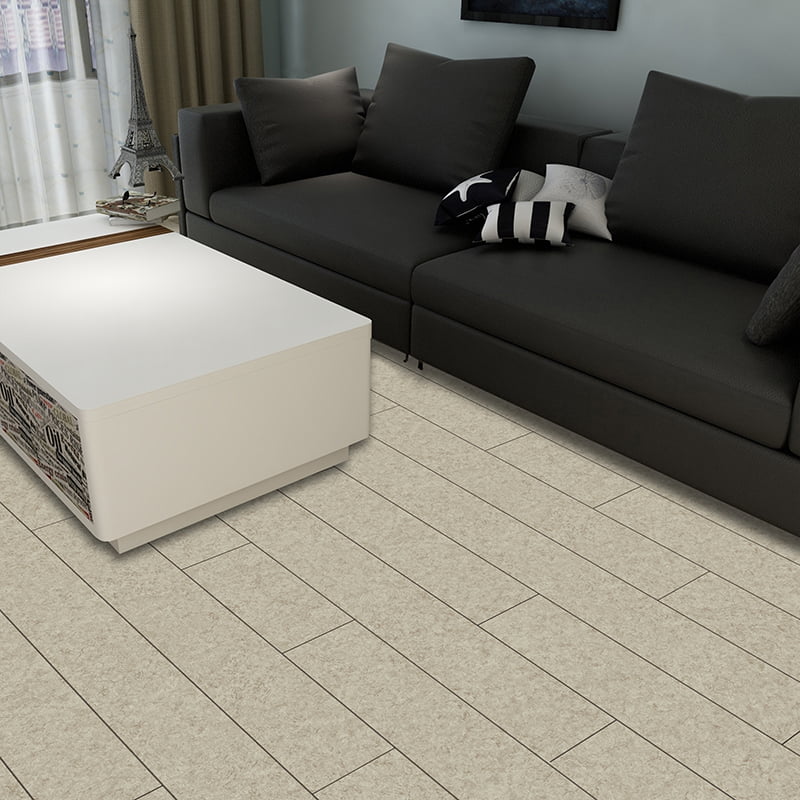

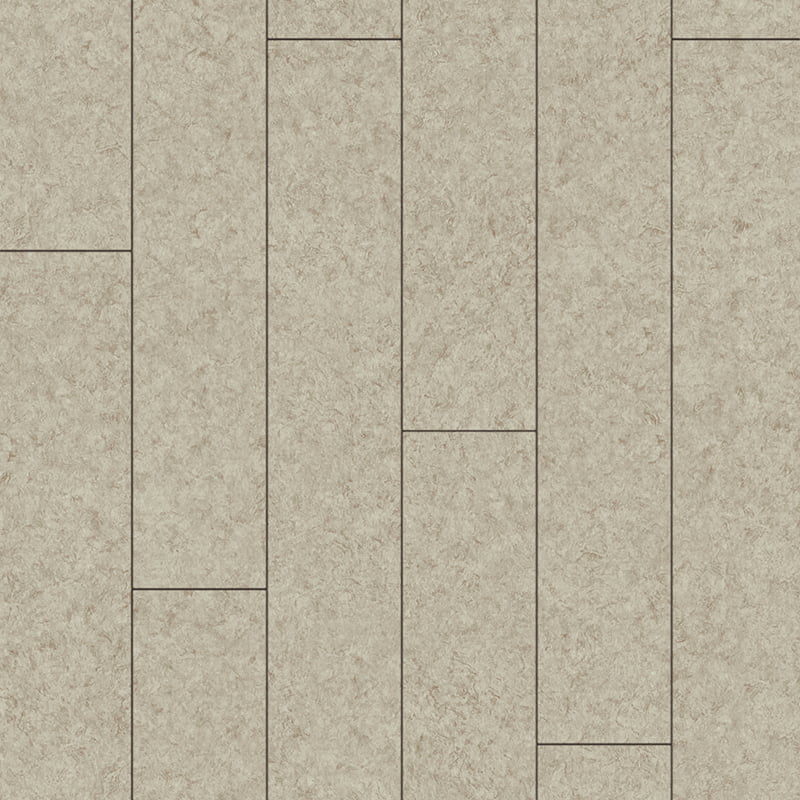
Model: YC48004
Wood: Stone
Spec: 1300*1260mm
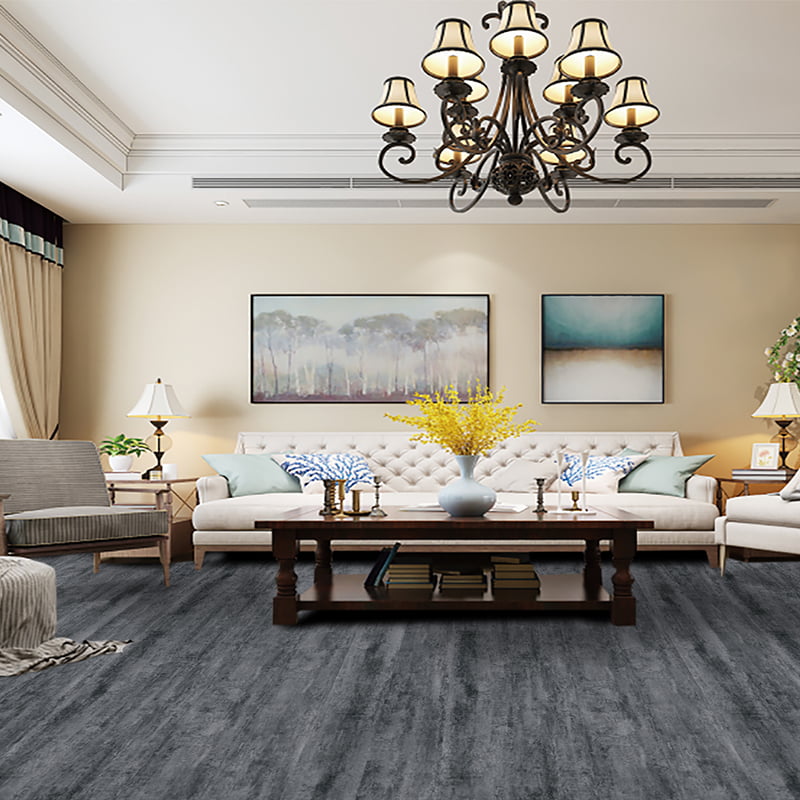
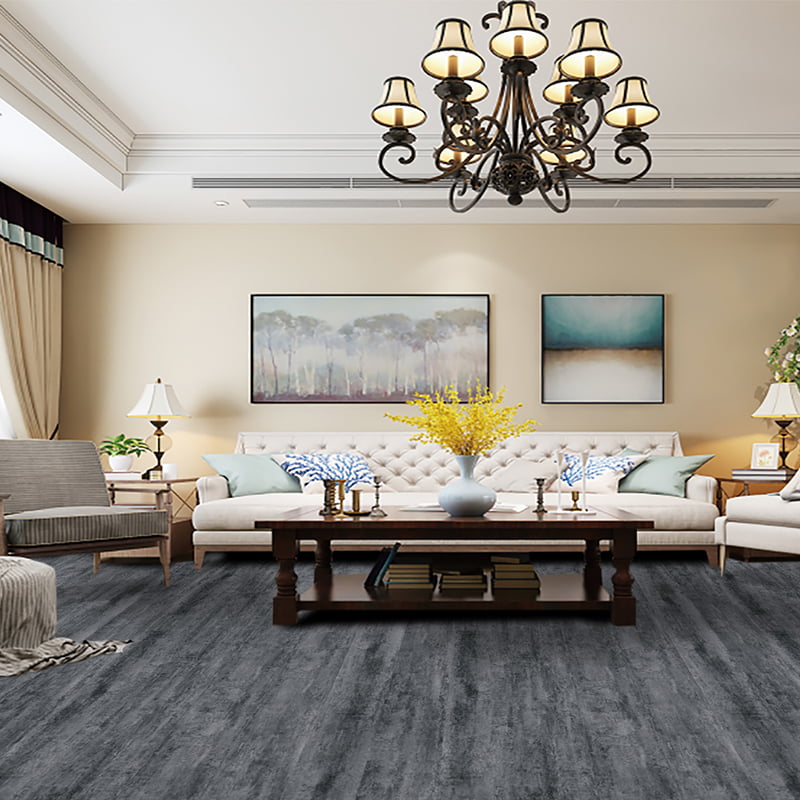

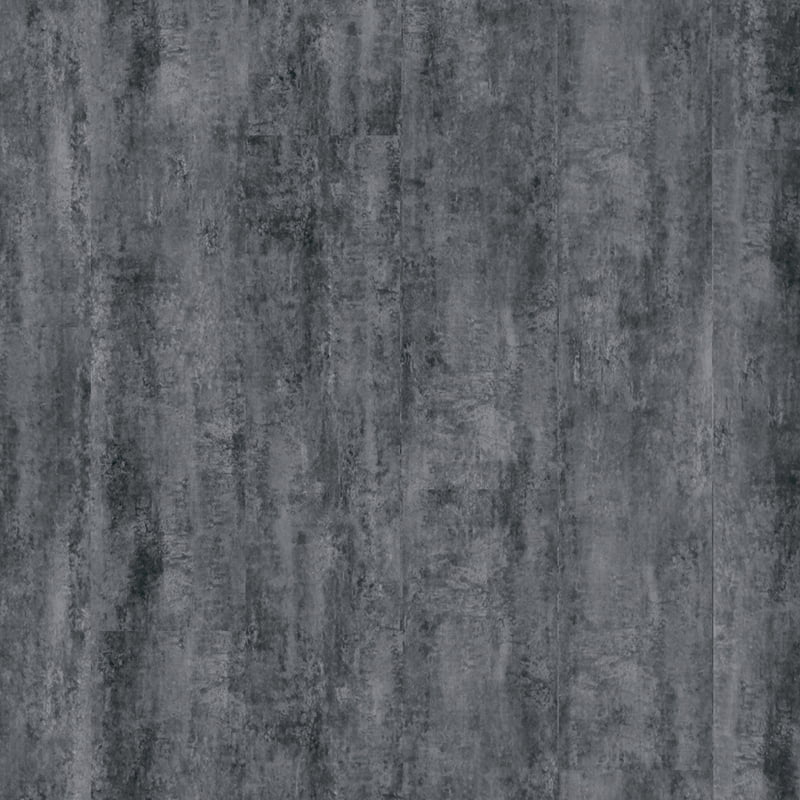
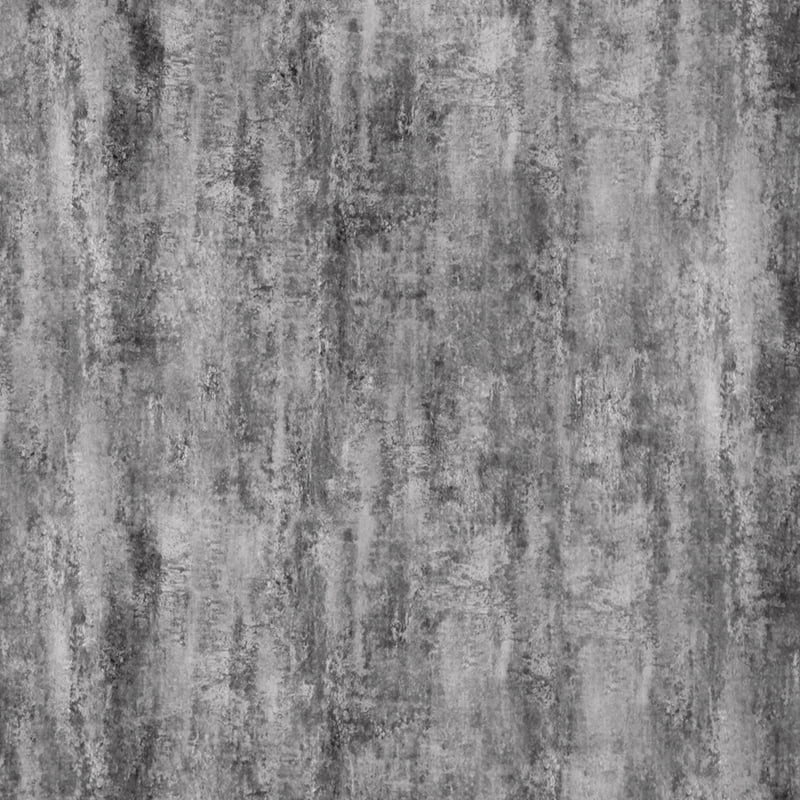
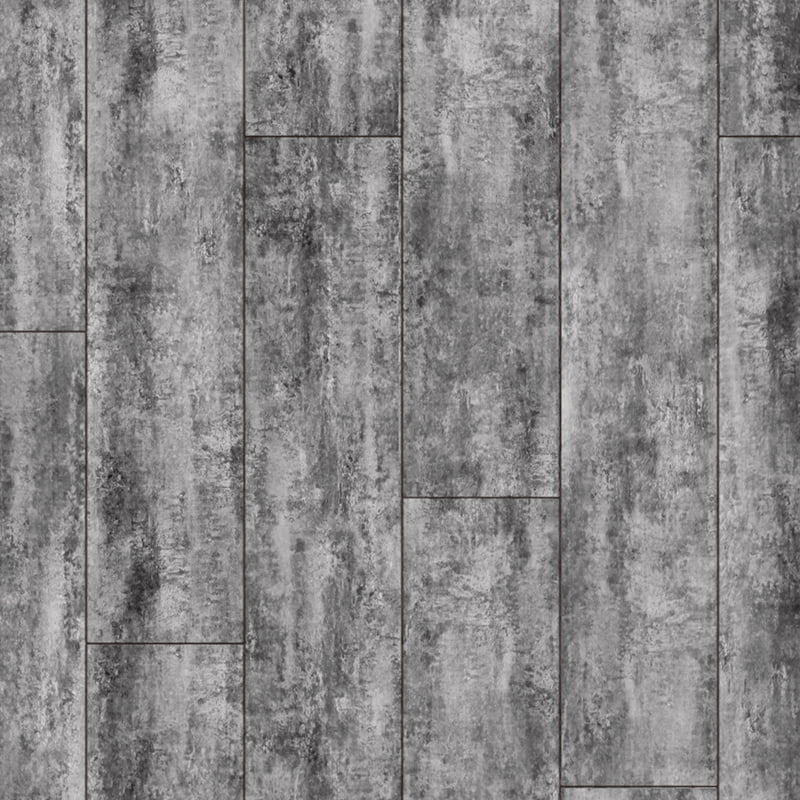
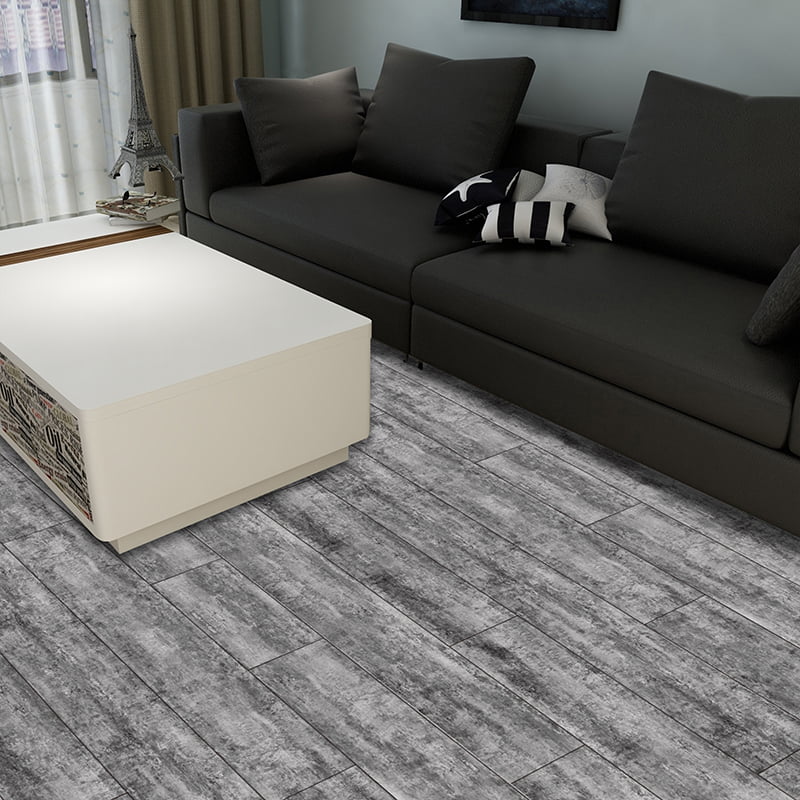
Model: YC48005
Wood: Stone
Spec: 1300*1100mm
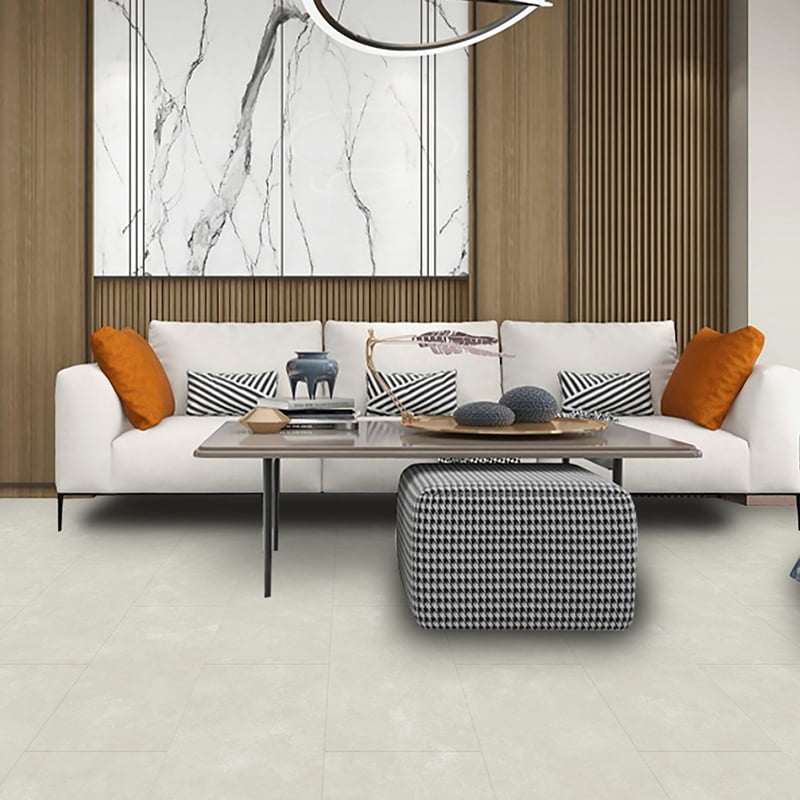


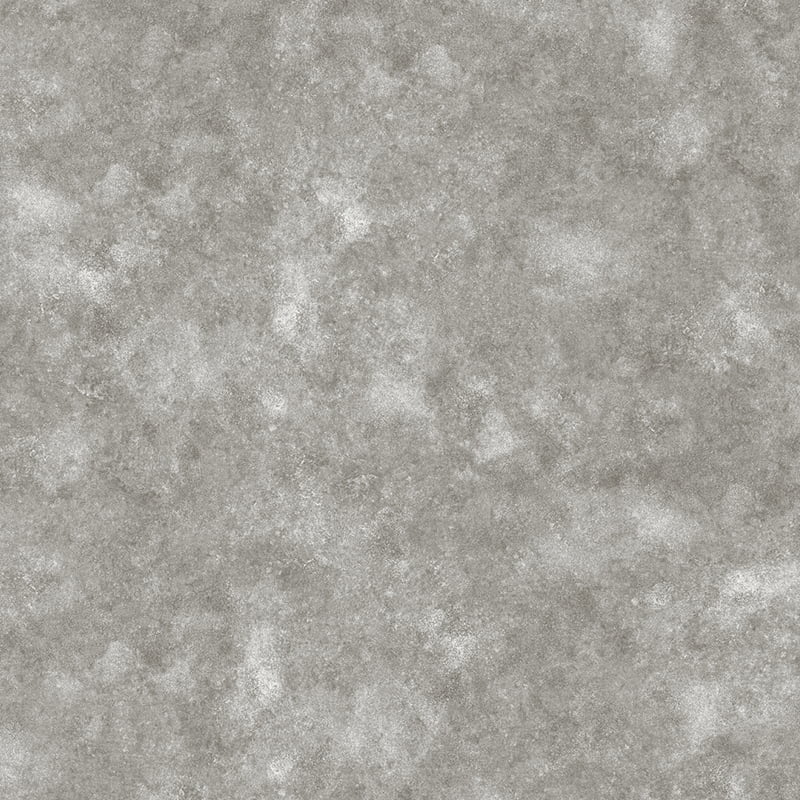
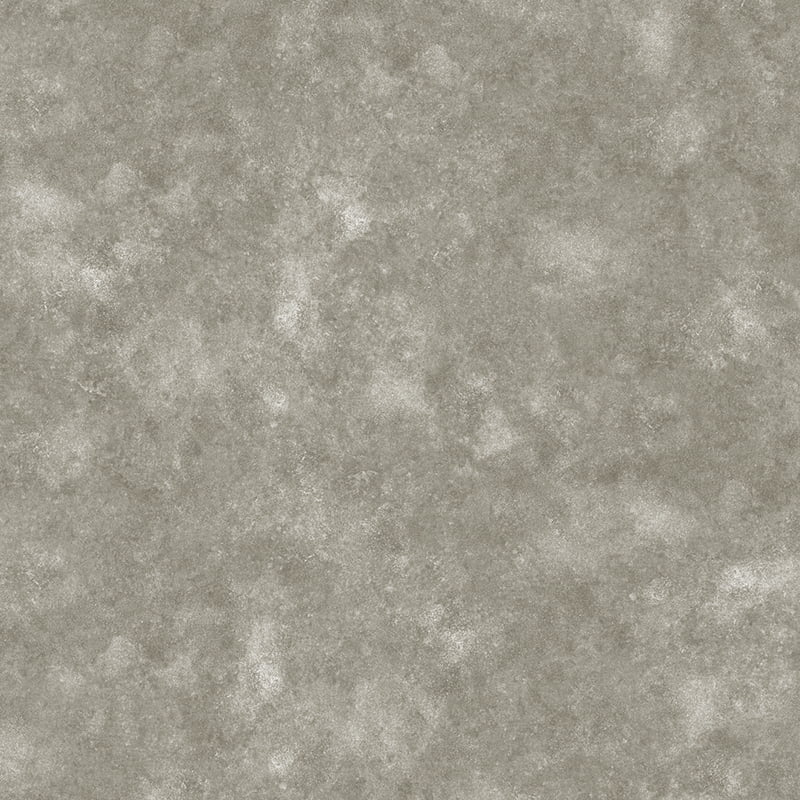
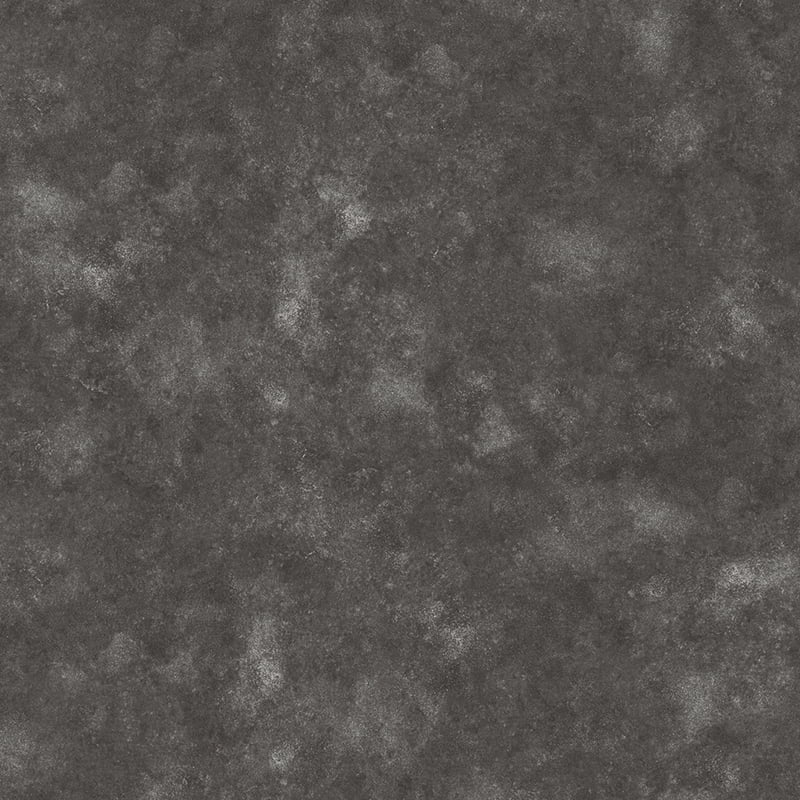
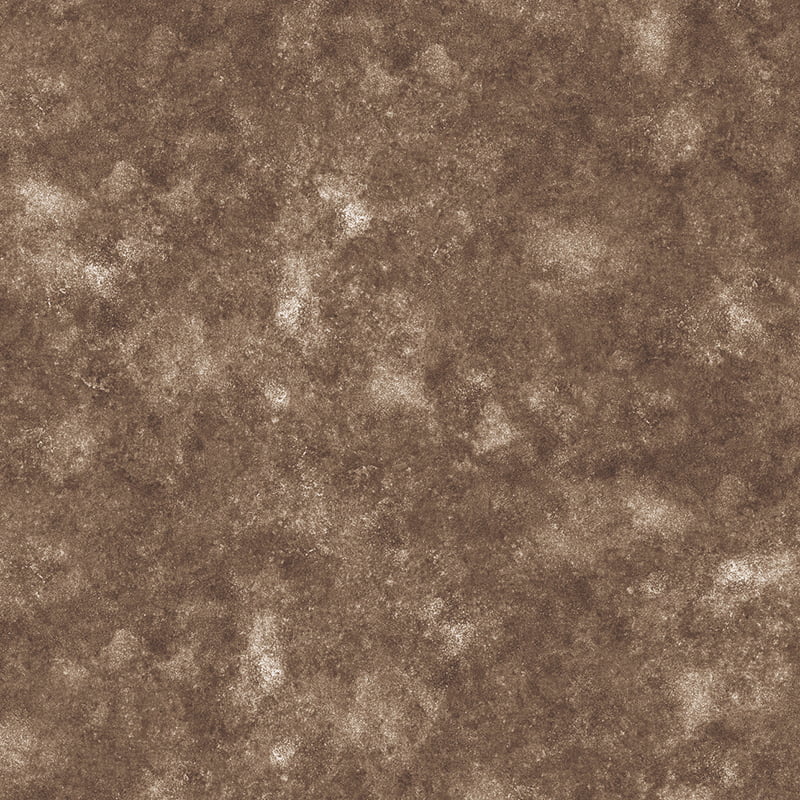
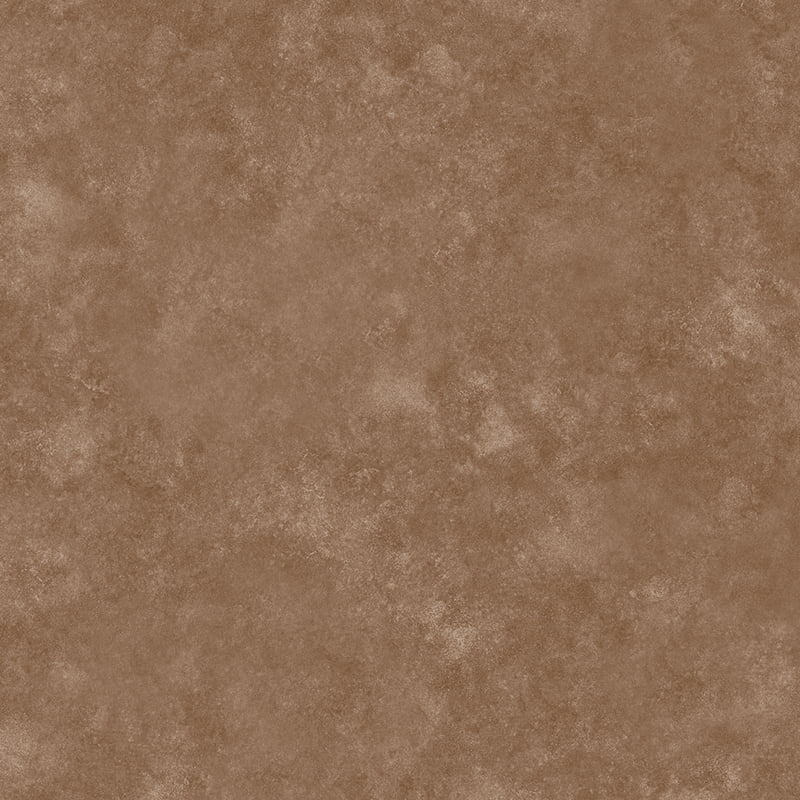
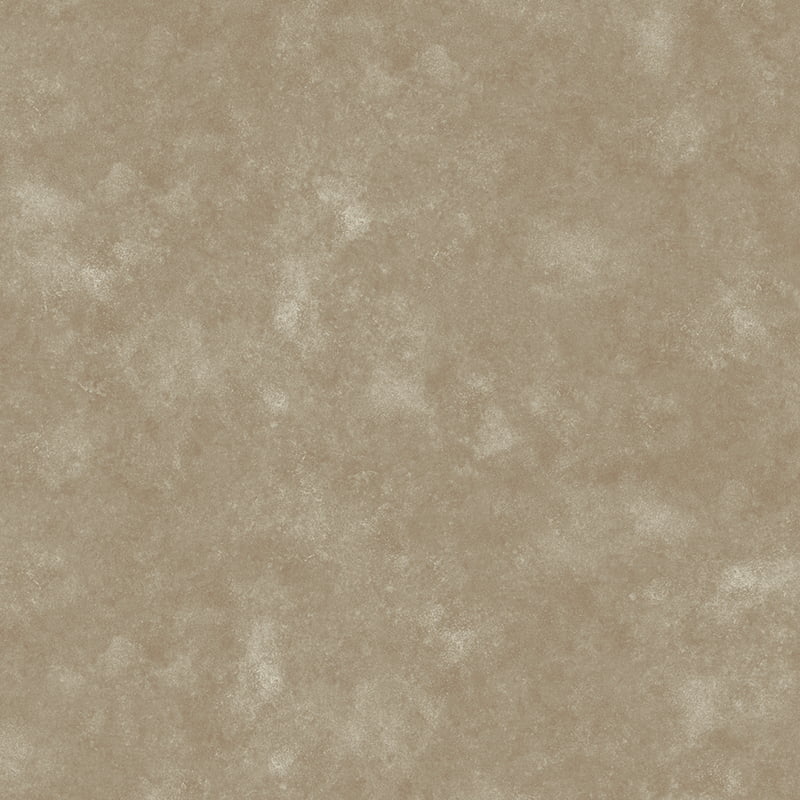
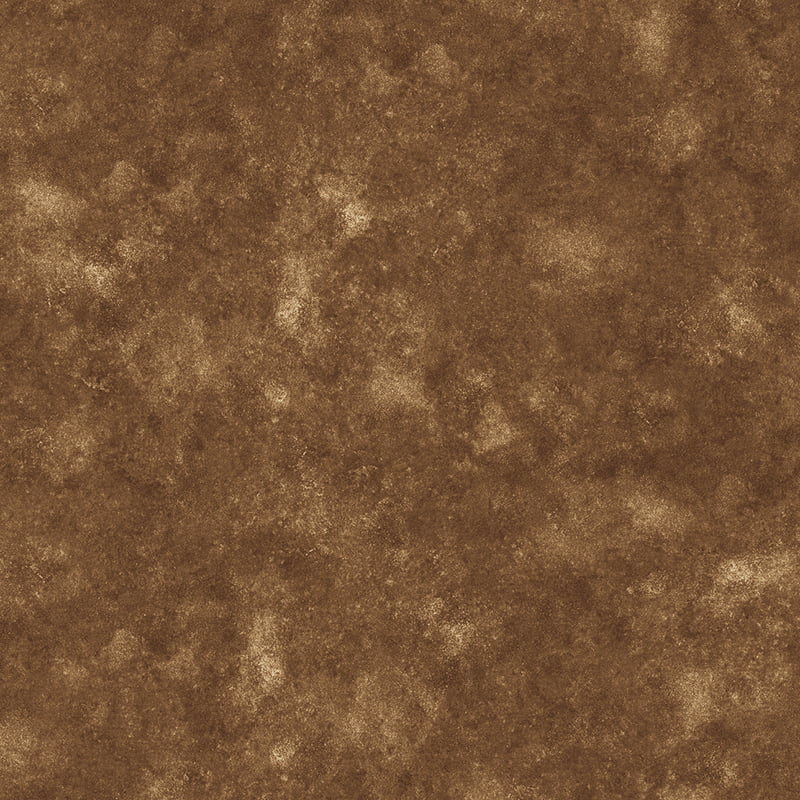
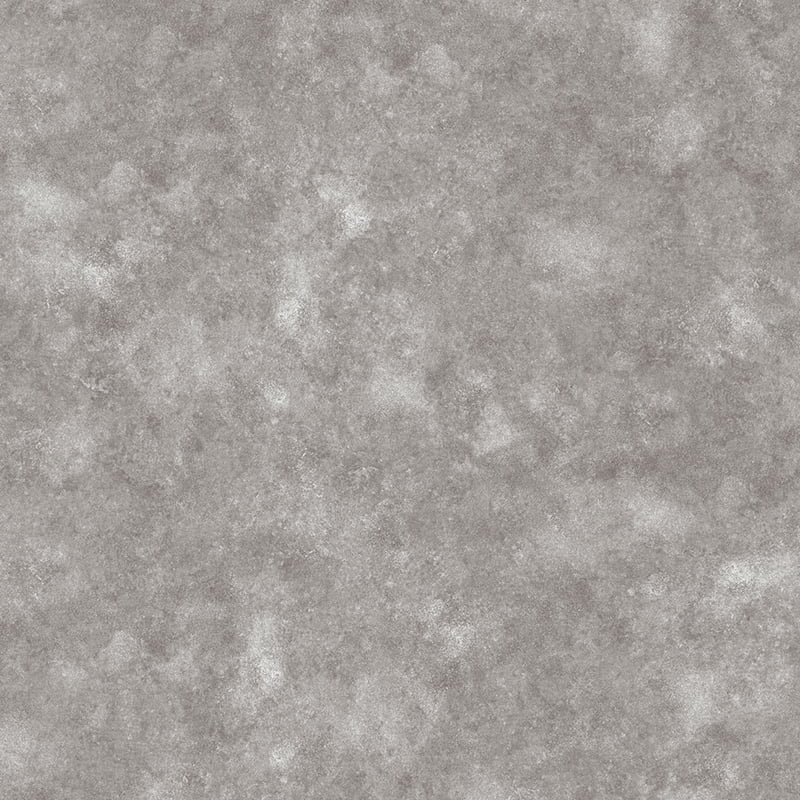
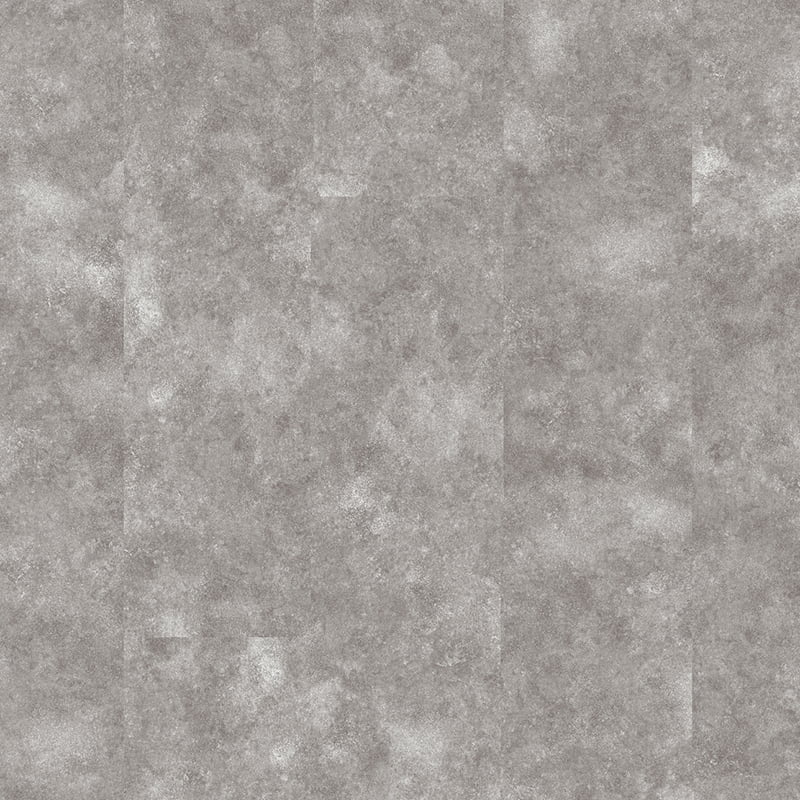
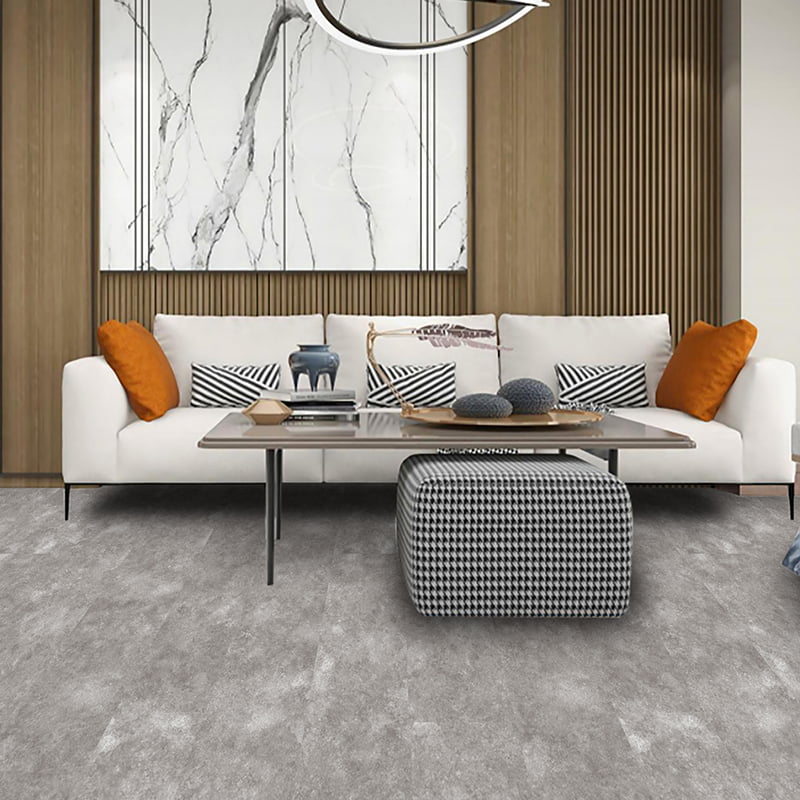

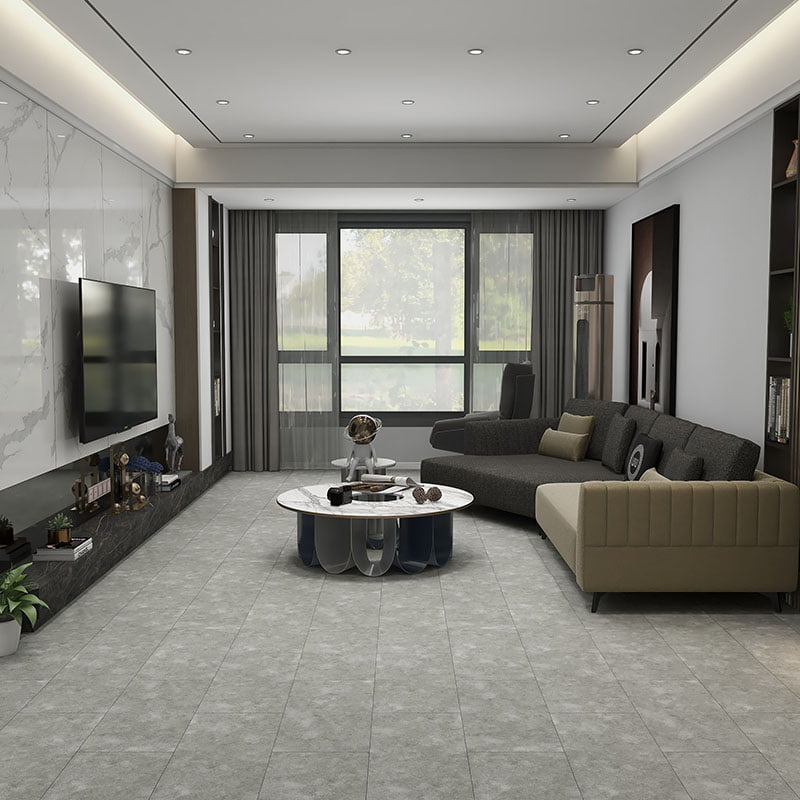
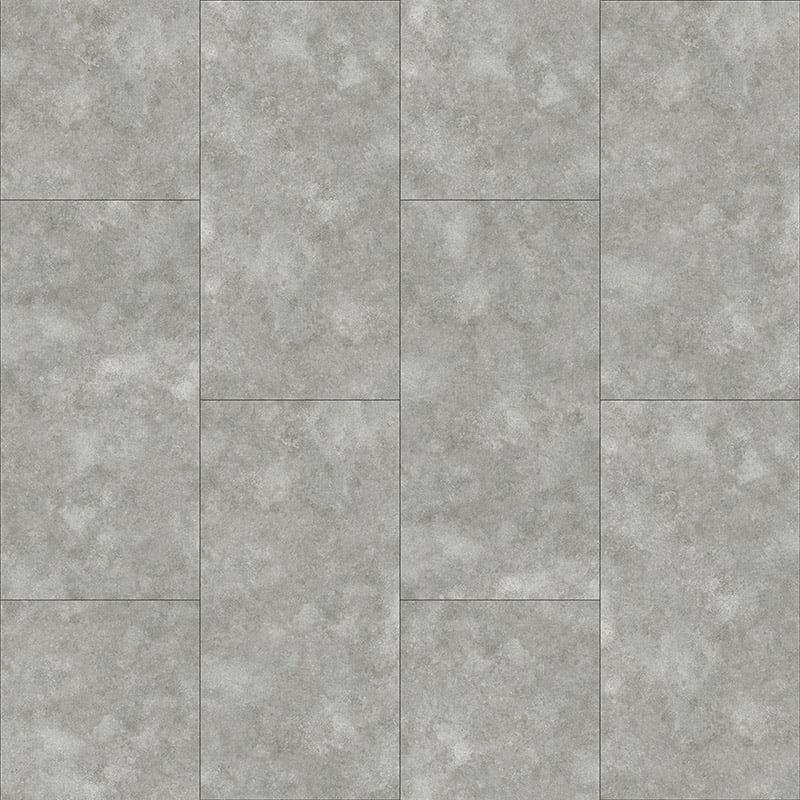
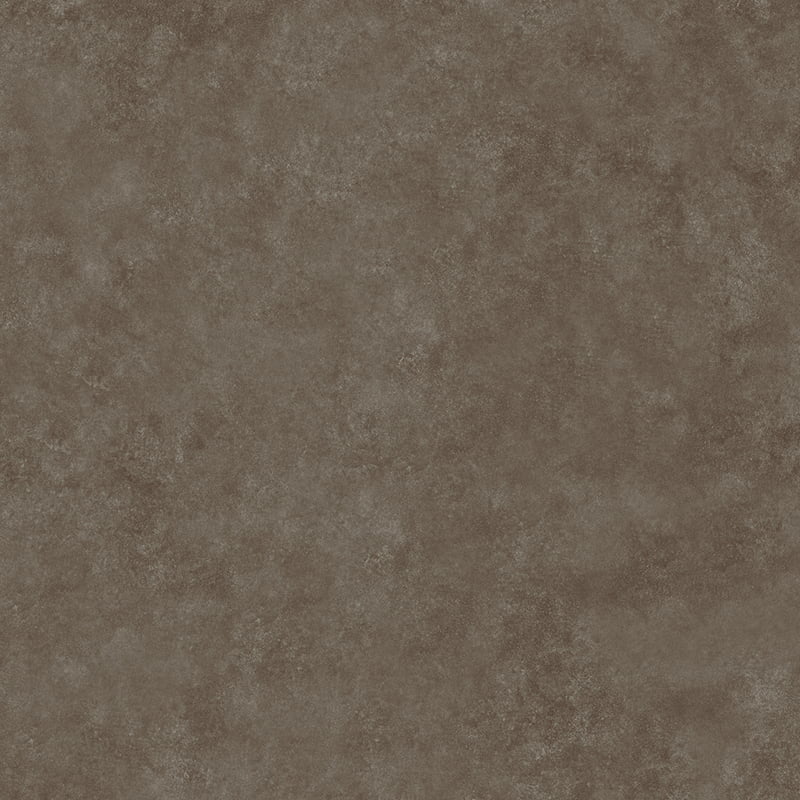
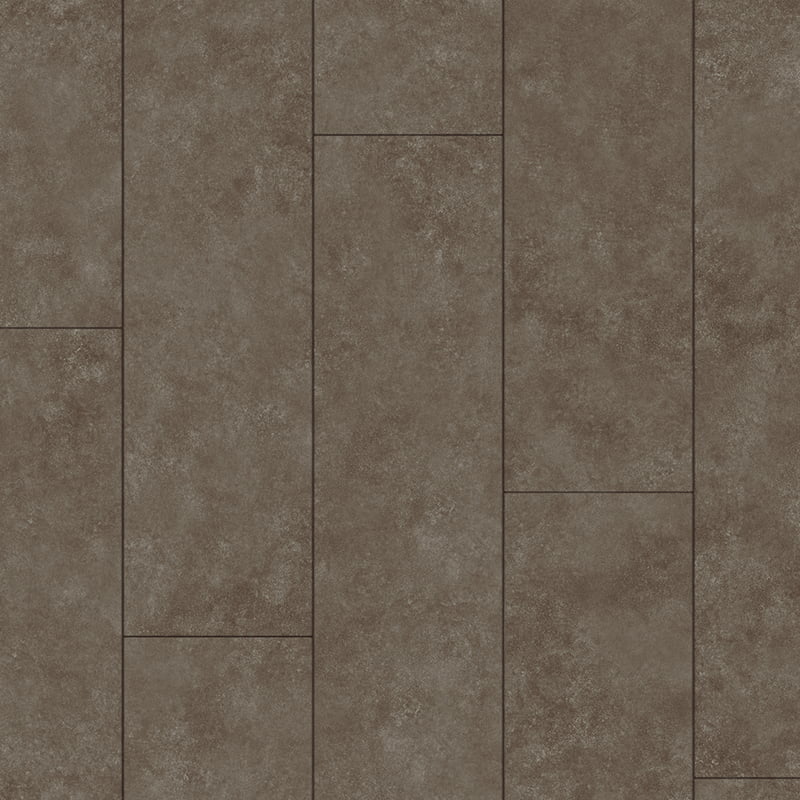
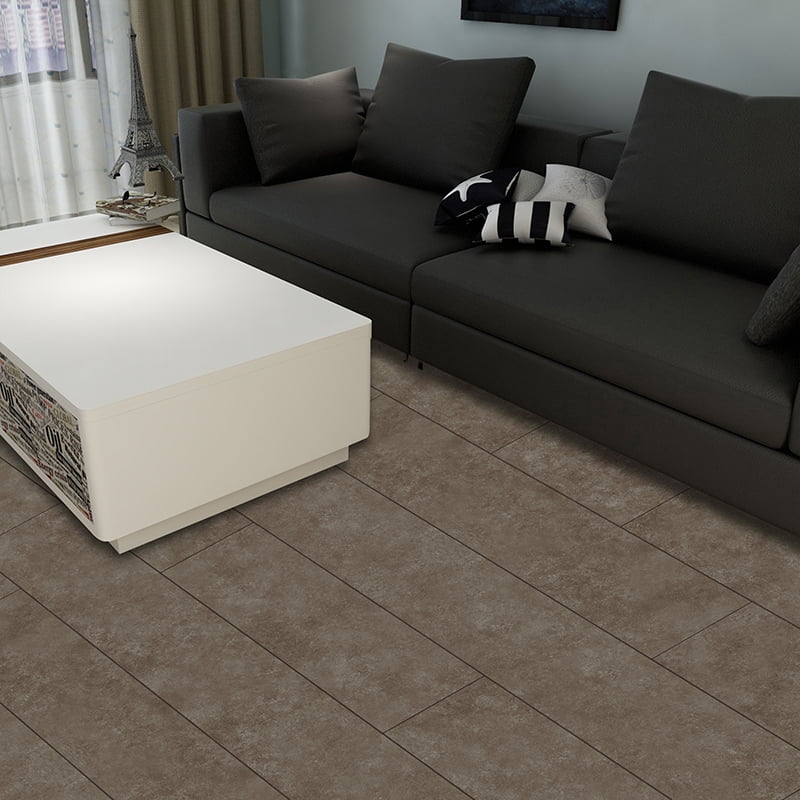
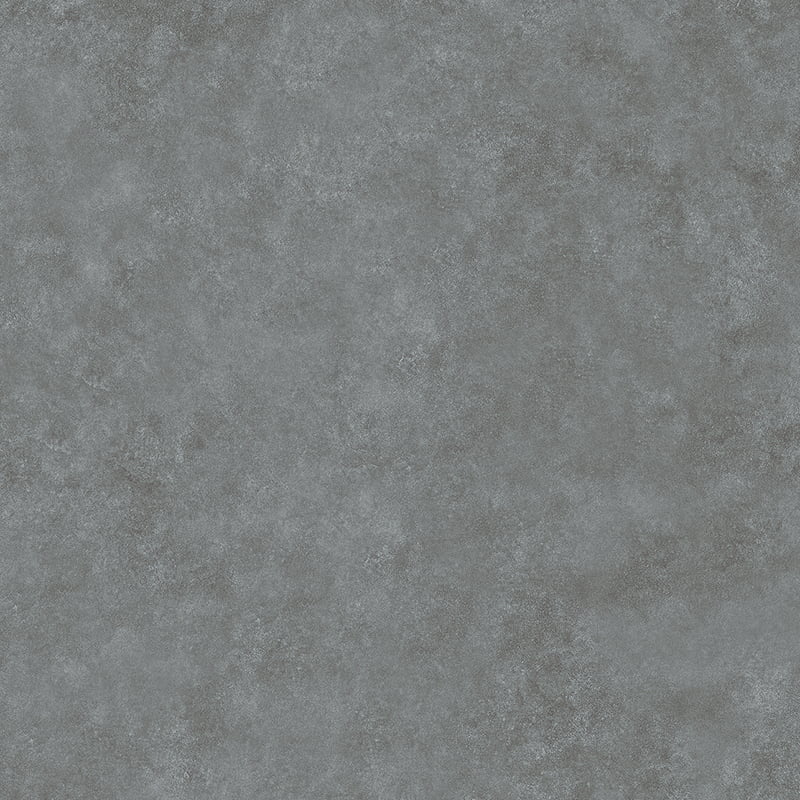
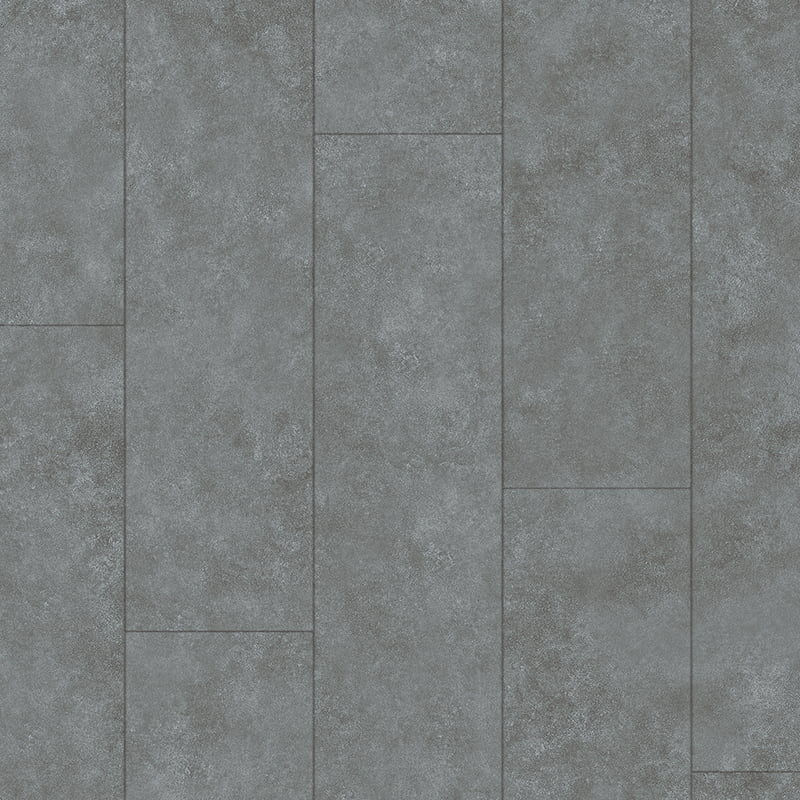
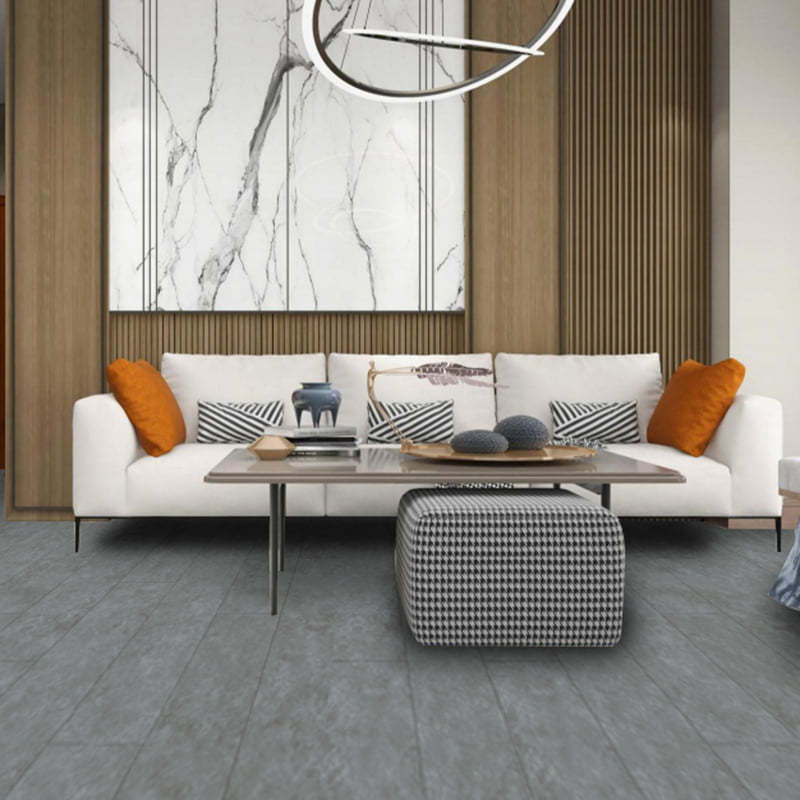



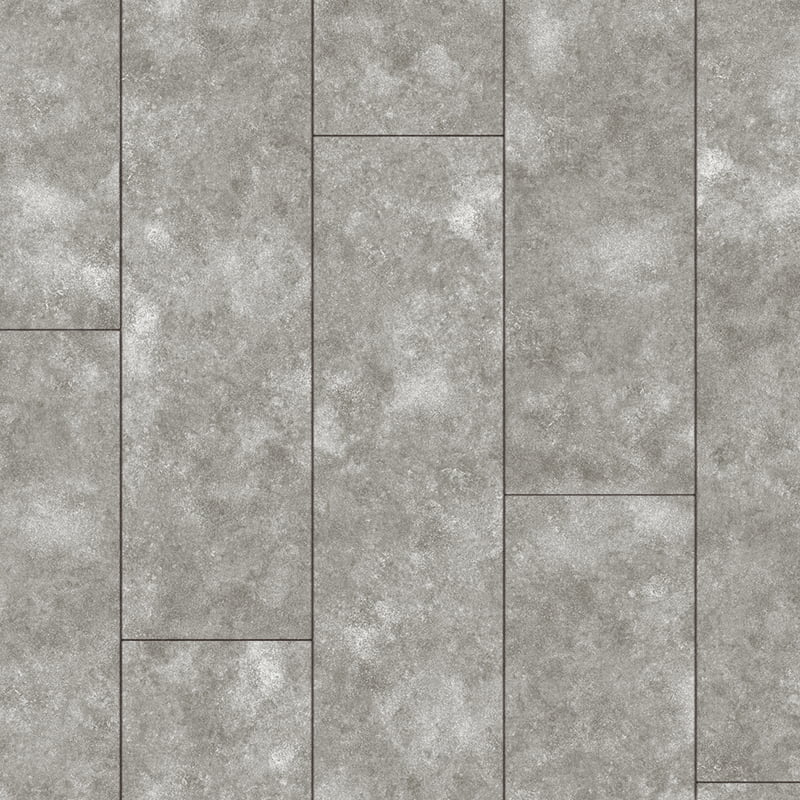
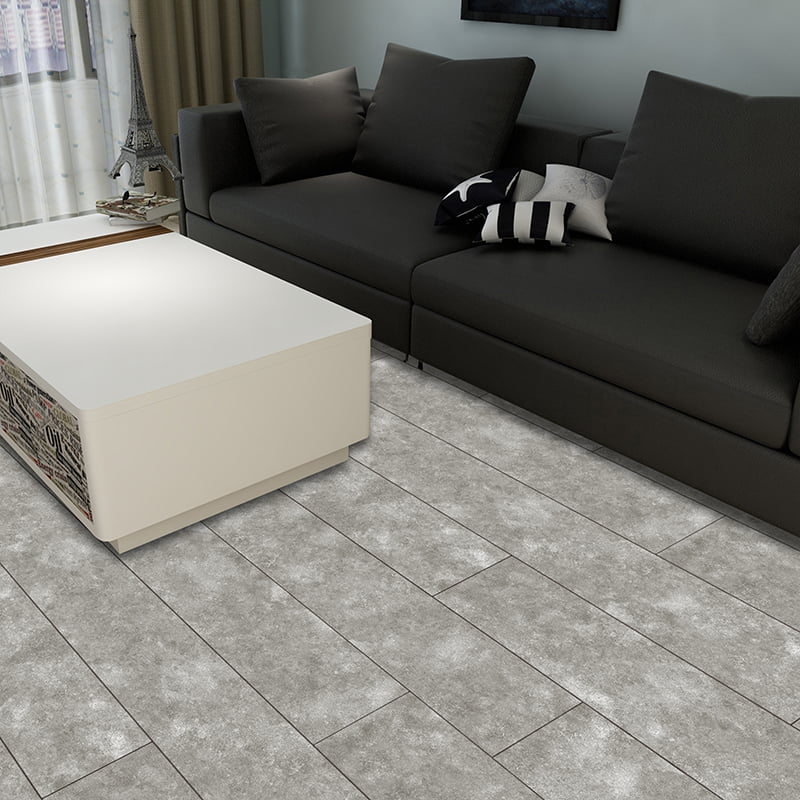
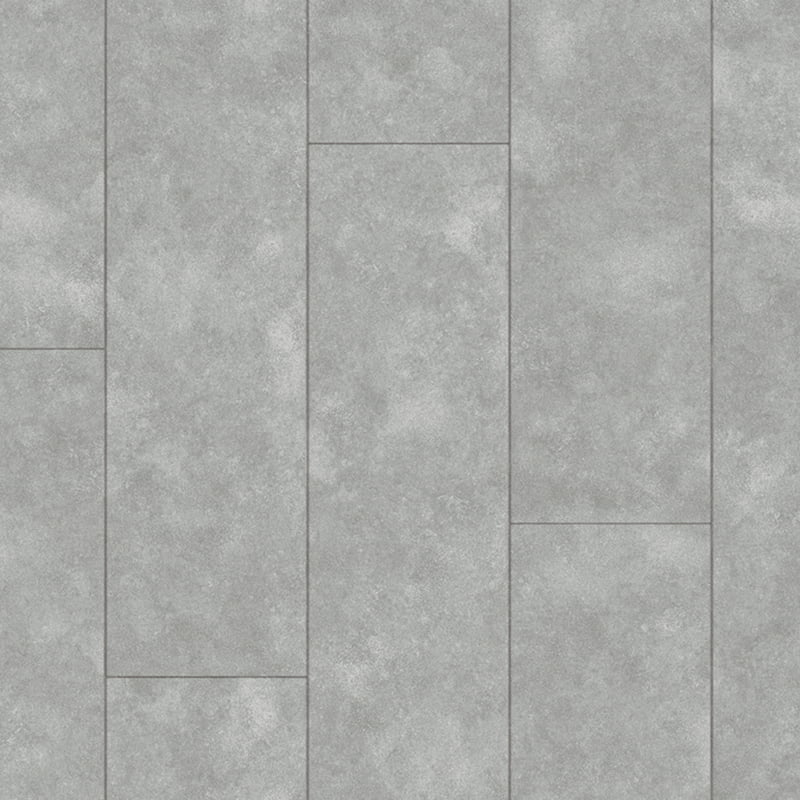
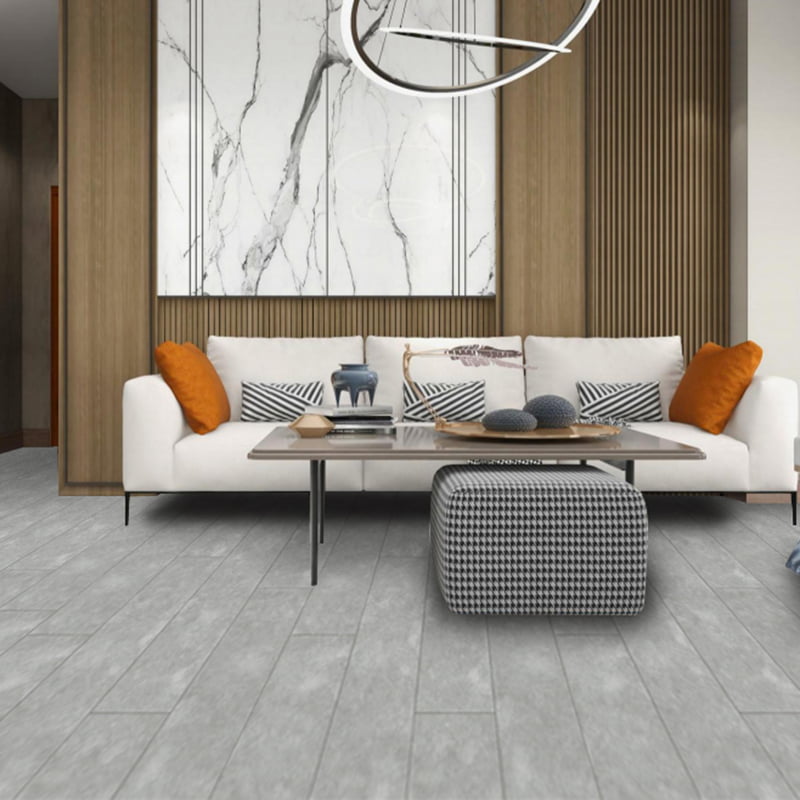
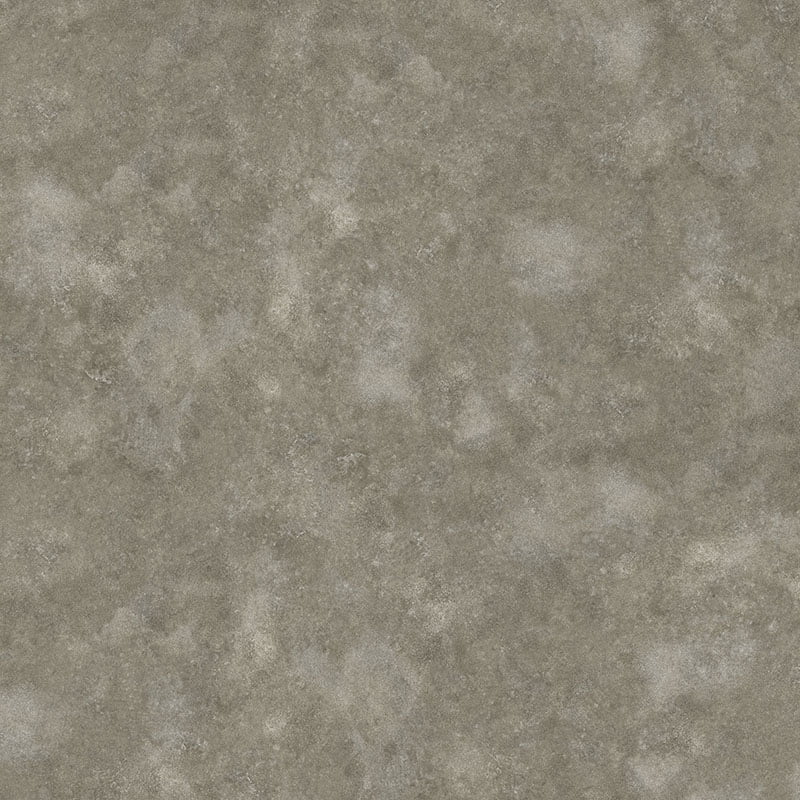
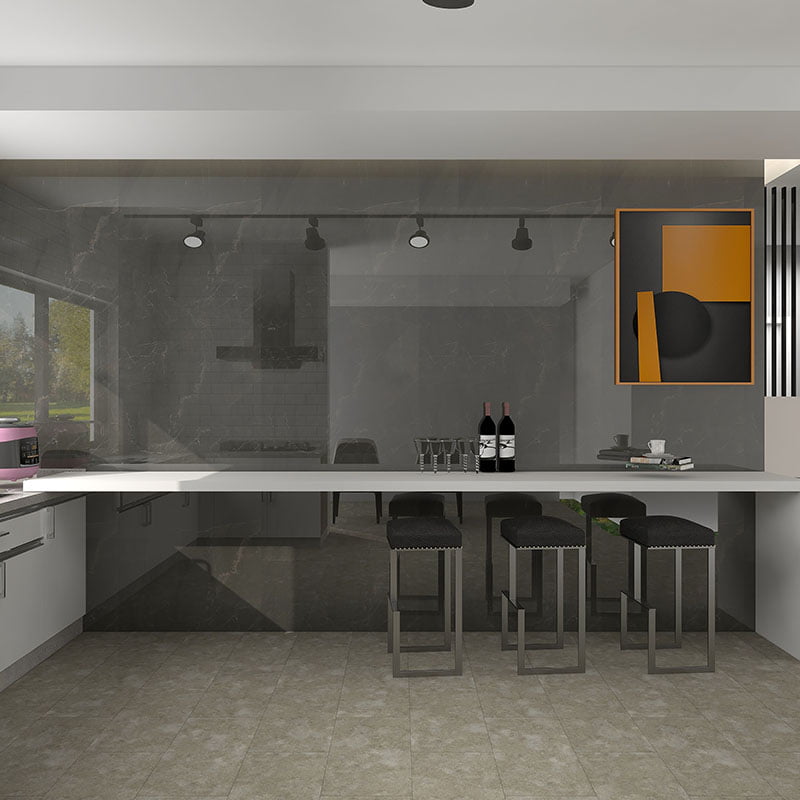
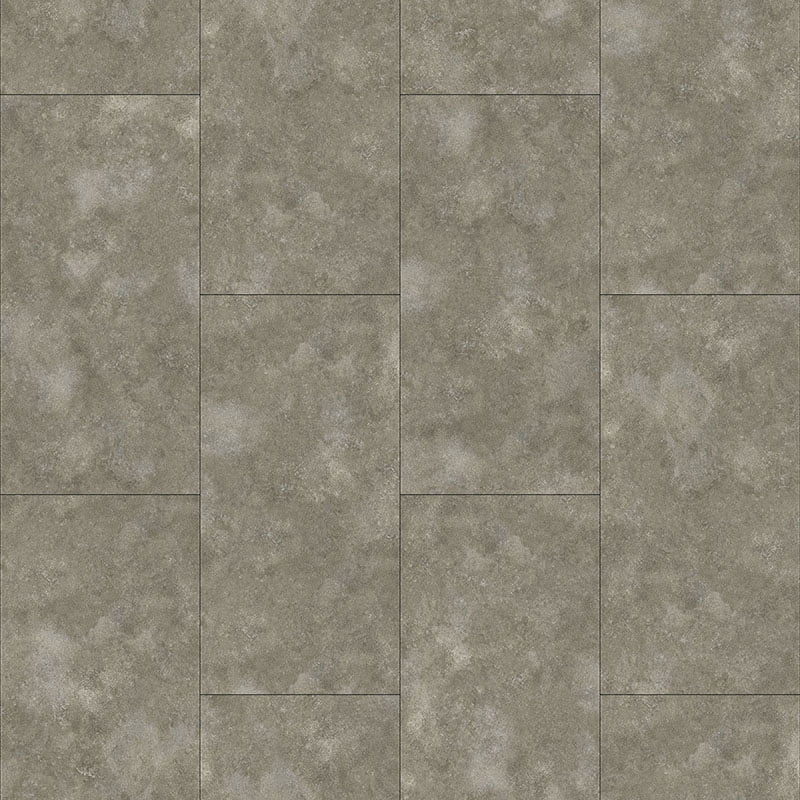
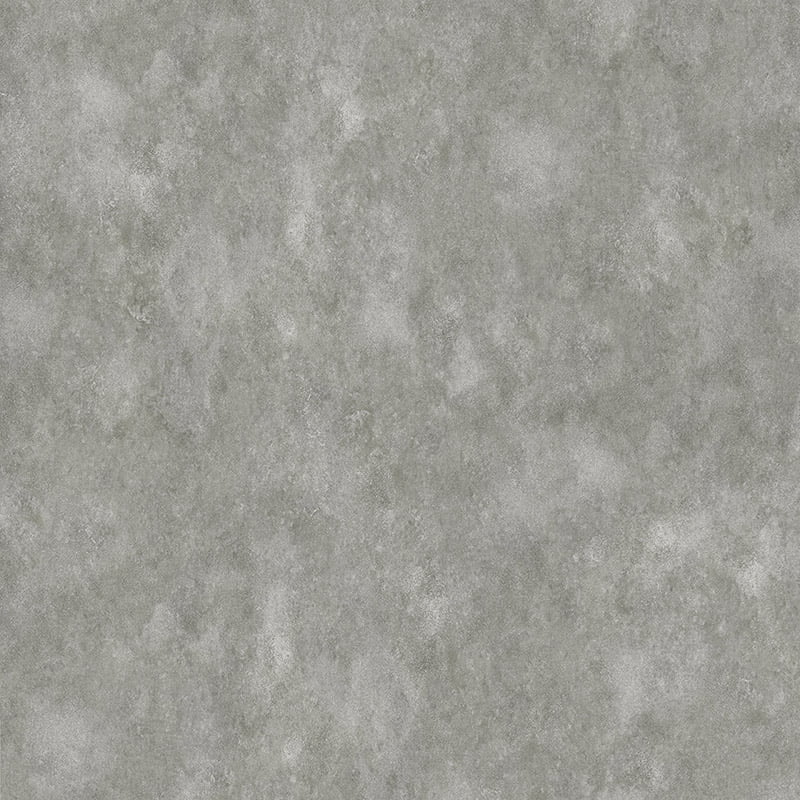
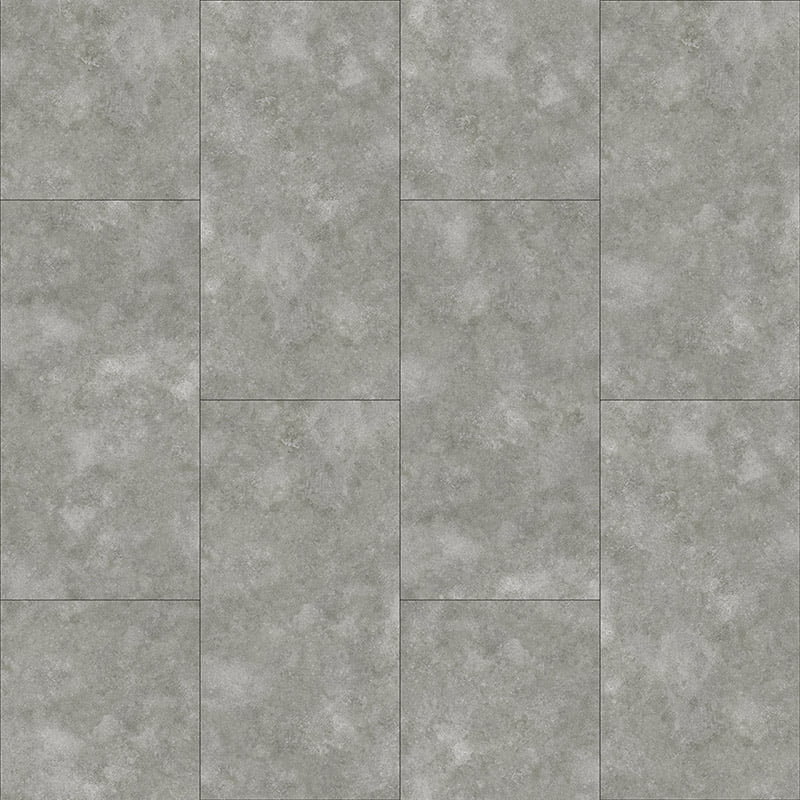
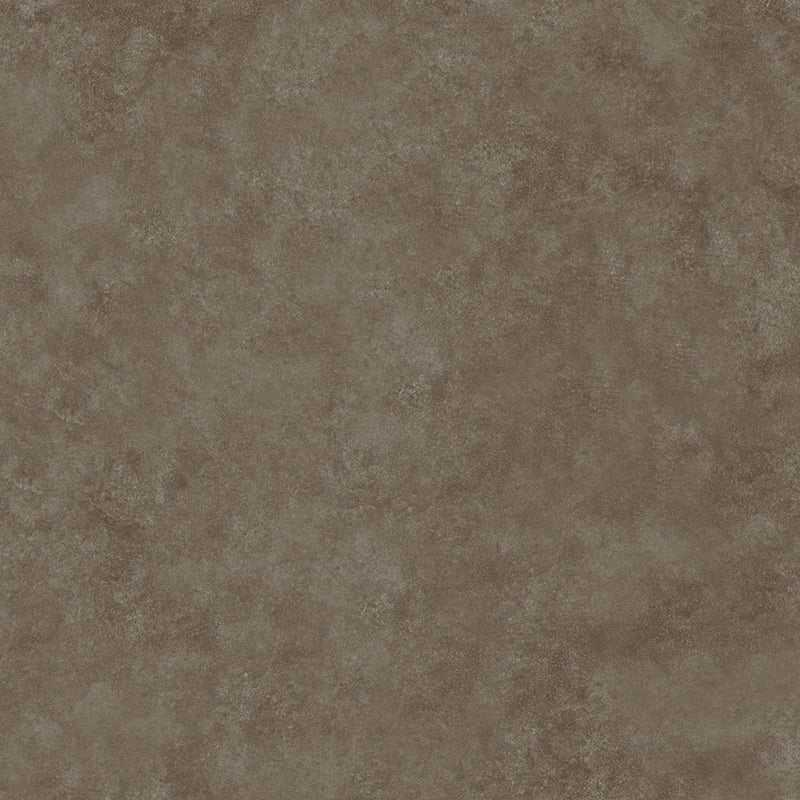
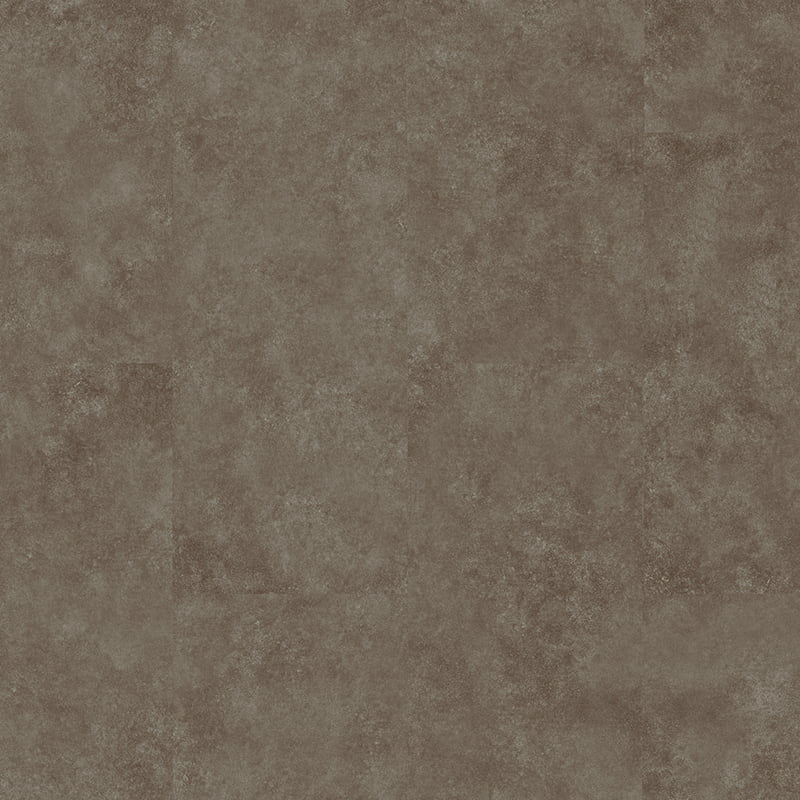
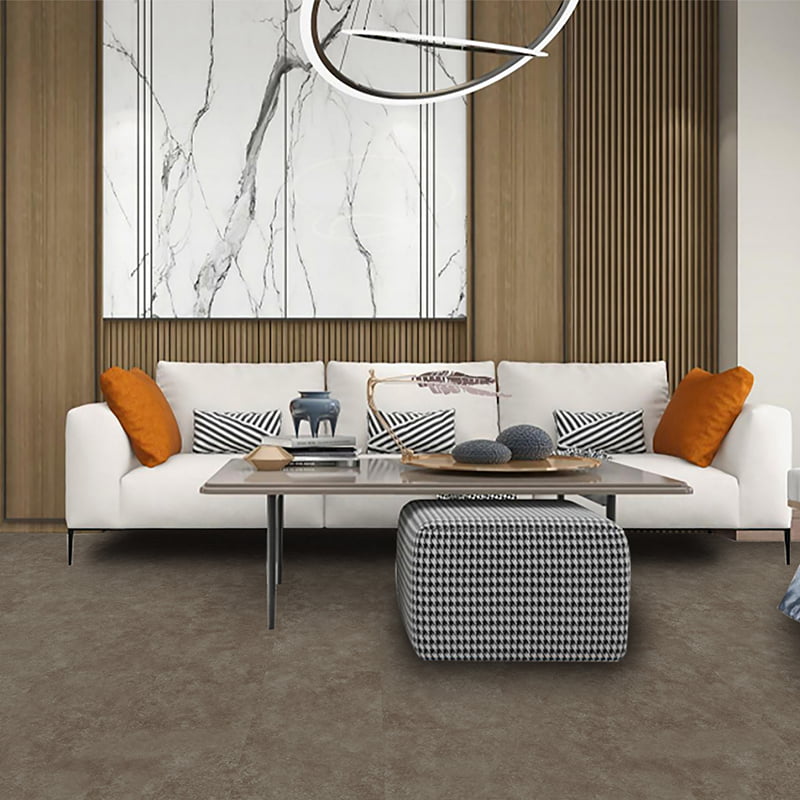
Model: YC48008
Wood: Stone
Spec: 1000*1100mm
Single chip size: 12*24"
Walk through almost any furniture showroom and you will meet the same surface again and again: a warm, straight-grained...
View MoreHickory has quietly become one of the most requested wood looks in decorative film, and it is easy to see why. It carri...
View MoreYou can usually spot hickory from across a room. The cathedral arches are wide and confident, the colour drifts from pa...
View MoreWhen designers and manufacturers look for a wood grain surface that feels warm, natural, and timeless, hickory often co...
View MoreA workshop receives a bundle of pine veneer for twelve wardrobe doors and finds that the color shifts noticeably betwee...
View MoreEvery natural stone surface carries a visual record of how it formed — the pressure, heat, mineral content, and time that shaped it over millions of years. Understanding this geological logic is not an academic exercise for decorative film designers; it is the foundation of pattern credibility. A marble veining pattern that runs in geologically impossible directions — crossing itself at right angles, branching symmetrically, or terminating abruptly without a fade — registers as artificial to viewers who may never have studied geology but have seen enough natural stone to sense something is wrong. The eye is sensitive to biological and geological pattern logic even when the conscious mind cannot articulate the specific violation.
Marble veining forms when mineral-rich fluids infiltrate cracks in the parent rock and deposit calcite, silica, or iron oxides along the fracture path. The resulting veins follow fracture mechanics — they propagate under stress, branch at angles determined by the stress field, taper as mineral supply diminishes, and occasionally terminate in small halos of diffuse mineralization. A convincing marble PVC decorative film pattern must reproduce these characteristics: directional vein propagation with consistent internal logic, branching angles between 15° and 60° rather than perpendicular splits, gradual taper toward vein terminations, and occasional short secondary veins branching from primary ones. Travertine, by contrast, forms from carbonate precipitation in hot springs, producing a cellular or banded structure of voids and dense zones. Slate forms under metamorphic compression that aligns minerals into parallel planes — its characteristic fine parallel lines are cleavage planes, not veins. Each stone type has its own formation logic, and pattern designers who understand that logic produce cylinder artwork that passes the credibility test even under close inspection.
The three most commercially significant stone categories in PVC decorative film — marble, travertine, and slate — require fundamentally different approaches to pattern development, cylinder engraving, and surface texture specification. Treating them as variations of a single "stone" design workflow produces results that are technically adequate but lack the species-specific authenticity that premium applications require.
Marble patterns depend on vein design quality and background field variation above all else. The background field — the non-vein area — should not be a flat uniform color but a subtle, rolling tonal variation that represents the calcite crystal mosaic of the stone matrix. This background variation typically spans a ΔE of 3–6 from the lightest to the darkest zone within the field and should have no directional regularity. The veins must be rendered with internal structure — a central color spine flanked by gradient halos — rather than as flat-color lines. White Carrara marble, for example, shows grey veins with a slightly blue-green tint that transitions over 1–3 mm from the vein center to the surrounding white field. Reproducing this halo gradient requires at least three ink channels dedicated to the vein system: a dark core, a mid-density transition, and a very light halo that blends into the background field. Cylinders engraved with a single-pass vein will produce lines that look drawn rather than mineral.
Travertine's visual character is dominated by its void structure — the pores and channels left by escaping gases and organic material during carbonate deposition. In polished travertine, these voids are typically filled with grout or resin, making the surface smooth but visually punctuated by filled pore networks in irregular clusters. In tumbled or honed travertine, the voids remain open. Film patterns for travertine must reproduce both the banded layering of the stone matrix and the pore clustering pattern, and critically, the surface texture specified over the film should be coordinated with the pore pattern in the print. A registered emboss that places physical depressions over the printed pore locations creates a highly convincing simulation of open travertine. Where a smooth topcoat is required for hygiene or maintenance reasons, a gloss-differential application — slightly lower gloss in the pore areas — preserves the pore visibility without creating an open surface structure that would collect soil.
Slate presents a different challenge: its pattern is less about feature design and more about texture simulation. The cleavage plane surface of natural slate is matt, micro-rough, and carries subtle color variation from mineral banding — typically in the grey, charcoal, green-grey, or purple-grey range — without strong pictorial features. The film print for slate is relatively low-contrast and directional, with the visual interest carried primarily by the surface texture rather than the pattern. This means the emboss specification for slate film is critical: a random micro-texture with average roughness (Ra) between 8 and 15 µm, at a very low gloss level (below 5 GU), is necessary to capture slate's characteristic appearance. A slate pattern printed at higher gloss or with a smooth topcoat immediately reads as vinyl rather than stone, regardless of the print quality.
Stone grain PVC decorative film is printed onto a base film that ranges from translucent to fully opaque white, and the opacity of that base film has a stronger effect on the perceived quality of the finished pattern than most buyers realize — particularly for light-colored stone designs like white marble, beige travertine, and pale limestone.
In natural stone, the visual depth effect comes from the way light penetrates a few millimeters into the stone surface, scatters within the mineral matrix, and returns to the eye with a softened, three-dimensional quality. PVC film cannot replicate this penetration depth, but a base film with controlled translucency — rather than full opacity — can partially simulate it. A semi-translucent base film allows a small amount of the substrate's color to contribute to the visual field through the printed ink layers, adding subtle variation that breaks the flat, uniform quality of a fully opaque print. This effect is most pronounced and most beneficial in light marble and travertine patterns, where the background field should appear luminous rather than chalky. For darker stone patterns — charcoal slate, dark Nero Marquina marble — a higher-opacity base film is preferable because the substrate color contribution at low translucency is too small to improve depth but sufficient to slightly muddy the dark tones.
The CIE whiteness index of the base film also directly controls the achievable brightness ceiling for light stone patterns. A base film with a whiteness index below 80 will limit how bright the lightest zones of a white marble pattern can appear, because the ink layers cannot add brightness — they can only absorb light relative to the base. For premium white marble film, a base film whiteness index of 90 or above is the appropriate specification. When evaluating stone grain film samples for light-colored patterns, placing the sample against a sheet of printing-grade white paper under D65 illumination is a quick field check: if the paper appears significantly brighter than the lightest zones of the film background, the base film's whiteness is limiting the pattern's visual potential.
One of the most practically consequential — and most frequently overlooked — specification decisions for stone grain decorative film is the scale of the pattern features relative to the dimensions of the panel on which the film will be applied. Marble veining that is correctly scaled for a 600 mm × 600 mm floor tile looks visually cramped and busy on a 1200 mm × 2400 mm cabinet door panel; conversely, bold veining designed for large-format architectural panels can appear sparse and incomplete on small tiles or narrow trim pieces.
In natural stone, slab dimensions are determined by quarry yield — slabs typically measure 1800 mm × 3000 mm for large-format material, and the veining scale is fixed by the geological event that created it, not by the fabricator's preferences. The visual vocabulary of natural stone installation practice — matching veining across adjacent slabs, book-matching mirrored cuts, continuous veining across multiple panels — is based on this geological scale. When specifying stone grain PVC film, the vein density and vein width in the pattern should be calibrated so that the primary veins span at least 60–70% of the panel's shorter dimension without repeating. A primary vein that spans only 200 mm in a pattern applied to a 600 mm panel will appear as a minor detail rather than the dominant compositional element it represents in natural stone.
For large-format applications — facade panels, full-height wardrobe backs, hotel room feature walls — a custom cylinder development based on the specific panel dimensions is often justified. We have supported large-format stone film development for architectural and hospitality projects where standard catalog patterns were not available at the required vein scale, engineering cylinder artwork to the project's panel layout from the outset rather than adapting existing designs.
Natural stone is processed to a range of surface finishes — polished, honed, leathered, sandblasted, brushed — each of which has a characteristic gloss level and texture that communicates a distinct aesthetic and functional profile. Stone grain PVC decorative film is expected to reference one of these finish categories, and the gloss level and texture of the topcoat or wear layer applied over the film must be consistent with the referenced finish to maintain visual credibility.
| Natural Stone Finish | Typical Gloss (60°) | Surface Texture (Ra) | Film Topcoat Equivalent | Primary Applications |
| Polished | 70–90 GU | Ra < 0.5 µm | High-gloss UV coat, 65–80 GU | Floor tiles, wall cladding, countertops |
| Honed | 15–30 GU | Ra 0.8–2.5 µm | Satin UV coat, 20–30 GU | Floor tiles, bathroom walls, kitchen surfaces |
| Leathered / Brushed | 5–15 GU | Ra 4–10 µm | Low-gloss structured coat, 8–15 GU | Feature walls, furniture, outdoor-adjacent areas |
| Sandblasted / Flamed | Below 5 GU | Ra 15–30 µm | Matt structured coat, <5 GU, deep emboss | Exterior facades, slip-resistant floors, landscape elements |
High-gloss stone film presents a specific challenge not shared by matte or satin finishes: at 70+ GU, the surface reflection is specular enough to create mirror-like highlights that emphasize any thickness variation, coating streaks, or subfloor unevenness in flooring applications. Polished stone film is therefore best reserved for wall and furniture applications where the substrate is rigid and flat, and for floor applications only when the subfloor preparation standards are sufficiently high to prevent telegraphing. Honed-finish stone film is considerably more forgiving in installation and tends to age better in high-traffic environments because micro-scratches are less visible on a matte surface than on a highly reflective one.
The most visible quality shortfall in stone grain PVC decorative film — and the one that most strongly signals synthetic origin to an informed viewer — is tile-effect repetition: the point at which the pattern repeat becomes apparent across an installed surface as a regular grid of matching stone images. In natural stone, no two slabs are visually identical; the pattern is infinitely variable. In gravure-printed film, the repeat is finite, and managing its visibility is a design and installation challenge that requires attention at both the manufacturing and the specification stage.
At the manufacturing level, the primary tool for reducing repeat visibility is maximizing the cylinder repeat length. For stone grain patterns, a repeat of 1,500 mm to 2,000 mm in the machine direction is the practical minimum for residential applications; commercial and high-visibility applications benefit from repeats of 2,400 mm or more. Within the repeat, pattern designers should avoid large, distinctive features — a prominent diagonal vein, a large pore cluster, a distinctive color zone — that become landmark identifiers when the pattern tiles. Instead, the visual interest should be distributed through many smaller, subtler variations that collectively create richness without creating easily recognizable anchor points. Our stone grain series is designed with extended repeats and distributed feature placement as standard engineering principles, not optional upgrades.
At the installation level, tile-effect repetition can be further reduced through deliberate offset and rotation strategies:
One of the practical advantages of stone grain PVC decorative film over real stone surfaces is superior resistance to the staining agents that most commonly damage natural stone in residential and commercial use. This performance advantage is real and significant, but it is not unconditional — it depends on the topcoat chemistry of the specific film and is subject to limits that buyers should understand before making application decisions based on chemical resistance claims.
Natural marble and limestone are calcite-based and react with acidic substances — wine, citrus juice, vinegar, and many household cleaners will etch the surface within minutes, leaving a dull, frosted zone that requires professional re-polishing to remove. Travertine has the same vulnerability, compounded by its porous structure that allows liquids to penetrate below the surface before the damage is visible. PVC film with a properly formulated UV-cured topcoat is chemically inert to these weak acids and does not etch. This is a meaningful functional advantage in kitchen, bathroom, and hospitality applications where acid contact is frequent and stone care protocols are difficult to enforce.
However, the topcoat's chemical resistance has its own limitations. Concentrated alkali solutions — high-pH industrial cleaners, undiluted bleach at pH above 12 — can hydrolyze the urethane acrylate crosslinks in standard UV topcoat formulations over time, progressively reducing gloss and eventually causing surface hazing. Strong solvents, including acetone and MEK, dissolve the topcoat if contact is sustained. The practical guidance for stone grain film in demanding environments is to verify the topcoat formulation against EN 12720 (chemical resistance for surface coverings) and to specify a chemical-resistant formulation — typically a harder, more densely crosslinked UV coat — for installations in laboratory, medical, or food-processing environments where the standard topcoat may be exposed to cleaning protocols beyond its design limits. For standard residential and hospitality use, a correctly specified stone grain PVC film offers maintenance advantages over natural stone that are worth communicating clearly to end users who may be accustomed to the care requirements of real marble or travertine.



Contact
 China Company Address: No.5 Zhaojia Road,
Vietnam Factory Address: GNP Yen Binh
1 - lndustrial Center (Lot CN13,CN18,Yen
Binh Industrial Park, Ward, Dng Tien, Ph8 Yen,
Thai Nguyen 24000)
Thailand Factory Address: 289/12 Moo 7, Klong Kiu Sub-District, Ban Bueng District, Chonburi 20220 THAILAND
China Company Address: No.5 Zhaojia Road,
Vietnam Factory Address: GNP Yen Binh
1 - lndustrial Center (Lot CN13,CN18,Yen
Binh Industrial Park, Ward, Dng Tien, Ph8 Yen,
Thai Nguyen 24000)
Thailand Factory Address: 289/12 Moo 7, Klong Kiu Sub-District, Ban Bueng District, Chonburi 20220 THAILAND
 Tel: +86-13685281168
+86-13813687178
Tel: +86-13685281168
+86-13813687178
 E-mail: [email protected]




 English
 русский