Content
Walnut decorative film is a printed PVC surface material designed to reproduce the color, grain, and mood of walnut timber on furniture, doors, wall panels, and other interior surfaces. It gives designers and manufacturers a way to bring the depth of walnut into a project without the cost, weight, or finishing schedule of solid wood. The film is not a wood veneer; it is a decorative layer bonded to a substrate, so the final result depends on the film, the board, the adhesive, and the fabrication method working together.
From our experience as a decorative film manufacturer, walnut is one of those finishes that rarely feels out of date. It can look formal in a library, relaxed in a kitchen, and quietly premium in a reception desk. That range is why walnut decorative film keeps appearing in residential and commercial interiors, and why the details of grain, tone, and surface texture matter so much.
Walnut sits in a comfortable middle ground between dark and light woods. It has enough color to feel grounded, but it does not close a room in the way very dark stains sometimes can. Its grain can run straight and calm or open into wider cathedral arches, so it suits both minimal interiors and traditional furniture. In decorative film, those characteristics are printed and embossed to create a visual rhythm that reads as wood rather than a flat picture.
The appeal is also practical. A walnut-look film can be used across large runs of cabinetry, giving a more consistent appearance than natural veneer, where color and grain can vary from sheet to sheet. That consistency helps when a project needs matching doors, panels, and drawer fronts. The look still needs careful sampling under the actual lighting, because walnut tones can shift from cool brown to reddish brown or almost espresso depending on the print and the light.
Not every walnut decorative film is trying to do the same job. Some are quiet and linear, while others lean into the dramatic contrast of cathedral grain. The table below gives a simple way to compare the looks before requesting samples.
| Walnut look | Visual character | Common fit |
|---|---|---|
| Straight-grain walnut | Calm, linear, and relatively uniform | Cabinet fronts, workstations, wall panels, and large surfaces where a quieter grain is preferred. |
| Cathedral walnut | Wider arches, stronger movement, and a traditional wood feel | Table tops, door skins, feature panels, and furniture where the grain is meant to be noticed. |
| Deep or smoked walnut | Rich brown tones with a darker, more serious mood | Executive furniture, reception areas, shelving, and accent surfaces in well-lit rooms. |
| Natural or washed walnut | Softer brown with less red and a lighter overall feel | Residential kitchens, wardrobes, and modern interiors that need warmth without heaviness. |
When you compare samples, place them vertically and horizontally. Grain direction changes how a cabinet door reads, and a film that looks elegant on a flat panel may look busy when wrapped around a profile. It also helps to compare the film against the actual floor, stone, paint, and fabric in the room. Walnut decorative film should support the palette, not fight it.
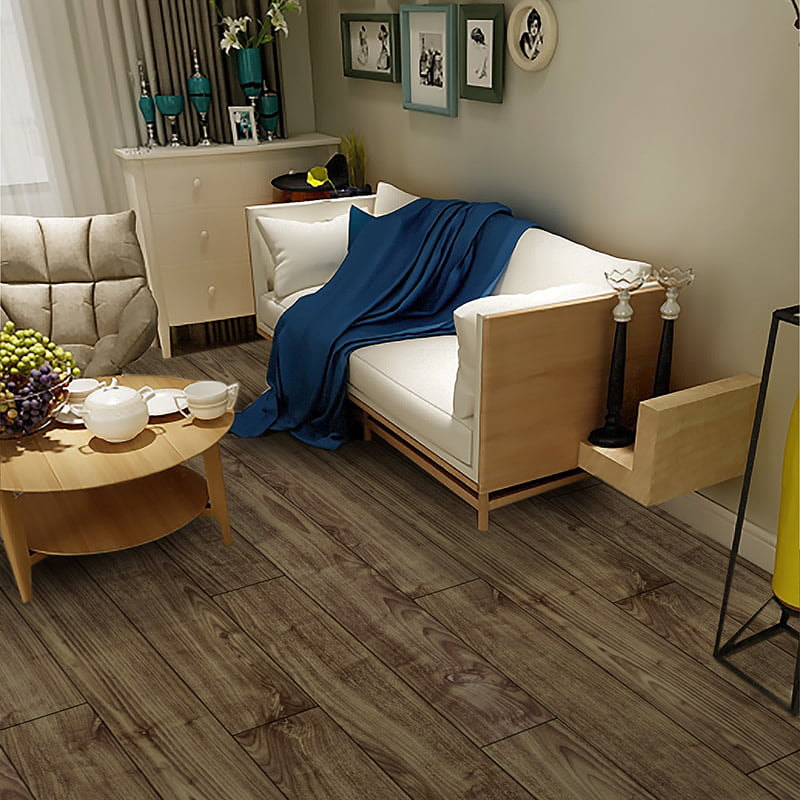 Walnut Design Decorative Film SeriesBrowse walnut-look PVC decorative films in multiple models and sizes for furniture and interior surfaces, then compare grain direction and finish against room materials.View Product →
Walnut decorative film is often used on interior surfaces that need a wood look with a controlled, repeatable finish. Typical applications include kitchen and wardrobe doors, furniture fronts, cabinet carcasses, wall cladding, door skins, retail fixtures, and office casework. It can also be used on display units and shelving where a warm wood tone is wanted without the weight of solid timber. These are general application ideas; the right choice always depends on the substrate, the bonding method, and the conditions the finished surface will face.
For furniture, the film may be laminated to board or wrapped around a profile. For wall panels, it may be applied to a flat core and finished with edge trim. In each case, the fabricator needs to confirm that the film suits the process. A film intended for flat lamination may not be the best choice for a tight radius, and a surface that receives heavy handling may need a different wear layer or a protective top coat. Good projects start with a clear conversation about how the panel will be made and where it will live.
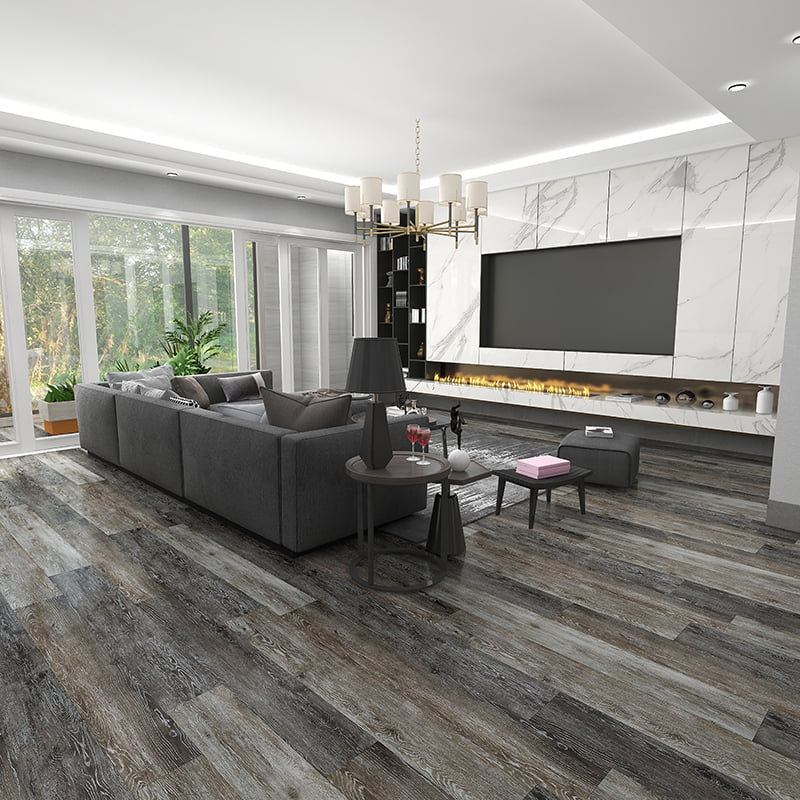 PVC Wood Grain Decorative FilmExplore PVC wood-grain decorative film for interior floors and walls, with oak, walnut, and other wood looks and options for custom patterns.View Product →
Walnut decorative film is a visual product, but it is also a working material. Before specifying a film for a full project, check the following points with your supplier and your fabricator:
It is also worth asking for a technical data sheet and a small production trial. Our own guide to walnut decorative film uses covers more of the practical questions buyers ask, but there is no substitute for testing the exact film, board, and process you plan to use.
A clean substrate and a controlled work area do more for the final appearance than most people expect. Dust, uneven adhesive, or trapped air can show through a smooth decorative film, especially under raking light. For flat lamination or wrapping, the panel should be clean, dry, and flat, and the adhesive should be applied according to the film supplier's instructions. Temperature and humidity matter too; a cold workshop can make the film less conformable, while excessive heat can cause stretching or bubbles.
These steps are general good practice, not a replacement for the film's technical instructions or the fabricator's own method statement. If a project involves curves, heat, or a new substrate, run a trial first. It is much easier to adjust a sample than a finished batch.
Walnut decorative film is generally easy to maintain, but it should be treated as a decorative surface rather than a heavy-duty worktop unless the product has been specified for that use. Regular dusting with a soft cloth and occasional cleaning with a damp cloth and mild soap is usually enough. Avoid abrasive pads, strong solvents, and pooled water at the edges. In high-touch areas such as cabinet handles and drawer fronts, a quick wipe keeps the surface looking even and reduces the build-up that can dull the grain.
Longevity depends on the film, the substrate, the bonding quality, and the environment. A well-bonded panel in a dry interior will behave very differently from a surface exposed to steam, direct heat, or constant scrubbing. If the application is unusual, ask for guidance before installation rather than after.
At Changzhou Yunchang Decorative Materials, walnut sits within a wood grain family that also includes oak, hickory, and pine. Our wider range covers wood, stone, and carpet grain films, with more than a thousand colors and patterns across the series. We began mass production at our Vietnam factory in September 2023, alongside our Changzhou base, and we work with clients on samples, color direction, and special editions when a standard range does not quite fit the brief.
That collaboration is often the most useful part of the process. A designer may have a clear walnut tone in mind but need to see it on the actual board; a furniture maker may need a grain scale that works across a full cabinet run. We would rather test a few directions early than push a single sample through to production. If you would like to know more about how we work, you can read more about our company and approach.



Contact
 China Company Address: No.5 Zhaojia Road,
Vietnam Factory Address: GNP Yen Binh
1 - lndustrial Center (Lot CN13,CN18,Yen
Binh Industrial Park, Ward, Dng Tien, Ph8 Yen,
Thai Nguyen 24000)
Thailand Factory Address: 289/12 Moo 7, Klong Kiu Sub-District, Ban Bueng District, Chonburi 20220 THAILAND
 Tel: +86-13685281168
+86-13813687178
 E-mail: [email protected]




 English
 русский