Content
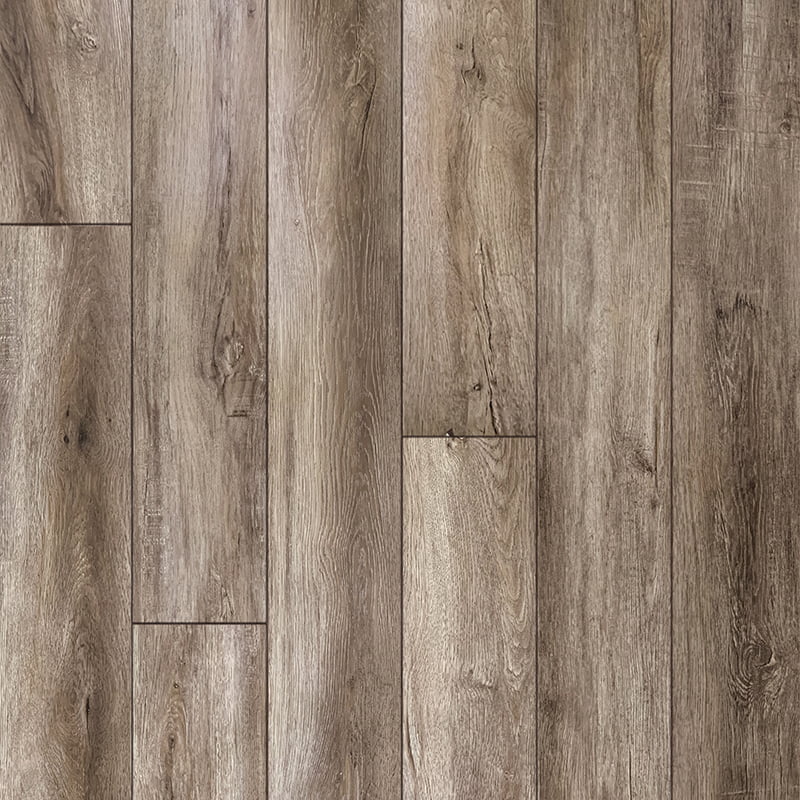
Oak decorative film has emerged as a premier solution for both residential and commercial interior design, offering the timeless aesthetic of authentic wood without the environmental or financial costs of solid timber. These high-performance PVC or PET-based films are engineered to replicate the intricate grain patterns, tactile textures, and subtle color variations found in natural oak. From the muted tones of White Oak to the deep, rustic charred aesthetics of reclaimed wood, these films allow for seamless application on flat or curved surfaces, making them indispensable for furniture upcycling and architectural detailing.
Beyond mere aesthetics, these films provide a functional protective layer. Modern manufacturing processes incorporate UV resistance and anti-scratch coatings, ensuring that the "wood" finish does not fade under direct sunlight or peel in high-traffic areas. This makes oak decorative film an ideal choice for kitchen cabinetry, office partitions, and hospitality environments where durability and ease of maintenance are as critical as the visual atmosphere.
Choosing the right oak film requires an understanding of how different finishes interact with light and space. The market offers a range of grain types, from "straight grain" for a clean, minimalist look to "cathedral grain" for a more traditional and dramatic appearance. Selecting the appropriate finish depends largely on the existing architecture and the desired psychological impact of the room.
| Film Type | Visual Characteristics | Best Use Case |
| Natural Light Oak | Soft honey tones with fine pores | Scandinavian-style living rooms |
| Grey/Urban Oak | Cool undertones with muted graining | Modern office spaces and lofts |
| Rustic/Aged Oak | Prominent knots and textured cracks | Feature walls and café counters |
Professional-grade oak decorative films are far superior to standard contact papers. They feature advanced adhesive technologies, such as air-release channels, which prevent the formation of bubbles during the application process. This ensures a vacuum-sealed look that is indistinguishable from real wood veneer to the untrained eye.
Achieving a flawless finish with oak decorative film requires meticulous surface preparation. Any dust, grease, or imperfection on the substrate will be magnified once the film is applied. It is recommended to clean the surface with isopropyl alcohol and ensure it is completely dry before starting. For curved edges or complex corners, the strategic use of a heat gun allows the film to become more pliable, stretching slightly to conform to the shape without tearing.
Once applied, the film should be squeegeed from the center outwards to lock the adhesive and remove any trapped air. For long-term durability, sealing the edges with a specialized edge primer can prevent lifting in areas exposed to heavy cleaning or friction. This professional approach transforms a simple DIY project into a permanent architectural upgrade.



Contact
 China Company Address: No.5 Zhaojia Road,
Vietnam Factory Address: GNP Yen Binh
1 - lndustrial Center (Lot CN13,CN18,Yen
Binh Industrial Park, Ward, Dng Tien, Ph8 Yen,
Thai Nguyen 24000)
Thailand Factory Address: 289/12 Moo 7, Klong Kiu Sub-District, Ban Bueng District, Chonburi 20220 THAILAND
China Company Address: No.5 Zhaojia Road,
Vietnam Factory Address: GNP Yen Binh
1 - lndustrial Center (Lot CN13,CN18,Yen
Binh Industrial Park, Ward, Dng Tien, Ph8 Yen,
Thai Nguyen 24000)
Thailand Factory Address: 289/12 Moo 7, Klong Kiu Sub-District, Ban Bueng District, Chonburi 20220 THAILAND
 Tel: +86-13685281168
+86-13813687178
Tel: +86-13685281168
+86-13813687178
 E-mail: [email protected]




 English
 русский