Content
Wood grain decorative film is a multi-layered self-adhesive material designed to replicate the texture and visual appeal of natural timber. Unlike traditional veneers, these films are typically engineered from high-quality PVC or PET, featuring a printed high-definition pattern layer protected by a transparent wear-resistant coating. This construction ensures that the material is not only flexible enough to wrap around complex curves and edges but also resilient against moisture, scratches, and UV fading. The adhesive backing is often designed with air-release channels, allowing for a bubble-free application that makes it a preferred choice for both professional renovators and DIY enthusiasts looking for a cost-effective alternative to solid wood.
| Feature | Description |
| Material Base | Polyvinyl Chloride (PVC) or PET |
| Thickness | 0.12mm to 0.25mm |
| Heat Resistance | Stable up to 60°C - 80°C |
| Surface Finish | Matte, Glossy, or Embossed Texture |
The versatility of wood grain film allows it to transcend simple furniture resurfacing. In commercial spaces, it is frequently used for wall paneling, elevator interiors, and door frames where the weight and cost of real wood would be prohibitive. In residential settings, it serves as an excellent solution for kitchen cabinet refacing, transforming outdated laminate surfaces into modern oak, walnut, or teak finishes without the need for demolition. Because the film is waterproof, it is also suitable for bathroom vanities and laundry room surfaces, providing a warm aesthetic in environments where natural wood might warp or rot due to humidity.
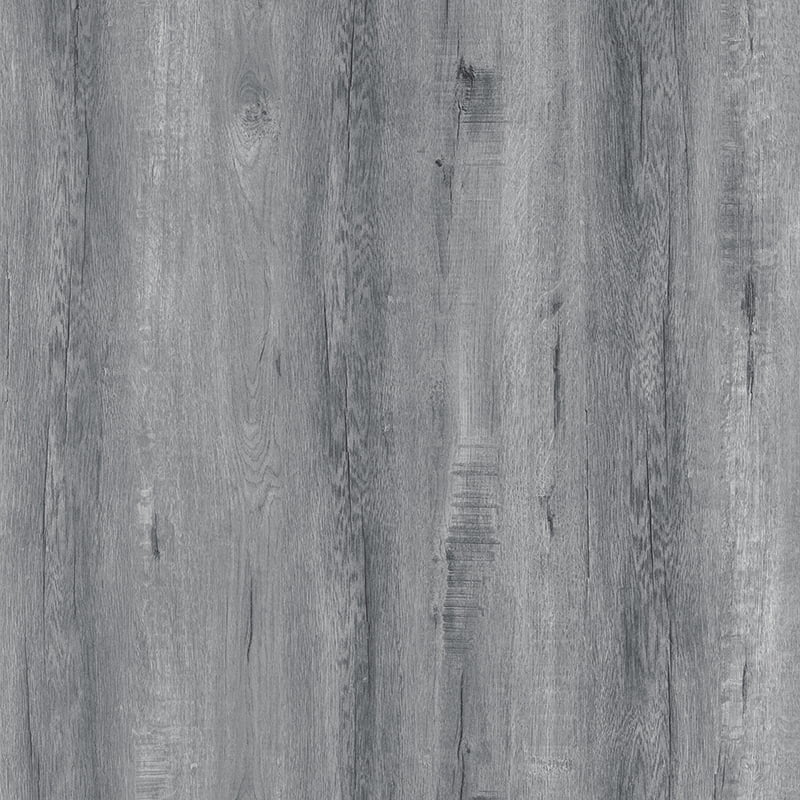
Achieving a professional result with wood grain decorative film requires meticulous surface preparation. The substrate must be thoroughly cleaned with a degreasing agent to ensure maximum adhesive bond. Any deep scratches or dents in the original material should be filled and sanded smooth, as the film can highlight underlying imperfections. During application, using a felt-tipped squeegee is essential to press out air and prevent surface marring. For curved edges or corners, a heat gun or hair dryer should be used to gently soften the film, making it pliable enough to stretch and conform to the shape without tearing.
One of the primary advantages of wood grain decorative film is its low-maintenance nature. Unlike real wood, it does not require periodic oiling, staining, or polishing. Cleaning is straightforward; a damp microfiber cloth with a mild, non-abrasive detergent is usually sufficient to remove dust and fingerprints. It is crucial to avoid harsh chemicals like bleach or acetone, which can degrade the protective top layer and dull the print. Additionally, while the film is heat resistant, placing extremely hot cookware directly onto a filmed surface can cause delamination, so the use of trivets or coasters is recommended to preserve the integrity of the finish for years to come.



Contact
 China Company Address: No.5 Zhaojia Road,
Vietnam Factory Address: GNP Yen Binh
1 - lndustrial Center (Lot CN13,CN18,Yen
Binh Industrial Park, Ward, Dng Tien, Ph8 Yen,
Thai Nguyen 24000)
Thailand Factory Address: 289/12 Moo 7, Klong Kiu Sub-District, Ban Bueng District, Chonburi 20220 THAILAND
China Company Address: No.5 Zhaojia Road,
Vietnam Factory Address: GNP Yen Binh
1 - lndustrial Center (Lot CN13,CN18,Yen
Binh Industrial Park, Ward, Dng Tien, Ph8 Yen,
Thai Nguyen 24000)
Thailand Factory Address: 289/12 Moo 7, Klong Kiu Sub-District, Ban Bueng District, Chonburi 20220 THAILAND
 Tel: +86-13685281168
+86-13813687178
Tel: +86-13685281168
+86-13813687178
 E-mail: [email protected]




 English
 русский