Content
Stone grain decorative film is a surface finishing material that replicates the visual texture and appearance of natural stone — including marble, granite, slate, travertine, and sandstone — on a flexible, adhesive-backed or heat-laminated film substrate. It is applied to furniture panels, cabinetry, wall cladding, countertops, doors, and architectural surfaces to achieve a high-end stone aesthetic without the weight, cost, or installation complexity of actual stone slabs. The film is manufactured through advanced printing and embossing processes that layer photorealistic stone patterns onto PVC, PET, or other polymer bases, then add a protective topcoat for durability.
The popularity of stone texture decorative film has surged alongside demand for affordable interior renovation solutions. Homeowners, interior designers, and commercial fit-out contractors increasingly turn to stone-look film because it delivers the luxurious appearance of marble or granite at a fraction of the material and labor cost. A full marble slab installation requires skilled stone masons, significant structural support, and weeks of lead time. Stone grain film, by contrast, can be applied by a competent DIYer or installer in hours, is lightweight enough for standard substrate structures, and is available in continuous rolls that eliminate grout lines and seams common with tile.
The range of stone-look decorative films available today is remarkably broad, covering virtually every natural stone variety found in high-end residential and commercial design. Understanding the available patterns and finishes helps you select a film that integrates seamlessly with your design intent.
Marble pattern decorative film is the most sought-after category, featuring the characteristic flowing veins and crystalline background of Carrara, Calacatta, Emperador, and Nero Marquina marbles. High-quality marble grain films use multi-layer rotary printing to capture vein depth, color variation, and translucency that closely mimics the appearance of polished stone. These films are particularly popular for kitchen islands, bathroom vanities, feature walls, and furniture wrapping.
Granite texture decorative film reproduces the speckled, granular appearance of igneous stone with random mineral deposits in colors ranging from salt-and-pepper black and white to warm beige, deep blue pearl, and absolute black. Granite-look films are favored for countertop wraps, commercial reception desks, and surfaces where a bold, grounded aesthetic is desired. The embossed surface on premium granite films adds tactile depth that enhances visual realism.
Slate grain decorative film captures the layered, linear cleft texture of natural slate in tones of charcoal, graphite, rust, and green-grey. These films are commonly applied to feature walls, fireplace surrounds, and exterior-facing architectural panels where an industrial or rustic character is desired. Quartzite-pattern films similarly reproduce the dynamic movement and sparkle of quartzite stone, offering an upscale alternative to standard marble patterns.
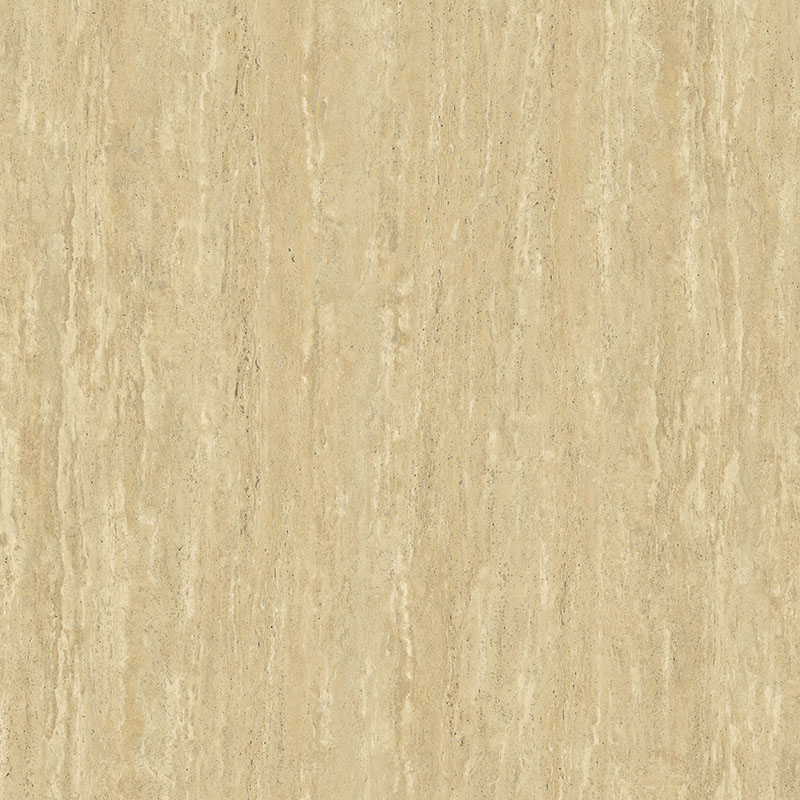
Travertine-look film replicates the warm, porous appearance of this classic Mediterranean stone with its characteristic pitting and linear patterning in ivory, beige, and walnut tones. Sandstone grain films capture the layered, earthy texture of sedimentary stone. Both variants are popular in hospitality interiors, spa environments, and residential spaces seeking a warm, natural ambiance without the maintenance challenges of real porous stone.
Beyond pattern choice, stone grain decorative films are available in multiple surface finishes that dramatically affect the final appearance and practical performance of the applied surface.
Not all stone grain films are created equal. The specifications below directly influence durability, appearance quality, and application suitability. Always request a technical data sheet from suppliers and compare these parameters before purchasing.
| Specification | Entry-Level Film | Mid-Range Film | Premium Film |
| Total Thickness | 0.12–0.18 mm | 0.20–0.30 mm | 0.35–0.50 mm+ |
| Substrate Material | Standard PVC | Calendered PVC / PET | Cast PVC / PET / TPU |
| Surface Wear Layer | Basic lacquer | UV-cured coating | Nano-ceramic / Anti-scratch UV |
| Abrasion Resistance (Taber) | <300 cycles | 300–500 cycles | 500–1000+ cycles |
| Temperature Resistance | Up to 60°C | Up to 80°C | Up to 100°C+ |
| UV Resistance | Limited | Moderate | High (exterior-grade options) |
| Application Method | Self-adhesive | Self-adhesive / Heat lamination | Heat lamination / Vacuum press |
| Formaldehyde Emission | E2 or unrated | E1 | E0 / ENF (formaldehyde-free) |
Stone look decorative film is highly versatile and compatible with a wide range of substrates including MDF, plywood, particle board, PVC sheet, aluminum composite panel, glass, and existing laminates. This adaptability makes it suitable for nearly every interior and select exterior applications.
Kitchen renovation is one of the top use cases for stone grain film. Cabinet door fronts, drawer fronts, and side panels can be wrapped with marble or granite-pattern film to achieve a cohesive stone kitchen aesthetic at a cost dramatically lower than stone veneer or engineered stone panels. For countertops, thicker gauge films with heat and scratch-resistant topcoats are specified, and professional vacuum press lamination is recommended for seamless results on complex shapes and edge profiles.
Marble grain decorative film is especially popular for bathroom vanity wrapping and wet wall paneling. When a moisture-resistant substrate such as PVC board or waterproof MDF is used as the base, and the film edges are properly sealed, stone grain wall panels in bathrooms perform reliably without the grout maintenance, crack risk, or weight issues associated with ceramic tile or real marble cladding.
Large-format stone grain decorative film panels create striking feature walls in living rooms, hotel lobbies, restaurant interiors, and retail environments. Because the film is available in wide rolls (typically 1220mm to 1600mm) and continuous lengths, large wall areas can be covered with minimal seams. The lightweight nature of film-clad panels versus stone cladding eliminates structural reinforcement requirements and reduces installation labor significantly.
Office furniture, retail display fixtures, hotel room furniture, and commercial millwork are all common applications for stone pattern film. Furniture manufacturers use automated flatbed or roll laminators to apply stone grain film to panel components before cutting and assembly, achieving consistent, high-volume output with repeatable quality. Custom furniture makers use self-adhesive stone grain film for small-batch and bespoke projects.
Interior door skins wrapped in stone grain decorative film offer a premium appearance for residential and commercial doors without solid stone weight. Elevator cab interiors — walls, ceiling panels, and door facings — are another niche but growing application where stone-look film provides an upscale finish that is easy to maintain and replace during periodic refurbishments.
Correct application technique is what separates a flawless, long-lasting installation from a bubbled, peeling, or misaligned result. The following guide covers professional installation practices for self-adhesive stone grain film on flat panel surfaces — the most common DIY and trade application scenario.
Stone grain decorative film competes with several other surface finishing options that deliver a stone-like appearance. Understanding how it compares helps specify the right material for each application and budget level.
| Material | Appearance Realism | Cost | Weight | Installation Complexity | Durability |
| Stone Grain Decorative Film | High (premium grades) | Low–Medium | Very Light | Low–Medium | Medium (5–15 years) |
| Natural Stone Slab | Highest | Very High | Very Heavy | High | Very High (decades) |
| Porcelain Tile (Stone Look) | High | Medium | Heavy | High (grouting required) | Very High |
| Stone-Effect HPL Laminate | Medium–High | Medium | Light–Medium | Medium | High |
| Engineered Stone (Quartz) | High | High | Very Heavy | High | Very High |
| Stone-Print Wallpaper | Low–Medium | Very Low | Very Light | Low | Low (3–7 years) |
Stone grain decorative film surfaces are significantly easier to maintain than real stone, which can require periodic sealing, polishing, and careful pH-balanced cleaning. However, film surfaces still benefit from proper care routines to preserve appearance and extend service life.
For everyday cleaning, a soft microfiber cloth dampened with warm water and a mild, pH-neutral detergent is all that is needed. Wipe in the direction of any embossed grain pattern to avoid trapping soil in texture channels. Rinse with a clean damp cloth and dry immediately to prevent water spots, particularly on gloss-finish films. The non-porous surface of quality stone grain film means spills do not penetrate — simply wipe promptly.
One significant advantage of stone grain decorative film over real stone or fixed tile is replaceability. When a section of film is damaged, scratched, or simply dated in style, it can be removed and replaced with fresh film at minimal cost — essentially refreshing the surface without replacing the underlying substrate. High-quality films with repositionable or removable adhesive make this process especially straightforward for periodic interior refreshes.
The decorative film market contains a wide quality spectrum, from low-cost commodity films with thin coatings and basic printing to premium products engineered for demanding commercial applications. Using the following criteria when evaluating suppliers ensures you invest in film that will perform as expected over the long term.



Contact
 China Company Address: No.5 Zhaojia Road,
Vietnam Factory Address: GNP Yen Binh
1 - lndustrial Center (Lot CN13,CN18,Yen
Binh Industrial Park, Ward, Dng Tien, Ph8 Yen,
Thai Nguyen 24000)
Thailand Factory Address: 289/12 Moo 7, Klong Kiu Sub-District, Ban Bueng District, Chonburi 20220 THAILAND
China Company Address: No.5 Zhaojia Road,
Vietnam Factory Address: GNP Yen Binh
1 - lndustrial Center (Lot CN13,CN18,Yen
Binh Industrial Park, Ward, Dng Tien, Ph8 Yen,
Thai Nguyen 24000)
Thailand Factory Address: 289/12 Moo 7, Klong Kiu Sub-District, Ban Bueng District, Chonburi 20220 THAILAND
 Tel: +86-13685281168
+86-13813687178
Tel: +86-13685281168
+86-13813687178
 E-mail: [email protected]




 English
 русский