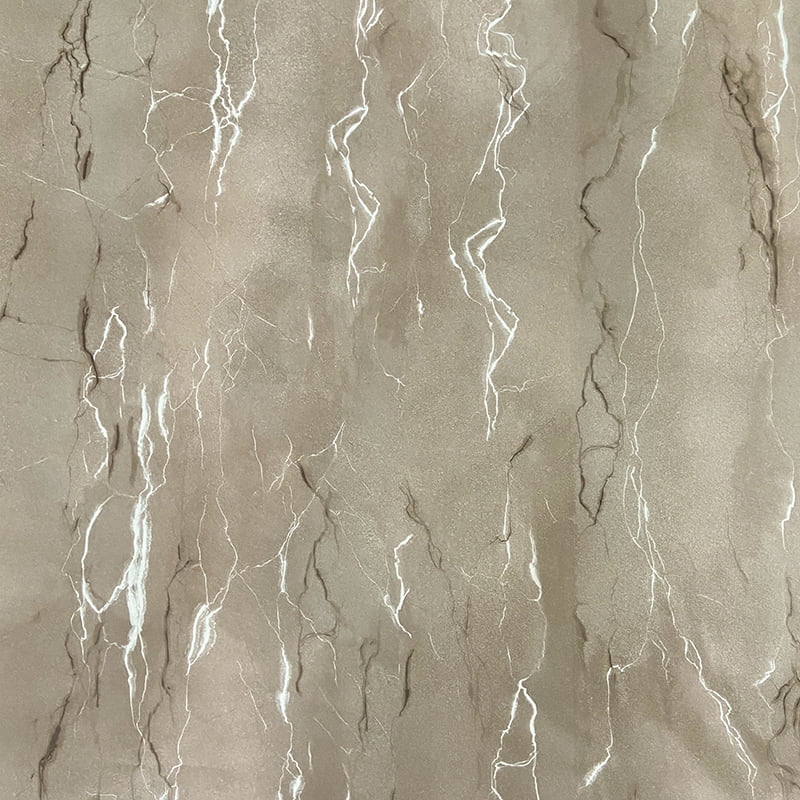
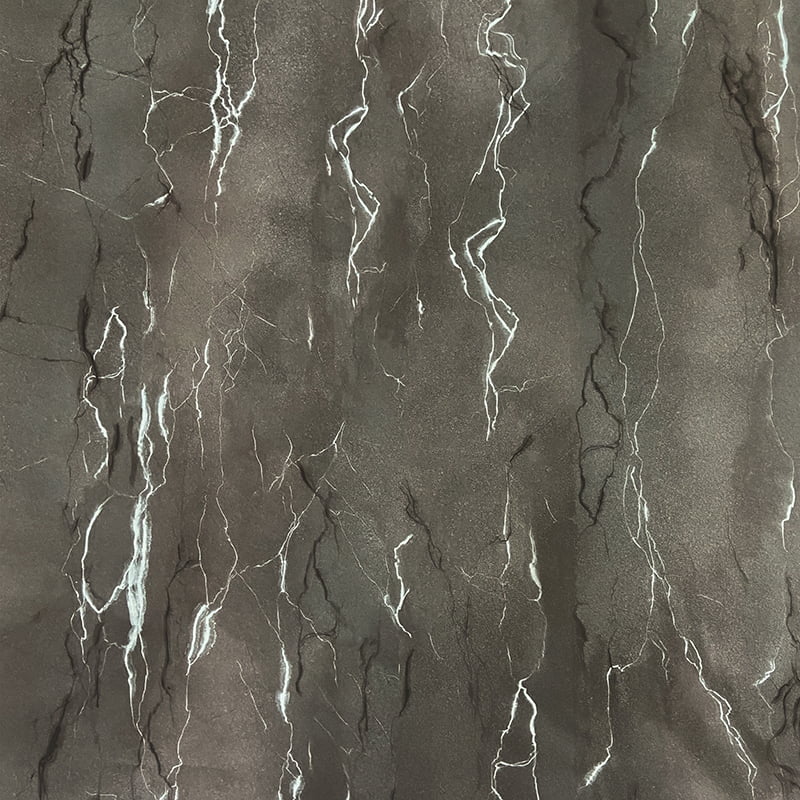
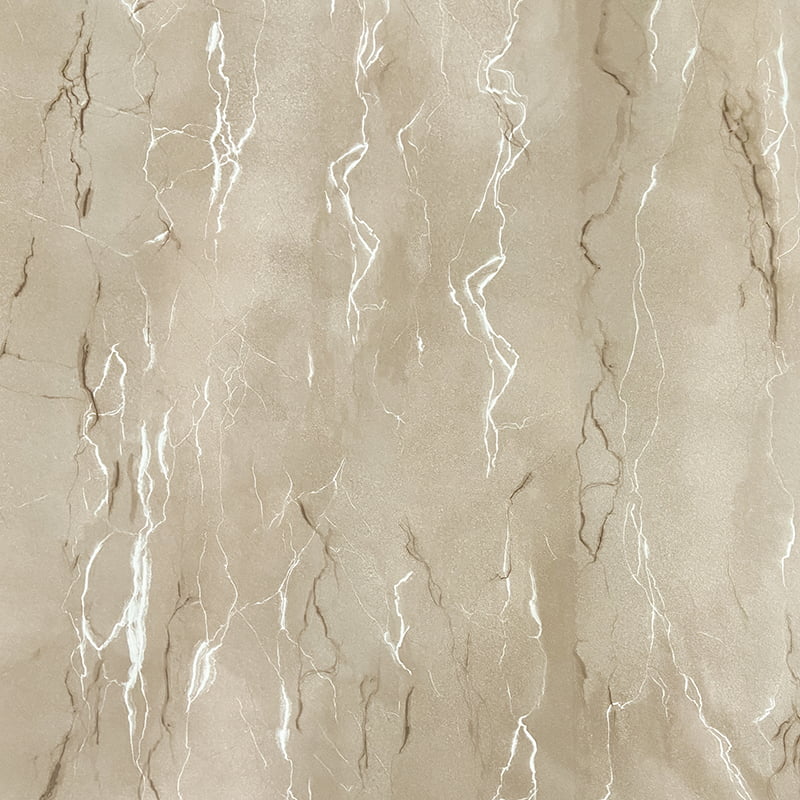
We often say that marble is a high-quality building material with great tolerance and plasticity. There are many types of marble, with a variety of patterns, and it has extremely artistic patterns and is noble and elegant. However, marble is easily damaged during transportation. Marble-patterned floors can solve this problem and reduce costs at the same time.


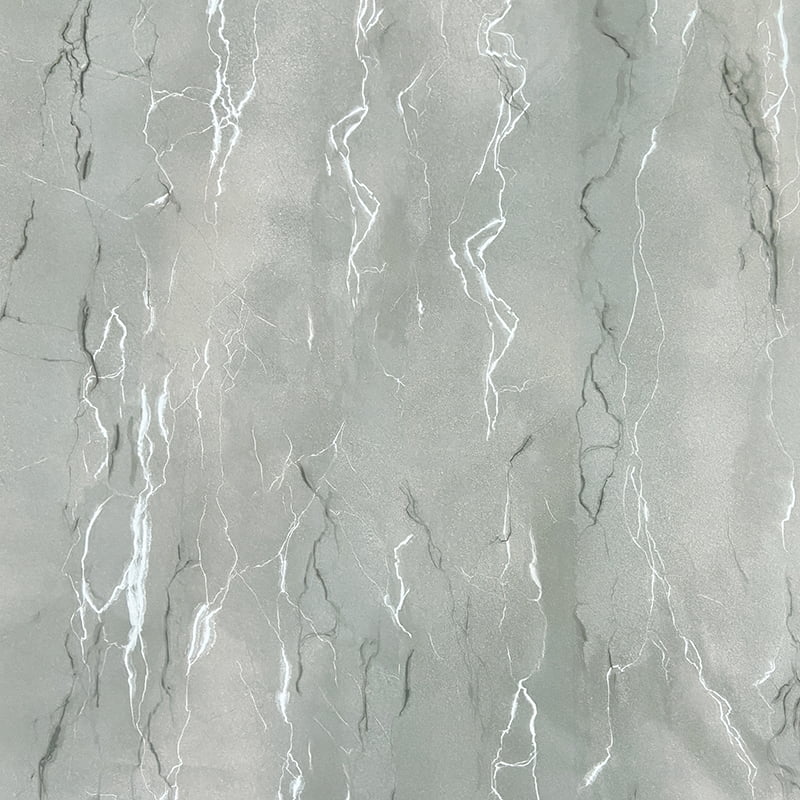
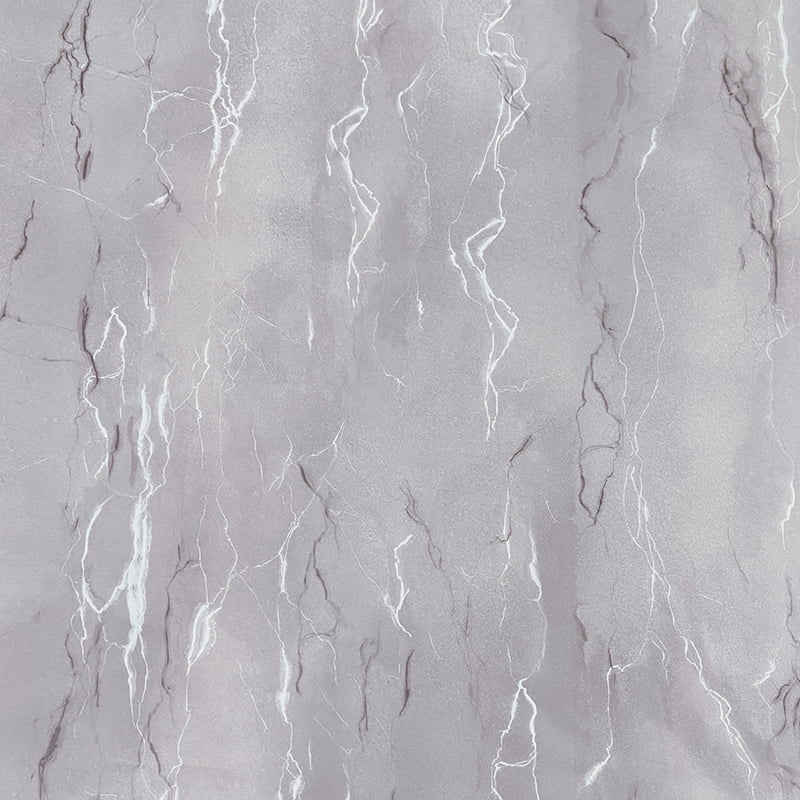

Model: YC856
Wood: Marble
Spec: 1000*1270mm


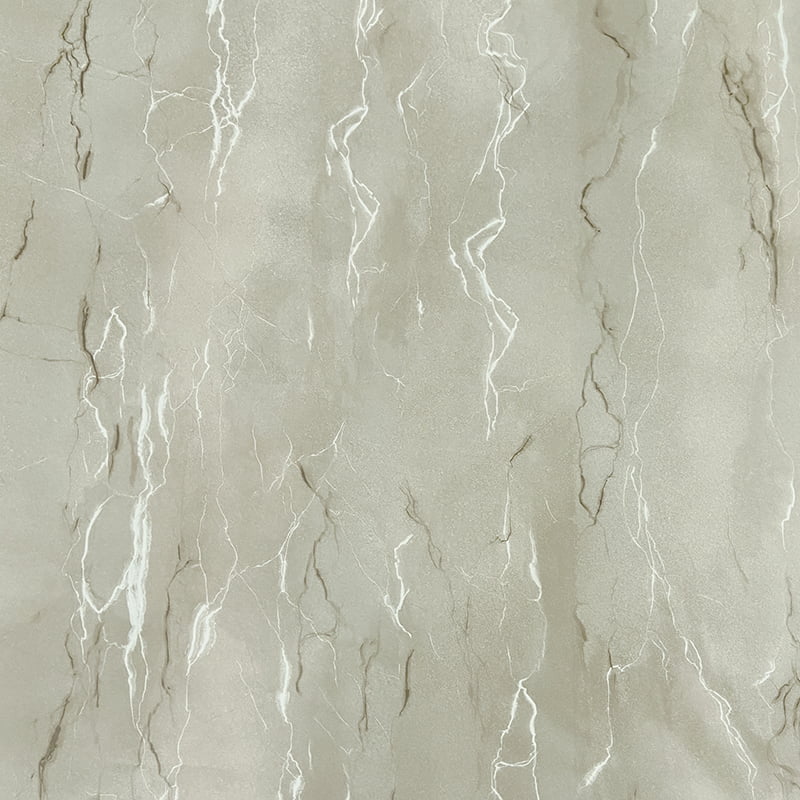
Model: YC867
Wood: Marble
Spec: 1000*1270mm
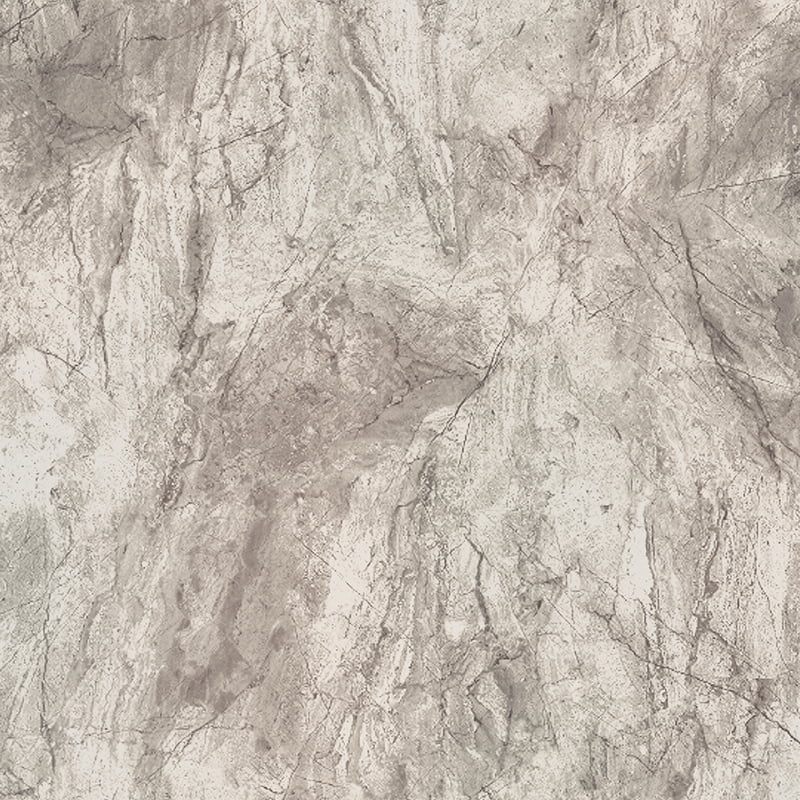

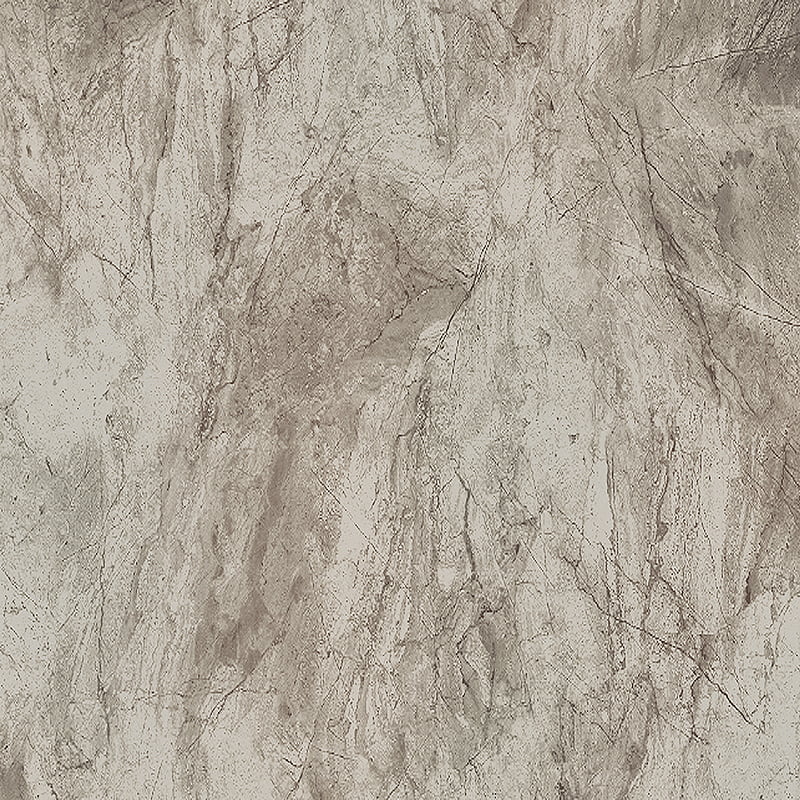
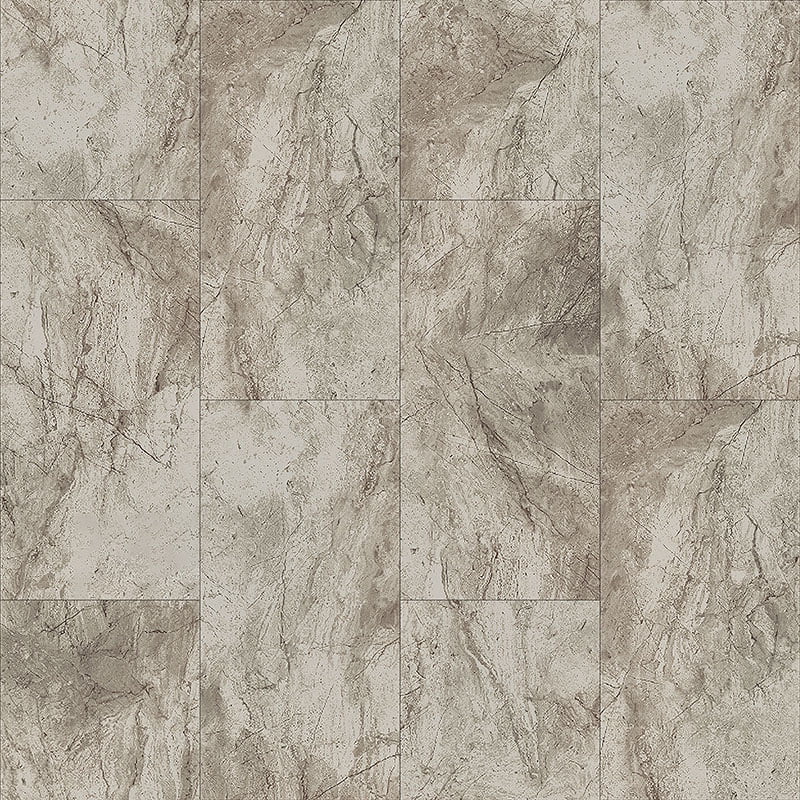
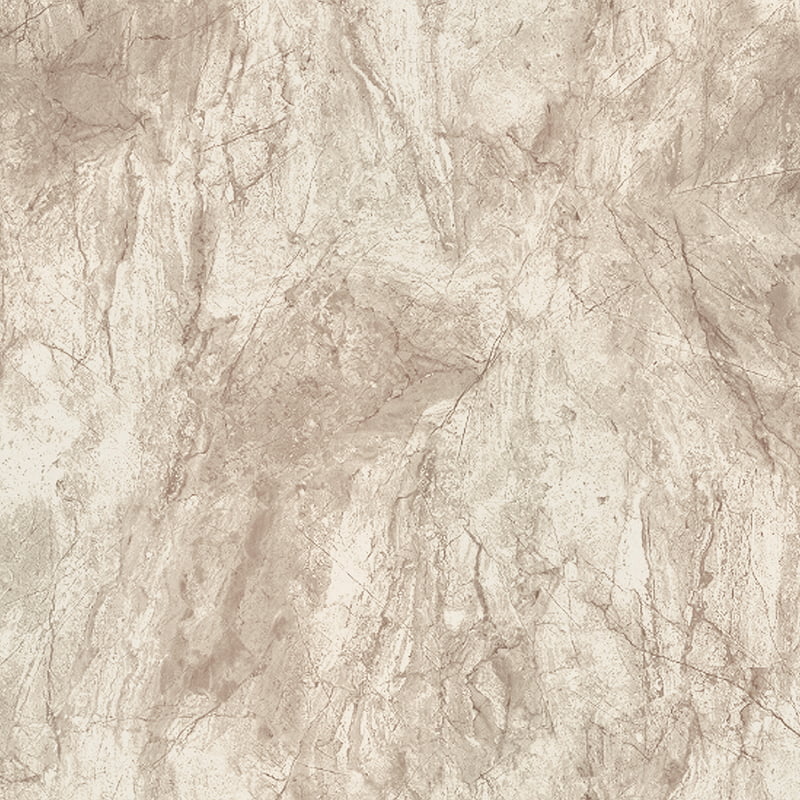
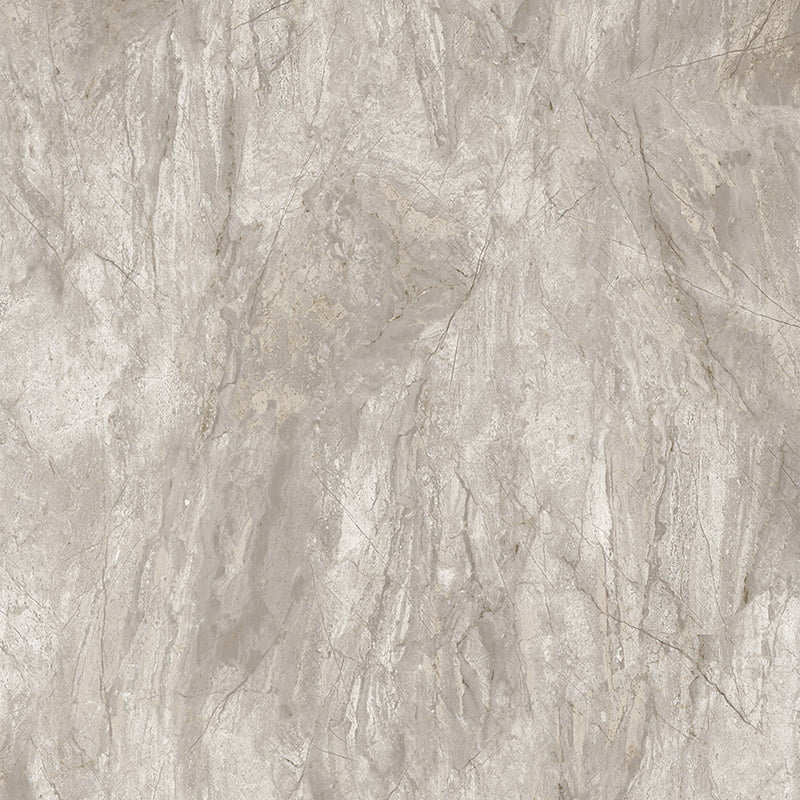
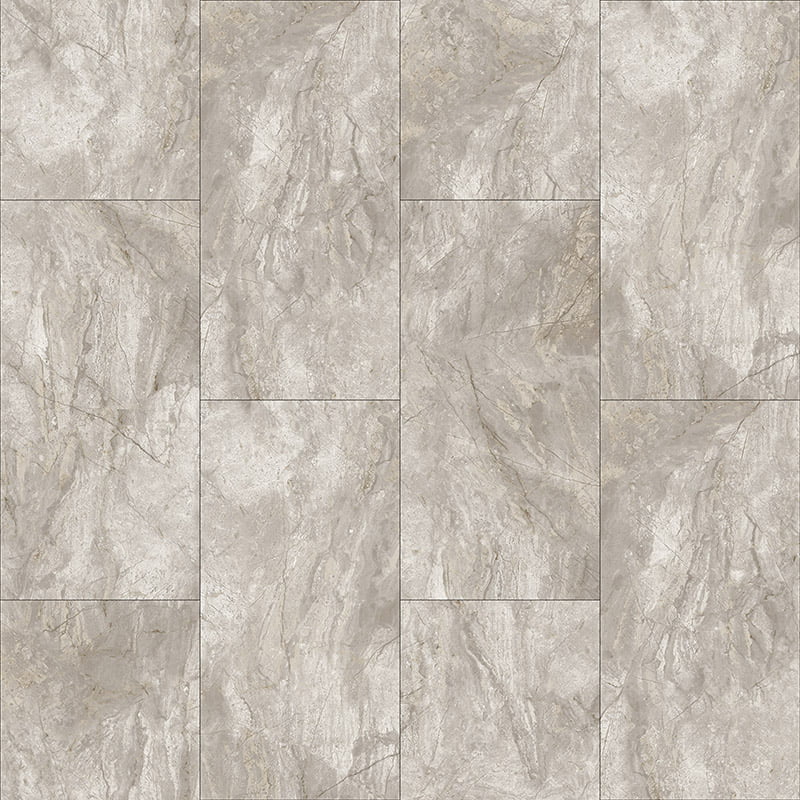
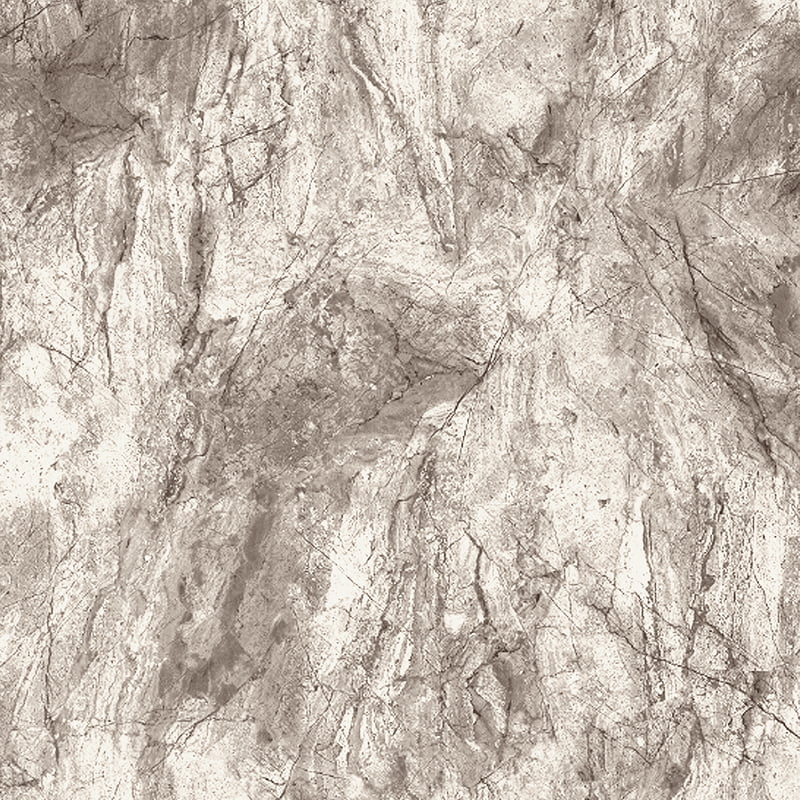
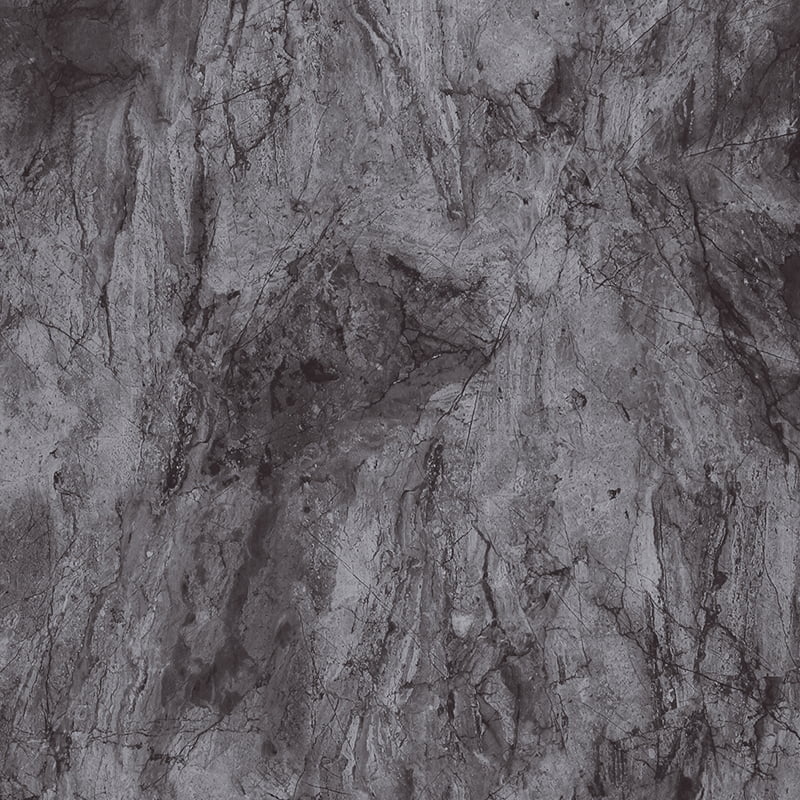
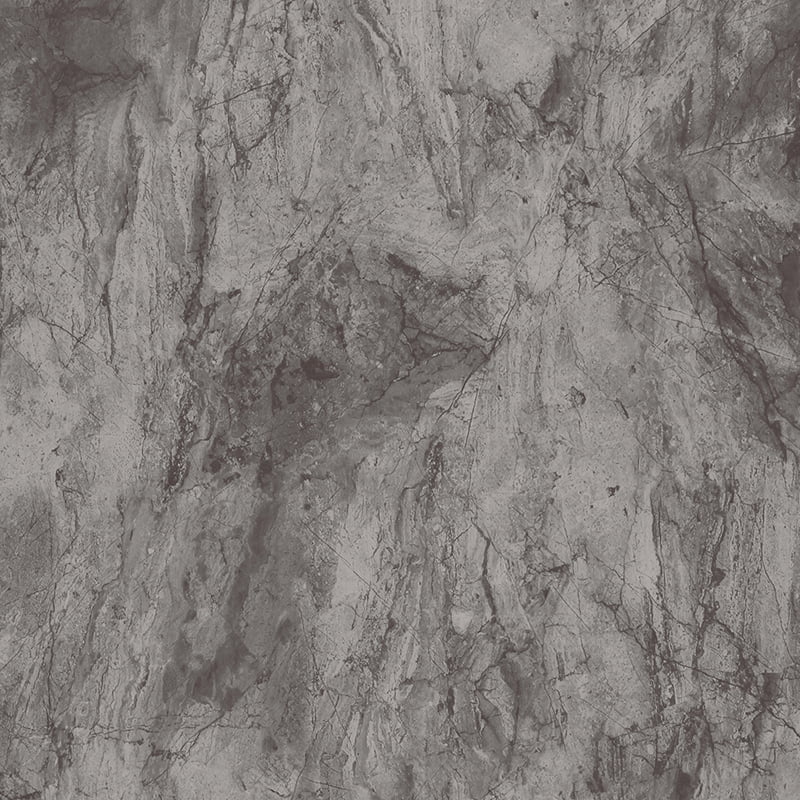
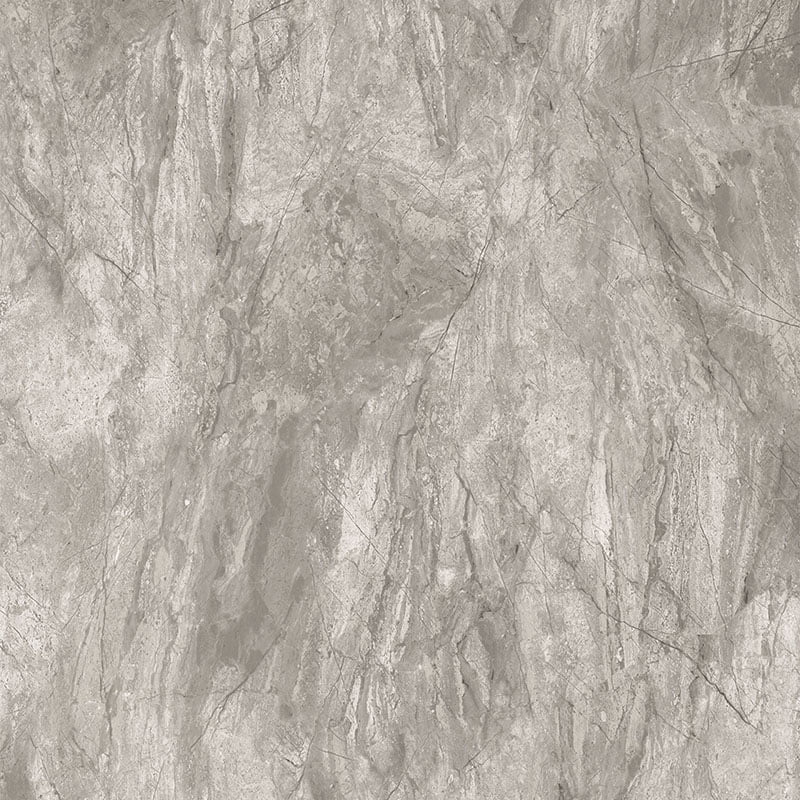
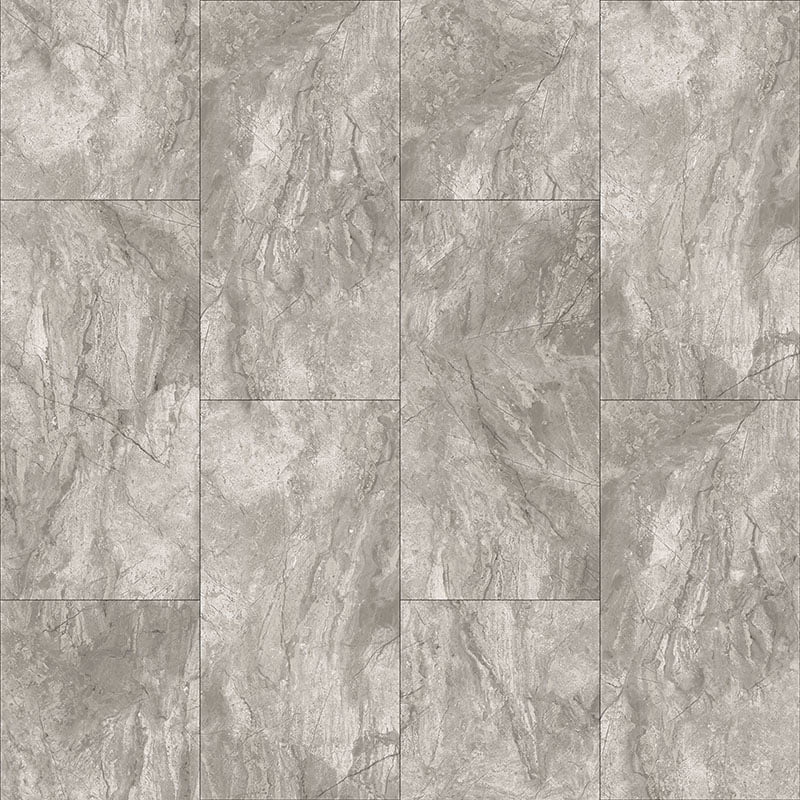
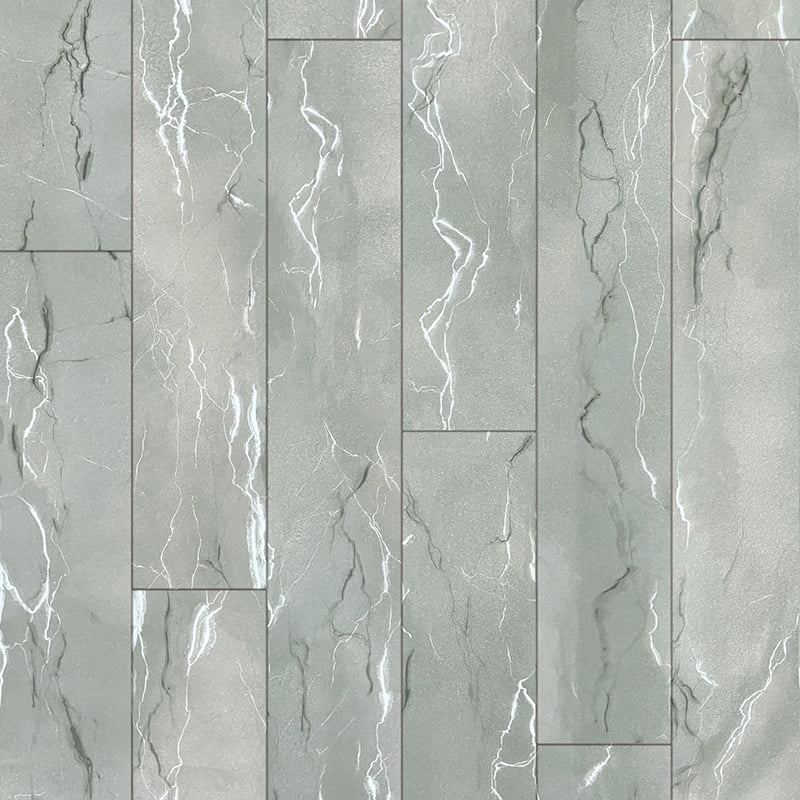
Model: YC7085
Wood: Stone
Spec: 1000*985mm
Single chip size: 12*24"
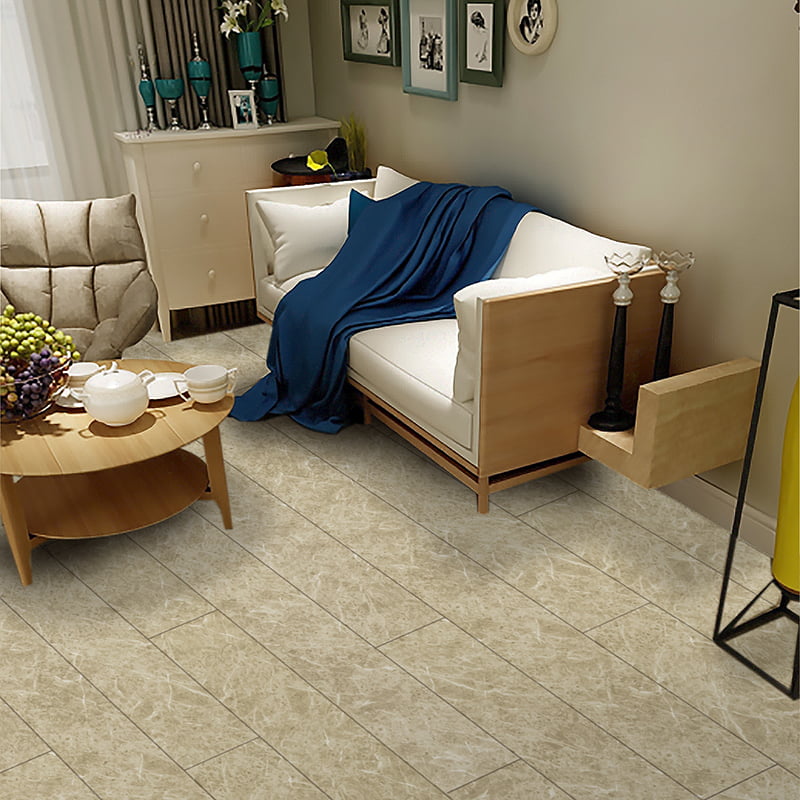
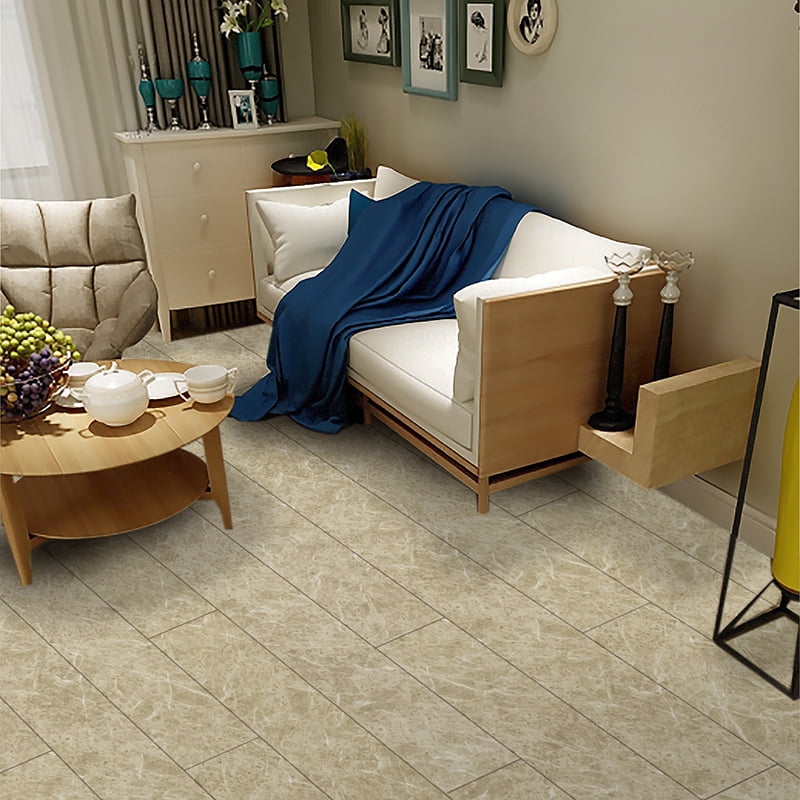
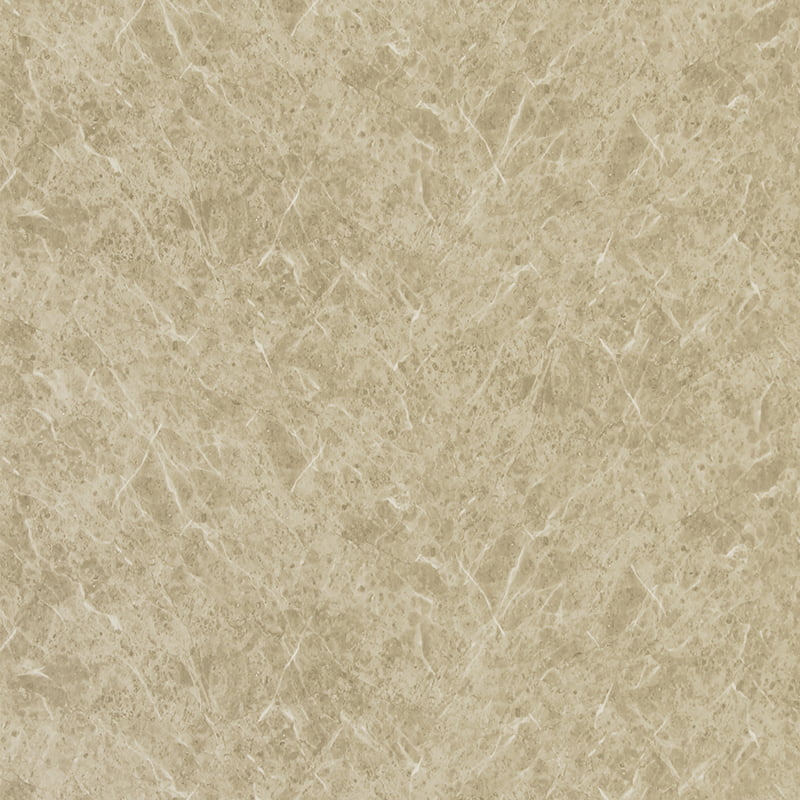
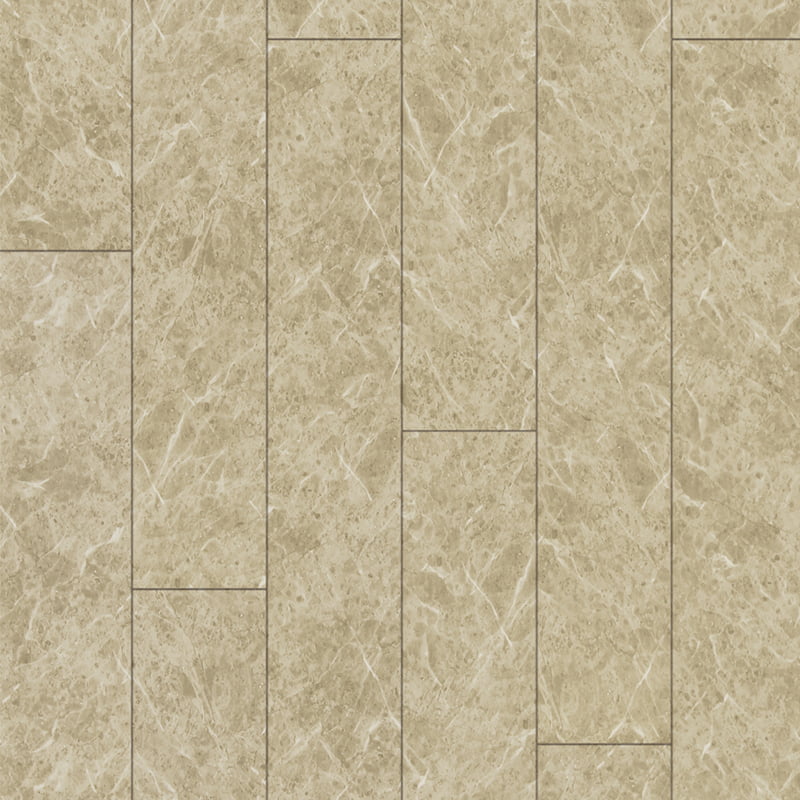
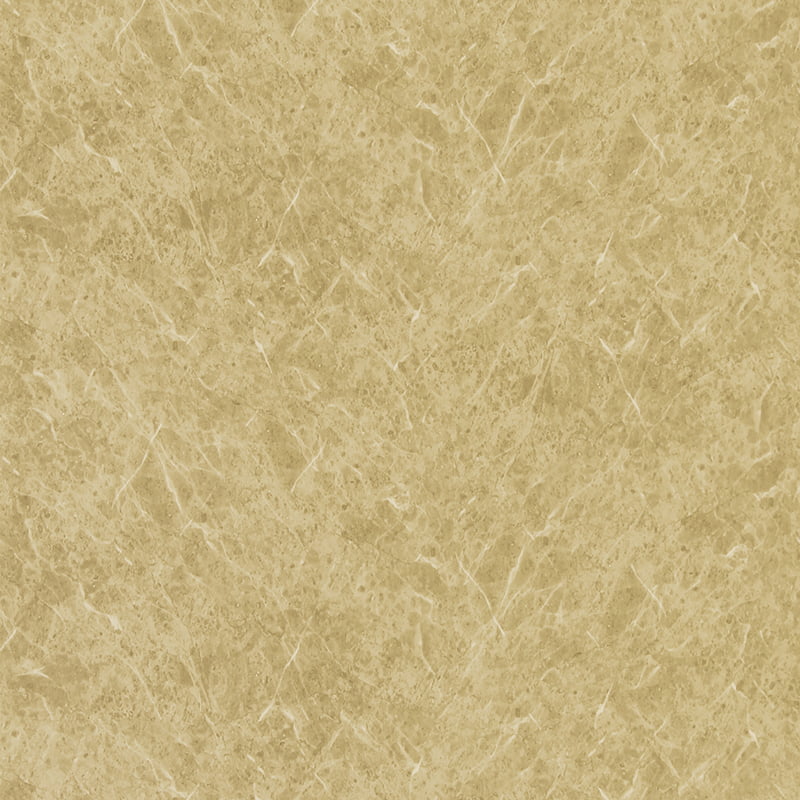
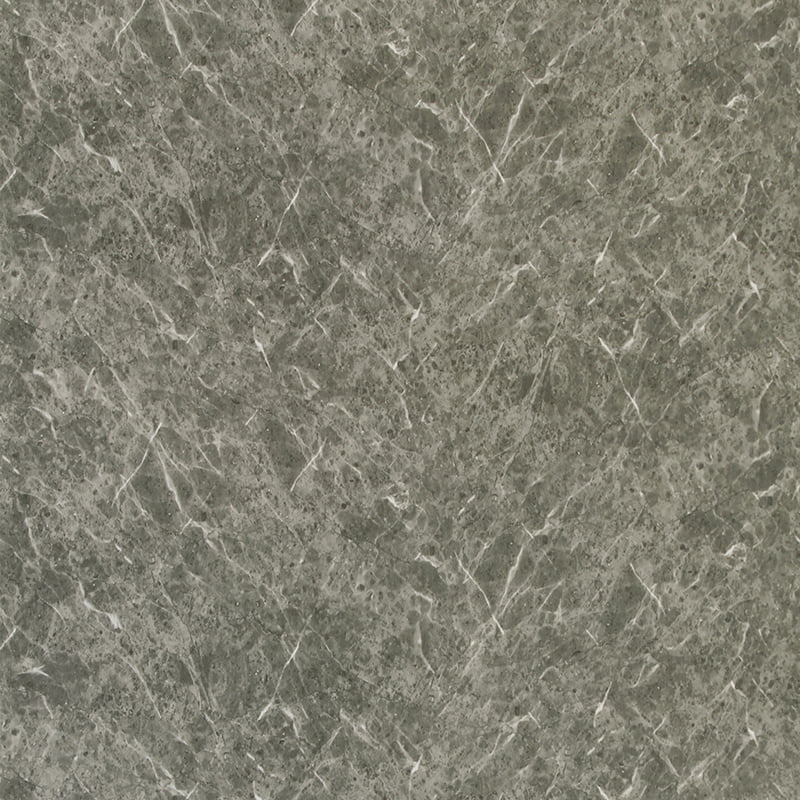
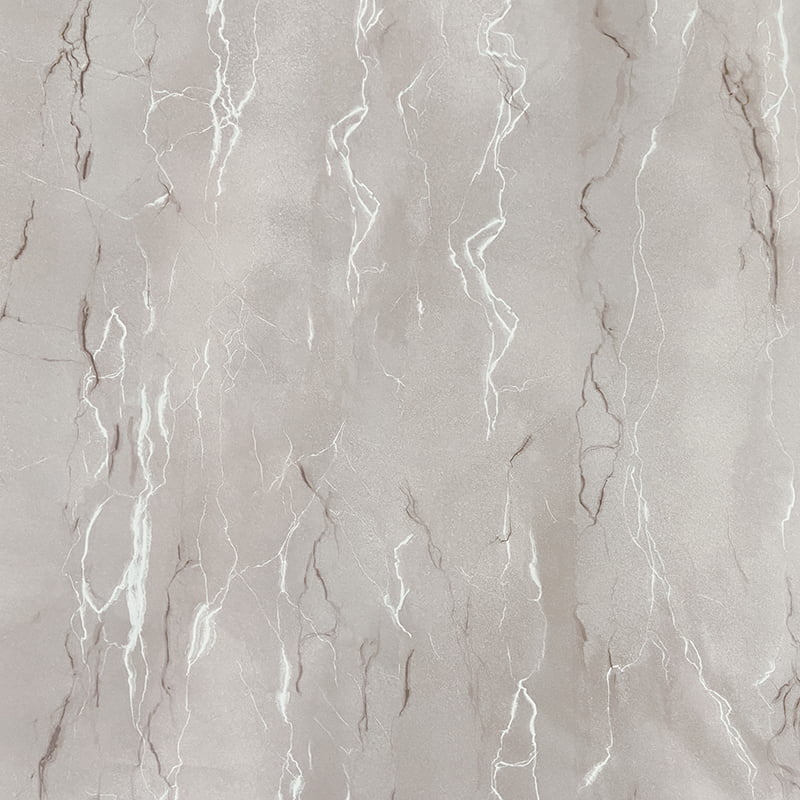
Model: YC81953
Wood: Marble
Spec: 1300*1000mm
Transform Your Space with Pine Decorative Film Pine decorative film is a versatile, self-adhesive surfacing material des...
View MoreIntroduction: Why Hickory Decorative Film? Hickory Decorative Film is a high-quality PVC or vinyl surface material desig...
View More1. Material Properties and Process Advantages Oak Decorative Film is essentially a thin layer made of high-quality PVC o...
View MoreWhat is Wood PVC Film? Wood PVC Film is a type of decorative plastic film that mimics the appearance of natural wood. Ma...
View MoreUnderstanding the Composition and Durability of Wood Grain Decorative Film Wood grain decorative film is a multi-layered...
View MoreThe performance of Marble PVC Decorative Film in high-temperature environments is determined by the quality of the stabilizers used during the calendering process. While standard films might suffer from "pinking" or yellowing when exposed to consistent sunlight or heat sources, high-grade PVC films incorporate complex calcium-zinc stabilizers that prevent polymer degradation. At Changzhou Yunchang, we have refined our production technology to ensure that our marble series maintains its structural integrity and color vibrancy even in climates with high UV exposure. This thermal stability is crucial for applications near kitchen stovetops or in sun-drenched commercial lobbies where inferior films might lose their adhesive bond or develop surface brittleness.
To better understand how different film thicknesses impact specific performance metrics, consider the following technical breakdown:
| Film Thickness | Heat Distortion Temp | Optimal Application |
| 0.12mm - 0.18mm | 55°C - 60°C | Flat lamination for interior walls |
| 0.20mm - 0.35mm | 65°C - 75°C | Vacuum forming for cabinet doors |
| 0.40mm+ | 80°C+ | High-traffic commercial surfaces |
The aesthetic authenticity of Marble Decorative Film is not merely a result of high-resolution printing, but the synchronization of the printed pattern with physical texture, a process known as synchronous embossing. Our R&D team focuses on "optical depth," where the base PVC layer, the printed marble pattern, and the protective wear layer work in unison to refract light. We take great pride in our ability to develop and design new products as special editions for our partners, ensuring that the crystalline veins of the marble appear to sit at varying depths within the film. This creates a tactile experience that mimics the cold, smooth feel of natural stone while offering the lightweight benefits of PVC.
Unlike natural marble, which is porous and highly susceptible to acid etching from lemon juice or vinegar, Marble PVC Film provides a non-porous barrier that is chemically inert. The top coating—often a UV-cured acrylic or polyurethane layer—acts as a shield against common household solvents and cleaning agents. Because we follow the concept of being "responsible for the quality and responsible for customers," we rigorously test our films against staining agents like coffee, red wine, and isopropyl alcohol to ensure no permanent discoloration occurs after 24 hours of exposure. This makes our film an ideal choice for laboratory furniture or high-use hospitality surfaces where hygiene and ease of sterilization are paramount.
The longevity of Marble PVC Decorative Film is heavily dependent on the "surface energy" of the substrate it is being applied to. Whether using MDF, particleboard, or aluminum profiles, the surface must be free of wax, dust, and moisture. In our experience, utilizing a primer can significantly increase the dyne level of the substrate, ensuring that the PVC film’s adhesive—whether pre-applied or added via cold lamination—creates a permanent bond. We have optimized our Vietnam-based mass production to ensure the tension of the film is perfectly balanced, preventing "edge-back" or shrinkage after the film has been applied and trimmed. Our integrity and strength in this industry stem from understanding these technical nuances that prevent common installation failures.



Contact
 China Company Address: No.5 Zhaojia Road,
Vietnam Factory Address: GNP Yen Binh
1 - lndustrial Center (Lot CN13,CN18,Yen
Binh Industrial Park, Ward, Dng Tien, Ph8 Yen,
Thai Nguyen 24000)
Thailand Factory Address: 289/12 Moo 7, Klong Kiu Sub-District, Ban Bueng District, Chonburi 20220 THAILAND
China Company Address: No.5 Zhaojia Road,
Vietnam Factory Address: GNP Yen Binh
1 - lndustrial Center (Lot CN13,CN18,Yen
Binh Industrial Park, Ward, Dng Tien, Ph8 Yen,
Thai Nguyen 24000)
Thailand Factory Address: 289/12 Moo 7, Klong Kiu Sub-District, Ban Bueng District, Chonburi 20220 THAILAND
 Tel: +86-13685281168
+86-13813687178
Tel: +86-13685281168
+86-13813687178
 E-mail: [email protected]




 English
 русский