

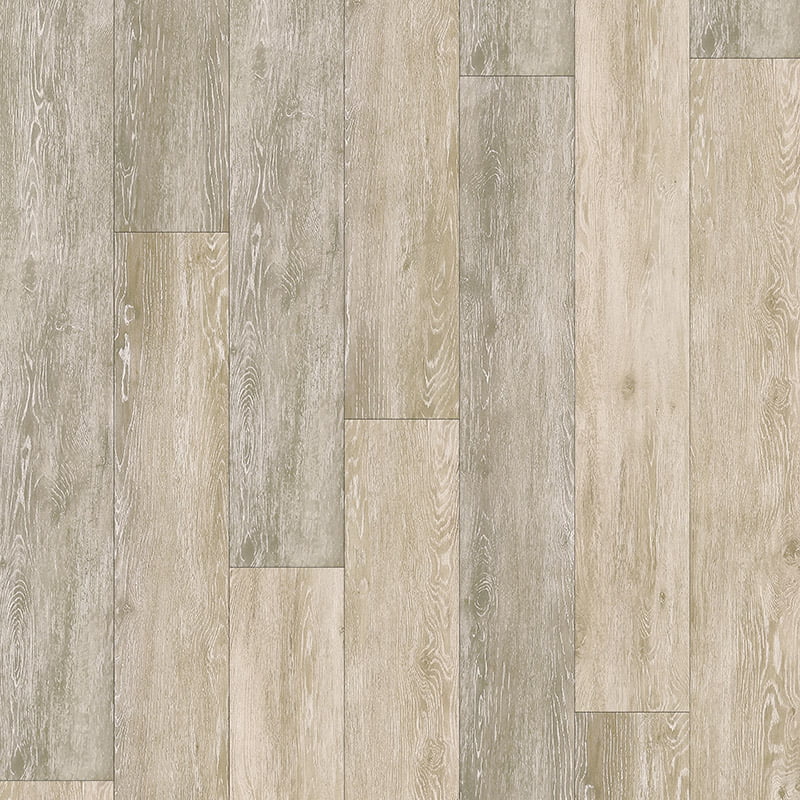
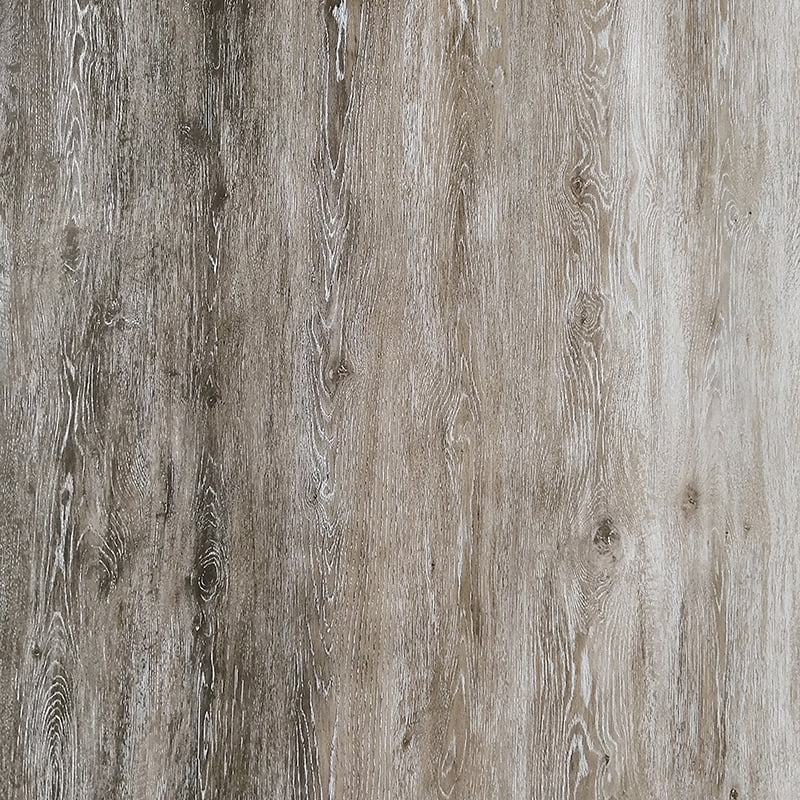
Model: YC5117
Wood: Stone-Solid Color
Spec: 1000*942mm


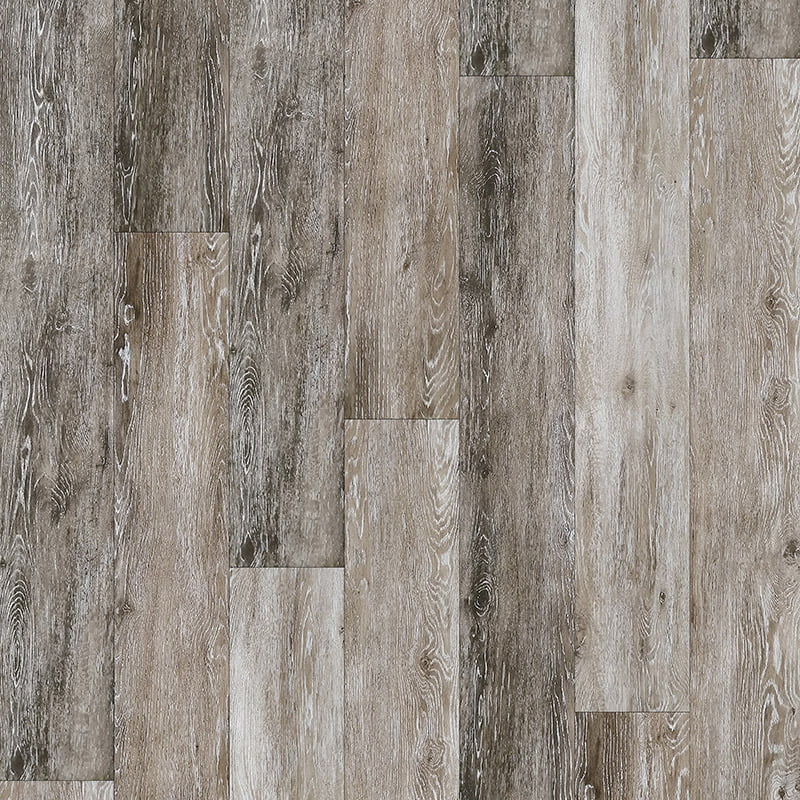
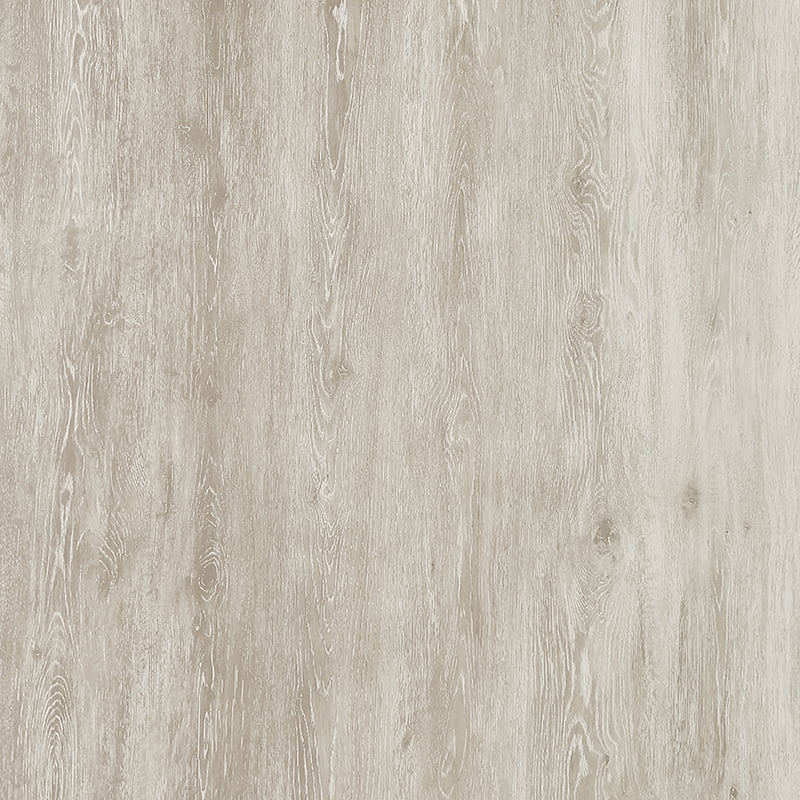
Model: YC5120
Wood: Stone-Solid Color
Spec: 1000*942mm
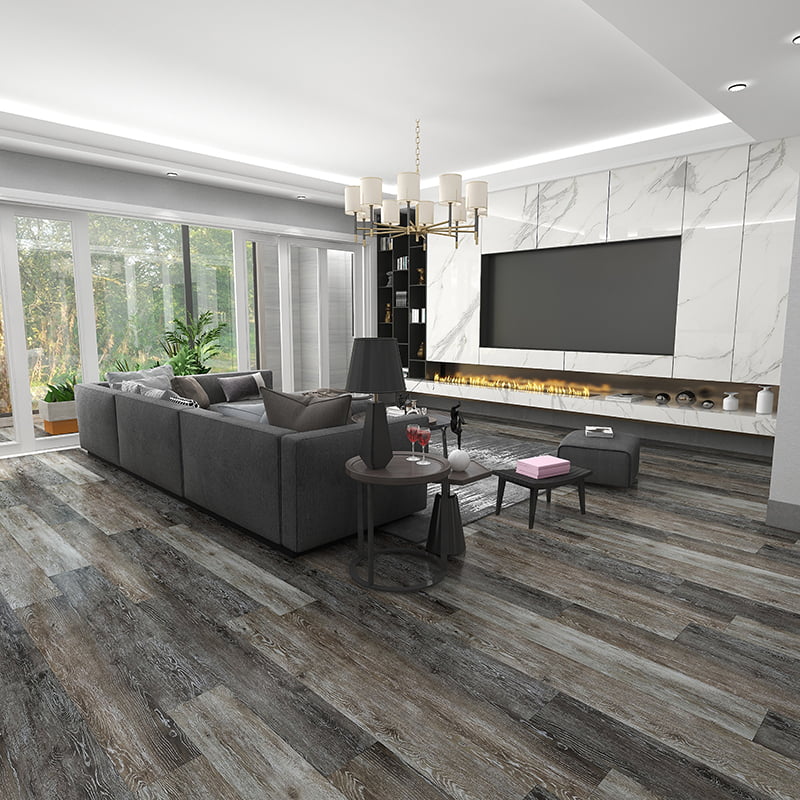
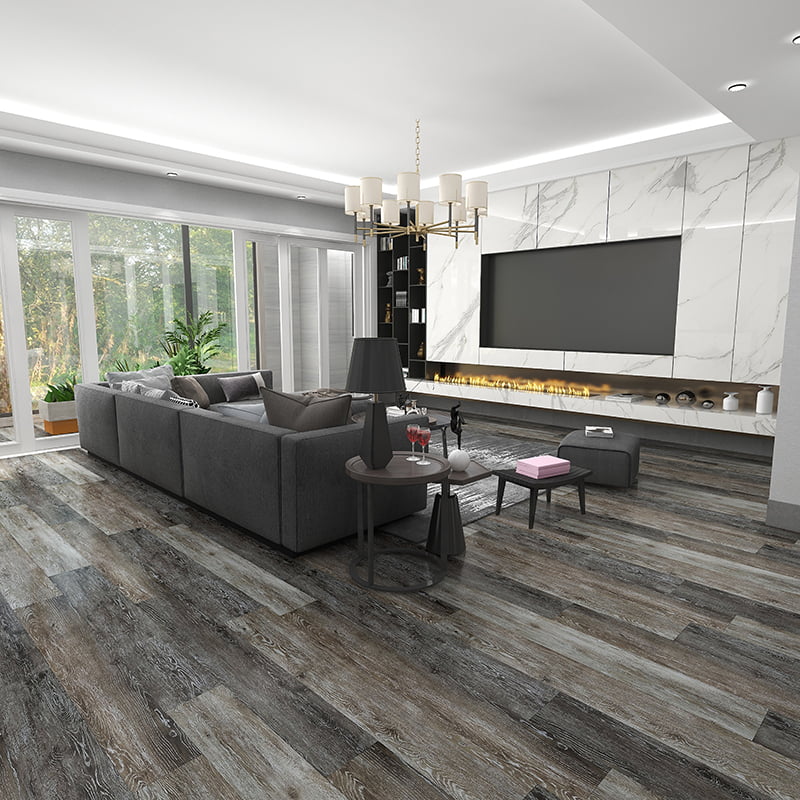
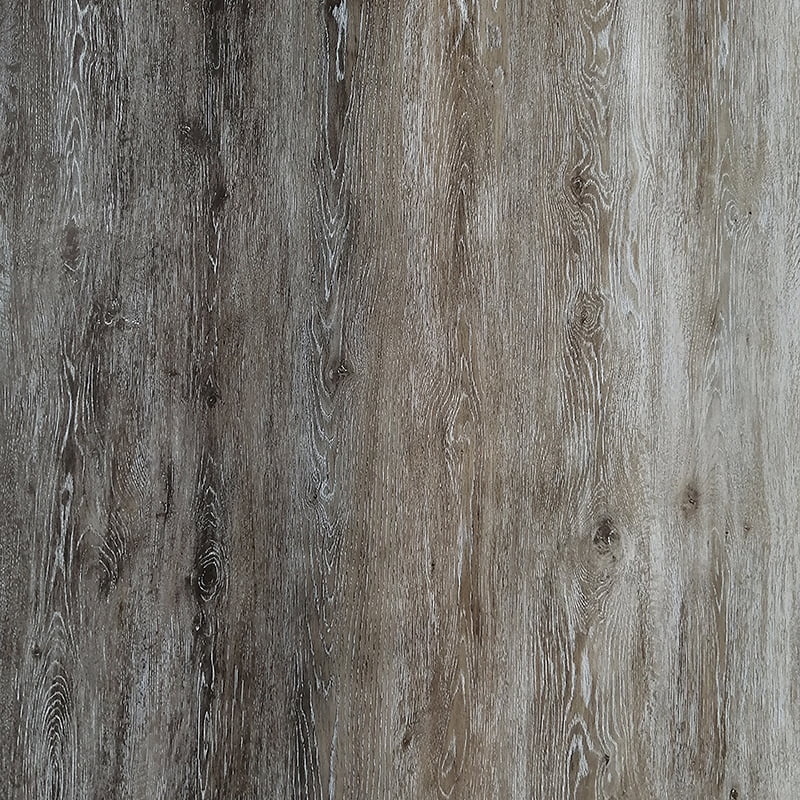
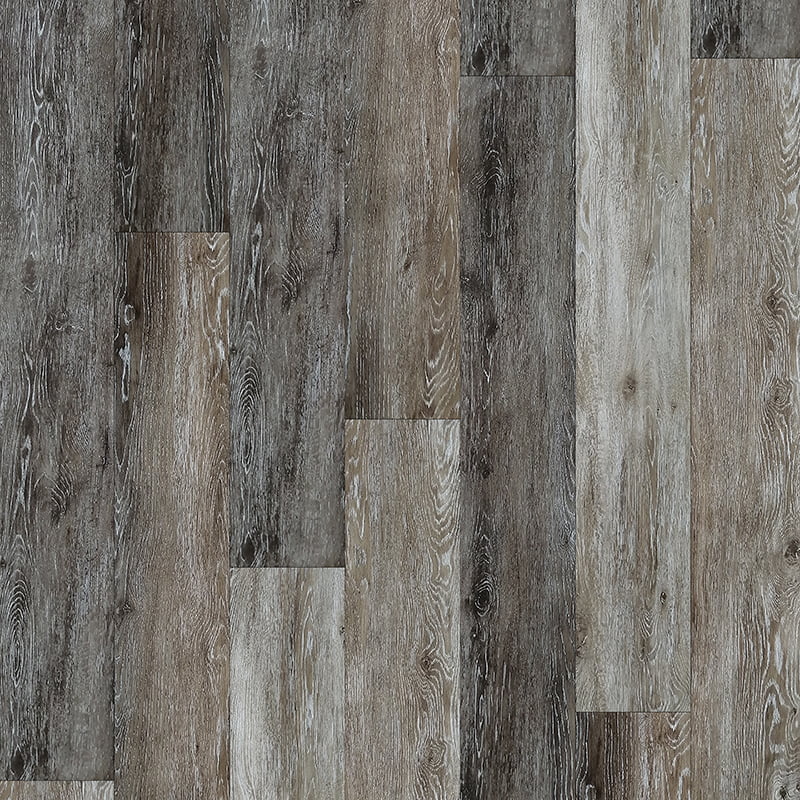
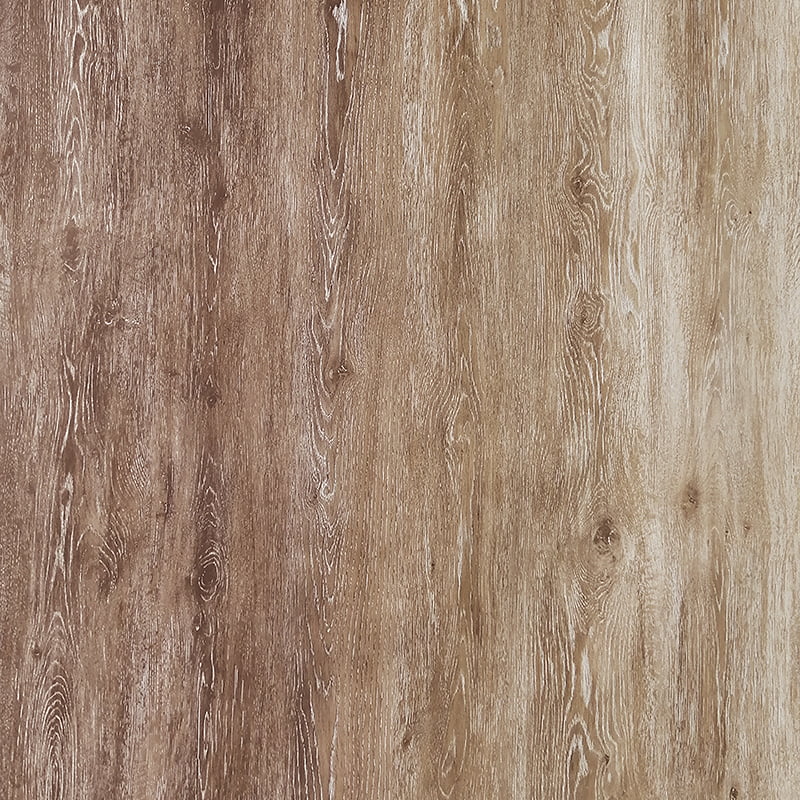
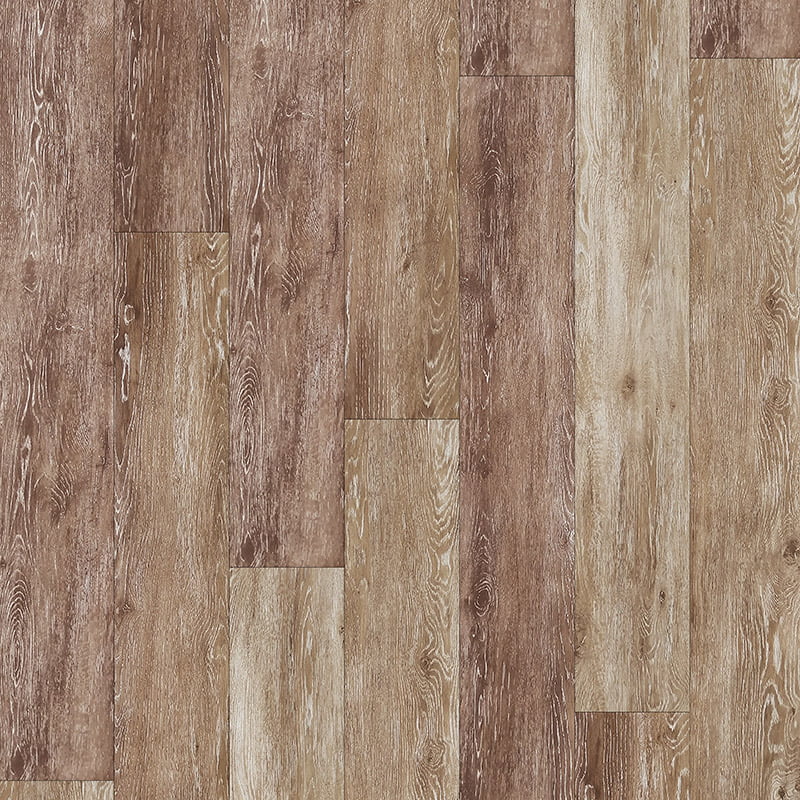
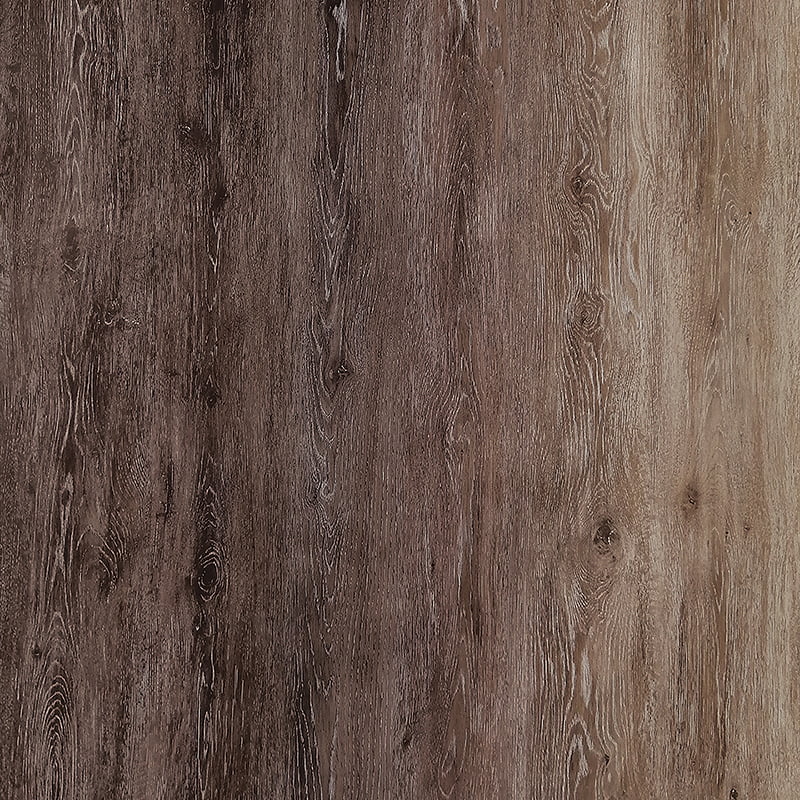
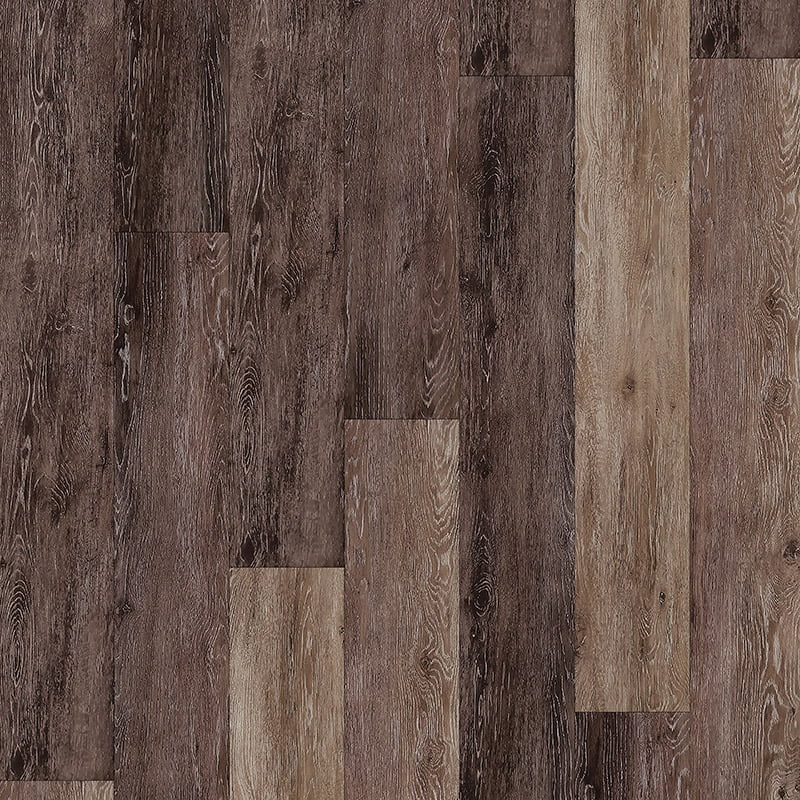
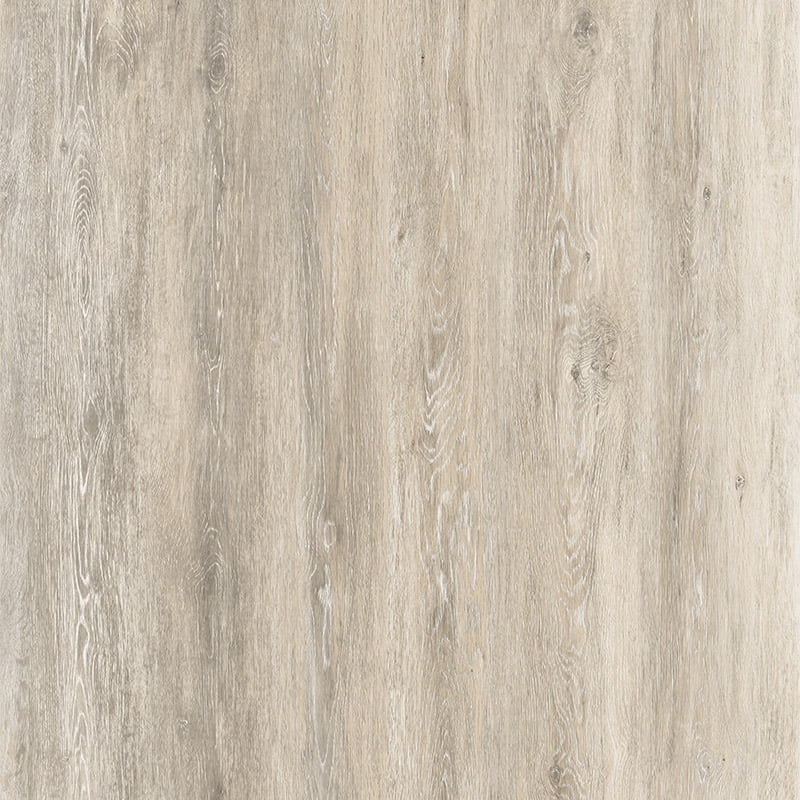
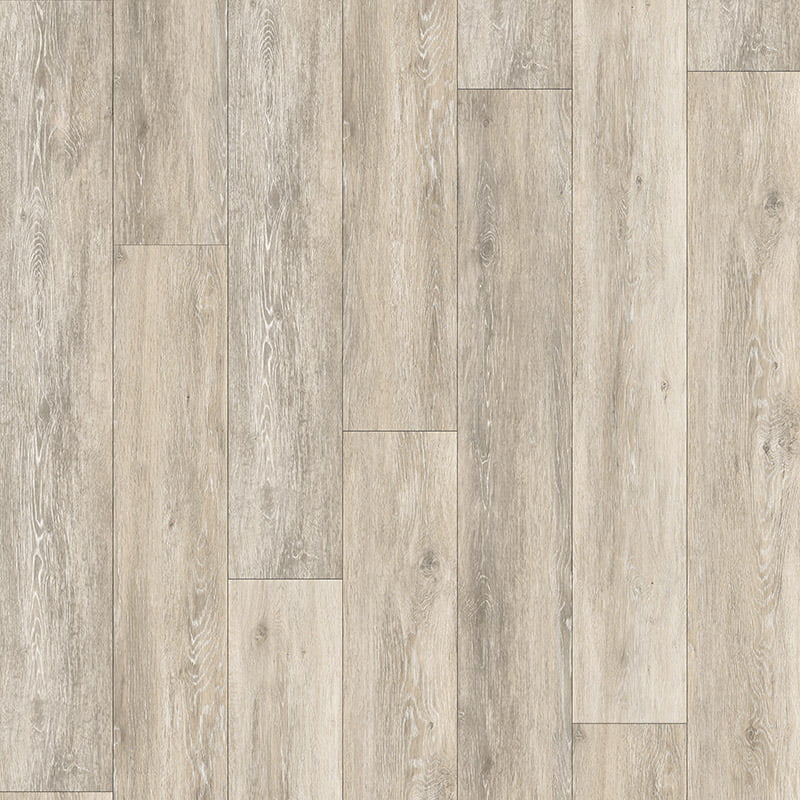
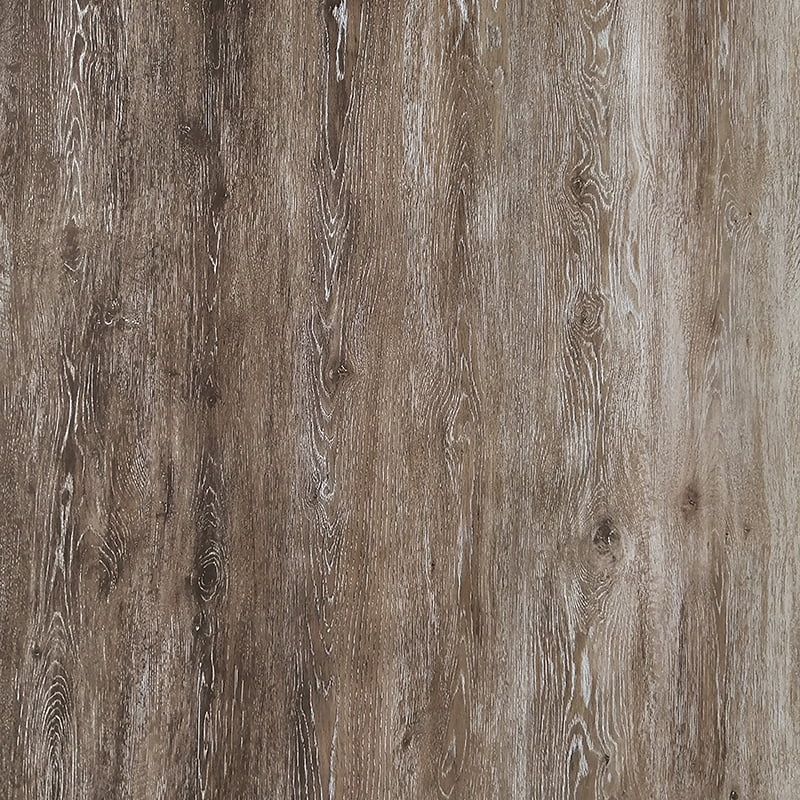
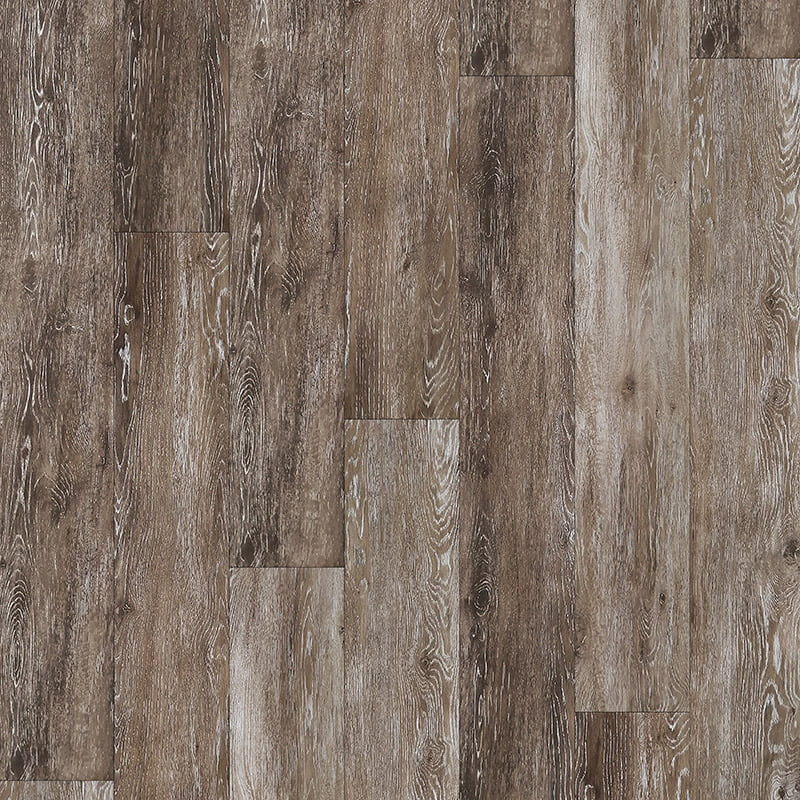
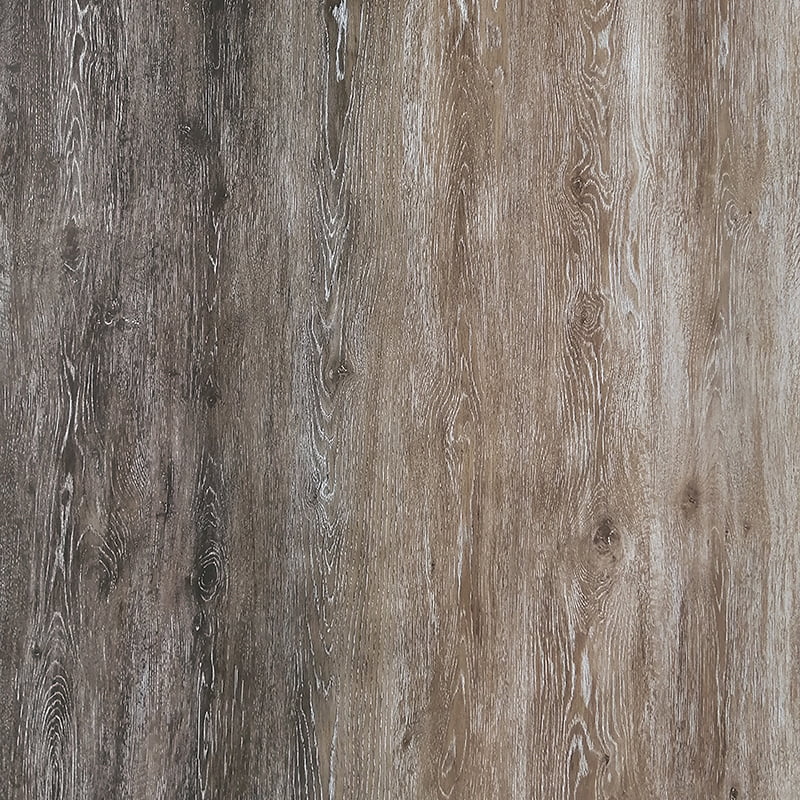
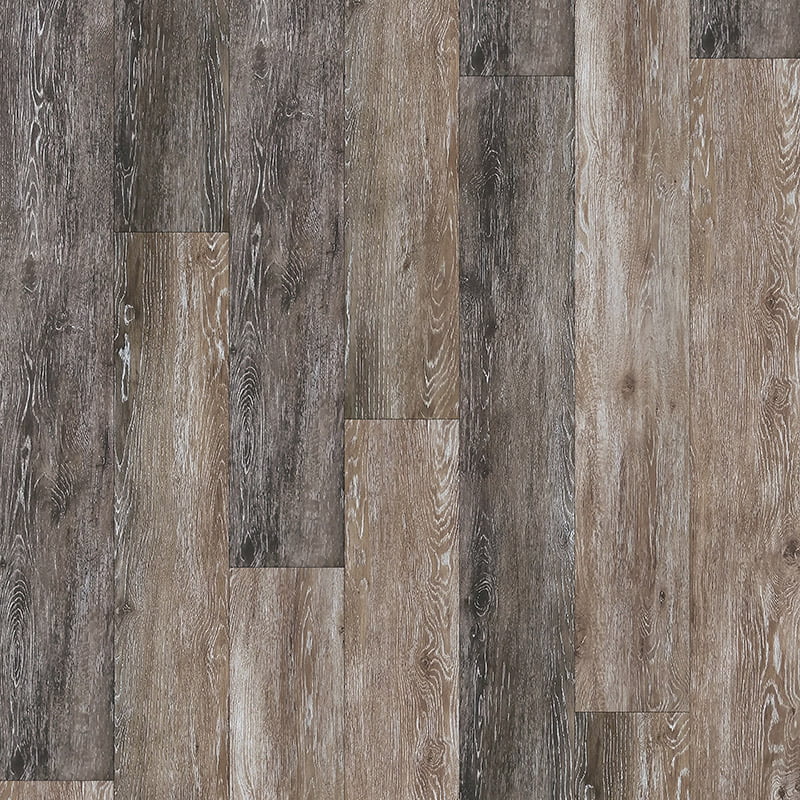
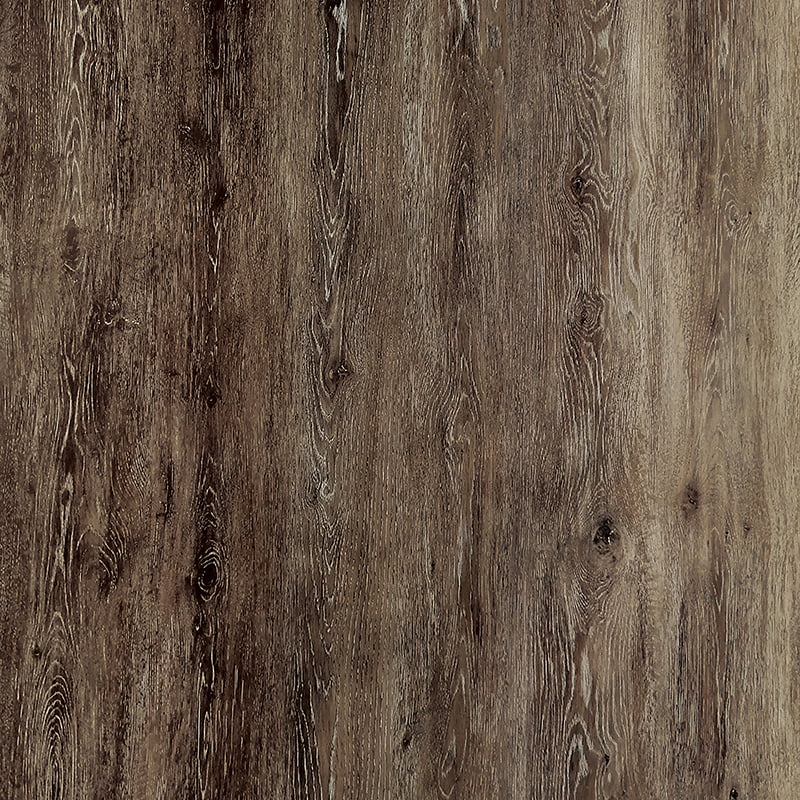
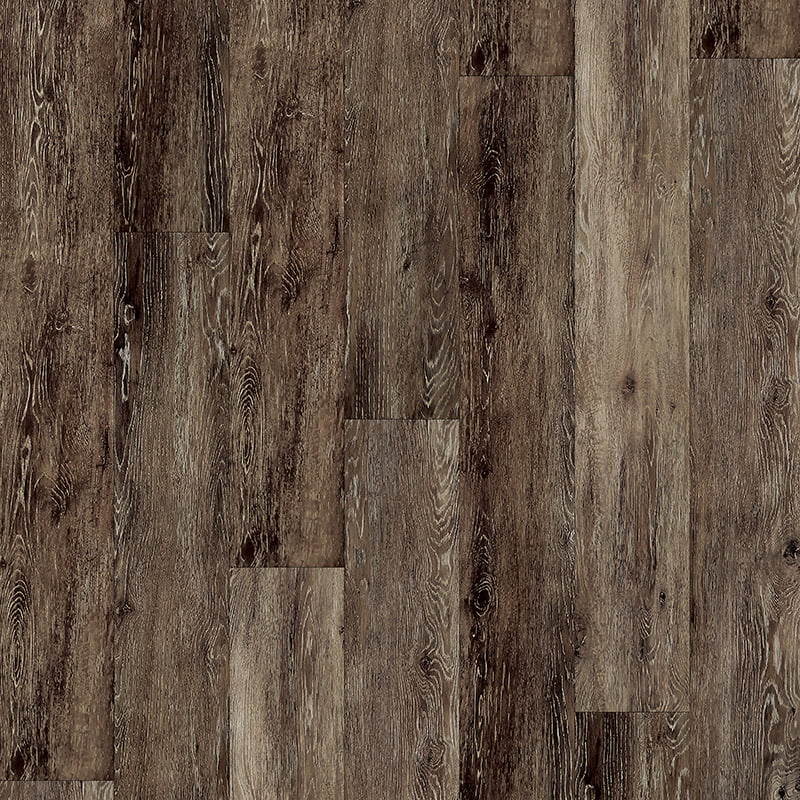
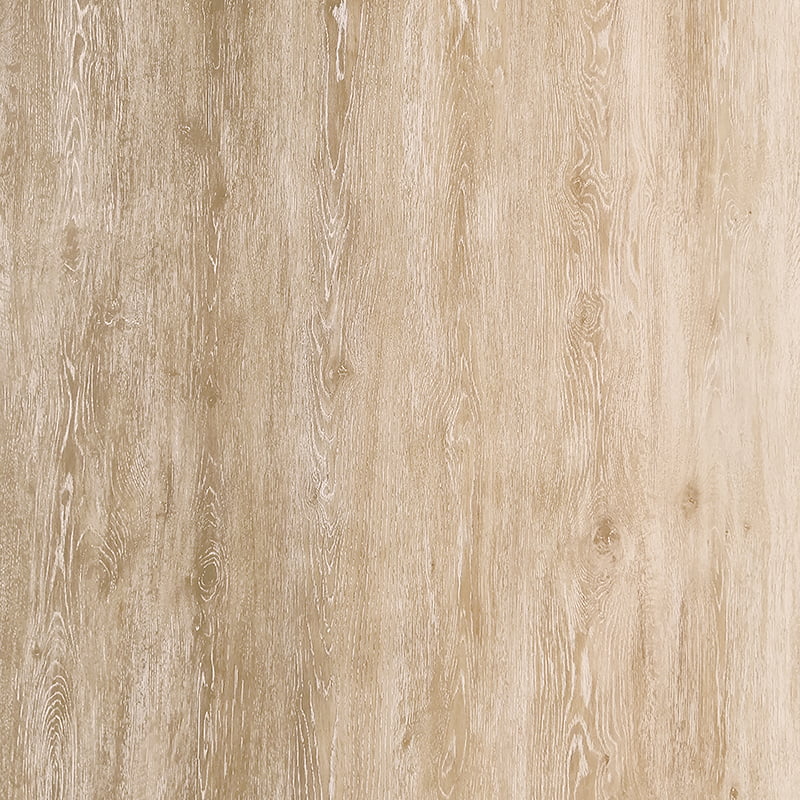
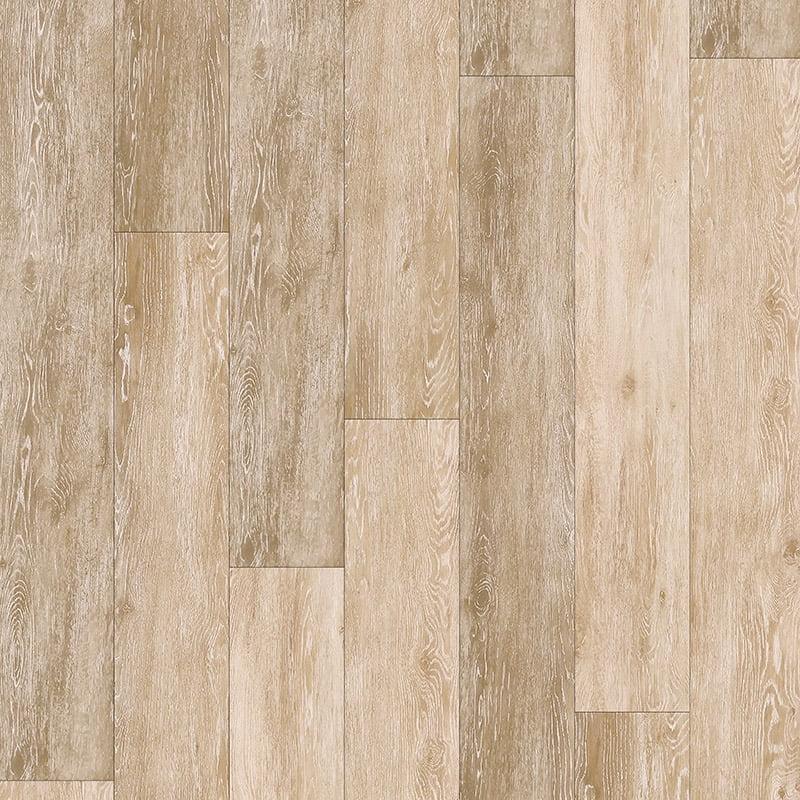
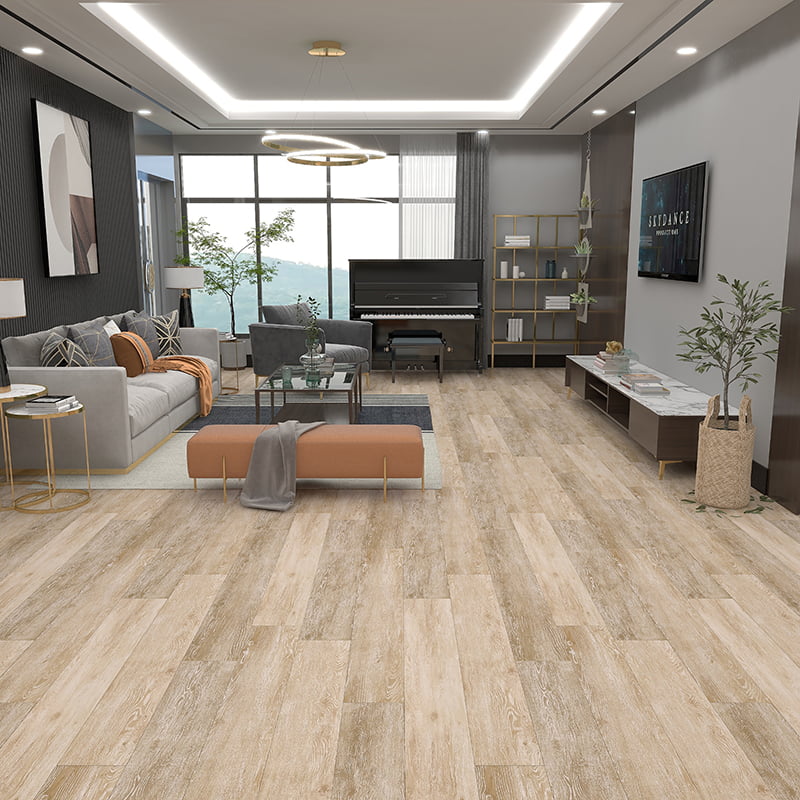
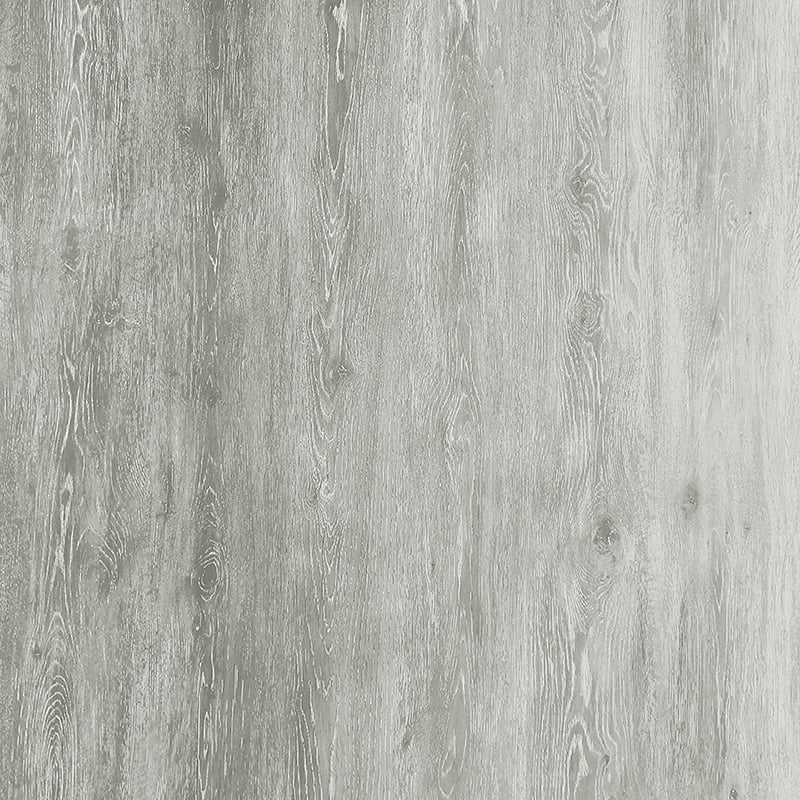
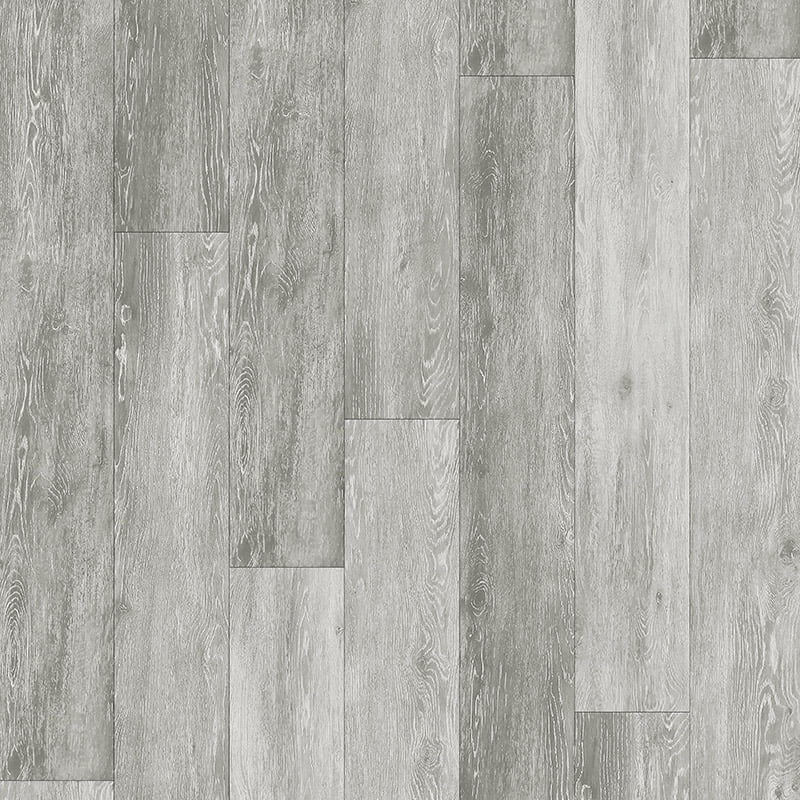
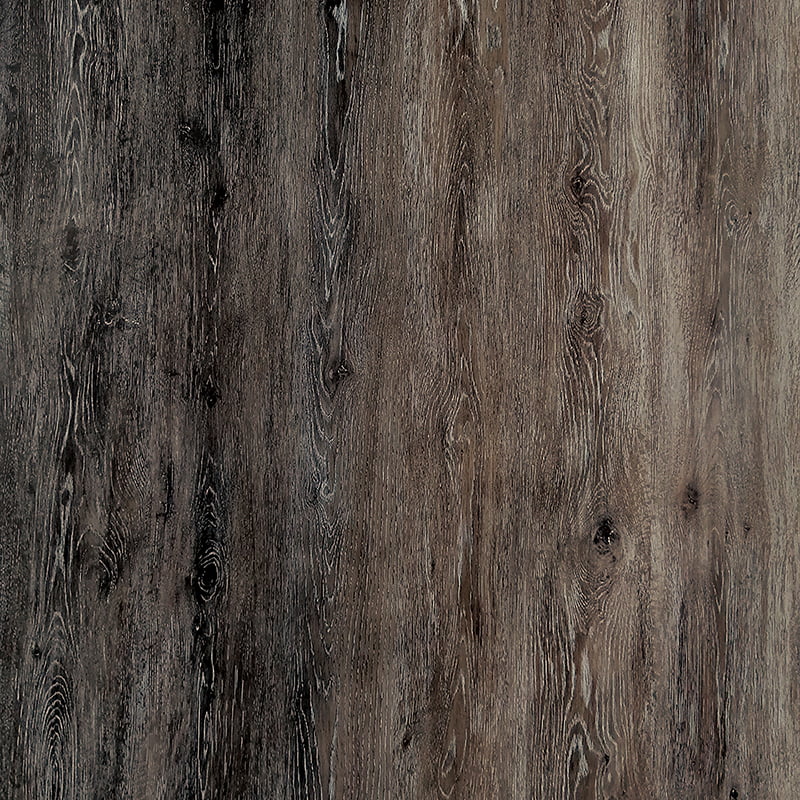
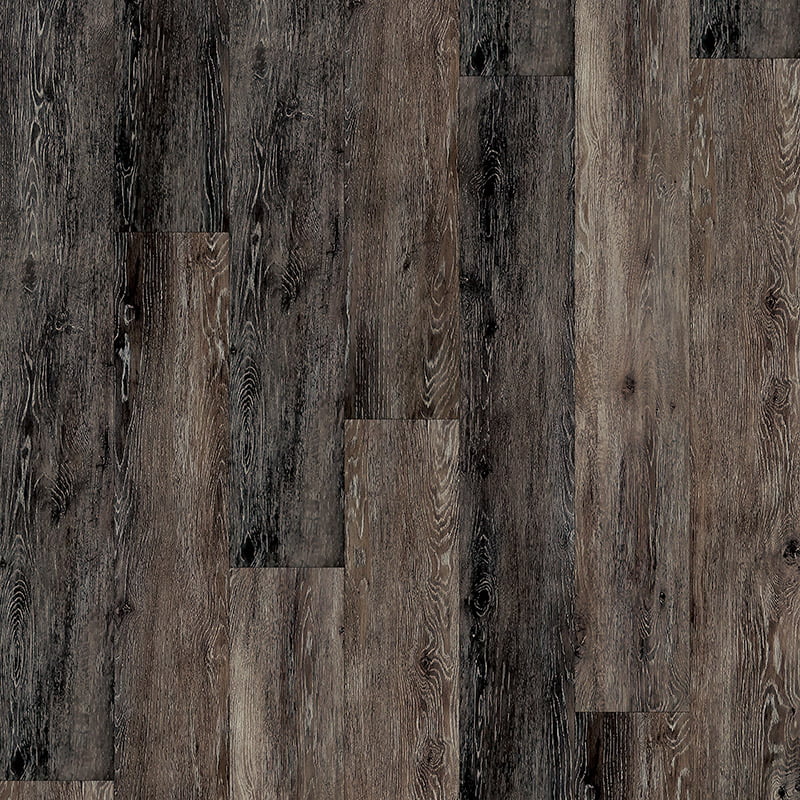
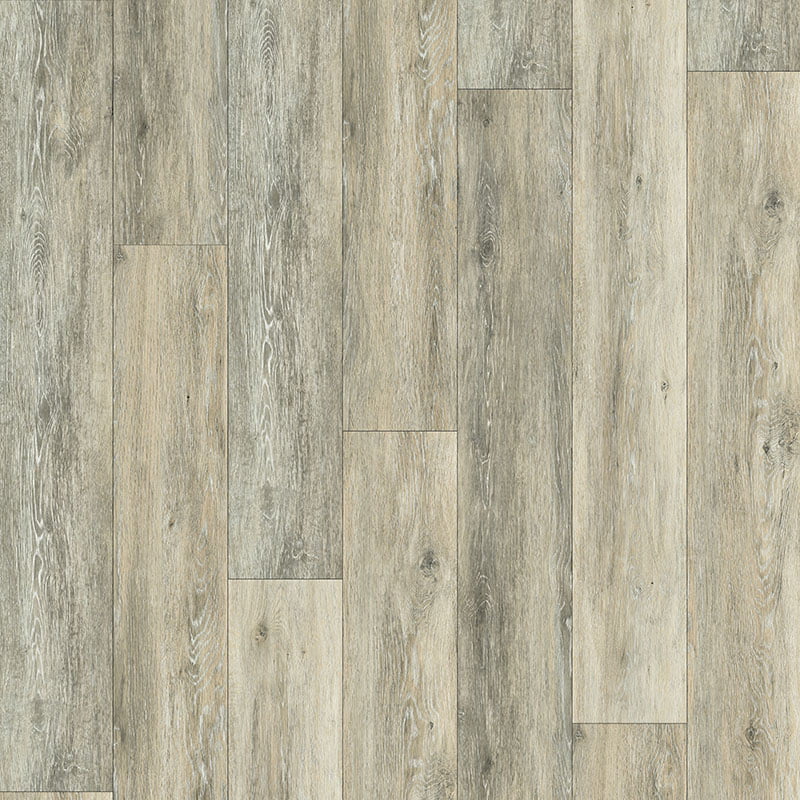
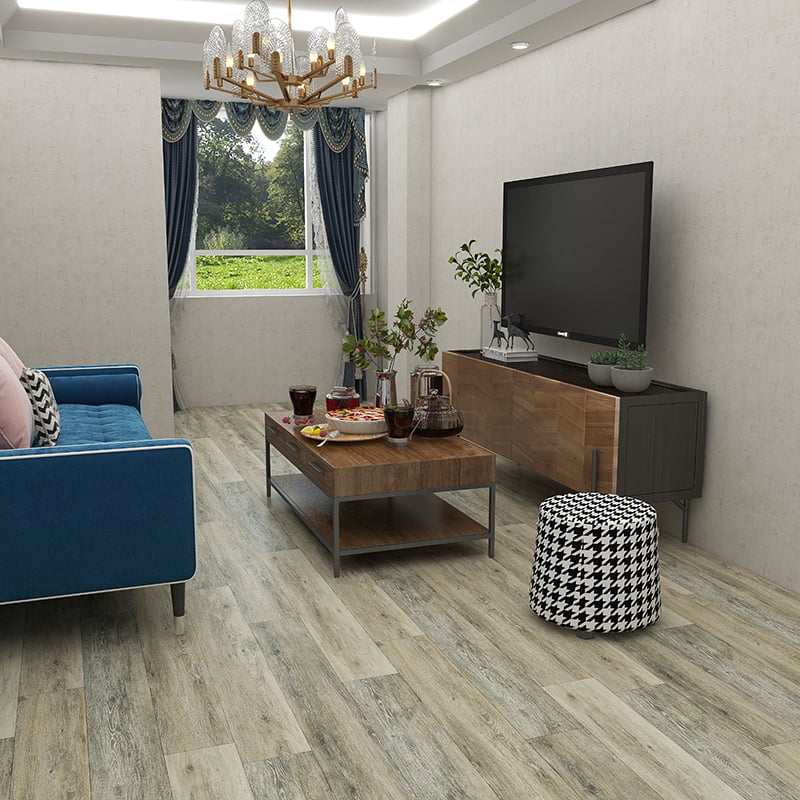
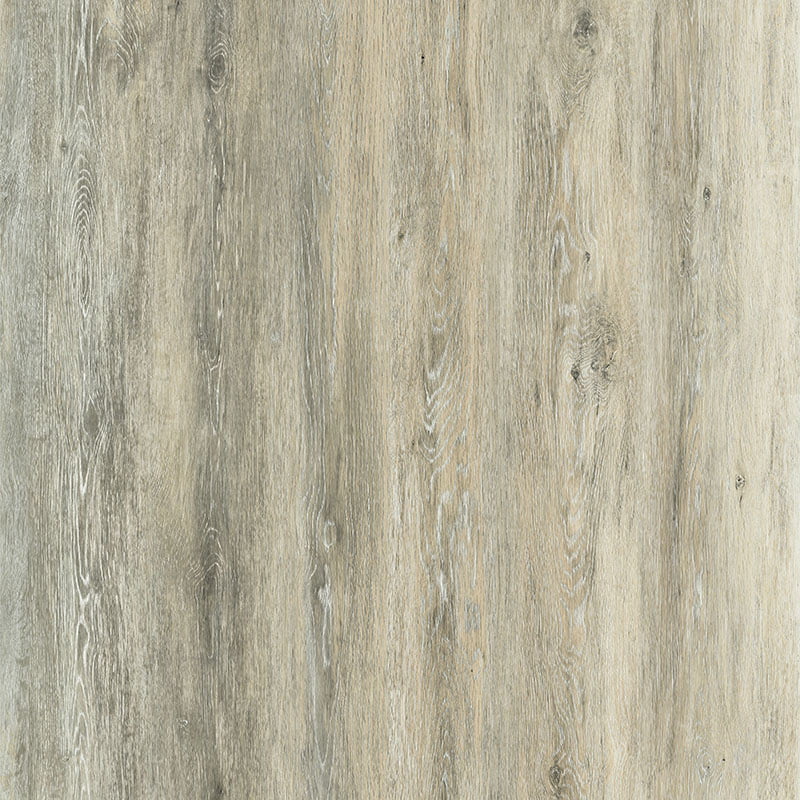
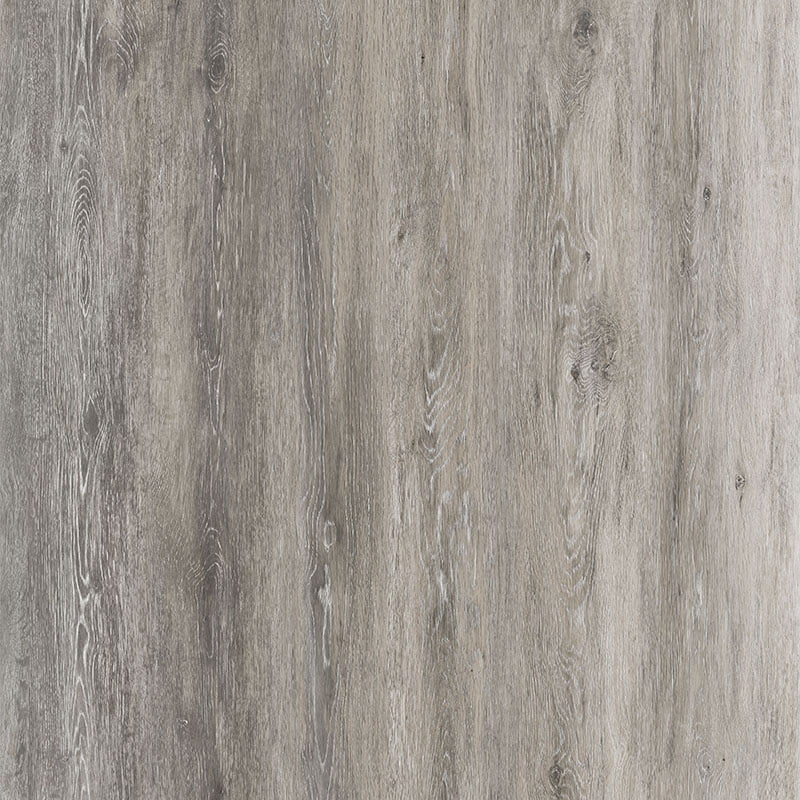
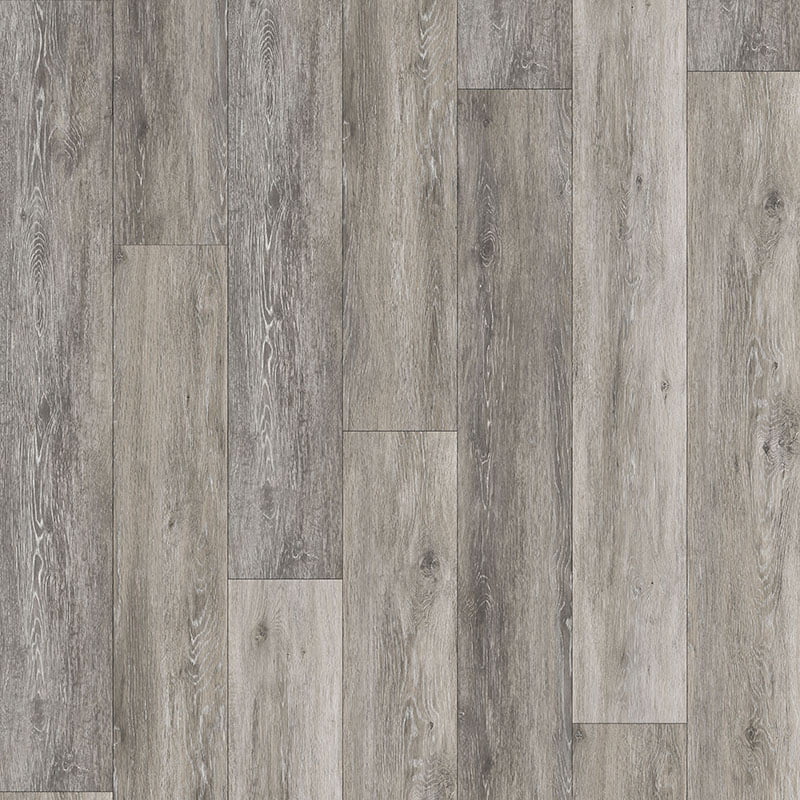
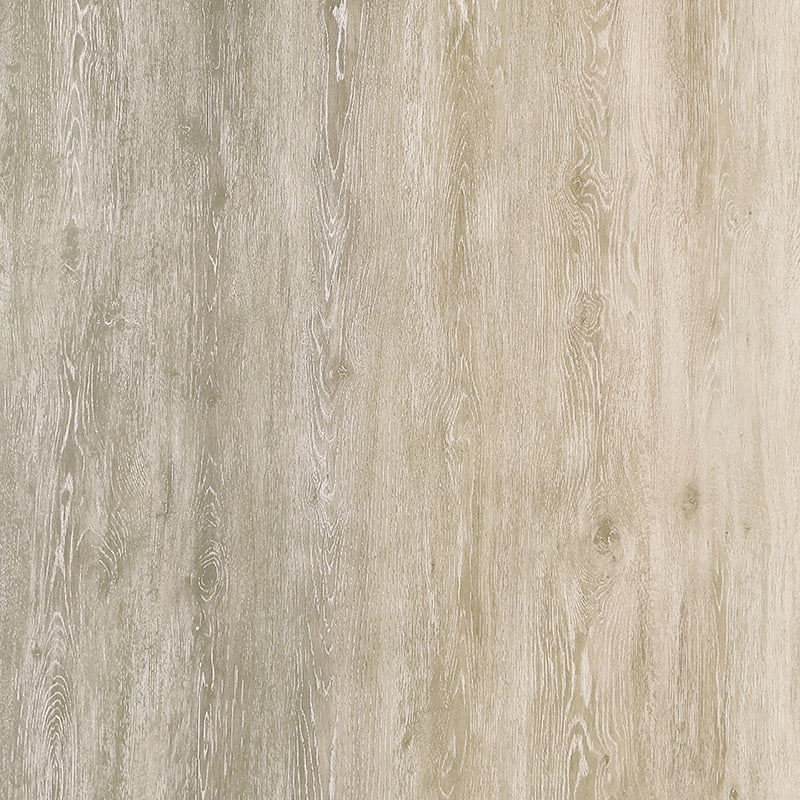
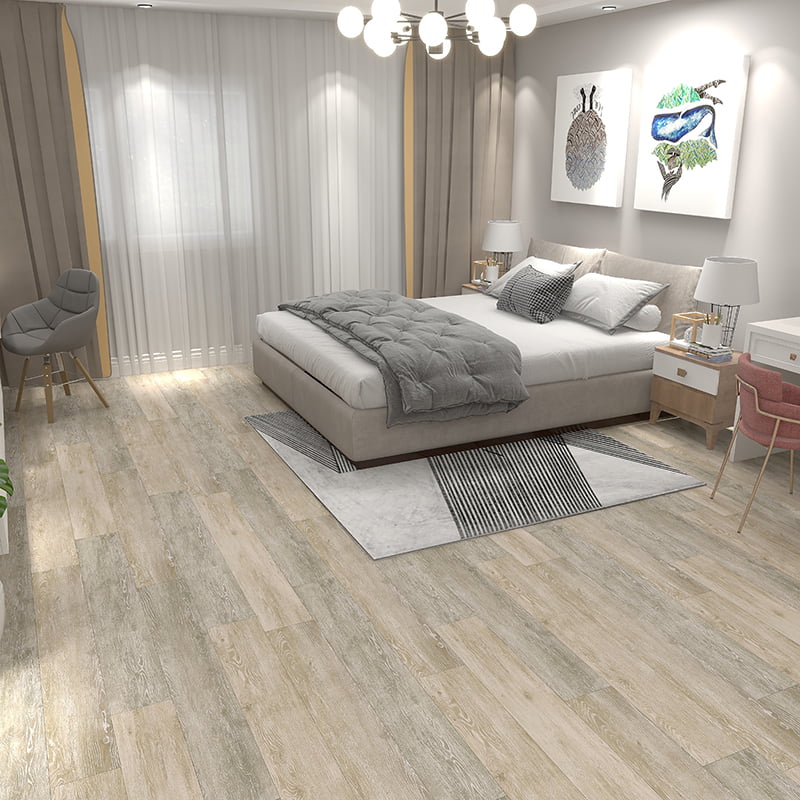
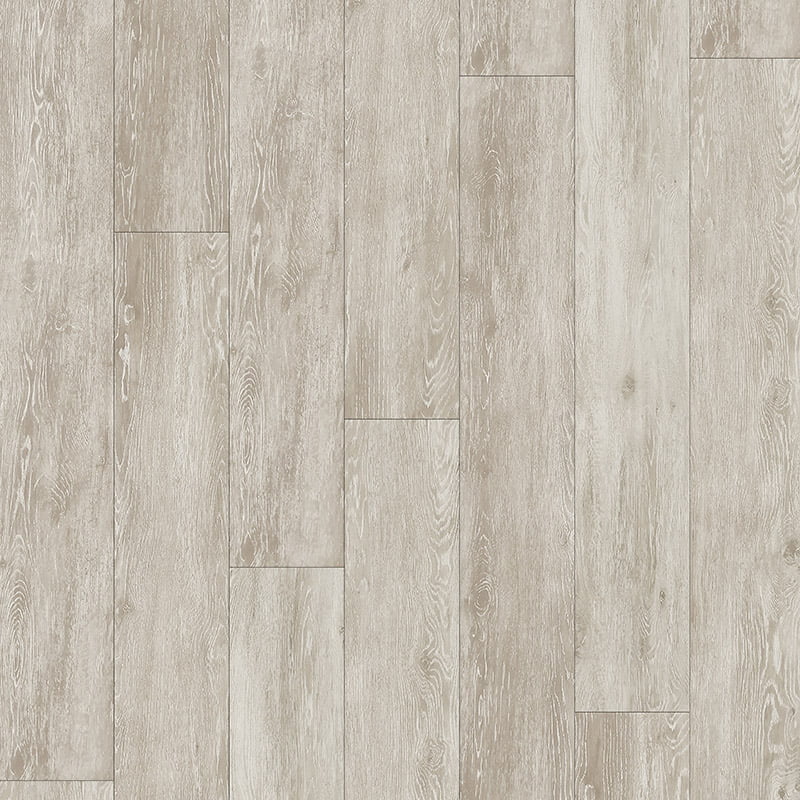
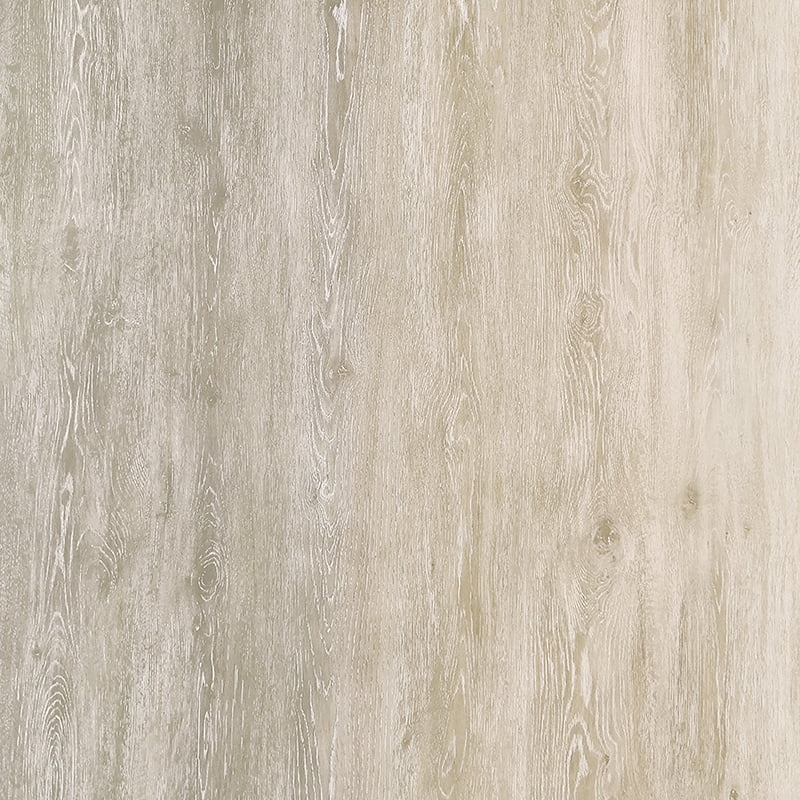
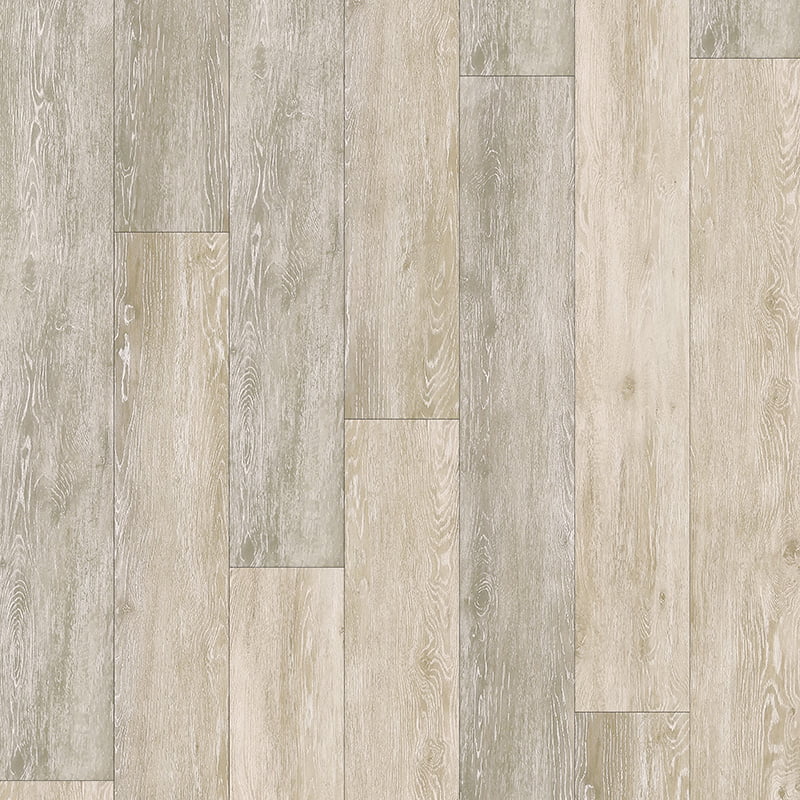
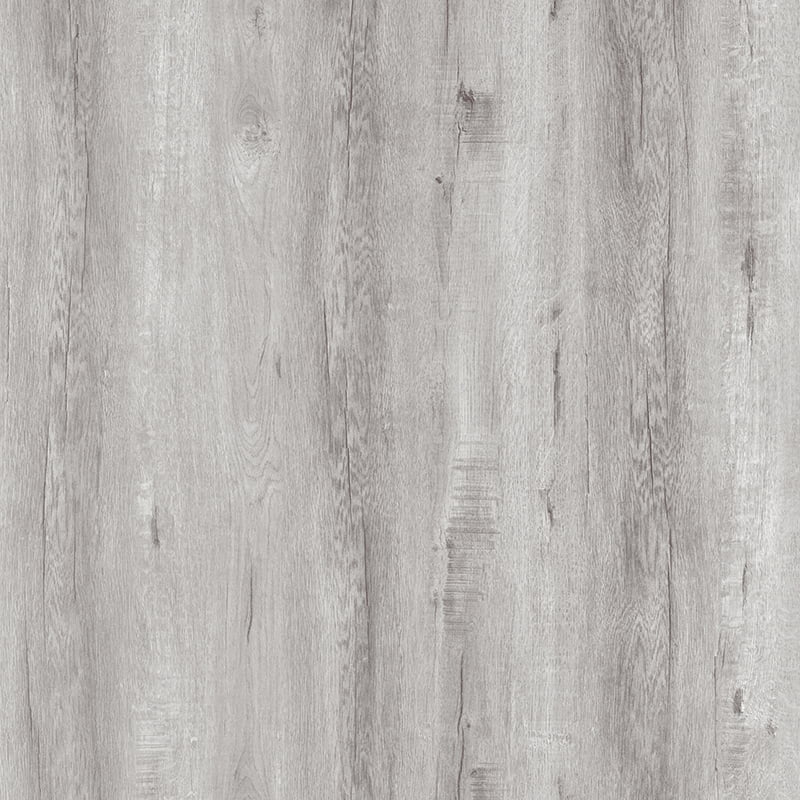
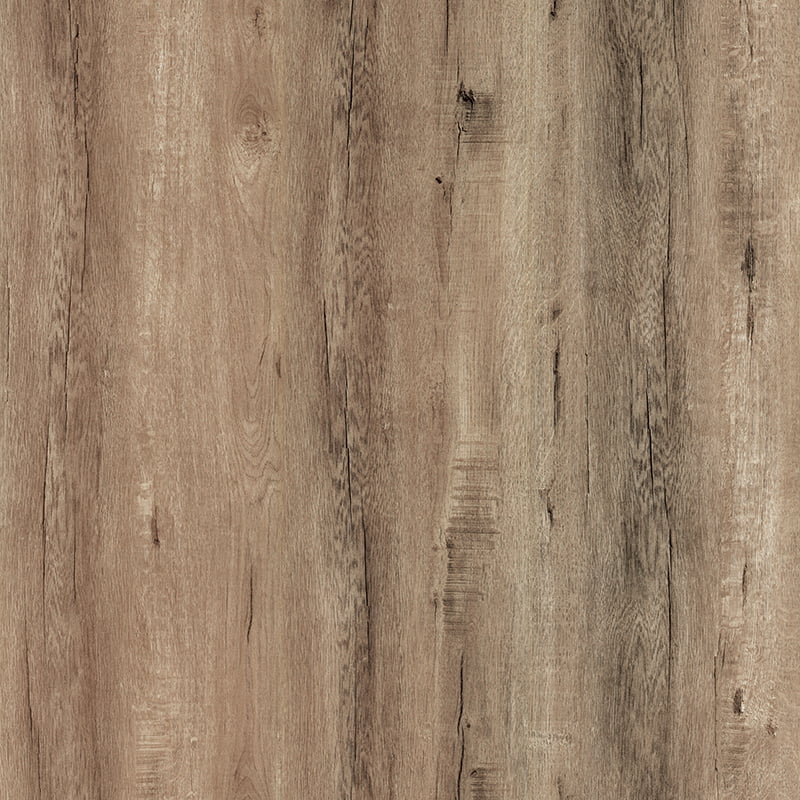
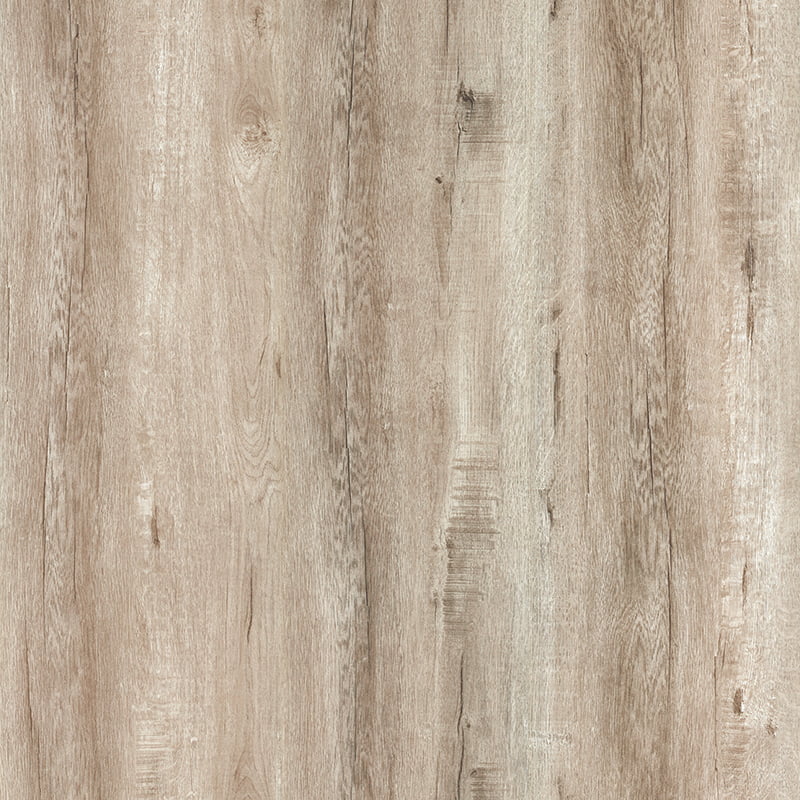
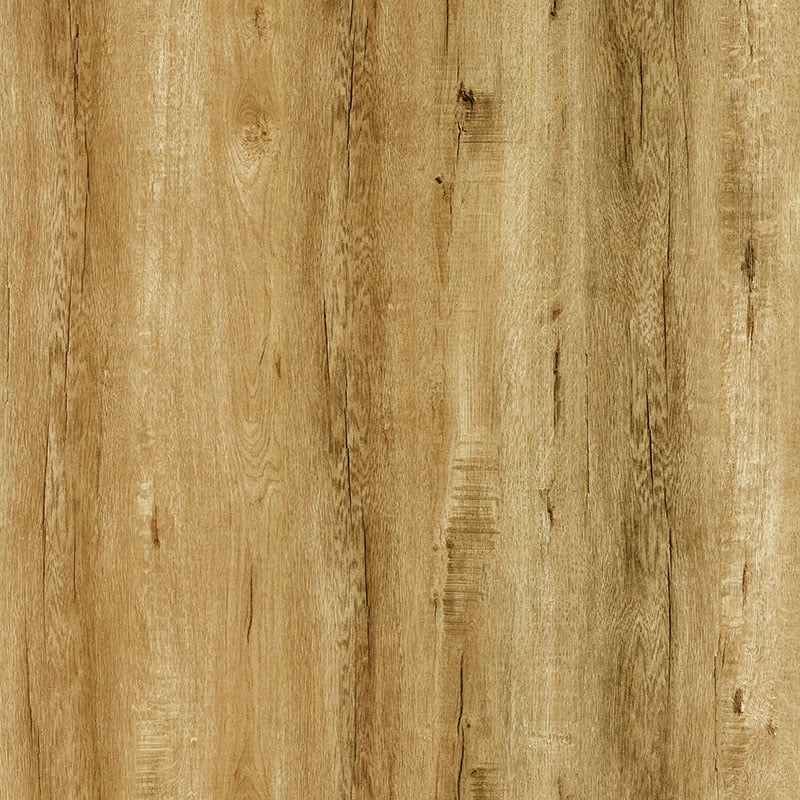
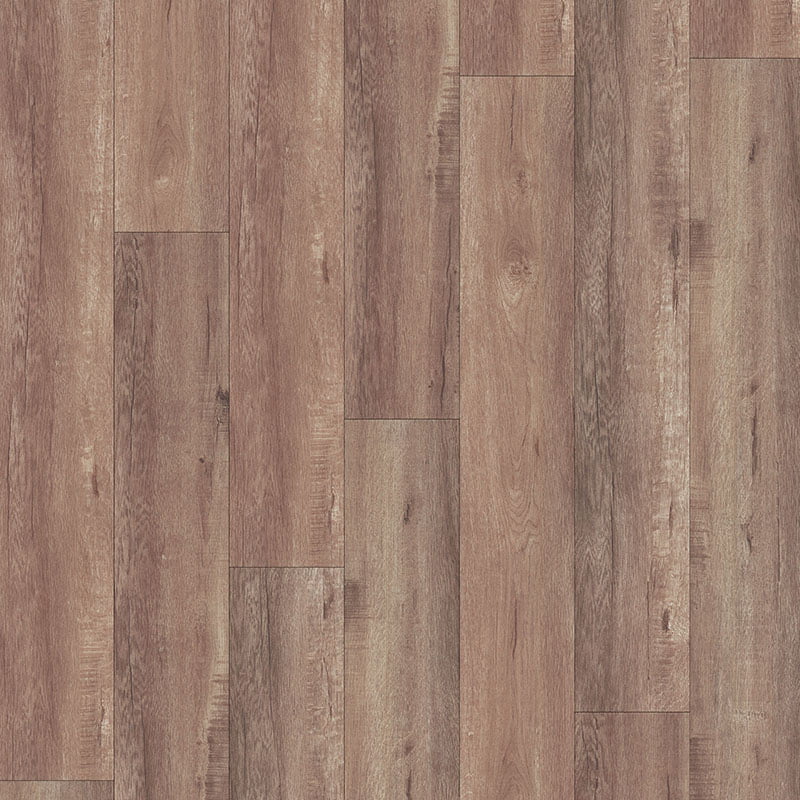
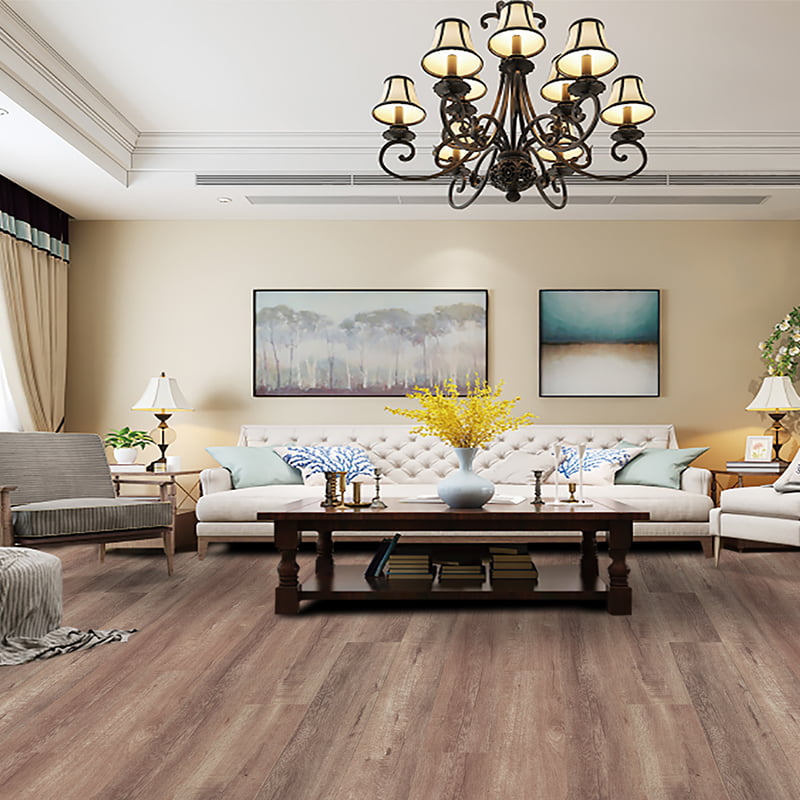
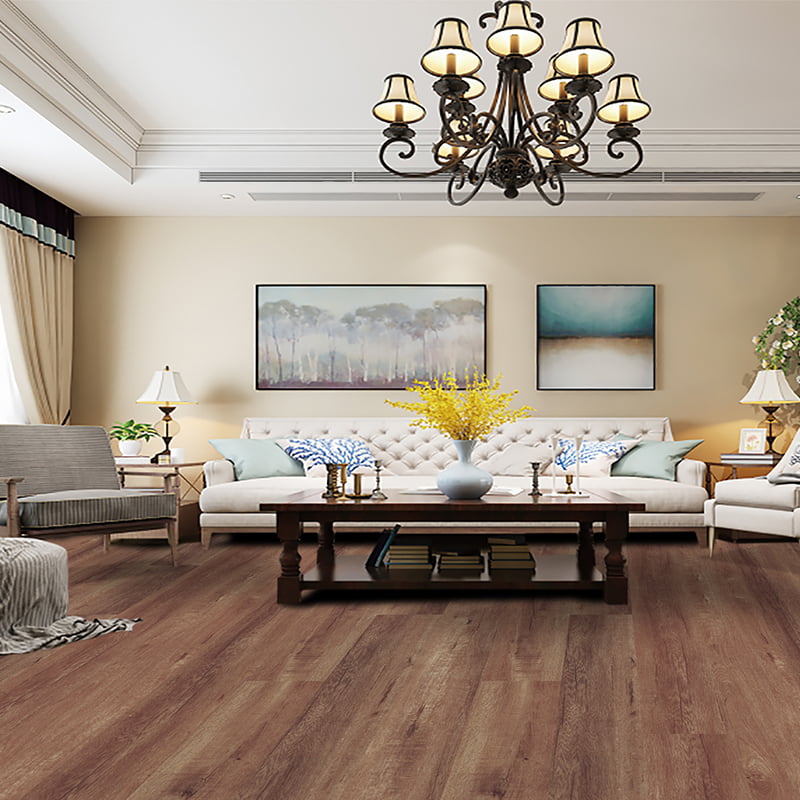
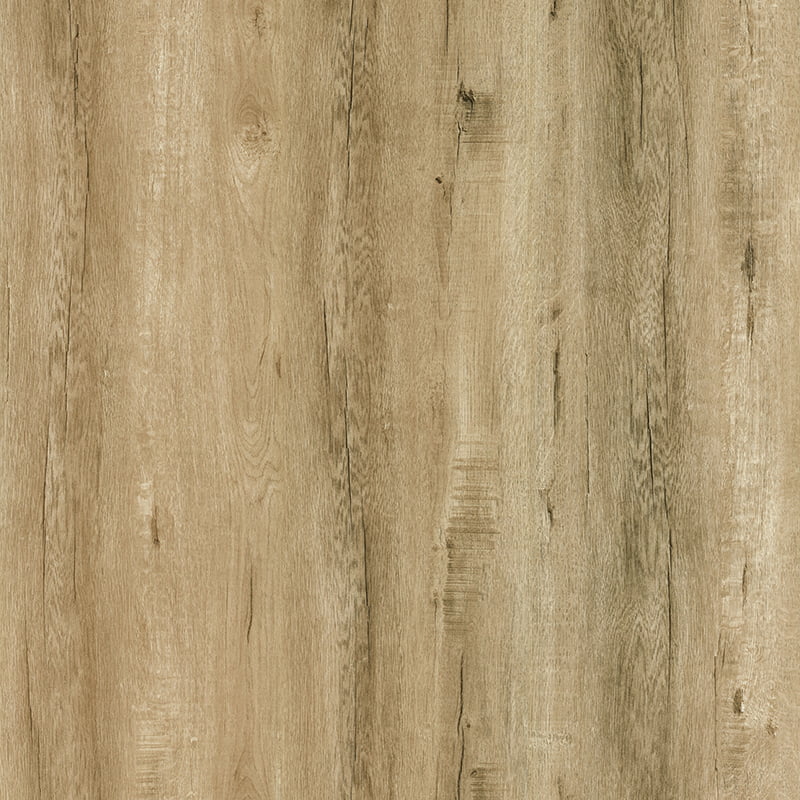
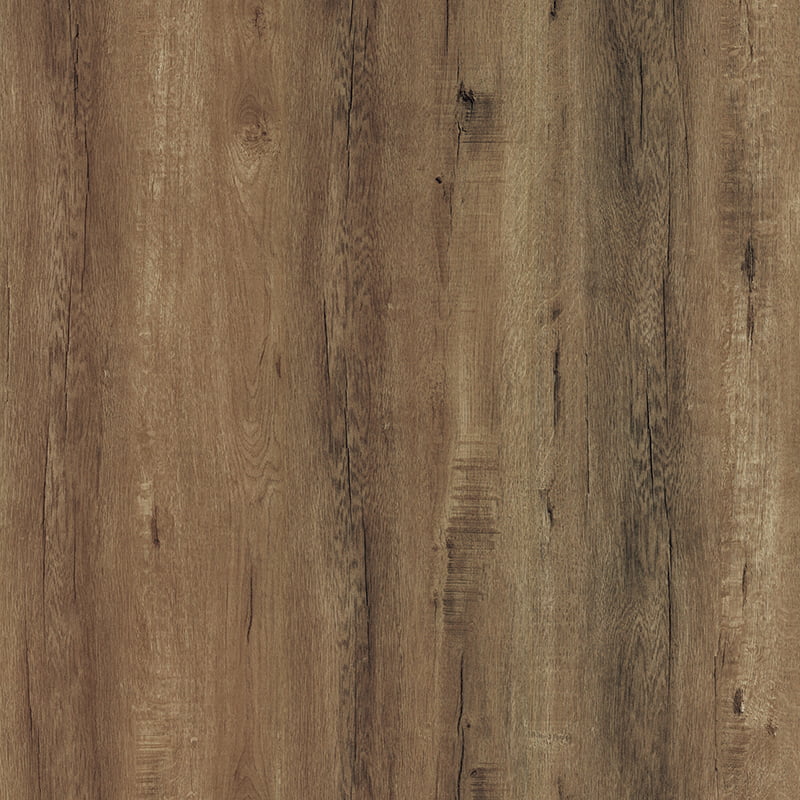
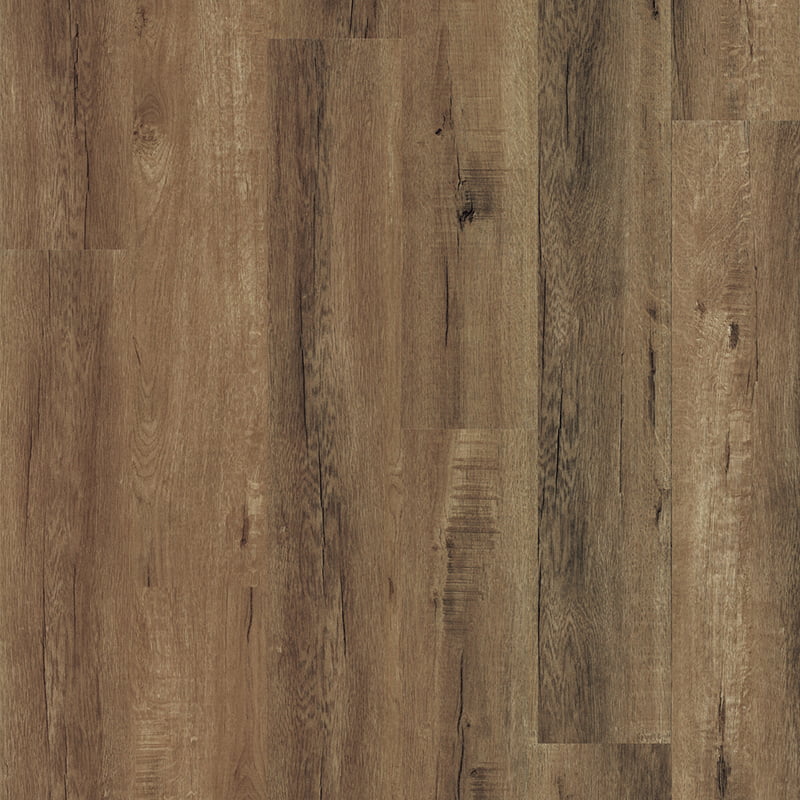
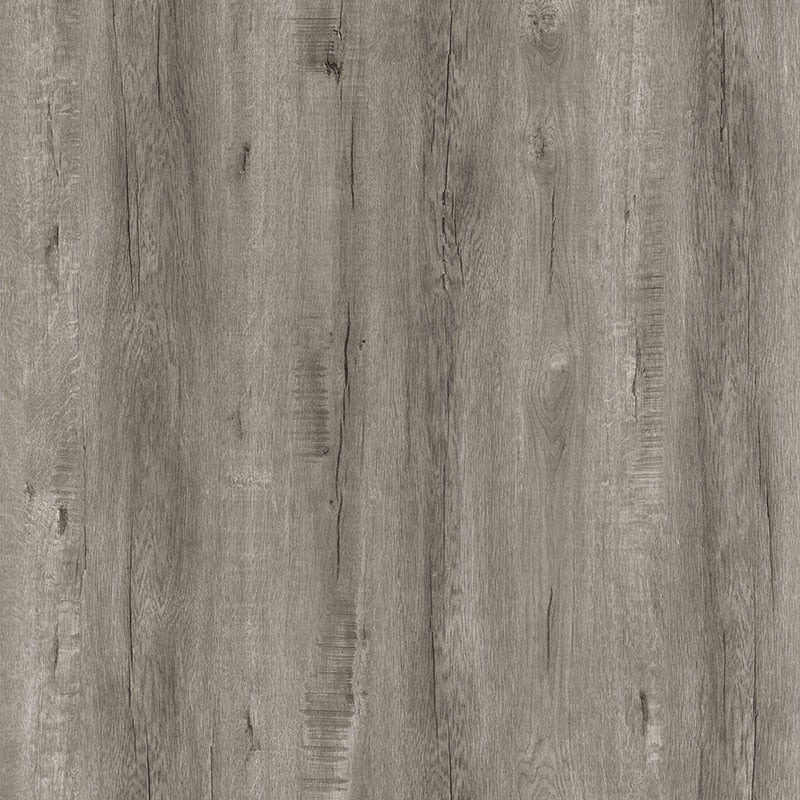
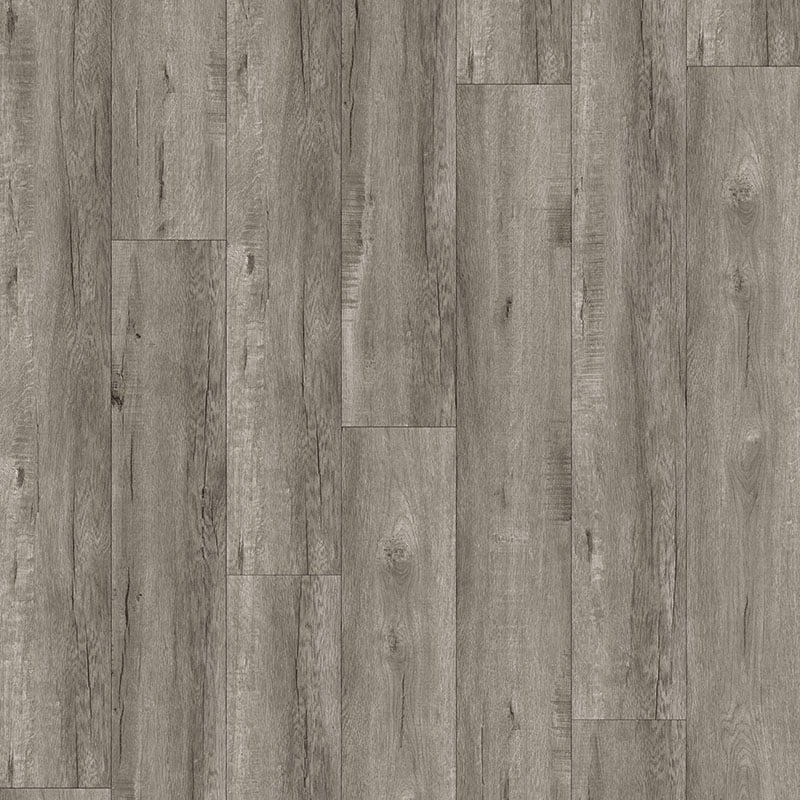
Model: YC0002
Wood: Oak
Spec: 1000*1270mm
Single chip size: 7.25*48"
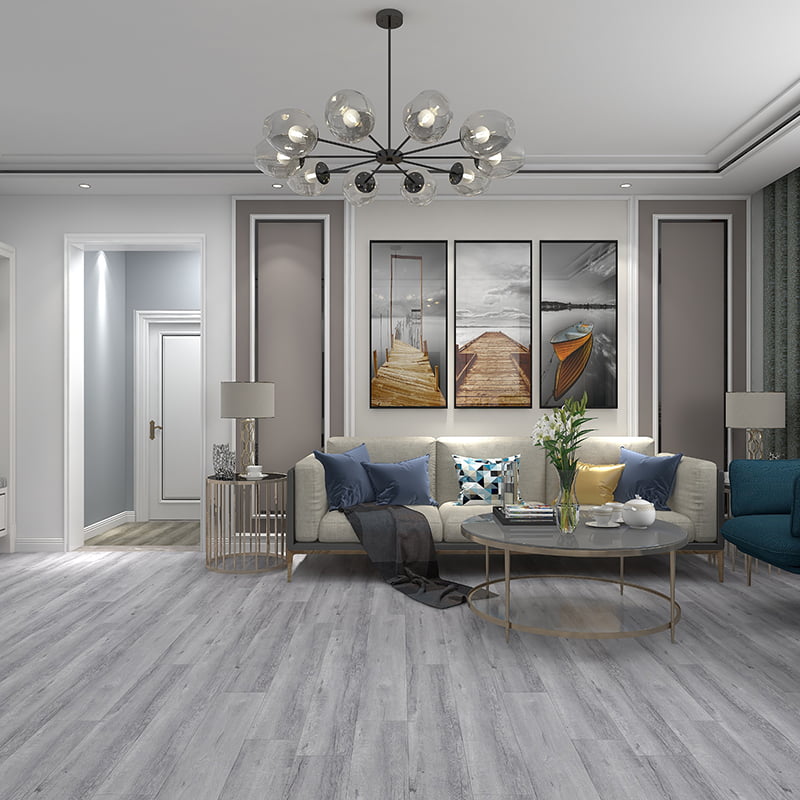
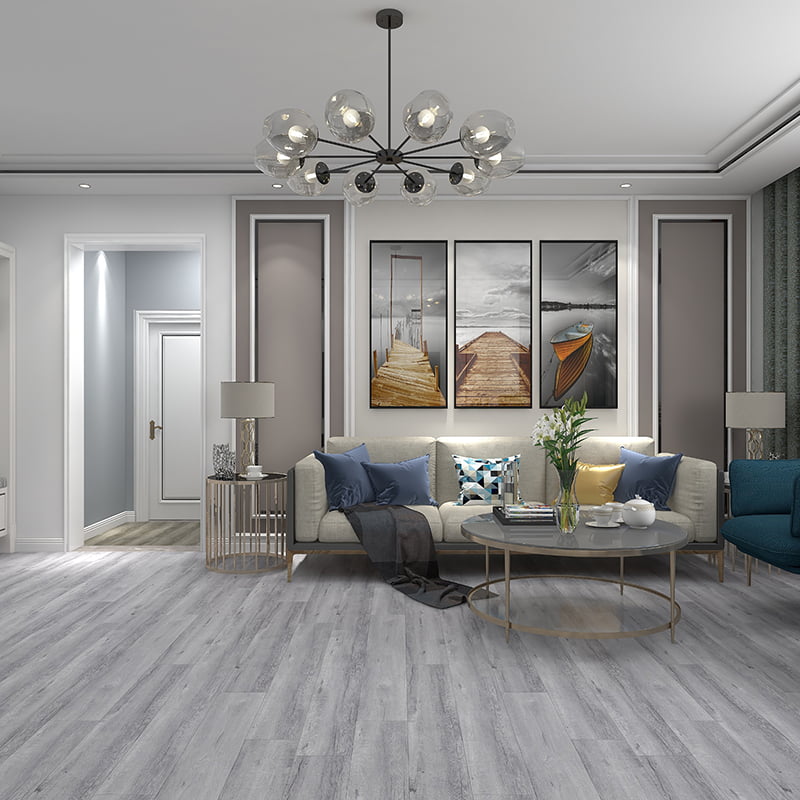
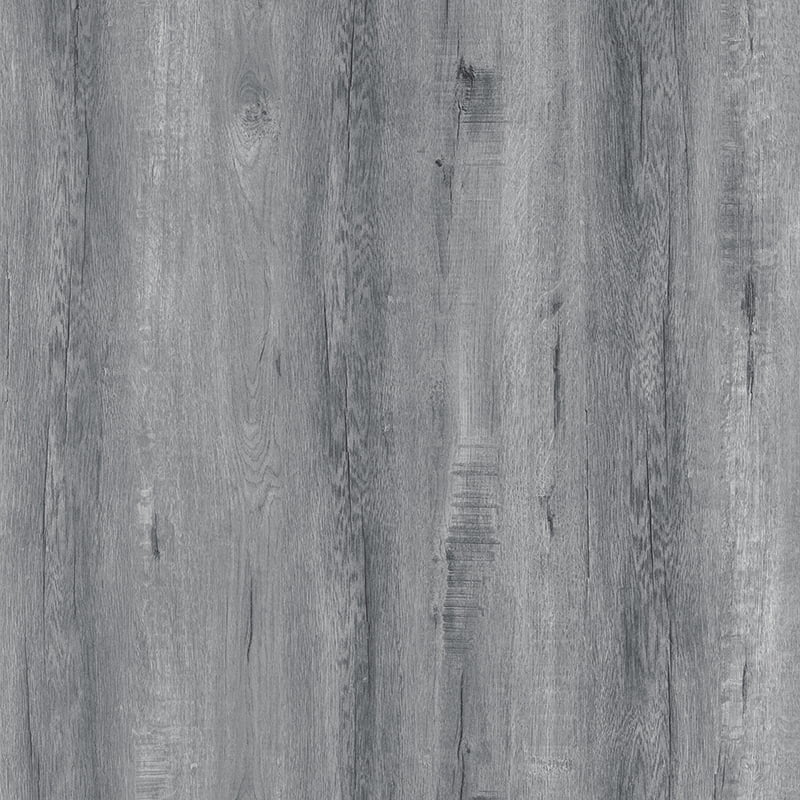
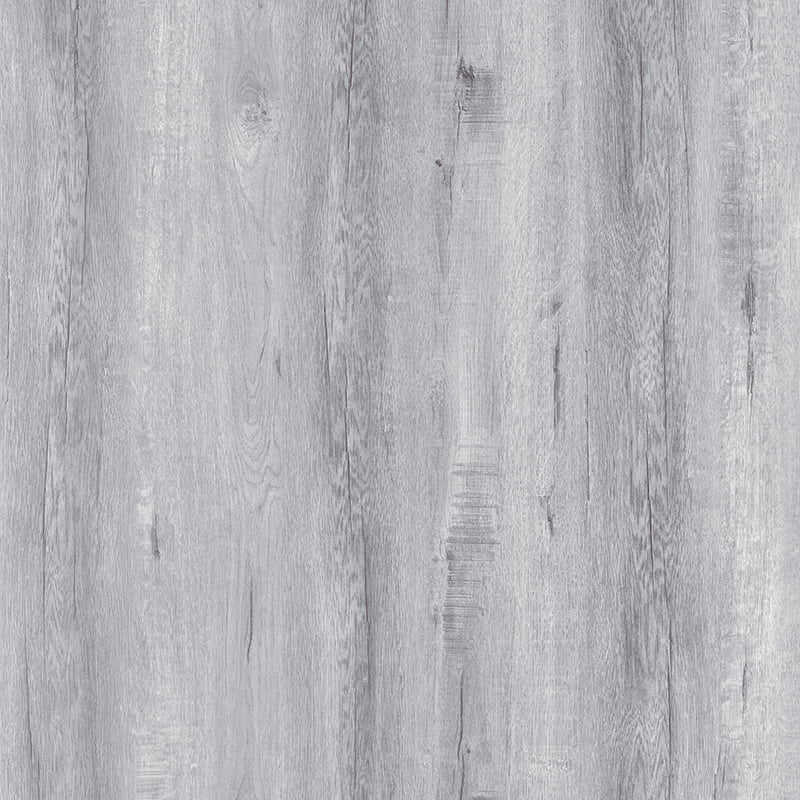
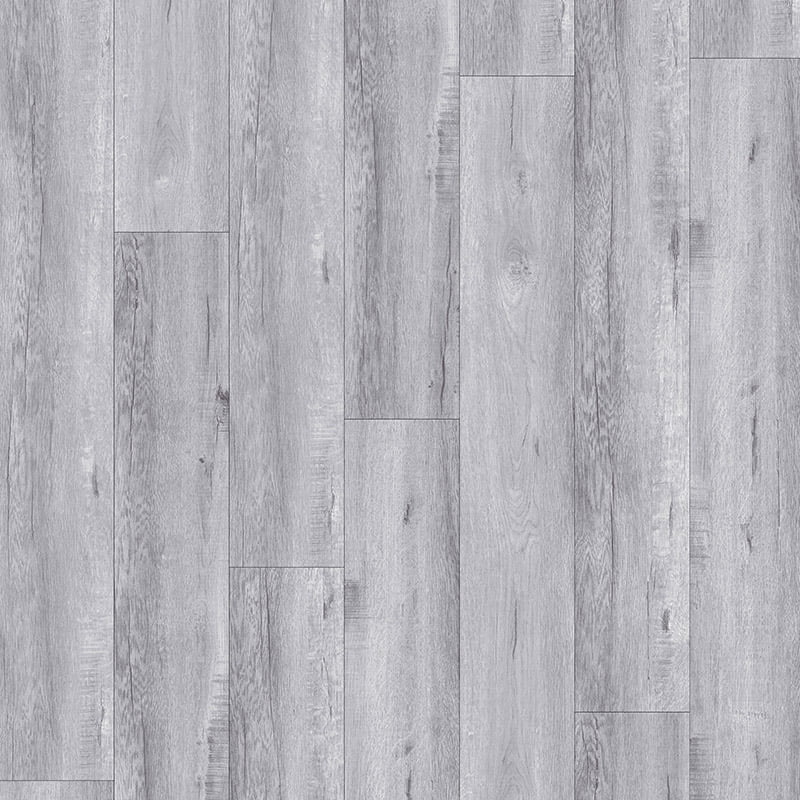
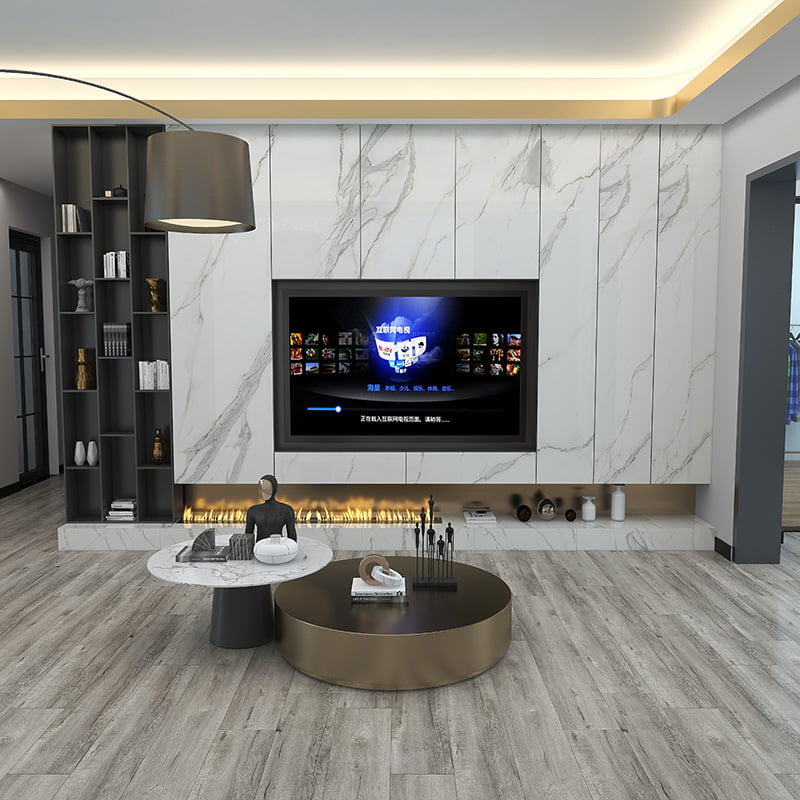
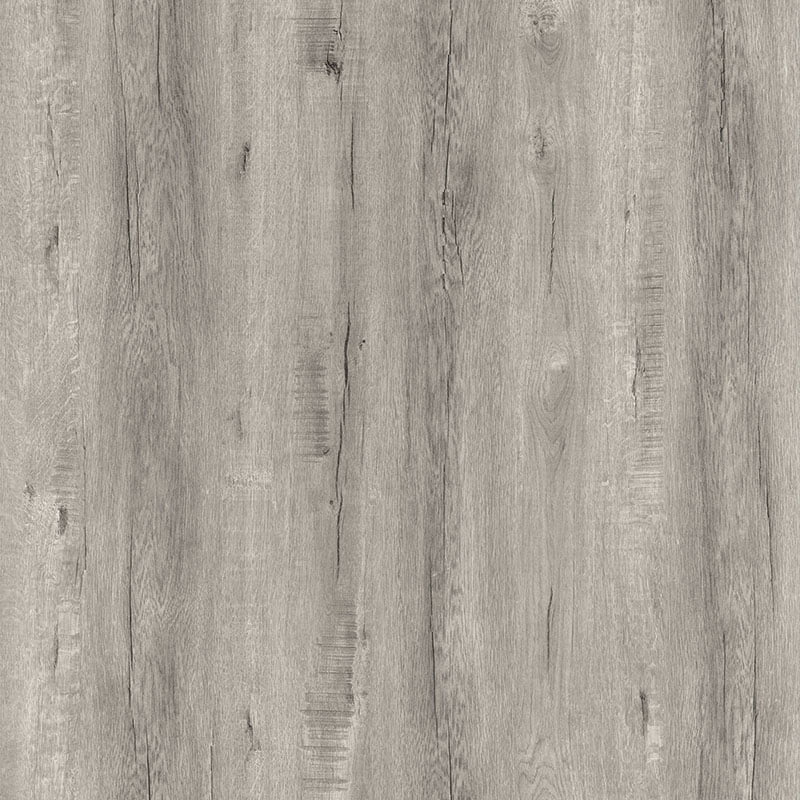
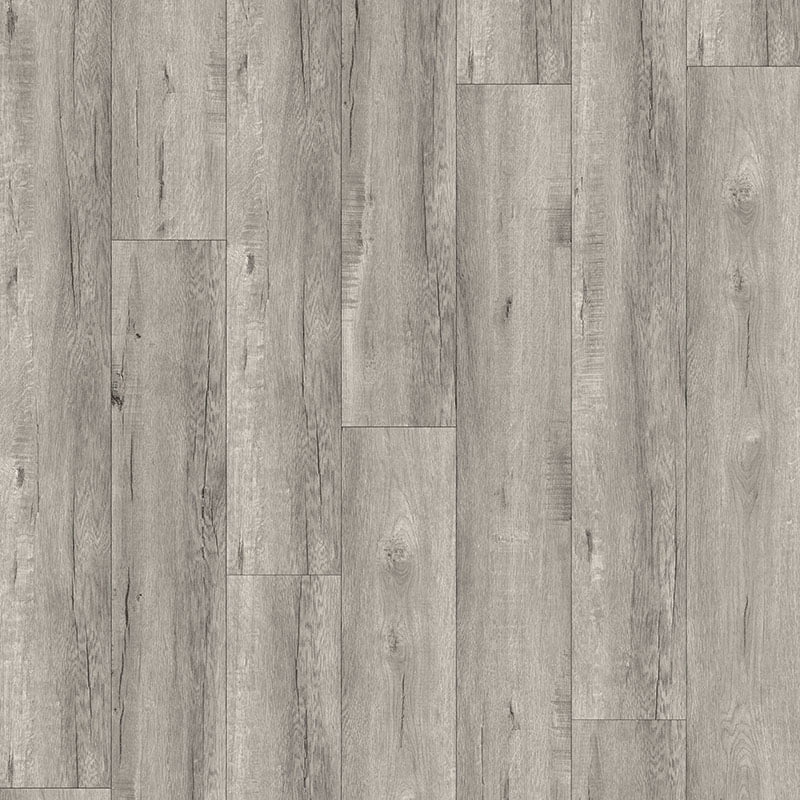
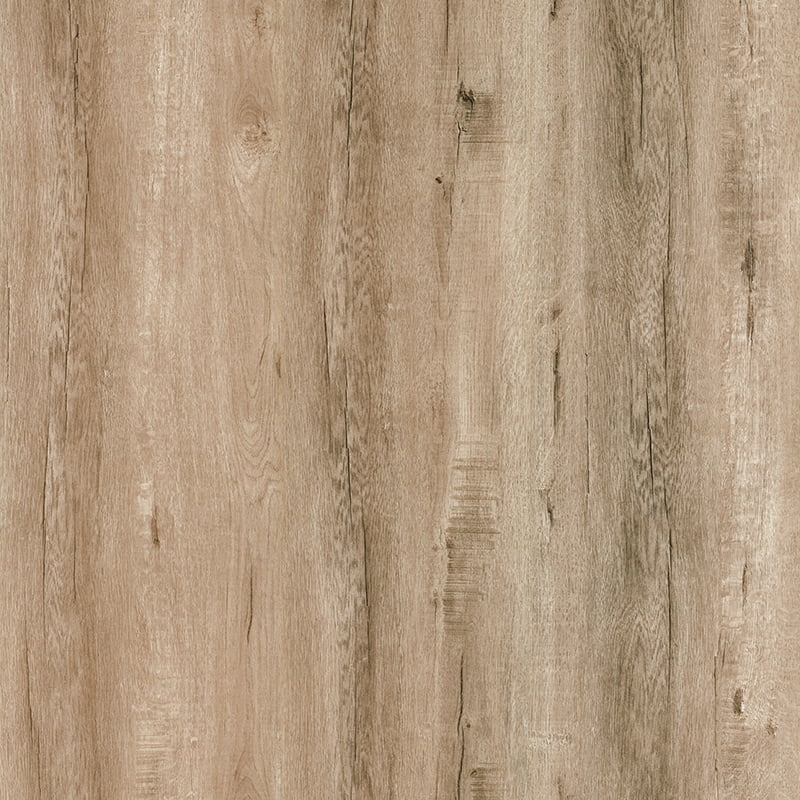
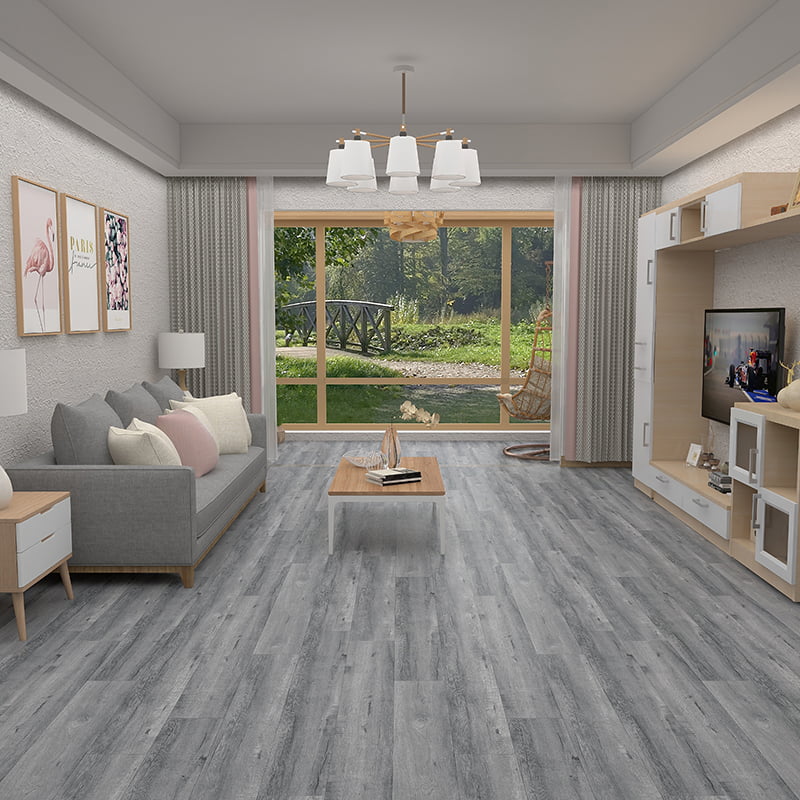
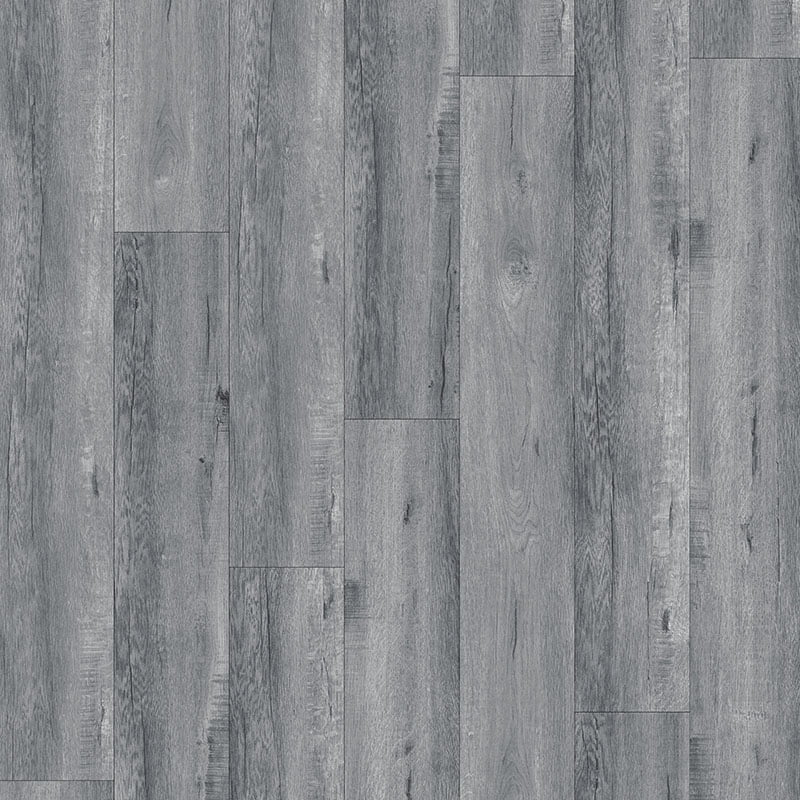
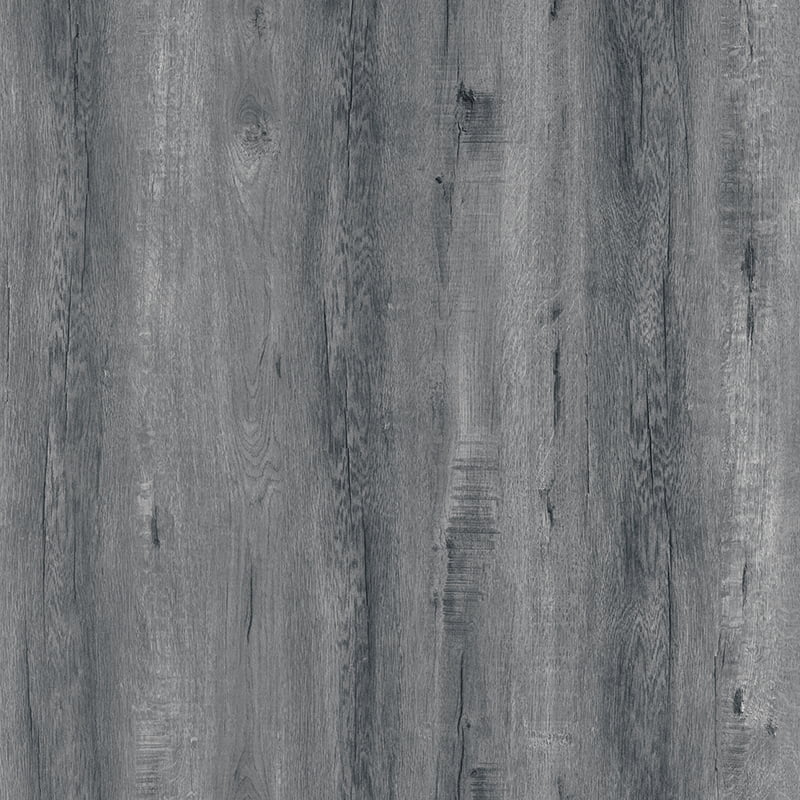
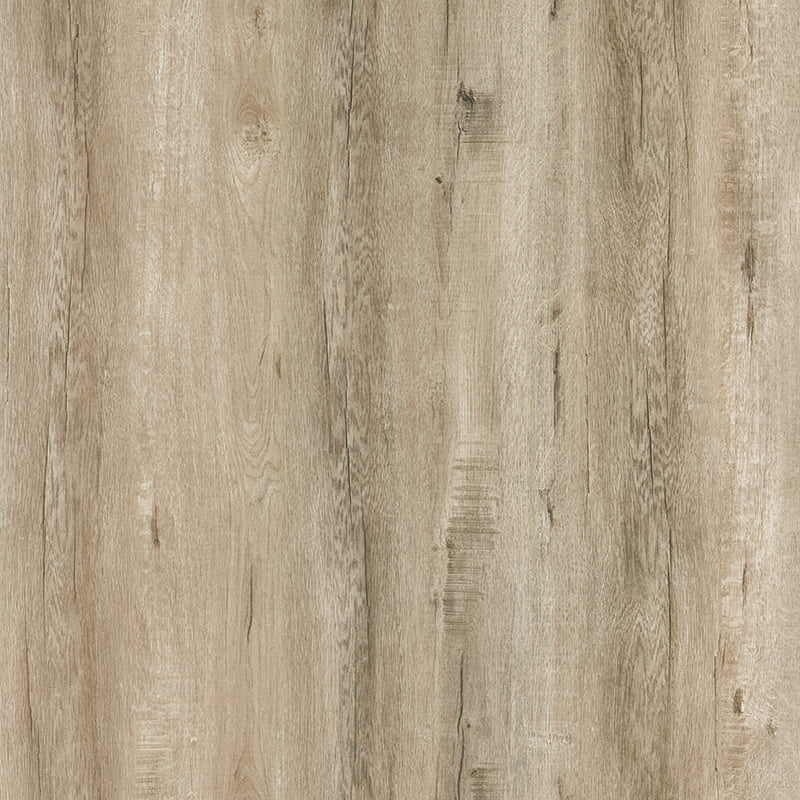
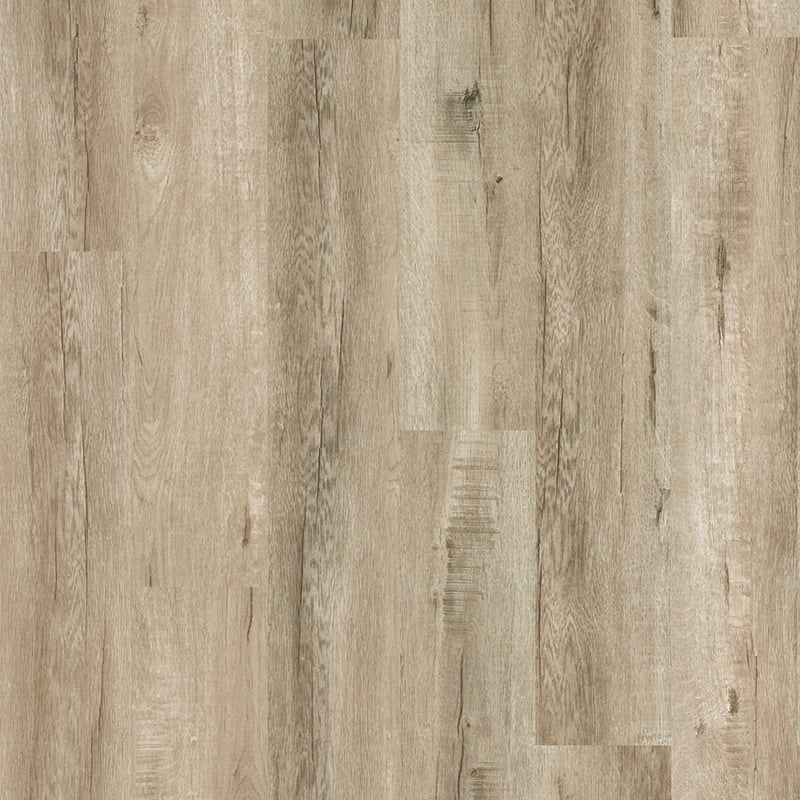
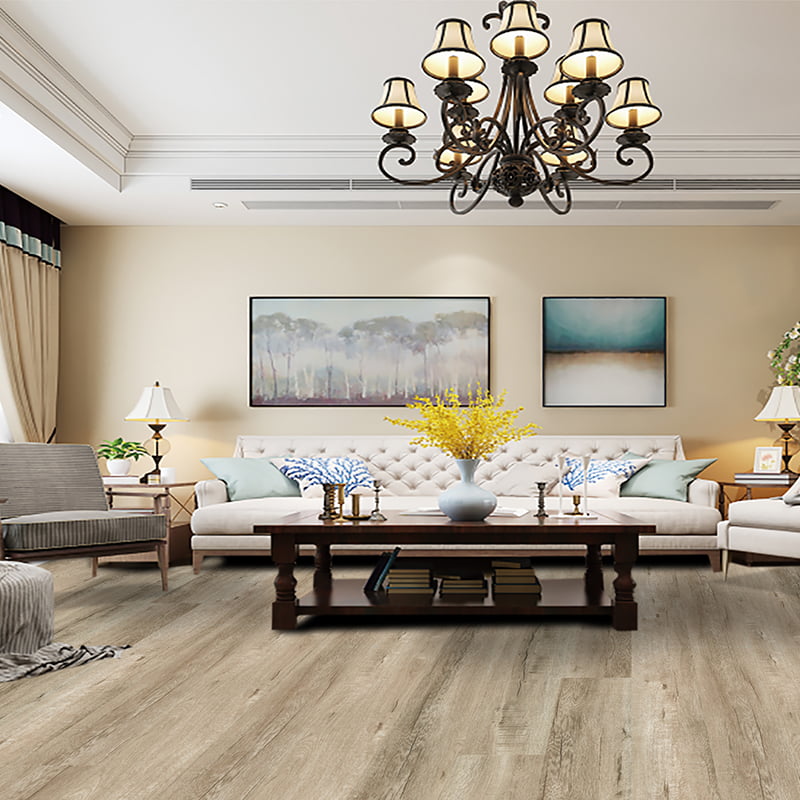
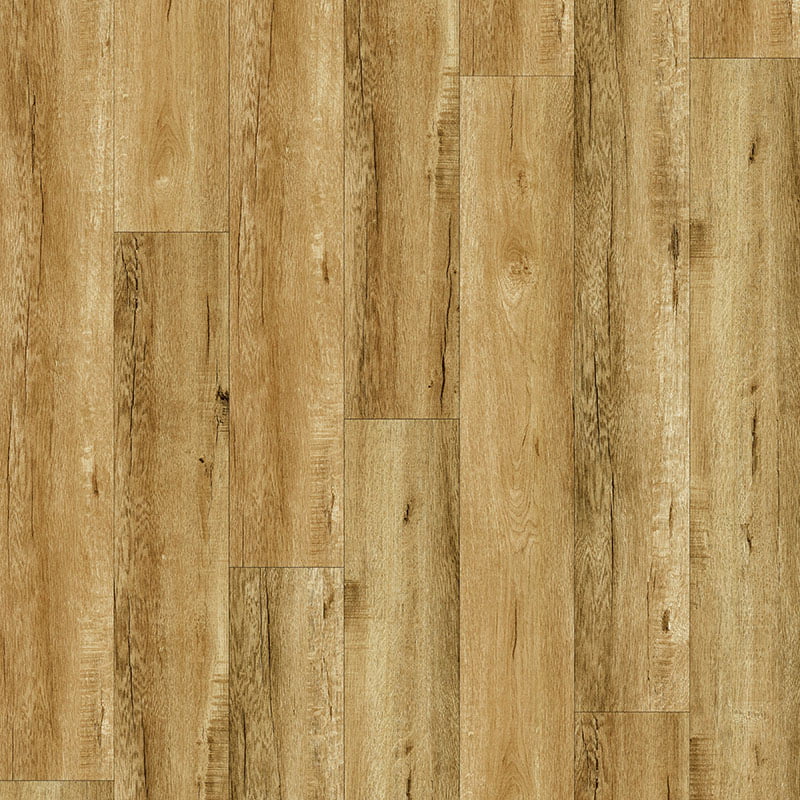
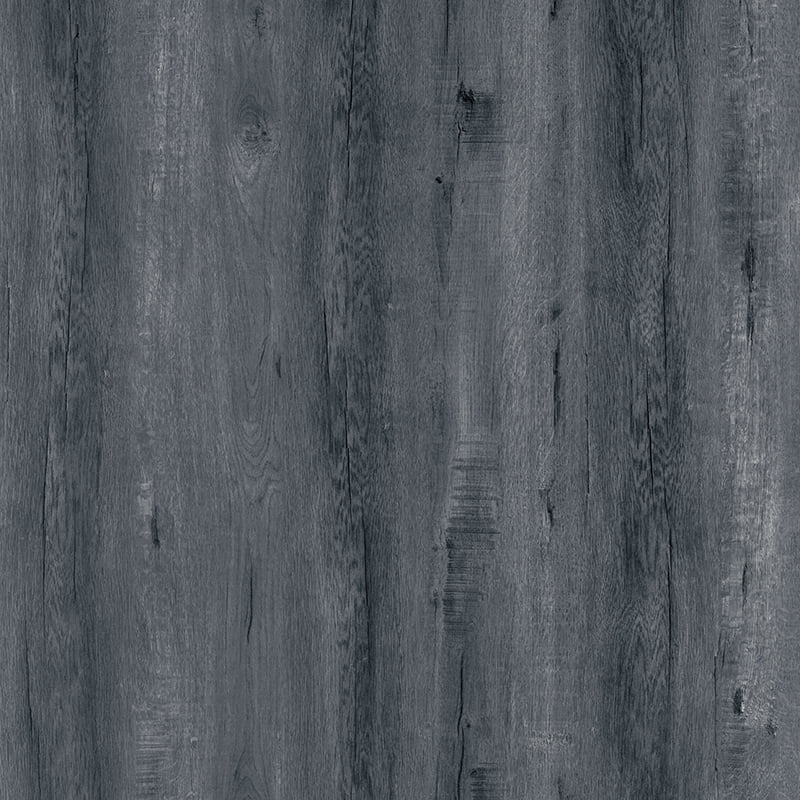
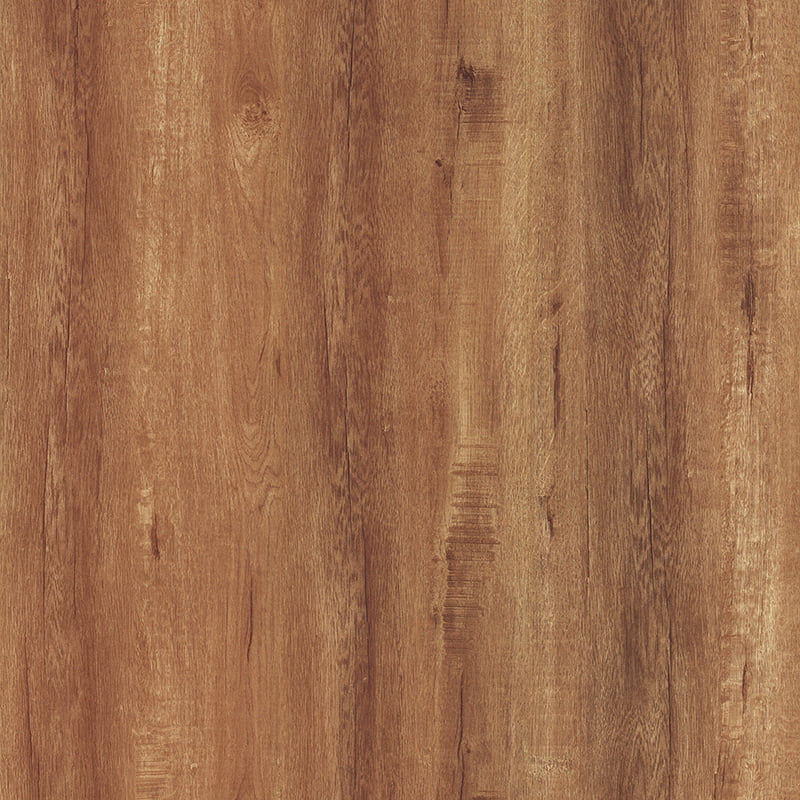
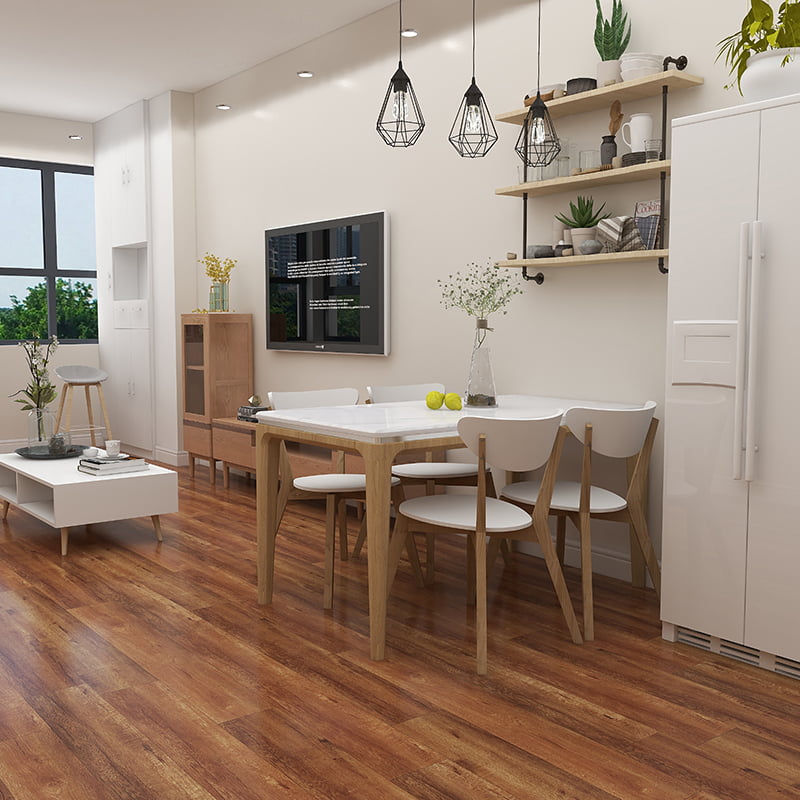
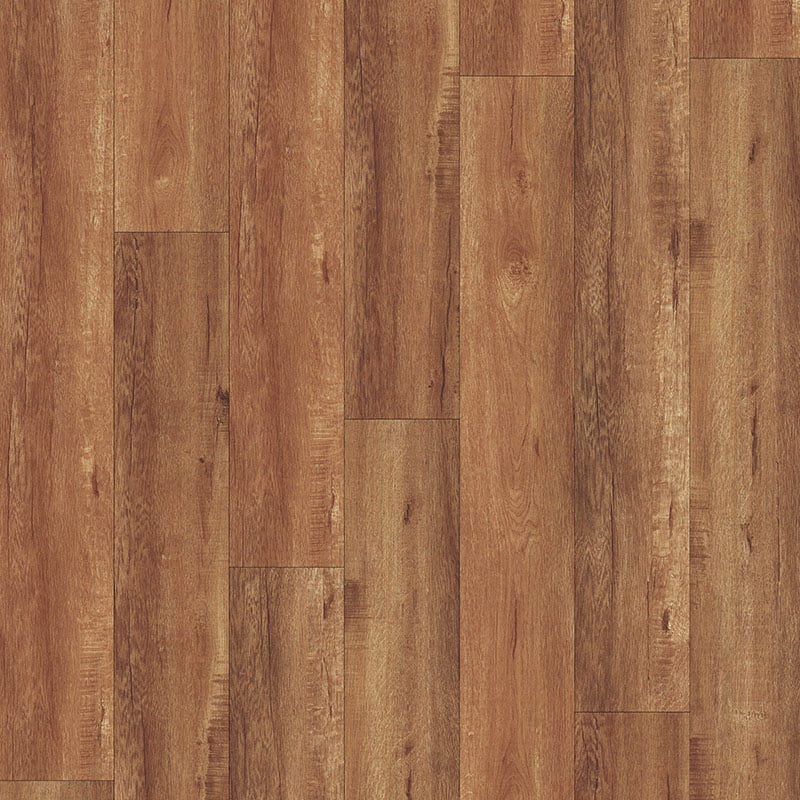
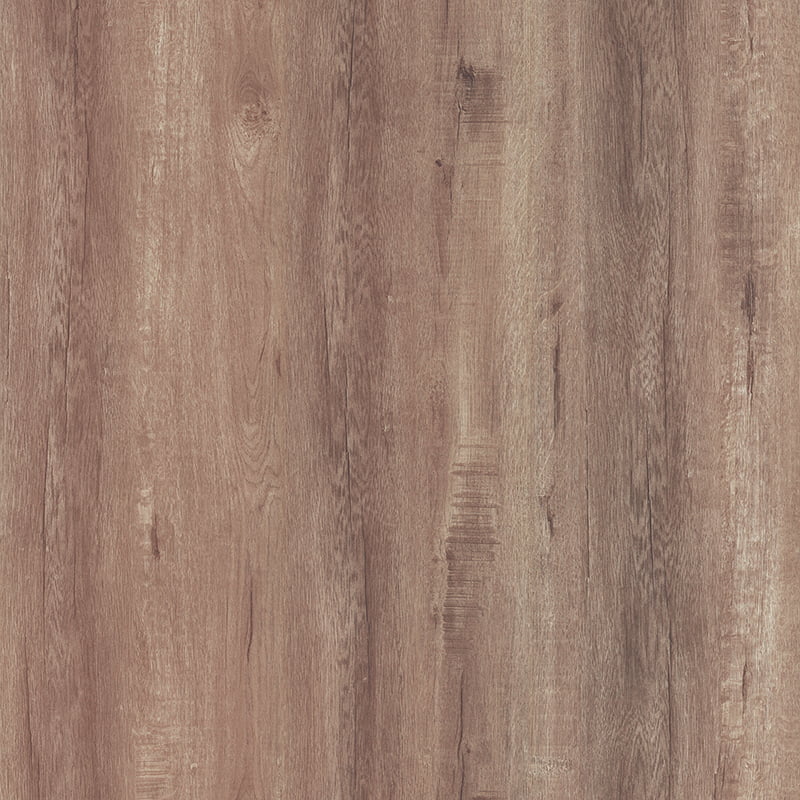
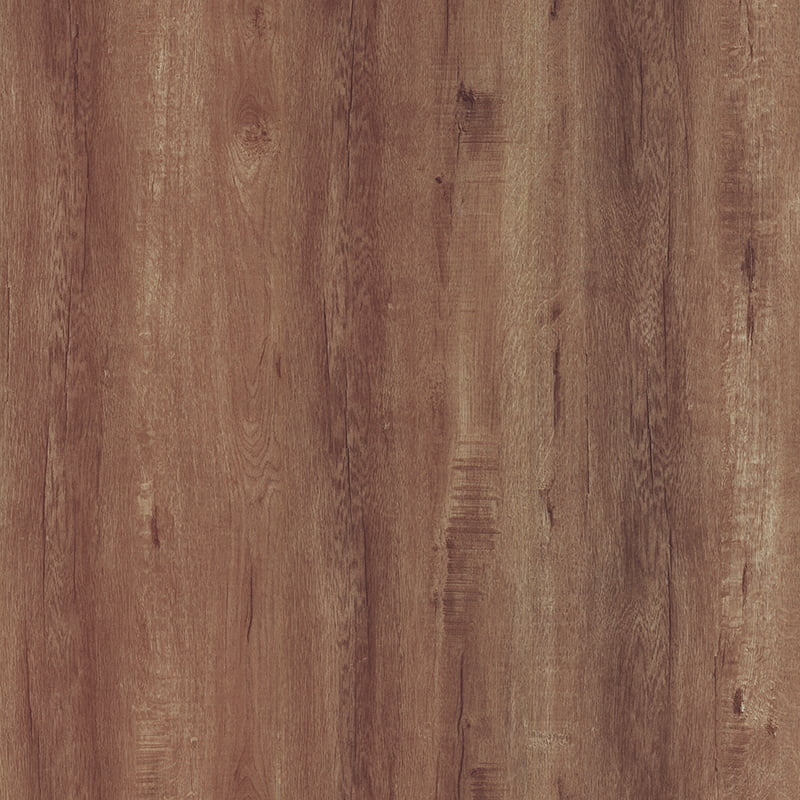
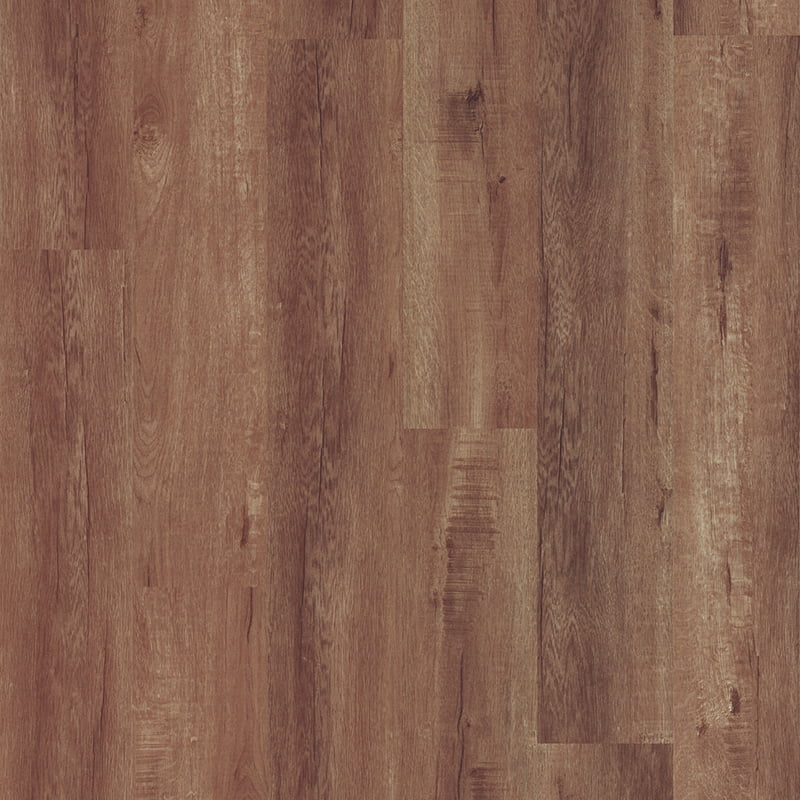
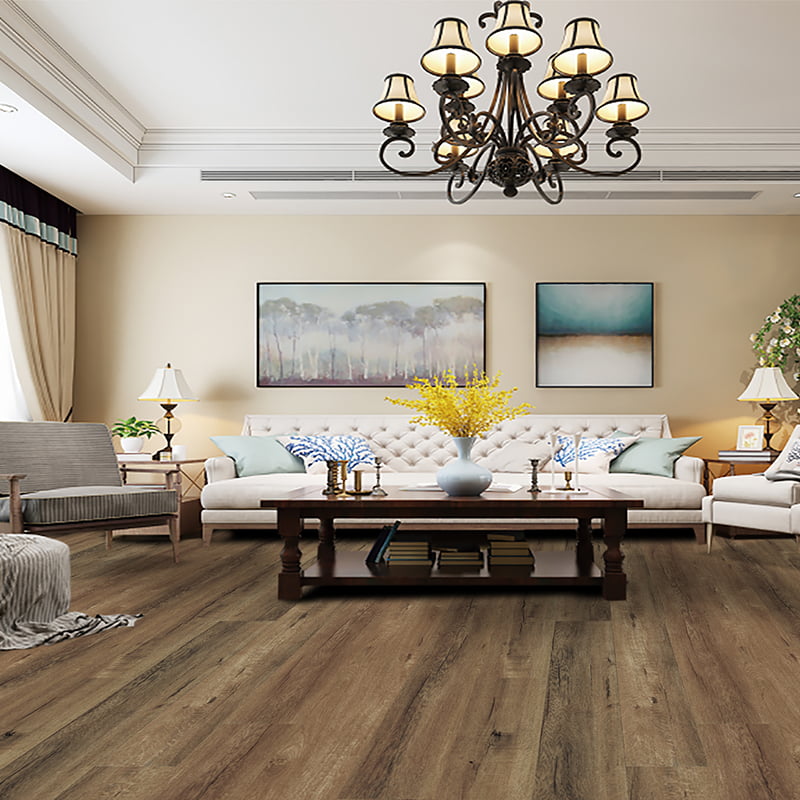
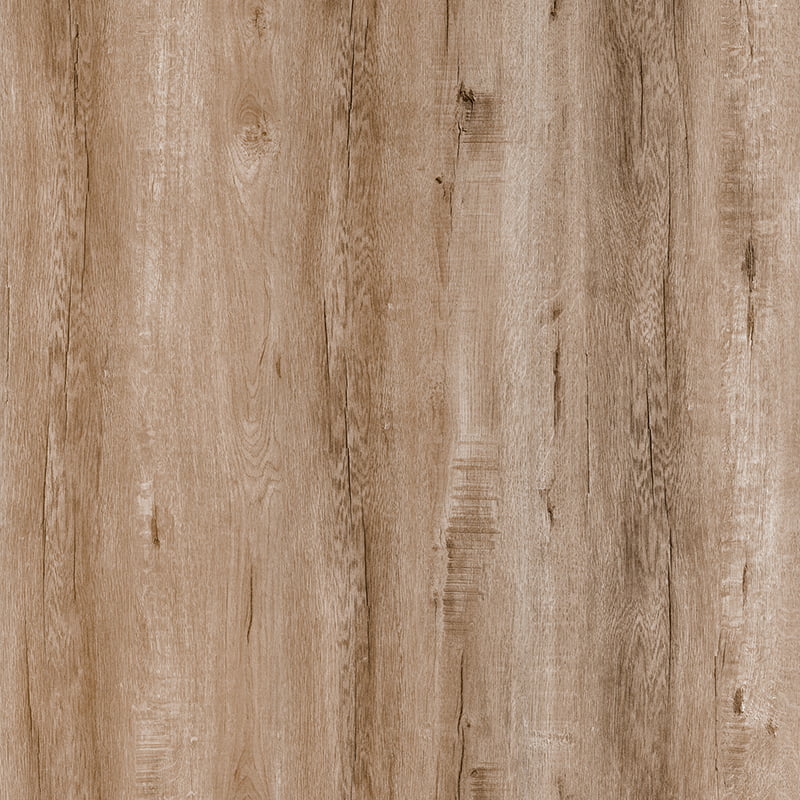
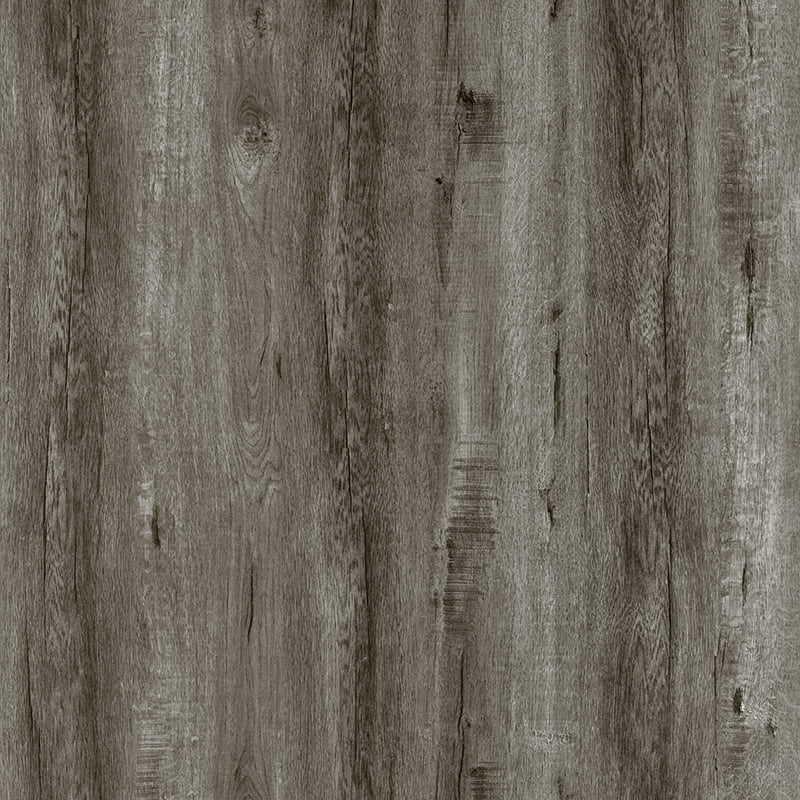
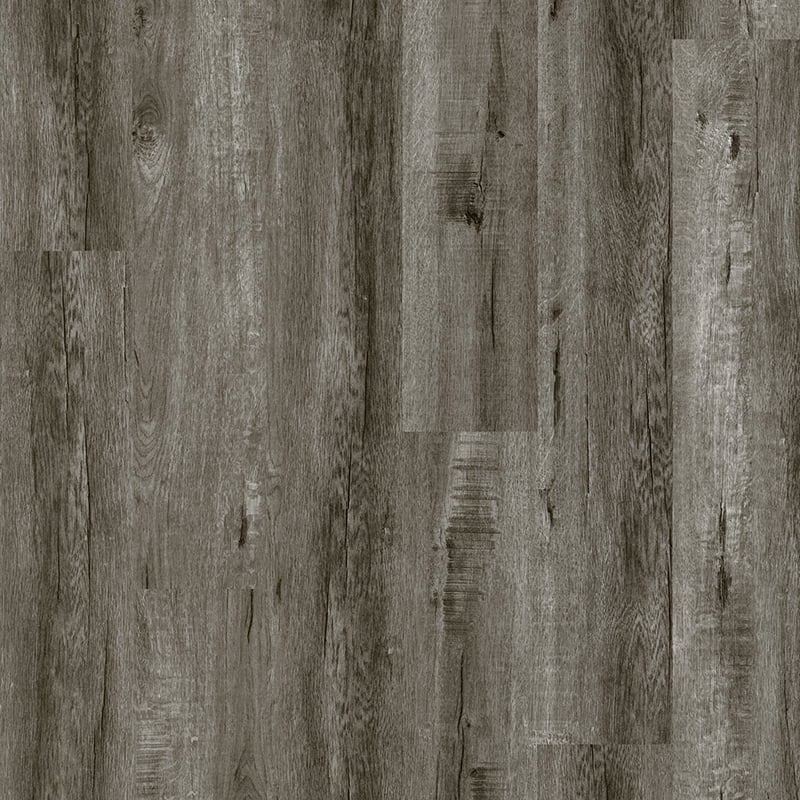
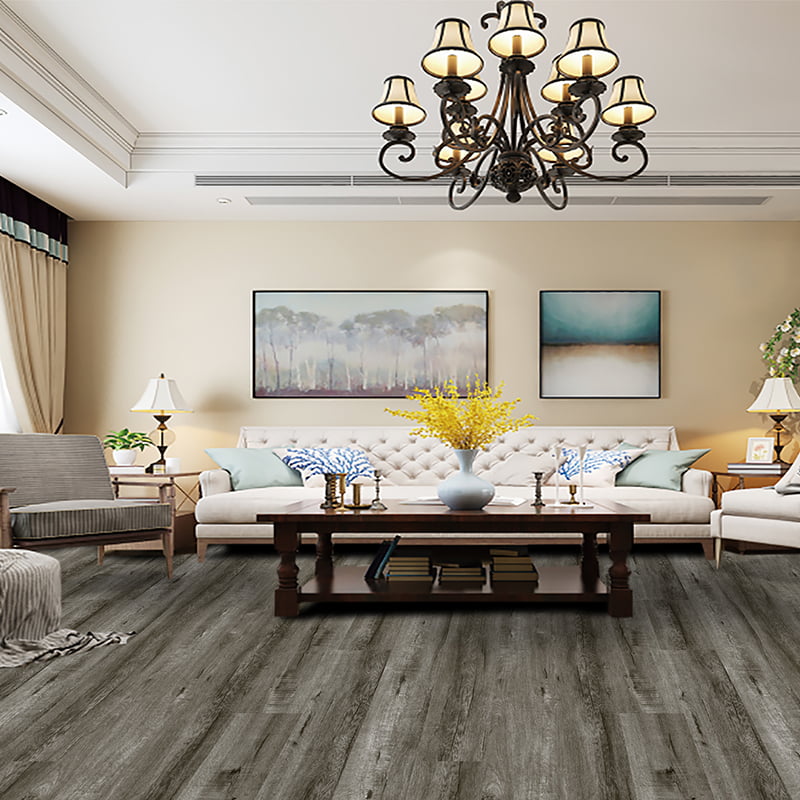
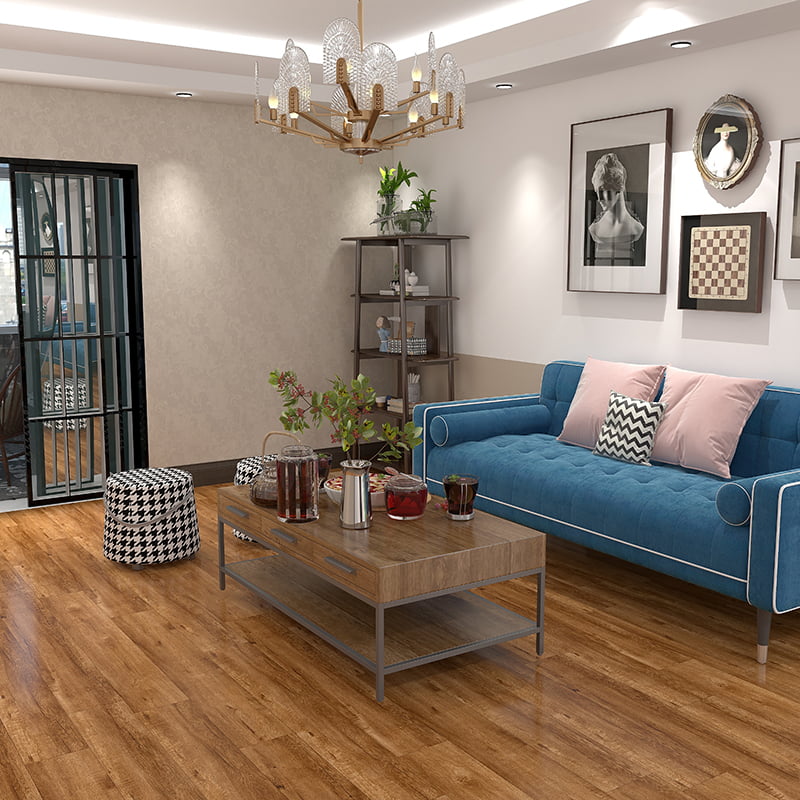
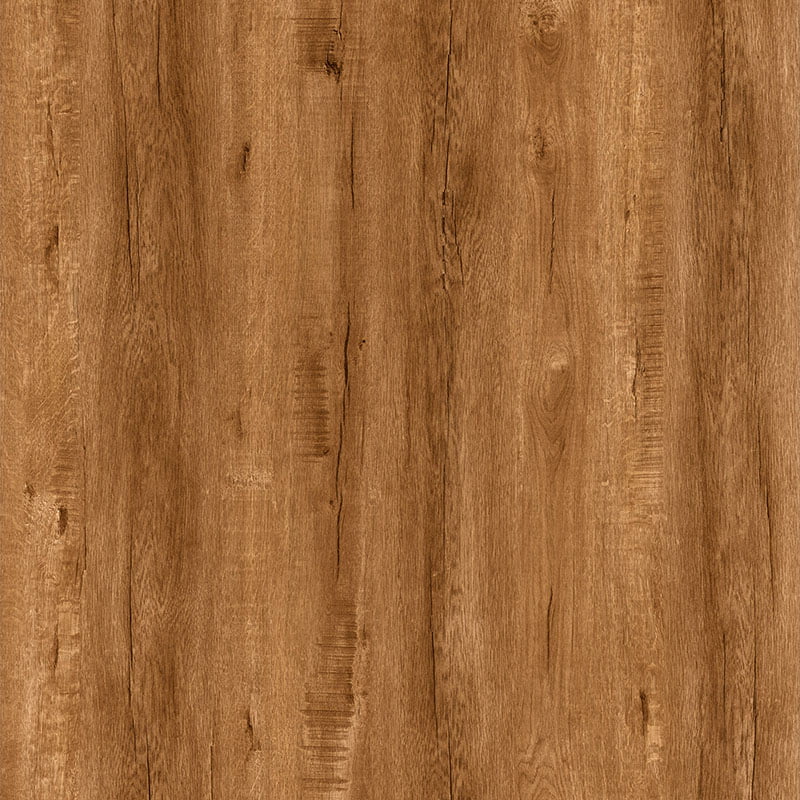
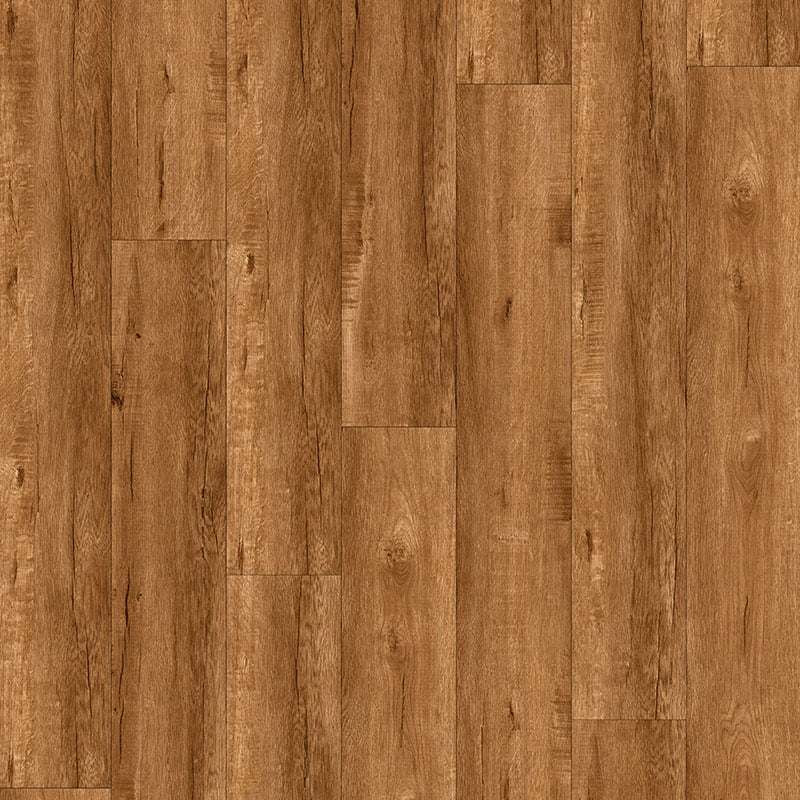
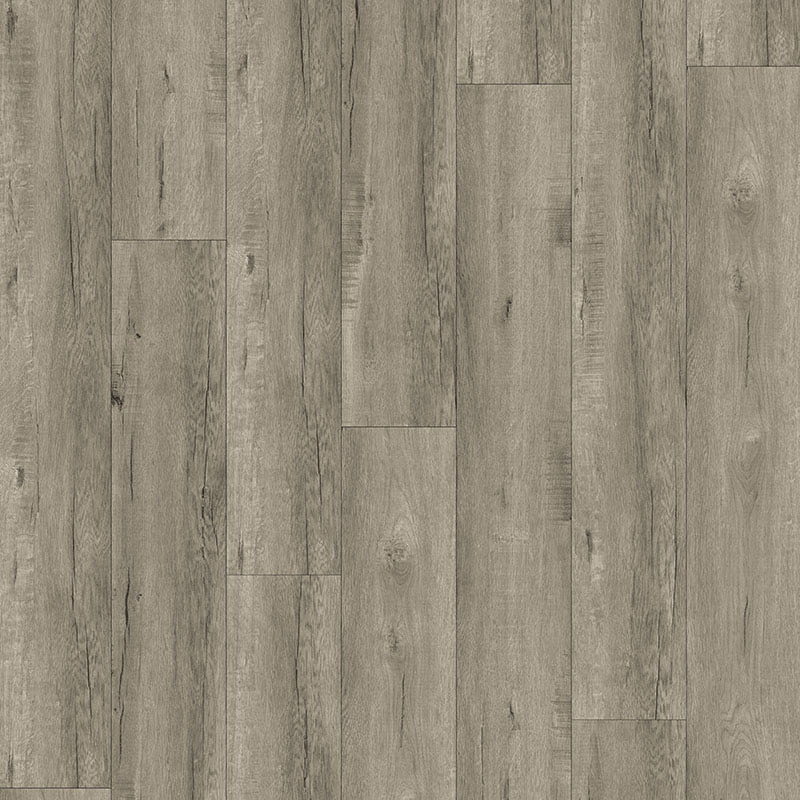
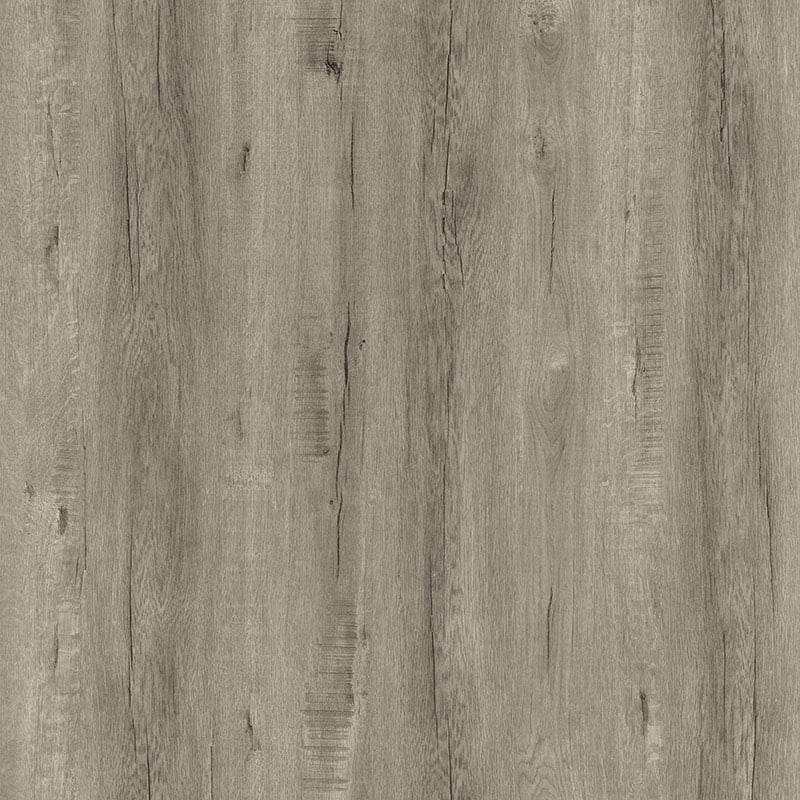
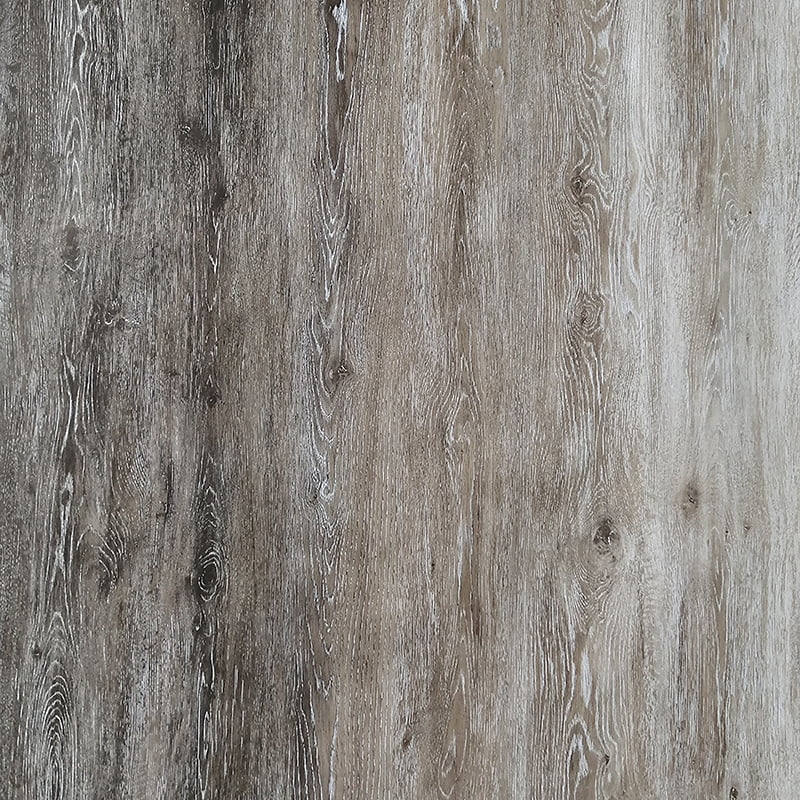
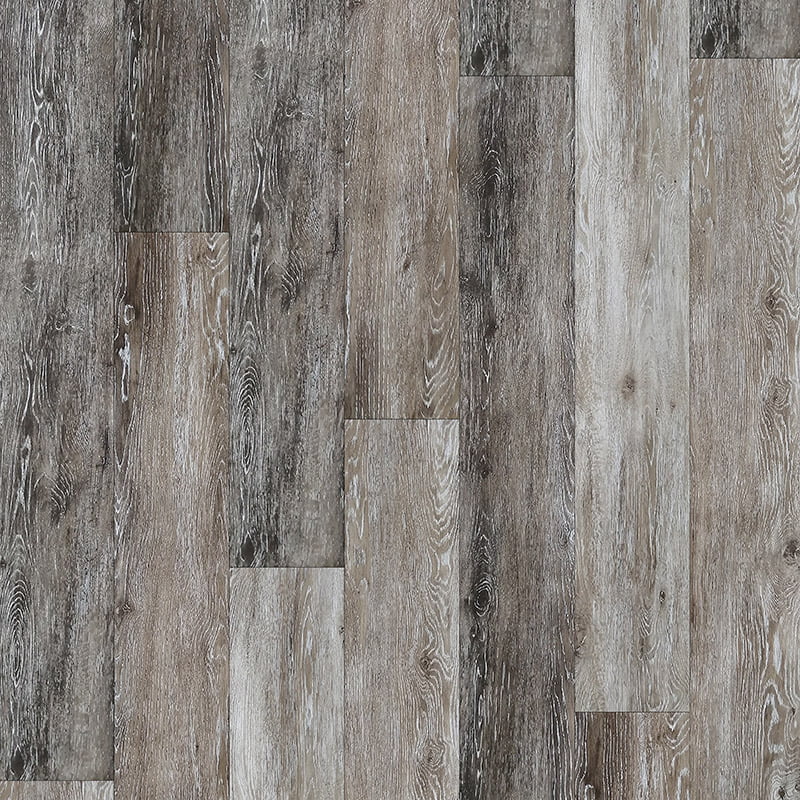
Model: YC0003
Wood: Oak
Spec: 1000*1270mm
Single chip size: 7.25*48"
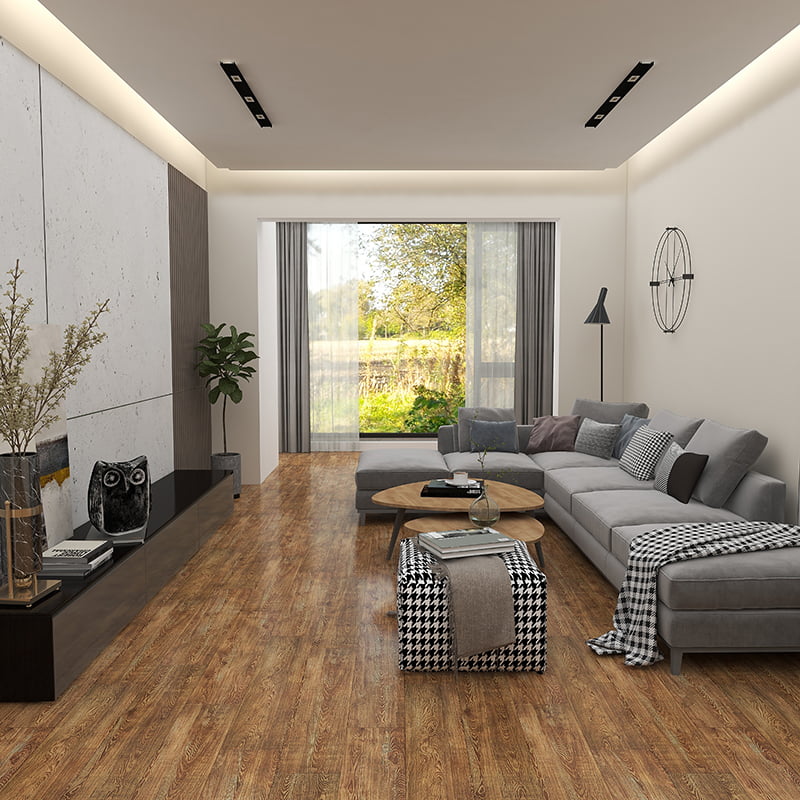
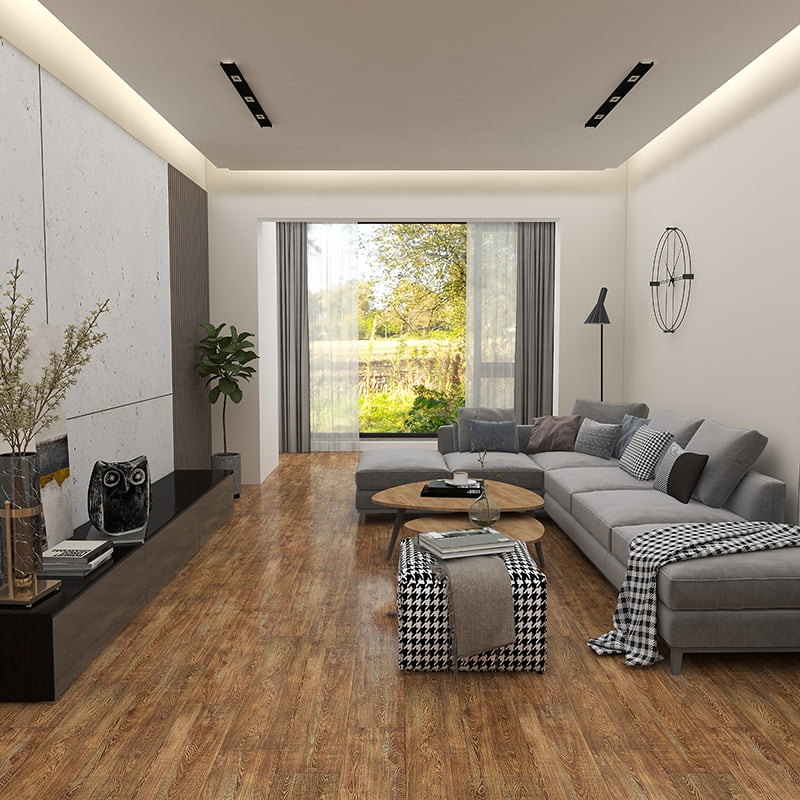
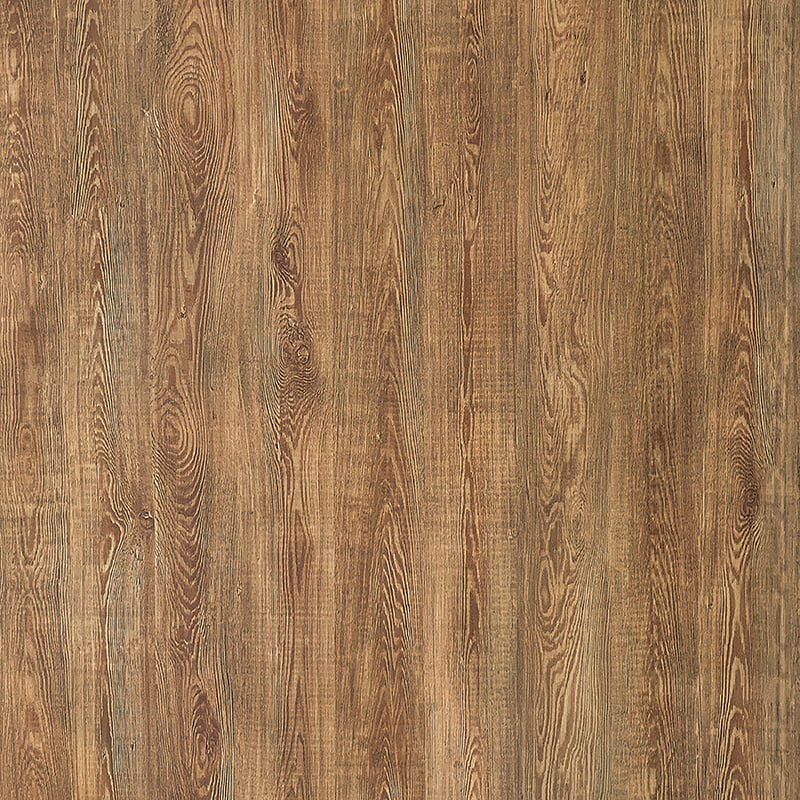
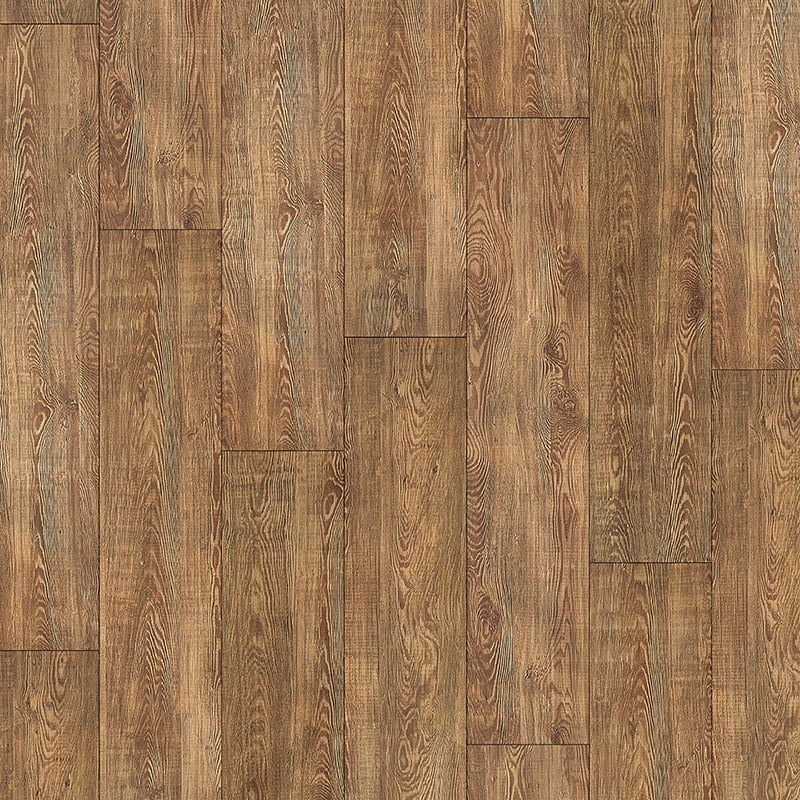
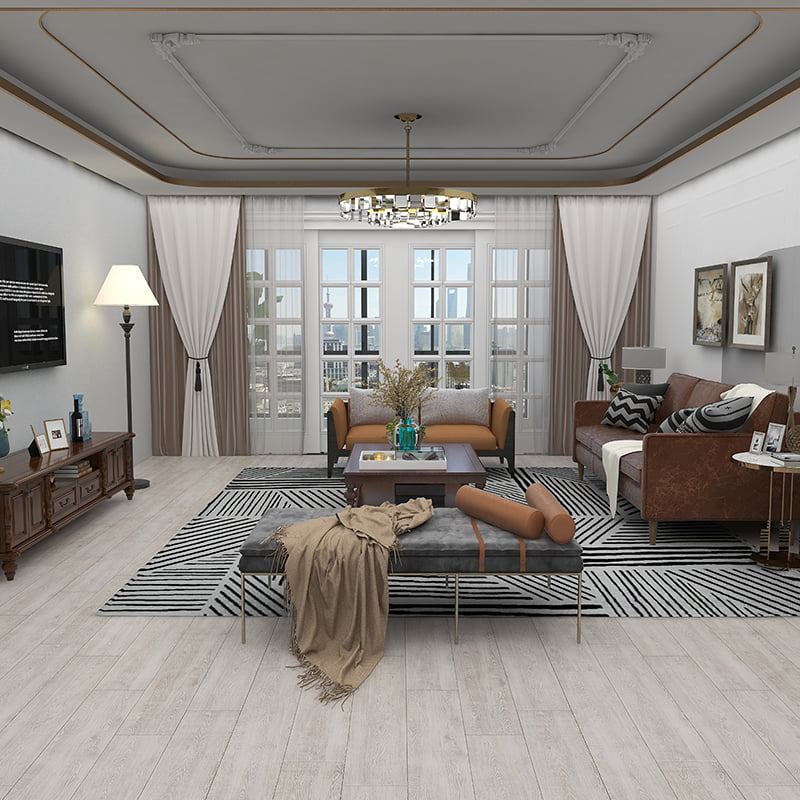
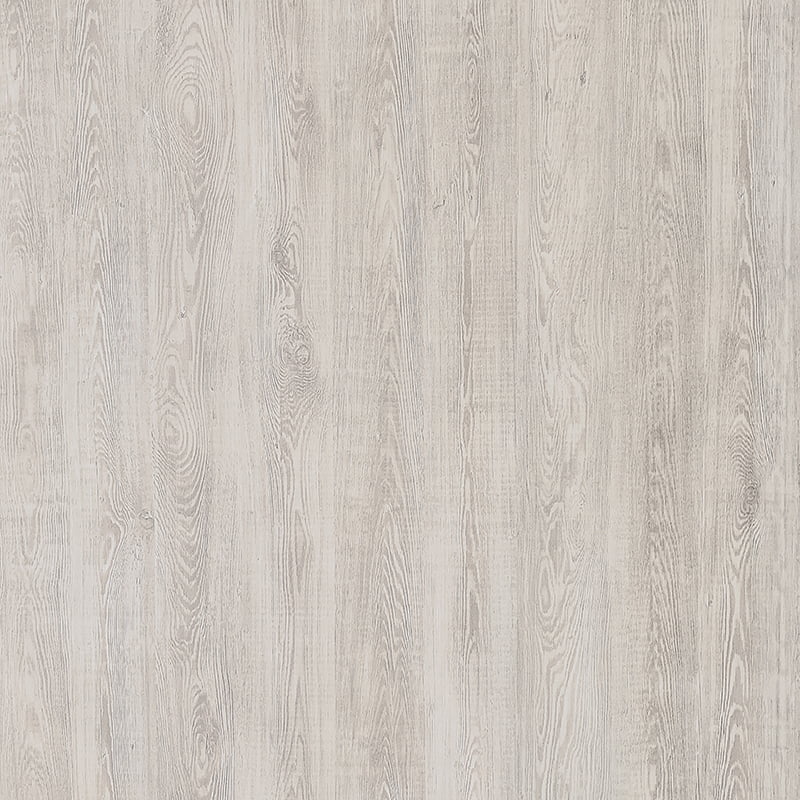
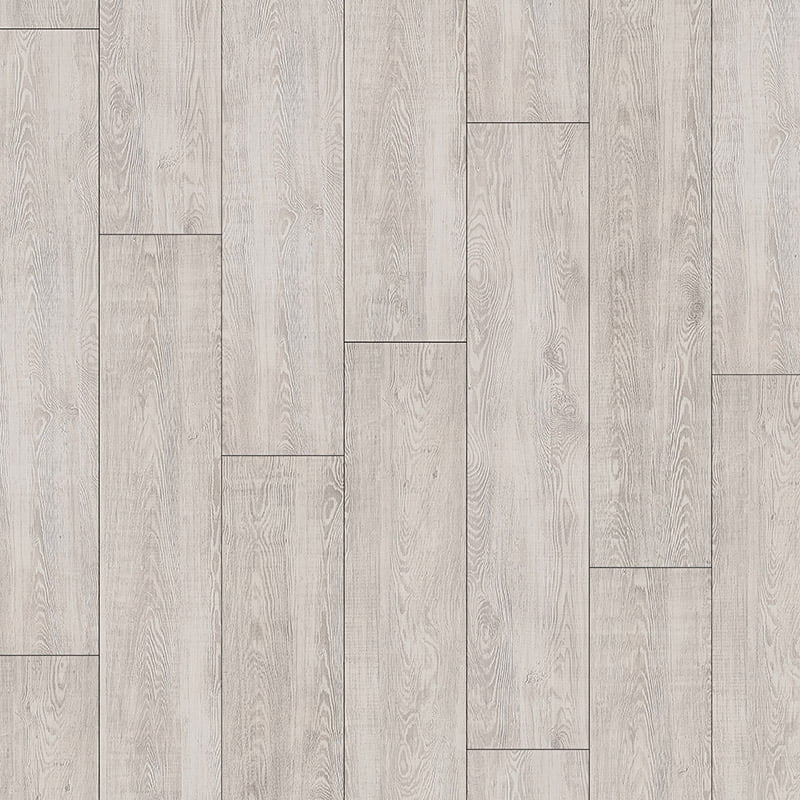
Model: YC801
Wood: Oak
Spec: 1000*940mm
Single chip size: 7.25*35"
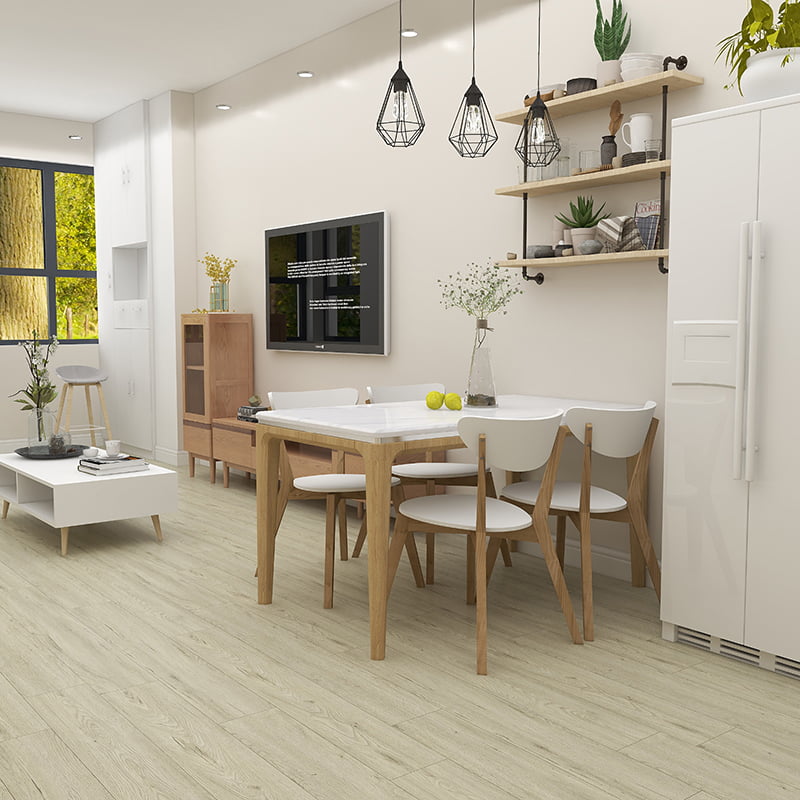
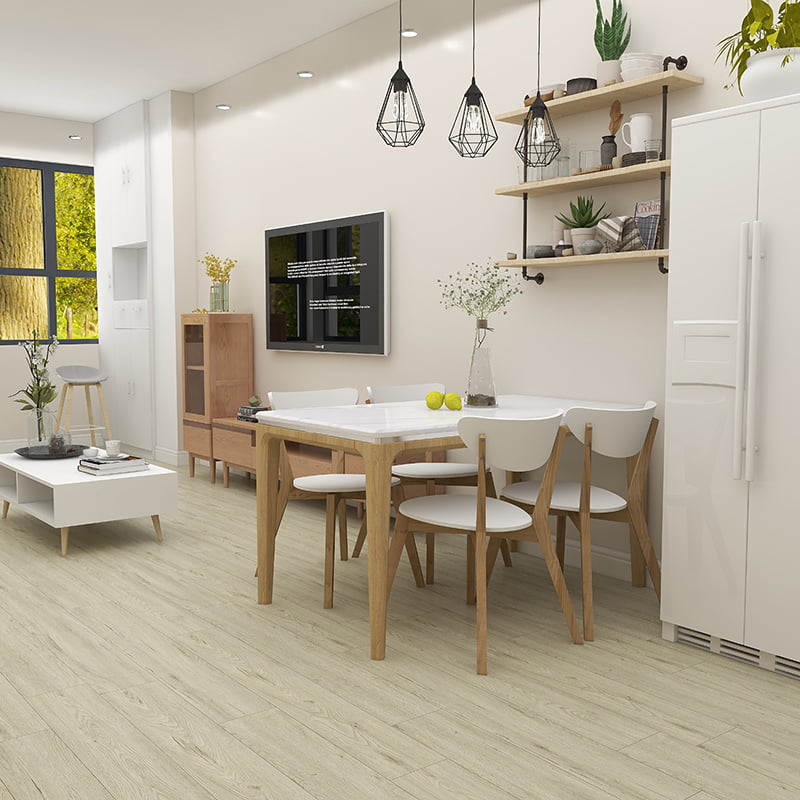
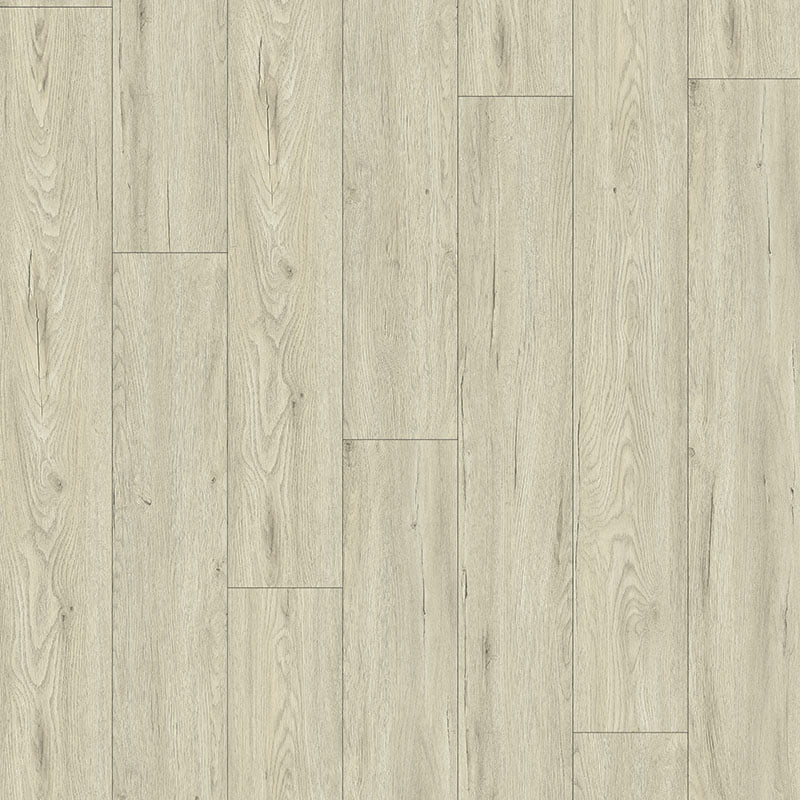
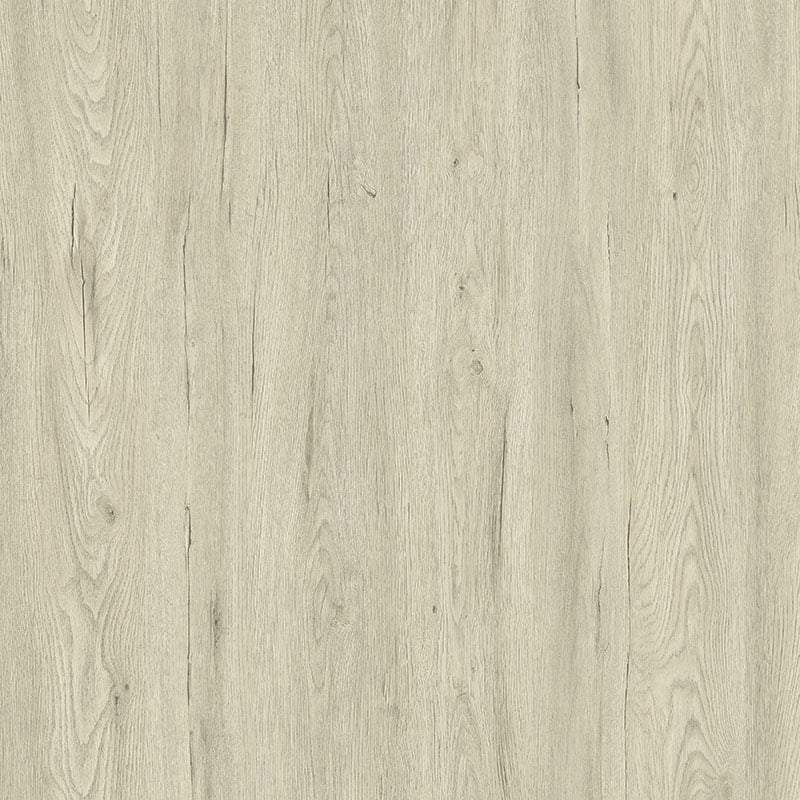
Model: YC805
Wood: Oak
Spec: 1000*1270mm
Single chip size: 7.25*48"
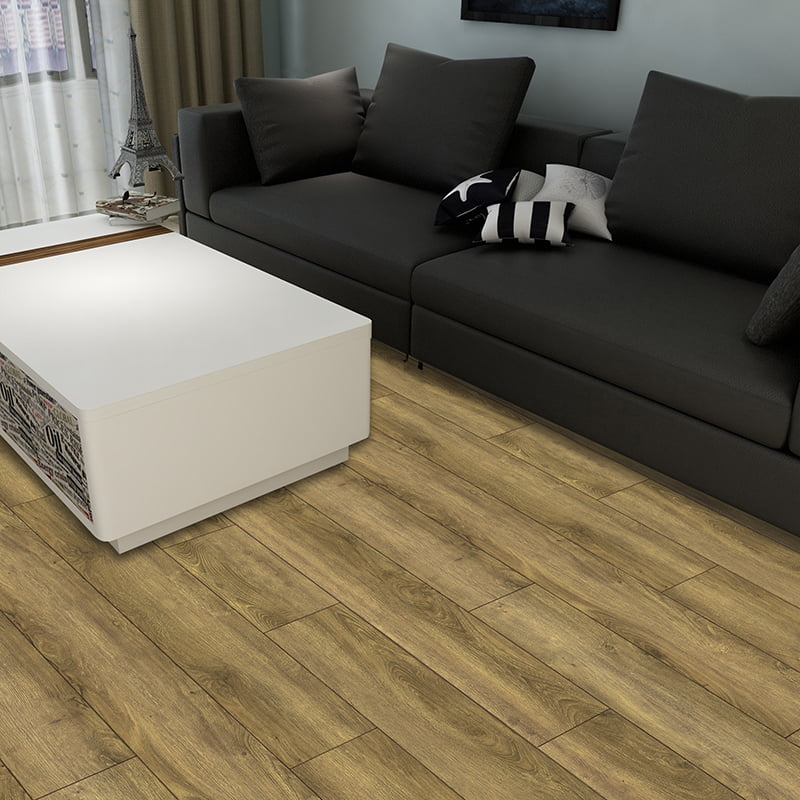
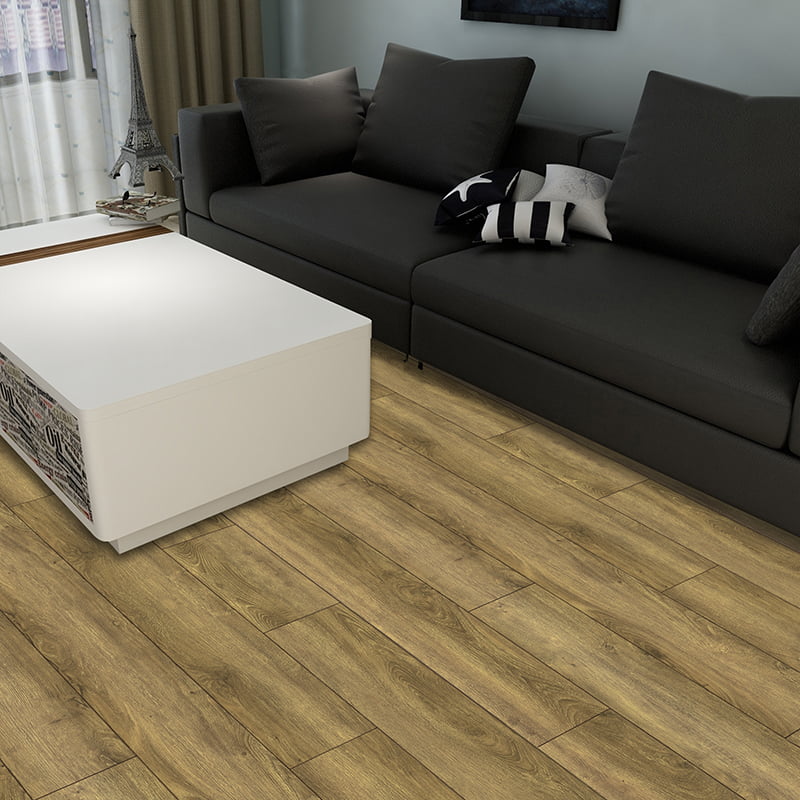
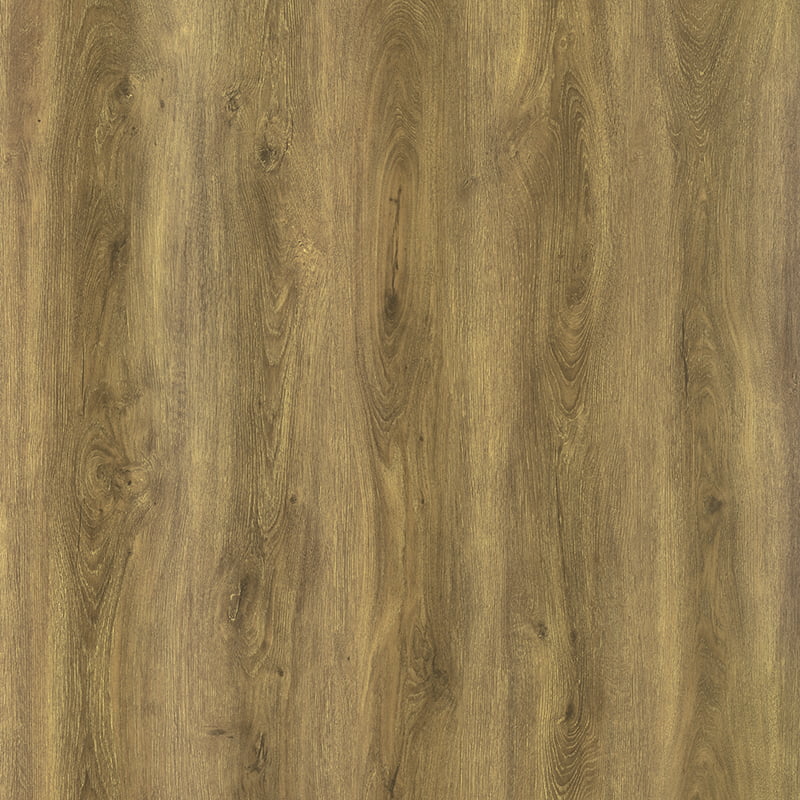
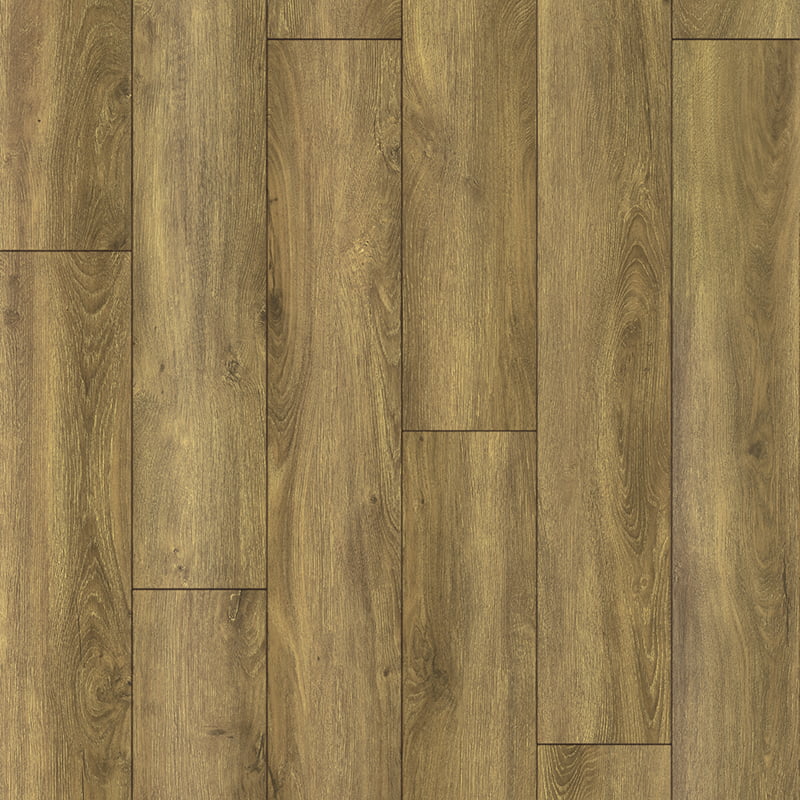
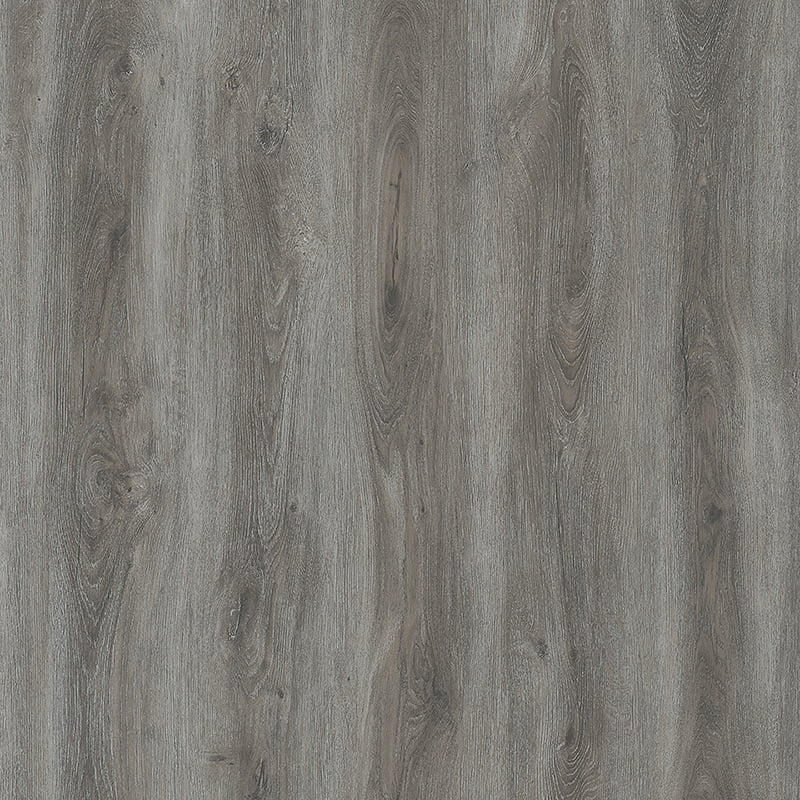
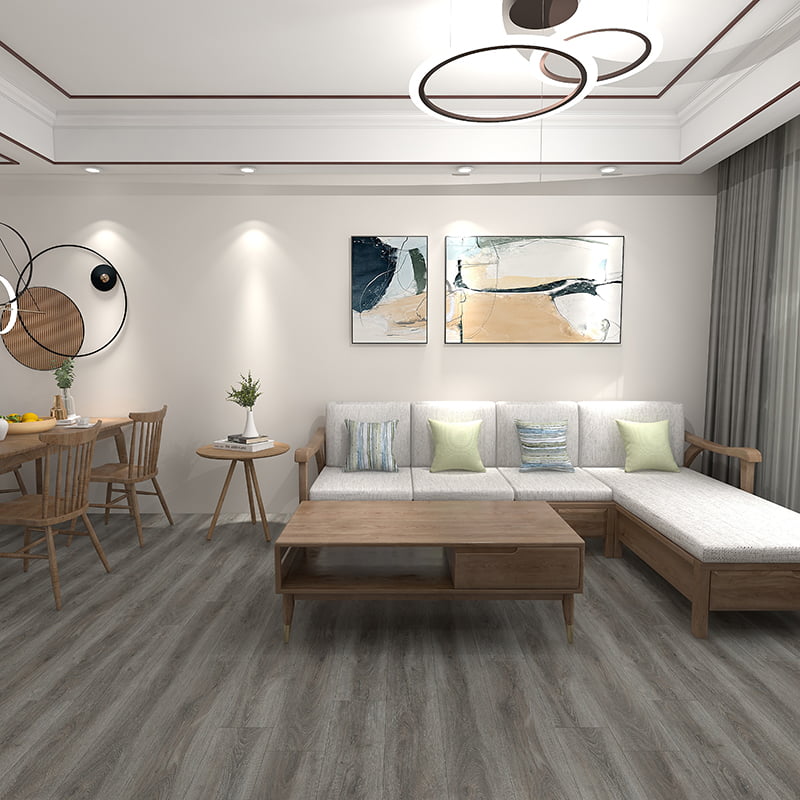
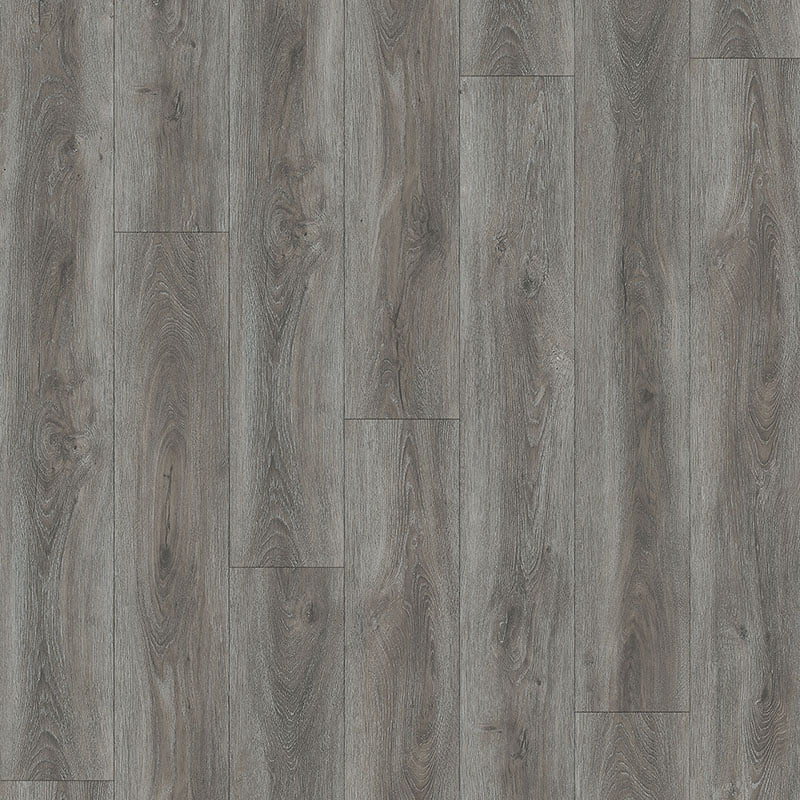
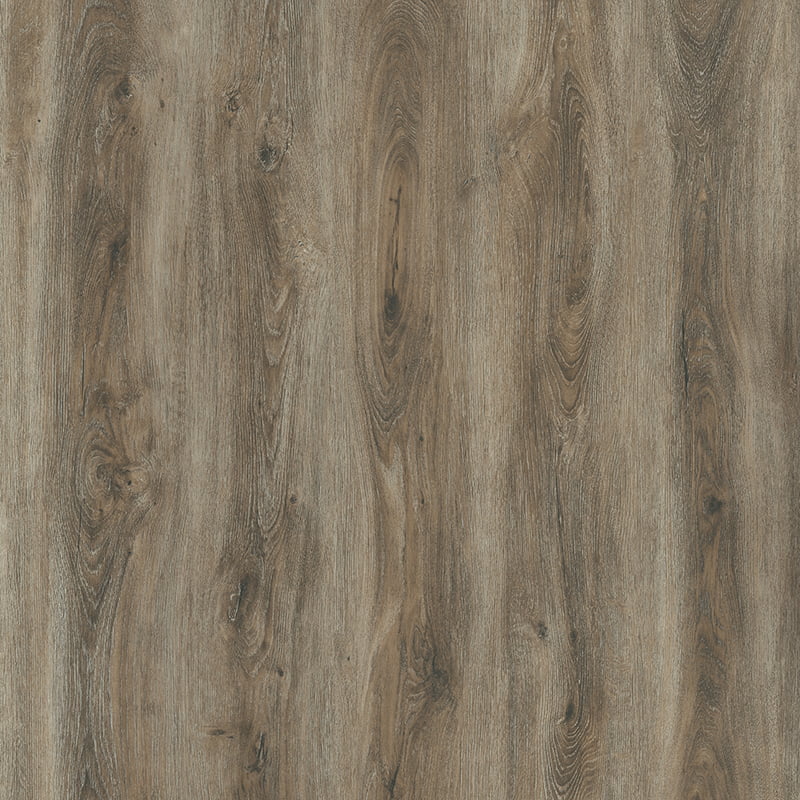
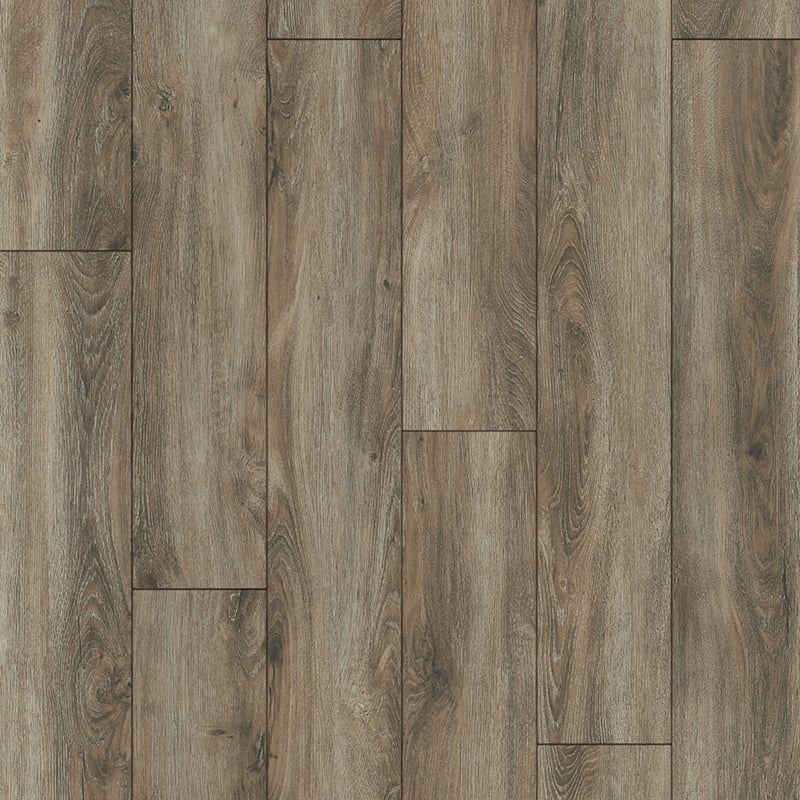
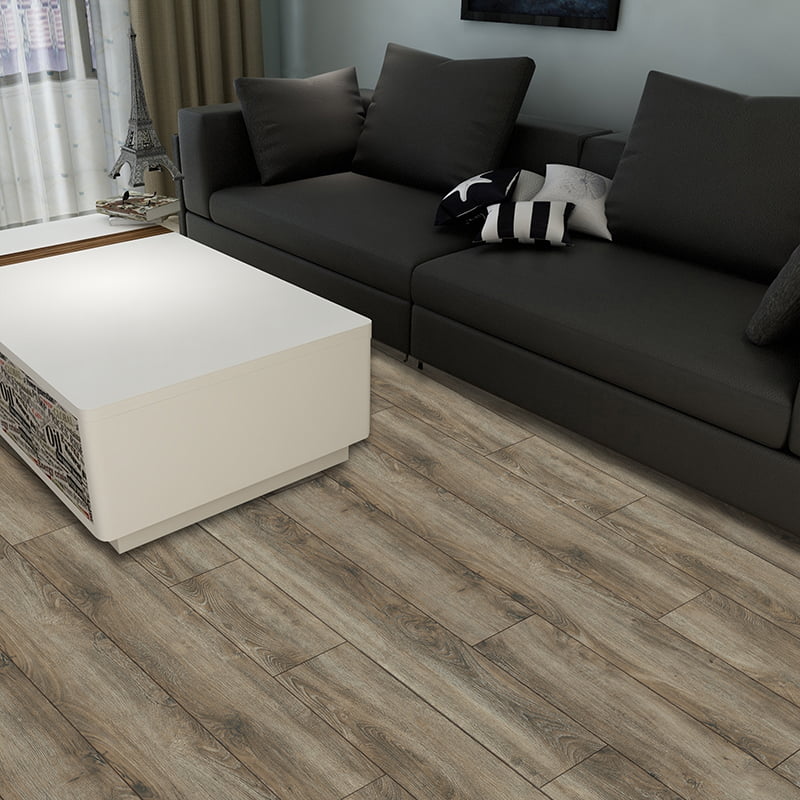
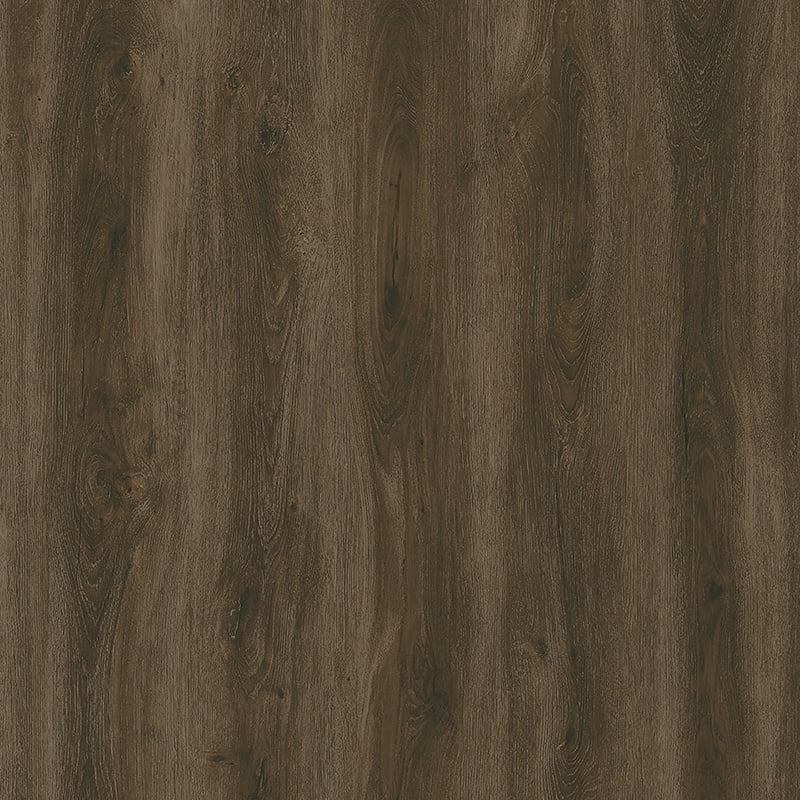
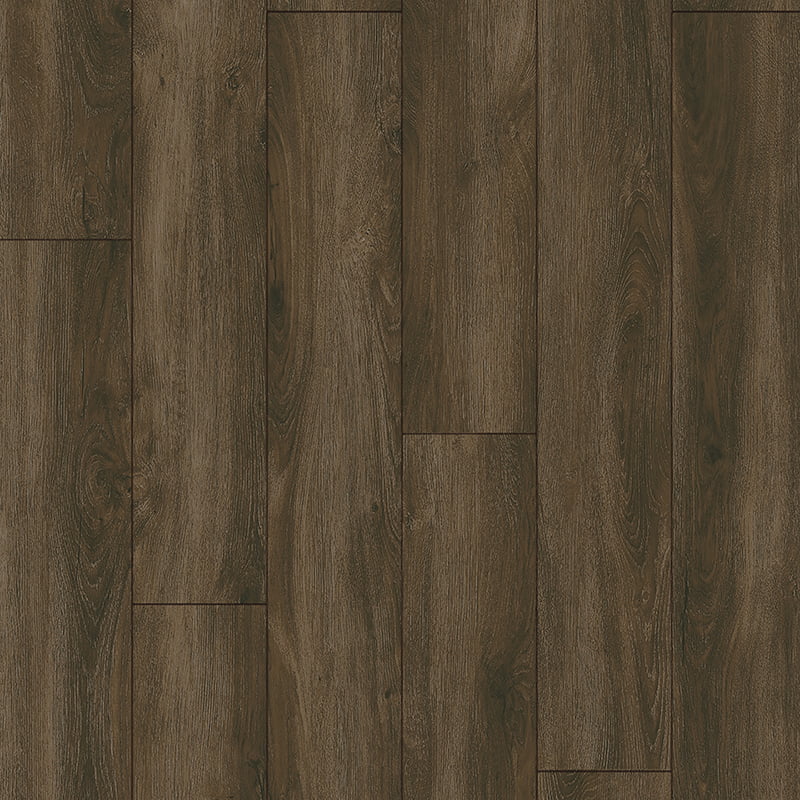
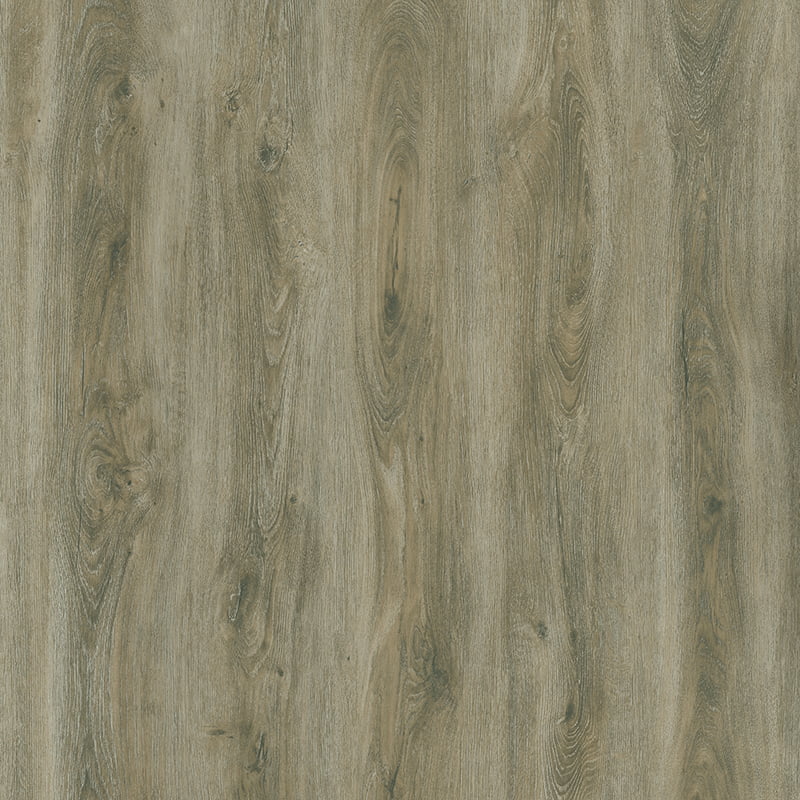
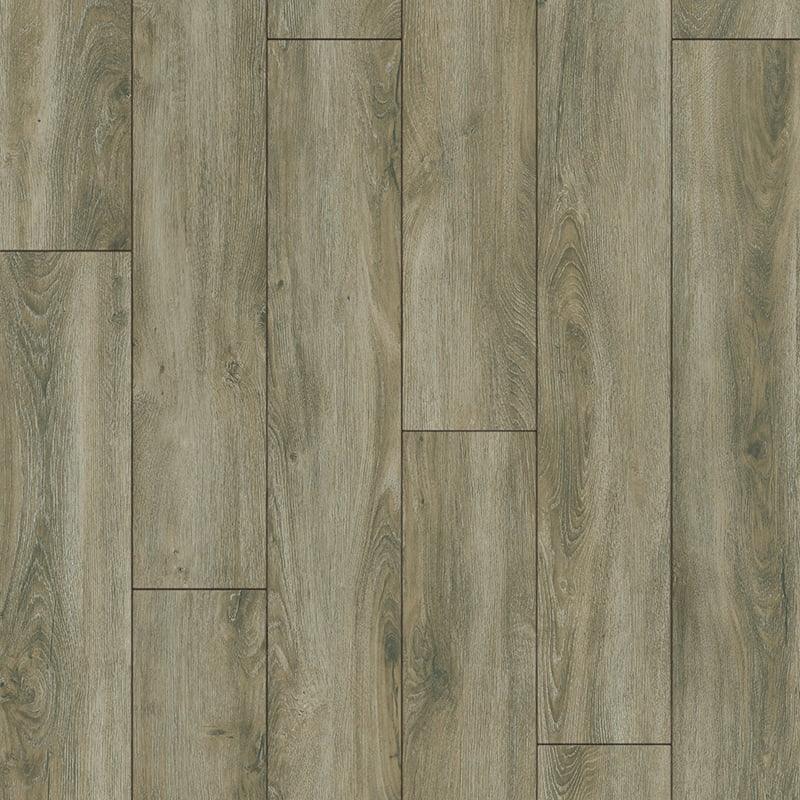
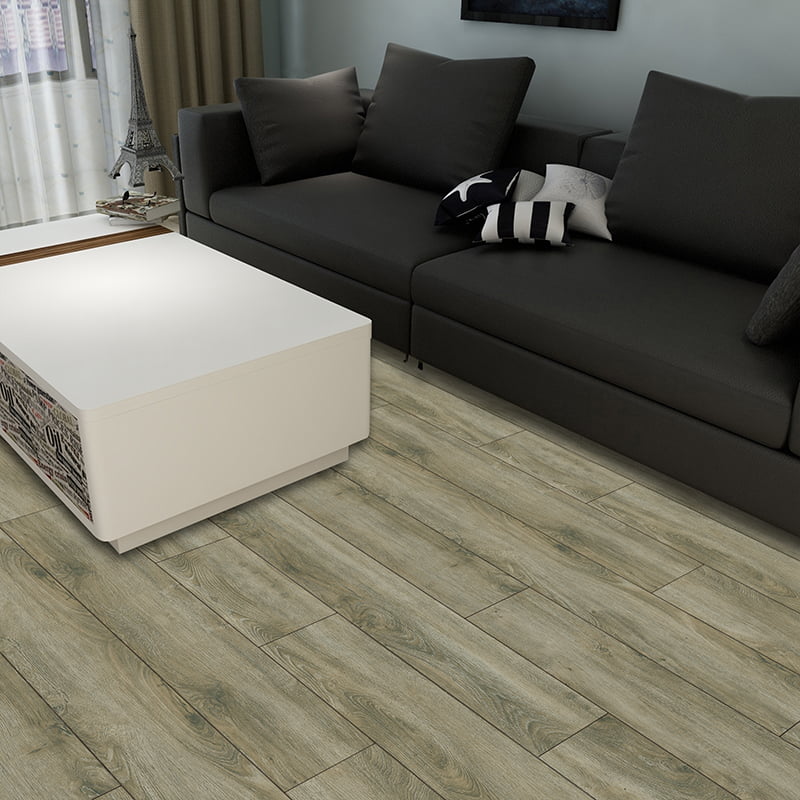
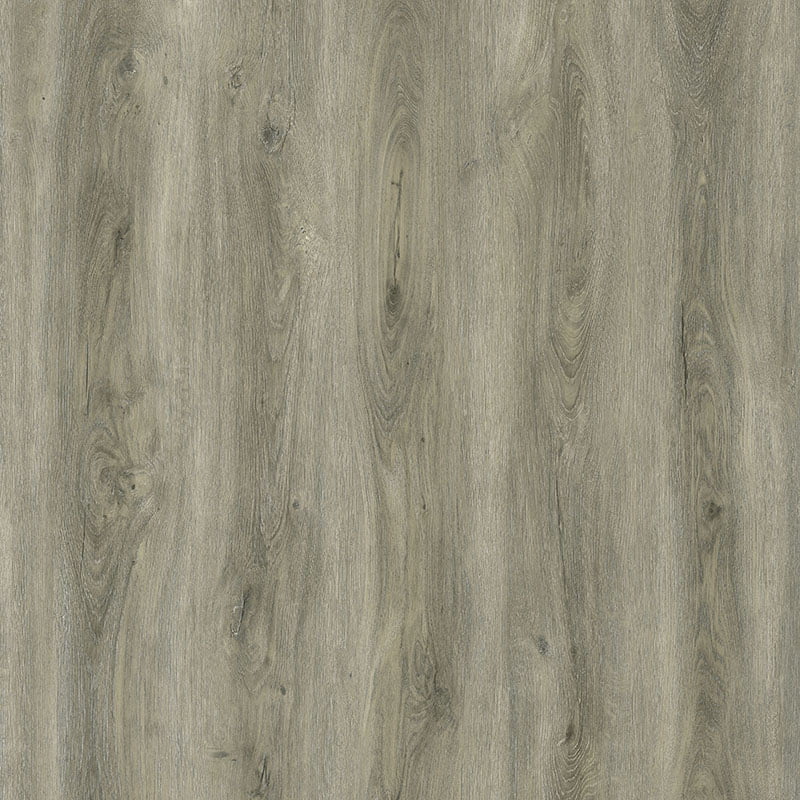
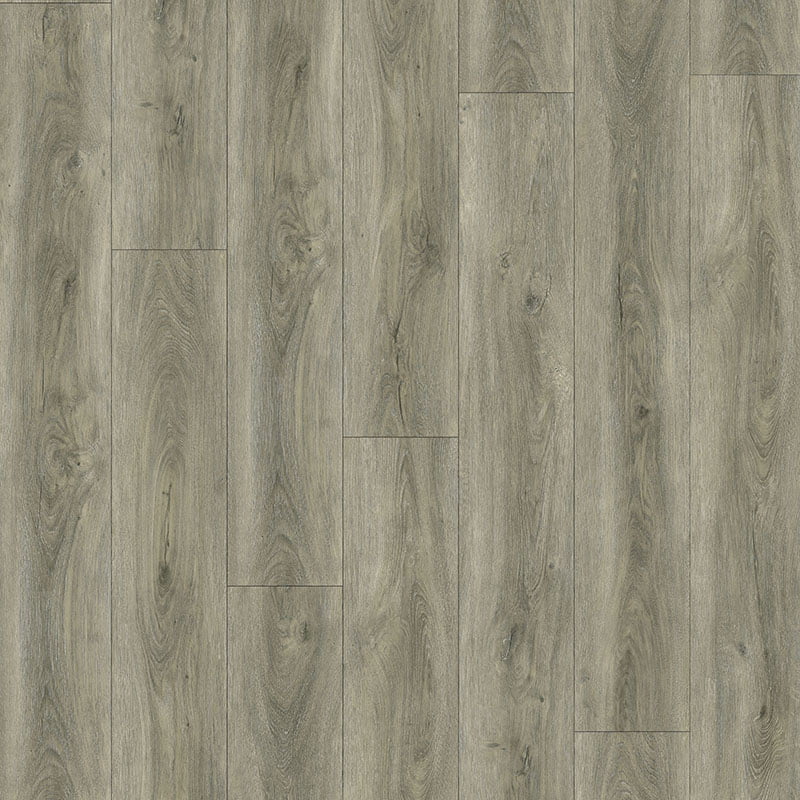
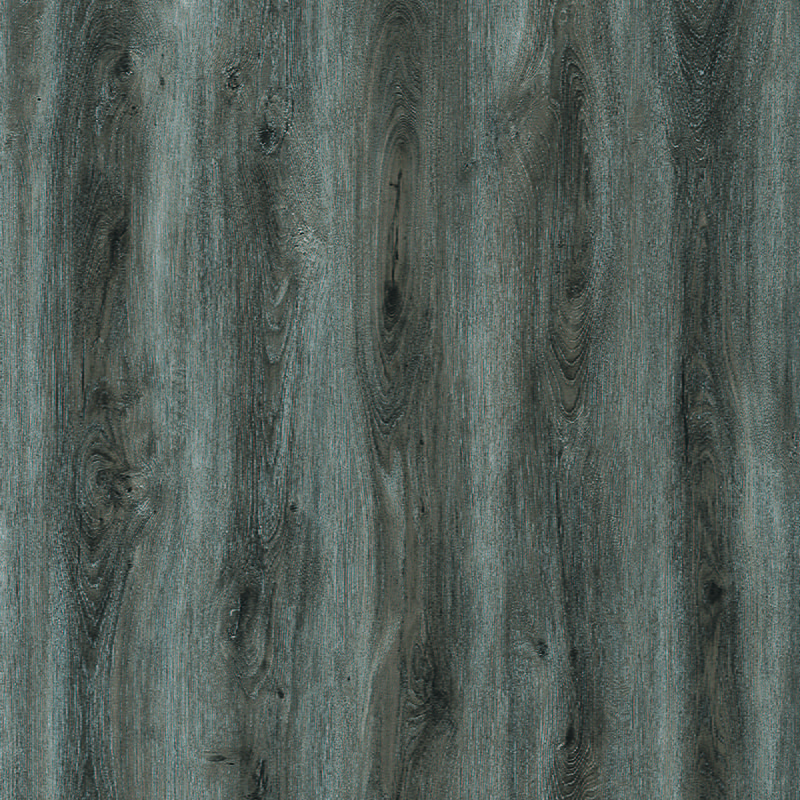
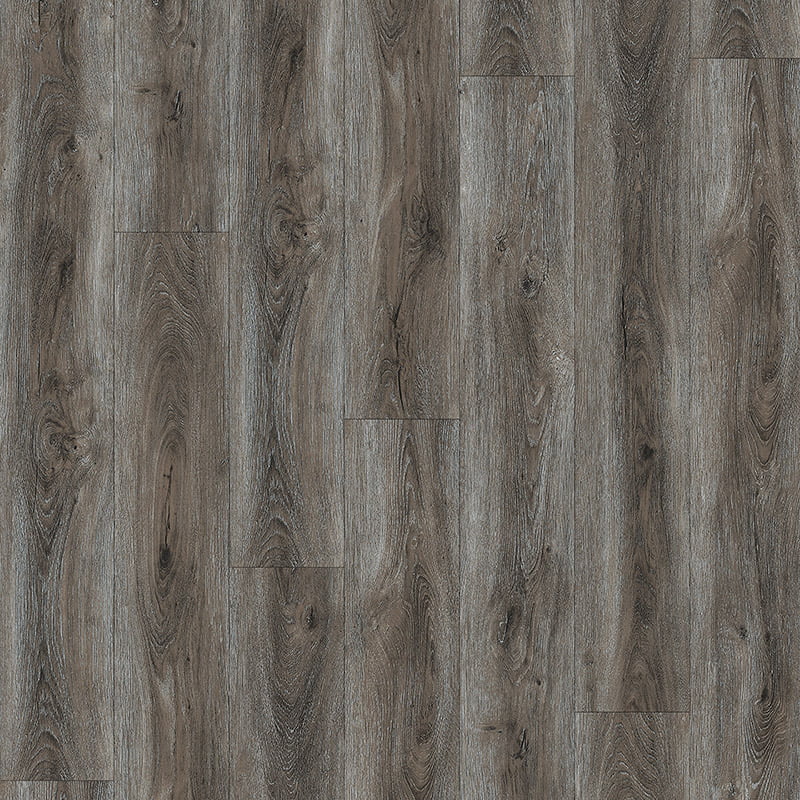
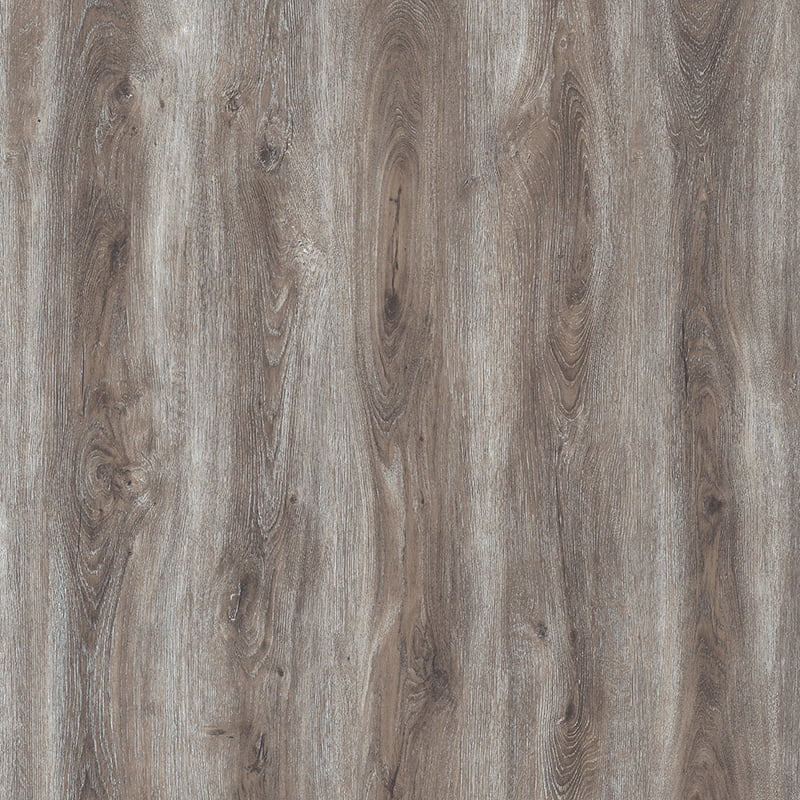
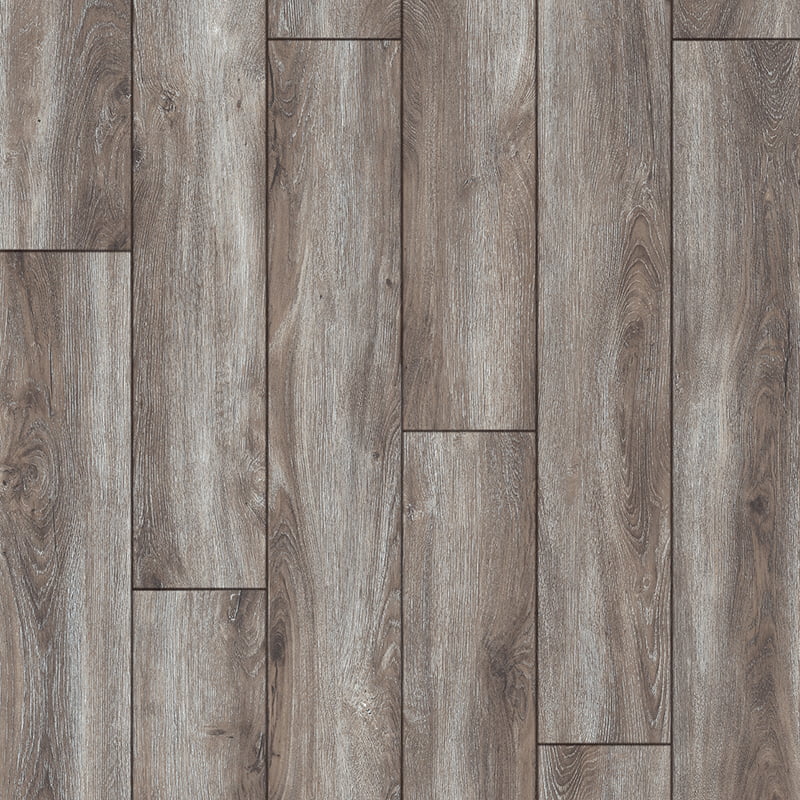
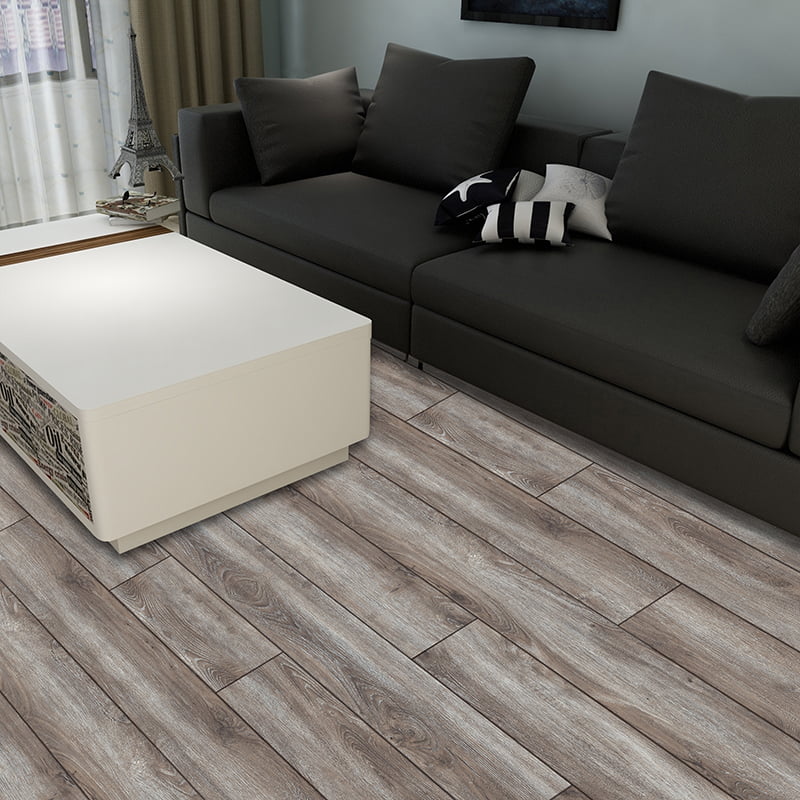
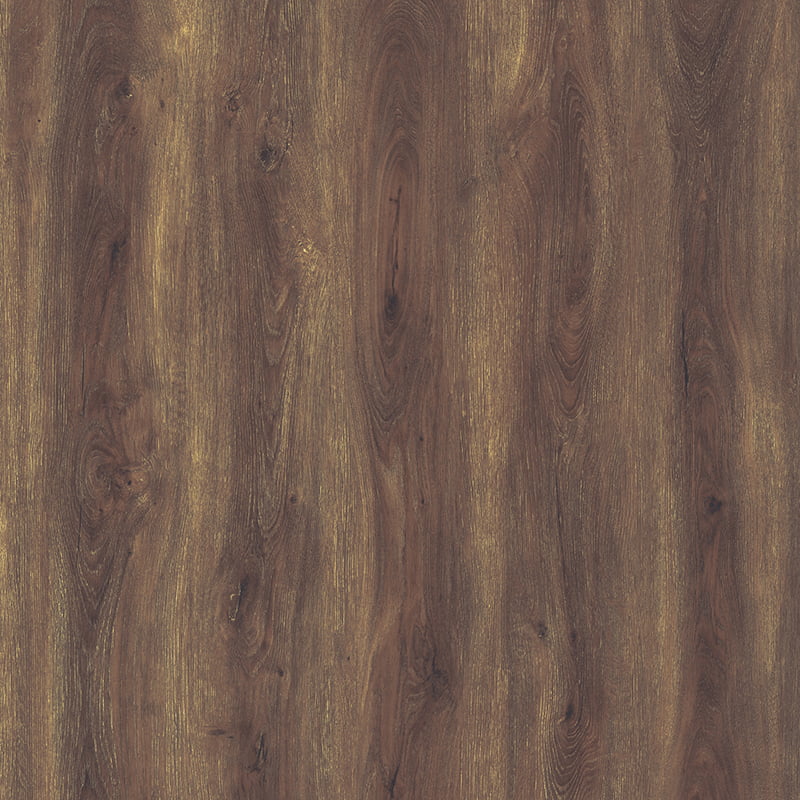
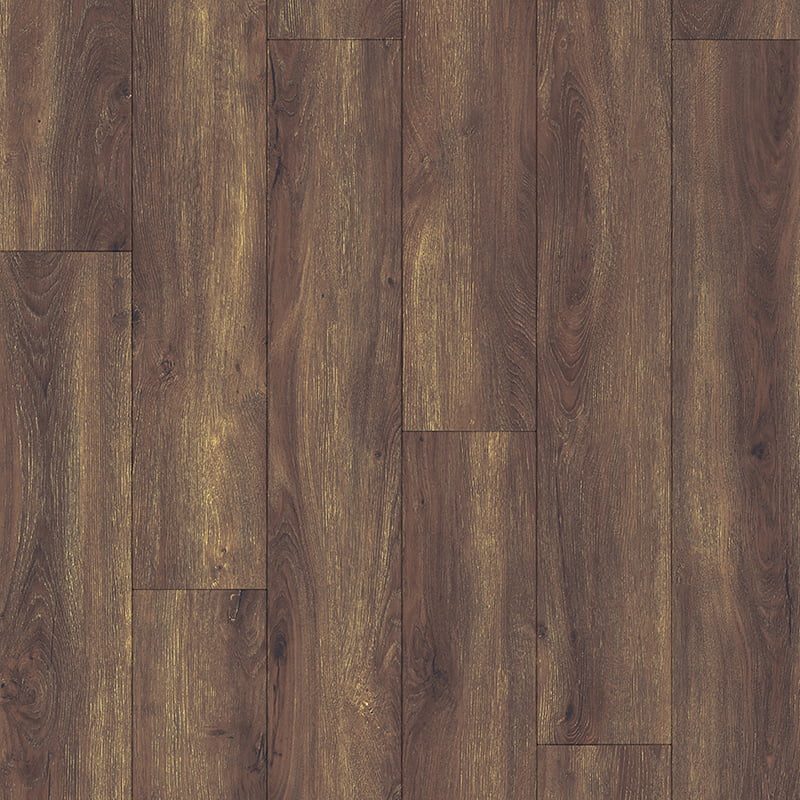
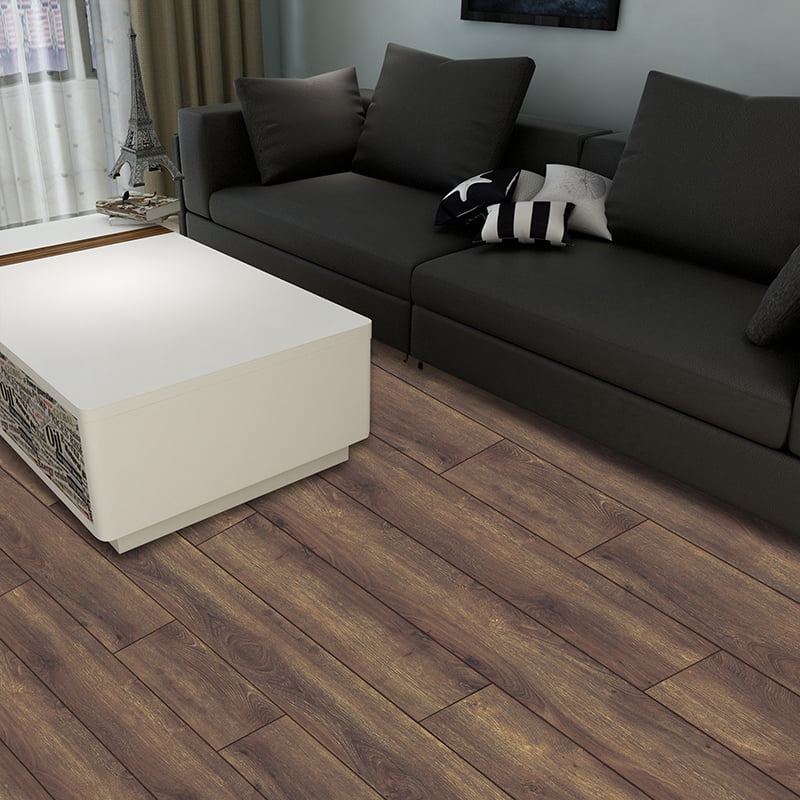
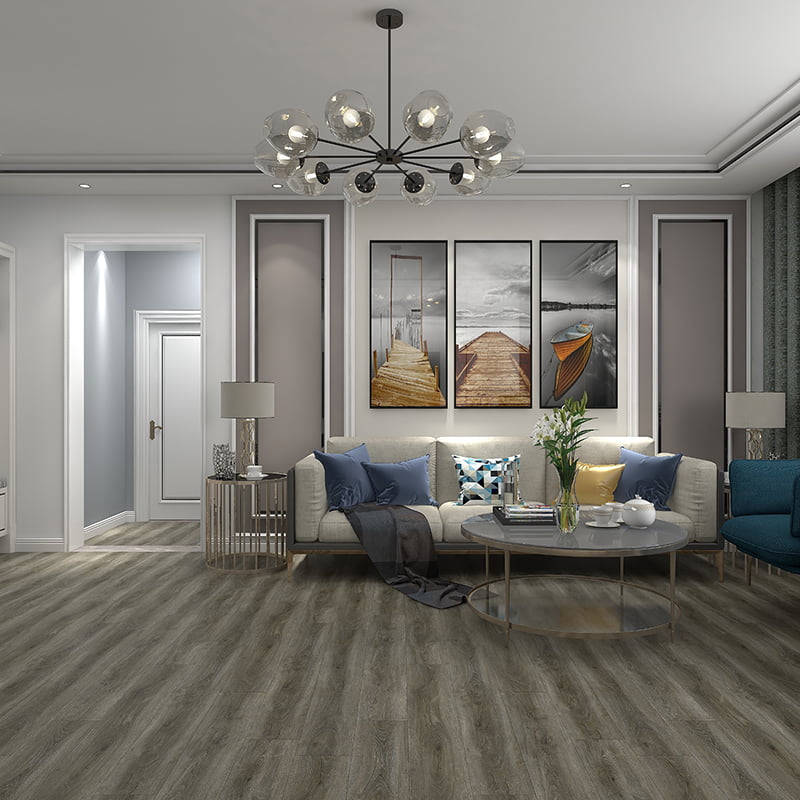
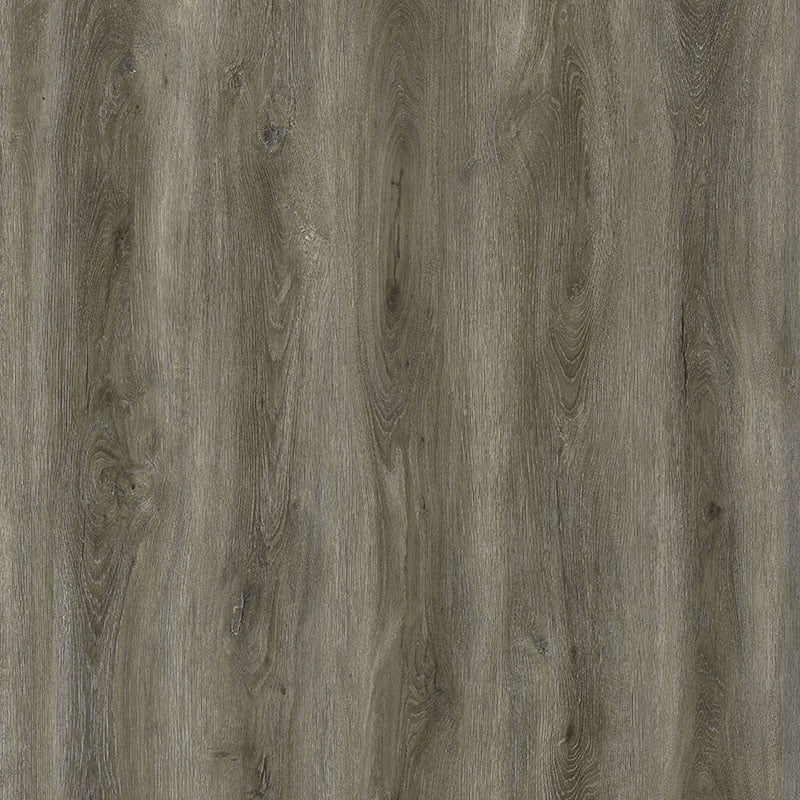
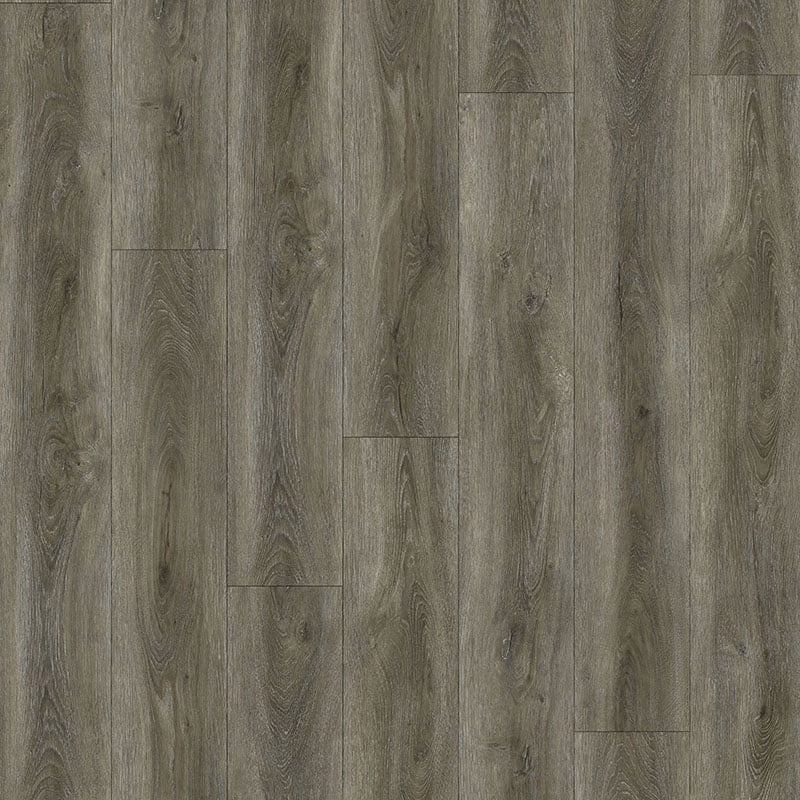
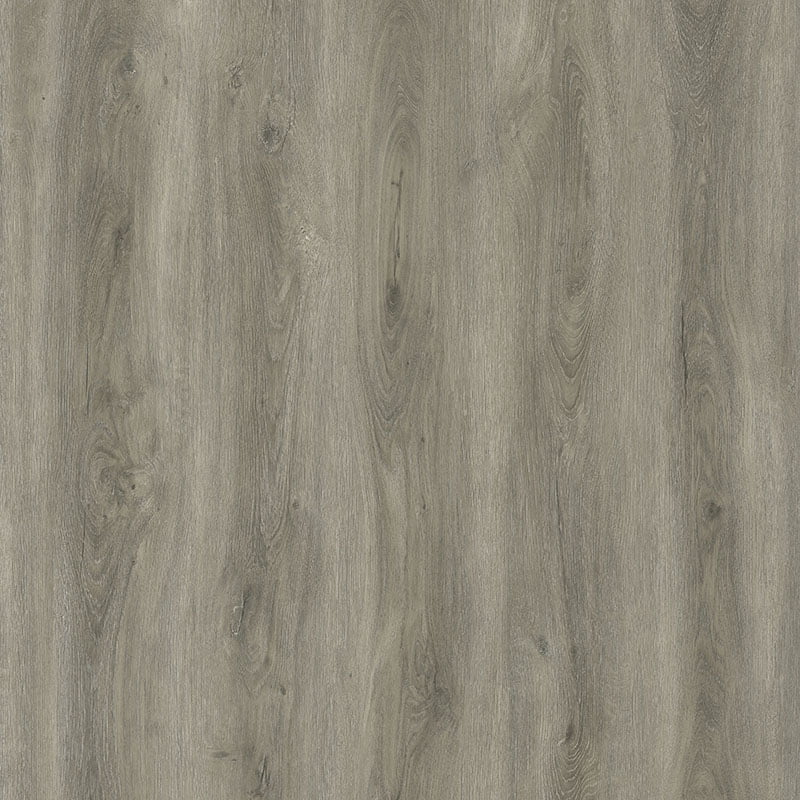
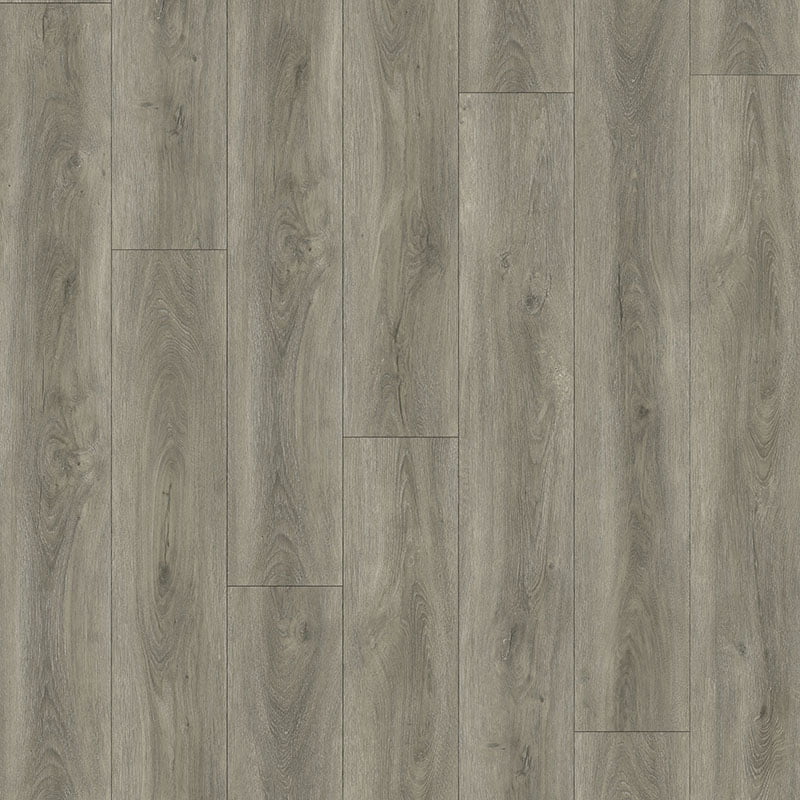
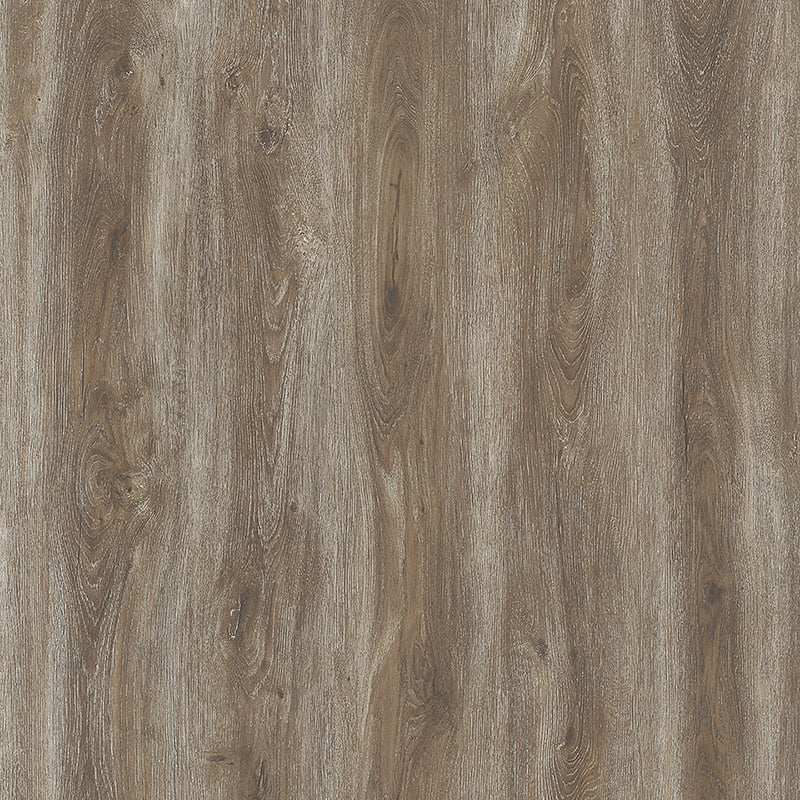
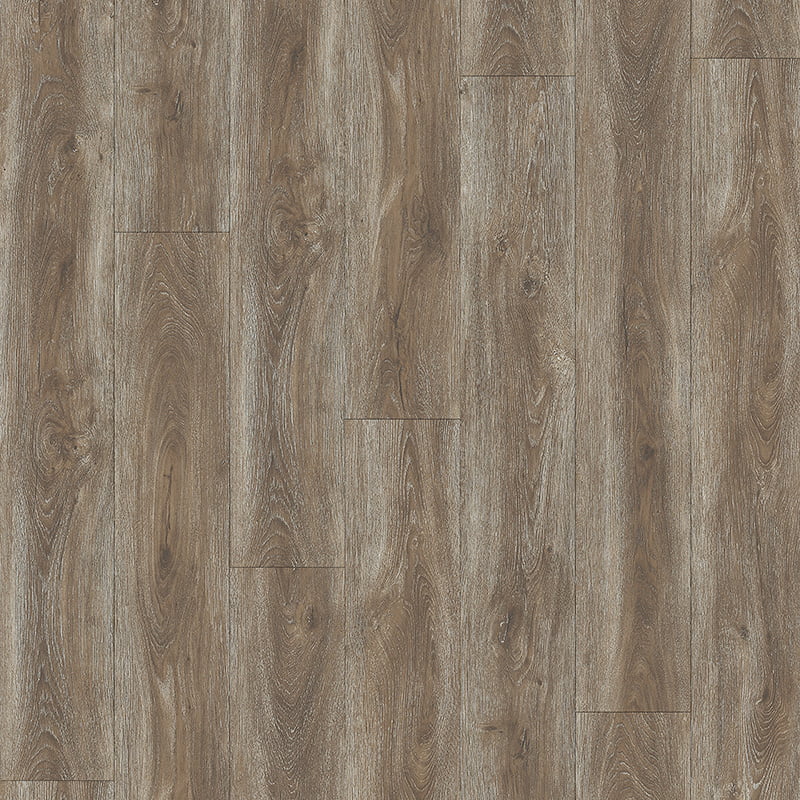
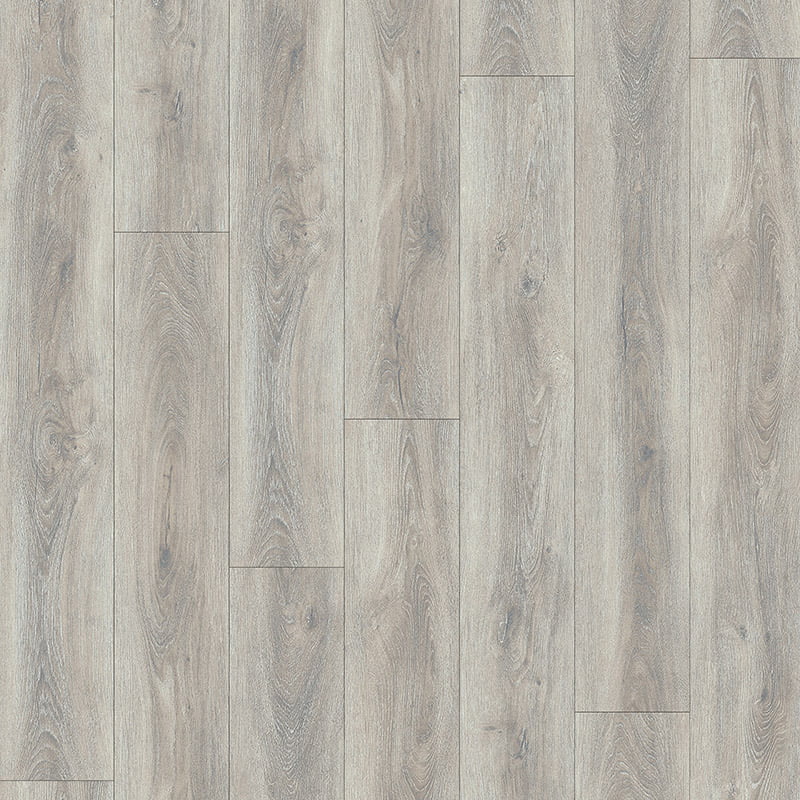
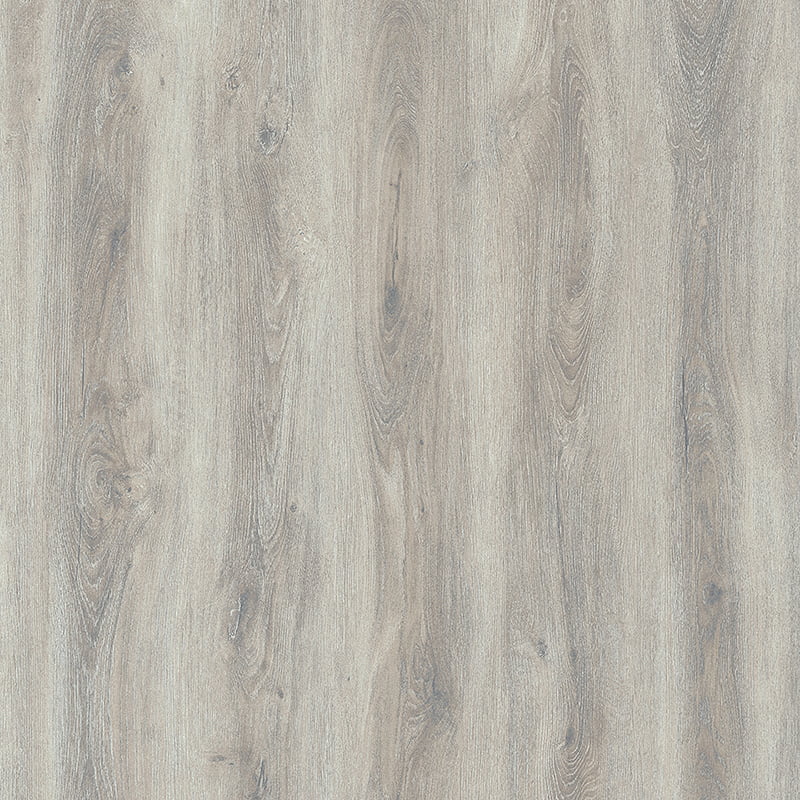
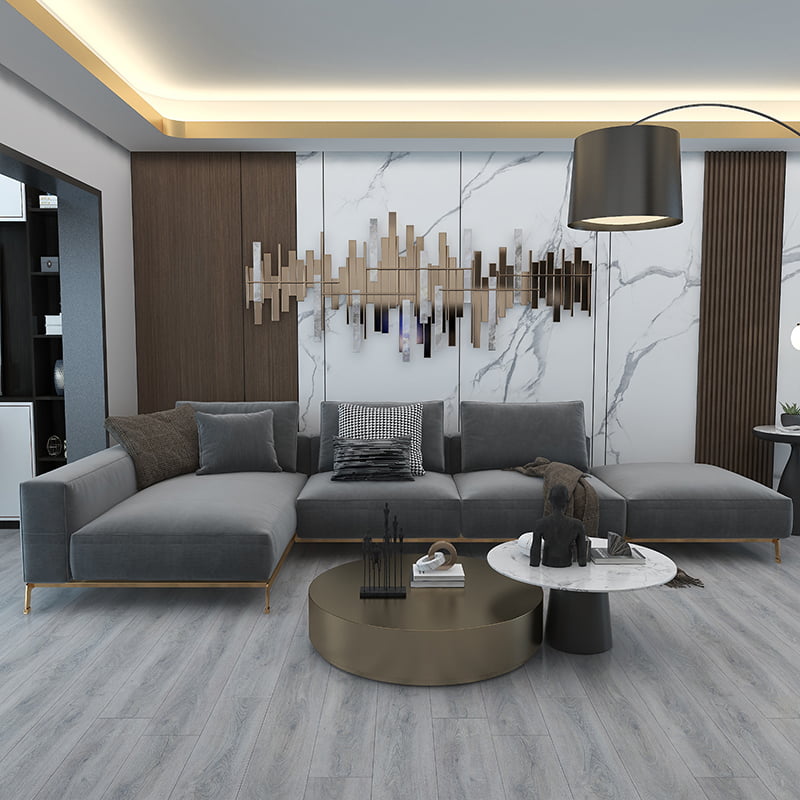
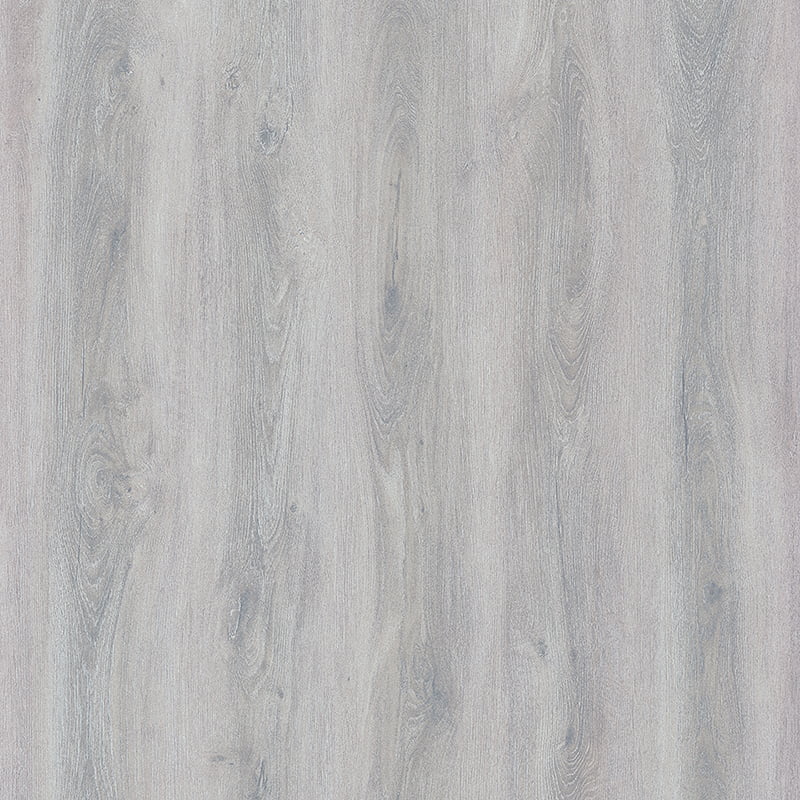
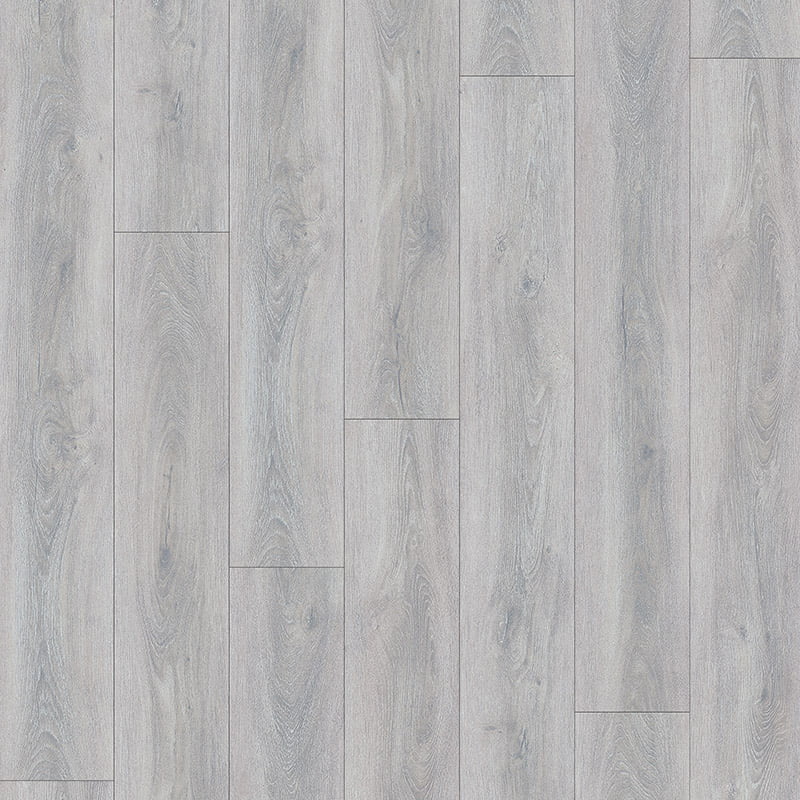
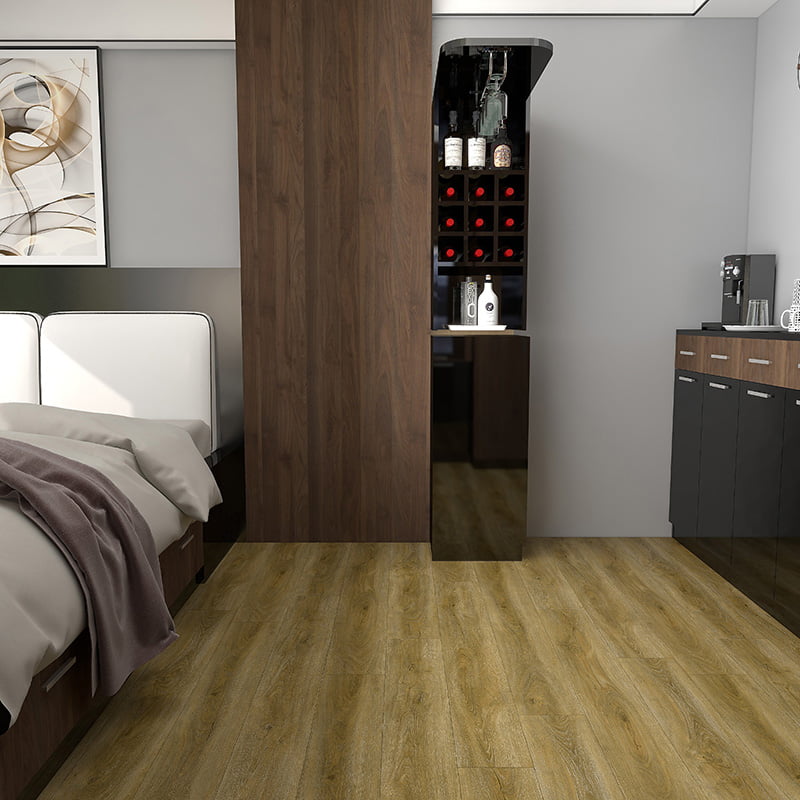
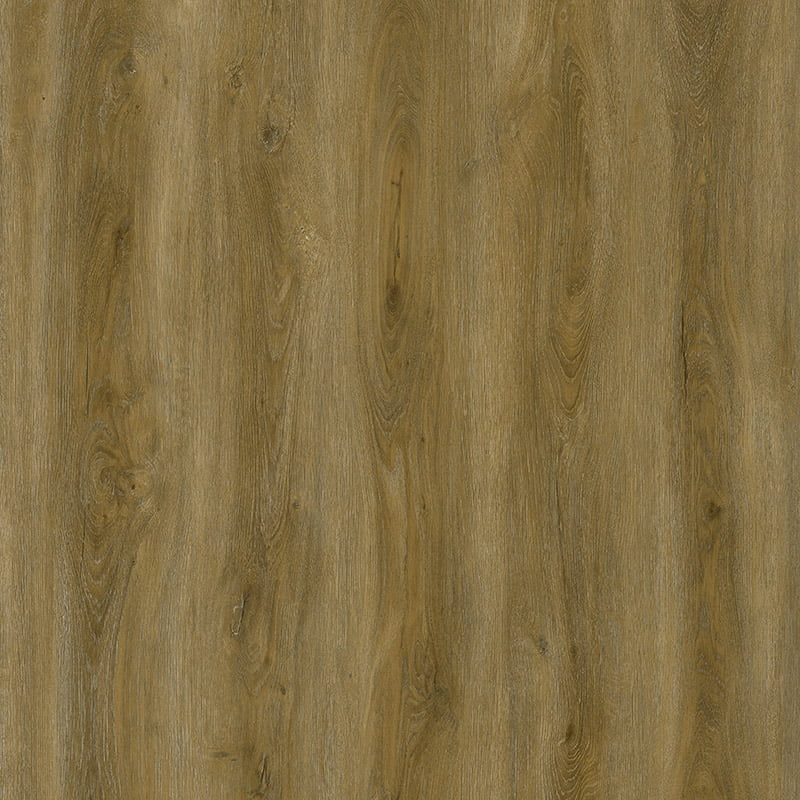
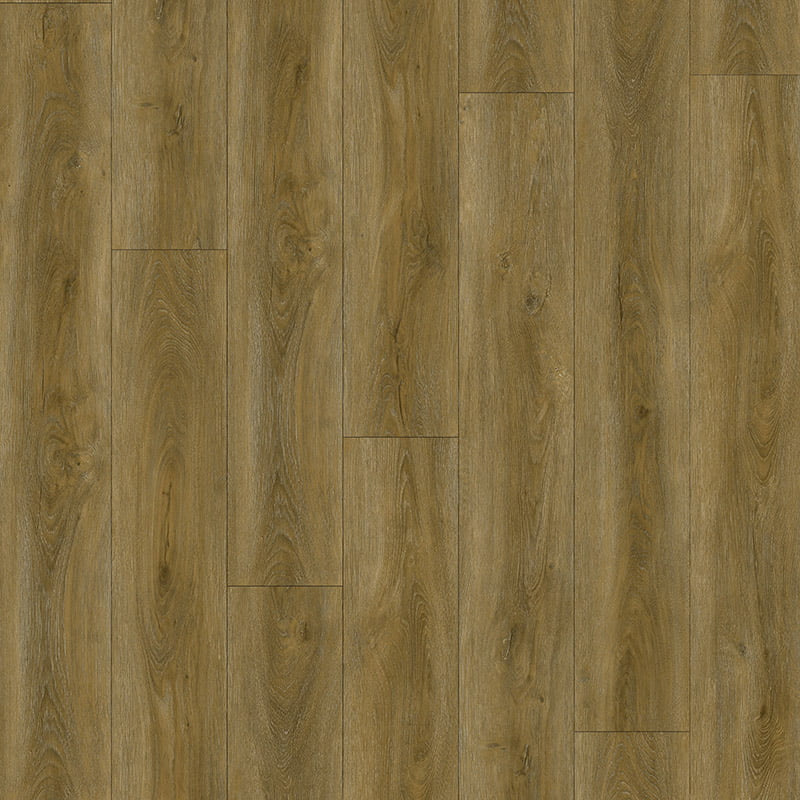
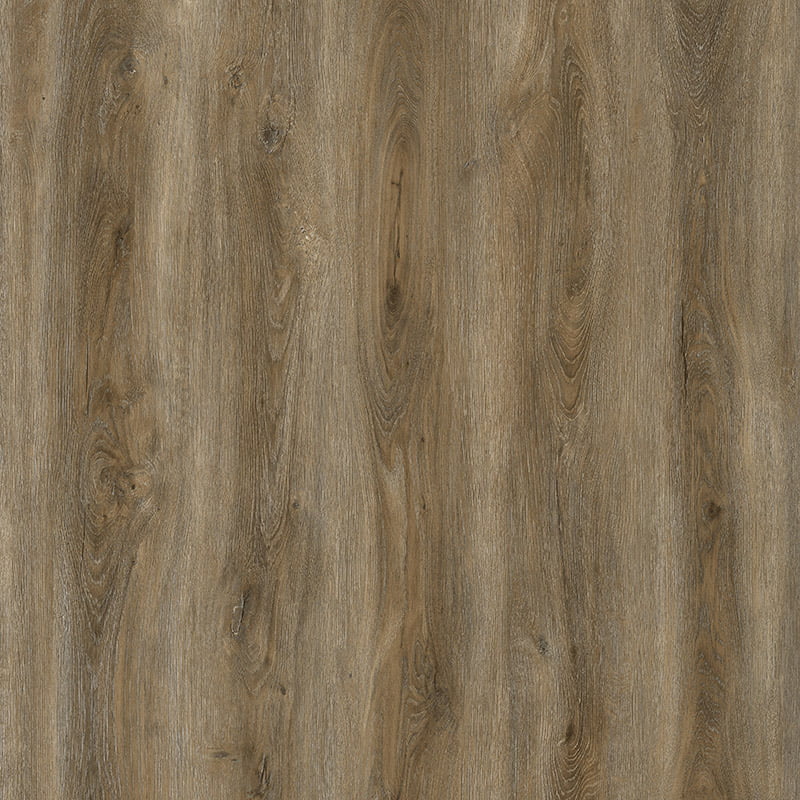
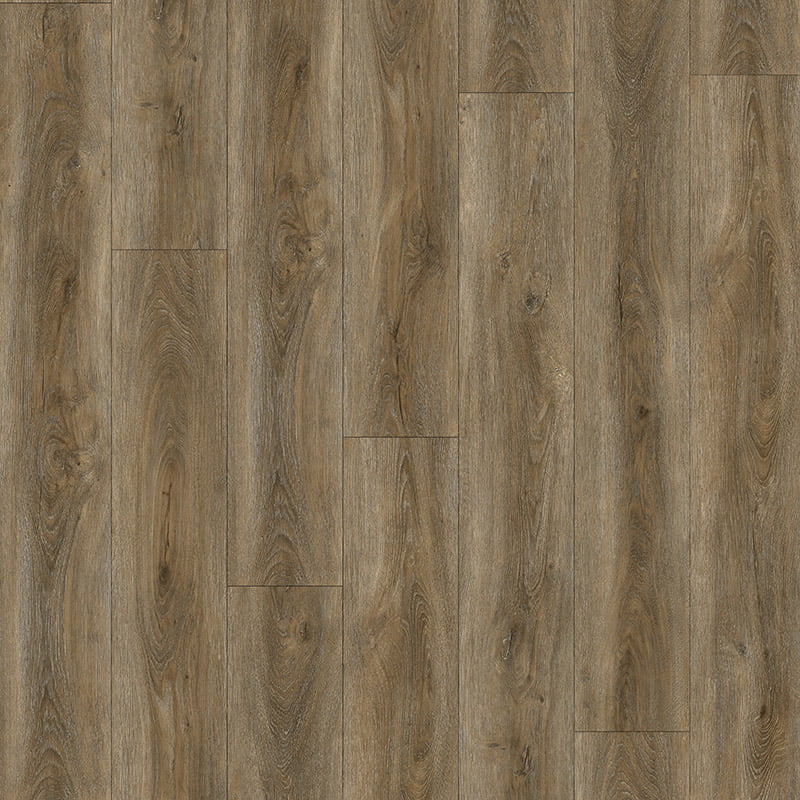
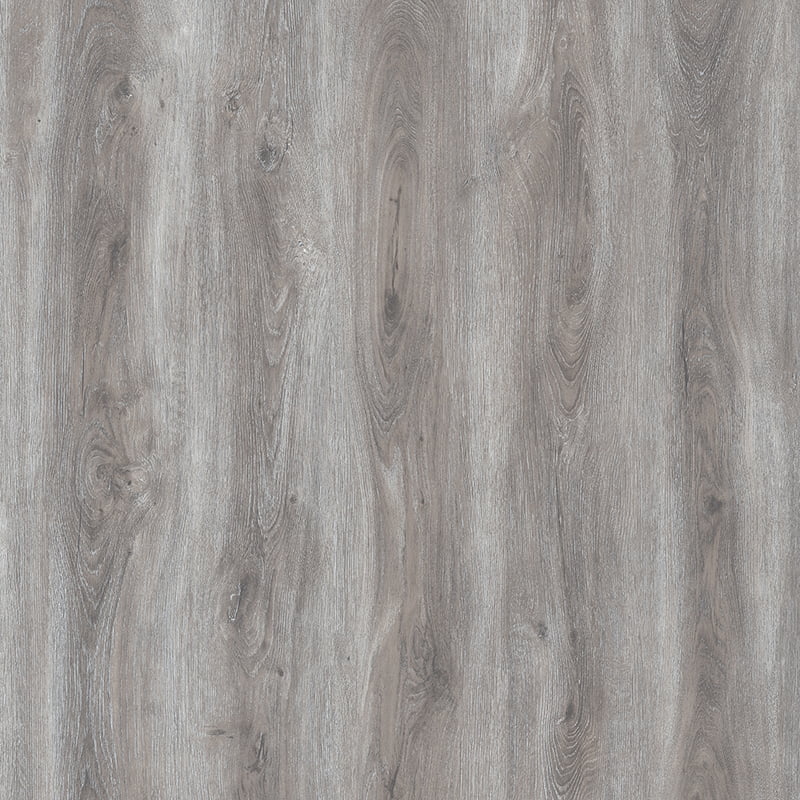
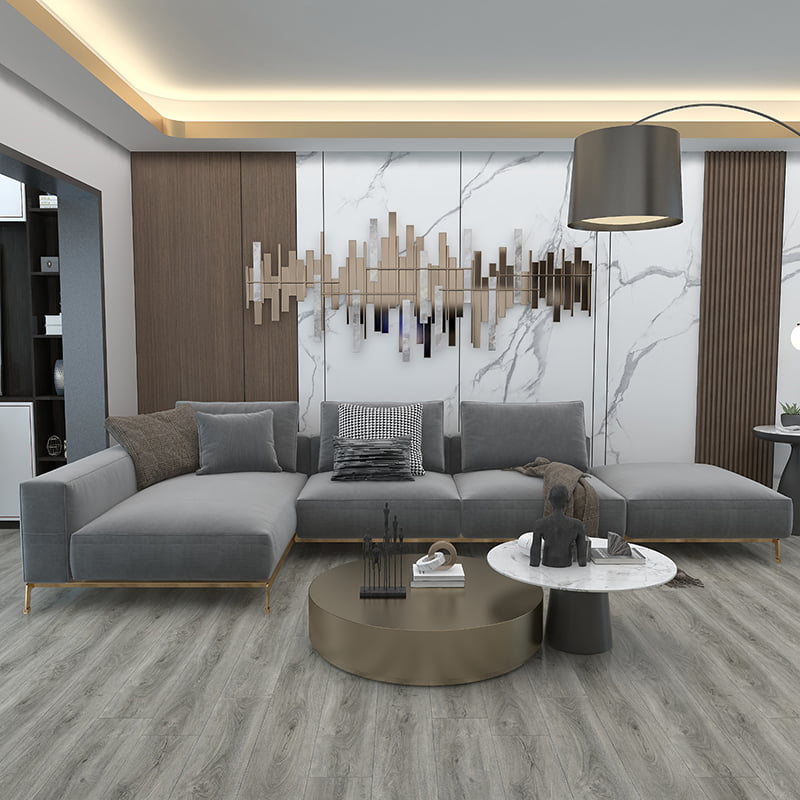
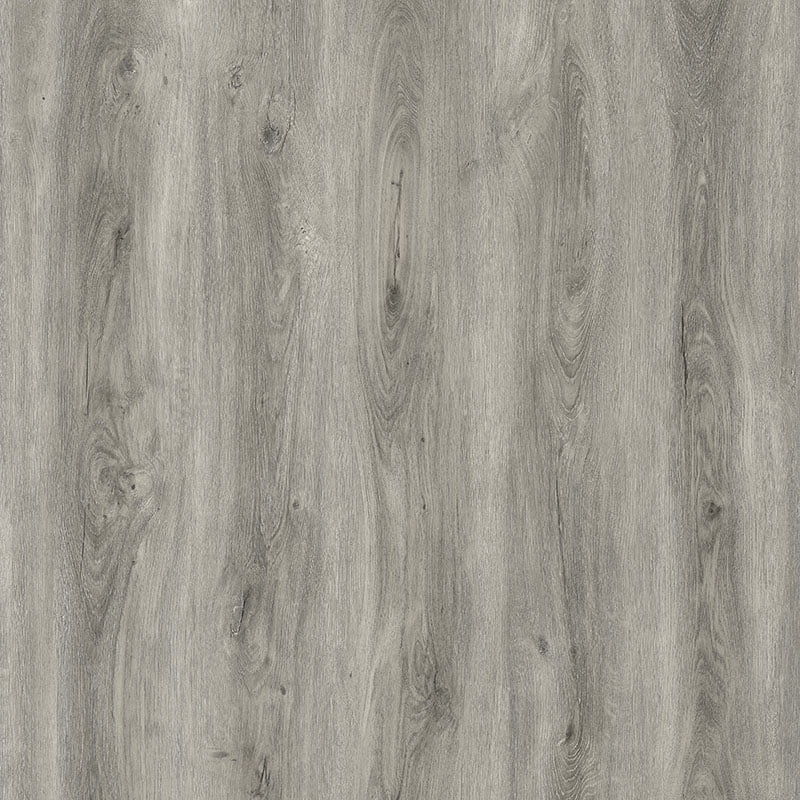
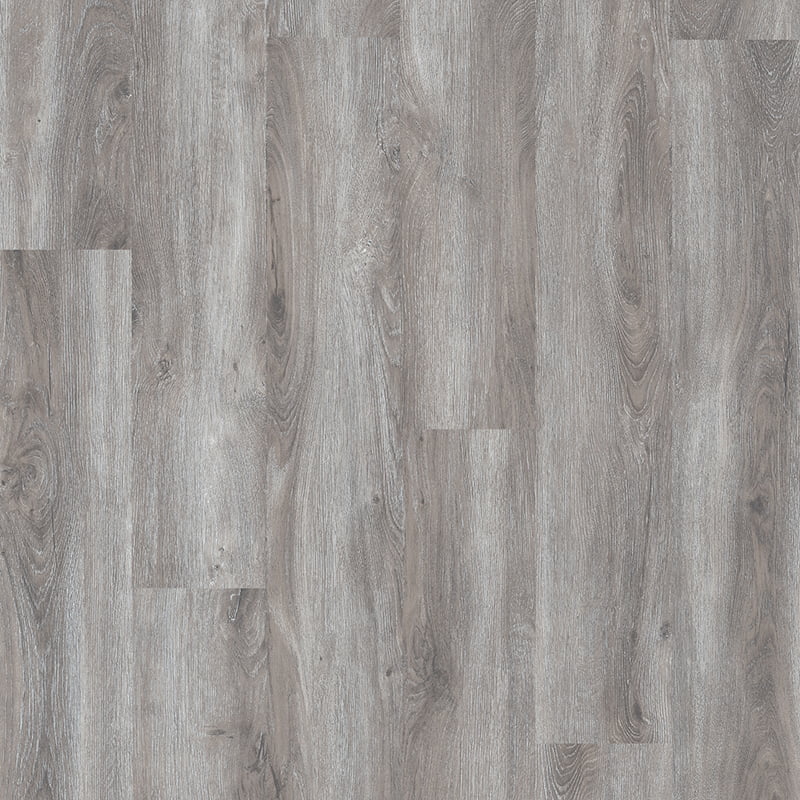
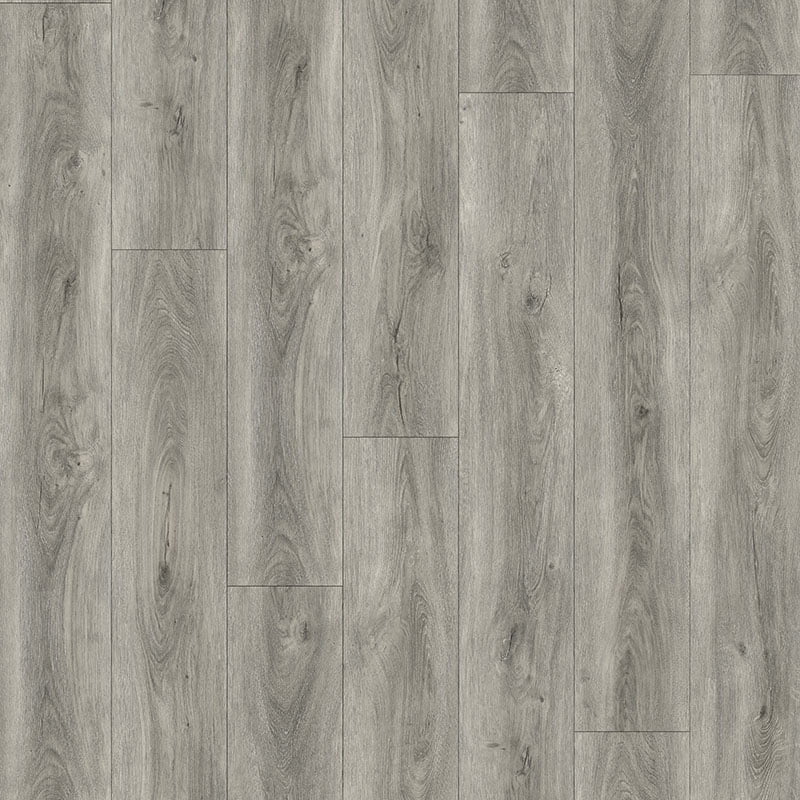
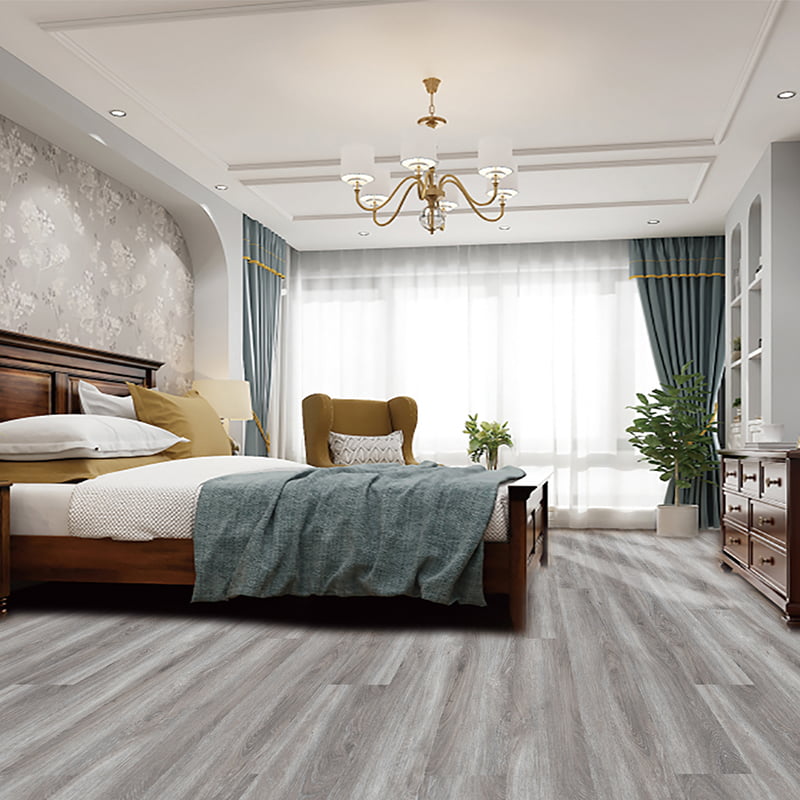
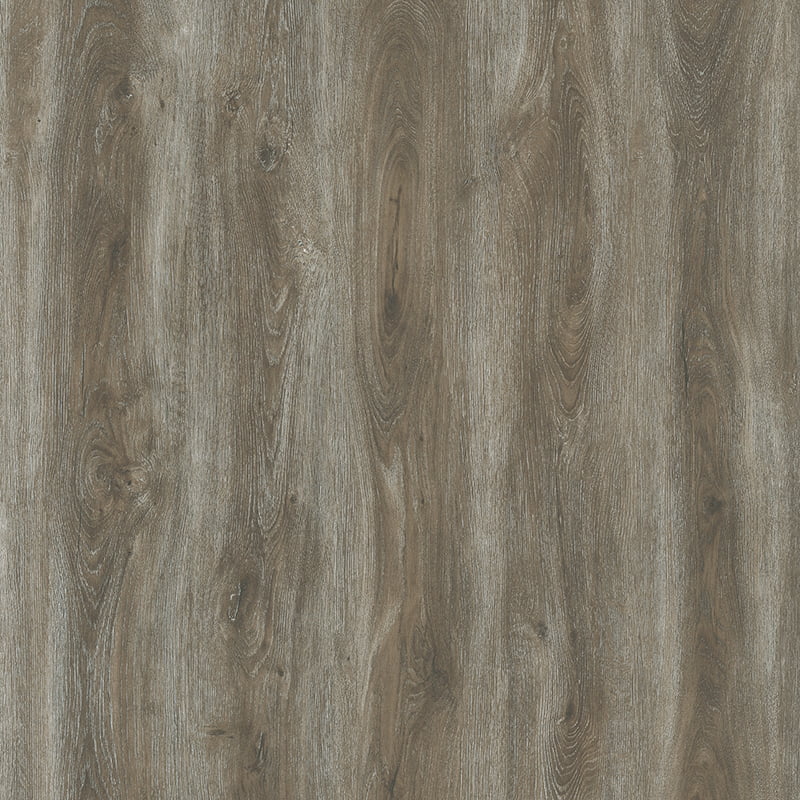
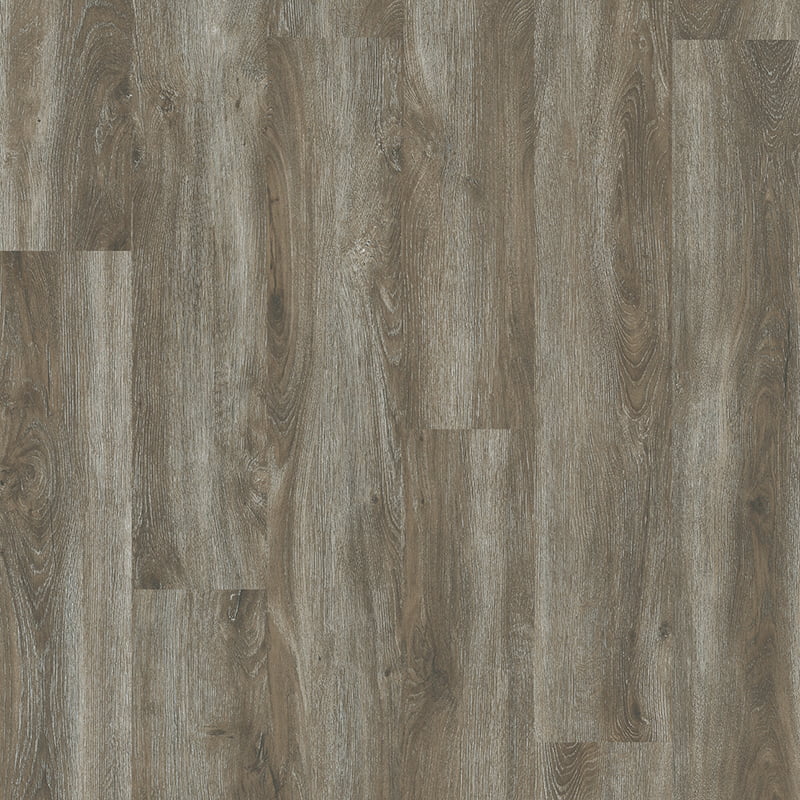
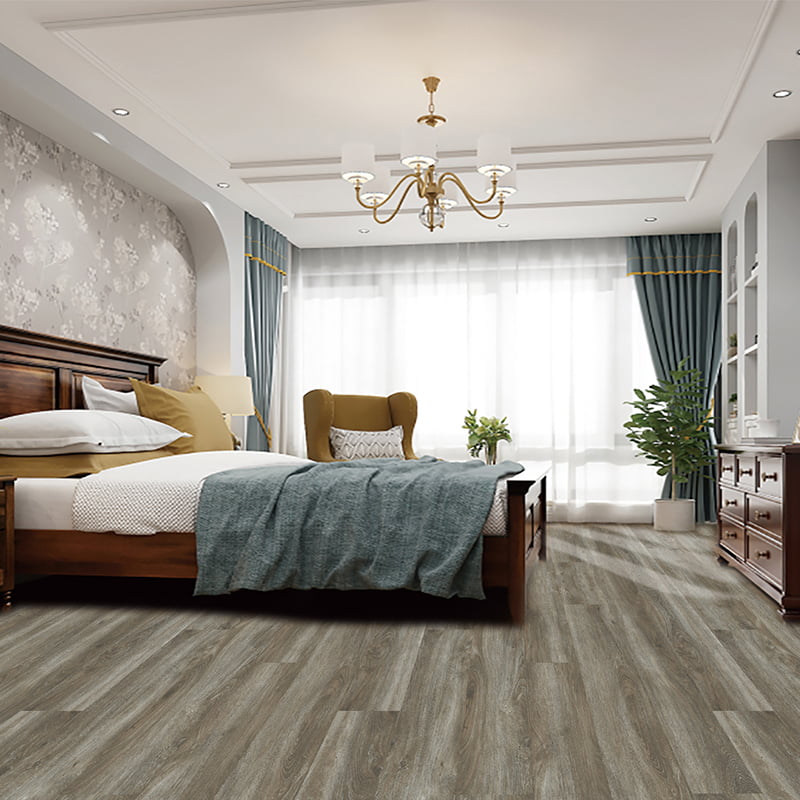
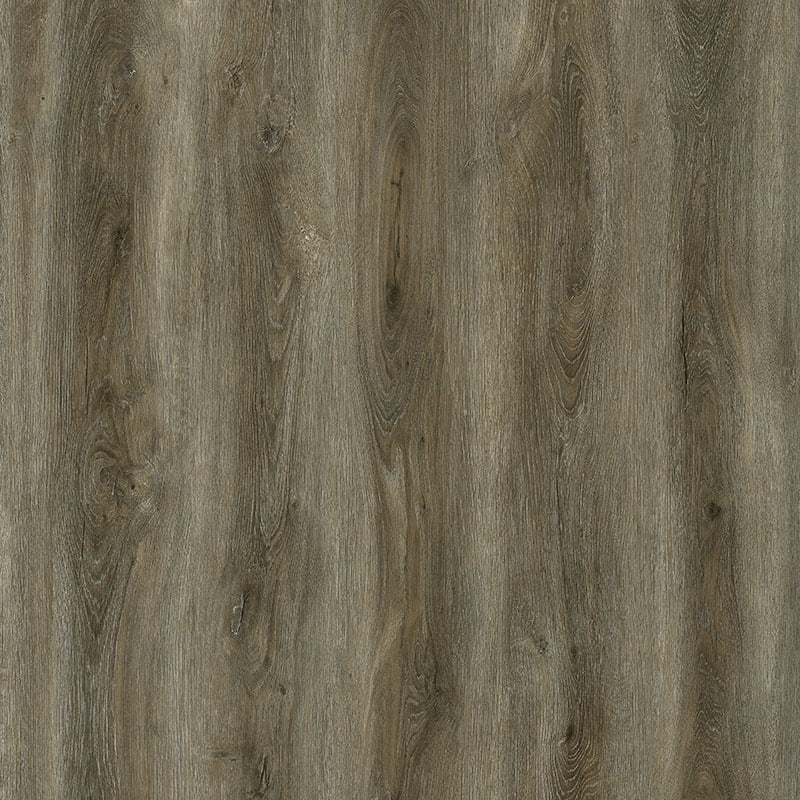
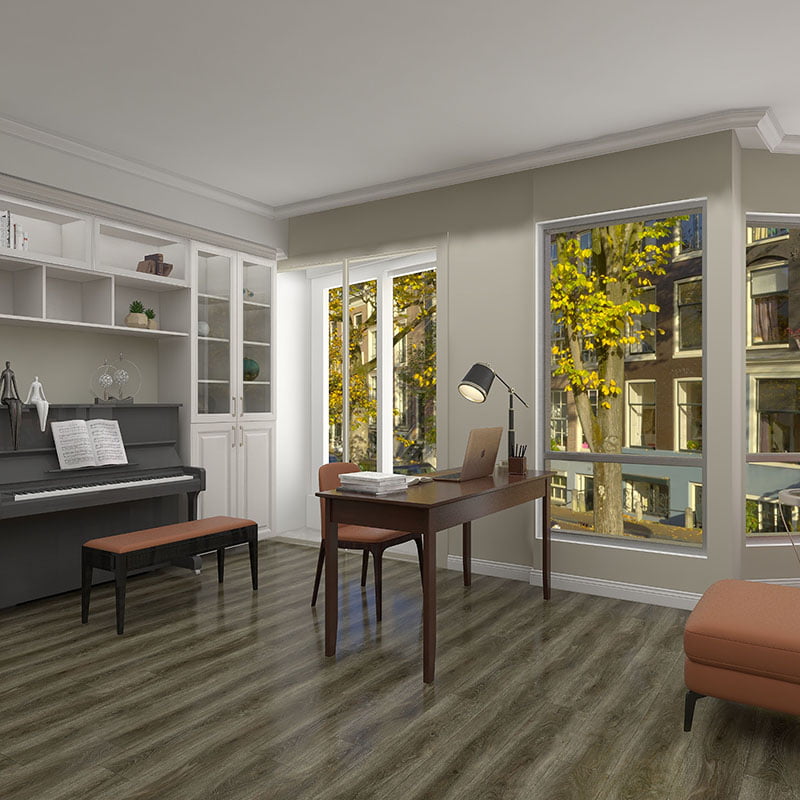
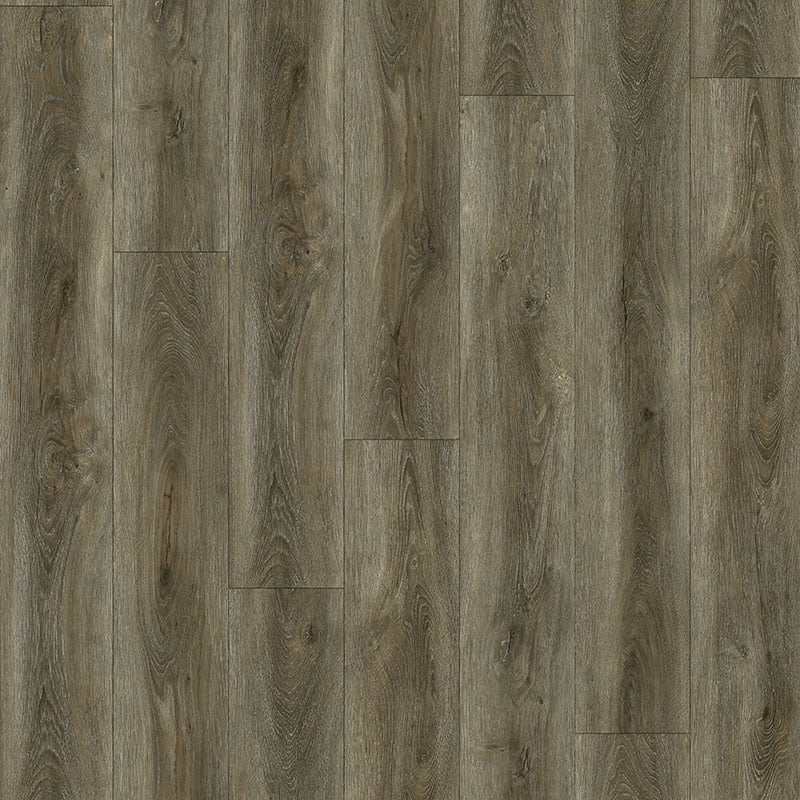
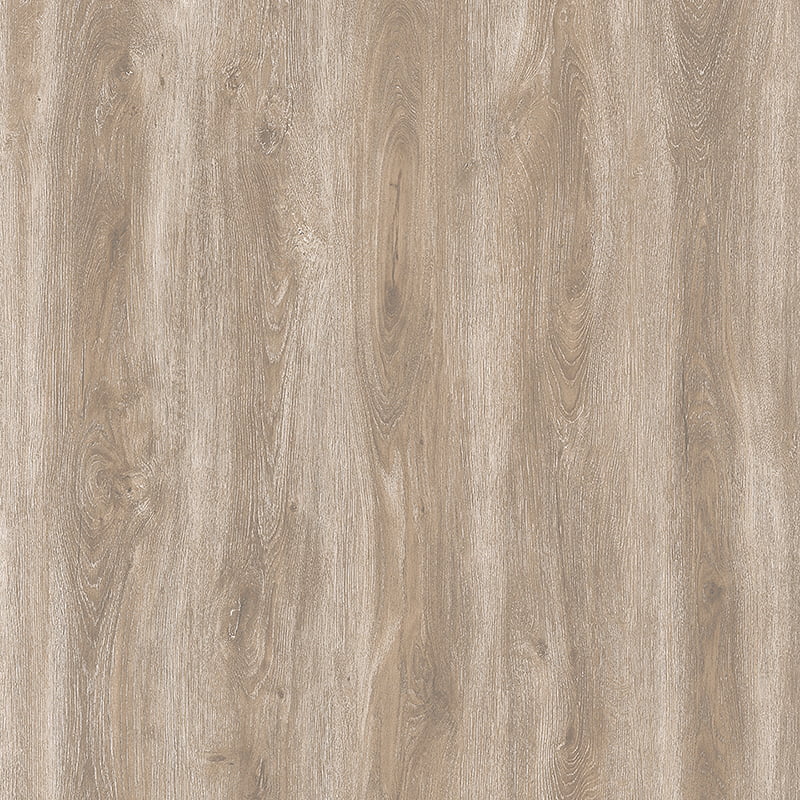
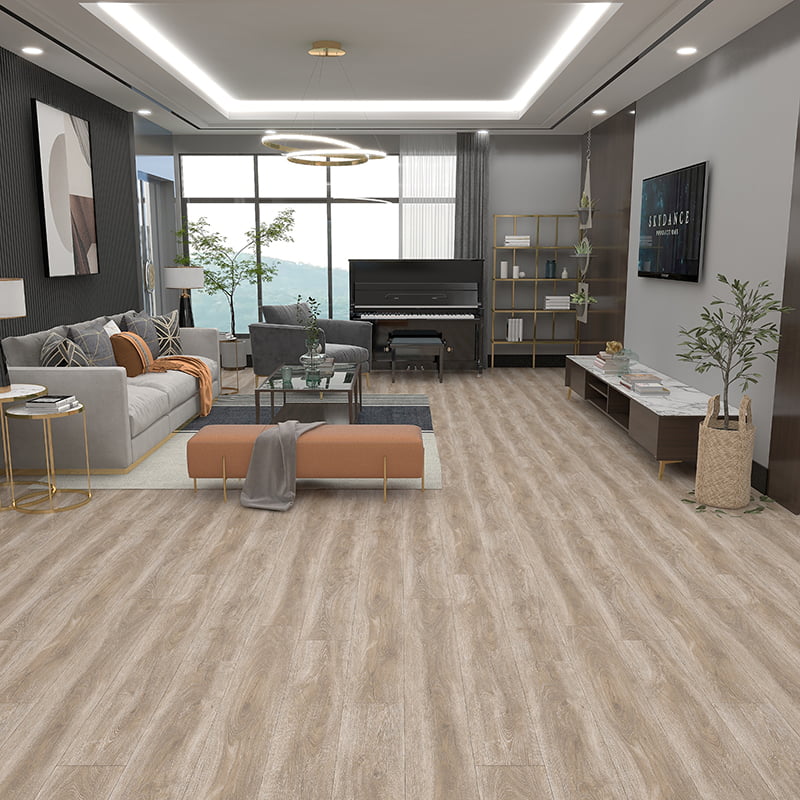
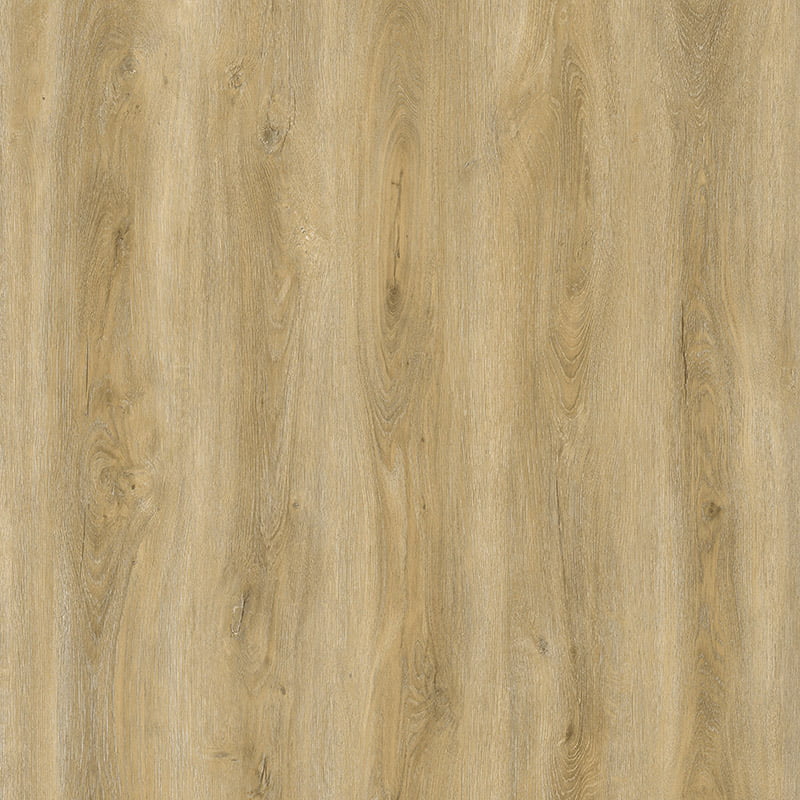
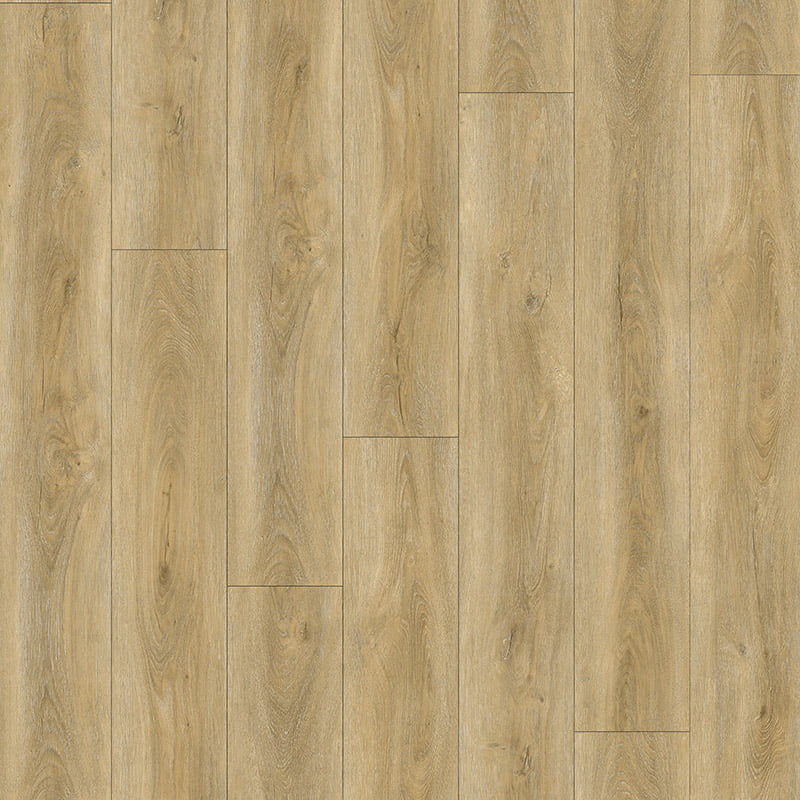
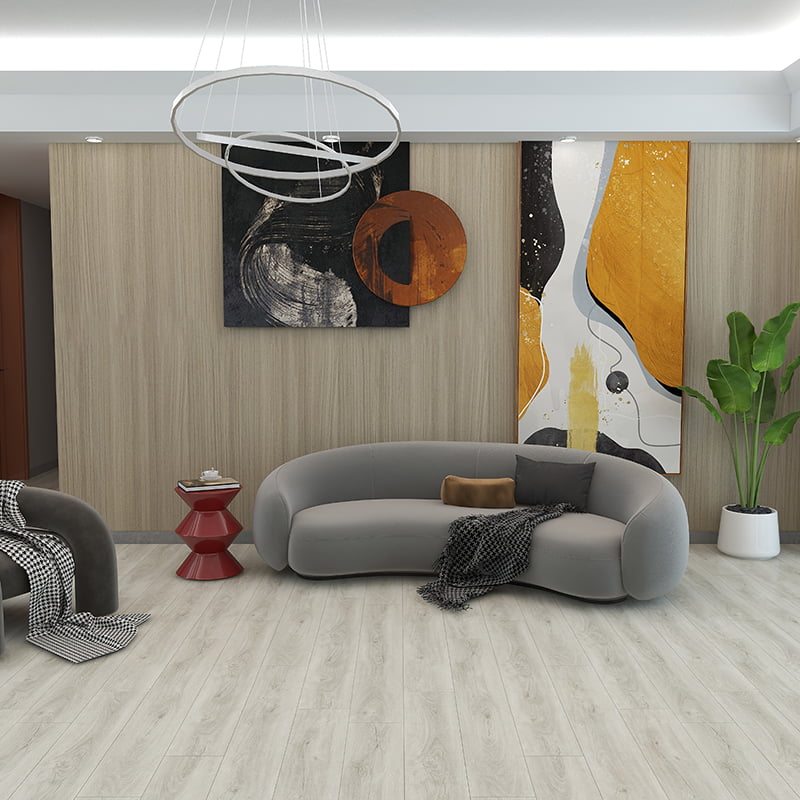
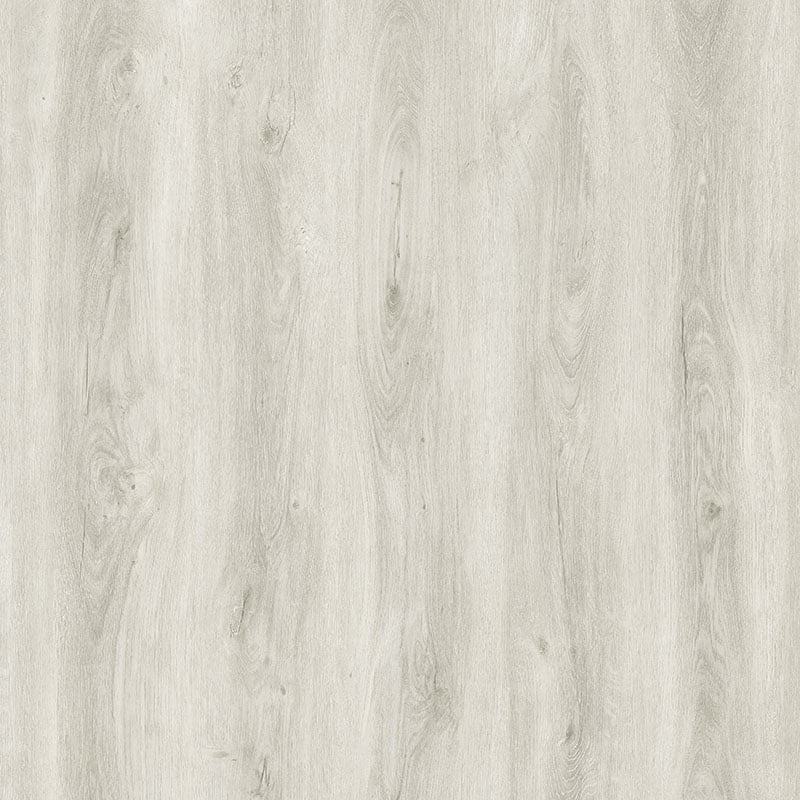
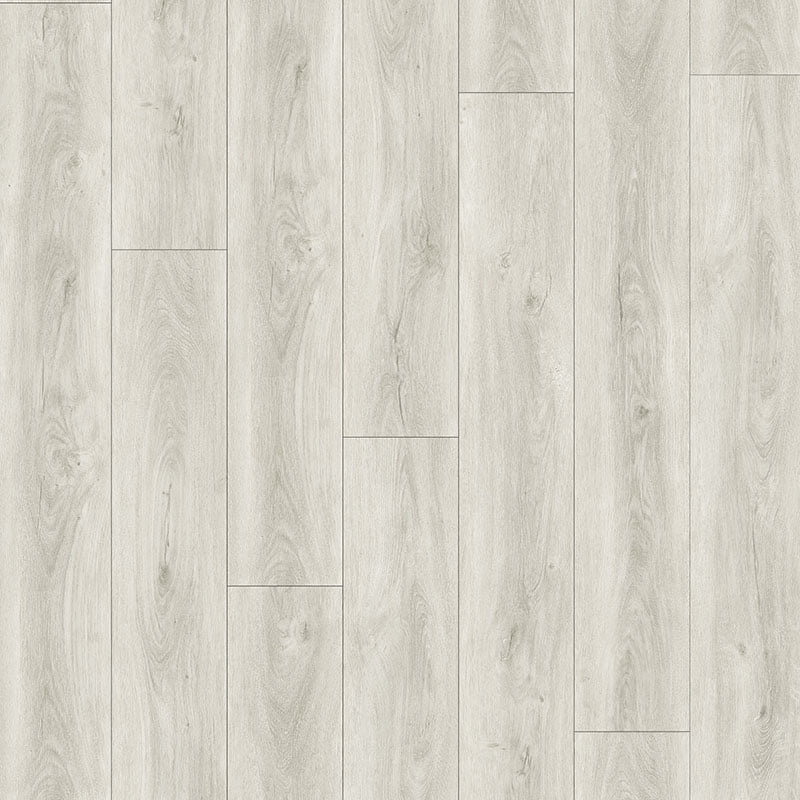
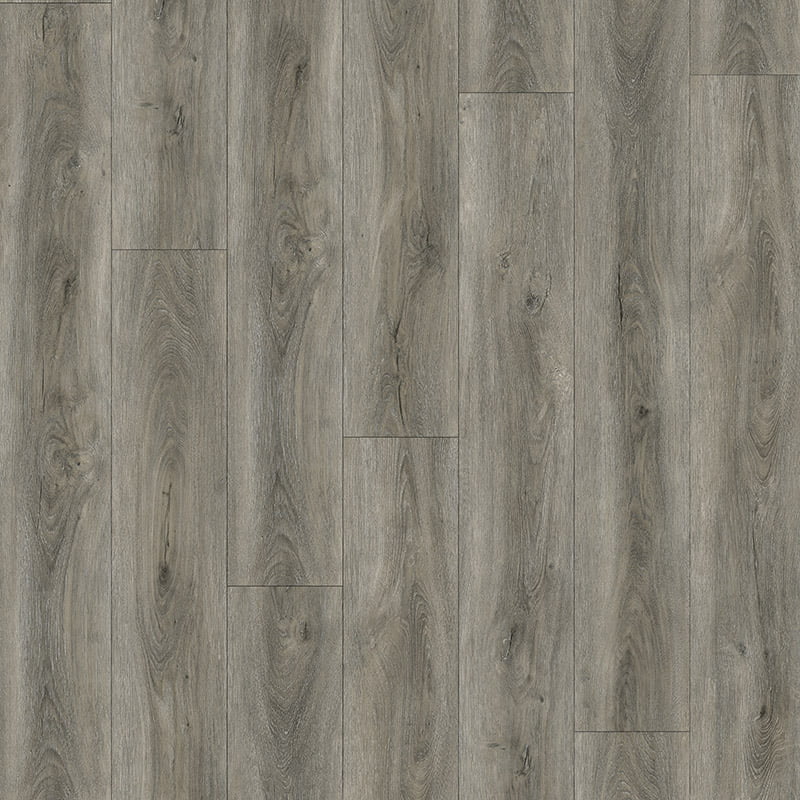
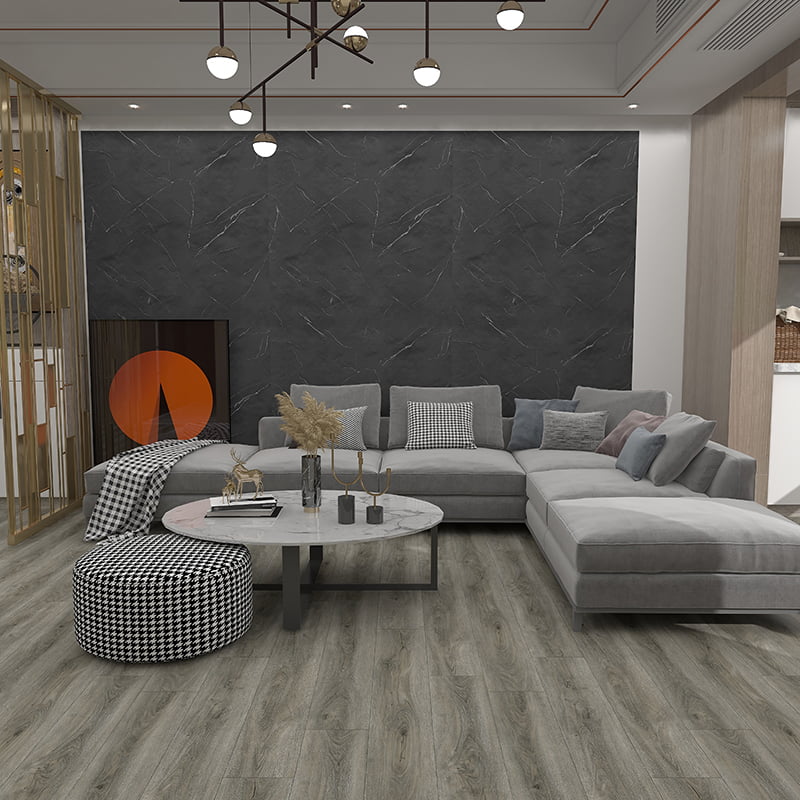
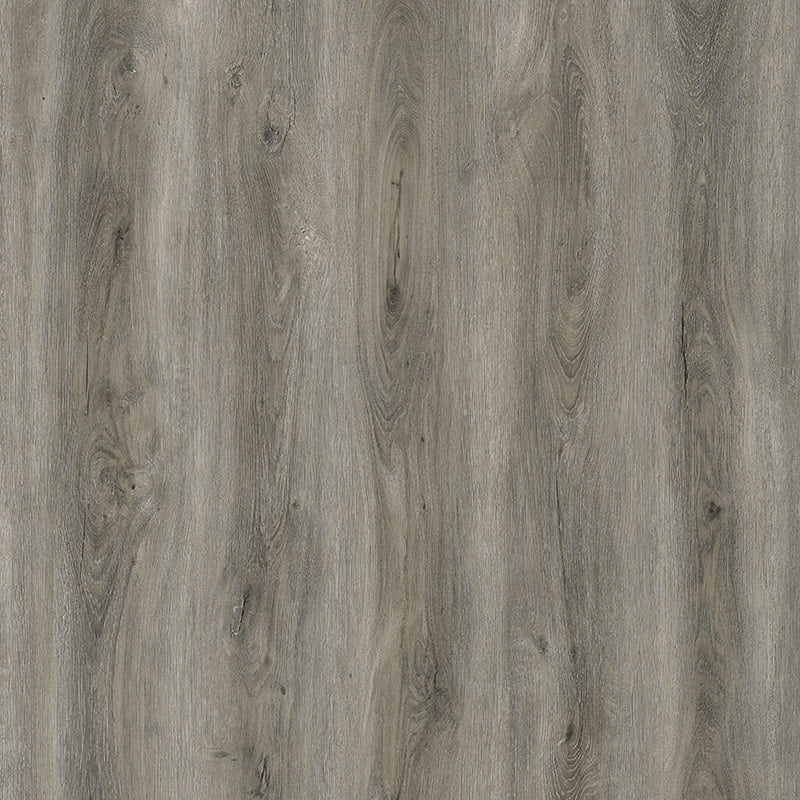
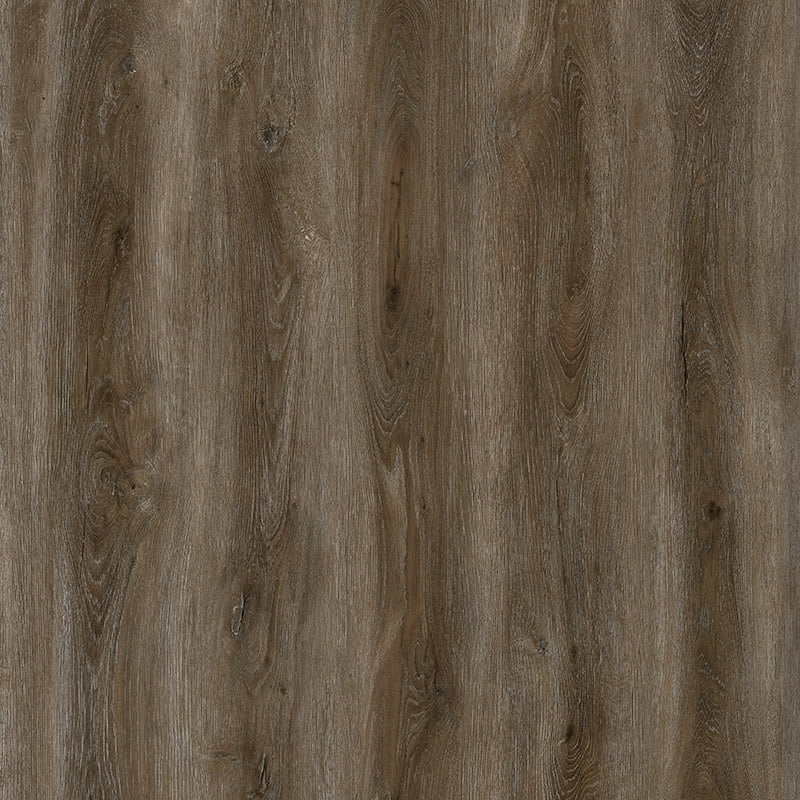
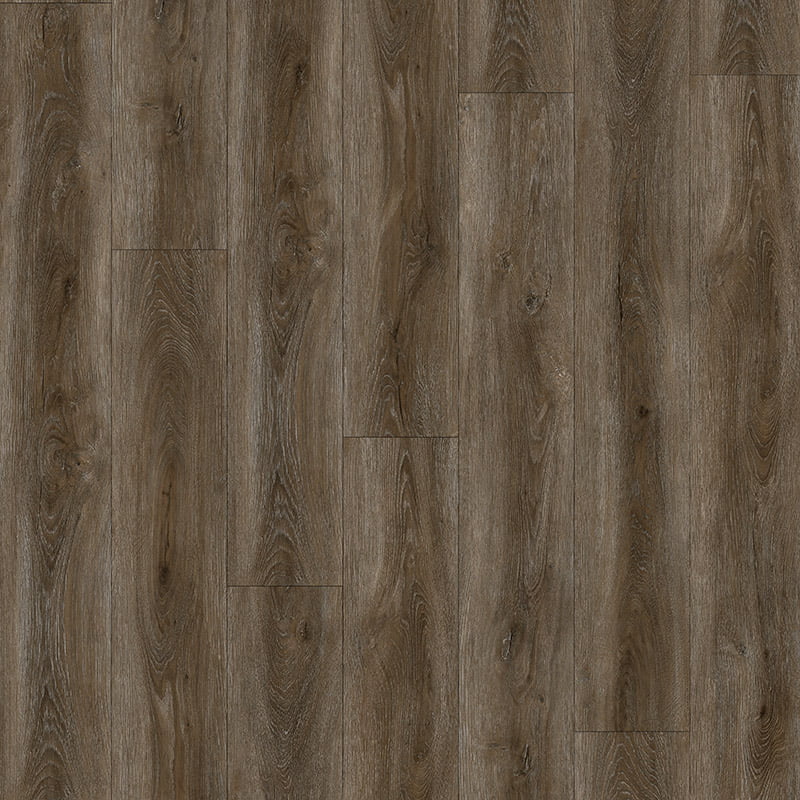
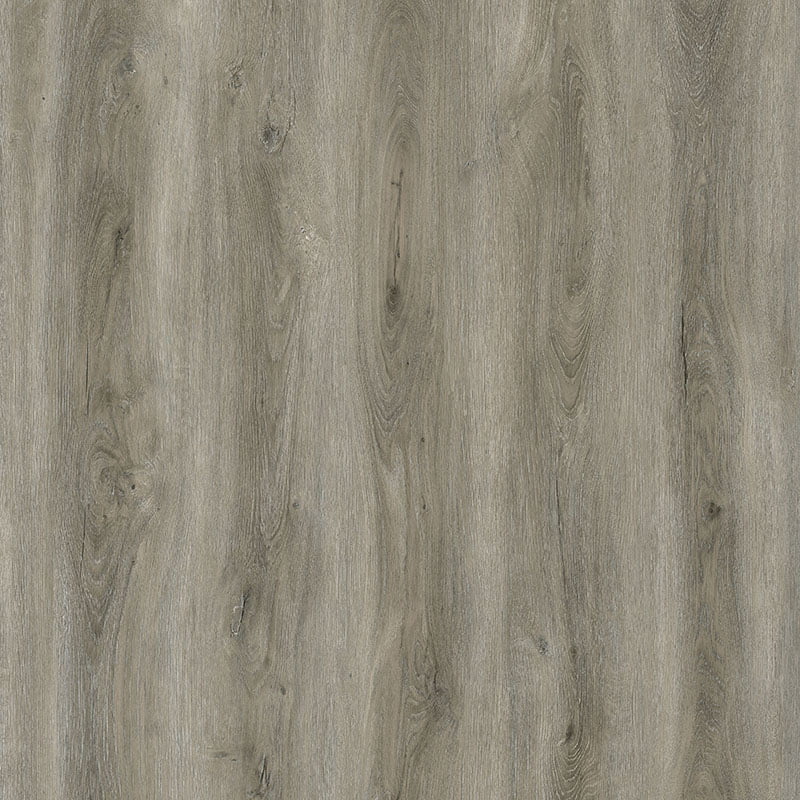
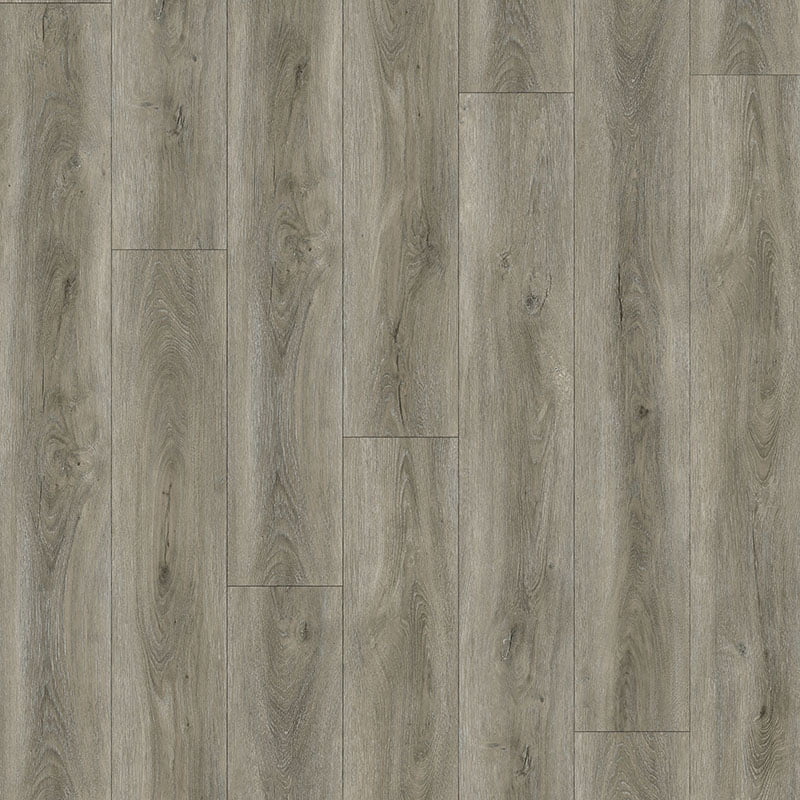
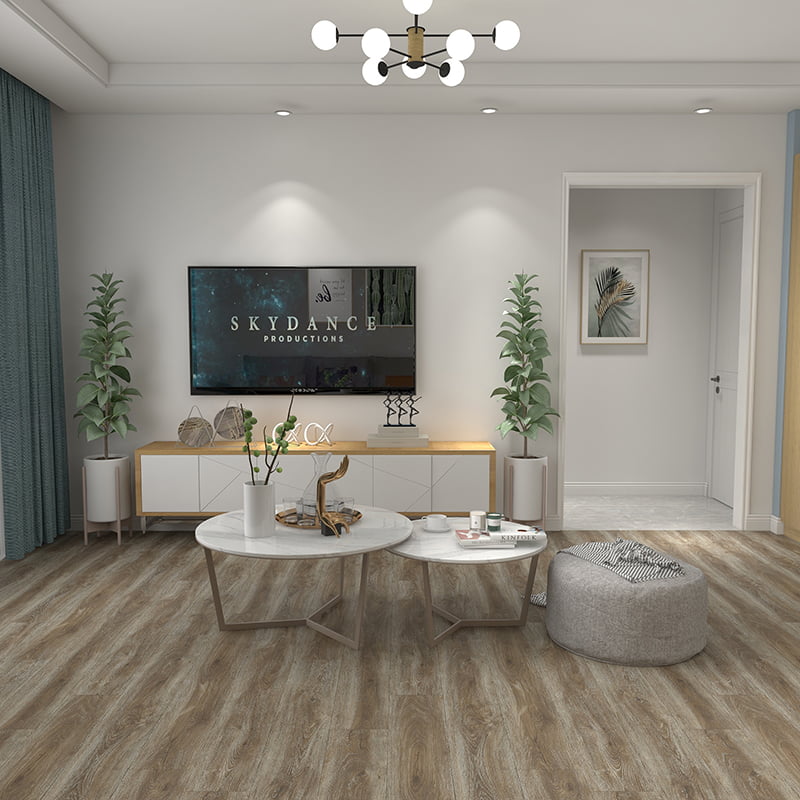
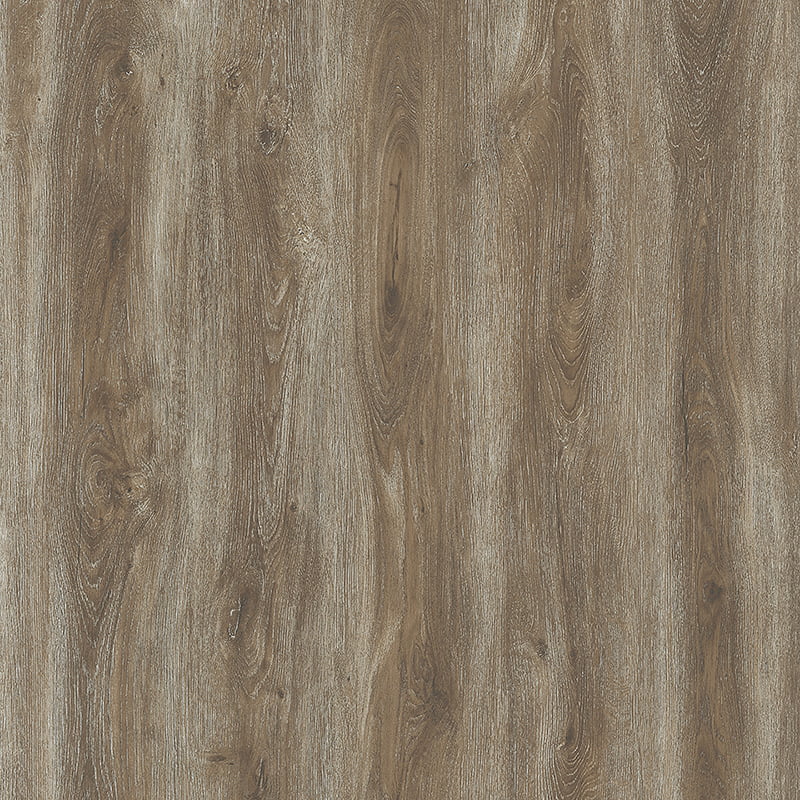
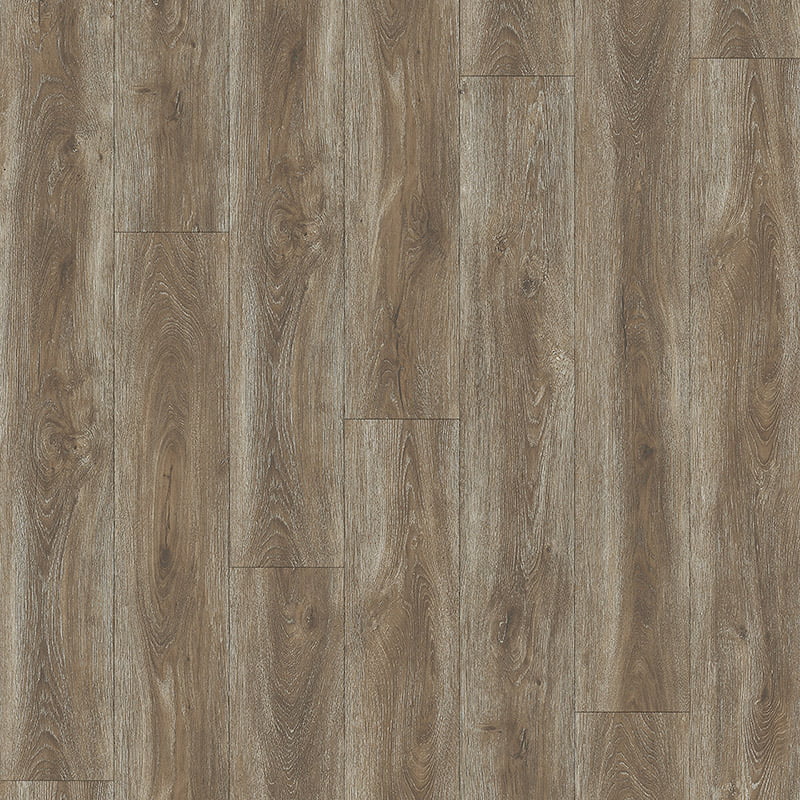
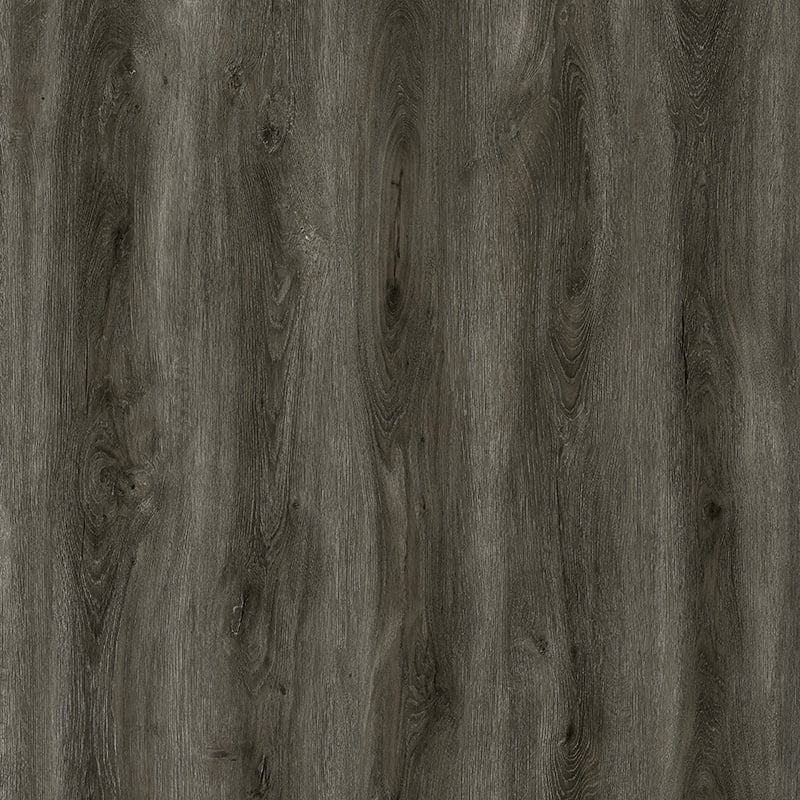
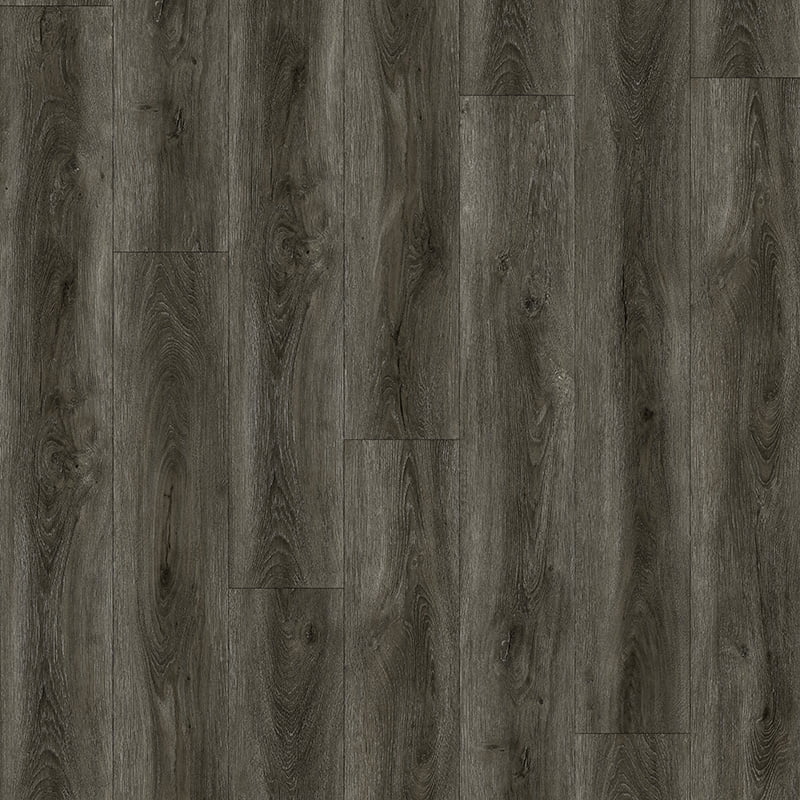
Model: YC809
Wood: Oak
Spec: 1000*1270mm
Single chip size: 7.25*48"
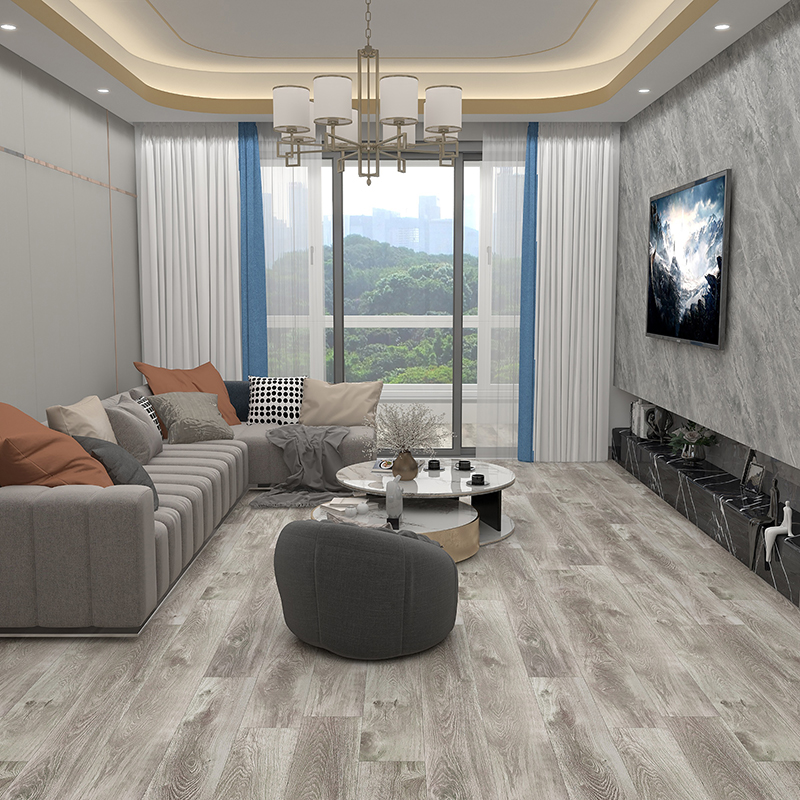
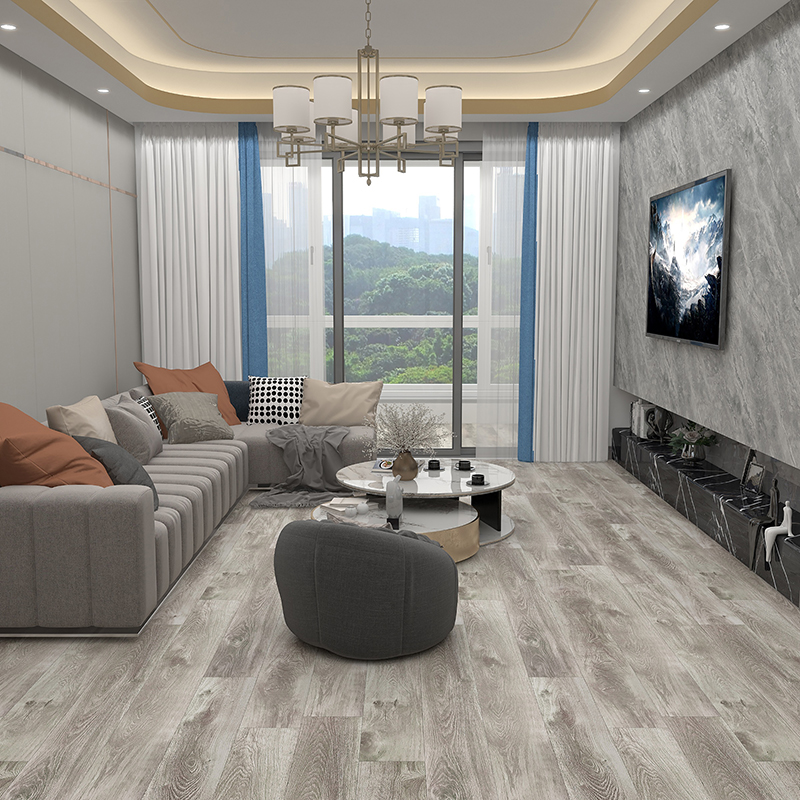
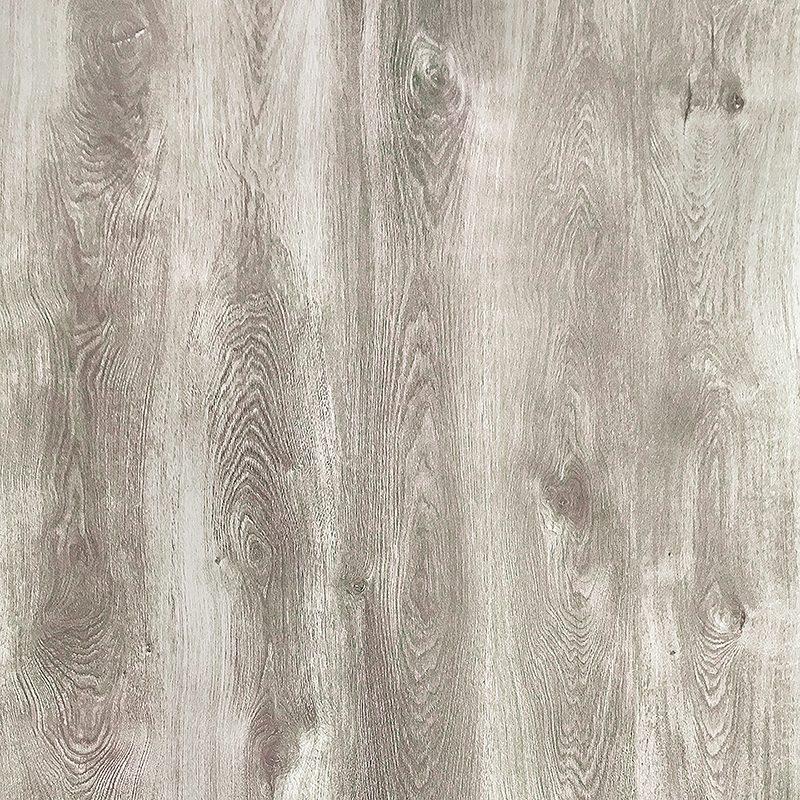
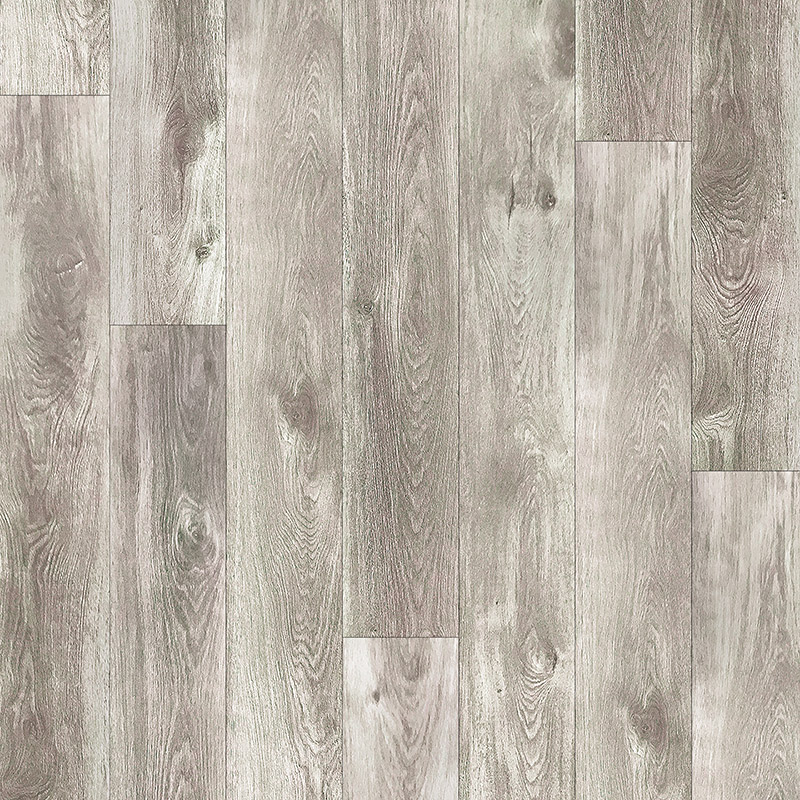
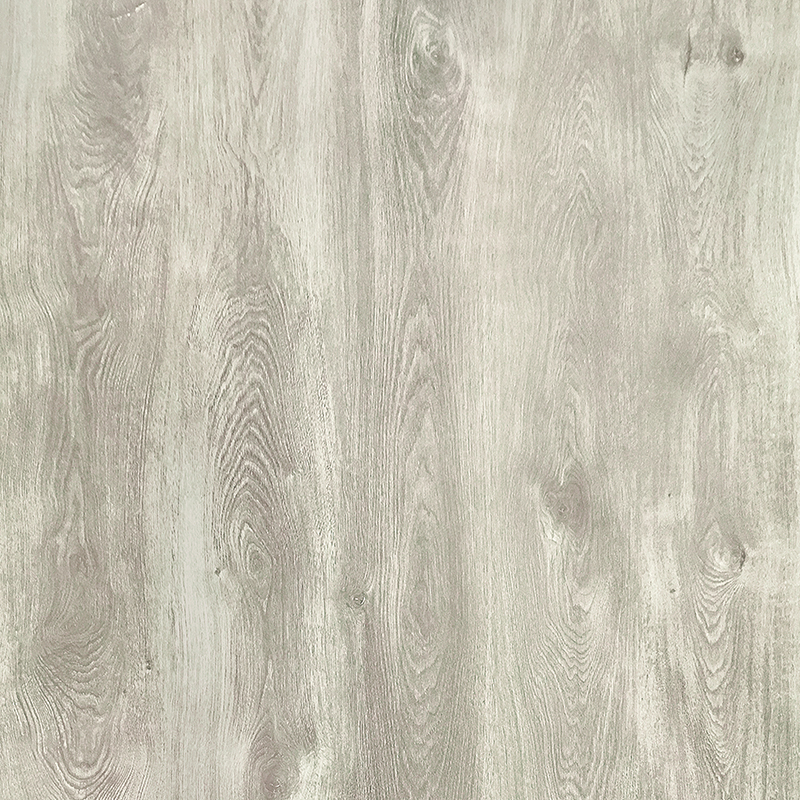
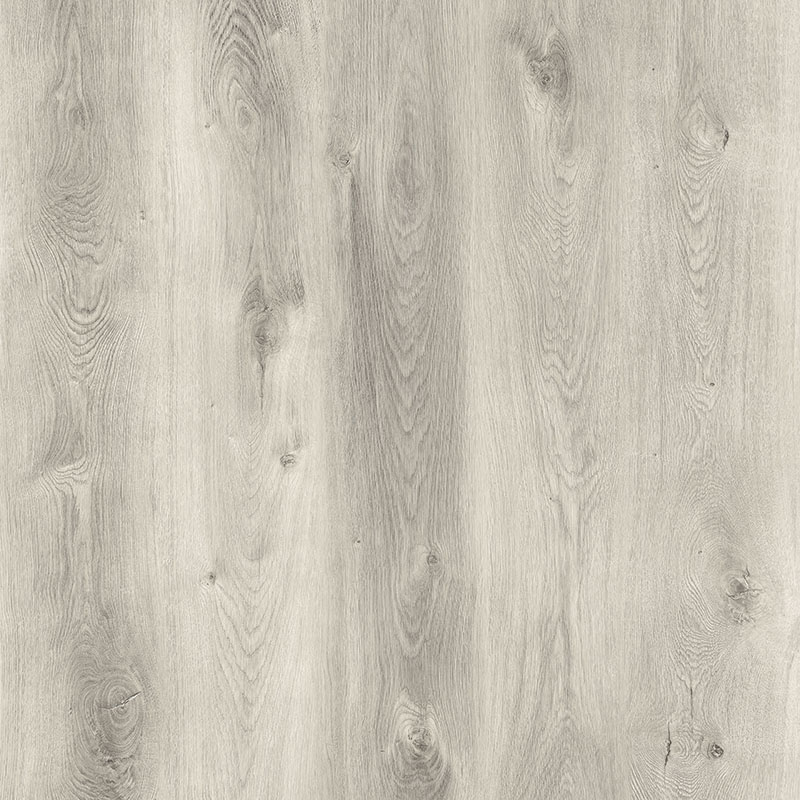
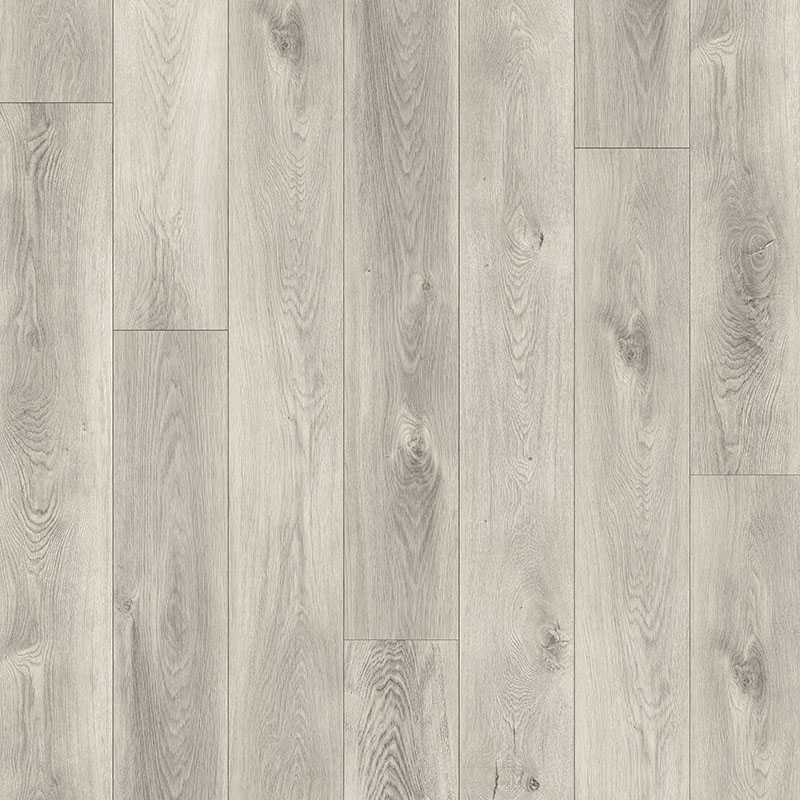
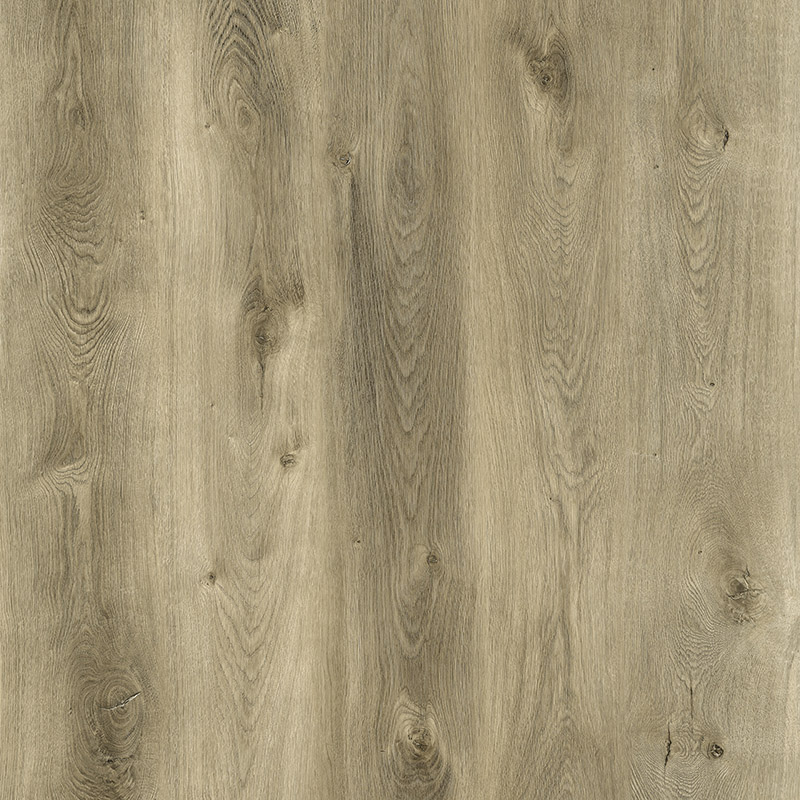
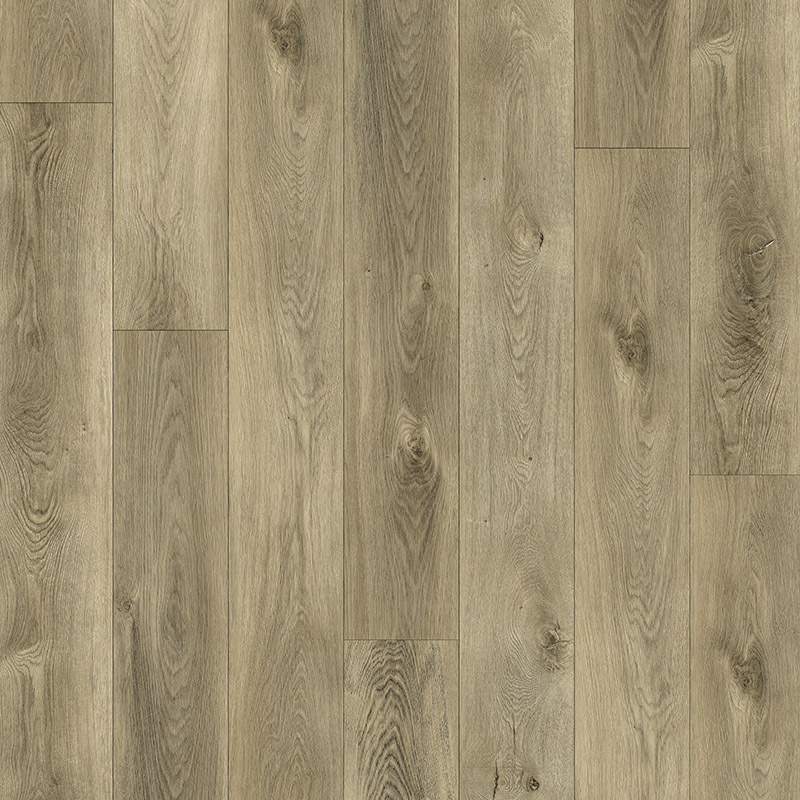
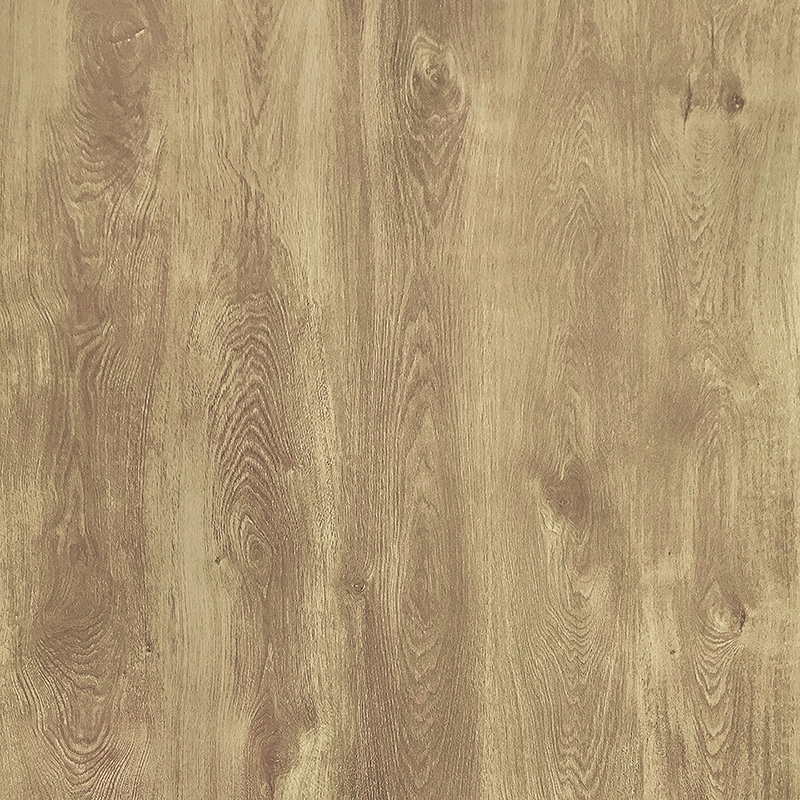
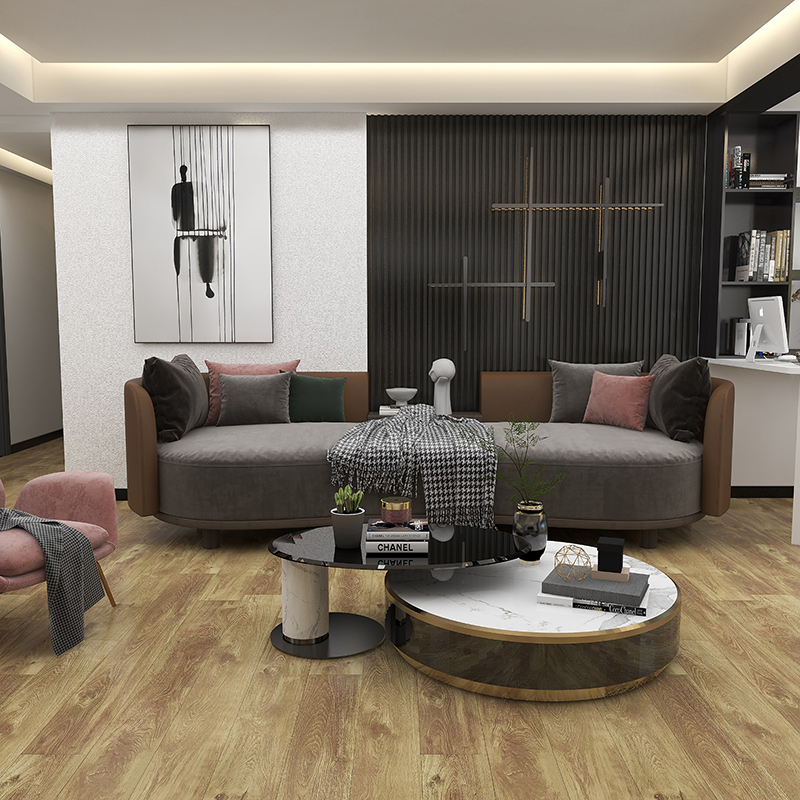
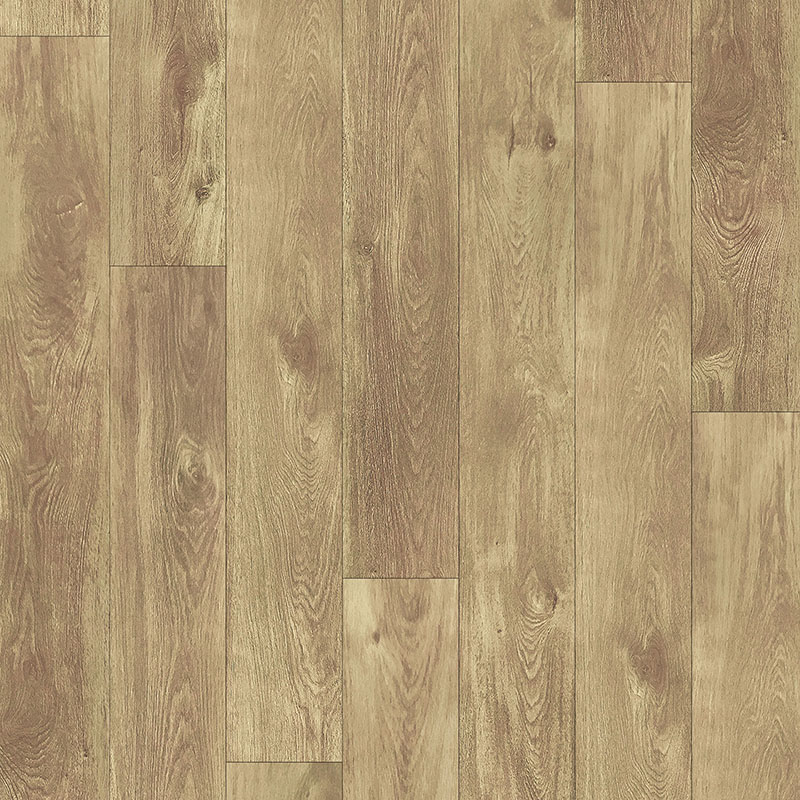
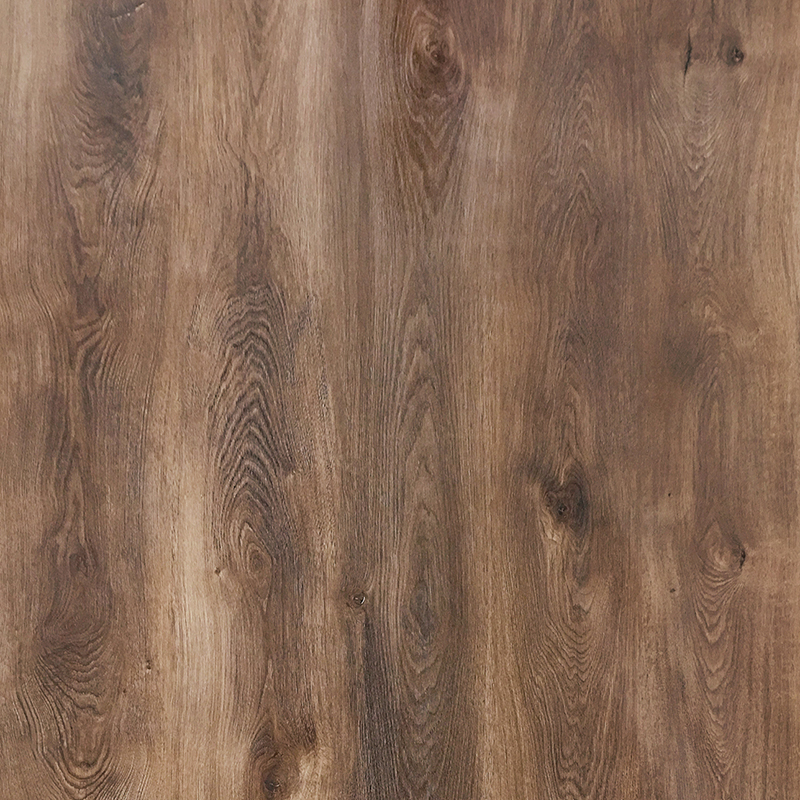
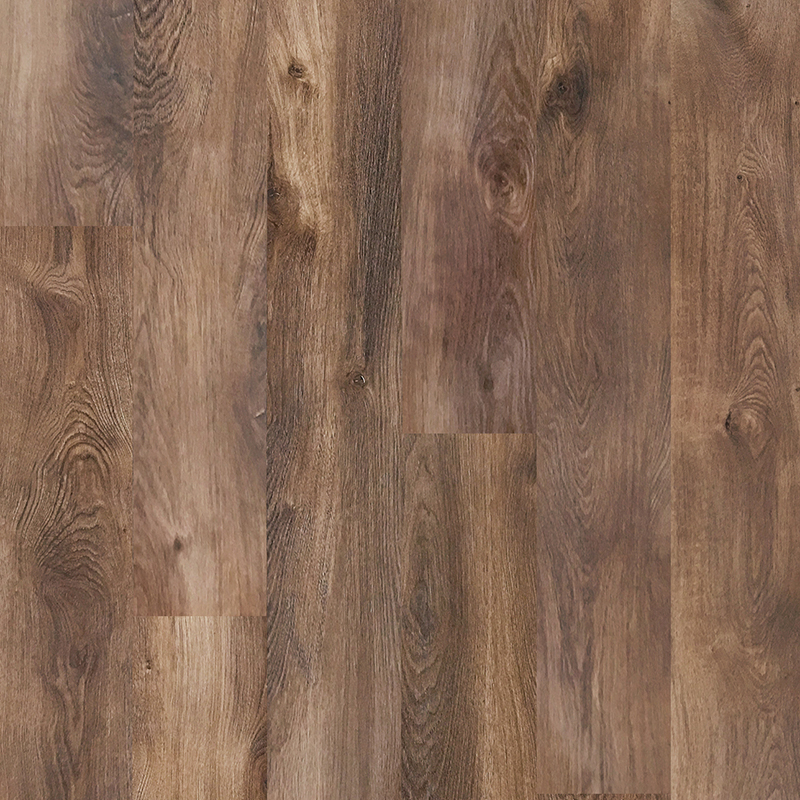
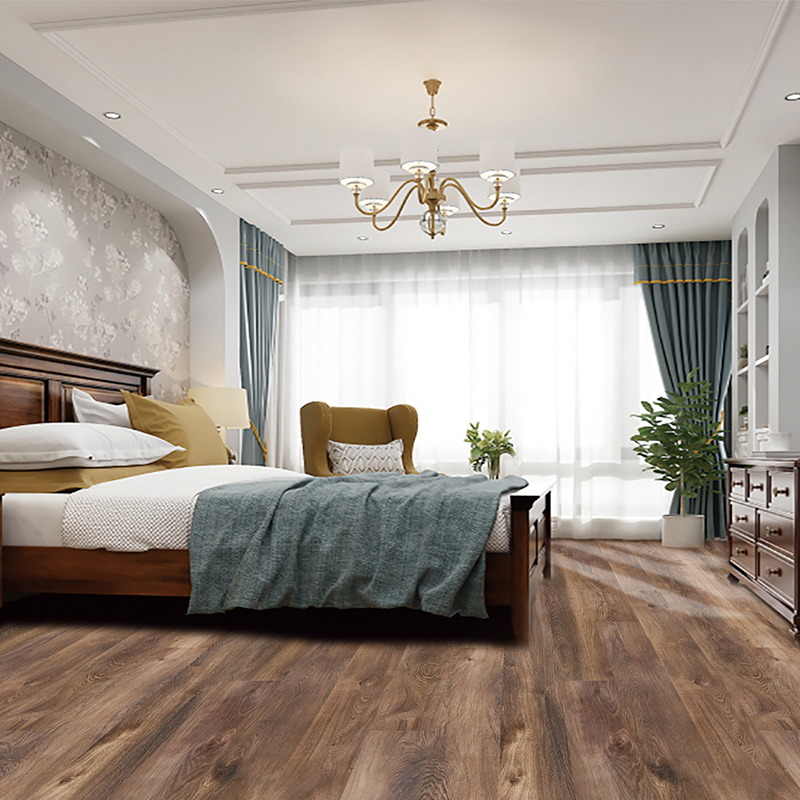
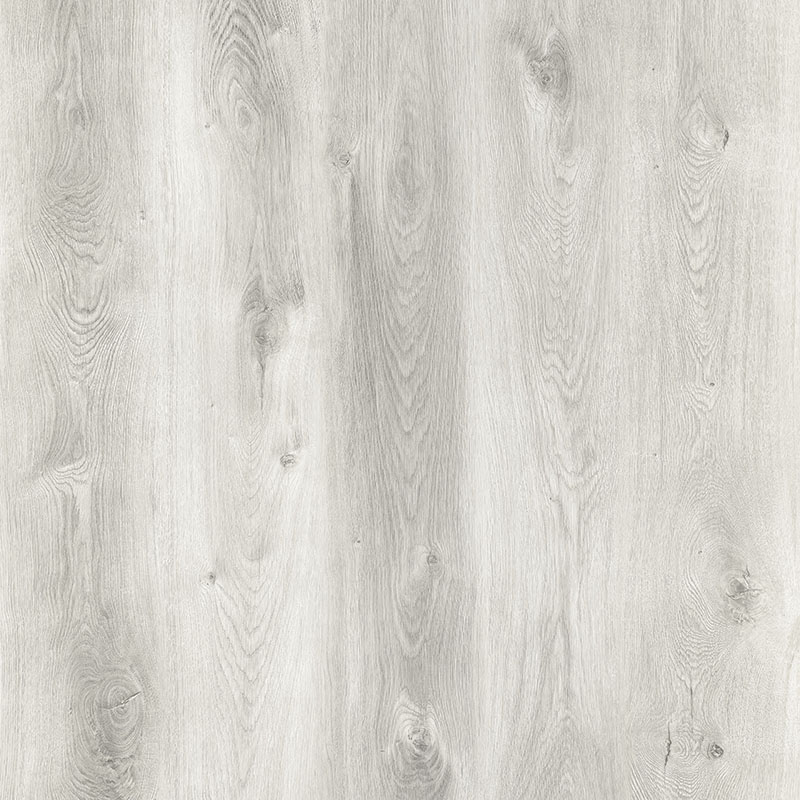
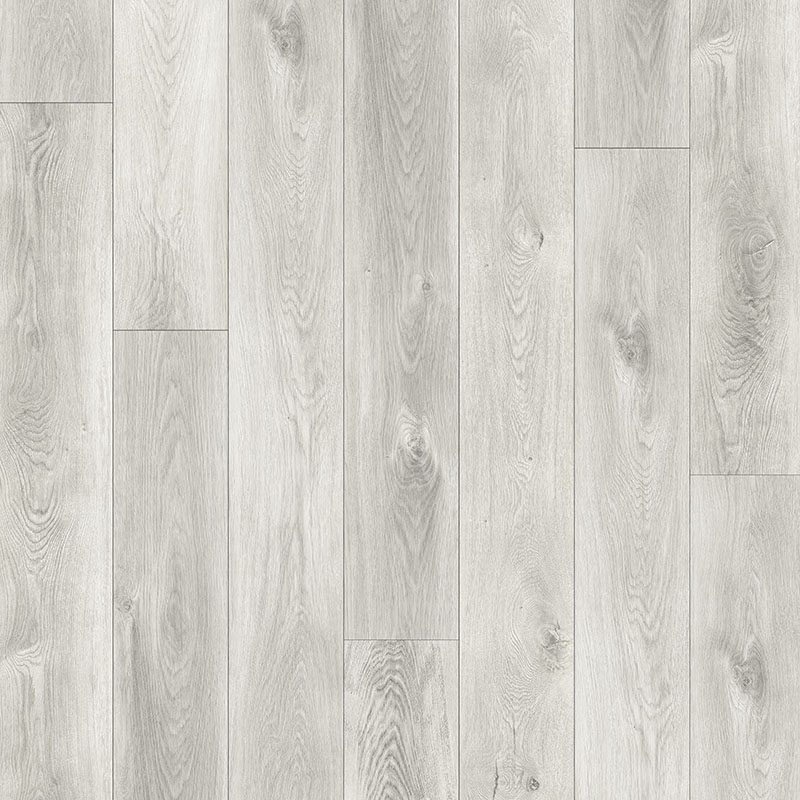
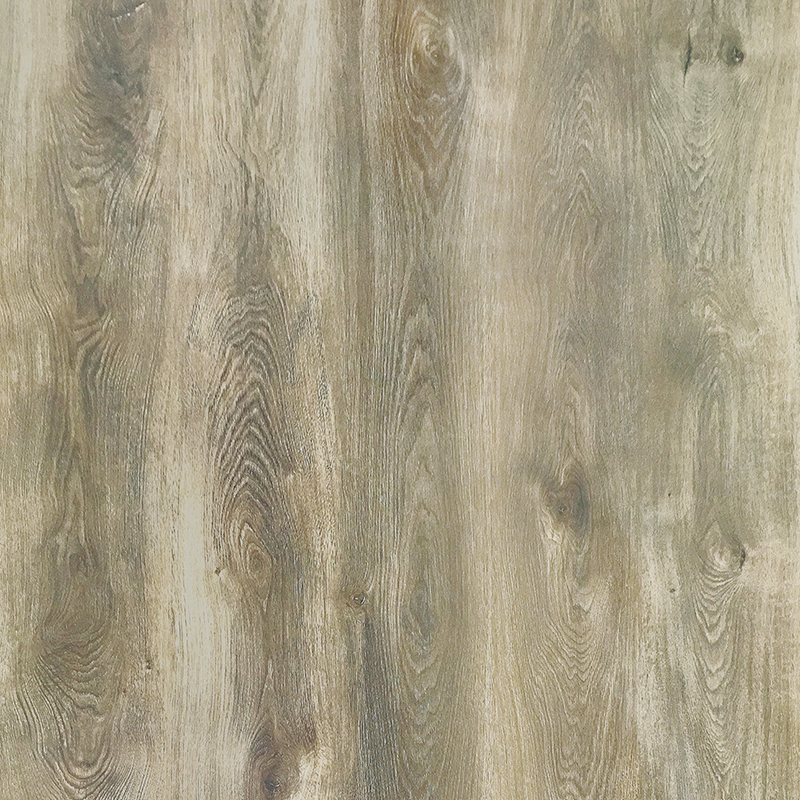
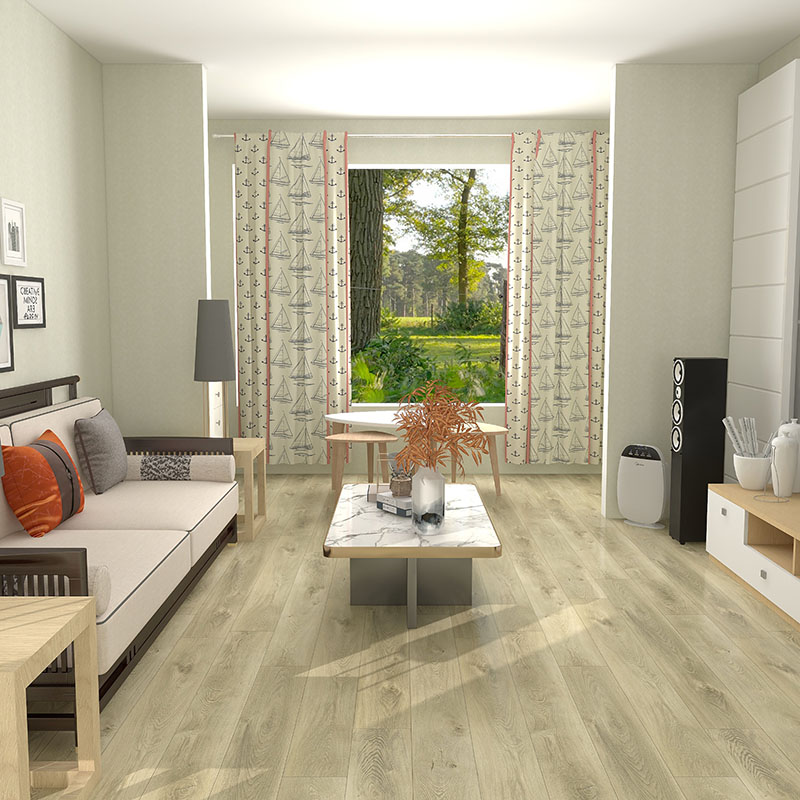
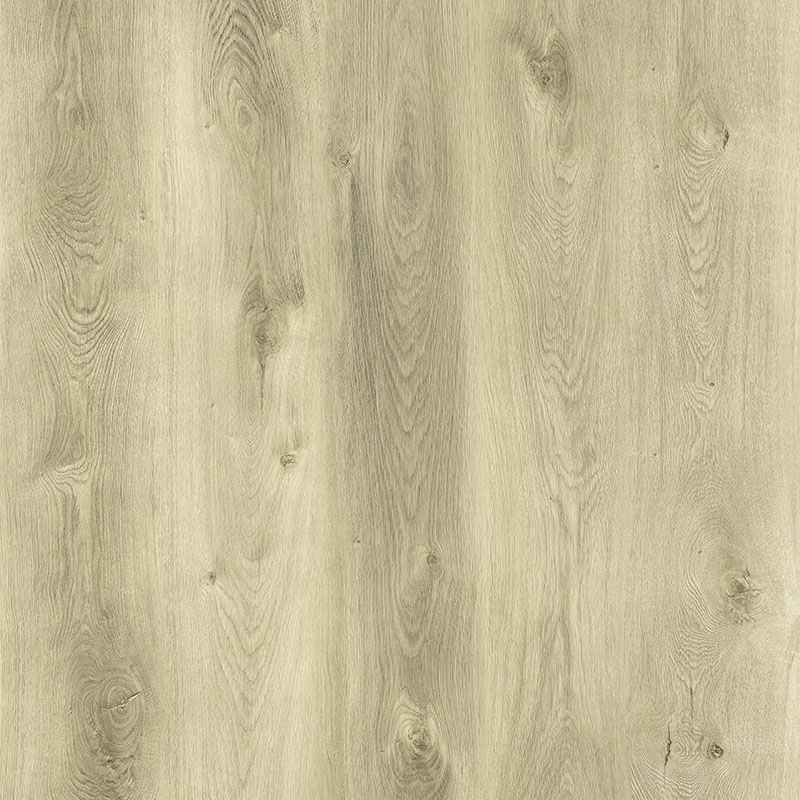
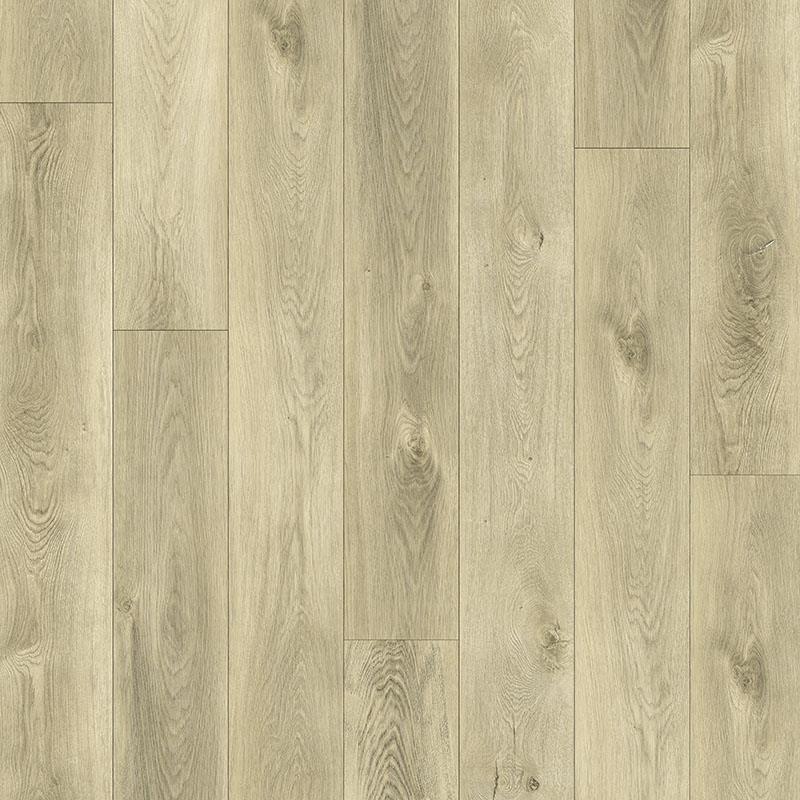
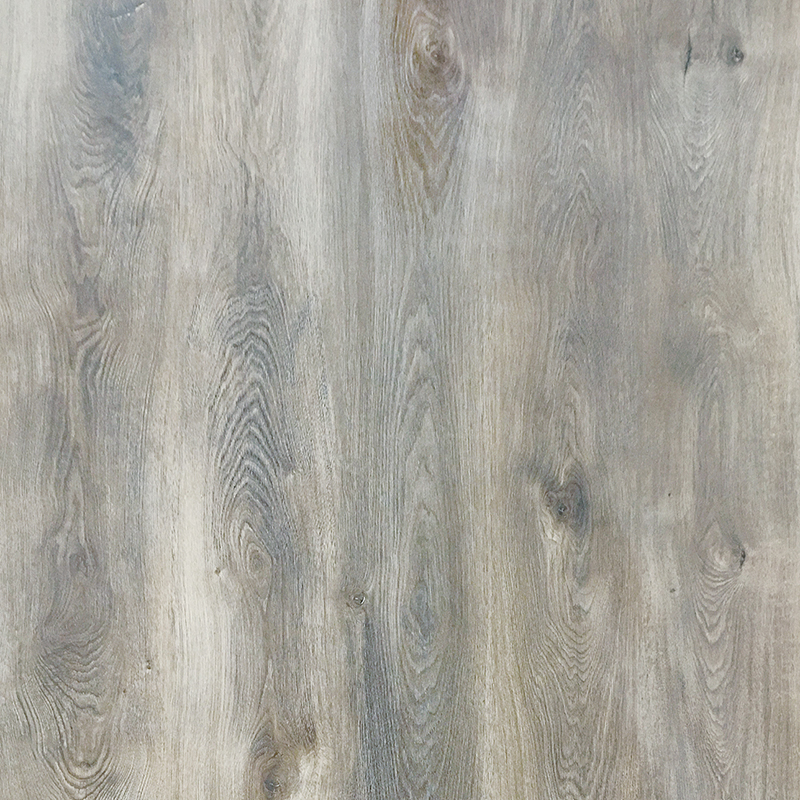
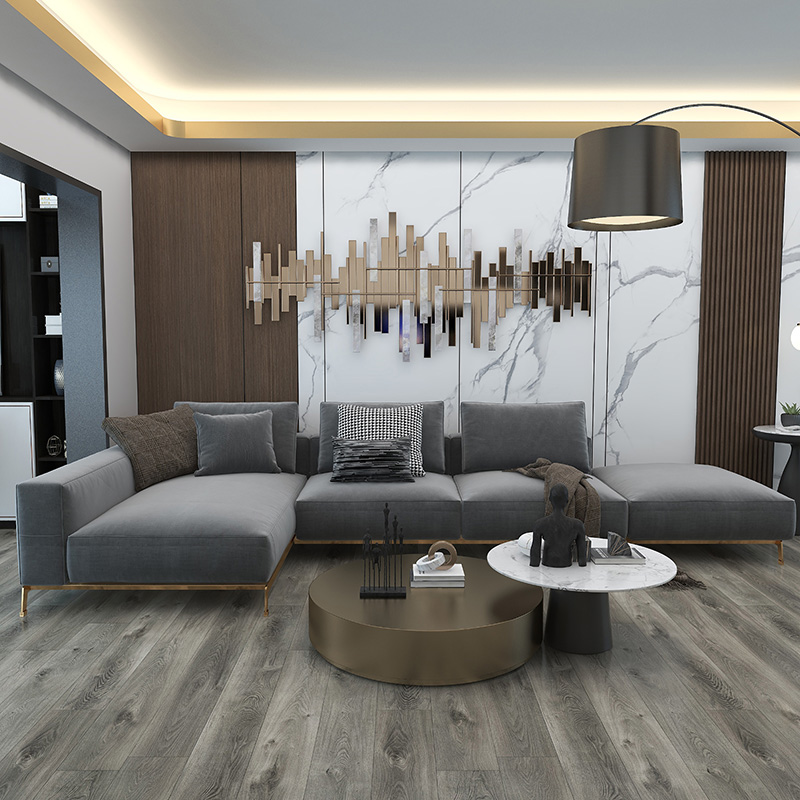
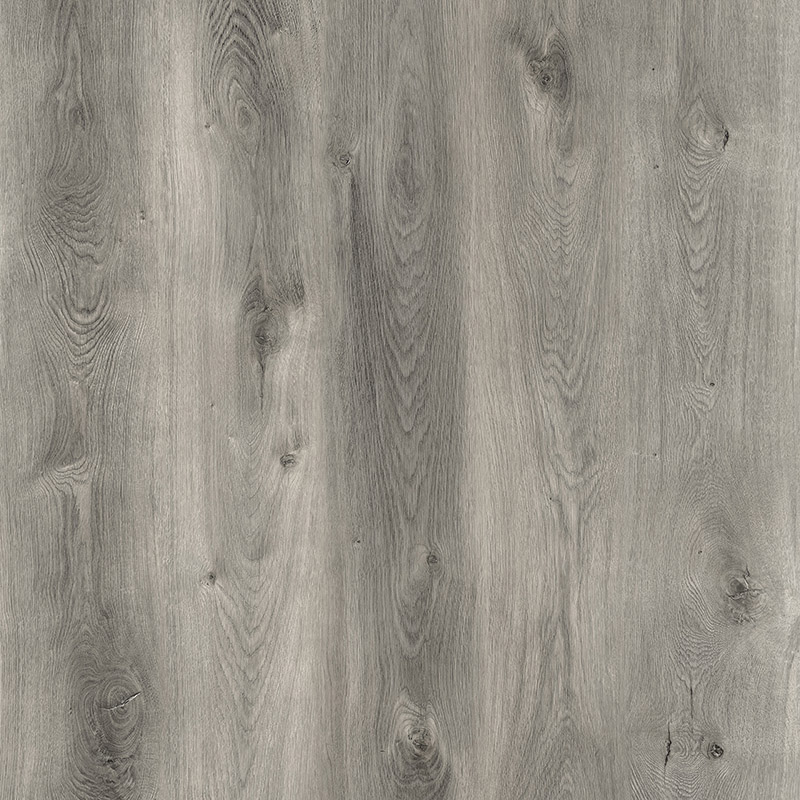
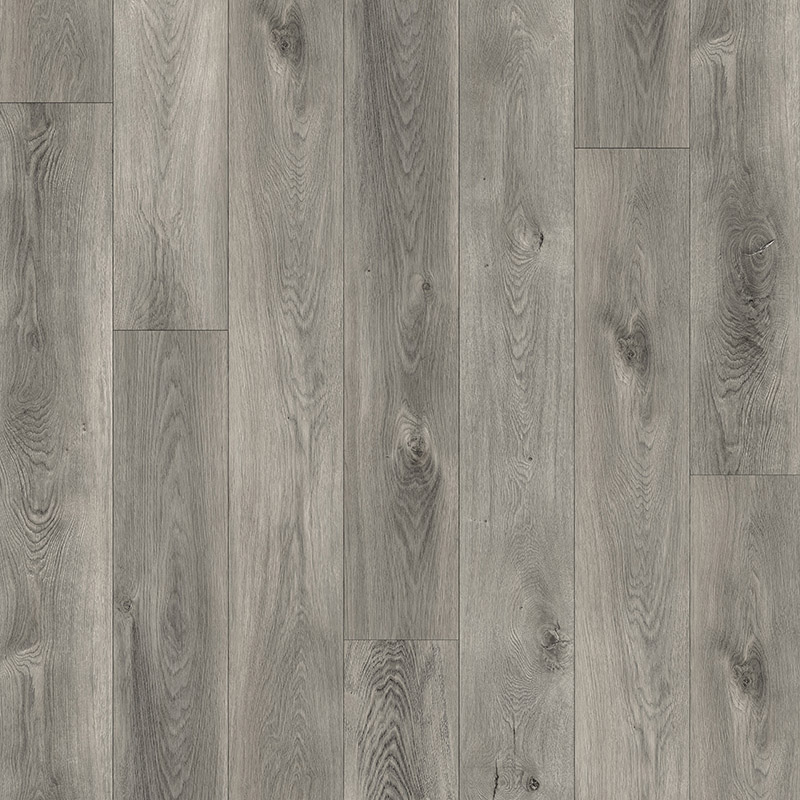
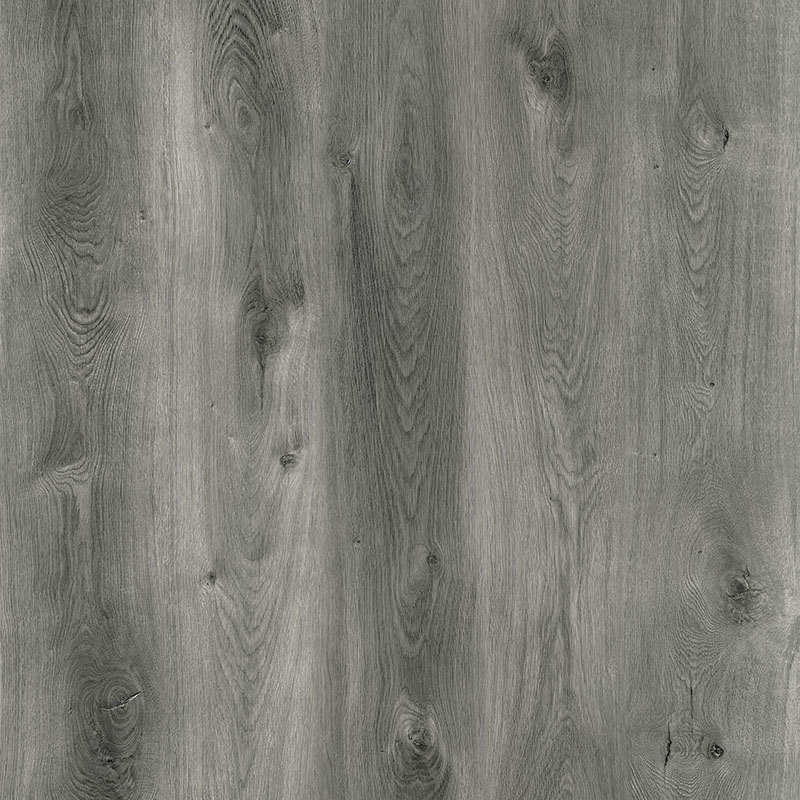
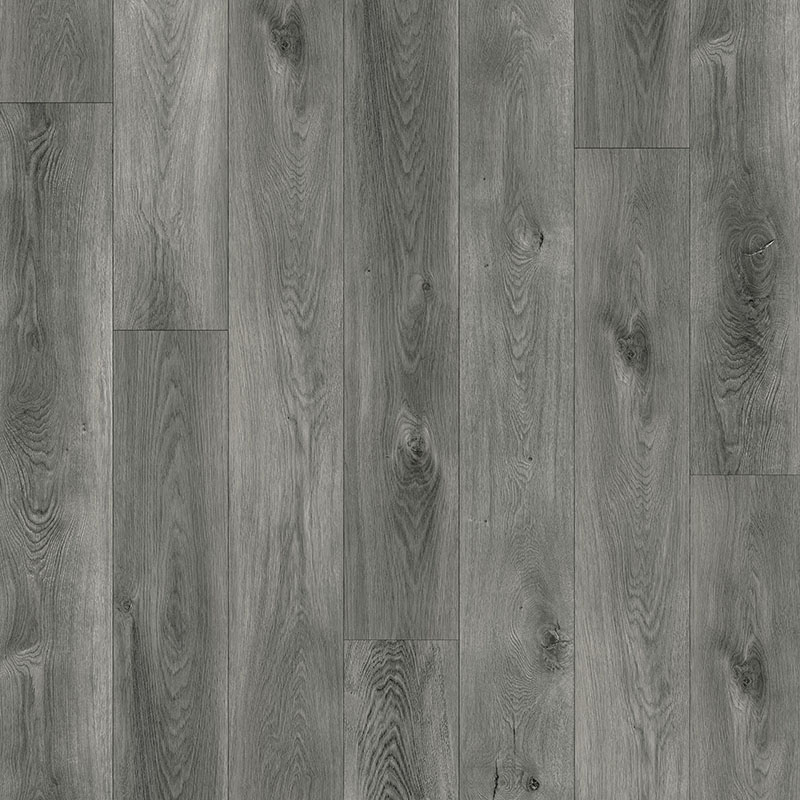
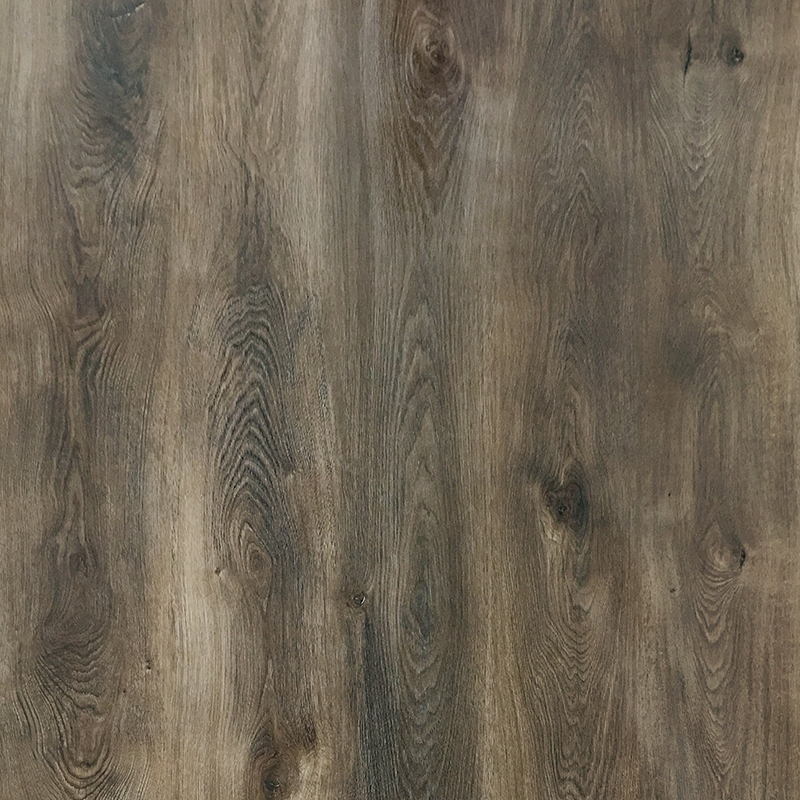
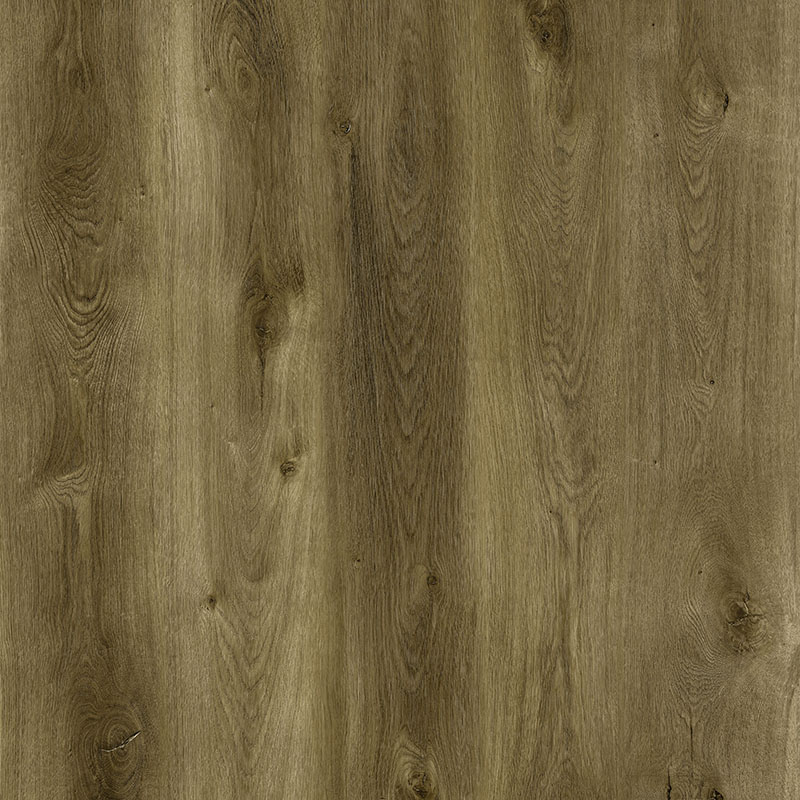
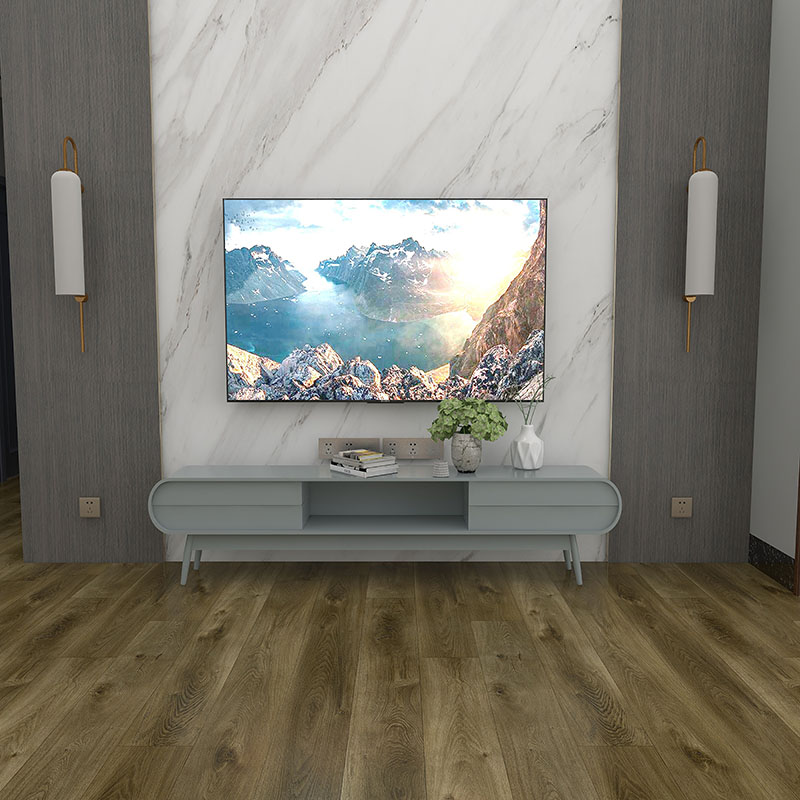
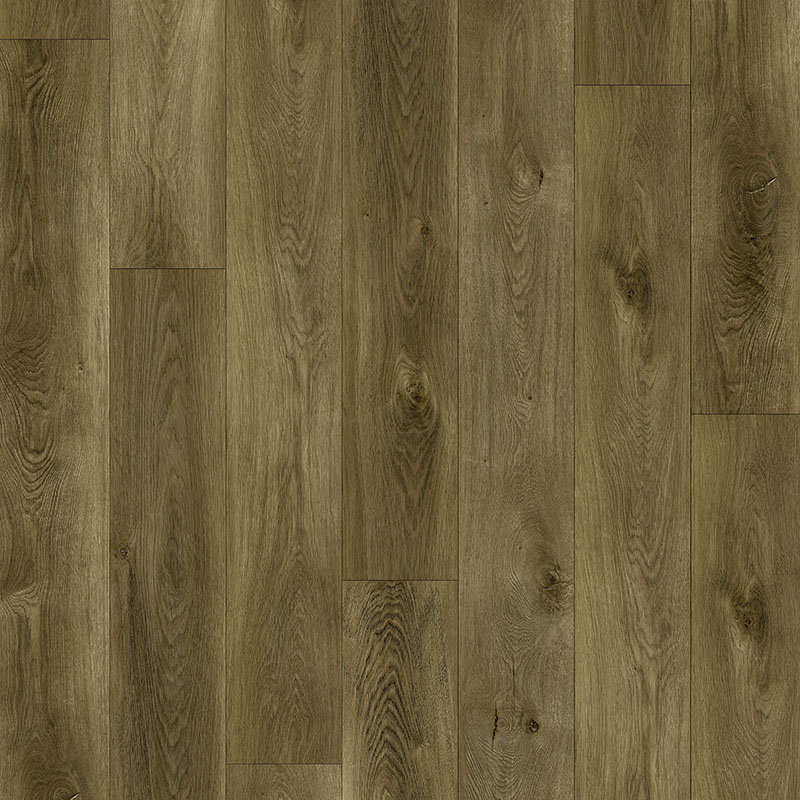
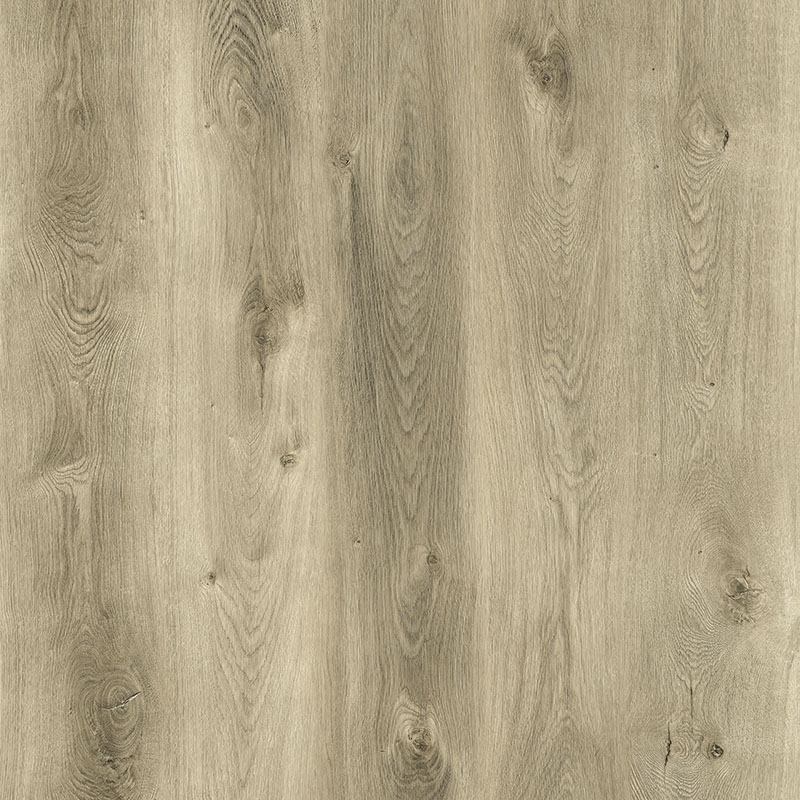
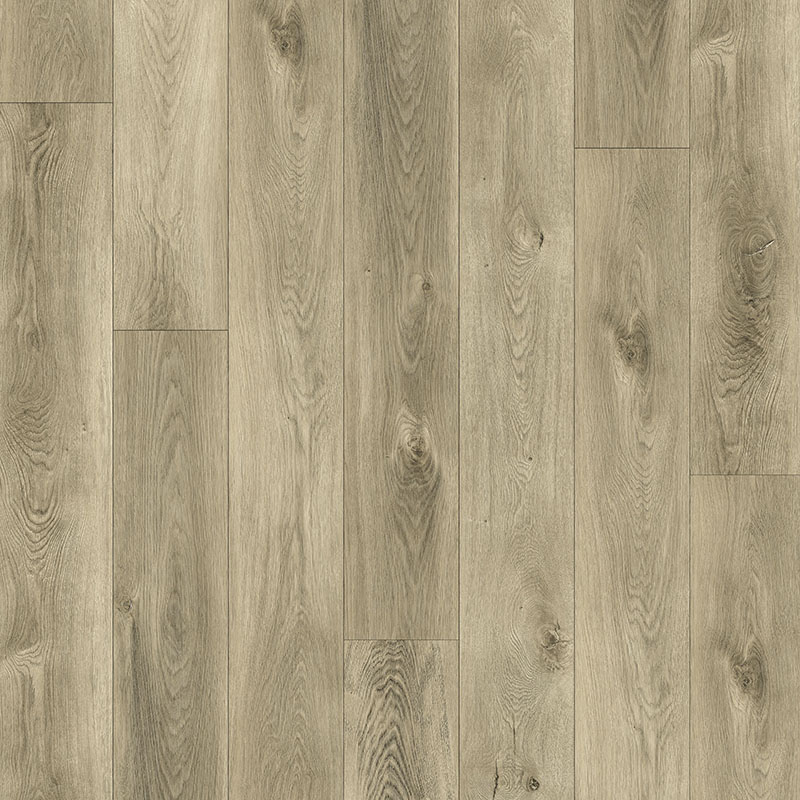
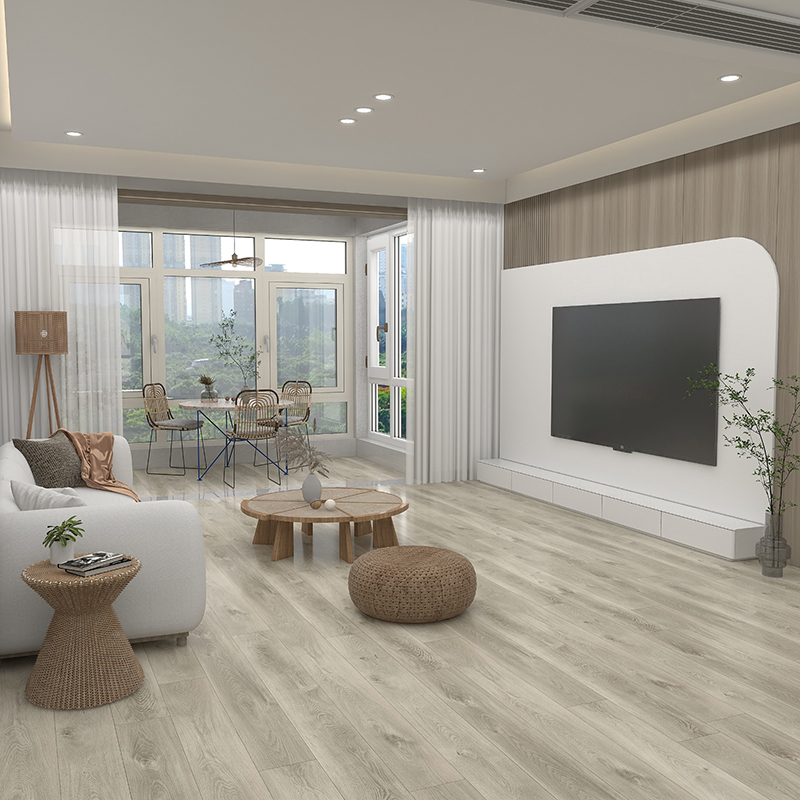
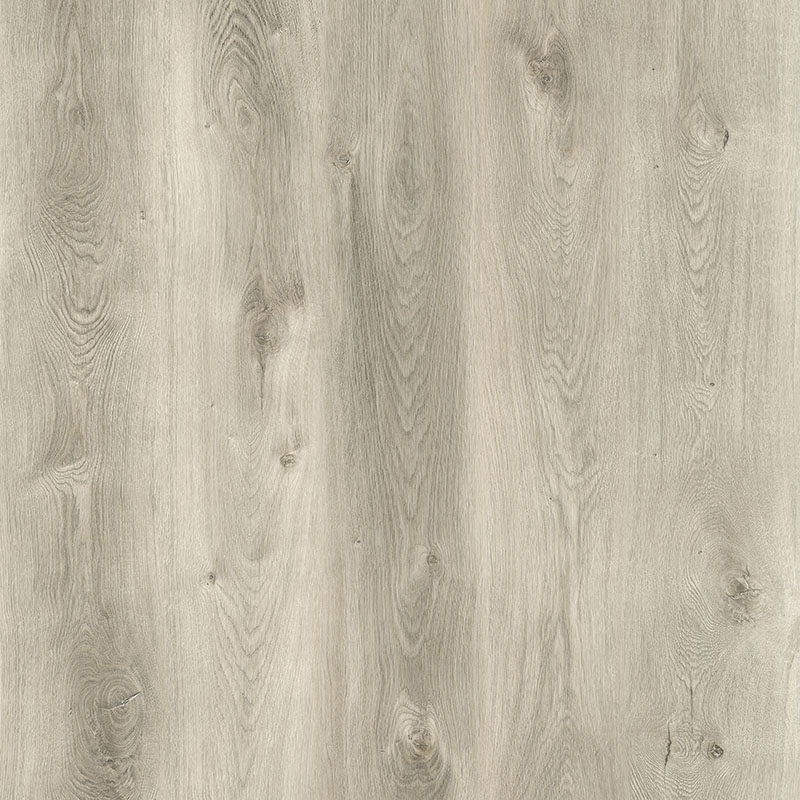
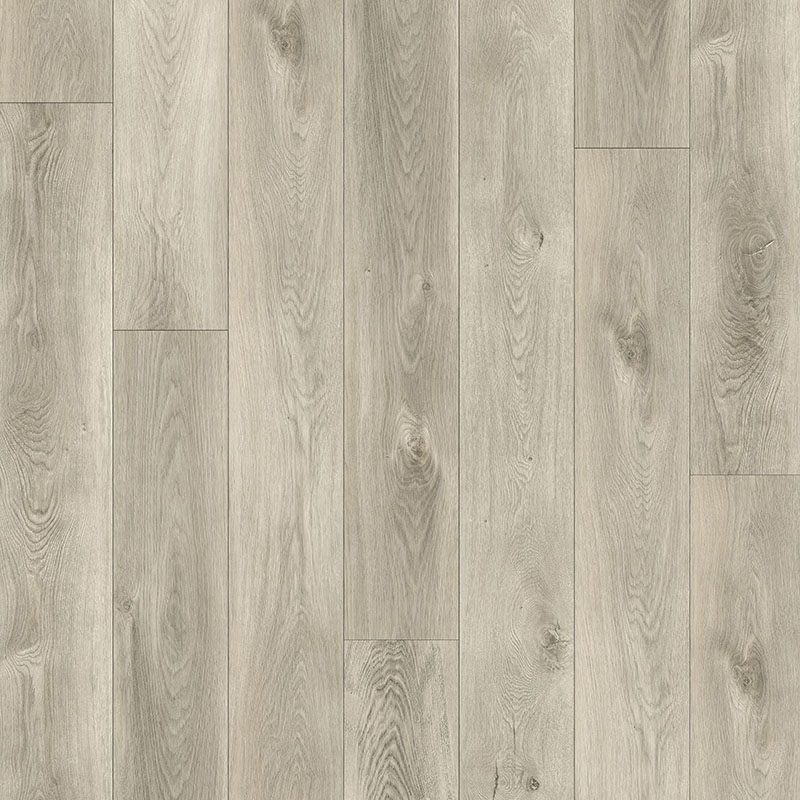
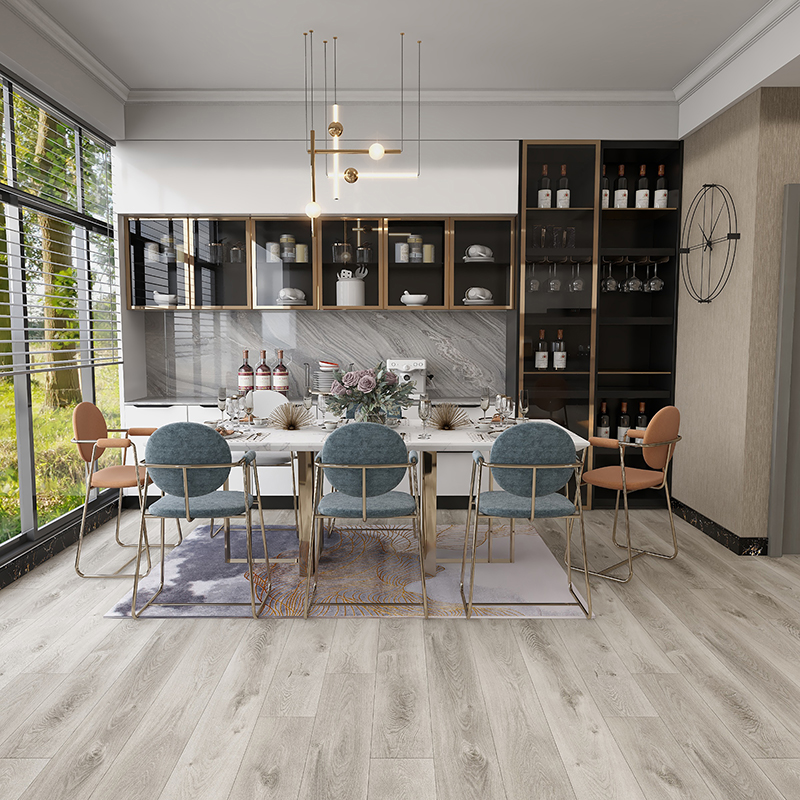
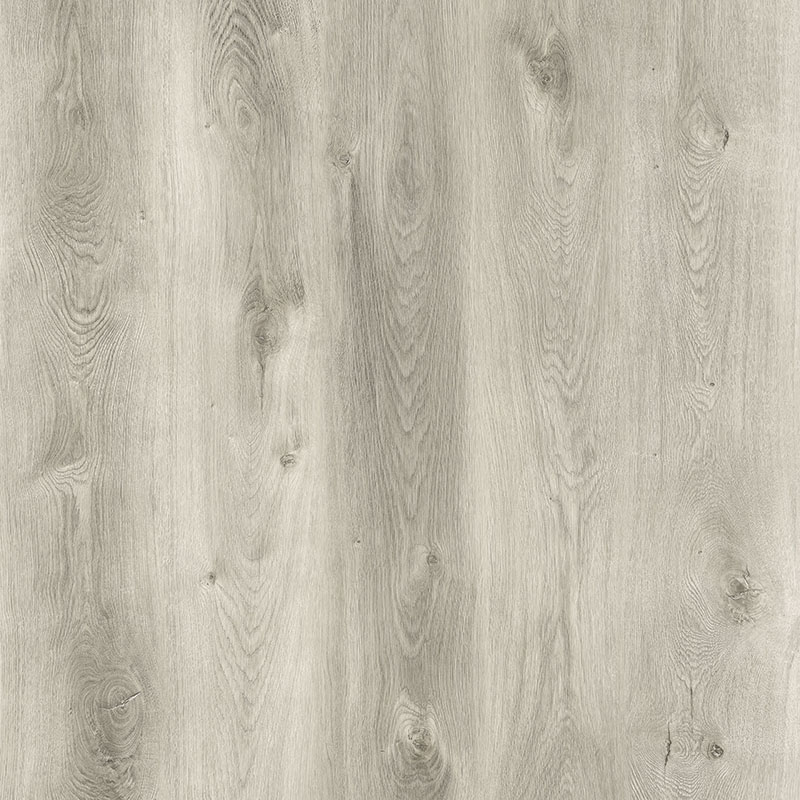
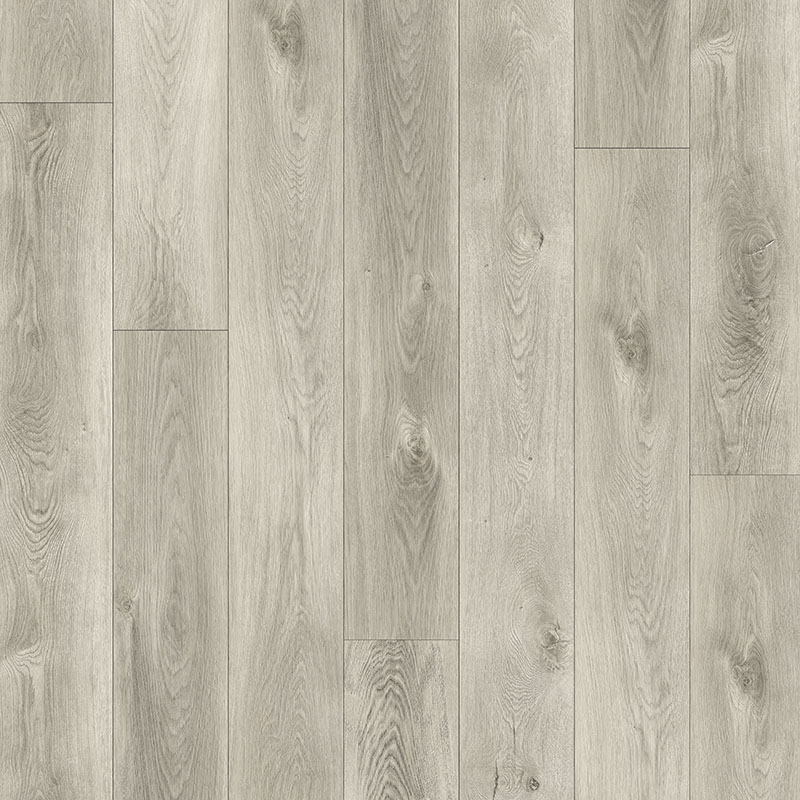
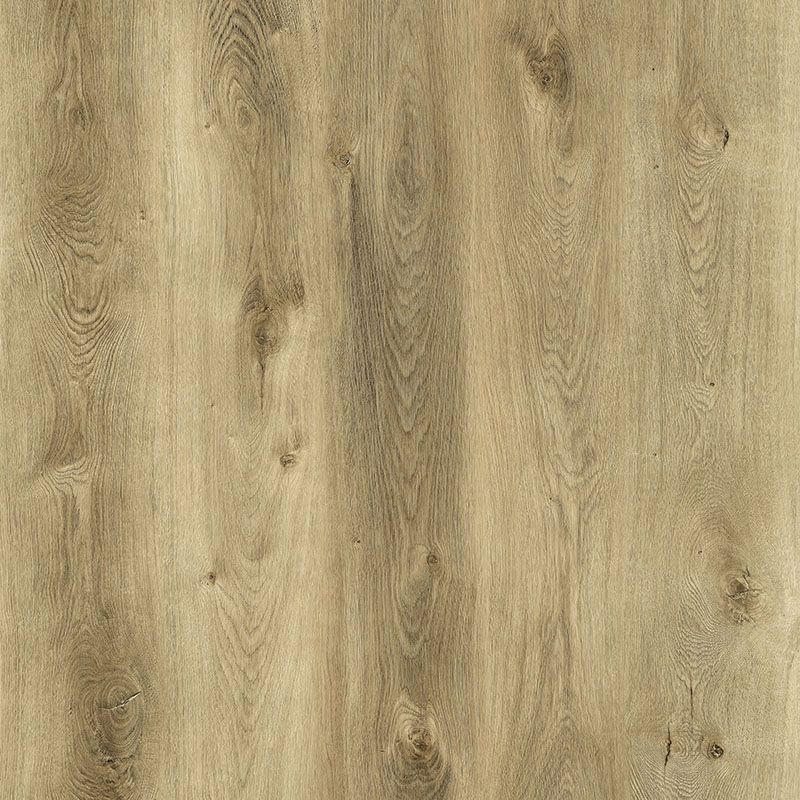
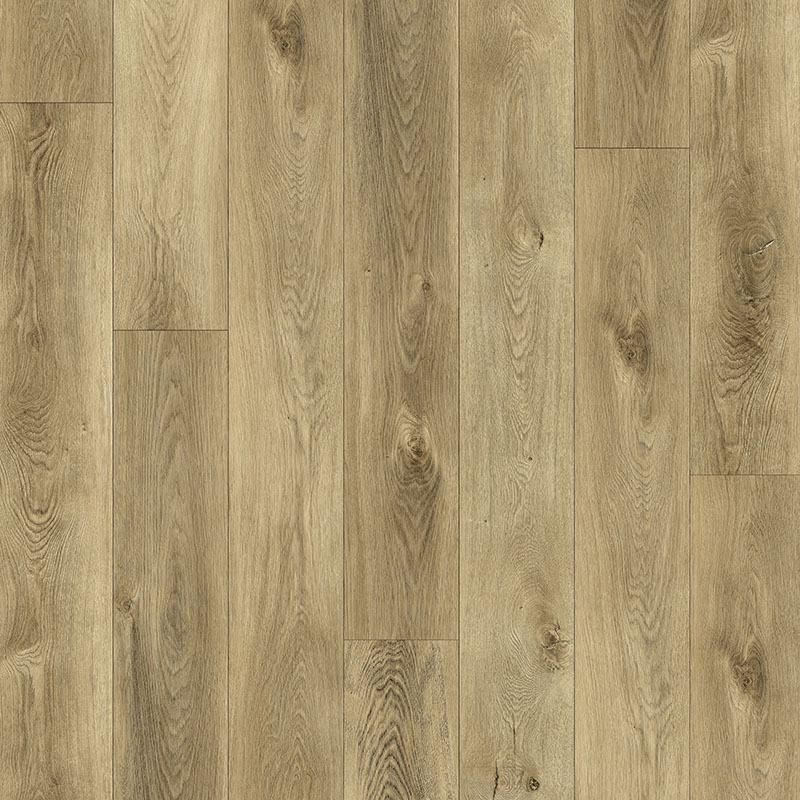
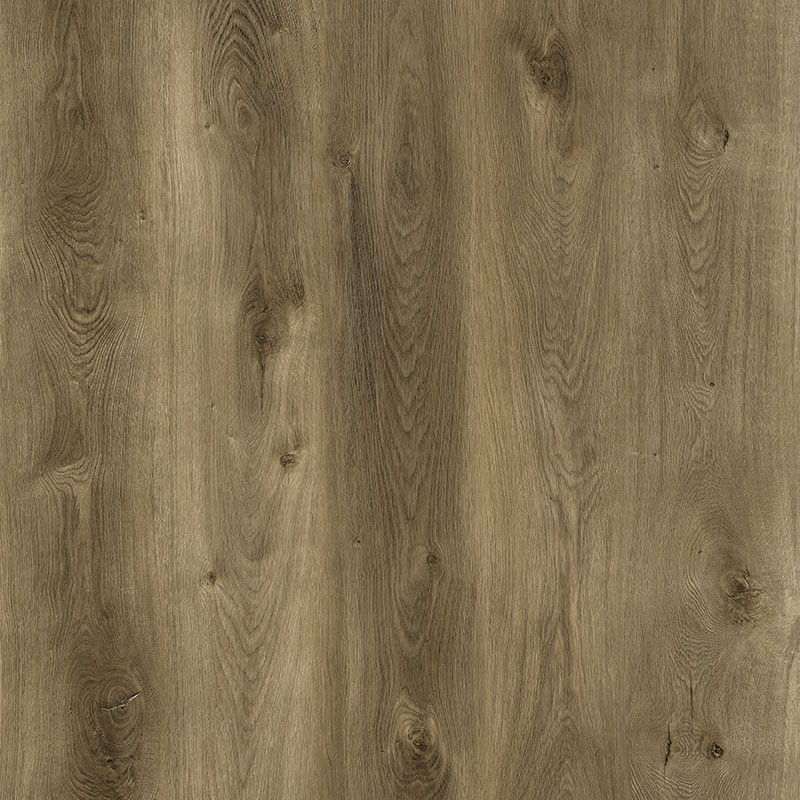
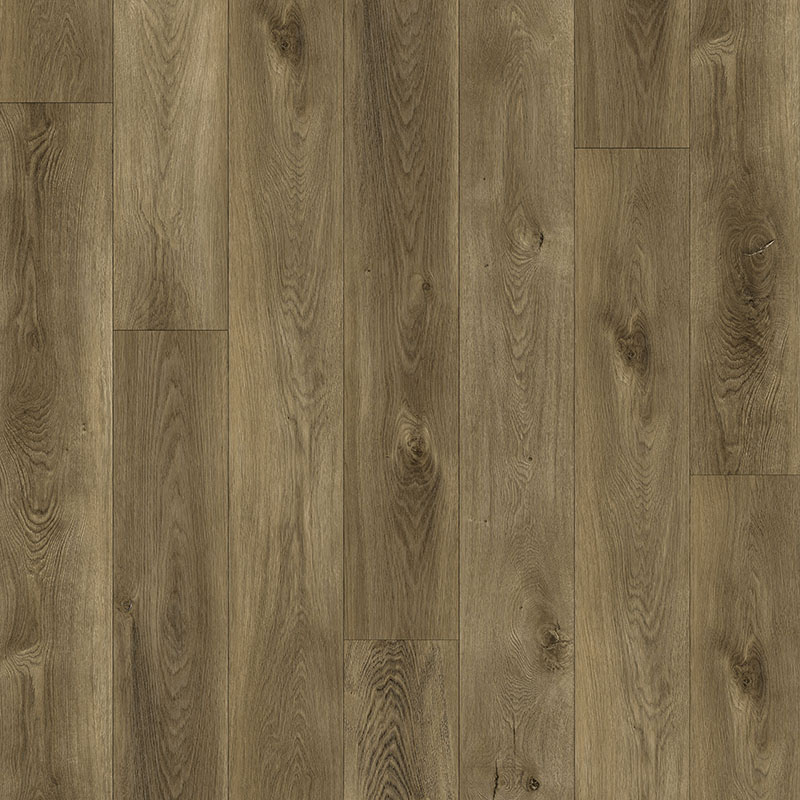
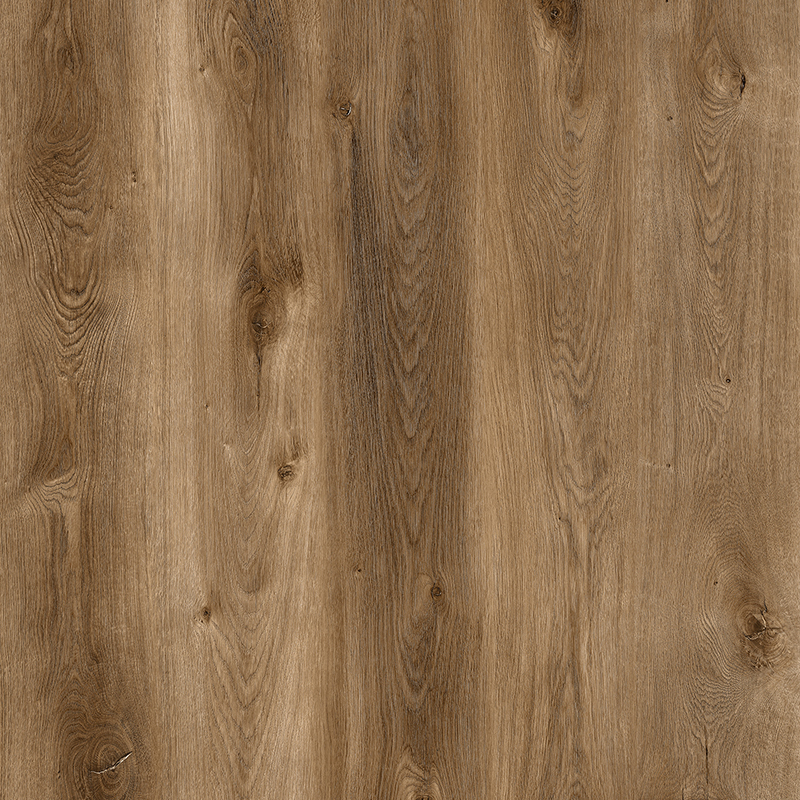
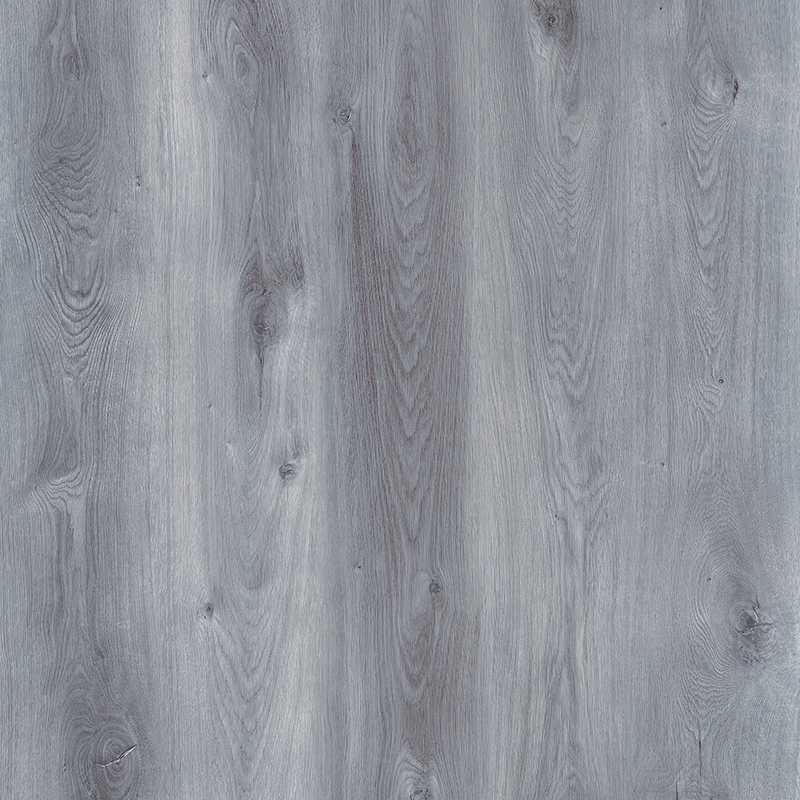
Model: YC819
Wood: Oak
Spec: 1000*1580mm
Single chip size: 7.25*60"
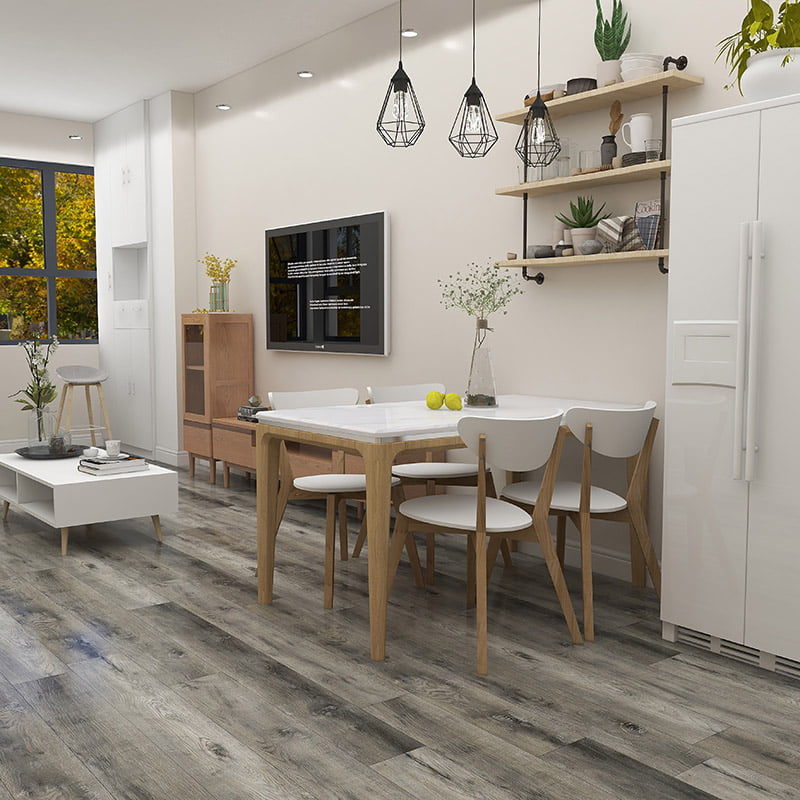
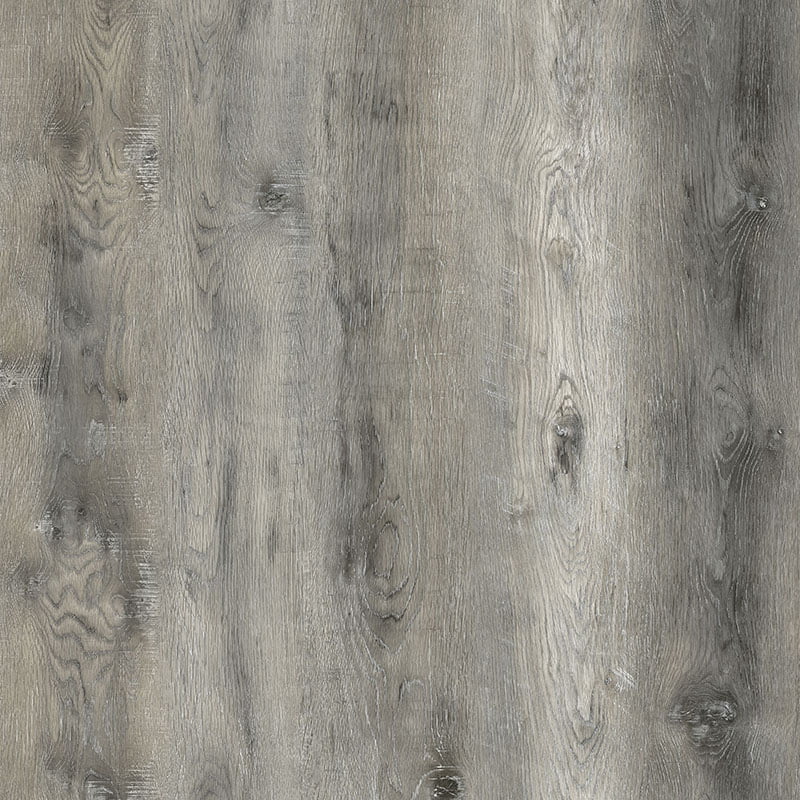
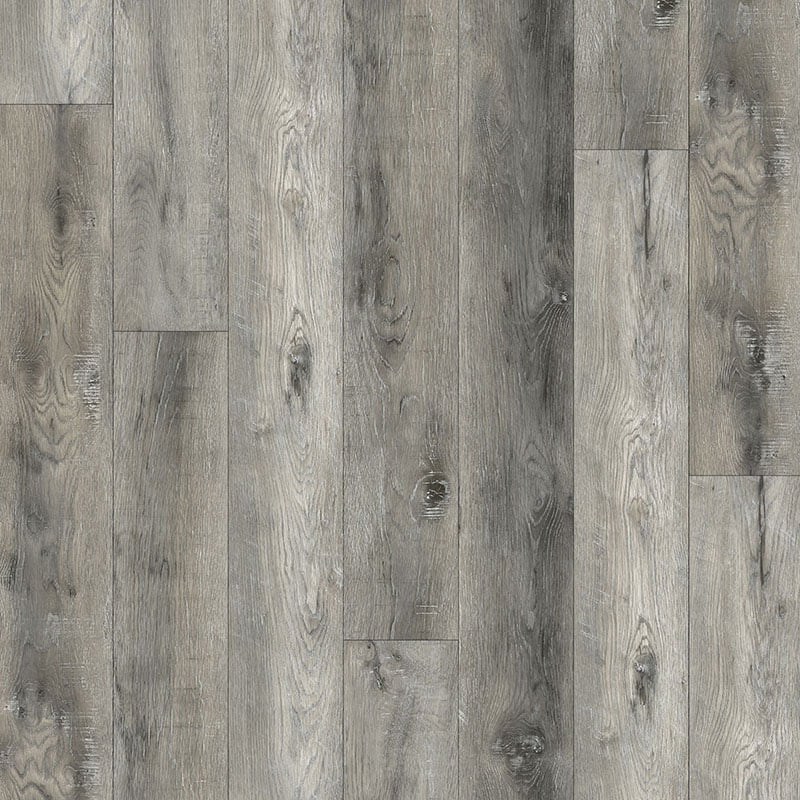
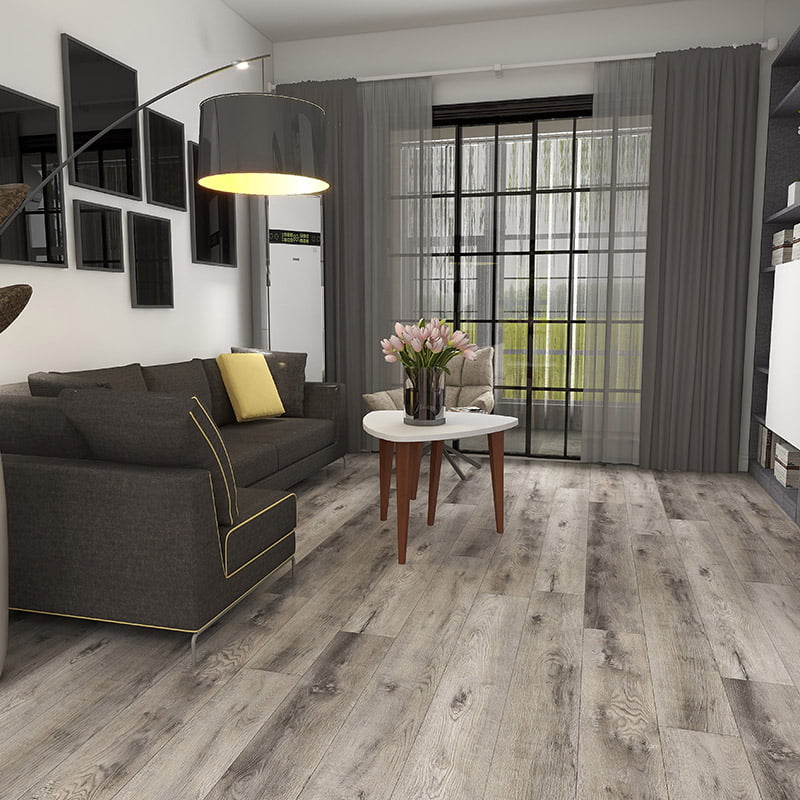
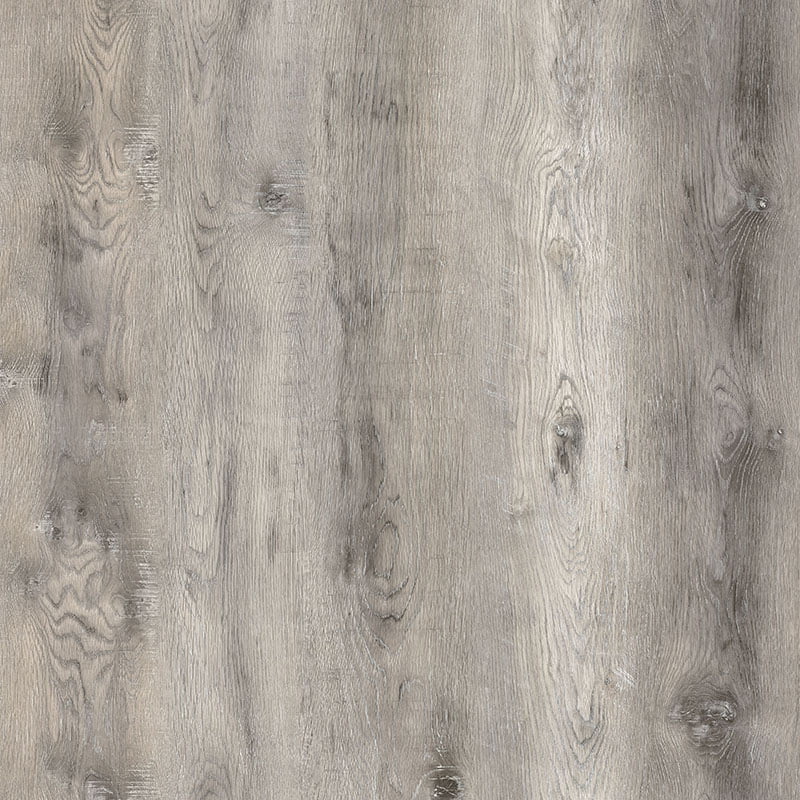
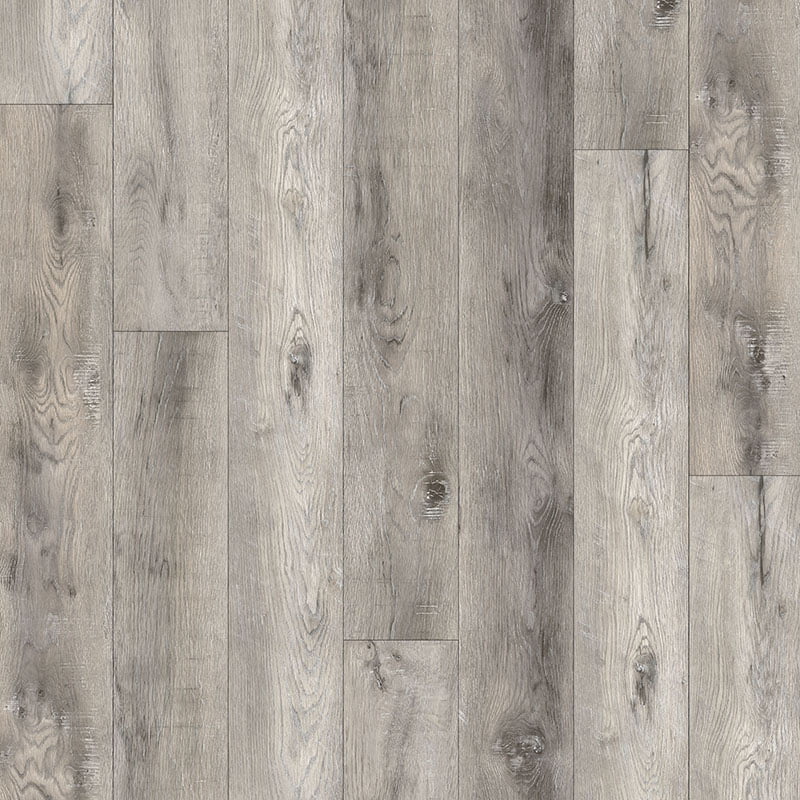
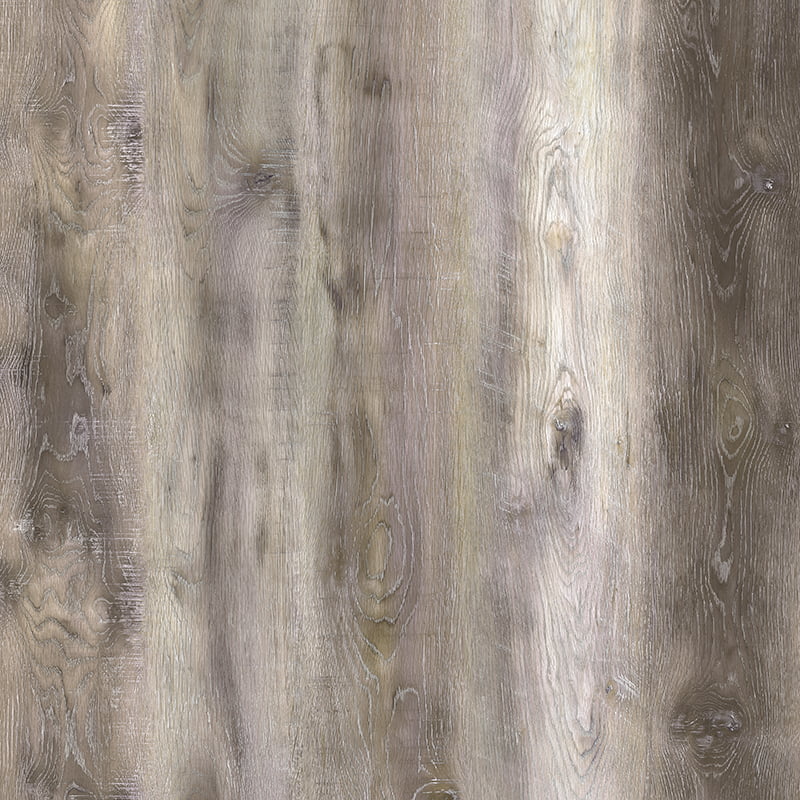
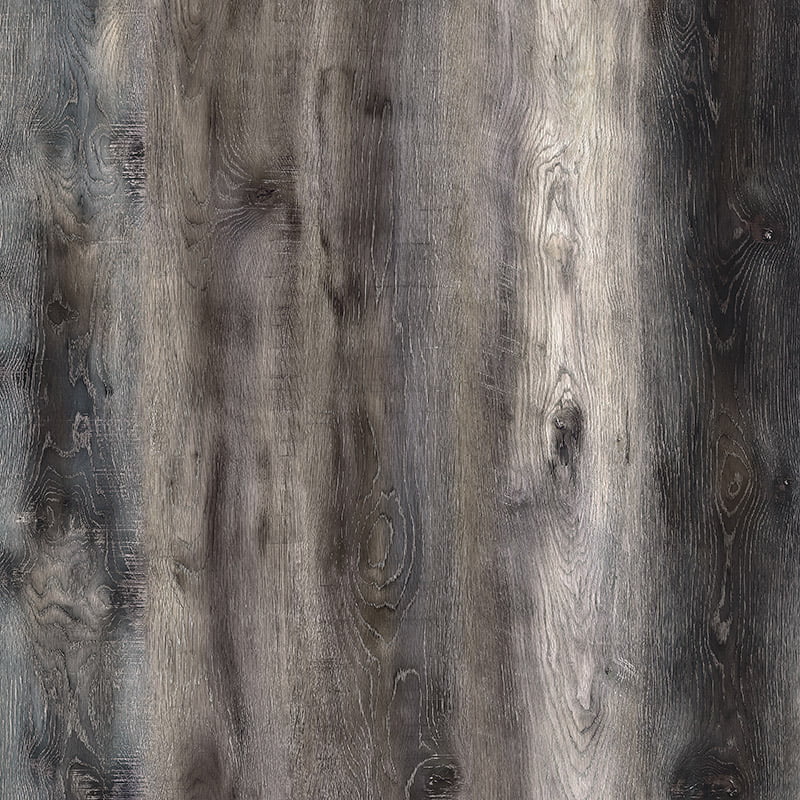
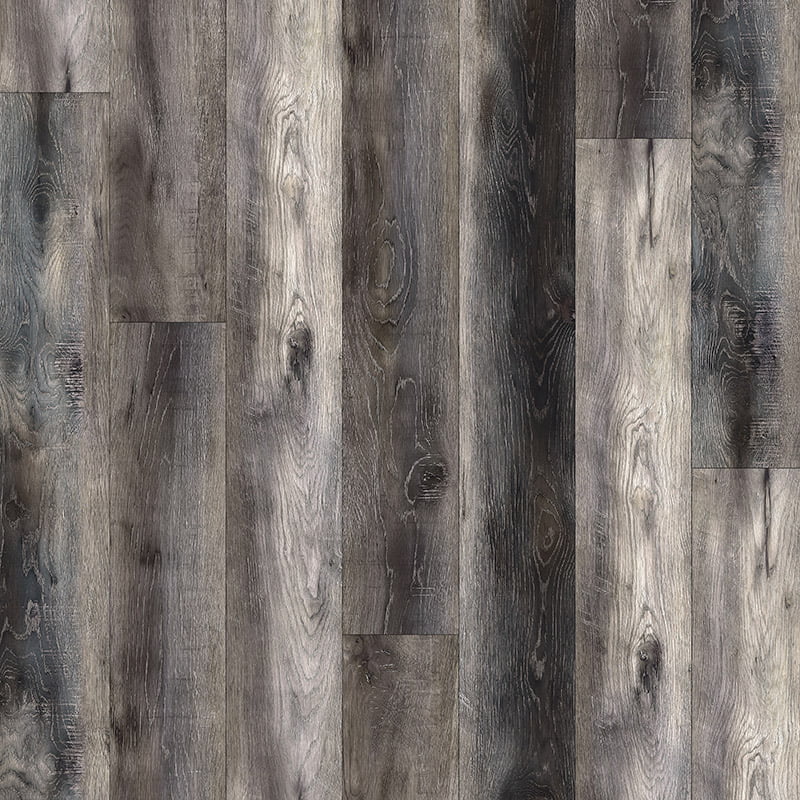
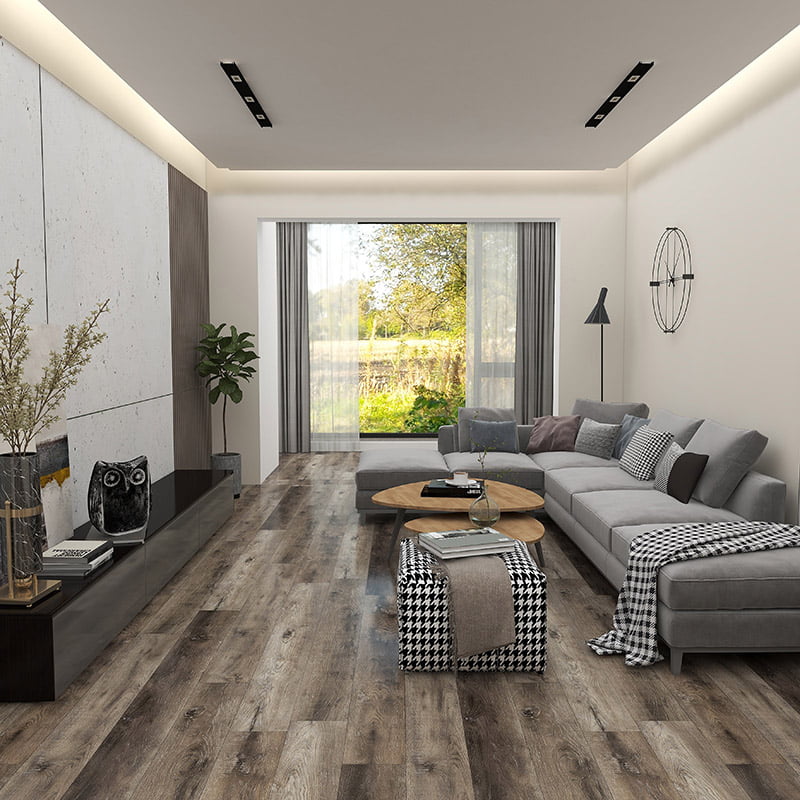
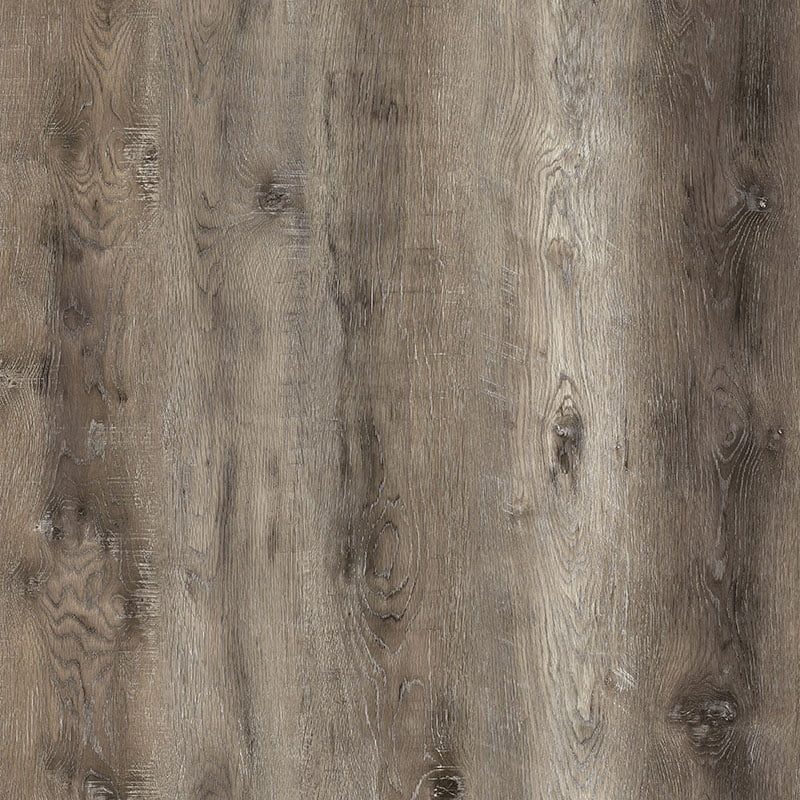
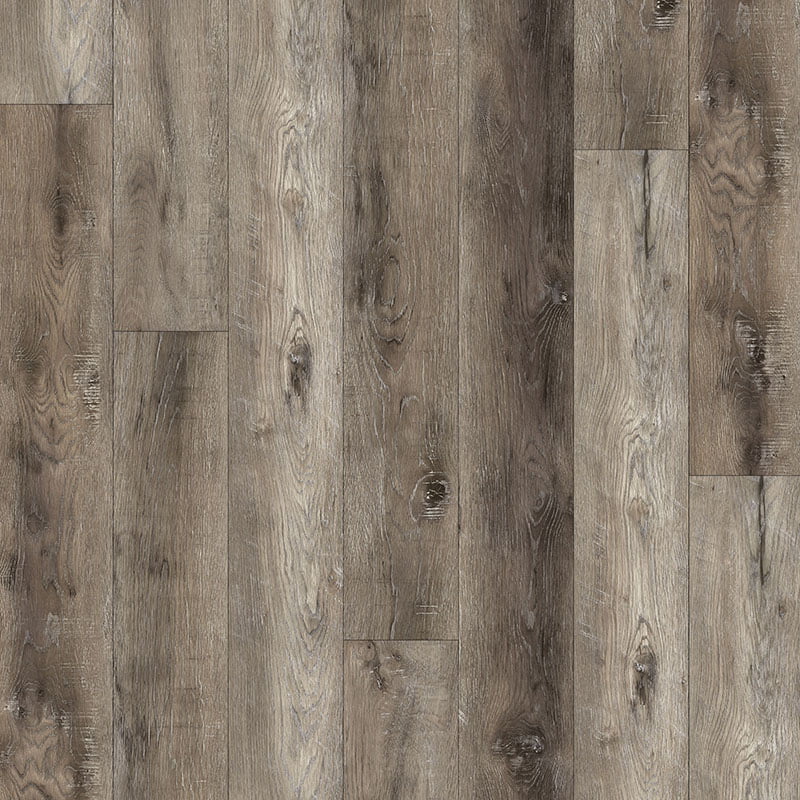
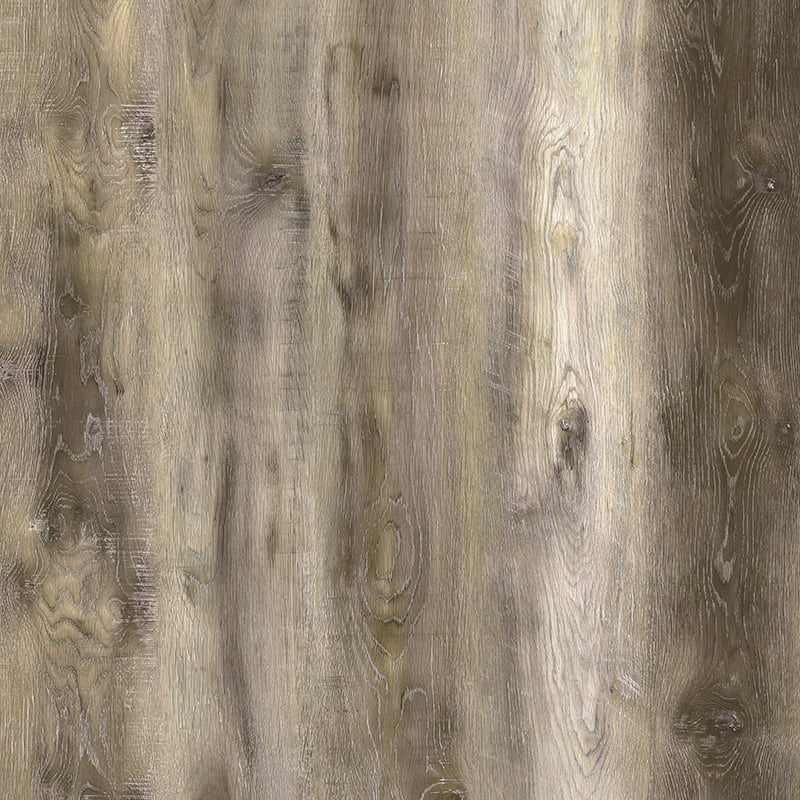
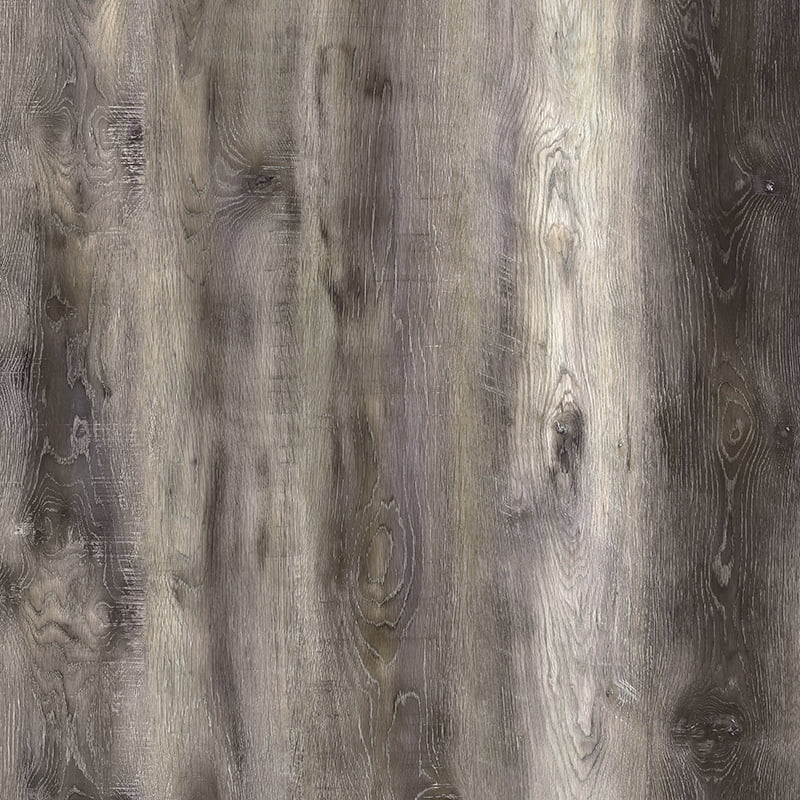
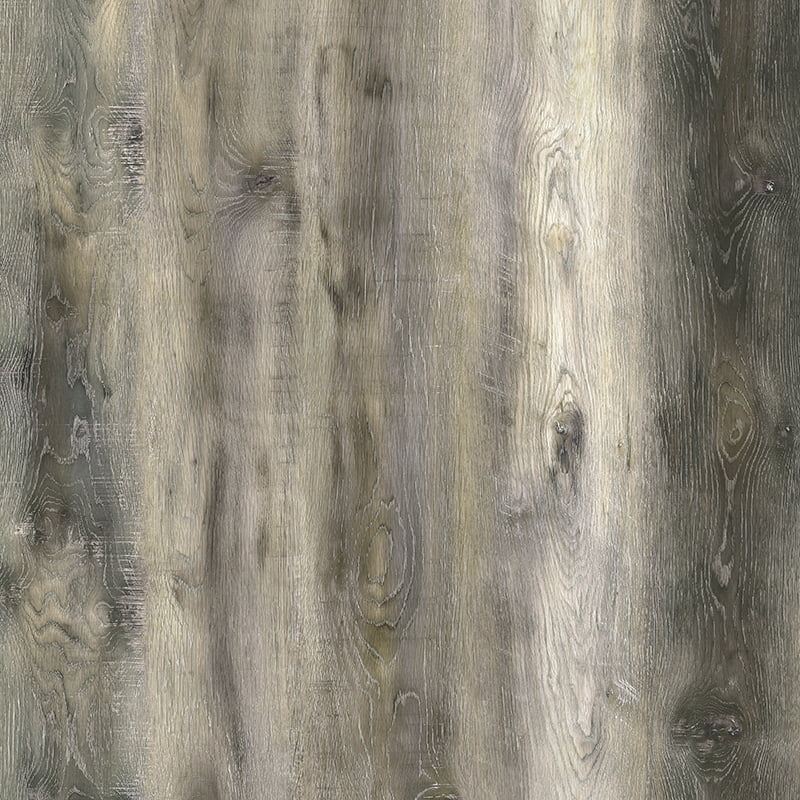
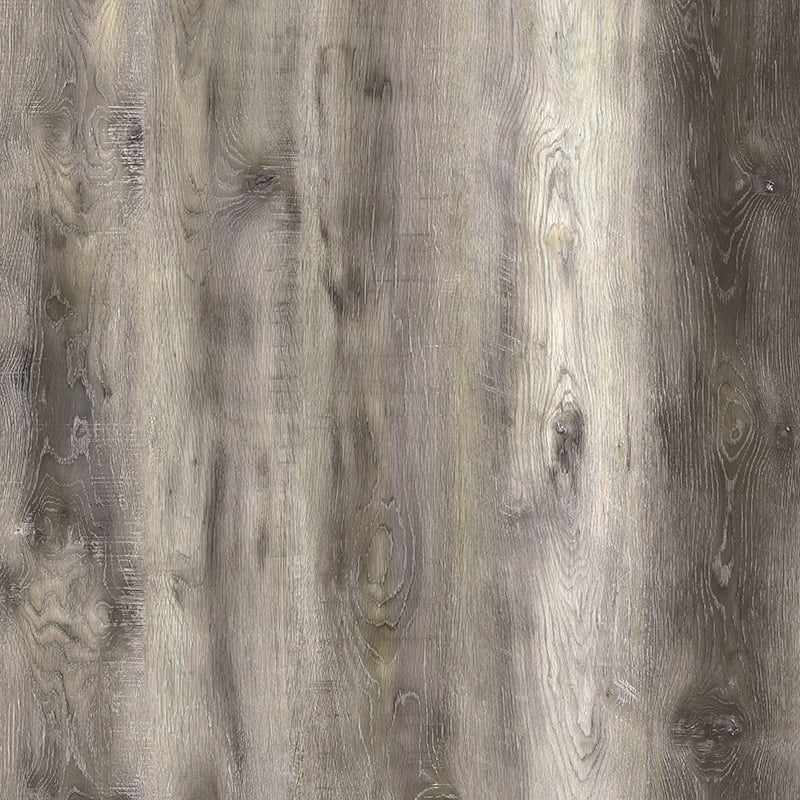
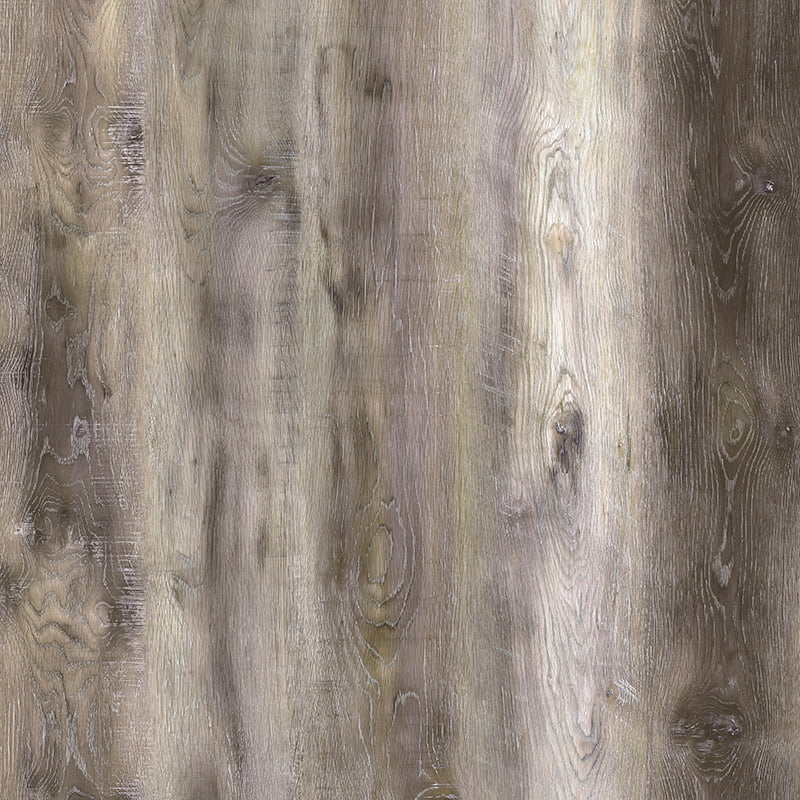
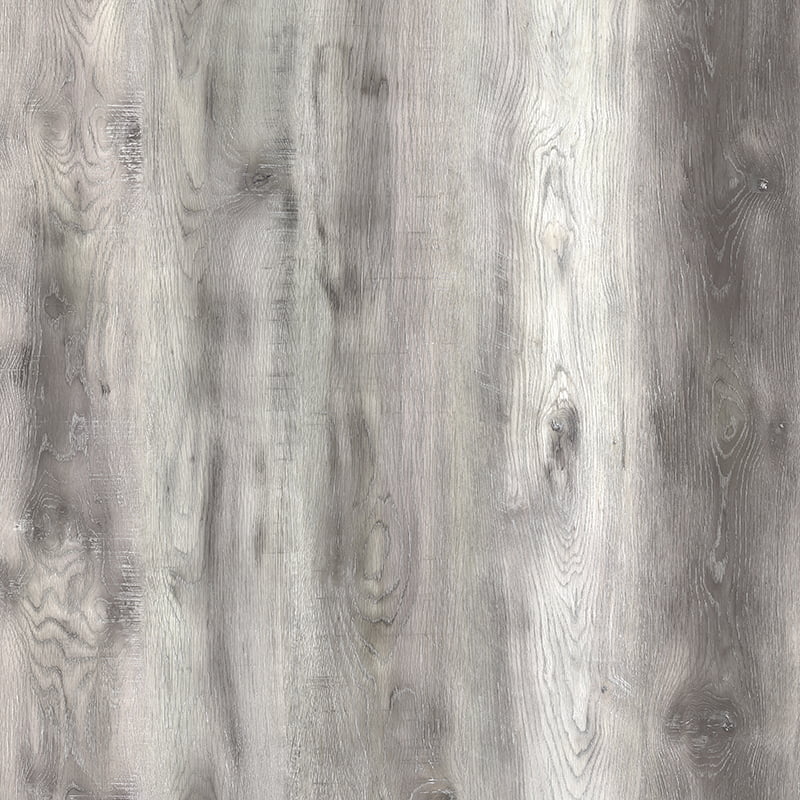
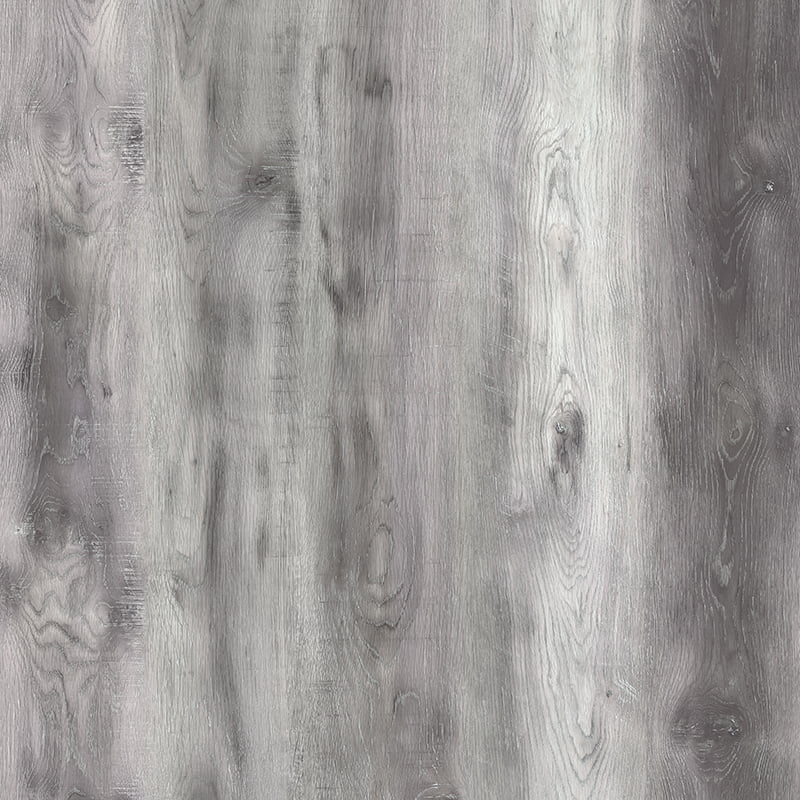
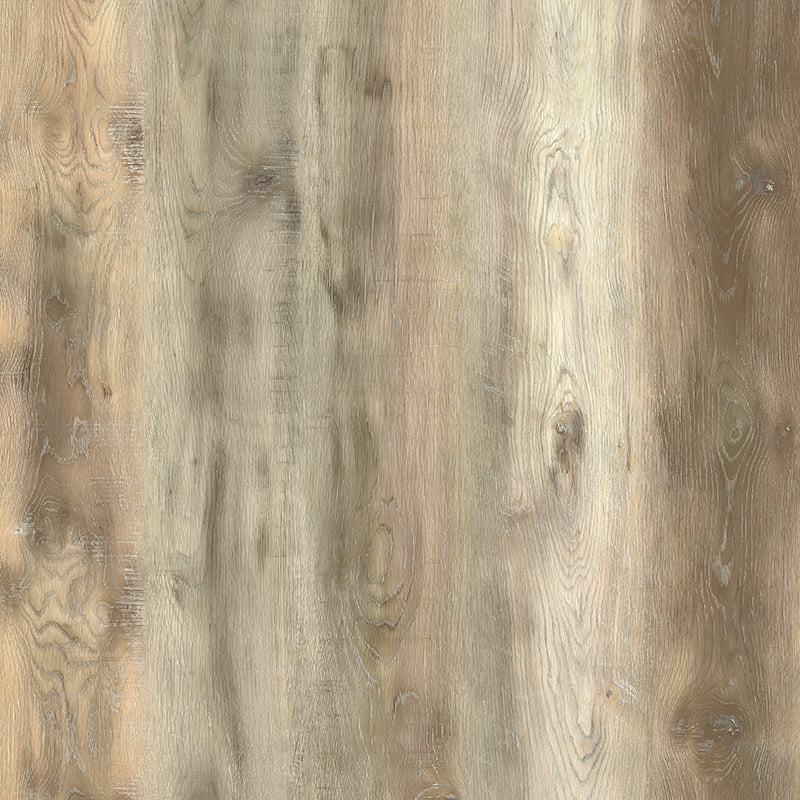
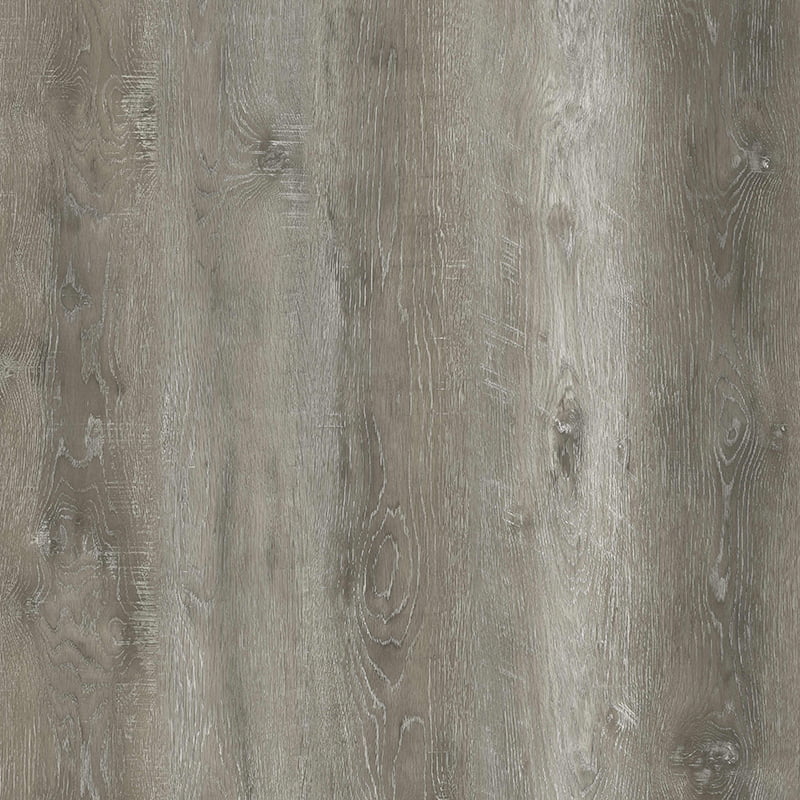
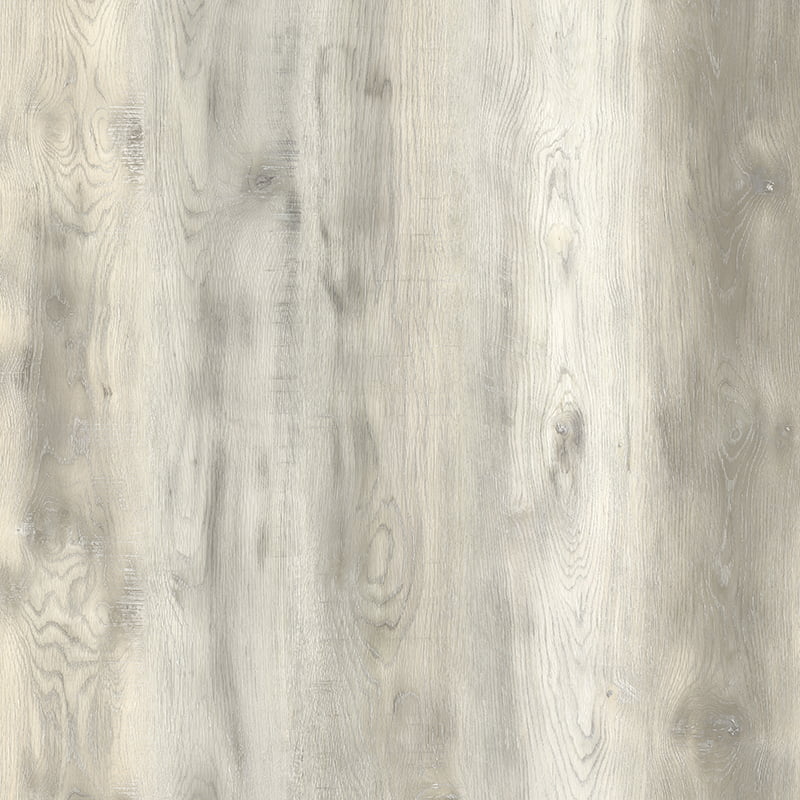
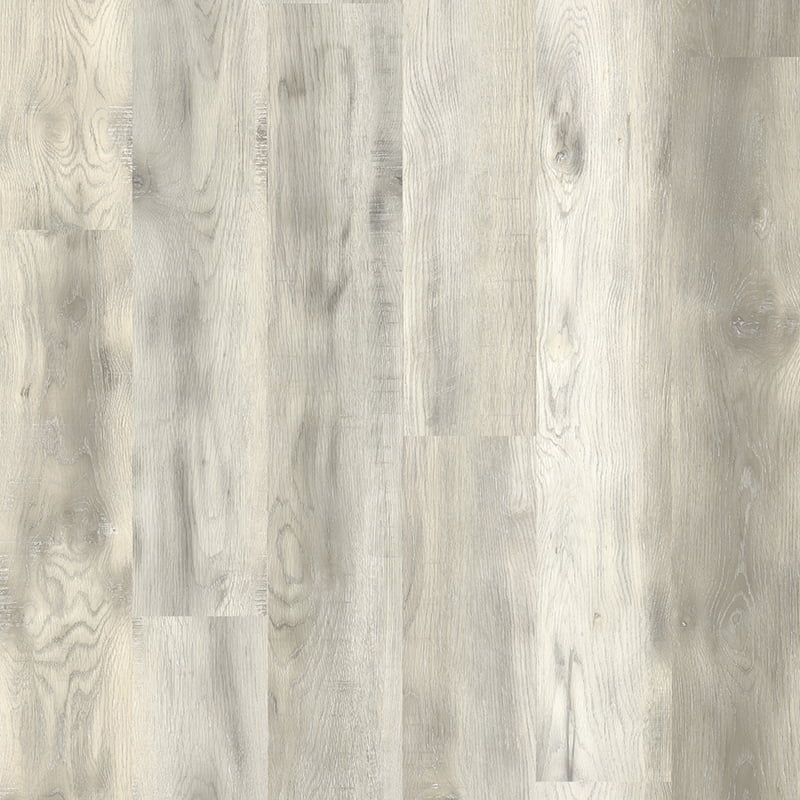
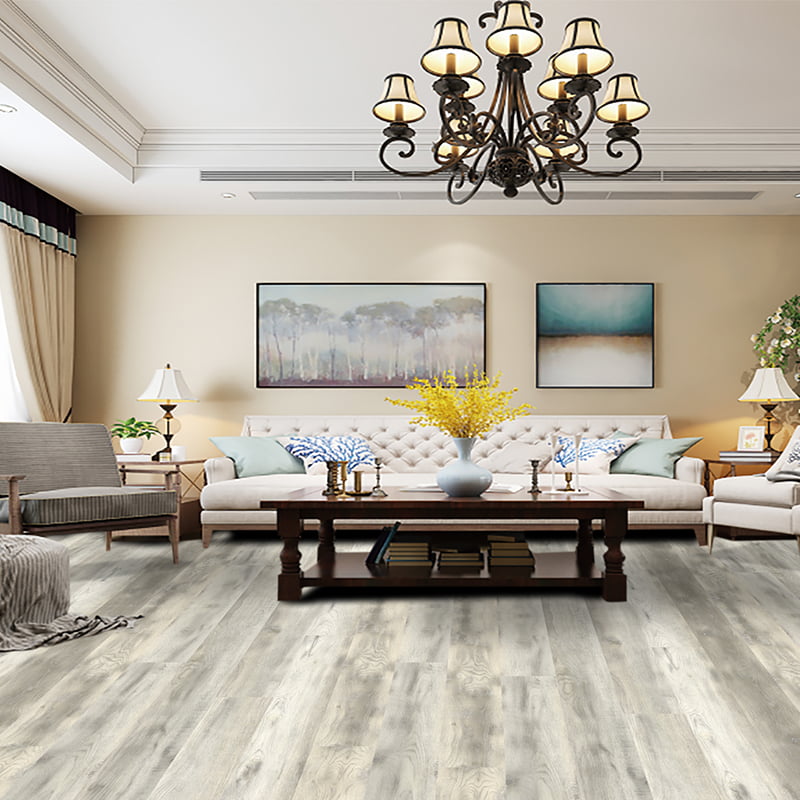
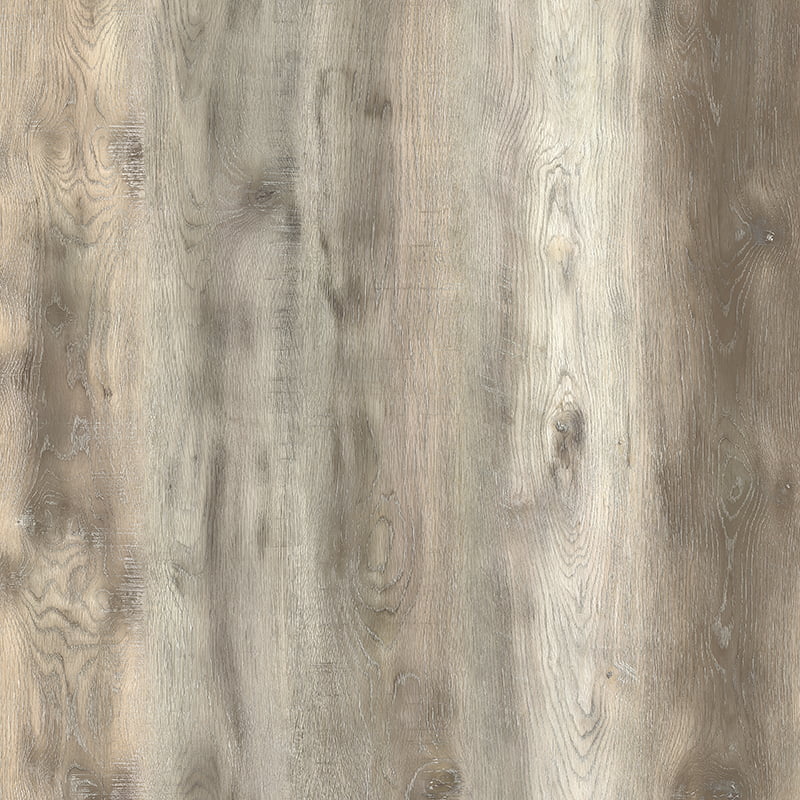
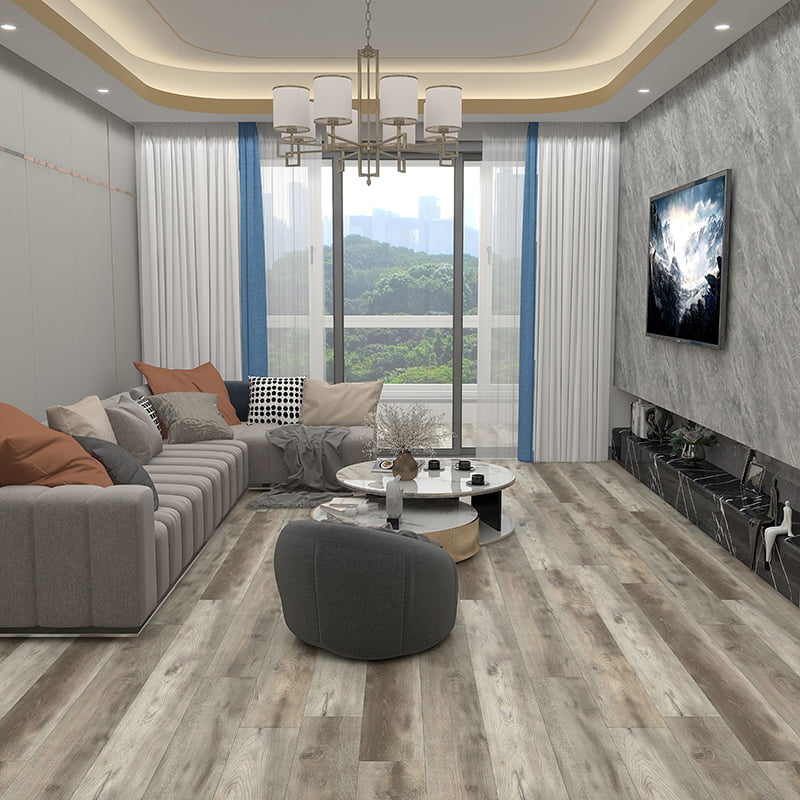
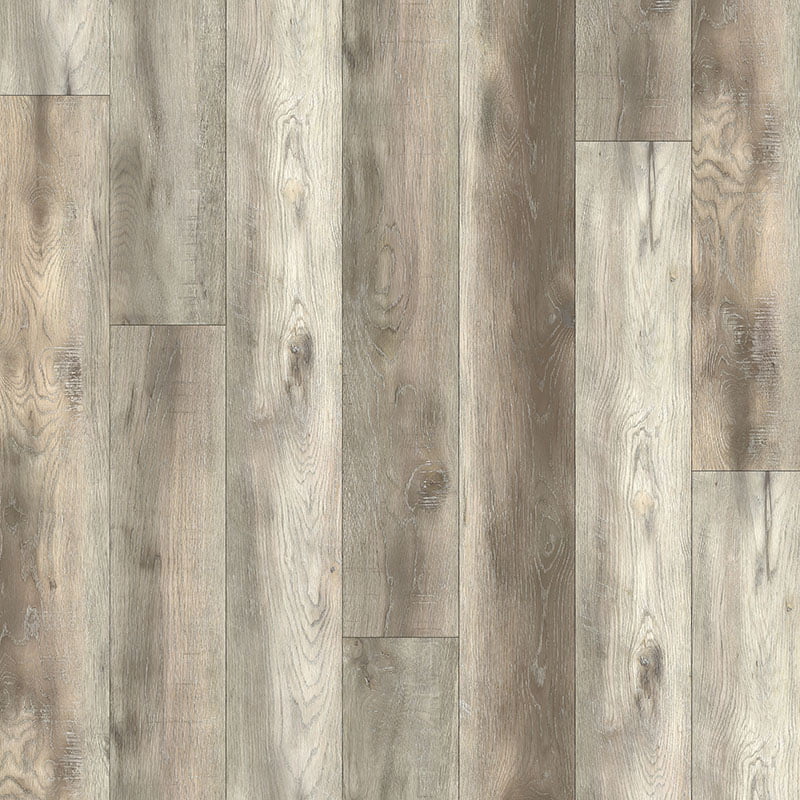
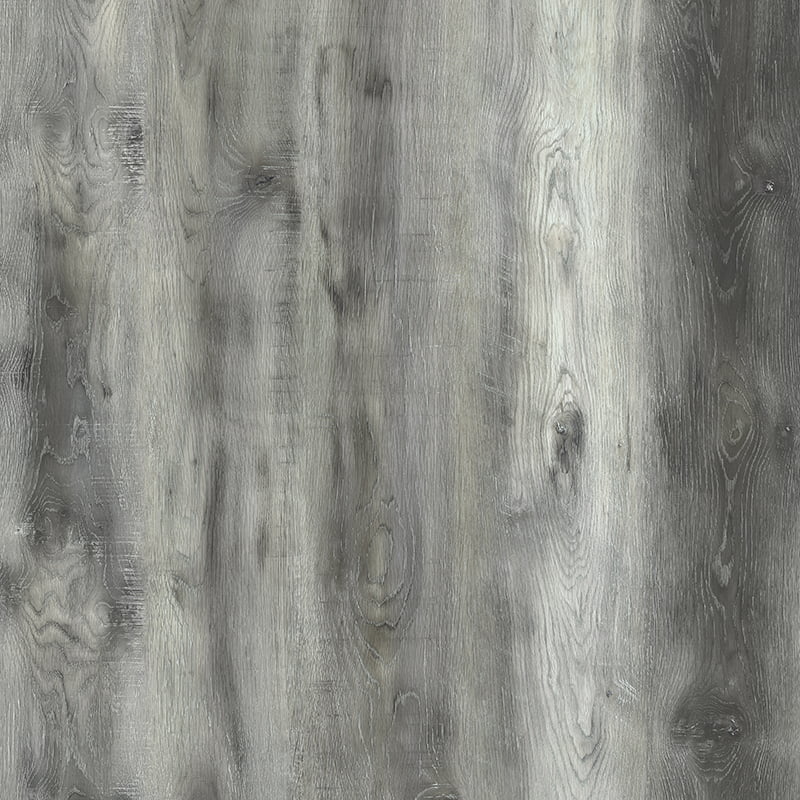
Model: YC822
Wood: Oak
Spec: 1000*1580mm
Single chip size: 7.25*60"
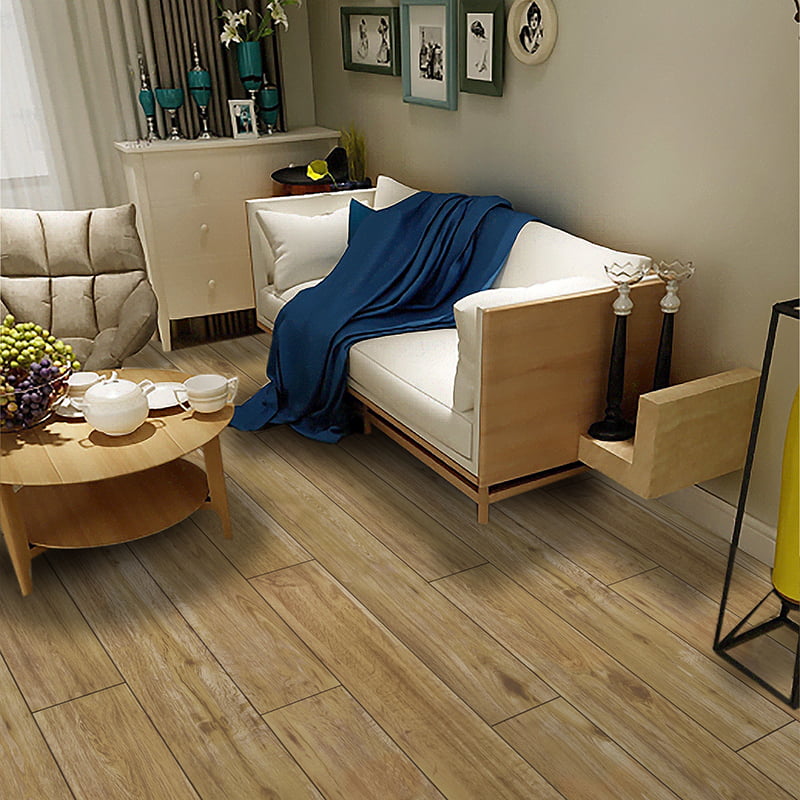
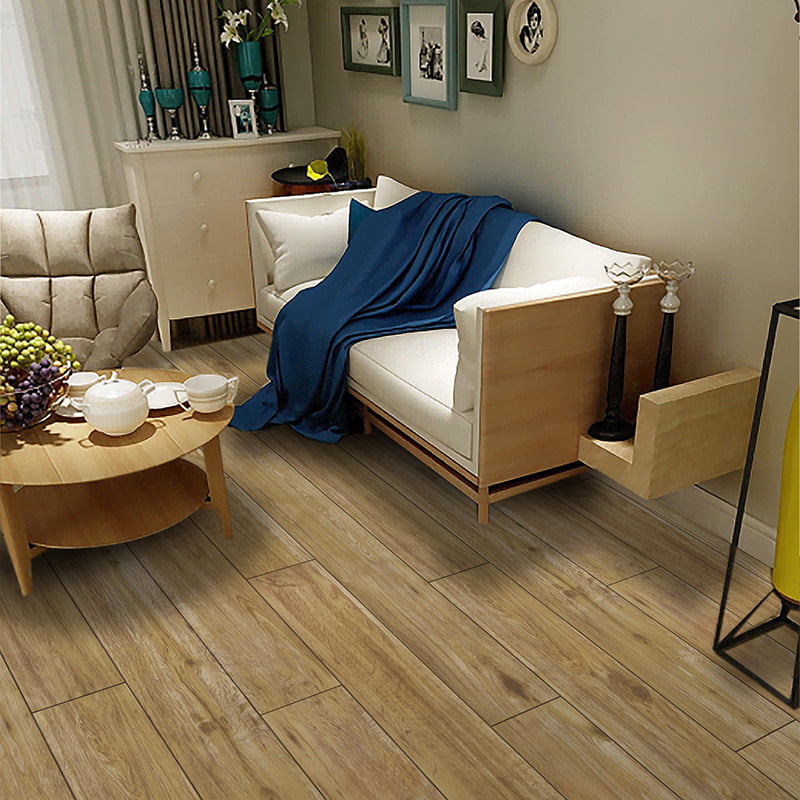
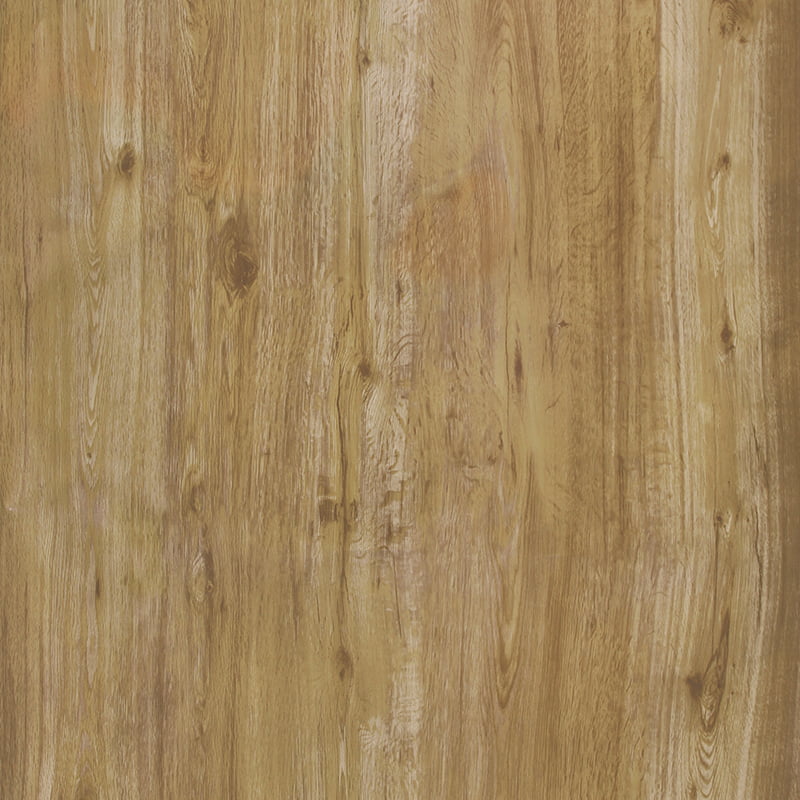
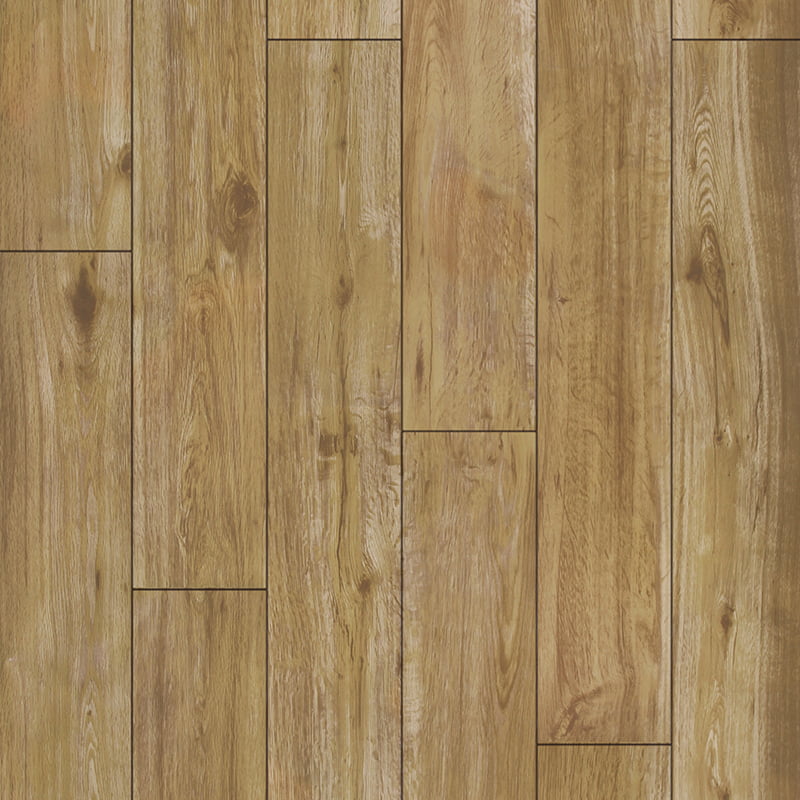
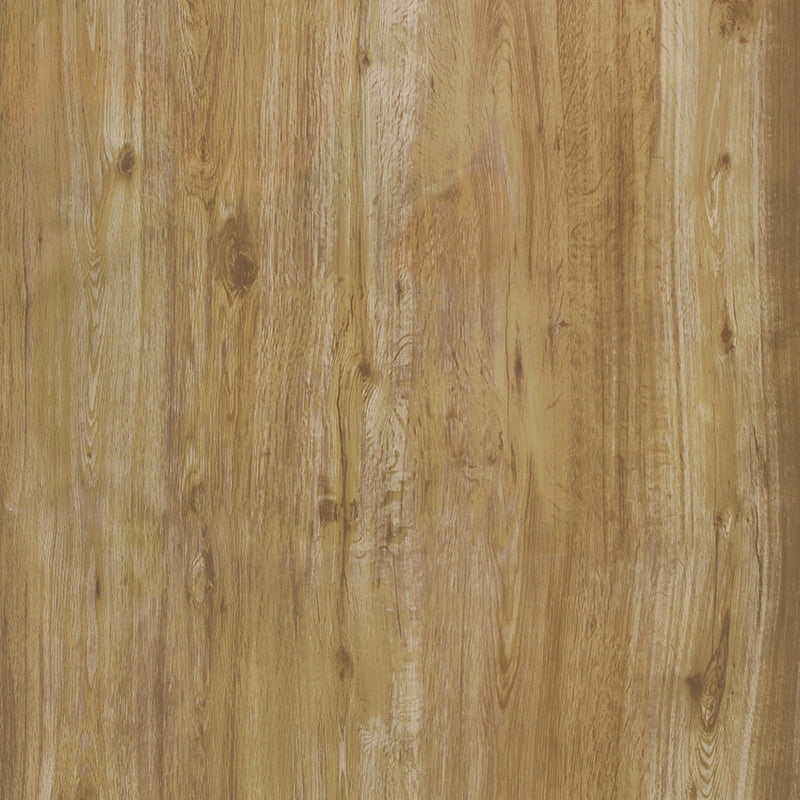
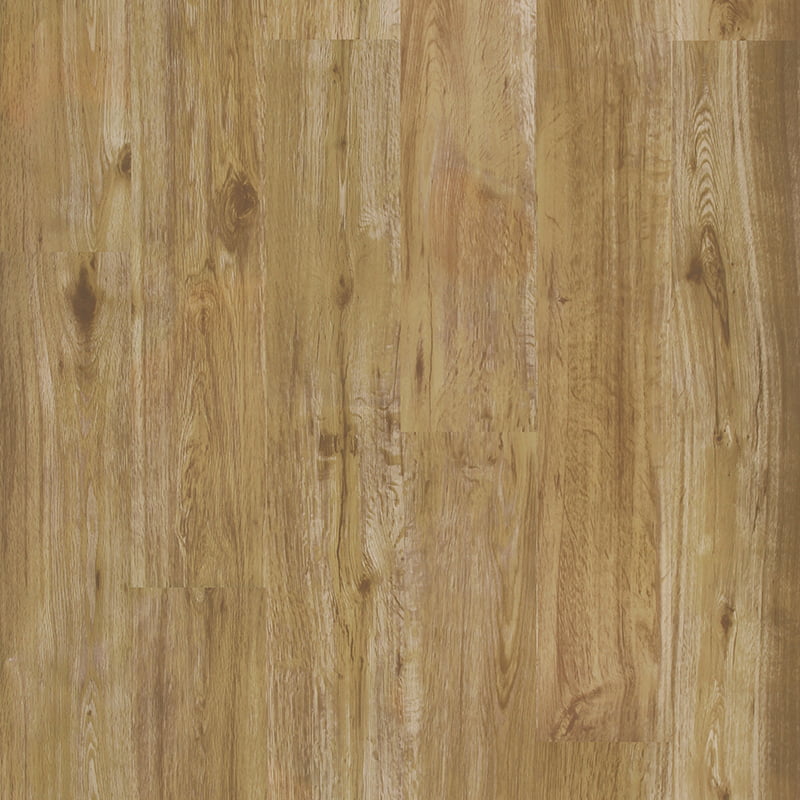
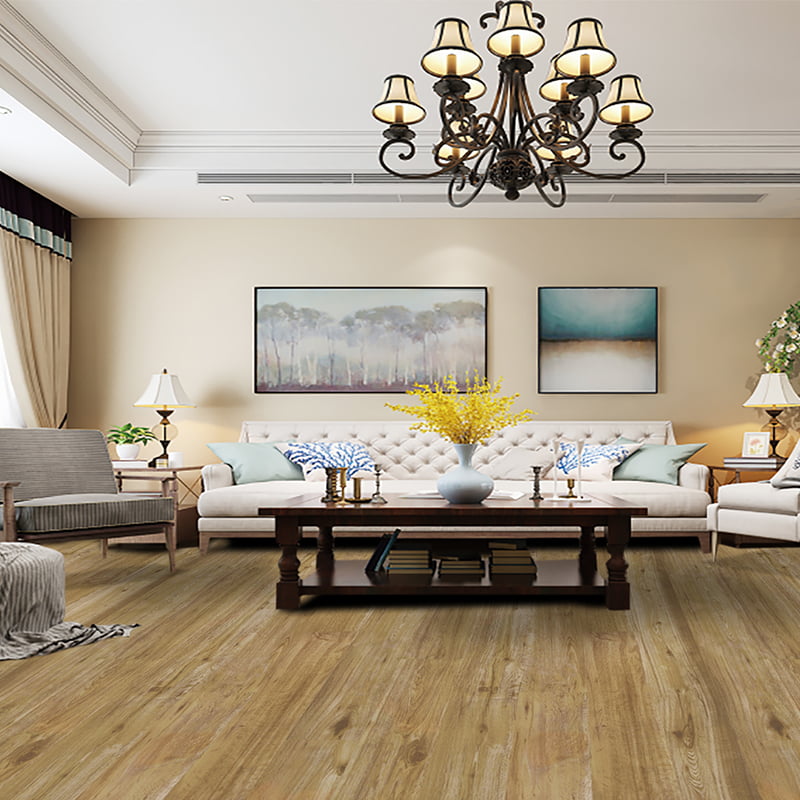
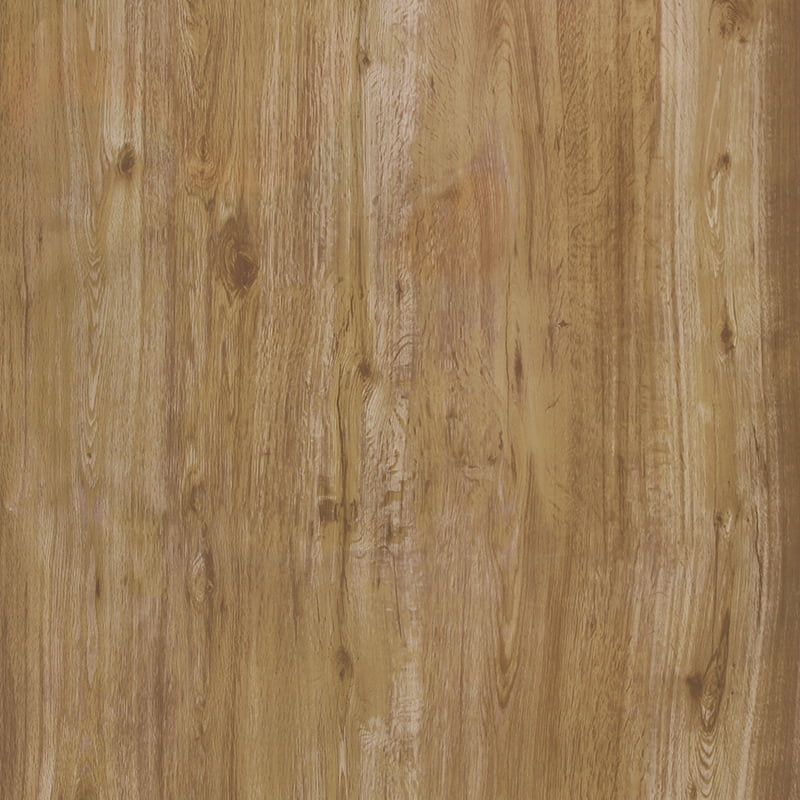
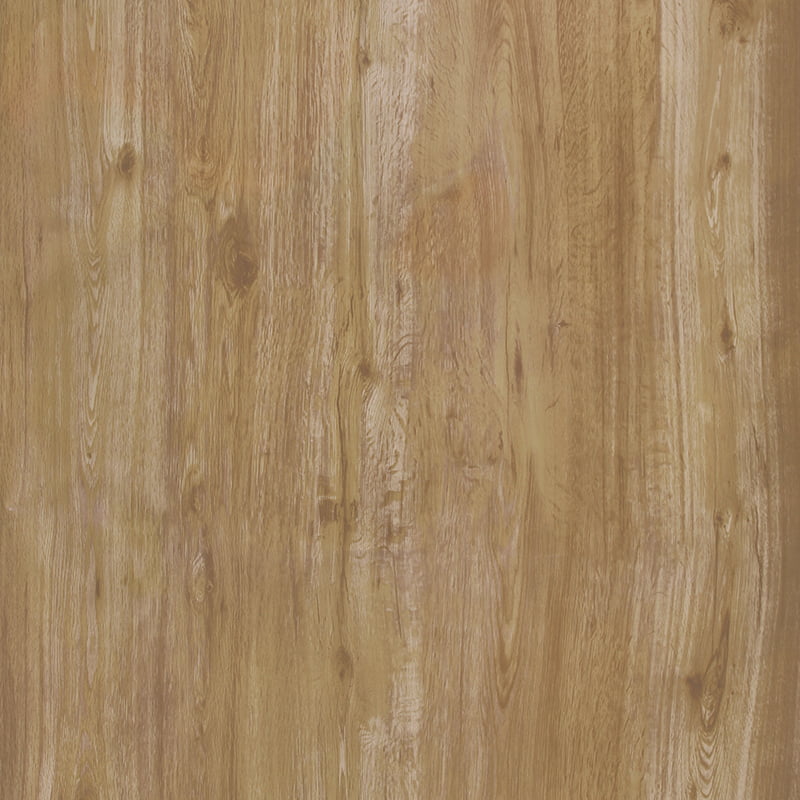
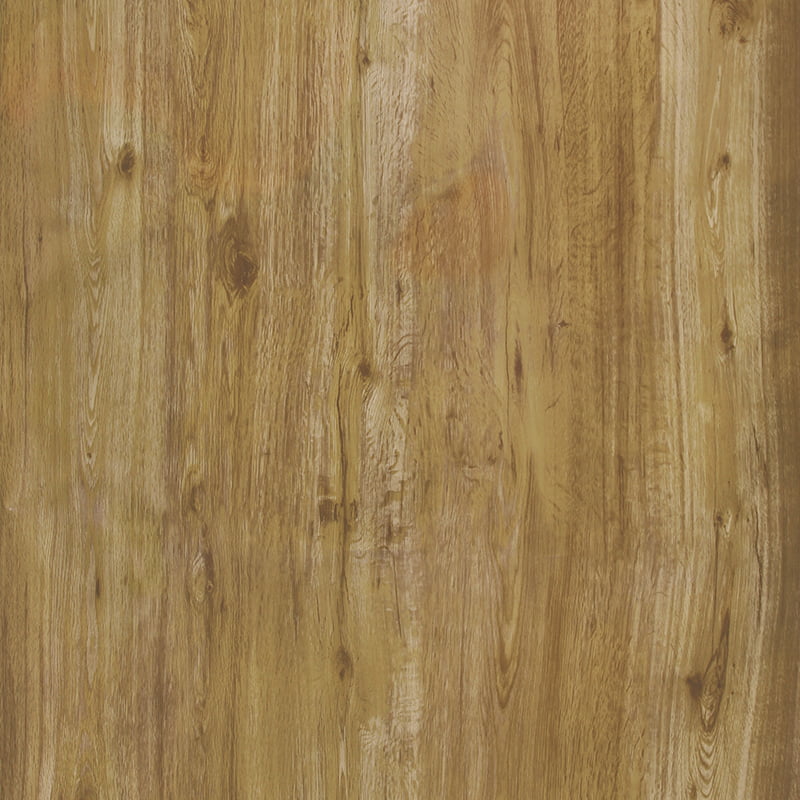
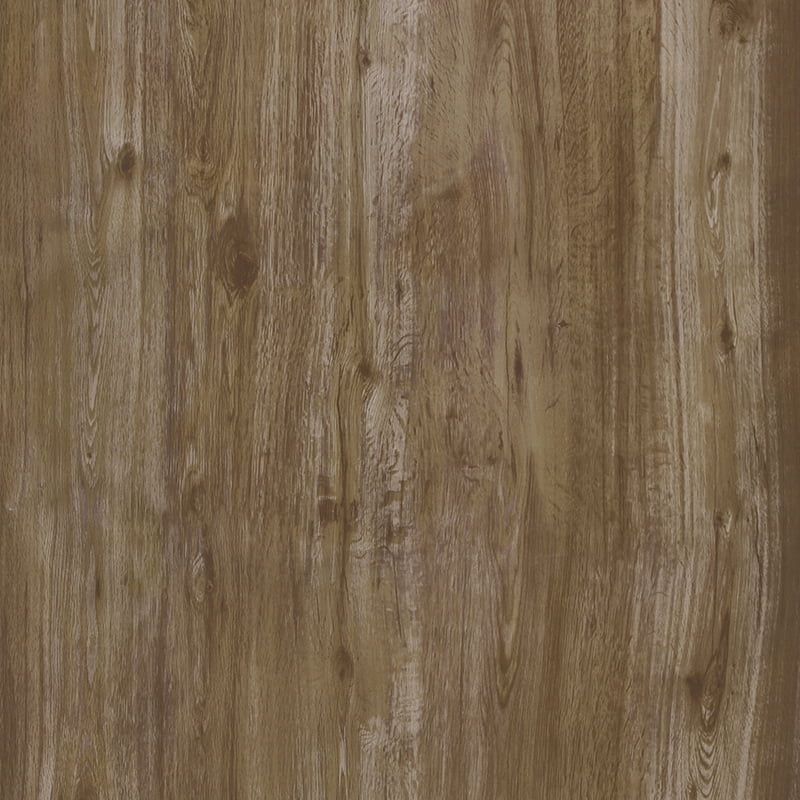
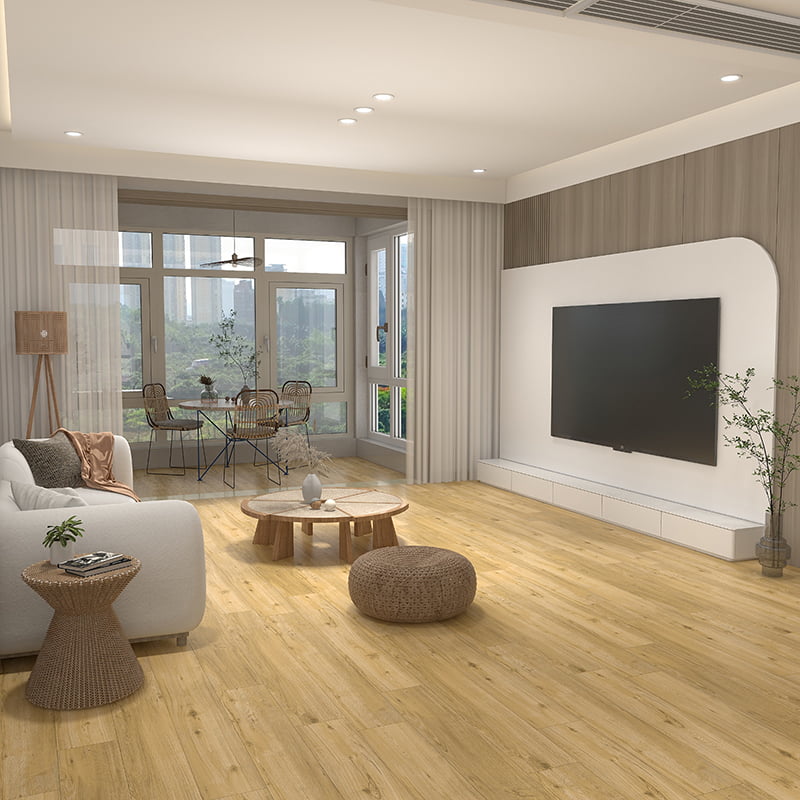
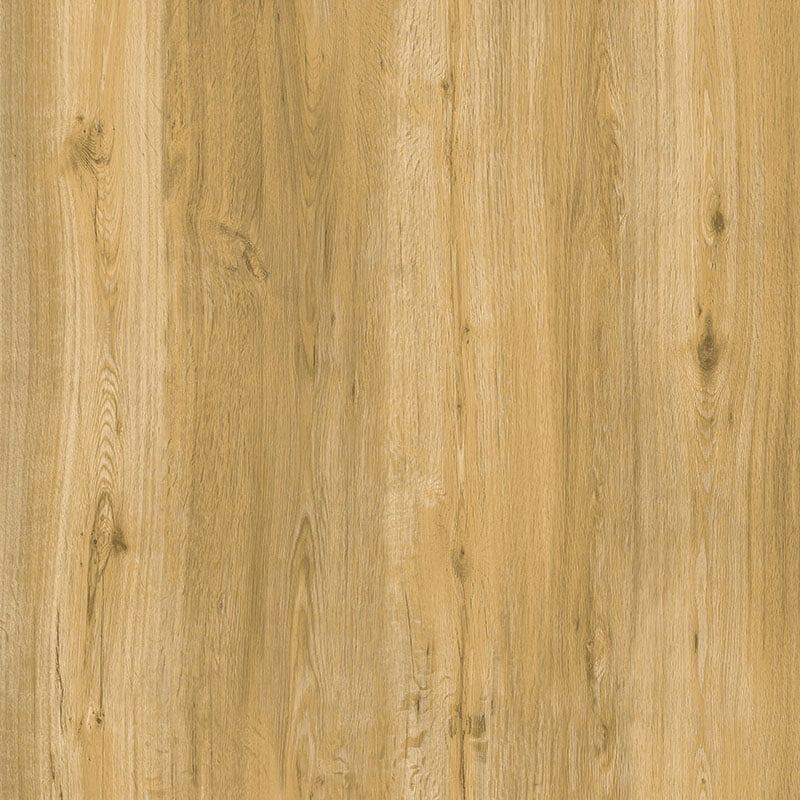
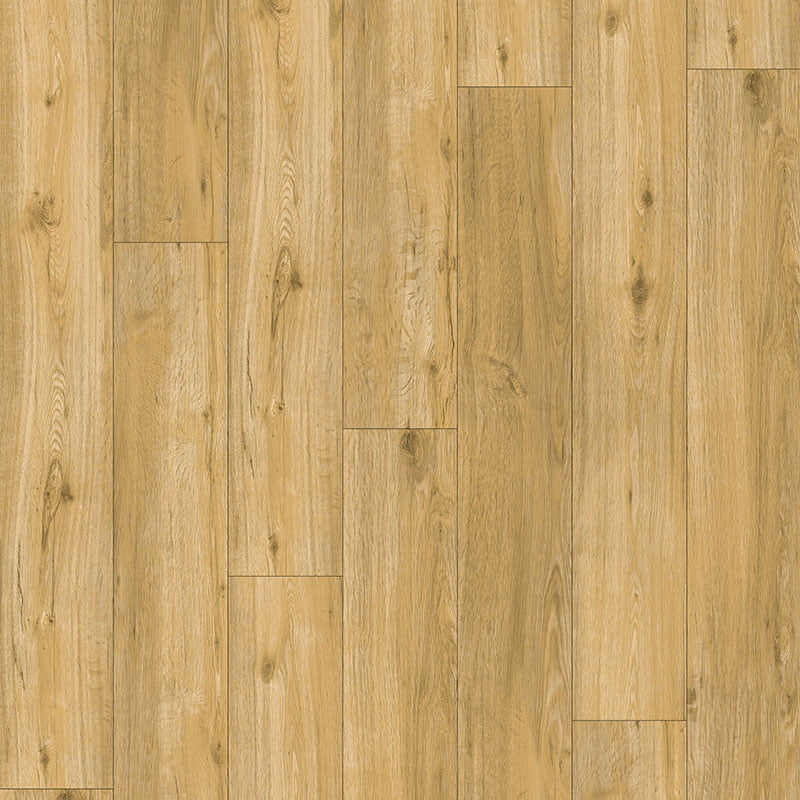
Model: YC826
Wood: Oak
Spec: 1000*1270mm
Single chip size: 7.25*48"
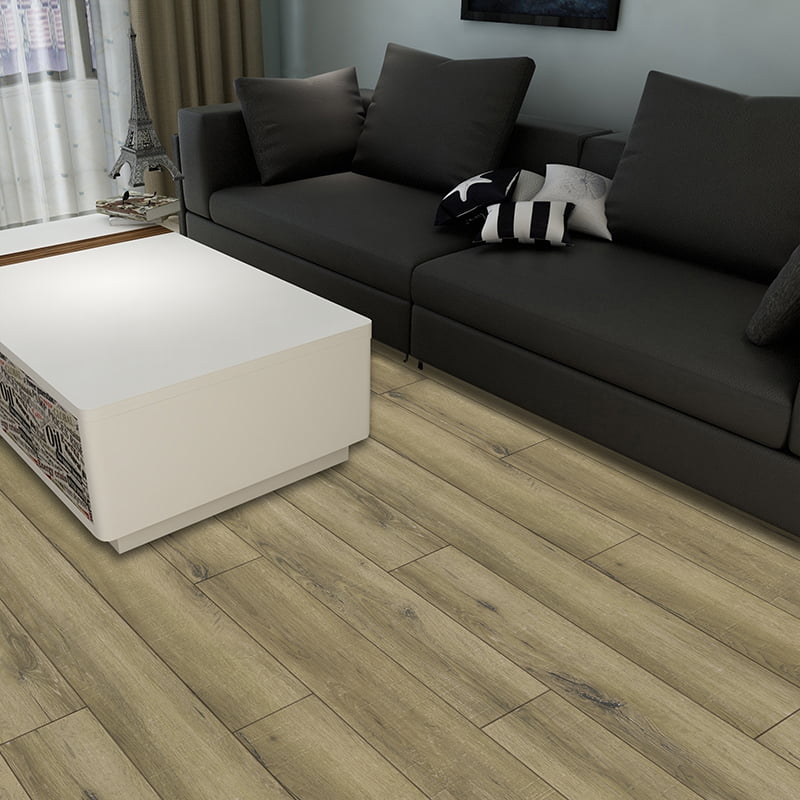
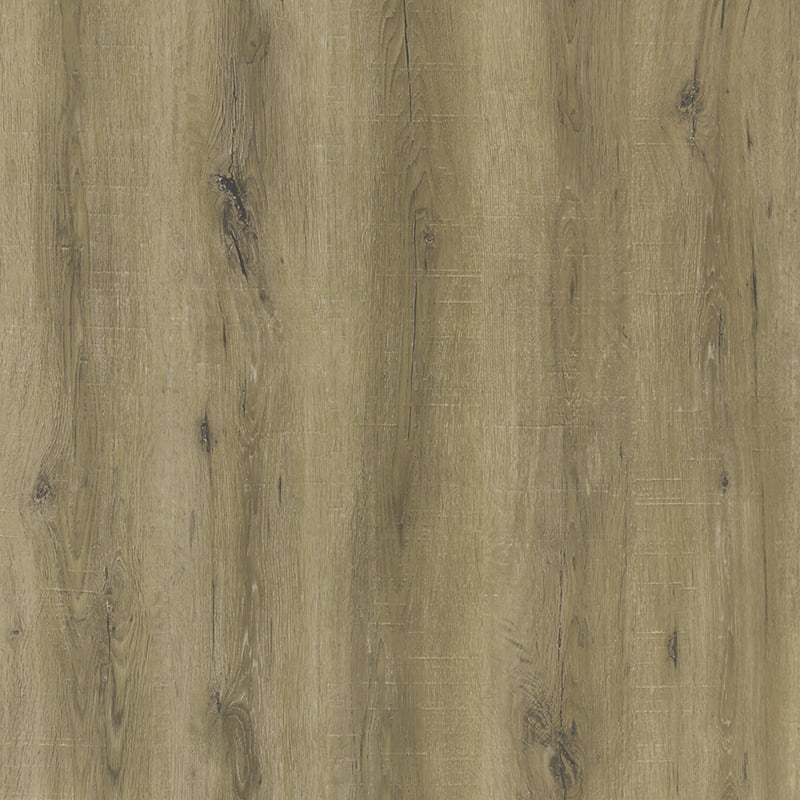
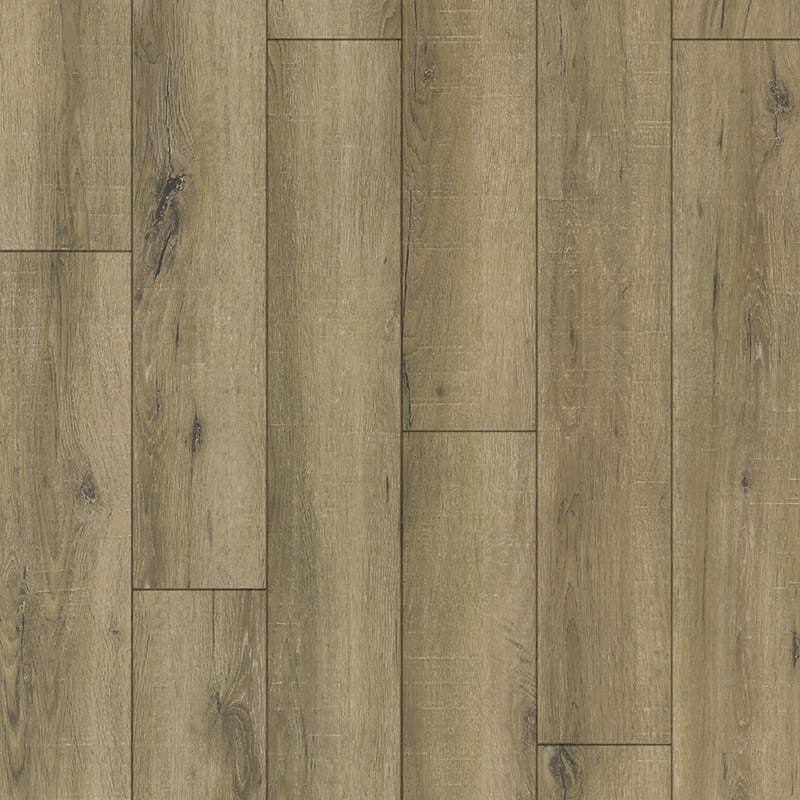
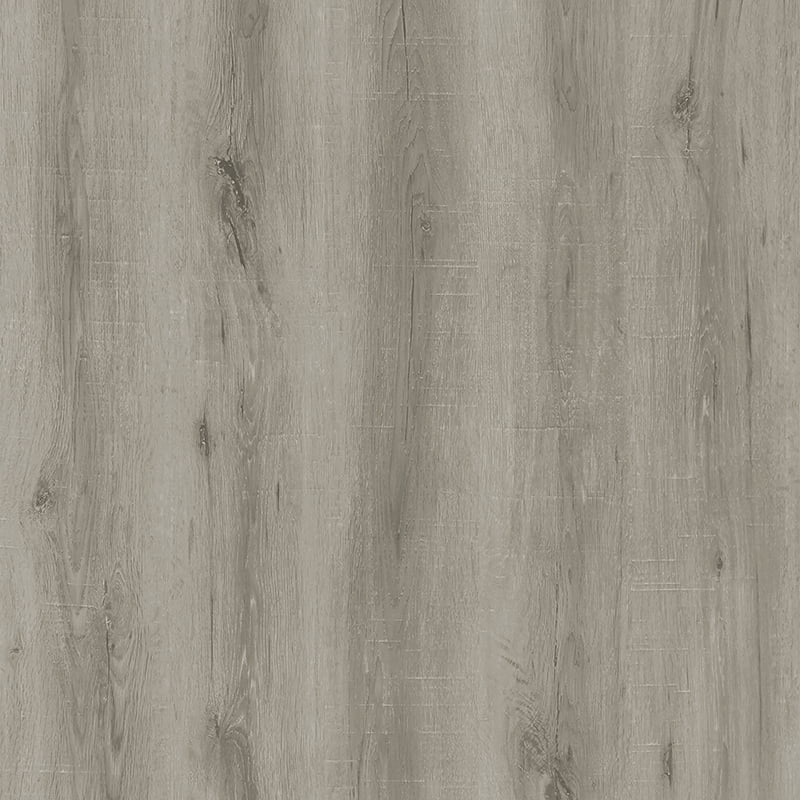
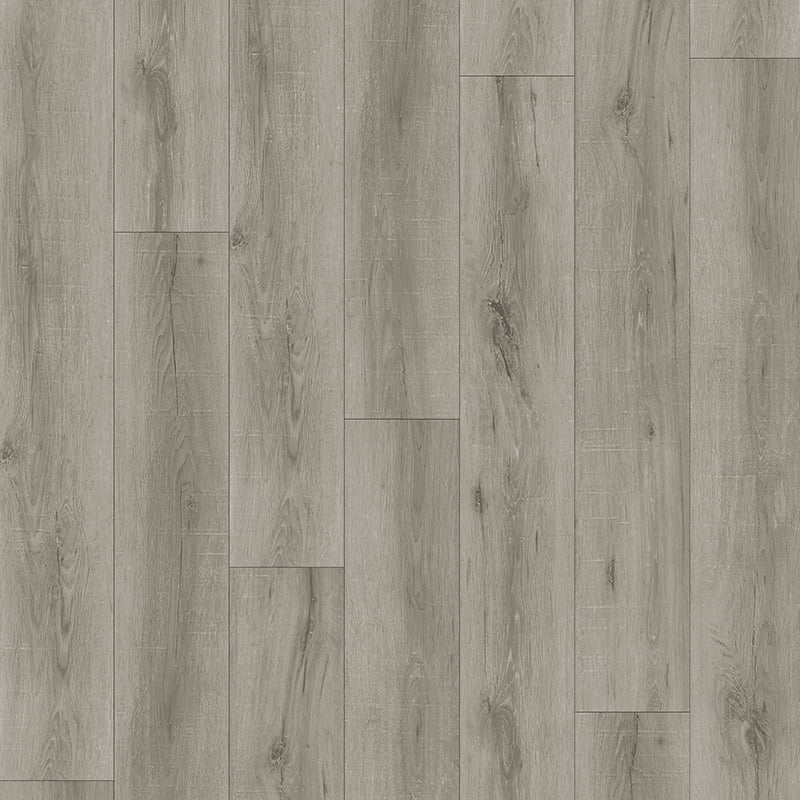
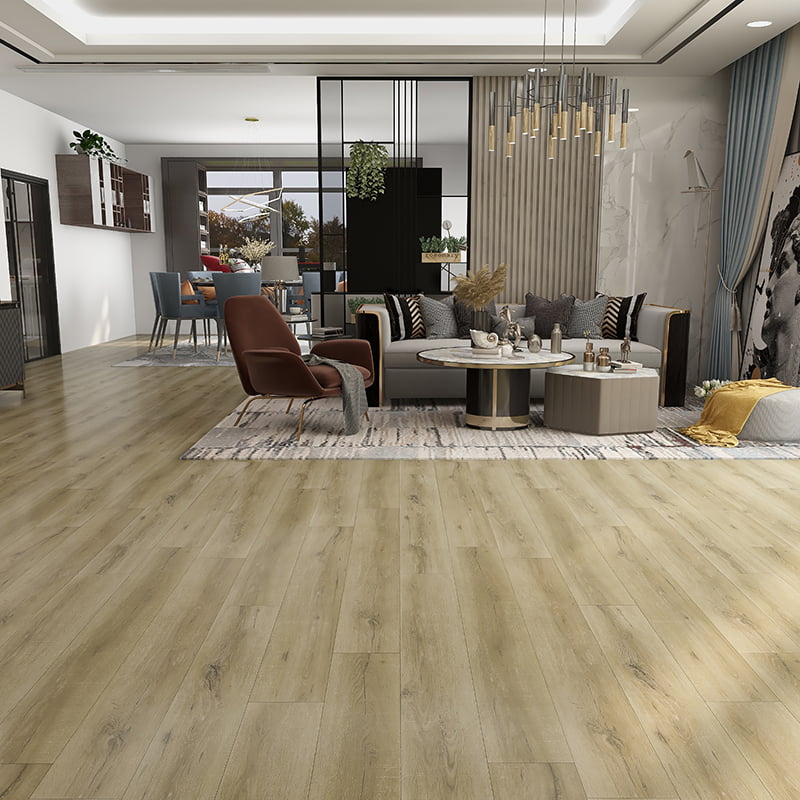
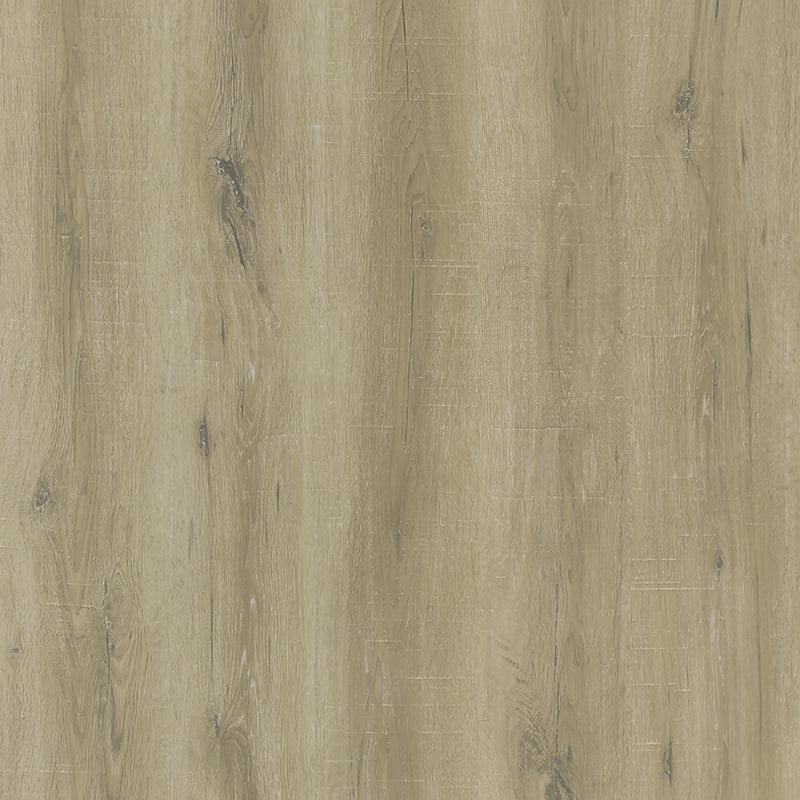
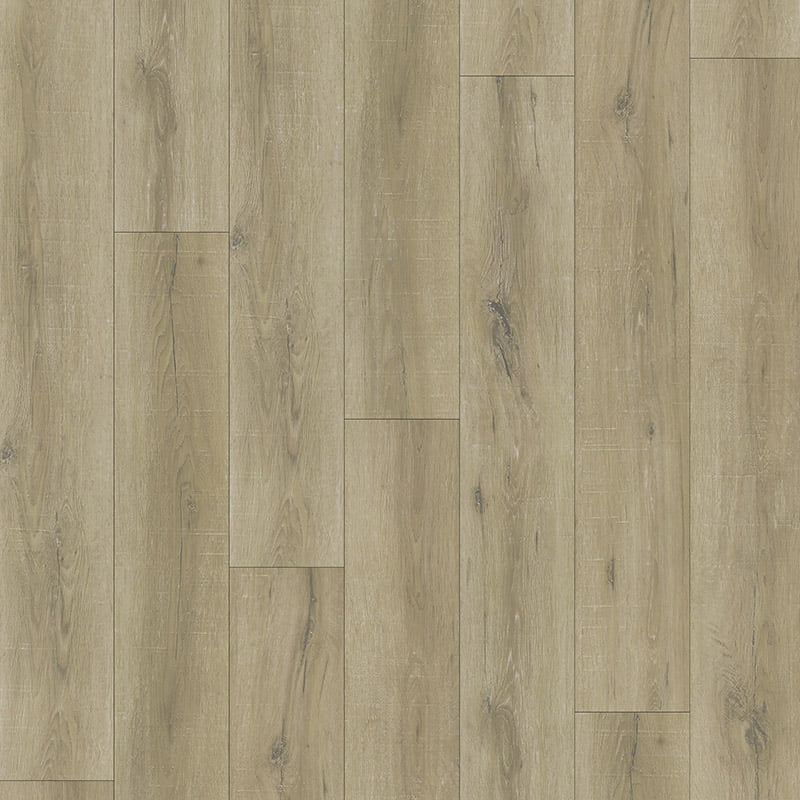
Model: YC827
Wood: Oak
Spec: 1000*1270mm
Single chip size: 7.25*48"
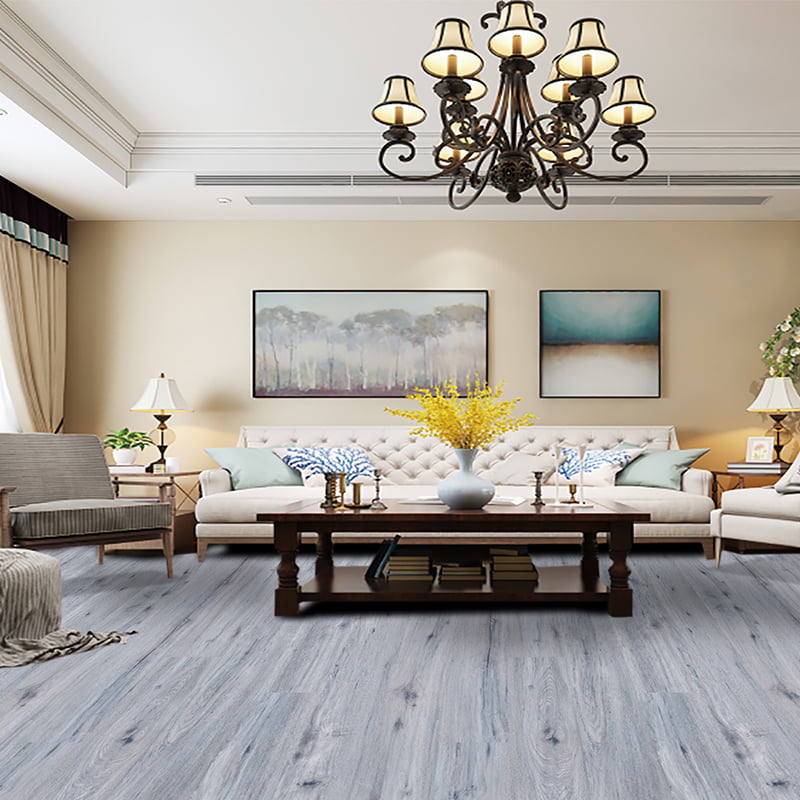
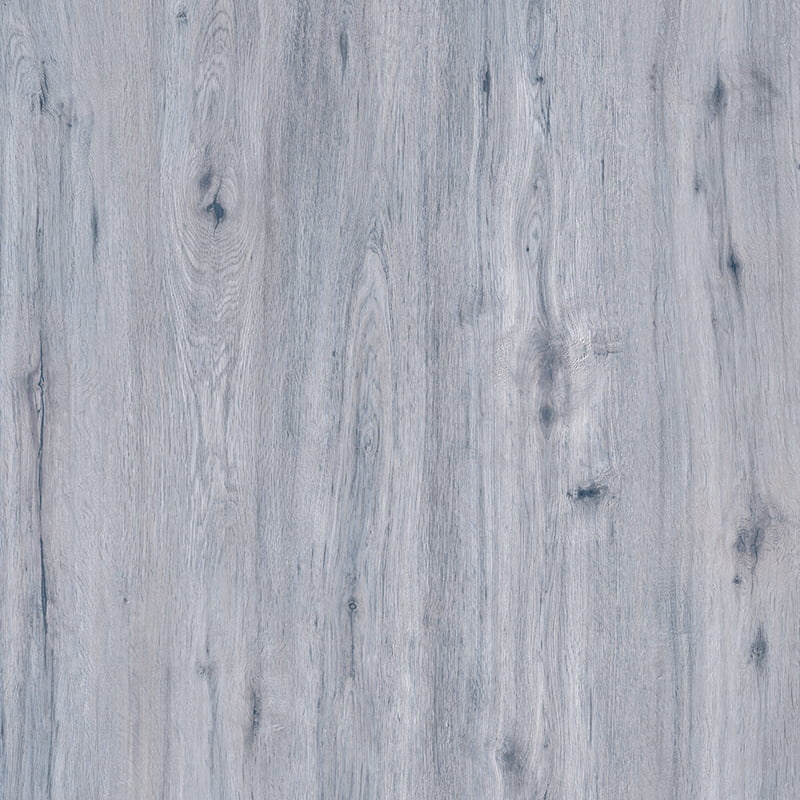
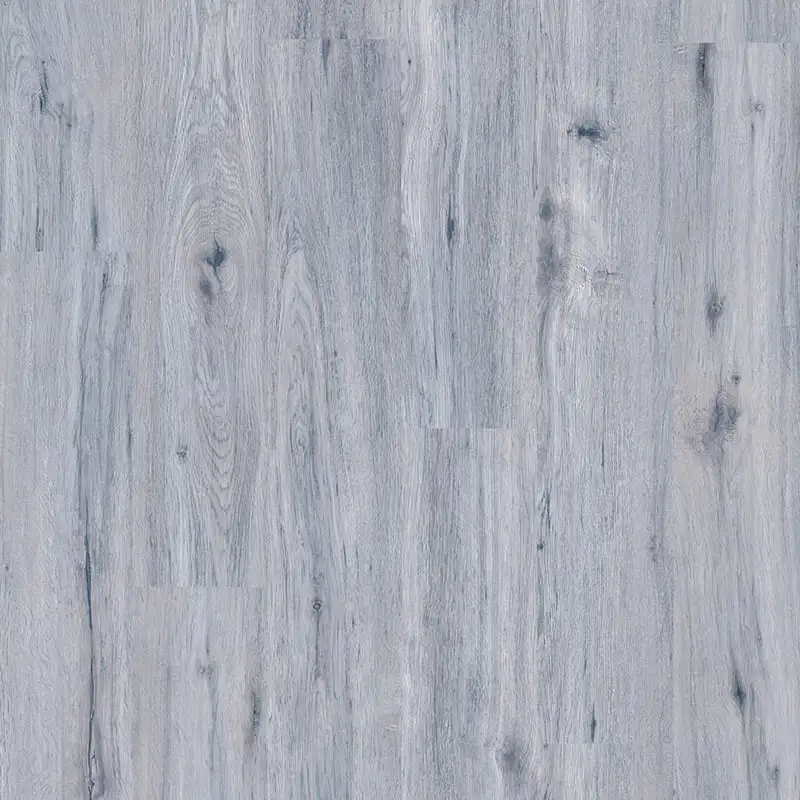
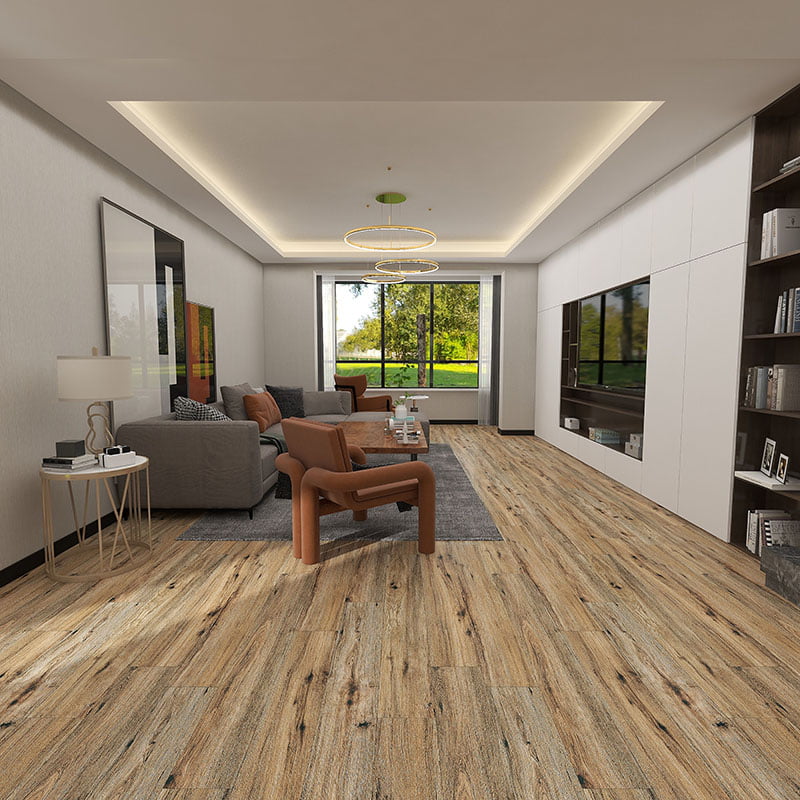
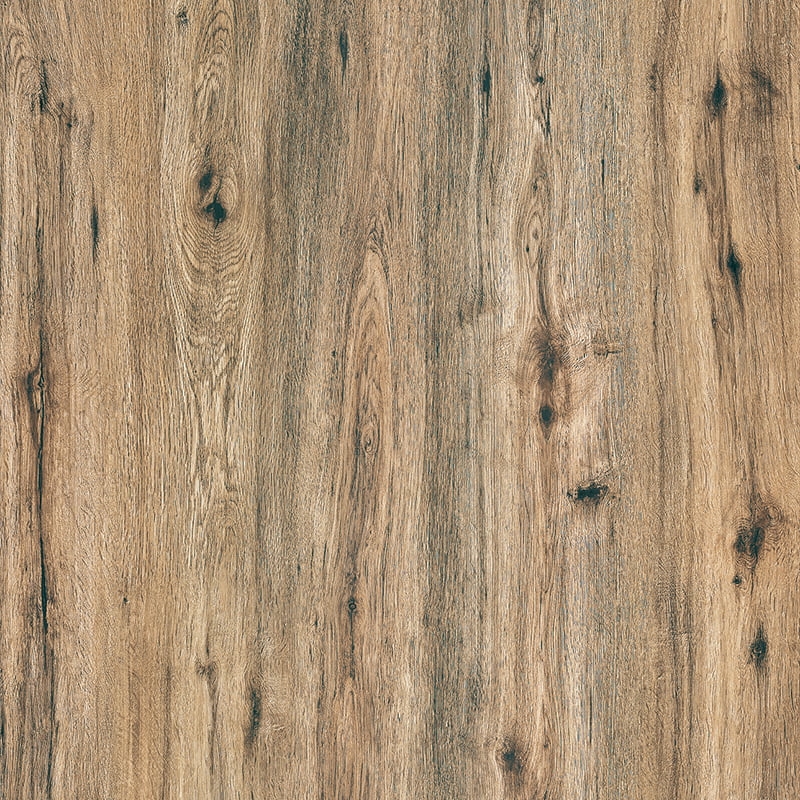
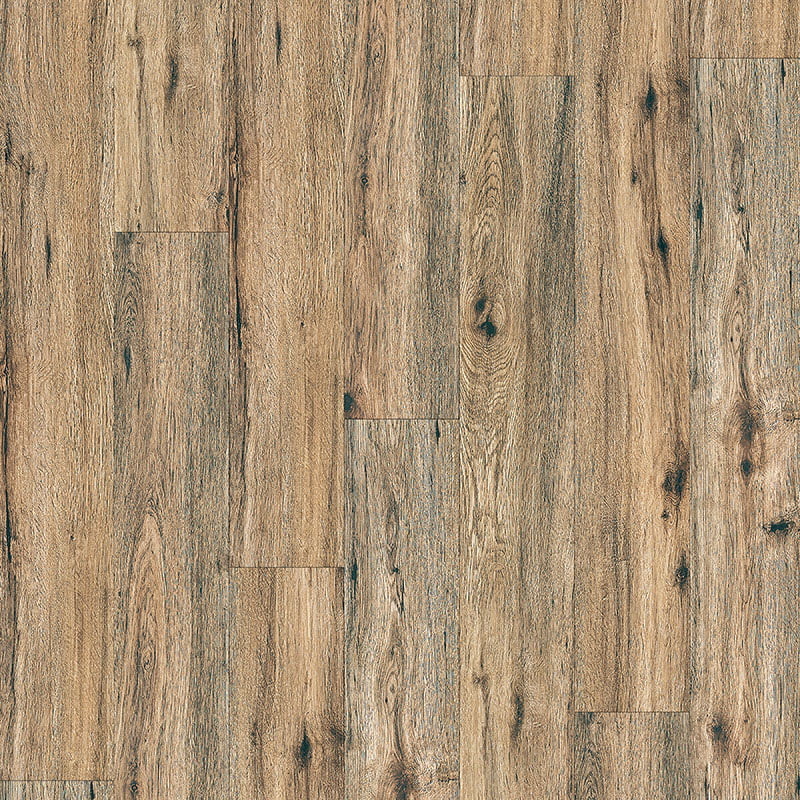
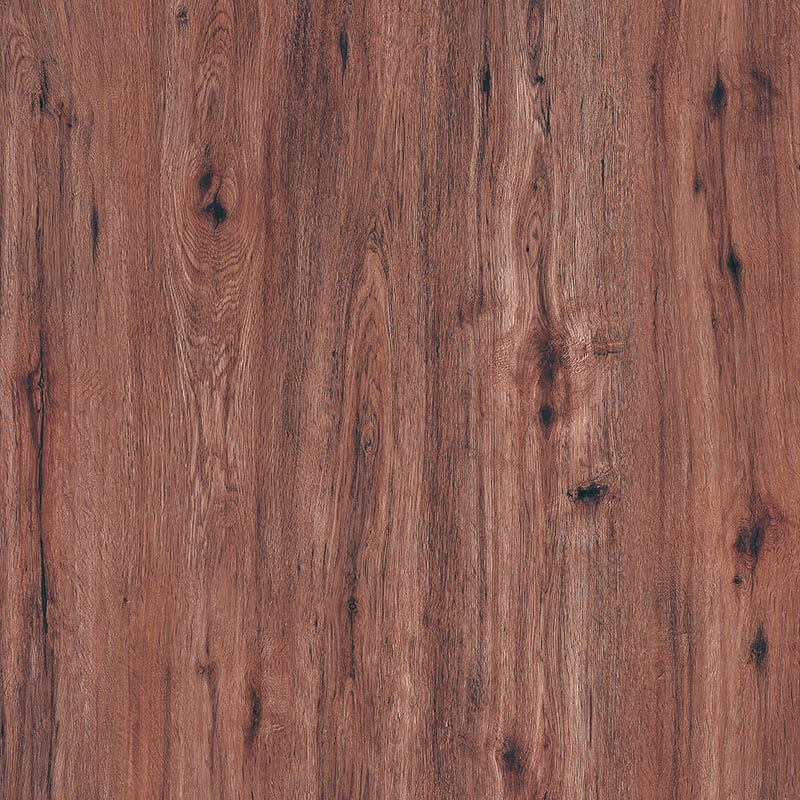
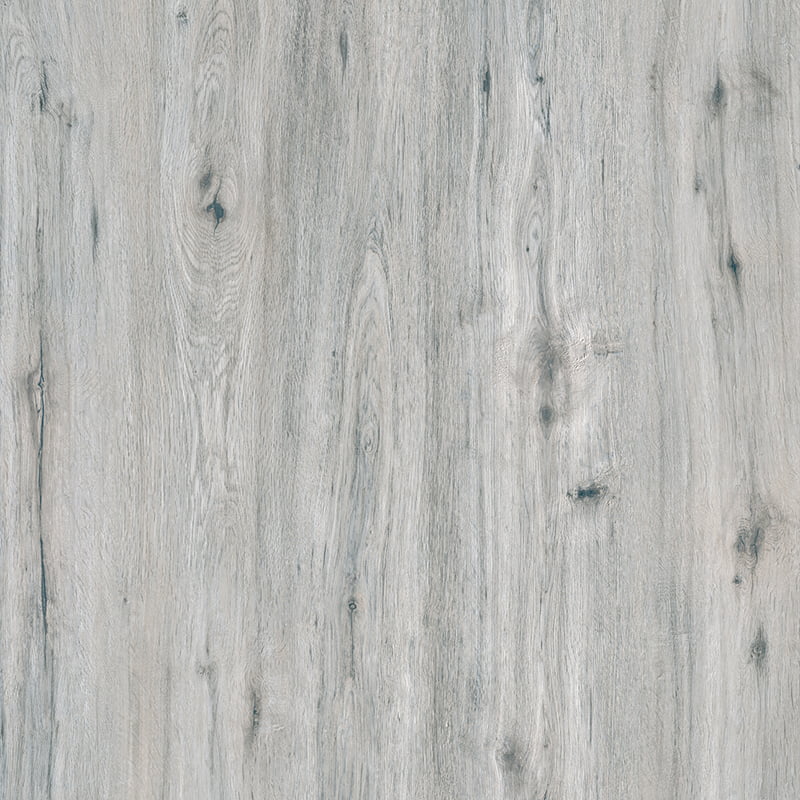
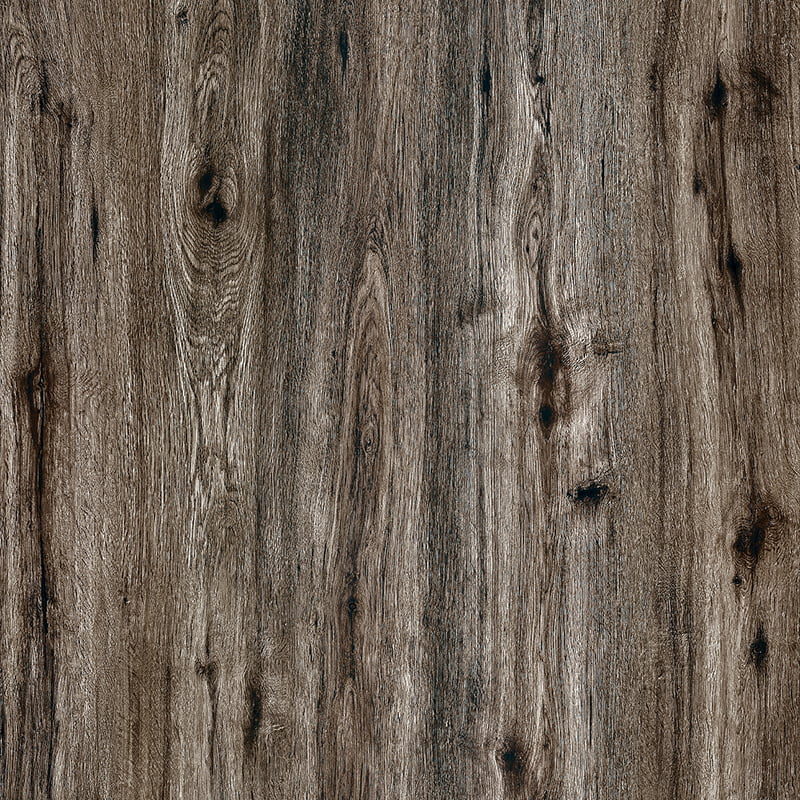
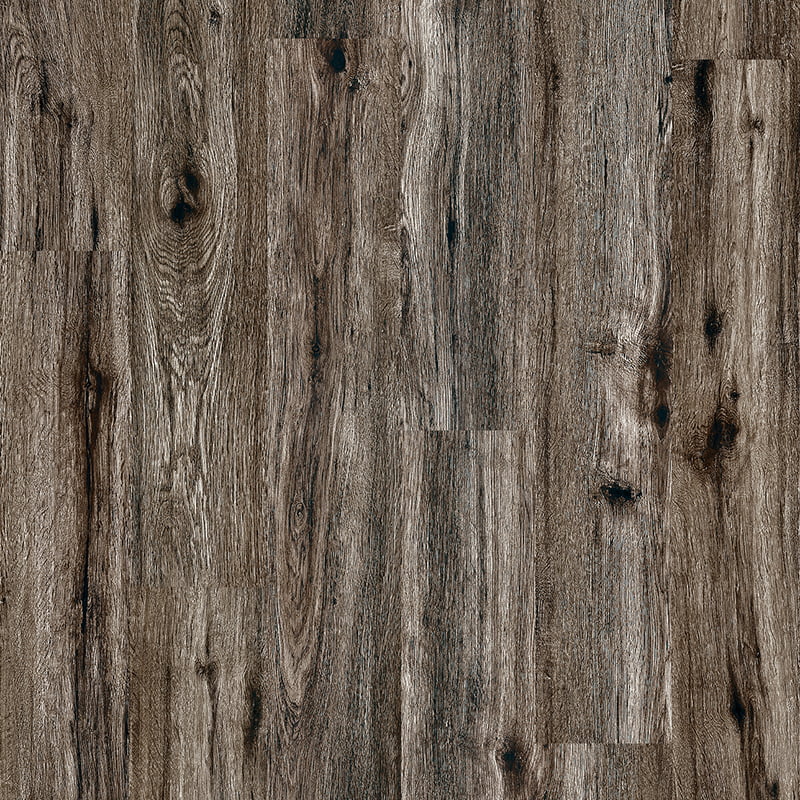
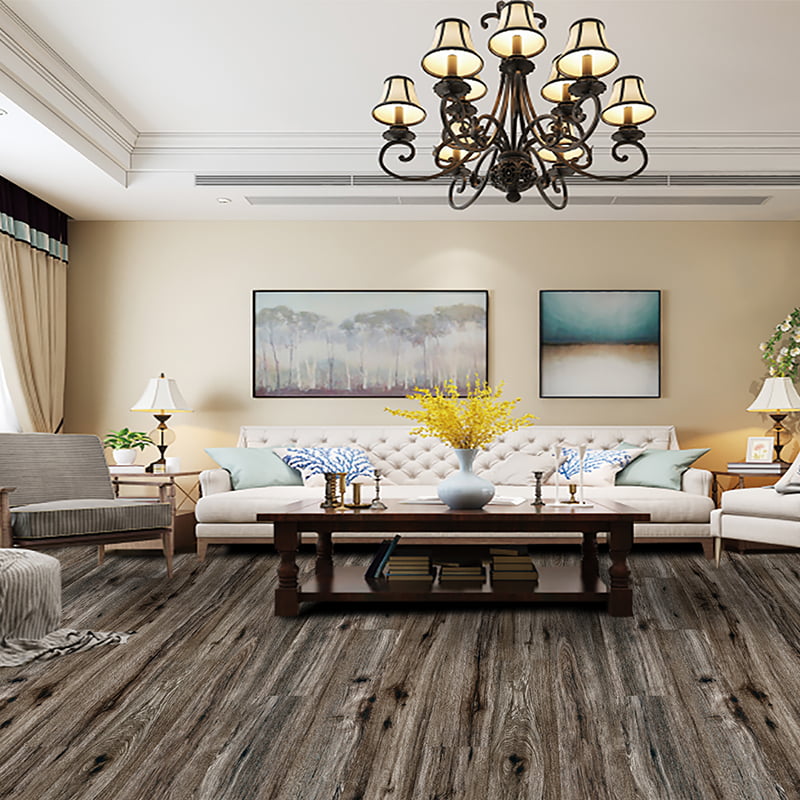
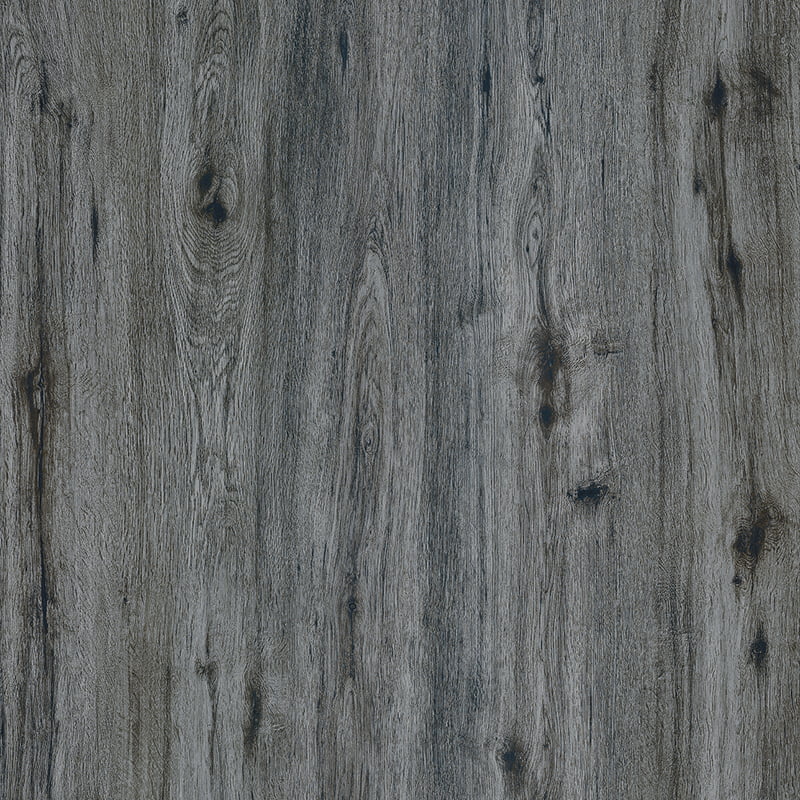
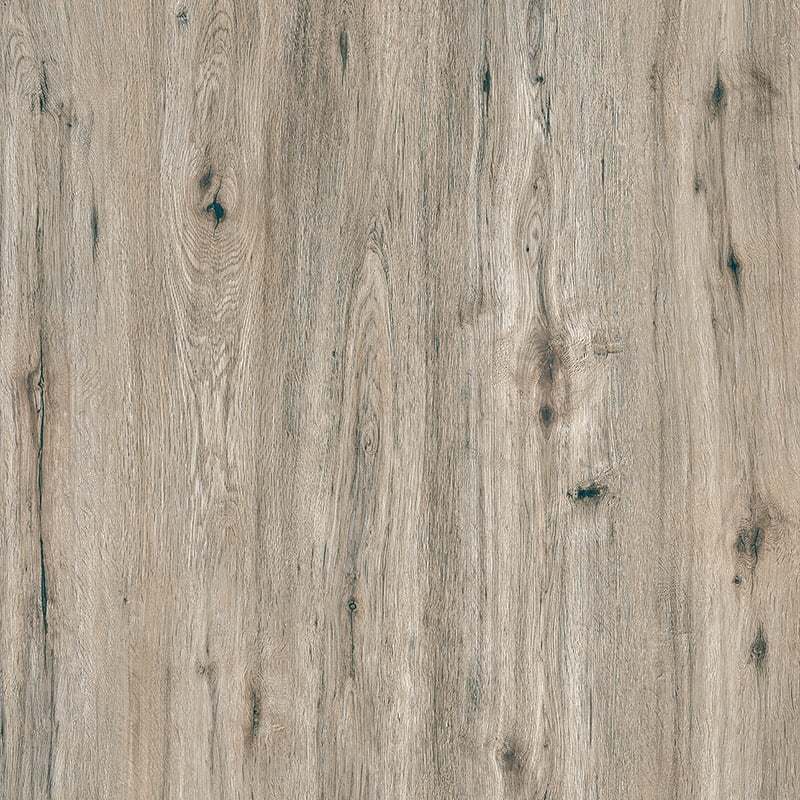
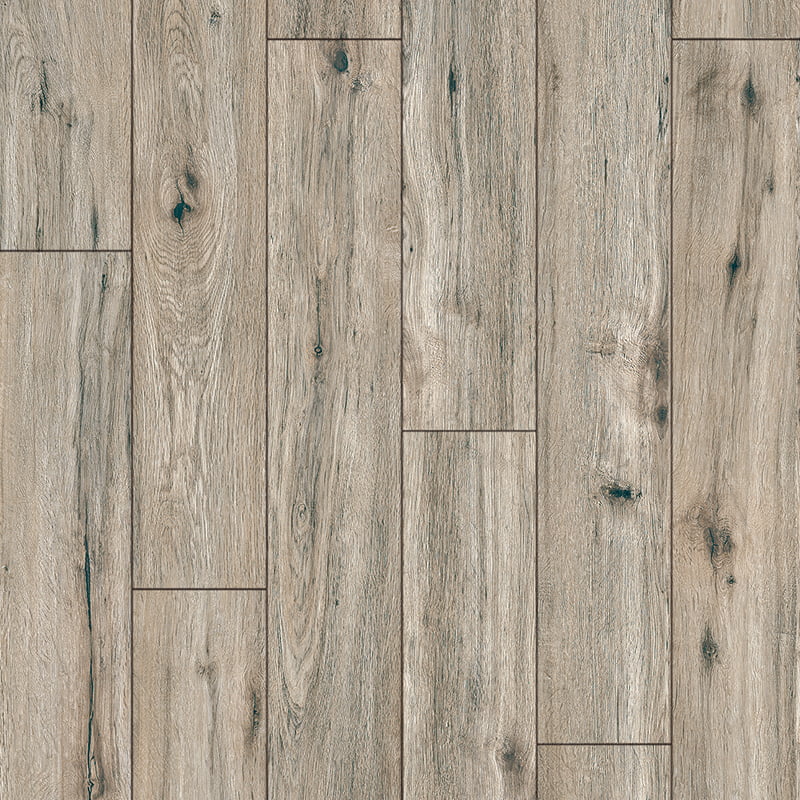
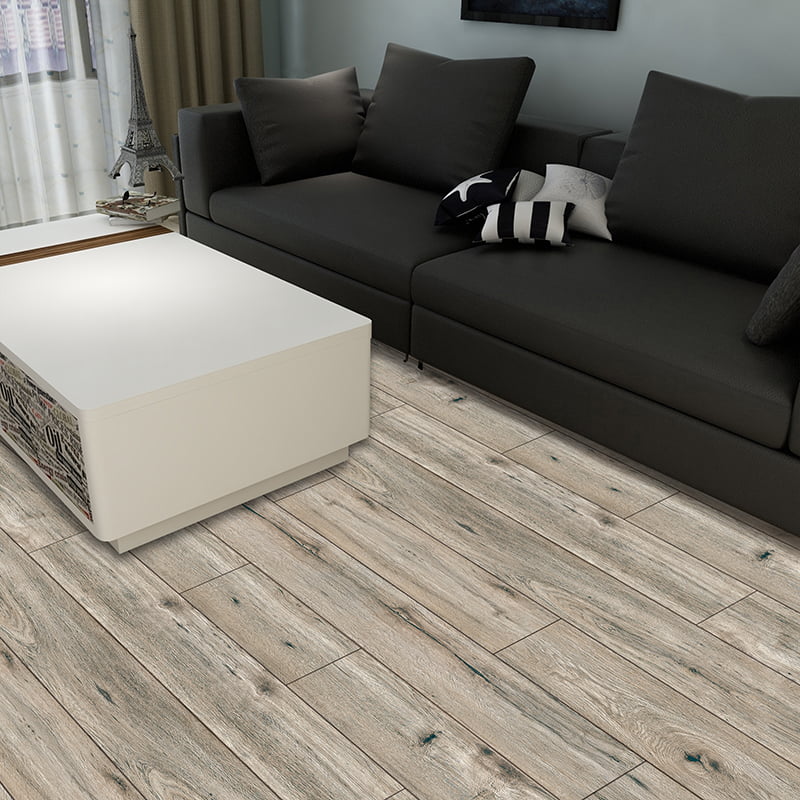
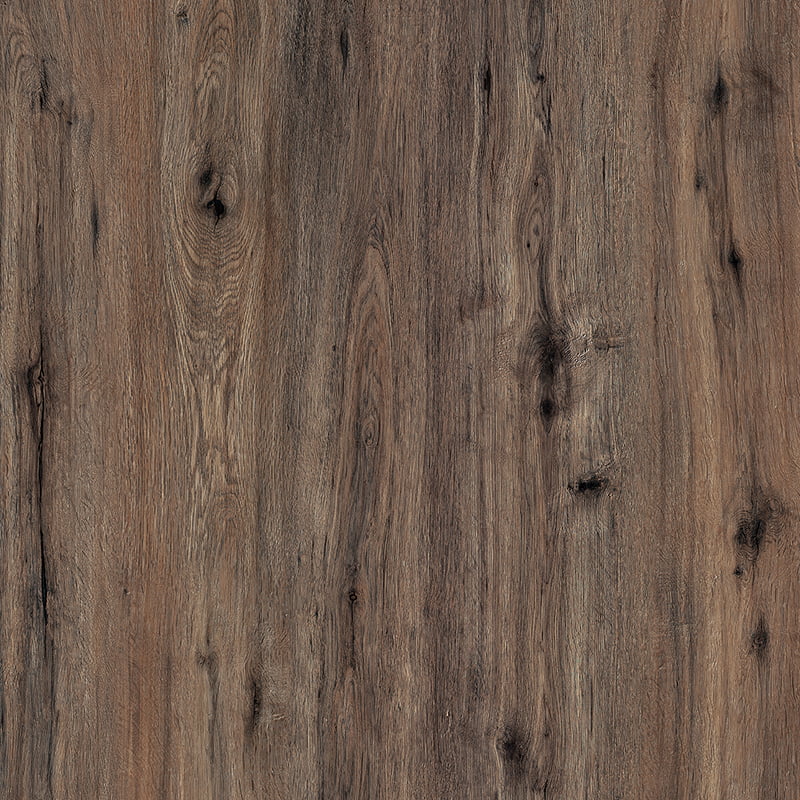
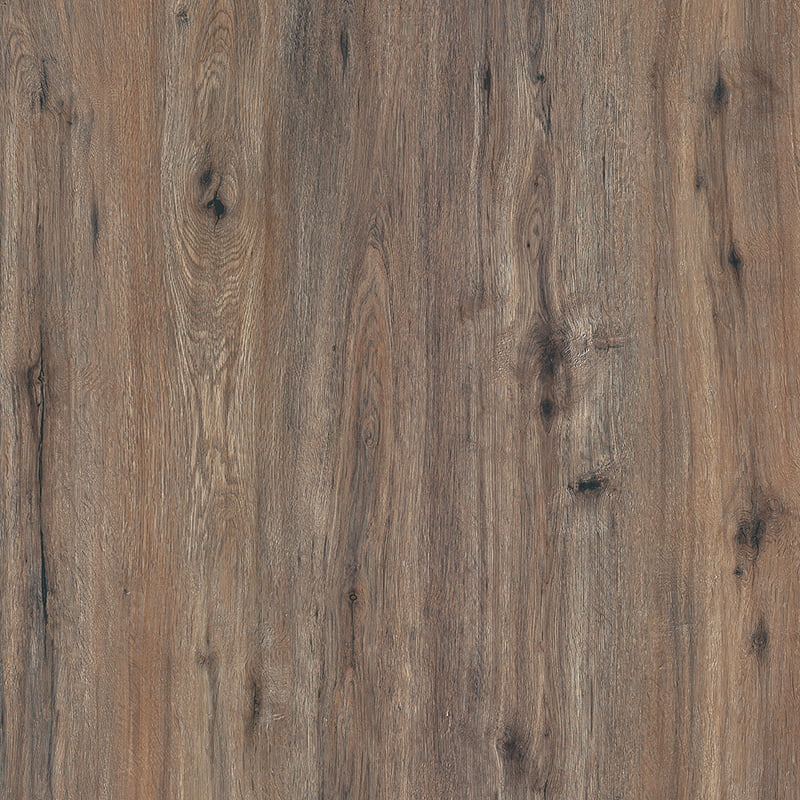
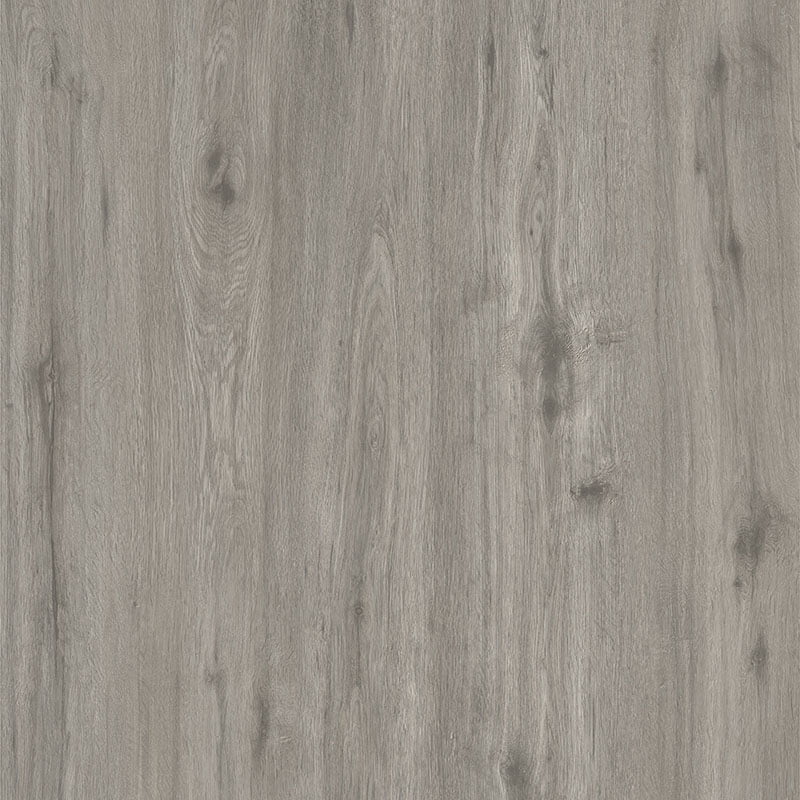
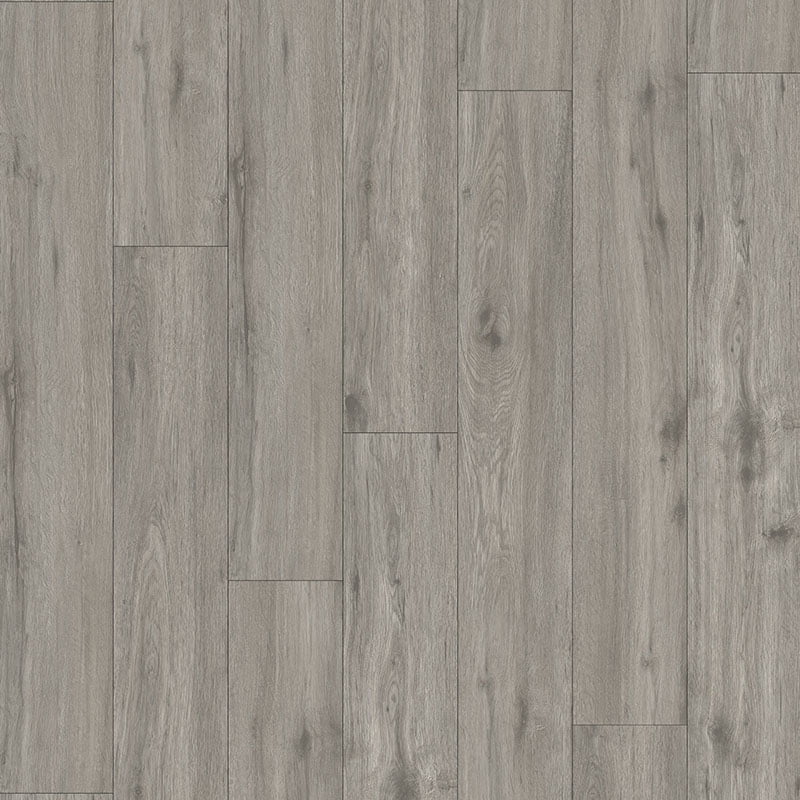
Model: YC828
Wood: Oak
Spec: 1000*1270mm
Single chip size: 7.25*48"
Transform Your Space with Pine Decorative Film Pine decorative film is a versatile, self-adhesive surfacing material des...
View MoreIntroduction: Why Hickory Decorative Film? Hickory Decorative Film is a high-quality PVC or vinyl surface material desig...
View More1. Material Properties and Process Advantages Oak Decorative Film is essentially a thin layer made of high-quality PVC o...
View MoreWhat is Wood PVC Film? Wood PVC Film is a type of decorative plastic film that mimics the appearance of natural wood. Ma...
View MoreUnderstanding the Composition and Durability of Wood Grain Decorative Film Wood grain decorative film is a multi-layered...
View MoreIn the production of high-quality PVC color film, ink adhesion is the most critical factor for ensuring long-term durability. The surface tension of the base PVC film must typically be maintained above 38 dynes/cm to ensure that the decorative patterns do not delaminate during the subsequent vacuum suction or lamination processes. At our Vietnam facility, we utilize advanced corona treatment technology to stabilize this surface energy, ensuring that every meter of film meets our rigorous "responsible for quality" philosophy. If the surface tension is too low, the ink stays on the surface rather than anchoring, leading to "ghosting" or peeling when the final decorative board is cut or shaped.
Beyond surface tension, the chemical compatibility between the pigment carriers and the PVC resin is vital. We use specialized solvent-based inks that slightly "bite" into the PVC substrate, creating a fusion bond. This is particularly important for our stone and wood grain series, where deep color saturation is required. By refining our production technology over years of research, we have mastered the balance between ink drying speeds and film winding tension to prevent blocking, ensuring that the intricate details of the printed decorative film remain crisp from our factory to your production line.
Choosing the right grain type involves more than just aesthetics; it involves understanding the physical layer depth and light refraction of the printing film. Different grains require specific printing cylinder depths to achieve a realistic 3D effect. Our team can cooperate with you to develop and design new products as a special edition, tailoring these technical parameters to your specific market needs. The following table highlights the technical differences between our primary grain categories:
| Grain Category | Cylinder Engraving Depth | Primary Application | Visual Characteristic |
| Wood Grain | 35-45 Microns | Cabinetry & Furniture | High-definition texture |
| Stone Grain | 40-55 Microns | Wall Panels & SPC Flooring | Matte/Glossy Mineral Look |
| Carpet Grain | 25-35 Microns | Commercial Flooring | Soft-touch visual depth |
Thermal shrinkage is a common challenge when applying PVC color film to substrates like MDF or particle board. If the film is not heat-stabilized during the printing process, it may shrink at the edges after lamination, exposing the substrate. We address this by utilizing multi-stage drying tunnels in our mass production lines in Vietnam, which pre-shrink the film under controlled tension. This ensures that when you apply the film in your facility, it maintains dimensional stability even under the high temperatures of a vacuum membrane press.
For products intended for international markets, UV resistance is a non-negotiable quality standard. Exposure to sunlight can cause "yellowing" of the PVC resin or fading of the organic pigments used in the printing process. At Changzhou Yunchang, we incorporate UV absorbers directly into the PVC base and use high-grade inorganic pigments for our export-quality series. This ensures that the color remains vibrant for years, reflecting our commitment to being "responsible for customers" regardless of their geographical location.
The selection of the protective topcoat or "wear layer" also plays a role in UV protection. By applying a specialized matte or gloss coating, we can block a significant percentage of UV radiation from reaching the printed layer. This technical approach is why our integrity and product quality have been widely recognized in the industry. We welcome you to visit our facilities for business negotiations to see these quality management systems in action.



Contact
 China Company Address: No.5 Zhaojia Road,
Vietnam Factory Address: GNP Yen Binh
1 - lndustrial Center (Lot CN13,CN18,Yen
Binh Industrial Park, Ward, Dng Tien, Ph8 Yen,
Thai Nguyen 24000)
Thailand Factory Address: 289/12 Moo 7, Klong Kiu Sub-District, Ban Bueng District, Chonburi 20220 THAILAND
China Company Address: No.5 Zhaojia Road,
Vietnam Factory Address: GNP Yen Binh
1 - lndustrial Center (Lot CN13,CN18,Yen
Binh Industrial Park, Ward, Dng Tien, Ph8 Yen,
Thai Nguyen 24000)
Thailand Factory Address: 289/12 Moo 7, Klong Kiu Sub-District, Ban Bueng District, Chonburi 20220 THAILAND
 Tel: +86-13685281168
+86-13813687178
Tel: +86-13685281168
+86-13813687178
 E-mail: [email protected]




 English
 русский