Content
Real stone has always been associated with luxury — marble countertops, slate feature walls, travertine flooring. But real stone is expensive, heavy, time-consuming to install, and demands ongoing maintenance. Stone decorative film has stepped in as a practical alternative that delivers the same visual impact at a fraction of the cost and effort. It's a thin, flexible material with high-resolution stone patterns printed on its surface, designed to be applied directly to existing surfaces without demolition or specialist labor.
What's driven widespread adoption isn't just the price point — it's how convincing modern stone grain film has become. Advances in digital printing and surface embossing mean that today's stone texture vinyl wraps replicate the depth, variation, and veining of natural stone with remarkable accuracy. In many interior settings, it's genuinely difficult to tell the difference at a glance. That combination of aesthetics and practicality is exactly why stone decorative film is showing up in kitchens, bathrooms, offices, and commercial spaces around the world.
Stone pattern adhesive film comes in several distinct categories, each suited to different surfaces and installation methods. Knowing the difference upfront saves you from choosing a product that won't perform the way you expect in your specific situation.
Marble is by far the most popular stone pattern in decorative film. It replicates the characteristic veining and tonal variation of natural marble — Carrara white, Nero Marquina black, Emperador brown, and many others. Marble decorative film is commonly used on countertops, bathroom vanities, wall panels, and furniture surfaces where the elegant look of marble is desired without the cost or fragility of the real thing. High-end versions include a subtle texture and a polished or satin finish that catches the light in a realistic way.
Slate and concrete-effect films suit industrial, modern, and minimalist interiors. Slate-pattern stone finish film typically features dark grey or charcoal tones with a slightly matte, rough-looking texture. Concrete-effect film mimics poured concrete with its characteristic tonal inconsistencies and fine surface detail. Both are popular for feature walls, kitchen backsplashes, and commercial reception areas where a raw, understated aesthetic is the goal.
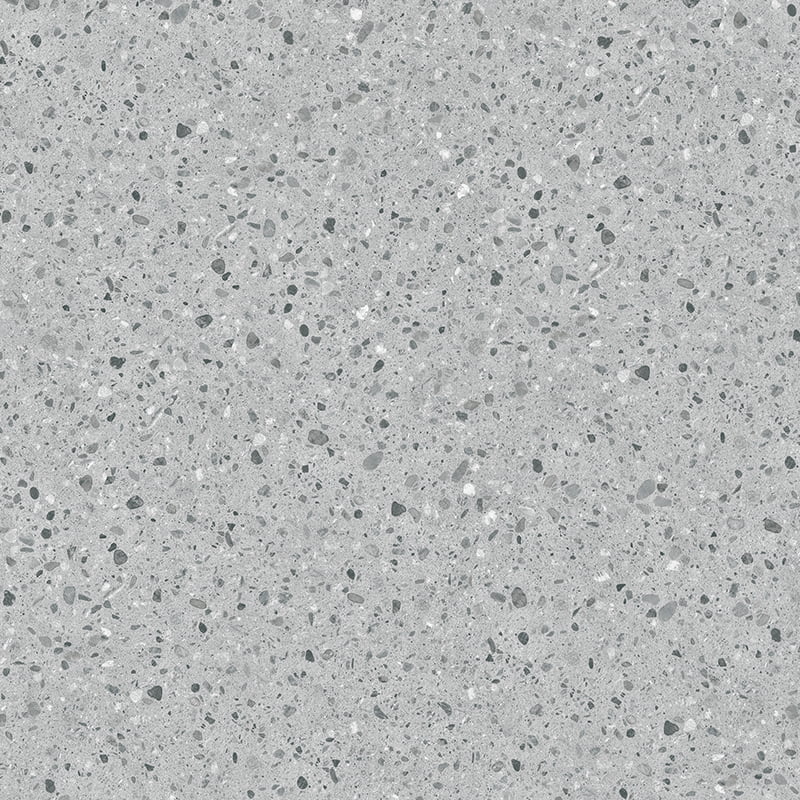
Granite stone decorative film replicates the speckled, crystalline appearance of natural granite in colors ranging from black and grey through to beige, pink, and blue-toned varieties. Quartz-effect film tends to have a more uniform pattern with subtle movement, similar to engineered stone surfaces. These patterns are especially popular on kitchen countertops and bar tops where a durable, sophisticated appearance is needed.
For warmer, more earthy interiors, travertine and sandstone stone grain films offer creamy beige, caramel, and terracotta tones with the characteristic pitted or layered texture of natural sedimentary stone. These patterns work well in Mediterranean, rustic, or transitional-style spaces and are commonly applied to wall panels, fireplace surrounds, and bathroom walls.
Stone texture vinyl wrap is versatile, but it performs best on smooth, stable, non-porous substrates. Understanding which surfaces work well — and which don't — helps you get a result that lasts.
The ideal base surfaces for stone pattern adhesive film include MDF panels, melamine-coated board, smooth plywood, metal sheets, glass, ceramic tiles, and pre-painted gypsum board. These surfaces provide a flat, non-absorbent base that allows the adhesive to bond evenly across the entire surface area. Rough, textured, or highly porous surfaces like bare concrete block or unfinished brick will not hold the film securely, and any surface irregularities will show through the film and detract from the final look.
One of the most practical uses for stone finish film is directly over existing tiles. Rather than ripping out old bathroom or kitchen tiles — a messy, expensive job — you can apply stone decorative film directly on top of the tile surface, instantly transforming the look. The key requirement is that the tile surface is clean, flat, and that the grout lines are shallow enough not to create obvious ridges under the film.
Real stone and stone grain film each have their place. The right choice depends on your budget, the surface involved, and how long you need the finish to last. Here's a direct, side-by-side comparison of the factors that matter most:
| Factor | Stone Decorative Film | Real Natural Stone |
| Material Cost | Low to moderate | High to very high |
| Installation Complexity | Simple, DIY-friendly | Requires specialist tradespeople |
| Weight Impact | Negligible | Significant structural load |
| Visual Realism | Very good with embossed types | Fully authentic |
| Moisture Resistance | High (sealed surface) | Varies — marble stains easily |
| Maintenance Needs | Minimal | Regular sealing and polishing |
| Lifespan | 5–15 years depending on quality | Decades with proper care |
| Removability | Fully removable | Permanent |
| Rental-Friendly | Yes | No |
For renters, short-term renovations, budget-conscious homeowners, or situations where the surface simply cannot bear the weight of real stone, stone decorative film is a clear winner. For permanent installations in high-traffic areas like flooring or exterior cladding, real stone's durability still holds an edge.
Not every roll of stone pattern adhesive film is built the same, and the technical specifications determine how long it will last and how good it will look. Before purchasing, pay close attention to these details:
Quality stone decorative film is typically composed of multiple layers: a protective topcoat, a printed decorative layer, a carrier film (usually PVC or polyester), and an adhesive layer with a release liner. Total thickness generally ranges from 0.12mm to 0.5mm. Thicker films are more resistant to tearing, conform better over minor surface irregularities, and provide better tactile depth. For countertops and high-touch areas, choose a film of at least 0.2mm thickness.
Stone finish film comes in gloss, satin, matte, and embossed finishes. Gloss finishes maximise the impression of polished marble or granite and reflect light well, but show fingerprints more readily. Matte and satin finishes suit slate, concrete, and sandstone effects and are more forgiving in high-touch areas. Embossed finishes add a physical texture layer that makes the surface feel as well as look like stone, significantly increasing realism and perceived quality.
The adhesive backing is what determines long-term bond strength. Look for an acrylic-based pressure-sensitive adhesive, which offers strong initial tack, good temperature resistance, and long-term stability. Cheaper films sometimes use lower-grade adhesives that yellow over time or fail in warm, humid conditions. Some premium stone grain films use air-release adhesive technology — tiny channels in the adhesive layer that allow trapped air to escape during application, making bubble-free installation much easier.
If the film will be installed near windows or in a kitchen environment, check that it carries a UV resistance rating and a heat tolerance rating. Standard indoor stone decorative film typically handles temperatures up to around 60°C, while specialist kitchen or exterior-grade film should tolerate higher temperatures. UV resistance prevents the pattern from fading and the film from becoming brittle when exposed to sunlight over time.
Careful preparation and methodical application are what separate a professional-looking result from a bubbled, misaligned mess. Stone pattern adhesive film is unforgiving of rushed work, but the process is entirely manageable if you follow each step properly.
Stone decorative film works across a wide range of residential and commercial applications. Understanding where it performs best — and where limitations apply — helps you plan your project realistically.
This is one of the most popular uses for stone grain film. Applying marble or granite-pattern film over existing laminate countertops gives a dramatic visual upgrade at minimal cost. For backsplash areas, stone texture vinyl wrap applied over existing tiles eliminates grout lines and creates a clean, continuous stone surface that's also much easier to wipe clean than grouted tile. Use a film with a polished or satin topcoat rated for kitchen environments.
Marble-effect stone decorative film is hugely popular in bathrooms, where the look of floor-to-ceiling marble creates a spa-like atmosphere. Applied to shower surround panels, vanity cabinet fronts, and wall panels around the basin area, it transforms a dated bathroom without any tiling or plastering. Choose a film specifically rated for high-humidity environments, and ensure all edges are sealed with a waterproof edge sealant after installation to prevent water ingress behind the film.
A fireplace surround wrapped in marble or slate-effect stone pattern film becomes a strong focal point in any living room. For feature walls, large-format concrete or travertine-effect stone finish film creates an architectural statement that would cost significantly more to achieve with real cladding. Use a heat-resistant film variant near actual heat sources, and always check the temperature tolerance specification before applying near a working fireplace.
Hotels, restaurants, retail stores, and office receptions regularly use stone decorative film on reception desks, partition walls, column cladding, and display surfaces. The ability to achieve a premium stone aesthetic quickly and cost-effectively, without structural reinforcement for heavy real stone, makes it ideal for commercial fit-outs where budgets and timelines are tight. Stone grain film can also be replaced relatively easily when branding or interior concepts change, making it a practical long-term choice for commercial environments.
Stone finish film is considerably easier to maintain than real stone, but it still benefits from regular care and some sensible precautions. The sealed surface doesn't absorb stains the way natural marble or travertine does, which is already a significant advantage — but the topcoat and adhesive can be damaged by improper cleaning or exposure to harsh substances.
For routine cleaning, a soft microfiber cloth dampened with warm water and a small amount of mild dish soap is all you need. Wipe in the direction of any surface texture, rinse with a clean damp cloth, and dry with a soft towel to prevent water marks. Avoid abrasive sponges, scouring pads, or powder cleansers — these scratch and dull the surface coating, removing the sheen that makes the stone effect look realistic.
Keep bleach-based cleaners, acetone, and solvent-based products away from stone grain film. These will degrade the topcoat and can cause the film to swell, discolor, or lift at the edges. For stubborn marks like dried food or adhesive residue, a small amount of isopropyl alcohol on a cloth applied gently is usually effective without damaging the film surface.
On countertop surfaces, always use cutting boards and trivets. While quality stone decorative film is reasonably scratch-resistant, direct knife contact will cut through the surface layer, and very hot cookware placed directly on the film can cause localized bubbling. These simple habits extend the life of the film significantly and keep it looking its best for years.
Stone decorative film projects fail for a fairly predictable set of reasons. Avoiding these common errors is the difference between a result you're proud of and one you'll want to redo within months.



Contact
 China Company Address: No.5 Zhaojia Road,
Vietnam Factory Address: GNP Yen Binh
1 - lndustrial Center (Lot CN13,CN18,Yen
Binh Industrial Park, Ward, Dng Tien, Ph8 Yen,
Thai Nguyen 24000)
Thailand Factory Address: 289/12 Moo 7, Klong Kiu Sub-District, Ban Bueng District, Chonburi 20220 THAILAND
China Company Address: No.5 Zhaojia Road,
Vietnam Factory Address: GNP Yen Binh
1 - lndustrial Center (Lot CN13,CN18,Yen
Binh Industrial Park, Ward, Dng Tien, Ph8 Yen,
Thai Nguyen 24000)
Thailand Factory Address: 289/12 Moo 7, Klong Kiu Sub-District, Ban Bueng District, Chonburi 20220 THAILAND
 Tel: +86-13685281168
+86-13813687178
Tel: +86-13685281168
+86-13813687178
 E-mail: [email protected]




 English
 русский