Oak has a way of making a room feel settled. Its grain is familiar, its color range is broad, and it works with both modern and traditional interiors. If you love that look but need a consistent, manufacturable surface, oak PVC decorative film is a practical option. It is a decorative PVC layer designed to reproduce the visual character of oak grain, and it can be applied to panels, profiles, and furniture components. In this guide, we will walk through what the material is, where it fits, how to choose a tone, and what to check before you order. We will keep the advice practical, because a beautiful sample only becomes a successful project when the film, substrate, adhesive, and pressing method work together.
Content
PVC decorative film is a thin surfacing material used to change or enhance the appearance of a substrate. The oak version carries a wood-grain design, usually with a printed pattern and an embossed texture that follows the grain. It is commonly applied to MDF, particleboard, plywood, and similar panel products through flat lamination, vacuum pressing, or profile wrapping. It is not a structural wood product; it is a visual and protective layer. The final result depends on the film formulation, substrate preparation, adhesive choice, and machine settings.
Within our wood-grain range, oak sits alongside hickory, pine, and walnut. Each has its own character. Oak is often the most versatile starting point because it can read pale and quiet, warm and traditional, or deep and contemporary depending on the tone and finish. Our oak designs are grouped in the wood-grain collection, which makes it easier to compare grain scale, color direction, and surface texture before requesting samples.
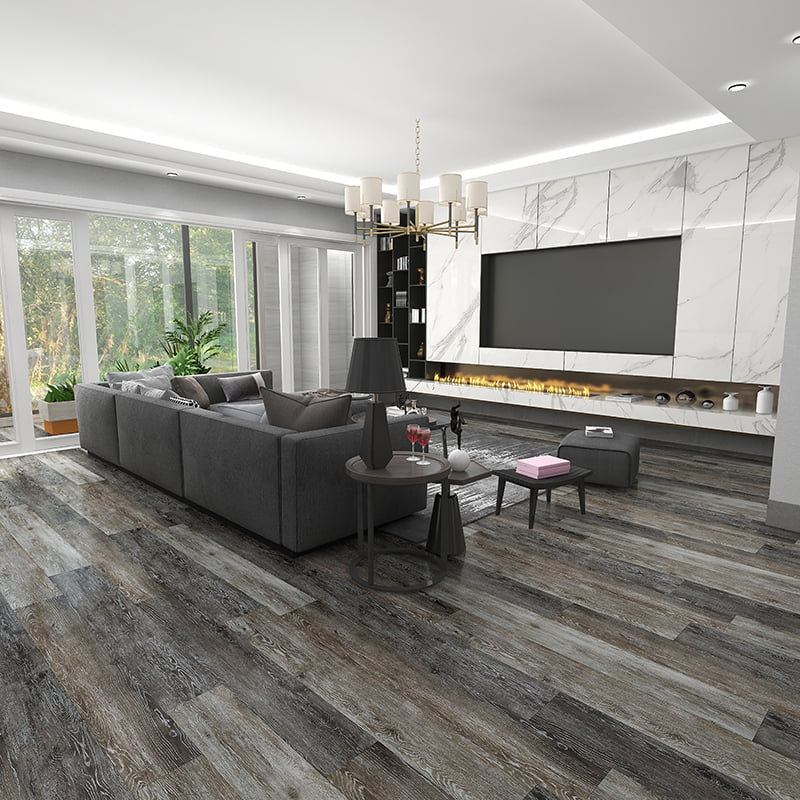 Oak Design Decorative Film CollectionBrowse oak-look film models and size formats for furniture and interior surfaces, comparing grain, colour direction and texture before requesting samples.View Product →
Because decorative films are sold by design and by roll, the first decision is usually visual: which oak? The second is technical: which film grade fits your process? Both matter, and it is worth discussing them together rather than choosing a color first and checking performance later.
Oak is familiar without being boring. Its grain has movement, but it does not usually overwhelm a space. Pale oak can give a light Scandinavian feel, honey oak adds warmth, smoked oak brings depth, and grey-washed oak can feel more urban and restrained. Because PVC film can reproduce fine grain and subtle pore texture, it also offers consistency across panels and batches. That consistency is a real advantage for furniture makers and interior contractors, especially when natural timber supply, color matching, and finishing time are concerns.
Oak also pairs well with other materials. It can sit beside stone, metal, painted surfaces, and textiles without fighting for attention. For a manufacturer, this makes oak a safe but flexible stock design. For a designer, it provides a wood note that supports the scheme rather than dominating it. The look is familiar enough to feel comfortable, yet varied enough to suit very different projects.
Oak PVC decorative film is commonly used on furniture and interior surfaces where a wood look is wanted without solid oak. Typical candidates include kitchen and wardrobe doors, cabinet fronts, drawer faces, shelving, office desks, door skins, wall panels, and retail fixtures. The film can be flat-laminated onto panels or wrapped around routed profiles, depending on the film grade and the equipment available.
It is also useful where matching across multiple elements matters. A reception desk, wall panel, and cabinet run can share the same oak tone without the natural variation that comes with timber. However, not every oak film is automatically suitable for every environment. Wet areas, high heat, direct sunlight, heavy abrasion, and exterior exposure demand specific performance checks. Ask for samples and test them on your actual substrate. A film that looks right in a brochure may behave differently under your press cycle.
| Surface | Why oak suits it | What to confirm |
|---|---|---|
| Cabinet and wardrobe doors | Adds warmth and a familiar wood note to large front panels | Substrate flatness, adhesive compatibility, edge sealing |
| Furniture tops and desks | Gives work and living surfaces a natural look without veneer | Abrasion resistance, cleaning method, surface finish |
| Wall panels and ceiling features | Creates visual continuity across large interior areas | Panel flatness, joint direction, lighting conditions |
| Profile-wrapped edges and frames | Follows curves and routed shapes with a wood-grain effect | Film elongation, corner stability, pressing temperature |
Oak is not one color. The same grain pattern can read pale and quiet, golden and traditional, deep brown, or grey and industrial. Start with lighting. A sample that looks soft in daylight can turn yellow under warm indoor light. View larger samples in the actual room or under your customer’s lighting. Check grain scale too: fine grain suits small panels and profiles, while bold grain gives large surfaces more character.
Finish matters as much as color. Matte and soft-touch surfaces reduce glare and feel contemporary; embossed textures catch light and add depth; smoother surfaces are easier to wipe. For high-use furniture, balance the look with practical cleaning. Always confirm the cleaning method recommended for the exact film. A shortlist of oak directions often helps:
If you are comparing oak with hickory, pine, or walnut, start from the full wood-grain collection and narrow the shortlist by grain scale, color temperature, and finish. That is usually faster than requesting dozens of unrelated samples.
Wood Grain Decorative Film RangeCompare wood-look PVC films across oak, hickory, pine and walnut, then check sample specifications and lamination details before production.View Product →Once you have chosen the look, move to the technical conversation. Ask for a sample of the exact design, not just a printed color card. Confirm the film thickness, width, roll length, and surface finish. Check whether the film is designed for flat lamination, vacuum pressing, or profile wrapping. Ask about adhesive compatibility, pressing temperature, and recommended storage conditions. These details are not paperwork; they are how you avoid a beautiful sample turning into a costly production problem.
For project work, consistency is critical. Ask how the supplier controls color and texture between rolls. Confirm the minimum order quantity, lead time, and packing method. If the film will be used on edges or curved parts, test elongation and cutting behavior. If it will be cleaned often, test the surface with the cleaning agents your customer is likely to use. It is also wise to confirm how the film should be stored before use, since heat, moisture, and direct sunlight can affect handling.
Our production base in Vietnam began mass production in September 2023, alongside our operations in Changzhou. That gives customers an additional supply option for PVC decorative film. Because we work with many oak, hickory, pine, and walnut designs, we can help compare tones, suggest a shortlist, and discuss custom development when a project needs a special edition rather than an existing catalogue design.
Good results begin with surface preparation. The substrate should be clean, dry, flat, and suitable for the chosen adhesive and process. For flat lamination, control glue spread, temperature, pressure, and line speed according to the supplier’s instructions. For profile wrapping, control tension and heat so the film follows the shape without stretching unevenly. After lamination, trim and seal edges properly, and allow finished panels to settle before stacking or machining.
For everyday care, use a soft cloth with mild soap and water, then dry the surface. Avoid abrasive pads, scouring powder, strong solvents, and bleach unless the film supplier confirms they are suitable. Wipe spills promptly. For stubborn marks, test a small hidden area first. In wet areas, ensure edges and joints are sealed and confirm that the film is actually specified for that use. Even a convincing oak effect depends on proper installation and realistic maintenance.
Start with use, not just color. Ask what the surface will face: hands, heat, water, sunlight, cleaning chemicals, or abrasion. Then choose the oak tone and finish that fits the space. Then verify the film grade and process. This order saves time. A warm oak film can be a wonderful choice for a wardrobe, a reception desk, or a wall panel, but the same film may not be right for a wet kitchen splashback unless it is designed for that condition.
If you are planning a project, we are happy to talk through the details. Send us your substrate, process, target look, and environment. We will help you narrow the oak options, arrange samples, and check the practical points before you commit to a roll. Good decoration is not only about a convincing grain; it is about a surface that still looks right after the project is finished, installed, and lived in.



Contact
 China Company Address: No.5 Zhaojia Road,
Vietnam Factory Address: GNP Yen Binh
1 - lndustrial Center (Lot CN13,CN18,Yen
Binh Industrial Park, Ward, Dng Tien, Ph8 Yen,
Thai Nguyen 24000)
Thailand Factory Address: 289/12 Moo 7, Klong Kiu Sub-District, Ban Bueng District, Chonburi 20220 THAILAND
 Tel: +86-13685281168
+86-13813687178
 E-mail: [email protected]




 English
 русский