Content
Marble decorative film, often simply called marble contact paper or self-adhesive marble vinyl, is a modern, budget-friendly material designed to mimic the luxurious look of natural marble. Think of it as a high-tech sticker or decal, but specifically engineered for resurfacing furniture, countertops, walls, and other smooth surfaces.
Despite its simple application, the film itself is a marvel of material science. It’s typically composed of three main layers, each with a specific function:
The outermost layer is usually made from Polyvinyl Chloride (PVC) or a similar durable plastic polymer. This layer is critical as it provides:
This layer, situated underneath the PVC, is what makes the film “self-adhesive.”
Before installation, the adhesive layer is protected by a release liner, typically a grid-lined paper.
Real marble is stunning, but it comes with significant drawbacks. Marble film addresses these issues directly, offering a practical alternative.
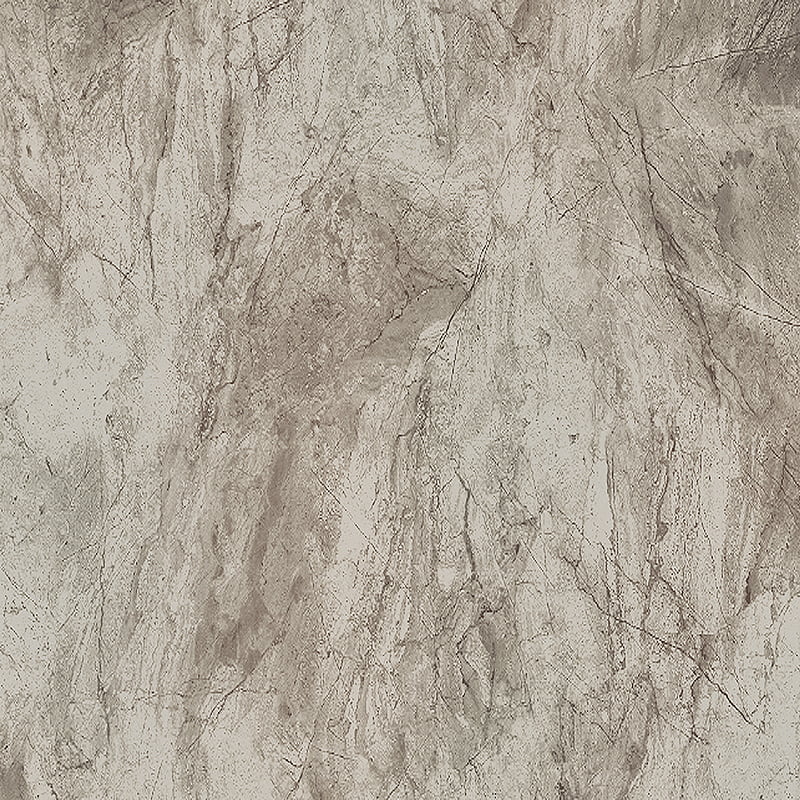
The most obvious advantage is cost. Real marble can cost hundreds of dollars per square foot, and its installation requires professional tools, labor, and time. In contrast, marble film is a fraction of the price and can be installed by an enthusiastic DIYer with just a utility knife, ruler, and smoothing tool (squeegee).
Marble film is incredibly versatile. It can transform:
It’s the perfect tool for a quick, impactful home renovation or upcycling project.
Achieving a flawless, bubble-free application is crucial for the film to look like real stone.
The success of the application depends entirely on the initial surface. It must be completely clean, dry, and smooth. Any dust, grease, or texture underneath will show through the film, compromising the look and the adhesion. A light sanding followed by a thorough cleaning is often recommended.
The film should be applied slowly and methodically. The best technique is to peel back only a few inches of the backing paper at a time and apply the exposed film, using a smoothing tool to push out any air bubbles as you go. This controlled process prevents the film from sticking unevenly or trapping large pockets of air underneath.



Contact
 China Company Address: No.5 Zhaojia Road,
Vietnam Factory Address: GNP Yen Binh
1 - lndustrial Center (Lot CN13,CN18,Yen
Binh Industrial Park, Ward, Dng Tien, Ph8 Yen,
Thai Nguyen 24000)
Thailand Factory Address: 289/12 Moo 7, Klong Kiu Sub-District, Ban Bueng District, Chonburi 20220 THAILAND
China Company Address: No.5 Zhaojia Road,
Vietnam Factory Address: GNP Yen Binh
1 - lndustrial Center (Lot CN13,CN18,Yen
Binh Industrial Park, Ward, Dng Tien, Ph8 Yen,
Thai Nguyen 24000)
Thailand Factory Address: 289/12 Moo 7, Klong Kiu Sub-District, Ban Bueng District, Chonburi 20220 THAILAND
 Tel: +86-13685281168
+86-13813687178
Tel: +86-13685281168
+86-13813687178
 E-mail: [email protected]




 English
 русский