Content
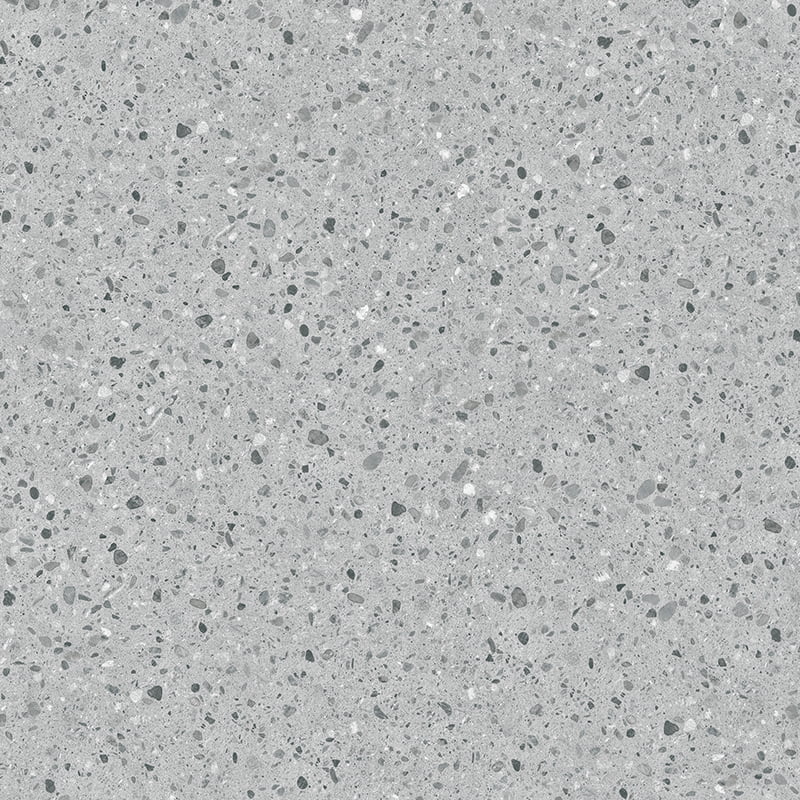
Terrazzo PVC film is a decorative self-adhesive or heat-activated vinyl film that replicates the look of traditional terrazzo — the classic composite flooring and surface material made from chips of marble, quartz, granite, or glass set in cement or resin. Real terrazzo requires skilled craftsmen, significant installation time, heavy substrate preparation, and a substantial budget. Terrazzo PVC decorative film delivers the same distinctive speckled, multi-toned aesthetic at a fraction of the cost and with none of the structural complexity, making it accessible for both residential renovation projects and commercial interior fit-outs.
The film itself is constructed from multiple layers: a printed design layer that reproduces the irregular chip-and-matrix pattern of authentic terrazzo in high resolution, a protective clear topcoat that provides scratch resistance and surface durability, and a pressure-sensitive or heat-activated adhesive backing covered by a peel-off release liner. Premium terrazzo pattern PVC film products also include a texture embossing layer that adds subtle surface dimension, making the visual effect even more convincing at close range. Thicknesses typically range from 0.08mm for thin decorative wrapping films to 0.25mm or more for heavy-duty surface protection films intended for furniture and flooring applications.
Where real terrazzo is permanently cast into a floor or surface and cannot be changed without demolition, terrazzo vinyl wrap film offers reversibility — it can be removed and replaced when design trends change or when the surface underneath needs to be accessed. This combination of authentic appearance, practical flexibility, and competitive cost has driven strong growth in demand for terrazzo PVC film across interior design, retail fitout, furniture manufacturing, and DIY home renovation markets worldwide.
Terrazzo PVC film is one of the most versatile surface treatment materials available today. Its compatibility with a wide range of substrates and its ability to transform the appearance of almost any flat or gently curved surface has led to an enormous variety of application contexts in both residential and commercial settings.
One of the most common uses for terrazzo pattern PVC film is refreshing or redesigning furniture surfaces without replacement. Tabletops, desk surfaces, dresser tops, cabinet doors, drawer fronts, and wardrobe panels are all excellent candidates for terrazzo vinyl film application. The film adheres cleanly to laminate, MDF, wood, glass, and metal furniture surfaces, instantly updating tired or dated pieces with a contemporary terrazzo aesthetic. In commercial settings such as cafés, boutique retail stores, and hotel lobbies, terrazzo PVC film is frequently applied to built-in joinery and display counters to create the look of expensive stone or poured terrazzo at a fraction of the material and labour cost.
Terrazzo PVC film is widely used in kitchen and bathroom renovation projects as a cost-effective alternative to retiling or resurfacing. Applied to kitchen splashbacks, bathroom feature walls, vanity tops, and shower surrounds (where a waterproof film specification is selected), it delivers a dramatic transformation that can be completed in hours rather than days. The key requirement for wet-area applications is ensuring that the selected terrazzo PVC film product carries a waterproof rating and that all edges and joins are properly sealed to prevent moisture ingress behind the film. Some products are specifically manufactured for high-humidity environments with enhanced adhesive formulations that resist peel-back in warm, damp conditions.
Large-format terrazzo PVC film rolls are increasingly used to create accent walls, feature panels, and wainscoting effects in residential living rooms, dining areas, and commercial interiors. Applied to smooth plaster or drywall, the film can cover an entire wall surface seamlessly if wide-format rolls are used, eliminating the tile grout lines and surface variation that would be visible with ceramic terrazzo-look tiles. This approach is particularly popular in rental properties where permanent surface changes are not permitted and where the film can be removed cleanly at the end of a tenancy if a removable adhesive film specification is chosen.
Thicker, more durable grades of terrazzo PVC film — typically 0.18mm to 0.25mm or above — are suitable for floor surface applications in low-to-medium traffic areas. Applied over existing smooth floor surfaces such as existing vinyl, laminate, or sealed concrete, terrazzo floor film provides an instant aesthetic upgrade without the need to remove existing flooring. It is important to select a product with an anti-slip surface texture rating appropriate for the intended use area and to check the manufacturer's maximum foot traffic rating before specifying floor-grade terrazzo PVC film in commercial or high-use residential applications.
Thinner, conformable terrazzo adhesive PVC film is used in the consumer market to wrap and personalise small appliances, laptop lids, phone cases, plant pots, picture frames, and countless other decorative items. This application typically uses a thinner, more flexible film grade (0.08mm–0.12mm) that can conform to gentle curves and irregular shapes. The terrazzo pattern adds a fashionable, design-forward look to everyday objects and is frequently featured in lifestyle and interior styling content on social media platforms, driving significant consumer demand for small-format terrazzo film rolls and pre-cut sheets.
Not all terrazzo PVC films are the same, and the differences in specification between a budget product and a professional-grade film can be substantial. Checking the following specifications before purchasing ensures you select a product suited to the intended application and expected service life.
| Specification | Budget Film | Mid-Range Film | Premium Film |
| Total thickness | 0.08 – 0.10mm | 0.12 – 0.18mm | 0.20 – 0.30mm |
| Topcoat type | Basic gloss or matte | UV-resistant lacquer | Anti-scratch PU coating |
| Adhesive type | Standard permanent | Repositionable or permanent | Air-release / bubble-free |
| Water resistance | Water-resistant only | Waterproof (surface) | Fully waterproof + sealed edges |
| Heat resistance | Up to 60°C | Up to 80°C | Up to 100°C+ |
| Pattern repeat accuracy | Visible repeat every 30–60cm | Longer repeat (60–120cm) | Randomised / near-seamless |
| Expected service life | 1–3 years | 3–7 years | 7–15 years |
Terrazzo PVC film is available in gloss, satin, matte, and textured surface finishes. Gloss finishes are the most vivid and reflective, making the terrazzo chip colours pop with maximum contrast — they work particularly well on furniture and decorative surfaces where visual impact is the priority. Matte finishes reduce surface glare and give the film a more natural, stone-like appearance that is closer to unsealed real terrazzo. Textured finishes add a tactile quality that improves grip on floor applications and enhances the three-dimensional illusion of embedded chips and matrix material. Consider the lighting conditions and viewing distances in the intended application space when choosing between finish types.
Terrazzo PVC decorative film is available in a wide colour range that closely mirrors the palette of fashionable real terrazzo designs. Classic white or grey matrix with multi-coloured chips, pastel-toned matrix with tonal chips, black or dark charcoal grounds with contrasting fragments, and blush pink or sage green colourways inspired by contemporary interior design trends are all widely available from major suppliers. The scale of the chip pattern also varies — fine-chip (small aggregate) patterns suit smaller surfaces and tight spaces, while bold, large-chip patterns work best on expansive wall panels, large furniture pieces, or wide floor runs where the design can be appreciated at a distance.
Successful application of terrazzo vinyl PVC film depends on careful surface preparation, the right tools, and a methodical approach. Rushing or skipping preparation steps is the primary reason for bubbles, lifting edges, and poor adhesion — all of which are easily avoided with the right technique.
Clean the application surface thoroughly with isopropyl alcohol to remove all grease, dust, silicone residue, and wax. Even invisible finger oil can prevent the adhesive from bonding correctly, so handle the cleaned surface with gloves or avoid touching it after cleaning. Inspect the surface for chips, cracks, bubbles in existing laminate, or raised grain in wood — any surface irregularities will telegraph through the film and remain visible after application. Fill or sand any defects before proceeding. The surface must be completely dry; applying terrazzo PVC film to a damp surface will cause immediate adhesion failure. Allow at least 30 minutes after cleaning before beginning application.
Measure the surface to be covered and cut the terrazzo PVC film to size, adding at least 20–30mm of overhang on each edge to allow for trimming after application. For surfaces with internal corners, cut separate pieces for each section rather than attempting to wrap the film around a 90-degree internal corner — this almost always results in creasing. For external corners, the film can be wrapped around edges of up to approximately 5mm radius on thinner grades, but sharp right-angle edges should be mitred with two overlapping cuts for a clean result. When applying multiple strips side by side to cover a large surface, plan the pattern matching carefully before cutting to ensure the terrazzo chip design aligns across joins.
For smaller surfaces (furniture tops, cabinet doors, small wall panels), the dry application method is usually quickest and most practical. Peel back a small section of the release liner, align the film carefully with one edge of the surface, press down the exposed section firmly, then slowly peel the remaining liner while smoothing the film forward with a squeegee in one direction. Work from the centre outward to push air ahead of the squeegee rather than trapping it beneath the film. For very large surfaces such as full walls or large floor areas, the wet application method — spraying a light mist of soapy water onto the adhesive before positioning — allows the film to be slid into exact position before the adhesive sets, which is a significant advantage when perfect alignment is critical.
Small air bubbles can often be worked out by pressing firmly with a squeegee toward the nearest edge of the film immediately after application. For bubbles that remain after squeegeeing, use a fine pin or needle to pierce the centre of the bubble, press the air out through the pin hole, then smooth the film flat. The pin hole will be nearly invisible on a textured terrazzo film surface. Wrinkles in the film indicate that the film has been stretched unevenly during application. For small wrinkles, apply gentle heat from a hair dryer to soften the film, then re-stretch and smooth it flat with the squeegee before it cools. For large wrinkles covering significant areas, the section will generally need to be lifted and re-applied — this is far easier to do early in the application process before the adhesive has fully cured to the surface.
Once the film is fully applied and smoothed, trim the overhang using a sharp craft knife against a metal straight edge. For clean internal corner cuts, score lightly first and then cut through in a single smooth pass — multiple light passes with a blunt blade tear the film and leave ragged edges. On surfaces where the cut edge will be exposed (such as on a tabletop where the film terminates at the edge profile), press the trimmed edge down firmly and apply a thin bead of clear edge sealant if the product is to be used in a wet or high-traffic area to prevent the film from lifting from the trimmed edge over time.
One of the practical advantages of terrazzo PVC self-adhesive film over real terrazzo is the ease of surface maintenance. Real terrazzo requires periodic sealing, polishing, and careful cleaning to preserve its appearance; terrazzo PVC film needs only routine cleaning with appropriate products to maintain its surface finish and adhesion integrity.
For everyday cleaning, a soft damp cloth or microfibre cloth with warm water is sufficient for removing dust, fingerprints, and light surface soiling from terrazzo PVC film surfaces. For kitchen or dining surface applications where grease and food residue accumulate, a small amount of mild dish soap diluted in warm water cleans effectively without damaging the film surface or degrading the adhesive bond at the edges. Wipe the surface dry after cleaning to prevent water from pooling at edges or seams. Avoid leaving standing water on the film surface for extended periods, particularly near cut edges where the adhesive layer is exposed.
Several common household cleaning products are damaging to PVC film surfaces and should never be used on terrazzo decorative film. Abrasive cleaners and scouring pads will scratch the topcoat and dull the surface finish permanently. Solvent-based cleaners including acetone, paint thinner, white spirit, and bleach-based products can dissolve or discolour the film's topcoat and degrade the adhesive bond. Steam cleaners should also be avoided — the combination of heat and moisture can cause the adhesive to soften and the film to lift, particularly at edges and seams.
If a corner or edge of the terrazzo PVC film begins to lift — typically caused by moisture exposure, impact damage, or insufficient surface preparation at installation — it can usually be re-adhered using a small amount of contact adhesive or double-sided tape applied under the lifted section. Press the film flat with a warm squeegee or the back of a warm spoon, hold firmly for 60 seconds, and allow to cure for several hours before exposing the area to moisture or heavy use. Catching and re-adhering lifted edges early prevents the lifting from progressing along the seam and potentially requiring full section replacement.
Homeowners and designers considering a terrazzo aesthetic have three main options available to them. Understanding how each compares in practical terms helps identify which solution is most appropriate for a given project, budget, and timeline.
| Factor | Terrazzo PVC Film | Terrazzo-Look Tiles | Real Poured Terrazzo |
| Upfront cost | Low | Medium | Very High |
| Installation time | Hours | Days | Weeks |
| DIY-friendly | Yes | Moderate | No |
| Reversible / removable | Yes | With effort | No |
| Visual authenticity | Good | Very Good | Authentic |
| Durability (floor use) | Moderate | High | Exceptional |
| Suitable for rental / temporary use | Excellent | Poor | Poor |
| Weight added to substrate | Negligible | Moderate | Very Heavy |
The conclusion is clear: terrazzo PVC film is not a substitute for real terrazzo in high-traffic permanent installations, but for furniture, decorative walls, rental properties, temporary retail displays, and any application where reversibility or speed matters, it is by far the most practical and cost-effective way to achieve the terrazzo aesthetic.
Terrazzo PVC adhesive film is available from a wide range of suppliers, from large e-commerce platforms selling small consumer rolls to specialist architectural film distributors offering commercial-grade wide-format rolls for professional installation projects. Knowing what to look for when evaluating suppliers ensures you receive a product that performs as expected.



Contact
 China Company Address: No.5 Zhaojia Road,
Vietnam Factory Address: GNP Yen Binh
1 - lndustrial Center (Lot CN13,CN18,Yen
Binh Industrial Park, Ward, Dng Tien, Ph8 Yen,
Thai Nguyen 24000)
Thailand Factory Address: 289/12 Moo 7, Klong Kiu Sub-District, Ban Bueng District, Chonburi 20220 THAILAND
China Company Address: No.5 Zhaojia Road,
Vietnam Factory Address: GNP Yen Binh
1 - lndustrial Center (Lot CN13,CN18,Yen
Binh Industrial Park, Ward, Dng Tien, Ph8 Yen,
Thai Nguyen 24000)
Thailand Factory Address: 289/12 Moo 7, Klong Kiu Sub-District, Ban Bueng District, Chonburi 20220 THAILAND
 Tel: +86-13685281168
+86-13813687178
Tel: +86-13685281168
+86-13813687178
 E-mail: [email protected]




 English
 русский