Content
Stone grain PVC film is a decorative laminating film designed to replicate the natural texture and appearance of real stone, marble, or granite while being applied to a much lighter and more affordable base material. Typically laminated onto substrates like MDF, aluminum, steel, or PVC panels, this film gives products the rich, upscale look of natural stone without the weight, cost, or installation complexity that comes with actual stone slabs. It's widely used in doors, wall panels, furniture surfaces, cabinets, and even exterior cladding, offering designers and manufacturers a versatile way to bring a premium stone aesthetic into a wide range of applications.
The appeal of stone grain PVC film lies in its combination of realistic visual texture and practical performance benefits. Advances in printing and embossing technology have made it possible to create incredibly lifelike stone patterns, complete with subtle color variations, veining, and surface texture that closely mimics natural stone under both natural and artificial lighting.
Manufacturers and designers choose stone grain PVC film for several practical reasons beyond just aesthetics.
Stone grain PVC film is used across a wide range of industries thanks to its versatility and ability to bond well with different substrate materials.
One of the most popular applications for stone grain PVC film is interior doors and decorative wall panels. Applying the film to MDF or composite door panels gives homeowners and builders the elegant look of natural stone at a fraction of the cost, while keeping the door lightweight enough for standard hinges and hardware.
Furniture manufacturers frequently use stone grain PVC film on cabinet doors, countertops, and tabletops to achieve a marble or granite look without the added weight and cost of natural stone. This is especially valuable for furniture that needs to remain lightweight for shipping and assembly, such as flat-pack or modular furniture systems.
Stone grain PVC film is also laminated onto aluminum and steel profiles used in window frames, door frames, and architectural trim. This application combines the structural strength of metal with the decorative appeal of stone, making it a popular choice for both residential and commercial building exteriors.
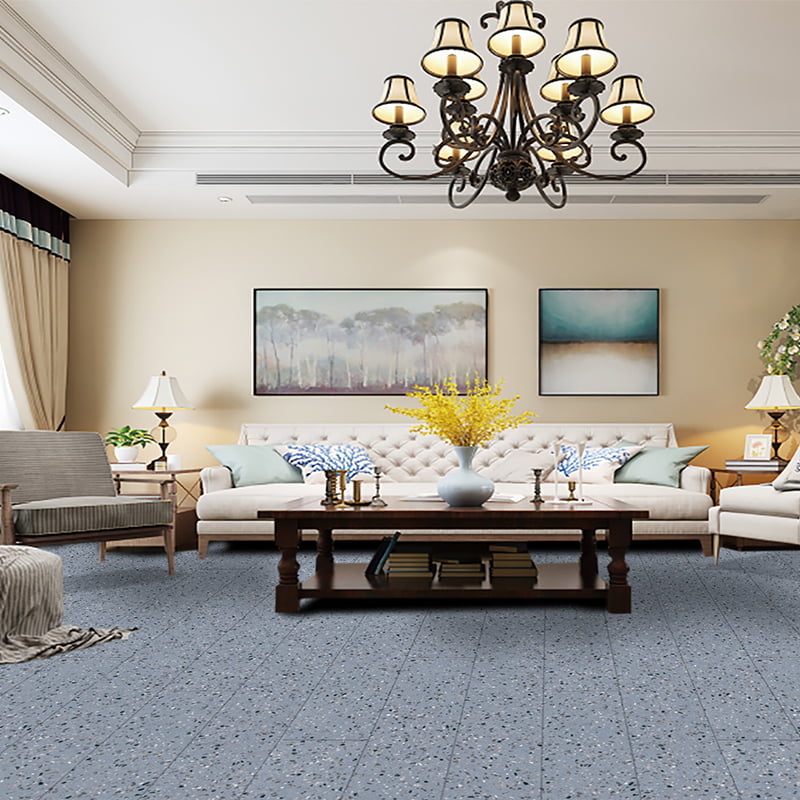
Understanding how stone grain PVC film stacks up against other surface finishing options can help you decide if it's the right choice for your project.
| Feature | Stone Grain PVC Film | Natural Stone | Painted Finish |
| Weight | Very Light | Heavy | Very Light |
| Cost | Low to Moderate | High | Low |
| Installation Complexity | Simple | Complex | Simple |
| Visual Realism | High | Authentic | Low |
| Maintenance | Low | Moderate to High | Moderate |
The application process for stone grain PVC film typically involves a few key steps to ensure a smooth, bubble-free finish that lasts. First, the substrate surface must be properly cleaned and prepped, removing dust, oils, or any surface imperfections that could show through the film. Next, an adhesive is applied either to the film or the substrate, depending on the lamination method being used, followed by careful alignment of the film to match panel edges and any pattern continuity requirements. Heat and pressure are then applied using specialized lamination equipment, which activates the adhesive and helps the film conform tightly to the substrate's surface, including any contours or edges. Finally, edges are trimmed and finished to create a seamless appearance, and in many cases, a protective topcoat is added to enhance scratch and moisture resistance.
When selecting a stone grain PVC film, it's important to consider a few key factors beyond just the visual pattern.
Thicker films generally offer better resistance to scratching, denting, and wear, making them a better choice for high-traffic applications like doors and countertops, while thinner films may be suitable for lower-impact decorative uses.
If the film will be used in outdoor or high-sunlight applications, such as exterior cladding or window frames, choosing a UV-resistant formulation is essential to prevent fading or discoloration over time.
Not all stone grain PVC films bond equally well with every substrate. Confirming compatibility with your specific base material, whether it's MDF, aluminum, or steel, ensures a strong, long-lasting bond and prevents issues like peeling or bubbling down the line.
Stone grain PVC film offers an appealing combination of realistic stone aesthetics, lightweight construction, and cost efficiency that makes it a smart choice for a wide range of applications, from interior doors to architectural cladding. While it may not fully replicate the authentic feel of natural stone in every detail, its durability, ease of installation, and consistent visual quality make it an excellent alternative for manufacturers and designers looking to deliver a premium look without the weight and expense of quarried stone. By considering factors like film thickness, UV resistance, and substrate compatibility, you can select a stone grain PVC film that meets both the aesthetic and performance needs of your specific project.



Contact
 China Company Address: No.5 Zhaojia Road,
Vietnam Factory Address: GNP Yen Binh
1 - lndustrial Center (Lot CN13,CN18,Yen
Binh Industrial Park, Ward, Dng Tien, Ph8 Yen,
Thai Nguyen 24000)
Thailand Factory Address: 289/12 Moo 7, Klong Kiu Sub-District, Ban Bueng District, Chonburi 20220 THAILAND
China Company Address: No.5 Zhaojia Road,
Vietnam Factory Address: GNP Yen Binh
1 - lndustrial Center (Lot CN13,CN18,Yen
Binh Industrial Park, Ward, Dng Tien, Ph8 Yen,
Thai Nguyen 24000)
Thailand Factory Address: 289/12 Moo 7, Klong Kiu Sub-District, Ban Bueng District, Chonburi 20220 THAILAND
 Tel: +86-13685281168
+86-13813687178
Tel: +86-13685281168
+86-13813687178
 E-mail: [email protected]




 English
 русский