Content
PVC decor film is a flexible, self-adhesive or heat-applied material made from polyvinyl chloride that's used to cover and transform surfaces like furniture, doors, cabinets, and wall panels. Instead of tearing out old furniture or paying for expensive veneer replacements, homeowners and manufacturers alike are turning to PVC decor film as a fast, budget-friendly way to update the look of a space. The film comes printed with patterns that mimic wood grain, stone, marble, fabric textures, or solid colors, and it's engineered to bond tightly to substrates such as MDF, particleboard, metal, or glass.
What makes PVC decor film especially popular right now is its versatility. It's used in kitchen cabinet refacing, wardrobe doors, office furniture, wall cladding, and even vehicle interiors. Because it can be produced in nearly unlimited colors and textures, manufacturers use it to create consistent, high-end finishes at a fraction of the cost of real wood or stone.
Before deciding whether PVC decor film fits your project, it helps to understand exactly what advantages it brings to the table compared to paint, laminate, or natural materials.
Not all PVC decor film is made the same way, and choosing the right type depends heavily on the surface you're covering and the look you want to achieve. Below is a breakdown of the most widely used categories.
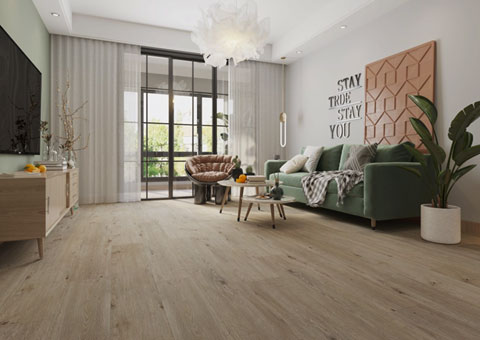
This is the most common type, printed to replicate oak, walnut, teak, or ash textures. It's frequently used on kitchen cabinets, wardrobe fronts, and office desks because it gives the warmth of real wood without the cost or maintenance demands of solid timber.
Solid color films are popular in modern minimalist interiors. Matte finishes hide fingerprints and light scratches better than glossy options, which is why they're a favorite for high-traffic furniture like kitchen islands and dining cabinets.
Designed to mimic natural stone, this type is often applied to countertops, backsplashes, and accent walls. It gives a luxury appearance while remaining far lighter and easier to install than actual marble slabs.
These films include embossed surfaces that replicate fabric weave, leather, or brushed metal. They're commonly used for statement furniture pieces or feature walls where tactile depth matters as much as visual pattern.
Applying PVC decor film correctly is what separates a professional-looking finish from a bubbled, peeling mess. Follow these steps carefully to get clean, lasting results.
Choosing between PVC decor film, laminate, veneer, and paint can be confusing without a side-by-side comparison. The table below breaks down the practical differences to help you decide which material fits your project and budget.
| Material | Cost | Installation Time | Water Resistance | Design Variety |
| PVC Decor Film | Low | Fast | High | Very Wide |
| High-Pressure Laminate | Medium | Moderate | Medium | Moderate |
| Wood Veneer | High | Slow | Low | Limited |
| Paint | Low | Slow (drying time) | Low | Moderate |
Picking the right film isn't just about color. Thickness, adhesive quality, and finish type all affect how well the film performs over time. Thicker films, typically between 0.15mm and 0.35mm, offer better durability and are more forgiving during application since they're less likely to tear or stretch unevenly. Thinner films are cheaper but require more careful handling.
Adhesive quality matters just as much as the printed pattern. A film with a strong, evenly distributed adhesive layer will resist peeling at the edges, especially in humid environments like kitchens and bathrooms. Always check whether the film is rated for the specific substrate you're using, since some adhesives bond better to wood-based boards while others are formulated for metal or glass.
Finally, consider the finish based on how the surface will be used. High-gloss PVC decor film looks striking but shows fingerprints and scratches more easily, making it better suited for low-touch areas like decorative wall panels. Matte and textured finishes hide daily wear better and are generally the smarter choice for cabinets, tabletops, and furniture that gets handled frequently.
Proper care extends the lifespan of PVC decor film significantly and keeps surfaces looking fresh for years. Follow these simple habits to protect your investment.
How long does PVC decor film last? With proper application and care, quality PVC decor film typically lasts 5 to 10 years, depending on usage intensity and exposure to sunlight or moisture.
Can PVC decor film be removed without damaging the surface underneath? Yes, in most cases the film can be peeled off using gentle heat to soften the adhesive, though some residue may need to be cleaned with adhesive remover afterward.
Is PVC decor film safe for kitchen use? Yes, most PVC decor films are heat-resistant to a reasonable degree and moisture-resistant, making them suitable for cabinets, though direct contact with very hot cookware should still be avoided.



Contact
 China Company Address: No.5 Zhaojia Road,
Vietnam Factory Address: GNP Yen Binh
1 - lndustrial Center (Lot CN13,CN18,Yen
Binh Industrial Park, Ward, Dng Tien, Ph8 Yen,
Thai Nguyen 24000)
Thailand Factory Address: 289/12 Moo 7, Klong Kiu Sub-District, Ban Bueng District, Chonburi 20220 THAILAND
China Company Address: No.5 Zhaojia Road,
Vietnam Factory Address: GNP Yen Binh
1 - lndustrial Center (Lot CN13,CN18,Yen
Binh Industrial Park, Ward, Dng Tien, Ph8 Yen,
Thai Nguyen 24000)
Thailand Factory Address: 289/12 Moo 7, Klong Kiu Sub-District, Ban Bueng District, Chonburi 20220 THAILAND
 Tel: +86-13685281168
+86-13813687178
Tel: +86-13685281168
+86-13813687178
 E-mail: [email protected]




 English
 русский