Content
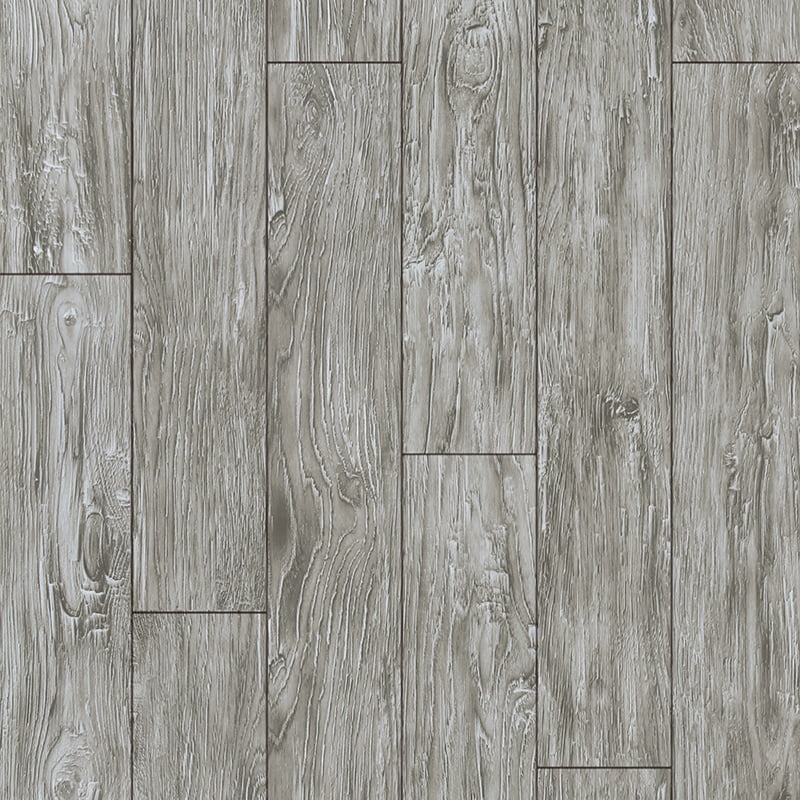
Hickory decorative film is a surface covering material printed or embossed to replicate the natural look of hickory wood — one of the most distinctive hardwoods known for its bold grain patterns, contrasting color tones, and rustic character. The film is typically made from PVC, PET, or other polymer-based substrates and is used to wrap, laminate, or overlay surfaces like furniture panels, cabinet doors, wall panels, flooring underlayers, and interior trim. The result is a surface that closely mimics the appearance of real hickory wood without the cost, weight, or maintenance demands of solid timber.
What sets hickory wood grain film apart from generic wood-look films is the authenticity of the pattern. Hickory is characterized by dramatic variation between the light sapwood and darker heartwood, irregular grain lines, and occasional knots or mineral streaks. High-quality hickory decorative films capture these features through advanced printing technologies — including rotogravure and digital printing — combined with embossing processes that add tactile texture to match the visual detail. The combination of visual and physical texture is what makes modern hickory vinyl film feel convincingly close to the real thing.
Understanding what hickory decorative film is made of helps you choose the right product for your specific application. Different base materials offer different performance characteristics, and not every film is suitable for every surface or environment.
PVC (polyvinyl chloride) is the most widely used substrate for hickory wood grain decorative film. It offers excellent flexibility, moisture resistance, and durability, making it suitable for furniture wrapping, cabinet facing, and wall panels. PVC films are available in both rigid and flexible grades, and they accept embossing well, which allows manufacturers to replicate the open-pore texture of real hickory grain. One consideration is that standard PVC films are not ideal for applications requiring very high heat resistance, such as surfaces near stoves or in direct sun exposure in hot climates.
PET (polyethylene terephthalate) films are thinner and harder than PVC, offering better scratch resistance and dimensional stability. They're commonly used in flat lamination applications for MDF or particleboard panels where a harder, more uniform surface is preferred. PET hickory decorative film tends to have a sharper, more consistent print quality and is often chosen for modern or commercial interior applications where a cleaner finish is desired alongside the warmth of a hickory look.
Though technically a paper-based product rather than a plastic film, melamine-impregnated hickory decorative paper is closely related and worth mentioning. It's pressed directly onto wood-based panels under heat and pressure, creating a hard, integrated surface. This is common in ready-to-assemble furniture and kitchen cabinet carcasses. The result is durable and cost-effective, though it's less flexible than film products and cannot be used for wrapping profiled or curved surfaces.
For more demanding applications, TPU (thermoplastic polyurethane) and ABS-based hickory films offer superior abrasion and chemical resistance. These are used in commercial furniture, high-traffic retail environments, and applications where the surface will be subjected to regular wear. They tend to be more expensive but provide significantly better longevity in tough conditions.
The versatility of hickory wood laminate film means it shows up across a wide range of residential and commercial applications. Here's a look at where it performs best and why it's chosen for those specific uses:
Hickory film is one of many options available when you want a wood-look finish on a manufactured surface. Understanding how it stacks up against alternatives helps in making the right decision for your project.
| Option | Appearance | Durability | Cost | Best For |
| Hickory Decorative Film | Very Realistic | Good–Excellent | Low–Medium | Furniture, cabinets, panels |
| Real Hickory Veneer | Authentic | Good | Medium–High | Premium furniture, flat surfaces |
| Melamine Paper (Hickory) | Good | Good | Low | Flat board panels, carcasses |
| Solid Hickory Wood | Authentic | Excellent | High | Flooring, structural millwork |
| Acrylic / UV Board (Hickory) | Stylized | Excellent | High | High-end kitchen cabinets |
Hickory decorative film occupies a sweet spot in this comparison — it delivers a convincing, textured appearance at a manageable cost, and it's far more flexible in terms of application than veneer or solid wood. For manufacturers and contractors working at volume, it's usually the most practical choice.
Not all hickory decorative films are created equal. There's a wide quality range on the market, and the differences become obvious once a product is installed and in use. Here are the specific quality markers worth examining before you commit to a product:
High-resolution printing is essential for a realistic hickory wood look. Low-resolution prints look flat and obviously artificial up close. Equally important is the pattern repeat length — the distance before the print tile starts over. Short repeat lengths create a visible, repetitive pattern across large surfaces, which immediately signals that the surface isn't real wood. Quality hickory decorative film should have a pattern repeat of at least 1.2 meters, and premium products often reach 2 meters or more, making repetition nearly imperceptible.
Embossing registration refers to how precisely the physical texture aligns with the printed grain pattern. When the raised texture lines up exactly with the printed grain lines, the film feels as realistic as it looks. Misaligned embossing — where the texture and print don't match — is a clear sign of lower manufacturing quality. When evaluating samples, run your finger along the surface and see whether the texture follows the grain lines printed beneath it.
Real hickory wood typically has a low to medium sheen, especially when brushed or matte-finished. A hickory film with an overly glossy surface tends to look plastic and cheap. Matte or satin finishes are more convincing and also tend to hide fingerprints and minor surface scratches better in everyday use. Some manufacturers offer a soft-touch finish, which adds a slight tactile resistance that feels closer to a waxed or oiled wood surface.
Film thickness matters depending on the application. For flat panel lamination, thinner films (0.10–0.20mm) are often sufficient. For membrane pressing on profiled cabinet doors, you need a more flexible film that can stretch and conform around curves and routed edges without cracking or creating visible stress marks. Always check manufacturer specifications and confirm the film is rated for your intended application method.
For surfaces exposed to daylight, UV resistance prevents the film from yellowing or fading over time. Scratch resistance is critical for table surfaces, flooring overlays, and any surface that sees regular physical contact. Ask suppliers for test data — specifically Taber abrasion test results and lightfastness ratings — rather than relying on general marketing claims.
Hickory film can be applied using several different methods, and the correct method depends on the substrate, the surface shape, and the production context. Using the wrong application method is one of the most common causes of adhesion failure or visual defects.
This is the standard method for applying hickory decorative film to flat MDF, plywood, or particleboard panels. Cold lamination uses pressure-sensitive adhesive film that's applied with a roller, while hot press lamination uses heat-activated adhesive and a hydraulic press for a stronger, more permanent bond. Hot press is preferred for production environments and delivers a more consistent result across large panels. Surface preparation is critical — panels must be clean, dry, and free of dust, oil, or surface irregularities before lamination.
Membrane pressing is used to wrap profiled surfaces — most commonly kitchen cabinet doors with routed or shaped edges. The substrate is coated with adhesive, the hickory film is placed over it, and a flexible membrane presses the film down under vacuum pressure, conforming it tightly to every contour. This method requires flexible film grades specifically formulated to stretch without tearing or whitening at the bend points. Temperature, adhesive type, and dwell time all need to be calibrated correctly for a clean result.
Profile wrapping is used to cover linear components like door frames, skirting boards, window profiles, and edge banding. The film is fed through a series of rollers that progressively fold it around the profile shape while adhesive bonds it in place. This method requires a compatible flexible hickory vinyl film and precise roller configuration to avoid creasing or gaps at corners.
Self-adhesive hickory decorative film — sometimes marketed as peel-and-stick wood grain film — is used for renovation and DIY applications. It's applied directly to existing surfaces like old cabinet doors, wall sections, or furniture panels without the need for additional adhesive or equipment. Quality varies widely in this category. Better products use air-release adhesive layers that allow repositioning during application and eliminate bubbles, while budget options tend to trap air easily and may lift at edges over time.
Hickory has a naturally bold and rustic personality, and using hickory decorative film effectively requires thinking about how it works with the broader design scheme rather than simply applying it wherever wood is needed.
Hickory grain film comes in a range of colorways — from light natural tones that emphasize the pale sapwood, to medium honey browns, to darker smoked or distressed finishes. The right choice depends on the surrounding palette. In kitchens with white or light gray countertops and walls, a medium natural hickory film on cabinet doors creates strong visual contrast and warmth. In darker, more moody interiors, a lighter hickory tone prevents the space from feeling too heavy.
Hickory's irregular grain and strong color variation means it pairs best with solid, relatively neutral surfaces rather than competing patterns. Pairing hickory film cabinets with a heavily veined marble countertop, for instance, can result in visual overload. Solid quartz, concrete, or matte stone surfaces complement hickory film well by providing a calm counterpoint to its busy grain.
One practical challenge with hickory decorative film is managing pattern continuity across adjacent panels. Unlike real wood, where grain flows naturally from board to board, film panels cut from the same roll will repeat at fixed intervals. For a more natural look, alternate panel orientation or use film products with long repeat lengths and deliberately randomized grain patterns. Some manufacturers offer matched-grain sets specifically designed for use in sequences of panels.
One of the practical advantages of hickory vinyl decorative film over real wood is the simplified maintenance routine. However, proper care still matters for preserving appearance over time.
With reasonable care, a quality hickory wood grain decorative film applied to a stable substrate should remain in good condition for 8 to 15 years in residential use, and 5 to 10 years in commercial settings depending on traffic intensity.
Whether you're a furniture manufacturer, a joinery shop, or a distributor sourcing hickory laminate film for resale, there are a few important considerations when evaluating suppliers and products.



Contact
 China Company Address: No.5 Zhaojia Road,
Vietnam Factory Address: GNP Yen Binh
1 - lndustrial Center (Lot CN13,CN18,Yen
Binh Industrial Park, Ward, Dng Tien, Ph8 Yen,
Thai Nguyen 24000)
Thailand Factory Address: 289/12 Moo 7, Klong Kiu Sub-District, Ban Bueng District, Chonburi 20220 THAILAND
China Company Address: No.5 Zhaojia Road,
Vietnam Factory Address: GNP Yen Binh
1 - lndustrial Center (Lot CN13,CN18,Yen
Binh Industrial Park, Ward, Dng Tien, Ph8 Yen,
Thai Nguyen 24000)
Thailand Factory Address: 289/12 Moo 7, Klong Kiu Sub-District, Ban Bueng District, Chonburi 20220 THAILAND
 Tel: +86-13685281168
+86-13813687178
Tel: +86-13685281168
+86-13813687178
 E-mail: [email protected]




 English
 русский